

Small Patio Tile Ideas: 20+ Designs for Compact Outdoor Spaces
Tile is one of the most practical—and visually impactful—choices for small patios. Designed to withstand the elements, outdoor-rated tile offers excellent durability against sun exposure, moisture, and temperature changes, making it a long-lasting surface for compact exterior spaces. Compared to other materials, it’s also relatively low-maintenance, requiring only routine cleaning and occasional sealing (depending on the material) to keep it looking its best.
Beyond performance, tile has a unique ability to visually expand a small footprint. Lighter tones, larger formats, and thoughtfully placed patterns can make a patio feel more open and cohesive, while minimizing visual clutter. Whether you’re aiming for a seamless indoor-outdoor transition or a distinct design moment, tile gives you the flexibility to enhance both function and perception in a limited space. Let’s explore 20 small porch tile ideas that can transform limited space into expansive design statements.
Ready to elevate your small patio? Explore our Gather Collection, designed for design-forward outdoor spaces.


Material Guide: Best Tiles for Small Spaces
Choosing the best tile for small patios is especially important where performance and visual impact go hand in hand. For example, what works in L-shaped or narrow patios is typically continuous flooring with directional tile layouts that guide movement and visually stretch the space without breaking it into smaller segments.
Porcelain is one of the most versatile patio materials, offering excellent durability, low porosity, and resistance to moisture, stains, and temperature changes. It comes in a wide range of finishes—from stone-look to concrete-inspired—making it easy to create a clean, cohesive surface that can visually expand a compact space. The main consideration is selecting a slip-resistant, outdoor-rated finish, but overall, porcelain performs well in all climates, including freeze-thaw conditions.
Terracotta brings a completely different feel, introducing warmth and natural variation that can make a small patio feel more inviting and grounded. Its earthy tones work especially well in softer, organic designs, but it does require sealing and more ongoing maintenance due to its porous nature. Similarly, cement tile is a strong choice for adding personality in a small footprint, with matte finishes that provide natural grip and a wide range of patterns that can create a bold design moment. Both materials offer rich character, but they come with a bit more upkeep than porcelain.
When it comes to climate, terracotta and cement tiles are best suited for warm, dry, or covered environments, as they can be more sensitive to moisture and freeze-thaw cycles if left exposed. Porcelain, by contrast, offers the most flexibility across conditions, making it a reliable option for a wide range of outdoor settings. Ultimately, the best small outdoor patio tiles balance durability, maintenance needs, and the overall look you want to achieve.
| Material | Pros for Small Patios | OUTERclé Fit |
|---|---|---|
| Porcelain | Seamless, expansive | Pemberley Pavers |
| Terracotta | Warm texture | Brickworks |
| Cement | Graphic patterns | Gather |
Small Porch and Patio Tile Inspiration
If you’re looking for porch and patio remodeling ideas, you’re in the right place. Many types of outdoor tiles bring durability and character to small porches and patios, holding up well to outdoor conditions while aging beautifully over time. Its natural variation and texture can also help visually expand compact spaces, adding depth and a more dynamic, layered feel.
1. Create a Feeling of Spaciousness with Large-Format Tiles
Large-format tiles are a smart solution for making small spaces feel more expansive and open. The broad surface area of these unheralded patio tiles for small spaces naturally reduces the number of grout lines, creating a smoother, less interrupted visual field—one of the most effective ways to visually “stretch” a compact patio or porch.
Check out these front porch tile ideas to get a sense of how to work with small and large spaces.
When installed with tight grout joints and in light, neutral tones, large-format tiles can reflect more light and draw the eye outward, enhancing the illusion of a larger footprint. Extending the same tile from indoors to outdoors, or running it in a consistent direction, can further reinforce that sense of continuity. Options like OUTERclé Pemberley Pavers exemplify this approach, offering a clean, cohesive surface that works across styles—from modern terraces to more rustic, natural settings.
2. Energize the Space with Geometric Patterns
Geometric patterned tiles bring bold visual energy to small porches and patios, turning compact footprints into statement-making spaces. Whether you opt for sharp chevrons, classic hexagons, or interlocking motifs, these dynamic designs add movement and personality without overwhelming. In tighter areas, they can also help define zones—subtly guiding the eye and giving structure to a small footprint.
Where every design choice counts, geometric patterns can serve as both flooring and focal point—eliminating the need for additional décor. Our Gather Collection is especially well-suited for small spaces, offering pattern, texture, and built-in visual interest in a single surface. We suggest choosing high-contrast tones for a graphic edge or softer, tonal variations for a more refined look, and letting the geometry shape the rhythm of your outdoor space.
3. Bring Brightness and Calm with Subtle Neutrals
Subtle neutral tiles offer a serene, light-enhancing foundation for small porches and patios, helping compact spaces feel open, airy, and more expansive. Light-toned porcelain tiles in soft greys, warm taupes, and sandy beiges are especially effective here—their low porosity and smooth, reflective surfaces bounce natural light around the space, visually stretching the footprint while maintaining durability outdoors. You‘ll also see this approach in stone porch tile ideas.
These understated tones also create a versatile backdrop for layering texture, from rustic wood furniture to potted greenery and woven accents (placing furniture on a small patio without blocking flow is about keeping walkways clear by tucking pieces to the edges or using scaled groupings that maintain openness and natural movement through the space). By grounding your design in gentle neutrals, you achieve a sense of cohesion and quiet elegance—letting the materials do the work of both expanding and elevating your exterior atmosphere.
4. Ground the Design with Warm Terracotta Tones
Warm terracotta tiles bring an earthy richness to small porches and patios, settling the space into a sense of timeless allure and Mediterranean warmth. Their natural clay tones—ranging from sunbaked orange to muted red—evoke a handcrafted authenticity that feels both rustic and refined. Collections like OUTERclé Brickworks highlight this look, offering a classic, brick-inspired format that works beautifully in compact outdoor settings. Terracotta also provides a naturally grippy surface, making it a practical option for areas exposed to water.
Perfect for pairing with lush greenery, weathered wood, or wrought-iron accents, terracotta infuses even the smallest spaces with character and soul. Its matte, often textured surface adds depth and a tactile quality that connects the design to its surroundings. For outdoor use, proper sealing is essential to protect against moisture and staining—helping maintain both performance and appearance over time.
5. Add Timeless Drama with a Checkerboard Layout
A checkerboard tile layout brings classic intrigue and graphic sophistication to even the smallest porch or patio. This bold pattern—especially in contrasting tones like black and white, or softened with warm neutrals—adds structure and rhythm, helping to visually organize and elevate a compact space. Using a contrasting grout can further define the pattern, sharpening the geometry and enhancing its impact.
It’s a timeless design that can lean traditional or contemporary depending on the materials and palette you choose. Whether part of natural stone patio design, rendered in cement, or finished with outdoor-rated ceramic, a checkerboard floor delivers tailored elegance with a hint of playfulness. For exterior use, be sure to select non-slip outdoor tiles to maintain traction underfoot, especially in wet conditions.
6. Create Cohesion with a Tonal Monochrome Palette
A tonal monochrome palette is a refined approach to small porch and patio design, creating visual harmony and a seamless flow that helps compact spaces feel more expansive and intentional. By layering subtle variations of a single hue—such as warm greys, sandy beiges, or soft terracottas—you introduce depth and movement without breaking up the surface. This continuity can visually extend the space, especially when carried from indoors to outdoors or across adjacent zones.
This approach also puts the focus on materiality, allowing the texture and finish of the tile to take center stage. Whether you choose matte stone, glazed ceramic, or natural stone like travertine outdoors, tonal variation brings quiet interest while maintaining cohesion. The result is a calm, elevated look that feels unified and effortless—well-suited to both modern and more traditional outdoor settings.

7. Use Contrast and Structure to Guide the Eye
Leveraging contrast and structure in your tile layout is a powerful way to direct the eye and shape the perception of space on a small porch or patio. Strategic juxtapositions—like darker field tiles framed with lighter borders, or patterned inlays outlined with clean edges—create movement and help define zones within a compact footprint.
Borders, in particular, are a smart design tool in small spaces. A simple perimeter border can “frame” the patio and make it feel more finished, while a contrasting band can subtly separate areas for dining, lounging, or pathways without adding physical barriers. You can also use directional layouts or grid-based patterns to guide the eye toward focal points like seating areas or garden views. Altogether, these structured details add an architectural layer that makes even the smallest outdoor space feel intentional and thoughtfully designed.
Explore artisan-crafted tiles that bring lasting beauty and bold design to patios and porches of any size.
8. Blur Boundaries with Seamless Transitions
Obscuring the border between indoor and outdoor living areas can make a small porch or patio feel larger, more open, and better connected to the home. Using the same—or closely complementary—tile indoors and out creates a seamless transition that visually extends the space and reinforces a cohesive design language.
Large-format tiles and continuous tonal palettes work especially well here, minimizing visual breaks and enhancing flow. Wood-look porcelain is another strong option, offering the warmth and familiarity of hardwood with the durability and weather resistance needed for outdoor use. When carried across thresholds or aligned in the same direction, it strengthens that uninterrupted, indoor-outdoor connection. This approach not only amplifies a sense of spaciousness but also introduces a refined, architectural quality—turning even compact outdoor areas into a natural extension of the home.
9. Introduce Rhythm and Texture with Herringbone Pattern
Installing a herringbone pattern on a small porch or patio is an interesting way to add both rhythm and texture. This classic layout draws the eye along its angled lines, subtly elongating the surface and making compact spaces feel more dynamic and considered.
Try slim bricks, wood-look tiles, or natural stone—herringbone brings a sense of craftsmanship and architecture. Beyond aesthetics, herringbone can also enhance traction underfoot—especially when using textured or matte finishes—making it a practical choice for outdoor areas. In smaller footprints, this added texture delivers both visual interest and functional grip, elevating the space with a balance of style and performance.
10. Combine Finishes for Layered Dimension
Combining different tile finishes on a small porch or patio creates a layered dimension that sets up depth and intriguing contrast to the area. Mixing matte and glossy surfaces—or pairing smooth tiles with more textured options—creates visual variation that feels intentional and refined. (Keep in mind that in sunny areas, lighter tones and matte finishes help reduce glare, while shaded spaces can handle deeper colors and richer or slightly more reflective finishes to add warmth and depth.) Tumbled or honed finishes are especially effective here, offering a softened, timeworn look with gentle texture that adds character while remaining comfortable underfoot.
This thoughtful blend can also help define zones and highlight architectural details, giving even compact areas a more curated, expansive feel. Beyond aesthetics, these varied finishes enhance tactile quality and can improve grip in outdoor settings, balancing style with everyday functionality.
11. Draw Focus with Intentional Pops of Color
Bringing in splashes of color on a small patio or porch is an impactful way to add personality without overwhelming the space. Mosaic accents work especially well here—a band of vivid blue tiles along a stair riser, a patterned corner in sunny ochre, or a slim row of emerald pieces framing a neutral layout can instantly create a focal point.
Strategic color placement adds energy and helps define the character of the space while preserving an open feel. Because mosaics introduce both color and texture, they’re ideal for highlighting edges, steps, borders, or small feature areas. In compact outdoor settings, these curated accents deliver a layered, custom look that feels lively, intimate, and distinctly personal.
12. Marry Function and Beauty with Textured Tiles
Textured tiles offer a stylistic merger of function and beauty for small porches and patios, providing eye-catching depth and practical slip resistance (here’s our take on the best floor tile for patios). From a subtly ridged, slip-resistant surface to a handcrafted, tactile finish, textured tiles add a dynamic layer that engages the senses while enhancing safety underfoot.
They help break up flat expanses and bring warmth and character to compact spaces, especially when paired with natural light and surrounding greenery. Look at rough-cut stone, weathered terracotta, or ribbed ceramic—the result is a grounded, inviting surface that feels considered and refined.
13. Elevate the Perimeter with Tiled Walls
Tiled walls transform small porches and patios into cohesive, design-forward spaces that feel curated and complete. They add dimension, drawing the eye upward and framing the area like a room without a roof. Check out rustic terracotta, classic subway, patterned porcelain, or artisan-glazed tiles—the vertical surface becomes a canvas for texture, color, and pattern.
This approach enhances the intimacy of small spaces while offering an opportunity to echo or contrast the flooring below. Extending tile from floor to wall—or using it selectively as a feature panel—can make compact areas feel more architectural and intentional. The result is a layered, immersive environment that seamlessly blends indoor sensibilities with outdoor living.
14. Create a Focal Point with Mosaic Tiles
Mosaic tiles are a powerful way to bring artistry and character to small porches and patios, acting as true small-area stars that instantly draw the eye. Whether traditional or contemporary, these intricate designs introduce a sense of craftsmanship and detail that elevates even the simplest outdoor setting.
Used as a central medallion, a framed border, a stair riser, or an accent wall, mosaics add layered texture, color, and subtle storytelling within a compact footprint. Their scale makes them especially effective in smaller spaces, where a focused design moment can have outsized visual impact without overwhelming the layout. In this way, a well-placed mosaic becomes more than decoration—it becomes the focal point that anchors and defines the entire outdoor zone.
15. Amplify the Pattern with Contrasting Grout Lines
Contrasting grout lines are a subtle yet powerful way to enhance tile patterns on small porches and patios. By emphasizing the shape and layout of each tile, bold grout choices—such as white grout with dark tiles or charcoal grout with pale tones—bring clarity to geometric patterns, grids, and directional layouts, making them feel more graphic and intentional.
In compact outdoor spaces, this technique can also help visually “map” the surface, adding structure and rhythm without introducing additional materials. Even simple tile designs gain a more dynamic, design-forward quality when the grout is used as a deliberate contrast rather than a background element. The result is a high-impact, low-effort detail that elevates the overall aesthetic while reinforcing the sense of thoughtful, space-conscious design.
16. Earthy Rustic Terracotta Mixes
Earthy rustic terracotta mixes bring organic warmth and lived-in character to small porches and patios, creating a surface that feels naturally varied rather than overly uniform. By blending multiple terracotta shades—ranging from sunbaked orange to deeper clay reds—you can avoid repetitive tone and introduce a more authentic, timeworn aesthetic that feels grounded and inviting in compact outdoor spaces.
Brickworks embraces this layered approach, offering subtle variation across each tile so the surface feels dynamic without becoming visually busy. This multi-shade strategy works especially well in small areas, where tonal variation adds depth and texture without relying on complex patterns, resulting in a warm, cohesive look that feels effortlessly organic.
17. Vertical Tile Accents on Walls
Vertical tile accents on walls are a powerful way to make small porches and patios feel taller, more open, and architecturally intentional. By extending tile upward from the floor or introducing full-height wall applications, you draw the eye vertically, creating the impression of added volume within a compact footprint.
This floors-to-walls continuity works especially well when using the same material or a closely related palette, reinforcing a seamless, cohesive design. It also allows the wall surface to act as an extension of the floor’s texture and tone, enhancing visual flow while subtly framing the space. The result is a more immersive outdoor environment where even limited square footage feels elevated, structured, and thoughtfully designed.
18. Radiant Glass Mosaic Inlays
Radiant glass mosaic inlays bring a luminous, light-responsive quality to small porches and patios, introducing a subtle shimmer that shifts throughout the day. Unlike more pattern-forward focal mosaics, these inlays are often used in a more restrained way—woven into floors, borders, or niches—to create moments of reflective interest without overwhelming the space.
Their ability to catch and scatter natural light makes compact outdoor areas feel brighter and more dynamic, adding a sense of movement even in stillness. Whether in soft coastal tones or richer jewel-like hues, glass mosaics offer a refined layer of texture that enhances both depth and atmosphere, elevating the space with a quiet, radiant glow.
19. Bohemian Hexagon Patterns
Bohemian hexagon patterns bring an eclectic, free-flowing energy to small porches and patios, offering a softer alternative to more rigid geometric or checkerboard layouts. The honeycomb structure naturally creates movement across the surface, while varied tones and finishes can introduce a layered, collected-over-time feel that suits more expressive outdoor spaces.
Unlike stricter grid-based designs, hexagon tiles allow for playful variation in color, scale, and direction, making them ideal for adding personality without overwhelming a compact footprint. Whether rendered in muted neutrals, sun-washed terracottas, or mixed artisanal glazes, bohemian hex patterns introduce rhythm, texture, and a relaxed sense of visual flow that feels both curated and effortless.
20. Curved Organic Shapes
Curved organic shapes introduce a softer, more fluid design language to small porches and patios, offering a welcome contrast to rigid grids and linear layouts. Gentle arcs and freeform tile arrangements help break up hard edges, creating a more natural, relaxed flow across compact outdoor spaces.
These shapes are especially effective in smaller footprints, where soft geometry can make the area feel less confined and more inviting. By guiding movement through subtle curves rather than straight lines, organic tile patterns add a sense of ease and artistry, resulting in a space that feels both distinctive and quietly harmonious.
Small porch tile ideas are all about maximizing impact within a limited footprint—and tile is one of the most effective tools for achieving that. The right surface choice can define your space, set a mood, and reflect your unique design sensibility. You’ll want durable, weather-resistant tiles for most applications, as this will simplify the process for cleaning outdoor tiles, but be sure to check usage guidelines before you buy. With thoughtful combinations of finish, pattern, and color, alongside these considered layout tips, even the smallest outdoor spaces can become refined extensions of your home—inviting, expressive, and beautifully tiled.
(May we suggest aligning your small porch aesthetic with your small driveway design? Check out these small driveway ideas.)
Transform your small porch or patio into a style statement. Design your elevated outdoor sanctuary with OUTERclé.


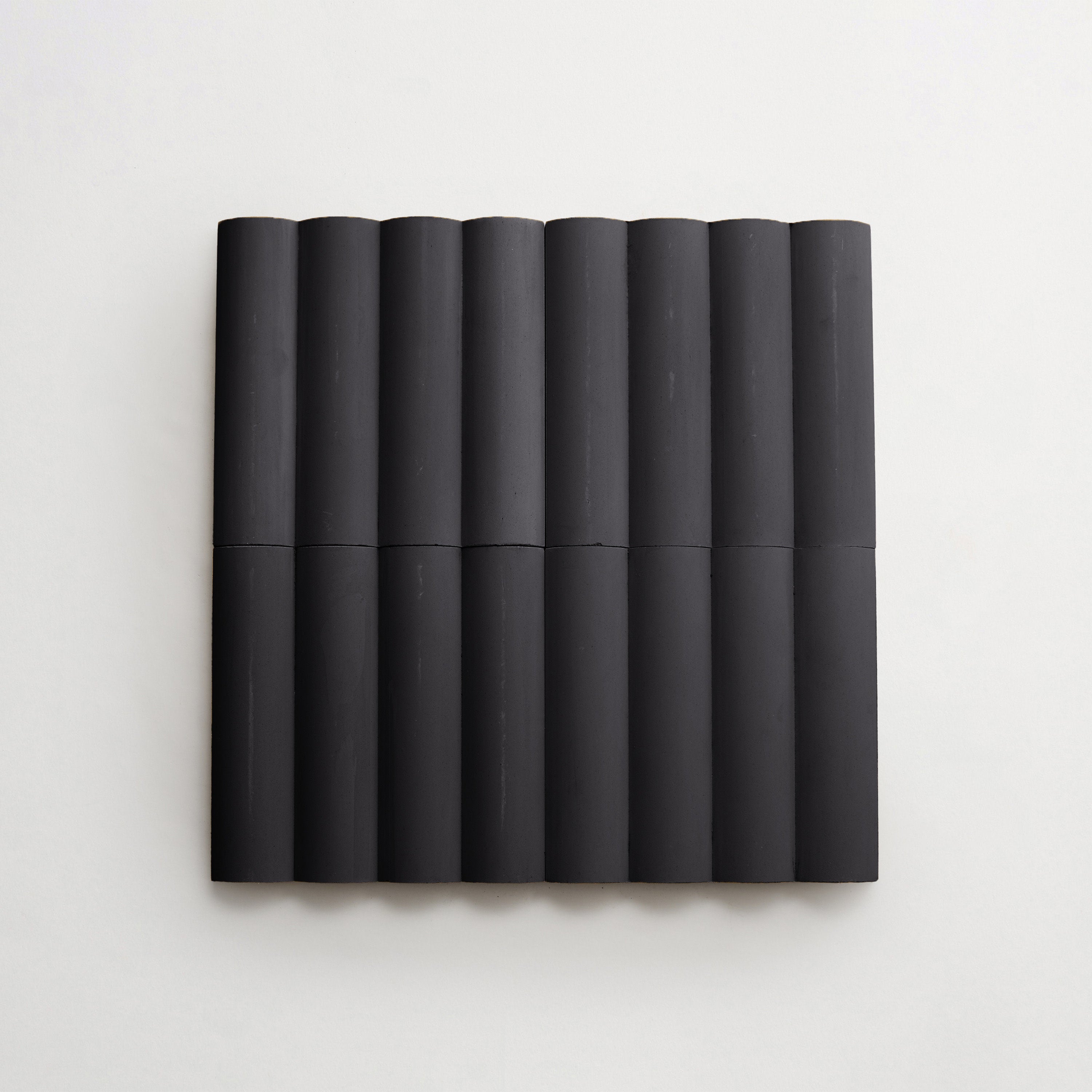
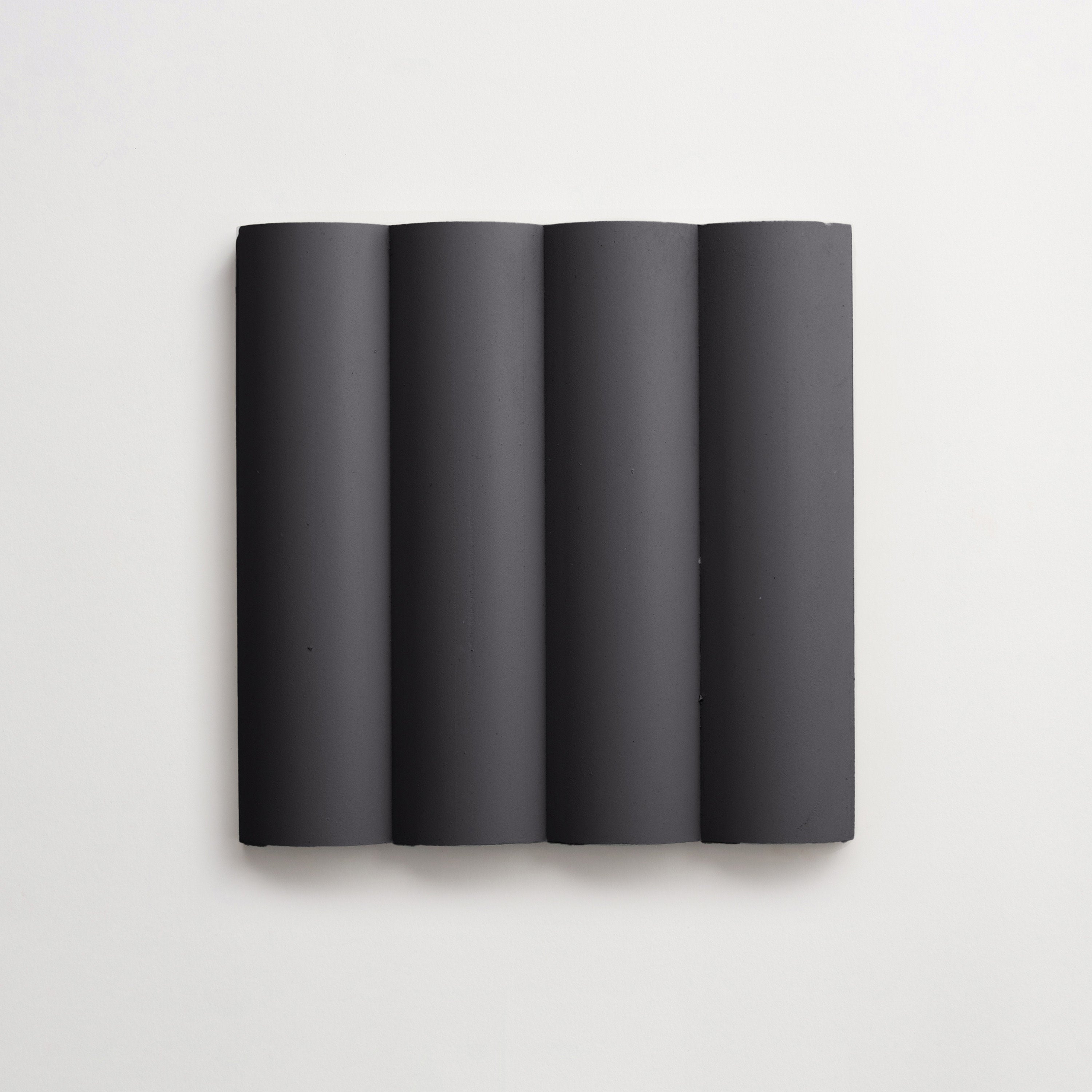
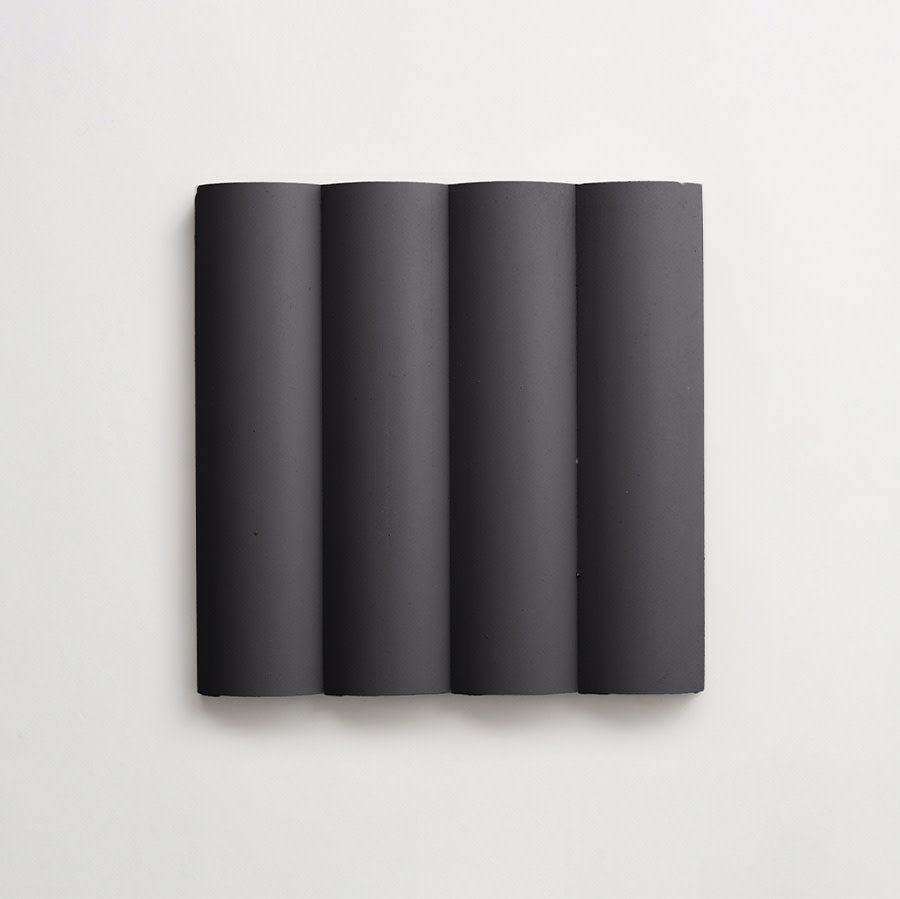
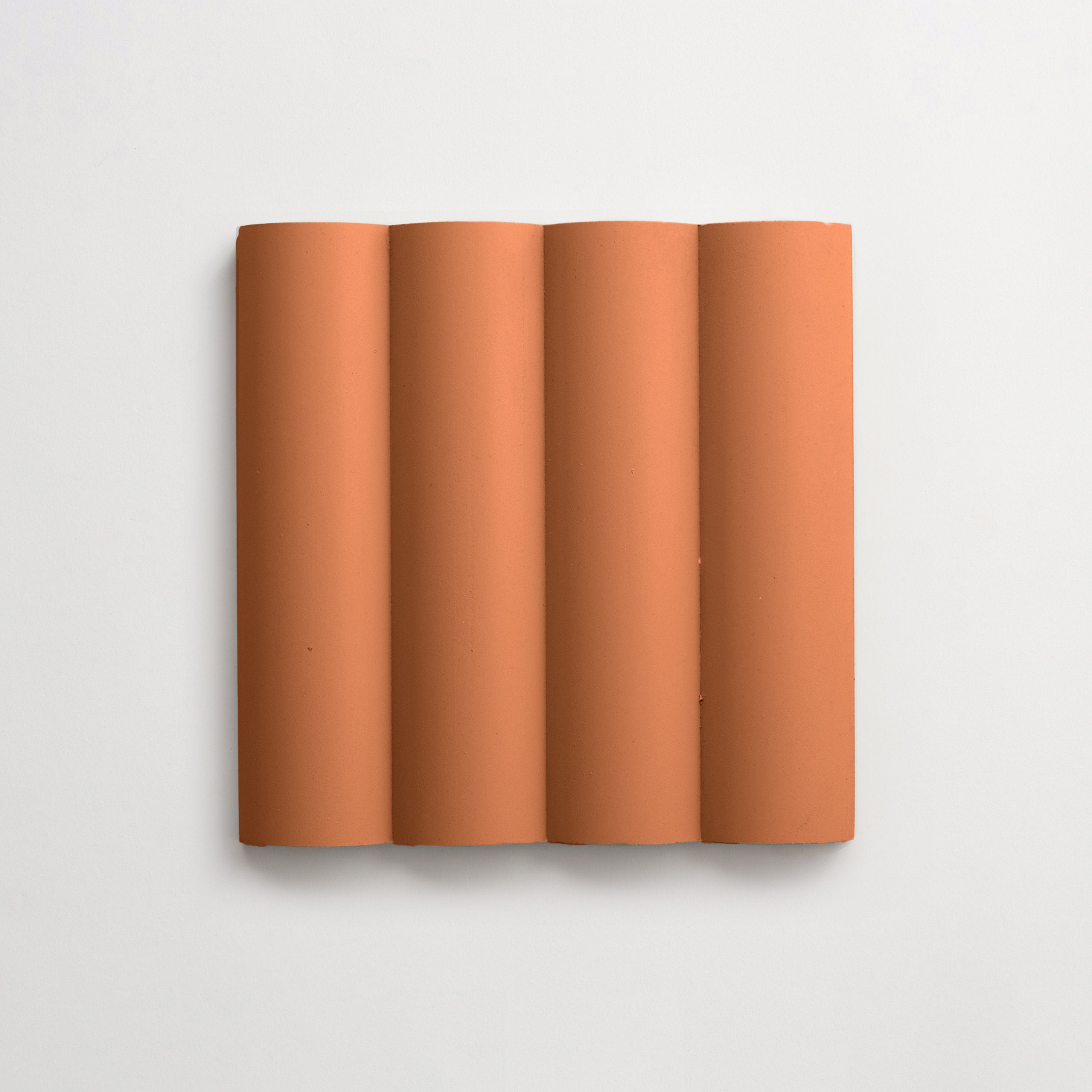
Colorway
-
Black
Collection
-
Cement Origami
:
Sub Collection
-
Cords
Material
Length
-
4
" x
Width
-
4
" x
Thickness
-
¼
"
Unit of Measurement
-
sqft
/
Price per Unit
$


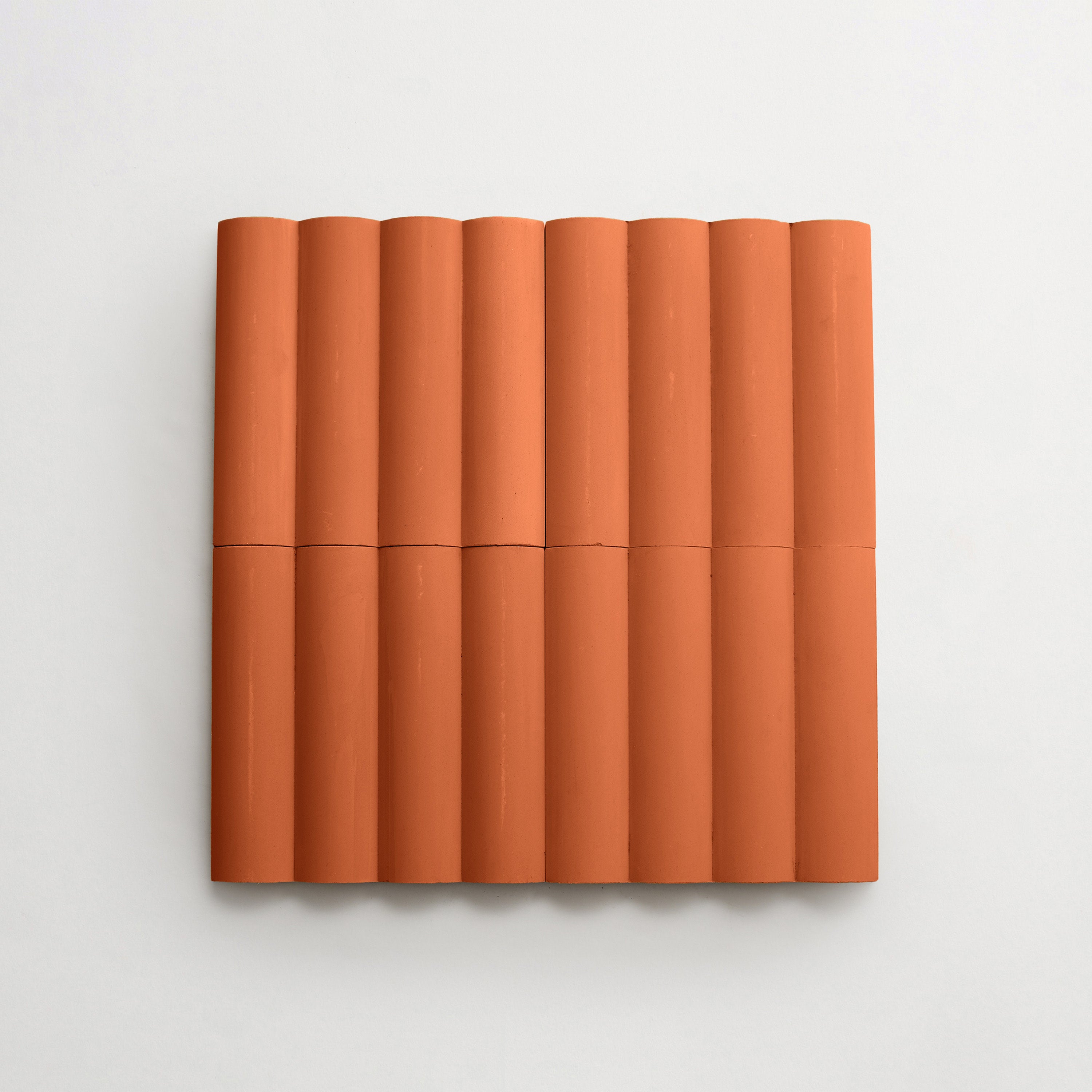
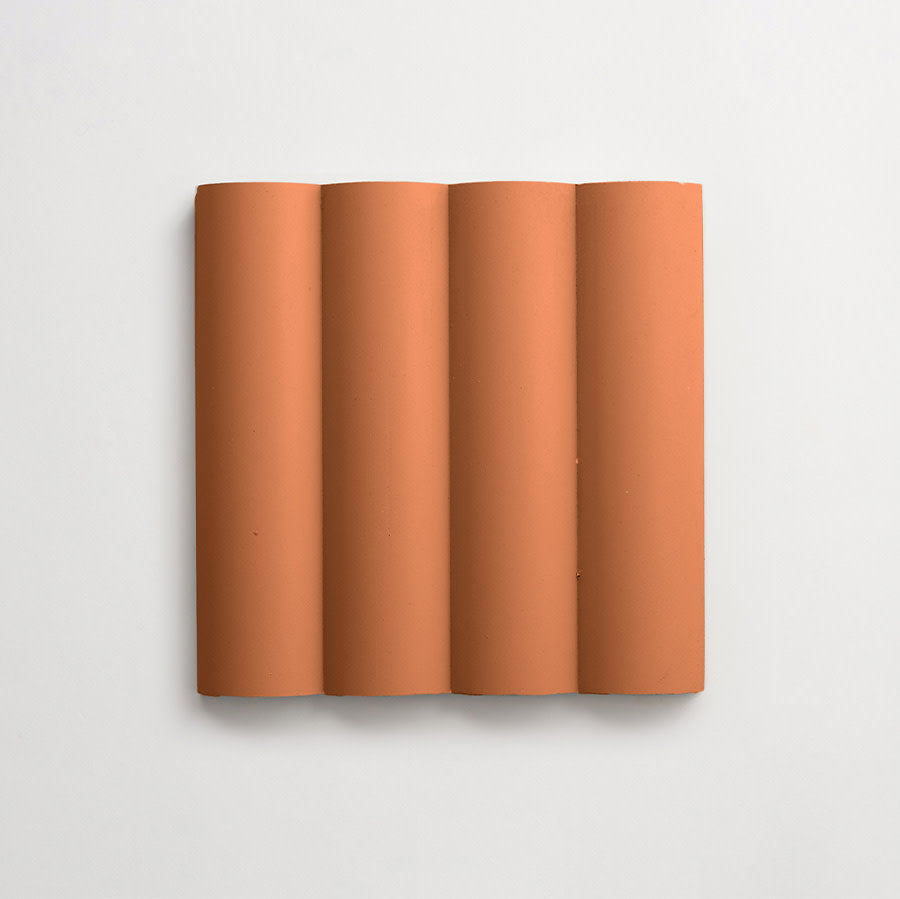
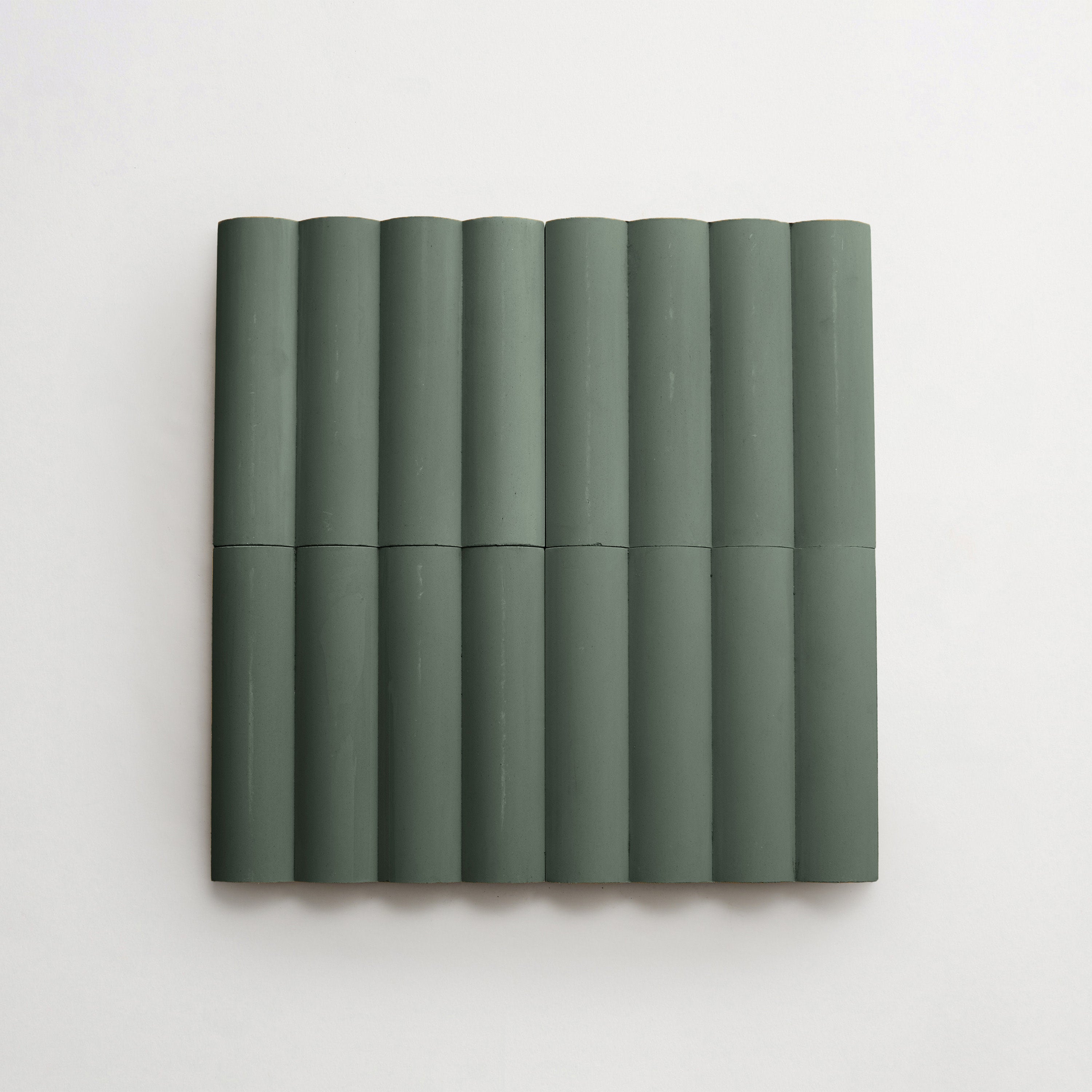
Colorway
-
Flowerpot
Collection
-
Cement Origami
:
Sub Collection
-
Cords
Material
Length
-
8
" x
Width
-
8
" x
Thickness
-
⅞
"
Unit of Measurement
-
sqft
/
Price per Unit
$


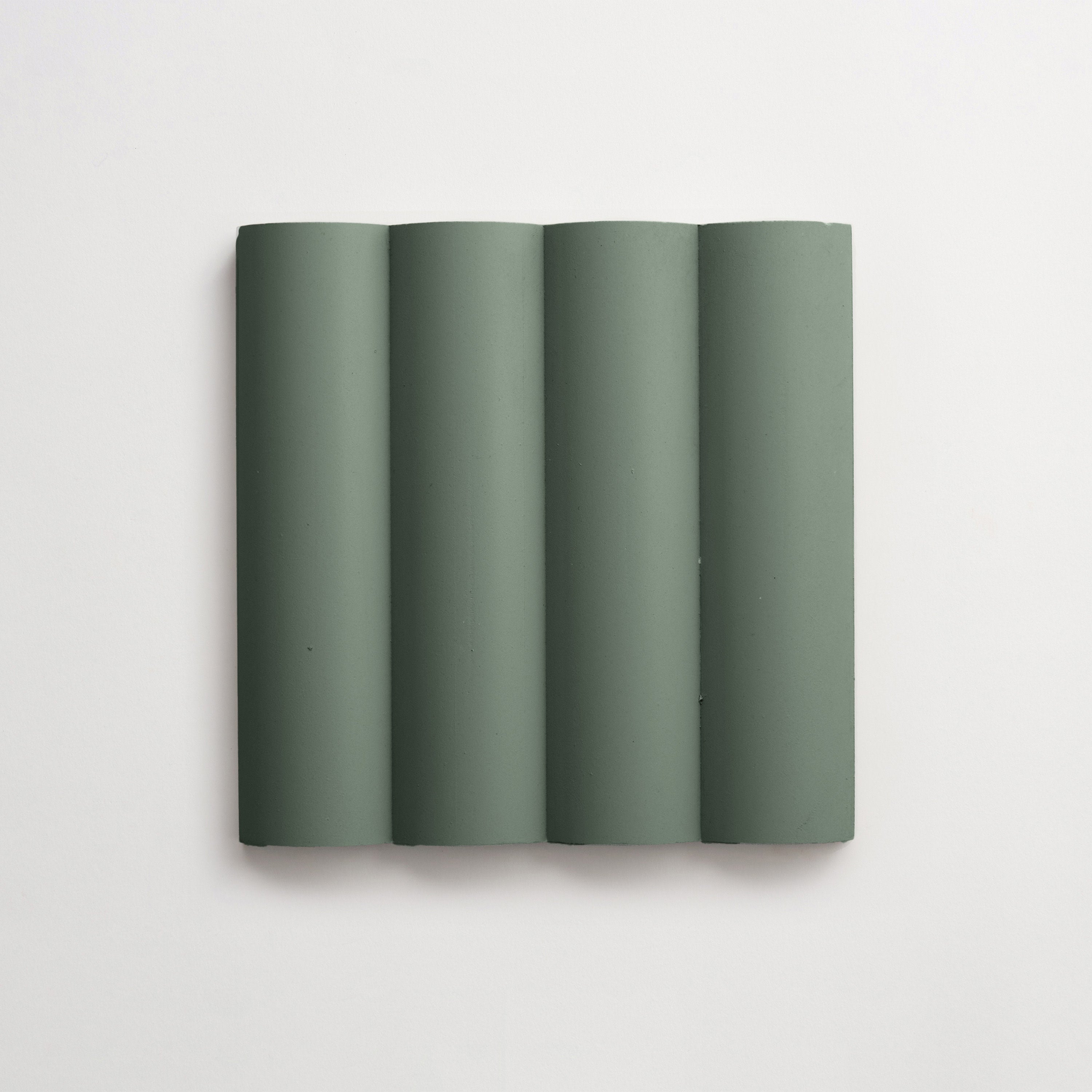
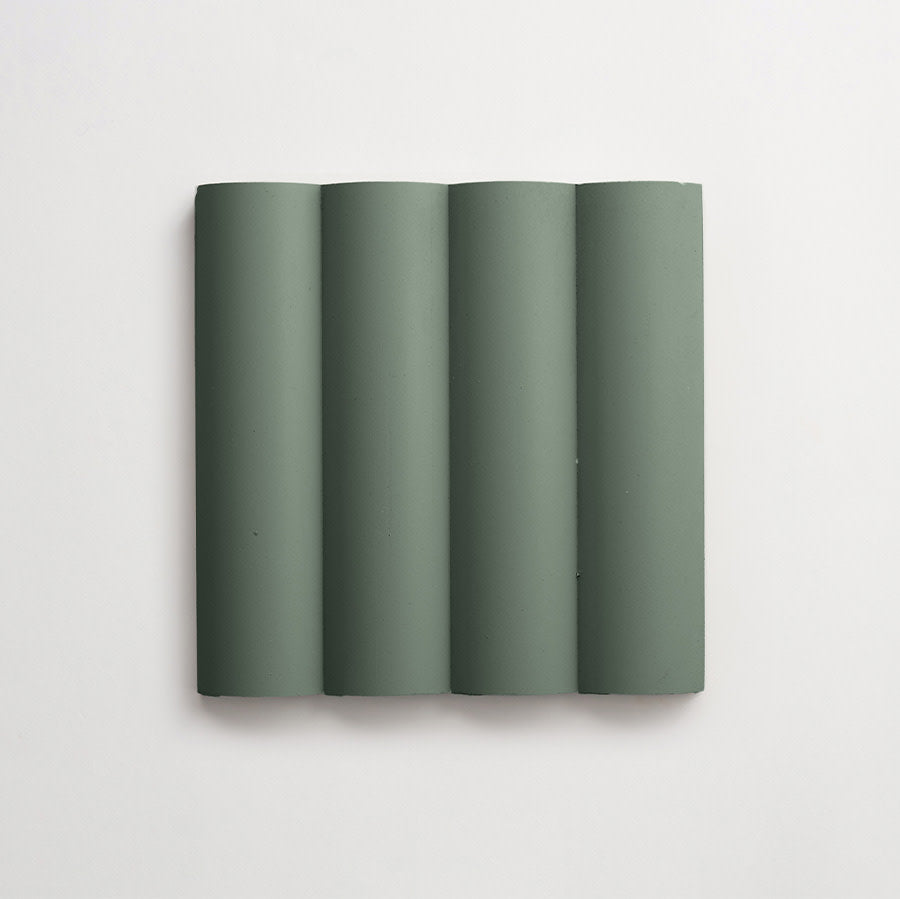
Colorway
-
Leaf
Collection
-
Cement Origami
:
Sub Collection
-
Cords
Material
Length
-
4
" x
Width
-
16
" x
Thickness
-
¾
"
Unit of Measurement
-
sqft
/
Price per Unit
$