

Brick Entryway Ideas for a Considered Arrival
A home's entry is the first sentence of its design story, setting the tone before anyone reaches the front door. The strongest brick entryway ideas treat that approach as a single, continuous composition, carrying the material language from the walkway through the steps and into the threshold. Rather than designing each surface in isolation, consider how brick can choreograph the entire arrival, creating a transition that feels intentional from the curb to the door.


Read the Whole Approach Before You Choose a Brick
The first question isn't which pattern to use for the walkway. It's what the entire approach should communicate before a guest ever reaches the front door. Considered outdoor entryway steps reads as an arrival sequence: the walkway establishes the direction, the steps create a change in elevation and pace, and the landing brings the eye toward the threshold. When those moments share a clear material story, the transition from curb to door feels deliberate rather than pieced together.
One Material, Several Movements
Choosing one brick family across the full approach creates a visual thread that can hold the walkway, steps, and landing together. The pattern or scale can shift from one section to another without making each surface feel like a separate project. That continuity gives you room to create movement while keeping the overall entry cohesive.
OUTERclé BrickWorks brick collection offers a natural example of this approach, with an artisan brick family that can carry a full arrival sequence in a consistent tone. Used across the walkway and steps, the same brick establishes continuity while changes in layout, scale, or surrounding materials give each part of the approach its own role.
The Walkway: Setting the Rhythm to the Door
The walkway sets the pace of the arrival. Before a visitor reaches the steps or sees the door up close, its direction, proportion, and pattern have already established a sense of mood. The strongest exterior brick walkway ideas treat that first stretch as part of the architecture, rather than as functional paving added after the house is finished. Good brick walkway ideas give the eye a clear rhythm while making the distance from curb to door feel intentional.
The Pattern That Sets the Pace
Pattern is one of the simplest ways to shift the character of a brick entry. Herringbone creates a more architectural, formal feeling, with its directional geometry drawing the eye forward. Running bond is quieter and more familiar, lending a calm, classic quality to the approach. Basket weave softens the composition with a more relaxed, textural rhythm that can feel at home in informal or cottage-inspired settings.
There is a long precedent for treating masonry pattern as an expression of character. In European courtyard traditions, brick and stone paving were often arranged in distinctive patterns that gave a space its own visual identity. The pattern wasn't merely a practical way to lay the material; it helped establish the atmosphere of the place. That same principle can make a contemporary entry feel considered without becoming overly formal.
With OUTERclé BrickWorks, a consistent brick tone can provide the material foundation while the pattern changes the character of the approach. The same artisan brick can feel structured in a herringbone walkway, restrained in running bond, or more relaxed in a basket-weave composition.
Straight Lines, or a Gentle Curve
The line of the walkway should reinforce the character of the architecture rather than compete with it. A straight approach has a natural formality, particularly when it aligns with a symmetrical facade or a strongly defined front door. It creates a direct visual connection between the street and the threshold.
A gentle curve introduces a different kind of arrival. It slows the eye, reveals the house gradually, and feels particularly natural alongside cottage-style architecture, informal gardens, or landscapes with softer, organic lines. Neither approach is inherently more formal or casual; the character comes from how the path relates to the house, landscape, and overall material language. Read our guide to garden path ideas for further design concepts.
The Steps and Threshold: Where the Approach Becomes an Arrival
The steps and threshold are where the approach becomes an arrival. After the longer rhythm of the walkway, this is the moment where texture, color, and material transitions come closest to the door—and where small changes can have an outsized effect. Thoughtful brick entryway outdoor design carries the same sense of intention through this pivotal point, rather than treating the steps or porch as separate finishing touches.
Carrying the Brick Upward
Extending the same brick family from the walkway into the steps creates an immediate sense of unbroken flow. Brick can move onto the risers or landing, or a closely related tone can introduce just enough variation to mark the change in elevation without breaking the material story. This is especially effective for brick porch ideas where the porch needs to feel like a natural extension of the approach rather than a separate destination.
For an outdoor entry, performance matters alongside appearance. Brick selected for exterior use should be able to stand up to changing weather and regular foot traffic, while a suitably textured surface can provide traction underfoot. The goal is a material that continues to look at home through sun, rain, and the seasons—not one that requires the entry to be treated as a delicate decorative surface.
Where Brick Meets an Accent of Tile
The threshold is also an opportunity to introduce a more focused moment of detail. A glazed or patterned tile inset at the door landing can create a subtle transition between the broader field of brick and the intimacy of the front door. Rather than competing with the brick, the accent gives the eye a place to pause.
A herringbone outdoor tile can reinforce the directional movement established by the walkway while adding a different texture or finish at the landing. For more ideas, check out our guide to herringbone outdoor tile.
For a more distinctive material conversation, an accent such as OUTERclé’s Dzek + Formafantasma: ExCinere can bring a refined, tactile counterpoint to artisan brick. Used selectively at the threshold, a glazed or patterned tile accent makes the final step toward the door feel intentional without disrupting the continuity of the larger brick composition.

Brick That Earns Its Patina
Aged brick has a quality that can make an entry feel established, but not every distressed finish achieves that effect. When variation is applied too uniformly or looks intentionally weathered, the result can feel contrived. The better approach is to treat patina as a material-sourcing and curation decision, choosing artisan brick with genuine variation in tone, texture, and surface rather than trying to manufacture age after the fact.
Handcrafted brick develops character through the material itself. Subtle differences from piece to piece give the surface depth from the beginning, while exposure to sun, rain, and everyday use allows the material to develop its own patina over time. That gradual change tends to feel more convincing than an artificially distressed finish because the warmth comes from the brick's inherent character and the way it lives outdoors.
A Tone That Belongs to the House
Color should feel connected to the architecture rather than selected in isolation. Warm reds and earthy browns can complement traditional or Mediterranean-influenced homes, reinforcing their sense of permanence and warmth. Deeper charcoal and black-brown tones can create a quieter, more grounded relationship with modern facades.
Within the OUTERclé BrickWorks family, Scorched Earth offers a deeper, more dramatic direction, while lighter tones such as Pampas Grass create a softer expression. The right choice depends less on chasing a particular idea of “old” or “new” and more on finding a tone that belongs naturally with the home's architecture, landscape, and surrounding materials.
Completing the Sequence: Planting, Light, and Edge
The arrival sequence doesn't end with the brick. Planting, lighting, and edging should complete the composition without competing with the material that carries the eye toward the door. A restrained landscape border can give the walkway definition, while planting softens the hardscape and helps the entry feel connected to the surrounding property. For more ways to shape that transition, explore our landscape edging ideas.
Quality brick also brings a welcome sense of permanence outdoors. Once the material story is established, the brick itself generally asks far less seasonal attention than the planting around it. That makes the hardscape a stable visual foundation as the landscape changes and matures.
A Glow That Continues the Welcome After Dark
Lighting can extend the rhythm of the entry into the evening. Low, warm path lights can pick up the texture of the brick and gently reveal its pattern without washing out the surface. Rather than floodlighting the entire approach, let illumination appear in measured intervals along the path and steps, creating a softer sense of movement toward the door.
The effect should feel like an extension of the daytime composition: brick provides the structure, planting provides softness, and light reveals both after dark.materials.


Your Entry, One Considered Arrival
A considered entry lets each part of the approach do its own job while still reading as one composition. The walkway sets the rhythm, the steps carry that material language upward, and the threshold creates the final moment of arrival. When those elements share a cohesive brick story, the transition from curb to door feels natural, intentional, and distinctly part of the home.
The most memorable entries don't simply lead you somewhere—they make the journey feel like part of the architecture.
Discover the brick collections that turn a simple approach into a considered arrival.for use in a variety of climates.
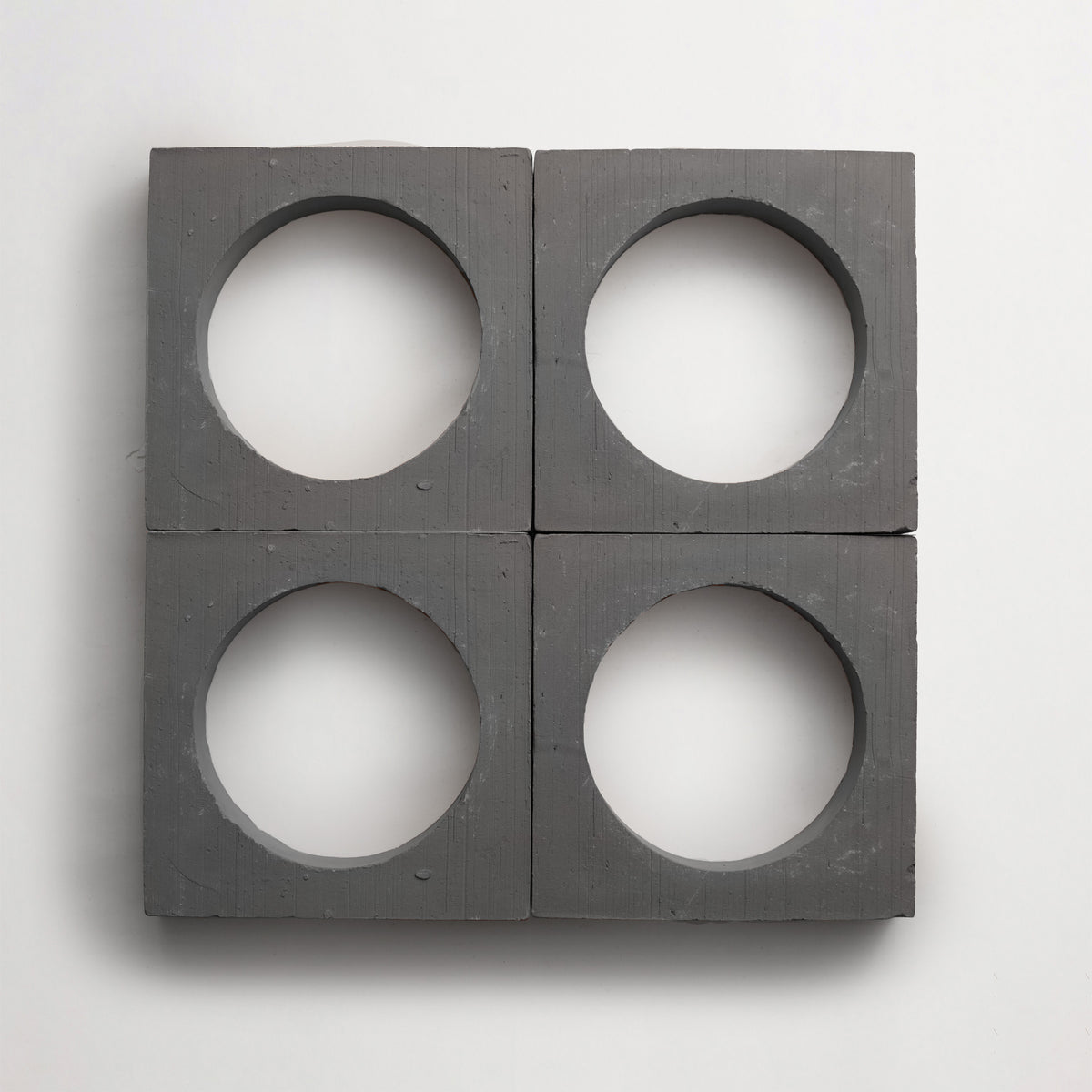
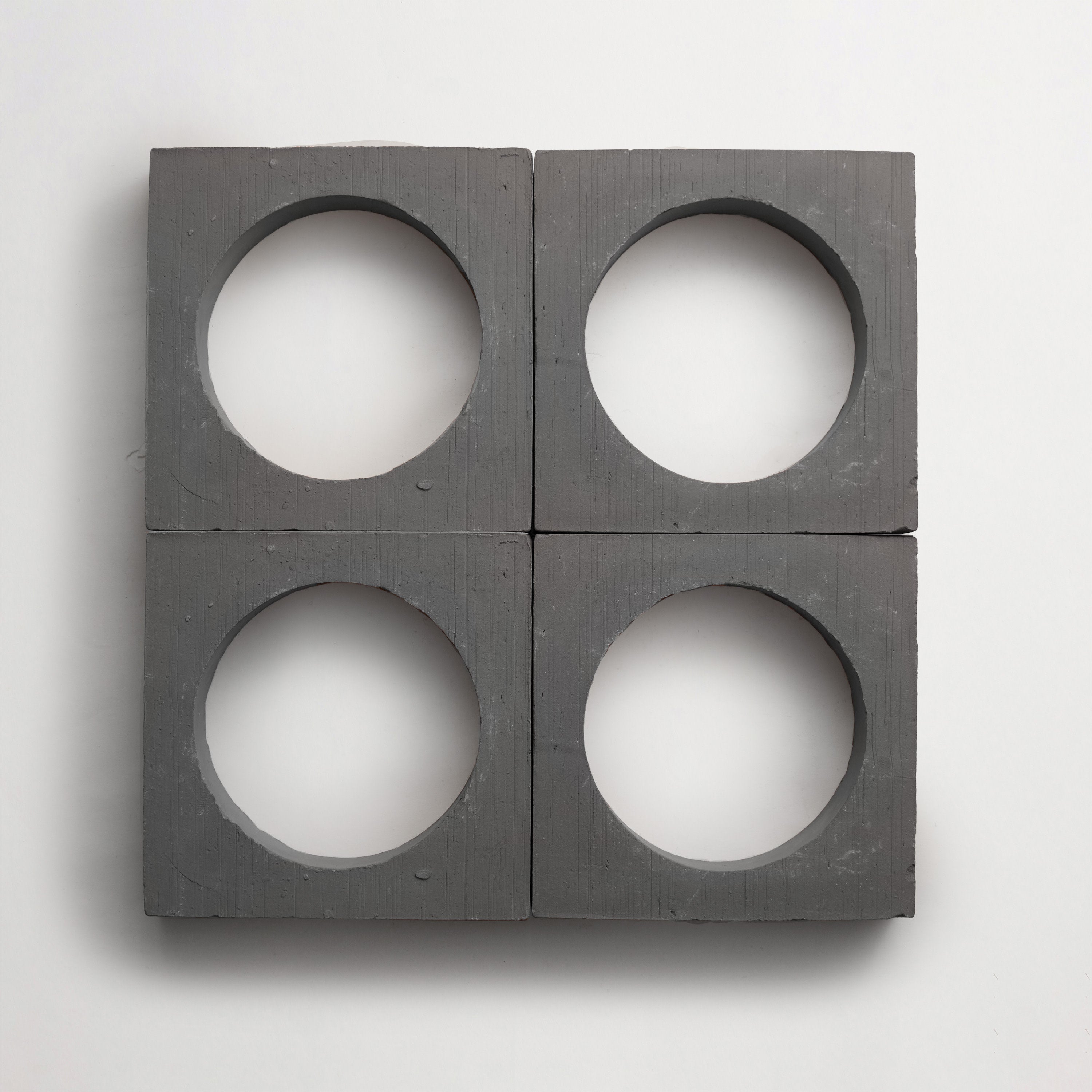
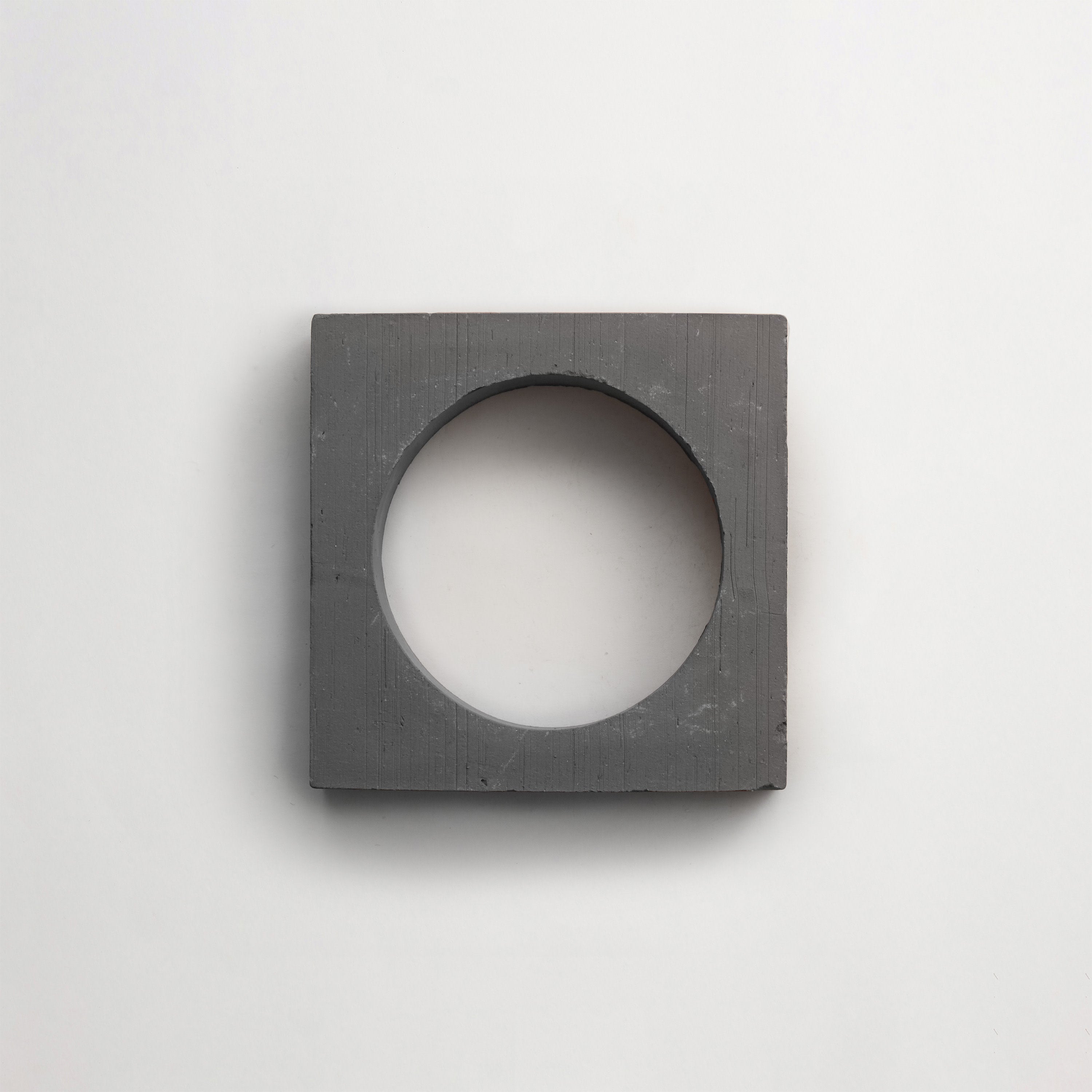
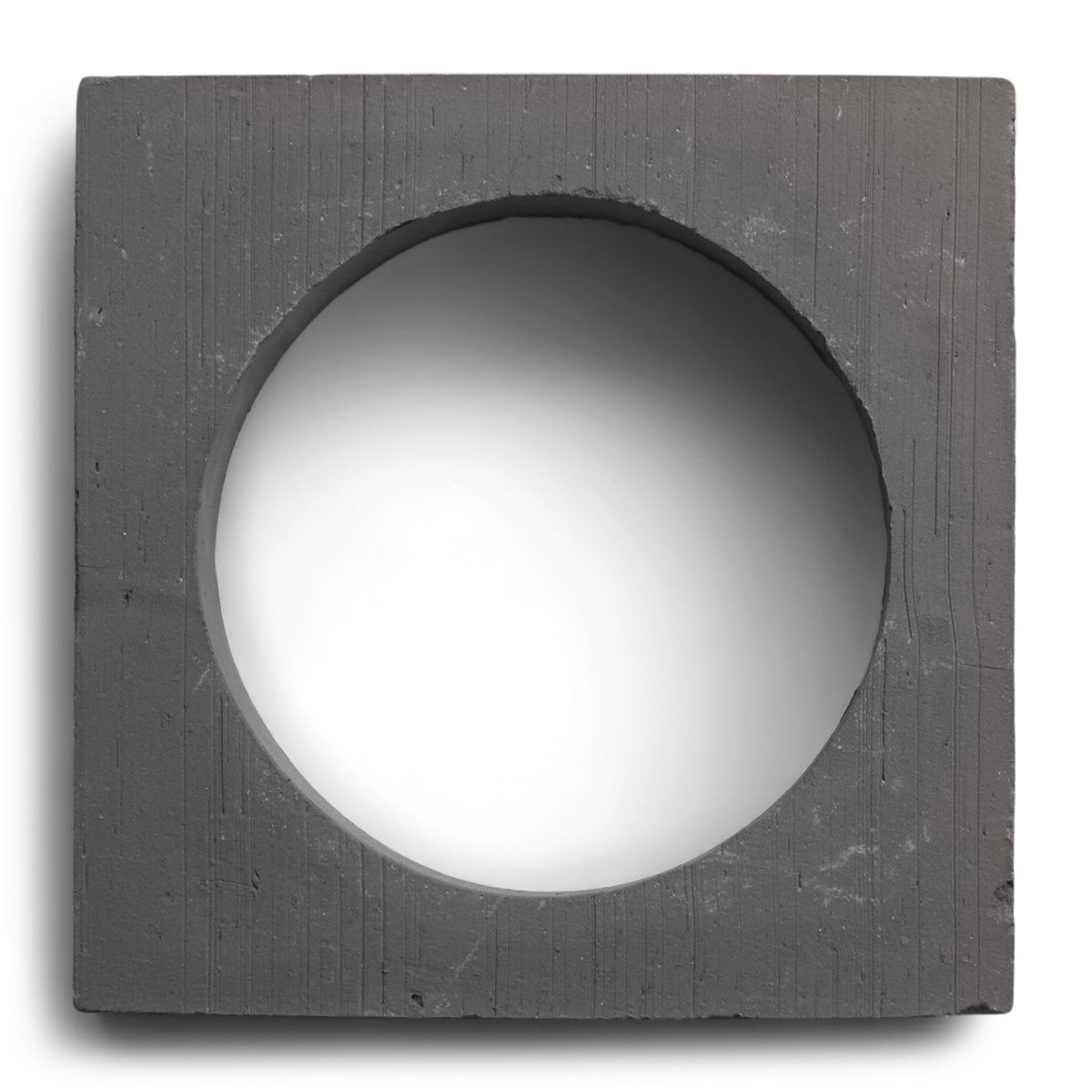
Colorway
-
Flemish Black
Collection
-
Belgian Reproduction Privé
: Colonnades
Material
Length
-
4
" x
Width
-
4
" x
Thickness
-
¼
"
Unit of Measurement
-
sqft
/
Price per Unit
$
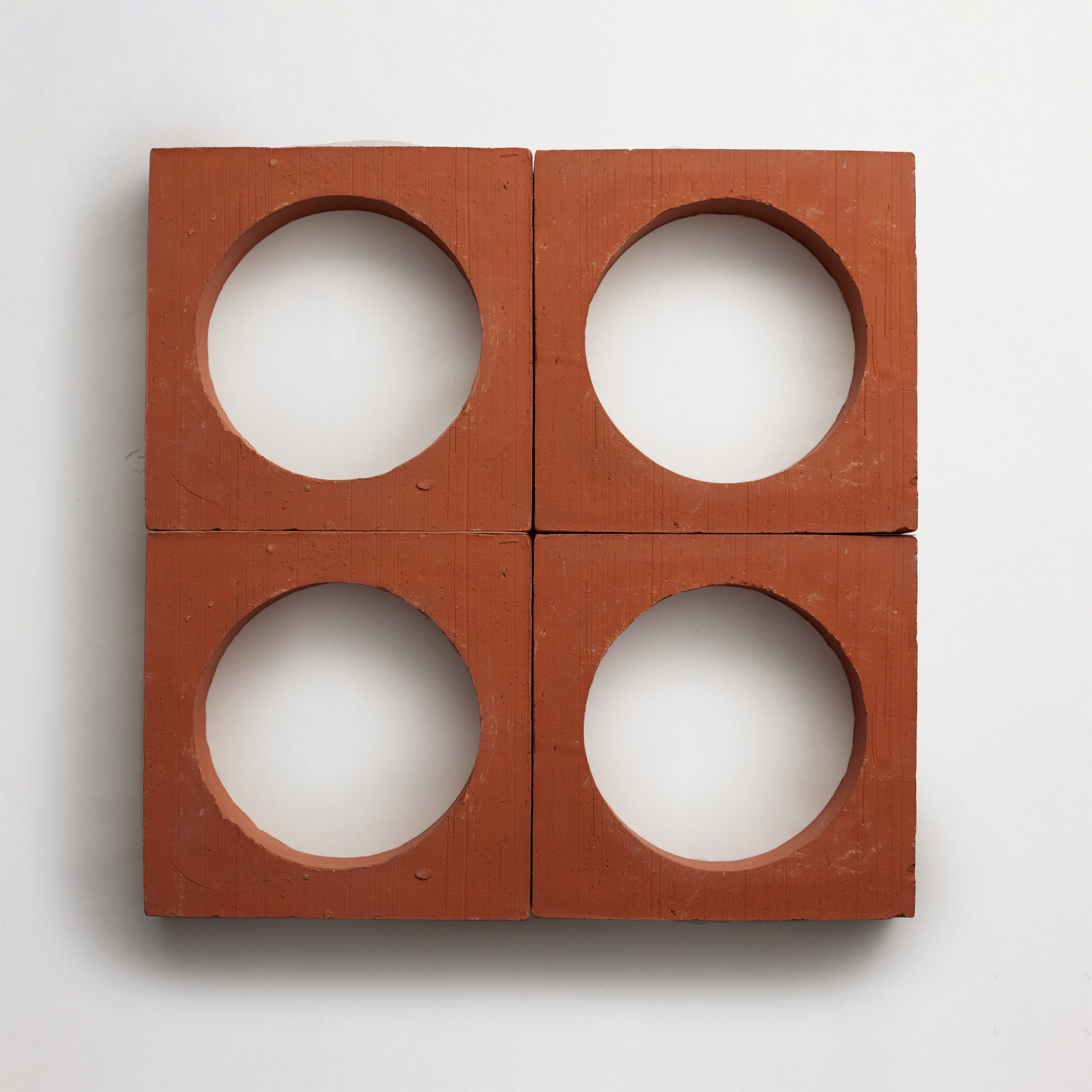
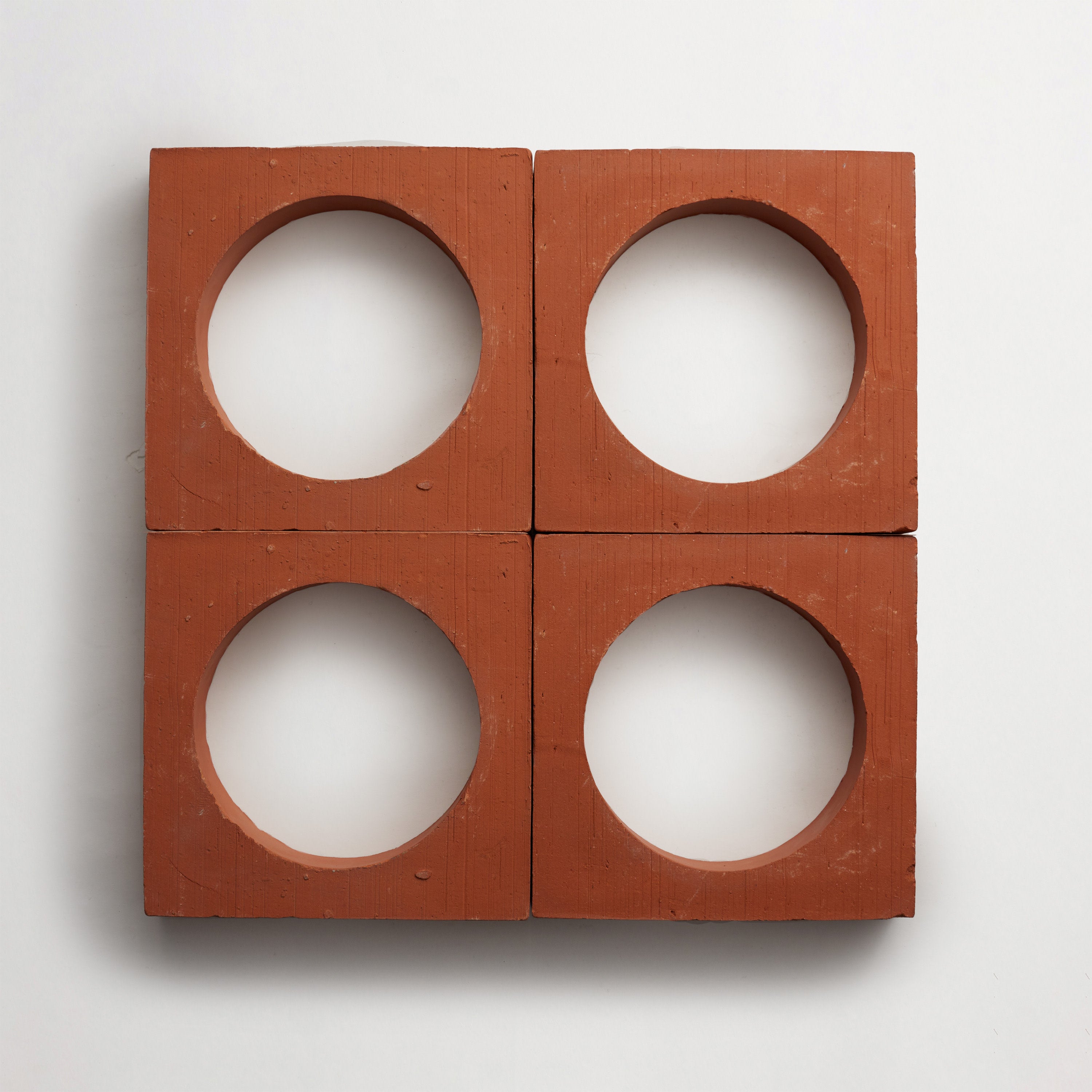
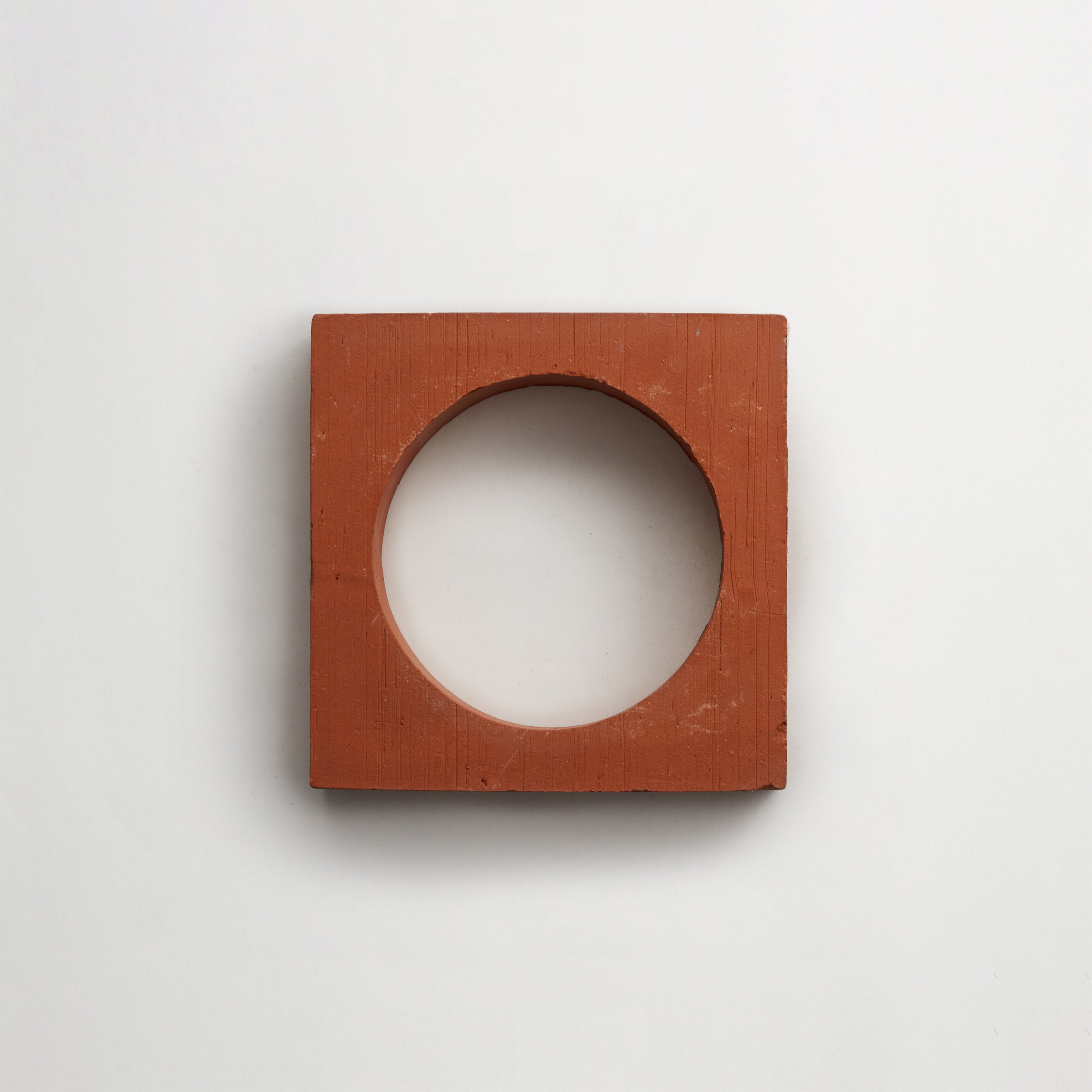
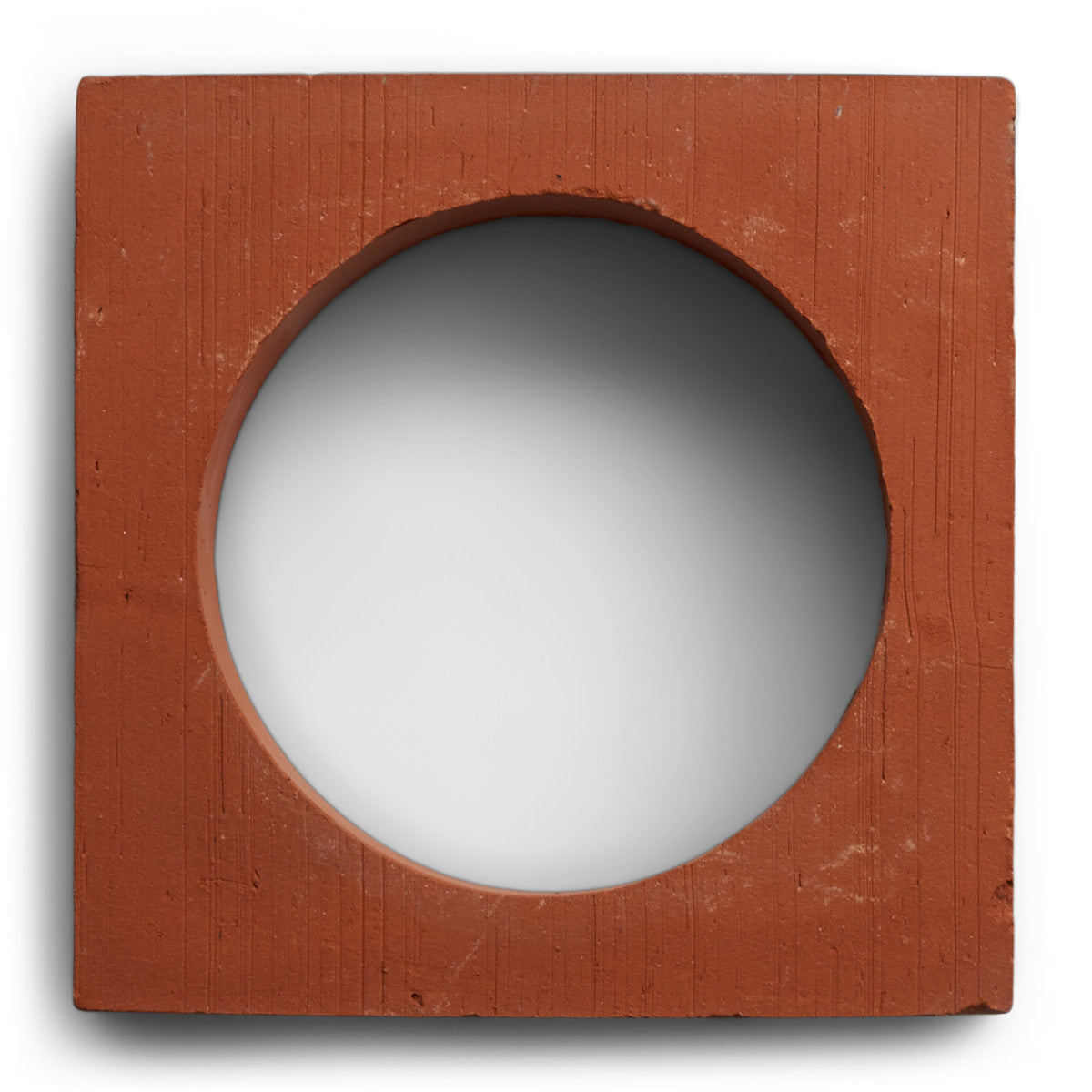
Colorway
-
Flemish Red
Collection
-
Belgian Reproduction Privé
: Colonnades
Material
Length
-
8
" x
Width
-
8
" x
Thickness
-
⅞
"
Unit of Measurement
-
sqft
/
Price per Unit
$
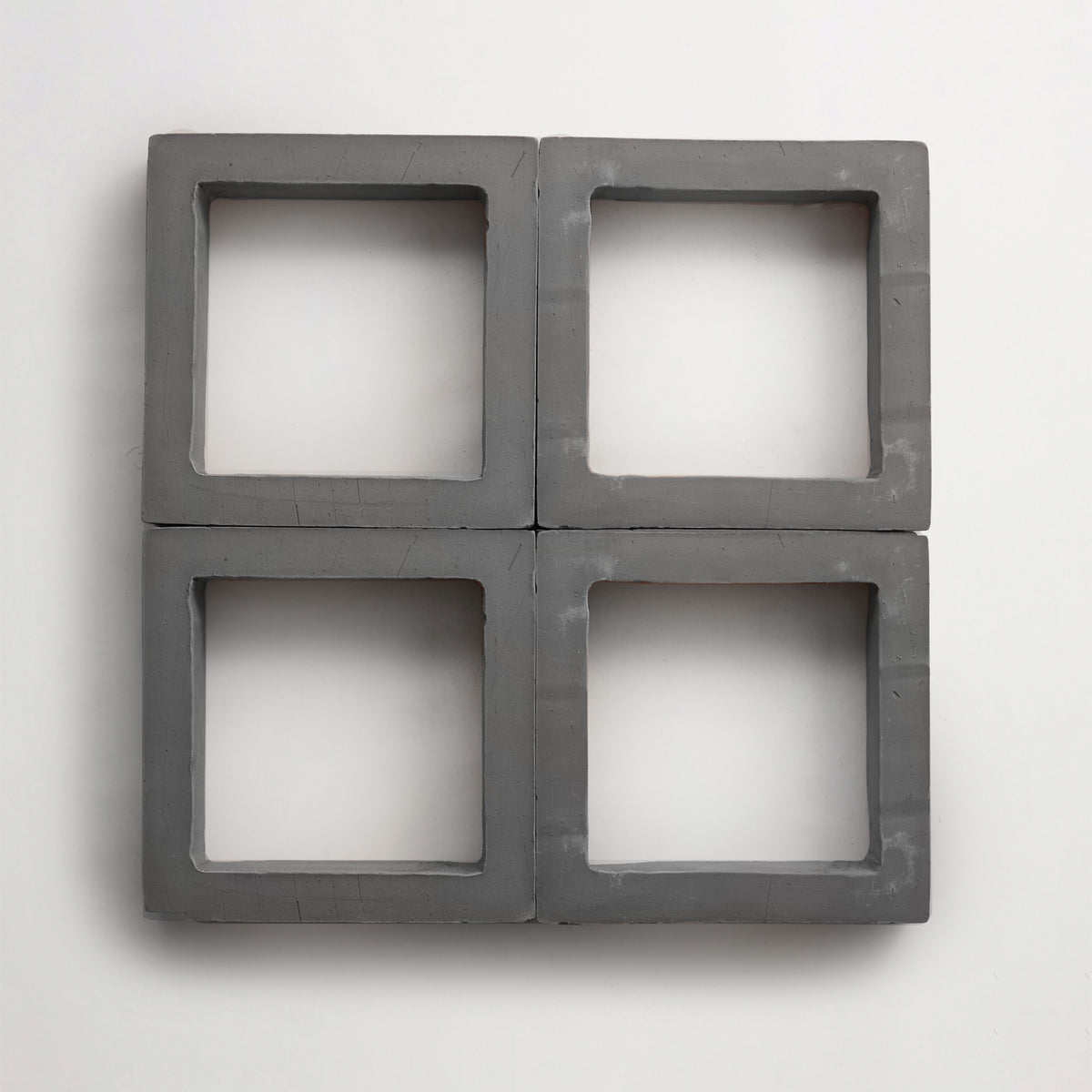
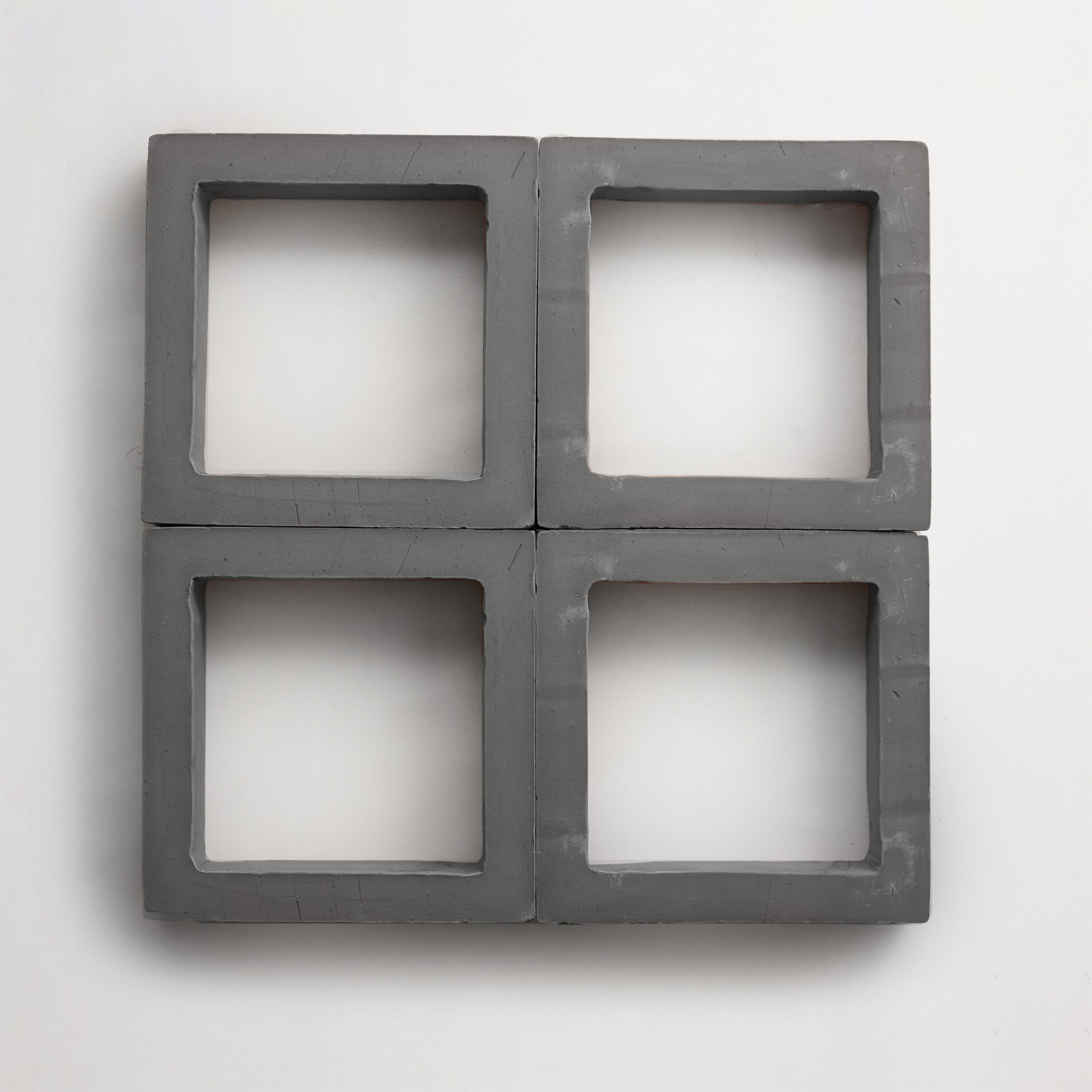
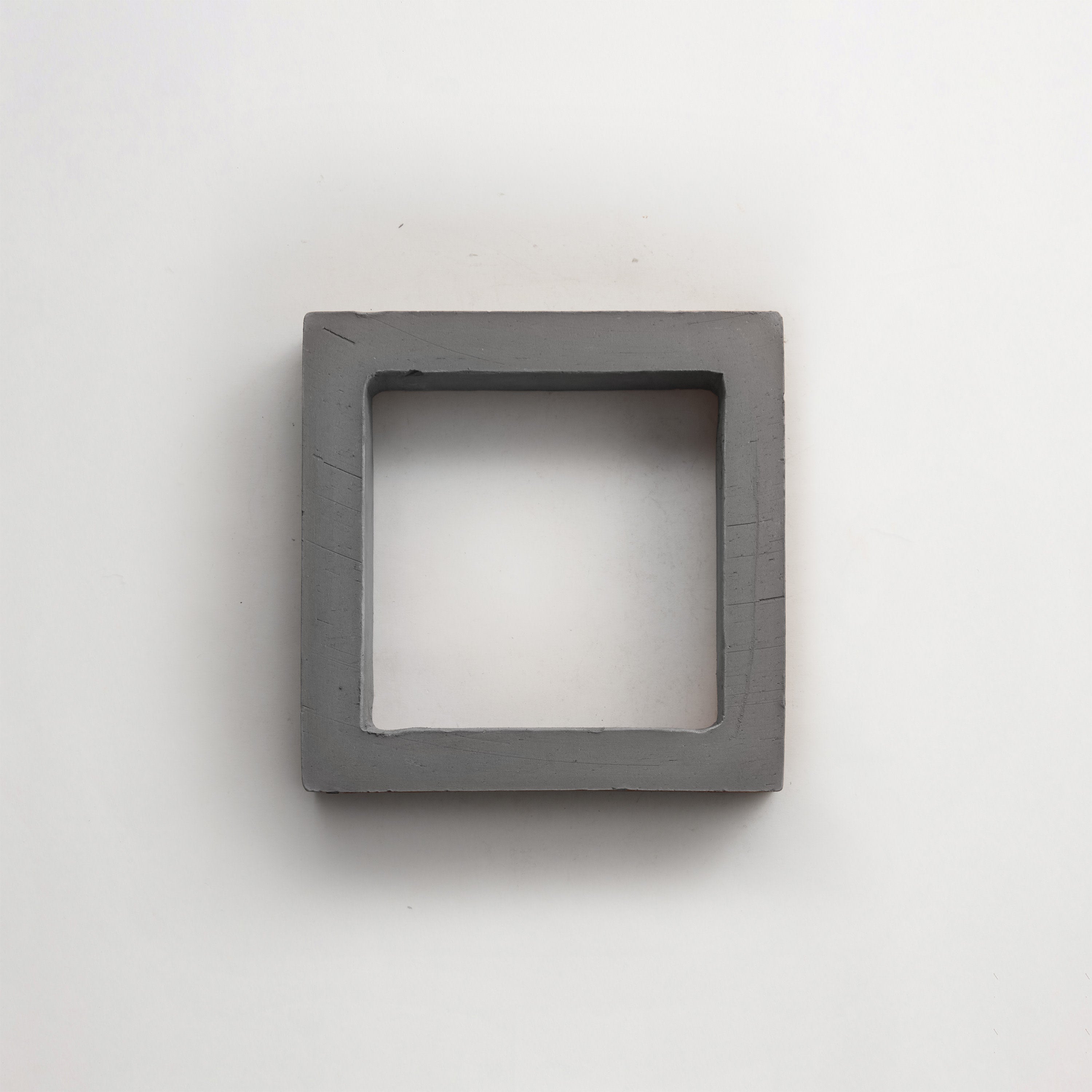
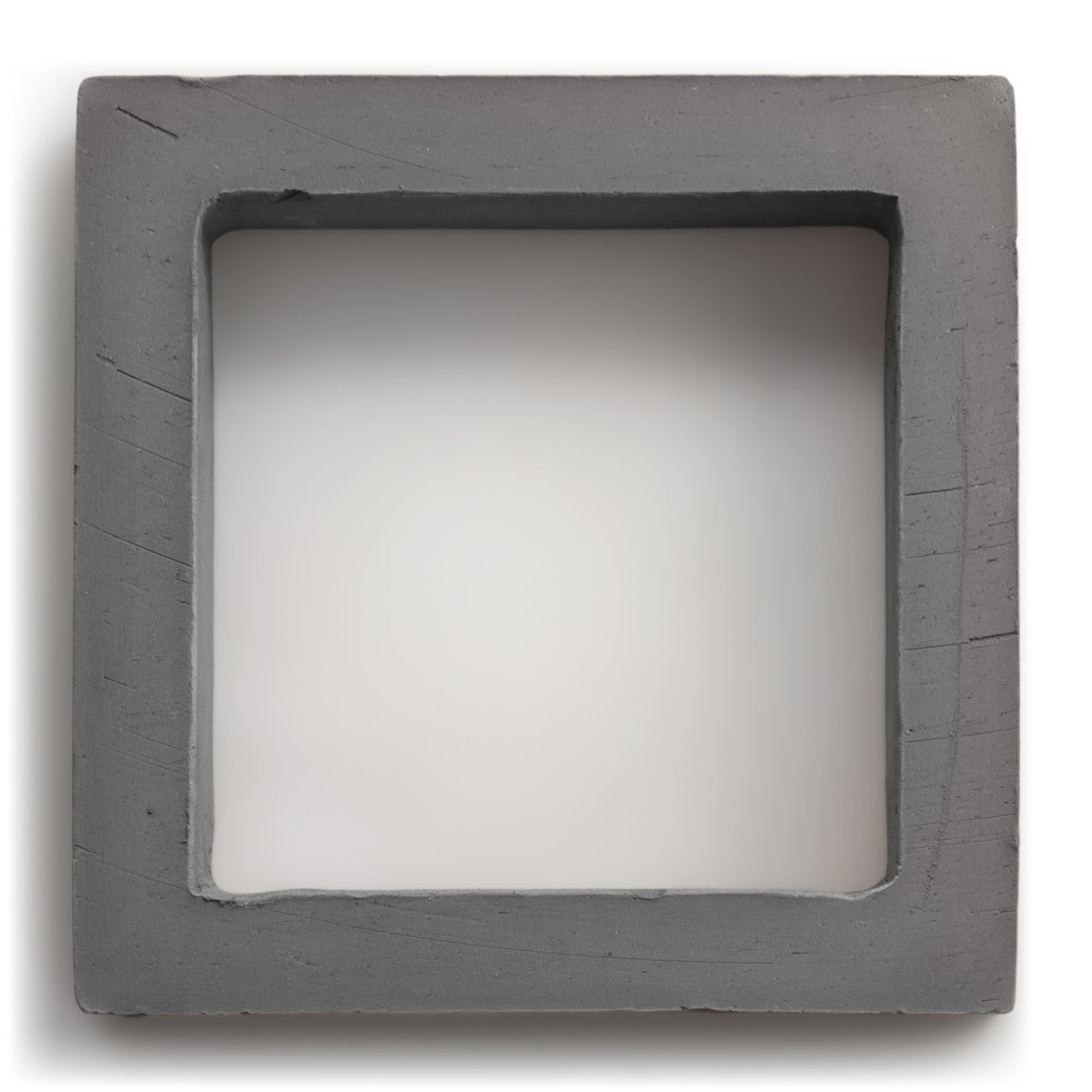
Colorway
-
Flemish Black
Collection
-
Belgian Reproduction Privé
: Courtyard Cubes
Material
Length
-
4
" x
Width
-
16
" x
Thickness
-
¾
"
Unit of Measurement
-
sqft
/
Price per Unit
$