

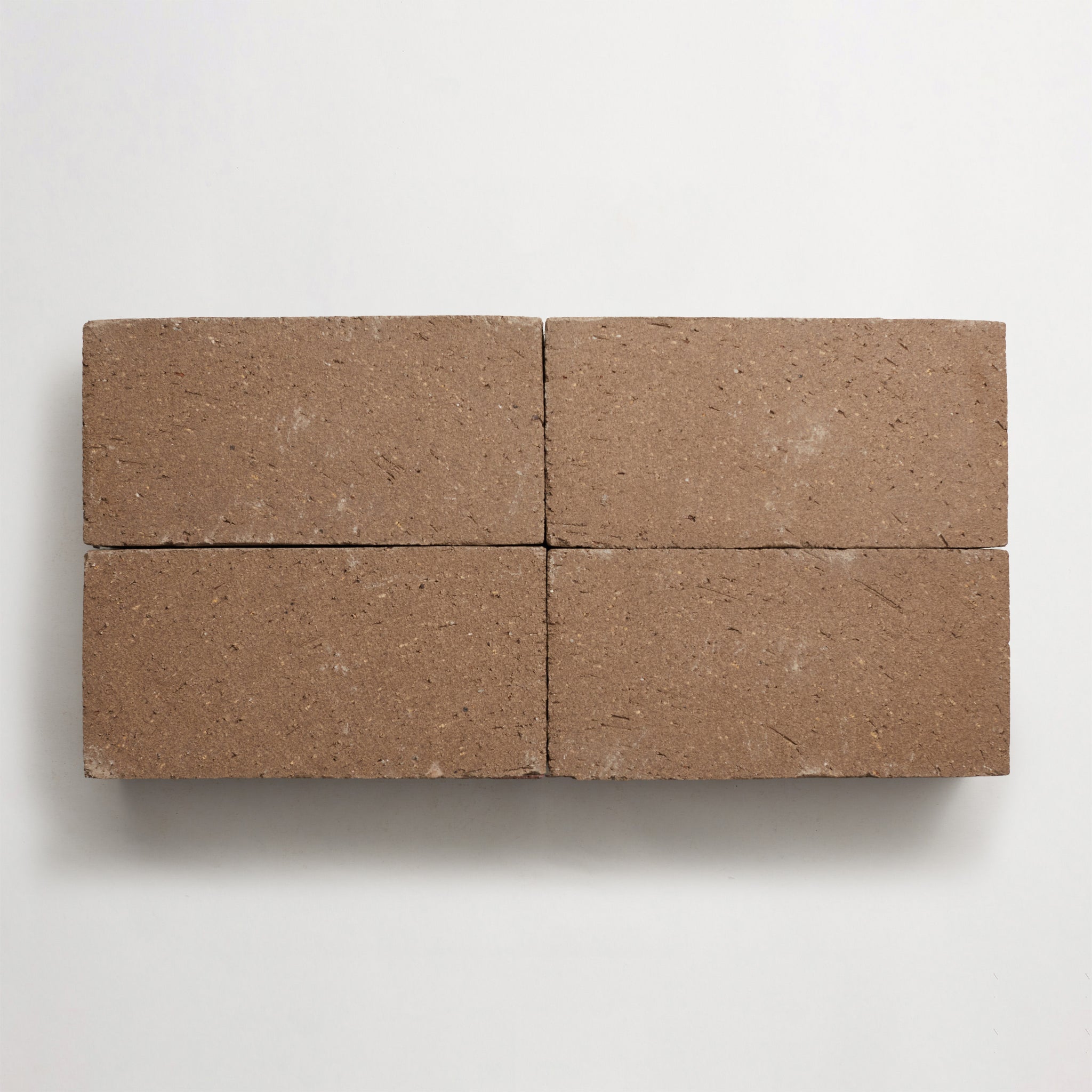
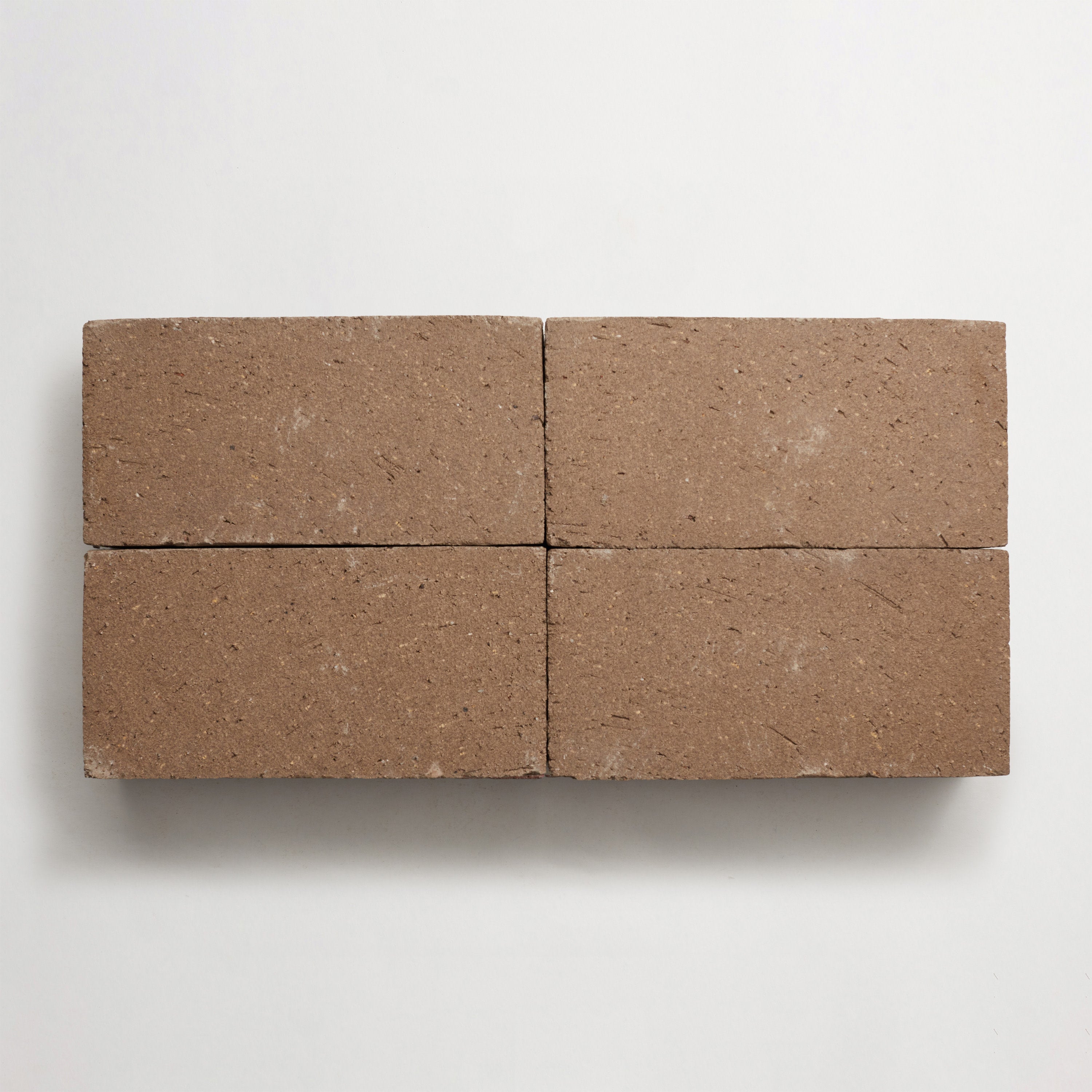
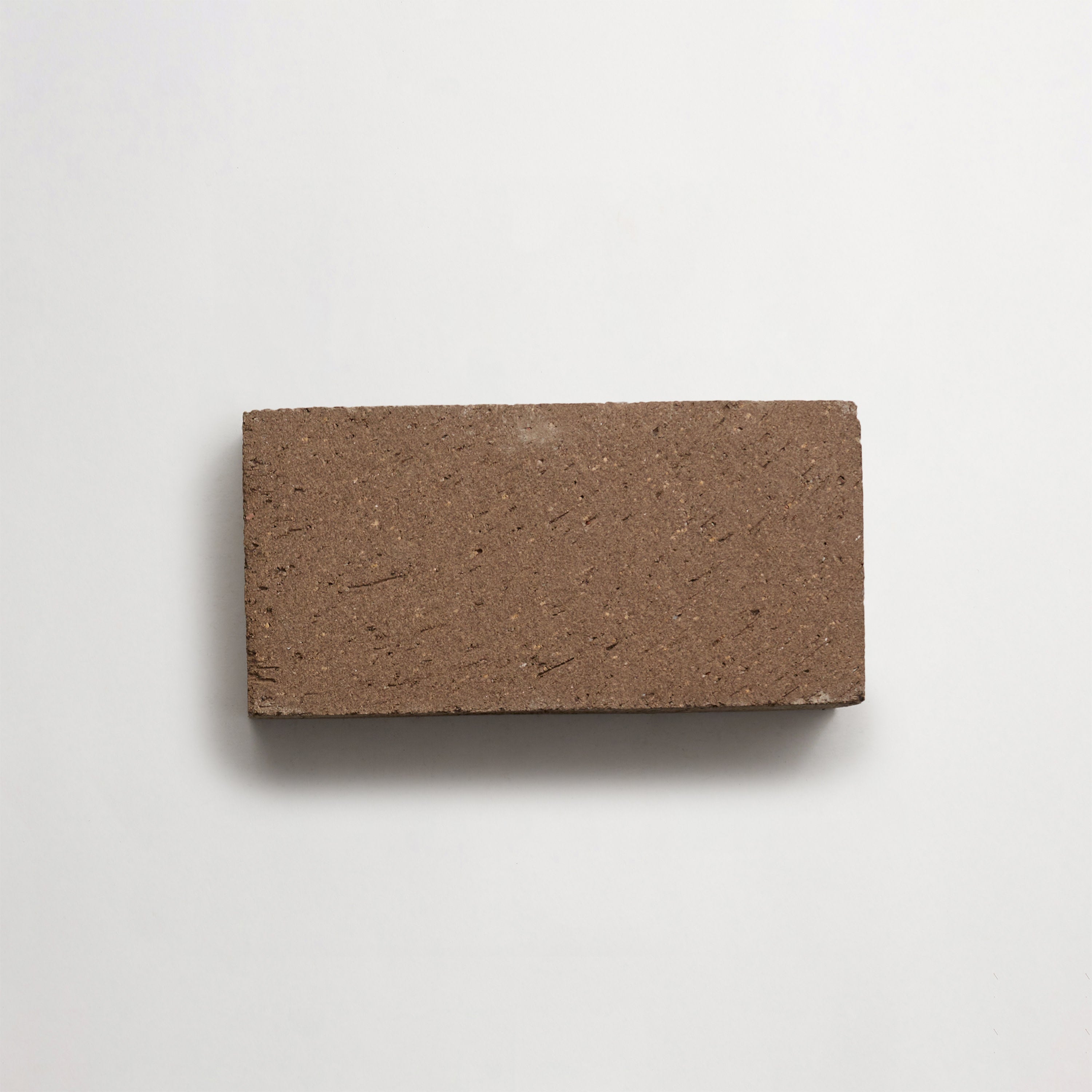
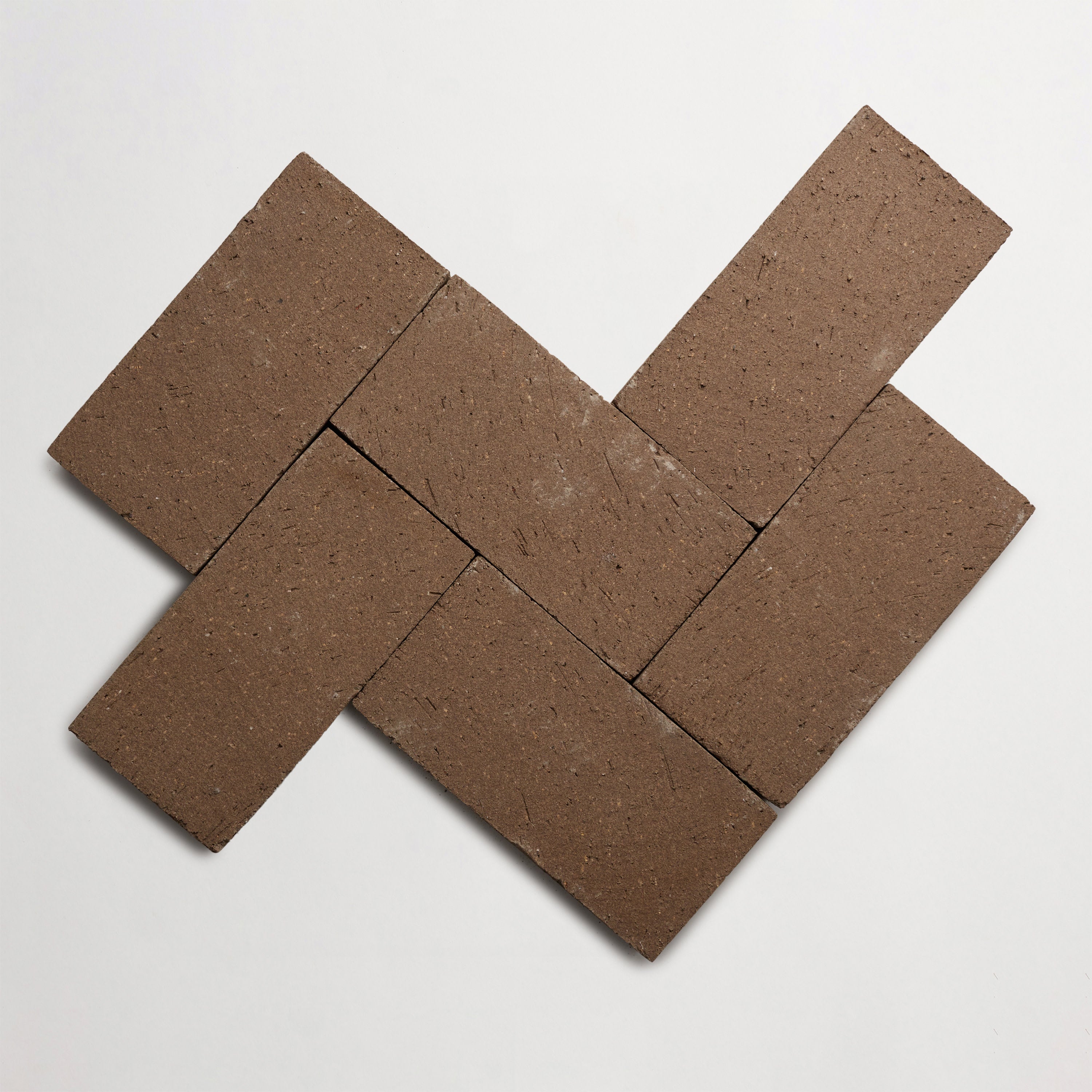
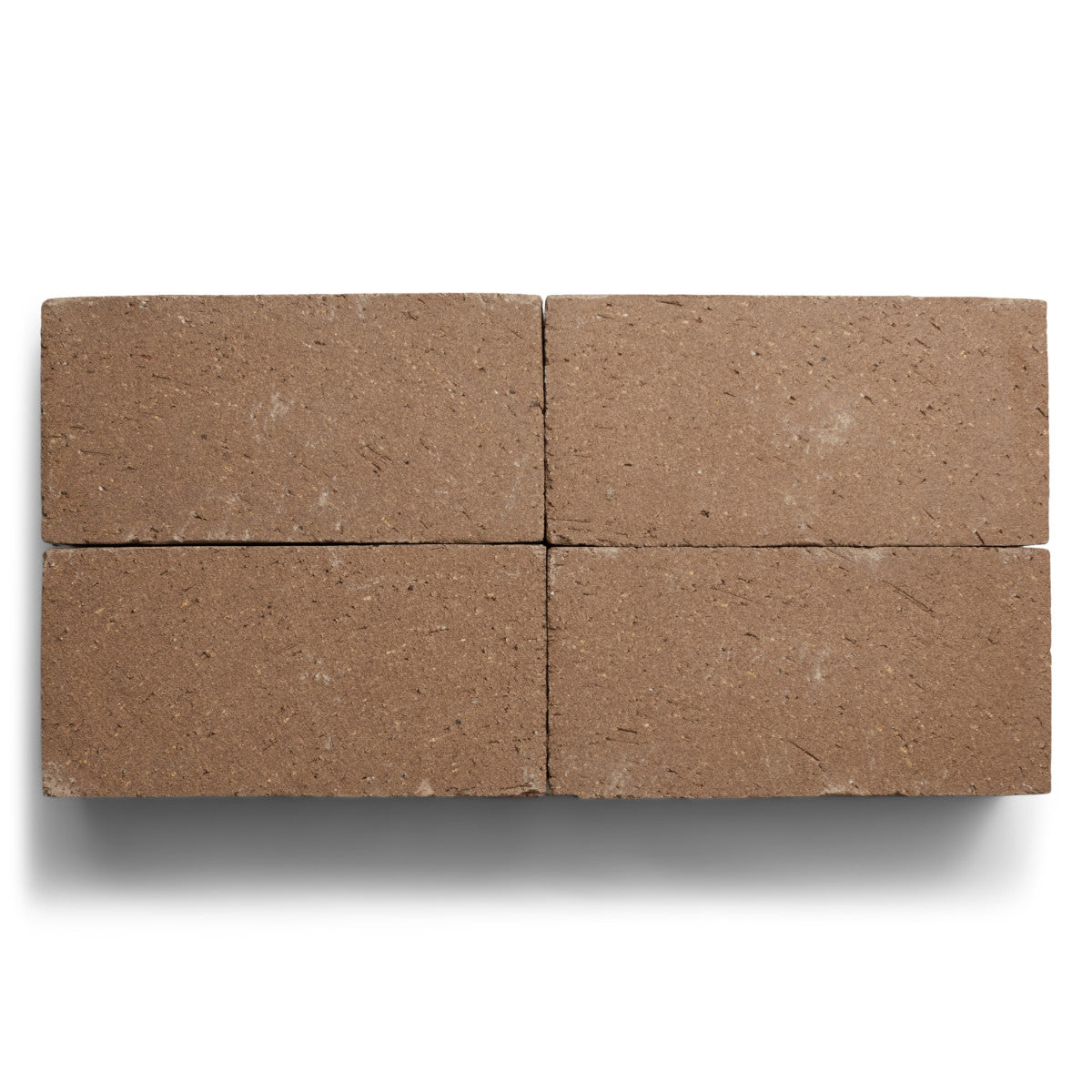
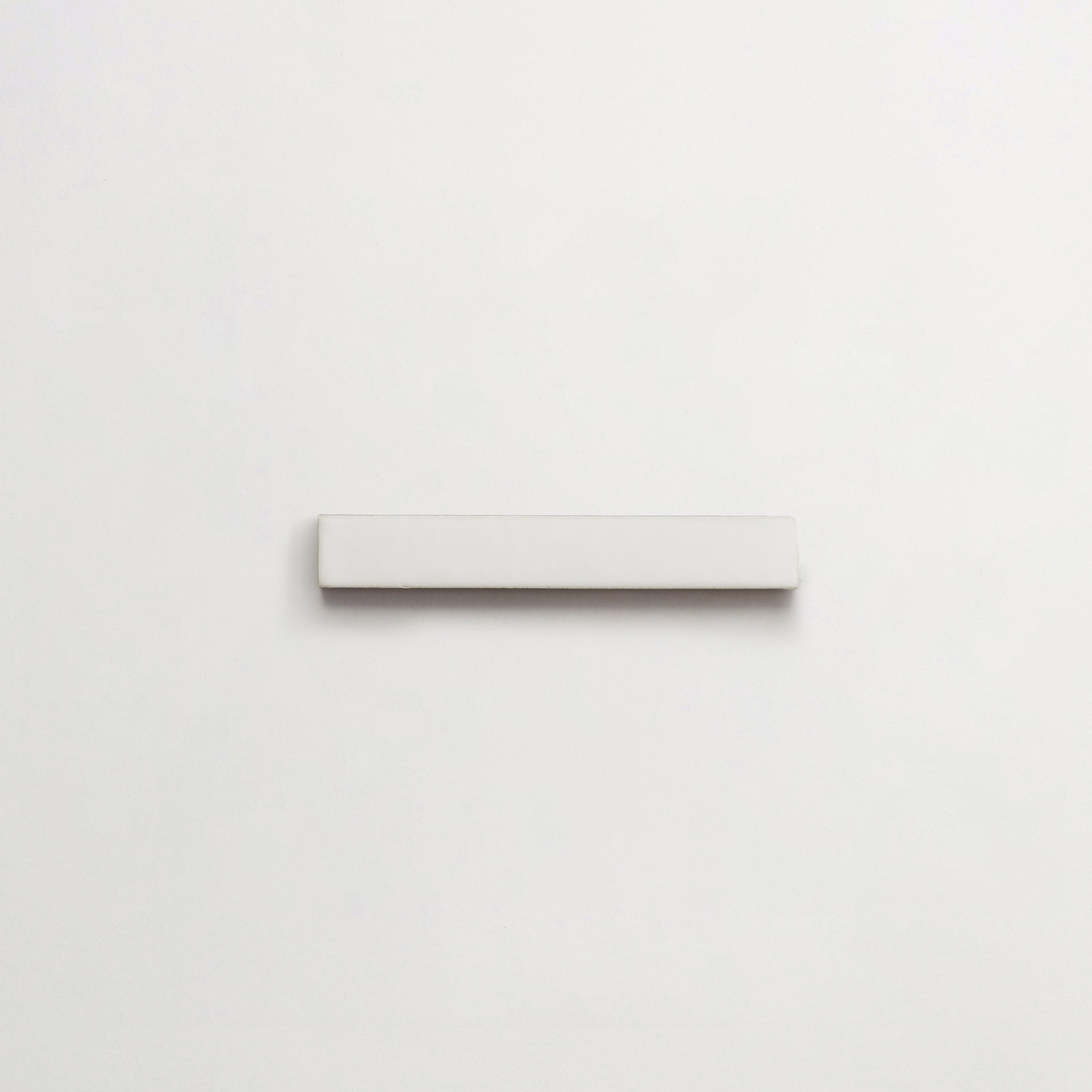
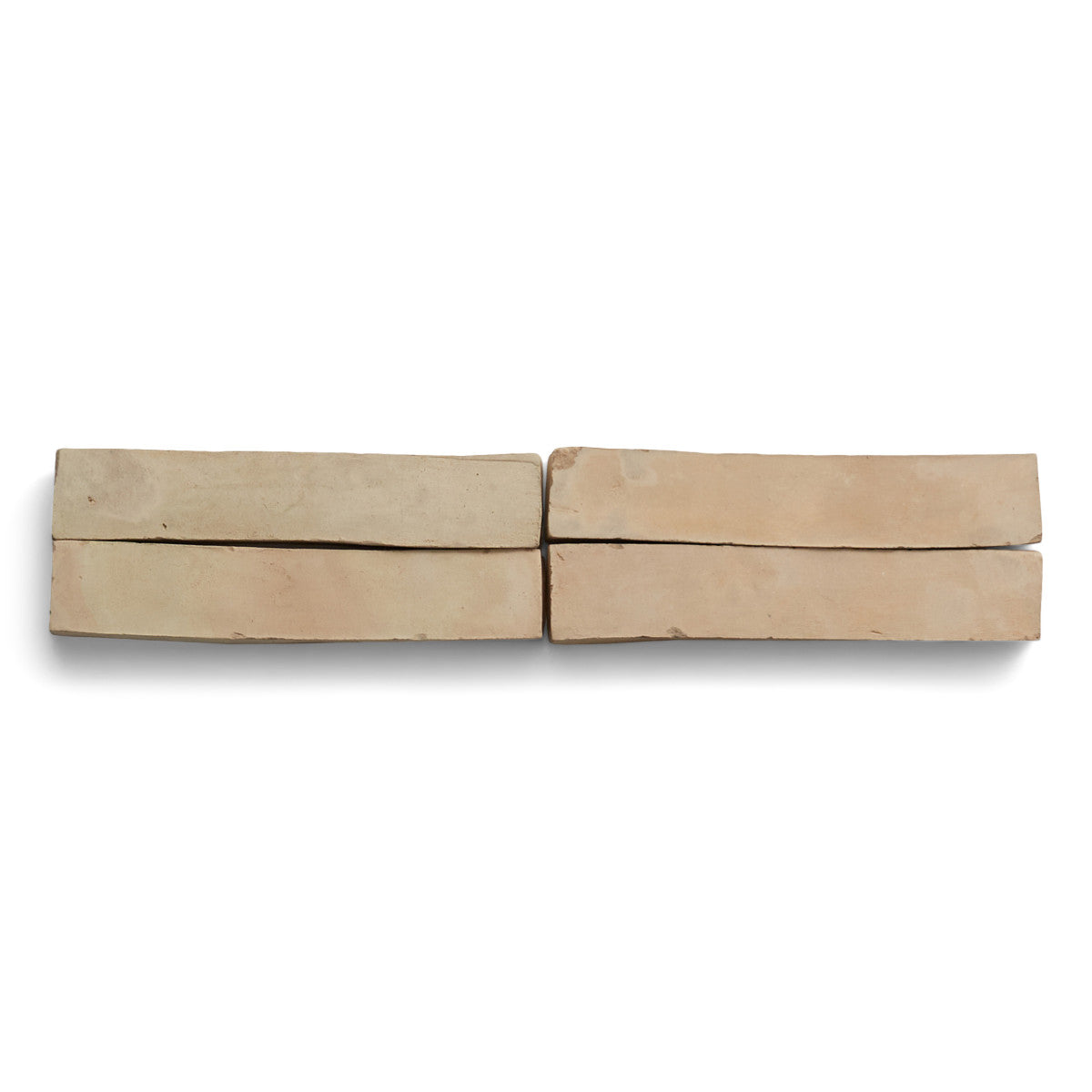
FezBrick, 1x8" Amulet, Natural, Unfinished
Brick Farmhouse Exterior Ideas for Classic to Modern Curb Appeal
Brick is one of the most storied materials in farmhouse architecture, valued for its durability, warmth, and ability to develop character over time. But the term “brick farmhouse” does not describe one fixed look. The material can feel deeply traditional or distinctly contemporary depending on its color, finish, scale, and relationship to the rest of the property.
Case in point: Weathered, naturally varied brick can reinforce the character of a heritage-inspired home, while pale glazed brick, dark trim, and clean-lined architecture can create a distinctly modern interpretation. These brick farmhouse exterior ideas explore both ends of that spectrum — and the many possibilities between them. See how brick can become an intentional part of the architecture rather than a default exterior finish.


Dzek + Formafantasma: ExCinere, 2x8" Cigar, Terra D, Gloss. Photo courtesy of French & Tye.

The Brick Farmhouse Spectrum, at a Glance
- Natural variation and weathered tones give brick a more established, heritage-inspired character.
- Light, glazed, or painted brick creates a cleaner profile that works especially well with modern farmhouse architecture.
- Black trim can sharpen pale brick, while warmer trim colors can emphasize the natural undertones of traditional masonry.
- Brick does not have to cover an entire facade. Using it selectively can give smaller homes stronger proportion and visual balance.
- Extending brick into walkways, driveways, and garden walls can make the landscape feel connected to the architecture.
- Artisanal brick tile can deliver the character of masonry brick while offering another option for exterior wall applications.
Two Traditions, One Material: The Brick Farmhouse Spectrum
The brick farmhouse spectrum begins with two distinct traditions. At one end are heritage farmhouses rooted in agrarian architecture and European-influenced masonry. This is where natural brick, visible variation, and substantial architectural details create a sense of permanence.
At the other end of the spectrum is a newer glazed or painted brick aesthetic. This became popular indoors as an accent-wall treatment before making its way onto complete exterior elevations. Modern Farmhouse Brick is a natural example of that indoor-to-outdoor migration. The look translates the approachable character of brick into a cleaner, more refined material story suited to contemporary architecture.
Every section ahead lands somewhere along this spectrum, showing how tone, finish, proportion, and material pairings can make brick read as classic, modern, or somewhere beautifully in between.

Classic Brick Farmhouse Character
The heritage end of the spectrum relies on brick that looks as though it belongs to the landscape rather than having been selected solely for visual uniformity. Natural variation, softened edges, warm undertones, and traditional architectural details all contribute to that established character. The goal is not to make a new farmhouse look artificially old but to choose materials and proportions that feel grounded and enduring.
Warm, Weathered Brick Tones That Read as Heritage
Natural color variation is one of the easiest ways to give a brick exterior a heritage feel. Reclaimed or reclaimed-look brick can introduce subtle shifts in tone, texture, and surface character, while a completely flat, uniform brick often reads newer and more manufactured.
Artisan-made options such as BrickWorks in the tones Denali Stone, Snapped Twig, and Pampas Grass demonstrate how variation can create depth without making the facade feel busy. These nuanced tones are an excellent choice when the goal is a farmhouse exterior with warmth and individuality. Rather than relying on one perfectly consistent color, different colors and tonal shifts let the masonry feel connected to the surrounding landscape.
Architectural Details That Say “Farmhouse”
Classic farmhouse architecture gets much of its character from proportion and restraint. A gabled roof reinforces the straightforward geometry associated with agricultural buildings, while a deep covered porch creates both shelter and a welcoming transition between house and landscape. Simple window trim keeps the facade from feeling overly formal.
Wood accents can add another layer of warmth, particularly when they echo the natural variation already present in the brick. The result is a heritage-inspired exterior because each material has a clear role. Rather than piling on decorative details, these elements work together to reinforce the quiet, practical character that makes traditional farmhouse architecture so enduring.

Exterior brick wall. Photo courtesy of Cody F.

Classic farmhouse with a brick chimney. Photo courtesy of Nathan Dumlao.
The Modern Brick Farmhouse Takes Shape
Modern farmhouse architecture moves toward lighter materials, cleaner lines, and less ornamentation while retaining the approachable character associated with the style. Brick remains central to the material story, but its finish and color can change dramatically. Pale surfaces, crisp trim, metal roofing, and simplified architectural forms can make the same underlying material feel fresh and contemporary.
For designers and homeowners considering modern brick farmhouse exterior ideas, the most successful designs focus on contrast and proportion. A light brick facade can establish a soft backdrop, while darker architectural elements give the home definition. The overall effect feels intentional rather than rustic.
White, Painted, and Glazed Brick for a Lighter Profile
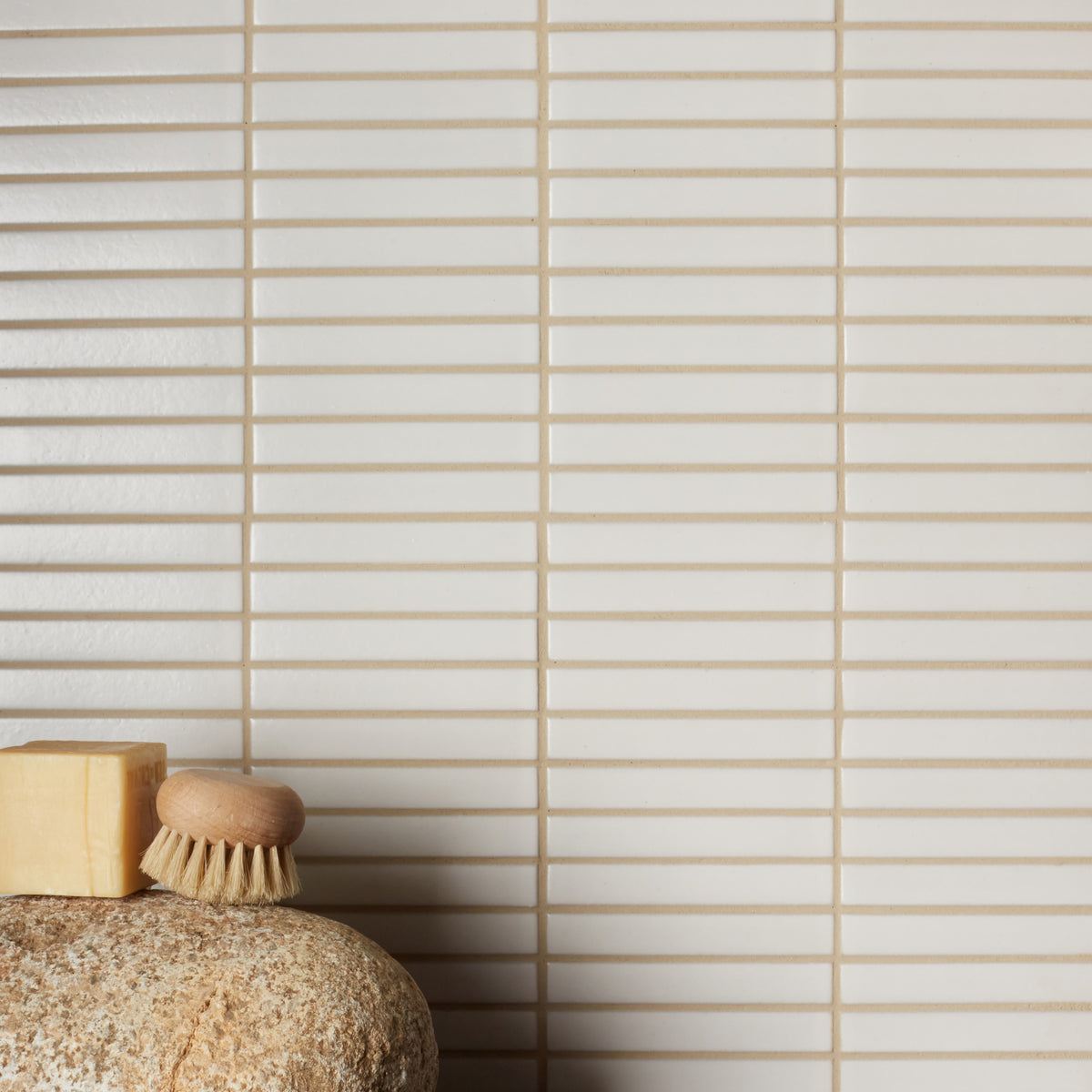
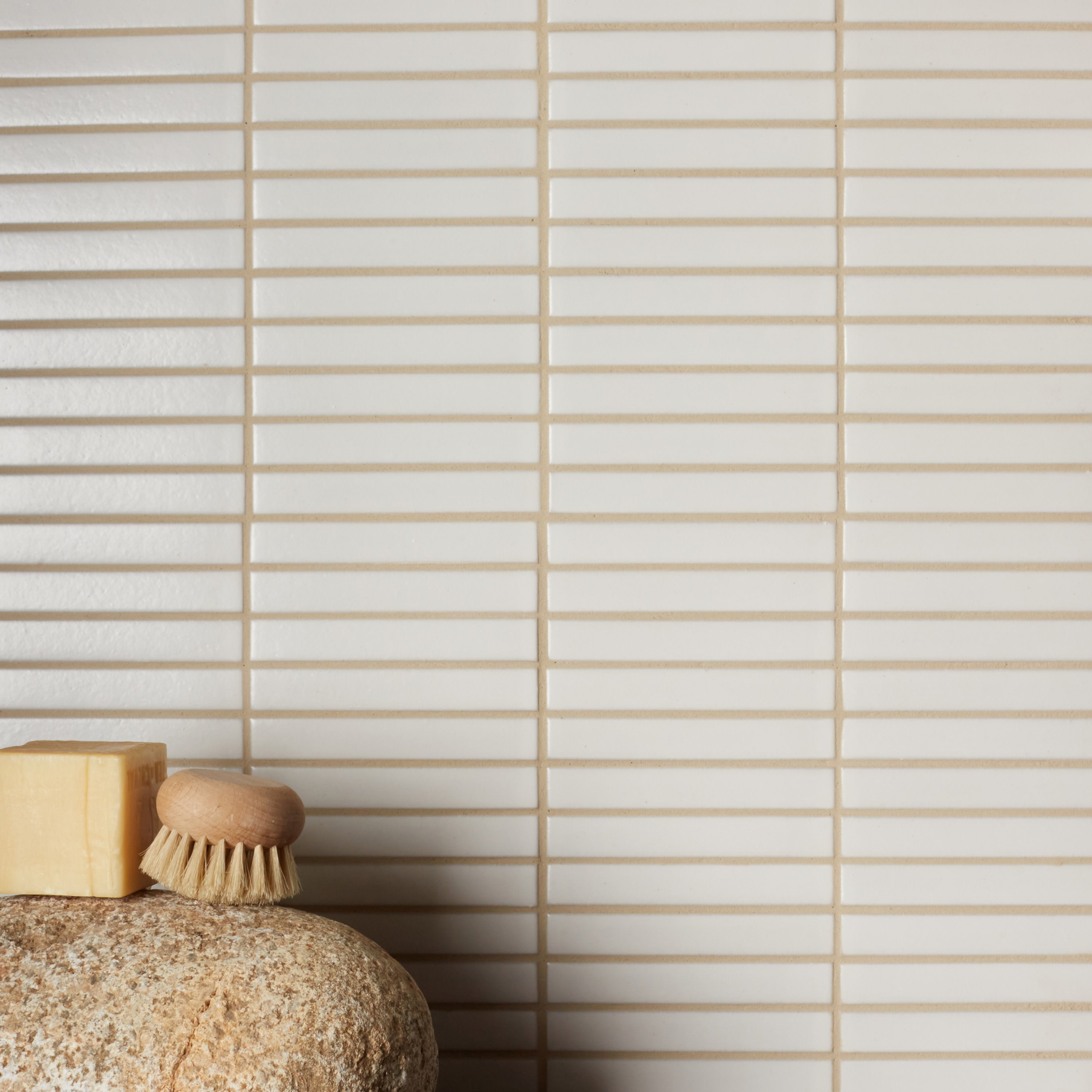
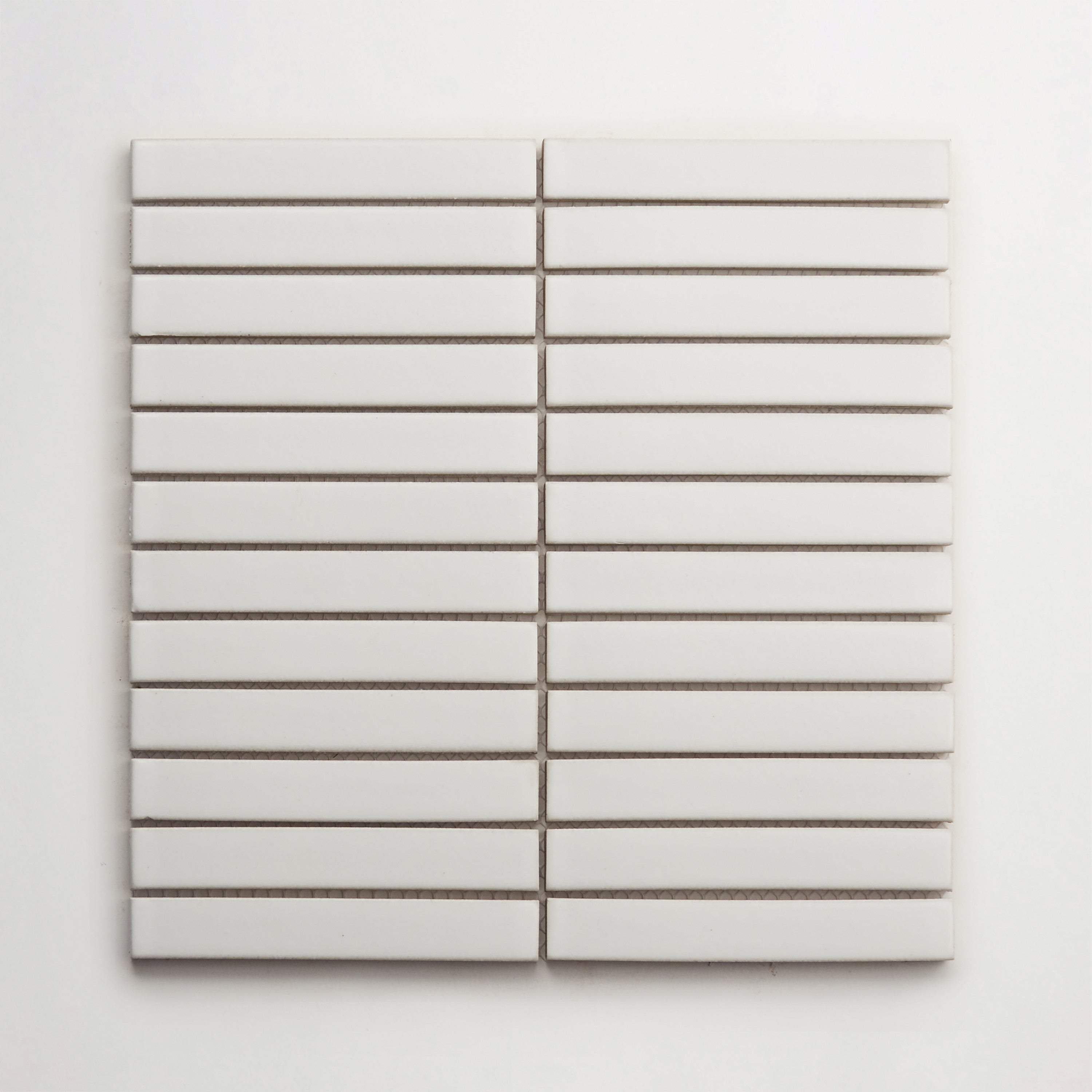
White and painted brick can immediately shift a farmhouse toward a lighter, more contemporary aesthetic. The tradeoff is that painted masonry may eventually require maintenance as the finish weathers. Glazed brick tile offers another route: its surface creates a refined, luminous quality without depending on a conventional exterior paint color.
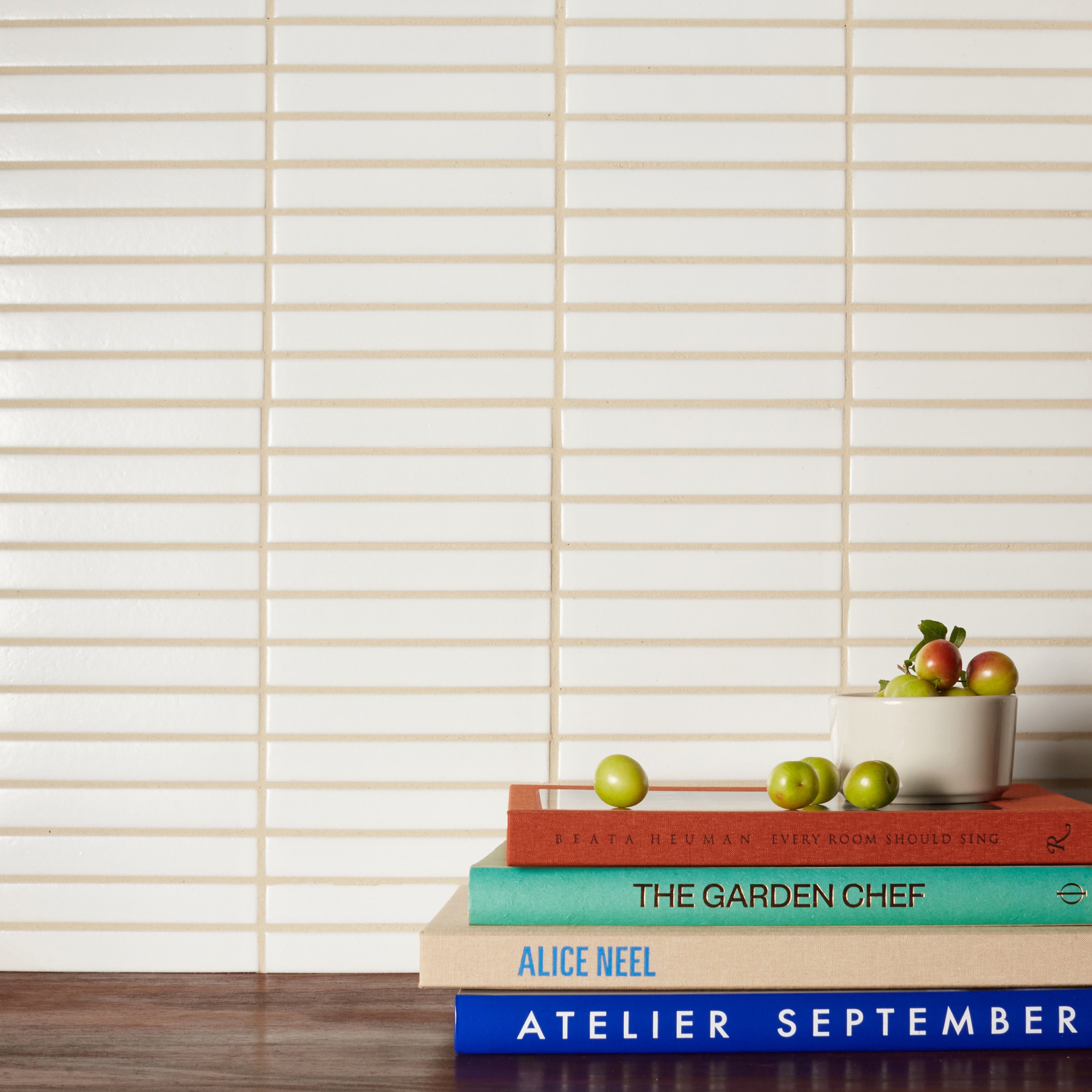
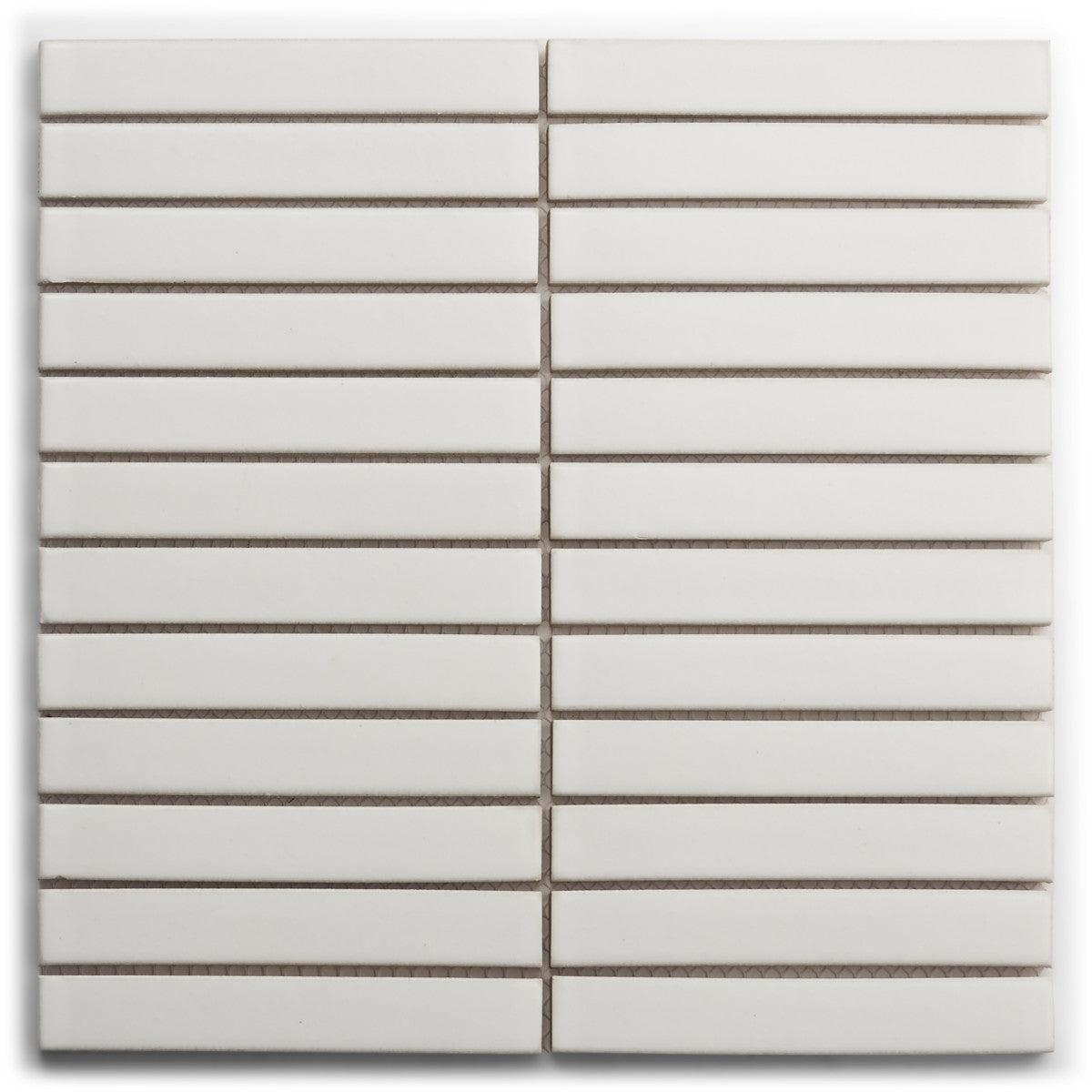
The Modern Farmhouse Brick collection brings this approach outdoors with glazed white and cream finishes that translate the appeal of indoor brick accent walls into an architectural application. For a homeowner seeking brick and paint color combinations with a polished feel, glazed brick can be an excellent choice — particularly when the goal is to coordinate the facade with light, clean-lined trim.
Black Trim, Metal Roofing, and Clean Lines
Black trim has become one of the defining pairings in modern farmhouse design because it creates a crisp edge against pale brick. Window frames, doors, fascia, and other dark details can give a light facade visual structure without adding ornament.
Metal roofing reinforces the same aesthetic direction. Its clean planes complement the simplified geometry of modern farmhouse architecture, particularly when paired with restrained exterior lighting and minimal decorative elements. Together, light brick, black trim, and metal roofing create a solid choice for homeowners who want a farmhouse to feel current while maintaining the material warmth that keeps the style from becoming stark.

Reading Undertone: Brick, Trim, and Door in Conversation
The relationship between brick, trim, and the front door can determine whether an exterior feels cohesive or slightly mismatched. Start with the brick itself rather than choosing paint colors independently. Warm brick with beige, tan, or muted brown undertones generally works best with similarly warm trim, while cooler gray or blue undertones can support crisper whites and darker neutrals.
Contrast can be effective, but matching is not the only path to harmony. A door can provide a stronger accent while the trim quietly connects to the brick. Before committing to a color, view samples in the actual outdoor setting. Morning, afternoon, and evening light can reveal undertones that are easy to miss on a small paint chip.
The Small Brick Farmhouse: Proportion Over Size
A smaller footprint does not mean brick has to be treated as an afterthought. In fact, some of the most appealing small brick farmhouse exterior ideas use the material selectively to create a stronger sense of proportion. Covering every surface in a long, low facade can sometimes make a compact home feel visually heavy.
Instead, brick can define key planes or architectural moments, such as the entry surround, chimney, lower portion of the facade, or a projecting gable. Making the front door the focal point can also give a small home a clear visual center. Simple rooflines and restrained trim help preserve the home’s cottage-scale character rather than competing with it. Here, thoughtful placement is often the best choice — more brick is not necessarily better.
Where the Brick Story Extends Beyond the Facade
A farmhouse exterior feels more resolved when the same material story continues into the landscape. Brick can connect the architecture to driveways, walkways, garden walls, and other hardscape elements, creating transitions that feel considered rather than pieced together after the house is finished.
For inspiration, explore these brick driveway ideas for extending the material underfoot, or consider outdoor brick wall ideas for garden boundaries and architectural landscape features. Repeating a brick tone does not require every application to match exactly. Related tones and textures can create continuity while preserving enough variation to keep the property from feeling overly coordinated.


Pairing Brick with Stone, Wood, and Stucco
Brick becomes even more versatile when it shares the exterior with another material. Board and batten or other wood siding can push the design toward a traditional farmhouse expression, especially when the brick has warm, naturally varied tones. Stone accents create a more grounded, substantial character and can work especially well around foundations, chimneys, or entryways.
Stucco and pale brick create a softer, more modern combination, particularly when the palette stays restrained. The key is to let one material establish the dominant visual language while the others provide contrast and texture. For more inspiration, explore mixing stone and brick. The right combination can shift a home subtly toward either the classic or modern end of the farmhouse spectrum.
Masonry Brick and Artisan Brick Tile, Tested by Weather
Traditional masonry brick and artisan brick tile can both contribute to a brick farmhouse exterior, but they represent different approaches to construction and material application. Full masonry brick is a substantial building material with a long history of exterior use, while brick tile or veneer can offer a more flexible way to introduce the look and character of brick to exterior walls.
For outdoor applications, weather exposure matters. Freeze-thaw cycles, moisture, installation methods, and maintenance requirements should all be considered for the specific climate and application. Glazed brick tile finishes can also call for periodic professional sealing or refinishing. Our weather-resistant, artisan-crafted brick offers a way to bring the material story indoors and out while keeping exterior performance in view. Explore our exterior wall tile collection for additional options.
Building a Brick Farmhouse That Feels Like Yours
Classic and modern farmhouse styles are not opposing camps. They are two ends of one material story, with countless interpretations between them. A warm, naturally varied brick may be the perfect choice for a home with traditional proportions, while pale glazed brick can create a lighter, more contemporary expression. The right direction depends on the architecture, surrounding landscape, and character you want the property to convey.
Brick can be historic or fresh, substantial or delicate, rustic or refined. The most compelling exteriors use those qualities intentionally, choosing tone, finish, scale, and supporting materials to create a home that feels rooted in its setting while still reflecting its own point of view.
Explore the Modern Farmhouse Brick collection and find the tone that anchors your own exterior story.
Colorway
-
Snapped Twig
Collection
-
BrickWorks
:
Sub Collection
-
le Disque
Material
Length
-
4
" x
Width
-
4
" x
Thickness
-
¼
"
Unit of Measurement
-
sqft
/
Price per Unit
$
Colorway
-
White
Collection
-
Modern Farmhouse Brick
:
Sub Collection
-
Cords
Material
Length
-
8
" x
Width
-
8
" x
Thickness
-
⅞
"
Unit of Measurement
-
sqft
/
Price per Unit
$


Colorway
-
Natural (Unglazed)
Collection
-
FezBrick
:
Sub Collection
-
Torrone II
Material
Length
-
4
" x
Width
-
16
" x
Thickness
-
¾
"
Unit of Measurement
-
sqft
/
Price per Unit
$