

BrickWorks Mason in Sequoia Grove.
Brick and Wood House Exterior Ideas for a Considered Facade
Brick and wood are two of the most familiar materials in residential exteriors—and two of the easiest to combine without making the result feel intentional. The difference comes down to proportion. When brick and wood simply sit beside each other, the facade can feel assembled; when their relationship is considered, each material gives the other more definition.
Brick brings mass, permanence, and visual weight. Wood introduces warmth, texture, and verticality. The strongest brick and wood house design treats that contrast as a deliberate part of the architecture, creating a material dialogue that can carry from the facade through the rest of the exterior.


The Short Version: Brick and Wood, Done With Intention
- Let one material lead and the other respond. Brick can establish weight and permanence, while wood adds warmth, texture, and verticality.
- Use proportion, placement, and texture to make the pairing feel architectural rather than assembled. A restrained palette gives the relationship between brick and wood room to define the facade.
- Plan for how both materials will age. Brick typically changes gradually, while wood responds more noticeably to species, finish, moisture, sun, and exposure.
- Resolve transitions carefully, especially where brick and wood meet. Proper flashing, drainage, and compatible aging characteristics help preserve the facade over time.
- Carry the material story beyond the house through driveways, entry paths, garden walls, and outdoor kitchens. These secondary surfaces can echo the facade without requiring an exact match.
- Think of the exterior as one connected composition. Repeating related tones, textures, and materials across the landscape creates continuity while allowing each surface to retain its own character.

How Structure and Warmth Negotiate a Facade
The most successful brick and wood exteriors aren't built around the question of which materials look good together. They're built around which material should lead. Rather than dividing the facade evenly, choose a dominant material and let the second one respond to it. That hierarchy gives the exterior a clearer architectural point of view.
Why Structure and Warmth Read Well Together
Brick brings mass, shadow, and visual weight, giving a home a grounded sense of permanence. Wood introduces grain, texture, and verticality, softening that weight with a warmer, more tactile quality. The tension between those qualities is what makes the pairing work. Used intentionally, brick and wood house exterior ideas become less about contrast for its own sake and more about creating balance between structure and warmth.
Deciding Which Material Should Lead
A simple way to establish that hierarchy is to consider how each part of the house is experienced. Brick can lead on street-facing and high-traffic elevations, where its permanence and durability feel especially appropriate. Wood can take the lead on covered porches, gables, or upper stories, where shelter, shadow, and warmth naturally become part of the design. The result feels cohesive without forcing the two materials to compete for equal attention.
Modern Brick and Wood Pairings With Architectural Confidence
Modern brick and wood houses exterior ideas tend to work best when the material palette is restrained and the architecture does more of the talking. Fewer materials, sharper lines, and generous negative space allow the contrast between brick and wood to feel deliberate rather than decorative. The approach also translates well to a modern farmhouse brick and wood exterior, where traditional material warmth can be pared back through cleaner lines and more deliberate balance of materials.
Dark Brick Grounded by Vertical Wood Cladding
A dark, low-variation brick creates a quiet, weighty base, while vertical wood cladding introduces height and warmth. The directional change gives the facade visual rhythm without adding another layer of ornament. Keeping the brick relatively consistent in tone and the wood grain visible but controlled helps the pairing read as architecture first.
Letting Glazing and Negative Space Do the Talking
Large windows and unbroken wall planes give the two materials room to hold their own. Instead of adding trim, shutters, or other decorative elements to fill the facade, let the transitions between brick, wood, glass, and open space define the composition. This approach gives a modern brick and wood house a sense of confidence without requiring visual complexity.
Quiet, Restrained Brick and Wood Exteriors
Simple brick and wood houses exterior ideas are less about having less and more about making every material earn its place. A restrained facade uses fewer materials, fewer transitions, and a tighter palette, then relies on precise proportions and execution to create interest. The result feels considered rather than underdesigned.
One Brick Tone, One Wood Tone, Nothing Else Competing
Start with a single brick color family and one wood tone, then let texture, scale, and proportion provide the variation. A softly variegated brick can bring depth without introducing another color, while wood grain adds warmth and movement on its own. Keeping the palette narrow gives the relationship between the two materials room to become the defining feature.
What Restraint Actually Signals
Clean transitions between materials, consistent mortar color, and deliberate wood placement all communicate intention. A single accent gable or a wood-clad covered entry can be enough to establish where warmth belongs without scattering it across the facade. Done well, this kind of restraint reads as precision—not a scaled-back budget.For another approach to coordinating an exterior palette, see our exterior brick and paint color combinations.
Character-Driven Brick and Wood Combinations Rooted in Craft
Brick and wood house design has a long architectural history, from Craftsman bungalows to Mediterranean-influenced facades. In these traditions, the pairing isn't simply decorative; proportions, climate, craftsmanship, and local materials all shape how brick and wood work together.
Craftsman and Bungalow-Era Proportions
The classic Craftsman formula often places a substantial brick or stone base beneath wood shingles or clapboard, giving the lower portion of the house a grounded, protective quality while keeping the upper story lighter and warmer. That clear division still feels timeless because the materials have distinct roles rather than competing for attention. Strong rooflines, deep eaves, and carefully scaled wood details reinforce the relationship.
Old-World Warmth in a Mediterranean-Influenced Facade
Mediterranean and Andalusian building traditions offer another way to approach the pairing, using sun-warmed masonry alongside heavy timber beams, shutters, and other tactile elements. The effect is less about recreating a historic facade than borrowing its material warmth and sense of permanence. Brick, timber, and shadow work together to create an exterior that feels rooted in place and built to age with character.
For another perspective on combining masonry materials, explore our mixing stone and brick exterior ideas.
What Brick and Wood Ask of Each Other Over Time
A brick-and-wood exterior can look compelling on day one, but the stronger test is how the materials work together years later. Brick and wood age differently, and accounting for those differences from the start can keep the facade feeling cohesive as both materials weather.
How Each Material Weathers and Ages
Brick typically weathers slowly and evenly, developing subtle changes in tone and surface over time. Wood is more variable: its appearance depends on species, finish, orientation, moisture, and exposure to sun and weather. If one material changes dramatically while the other remains nearly unchanged, an otherwise balanced pairing can lose some of its original cohesion. Choosing materials with compatible aging characteristics—and understanding how each will look several years down the road—helps preserve the intended relationship.
Maintenance Rhythms Worth Planning for Before You Build
Wood siding generally requires periodic refinishing and, depending on the material and exposure, eventual replacement. Brick typically needs much less intervention, but the details where brick and wood meet still matter. Proper flashing, drainage, and carefully resolved transitions help protect both materials from moisture-related problems.
For secondary structures exposed to heavier weather, brick tile can offer a more practical, lower-maintenance alternative to wood siding. An outdoor kitchen wall or garden wall, for example, can carry the same masonry language as the main house while requiring less ongoing upkeep than an exposed wood surface.

Timeless brick exterior.

Brick, stone, and wood—natural elements in perfectly imperfect symmetry.
Carrying the Material Story Past the Front Door
A well-chosen facade establishes the property's material language, but a fully considered exterior carries that language beyond the foundation line. The same relationship between brick and wood can continue through the spaces that connect the house to its landscape, creating a property that feels designed as a whole rather than assembled in pieces.
Letting the Driveway and Entry Steps Echo the Facade
A brick driveway or brick-paved entry walk can extend the warmth and permanence established by the house itself. Using a brick tone that matches or complements the facade creates continuity without requiring an exact match. The goal is to echo the material language, allowing the transition from street to front door to feel like part of the same architectural composition.For more ways to approach the ground plane, explore our brick driveway ideas and patterns.
Garden Walls and Outdoor Kitchens as a Second Canvas
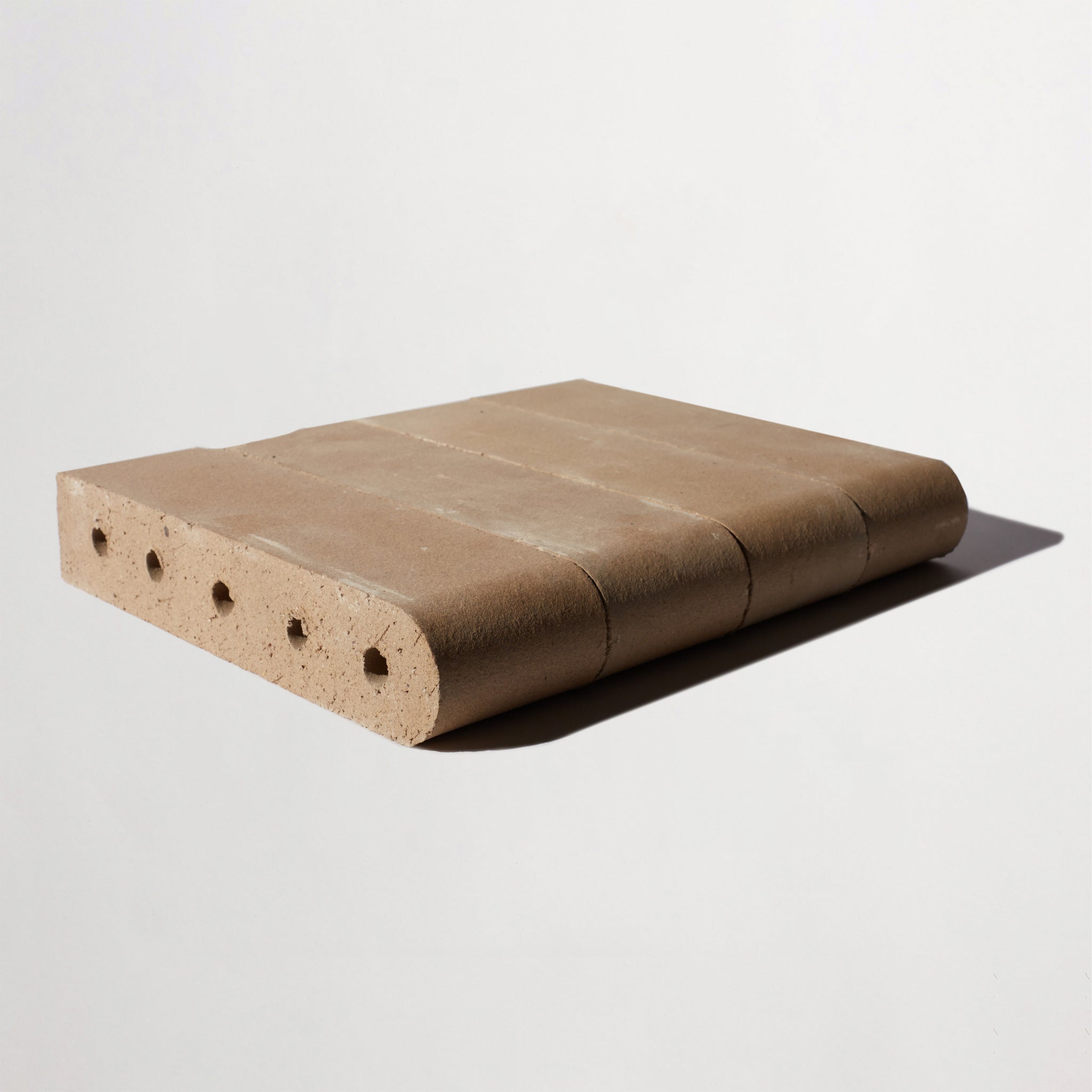
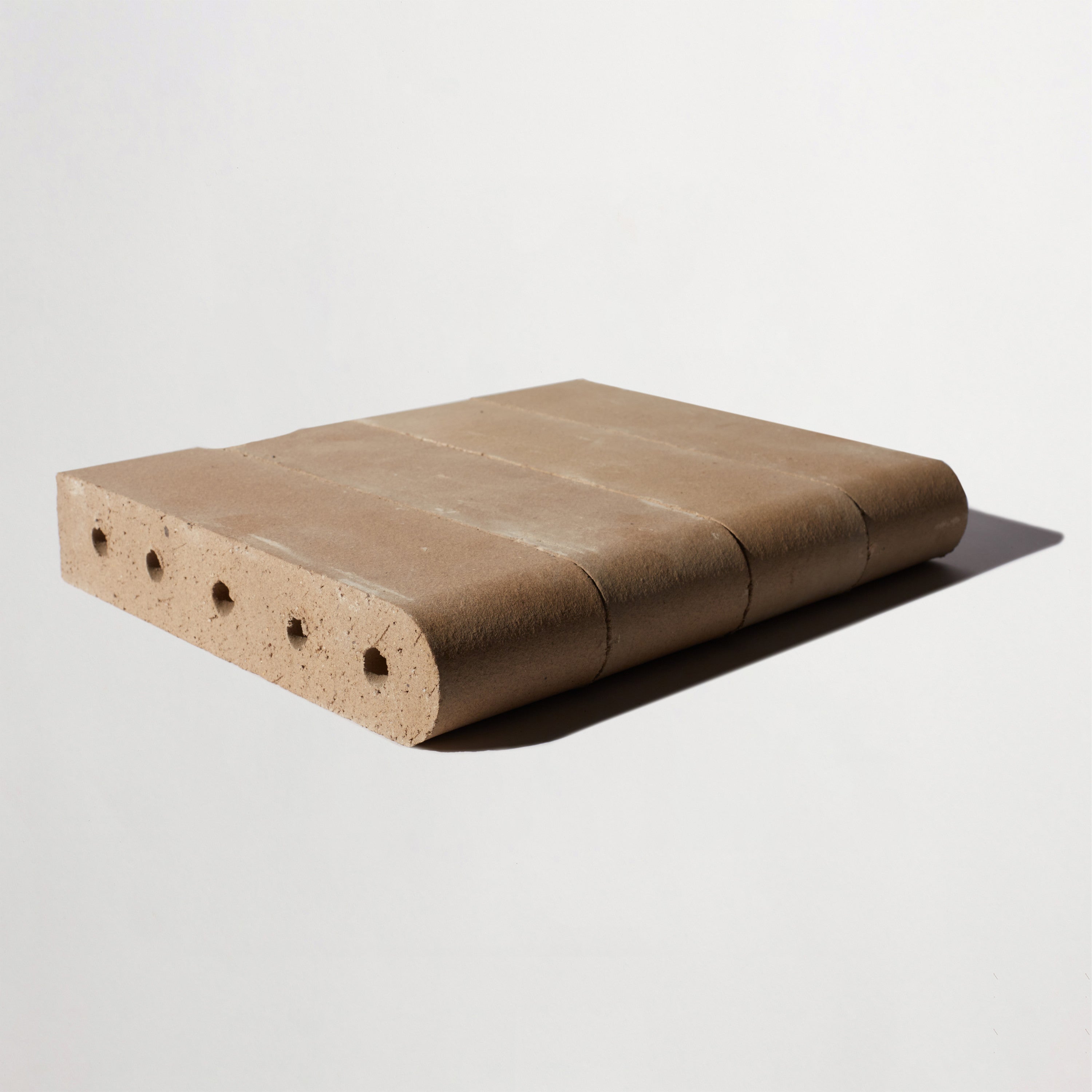
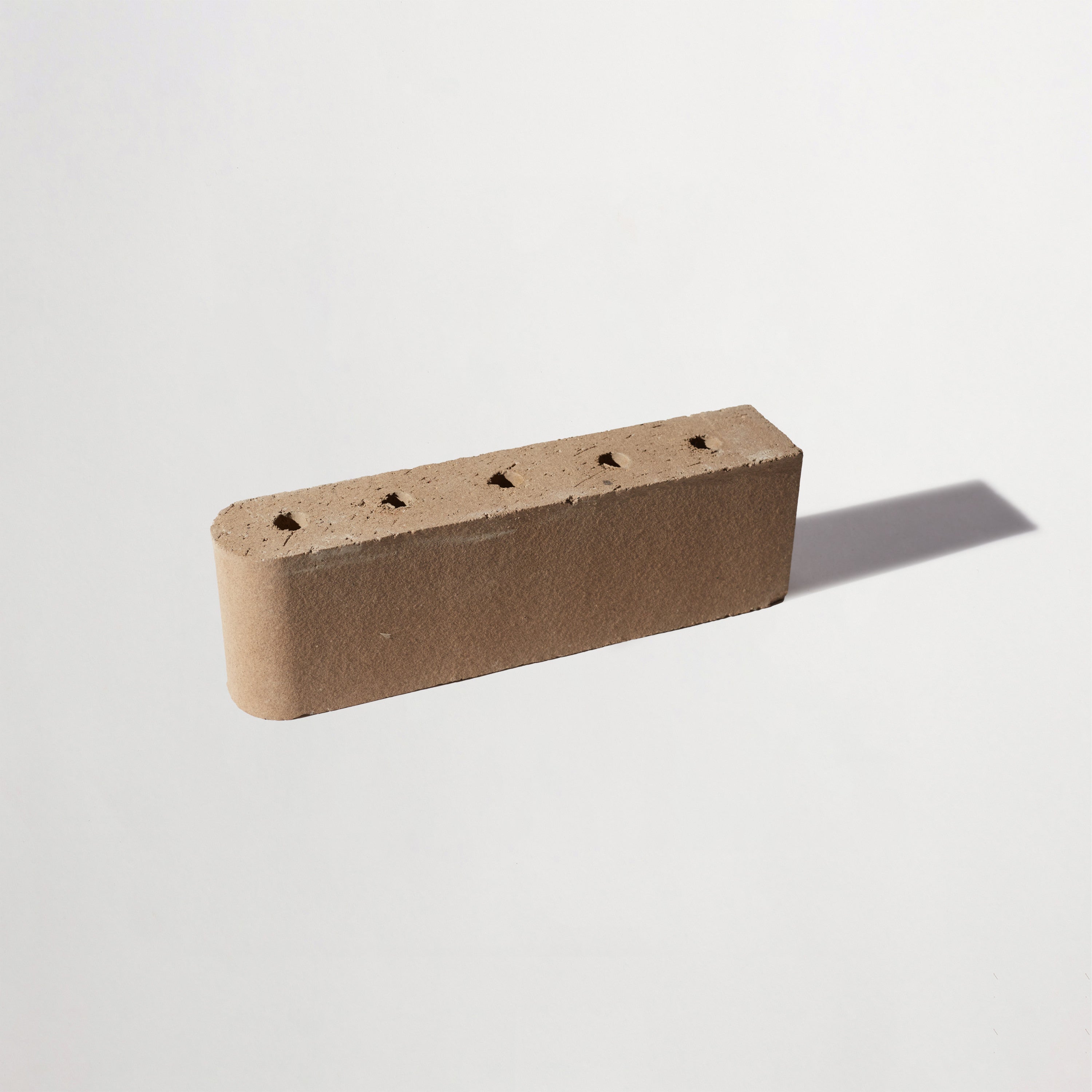
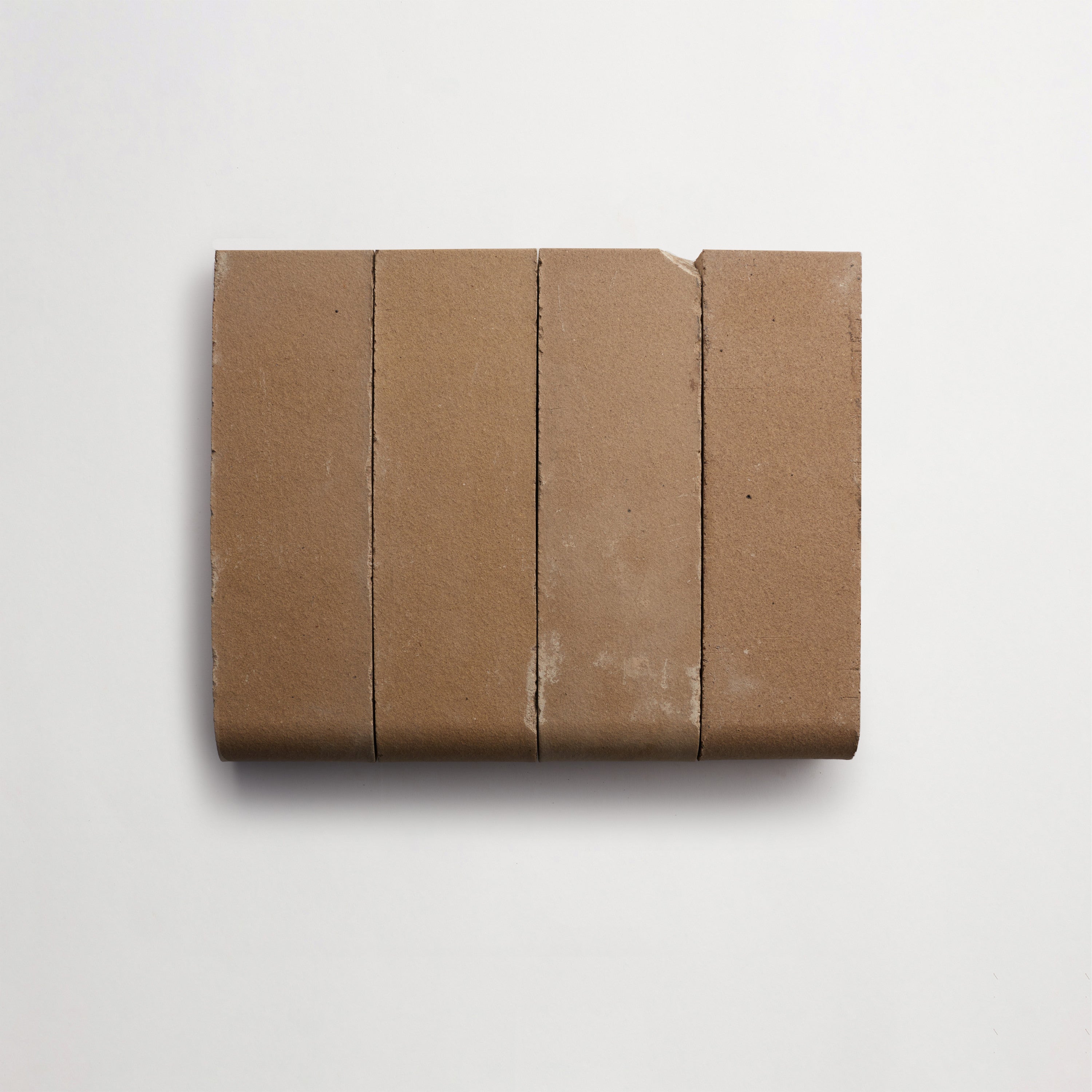
Garden walls, planters, and outdoor kitchen surrounds offer another opportunity to carry the house's material story into the landscape. Artisan brick tile, such as OUTERclé's Modern Farmhouse Brick tile collection, can pick up the warmth and texture of the facade without matching it exactly. That slight variation keeps the property cohesive while allowing each surface to have its own character.
For additional options, explore our facade and wall tile collection for wall and vertical surfaces that call for the same warmth and texture as the home's exterior.
A Facade That Sets the Tone for Everything Beyond It
Brick and wood become more than a facade when their relationship is chosen with intention. Proportion, placement, texture, and the way each material ages can establish a material vocabulary that carries through the entire property—not just the house itself.
From the street to the entry, garden, outdoor kitchen, and backyard, those choices can create a sense of continuity without making every surface match. The result is an exterior that feels considered from every angle, with the warmth and permanence of brick and wood setting the tone for everything beyond the front door.
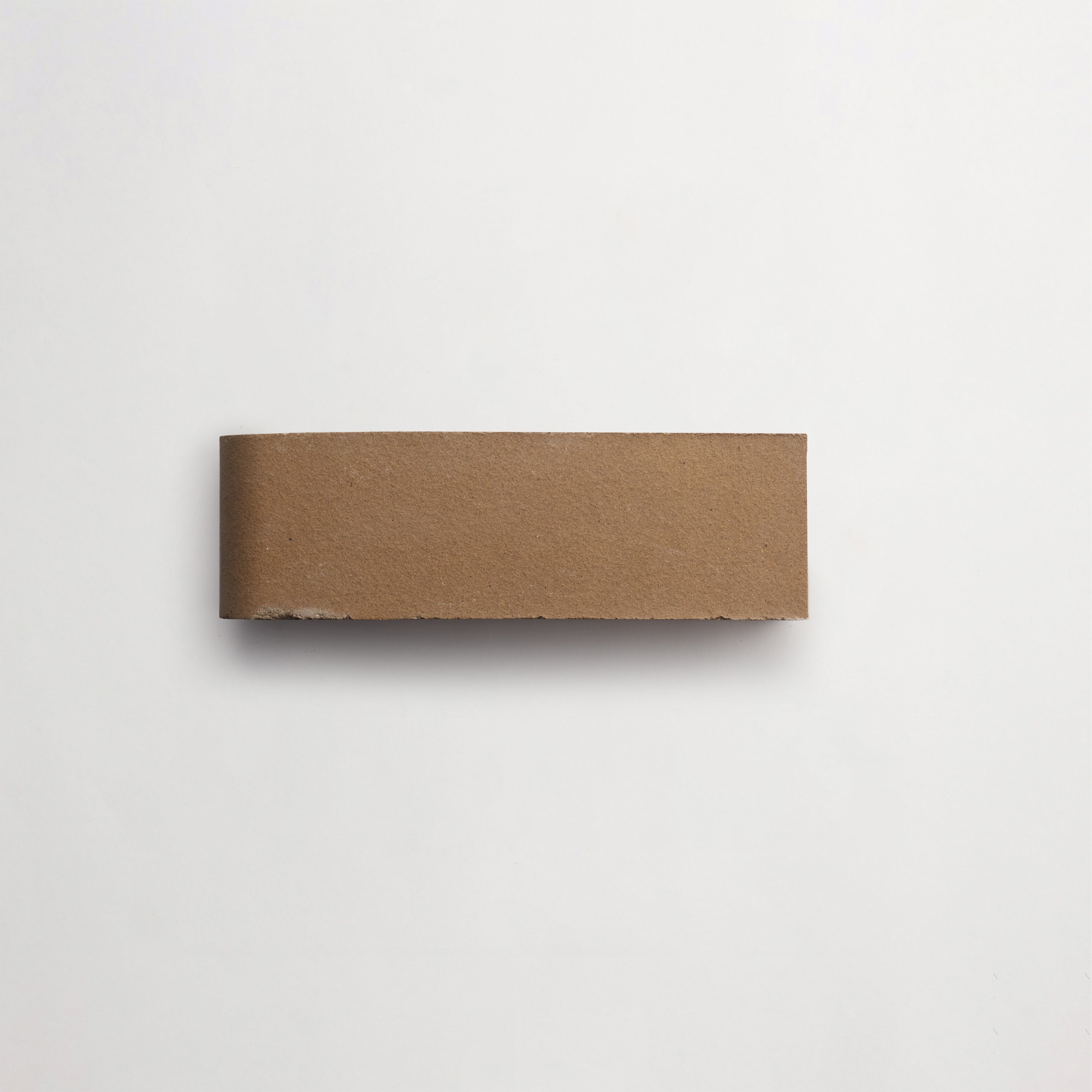
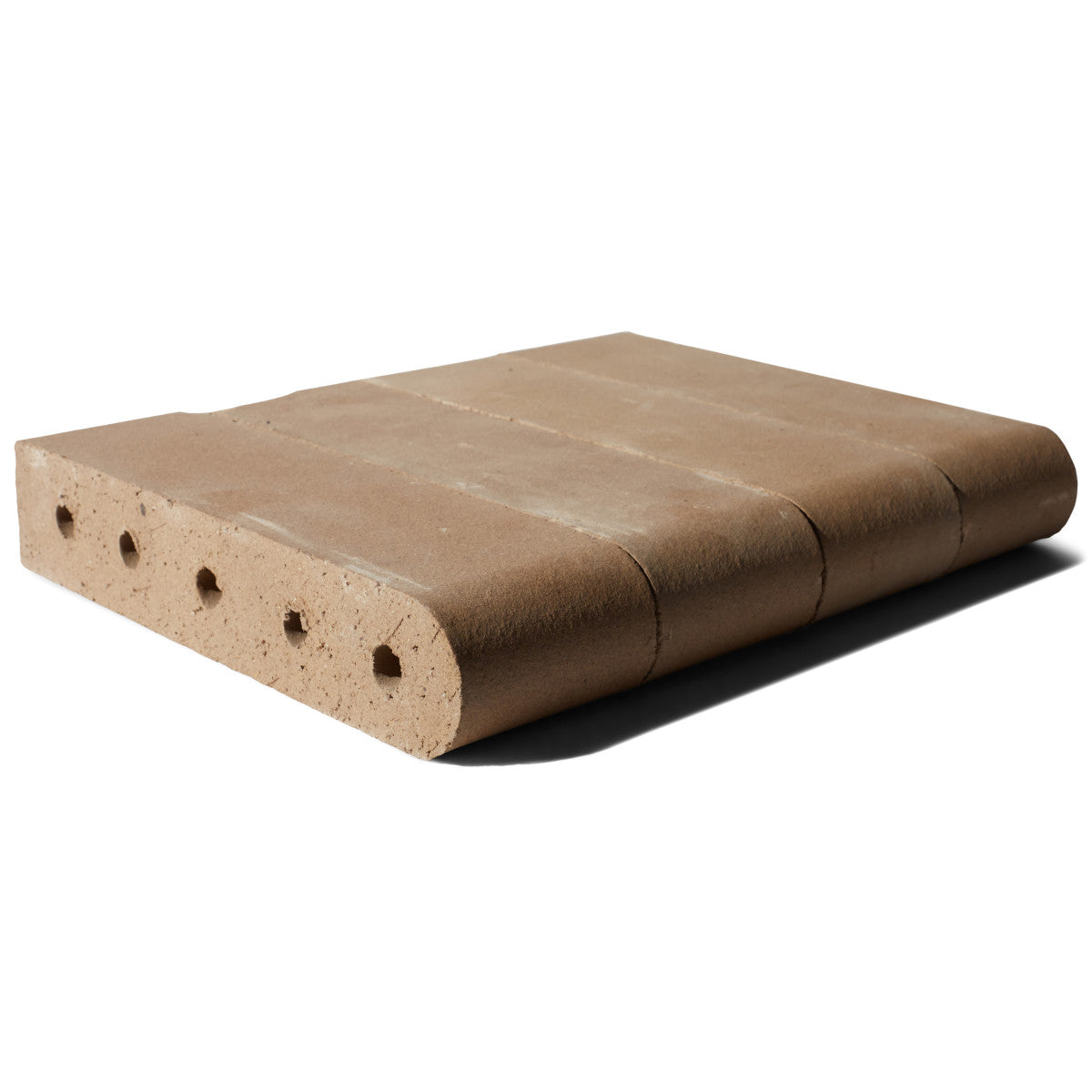
Discover facade tile that carries brick and wood’s material story beyond the front door.
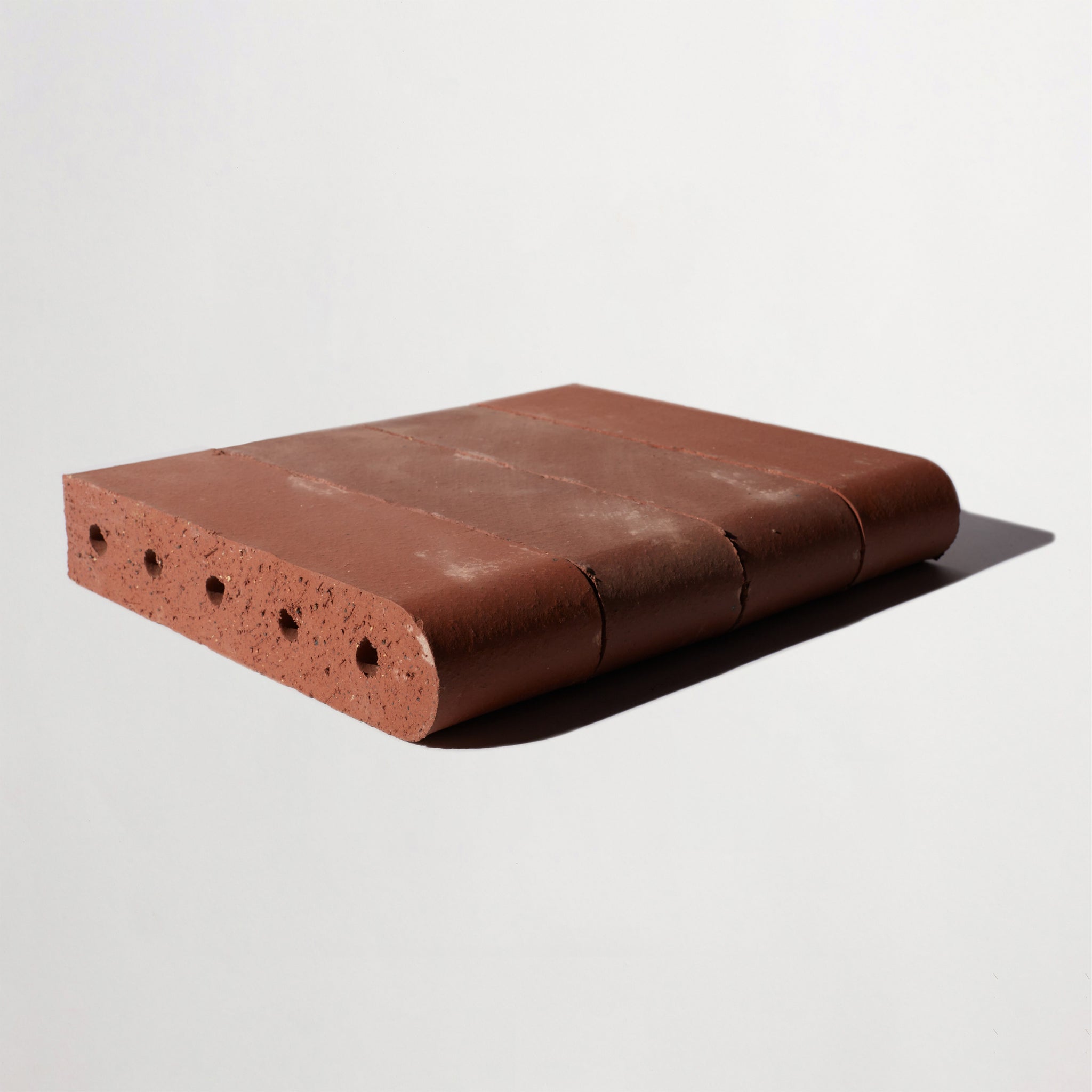
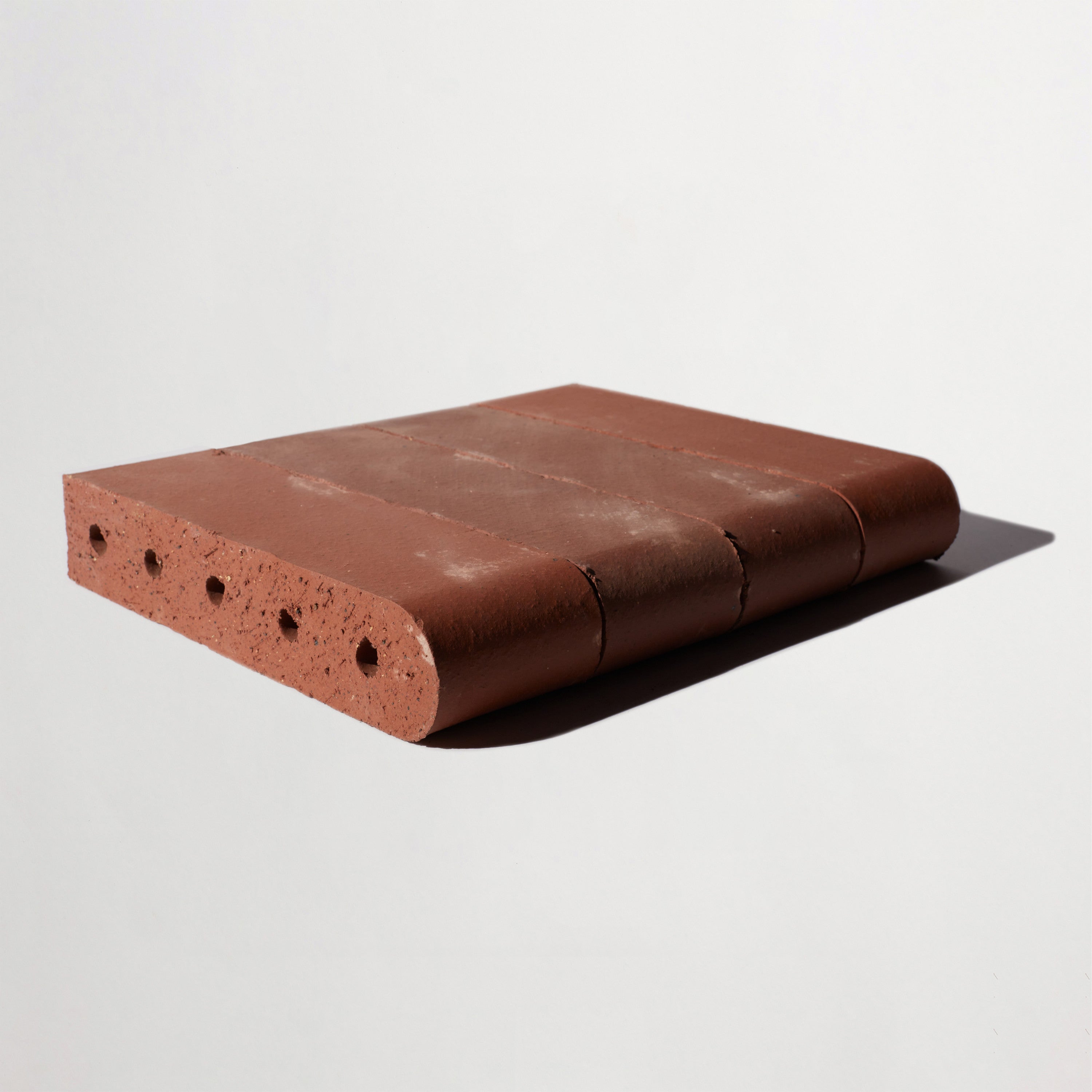
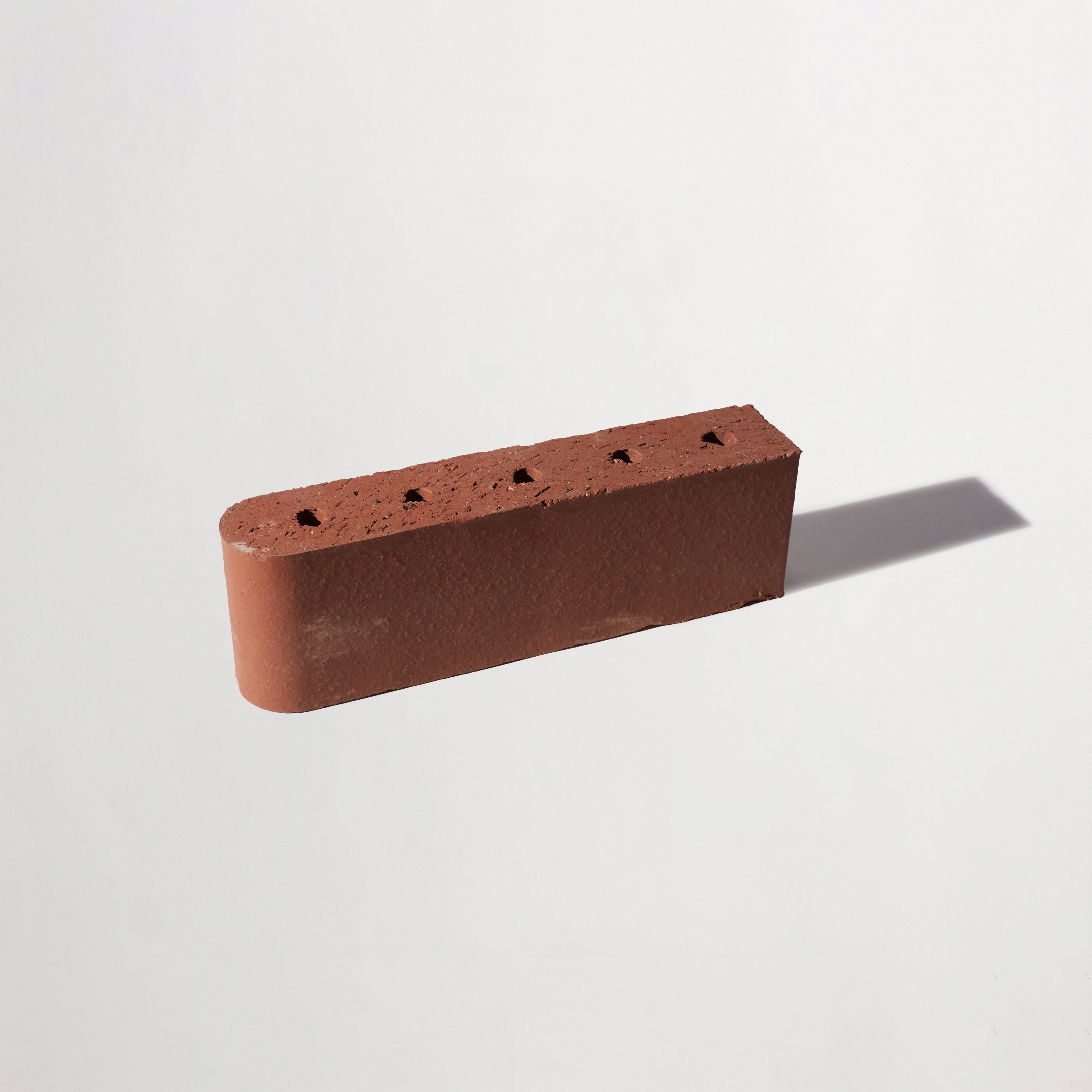
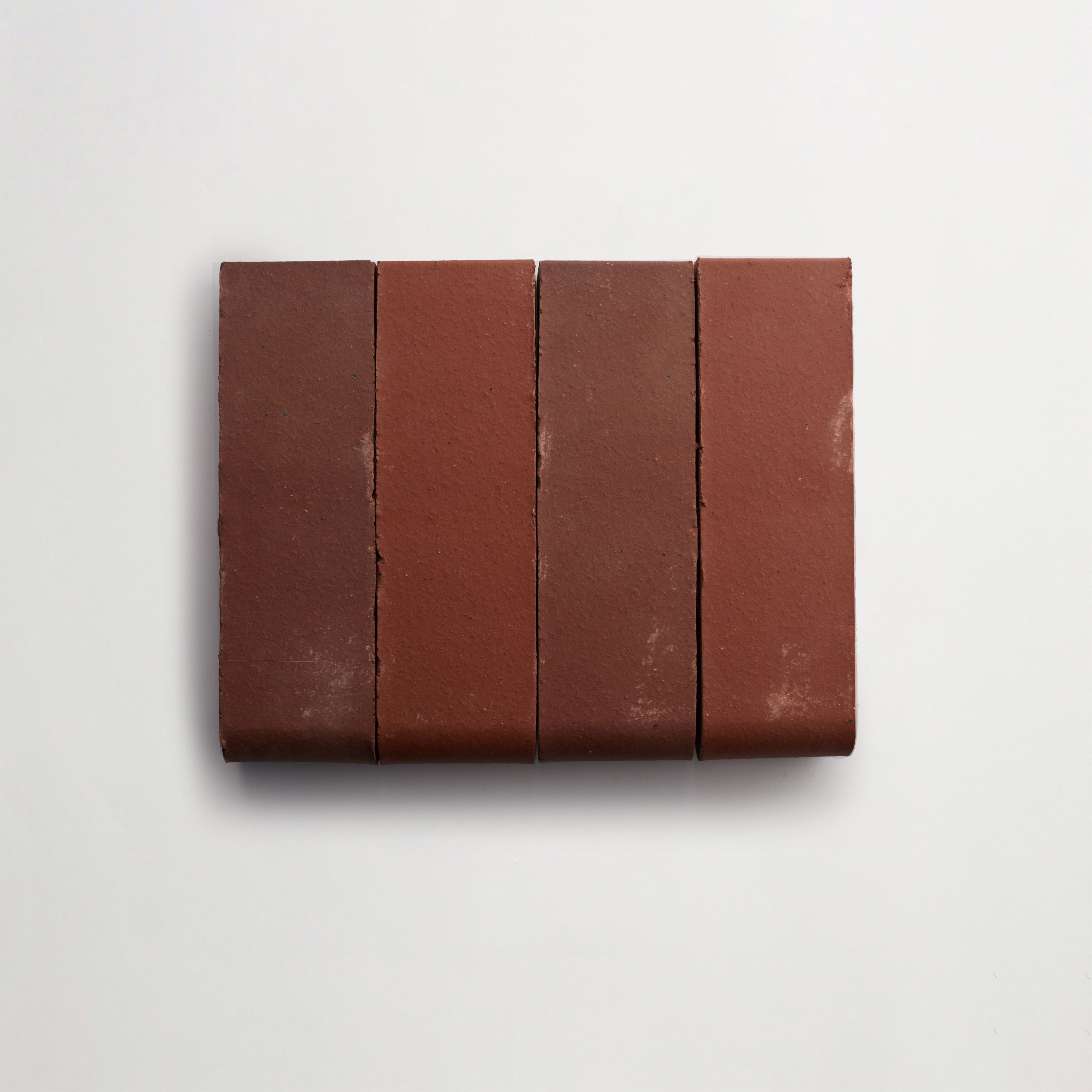
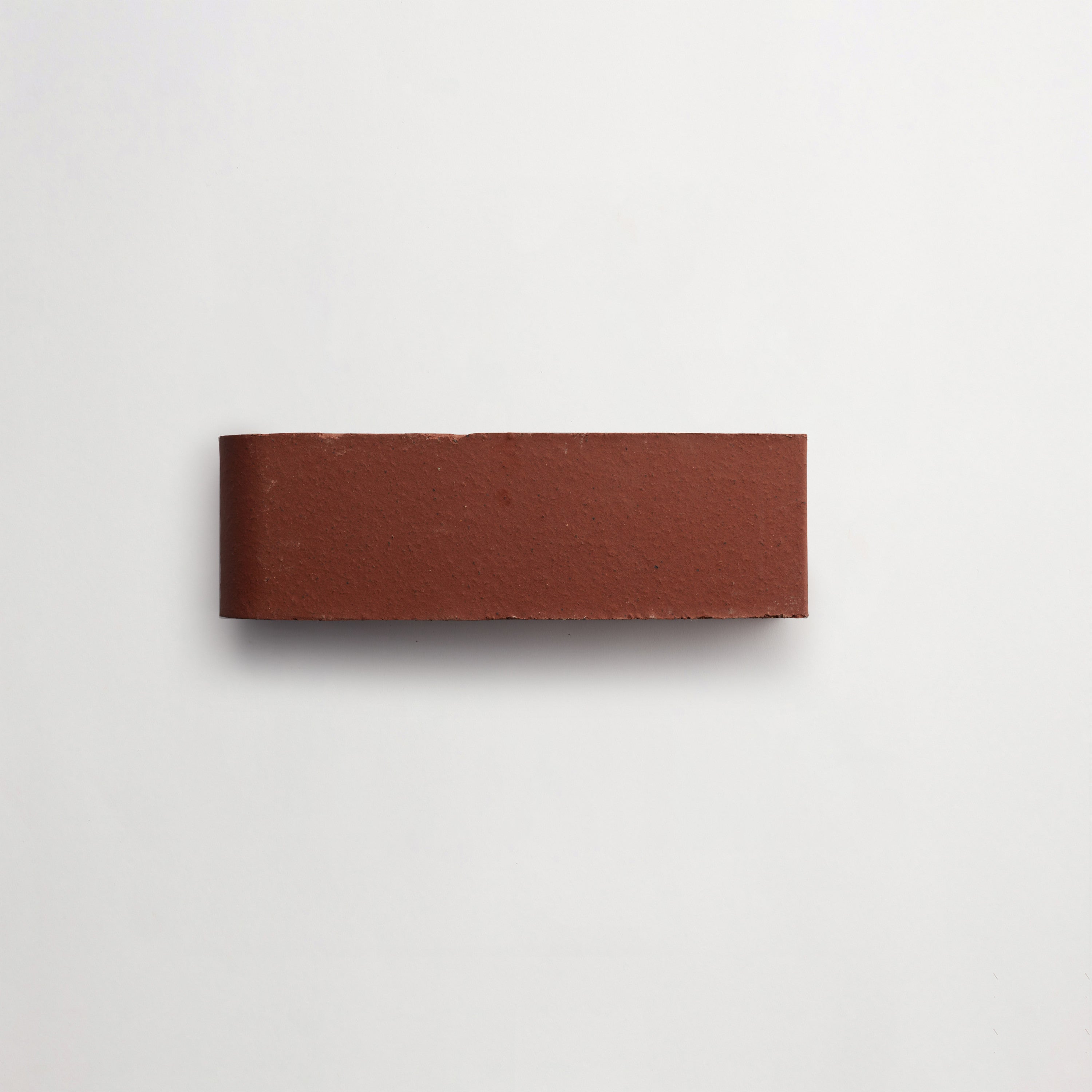
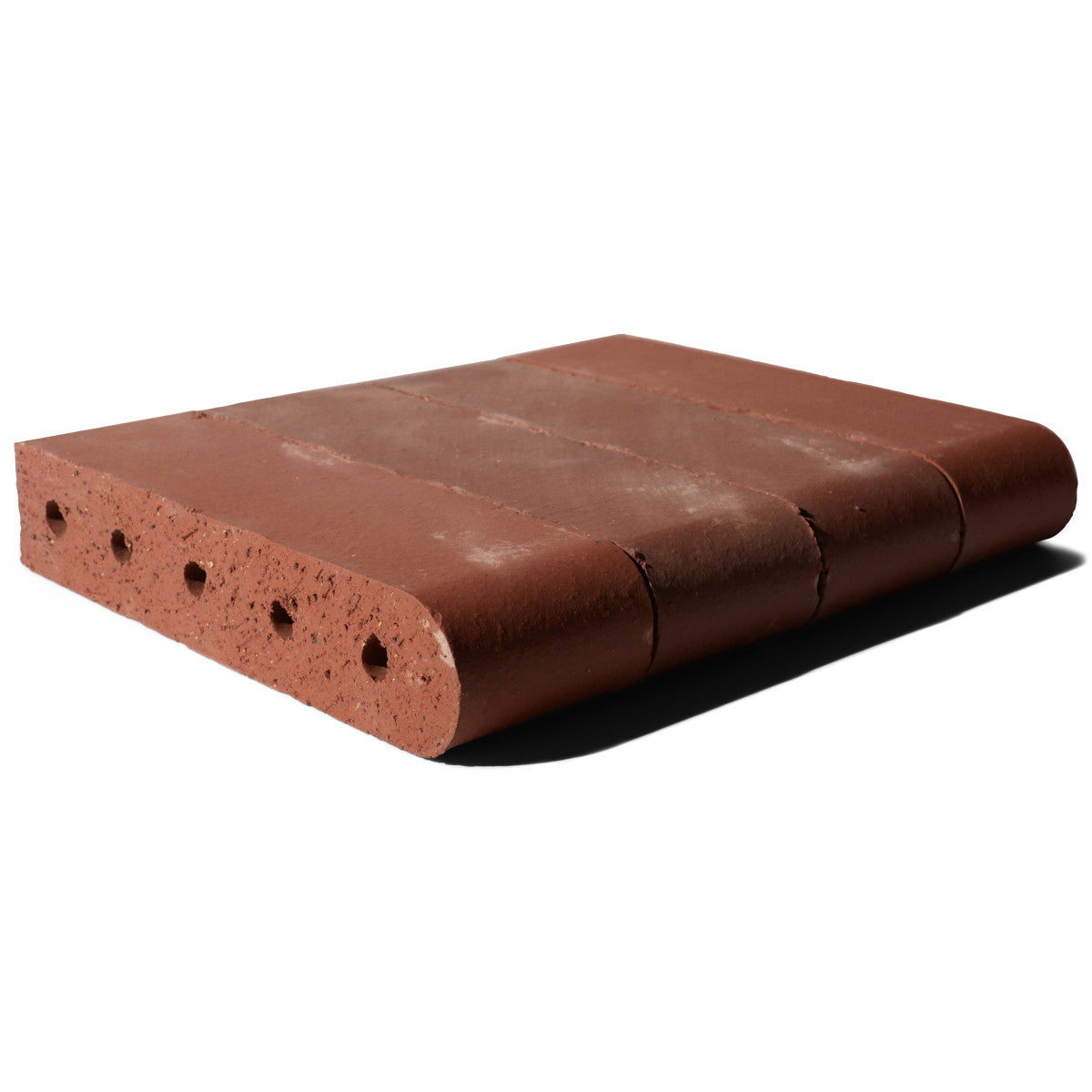
Colorway
-
Antelope Canyon
Collection
-
BrickWorks
: Cabochon Edge Grand
Material
Length
-
4
" x
Width
-
4
" x
Thickness
-
¼
"
Unit of Measurement
-
sqft
/
Price per Unit
$
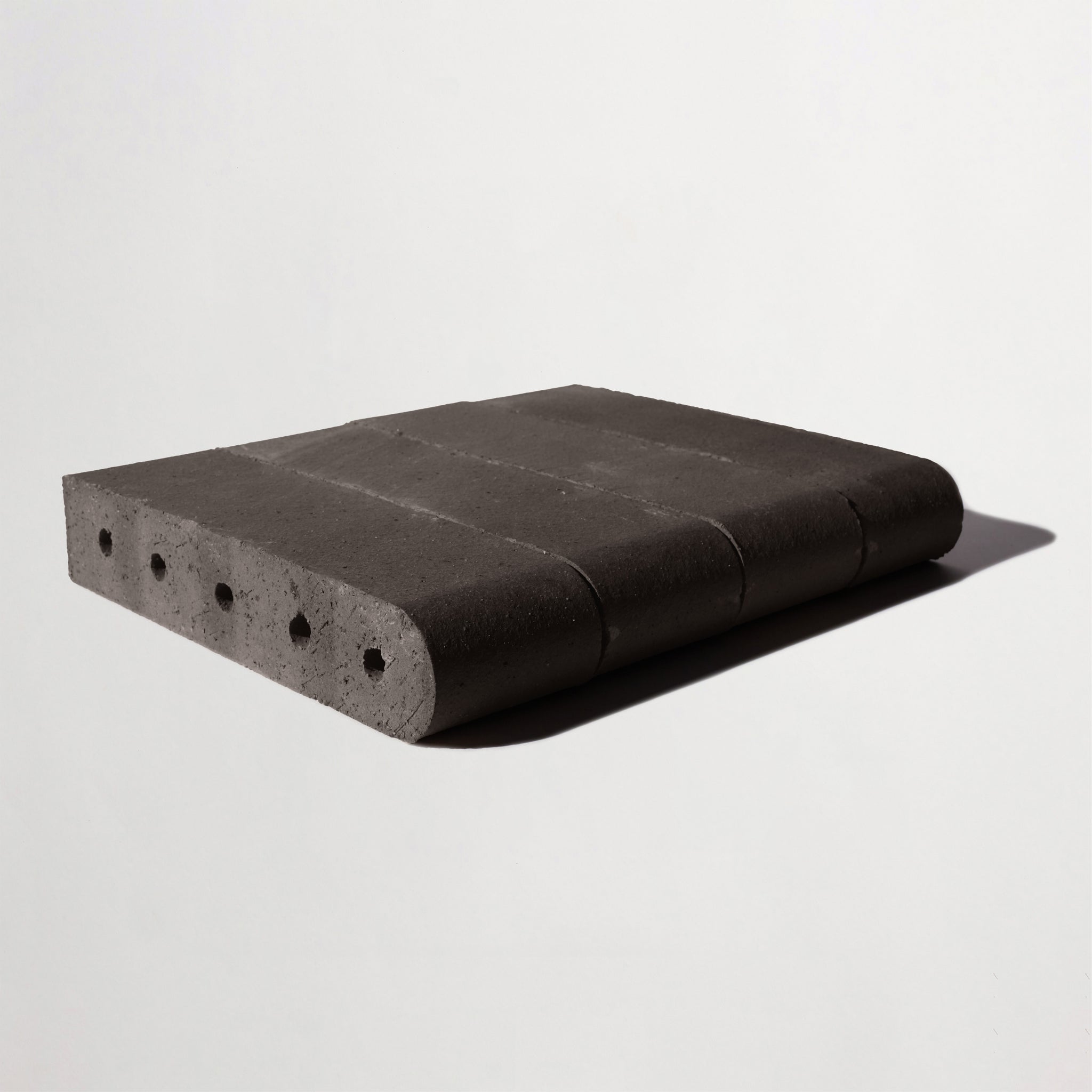
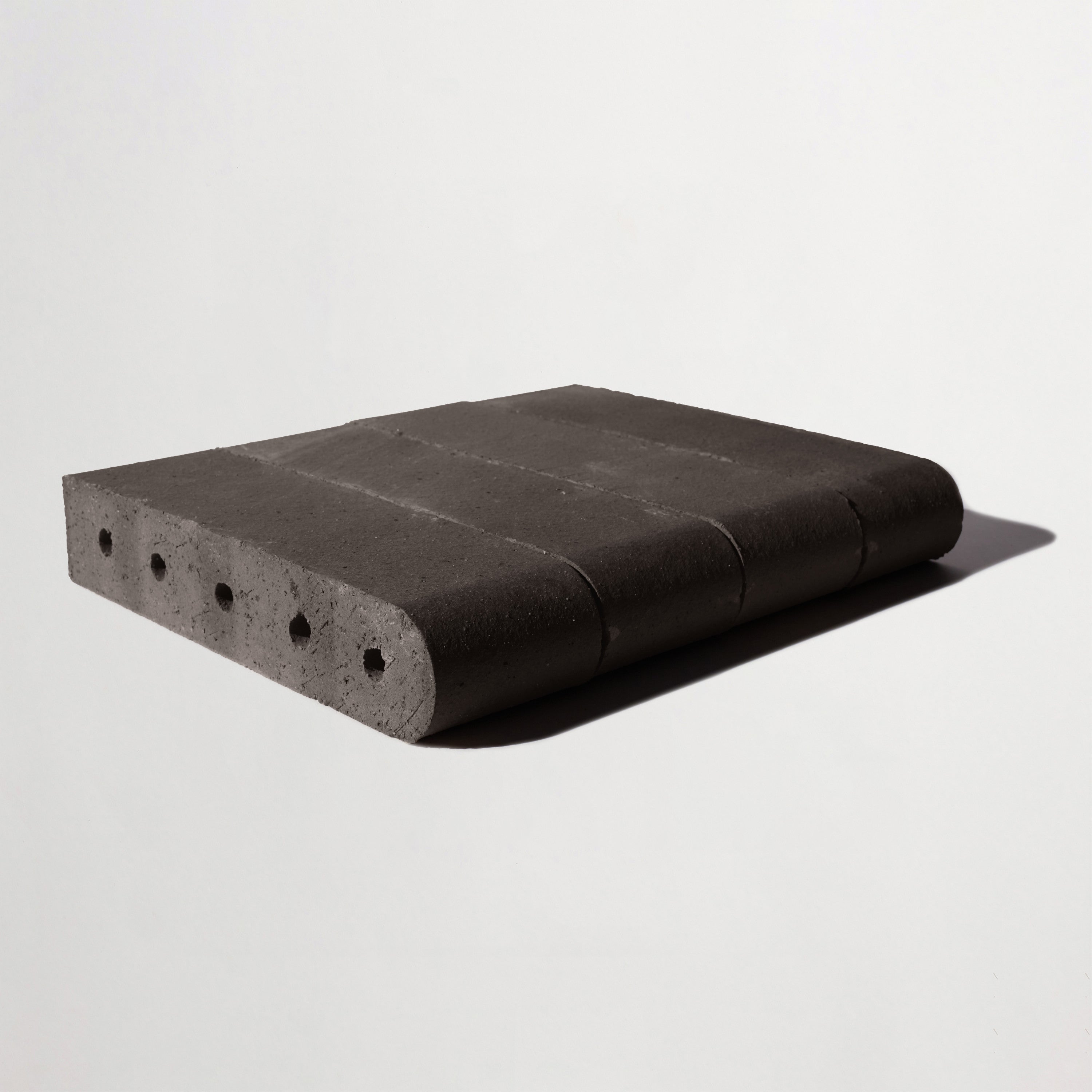
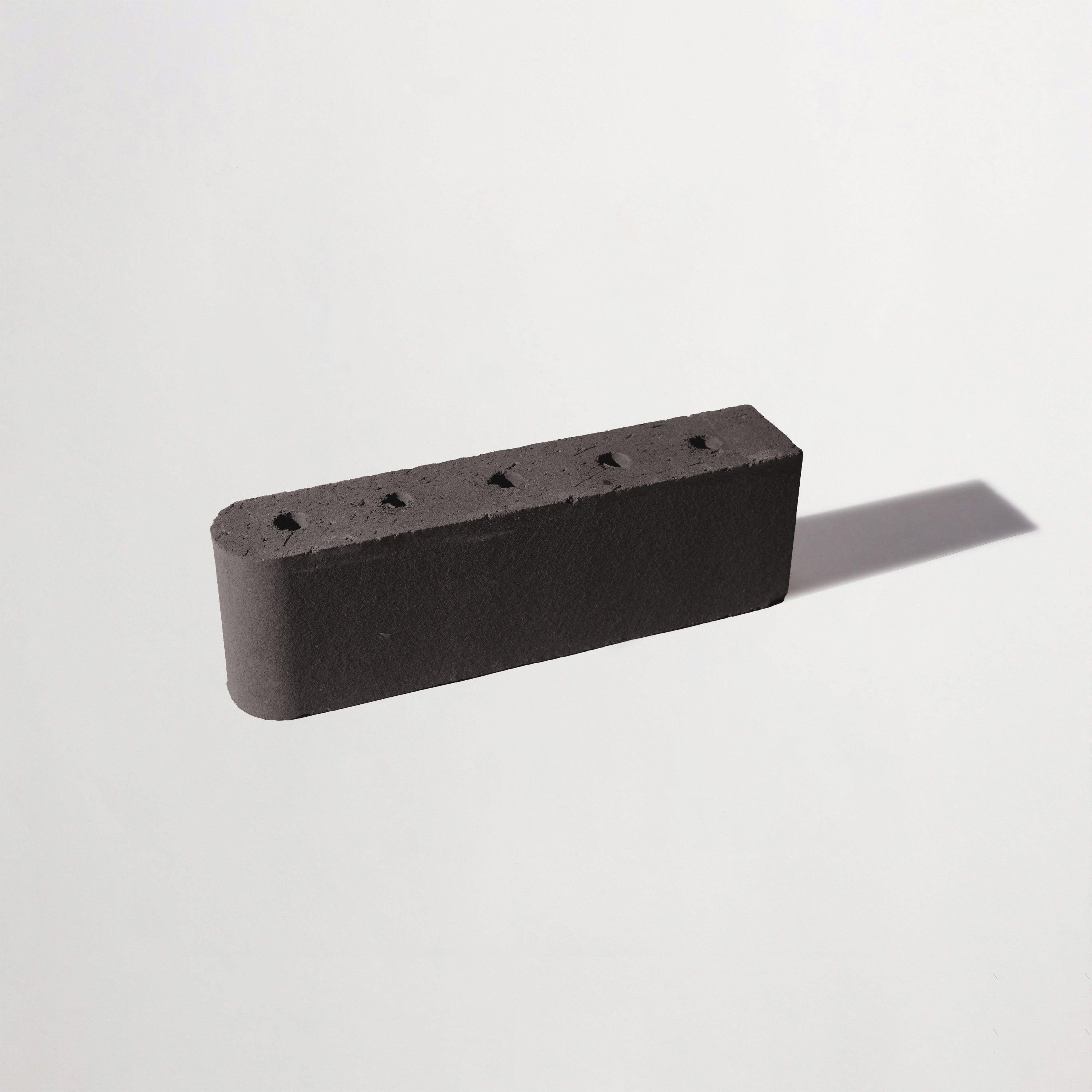
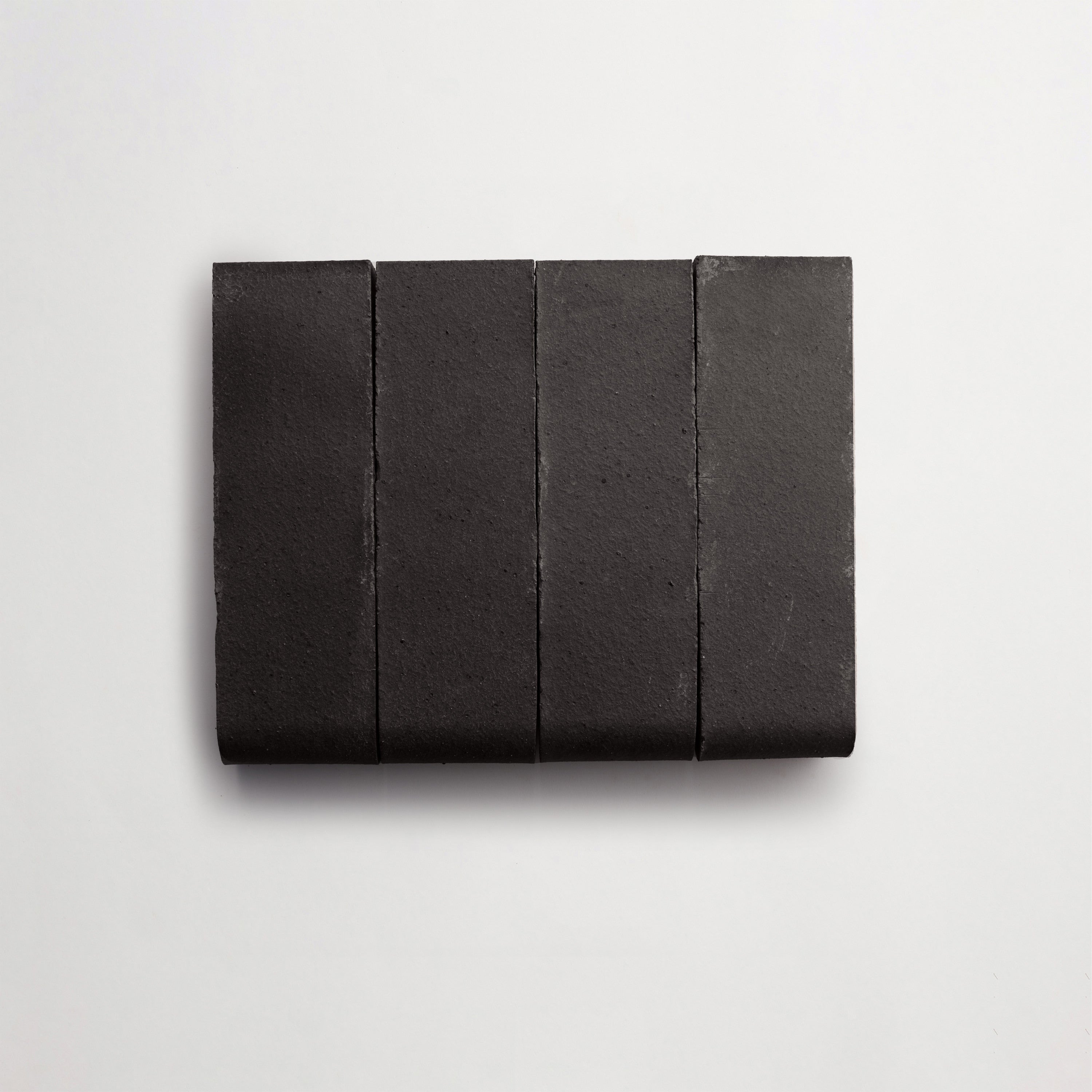
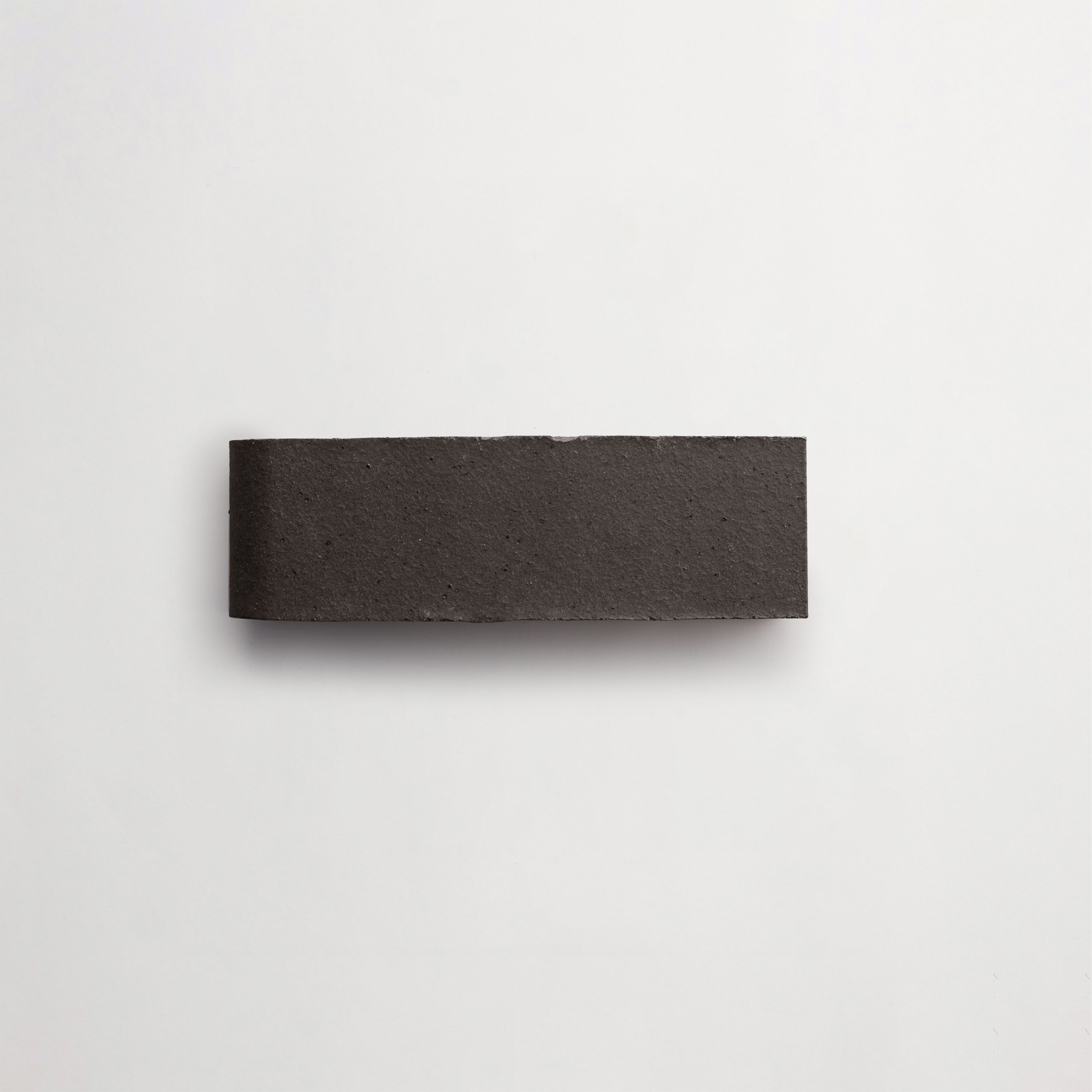
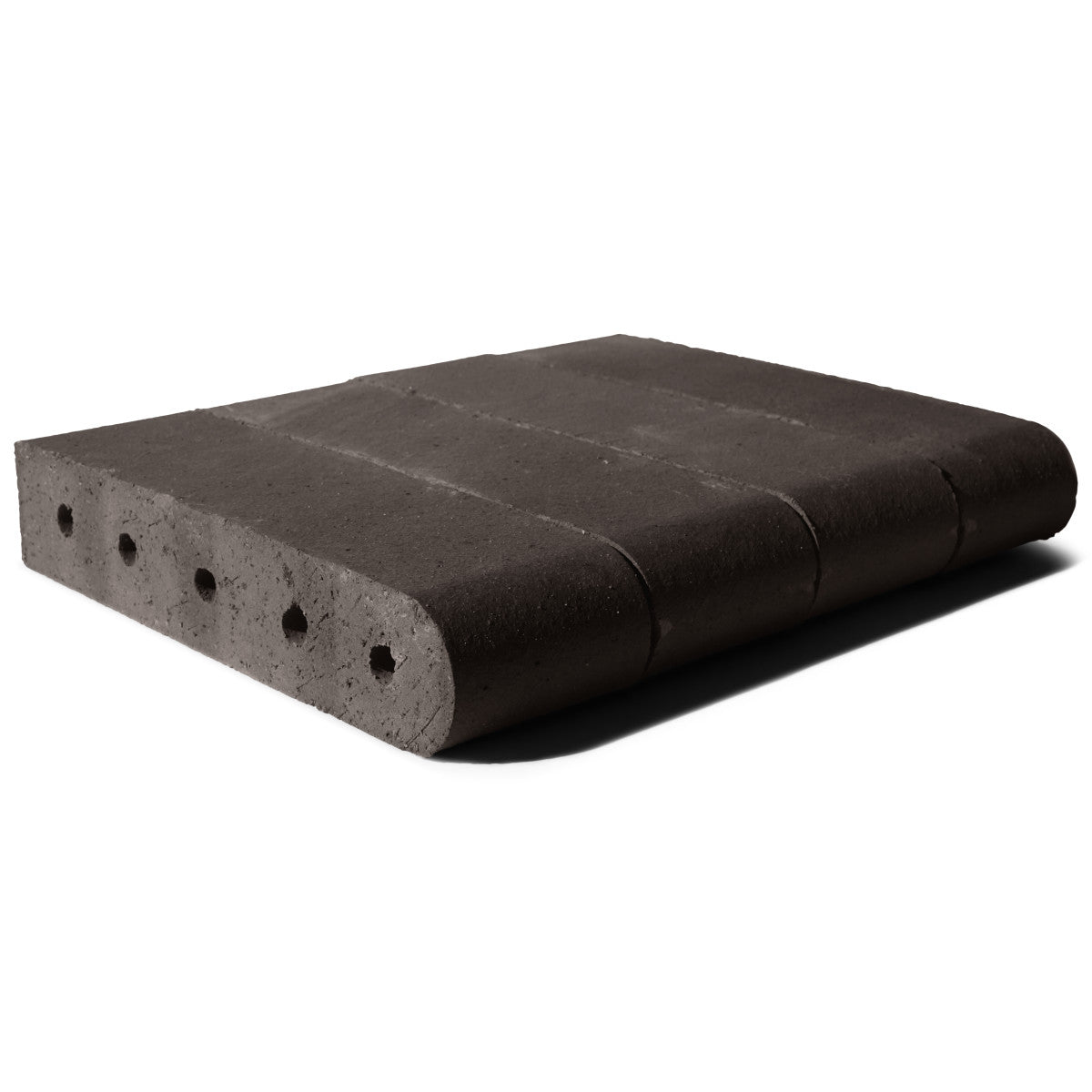
Colorway
-
Scorched Earth
Collection
-
BrickWorks
: Cabochon Edge Grand
Material
Length
-
8
" x
Width
-
8
" x
Thickness
-
⅞
"
Unit of Measurement
-
sqft
/
Price per Unit
$
Colorway
-
Pampas Grass
Collection
-
BrickWorks
: Cabochon Edge Grand
Material
Length
-
4
" x
Width
-
16
" x
Thickness
-
¾
"
Unit of Measurement
-
sqft
/
Price per Unit
$