

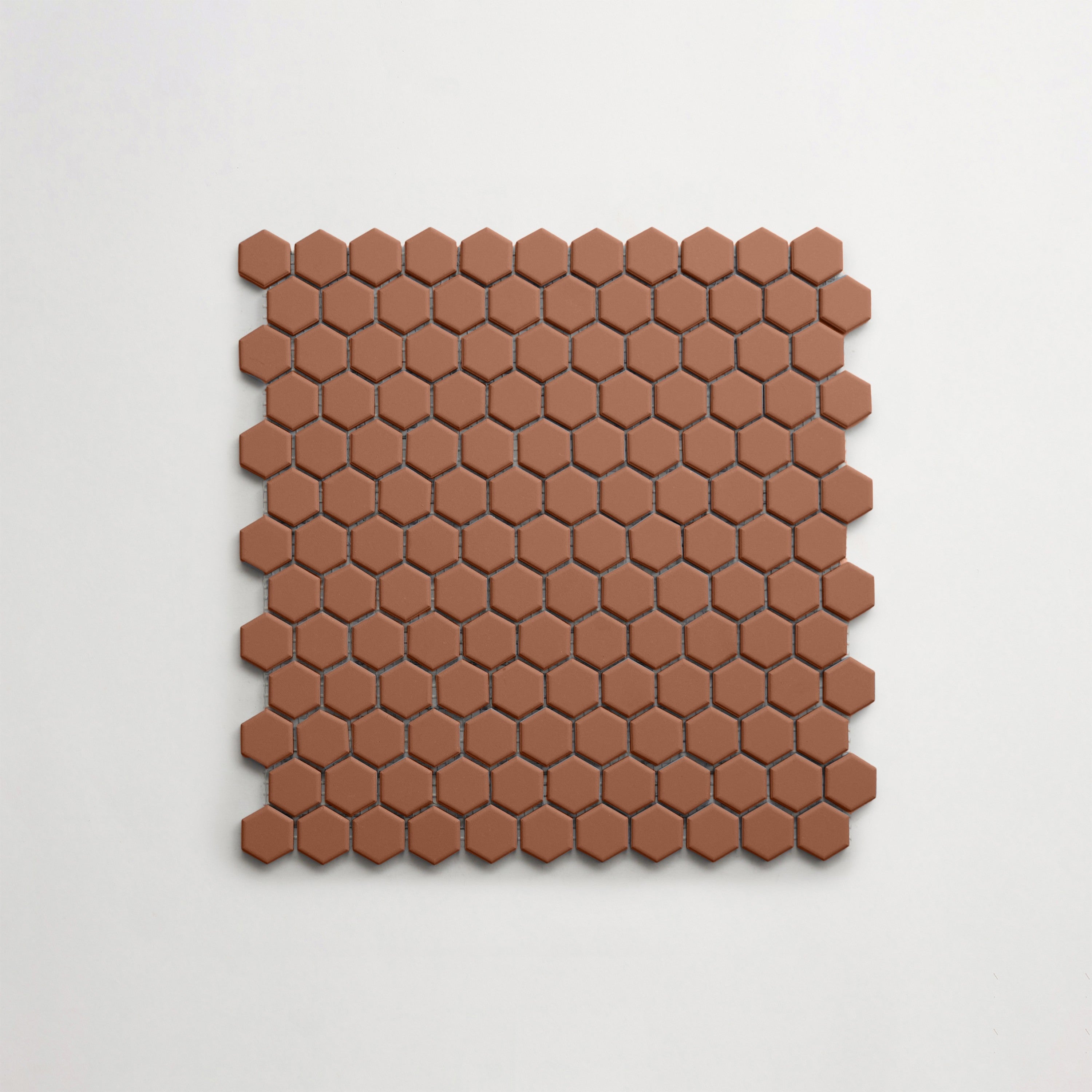
Lido: Aperto, 1x1" Bouchon, Rare Garnet, Matte. Photo Courtesy of Kier in Sight Archives
Can You Use Ceramic Tile Outside?
Thinking about using ceramic tile outside—but worried about weather exposure, cracking, slippery surfaces, or water damage? These are common concerns. Outdoor conditions are tough, and not every tile is built to handle them.
Here’s the short answer: Yes, ceramic tile can be used outdoors—but only when it meets specific performance requirements. In many installations, porcelain tile is the safer, more durable choice, but ceramic still has its strong points–from both a materials perspective and from a design standpoint.
This guide breaks down when ceramic works, when it doesn’t, and how to choose the right tile so your outdoor space lasts.


Ceramic Tile vs. Porcelain Tile for Outdoor Use
Ceramic and porcelain tiles differ in how they’re made. Porcelain is manufactured from finer, denser clays and fired at higher temperatures, giving it a very low water absorption rate—0.5% or less—which makes it especially reliable in freeze–thaw conditions and high-traffic areas. Ceramic tile is fired at lower temperatures and is slightly more porous, but in mild climates or covered outdoor areas, it can still perform well when properly rated and installed.
Where ceramic really shines is in its design flexibility: It often offers a wider range of colors, finishes, and handcrafted looks that can be harder to find in porcelain. While porcelain tends to win on durability and moisture resistance, ceramic remains a viable outdoor option in the right setting—especially when aesthetics, texture, and visual character are the priority.
When Ceramic Tile Isn’t a Good Choice Outdoors
All of its design possibilities notwithstanding, there are situations where ceramic tile simply isn’t the right fit for outdoor use, regardless of style or rating.
For example, in regions that experience regular freezing and thawing, ceramic’s higher moisture absorption can lead to cracking as trapped water expands and contracts. Smooth or glossy ceramic tiles are also a risky choice around pools or wet zones, where slick surfaces increase the chance of slipping. In busy outdoor paths or entry areas that see constant foot traffic, ceramic may wear down or chip more quickly than denser alternatives. Likewise, spaces that hold water after rain—or lack proper slope and drainage—can accelerate moisture damage, making ceramic a less-than-ideal solution in these conditions.

Advantages of Using Ceramic Tile Outside
Ceramic tiles offer a host of advantages for outdoor applications, making them a popular choice among professionals. Here are some key benefits to consider.
Strength & Durability
Ceramic tiles designed for outdoor use are made to withstand heavy foot traffic and the rigors of weather exposure. Porcelain tiles, fired at higher temperatures in a kiln, are especially durable and less prone to cracking than other types of tile. Proper installation and sealing (where needed) further enhance these tiles’ durability, making them an investment that lasts.
Versatility in Design
Ceramic tiles come in a myriad of colors, sizes, and finishes, allowing them to play into modern and rustic design schemes alike. (You’ll find them in every one of our scapes, for example, from sleek ’58 to storied LOGGIA.) This versatility allows designers to seamlessly integrate ceramic and porcelain tiles into any architectural style, creating a cohesive and visually appealing outdoor area.
Easy Maintenance & Cleaning
Outdoor spaces, ideally, are made up of materials that are simple to maintain. Ceramic and porcelain tiles fit the bill with their glazed, nonporous surfaces, which resist stains and dirt buildup. Regular sweeping and occasional washing with mild soap keep them looking pristine. And unlike porous materials like travertine tile, they don't need regular sealing. For designers, this means less hassle for homeowners while ensuring the space retains its elegance.
Resistance to the Elements
High-quality ceramic tiles, particularly porcelain, are engineered to resist UV rays, moisture, and temperature fluctuations. This makes them ideal for outdoor walls and flooring for an outdoor patio, as they maintain their color and structural integrity over time. For projects in colder climates, frost-resistant porcelain tiles are a reliable choice, ensuring durability through freeze-thaw cycles.


How to Tell If a Ceramic Tile Is Suitable for Outdoor Use
To determine whether a ceramic tile can handle outdoor conditions, start with its technical specs—not just its appearance. Look for a low moisture absorption percentage, which indicates the tile won’t readily soak up water that could cause damage over time. Packaging or product sheets should also note whether the tile has been tested for cold-weather performance, signaling it can tolerate temperature swings.
Wear ratings matter, too: a higher abrasion class means the surface can stand up to foot traffic without breaking down. For areas exposed to rain or splashing, check for slip-performance testing to ensure safer traction underfoot. Finally, confirm that the manufacturer explicitly lists the tile as approved for exterior installation—this designation is the clearest indicator that the tile is built for outdoor use.
Outdoor Applications for Ceramic Tile
Ceramic tiles’ versatility makes them suitable for a variety of outdoor applications. Here are some standout uses, including pool deck, walkway, and front porch tile ideas.
Patios & Porches
Ceramic and porcelain tiles elevate patios and porches — not only with their durability but also their design versatility. From creating sleek, modern lounging areas to rustic retreats, outdoor porcelain patio tile provides a durable surface that complements a wide variety of aesthetics. Their easy maintenance also ensures the space remains inviting year-round.
Outdoor Kitchens & Fireplace Surrounds
Ceramic tiles are an excellent choice for outdoor kitchens and fireplace surrounds, offering both style and functionality. Porcelain tiles, with their heat resistance, make an excellent choice for areas near grills or fire pits. Their range of colors and finishes allows for creative, customized designs that enhance the overall ambiance of an outdoor area.
Pool Decks & Waterlines
Non-slip ceramic and porcelain tiles are a top choice for tiled pool decks, offering safety without compromising on looks. For waterlines, ceramic tiles can add a decorative touch, with options ranging from vibrant mosaics to subtle, elegant patterns. Their resistance to moisture and chemicals ensures they remain in top condition despite constant exposure. Using grout that complements the tile enhances the overall pool design.
One thing worth noting: Local regulations do come into play here. Many counties in California, for example, have requirements around tiling materials, contrasting colors for marking steps, and grout colors. Partner with an experienced contractor, and have them submit their plans as needed, to ensure you’re following local regulations.
Walkways & Pathways
Ceramic tiles can transform walkways and pathways into stunning design features. Matte and textured tiles, in particular, provide both visual interest and safety, while their durability ensures they stand up to heavy use. Designers can play with patterns, borders, and color schemes to create pathways that enhance the overall landscape and guide homeowners and guests alike.


Installation Matters
Proper installation is crucial for the longevity and performance of outdoor ceramic tiles. A skilled installer ensures the concrete or substrate is prepared correctly, using the right adhesives and grouts for outdoor conditions. Additionally, ensuring proper drainage and accommodating expansion joints will prevent cracking and water damage. Collaboration between designers and experienced installers is key to achieving a flawless and enduring result.
Ceramic tiles — including versatile porcelain offerings — open up a world of possibilities for outdoor spaces, offering a harmonious blend of beauty and functionality. By understanding their benefits, limitations, and proper applications, designers and architects can create outdoor environments that captivate and endure. Whether it’s a sophisticated outdoor patio, a stylish pool deck, or an inviting outdoor kitchen, ceramic and porcelain tiles could be just the thing for creating a stunning design.
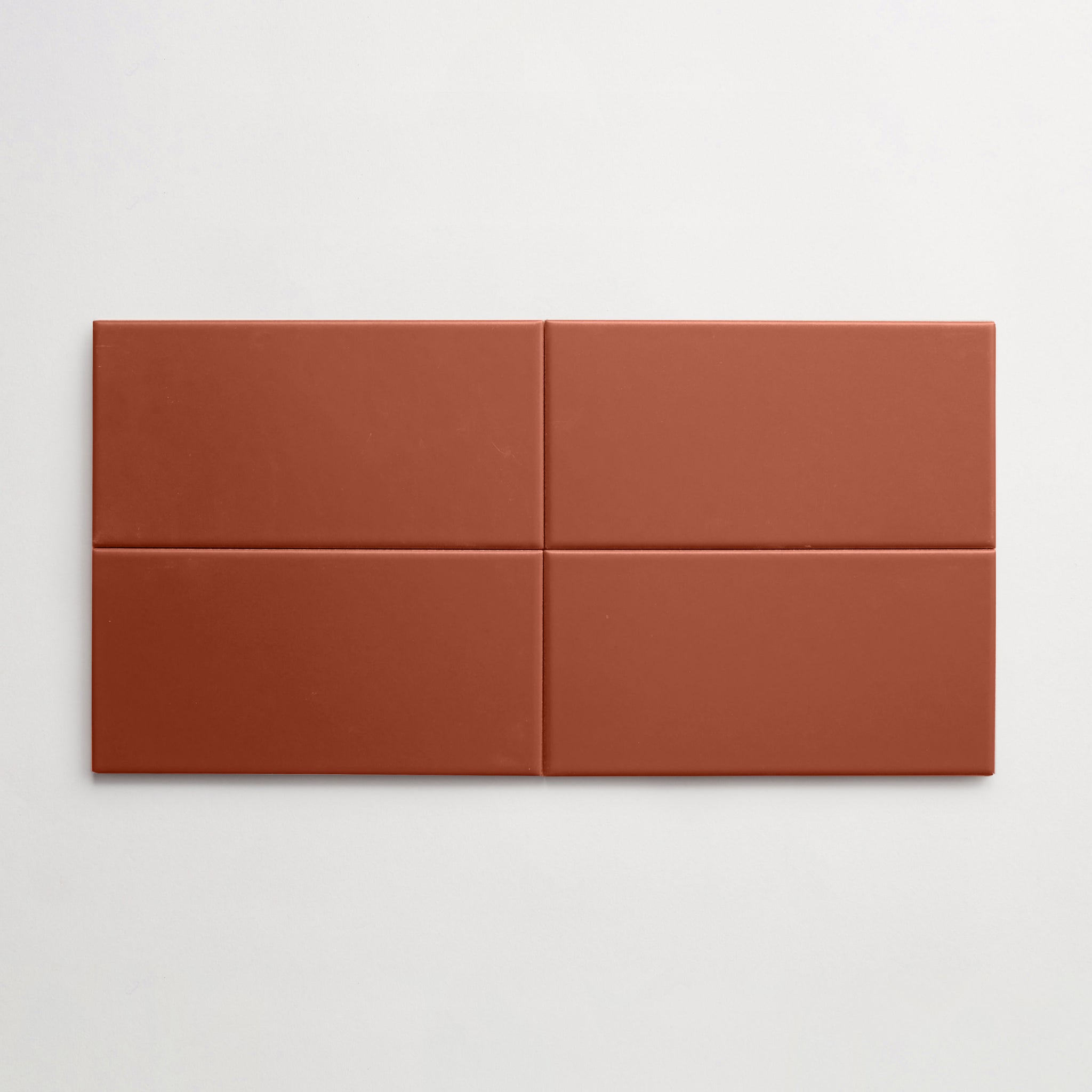
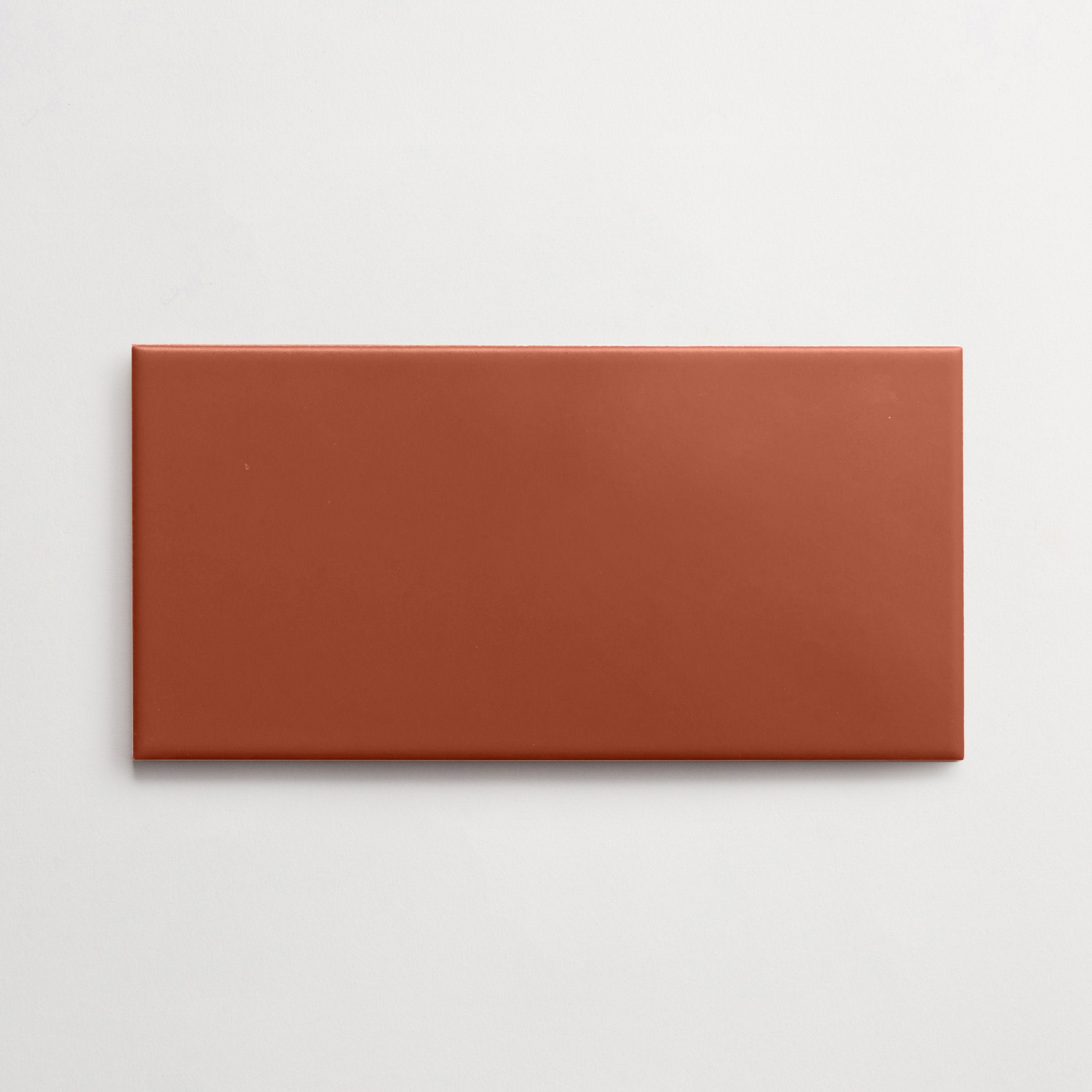
Colorway
-
Queen's Red
Collection
-
Colorwerks
:
Sub Collection
-
Chromatope
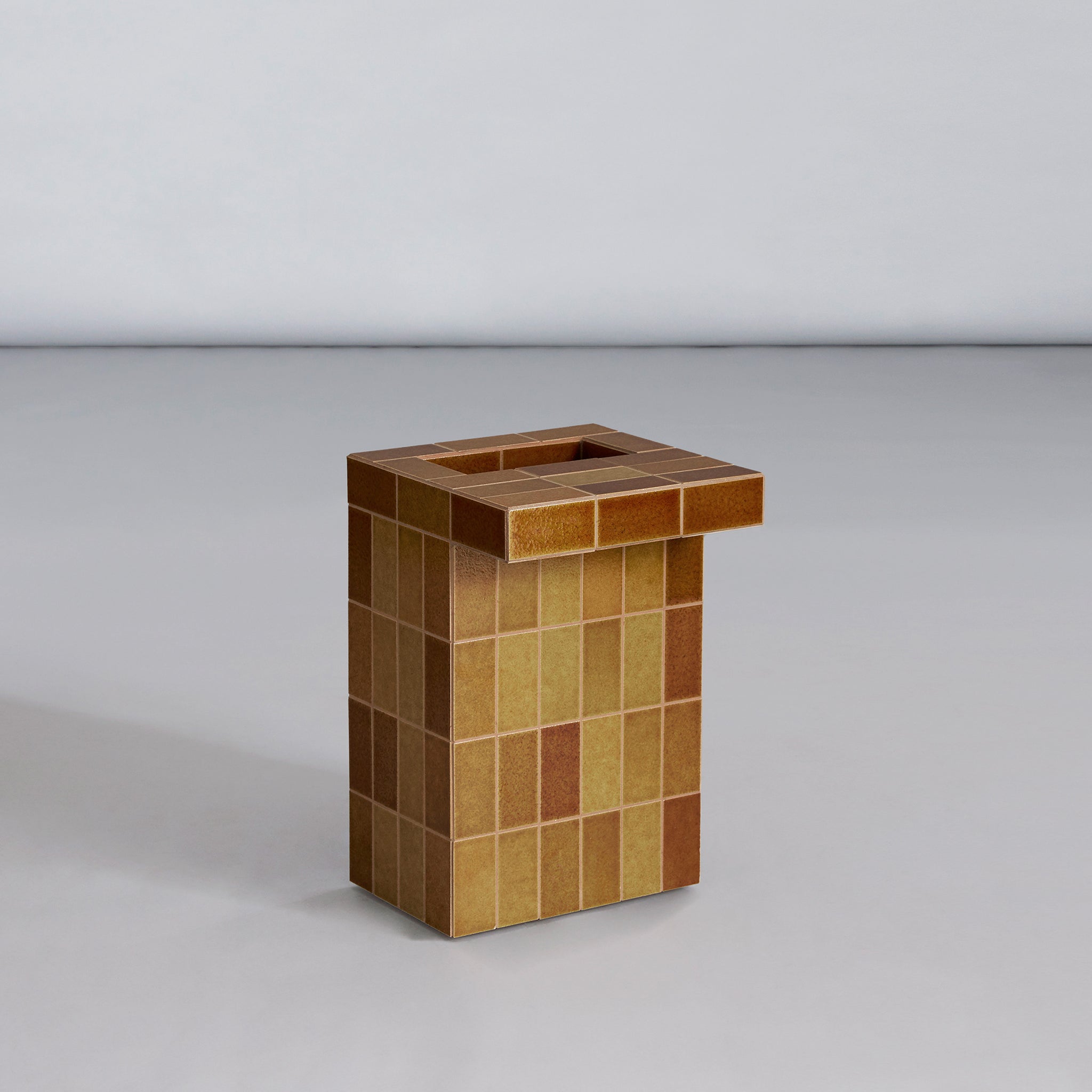
Colorway
-
Terra
Collection
-
Dzek + Formafantasma
:
Sub Collection
-
ExCinere



Colorway
-
Royal Paisley
Collection
-
Lido
:
Sub Collection
-
Acquiterre