

How to Cut Porcelain Tile Without Chipping It
Cutting porcelain tile cleanly can be challenging, especially in outdoor installations where tiles are thicker, denser, and often more textured. Chips and cracks can undermine even the best design. For these reasons, we always recommend partnering with an experienced tile installer for all projects involving tile.
This guide details how an expert cuts porcelain tile without chipping, so every project looks intentional, polished, and professional from start to finish.


Step-by-Step: How to Cut Porcelain Tile Without Chipping It
It bears repeating: Cutting any type of tile, including porcelain tile, is always best handled by a professional. Porcelain is exceptionally dense and unforgiving, meaning even small mistakes can lead to chipping, cracking, or wasted material. A skilled installer has the tools, experience, and control required to protect both the tile and the overall design intent — especially in high-visibility outdoor applications.
With that in mind, here are the steps you can expect an experienced contractor to carry out for your project.
Step 1: Measure and Mark the Cut Line Precisely
Accurate measurements are the foundation of clean cuts. A pro uses a tape measure, straightedge, and pencil or grease marker to draw clear lines. Then, they double-check dimensions before cutting. Precise marking is especially important when working with outdoor porcelain tile ideas that rely on tight spacing and consistent alignment.
Step 2: Secure the Tile to Prevent Movement
Tile movement during cutting is a leading cause of chipping. An expert understands how to place the tile on a stable, level surface and use clamps or a nonslip mat to hold it steady. For large-format or outdoor stair tiles, extra stabilization ensures consistent pressure and protects delicate edges from vibration.
Step 3: Cut Slowly and Steadily with Consistent Speed
Rushing is the fastest way to chip porcelain. Professionals apply slow, even pressure and let the blade do the work. Maintaining a consistent speed helps prevent micro-fractures along the cut edge. This technique matters whether you’re installing tile on a patio or a pool deck.
Step 4: Smooth the Edges After Cutting (Optional)
For visible edges, smoothing can elevate the final look. A pro uses a rubbing stone or fine-grit sandpaper to gently ease sharp edges. This step is optional but recommended for exposed cuts near pool decks or stairs, where both appearance and safety matter for the best non-slip outdoor tiles.

Choosing the Right Tool for the Job
Another reason to partner with a skilled professional: A professional has the experience necessary to handle the many tools involved in cutting porcelain tile — and the knowledge needed to choose the right tool for every task.
Wet Saw vs. Manual Cutter vs. Angle Grinder
Wet saws offer the cleanest cuts for dense porcelain and are the best choice for large projects. Manual cutters work for straight cuts on thinner tiles. Angle grinders handle curves but require skill. Tool choice impacts results when cutting different types of outdoor tiles.
Blade Type and Quality Considerations
A continuous rim diamond blade is a must for porcelain. These blades reduce vibration and deliver smoother edges. Your contractor should avoid segmented blades, which increase chipping risk. High-quality blades are always a solid choice when working with premium glazed tile or dense outdoor materials.
When to Use Tile Nippers for Detail Work
Tile nippers are useful for small adjustments, curves, or notches. Skilled contractors use them gradually, removing small pieces at a time. This method helps prevent cracking. Nippers are best for mosaic tile or tight detail work rather than long cuts or structural edges.
Outdoor Porcelain Tile Challenges
Cutting porcelain tile for outdoor applications is especially challenging. Here are just a few factors experts consider when cutting porcelain pavers for patios, pool decks, outdoor kitchens, courtyards, and beyond.
Tile Thickness, Texture, and Finish
Outdoor porcelain tiles are often thicker and more textured for slip resistance. These qualities make them an excellent choice for exterior spaces but harder to cut. Textured or matte finishes can chip more easily, requiring slower cuts and sharper blades for clean results.
Cutting Large Format or Rectified Tiles
Large format and rectified tiles demand precision. Their clean edges and minimal grout lines leave little room for error. Even minor chips stand out. Using proper support and measuring carefully is critical when cutting tiles for modern pool decks or expansive outdoor living areas.
Working in Outdoor Conditions
Outdoor cutting introduces variables like uneven ground, wind, and temperature changes. You should expect your contractor to work on a stable surface and manage dust or water runoff carefully. Environmental factors can affect blade performance, especially when working with the best tile for pool decks.


Common Cutting Mistakes to Avoid
Many things can go wrong when cutting porcelain tile — especially when it’s undertaken by a homeowner or inexperienced contractor. If your tile installer does any of the following, it’s time to look for a new installer.
Rushing the Cut
Speed is the enemy of precision. Rushing causes chips, uneven edges, and overheating. Slow, controlled cuts protect the tile and the tools. This approach is always the best choice for maintaining quality, especially on visible installations like outdoor stair tiles and pool surrounds.
Using the Wrong Blade or Dull Tools
A dull or incorrect blade increases friction and fracture risk. Porcelain requires sharp, porcelain-rated diamond blades. Be sure your contractor regularly inspects tools and replaces worn blades. This small investment prevents costly mistakes when working with high-end materials in a variety of colors.
Inadequate Tile Support or Measurement
Poor support leads to vibration and breakage. Inaccurate measurements waste tile and disrupt layouts. A pro should always stabilize the tile and measure twice. These basics are essential when coordinating cuts with design patterns, especially across different colors or mixed types of tile.
When to Call a Professional Installer
Our advice is to always partner with a seasoned professional for your porcelain tile projects. Doing so protects the integrity of your tile and helps prolong the life of your installation. If any of the following scenarios apply to your project, you’ll be that much better off leaving the work to an expert.
High-Stakes Cuts for Premium Outdoor Tile
Cuts around pools, stairs, or edges are highly visible and safety-critical. Hiring a professional ensures precision and reduces waste. For premium materials like 6x6 pool tiles or large format porcelain, expert handling is the perfect choice.
Matching Cuts with Aesthetic Layouts
Professionals understand how cuts interact with layout, grout lines, and visual flow. Aligning cuts with design intent elevates the entire project. This matters when balancing pattern, proportion, and rhythm across complex installations.
Preventing Damage to High-End Materials
Porcelain tile is durable but unforgiving during cutting. Mistakes can mean wasted material and delays. A professional installer minimizes risk and protects your investment, making their expertise invaluable for ambitious or design-forward outdoor projects.
Cutting Porcelain Tile: Best Handled by a Professional
Learning how to cut porcelain tile without chipping comes down to precision, patience, and the right tools — and that’s why you’ll want to partner with an expert who’s done it many times before. Explore our porcelain tile collections to find the best choice for your next outdoor project.
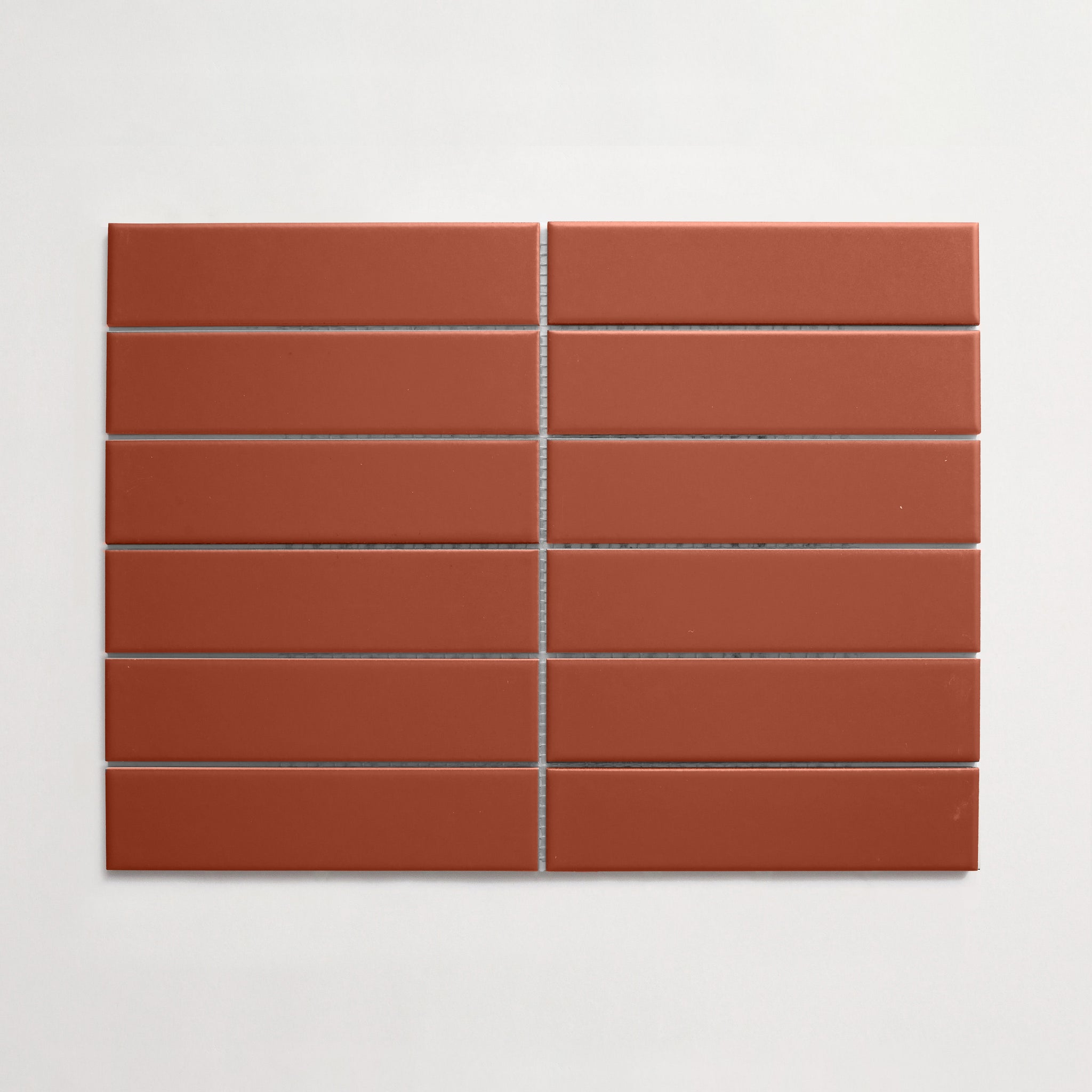
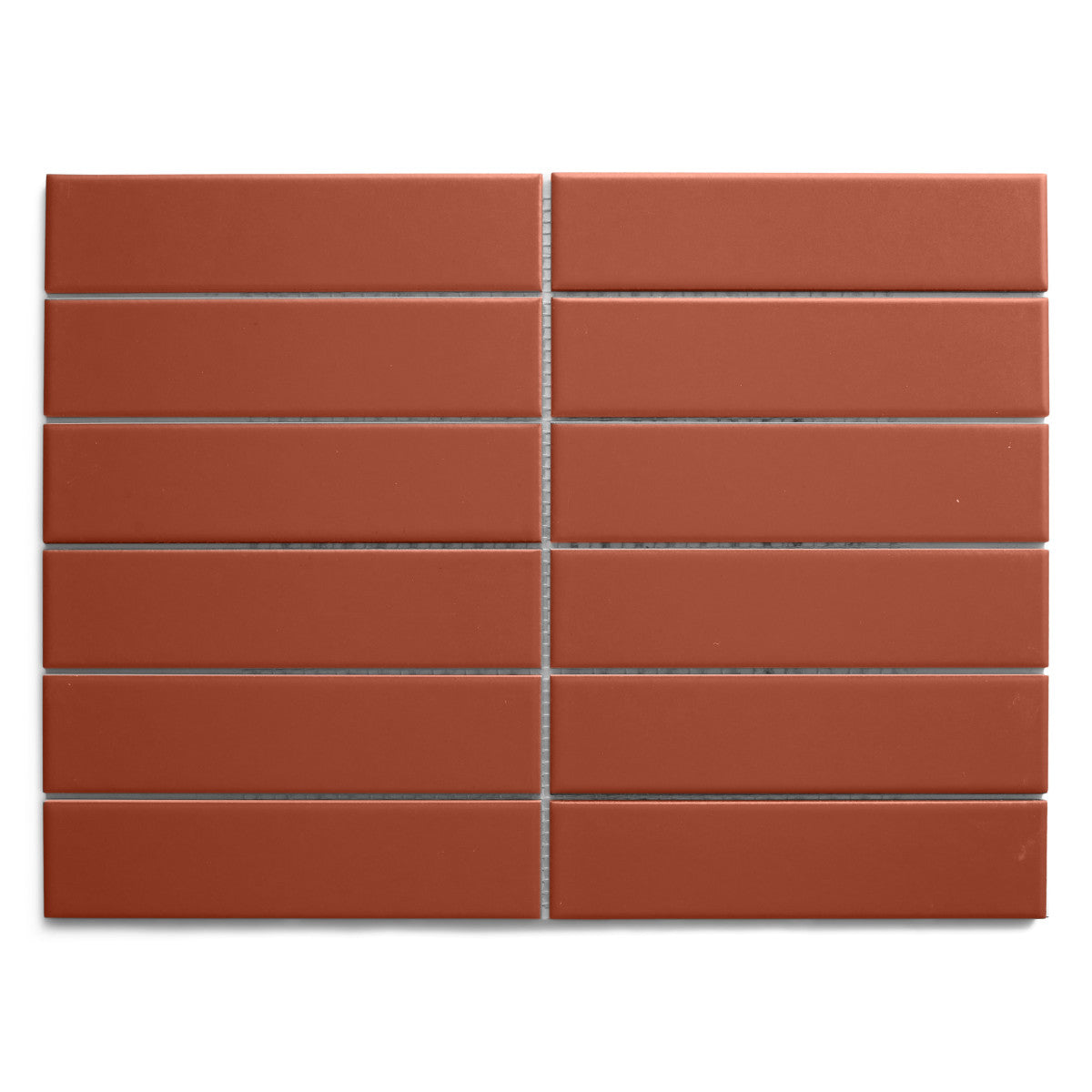
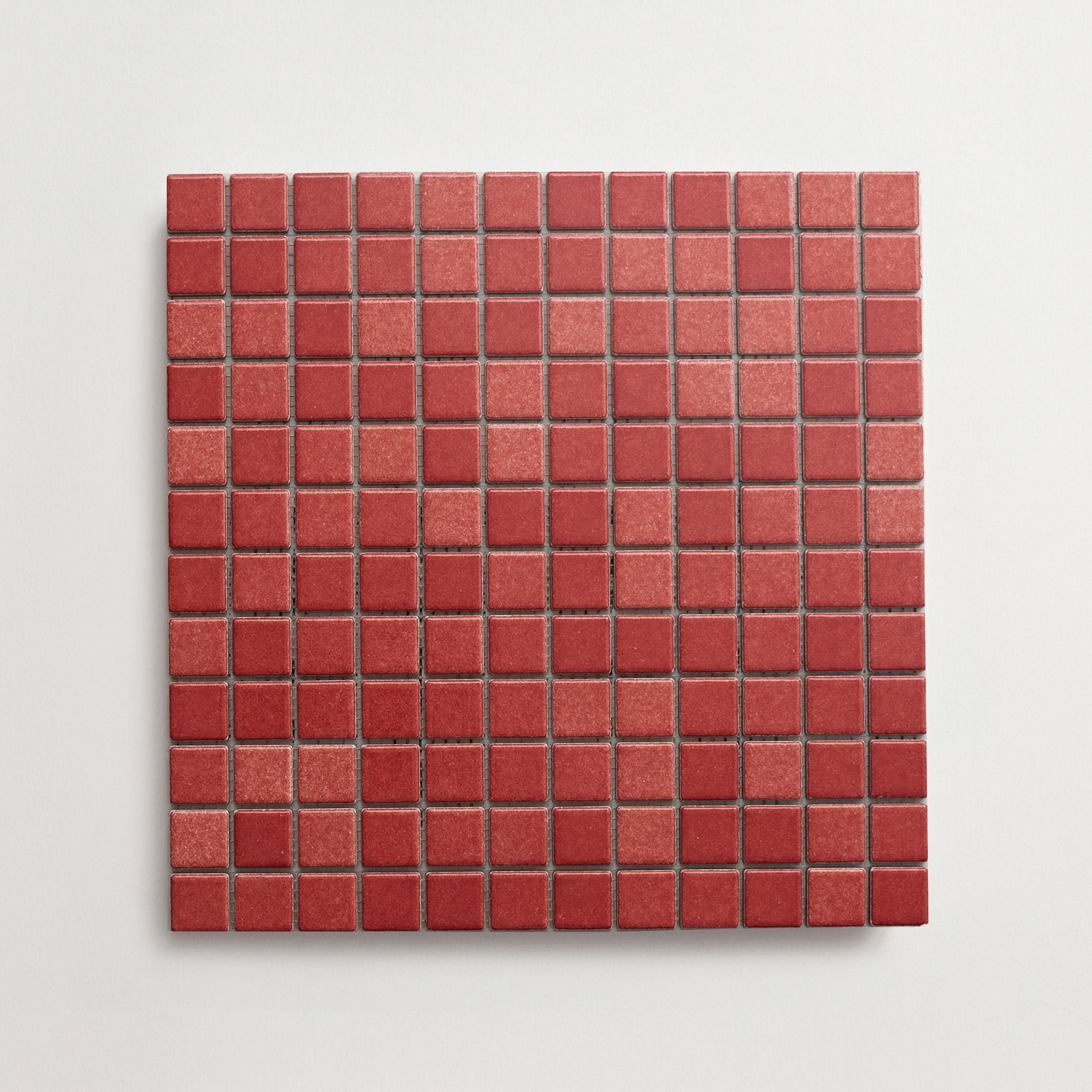
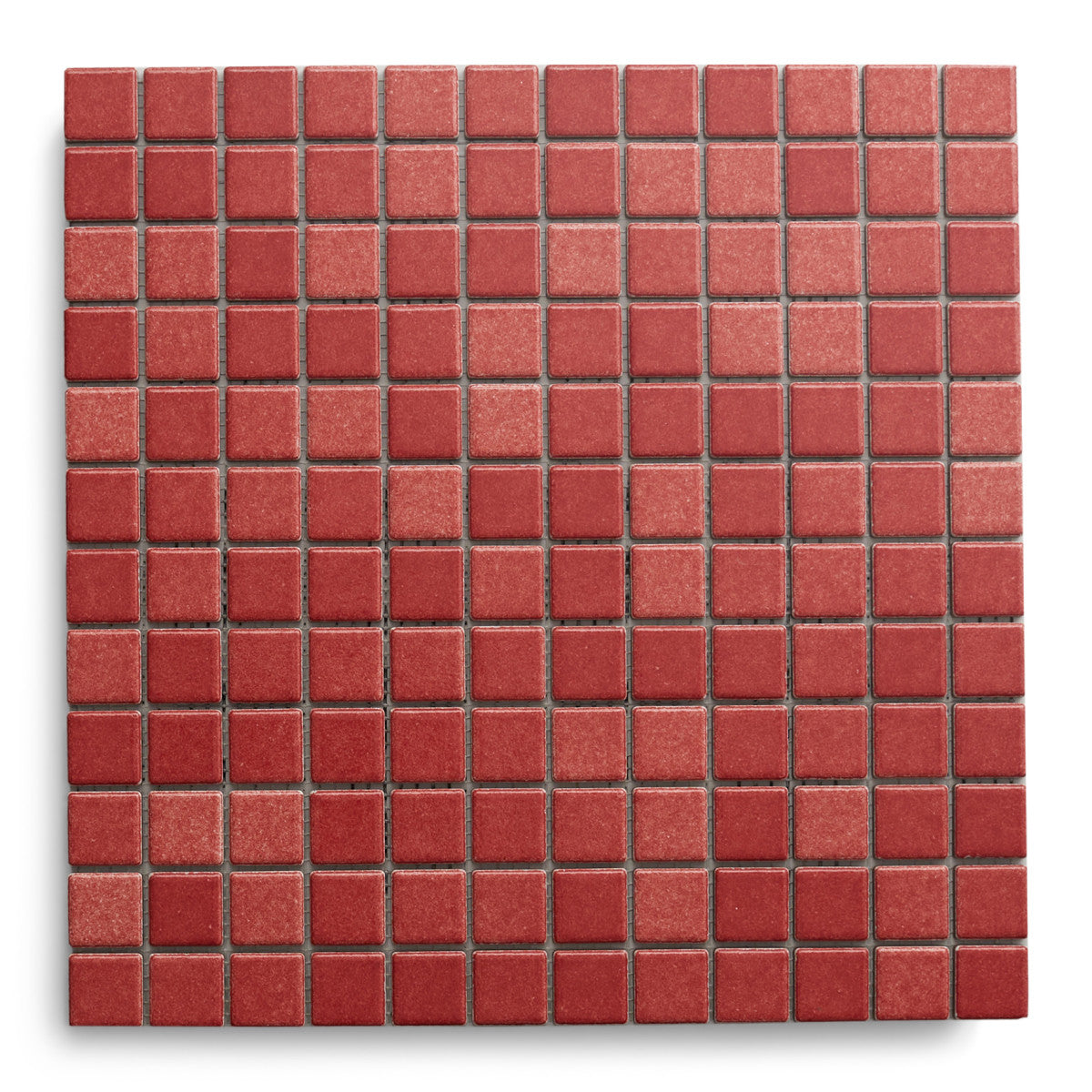
Colorway
-
Queen's Red
Collection
-
Colorwerks
:
Sub Collection
-
Chromatope
Material
Length
-
4
" x
Width
-
4
" x
Thickness
-
¼
"
Unit of Measurement
-
sqft
/
Price per Unit
$
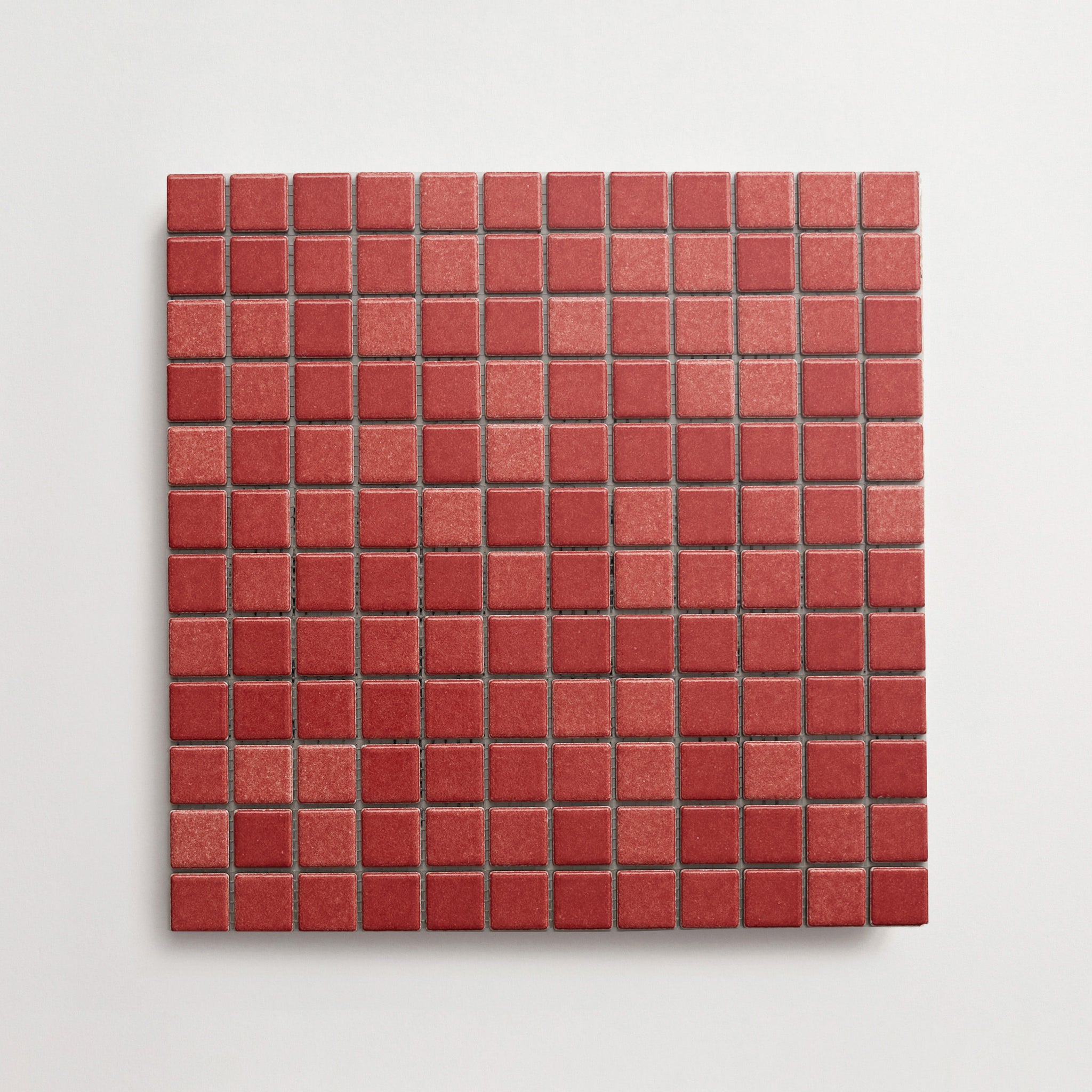
Colorway
-
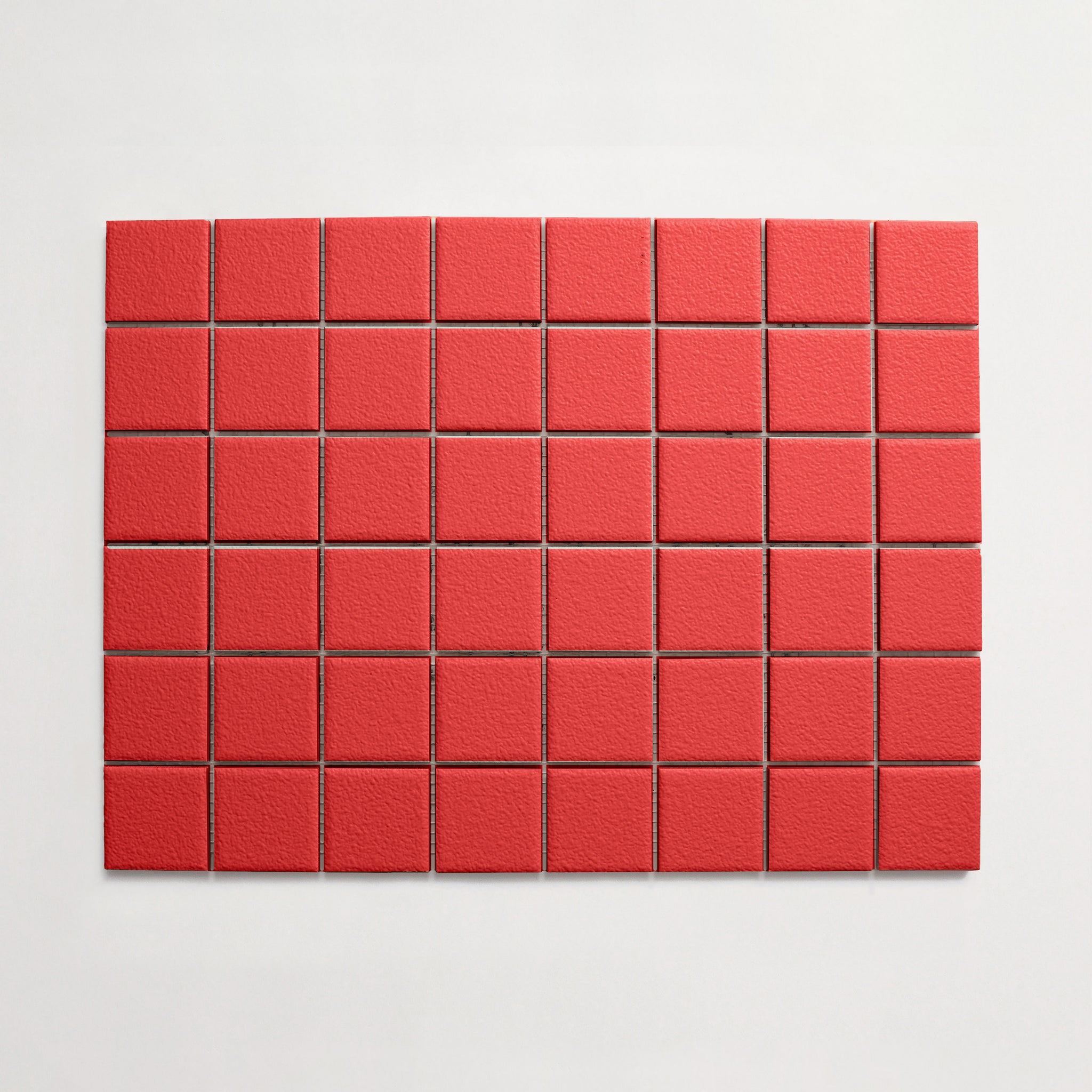
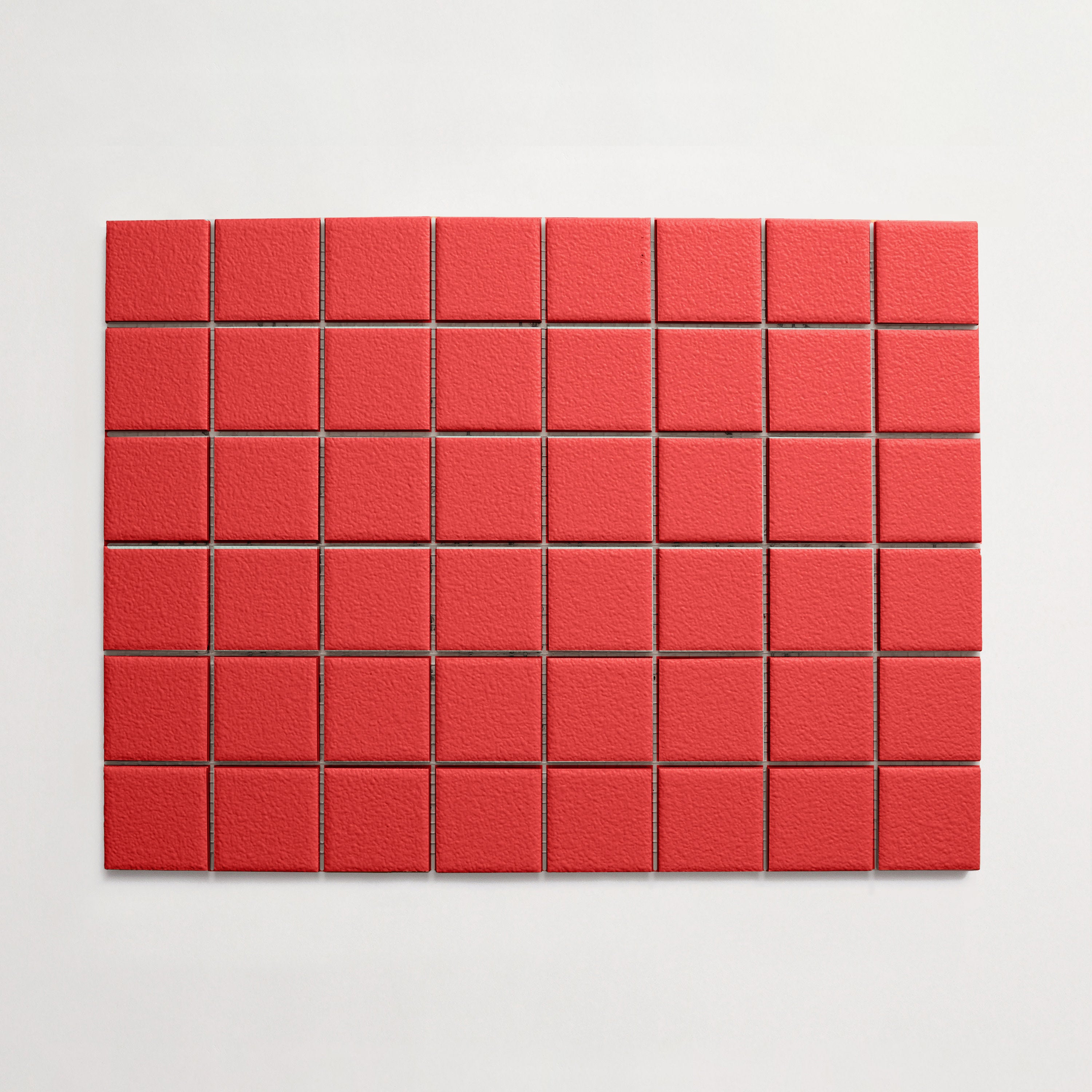
Red Water Lily
Collection
-
Lido
:
Sub Collection
-
Florilegium
Material
Length
-
8
" x
Width
-
8
" x
Thickness
-
⅞
"
Unit of Measurement
-
sqft
/
Price per Unit
$
Colorway
-
Rosalind Red
Collection
-
Colorwerks
:
Sub Collection
-
Alegria
Material
Length
-
4
" x
Width
-
16
" x
Thickness
-
¾
"
Unit of Measurement
-
sqft
/
Price per Unit
$