

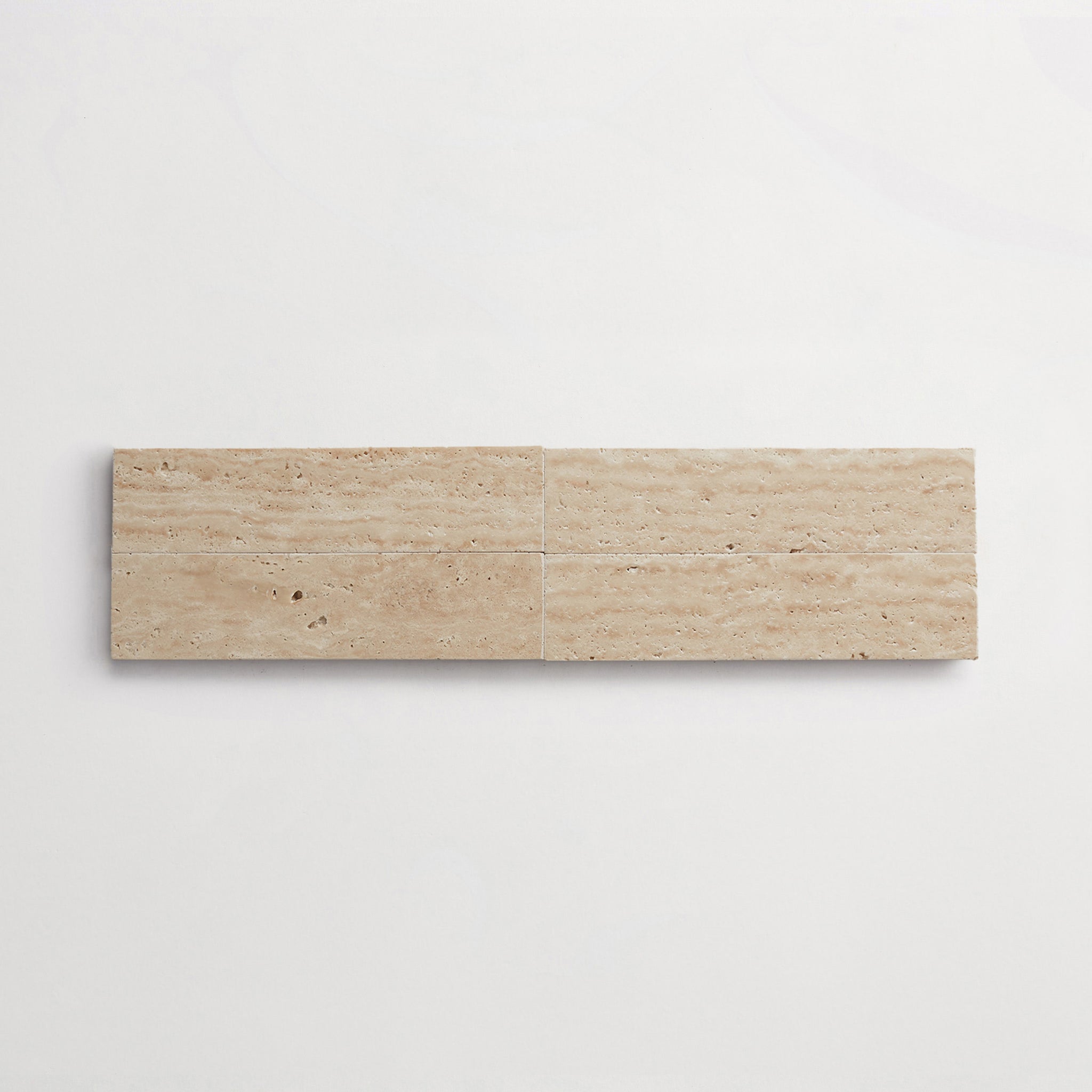
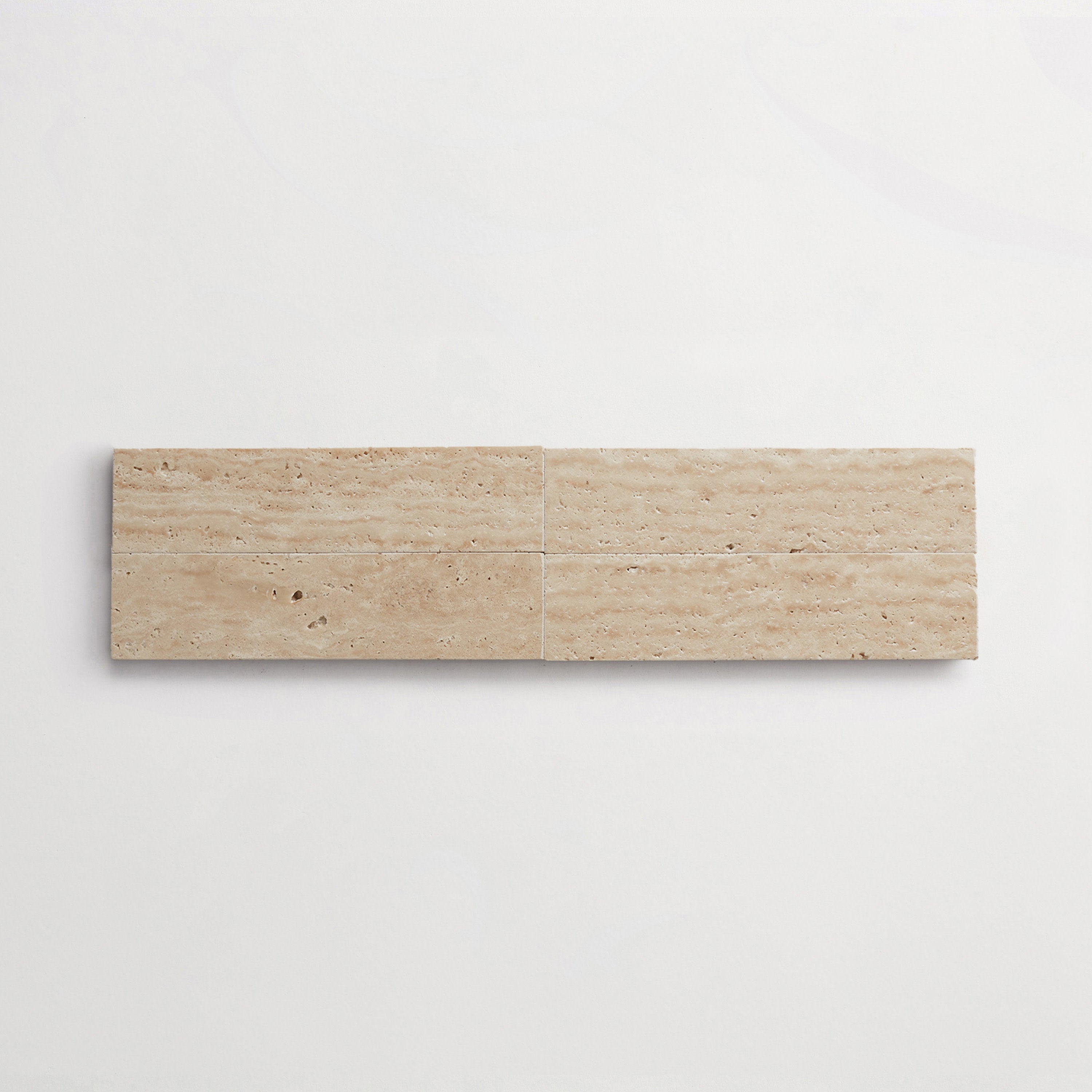
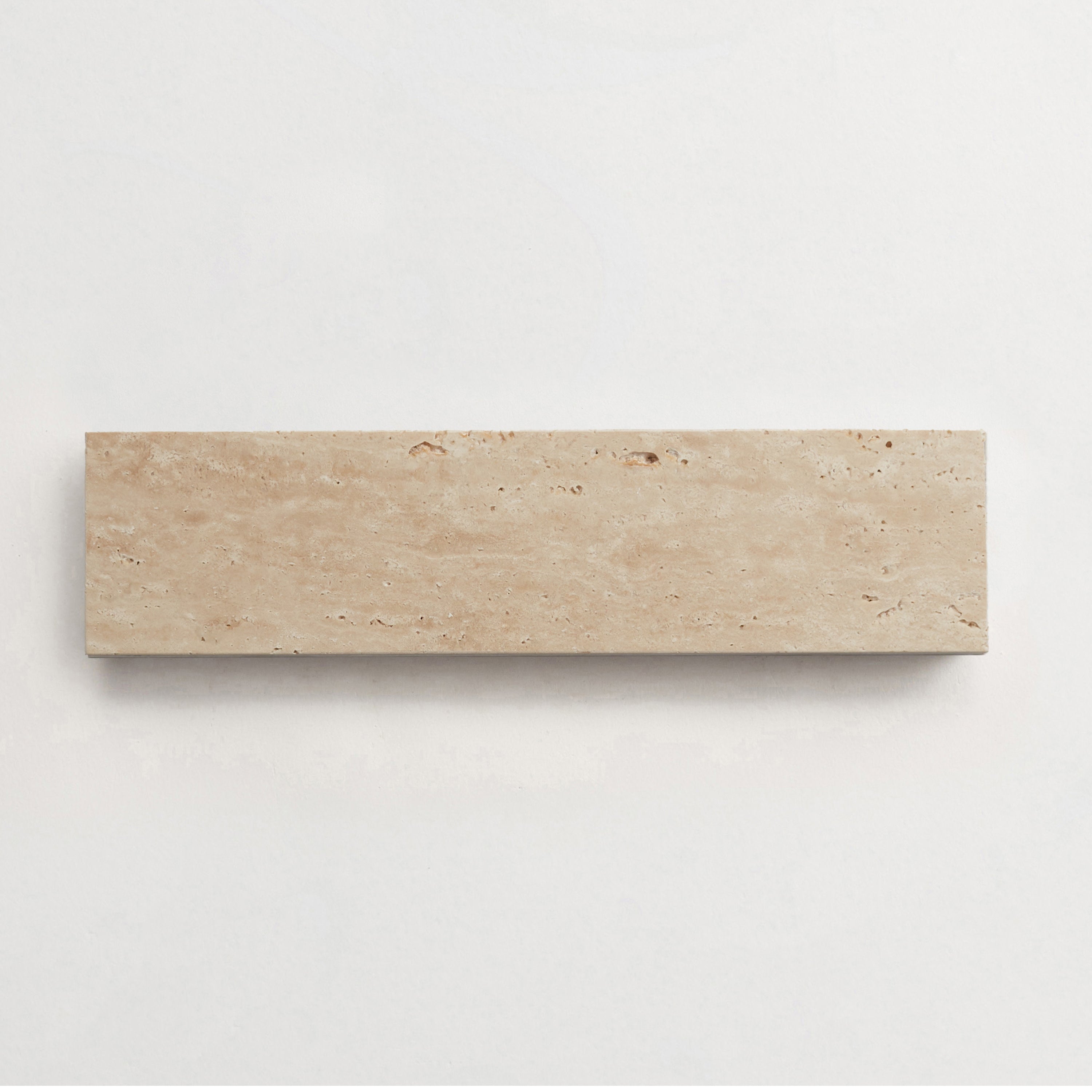
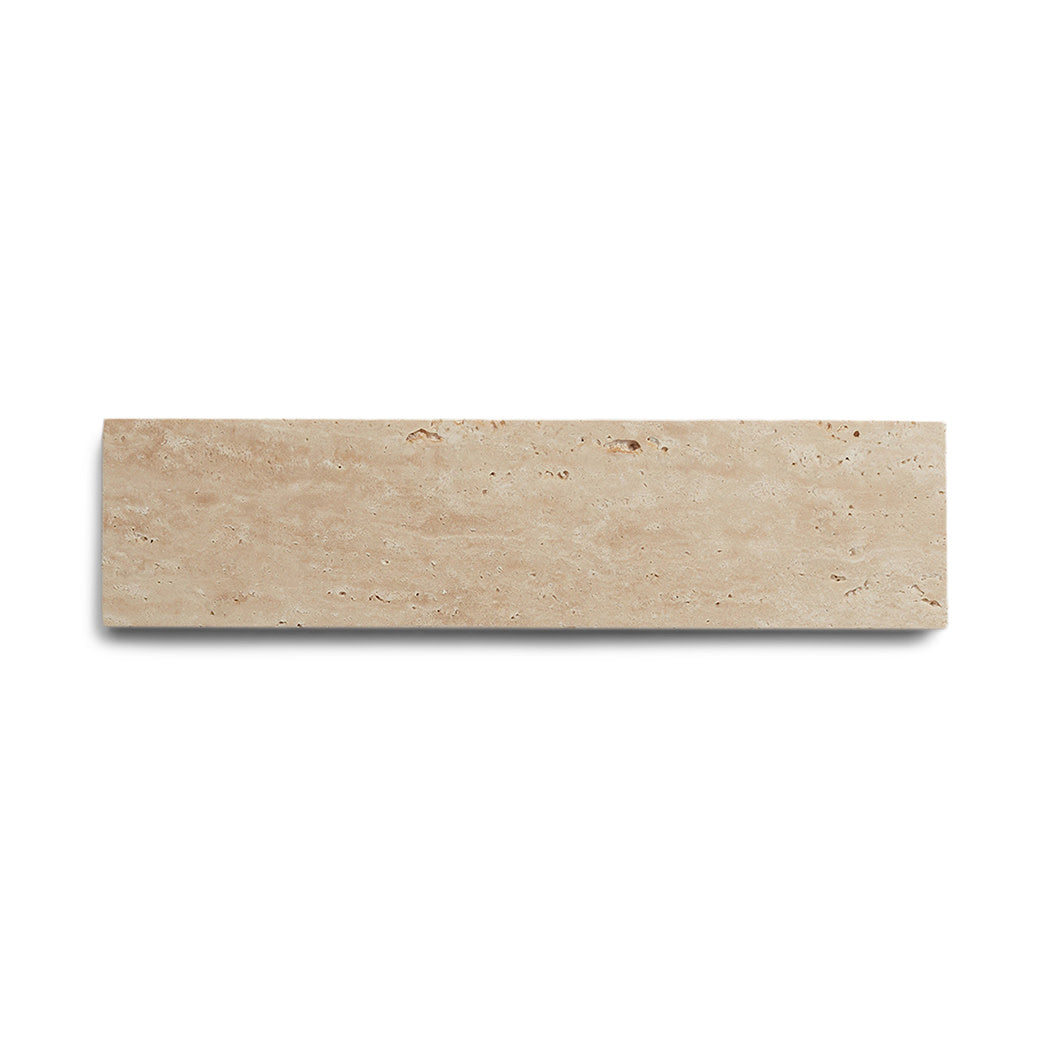
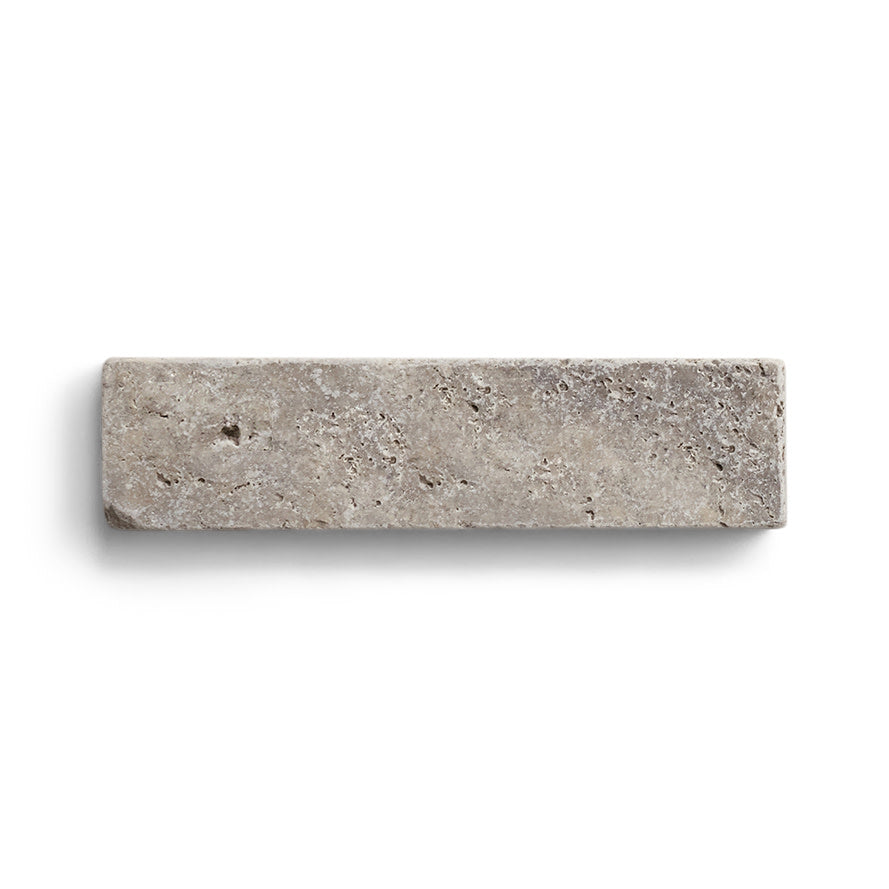
lapidary, 2x6" Baguette, Beige Travertine, Honed
Does Travertine Get Hot in the Sun?
Travertine is well loved for its timeless, resort-ready look, but a common concern stops many outdoor projects in their tracks: Will it get uncomfortably hot in the sun? That question matters most around pools, patios, and terraces where people expect to walk barefoot. After all, no one wants a beautiful space that feels unusable on a summer afternoon.
This article answers the question honestly and without hype. We’ll look at how travertine behaves in heat, what makes some installations feel cooler than others, and how design choices influence comfort. The goal is simple: to help you decide whether a travertine pool deck or patio is the right, barefoot-friendly choice for your project and climate.
Will My Travertine Pool Deck Be Comfortable to Walk On?
Short answer: yes, in most cases — with smart design choices. Travertine does get warm in direct sun, but light-toned, textured travertine is typically more comfortable underfoot than poured concrete, many concrete pavers, and some dense natural stones in the same conditions.
That said, it’s important to set realistic expectations. No outdoor surface stays cold during peak summer heat. What matters is how quickly a material absorbs heat and how intense that heat feels on bare skin. Travertine is widely used in resorts and high-end pool areas because it strikes a reliable balance between beauty, durability, and barefoot comfort. This makes it a solid choice for sun-exposed outdoor spaces.


Why Travertine Often Stays Cooler Than Other Materials
Travertine’s performance in heat isn’t an accident — it’s tied to the stone’s natural structure and how it’s typically finished. Compared to many man-made materials, travertine doesn’t trap and radiate heat as aggressively. Its surface texture, internal voids, and lighter color options all play a role in how it feels underfoot.
Understanding these factors helps explain why people so often ask, “Does travertine get hot in the sun?” — and why the answer is more nuanced than a simple yes or no. When selected thoughtfully, travertine is often the perfect choice for outdoor environments where comfort matters as much as aesthetics.
Porous Stone with Natural Cooling Properties
Travertine is a naturally porous stone formed by mineral deposits, which gives it tiny voids and air pockets throughout the material. These pores help dissipate heat rather than trapping it at the surface. In practical terms, that means travertine doesn’t tend to build up the same intense surface temperature as very dense stones or sealed concrete.
This is a major reason travertine is commonly used for pool decks in hot climates. The stone can still warm up, but it releases heat more gradually, making it more forgiving for bare feet. For outdoor living areas where people linger, that natural breathability is a meaningful advantage.
How Color Affects Heat: Light vs Dark Travertine
Color plays a major role in heat absorption, and the difference between light vs dark travertine heat is significant. Light travertine reflects more sunlight, while darker tones absorb and hold more heat. Cream, ivory, sand, and pale beige options stay noticeably cooler underfoot than deep walnut or espresso hues.
This doesn’t mean dark travertine has no place outdoors. It’s best used thoughtfully. Many designers limit darker tones to shaded areas or vertical surfaces. For large, sun-exposed walking zones, lighter shades tend to be the best choice for comfort, safety, and long-term usability — especially around pools where barefoot traffic is constant.
Finish and Texture: Tumbled, Honed, and Beyond
Finish affects both temperature and comfort. Tumbled and lightly textured finishes tend to feel cooler than polished or highly honed surfaces because they reduce surface contact and allow heat to dissipate more evenly. These finishes also improve traction, which is why they’re often recommended among the best non-slip outdoor tiles.
For pool decks and patios, a matte or tumbled finish is usually the most comfortable option. It softens heat, minimizes glare, and feels gentler on bare skin. Texture doesn’t just improve safety — it contributes to how livable the space feels during long, sun-filled days.

Travertine vs Other Pool Deck and Patio Materials
Travertine is one option among many, and comparing materials helps clarify expectations. When clients ask, “Is travertine hot to walk on?” they’re usually weighing it against concrete, porcelain, or other outdoor tiles. Each material behaves differently in heat, and none is perfect in every scenario. Understanding the tradeoffs allows you to choose what aligns best with your project goals.
Concrete Pavers
Concrete pavers are durable and widely available, but they tend to absorb and retain heat. In direct sun, concrete often becomes uncomfortable — or even painful — to walk on barefoot. This is a key reason the concrete vs travertine pool deck debate comes up so often. Travertine typically stays cooler, especially in light tones, and feels less harsh underfoot.
Concrete can also fade or discolor over time with UV exposure, while travertine maintains its natural variation. (Though travertine does acquire a beautiful patina with time.) For projects where barefoot comfort and long-term aesthetics matter, travertine is often considered a better, more balanced choice.
Ceramic and Porcelain Tiles
Porcelain and ceramic tiles offer impressive durability and design flexibility, but their density can work against barefoot comfort. Porcelain tiles in darker tones can heat up quickly and hold that heat. And while it performs well, it’s not inherently cooler than travertine.
Texture matters here, too — slick finishes can feel hotter and become slippery when wet. Travertine’s natural porosity and softer texture often give it an edge for poolside use. That’s why many designers prefer natural stone when comfort and sensory experience are priorities, even with today’s advanced porcelain options.

Concrete pool deck. Photo courtesy of Mika Wegelius.

Lido: Soie, ½x½" Confetti, Aquamarine, Gloss. Photo courtesy of Charles Deluvio.
Design Strategies to Keep Travertine Decks and Patios Cooler
Material choice is only part of the equation. Smart design decisions can dramatically improve comfort, even in very sunny environments. Travertine performs best when paired with strategies that reduce heat buildup and direct sun exposure. These choices don’t require sacrificing aesthetics — in fact, they often enhance the overall design.
By thinking holistically about color, finish, and layout, you can create a travertine pool deck or patio that feels inviting throughout the day. The following strategies are commonly used in hospitality projects and high-end residential spaces where outdoor comfort is non-negotiable.
Start with a Light, Sun-Friendly Palette
A light color palette is one of the simplest and most effective ways to manage surface temperature. Pale travertine reflects sunlight instead of absorbing it, helping the surface stay more comfortable. This approach works especially well for large, open patios and pool decks with limited natural shade. Light stone also visually brightens outdoor spaces, making them feel larger and more relaxed.
For projects where heat is a concern, lighter travertine pavers are often the best choice — balancing performance, safety, and timeless design without relying on coatings or artificial treatments that can wear over time.
Choose the Right Finish for Barefoot Zones
Finish selection matters just as much as color. For areas where people walk barefoot — pool surrounds, steps, and lounging zones, for example — textured finishes are usually the best choice. Tumbled travertine reduces heat concentration and improves grip when wet. These finishes are commonly included among recommended types of outdoor tiles for high-traffic, barefoot environments.
Polished surfaces may look sleek, but they’re rarely ideal for outdoor flooring. Choosing the right finish helps ensure the space feels comfortable, safe, and intentional, rather than like an indoor material forced into an outdoor setting.
Use Shade as a Design Element
Shade is one of the most powerful tools for temperature control, regardless of material. Pergolas, umbrellas, trees, and architectural overhangs all reduce direct sun exposure and dramatically improve comfort. Even partial shade can make a noticeable difference in how hot a surface feels. Many successful outdoor designs treat shade as an integral element rather than an afterthought.
When paired with travertine, shade allows the stone’s natural cooling advantages to shine. This approach is especially important in very hot climates, where even the best materials benefit from thoughtful sun management.
Climate Considerations: Hot, Humid, and Mixed Weather
Climate plays a role in how any outdoor surface performs, but travertine has earned its reputation in a wide range of environments. In hot, sunny regions, it stays relatively cooler than many alternatives and resists UV fading. In humid climates, it handles moisture well when properly installed and sealed. In mixed climates with temperature swings, it doesn’t warp or soften with heat.
All of these qualities make travertine a favorite in resort destinations and residential projects alike. While no stone is immune to weather, travertine’s adaptability is a key reason it remains a popular, long-term outdoor solution.

Is Travertine Right for You If You’re Worried About Hot Surfaces?
If heat is a top concern, travertine is often a strong contender — but it’s not a one-size-fits-all answer. The key is aligning expectations, design choices, and site conditions. Asking “Is a travertine pool deck comfortable barefoot?” is the right question, and the answer depends on how the material is used.
For many projects, travertine offers one of the best balances between performance and aesthetics. For others, it may need thoughtful tweaks or complementary strategies to fully meet comfort goals.
When Travertine Is an Excellent Fit
Travertine is an excellent choice for sun-exposed pool decks, family patios, and resort-style terraces where people move barefoot and design matters. Light, textured travertine performs especially well in these settings, offering comfort, traction, and visual warmth. It’s often favored because it feels more forgiving than concrete and more natural than many manufactured options. When chosen thoughtfully, travertine balances beauty and practicality in a way few materials can.
When You Might Need a Different Approach
Travertine may not solve every heat concern on its own. Very dark stone selections, extreme desert exposure without shade, or clients with heightened heat sensitivity may require a different strategy. In these cases, adjustments can help — lighter stones, porcelain options designed for heat resistance, or limiting dark tones to accents rather than primary walking surfaces. Products like Pemberley travertine pavers in lighter hues offer a refined alternative that maintains the travertine look while prioritizing comfort.
Travertine: Cool in More Ways Than One
So, does travertine get hot in the sun? Yes, but so does every outdoor surface. The more important takeaway is this: A light, textured travertine deck is often one of the most balanced choices for beauty, safety, and barefoot comfort. Compared to many alternatives, it stays more forgiving underfoot while delivering a timeless, high-end look. With smart color selection, the right finish, and thoughtful use of shade, travertine creates outdoor spaces people genuinely enjoy using.
Explore our travertine pavers and design resources to plan an outdoor environment that feels as good as it looks, even in the height of summer.
Colorway
-
Beige Travertine
Collection
-
lapidary
:
Sub Collection
-
Acquiterre
Material
Length
-
4
" x
Width
-
4
" x
Thickness
-
¼
"
Unit of Measurement
-
sqft
/
Price per Unit
$
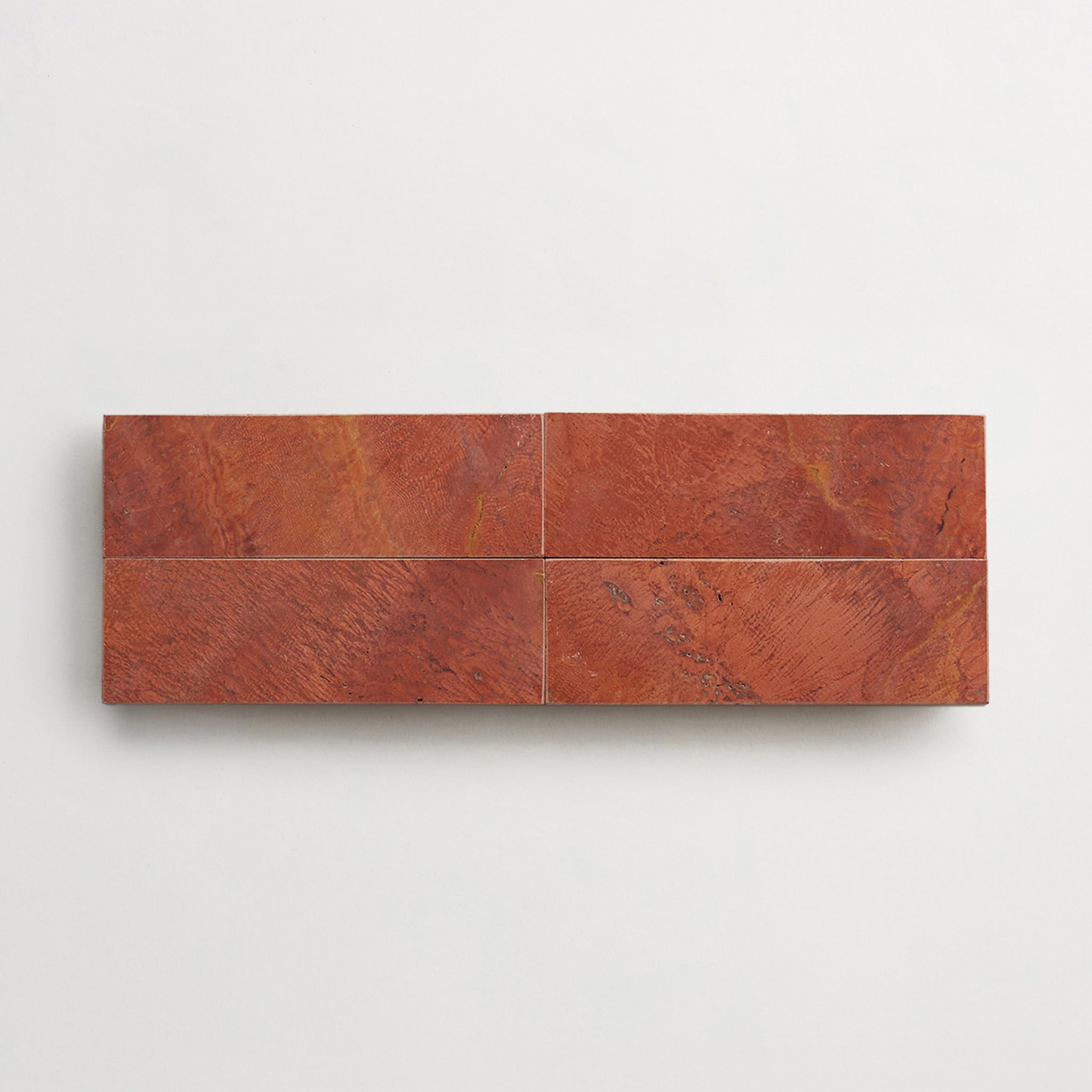
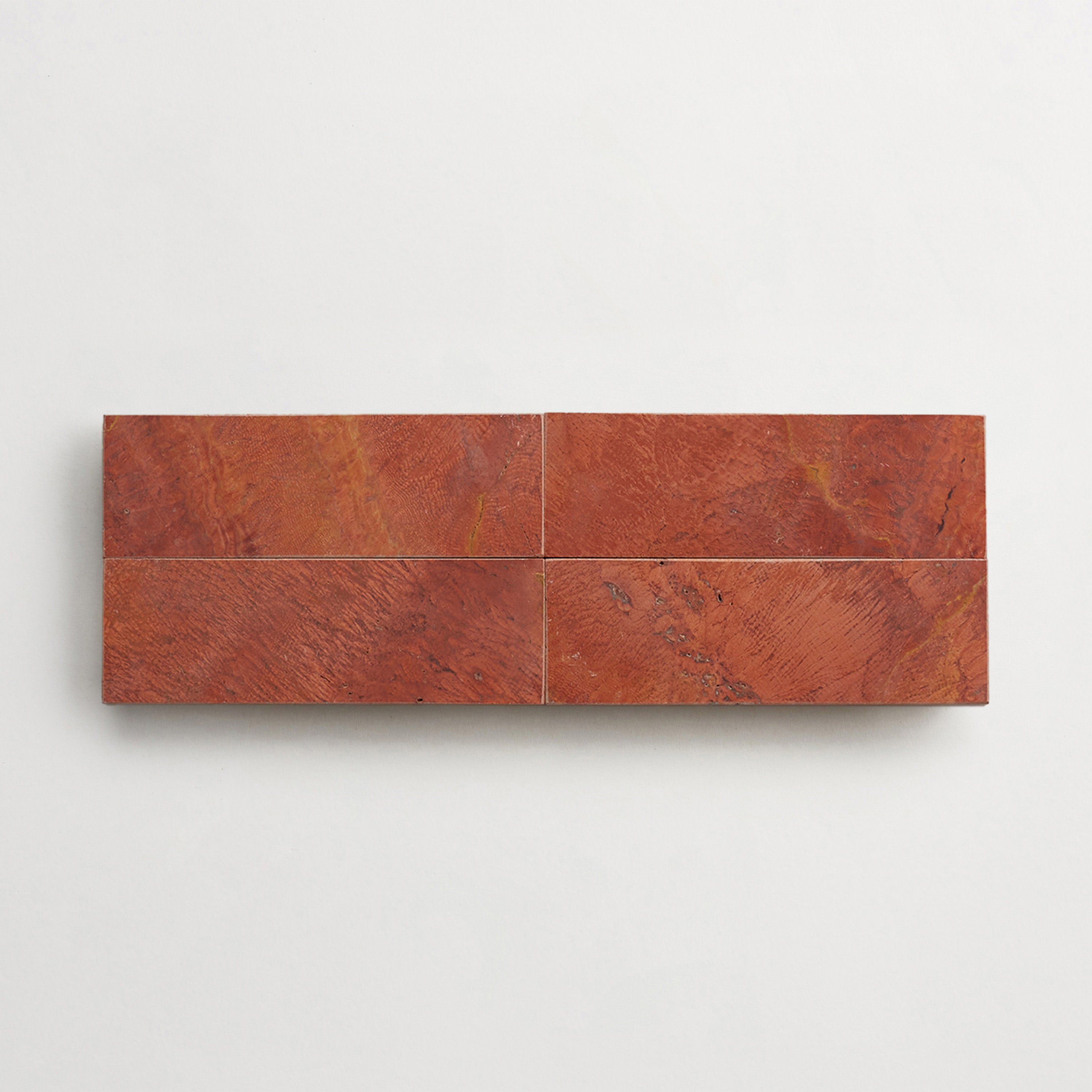
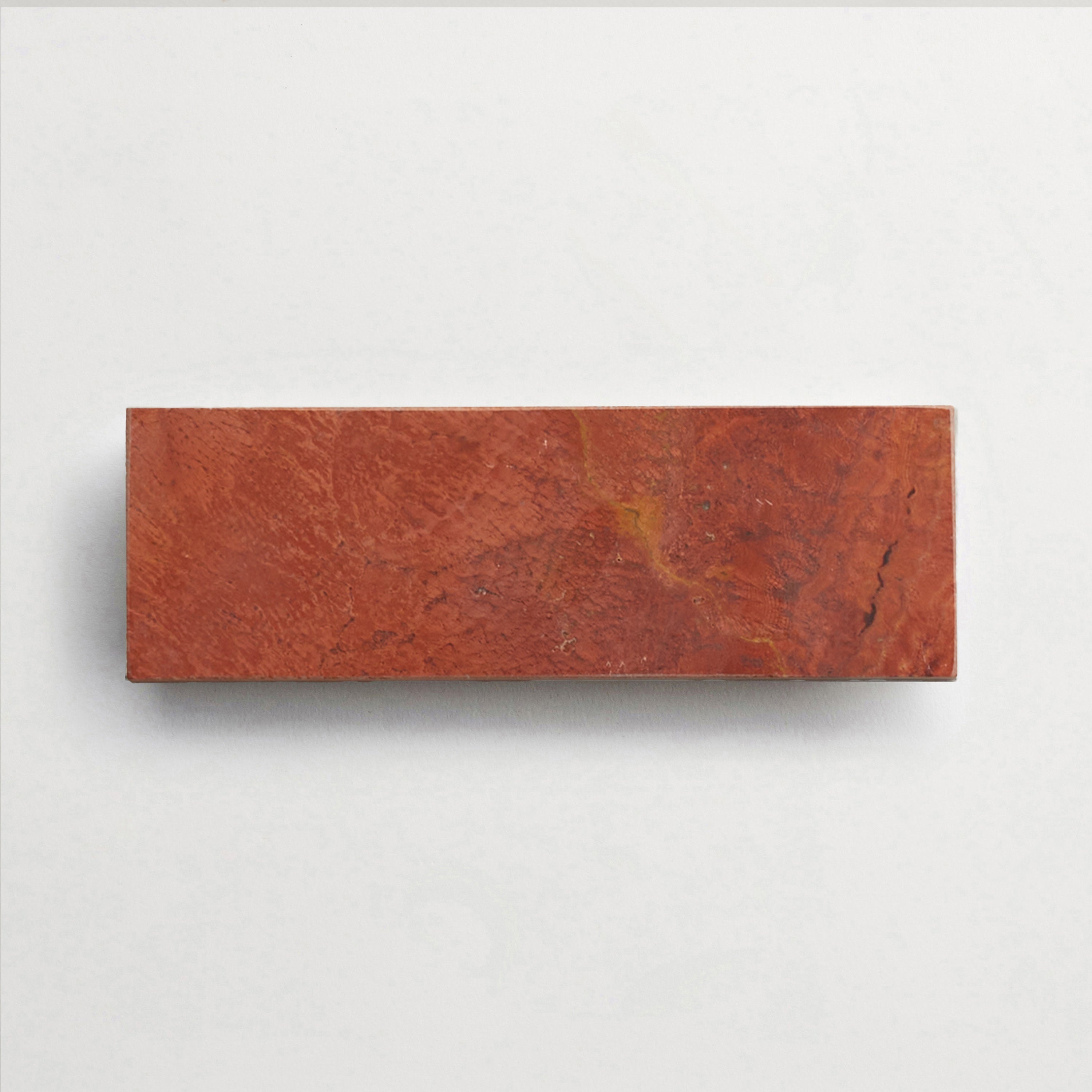
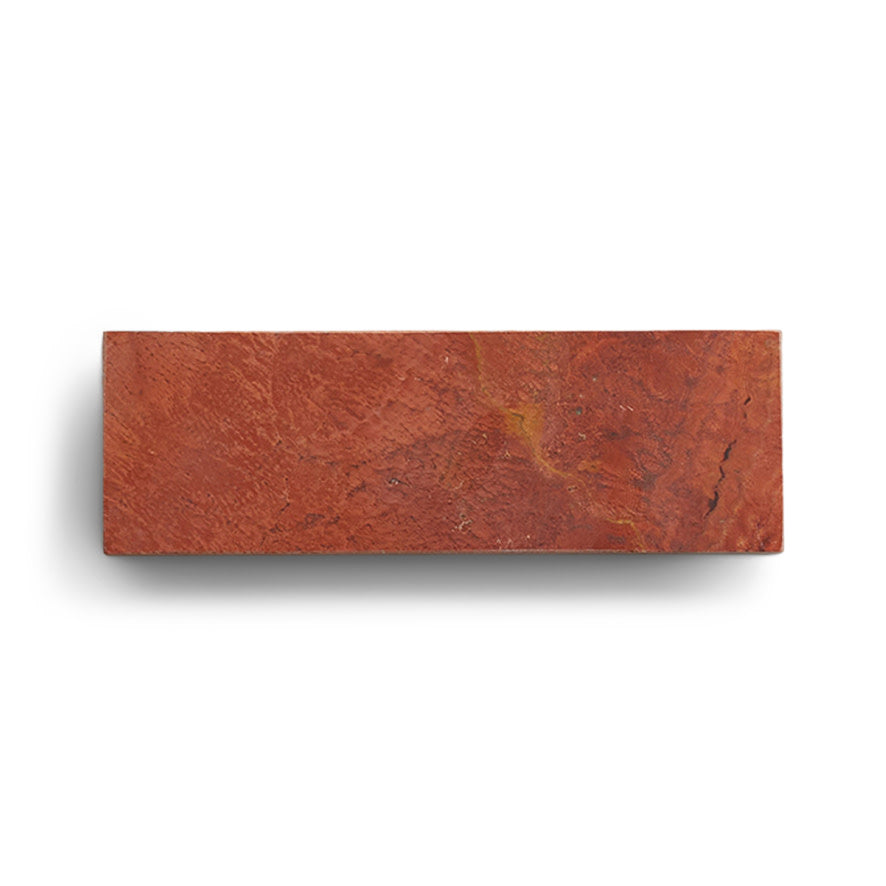
Colorway
-
Red Travertine
Collection
-
lapidary
:
Sub Collection
-
le Disque
Material
Length
-
8
" x
Width
-
8
" x
Thickness
-
⅞
"
Unit of Measurement
-
sqft
/
Price per Unit
$


Colorway
-
Shale
Collection
-
Pemberley Pavers
:
Sub Collection
-
Fondant
Material
Length
-
4
" x
Width
-
16
" x
Thickness
-
¾
"
Unit of Measurement
-
sqft
/
Price per Unit
$