

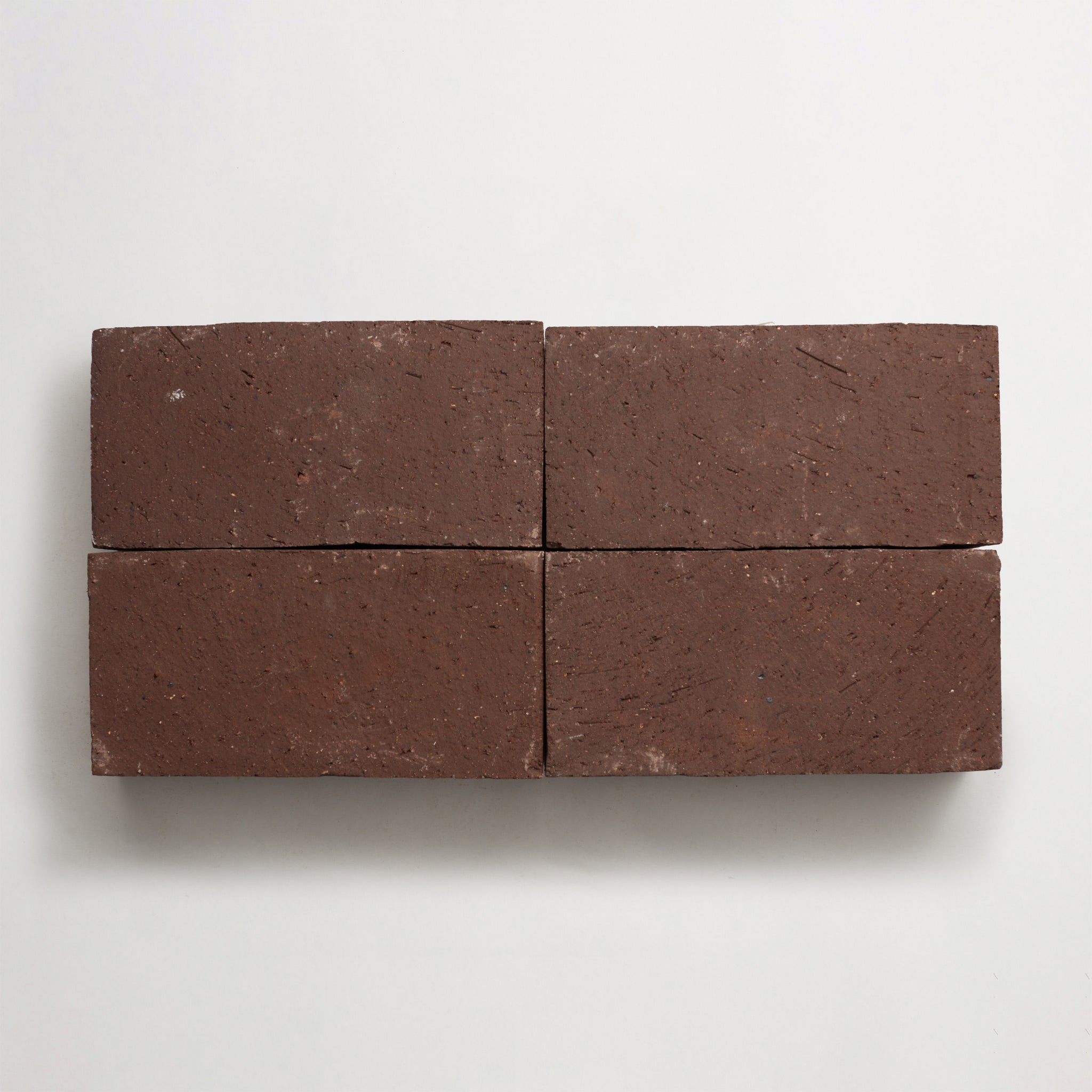
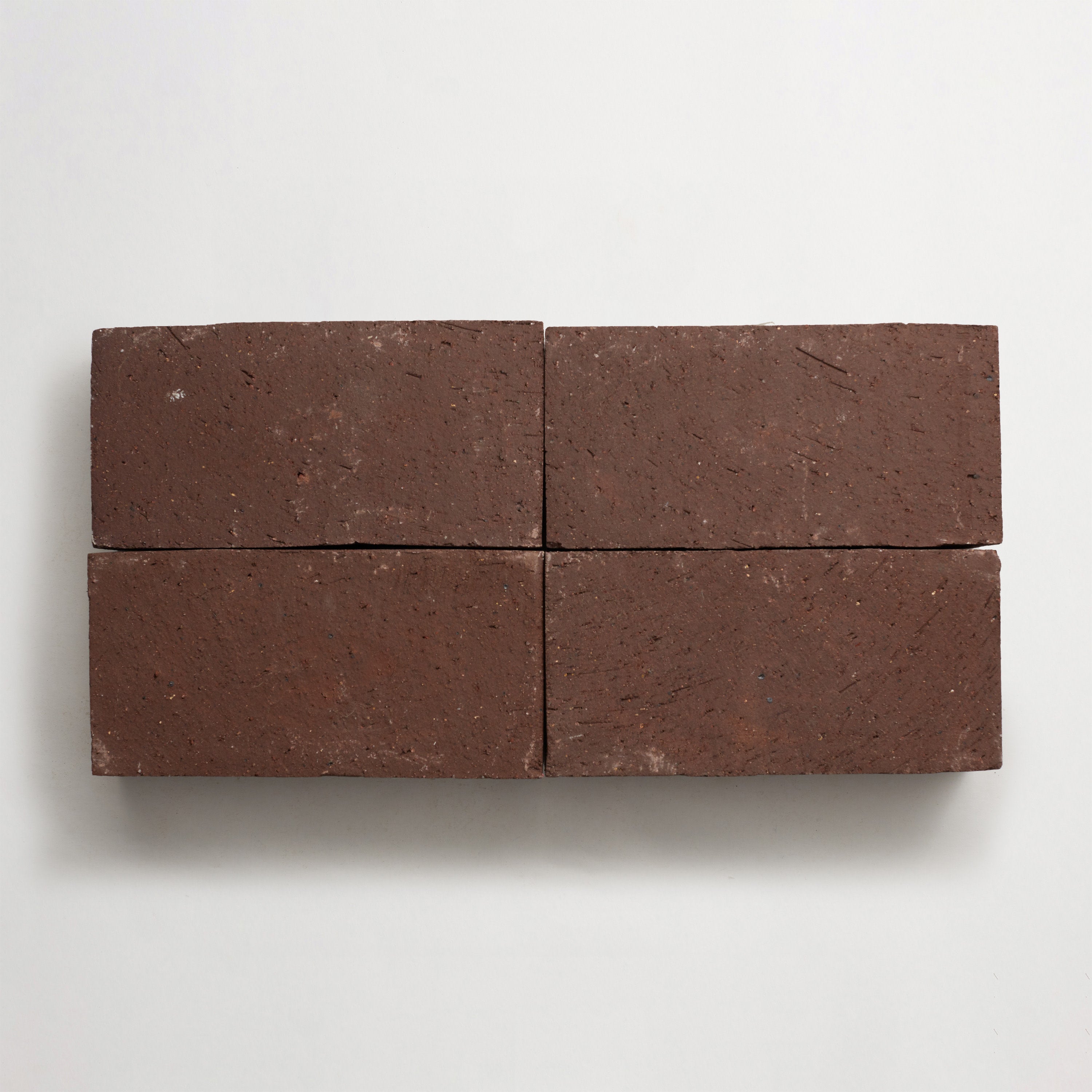
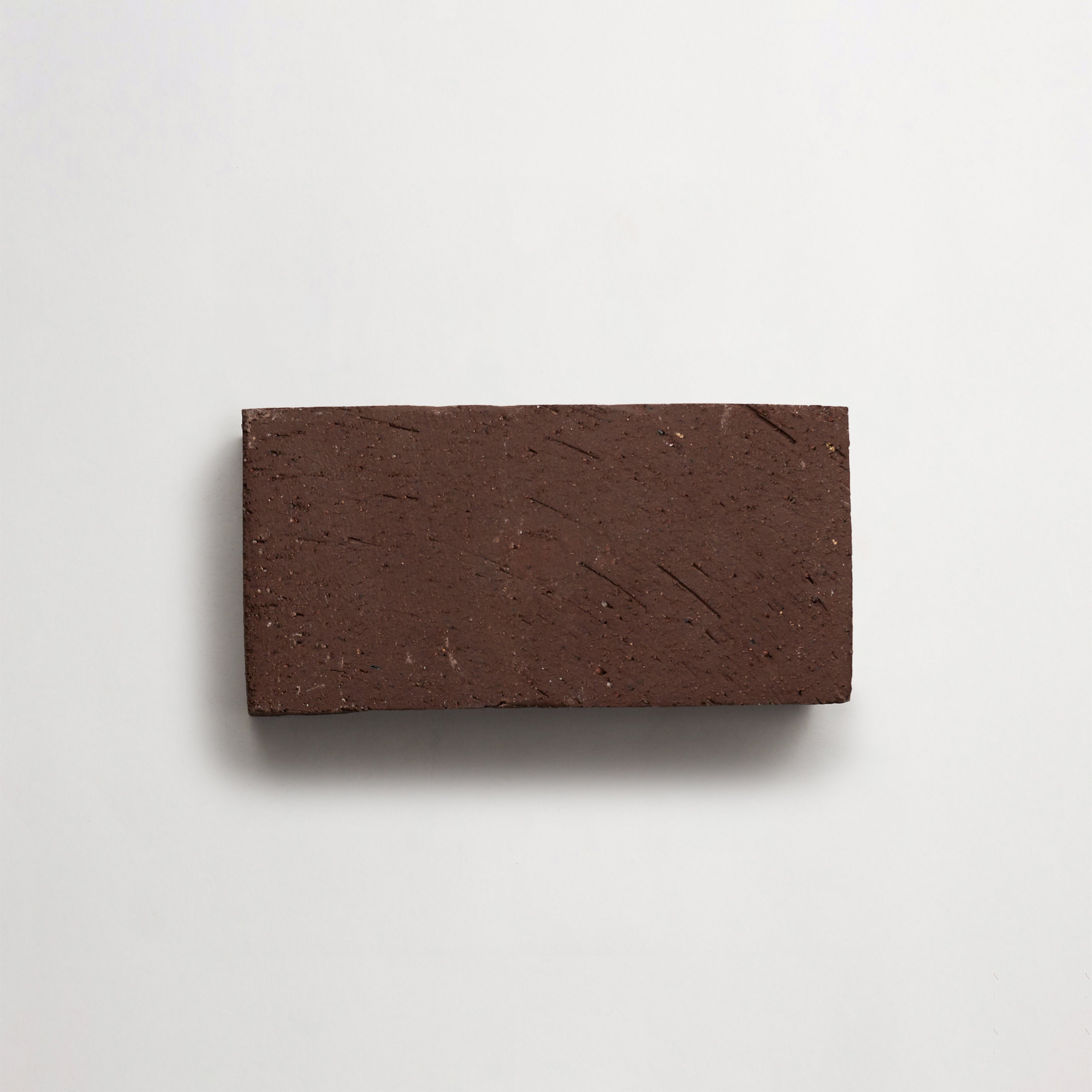
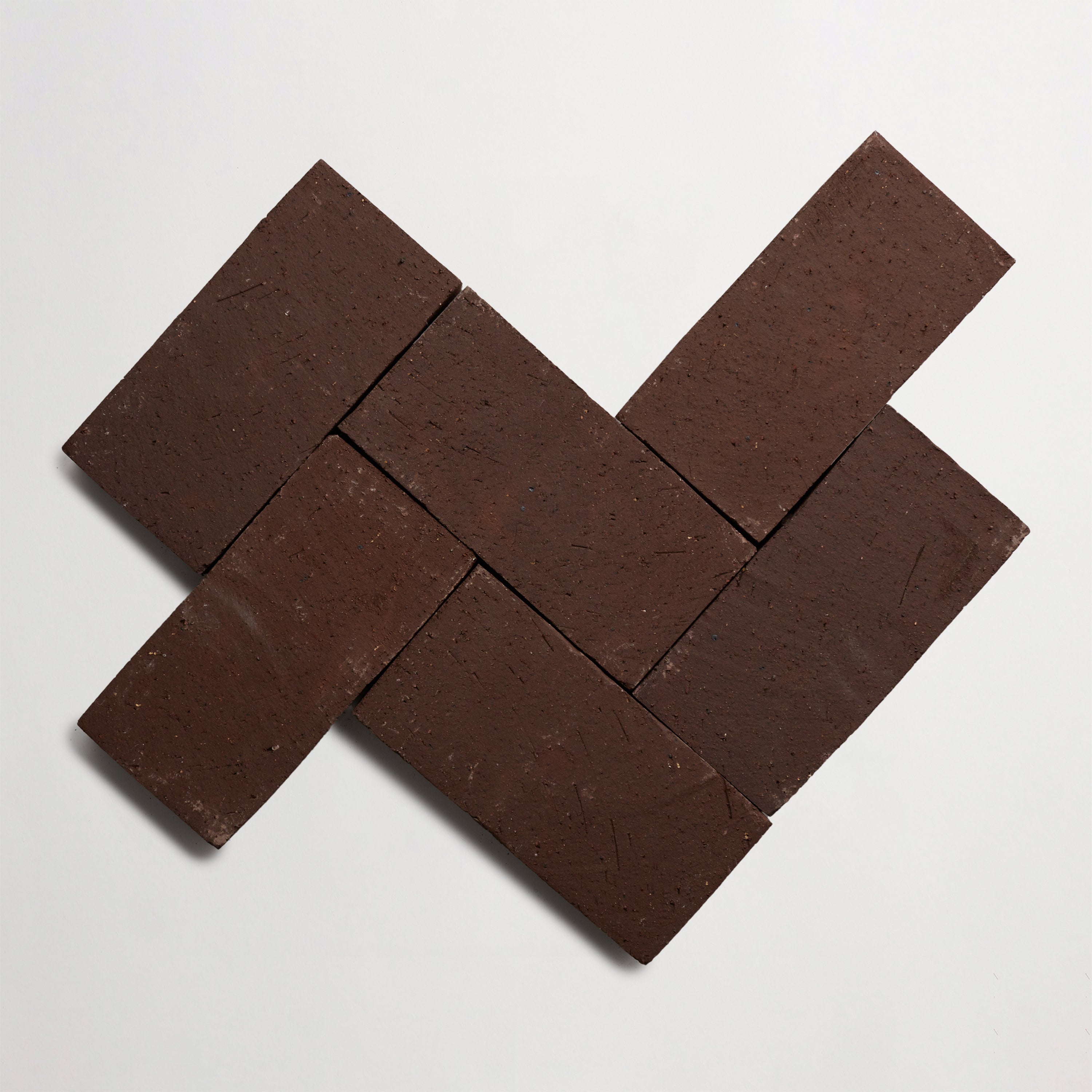
Brickworks, 4x8" Mason, Denali Stone
Driveway Landscaping Design Ideas for a Stunning Entrance
A driveway entrance is the first design decision visitors encounter, setting the visual tone for the entire property before they ever reach the front door. The surfaces, planting, lighting, and structural details chosen here shape not only curb appeal, but the overall character and atmosphere of the landscape itself.
Thoughtful driveway landscape design brings together hardscape and greenery in a way that feels both functional and intentional. Let’s explore driveway landscaping ideas that inspire, combining durable paving materials, layered planting strategies, architectural accents, lighting, and carefully considered material pairings to create a stunning entrance that feels cohesive with the surrounding home and landscape.


Start With the Surface: Why Your Paving Choice Shapes Everything
The foundation of any successful driveway landscaping design begins with the surface itself. Before a single tree is planted or a light fixture is installed, the paving material establishes the visual language of the space, influencing how every surrounding element will be perceived. Texture, tone, scale, and pattern all affect the relationship between the driveway and the landscape around it, shaping everything from curb appeal to the overall atmosphere of the property.
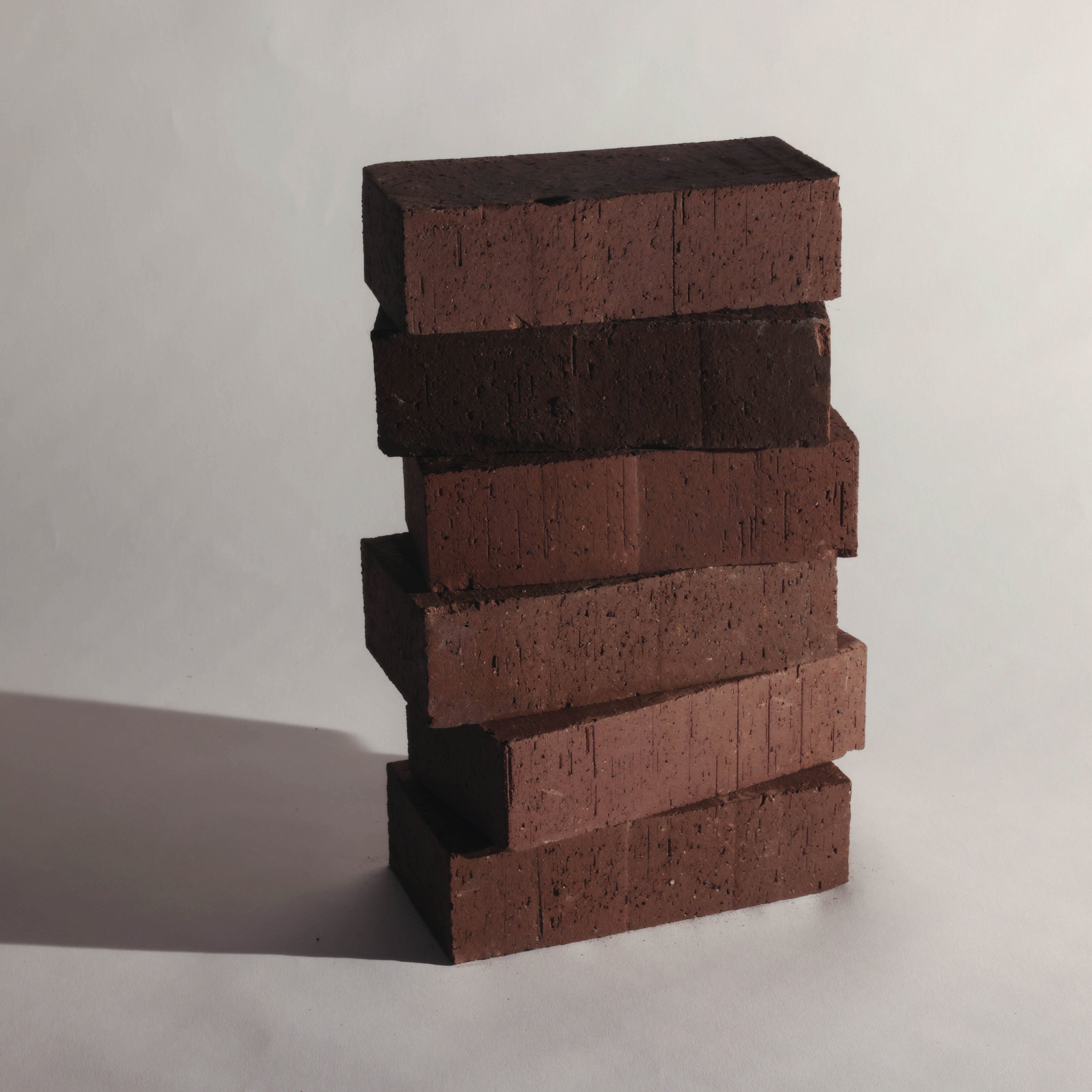
Mass-produced paving materials often prioritize uniformity above all else, creating surfaces that can feel visually flat or disconnected from the natural environment. By contrast, the best driveway pavers, such as artisan pavers, introduce variation, depth, and a sense of craftsmanship that allows the driveway to feel integrated with the broader landscape. OUTERclé’s Pemberley Pavers collection and Brickworks collection bring warmth, material richness, and subtle irregularity to outdoor spaces, helping anchor planting, architectural features, and structural accents within a more cohesive and intentional design composition.
Check out these driveway paver design ideas for more surfaces inspiration.
Border and Edging Ideas That Define the Driveway
The edges of a driveway play a major role in shaping how the entire entrance is experienced, creating transitions between paving, planting, and architecture. Thoughtfully layered greenery, seasonal variation, and low-growing plantings can soften hardscape surfaces while bringing rhythm, texture, and visual continuity to the surrounding landscape.
Frame the Driveway with Lush Green Borders
Framing a driveway with planting does more than soften the edge of a paved surface. It establishes a visual transition between architecture and landscape, helping the driveway feel integrated into the property rather than imposed upon it. Layered borders guide the eye toward the home, create rhythm along long approach drives, and introduce a sense of depth and movement that changes throughout the seasons.
The most successful front driveway landscaping designs consider planting and paving as a unified composition. Warm-toned surfaces like clay brick or tumbled pavers pair naturally with Mediterranean-inspired plantings such as lavender, olive trees, rosemary, and ornamental grasses, creating a relaxed, sun-washed atmosphere. Cooler stone surfaces, by contrast, tend to work beautifully alongside more structured greenery, including clipped hedges, evergreen shrubs, and architectural plant forms that reinforce a cleaner, more tailored aesthetic. Modern driveway design leans this way.
Native plants remain an especially thoughtful choice for driveway borders, bringing seasonal color and texture while responding more naturally to local climate conditions. To further define the edge condition, materials like OUTERclé Brickworks can be incorporated as edging accents or garden transitions, introducing craft-driven detail and visual continuity between the planted landscape and the hardscape surface itself.
Take a minute to read about more landscape border and edging ideas.
Add Layers for Continuous Color & Texture Throughout the Seasons
Layered planting works because it mirrors the way landscapes naturally unfold in depth and scale. Low groundcovers and flowering perennials create a soft visual base at the edge of the driveway, mid-height shrubs establish structure and continuity, and taller ornamental grasses or sculptural plantings introduce vertical movement that draws the eye upward. Together, these layers create a more immersive and visually balanced entrance experience.
A thoughtful layering strategy also allows the landscape to evolve beautifully throughout the year. Seasonal blooms, shifting foliage tones, seed heads, and evergreen structure help maintain visual interest long after peak flowering months have passed. Even a small driveway can feel richly composed when planting is arranged in graduated layers that create texture, rhythm, and subtle transitions between hardscape and greenery.
Introduce Groundcovers for a Lush Understory
Groundcovers create one of the most effective transitions between hardscape and planting, softening the edge of a driveway while visually tying the entire landscape together. Rather than ending abruptly at the paving line, the driveway feels embedded within the surrounding environment, with low-growing greenery creating a continuous layer of texture and movement at ground level.
This understory planting approach also brings practical long-term benefits. Dense groundcovers help suppress weeds naturally, reduce exposed soil, and minimize maintenance compared to more fragmented planting schemes. When thoughtfully selected for climate and sun exposure, they establish a resilient living layer that continues to mature and fill in over time.
Varieties such as creeping thyme, sedum, and dwarf mondo grass work especially well alongside driveway hardscape, each offering a distinct texture and character.

Structural Accents That Elevate the Entrance
The most memorable landscaping around driveway entrances relies on more than surface materials and planting alone. Vertical elements, sculptural forms, and directional planting strategies help shape the spatial experience of arrival, creating rhythm, enclosure, and a stronger architectural presence throughout the landscape.
Plant Trees to Define the Driveway's Path
Trees are among the most powerful structural elements in driveway landscaping because they shape the experience of arrival long before the home itself comes into view. Planted rhythmically along the drive, they create a sense of procession and direction, guiding movement through the landscape while visually reinforcing the driveway’s path. Their vertical form also introduces scale and permanence, balancing the horizontal expanse of paving with canopy, shadow, and seasonal change.
The most successful tree plantings are carefully proportioned to both the driveway and the architecture they accompany. Narrow drives often benefit from more restrained canopies or upright forms that preserve openness, while larger properties can support broader, more expansive tree spacing that creates a grander approach. Matching tree height and canopy spread to the scale of the home helps the landscape feel cohesive rather than oversized or disconnected.
Native tree species are particularly valuable in driveway design because they tend to adapt more naturally to local climate conditions, reducing long-term maintenance while supporting biodiversity and habitat. Beyond their practical benefits, trees also soften hardscape surfaces over time, filtering light across paving materials and helping the driveway feel integrated into the surrounding landscape rather than isolated from it.
Frame the Entry with Ornamental Grasses
Ornamental grasses bring movement, softness, and a sense of rhythm to driveway landscaping, making them especially effective for framing an entry sequence. Their airy forms catch light and wind in constantly shifting ways, creating a more dynamic experience of arrival that contrasts beautifully with the permanence of the surrounding hardscape. Positioned along driveway edges or near entry transitions, grasses help guide the eye naturally toward the home without feeling overly formal or rigid.
This contrast becomes particularly compelling alongside artisan paving materials. The loose, flowing character of ornamental grasses offsets the geometry and precision of brick paver surfaces, creating balance between structure and organic movement. Collections like OUTERclé’s Brickworks Mason series pair especially well with grasses because the warmth, texture, and subtle variation within the brick feel grounded and architectural, while the planting introduces softness and motion around the edges.
Beyond aesthetics, ornamental grasses are remarkably versatile across design styles, working equally well in restrained contemporary landscapes and more layered, traditional settings. Varieties with taller plumes can introduce verticality and enclosure, while lower-growing grasses create texture closer to the ground plane. Together, they help transform a driveway entrance into something more atmospheric and immersive, where hardscape and planting feel intentionally composed rather than simply adjacent.
Drape Borders with Cascading Vines or Trailing Plants
Cascading vines and trailing plantings offer a more expressive approach to driveway edges, especially in landscapes that include retaining walls, pergolas, or stone entry pillars. Rather than simply defining a boundary, these plantings soften architectural structure, allowing greenery to spill, weave, and drape across built forms in a way that feels intentional yet organic.
This layering of movement against structure creates a distinctive dialogue between hardscape and planting. Vines like ivy, flowering climbers, or other trailing varieties can be guided along vertical surfaces to introduce softness and visual depth, breaking up rigid lines and adding a sense of established maturity to the entrance. When paired with artisanal surfaces like Pemberley Pavers in a tumbled finish, the effect becomes especially cohesive, as the weathered texture of the surface naturally complements the loosened, cascading quality of the planting.
Together, these elements create a driveway experience that feels both composed and lived-in. The combination of trailing greenery, stone architecture, and textured paving introduces a layered aesthetic where structure and nature are not in opposition, but in continuous conversation, reinforcing a timeless sense of arrival.


Color, Texture, and Seasonal Interest
The driveway experience becomes more dynamic when planting and surface design are used to introduce variation over time and across sightlines. These approaches explore how seasonal shifts, textural contrast, and planting structure can shape a more expressive and evolving entrance.
Incorporate Inset Beds for Seasonal Color Swaps
Inset planting beds allow the color story of a driveway entrance to evolve throughout the year, introducing moments of contrast, softness, and seasonal change directly within the hardscape composition. Rather than relying on perimeter planting alone, these integrated beds create intentional pauses within the paving layout, drawing attention to curated plant groupings and helping the landscape feel more layered and dynamic over time.
Because inset beds sit directly within or adjacent to the driveway surface, their placement should work in harmony with the paver pattern rather than compete against it. Clean geometric paving layouts often pair best with restrained planting palettes and more structured bed shapes, while organically arranged stone or tumbled paver surfaces can support looser, more naturalistic planting compositions. Thoughtful spacing and alignment help maintain visual rhythm across the driveway, allowing the planting to enhance the hardscape rather than interrupt it.
Seasonal rotations make inset beds especially compelling for homeowners who want the entrance to feel continually refreshed. Spring blooms can give way to summer texture, autumn foliage, and winter structure, creating a landscape that changes gracefully throughout the year. Layering these beds with ornamental grasses, native shrubs, or evergreen accents further strengthens the sense of depth and continuity across the overall driveway design.
Create a Loose, Organic Look with Meadow-Inspired Landscaping
Meadow-inspired landscaping is especially effective for properties with a more naturalistic architectural character, where the goal is to create an entrance that feels relaxed, immersive, and deeply connected to the surrounding environment. Rather than emphasizing rigid symmetry or tightly controlled planting, this approach leans into layered grasses, wildflowers, and native species that move and shift with the seasons, creating a softer and more atmospheric arrival experience.
The success of this style depends on balance. A meadow-style planting scheme feels intentional rather than unplanned when it is anchored by a clearly structured driveway surface. Defined paver layouts, stone edging, or articulated hardscape lines provide the visual framework that allows looser planting compositions to feel curated and cohesive rather than overgrown. This contrast between controlled structure and organic movement is what gives the landscape its distinctive sense of ease.
Native plants are particularly well suited to this approach because they adapt naturally to local conditions while supporting biodiversity and reducing long-term maintenance. Instead of uniform rows or highly manicured borders, planting is allowed to gather in layered drifts and clusters, creating evolving combinations of color, texture, and seasonal variation. Paired with thoughtfully detailed paving, the result feels grounded, expressive, and timelessly connected to the landscape itself.
Go Formal with a Manicured Turf Strip Along the Driveway
A manicured turf strip introduces a sense of precision and symmetry that feels especially appropriate for estate-style entrances and more classically composed properties. Running parallel to the driveway, this carefully maintained band of green creates a crisp visual framework that reinforces order, proportion, and architectural balance throughout the landscape.
The strength of this approach lies in the contrast between refined geometry and natural softness. Precisely cut lawn edges sharpen the lines of the driveway while providing visual relief against paving surfaces, helping the entrance feel expansive yet controlled. When paired with structured planting, sculptural trees, or evenly spaced lighting, the overall composition takes on a more formal and timeless character.
Material selection becomes particularly important within this design language. Surfaces with heritage character, such Brickworks, pair naturally with manicured turf because their texture and tonal variation soften the rigidity of the layout without diminishing its sense of structure. Together, the combination of tailored greenery and artisan paving creates a driveway entrance that feels elegant, grounded, and enduring.
Lighting and Sculptural Accents for Nighttime Appeal
As daylight fades, lighting and sculptural landscape elements begin to shape the character of the driveway in entirely different ways. Carefully placed illumination and architectural planting can create depth, atmosphere, and a stronger sense of arrival long after sunset.
Add Sculptural Topiaries and Accent Lighting
Sculptural topiaries introduce rhythm, structure, and vertical punctuation to a driveway landscape, making them especially effective in entrances that lean formal or architecturally composed. Repeated at intervals along the driveway or positioned near gates and entry points, these meticulously shaped plant forms create visual cadence while reinforcing the geometry of the surrounding hardscape. Their tailored silhouettes also provide a striking counterpoint to looser planting schemes, helping anchor the landscape with moments of precision and permanence.
Lighting further amplifies this effect after sunset, transforming the driveway into an atmospheric extension of the architecture itself. Uplighting placed at the base of flanking trees or topiaries can emphasize canopy shape and sculptural form, while discreet path lighting along the edge of the paver surface helps define circulation without overwhelming the landscape. Low-level recessed fixtures tucked within border planting add depth and shadow, allowing greenery, stone, and brick textures to emerge gradually in the evening light.
The color temperature of the lighting matters as much as its placement. Warm-toned illumination tends to enhance the richness and material variation found in natural stone and brick pavers, drawing out warmth and texture that cooler lighting can flatten or diminish. Used thoughtfully, accent lighting does more than improve visibility. It extends the emotional character of the driveway into the evening hours, allowing hardscape, planting, and architecture to remain visually connected long after dark.
The most compelling driveway landscaping designs are built in layers. A thoughtfully chosen paving surface establishes the foundation and visual language of the entrance, while planting, borders, structural elements, and lighting work together to shape how the space is experienced over time and throughout the seasons.
When these elements are considered as part of a cohesive composition rather than separate decisions, the driveway becomes more than a functional approach to the home. It becomes an extension of the architecture and landscape itself, creating a sense of arrival that feels intentional, immersive, and enduring.
Whether the goal is a formal estate entrance, a naturalistic meadow-inspired approach, or something in between, the process begins with material selection. Start with a surface that brings warmth, texture, and lasting character to the landscape, then build outward from there.
Explore OUTERclé’s artisan paver collections to discover driveway surfaces designed to anchor exceptional outdoor spaces with timeless craftsmanship and enduring beauty.


Colorway
-
Pumice
Collection
-
Pemberley Pavers
:
Sub Collection
-
Chromatope
Material
Length
-
4
" x
Width
-
4
" x
Thickness
-
¼
"
Unit of Measurement
-
sqft
/
Price per Unit
$
Colorway
-
Cordovan Saddle
Collection
-
BrickWorks
:
Sub Collection
-
Alegria
Material
Length
-
8
" x
Width
-
8
" x
Thickness
-
⅞
"
Unit of Measurement
-
sqft
/
Price per Unit
$


Colorway
-
Shale
Collection
-
Pemberley Pavers
:
Sub Collection
-
Brinks
Material
Length
-
4
" x
Width
-
16
" x
Thickness
-
¾
"
Unit of Measurement
-
sqft
/
Price per Unit
$