

Flagstone Patio vs. Pavers: How to Choose the Right Surface
Choosing between a flagstone patio and a paver patio is more nuanced than you might think. One speaks in organic forms, subtle variation, and the timeless character of natural stone. The other relies on measured proportions, deliberate rhythm, and carefully repeated patterns. Both create beautiful gathering spaces.
The conversation around flagstone patio vs. pavers often centers on cost, installation, or maintenance. Those practical considerations certainly matter, but they don't explain why one patio feels connected to the surrounding landscape while another creates a refined framework for outdoor living.
We’re all about approaching this choice from a design perspective. Whether you're drawn to artisan-cut flagstone or precisely crafted natural stone pavers, each option is elevates an outdoor space with enduring craftsmanship.


Quick Facts About Flagstone vs. Pavers
- Flagstone and pavers represent two distinct design languages rather than different levels of quality.
- Flagstone creates a natural, one-of-a-kind surface, while pavers establish rhythm through repeated geometric patterns.
- Architecture, surrounding landscape, and mood should guide your selection more than price alone.
- Skilled installation determines long-term comfort and performance for both materials.
- Durability depends more on the specific stone and its properties than whether it's classified as flagstone or a paver.
- Both artisan flagstone and natural stone pavers develop lasting beauty over time, but they age in distinctly different ways.
Two Surfaces, Two Design Languages
The debate over flagstone patio vs. pavers pros and cons often assumes that one option must outperform the other. In reality, they simply express two different aesthetics. Think of them as two design vocabularies available to the same designer.
When sourced from artisan makers, both materials offer impressive craftsmanship, durability, and timeless appeal. Flagstone celebrates natural variation, allowing each piece to contribute its own personality to the whole. Pavers embrace repetition, using carefully cut tiles to establish visual order.
This perspective changes the conversation from "which is better, flagstone or pavers?" to a more meaningful question: which design language complements the project?
The Case for Flagstone's Irregularity
Flagstone feels as though it belongs to the landscape because every piece carries subtle differences in shape, texture, and tone. Each stone contributes to a composition that feels assembled over time rather than manufactured all at once. The result is a patio with an unmistakably natural presence.
This irregularity evokes the heritage of quarried stone, recalling old garden paths, European courtyards, and landscapes where architecture appears to emerge organically from its surroundings. The surface never feels predictable. Instead, it creates subtle visual variety that rewards close attention while remaining harmonious from a distance.
The Grangestone flagstone collection embodies this design language with remarkable restraint. Rather than feeling overly rustic, the collection balances authentic variation with refined craftsmanship. Each stone feels like part of the landscape — and becomes increasingly compelling as gardens mature around it.
The Case for a Paver's Precision
Where flagstone embraces individuality, pavers celebrate order. Each piece contributes to a larger pattern, creating rhythm through consistency rather than variation. The eye naturally follows repeating lines across the surface, giving the patios a composed and intentional look.
This precision opens the door to all sorts of classic installation patterns. A running bond creates understated movement, basket weave introduces historic charm, and herringbone adds energy through angled repetition. Each pattern offers a different architectural expression.
The Pemberley Pavers travertine collection showcases how artisan natural stone pavers differ from mass-produced concrete alternatives. The collection combines consistent proportions with a kind of tonal richness that only authentic stone can provide.

Dzek + Formafantasma: ExCinere, 2x8" Cigar, Terra A, Gloss. Photo courtesy of French & Tye.
Reading the Room: Which Surface Suits Your Space
Choosing between flagstone and pavers becomes much easier once you shift the focus from materials to context. The most successful patios reinforce the home’s architecture, complement surrounding greenery, and support the intended experience of the outdoor space.
Neither surface universally looks better for a patio. Each excels in different environments. Flagstone's irregular forms feel relaxed and connected to nature. Paver patterns communicate intention and symmetry. The best flooring for outdoor patios is the surface that strengthens the design language already present.
Where Organic Texture Belongs
Flagstone naturally complements landscapes that are meant to feel discovered. Informal cottage gardens, mature trees, and winding borders all benefit from the soft transitions irregular stone shapes create. Instead of competing with the landscape, flagstone appears to emerge from it.
This same quality makes flagstone compelling alongside historic architecture, mountain retreats, Mediterranean homes, and spaces influenced by traditional European design. These settings already celebrate natural materials and handcrafted character, allowing flagstone to reinforce the home's architectural story.
Where Precision Belongs
Modern homes, formal courtyards, and symmetrical landscape plans all benefit from the disciplined geometry that pavers provide. Pavers make dining terraces, pool decks, and entertaining spaces feel organized and purposeful. Furniture layouts also appear naturally anchored within their repeated geometry.
While there are many paver alternatives for patios, artisan-cut natural stone offers a level of warmth and refinement that elevates an outdoor room beyond what typical manufactured paving materials can provide.
Life Underfoot: Furniture, Gathering, and Daily Use
Outdoor dining, lounging, and entertaining place different demands on a surface than, say, a winding garden path. Each material needs to stand up to furniture and foot traffic. Luckily, both can create exceptionally comfortable patios when installed by experienced professionals.
Pavers create a tightly set, uniform plane. Their consistent dimensions make it easier to establish a smooth surface that welcomes dining tables, lounge seating, fire pits, and heavy foot traffic with minimal wobble.
Flagstone requires more careful hand-fitting to achieve the same result. A skilled installer carefully maps each piece, creating a surface that feels seamless despite the stone's irregular outlines.
Getting a Level, Furniture-Ready Surface
The success of either patio begins long before furniture enters the scene. Proper base preparation, thoughtful grading, and meticulous installation determine whether the finished surface will feel solid, stable, and inviting for years to come.
With pavers, the modular format naturally supports precise alignment across the entire patio. Each piece works together to create a consistent surface that readily accommodates dining chairs, outdoor sofas, and other furnishings.
Flagstone asks more of the installer. Each unique piece must be individually positioned, adjusted, and hand-fitted to create an even walking surface. Rather than viewing it as a drawback in the paver patio vs. flagstone patio discussion, it's better to see it as a reflection of the material's individuality.


How Each Surface Weathers the Seasons
Climate influences long-term performance, of course, especially in regions with freezing winters and repeated freeze-thaw cycles. When evaluating which option holds up better in freeze-thaw conditions, check the technical specs of the particular tile — be it flagstone or a paver. Density, absorption rate, and porosity all influence how moisture will behave within the material.
Some varieties of flagstone are exceptionally dense and resistant to freezing temperatures. Others require careful specification for colder climates. Likewise, natural stone pavers vary depending on the stone selected. That said, tthey can accommodate slight ground movement over time.
Any ongoing care should be seen as stewardship rather than maintenance. Appropriate sealing and occasional attention to joints help preserve the beauty of both surfaces. And remember: A thoughtfully selected stone paired with expert installation provides lasting performance across changing seasons.
Reading a Stone's Density Before You Commit
Two stones may look similar while performing very differently over decades of weather exposure. Always evaluate a stone's density, absorption rate, and intended application by checking its technical specifications. Denser stones tend to absorb less moisture, making them suitable for climates that see repeated freezing and thawing.
The Natural Stone Institute recommends reviewing technical performance data alongside aesthetic qualities when specifying natural stone for outdoor projects. This ensures that beauty and durability will work together rather than competing with one another.
Repair, Patina, and the Long Life of a Surface
Every outdoor surface changes over time. The question isn't whether change occurs but how gracefully each material embraces it.
Pavers maintain a close relationship with consistency. Because each piece shares the same dimensions, an individual paver can typically be replaced without disturbing the surrounding installation.
Flagstone develops a different relationship with time. Each piece is unique, making an exact replacement more challenging should damage occur. This individuality, though, also contributes to the surface's enduring appeal. As seasons pass, subtle weathering, softened edges, and the surrounding landscape all lend a richer sense of place.
Neither approach is inherently superior — they simply reflect different philosophies about how outdoor spaces mature.

Choosing the Surface for Your Outdoor Room
Ultimately, the choice between flagstone vs. pavers for patio projects has less to do with performance than with vision. Both materials can deliver exceptional longevity, comfort, and craftsmanship when thoughtfully specified and professionally installed. The more meaningful decision is how you want the outdoor space to feel.
If your architecture and landscape celebrate natural textures, informal gardens, and timeless character, artisan flagstone creates a patio that feels rooted in its surroundings. If your project emphasizes crisp geometry, structured layouts, and order, precision-cut pavers offer an equally compelling expression.
There are many paver alternatives for patios, and even options like patio tile over concrete may suit certain renovation projects. Consider which design language best reflects the atmosphere you hope to create. We have offerings that span both directions, allowing your decision to be guided by architecture, landscape, and experience — not compromise.
Explore artisan surfaces built for both design languages, from hand-set flagstone to precision-cut pavers. Shop the Wander collection and discover curated natural stone surfaces designed to bring enduring craftsmanship to every outdoor room.


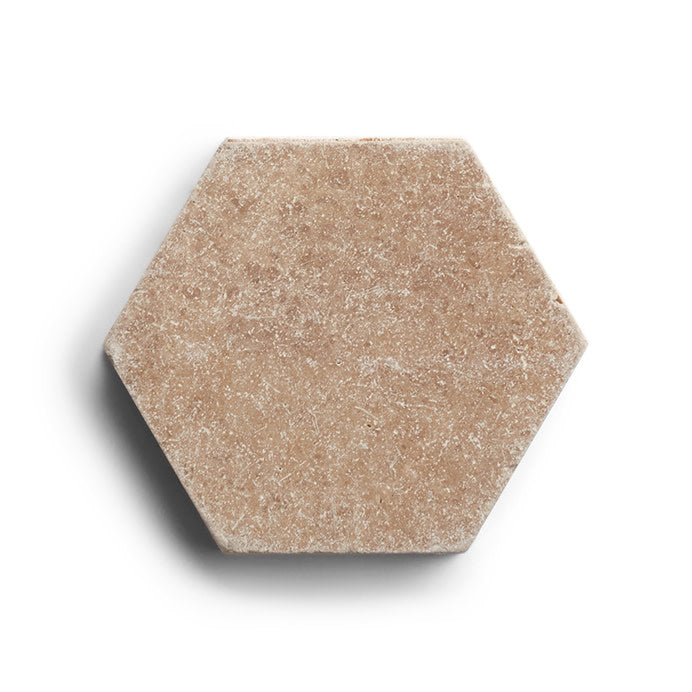
Colorway
-
Sand
Collection
-
Pemberley Pavers
:
Sub Collection
-
Alegria
Material
Length
-
8
" x
Width
-
8
" x
Thickness
-
⅞
"
Unit of Measurement
-
sqft
/
Price per Unit
$


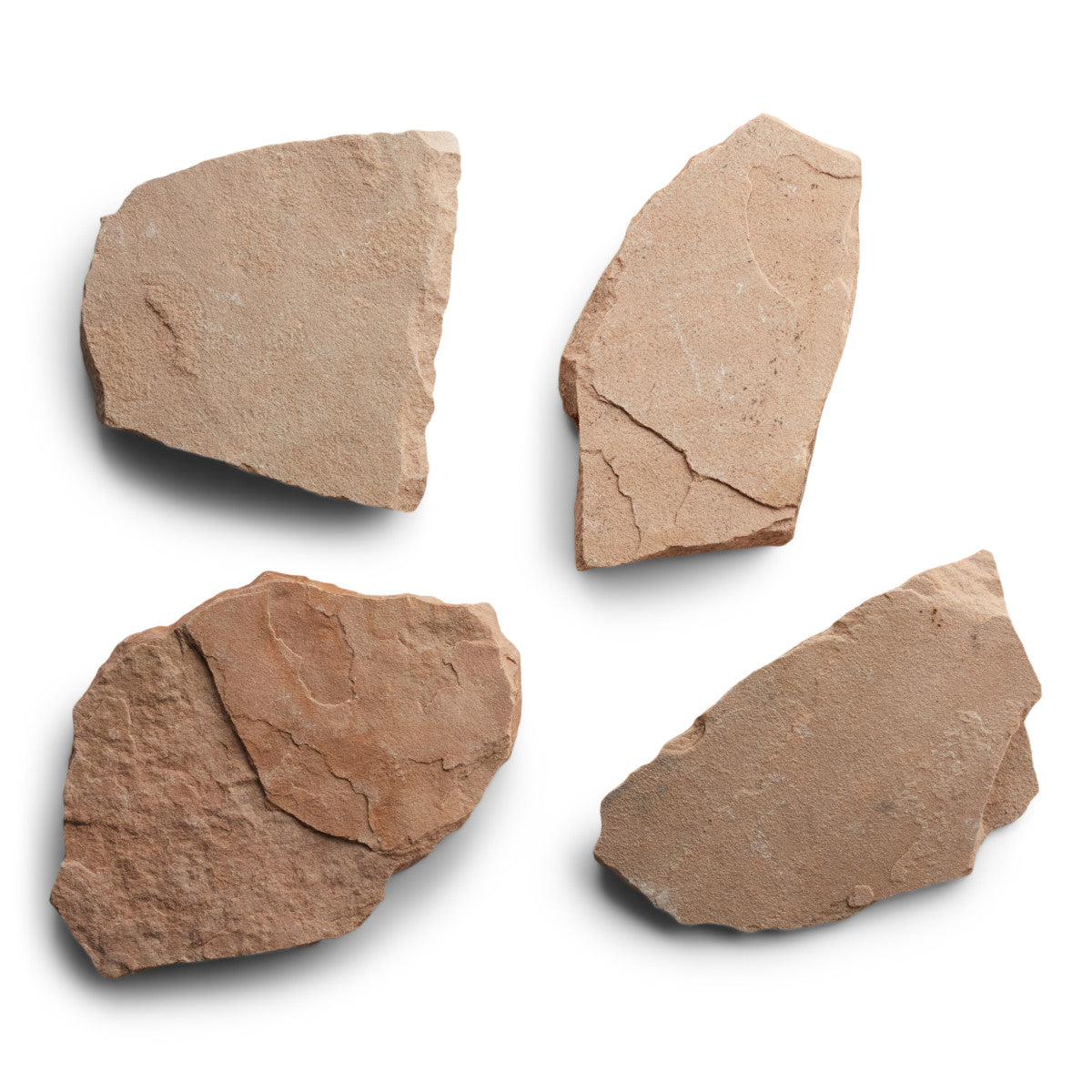
Colorway
-
Rosso
Collection
-
Grangestone
:
Material
Length
-
4
" x
Width
-
4
" x
Thickness
-
¼
"
Unit of Measurement
-
sqft
/
Price per Unit
$


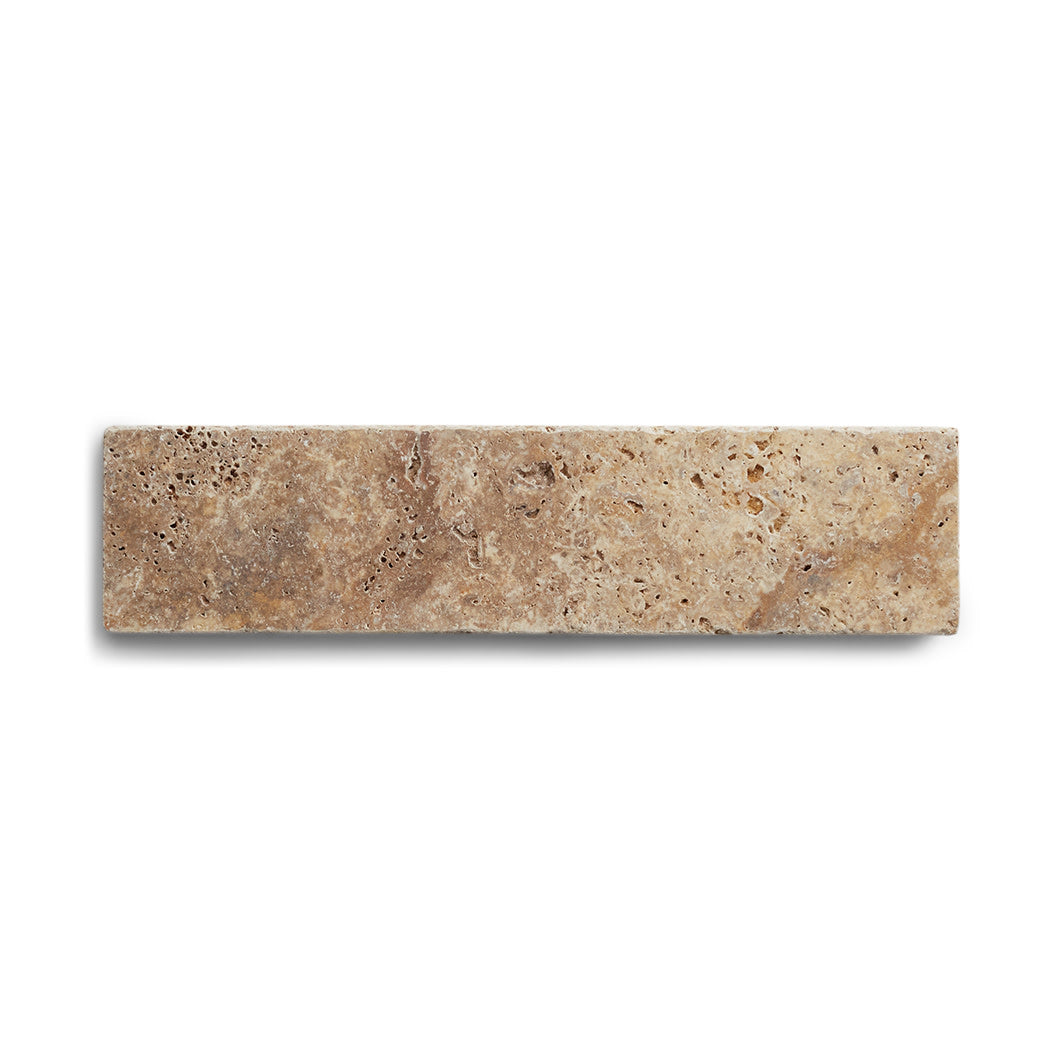
Colorway
-
Pumice
Collection
-
Pemberley Pavers
:
Sub Collection
-
Henna
Material
Length
-
4
" x
Width
-
16
" x
Thickness
-
¾
"
Unit of Measurement
-
sqft
/
Price per Unit
$