

OUTERclé Colorwerks Collection
Glass vs Ceramic Pool Tile: How to Choose the Right Surface
When looking into a tiled pool, the first thing you notice is not the tile itself but the water. In a pool of glass tile, light seems to travel through the water, creating luminous depth and subtle movement. In a pool of ceramic tile, color appears richer, more grounded, and more graphic. These nuances are immediately apparent, even before you understand what material lies beneath the surface.
This is what makes choosing glass vs ceramic pool tile a design decision as much as a technical one. Both materials are refined, durable, and appropriate for aquatic environments. Yet they communicate entirely different visual languages. Understanding where each material excels is the key to creating a pool that performs beautifully while expressing the character of the larger landscape.


Two Materials, Two Design Languages
Glass and ceramic are often compared as though they occupy the same category at different price points. In reality, they are fundamentally different materials. Each interacts with water, sunlight, and architecture in its own way.
The history of aquatic design reflects this distinction. Glass emphasizes luminosity and reflection, while ceramic celebrates color, pattern, and craft. Choosing between them means choosing how a pool should feel as much as how it should function.
What Glass Tile Brings to a Pool
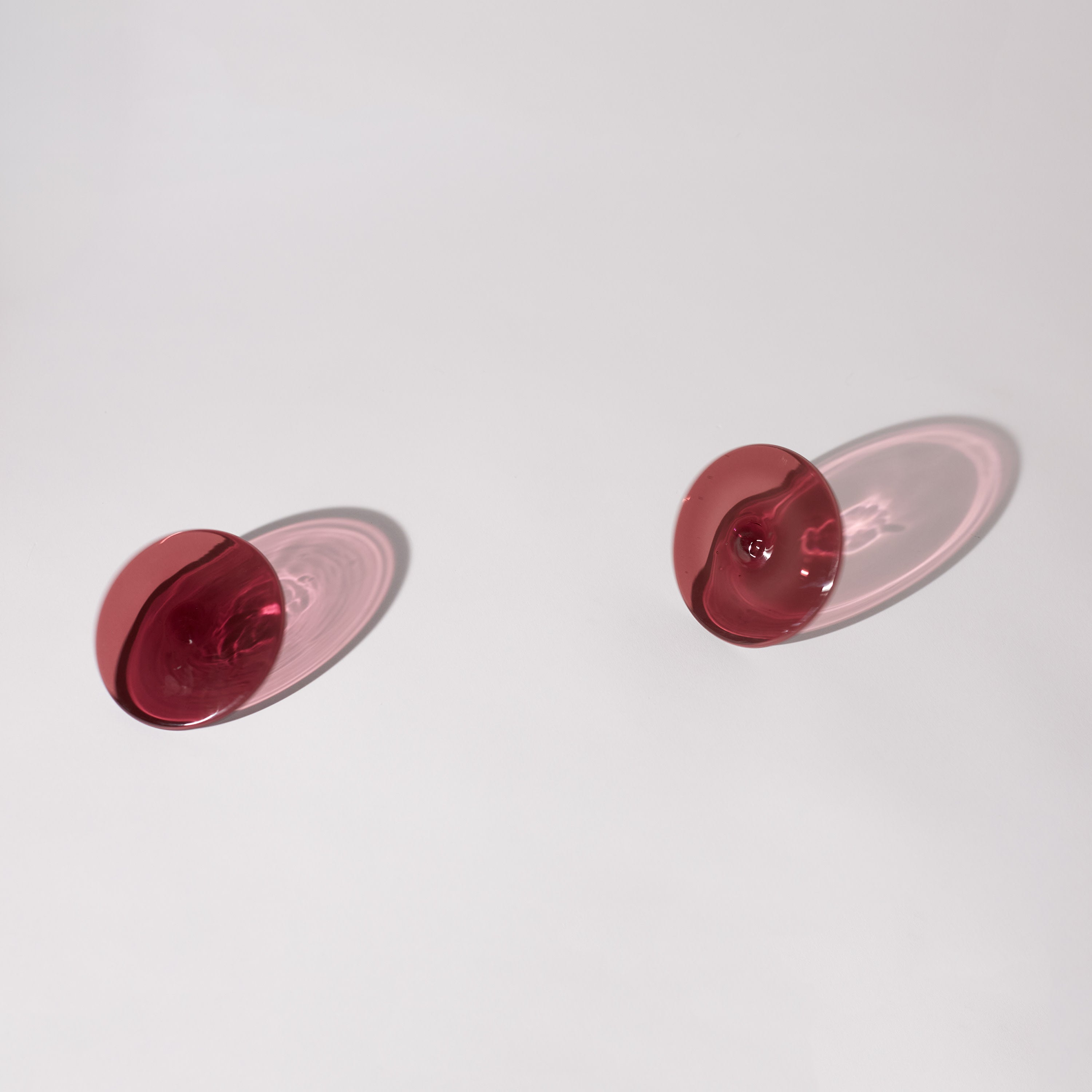
Glass tile begins with silica and minerals fused at extremely high temperatures. Unlike ceramic tile, where color is largely contained in the glaze, the color in glass often extends throughout the body of the tile itself. This gives glass pool tile vs ceramic remarkable depth when it’s submerged. Light passes through, reflects, and refracts within it. Water appears brighter, more transparent, and often deeper than it actually is.
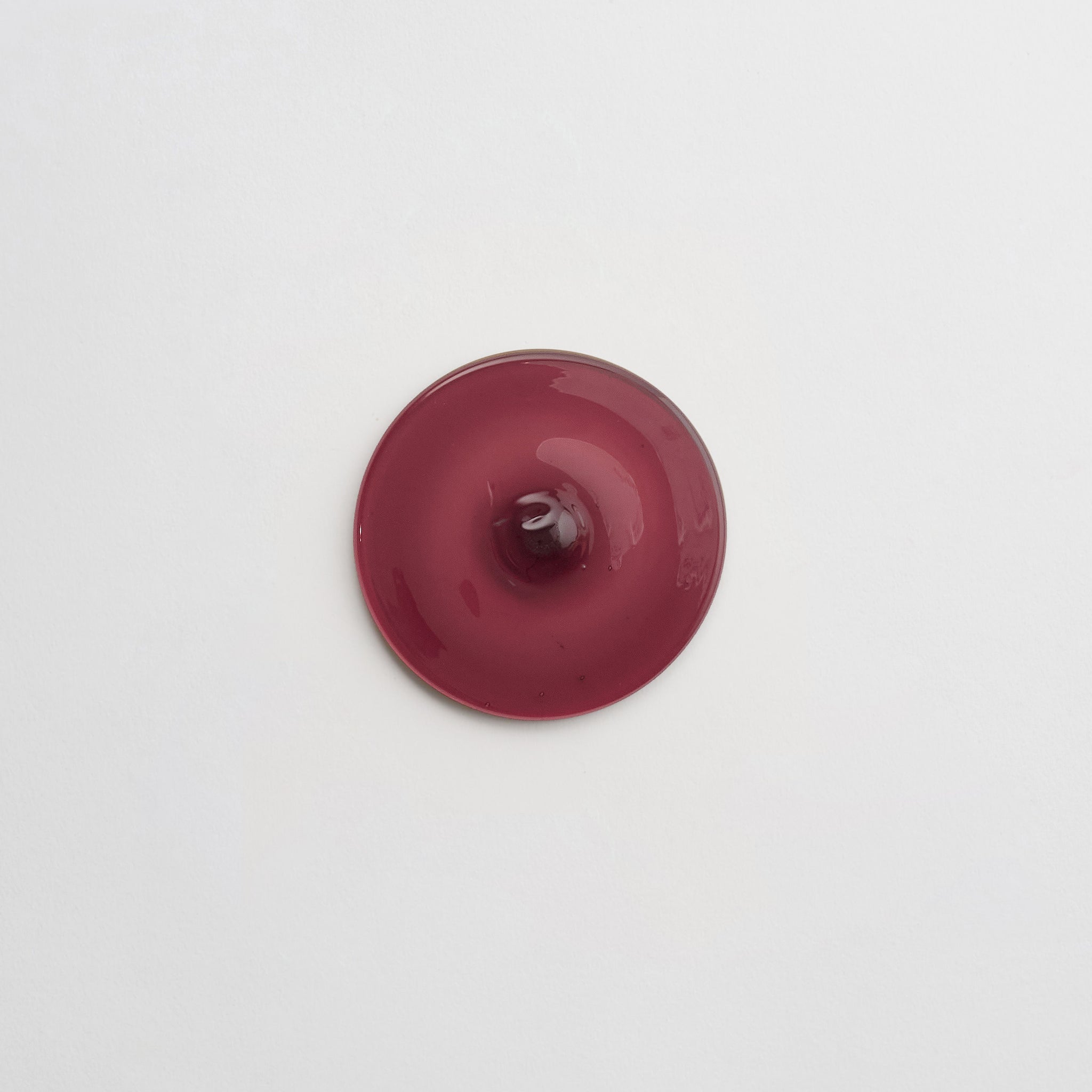
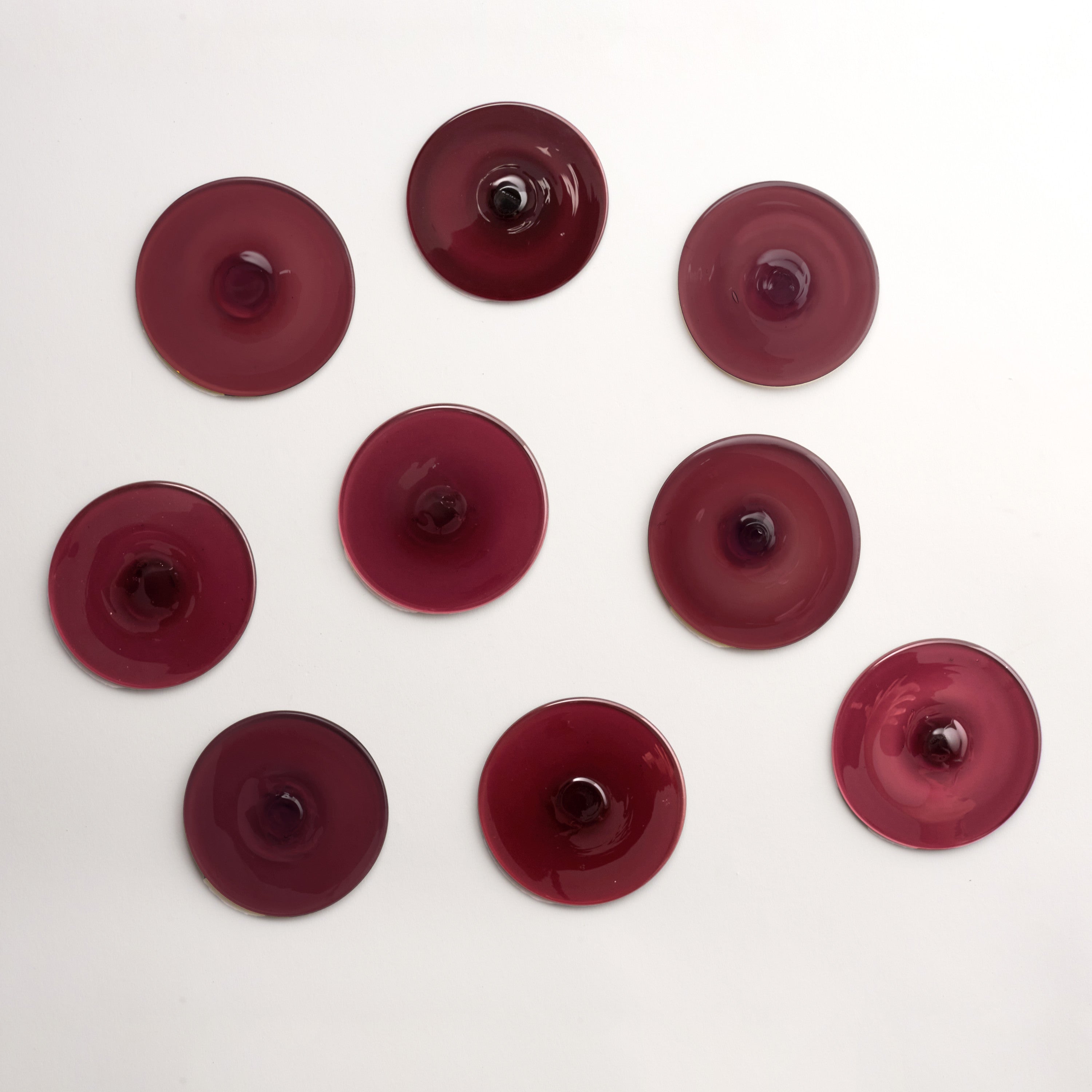
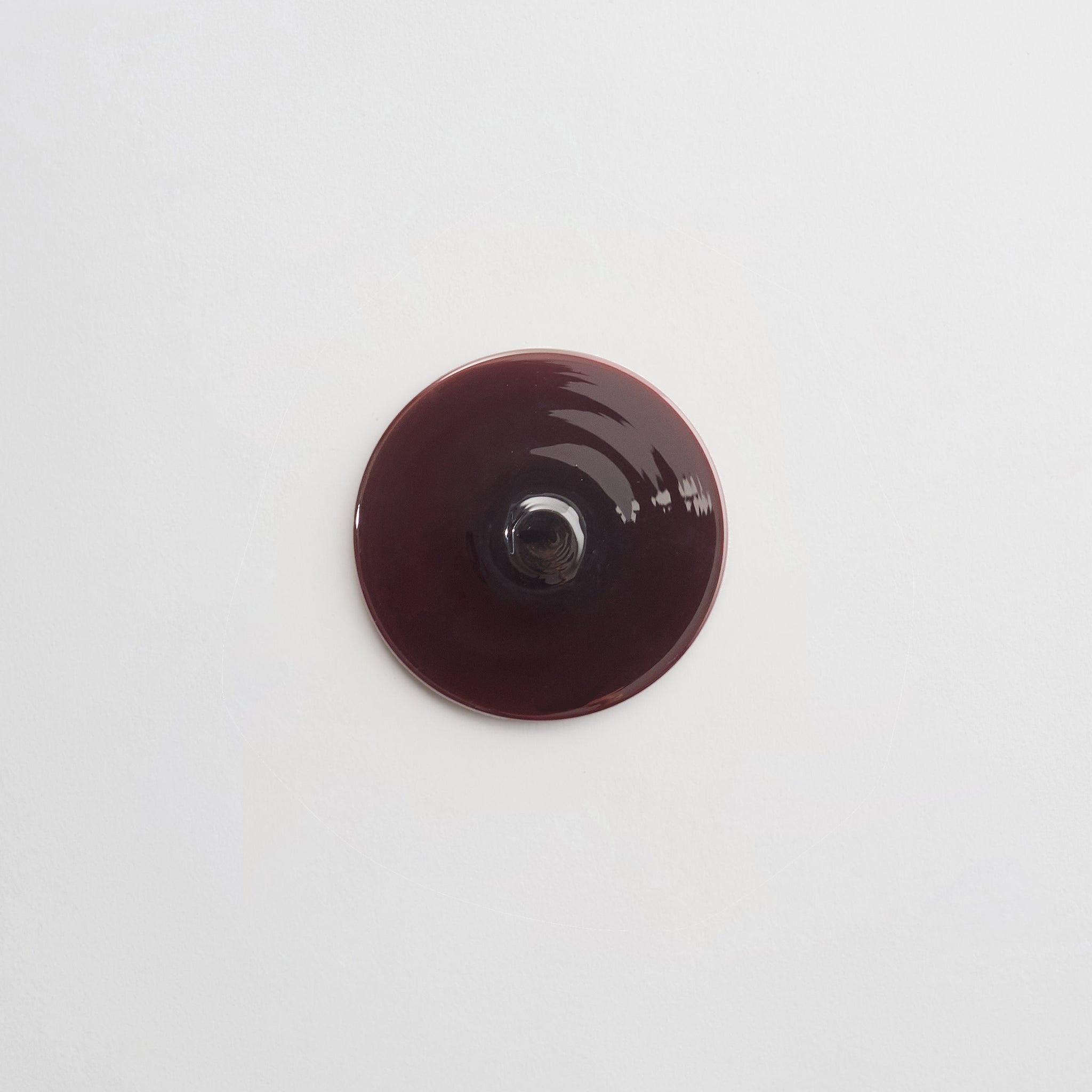
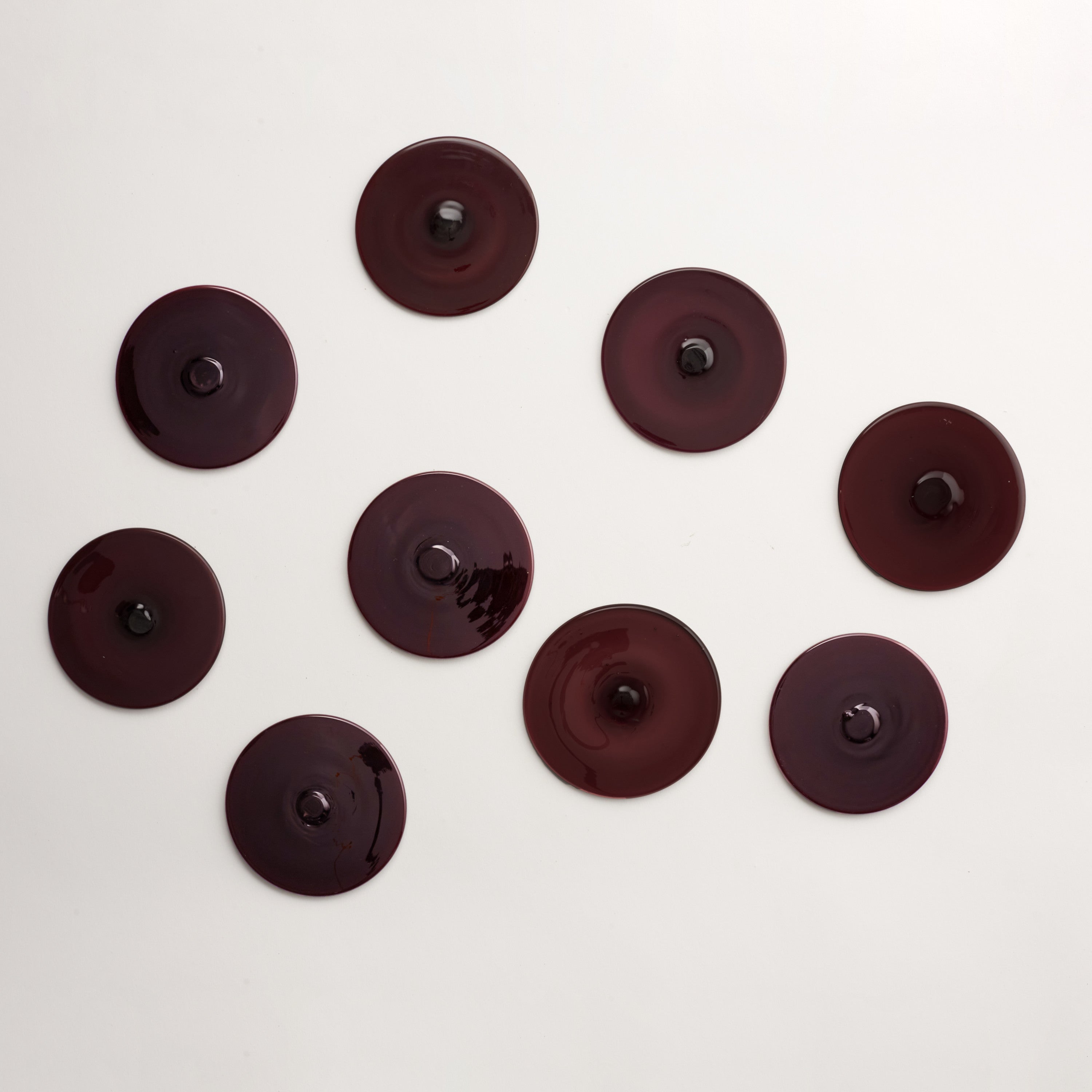
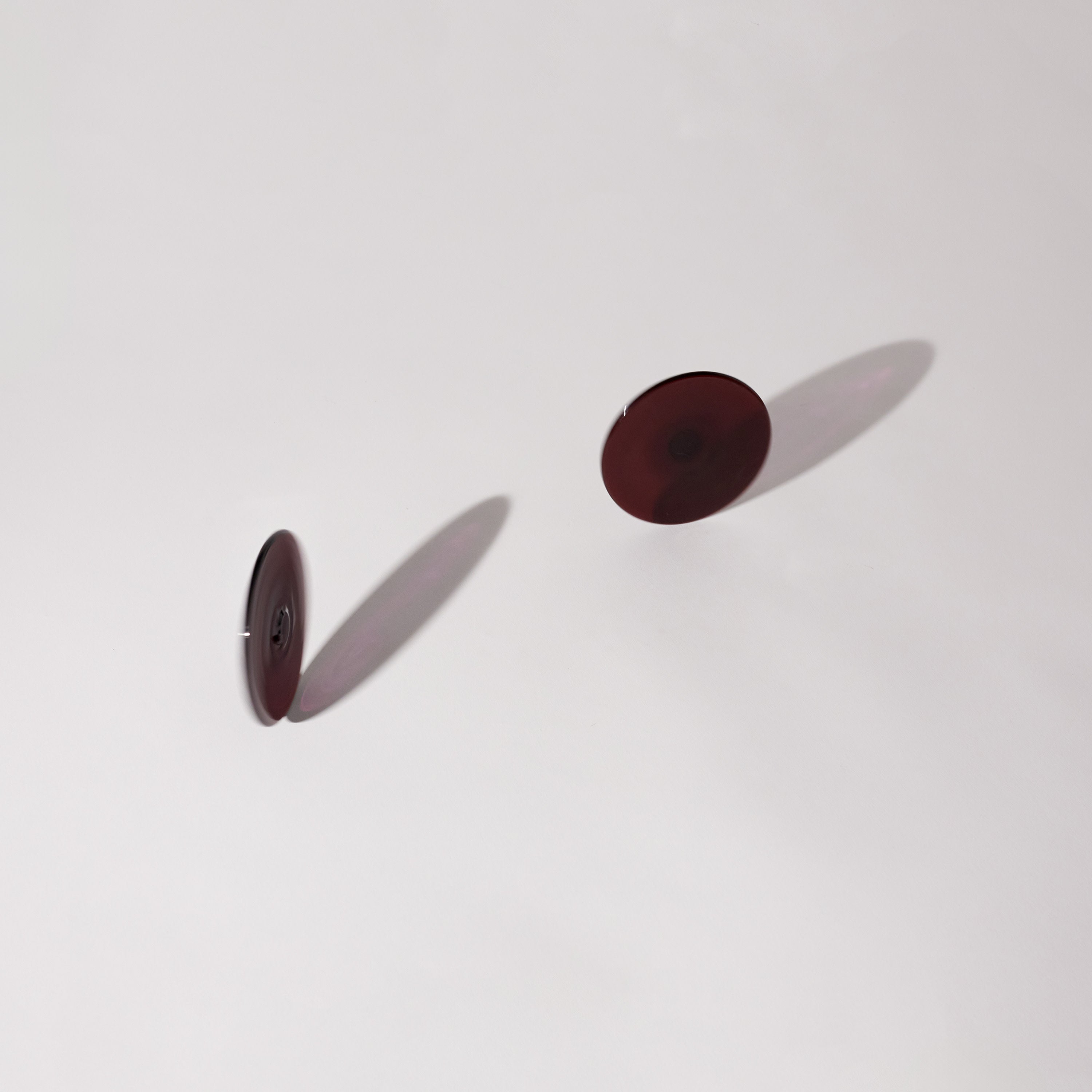
Our 1970s GlassWorks collection highlights just what artisan glass can achieve. Hand-blown glass is carefully flattened into circular tiles with varying sizes, textures, and tonal shifts. The result is a surface that feels alive, constantly changing as sunlight moves across the water.
What Ceramic Tile Brings to a Pool
Ceramic tile is created from fired clay and gets much of its character from the glaze applied to its surface. Color, pattern, and finish are concentrated in that outer layer, allowing for tremendous decorative range.
Its visual lineage stretches across centuries of architectural history, from Moorish zellige traditions to the courtyards and pools of Andalusia. Ceramic brings cultural depth and graphic presence to a project in a way that feels timeless.
Porcelain, a denser subtype of ceramic fired at higher temperatures, is especially important in pool design. Its low water absorption rate, resistance to chemicals, and long-term color stability make it one of the most reliable materials for submerged applications.
Our Lido collection and ceramic Swim range showcase just how versatile ceramic can be in aquatic environments.

How Glass and Ceramic Pool Tile Perform in Water
While aesthetics often drive the initial decision, performance determines how a pool surface will age over decades of use. Understanding the technical differences helps clarify the glass vs ceramic pool tile pros and cons conversation.
Porosity and Water Resistance
Glass is entirely non-porous. Water, chlorine, and other pool chemicals cannot penetrate the material. This resistance helps prevent staining, discourages bacterial growth, and allows the surface to maintain its appearance over time.
Glazed ceramic provides strong water resistance through its surface glaze, while porcelain goes even further thanks to its dense makeup and exceptionally low absorption rate. Unglazed ceramic, however, is generally unsuitable for submerged environments.
Glass excels in areas where visual impact matters most, such as waterlines and feature walls. Porcelain remains the preferred material for floors, steps, benches, and other high-traffic surfaces.
Chemical and UV Resistance
Both glass and porcelain perform exceptionally well in chemically treated pool environments when properly specified. Chlorine exposure and routine pool chemistry rarely present challenges for either material.
Glass does offer a modest advantage in UV resistance. Because the color extends throughout the material, it will not fade after prolonged exposure to sunlight. At the waterline, where exposure is greatest, glass can maintain its appearance for decades with minimal visible change.
This characteristic makes glass especially appealing in high-UV climates such as Southern California, Arizona, Nevada, Florida, and other sun-intensive regions.
Durability and Lifespan
When installed correctly using the appropriate adhesives and setting methods, glass tile can last for many years — even 20 years or more. The material itself is highly resistant to staining, fading, cracking, and chipping.
Porcelain ceramic offers a similarly impressive lifespan. Its density and strength make it particularly effective in areas subject to repeated foot traffic and constant immersion.
Standard glazed ceramic remains durable but may show surface wear over time in high-contact zones such as steps and shallow-end entries. This is one reason porcelain has become the preferred specification for the most heavily used portions of a pool.


The Installation Difference: What the Choice Demands
The most significant practical distinction between these materials is in how they are installed. Each material requires certain techniques to achieve its full potential.
Why Glass Requires Specialist Installation
Glass tile demands precision. Many glass tiles are relatively thin, and their non-porous surfaces require epoxy adhesives rather than conventional thin-set systems.
Because glass is transparent or semi-transparent, inconsistencies in adhesive coverage can become visible through the tile itself. Every detail of installation influences the finished appearance.
For these reasons, skilled craftsmanship is a must. A quality installation will deliver the luminous, light-filled effect that makes glass unique.
Why Ceramic Is More Forgiving in Installation
Ceramic and porcelain tiles offer greater flexibility during installation. They accommodate a broader range of approved adhesive systems, tolerate minor substrate variations more readily, and are generally easier to cut and position.
These qualities make porcelain the standard specification for large-scale pool surfaces. Floors, walls, benches, steps, and deck transitions can all be tiled efficiently while maintaining excellent performance.
That does not mean installation standards should be relaxed. Pool environments still require experienced installers and waterproof detailing. Epoxy grout remains the recommended choice for submerged applications regardless of tile type. But ceramic and porcelain provide a wider margin for error than glass.
Choosing by Zone: Where Each Material Belongs
The most successful pools are rarely designed around a single material choice. Instead, they assign materials strategically according to how each area of the pool functions and is experienced visually.
Glass Tile: Waterlines, Accent Bands, and Vertical Surfaces
Glass reaches its full potential at the waterline. Even a narrow horizontal band can capture shifting reflections, refracted sunlight, and changing water levels throughout the day.
Glass also excels on vertical applications such as spa spillways, feature walls, fountain faces, and vanishing-edge backdrops. Here, light scatters across the surface and animates the surrounding water.
Because glass lacks the slip resistance required for walking surfaces, it is best reserved for areas that are seen rather than walked upon. For additional inspiration, explore pool tile ideas that incorporate waterline accents and architectural focal points.
Ceramic and Porcelain: Pool Floors, Steps, and Full-Coverage Surfaces
Porcelain is often considered the best tile for pool decks, submerged floors, steps, benches, and other high-contact surfaces. Its combination of durability, stain resistance, and available slip-resistant finishes makes it exceptionally practical.
From a design perspective, ceramic offers opportunities beyond pure performance. Boldly colored surfaces introduce geometry, rhythm, and historical references that enrich the overall environment.
Many of the most compelling mosaic pool tile ideas draw inspiration from Andalusian, Mediterranean, and Moorish traditions. A patterned ceramic floor can transform the pool into an architectural composition rather than a simple vessel for water.
For more inspiration, explore mosaic pool tile ideas that showcase the expressive possibilities of ceramic surfaces.
The Combined Approach: Glass and Ceramic Working Together
The most sophisticated pool environments use glass and ceramic together.
A porcelain floor provides durability, traction, and long-term performance below the waterline. Above it, a luminous glass band introduces movement, reflection, and visual depth. This combination allows each material to perform where it is strongest.
Our Swim collection embraces this layered approach. Hand-blown GlassWorks tiles create expressive waterline moments, while the Lido porcelain range offers durable surfaces for full-pool coverage. Together, they demonstrate how glass and ceramic can complement rather than compete with one another.

Maintenance and the Long-Term Life of the Pool Surface
Maintenance is less about burden and more about understanding the character of the material you choose. Both glass and porcelain are relatively low-maintenance when properly installed and supported by balanced water chemistry.
Caring for Glass Tile
Glass tile resists absorption, making it highly resistant to staining, algae accumulation, and mineral penetration. Most maintenance involves periodically cleaning calcium deposits that may form due to water chemistry and evaporation.
Epoxy grout is particularly valuable in glass installations. Its dense, waterproof composition helps resist discoloration, mold growth, and moisture-related deterioration.
It’s also important to consider how coping around the pool will interact with glass tile.
Caring for Ceramic and Porcelain Tile
Glazed porcelain and ceramic are similarly straightforward to maintain. Routine cleaning and balanced pool chemistry typically keep surfaces looking fresh for years.
The main long-term consideration involves glaze wear on standard ceramic surfaces exposed to heavy foot traffic. Specifying porcelain for floors, steps, and benches largely eliminates this concern.
As with glass, grout remains the most vulnerable component of the installation. Epoxy systems significantly improve longevity and are recommended regardless of material selection. Your contractor, though, is the final word here.
Bringing It Together: The Surface That Shapes the Water
A pool surface is never just a finish. It determines how water reflects light, how color is perceived, and how the entire landscape is experienced.
Glass and ceramic both offer compelling possibilities. Glass creates luminosity, movement, and depth. Ceramic brings pattern, texture, and architectural presence. Neither is universally superior. The right choice depends on where the material will be used and what role it will play in the larger design composition.
The most successful pools are intentional in their selections, assigning each material where it can perform and express itself best. For inspiration, shop pool tiles including glass, ceramic, and more that bring every water surface to life.
Frequently Asked Questions
Here are some of the most common questions we see around glass and ceramic pool tile.
Is Glass or Ceramic Better for a Pool?
Neither material is inherently better. Glass excels at waterlines and feature surfaces where light interaction is the priority, while ceramic is generally preferred for floors, steps, and full-pool coverage due to its durability and slip-resistant options.
Does Glass Pool Tile Last Longer Than Ceramic?
Glass and high-quality porcelain can both last for decades when properly installed. Glass offers exceptional resistance to UV exposure and staining, while porcelain performs especially well in high-traffic submerged areas.
Can You Use Glass Tile on the Pool Floor?
Glass tile is generally not recommended for pool floors or steps because it does not provide the traction required for immersed walking surfaces. It performs best on waterlines, accent bands, and vertical architectural features.
Is Ceramic Pool Tile Slippery?
Not necessarily. Many porcelain and ceramic pool tiles are available with textured or matte finishes specifically designed to improve traction. Selecting the appropriate finish for submerged walking surfaces is essential for safety and performance.
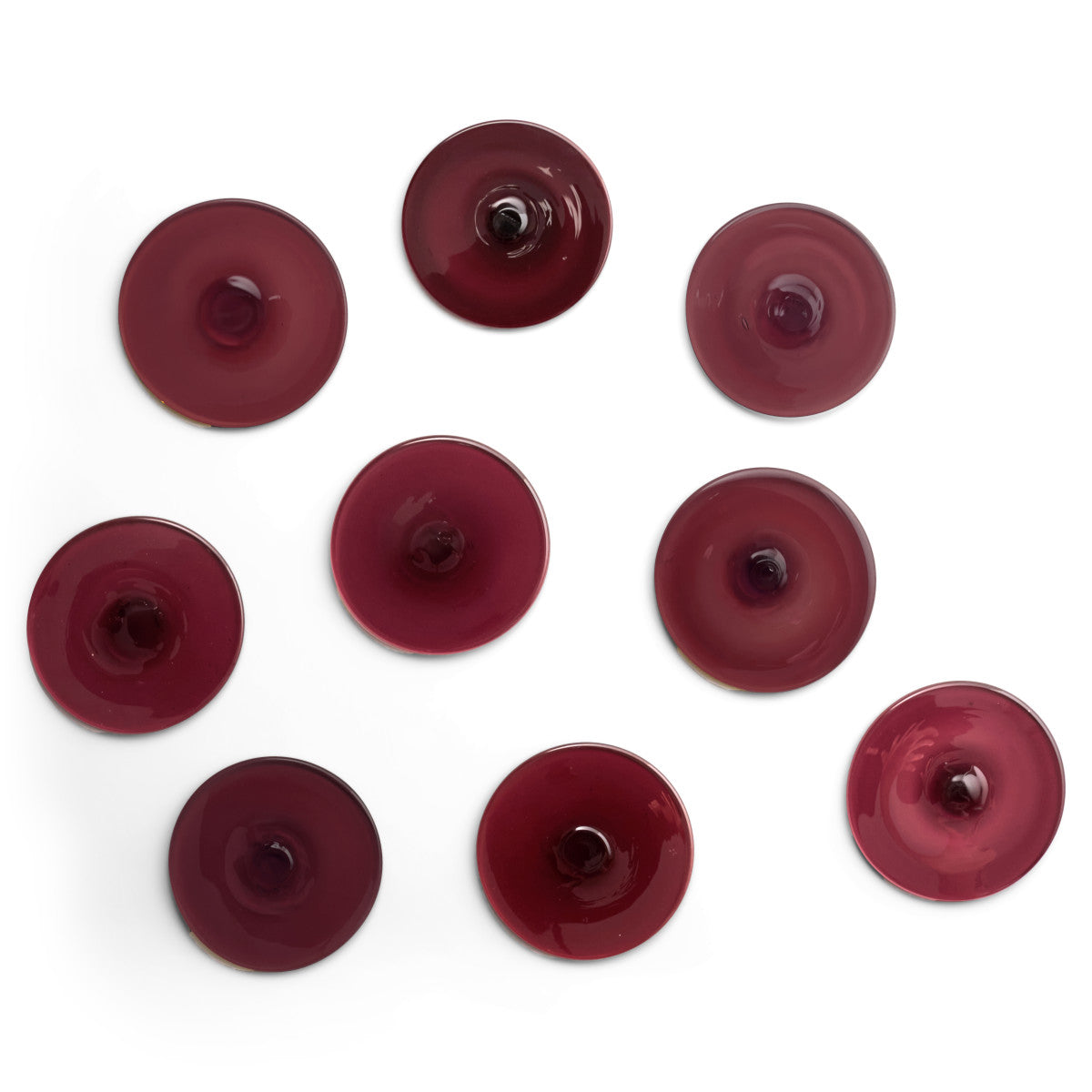
Colorway
-
Chambord
Collection
-
1970s GlassWorks
:
Sub Collection
-
le Disque
Material
Length
-
4
" x
Width
-
4
" x
Thickness
-
¼
"
Unit of Measurement
-
sqft
/
Price per Unit
$
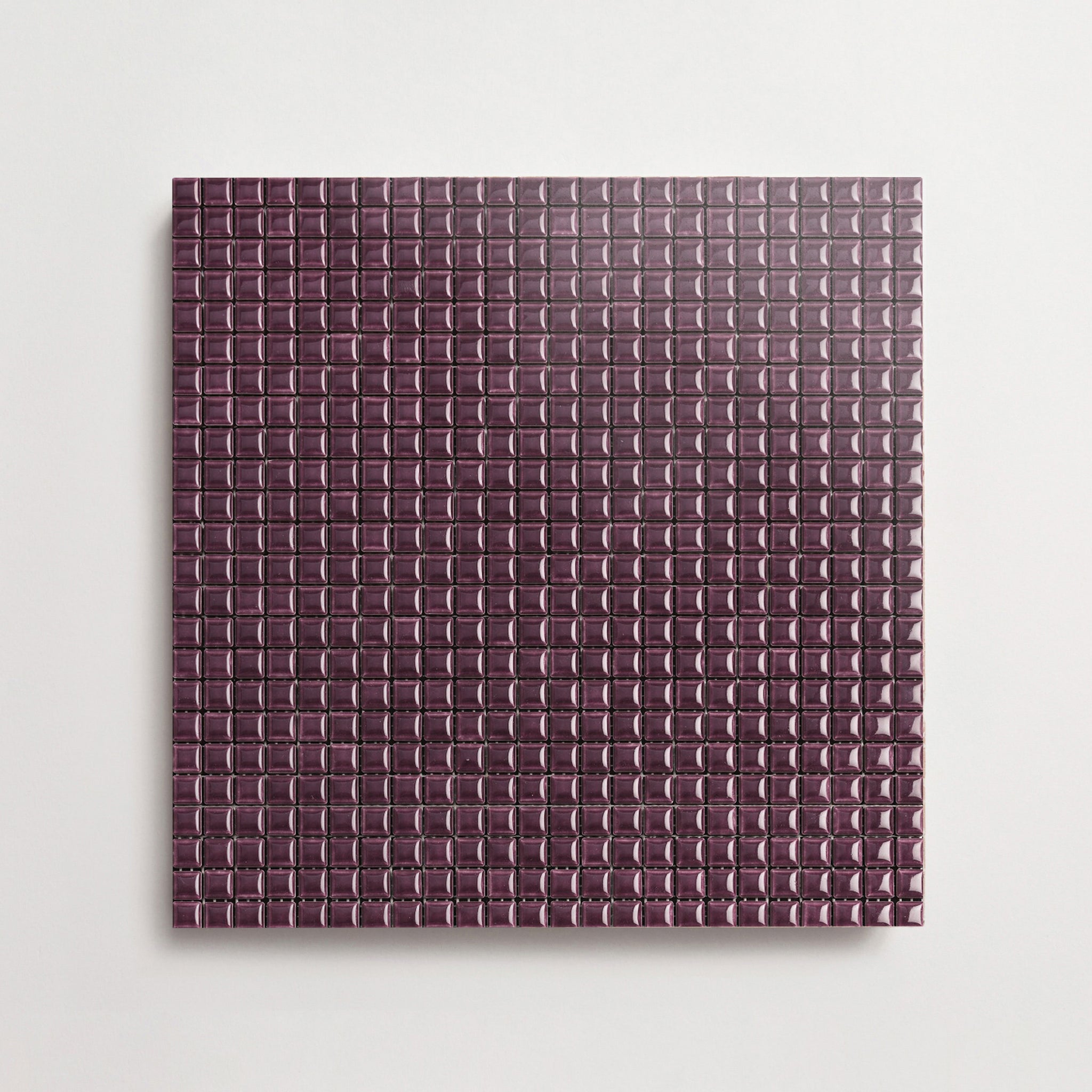
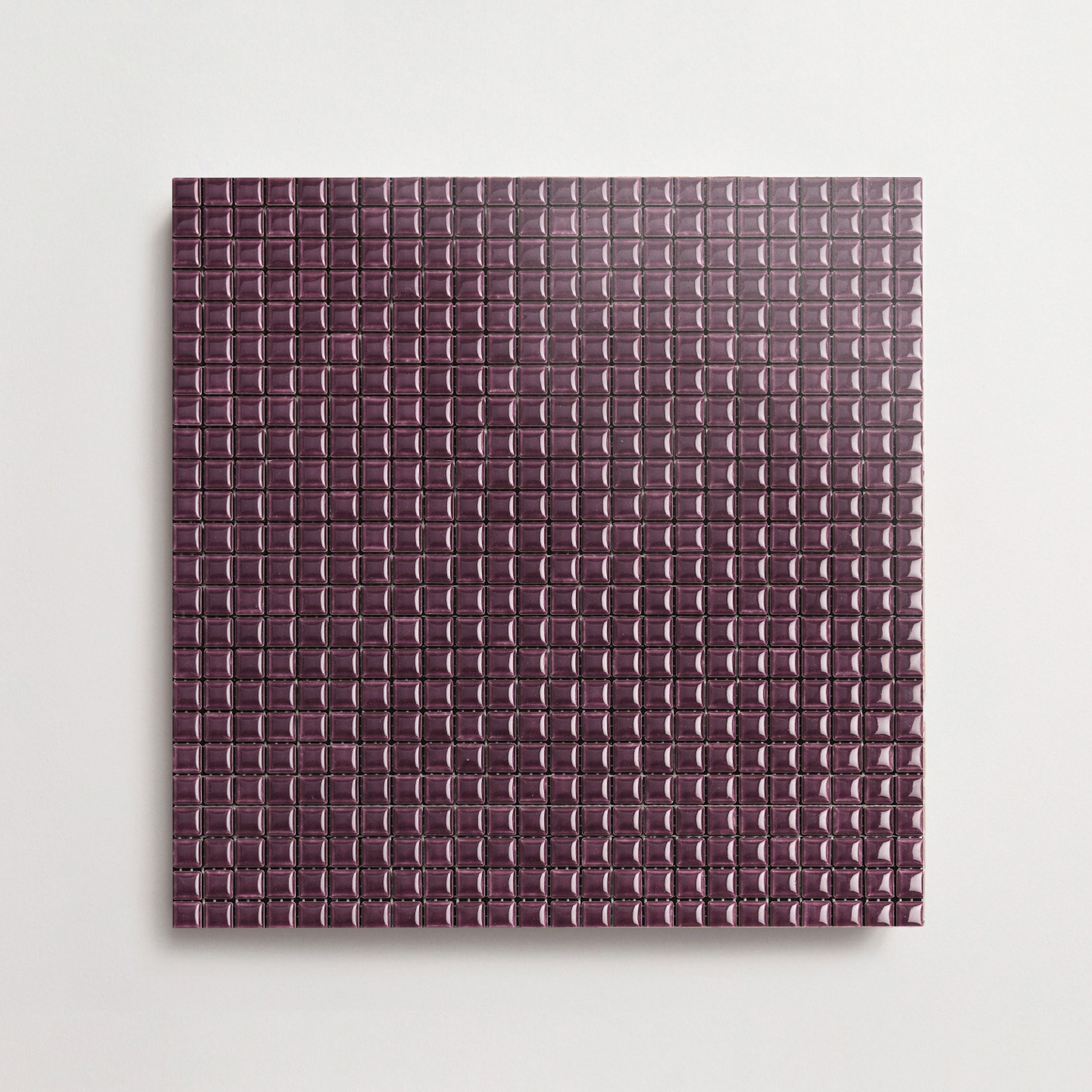
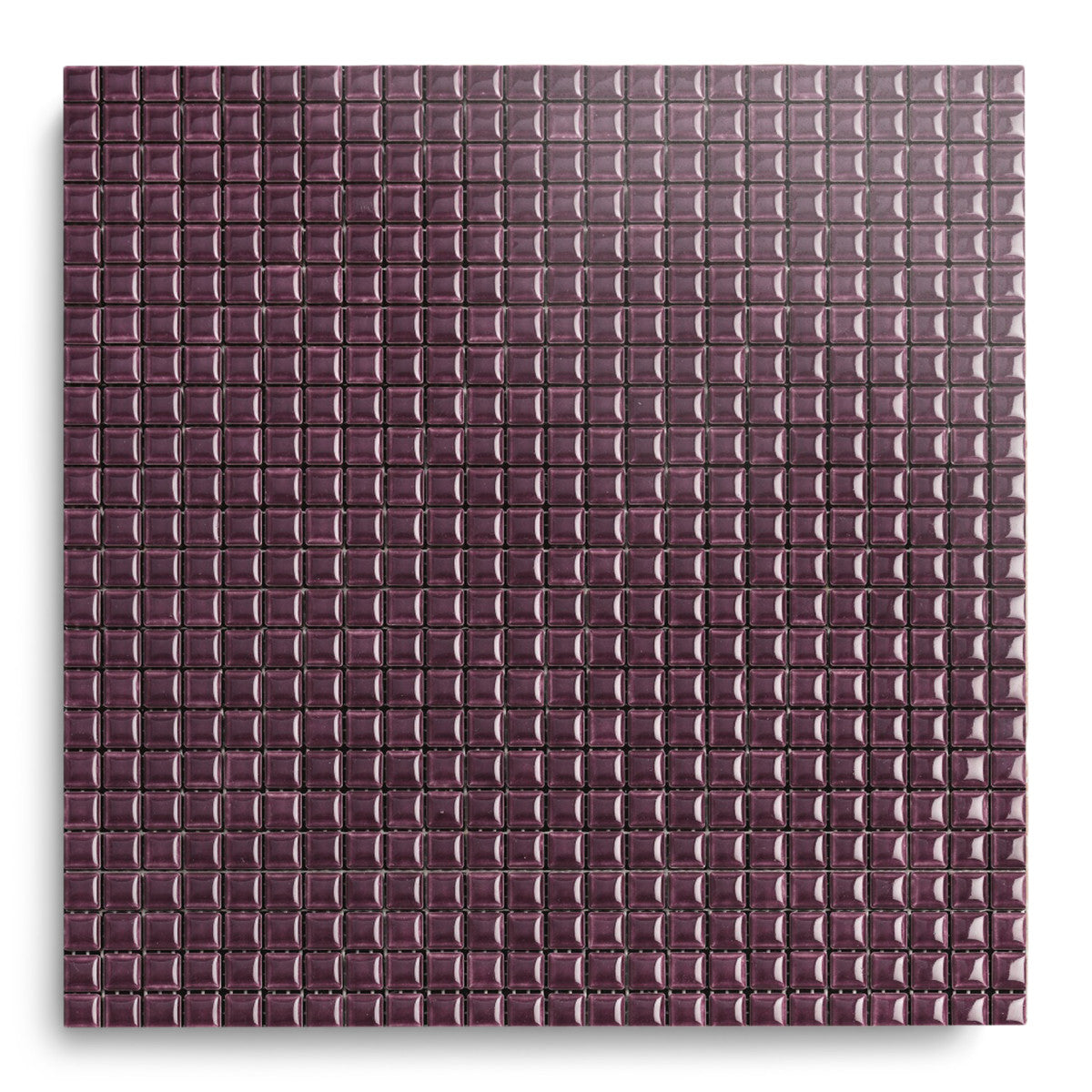
Colorway
-
Elderberry Cordial
Collection
-
Lido
:
Sub Collection
-
Soie
Material
Length
-
8
" x
Width
-
8
" x
Thickness
-
⅞
"
Unit of Measurement
-
sqft
/
Price per Unit
$
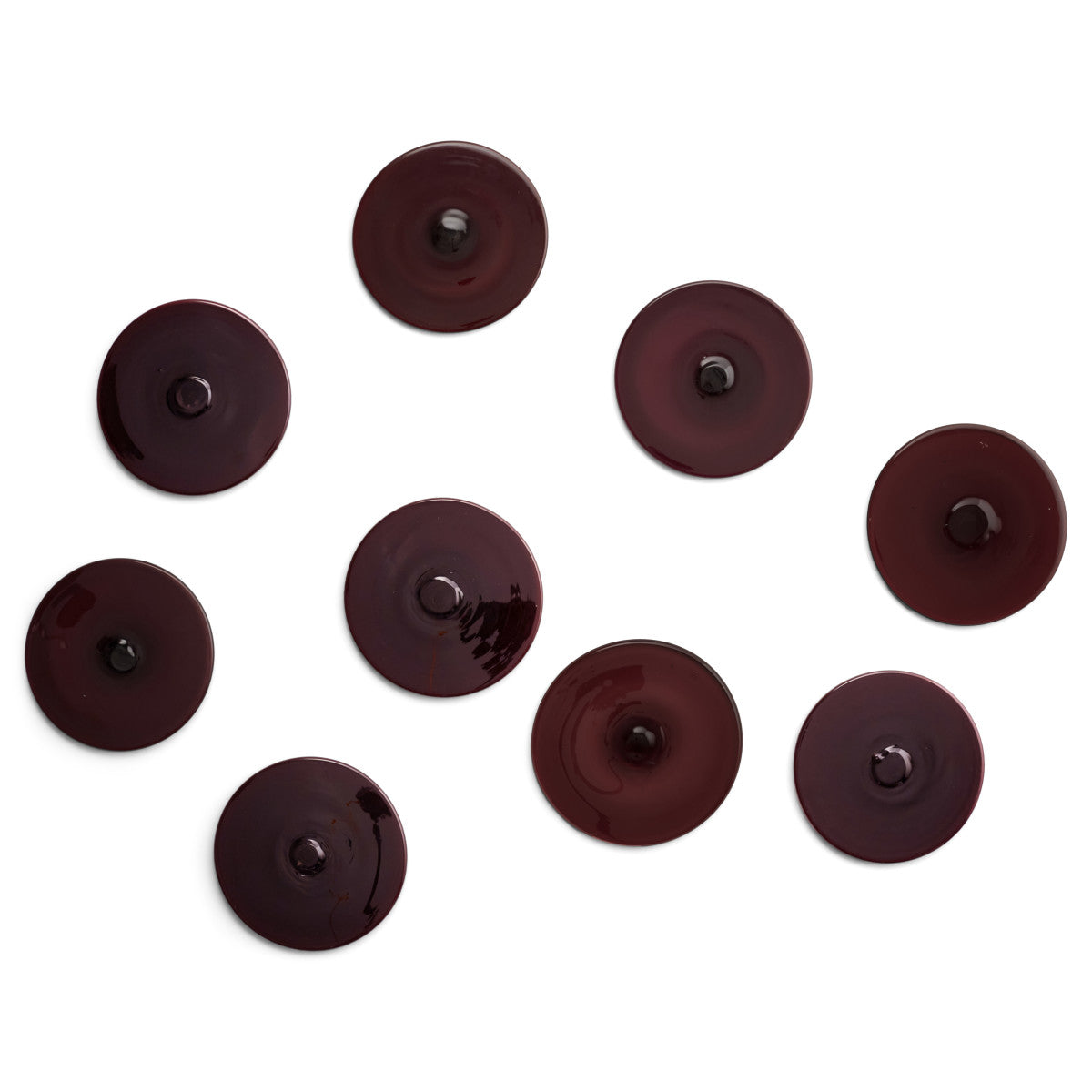
Colorway
-
Velvet
Collection
-
1970s GlassWorks
:
Sub Collection
-
le Disque
Material
Length
-
4
" x
Width
-
16
" x
Thickness
-
¾
"
Unit of Measurement
-
sqft
/
Price per Unit
$