

1970s GlassWorks: le Disque in Bianca
Hardscape vs. Landscape: What's the Difference?
When planning an outdoor space, understanding the difference between hardscape vs landscape is essential. While the terms are often used interchangeably, each plays a distinct role in shaping how a yard, garden, patio, or pool area looks, feels, and functions. Knowing how hardscaping and landscaping work together can help create outdoor spaces that feel cohesive, balanced, and built to last.
Let's break down the difference between landscape, hardscape, and softscape, and look at the defining characteristics of each. From structural surfaces and natural stone pathways to evolving greenery and planting schemes, we’ll explore how these elements differ in material, maintenance, and long-term performance. We’ll also look at how hardscaping and landscaping complement one another, highlight common features found in each category, and share tips for designing an outdoor environment that thoughtfully combines both.


Landscape, Hardscape, and Softscape: Understanding the Full Picture
If you’ve ever asked yourself, “what is the difference between hardscape vs landscape,” it helps to think of landscape as the complete outdoor environment, with hardscape and softscape serving as its two foundational components. Together, they shape the structure, atmosphere, and overall experience of a space.
When considering hardscaping and landscaping together, or hardscape vs softscape, material selection becomes about more than durability alone. The tone, texture, finish, and scale of hardscape materials play a major role in defining the character and visual language of the overall design.
What Is Landscape?
Landscape refers to the complete design and composition of an outdoor space. It includes every element that shapes how the environment looks, functions, and feels, from planting beds and lawns to patios, pathways, walls, lighting, and water features.
While the term is often associated with greenery or gardening alone, landscape encompasses far more than plants. In the conversation around hardscape vs landscape, landscape serves as the overarching system that brings together both structural and natural components into a cohesive outdoor experience.
Hardscaping and landscaping work in tandem to define circulation, comfort, texture, scale, and atmosphere across a property. Whether formal or organic in style, a well-designed landscape considers how every surface, structure, and living element interacts as part of a unified whole.
What Is Hardscape?
Hardscape is the non-living, structural framework within a landscape. It includes the built elements that define movement, organization, and usability throughout an outdoor space, such as patios, steps, decks, firepits, pathways, retaining walls, driveways, stairs, pool surrounds, and other permanent surfaces.
In the broader discussion of hardscape vs landscape, hardscape provides the architectural foundation that anchors the design. These elements shape circulation, create gathering areas, establish boundaries, and help determine how the space functions day to day.
The materials used in hardscaping and landscaping also play a major role in the overall aesthetic of a project. Natural stone, tile, brick, concrete, and pavers each bring their own texture, tone, scale, and visual character, allowing hardscape to serve not only as infrastructure, but as a defining design feature in its own right.
What Is Softscape?
Softscape means the living, organic elements within a landscape design. This includes trees, shrubs, flowers, grass, soil, planting beds, vines, and ground cover, all of which bring color, texture, movement, and seasonal variation to an outdoor space.
In the relationship between hardscape vs landscape, softscape introduces the natural layer that softens and complements structural surfaces. While hardscape establishes form and permanence, softscape adds atmosphere, growth, and a sense of change over time.
Unlike hardscape elements, which are designed for long-term durability, softscape continually evolves through seasonal shifts, weather patterns, and maturity. Thoughtful hardscaping and landscaping account for both timelines, balancing enduring materials with living elements that develop and transform year after year.
The Key Differences Between Hardscape and Landscape
Understanding hardscape vs landscape involves more than separating built elements from living ones. Each contributes differently to how an outdoor space functions, ages, and feels over time, making the balance between the two an important design consideration.
| Hardscape | Softscape |
|---|---|
| Creates structure, circulation, and spatial definition | Introduces softness, movement, and seasonal change |
| Includes patios, pathways, walls, stairs, and driveways | Includes trees, shrubs, flowers, lawns, and ground cover |
| Built from materials like stone, tile, brick, concrete, and pavers | Composed of living, growing elements |
| Designed for permanence and long-term durability | Continuously evolves with growth and climate |
| Typically requires less frequent but more specialized maintenance | Requires ongoing care like pruning, watering, and planting |
| Shapes how outdoor spaces are used and navigated | Influences atmosphere, texture, shade, and color |
When approached thoughtfully, hardscaping and landscaping are not opposing ideas, but complementary layers within a cohesive outdoor design. Hardscape establishes the framework and visual rhythm of a space, while softscape introduces life, variation, and a connection to the natural environment. The most compelling landscapes consider both equally, balancing enduring materials with organic elements that shift and mature over time.
Permanence vs Evolution
One of the clearest distinctions in hardscape vs landscape design is the relationship between permanence and change. Hardscape forms the structural foundation of an outdoor space, establishing circulation, boundaries, gathering areas, and long-term organization through fixed elements like patios, pathways, retaining walls, and stairs.
Softscape, by contrast, is inherently dynamic. Trees mature, grasses spread, groundcover between pavers spreads, flowers bloom and fade, and planting palettes shift with the seasons. Over time, these living elements reshape the atmosphere of a landscape, adding movement, texture, shade, and variation that continue to evolve year after year.
Successful hardscaping and landscaping account for both timelines from the start. While hardscape defines the enduring framework of a project, softscape introduces growth and transformation, allowing outdoor spaces to feel both grounded and alive.
Materials vs. Living Elements
Another defining difference in hardscape vs landscape design comes down to materials versus living components. Hardscape relies on physical surfaces and structural elements (such as outdoor patio tile) to establish form and permanence, while softscape introduces the organic textures, colors, and movement that bring a landscape to life.
Within hardscaping and landscaping, material selection is never purely functional. The finish, scale, texture, and craft heritage of a surface all influence how an outdoor environment feels and how it interacts with surrounding plant life. A smooth concrete patio creates a very different atmosphere than weathered natural stone, just as a glossy surface reads differently beside layered greenery than a matte or tumbled finish.
Artisan materials can further shape the character of a hardscape installation. Handmade terracotta, terrazzo, and cement tile can introduce warmth, texture, and visual depth that feel more integrated with the natural landscape, allowing structural surfaces to feel expressive rather than purely utilitarian. For example, OUTERclé’s Dolce Vita Terrazzo collection features handcrafted tile using traditional artisan techniques, made even more durable to hold up under foot traffic and the elements in outdoor applications.
Maintenance and Longevity
One of the key distinctions in hardscape vs landscape lies in how each element is maintained over time. Softscape requires ongoing seasonal care, from watering and pruning to replanting and soil management, as living elements continuously respond to weather, growth cycles, and environmental change.
Hardscape, by contrast, is designed for long-term stability. When built with quality materials and thoughtful installation, structural surfaces such as patios, walkways, walls, and pool surrounds require far less frequent intervention. Their role is to provide a lasting framework that supports daily use without constant renewal.
In this sense, hardscaping and landscaping represent two different types of investment. Softscape evolves and regenerates, while hardscape endures, aging with integrity rather than deterioration. Over time, well-chosen materials develop character through wear and exposure, reinforcing the idea that durability and beauty are not separate goals, but shared outcomes of considered design.
How Hardscape and Landscape Work Together
The most successful outdoor spaces are not designed by separating hardscape from landscape, but by considering how the two interact from the very beginning of the design process. In conversations around hardscape vs landscape, the strongest projects are often the ones where structural and natural elements feel interconnected rather than layered on independently.
Hardscape establishes the framework of a space, guiding movement, defining gathering areas, and creating visual order. Softscape responds to that structure by softening edges, introducing scale and seasonality, and creating moments of contrast and relief. When thoughtfully integrated, each enhances the other. A pathway feels more inviting when framed by planting, while greenery appears more intentional when anchored by well-composed surfaces and architectural lines.
The surface of the hardscape plays an especially important role because it becomes the primary visual and sensory interface between built form and nature. Texture underfoot, the warmth or coolness of a material, the way light moves across a finish, and how surfaces weather over time all influence how the landscape is experienced. A tumbled stone walkway creates a different emotional effect than polished concrete, just as handmade terracotta or textured cement can introduce softness and depth alongside surrounding plant life.
Which Comes First: Hardscape or Landscape?
In most outdoor projects, hardscape is planned and installed first. Because it forms the structural foundation of a landscape, elements like patio designs, garden path ideas, retaining walls, driveways, and stairs need to be established before planting and other softscape work begins.
This sequence is essential for both functional and design reasons. Grading, drainage, elevation changes, and circulation patterns all depend on the hardscape framework being resolved first, helping ensure the space performs properly over time. Installing hardscape before planting also prevents unnecessary disruption to lawns, trees, and garden beds during construction.
In the broader relationship between hardscape vs landscape, hardscape provides the underlying organization that allows softscape to be layered in more intentionally. Once the structural surfaces are complete, planting can then be designed to soften edges, frame views, and integrate naturally with the finished outdoor environment.
The Surface As the Bridge
In any outdoor composition, the hardscape surface is the literal meeting point between structure and nature. It is where movement happens, where light lands, and where the eye registers the transition between built form and living landscape. The material chosen for a patio, walkway, courtyard, or pool surround therefore does more than finish a space. It actively shapes how the entire environment is perceived and experienced.
A handcrafted tile surface, for example, introduces depth that goes beyond color alone. Subtle variation in tone, slight irregularity in edge, and the imprint of firing or pressing techniques create a sense of warmth and human touch that softens the geometry of the built environment. Terracotta reads sun-warmed and earthy, cement tile carries pigment-rich nuance and pattern variation, and natural stone brings geological history into the foreground. These surfaces do not simply cover ground, they anchor atmosphere.
By contrast, a poured concrete surface tends to read more uniform and continuous, emphasizing scale and structure over texture and detail. It can be elegant and intentional, but its visual language is often more restrained and architectural. In hardscape vs landscape design, this difference matters because the surface becomes the interface between planting and structure. It either creates continuity with the organic elements around it or reinforces a sharper division between the two.
When hardscaping and landscaping are considered together, the surface becomes a mediating layer rather than a neutral backdrop. It sets tone, influences pacing, and determines how comfortably plant life and built form coexist within the same visual field.
Finding the Right Balance
There is no fixed formula for how much hardscape vs landscape a space should contain. Instead, balance comes from a series of design decisions that respond to site conditions, use, and atmosphere. The most successful outdoor environments treat hardscaping and landscaping as layered systems rather than competing priorities.
One guiding principle is to lead with structure. Hardscape establishes circulation, defines key zones, and sets the spatial logic of the project, so it is typically resolved first before planting concepts are refined.
Another is to let materials respond to the landscape. The tone, texture, and finish of hardscape surfaces should feel in conversation with surrounding planting rather than isolated from it. A more organic setting may call for warmer, textural materials, while a more architectural environment may support cleaner, more refined surfaces.
Scale and proportion also matter. Wide planting beds can soften expansive paving areas, while tighter spaces may rely more heavily on material detail to create interest and depth. Thinking in layers helps bring these elements together, allowing structure, surface, and planting to build a cohesive outdoor experience over time.
In the end, balance in landscape design is less about equal parts and more about intention, where every element, from stone underfoot to seasonal planting, contributes to a unified whole.


Common Hardscape and Softscape Elements at a Glance
The following overview highlights how structural features and living components typically appear within outdoor design. It offers a quick reference for how each contributes differently to the composition and experience of a space.
| Hardscape Elements | Softscape Elements |
|---|---|
| Stone or brick patios that define outdoor gathering areas | Lush greenery that softens edges and adds seasonal color |
| Wooden or composite decks that create elevated living platforms | Potted plants and climbing vines that bring greenery into built spaces |
| Retaining walls made of natural stone or concrete for structure and grading | Terraced garden beds that introduce layered planting and visual depth |
| Functional outdoor surfaces that organize circulation and use | Planting schemes that add texture, movement, and variation over time |
| Built elements such as patios, decks, and walls | Living elements including shrubs, flowers, and trees that evolve seasonally |
Together, these combinations demonstrate how hardscaping and landscaping work best when considered as complementary layers, where structure provides definition and planting brings softness and life to the overall design.
Designing Your Outdoor Space With Both in Mind
Integrating landscape and hardscape elements is essential for creating a balanced, cohesive outdoor design that blends functionality with aesthetic appeal. By combining durable, structural features like patios, walkways, and retaining walls with organic elements such as plants, trees, and flower beds, homeowners can craft an outdoor space that is both visually engaging and practical. The key is to strike a harmony between the two, where hardscape provides structure and organization while landscaping softens the design with natural beauty.
For example, using a stone pathway to guide visitors through lush garden beds or incorporating a water feature surrounded by greenery can create a seamless flow between hardscape and landscape. Thoughtful integration ensures that each element complements the other.
Frequently Asked Questions
Is Hardscape Part of Landscaping?
Yes, hardscape is a core component of landscaping. While landscape refers to the entire outdoor environment, hardscape specifically describes the built, structural elements that shape how the space functions and is experienced.
What Are the Most Common Hardscape Materials?
Common hardscape design materials include natural stone, concrete, brick, pavers, tile, and wood or composite decking. Each material brings its own texture, tone, and design character, influencing the overall look and feel of the outdoor space.
Can I Add Hardscape to an Existing Landscape?
Yes, hardscape can absolutely be added to an existing landscape and is often used to enhance or redefine outdoor areas over time. New patios, walkways, retaining walls, or seating areas can be integrated into established planting to improve structure and usability.
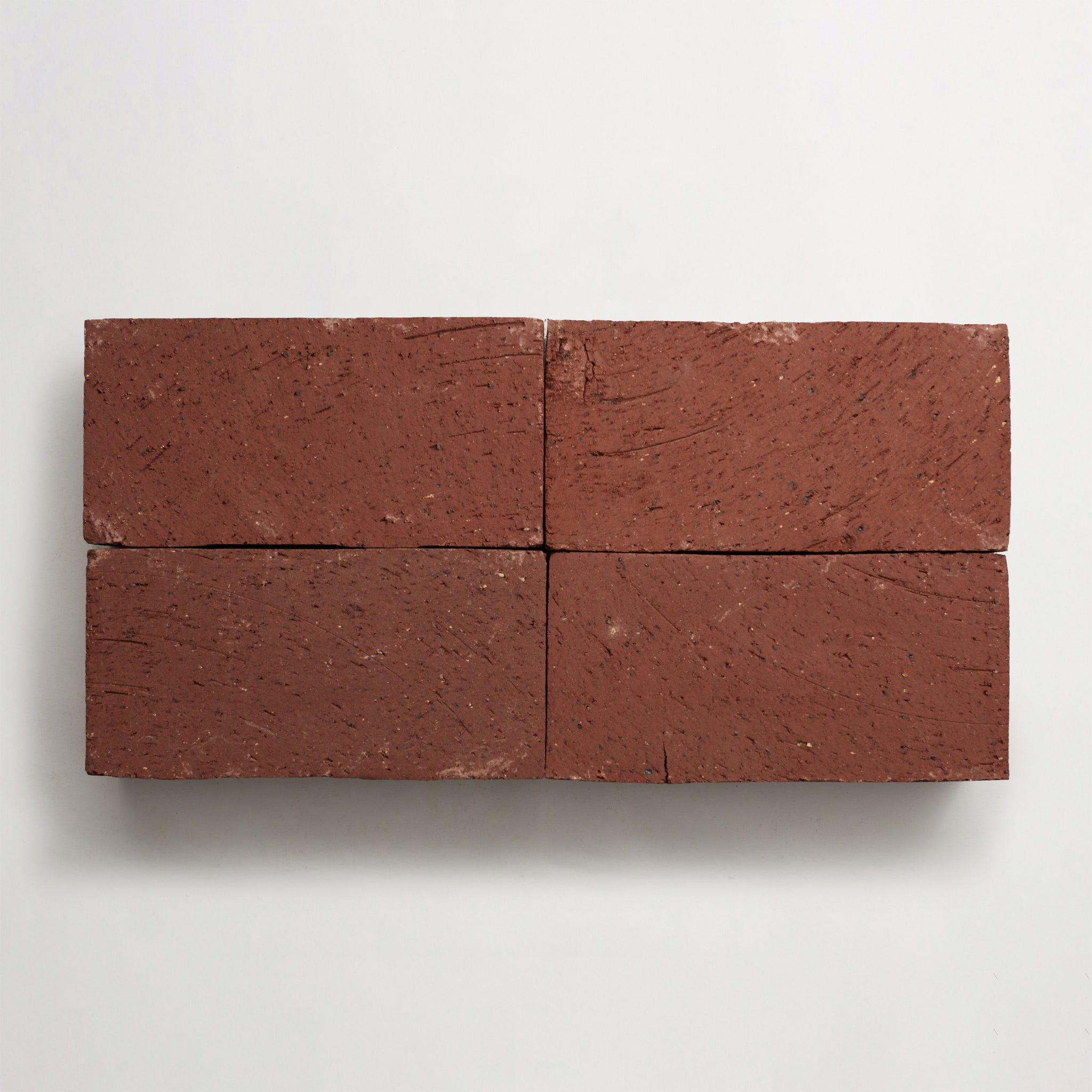
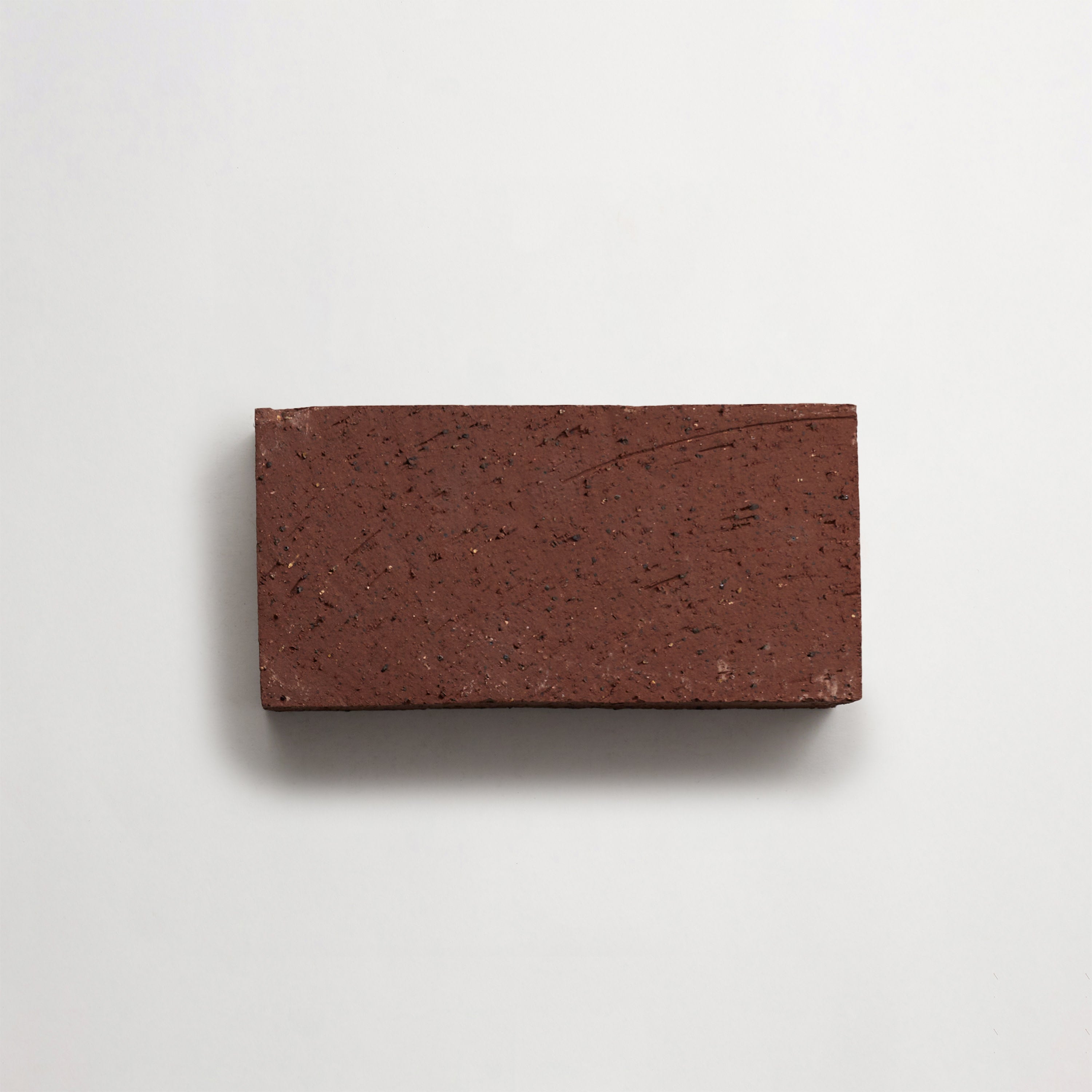
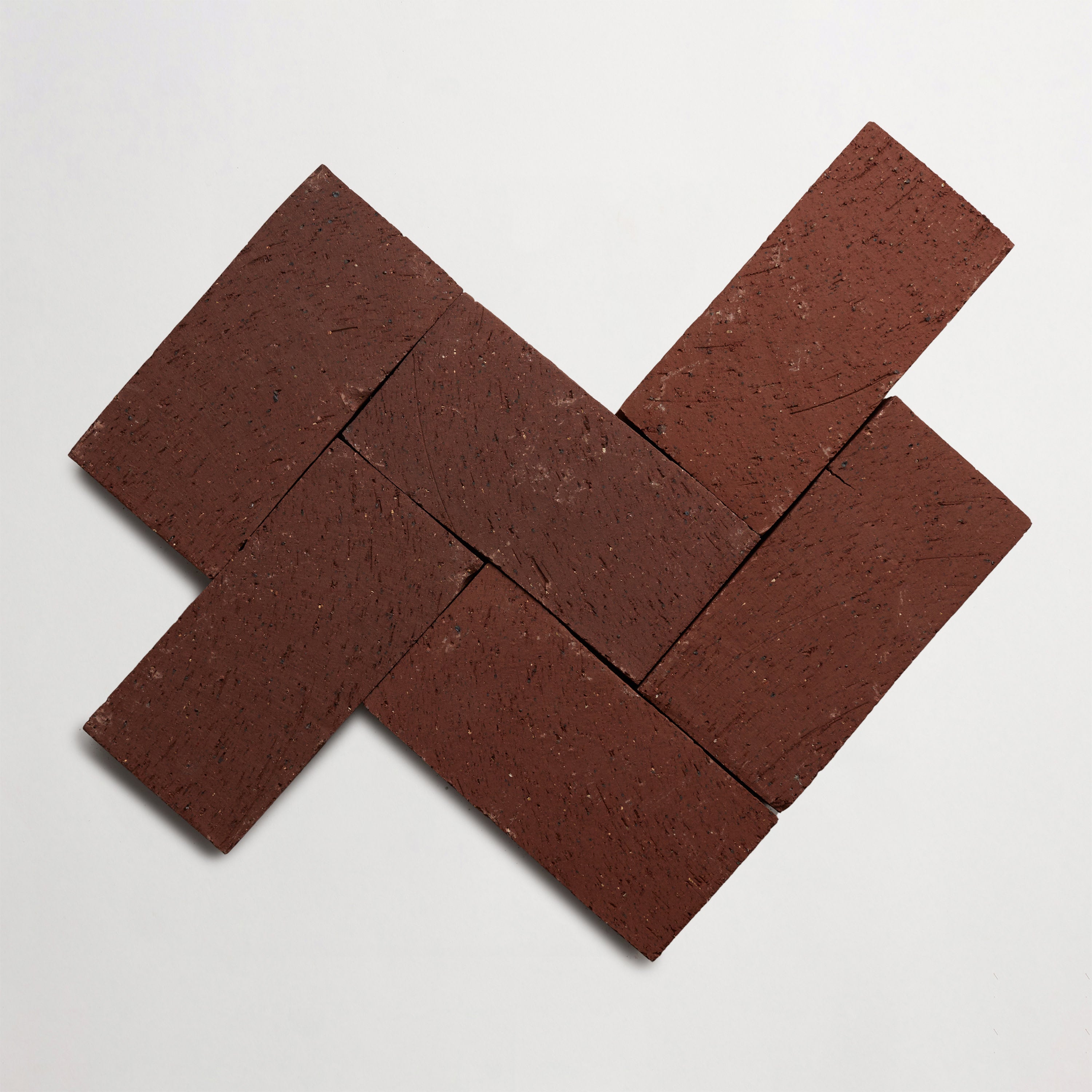
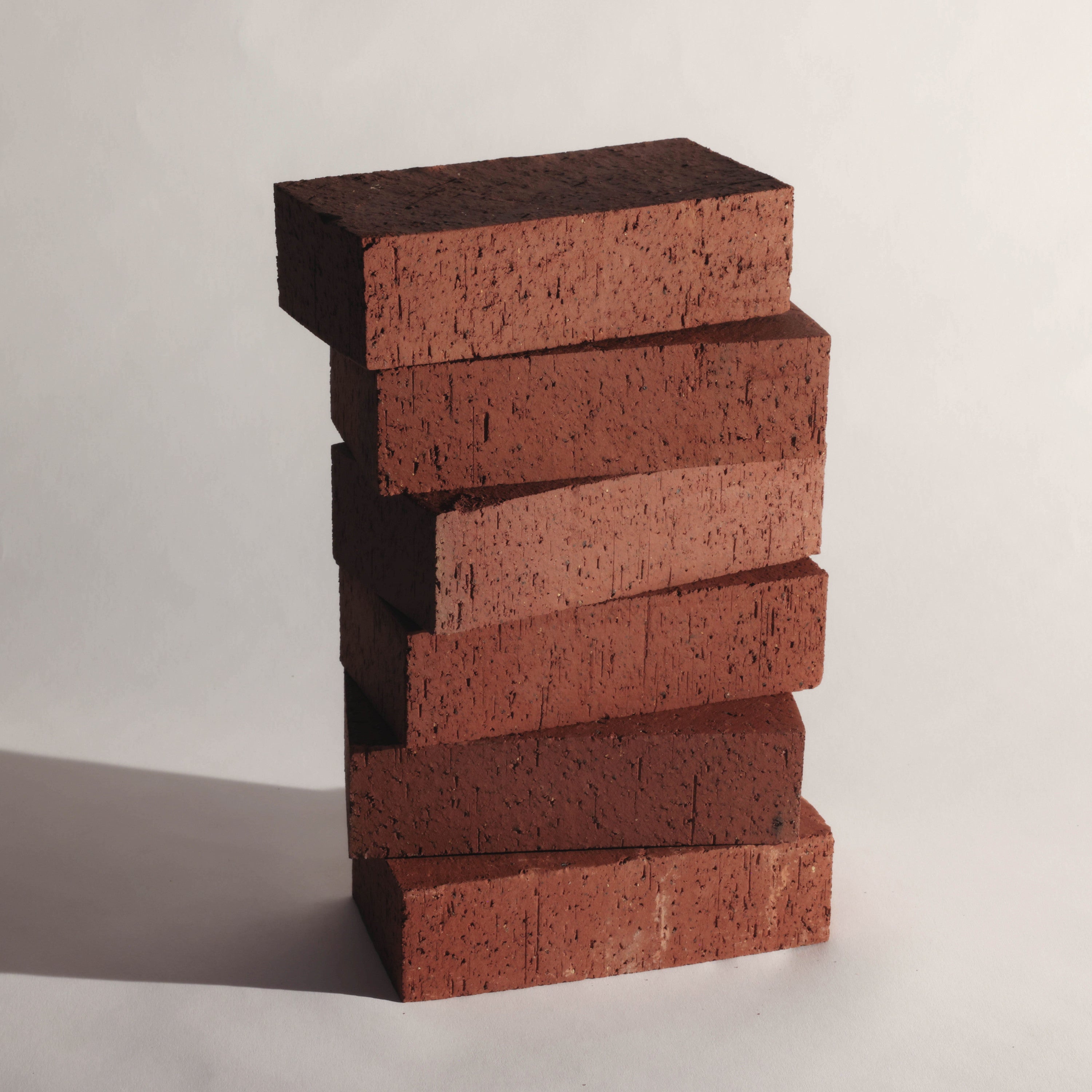
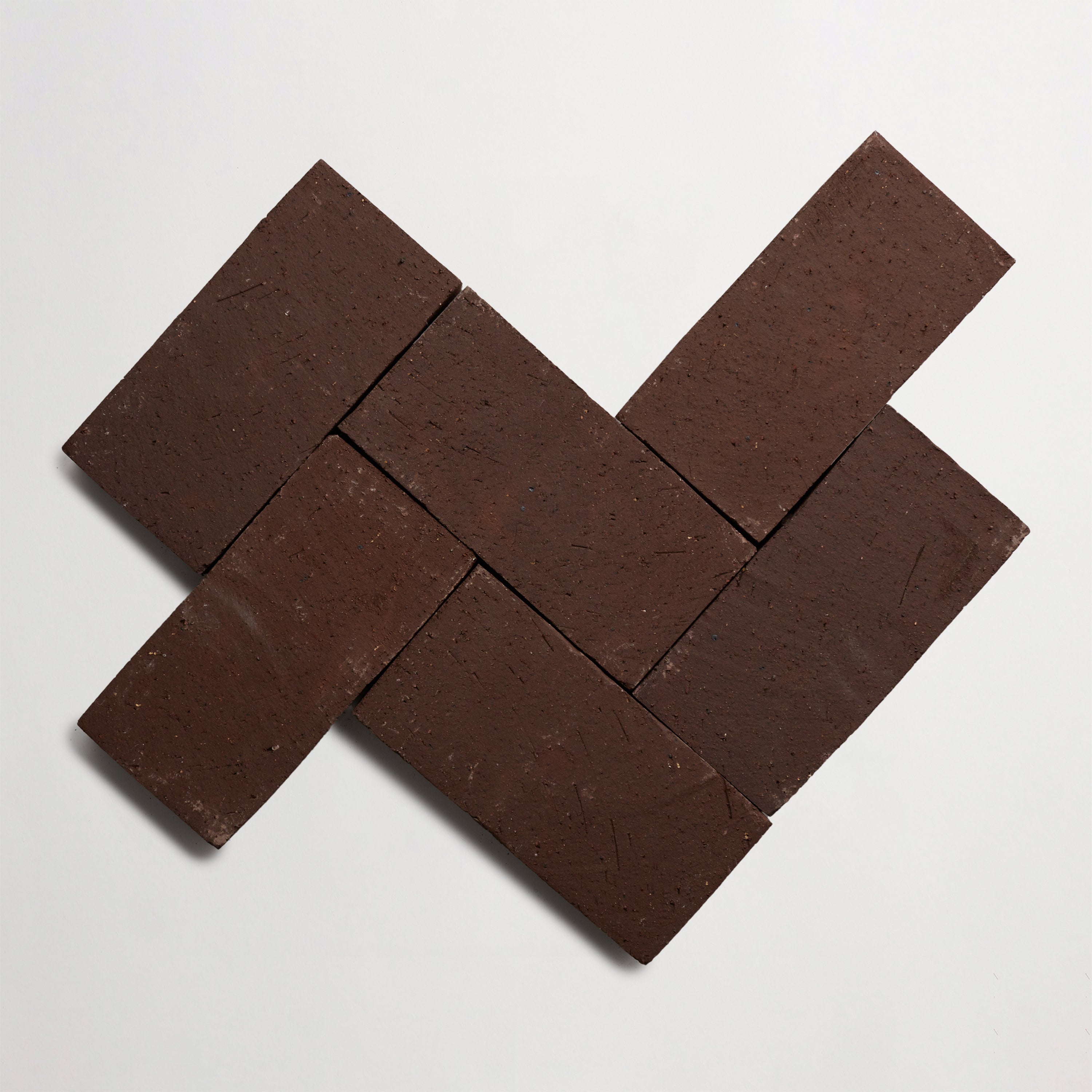
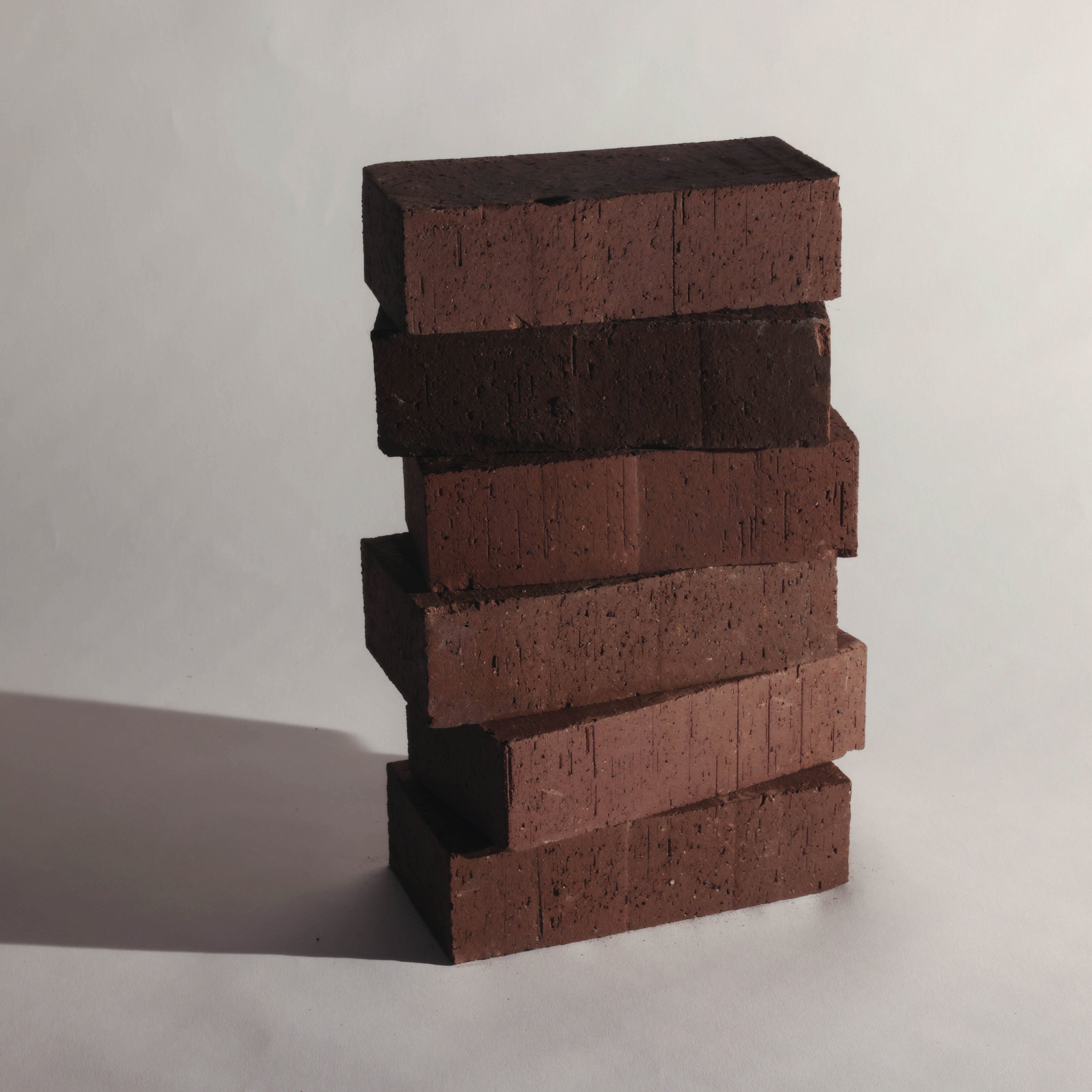
Colorway
-
Antelope Canyon
Collection
-
BrickWorks
: Mason
Material
Length
-
4
" x
Width
-
4
" x
Thickness
-
¼
"
Unit of Measurement
-
sqft
/
Price per Unit
$
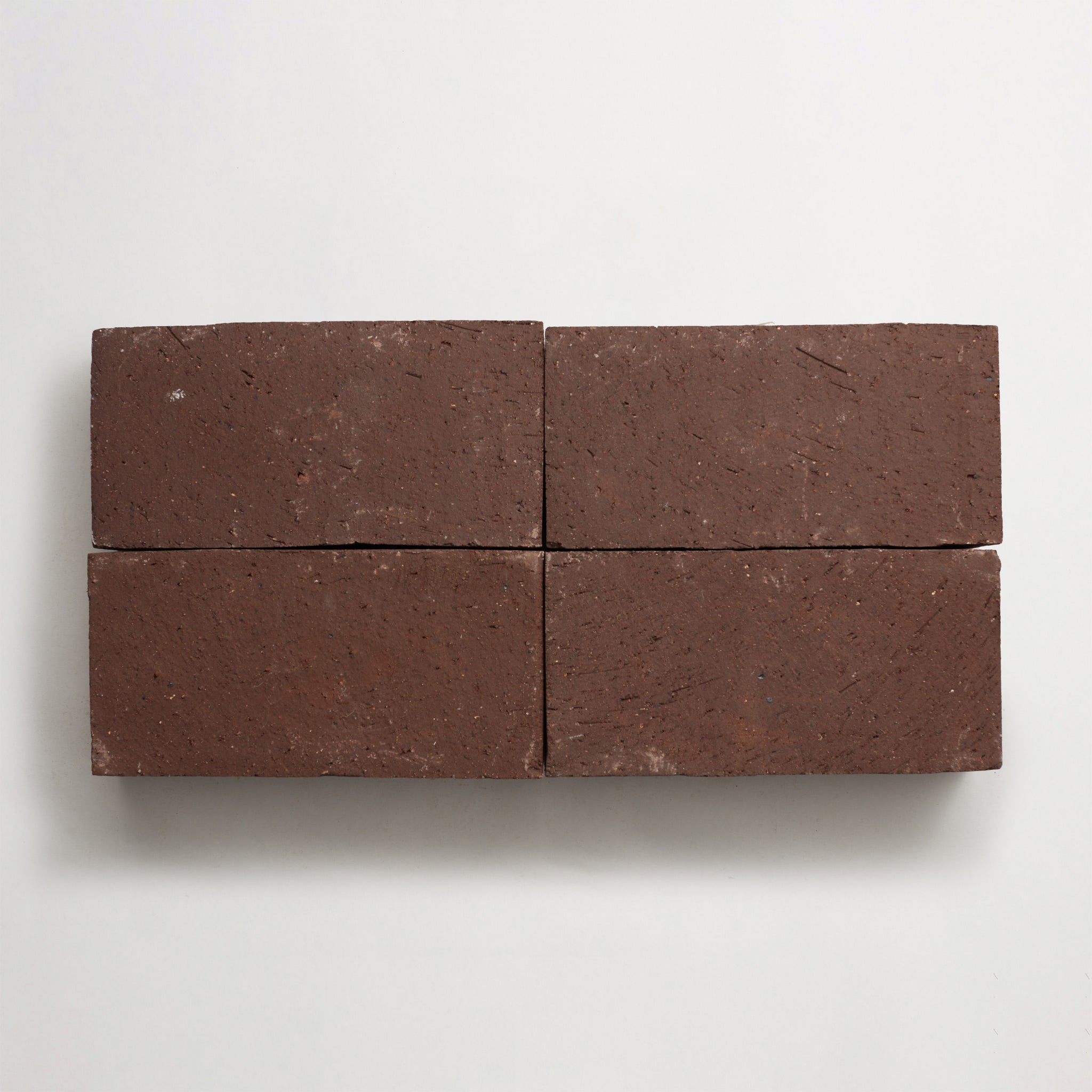
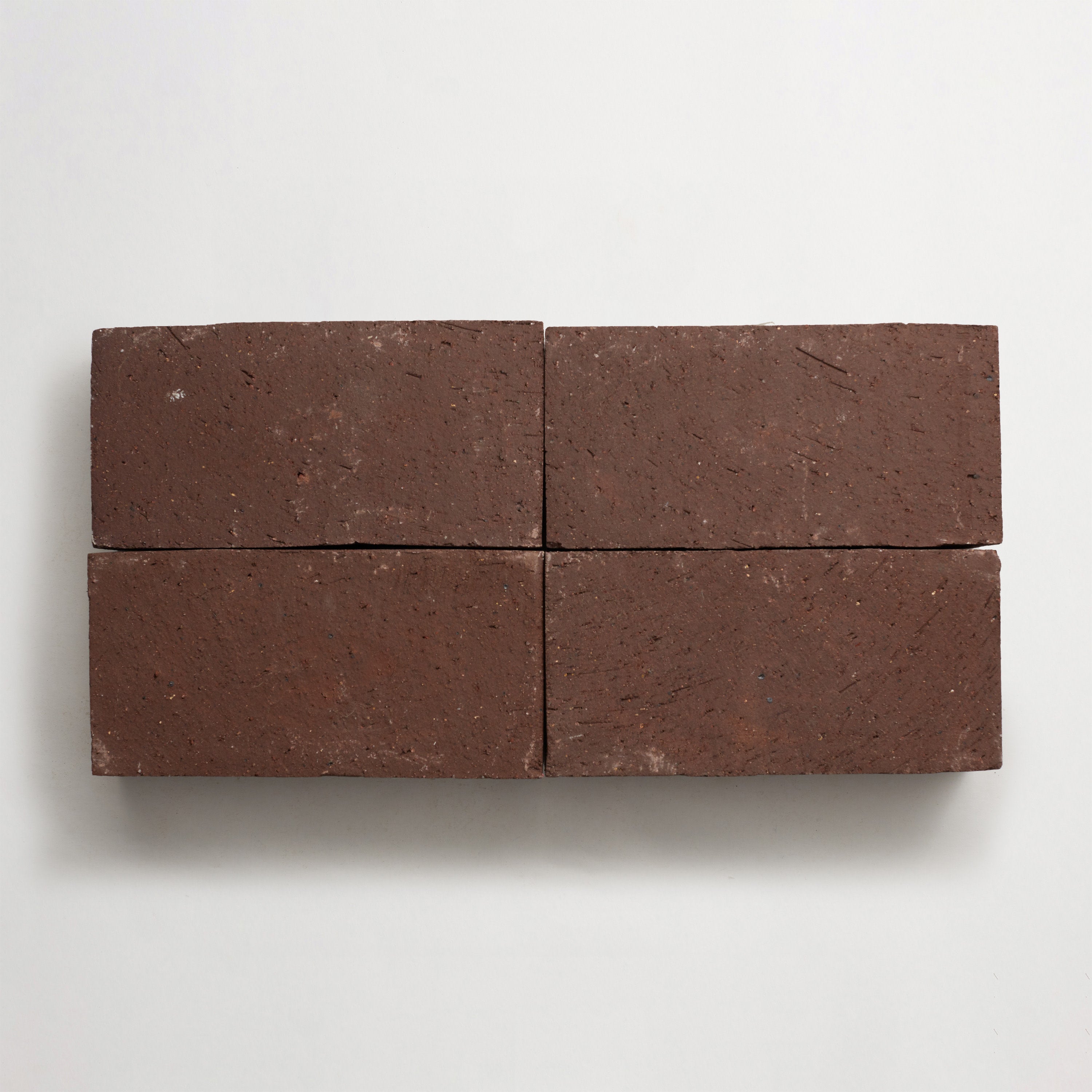
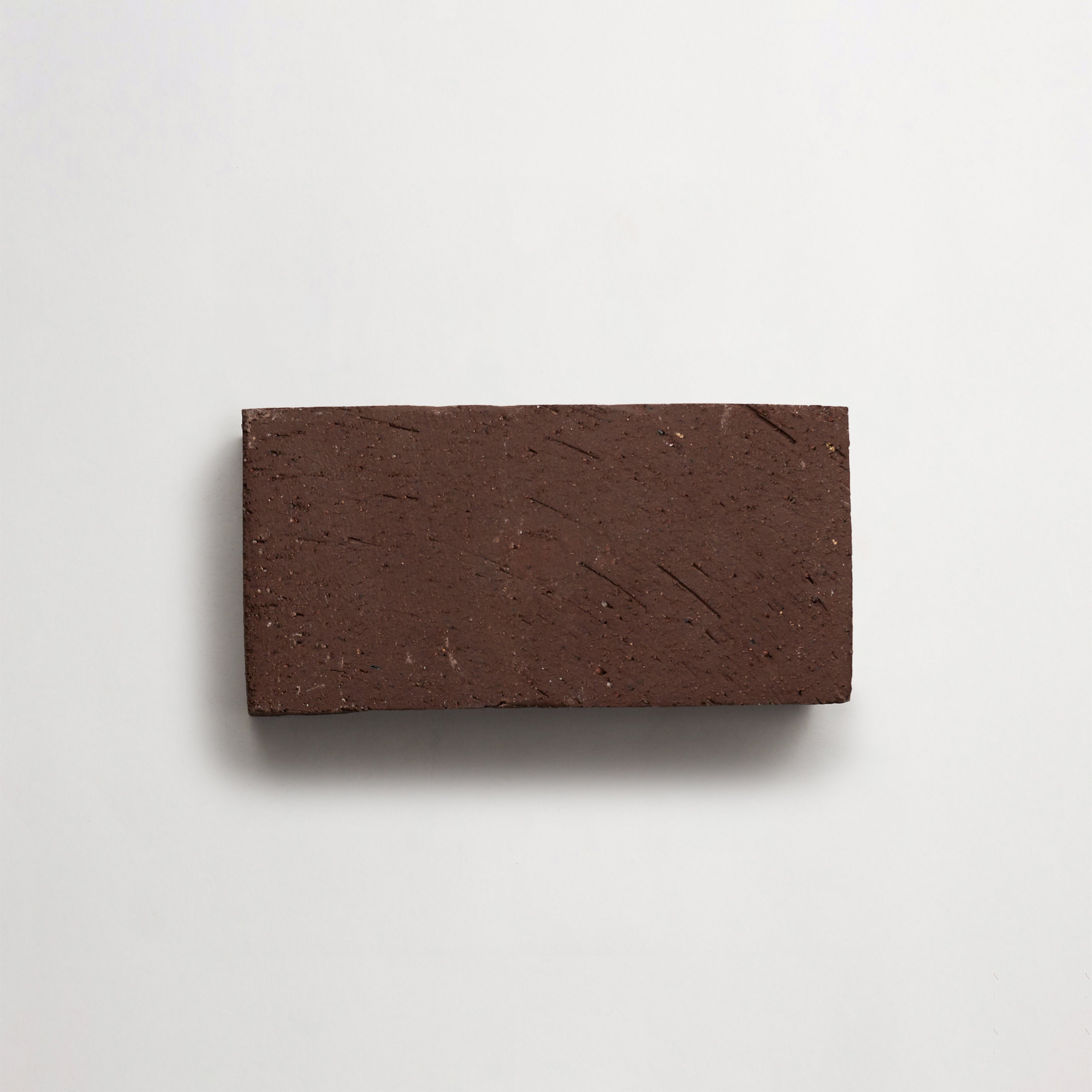
Colorway
-
Cordovan Saddle
Collection
-
BrickWorks
: Mason
Material
Length
-
8
" x
Width
-
8
" x
Thickness
-
⅞
"
Unit of Measurement
-
sqft
/
Price per Unit
$
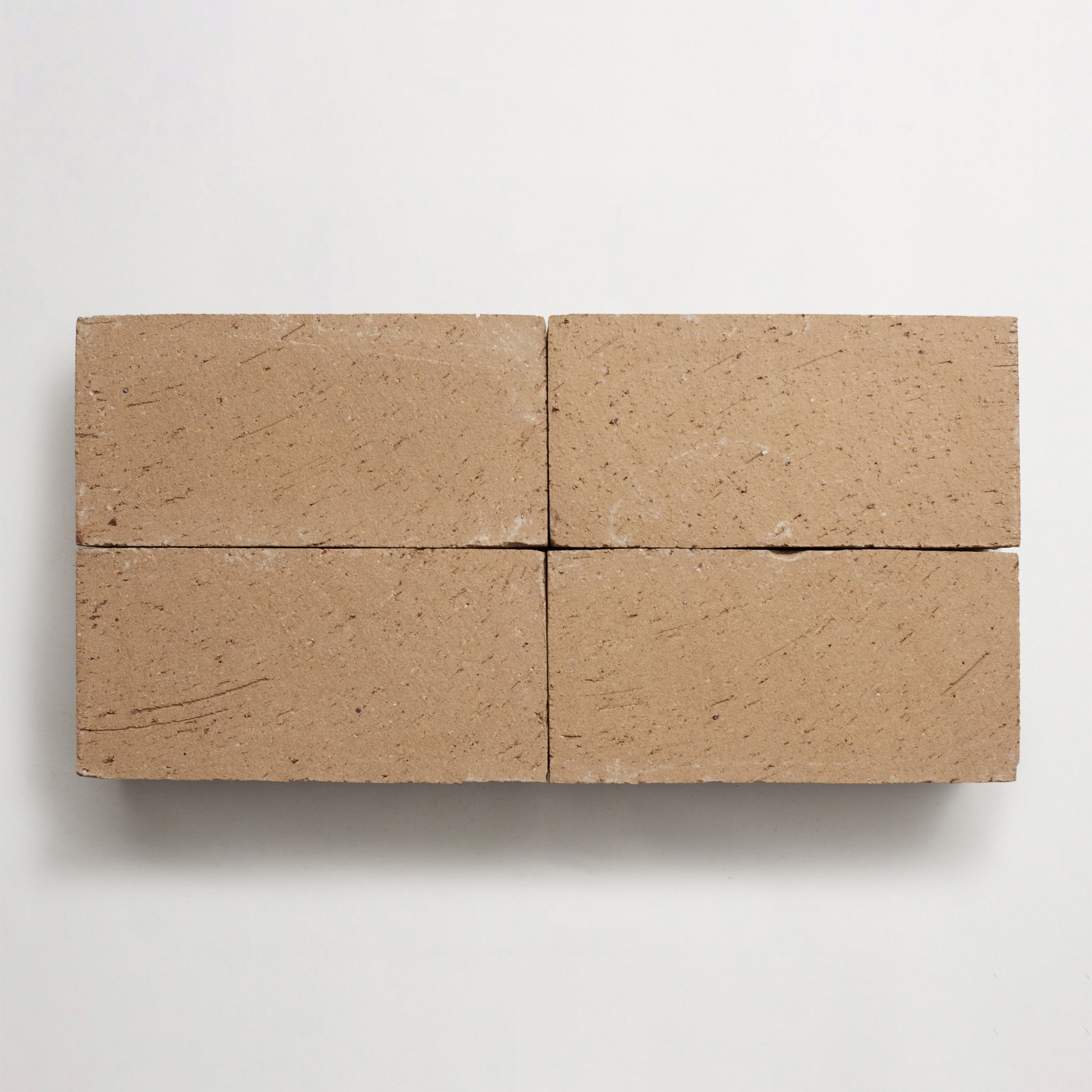


Colorway
-
Pampas Grass
Collection
-
BrickWorks
: Mason
Material
Length
-
4
" x
Width
-
16
" x
Thickness
-
¾
"
Unit of Measurement
-
sqft
/
Price per Unit
$