

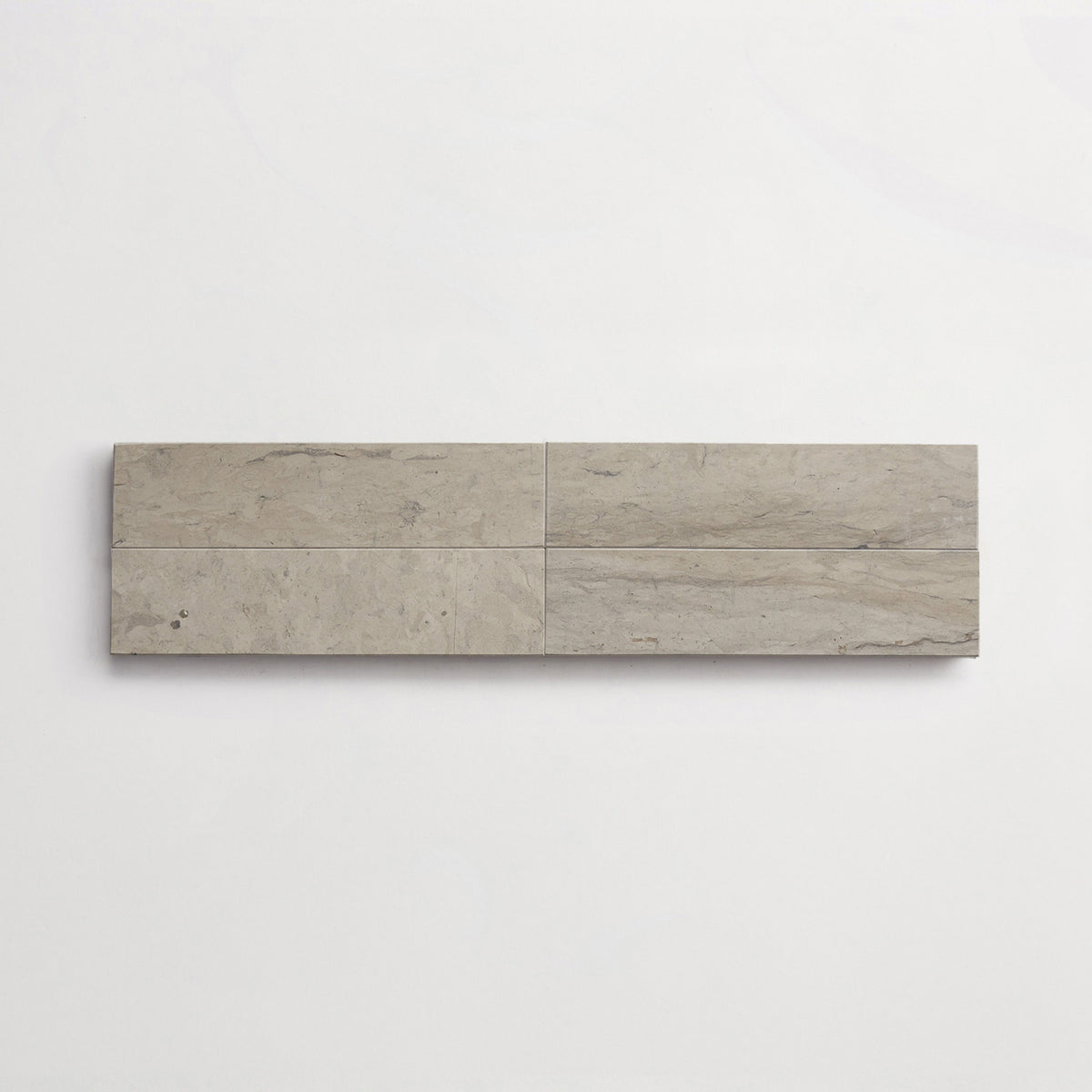
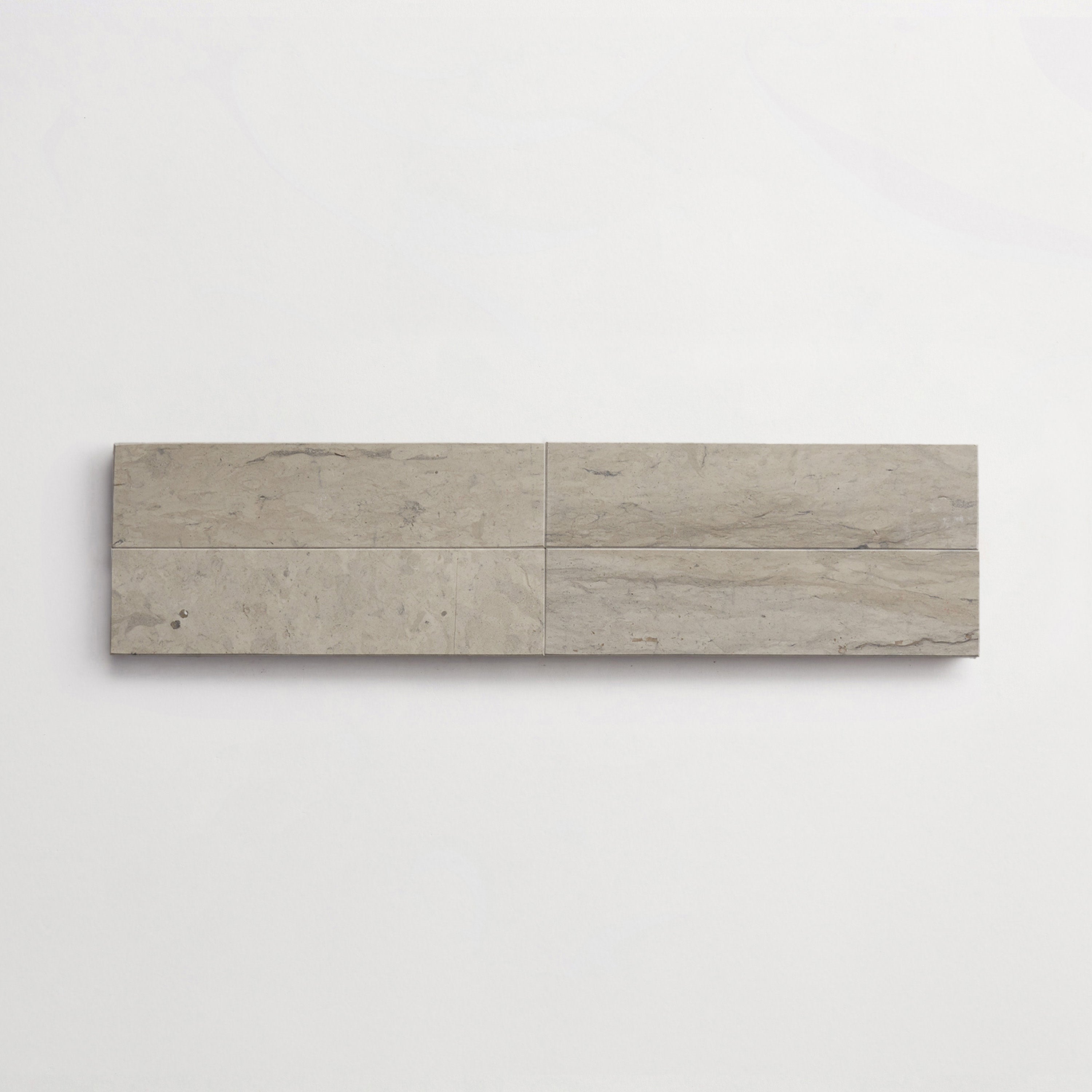
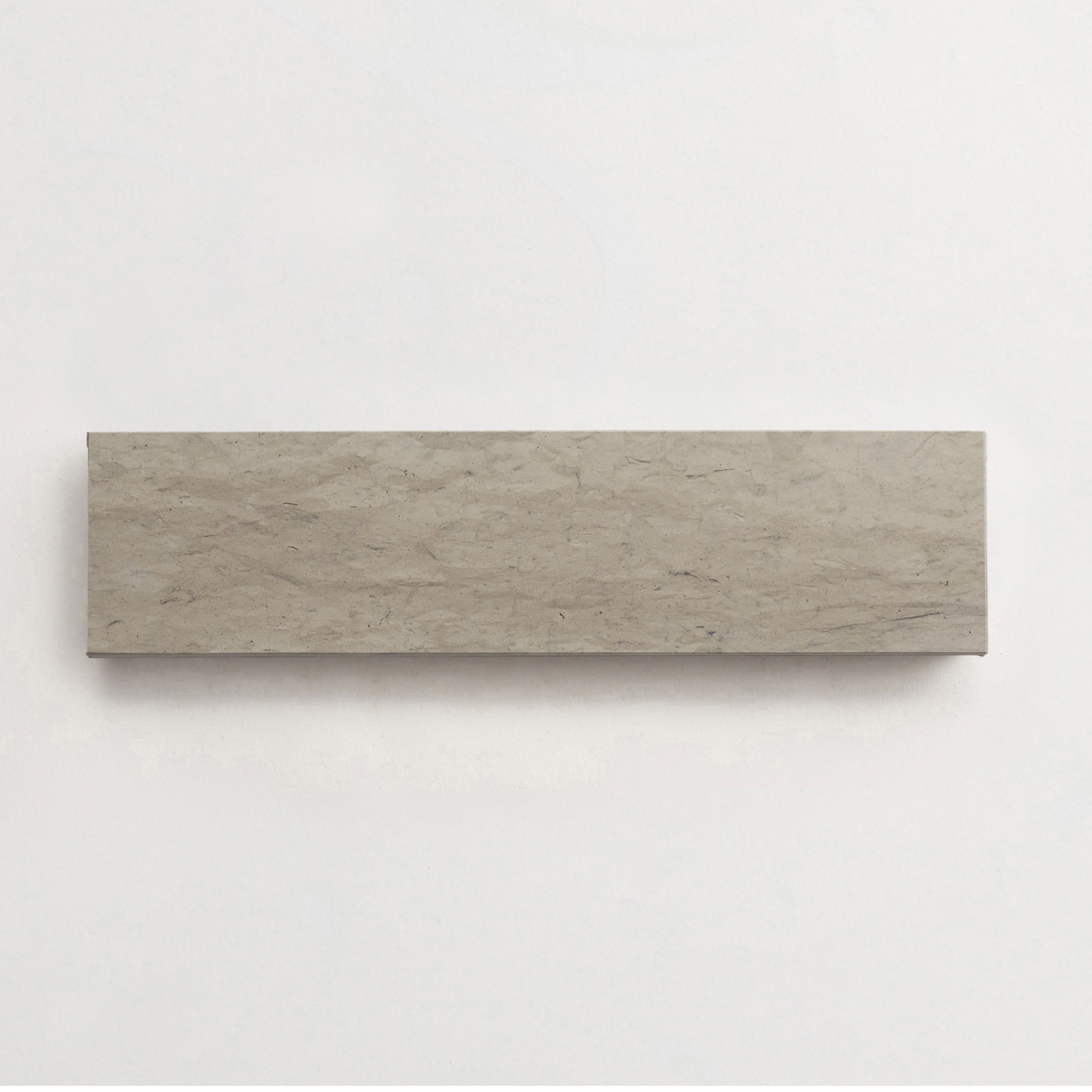
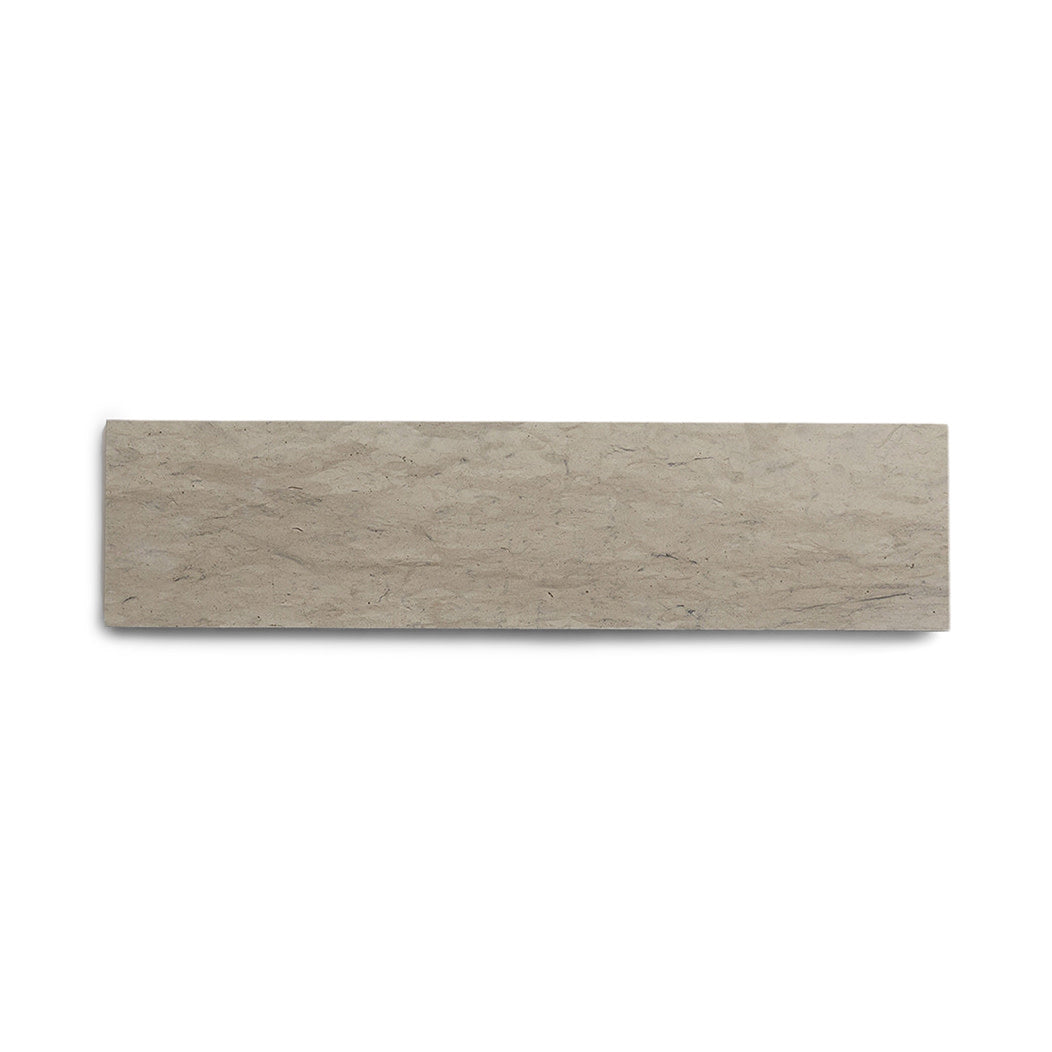
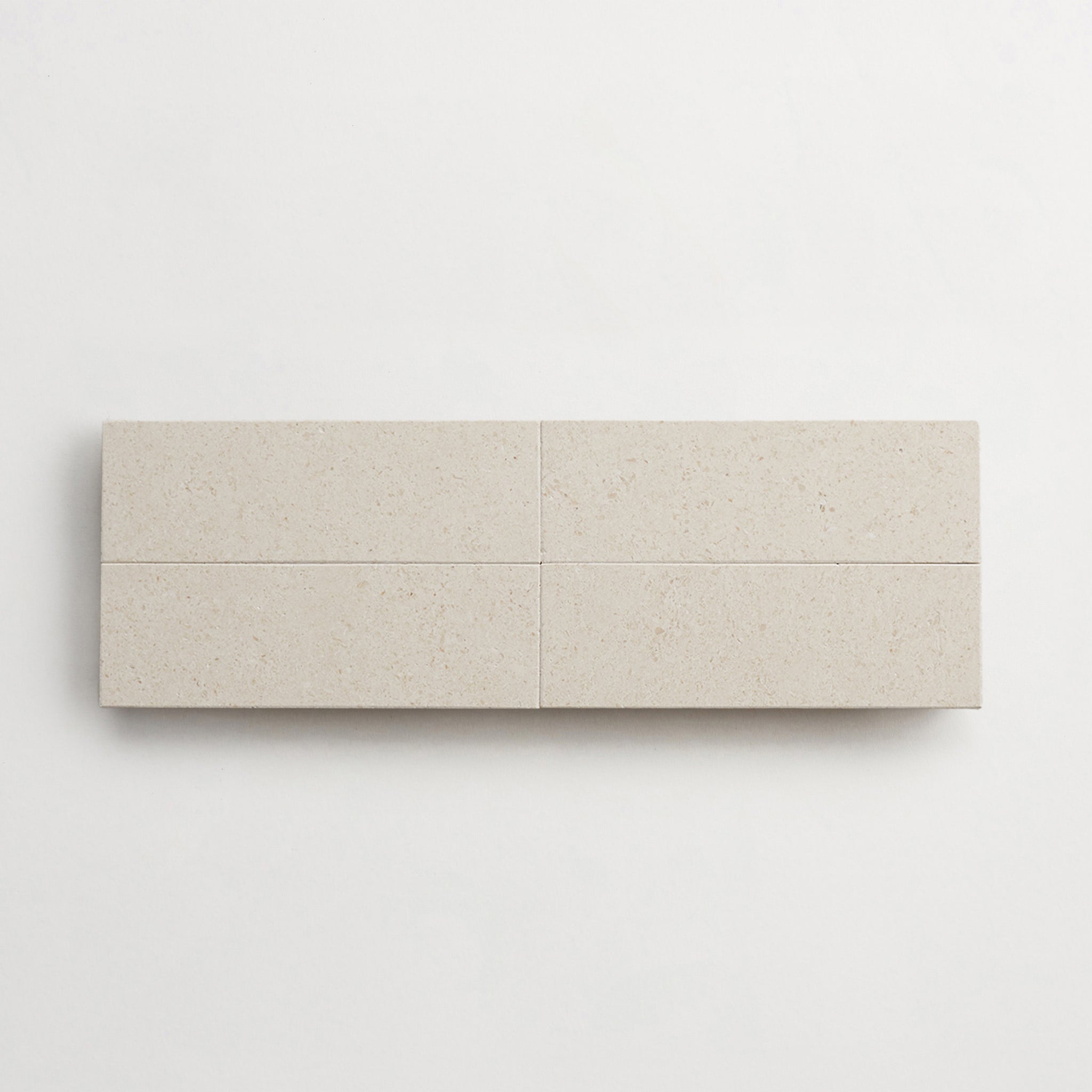
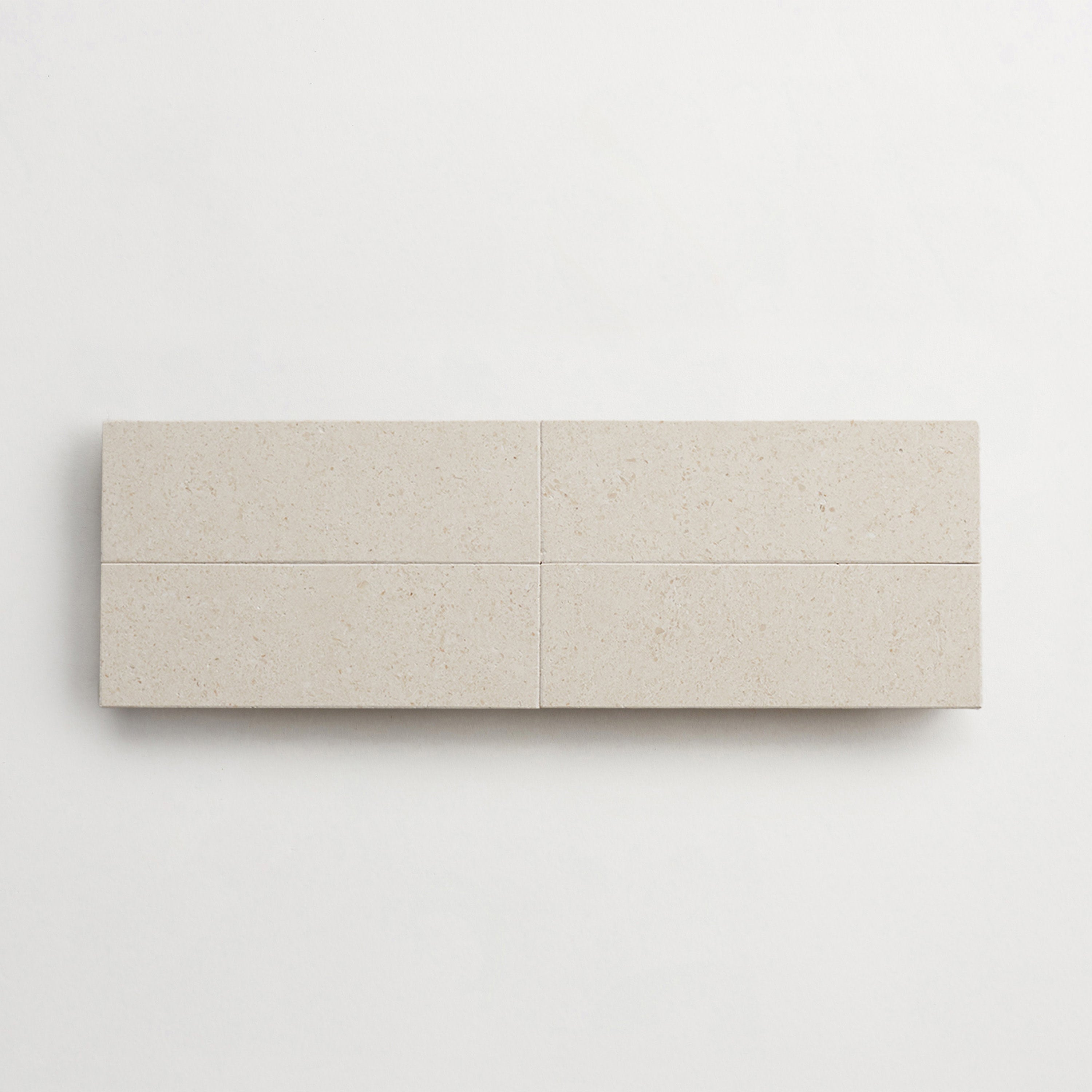
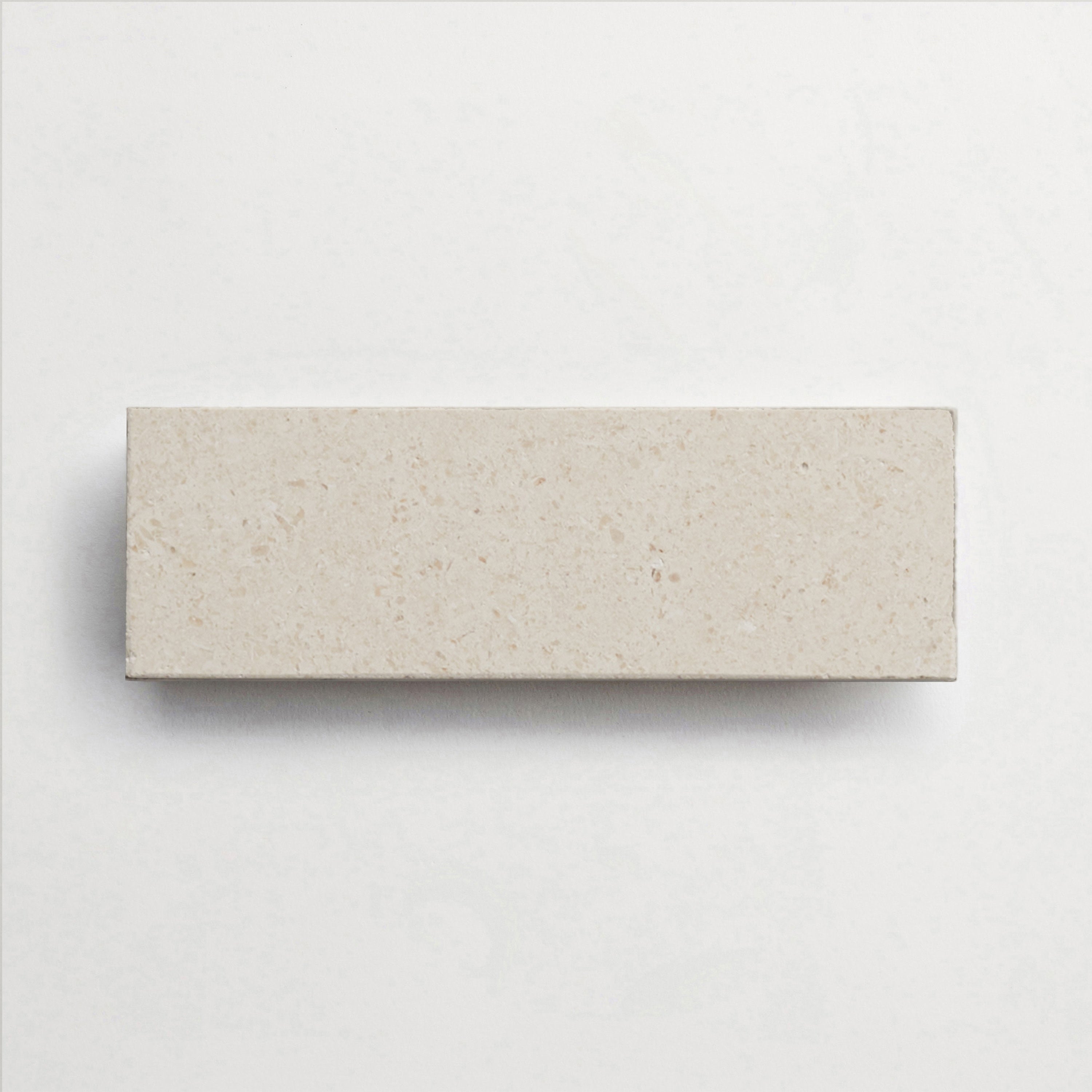
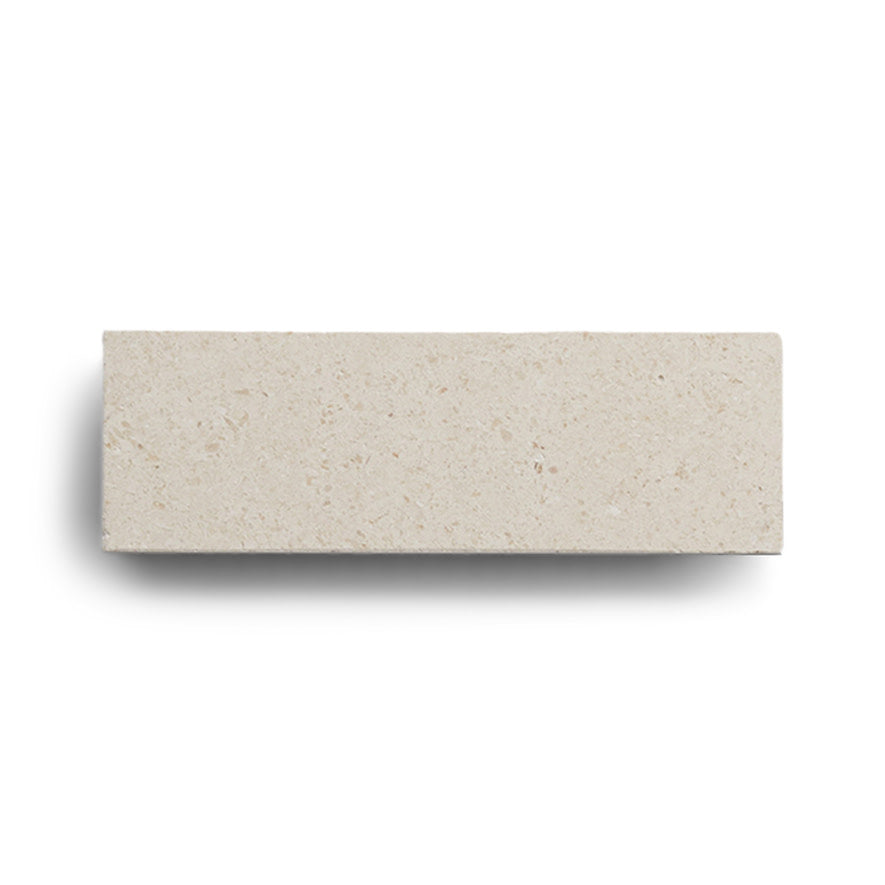
Natural limestone mosaic tile.
How to Clean a Limestone Patio the Right Way
A limestone patio has a particular kind of warmth: soft, weathered, and quietly dimensional. That character is exactly what makes this special stone worth protecting. Cleaning it well is part of that design commitment, not a chore to rush through with whatever happens to be under the sink.
This is especially true given the fact that limestone is a calcium carbonate stone — and therefore sensitive to acidic cleaners. Choosing the right product matters as much as using the right technique.
That’s why we’re exploring exactly how to clean a limestone patio, from everyday cleaning to ongoing maintenance performed by a professional. Whether you are a thoughtful homeowner or a landscape architect who wants your project to maintain its beauty for years to come, here is what you need to know.

Natural limestone tiles.

Natural stone tile patio. Photo courtesy of Greg Rosenke.

Natural limestone tiles.
How to Clean a Limestone Patio: Quick Facts
- Limestone is acid-sensitive, so skip vinegar, lemon juice, muriatic acid, and acidic household cleaners.
- Regular sweeping and rinsing prevent dirt and organic matter from settling into porous stone.
- For routine washing, use warm water and a pH-neutral, stone-safe cleaner with a soft brush.
- Treat stains according to their source rather than reaching for the strongest available chemical.
- Sealing can make limestone more resistant to staining, but it does not make the stone stain-proof.
- Deep stains, etching, neglected stone, and sealing or restoration work are best handled by a stone professional.
Why Limestone Asks for a Gentler Hand
Limestone rewards a considered approach to maintenance. Its natural variation, porosity, and softness are part of its appeal, but they also mean that aggressive cleaning can leave marks of its own. Understanding what limestone is — and what can react with it — makes routine care much simpler.
The Rule That Protects Every Limestone Surface
Limestone contains calcium carbonate, which reacts with acids. That means vinegar, lemon juice, muriatic acid, and many bathroom or kitchen sprays can etch the surface, leaving a dull patch where the stone has been chemically altered. The Natural Stone Institute groups limestone with other calcareous stones, including marble and travertine, because of this acid sensitivity.
This single rule prevents much of the damage homeowners accidentally cause to limestone patios: do not use acidic cleaners on limestone. Even a product marketed as a powerful natural cleaner can be the wrong choice for this particular material. The Natural Stone Institute recommends mild, non-acidic cleaning products for this class of material.

Natural limestone. Photo courtesy of Kelsey Todd.
The Everyday Care Routine
For most patios, the answer to how to clean a limestone patio is refreshingly straightforward. Routine maintenance should remove the things that cause problems before they have time to become stains. Think of it as protecting the stone's surface rather than repeatedly trying to restore it after damage has occurred.
Weekly & After-Use Upkeep
Start with the least aggressive tools. Sweep the patio regularly with a soft-bristle broom to remove leaves, grit, dirt, and other debris, then rinse the surface with a garden hose when needed. Pay particular attention after meals, parties, storms, and periods when leaves and other organic material accumulate.
This simple habit matters because limestone can be porous. Debris that sits on the surface contribute to staining or organic growth over time. Frequent, gentle maintenance is one of the easiest strategies for low maintenance patio materials: prevent buildup instead of waiting for a bigger cleaning project.
A Proper Wash, Done Right
When the patio needs more than a rinse, use warm water and a pH-neutral, stone-safe cleaner formulated for natural stone. (Your tile’s material guidelines should contain helpful product recommendations.) Work in small sections with a soft brush or mop, following the cleaner manufacturer's dilution and dwell-time instructions. Rinse thoroughly with clean water, then remove excess water and dry the surface.
Avoid stiff or metal brushes, which can scratch the surface. The Natural Stone Institute similarly recommends neutral cleaners, thorough rinsing, and soft cleaning tools for natural stone care. Also avoid letting limestone dry rapidly under direct sunlight.
Treating Stains Without Damaging the Stone
Routine washing is one thing; stain removal requires a little more detective work. Before deciding how to clean limestone patio tiles or how to clean limestone bricks, identify what caused the mark. Organic growth, grease, rust, and other stains respond to different treatments, and using the wrong chemical can create a bigger problem than the original stain.
Organic Stains: Algae, Moss & Lichen
Shaded and damp patios naturally provide favorable conditions for algae, moss, lichen, and other biological growth. Start by removing loose growth gently, then use a stone-safe cleaner formulated for natural stone and the type of organic buildup you are treating. Allow the product to work for the recommended time before rinsing thoroughly.
The Natural Stone Institute lists algae, mildew, lichens, and moss among biological stains and recommends appropriate diluted cleaning solutions for outdoor stone. Always verify that a product is compatible with your specific limestone before applying it across the patio.
Grease, Rust & Other Stubborn Marks
For fresh grease, blot rather than scrub. An absorbent such as baking soda or cornstarch can help draw surface oil away from the stone before you clean the area with an appropriate stone-safe product. Rust requires a different approach: choose a rust remover specifically labeled as safe for natural stone rather than reaching for a generic household rust treatment.
Always test any unfamiliar product in a hidden area first. For particularly stubborn stains, professional stain removal may be safer than repeated experimentation. Limestone tile that has been uniquely treated for outdoor use, such as our limestone collections, can also be more resistant to staining from the outset when properly specified and maintained.


Sealing: The Step That Protects the Investment
Even when installing patio tiles over concrete, sealing is key. Cleaning removes what has accumulated on the surface, while sealing can help limit what the stone absorbs in the first place. Because limestone's porosity varies by material, sealing should be considered part of the overall installation and maintenance plan.
Why Sealing Matters Outdoors
Outdoor limestone is exposed to water, leaves, soil, food, oils, and organic matter. On a more absorbent stone, those substances can penetrate below the surface more readily. An appropriate impregnating sealer can make the stone more stain-resistant and can slow the absorption of moisture and organic material.
Remember that sealing does not make limestone stain-proof. It doesn’t prevent acid etching either. The Natural Stone Institute describes sealing as increasing stain resistance rather than eliminating the possibility of staining altogether.
How Often to Reseal—& Why It’s Best Done by a Professional
There is no universal resealing calendar for every limestone patio. Outdoor limestone may need resealing roughly every one to three years, with more frequent attention in harsh climates and high-exposure locations. The specific stone, finish, sealer, weather, and amount of use all affect the schedule.
That is why sealing is best handled by a qualified design or installation professional rather than being treated as a weekend DIY project. We likewise recommend working with installers to establish the appropriate sealing and maintenance schedule. Explore our outdoor stone and marble tile collection for more material guidance.
Reading the Signs: When Routine Care Is Not Enough
Knowing when to stop cleaning is just as important as knowing how to start. A homeowner can confidently handle sweeping, rinsing, and appropriate routine washing. Once the stone shows signs of chemical damage, deep staining, or years of accumulated neglect, however, more aggressive DIY treatment can compound the problem.
When to Call a Professional
Bring in a stone professional when stains are deep or spreading, when the surface has developed dull or etched patches after exposure to an acidic cleaner, or when the patio has been heavily neglected. A professional is also the right resource when an older patio has never been sealed and you are unsure about how the stone will respond to treatment.
Partnering with a pro is not an admission of failure. Professional cleaning and restoration protect your investment in a natural material. No matter how durable limestone is outdoors, it’s always best to invest in the TLC it needs.

Keeping the Patio's Character for Years to Come
Limestone does not need to look untouched to look beautiful. Its subtle shifts in tone and texture can develop into a natural patina that gives an outdoor space a sense of permanence. The goal of cleaning is not to erase that character but to keep ordinary dirt, stains, and biological growth from turning into avoidable damage.
With regular sweeping, gentle washing, careful stain treatment, and a professional approach to sealing and restoration, limestone can remain an enduring part of the landscape. That same material-first thinking is useful when comparing options like limestone vs travertine pool deck surfaces and when evaluating other outdoor stone applications.
Discover our limestone collections, crafted for lasting outdoor beauty.
Frequently Asked Questions
Can You Pressure Wash a Limestone Patio?
Pressure washing can damage limestone if excessive pressure or an inappropriate nozzle is used, particularly on softer or weathered surfaces. For routine care, gentler methods are best. If you are considering pressure washing for heavily soiled stone, consult a stone professional first.
Is Vinegar Safe to Use on a Limestone Patio?
No. Vinegar is acidic, and limestone's calcium carbonate composition makes it vulnerable to acid etching. The Natural Stone Institute specifically advises against vinegar on calcareous stones such as limestone, so choose a pH-neutral, stone-safe cleaner instead.
How Often Should a Limestone Patio Be Sealed?
Outdoor limestone may be resealed roughly every one to three years, but the appropriate interval depends on the stone, sealer, climate, exposure, and use. Have an installer or stone professional evaluate your particular material and establish an appropriate maintenance schedule.
Colorway
-
Alpaca Grey
Collection
-
lapidary
:
Sub Collection
-
Chromatope
Material
Length
-
4
" x
Width
-
4
" x
Thickness
-
¼
"
Unit of Measurement
-
sqft
/
Price per Unit
$
Colorway
-
White Limestone
Collection
-
lapidary
:
Sub Collection
-
Alegria
Material
Length
-
8
" x
Width
-
8
" x
Thickness
-
⅞
"
Unit of Measurement
-
sqft
/
Price per Unit
$
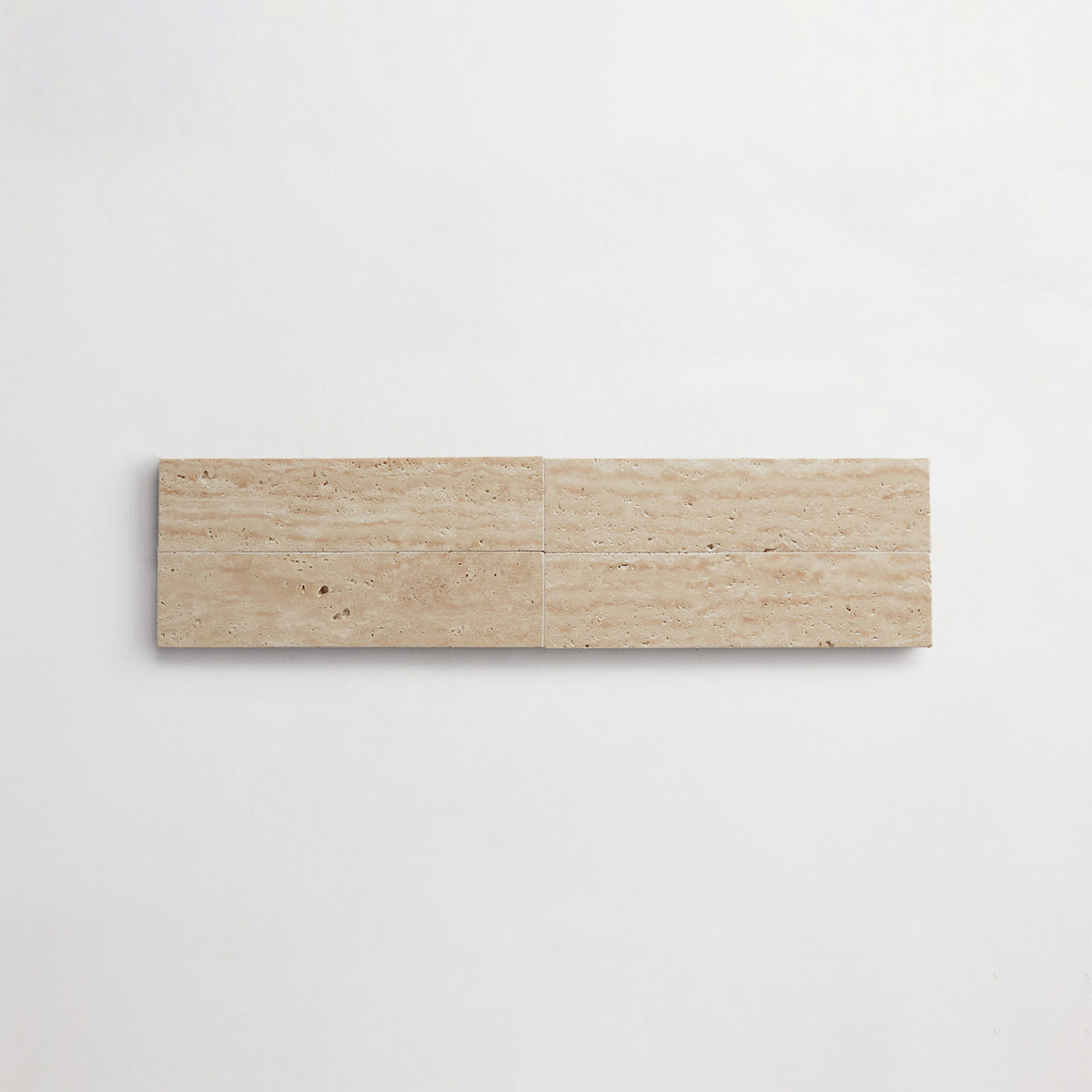
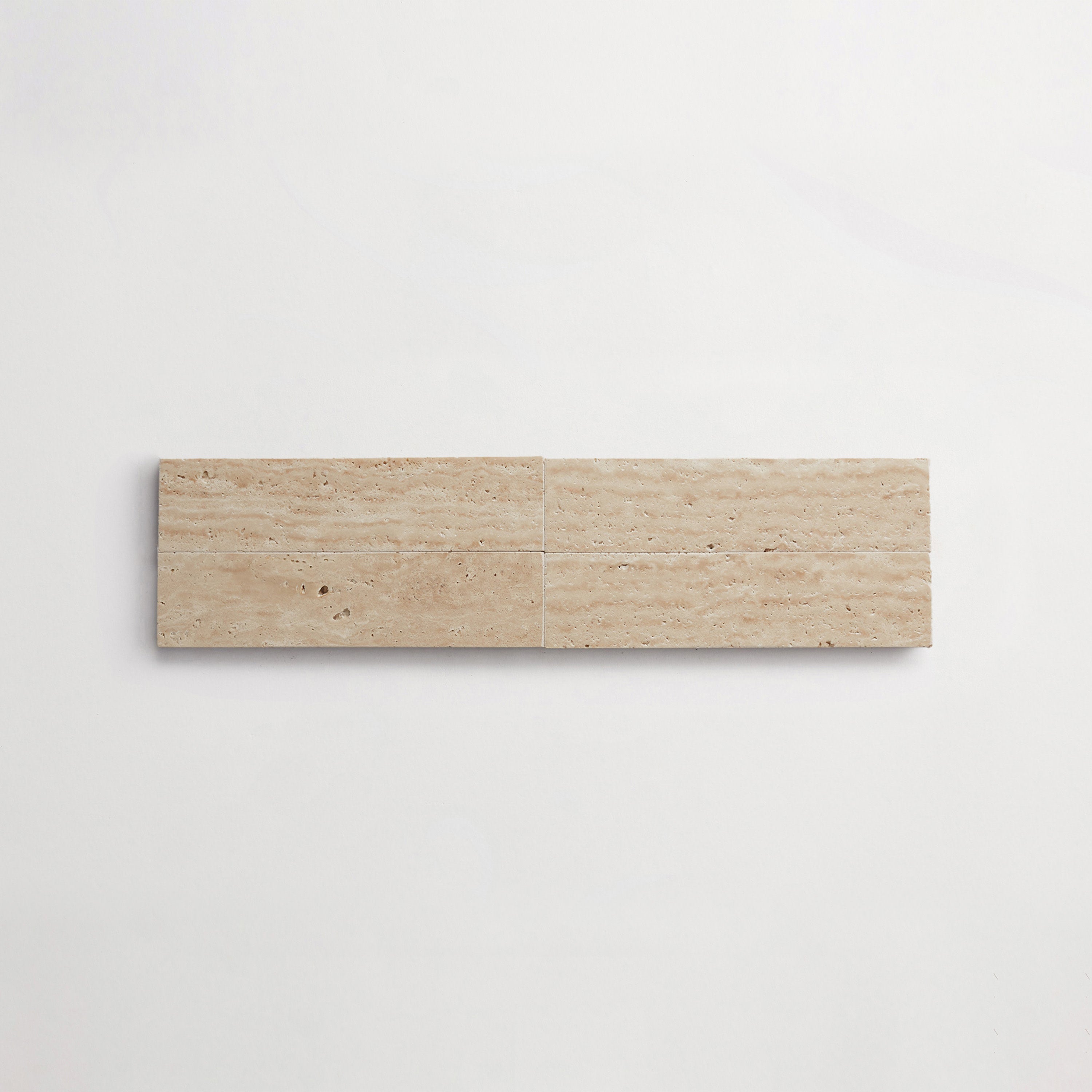
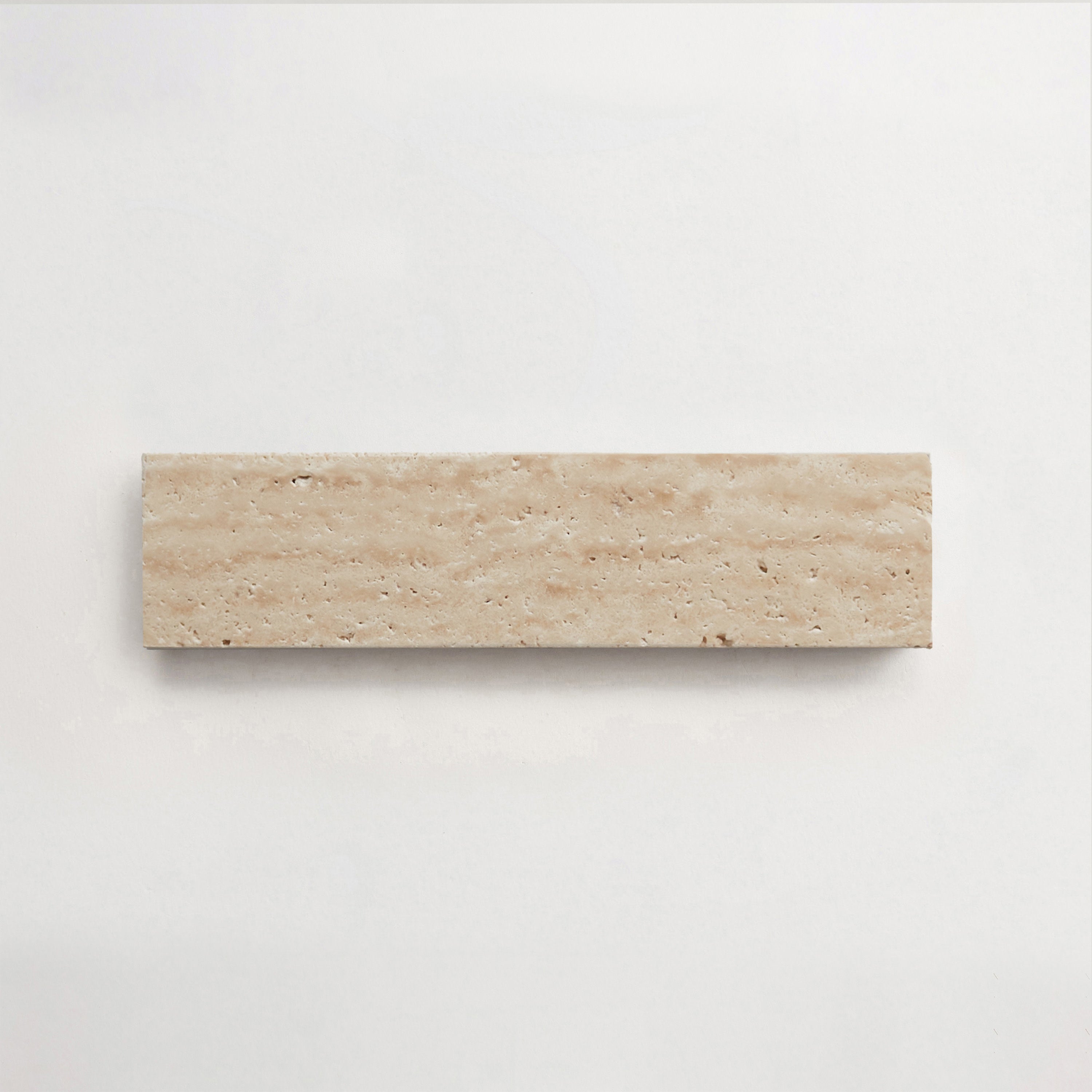
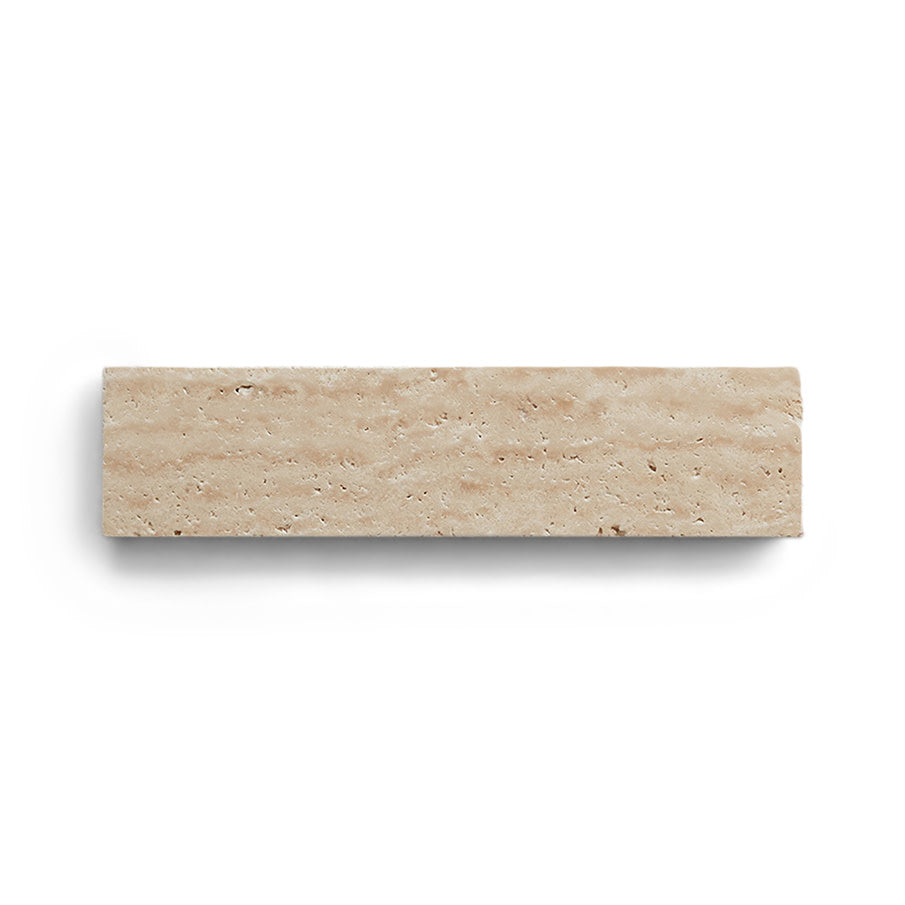
Colorway
-
Beige Travertine
Collection
-
lapidary
:
Sub Collection
-
Brinks
Material
Length
-
4
" x
Width
-
16
" x
Thickness
-
¾
"
Unit of Measurement
-
sqft
/
Price per Unit
$