

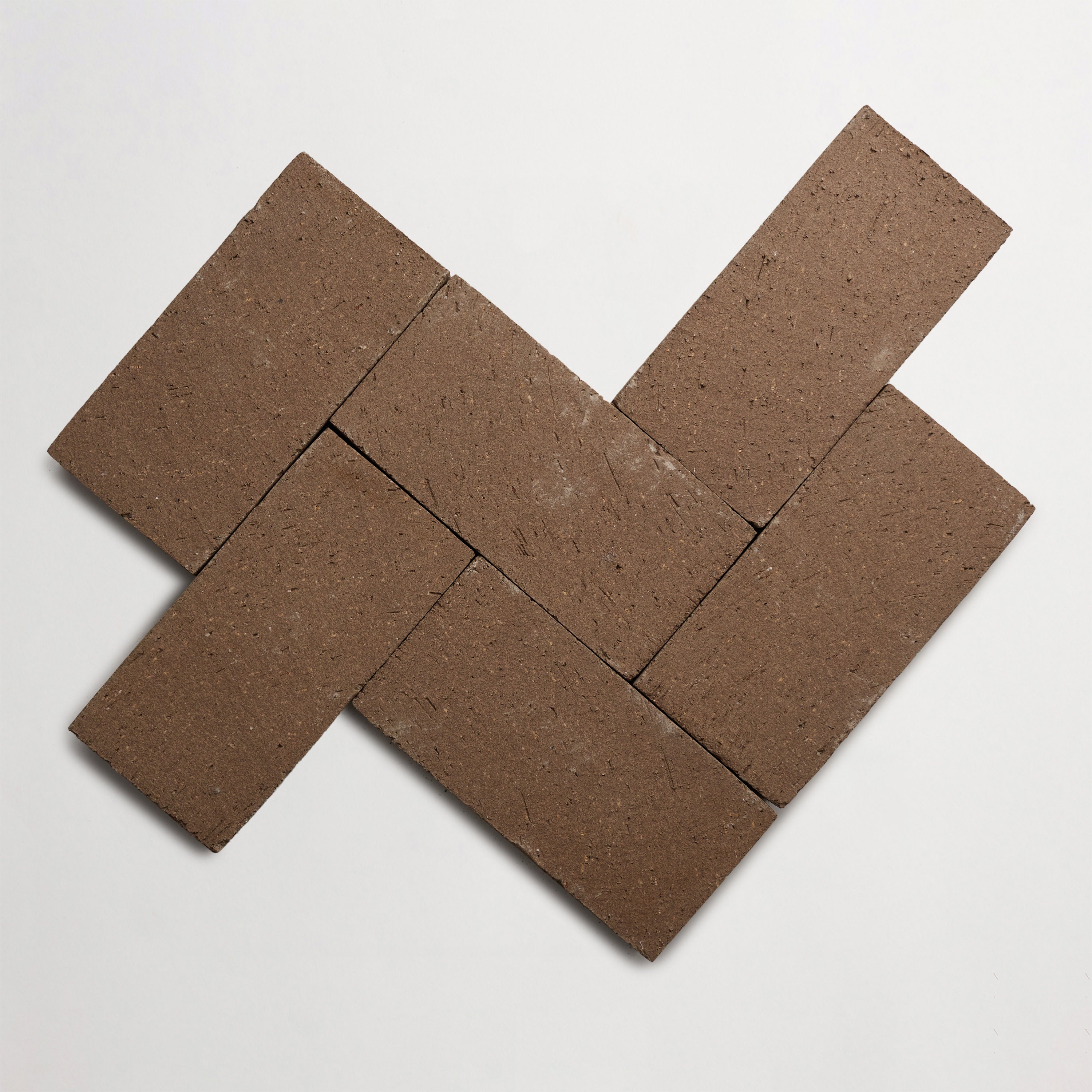
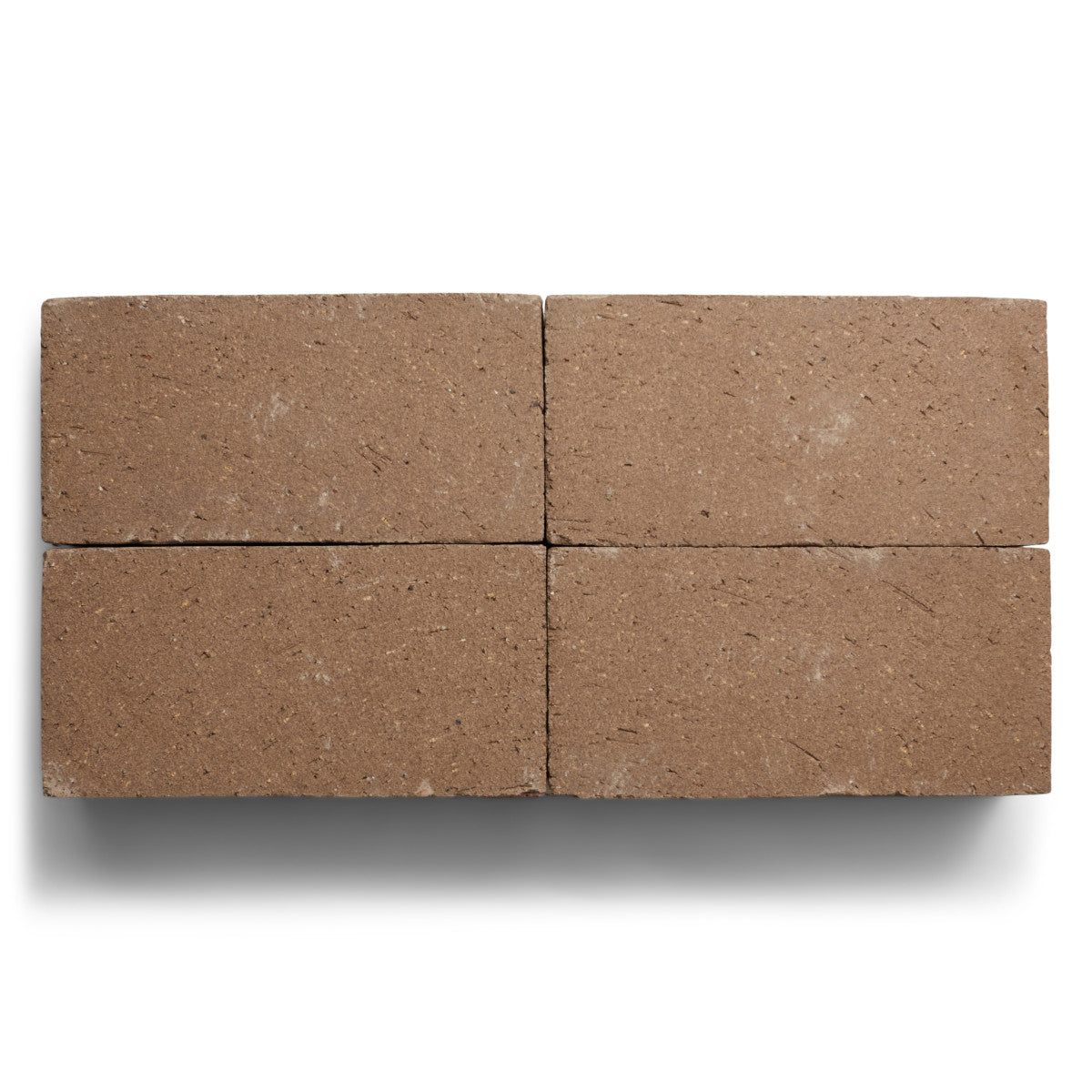
BrickWorks, 4x8" Mason, Sequoia Grove
Landscaping With Bricks and Stones: 13 Front Yard Ideas
A front yard does so much more than frame a house. It creates the experience of arriving at one. Before anyone reaches the front door, they move along a path, cross a threshold, pass planting beds, and sometimes navigate a change in elevation. Each of those moments can feel separate — or they can read as one continuous entrance.
That’s where landscaping with bricks and stones becomes especially compelling. Brick and stone don’t have to compete for attention. Brick brings warmth, pattern, and rhythm to a surface, while stone adds weight, structure, and a sense of permanence at edges and transitions. Used together, they can give the entire approach a layered and considered character.


What to Know About Landscaping with Bricks and Stones
- Treat the front yard as an entrance sequence, with the path, threshold, borders, and elevation working together.
- Brick brings pattern and warmth, while stone adds structure and grounded visual weight.
- Changing brick patterns can subtly alter the pace and formality of the approach.
- Stone is especially effective at framing brick paths, marking transitions, and defining changes in grade.
- Repeating a brick-and-stone pairing throughout the landscape creates cohesion without making every surface identical.
- The most successful front yard landscaping with bricks and stones feels intentional from the driveway to the front door.
Think of the Front Yard as an Entrance, Not an Assignment
Instead of approaching a landscape as a checklist of materials and features, think about what someone experiences as they move through it. The path establishes direction. The threshold creates a pause. The border defines the relationship between hardscape and planting. A change in elevation turns movement itself into part of the design. Thinking zone by zone makes it easier to choose materials that support one another rather than trying to make every surface do everything.
Where Brick Warms and Stone Steadies
Brick is naturally suited to surfaces where pattern and repetition can create movement. Stone, by contrast, can feel especially grounded when used at edges, landings, walls, or transitions. Pairing brick and stone finishes lets each material emphasize what the other does best.
A collection such as BrickWorks can bring warmth and rhythm to a path with outdoor brick tile, while a stone border gives its edges definition. The result feels layered rather than overly matched.

The Path: Setting the Pace to the Door
The front walk is often the first material a visitor actually experiences underfoot, which makes it one of the most important places to begin. A path should do more than provide the shortest route to the door. Its pattern, width, edges, and transitions can establish a sense of pace and arrival. These front yard brick landscaping ideas show how changing one detail — from brick orientation to a stone border — can make the approach feel entirely different.
Idea 1: Herringbone Brick, Slowing the Approach
A herringbone pattern introduces visual movement without changing the direction of the path itself. The angled bricks make the eye linger, giving the approach a more deliberate and formal rhythm than a simple running bond. It’s a natural choice for homeowners drawn to the character of English garden brick paths, where paving becomes part of the garden experience. For a modern interpretation, explore our Wander collection for garden path ideas that bring that same sense of intentional movement to the approach.
Idea 2: Running Bond for a More Formal Arrival
Running bond has a quieter visual rhythm. The repeated horizontal lines naturally reinforce the direction of the walk, making the path feel orderly, linear, and architectural. That quality works particularly well with homes whose architecture favors clean geometry and strong proportions. Think of the restrained paving found in Mediterranean courtyard walkways, where repetition creates structure without demanding attention. Among front yard brick and stone ideas, this is one of the simplest ways to let the architecture remain the star.
Idea 3: A Stone Border Framing the Brick Path
A brick path becomes more defined when its edges are given their own material language. A stone border can create a grounded frame around the repeating geometry of brick, emphasizing the contrast between brick’s orderly pattern and stone’s more organic character. The border might be narrow and crisp or wider and more substantial, depending on the architecture and planting around it. Either way, the goal is not contrast for contrast’s sake. It’s a visual conversation between two materials.
Idea 4: Stepping Stones Where Path Meets Drive
The meeting point between a driveway and front walk can be awkward when two paving materials simply stop and start. Large-format stepping stones can soften that transition, creating a visual bridge between the two zones. Instead of reading as a hard boundary, the shift feels intentional and gradual. This is particularly useful when exploring brick driveway ideas alongside a brick or stone pedestrian path. A few generously spaced stones can signal the change in function while maintaining a continuous material story.


The Threshold: The Moment Before the Door
If the path sets the pace, the threshold is where the arrival lands. A porch, set of steps, or entry landing deserves a little more visual weight because it’s the place where movement becomes a pause. This is also where materials can make the strongest first impression. Rather than treating the threshold as an isolated feature, use it to reinforce the textures and tones introduced along the path.
Idea 5: A Stone Landing That Slows the Arrival
A stone landing can create a distinct moment between the approach and the front door. Its larger scale and visual weight naturally encourage a visitor to slow down, step onto the landing, and pause before entering. The effect has a precedent in Andalusian entry courtyards, where the transition into a home often feels spatially distinct from the route leading there. In a modern front yard, a stone landing can play the same role without requiring elaborate architecture.
Idea 6: Brick Risers for a Welcoming Step Up
When a home already has brick architectural details, brick steps or brick risers can make the entrance feel particularly cohesive. The material adds warmth to a vertical surface that might otherwise feel stark, especially compared with poured concrete. For inspiration, look to Moroccan doorstep tilework, where even a small threshold can become a moment of pattern and personality.

A Line Drawn with Intention
Borders are easy to overlook because they often sit at the edge of a landscape. But that edge is exactly what makes them so powerful. Landscaping with bricks and stones can use borders to establish a deliberate line between lawn, planting, and hardscape. Instead of treating edging as an afterthought, consider its color, proportion, orientation, and relationship to the architecture. The best borders feel like landscape architecture in miniature.
Idea 7: Brick Edging, Reconsidered
Brick edging can define a planting bed with the same sense of intention that interior molding brings to a room. Rather than functioning as a practical strip around the perimeter, it becomes a visible design line. Consider whether bricks should be laid flat, vertically, or at an angle, and whether their color should echo the home or create a subtle contrast. These small decisions can dramatically change the character of front yard landscaping with bricks, turning a functional edge into an architectural detail.
Idea 8: Dry Laid Stone Accents in the Bed
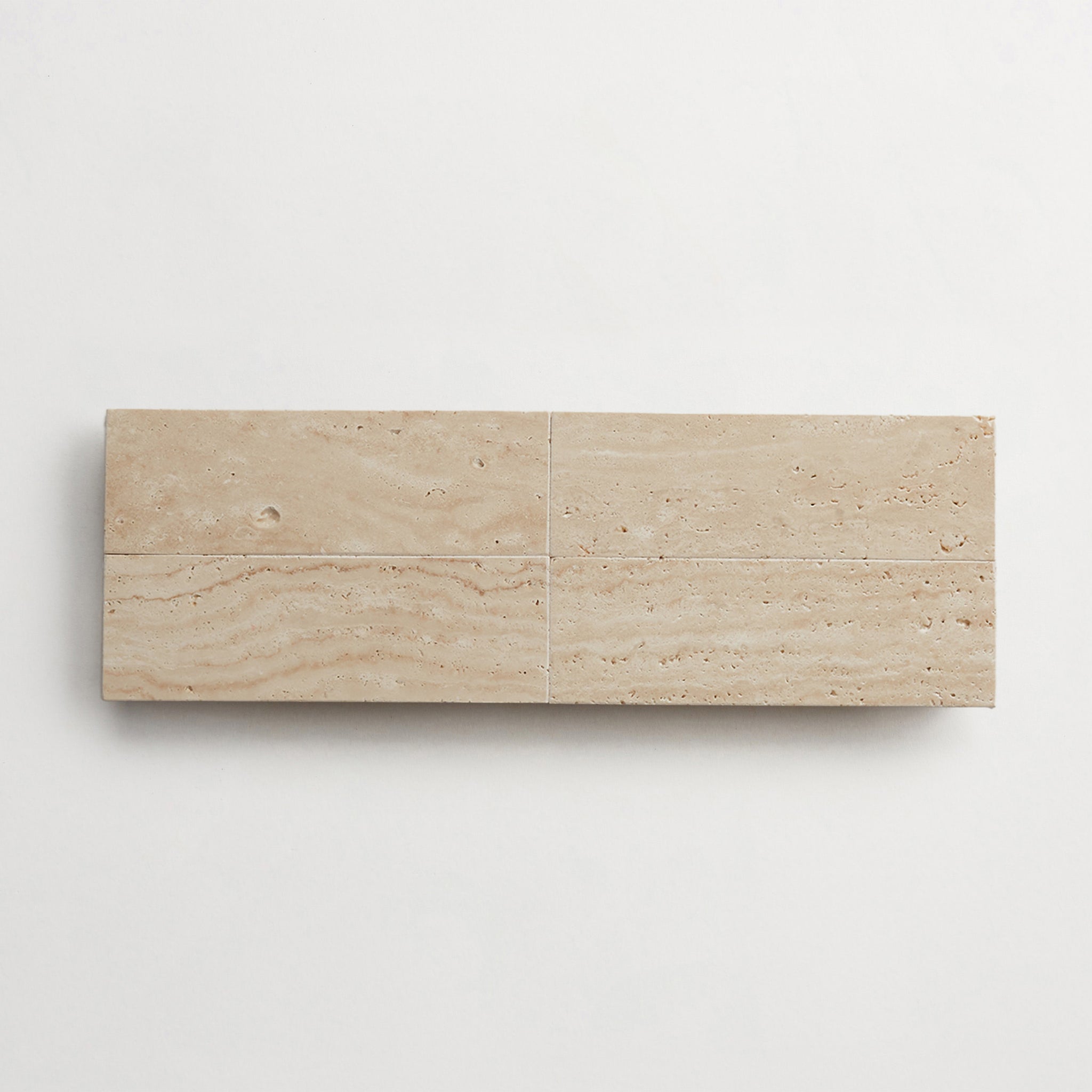
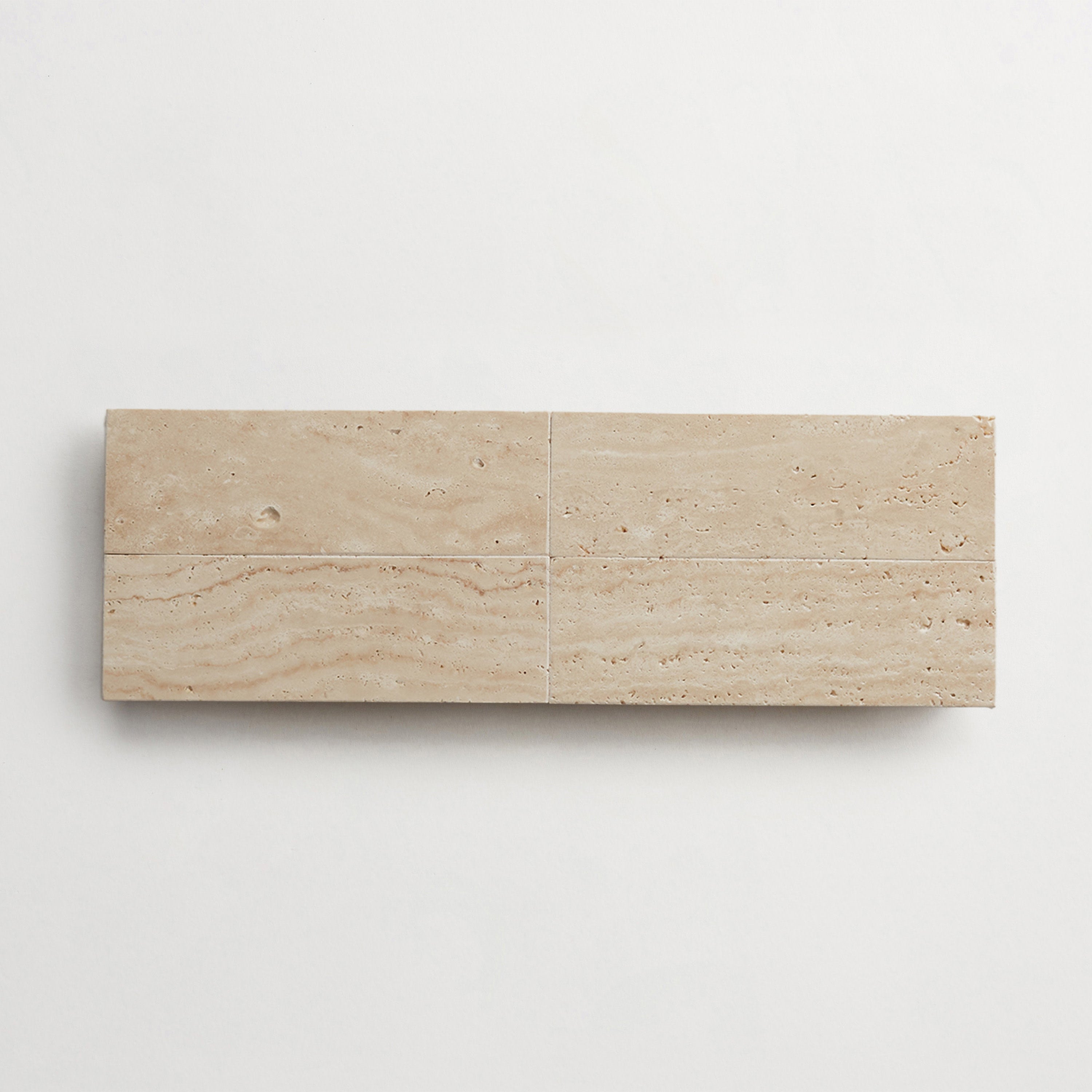
Stone and marble tile don’t have to stay at the perimeter. A few carefully positioned pieces within a planting bed can create moments of visual weight among softer foliage and flowers. The key is restraint. Japanese garden design offers a useful precedent, where individual stones are often placed deliberately rather than scattered randomly across a landscape. Against structured brick edging or a brick path, a handful of stone accents can provide an organic counterpoint without making the planting bed feel busy.
Idea 9: A Single Boulder as a Quiet Anchor
One substantial boulder can often accomplish more than a collection of decorative rocks. Placed where a planting bed needs visual weight, a single stone can anchor the composition while giving surrounding grasses, shrubs, or perennials something to gather around. Consider its scale carefully: the goal is for the boulder to feel as though it belongs to the landscape rather than appearing dropped into it.
Idea 10: A Gravel and Stone Transition Strip
A narrow strip of gravel and stone can create a useful transition between lawn and planting beds while adding another layer of texture. It can also reduce the awkward mowing edge where grass meets dense planting or hardscape. Rather than using gravel as an afterthought, give the strip a consistent width and define it with stone or brick. The resulting line can make the landscape feel more intentional, especially when repeated elsewhere in the front yard.


When the Ground Isn't Flat
A slope can initially feel like a limitation, but a change in grade gives the entrance another opportunity to create rhythm. Instead of trying to disguise elevation, let it shape the sequence from street to door. Retaining courses, terraces, and steps can turn a steep or uneven approach into a series of smaller moments.
Idea 11: A Low Brick Retaining Course
A low brick retaining wall can make a necessary grading solution feel like an intentional extension of the home. Its strongest effect comes when its proportions, color, and pattern relate to the architecture rather than looking like a separate landscape feature. Terraced Mediterranean hillside gardens offer an enduring example of how low walls can organize sloping ground while contributing to the overall beauty of the approach.
Idea 12: Terraced Stone Steps on a Slope
On a sloped property, a long staircase can make the journey to the front door feel abrupt. Terraced stone steps create a different experience by dividing the elevation change into a sequence of smaller arrivals. Each landing offers a visual pause, while planting can soften the edges and reinforce the progression. Stone is especially effective here because its natural variation complements the irregularity of the terrain.
Composing the Full Arrival
The strongest front yard designs don’t stop at a beautiful path or a well-defined planting bed. They consider what happens between each zone. The path should lead naturally into the threshold. The border should help connect hardscape and planting. If there is a grade change, its walls and steps should feel related to the same material vocabulary. This is where landscaping with bricks and stones becomes less about individual ideas and more about creating one coherent experience.
Idea 13: One Material Thread, Tying It Together
The easiest way to make an entrance feel composed is to repeat the relationship between brick and stone across the landscape. Brick might establish a pattern along the path and edging, while stone appears at the border, landing, or steps. The exact applications can change, but the material pairing remains recognizable. From the street to the front door, each transition feels like part of the same design — an entrance that feels considered, welcoming, and built to last.
A front yard worth arriving at isn't necessarily the one with the most features. It’s the one where every material and transition contributes to the feeling of getting home. Let brick bring the warmth and rhythm, let stone provide the grounding, and allow the journey between them to become part of the architecture.
Explore the brick and stone collections built for entrances that last.


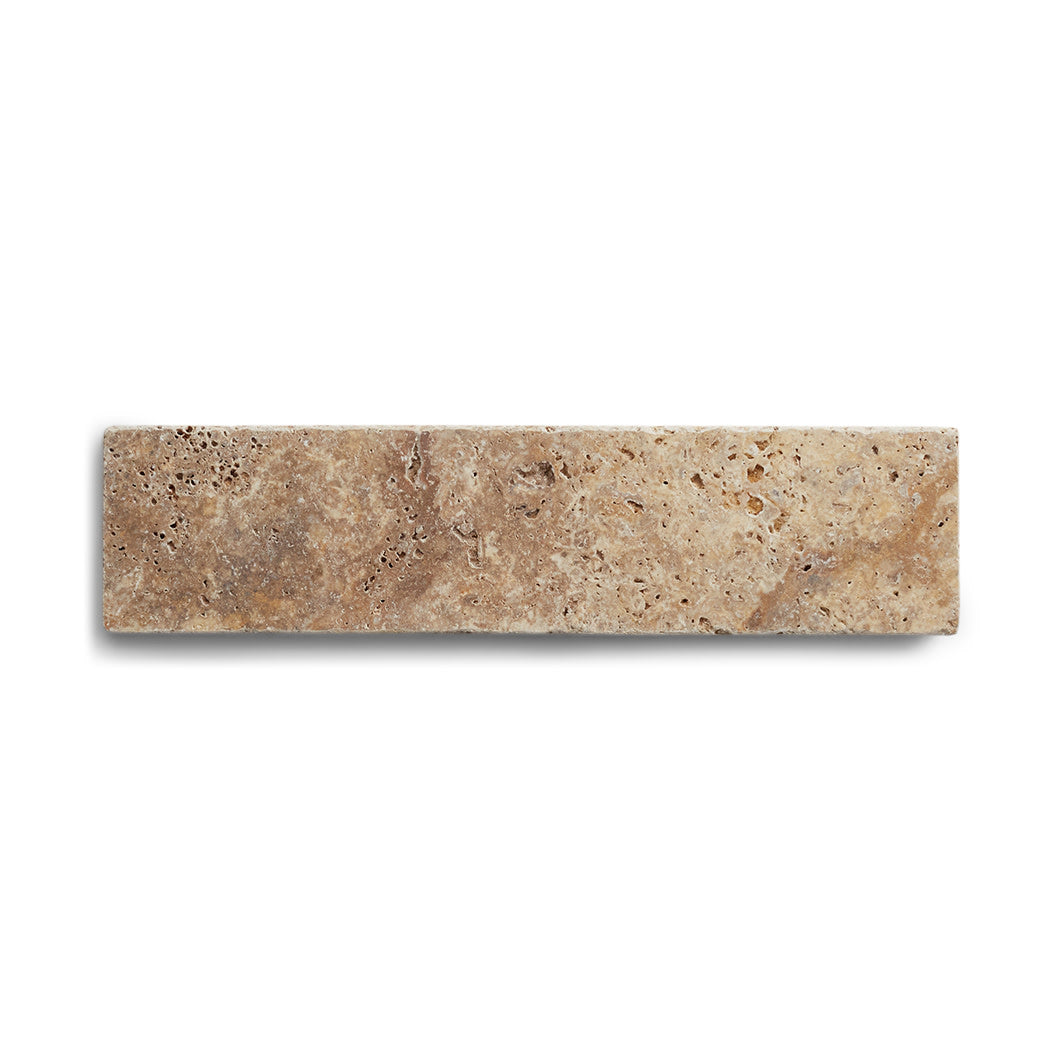
Colorway
-
Pumice
Collection
-
Pemberley Pavers
:
Sub Collection
-
Chromatope
Material
Length
-
4
" x
Width
-
4
" x
Thickness
-
¼
"
Unit of Measurement
-
sqft
/
Price per Unit
$
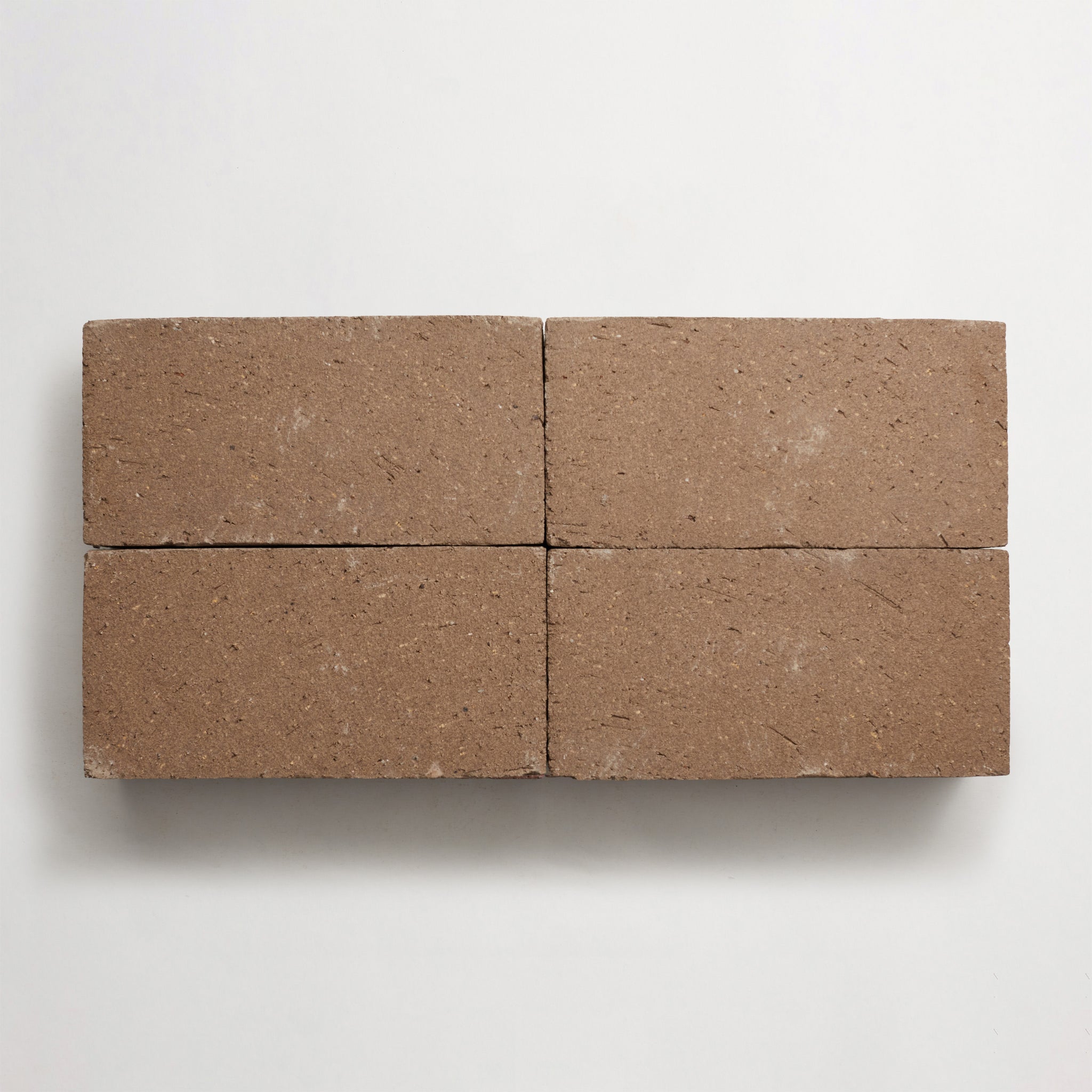
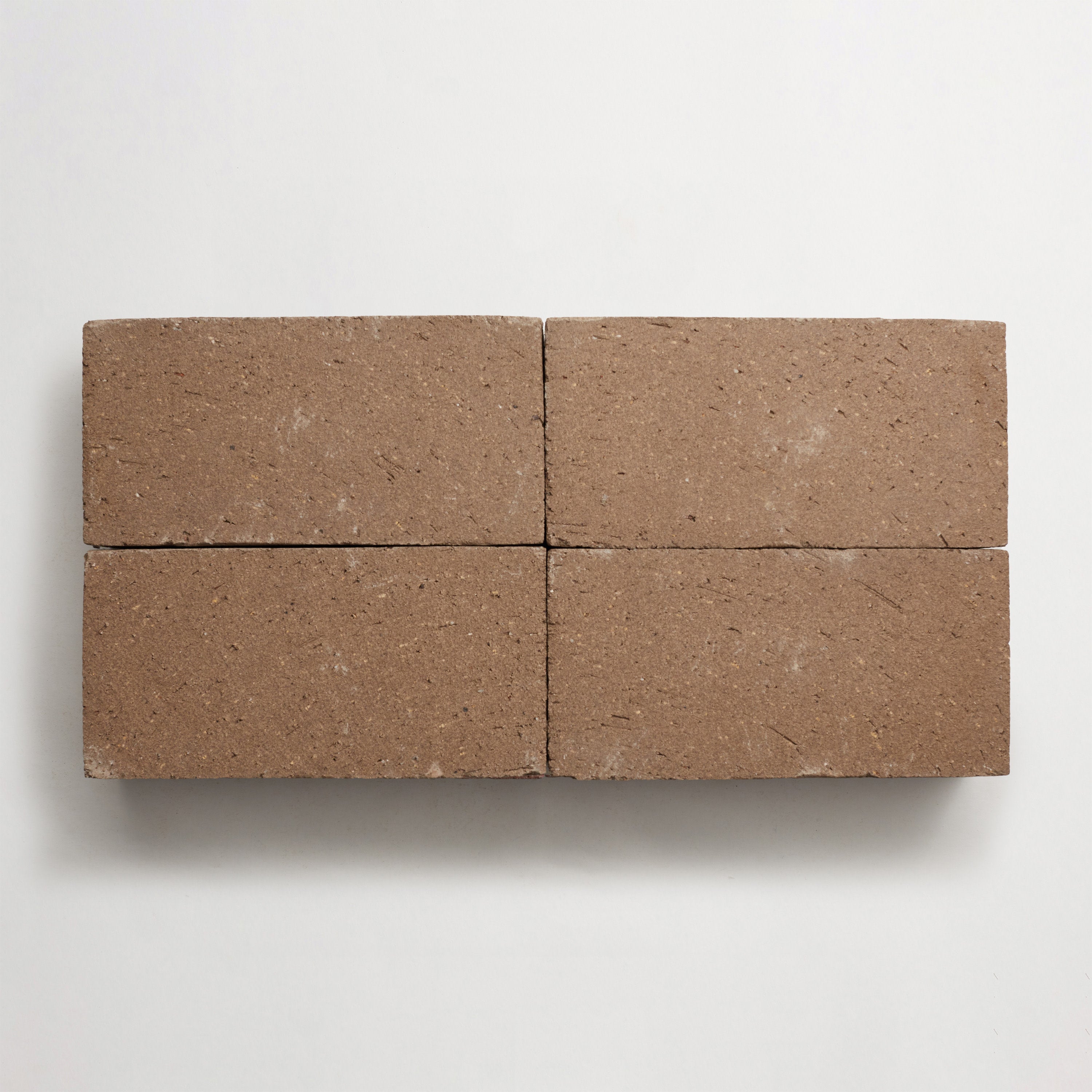
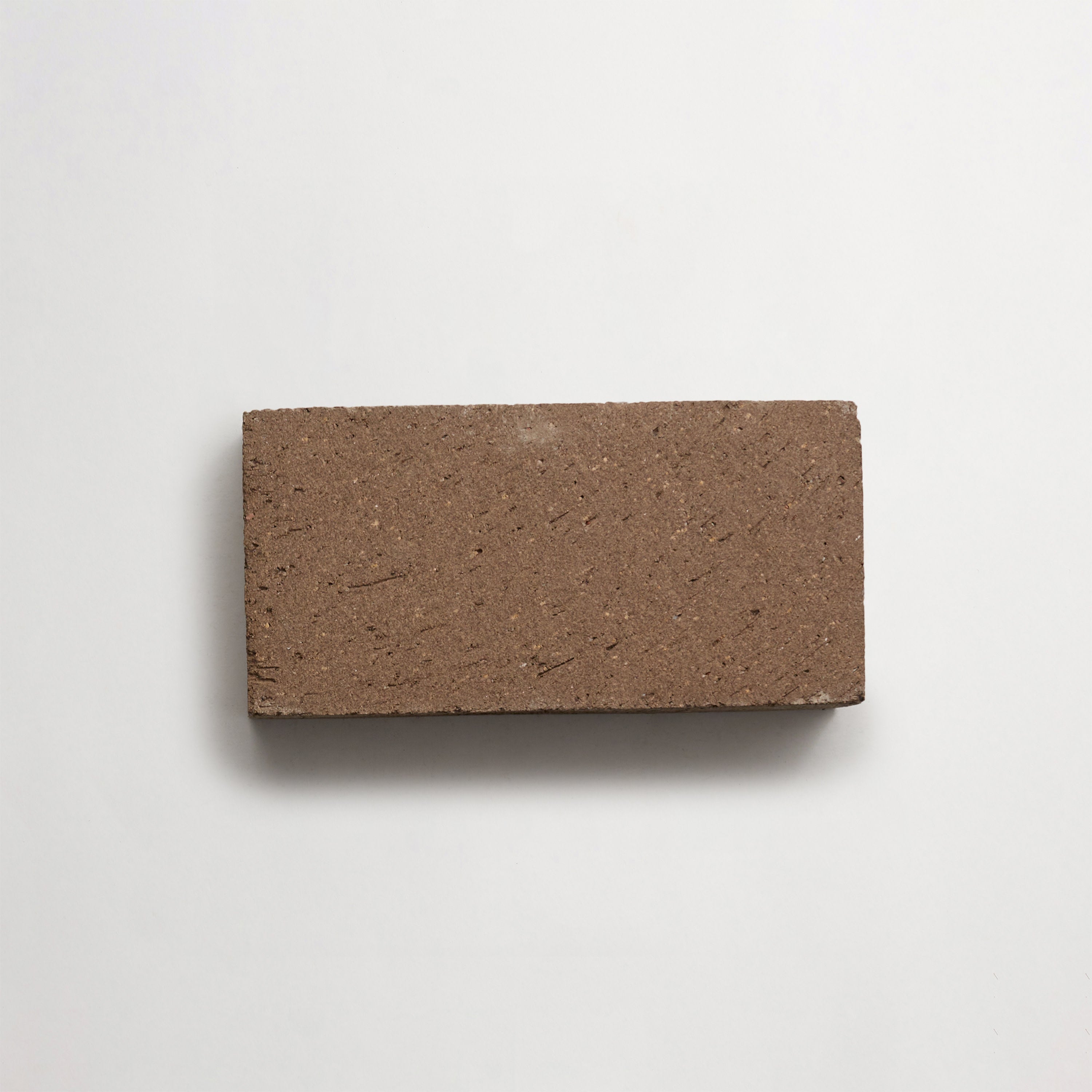
Colorway
-
Snapped Twig
Collection
-
BrickWorks
:
Sub Collection
-
Alegria
Material
Length
-
8
" x
Width
-
8
" x
Thickness
-
⅞
"
Unit of Measurement
-
sqft
/
Price per Unit
$
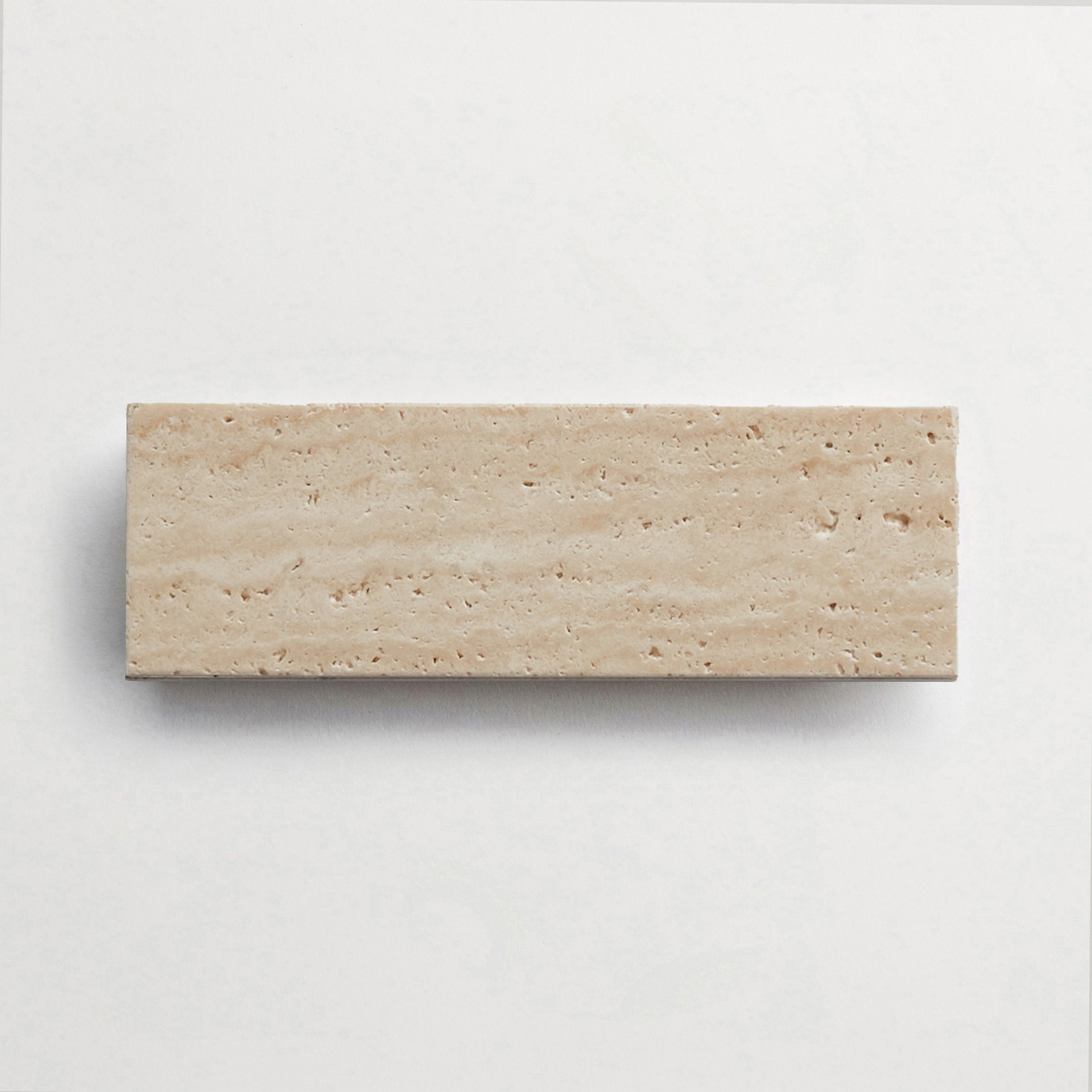
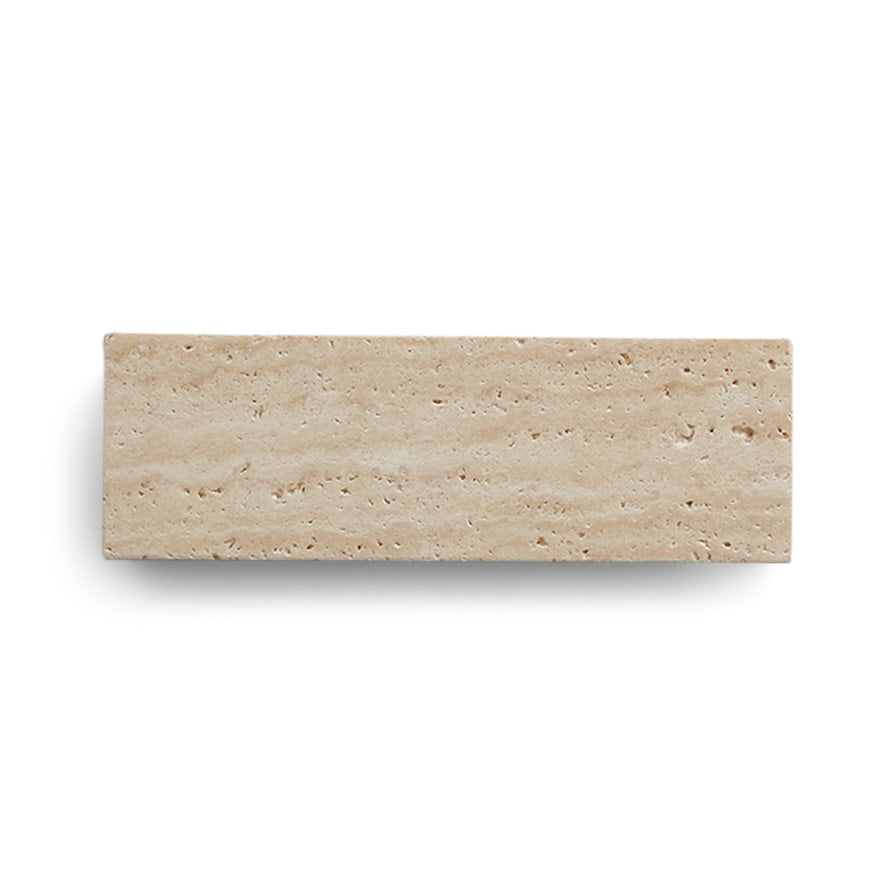
Colorway
-
Beige Travertine
Collection
-
lapidary
:
Sub Collection
-
Brinks
Material
Length
-
4
" x
Width
-
16
" x
Thickness
-
¾
"
Unit of Measurement
-
sqft
/
Price per Unit
$