

Travertine vs Marble Pool Decks: A Design-Led Comparison
Choosing between travertine and marble for a pool deck is less about right versus wrong and more about aligning material performance with design intent. Both stones are timeless, design-forward options that elevate outdoor spaces, but they behave differently around water, sun, and daily use.
This comparison is designed to help you evaluate travertine vs marble for pool deck applications through the lens of aesthetics, durability, comfort, and long-term appearance, all so your final choice supports both your project vision and real-world functionality.


Travertine vs Marble at a Glance: What You Need to Know
At a high level, travertine offers a softer, more matte look with natural texture, while marble delivers refined veining and higher visual contrast. Travertine is often praised for staying cooler underfoot and offering natural traction, making it a solid choice for busy pool environments. Marble leans more sculptural and formal, excelling in design-driven spaces with controlled use.
Both are excellent choices when specified correctly, sealed properly, and matched to climate, layout, and lifestyle expectations. Here are some additional factors to consider as you make your outdoor tile selections.
Key Visual Differences
Visually, travertine tends to read warm, earthy, and understated, with subtle variation across tiles. Its surface often shows small pits and tonal movement that feel organic outdoors. Marble, by contrast, is defined by veining, sharper color contrast, and a more polished visual language, even in honed finishes. When comparing marble vs travertine pool deck aesthetics, travertine blends quietly into landscapes, while marble makes a confident design statement that draws the eye.
Textural Feel and Surface Characteristics
Underfoot, travertine generally feels softer and more forgiving thanks to its naturally porous structure. This porosity contributes to grip and comfort but also requires thoughtful sealing. Marble is denser and smoother, with a cooler, stone-forward feel that can read luxurious but more formal. Finish selection matters for both stones, especially when considering non-slip outdoor tiles. Brushed or honed finishes can significantly influence comfort, traction, and how welcoming the surface feels.
Performance Around Water: How Each Stone Handles Pool Environments
Water exposure is where material differences become the most apparent. Travertine’s porosity allows water to move through rather than sit on the surface, which can improve traction and reduce pooling. Marble resists water absorption more readily but is more sensitive to pool chemicals and etching. In a travertine vs marble pool deck comparison, performance comes down to proper installation, sealing schedules, and understanding how each stone reacts to moisture over time in active pool settings.
Slip Resistance and Safety
Slip resistance is a top concern for any pool deck. Travertine’s naturally textured surface offers inherent grip, especially when left unfilled and finished with a penetrating sealant. Marble can be safe as well, but only when specified with the right finish and texture. Honed or lightly textured marble performs far better than polished surfaces outdoors. For families or high-traffic areas, travertine is often considered the best choice for maintaining confident footing in wet conditions.
Heat Retention Underfoot
In sunny climates, surface temperature matters. Travertine is known for staying relatively cool underfoot, even in direct sun, which makes it a perfect choice for barefoot comfort. Marble can retain more heat depending on color and finish, particularly darker varieties. Light-toned marble performs better thermally but still tends to warm faster than travertine. When choosing a travertine pool deck in hot regions, heat comfort often becomes a deciding factor.
Weather Resilience and Longevity
Both stones can perform well outdoors when installed correctly, but climate plays a role. Travertine handles freeze-thaw cycles effectively due to its porous structure, which allows moisture to escape. (Still, it should always be finished with a penetrating sealant.) Marble is denser and can be more vulnerable to cracking in extreme temperature shifts if not specified and treated properly. UV exposure affects both, gradually softening color over time. With sealing and maintenance, each stone can age beautifully and develop a lived-in patina.

Design Versatility: Which Stone Complements Your Outdoor Vision?
Many things can go wrong when cutting porcelain tile — especially when it’s undertaken by a homeowner or inexperienced contractor. If your tile installer does any of the following, it’s time to look for a new installer.
Architectural Styles and Color Palettes
Travertine pairs naturally with Mediterranean, Spanish, and organic modern architecture, especially in warm, neutral palettes. Marble aligns beautifully with contemporary, classical, and minimalist designs where contrast and veining enhance structure. Color selection matters as much as stone type, and both materials come in a variety of colors and different colors within the same family. Understanding the types of outdoor tiles available can help refine your final aesthetic direction.
Light Interaction and Surface Finish Options
Light plays differently across each stone. Travertine diffuses light softly, reducing glare and creating a calm atmosphere around the pool. Marble reflects more light, especially in lighter tones, which can brighten outdoor spaces but also introduce glare if finishes are too smooth. Honed and tumbled finishes temper reflectivity for both materials. Finish selection is a critical design lever that shapes mood, comfort, and visual balance throughout the deck.
Using Both Stones in a Layered Design
For design-forward projects, combining materials can create depth and hierarchy. Travertine might anchor lounging areas with comfort and traction, while marble highlights focal zones like water features or spa surrounds. This layered approach allows each stone to perform where it excels. Pool deck resurfacing projects often benefit from this strategy, refreshing existing layouts while introducing contrast and intention. Used together, marble and travertine can feel cohesive rather than competitive.
Zone-by-Zone Guidance: Where Travertine or Marble Works Best
Breaking the pool deck into functional zones helps clarify material choices. Different areas experience different levels of water exposure, foot traffic, and visual prominence, after all. Rather than committing to one stone everywhere, many designers specify materials strategically. This approach supports both performance and aesthetics, ensuring each zone feels intentional.
Pool Coping and Edging
Pool coping requires precision, comfort, and durability. Travertine’s softer edges and cooler surface make it a popular option for coping, especially where swimmers enter and exit frequently. Marble coping delivers crisp lines and visual impact but benefits from rounded profiles and textured finishes for safety. Both can create seamless transitions to water when fabricated correctly. The choice often reflects whether comfort or visual definition is the primary design driver.
Lounging and Walking Areas
For areas designed for movement and relaxation, comfort underfoot matters. Travertine excels here, offering grip, cooler temperatures, and a relaxed feel ideal for barefoot traffic. Marble can work in walking areas with the right finish but may feel firmer and warmer. In family-focused layouts, travertine is often considered the perfect choice for everyday use, while marble suits lower-traffic paths or statement walkways that prioritize aesthetics.
Integrated Steps and Transition Zones
Steps and transitions demand extra attention due to constant water exposure and concentrated foot traffic. Travertine’s natural traction makes it a solid choice for these zones, reducing slip risk without heavy texturing. Marble steps require careful finish selection and regular maintenance to maintain safety and appearance. Visual continuity also matters here, as these zones visually connect the pool, deck, and surrounding architecture into a cohesive whole.


Final Considerations for a Design-Led Decision
At the final decision stage, details matter. Installation, maintenance needs, and climate compatibility all influence long-term satisfaction. Both stones reward thoughtful planning and professional execution. Rather than asking which material is better, the more useful question is which aligns with how the space will be used and experienced.
Installation and Maintenance Factors
Proper installation is critical for either stone. Both require professional setting, appropriate substrates, and consistent sealing schedules. Travertine may need periodic attention, including outdoor travertine stain removal in high-use areas. Marble demands gentle cleaners to avoid etching and discoloration. Neither material is maintenance-free, but both age gracefully when cared for correctly. Working with experienced installers ensures the stone performs as beautifully as it looks.
Climate Compatibility and Long-Term Appearance
Climate influences how each stone evolves over time. Travertine tends to weather evenly, developing a soft patina that many designers appreciate. Marble may show etching, color shifts, or surface wear more visibly, especially in harsh sun or chemically treated pools. Neither outcome is inherently negative, but expectations should be set early. Understanding how materials age helps avoid surprises and supports confident material selection.
Matching Material to Lifestyle and Use
Ultimately, lifestyle should guide the decision. If the pool deck hosts frequent gatherings, kids, or daily use, travertine is often the best choice for comfort and resilience. For serene retreats or design-centric spaces, marble delivers unmatched visual impact. Choosing a travertine pool deck or marble alternative is about supporting how the space lives day to day, not just how it photographs at installation.
Bringing Your Vision to Life with the Right Stone
Travertine and marble are both excellent choices for pool decks, each offering distinct strengths in performance, comfort, and design expression. Travertine leans practical, relaxed, and forgiving, while marble feels refined, architectural, and visually striking. The best choice depends on your project’s climate, function, and design goals. Partnering with material experts and exploring our curated collections can help translate inspiration into a finished outdoor space that feels intentional and enduring.
Explore our travertine and marble collections to discover types of outdoor tiles that will bring clarity, confidence, and design integrity to your next pool project.
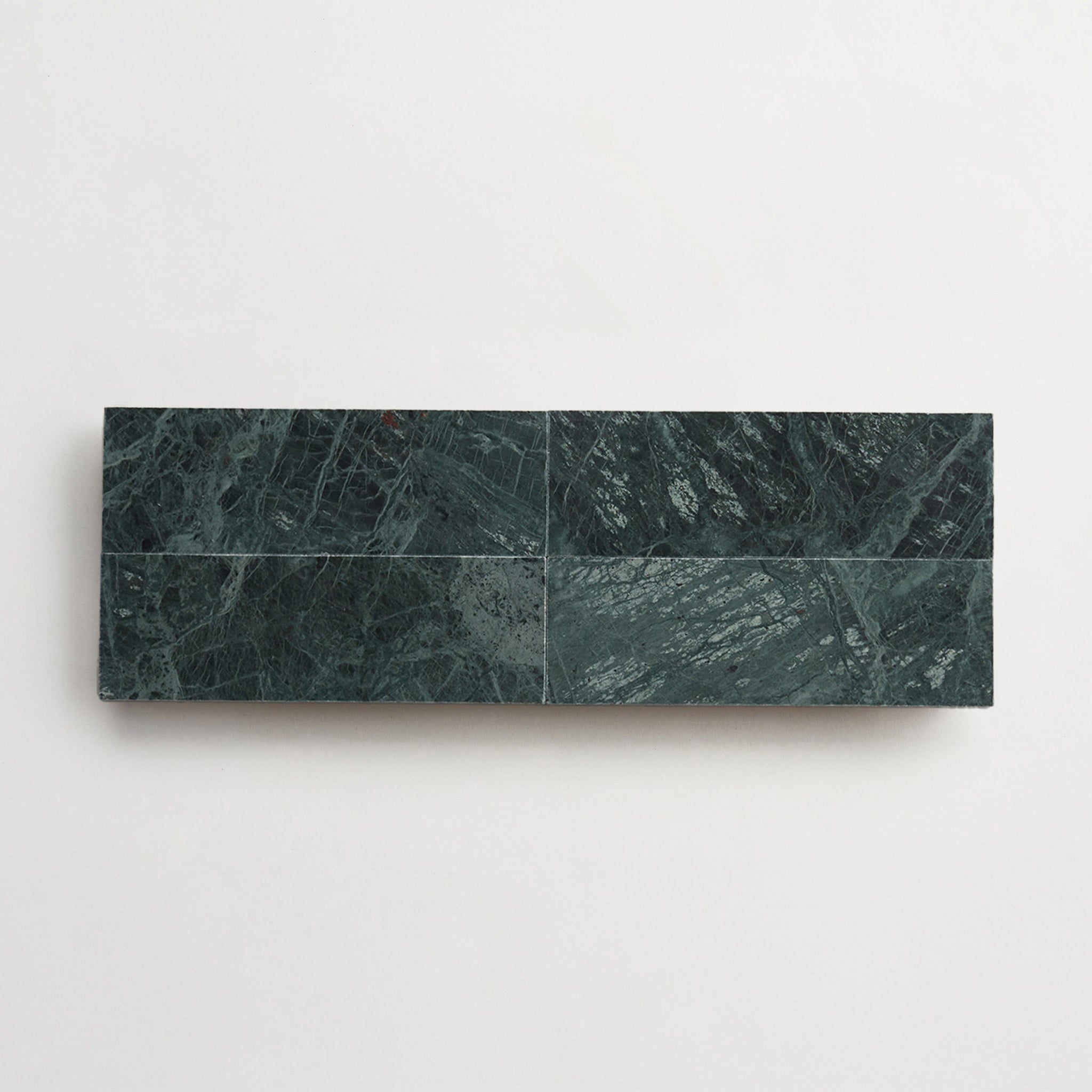
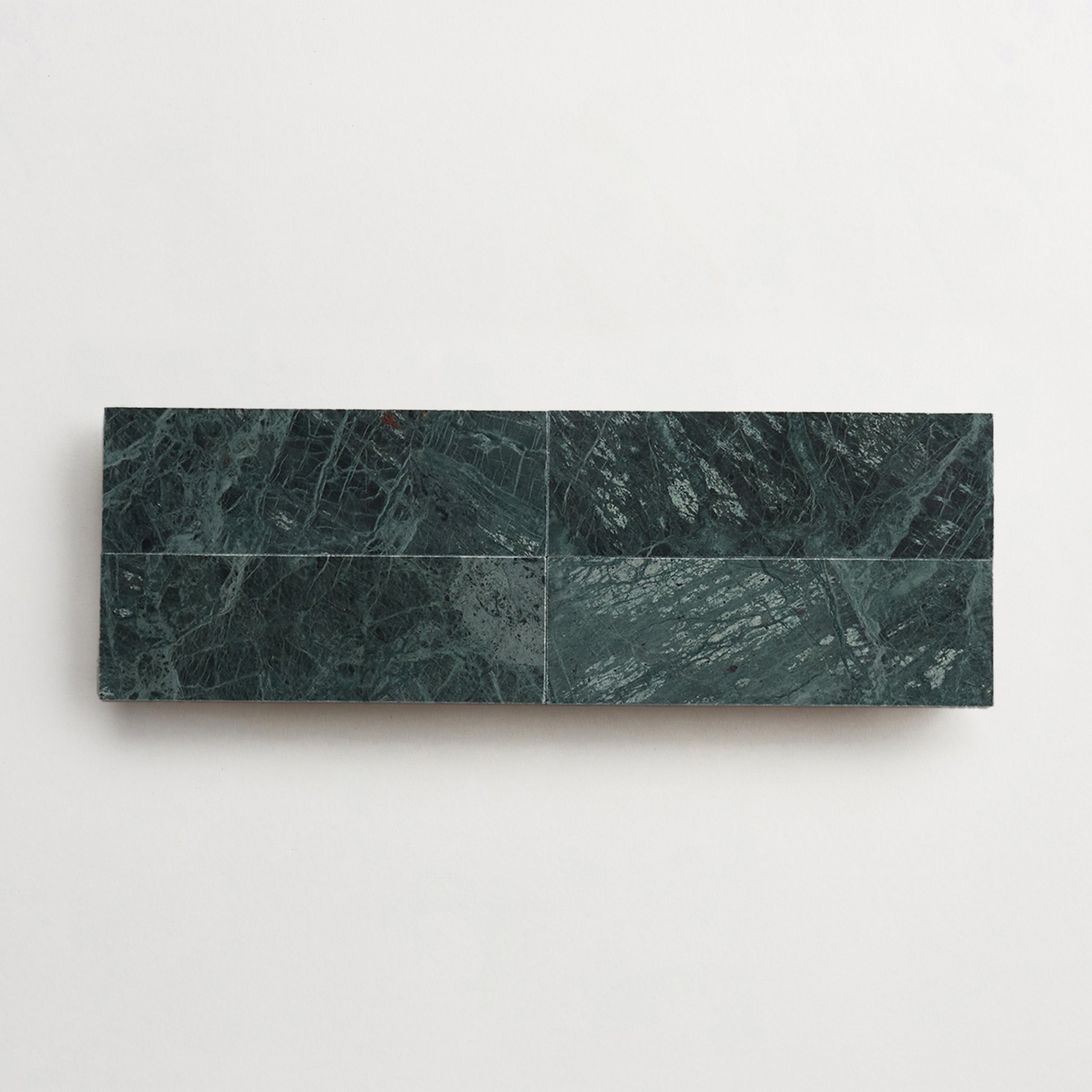
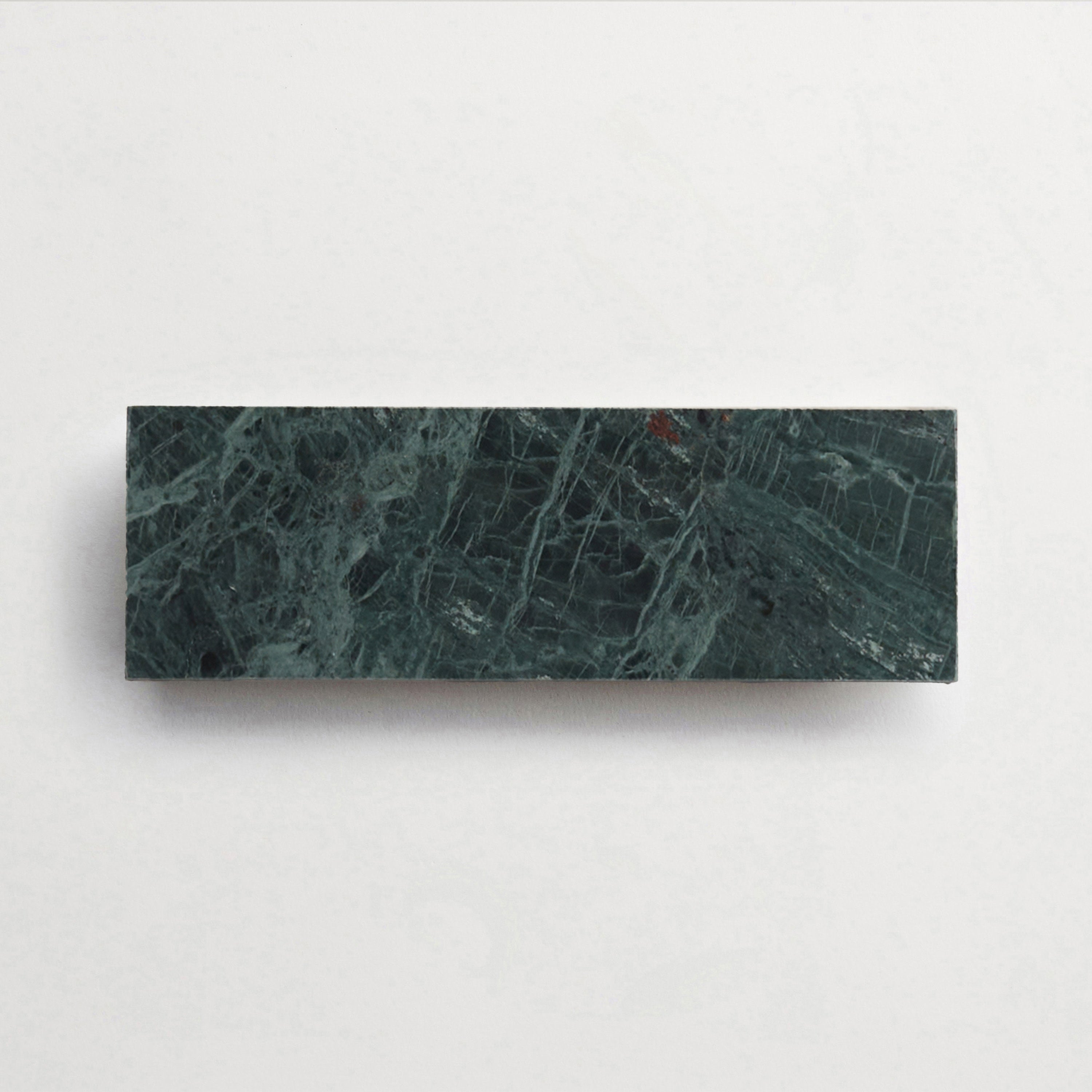
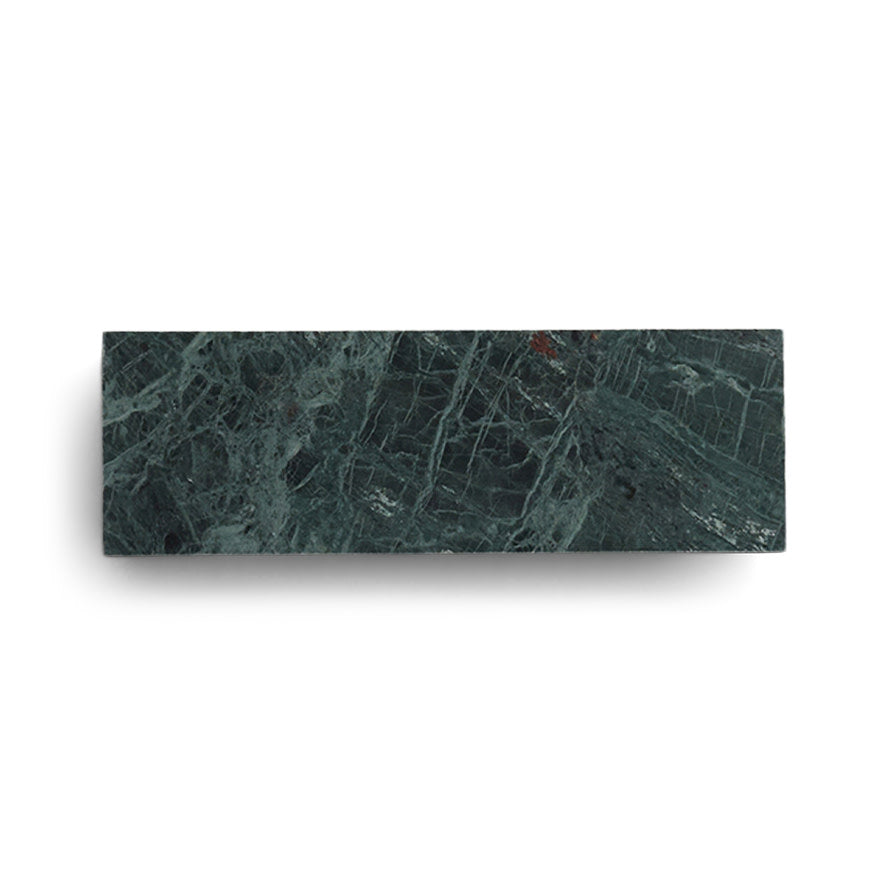
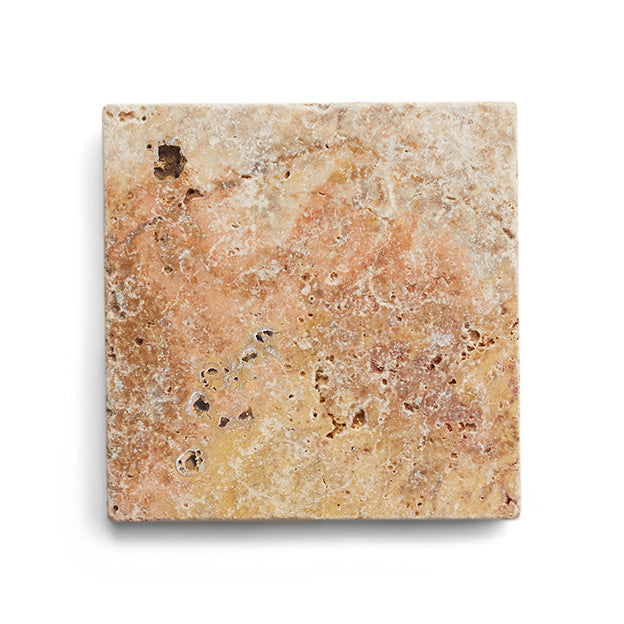
Colorway
-
Verde Marble
Collection
-
lapidary
:
Sub Collection
-
Chromatope
Material
Length
-
4
" x
Width
-
4
" x
Thickness
-
¼
"
Unit of Measurement
-
sqft
/
Price per Unit
$


Colorway
-
Pumice
Collection
-
Pemberley Pavers
:
Sub Collection
-
Florilegium
Material
Length
-
8
" x
Width
-
8
" x
Thickness
-
⅞
"
Unit of Measurement
-
sqft
/
Price per Unit
$
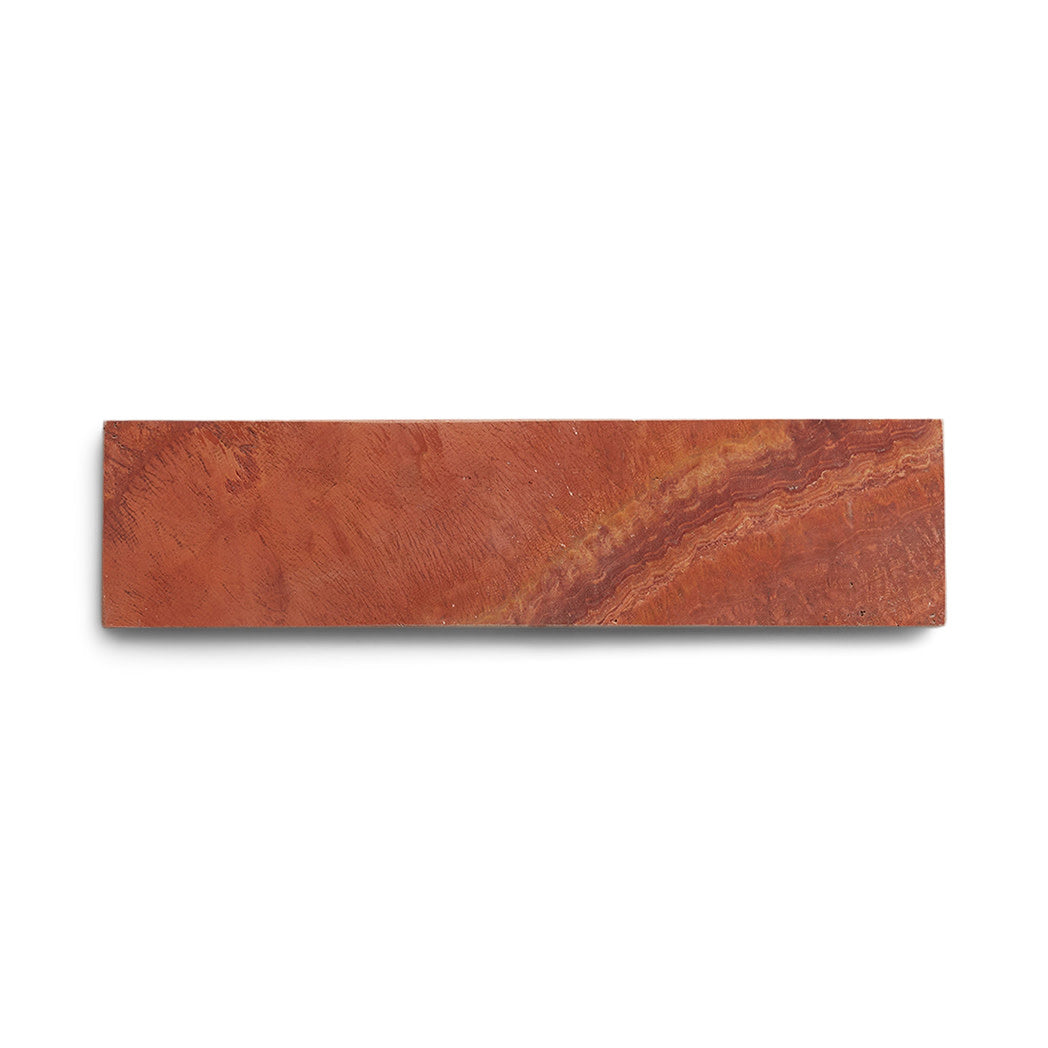
Colorway
-
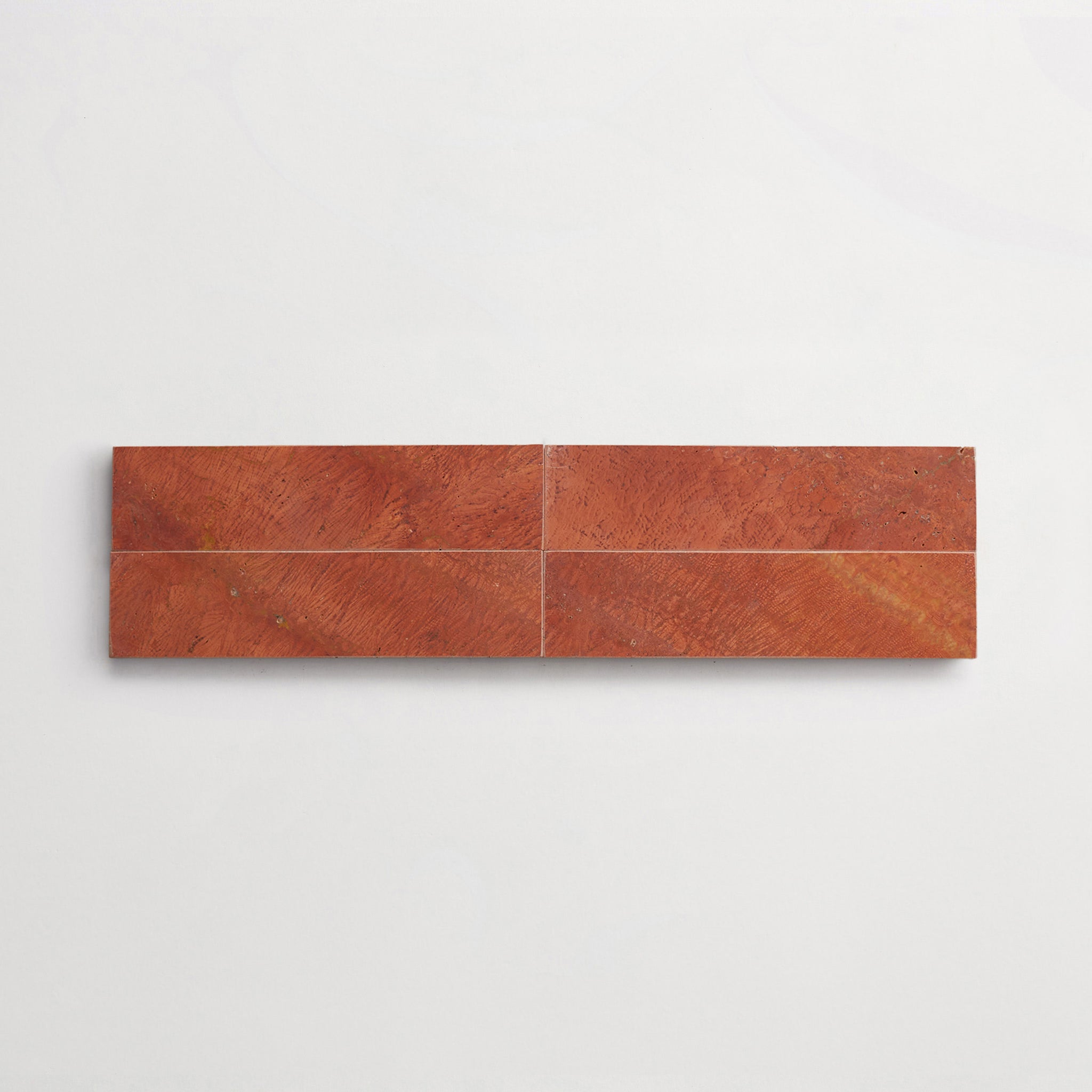
Red Travertine
Collection
-
lapidary
:
Sub Collection
-
Alegria
Material
Length
-
4
" x
Width
-
16
" x
Thickness
-
¾
"
Unit of Measurement
-
sqft
/
Price per Unit
$