

Brickworks, 4x8" Mason, Denali Stone
Modern Driveway Design Ideas to Boost Curb Appeal
A driveway is often the first architectural impression a home makes. More than a functional route from the street to the front door, it establishes tone, reinforces the home's design language, and plays a major role in overall curb appeal.
When it comes to updating a home's exterior, modern driveway ideas have never looked more inviting or thoughtfully designed. A well-executed driveway—even a small driveway—can become a defining design feature that enhances the character of the property while improving the experience of arrival.
Pull up as we explore modern driveway design ideas, material directions, and a few practical planning considerations to help you create an entrance that feels both visually compelling and enduringly functional.


10 Modern Driveway Design Ideas
The most successful driveway designs do more than accommodate vehicles—they shape the arrival experience and contribute to the overall architectural composition of a property. Material selection, layout, texture, and landscape integration all influence how a driveway looks and feels. The following ideas highlight a range of approaches, from clean contemporary statements to more organic, landscape-driven solutions, offering inspiration for creating an entrance that is both functional and visually memorable.
1. Sculptural Stonework with Natural Variation
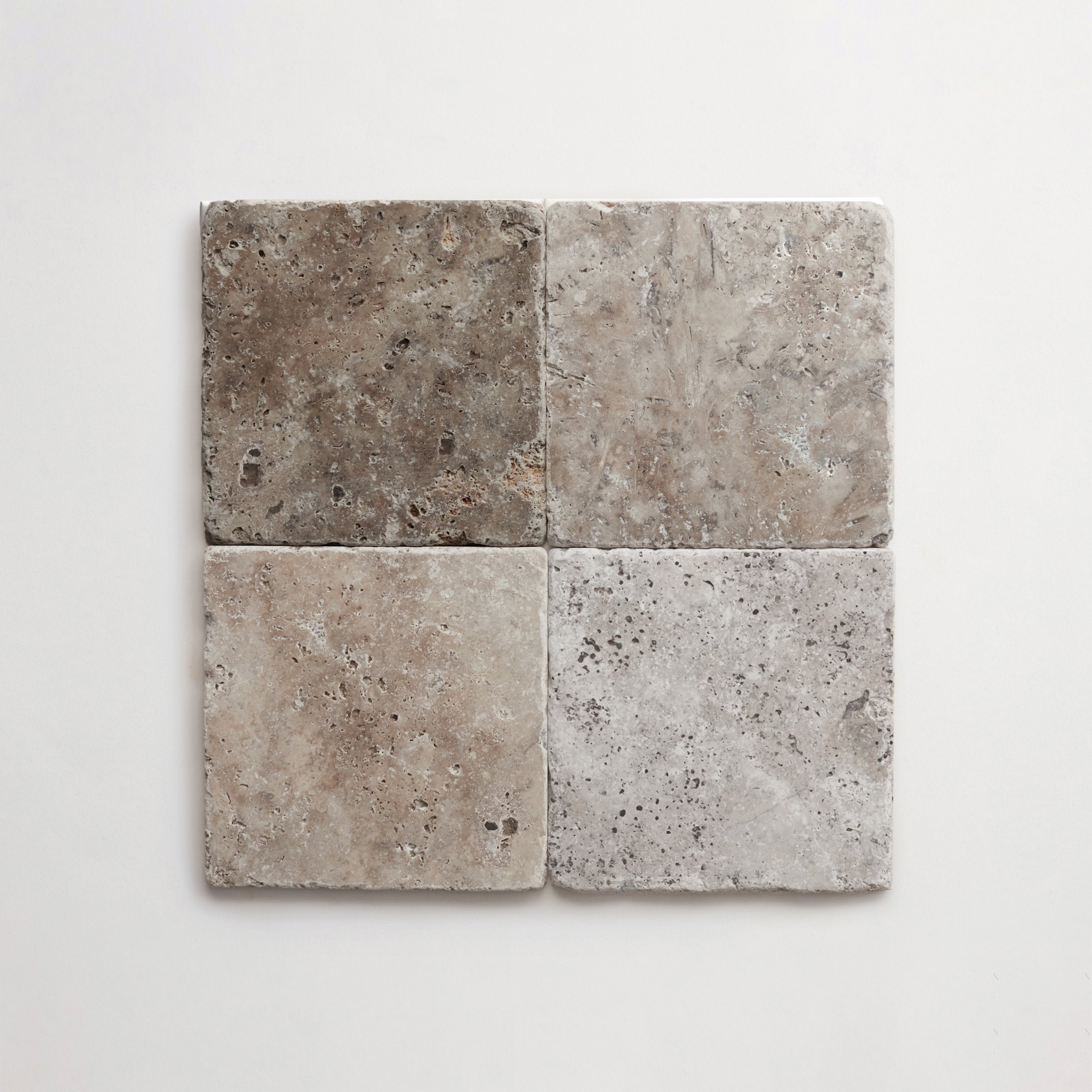
A driveway can function as more than a paved surface—it can become a defining architectural element that sets the tone for the entire property. Sculptural stonework achieves this through natural variation in color, texture, and surface movement, creating a driveway that feels collected, intentional, and deeply connected to its surroundings.
Unlike highly uniform paving materials, natural stone introduces subtle shifts in tone and pattern that give the surface depth and visual richness. These variations help a driveway feel custom rather than manufactured, adding the kind of layered character often associated with high-end residential design. As sunlight moves across the surface throughout the day, texture and tonal changes become even more pronounced, creating an entrance experience that feels dynamic rather than static.
This approach works particularly well on homes with strong masonry elements, Mediterranean influences, natural stone façades, or landscape designs built around layered planting and organic materials. The driveway becomes part of a broader material palette, reinforcing the architectural language rather than functioning as a separate element.
For homeowners seeking a driveway that feels timeless, substantial, and visually distinctive, natural stone pavers like Pemberley Pavers from OUTERclé remain one of the most compelling choices—bringing both durability and an enduring sense of craftsmanship to the arrival experience.
2. Architectural Symmetry with Oversized Cement Tiles
Among the most refined modern concrete driveway ideas is the use of oversized cement or concrete-look paving that emphasizes scale, proportion, and visual rhythm. Large-format surfaces create long, uninterrupted lines that naturally guide the eye toward the home, reinforcing a sense of order and architectural clarity.
The appeal of this approach lies in its simplicity. By minimizing joints and visual clutter, oversized pavers allow the geometry of the driveway itself to become the design statement. The result is a clean, structured entrance that feels intentional, sophisticated, and quietly dramatic. Depending on the chosen finish, the look can range from warm and contemporary to crisp and minimalist.
This style is particularly effective on modern and transitional homes where strong architectural forms already play a central role. The repetition of large-format modules creates a sense of symmetry and balance that complements streamlined façades, expansive glazing, and restrained landscape design.
For driveway applications, however, it is important to select products specifically rated for vehicular loads and exterior exposure. Not all cement tiles or concrete-look surfaces are designed to perform in a driveway setting. When properly specified, though, oversized paving offers a striking combination of contemporary aesthetics, durability, and timeless architectural appeal.
3. Incorporate Grass Strips for Organic Contrast
A modern driveway with grass offers one of the most effective ways to soften hardscape without sacrificing a clean, contemporary aesthetic. By introducing bands of lawn, groundcover, or low-growing planting between paving elements, the driveway takes on a lighter, more integrated appearance that feels connected to the surrounding landscape.
The visual appeal comes from contrast. Crisp paver lines provide structure and order, while the greenery introduces movement, texture, and seasonal variation. This balance is especially effective on modern homes, where extensive hardscape can sometimes feel visually heavy. Grass strips help break up large paved areas, creating a more relaxed and approachable arrival experience.
Designers often achieve this look using oversized pavers, concrete pads, or stone slabs separated by carefully planned planting joints. The spacing between paving elements becomes an important design feature in its own right, helping establish rhythm and proportion across the driveway surface.
Practical considerations matter as well. Adequate drainage should be incorporated to support healthy plant growth, and homeowners should consider how mowing, irrigation, and regular wear from vehicle traffic may affect the planted areas over time. Selecting durable turf varieties or alternative groundcovers can help maintain the intended appearance while reducing upkeep.
When thoughtfully designed, grass-strip driveways create a compelling blend of architecture and landscape, offering a modern look that feels both structured and naturally inviting.

4. Take a Tone-On-Tone Approach with Textural Variations
Some of the most sophisticated driveway designs rely on restraint rather than contrast. A tone-on-tone approach layers materials within a similar color family, allowing texture, scale, and craftsmanship to create visual interest without disrupting the overall palette.
Instead of introducing dramatic color shifts, depth emerges through more nuanced details. A combination of smooth and textured finishes, varied paver formats, or subtle differences in edge treatment can create rhythm and movement across the surface while maintaining a calm, cohesive appearance. Even within a single hue, these variations help the driveway feel rich and dimensional rather than flat or repetitive.
This approach works particularly well in contemporary, transitional, and minimalist landscapes where the goal is to create a sense of refinement and continuity. The driveway becomes an extension of the home's architecture, reinforcing rather than competing with surrounding materials.
Designers often favor tone-on-tone palettes because they age gracefully and feel timeless. By focusing on material character instead of strong color contrast, the result is an entrance that feels layered, intentional, and quietly luxurious—proof that visual impact often comes from depth rather than boldness.
5. Layer Materials for a Dimensional Design
Combining multiple paving materials is an effective way to add depth, structure, and visual interest to a driveway without relying solely on color or pattern. Thoughtful material layering creates a more nuanced design, allowing different surfaces to work together to define spaces, establish hierarchy, and guide movement through the landscape.
Stone paired with brick driveway pavers is a classic example, blending texture and warmth for a timeless look. Similarly, concrete paving framed by darker stone borders can create crisp definition and a more architectural appearance. These material transitions introduce contrast while maintaining an overall sense of cohesion.
Beyond aesthetics, layered materials can also serve a practical purpose. Contrasting surfaces can help distinguish parking areas from pedestrian walkways, highlight the route to the front entry, or create a more intentional transition between the street and the home. Even subtle shifts in material can help organize large driveway layouts and make the overall design feel more considered.
This approach works across a wide range of architectural styles, from traditional homes that benefit from the richness of mixed materials to contemporary properties that use clean borders and restrained palettes for visual clarity. The result is a driveway that feels multidimensional and highly customized—one that functions beautifully while contributing meaningfully to the home's overall curb appeal.
6. Draw the Eye with a Decorative Border
A decorative border can transform a driveway from a purely functional surface into a more intentional architectural feature. By framing the paving field with a contrasting or complementary material, borders introduce definition, structure, and a sense of completion that elevates the overall design.
The level of contrast can be tailored to the home's aesthetic. For a more understated look, borders may use materials within the same color family as the primary paving surface, relying on subtle shifts in texture, format, or finish to create distinction. Homes with bolder architectural expressions may benefit from higher-contrast borders, such as dark stone framing lighter paving or brick accents outlining a concrete surface.
Among the most effective modern driveway entrance ideas, decorative borders can also be used to guide movement and focus attention. A thoughtfully designed edge treatment can visually lead visitors from the street toward a front gate, entry court, or front door, reinforcing the natural sequence of arrival. Materials such as cobblestone, brick, or contrasting stone pavers are often used to create these directional cues while adding another layer of texture and craftsmanship.
When integrated into the broader landscape and architecture, a decorative border does more than frame the driveway—it helps organize the entire approach to the home, creating an entrance experience that feels polished, purposeful, and visually memorable.


7. Integrate Illumination for an Elegant Evening Reveal
The best driveway designs consider how the space will be experienced after sunset as well as during the day. Thoughtfully integrated lighting can transform a driveway into a dramatic nighttime feature, highlighting materials, guiding movement, and creating a memorable sense of arrival.
Rather than relying on a single light source, designers often layer multiple fixture types to achieve a balanced effect. Recessed edge lighting can define the driveway's perimeter with subtle precision, while bollards and low pathway lights provide gentle illumination along key circulation routes. The goal is not to flood the space with brightness, but to reveal texture, form, and architectural details in a more refined way.
Lighting is especially effective when paired with richly textured materials such as natural stone, brick, or terracotta. The interplay of light and shadow brings out surface variation that may be less noticeable during the day, adding depth and visual interest to the driveway and surrounding landscape.
Beyond aesthetics, integrated lighting improves safety by increasing visibility for vehicles and pedestrians navigating the approach to the home. The result is a driveway that feels more welcoming, more functional, and far more intentional—turning the simple act of arriving home into a carefully curated experience.
8. Play with Offset Placements for a Contemporary Edge
Offset and staggered paving layouts offer a compelling alternative to more conventional driveway patterns. By shifting pavers out of perfect alignment, designers can introduce movement, rhythm, and a sense of modernity that feels both intentional and visually engaging.
The appeal of this approach lies in its ability to create energy without relying on bold colors or decorative motifs. Pattern direction becomes part of the design language, guiding the eye through the space and creating a more dynamic arrival sequence. Whether the offsets are subtle or more pronounced, the resulting composition feels contemporary, architectural, and distinctly customized.
This strategy can be particularly effective for narrow driveways. Staggered arrangements help break up long linear runs and can make constrained spaces feel broader and more expansive by encouraging the eye to move across the surface rather than simply along its length. The result is a driveway that feels more balanced and thoughtfully composed, regardless of its dimensions.
Offset placements also pair well with a wide range of materials, from large-format concrete pavers to natural stone and brick. When combined with a restrained palette, the pattern itself becomes the focal point, creating visual interest through rhythm and proportion rather than ornamentation. The effect is modern yet timeless—a driveway that feels creative, sophisticated, and architecturally integrated with the home.
9. Transform Your Entrance with Terrazzo for High Impact
High-impact materials can dramatically elevate a driveway, especially when used strategically at key moments of arrival rather than across the entire surface. Entrance zones, in particular, offer an opportunity to introduce more expressive finishes that set the tone for the rest of the property while maintaining balance with more restrained surrounding materials.
Terrazzo is a compelling example of this approach. Known for its mosaic-like composition of marble, quartz, or glass chips embedded in a cementitious base, it introduces a sense of artistry and visual richness that immediately draws attention. At a driveway entrance, terrazzo can function as a focal threshold—signaling arrival while reinforcing the architectural identity of the home.
Because decorative surfaces like terrazzo are not always suited to full driveway coverage, they are often best used as accent zones or framed entry panels rather than continuous paving. This ensures the material is experienced where it has the greatest visual impact while preserving performance and practicality across higher-traffic areas.
In modern driveway design, this kind of selective application is especially effective. It allows homeowners to balance durability, slip resistance, and climate performance with moments of elevated design expression. The result is an entrance that feels intentional, resilient, and visually memorable without compromising function.
10. Deliver a Bold, Design Forward Driveway a Geometric Layout
A geometric driveway layout is one of the most direct ways to create a strong architectural statement at the entry of a home. Defined by precision, repetition, and intentional patterning, this approach transforms paving into a structured composition that feels both graphic and highly controlled.
Geometric designs can take many forms, from strict linear grids that emphasize order and rhythm to more dynamic angular layouts (such as herringbone outdoor tile ideas) that introduce directional movement and visual tension. Even subtle variations—such as alternating rectangular modules or intersecting bands of material—can create a sense of depth and complexity without relying on ornamentation.
This style pairs particularly well with contemporary, modern, and mid-century inspired architecture, where clean lines and strong forms are already central to the design language. It also works effectively with minimalist landscapes that benefit from structure and definition, allowing the driveway to act as an extension of the home’s architectural geometry.
When executed with restraint and clarity, geometric layouts create a driveway that feels purposeful and design-forward. The result is a highly composed entrance experience where pattern, proportion, and material work together to reinforce the identity of the home from the very first approach.

Choosing Modern Materials That Redefine the Driveway
Material selection is what ultimately defines the character, performance, and longevity of a modern driveway. Beyond layout or pattern, the best driveway pavers determine how the space feels underfoot, how it ages over time, and how seamlessly it integrates with the architecture of the home.
Pavers for Texture, Durability, and Pattern Flexibility
Pavers remain one of the most design-flexible choices for premium driveway projects because they balance strength, adaptability, and aesthetic range. Pavers are available in a wide variety of materials, formats, and finishes, and modern driveway pavers ideas allow designers to create everything from clean contemporary grids to more expressive, textural compositions without sacrificing performance.
Unlike monolithic surfaces, pavers introduce modularity—making it possible to shape rhythm, direction, and pattern across the driveway. This flexibility allows the surface to respond to the architecture, whether the goal is a restrained, modern approach or a more layered, material-rich design language. Texture and color variation further enhance this effect, giving even simple layouts a sense of depth and craftsmanship.
In addition to their design versatility, pavers are well suited to high-traffic exterior applications, offering durability and repairability that support long-term use. This combination of practicality and visual refinement makes them a foundational material in many elevated driveway designs.
To explore design-forward options, discover OUTERclé’s driveway pavers collection.
Concrete-Forward Looks for Clean-Lined Minimalism
Concrete-forward driveway design is a natural fit for clean-lined, minimalist architecture where simplicity, proportion, and material honesty take priority. In these contexts, concrete becomes more than a utilitarian surface—it acts as a quiet architectural foundation that reinforces the home’s geometry and spatial clarity.
The key to successful concrete design is avoiding flatness or visual monotony. Scale, jointing, and subtle material variation are what elevate the surface. This can be achieved through oversized slab formats, carefully considered control joints, or the integration of accent materials that break up large fields without disrupting the overall restraint of the design. In this way, concrete becomes a backdrop for composition rather than a purely functional plane.
This approach connects closely to modern concrete driveway ideas that incorporate layered detailing—such as stone or brick borders, or intermittent paver insets that introduce rhythm and texture. These moments of contrast prevent the surface from feeling overly utilitarian while maintaining the clean, architectural intent that makes concrete so appealing in contemporary design.
Concrete-forward driveways also benefit from extending material language into the surrounding landscape. Coordinated pathways, low walls, and architectural seating elements can reinforce continuity, turning the driveway into part of a larger outdoor composition rather than an isolated surface. The result is a cohesive, design-driven environment where minimalism feels intentional, refined, and deeply architectural.
Natural Stone or Travertine Looks for Timeless Depth
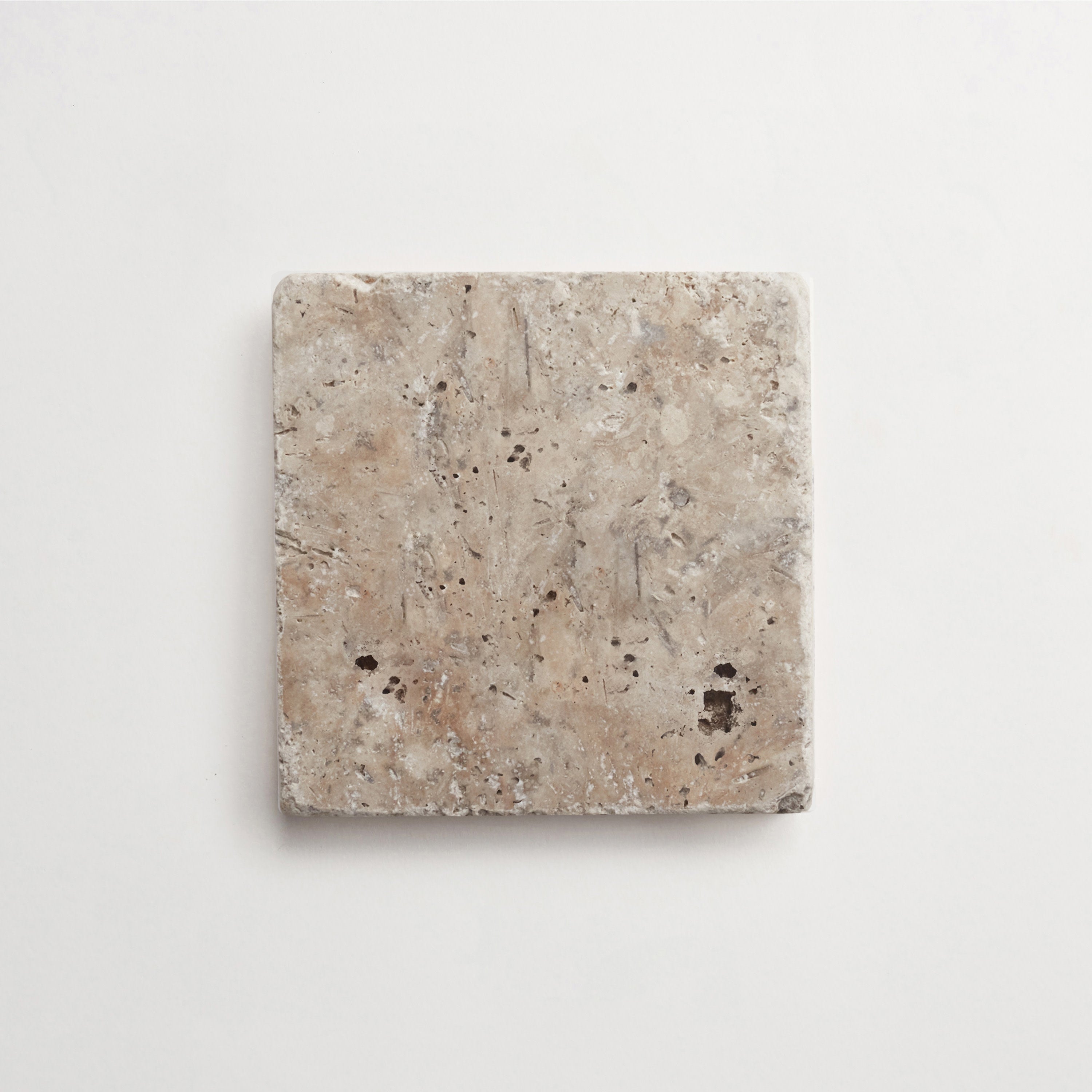
Natural stone—and travertine driveway pavers in particular—offers a level of visual depth that uniform or manufactured surfaces often cannot replicate. The appeal lies in variation: subtle shifts in tone, veining, edge irregularity, and surface texture that together create a driveway with a more layered, architectural presence.
This kind of natural variation is especially effective when the goal is a timeless rather than trend-driven result. Instead of reading as a single flat field, the surface feels nuanced and evolving, with light and shadow interacting differently across each stone. That variability is what gives travertine and similar natural materials their enduring design value.
These materials are particularly well suited to homes with Mediterranean, transitional, or materially rich contemporary architecture, where warmth and tactility are part of the broader design language. They also work beautifully in landscapes that emphasize planting, organic forms, and softer transitions between built and natural environments.
While more uniform surfaces can feel precise and controlled, natural stone introduces a sense of permanence and authenticity that often feels more elevated in residential applications. It’s this balance of refinement and imperfection that makes travertine and natural stone paving a lasting choice for high-end driveway design. For material inspiration, explore OUTERclé’s Pemberley Pavers.
Driveway Material Quick Guide
Choosing the right driveway material often comes down to the balance between aesthetic intent, performance, and the overall architectural language of the home. While each option offers durability, their visual outcomes and design flexibility differ in meaningful ways.
Concrete is best suited to clean, modern driveways where simplicity and architectural clarity are the priority. Its strength lies in its ability to create uninterrupted surfaces that reinforce minimalist design and strong geometric forms.
Pavers offer the greatest versatility, making them ideal for projects that rely on pattern, texture, and modular design. They allow for a wide range of layouts—from structured grids to more expressive compositions—making them a go-to choice for design-driven driveway concepts.
Natural stone delivers the most elevated and texturally rich finish. Its inherent variation, depth, and material authenticity create a sense of permanence and craftsmanship that works especially well in high-end or landscape-integrated designs.
As a simple rule of thumb: choose concrete for restraint, pavers for flexibility, and natural stone for timeless depth and material expression.
Modern Driveway Entrance Ideas That Complete the Look
Driveway entrances are where exterior design becomes most expressive. This threshold sets the tone for the entire property, shaping how the architecture is first experienced and how movement unfolds from street to front door.
Key entrance elements often work best when layered with restraint and intention. Gates establish a clear architectural frame, while lighting defines rhythm and guides approach after dark. Borders help anchor the composition, creating a visual transition between street and private space.
Planters can soften this shift, introducing greenery that balances hardscape with seasonal texture and scale. Address markers, when integrated into the material palette, offer clarity without visual interruption, reinforcing the overall design language.
Installation, Drainage, and Maintenance Tips
While design drives the aesthetic direction of a driveway, long-term success depends on a few foundational practical considerations. These elements are less about technical instruction and more about ensuring the finished surface performs as beautifully as it looks.
Proper slope and grading are essential for directing water away from the home and preventing pooling on the driveway surface. Thoughtful drainage planning helps preserve both material integrity and visual consistency over time, especially in climates with heavy rainfall or freeze-thaw cycles.
A well-prepared sub-base is equally important, as it provides the stability needed to support daily vehicle loads while maintaining a level, even surface. Without this foundation, even the most premium materials can shift or degrade prematurely.
For these reasons, professional installation is strongly recommended. Experienced installers understand how to balance structure, drainage, and material behavior, ensuring the driveway not only looks refined on day one but continues to perform and age gracefully over time.
A Driveway That Completes the Home
The most successful modern driveway designs are those that feel fully integrated with the home’s architecture, material palette, and surrounding landscape. When thoughtfully considered, the driveway becomes more than a functional surface—it becomes an extension of the home’s identity and a defining part of the arrival experience.
True curb appeal comes from the balance of aesthetics, materiality, and long-term livability. Whether through natural stone, pavers, or more contemporary concrete-forward approaches, the right choice supports both daily use and enduring visual impact, aging gracefully as part of the broader architectural composition.
To explore driveway-ready materials and inspiration, discover OUTERclé’s artisanal collections.


Colorway
-
Sand
Collection
-
Pemberley Pavers
:
Sub Collection
-
le Disque
Material
Length
-
4
" x
Width
-
4
" x
Thickness
-
¼
"
Unit of Measurement
-
sqft
/
Price per Unit
$


Colorway
-
Pumice
Collection
-
Pemberley Pavers
:
Sub Collection
-
le Disque
Material
Length
-
8
" x
Width
-
8
" x
Thickness
-
⅞
"
Unit of Measurement
-
sqft
/
Price per Unit
$



Colorway
-
Shale
Collection
-
Pemberley Pavers
:
Sub Collection
-
Coves
Material
Length
-
4
" x
Width
-
16
" x
Thickness
-
¾
"
Unit of Measurement
-
sqft
/
Price per Unit
$