

Modern Pool Coping Ideas for a Refined Poolside Edge
A modern pool is defined as much by its edges as its water. The coping is the transition between architecture and landscape, the line that frames every reflection, every change in level, and every first step into the pool. When that edge is carefully considered, the entire space feels composed. When it is treated as an afterthought, even the most beautiful materials can struggle to achieve a cohesive result.
The strongest modern pool coping ideas begin with profile rather than product. Before choosing stone, brick, terrazzo, or another material, it helps to decide how the pool should meet its surroundings: crisp or softened, floating or grounded, understated or sculptural. From there, the right material becomes a natural extension of the design. In this guide, we'll explore the coping profiles and design decisions that shape a refined poolside edge, along with the materials that bring each approach to life.


Key Takeaways
Before selecting a coping material, it helps to understand the design decisions that shape how a pool is experienced. These key principles will help you create a modern pool edge that feels intentional, cohesive, and built to last.
- The profile of the coping edge has a greater influence on a pool's modern character than the material or color alone.
- Flush, cantilever, and square-edge profiles each create a distinct architectural expression, from quiet minimalism to sculptural definition.
- Modern pool coping works best when the coping, waterline, and surrounding hardscape are designed as one cohesive composition.
- A tonal material approach creates continuity through proportion and texture, not by eliminating color from the design.
- Hand-honed stone, terrazzo, brick, and other artisan materials can achieve crisp contemporary lines while adding warmth and visible craftsmanship.
- Slip resistance, surface finish, and heat comfort should be considered alongside aesthetics when selecting modern pool coping materials.
- The most successful pool edges feel intentional because every detail—from the coping profile to the waterline transition—supports the same design vision.

Copyright: Koen Van Damme.
Modern Coping Starts With the Profile, Not the Material
Many modern pool coping ideas begin and end with color, equating pale stone, smooth porcelain, or minimalist finishes with contemporary design. In reality, the feature that most influences how a pool is perceived is the coping profile itself. The thickness of the edge, the way it meets the water, and its relationship to the surrounding hardscape all have a greater impact on the overall design than color alone.
That is why this guide approaches modern pool coping from the profile first, material second. Each coping style creates a distinct architectural character, and each is best supported by materials that reinforce its proportions, texture, and level of refinement. Together, profile and material create a pool edge that feels intentional rather than simply complete.
Why Proportion and Edge Line Matter More than Color
A pool's edge is one of the strongest visual lines in the landscape. A slim, precisely detailed reveal can make even a richly textured material feel restrained and contemporary, while a deeper overhanging profile introduces shadow and visual weight that changes how the entire pool is experienced. These proportional decisions shape the architecture long before the eye registers whether the coping is cream, charcoal, or soft gray.
For that reason, modern pool coping is less about chasing a particular palette than establishing a clean, consistent edge line. Once the profile has been defined, the material can reinforce that design intent—whether through the quiet refinement of honed cement, the crisp precision of large-format porcelain, or the subtle movement of natural stone.
The Flush Edge: Where Deck and Water Meet Without Interruption
Among today's most enduring modern pool coping ideas, the flush profile stands apart for its restraint. Sometimes called flush pool coping or flat pool coping, this approach places the coping level with the surrounding deck, creating a single uninterrupted plane that carries the eye directly to the water. Rather than relying on a projecting edge, the design draws its strength from precision, allowing the coping to frame the pool with quiet confidence.
The success of a flush edge depends on the relationship between the coping and the deck. A narrow, consistent reveal, careful alignment, and clean transitions are what give the profile its refined character. Even subtle inconsistencies become noticeable because there is so little visual distraction, making craftsmanship just as important as material selection.
This kind of disciplined simplicity echoes the design traditions of Japanese and Scandinavian architecture, where restraint is not an absence of design but its highest expression. By removing unnecessary ornament, attention shifts to proportion, texture, light, and the subtle dialogue between built surfaces and the landscape.
Best Materials for a Seamless Flush Line
A flush coping profile benefits from materials that can be fabricated with crisp, consistent edges and installed with tight joints that reinforce the uninterrupted geometry of the design. Terrazzo offers exceptional visual continuity, its finely blended aggregate creating a calm, monolithic surface that complements contemporary architecture without distracting from the edge itself.
Natural stone brings a softer expression while preserving the clean lines that define a flush profile. Honed limestone delivers understated elegance, while travertine introduces subtle movement and texture that feel timeless rather than ornamental. When carefully detailed, both materials maintain the disciplined transition between coping and deck that makes this profile so compelling.
Brick can also produce a remarkably modern result when used with restraint. Slim, precisely laid brick emphasizes rhythm and proportion instead of decoration, lending warmth to minimalist landscapes while maintaining the crisp edge line a flush installation demands.
OUTERclé collections like Dolce Vita terrazzo, Lapidary natural stone, Pemberley Pavers, and BrickWorks all demonstrate how large-format or carefully proportioned artisan materials can achieve this seamless effect. The goal is not to showcase the coping as a separate element, but to create an edge where craftsmanship, proportion, and material work together as one continuous architectural gesture.
The Cantilever: A Sculptural, Floating Edge
For a more architectural interpretation of the pool perimeter, cantilever pool coping creates an edge that feels almost suspended above the water. Also known as drop edge pool coping, this profile extends beyond the pool wall, creating a subtle shadow line beneath the coping that gives the impression of a floating plane.
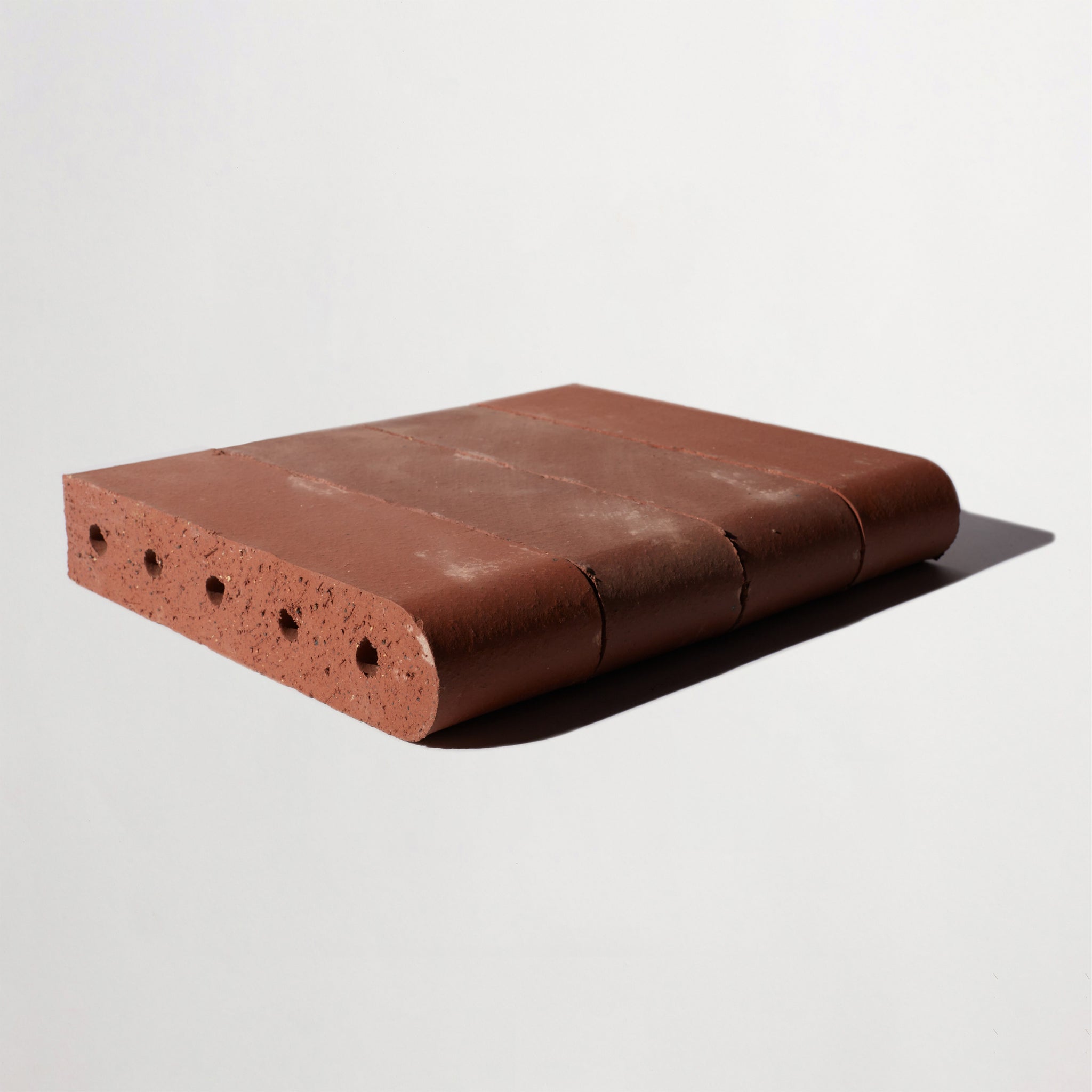
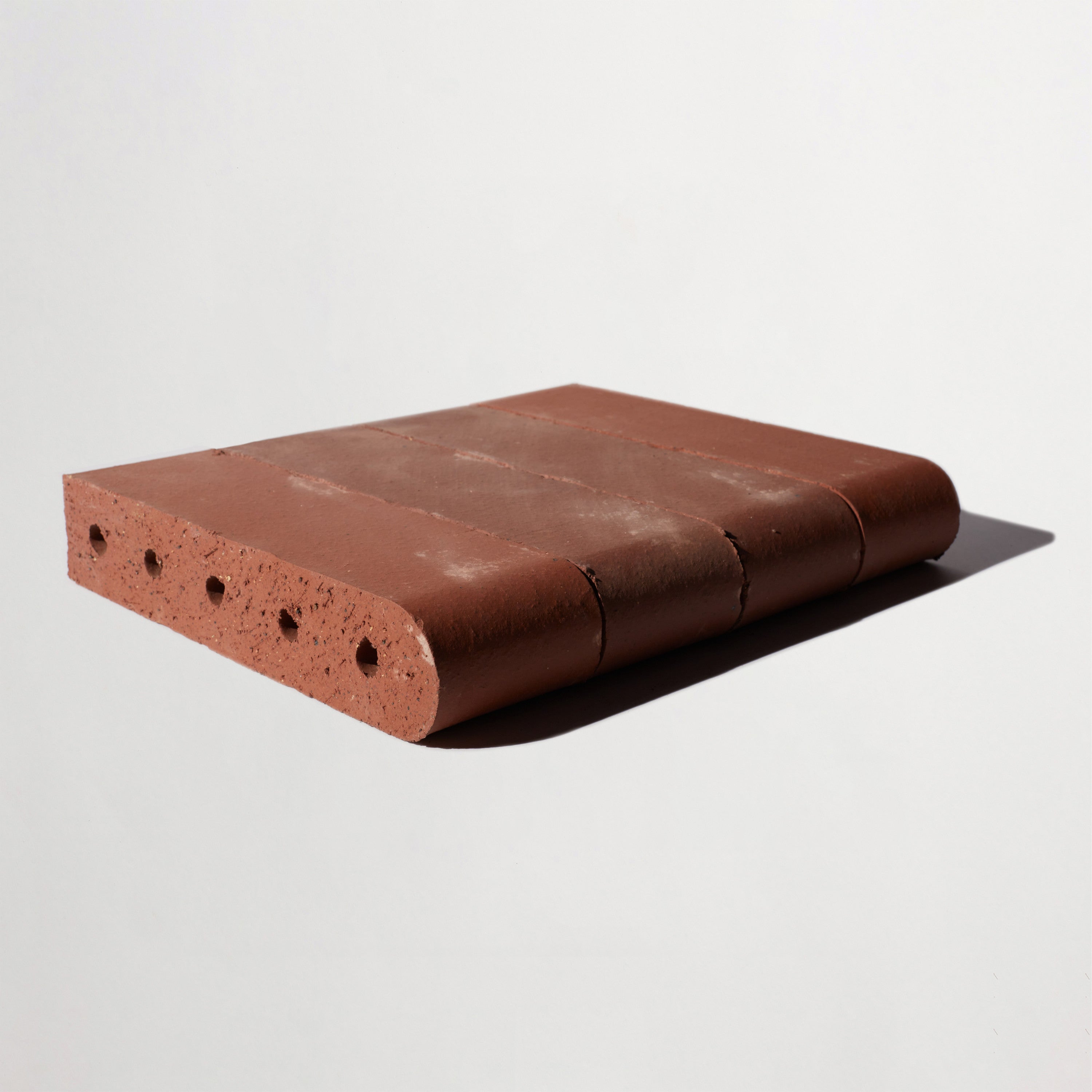
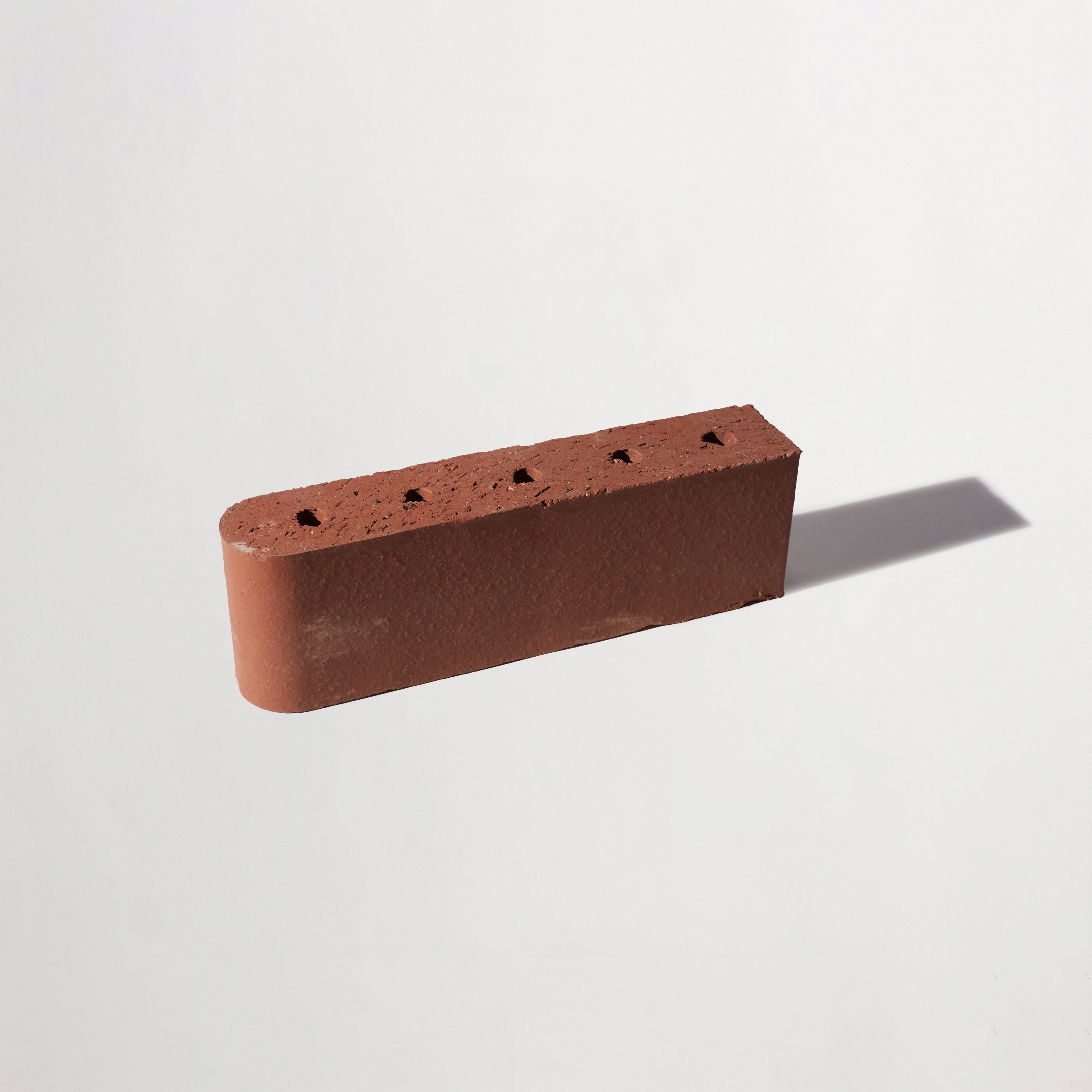
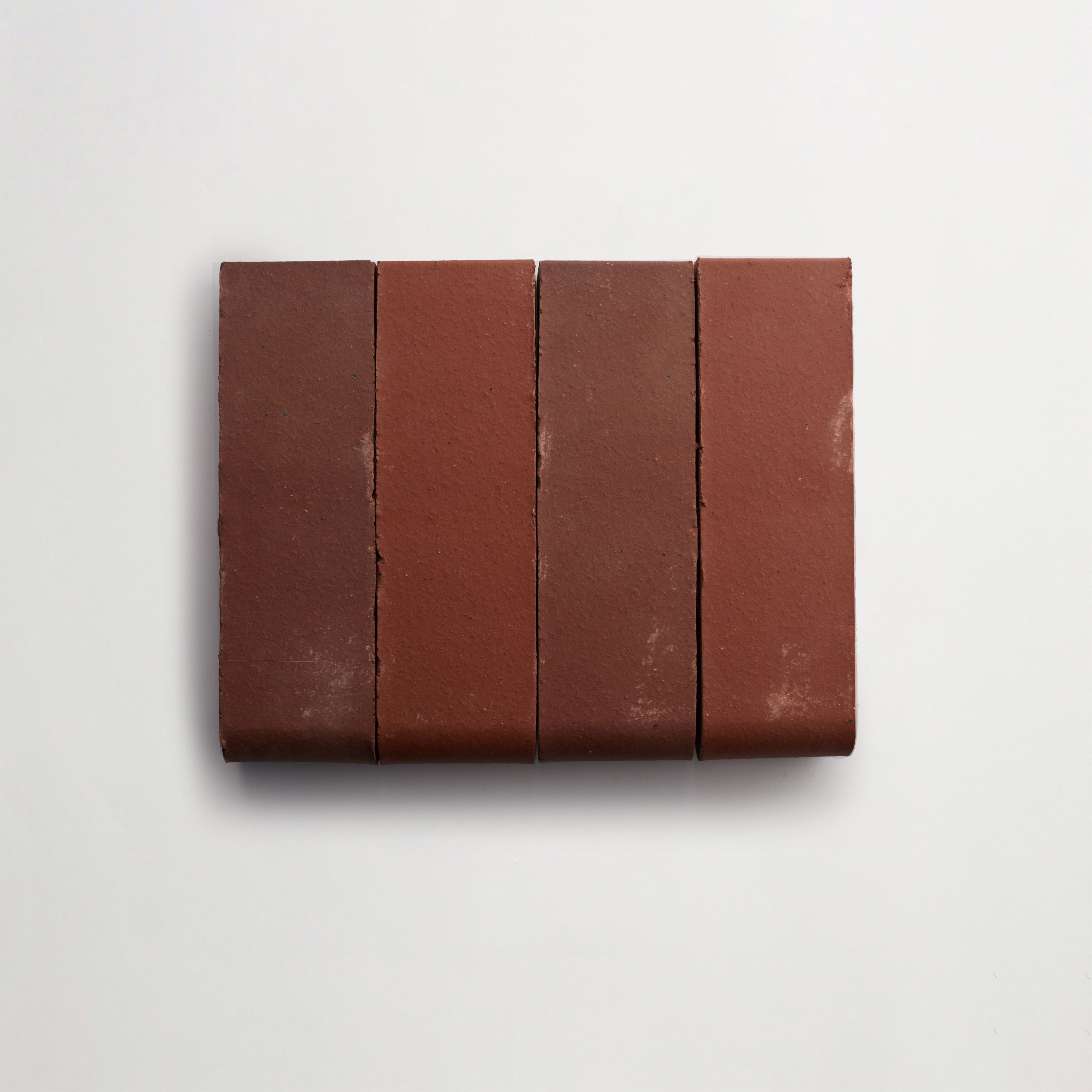
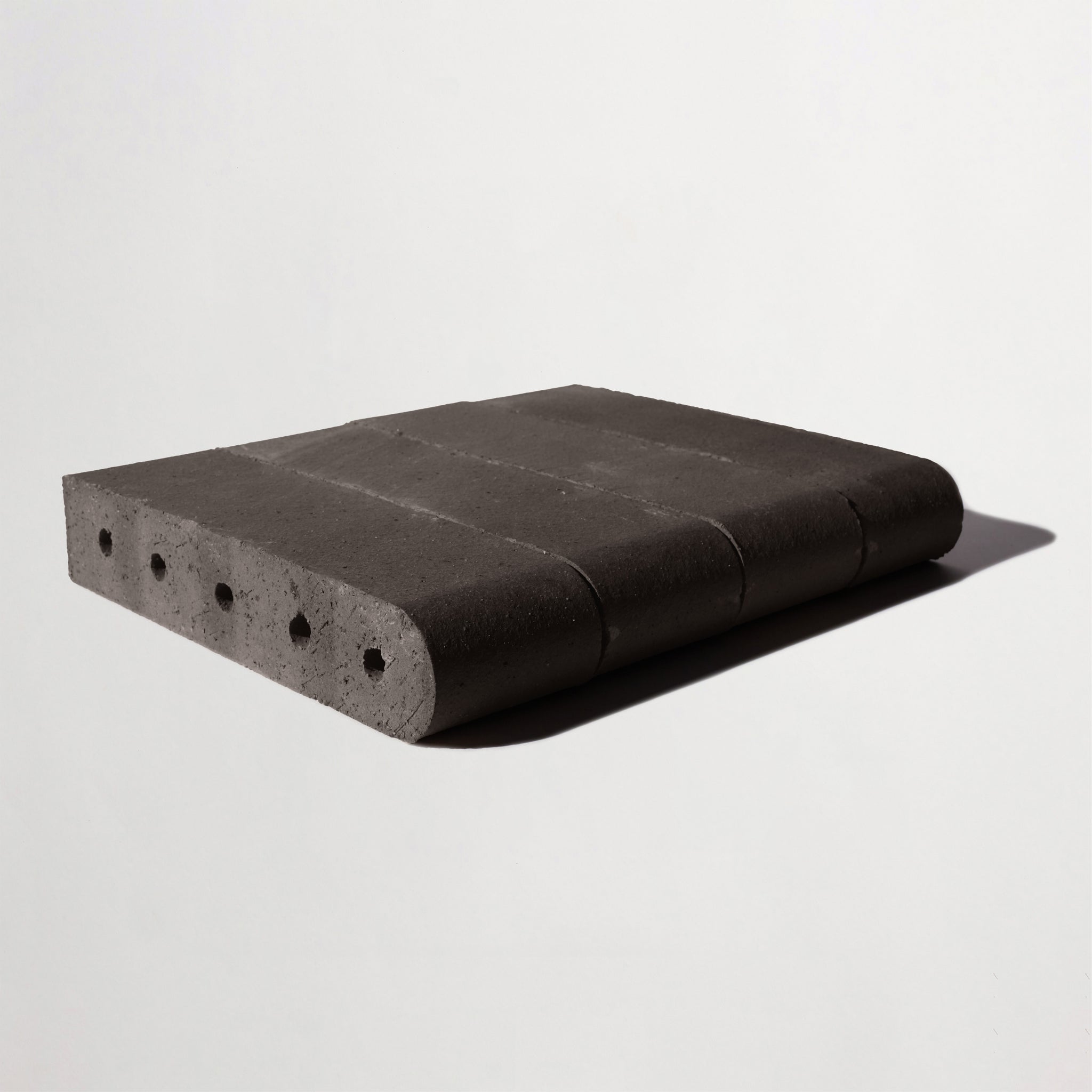
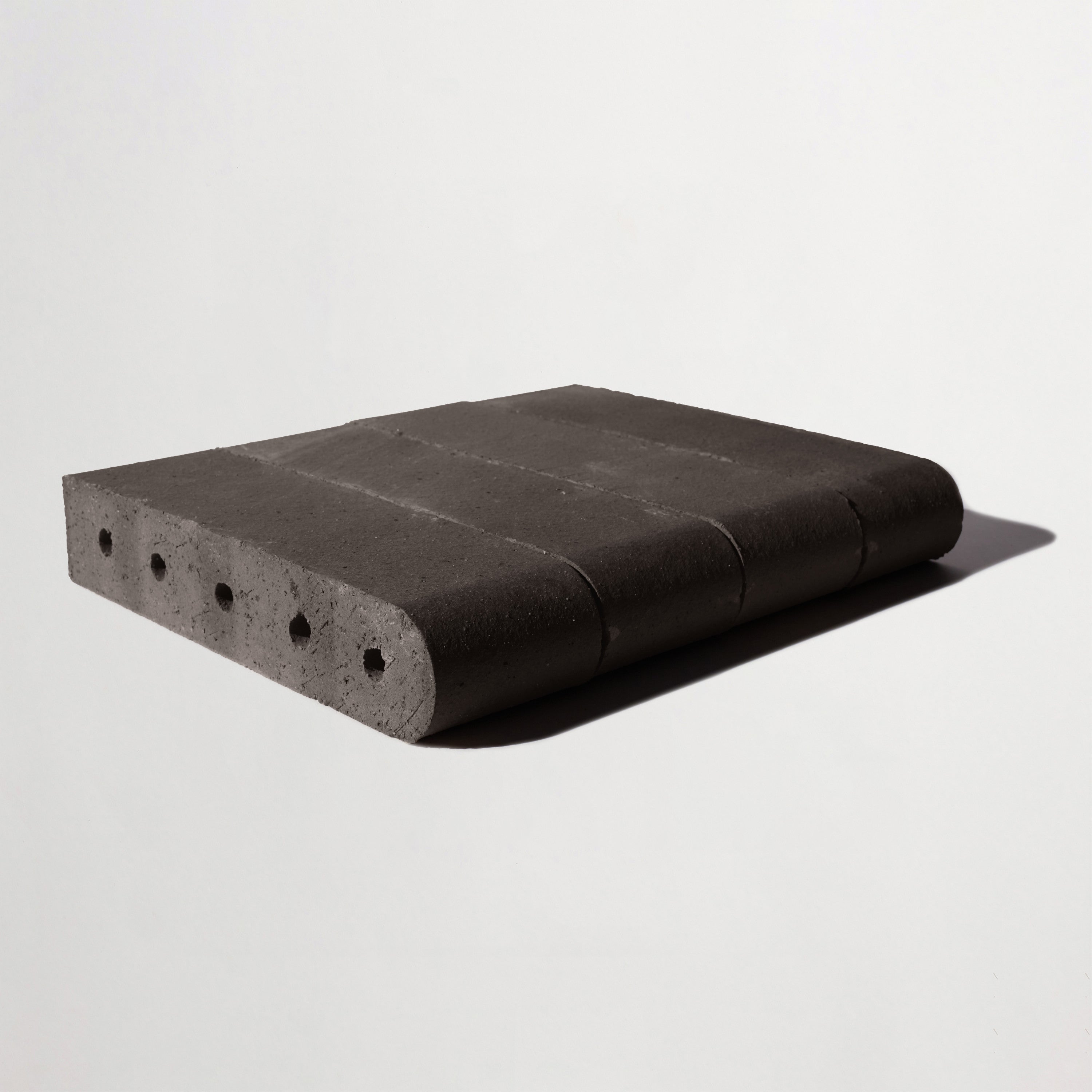
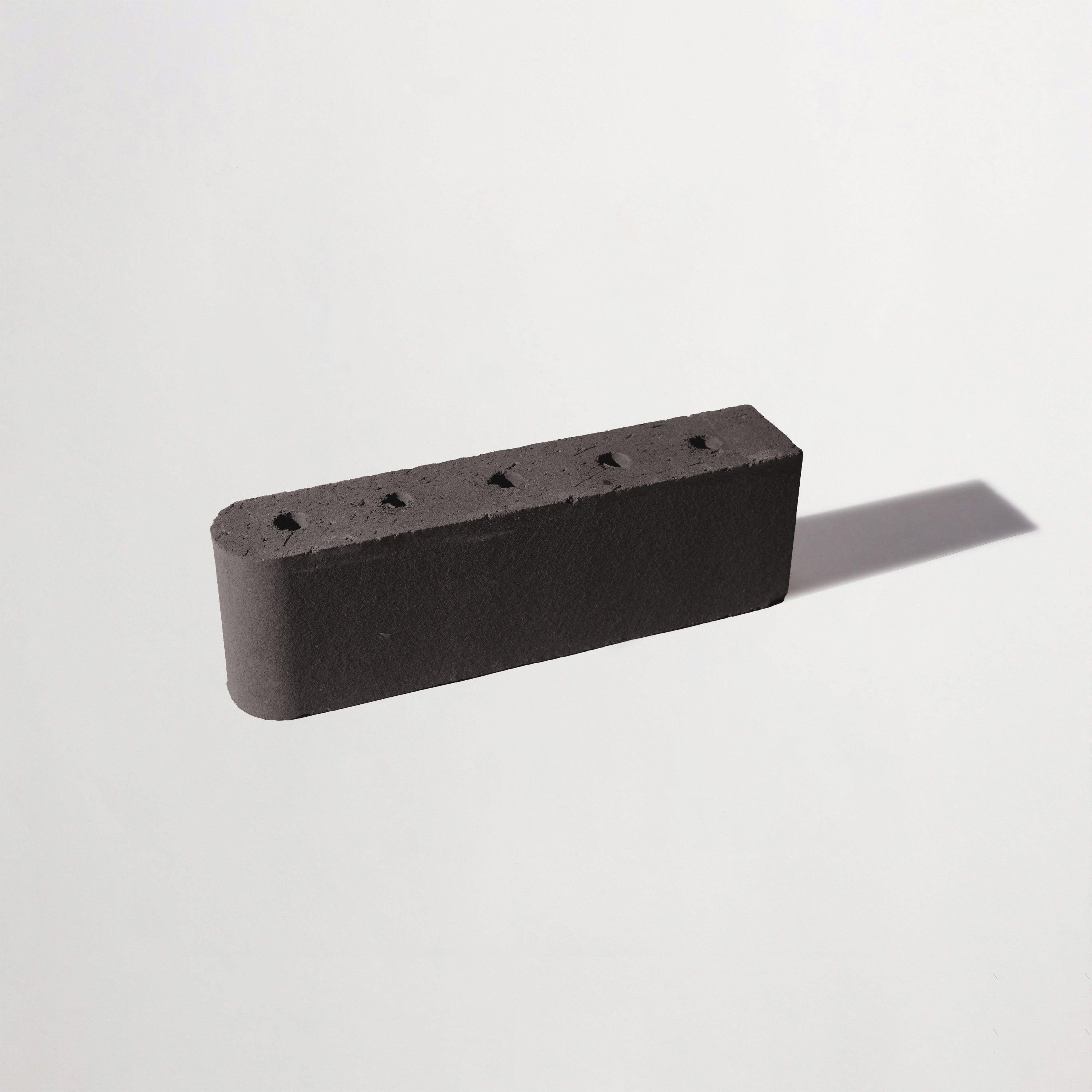
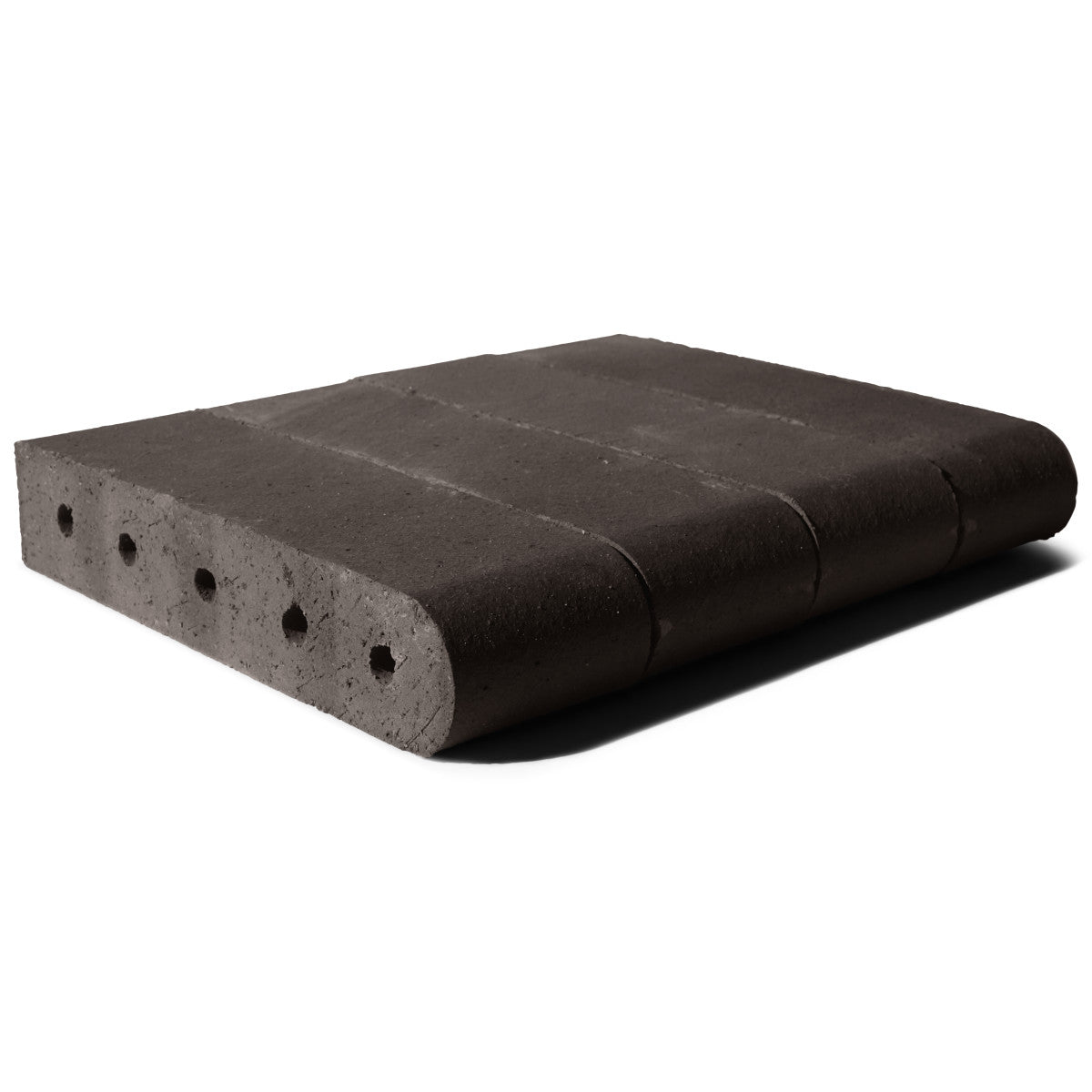
This extended edge is one reason the cantilever profile appears so often in contemporary pool designs. The overhang adds depth and dimension without introducing visual clutter, allowing the pool to feel more like a carefully designed architectural element than a separate outdoor feature. The effect is especially powerful in modern landscapes where clean geometry, strong horizontal lines, and a connection between structure and water are central to the design. The BrickWorks Cabochon Edge options, with their overhanging profile, demonstrate this relationship.
Pairing Cantilever Coping With a Matching Waterline
The floating quality of a cantilever edge depends on the relationship between the coping above and the waterline below. When these two surfaces feel disconnected, the shadow line can appear accidental; when they share a thoughtful material relationship, the entire pool edge reads as one continuous design gesture.
Matching or complementing the coping with the waterline tile reinforces the architectural intent and creates a more cohesive transition between the pool surface and surrounding landscape.
For additional inspiration on creating this connection, explore our guide to modern waterline tile ideas.
The Square Edge: Precision Lines for Architectural Pools
Square edge pool coping offers one of the clearest expressions of modern pool design: a crisp, defined transition between water, coping, and surrounding landscape. Unlike the softened profile of a traditional bullnose edge, a square edge emphasizes geometry and proportion, making it especially well suited to rectangular pools, linear designs, and architecture built around clean structural forms.
This profile reflects the influence of modernist design, where precision itself becomes the decorative element. A sharp edge is not a lack of detail; it is the detail. The success of square edge coping comes from careful alignment, material selection, and the confidence to let a simple line define the entire pool perimeter.
Where Square Edge Coping Works Best
Square edge coping is most effective in landscapes with strong architectural structure, including geometric pools, contemporary homes, and outdoor spaces built around symmetry and clean transitions. Its precise profile helps reinforce the relationship between the pool and surrounding architecture, creating a sense of order and intention.
Because the edge itself is intentionally sharp, comfort and safety come from choosing the right surface finish rather than relying on a rounded profile. Textured, honed, or naturally varied materials can provide traction while preserving the architectural clarity that makes square edge coping so distinctive.
Tonal Coping: Designing With Restraint, Not Absence
Some of the most effective minimalist pool coping ideas are not about removing color—they are about creating continuity. A tonal approach brings the coping, deck, and waterline into conversation through a shared material family, allowing subtle shifts in texture, finish, and proportion to create depth without relying on dramatic contrast.
The strength of a tonal pool edge comes from how the elements relate to one another. A consistent visual language can make the pool feel larger, more architectural, and more connected to its surroundings. The goal is not a space without variation, but one where every variation feels intentional.
For a deeper look at how different coping tones work together, explore our guide to pool coping color palettes.
Where a Single Point of Contrast Still Reads as Restrained
A tonal design does not mean every surface must match perfectly. In many refined pool designs, one deliberate contrast creates definition while keeping the overall composition calm. A darker coping band against a lighter deck, for example, can sharpen the pool’s perimeter and emphasize the transition between surfaces.
The key is maintaining balance. When the surrounding materials share a consistent relationship in tone, texture, or finish, a single contrasting element feels like a design decision rather than a disruption. Even smaller details, such as grout selection, can influence how that relationship reads—our guide to grout color pairings offers further guidance on creating a cohesive finish.
Choosing Coping Materials That Read Modern Without Feeling Cold
The idea that modern design requires poured concrete is quickly becoming outdated. While concrete can create a clean architectural edge, it is not the only material capable of achieving a refined, contemporary pool perimeter. Hand-honed stone, carefully laid brick, and slip-resistant terrazzo can all deliver the precision associated with modern design while adding texture, variation, and a sense of craftsmanship.
The best modern pool coping materials balance structure with character. A crisp edge does not need to feel sterile; the subtle movement of natural stone, the rhythm of brick, or the layered detail of terrazzo can bring warmth to minimalist profiles without compromising their clarity. OUTERclé's Poolside collection offers an example of how artisan materials can support modern coping profiles through thoughtfully crafted surfaces designed for outdoor environments.For a deeper look at how different materials perform around the pool, dive into our guide to pool coping materials guide.
Balancing Sleek Lines With Safety and Comfort Underfoot
A modern pool edge still needs to perform in real outdoor conditions. The right finish can maintain a clean architectural line while improving comfort and everyday usability. Light-colored honed stone can help reduce heat absorption in direct sun, while textured finishes and naturally varied surfaces provide additional traction around wet areas.
Brick and terrazzo can also support modern designs when their finishes are selected thoughtfully. The goal is not to add visual roughness, but to choose surfaces that feel secure underfoot while preserving the intended profile and proportion of the coping.
For more guidance on selecting surfaces that balance design and traction, step into our guide to non-slip outdoor tile.


Bringing the Coping Profile Into the Whole Poolscape
A considered coping profile does not exist on its own—it establishes the language for the entire pool environment. In a successful modern pool design, the edge works in conversation with the waterline, deck, and surrounding hardscape, creating a cohesive material story rather than a collection of separate surfaces.
The most refined poolscapes are built through these relationships. A flush edge can reinforce a seamless transition between surfaces, a cantilever profile can create architectural depth, and a tonal approach can connect the pool to its landscape with quiet continuity. When the coping, tile, and surrounding materials are chosen together, the result feels intentional from every angle.
Dip into our guide on modern residential pool designs for more inspiration on creating a cohesive outdoor environment.
Explore the Poolside collection (and be sure to check usage guidelines to ensure the tile is rated for pool coping) to give your pool's edge the same intention as the water it frames.
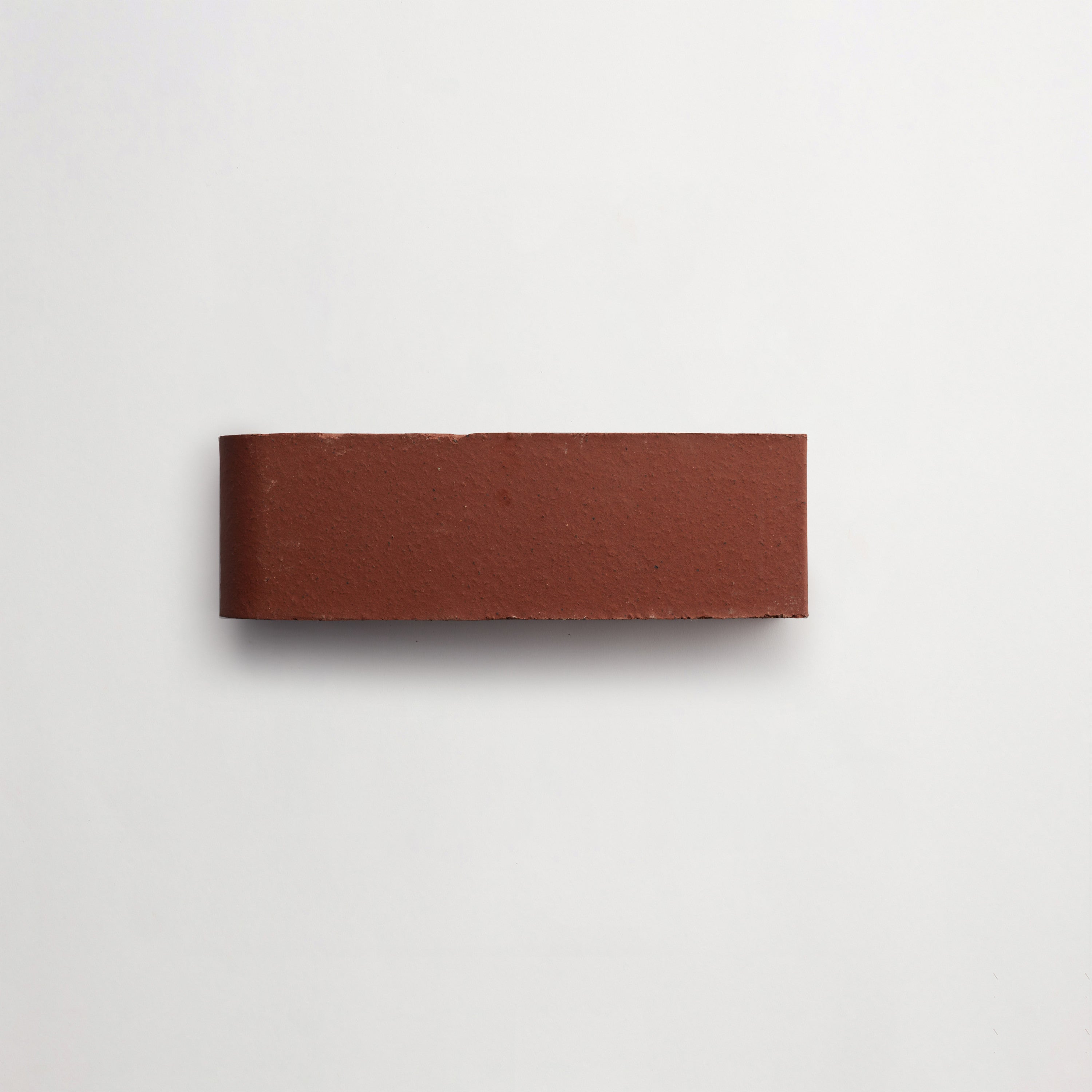
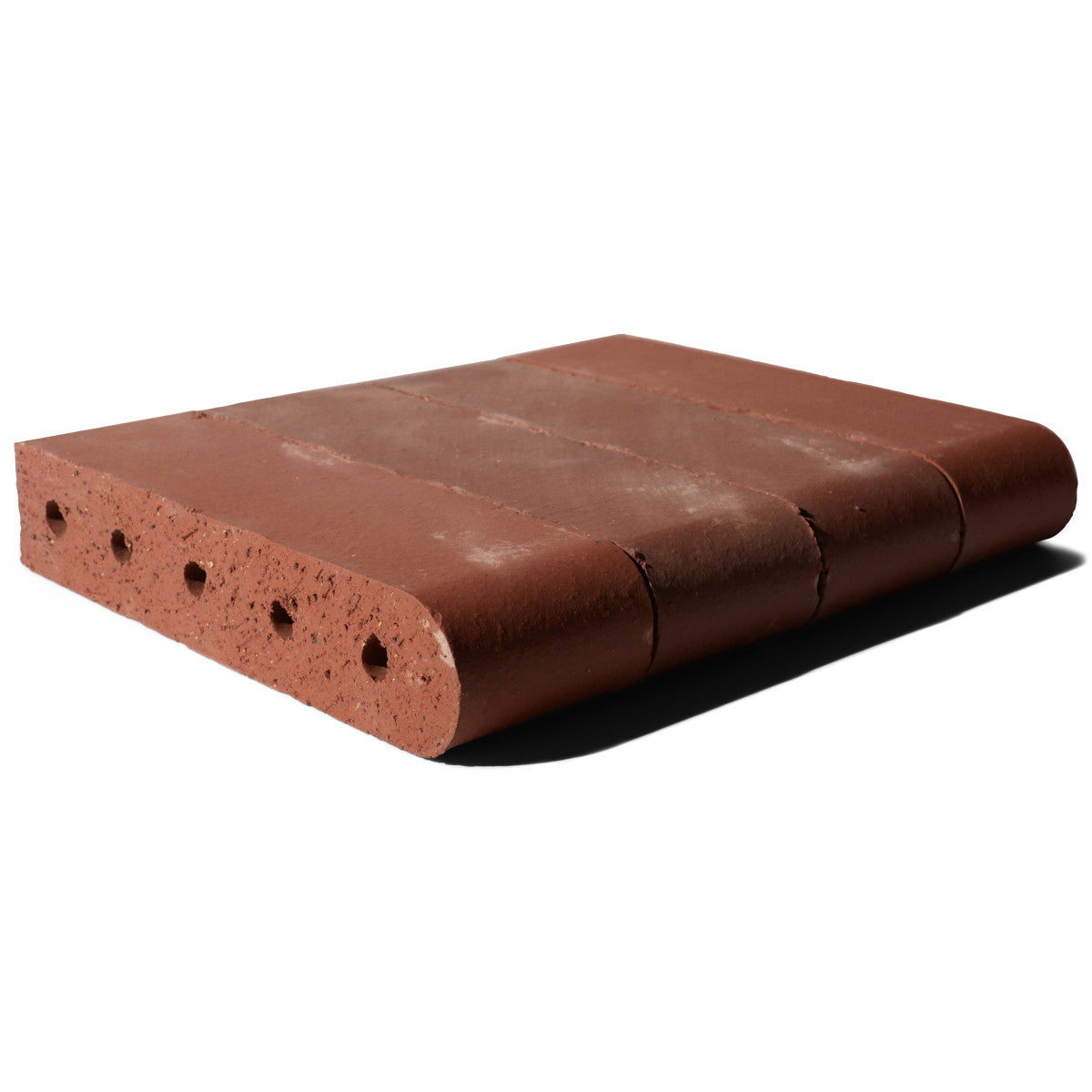
Colorway
-
Antelope Canyon
Collection
-
BrickWorks
Material
Length
-
4
" x
Width
-
4
" x
Thickness
-
¼
"
Unit of Measurement
-
sqft
/
Price per Unit
$
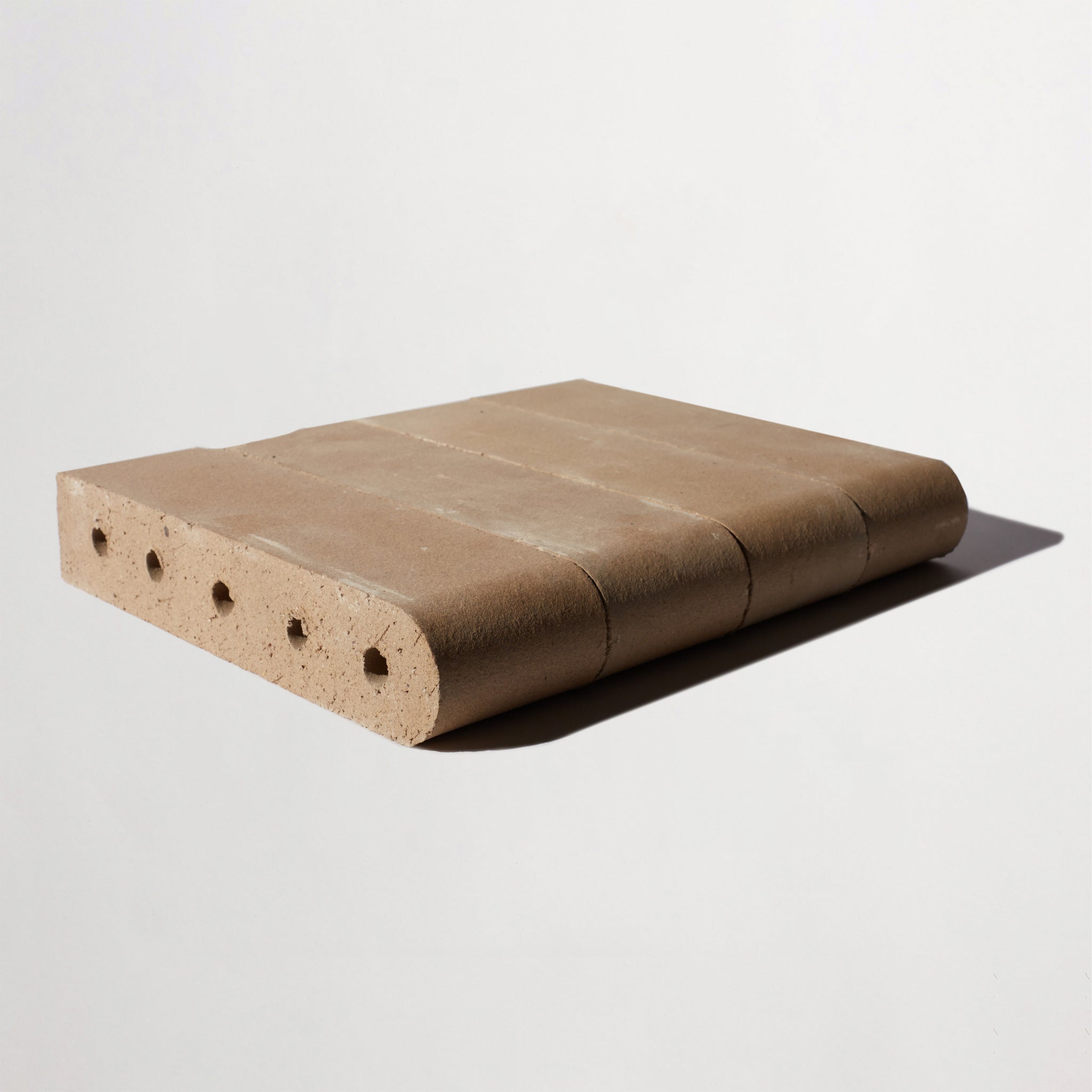
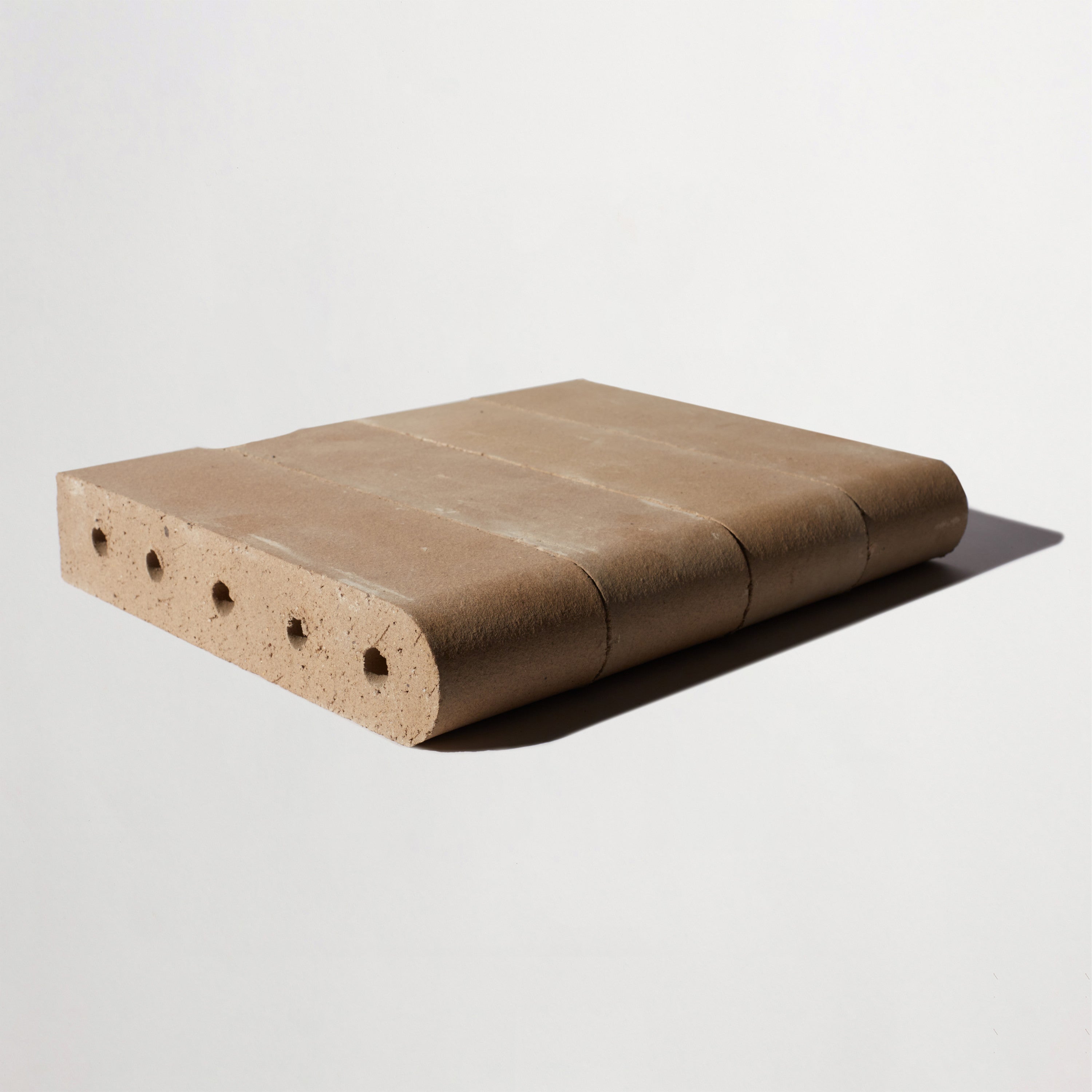
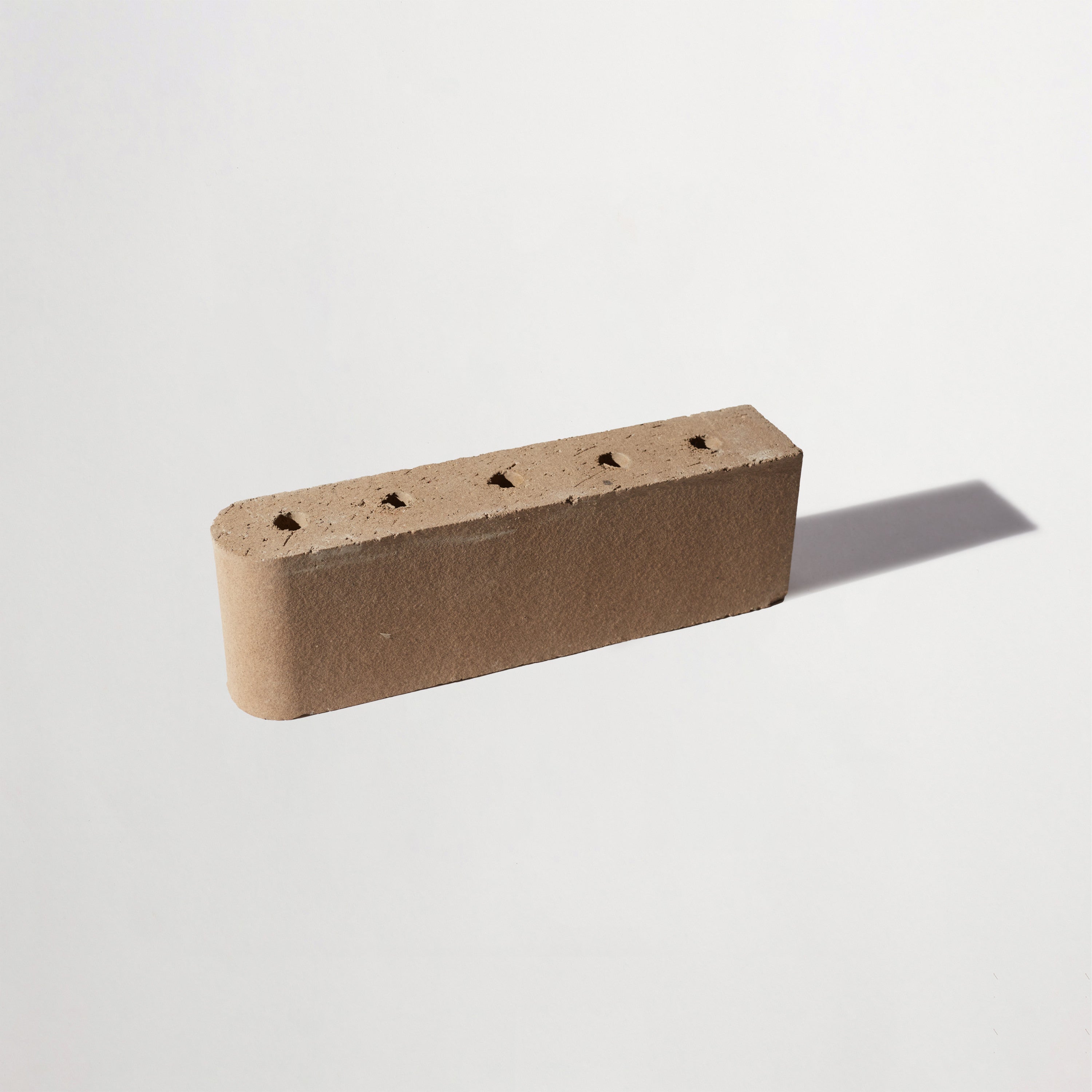
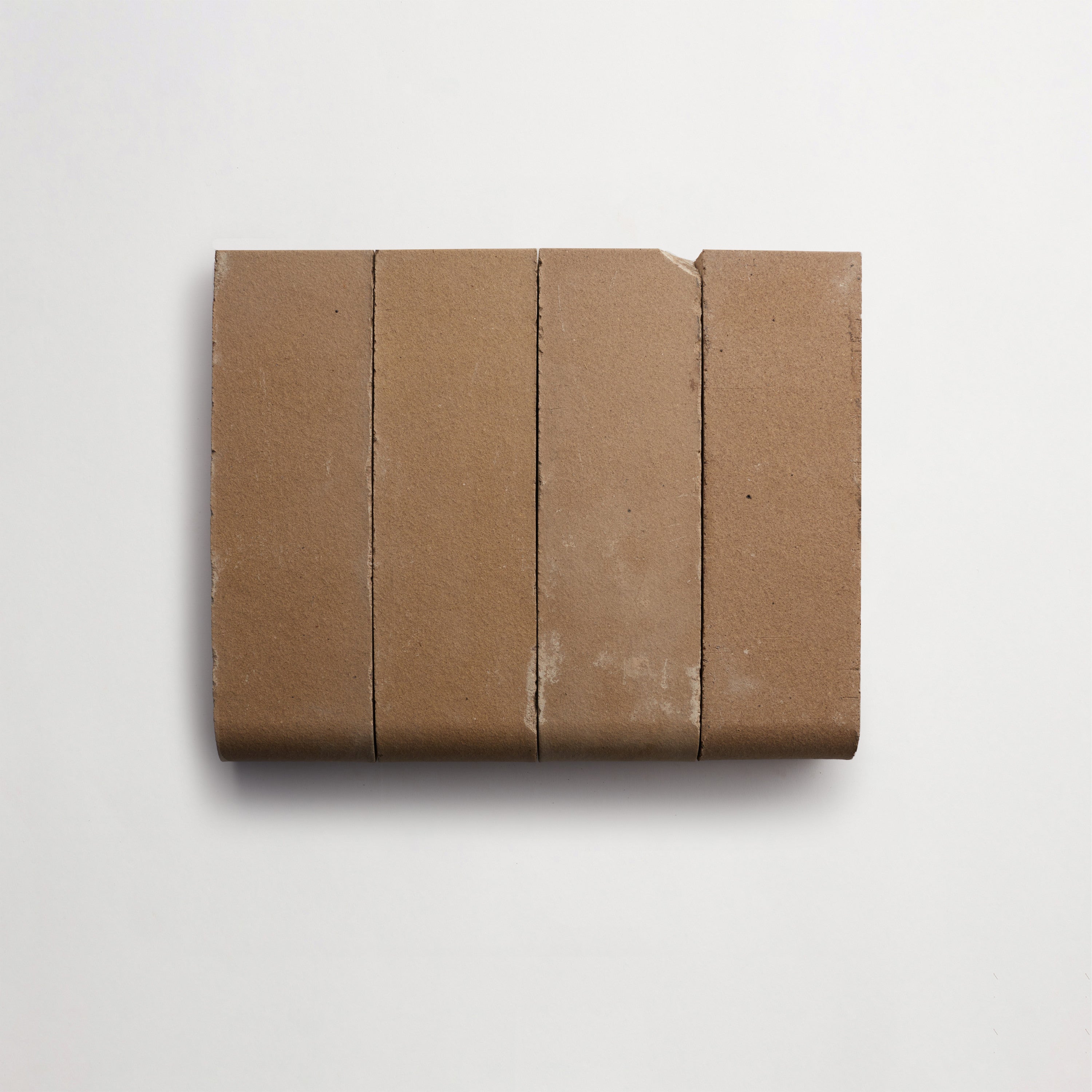
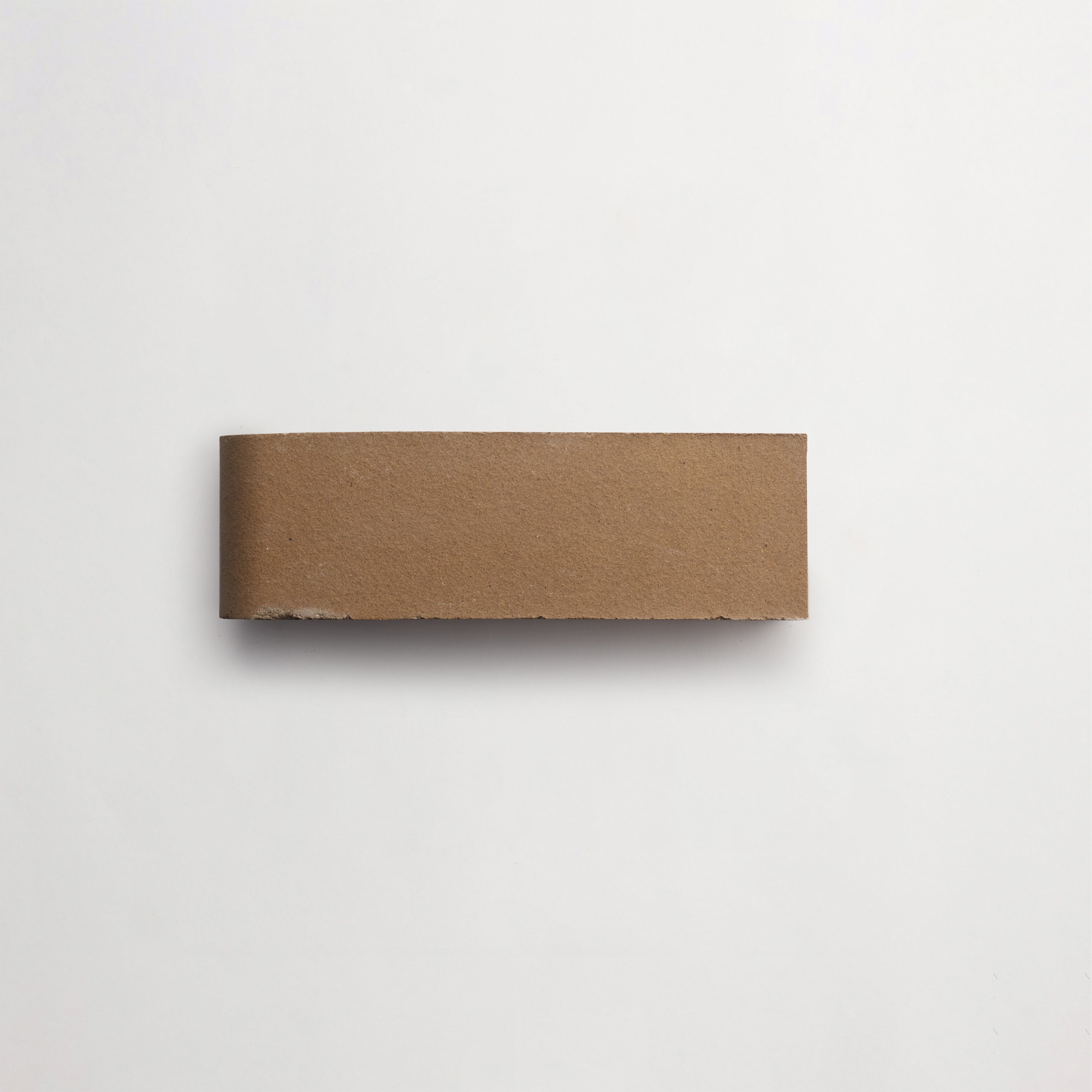
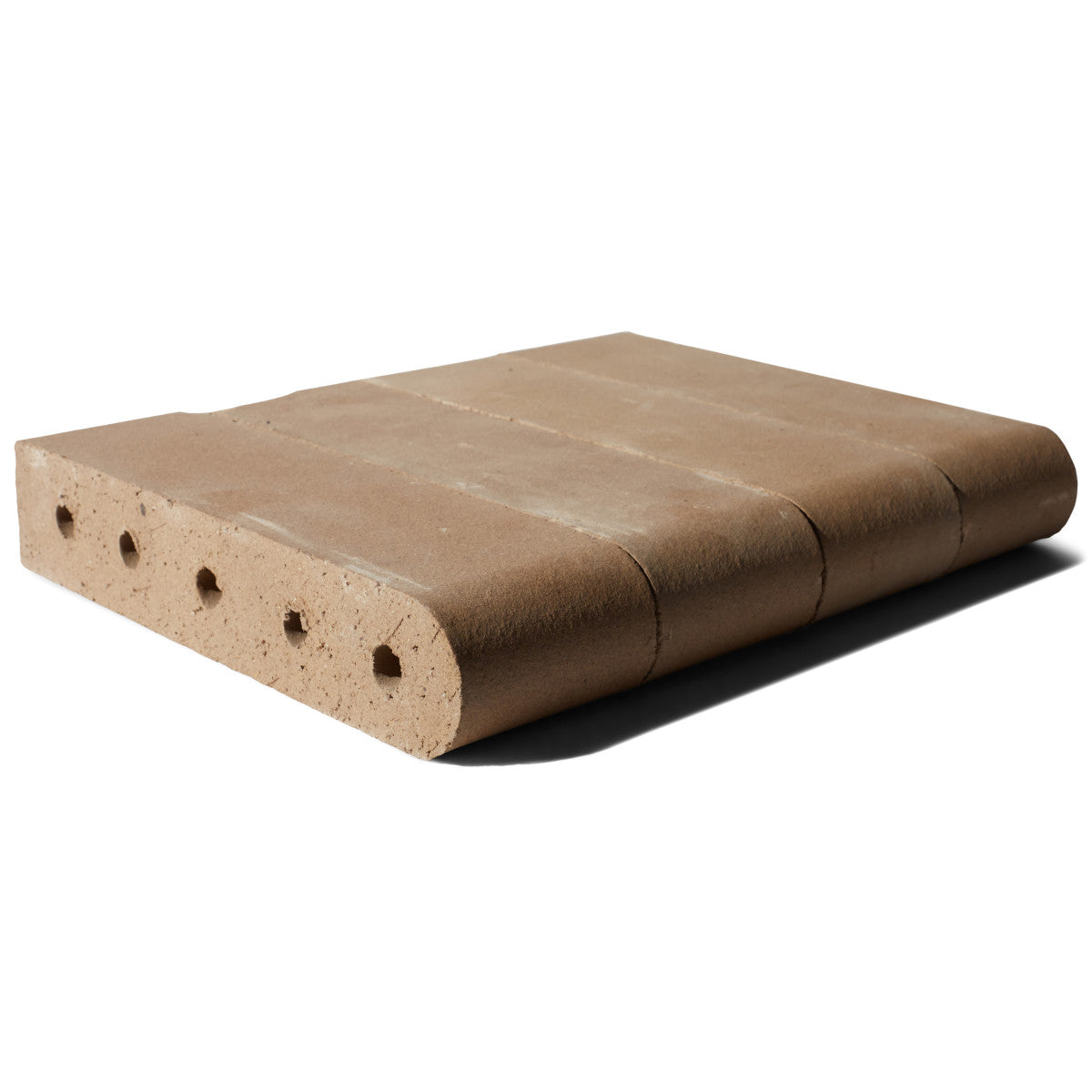
Colorway
-
Pampas Grass
Collection
-
BrickWorks
Material
Length
-
8
" x
Width
-
8
" x
Thickness
-
⅞
"
Unit of Measurement
-
sqft
/
Price per Unit
$
Colorway
-
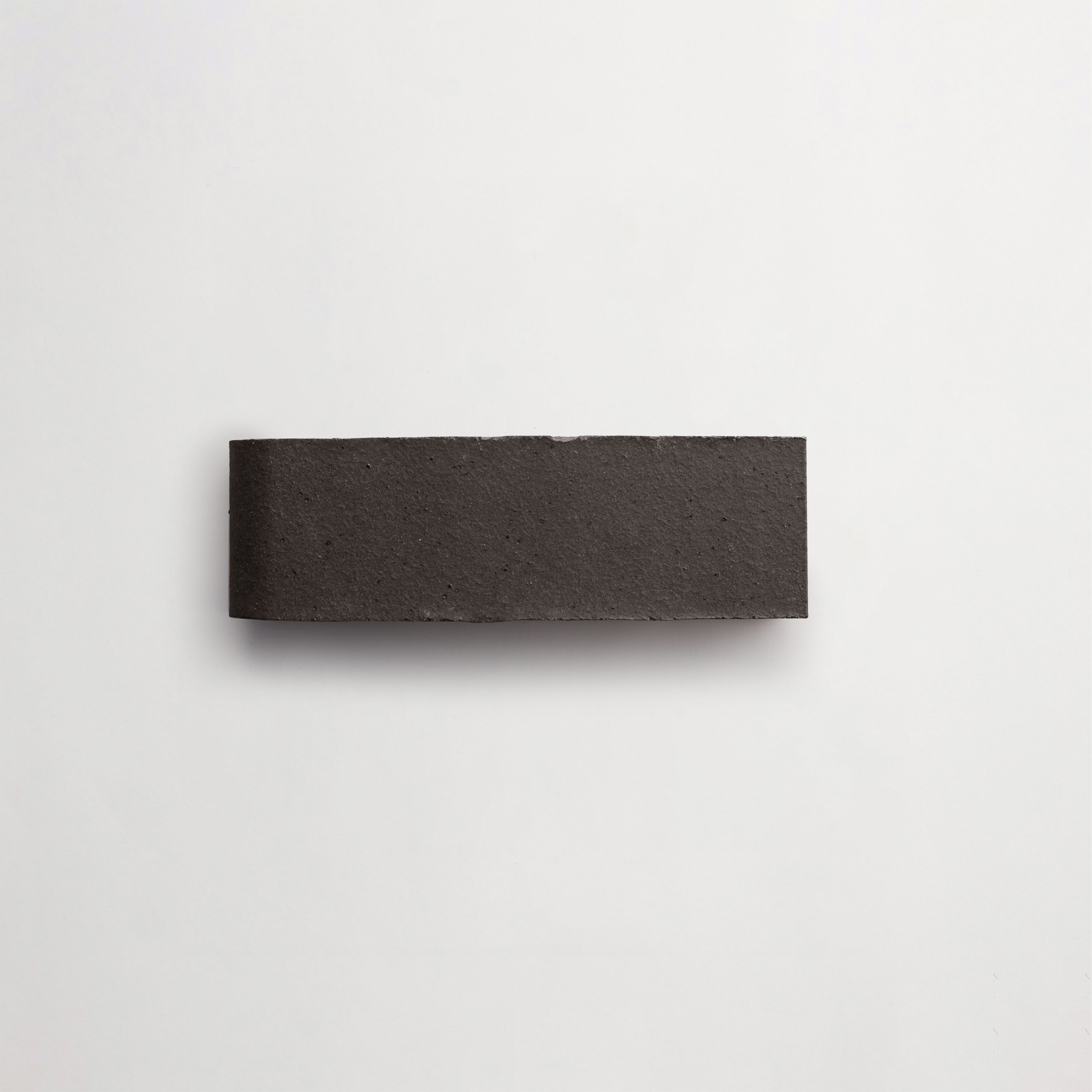
Scorched Earth
Collection
-
BrickWorks
:
Material
Length
-
4
" x
Width
-
16
" x
Thickness
-
¾
"
Unit of Measurement
-
sqft
/
Price per Unit
$