

Eastern Expression: Tempera Pixies.
Modern Residential Landscape Design Trends and Ideas
Modern residential landscape design has become more than just arranging plants and paving—it’s about shaping a cohesive outdoor environment that reflects how people live, relax, and entertain today. Clean lines, intentional materials, and a strong connection between indoor and outdoor spaces define this approach, turning the yard into an extension of the home rather than a separate zone.
Let's break down the core principles behind modern landscape design and explore the ideas shaping outdoor spaces right now. You’ll find emerging trends influencing 2026 projects, key hardscape features that anchor contemporary yards, and real-world layout concepts that bring these ideas to life. We’ll also cover practical considerations—from choosing the right materials to installation and upkeep—along with ways to incorporate artisan tile for added texture, durability, and design impact.


Defining Modern Residential Landscape Design
Residential front yard modern landscape design is rooted in clarity, restraint, and intentionality. At its core are principles like minimalism, asymmetry, and a strong reliance on natural materials—think stone, wood, gravel, and concrete used in thoughtful, pared-back compositions. Planting schemes tend to favor low-maintenance perennials, ornamental grasses, and structured greenery that provide texture and movement without requiring constant upkeep. Every element has a purpose, and negative space is used just as deliberately as planted or paved areas.
This approach stands in contrast to more traditional landscapes, which often emphasize symmetry, ornate detailing, and densely layered planting. Where traditional design might aim for fullness and formality, modern landscapes prioritize balance, contrast, and a sense of calm achieved through simplicity and clean geometry.
Looking ahead, 2026 brings a noticeable evolution within modern landscape design ideas. While clean lines remain foundational, there’s a growing shift toward softer, more organic forms—curved pathways, irregular layouts, and plantings that feel more naturalistic. At the same time, outdoor spaces are increasingly designed for year-round use, with features like fire elements, covered patios, and durable materials that perform across seasons. The result is a modern landscape that feels both structured and livable, blending architectural precision with a more relaxed, human-centered experience.

Key 2026 Trends Shaping Modern Landscapes
Modern landscapes in 2026 are being shaped by a shift toward simplicity, flexibility, and a stronger connection to nature—without sacrificing structure or design clarity. One of the most prominent trends is the move toward low-maintenance hardscapes, with materials like stone and gravel leading the way. These surfaces offer durability and ease of care while reinforcing the clean, grounded aesthetic that defines contemporary outdoor spaces.
At the same time, there’s a growing emphasis on biophilic design—integrating natural elements in a way that supports well-being. This shows up in the form of quiet, intentional pockets: tucked-away seating areas, layered plantings, and subtle water features that create moments of pause within the landscape. These spaces are designed to feel restorative, not just decorative.
Functionality is also expanding. Outdoor areas are no longer single-purpose; they’re being designed as multi-functional “rooms” that support cooking, dining, lounging, and entertaining. Fully equipped outdoor kitchens, flexible seating zones, and integrated fire features allow homeowners to use their yards more like interior living spaces.
Visually, grey-toned paving continues to dominate, offering a neutral foundation that pairs easily with both natural and architectural elements. This trend also supports one of the most important design strategies: creating seamless transitions between indoor and outdoor areas. Using complementary materials—or even extending the same tile from interior floors to exterior patios or walkways—helps blur the boundary between spaces. In this context, tile becomes a key design tool, offering durability, slip resistance, and a wide range of finishes that support both aesthetic continuity and long-term performance.
Essential Hardscape Elements for Modern Yards
Modern outdoor landscaping features a few essential elements. Structured patios and defined walkways establish the architectural backbone of a modern yard, using precise lines and thoughtful layouts to guide movement and frame the space. Meanwhile, layered outdoor zones—such as cooking areas or pool zones—bring purpose and flexibility, turning the landscape into a series of connected, livable environments.
Clean-Line Patios and Pathways
Clean-line patios and pathways form the visual and functional backbone of a modern landscape, guiding movement while reinforcing a sense of structure and order. Geometric, modern pavers—whether rectangular, square, or subtly modular—help create a clear, intentional flow throughout the yard, connecting key zones without visual clutter. The emphasis is on precision and proportion, allowing the layout itself to do most of the design work.
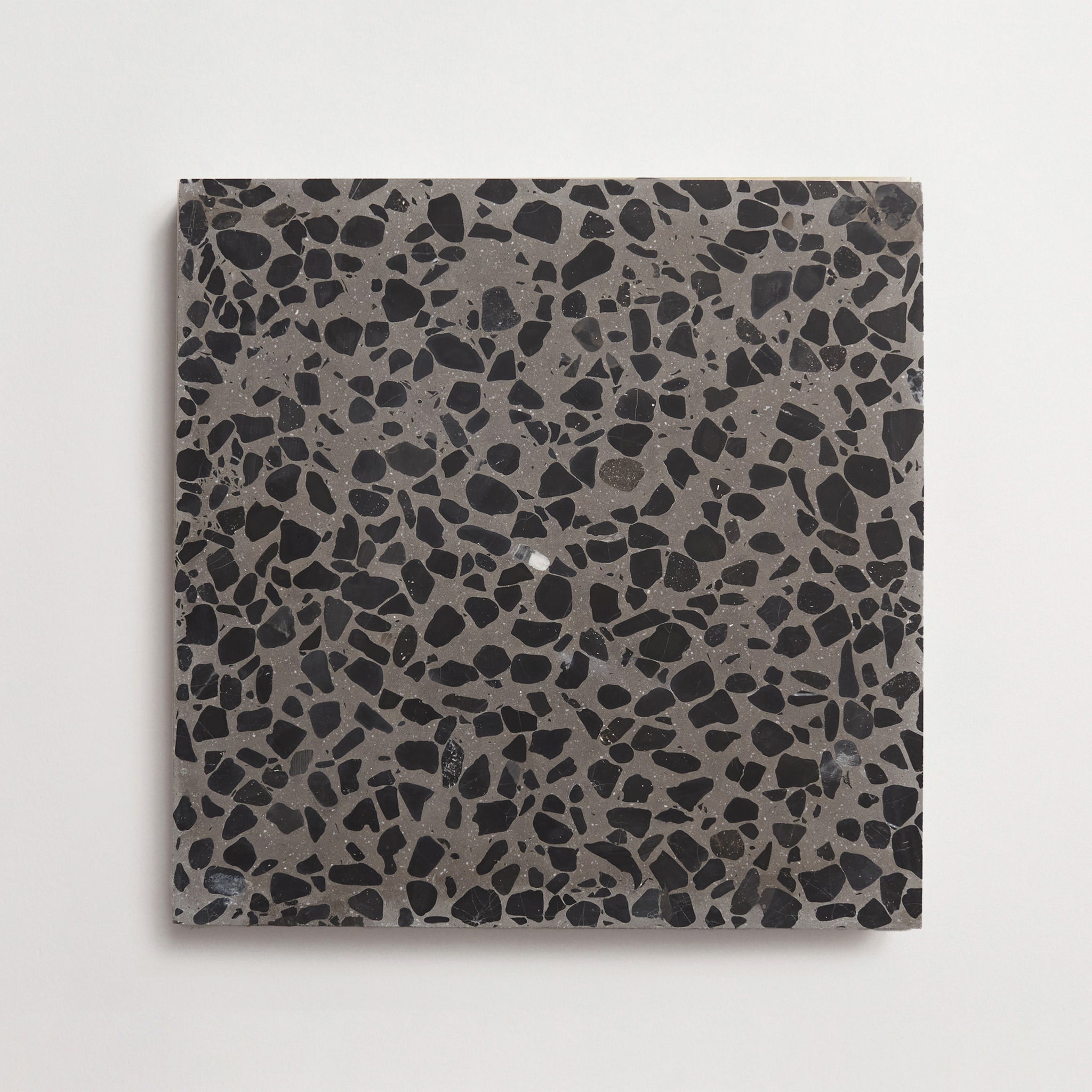
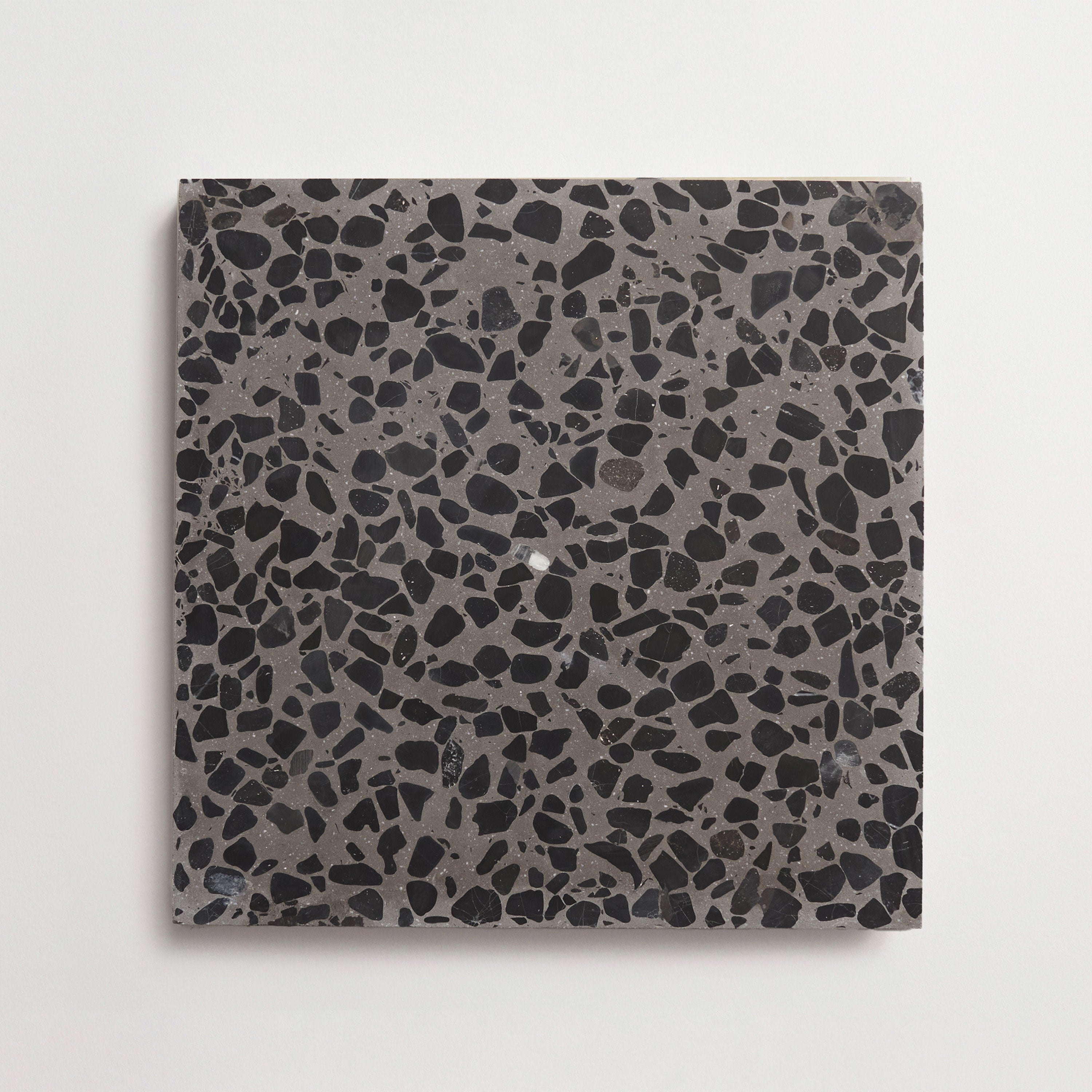
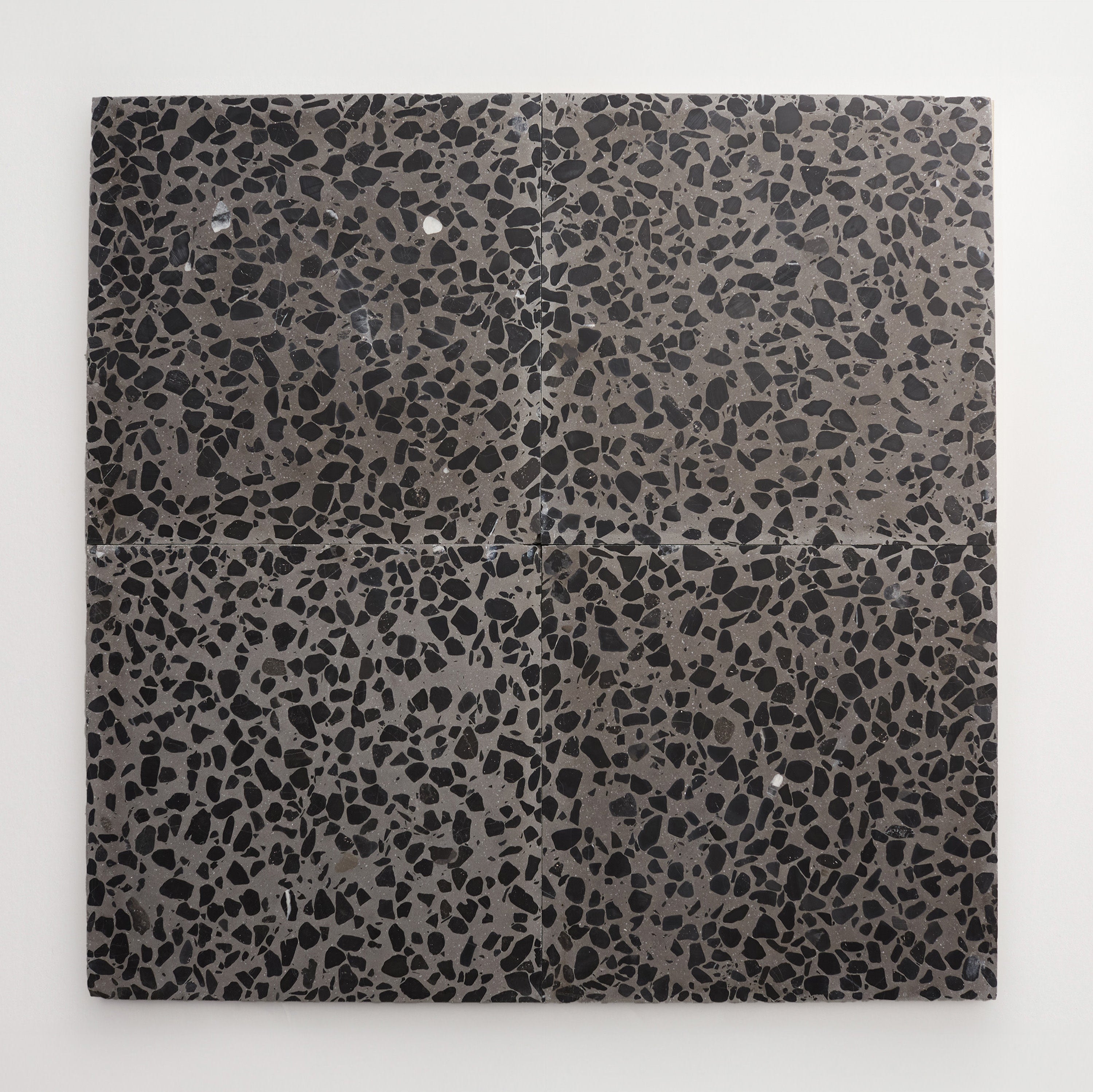
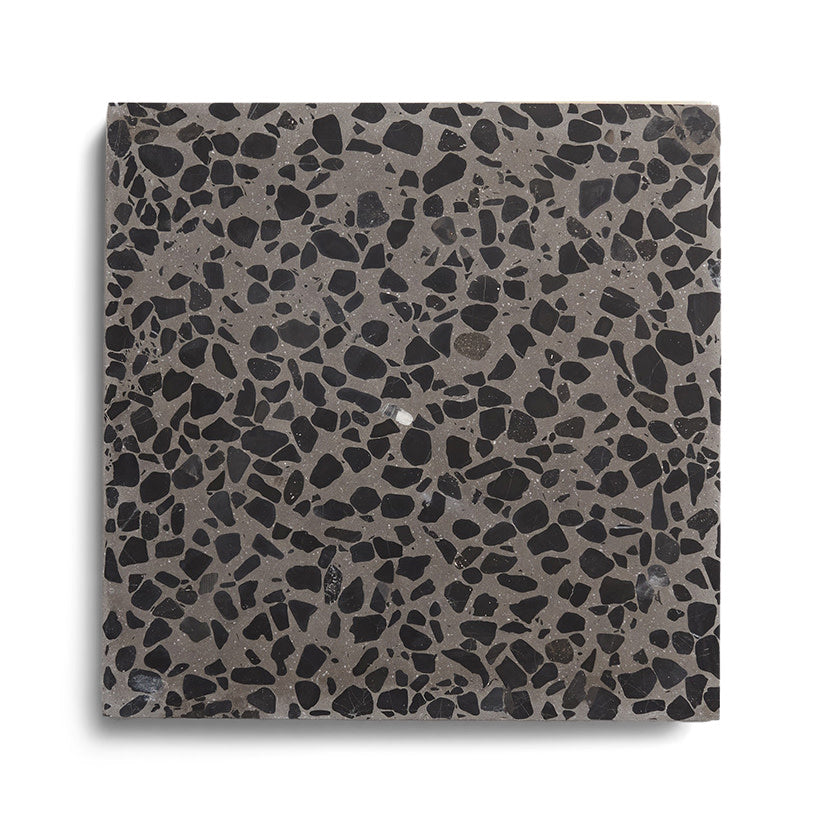
Material selection plays a critical role in achieving this look. Slip-resistant surfaces are essential for safety, especially in high-traffic or weather-exposed areas, making cement and terrazzo tiles strong choices for modern applications. Their durability, subtle texture, and range of tonal variation support both performance and aesthetics. Refined, design-forward options like OUTERclé’s Cement collection offer surfaces that balance clean geometry with artisan character—ideal for patios and pathways that feel structured and inviting.
Outdoor Living Zones
Modern landscapes are increasingly organized into distinct outdoor “rooms,” each designed for a specific purpose—cooking, dining, lounging, or gathering. Grounding these spaces with neutral, grey-toned stone surfaces creates a calm, cohesive base that allows furniture, greenery, and architectural features to stand out without competing for attention. This approach works especially well around outdoor kitchens and pool areas, where durability and visual clarity are equally important.
To keep these zones from feeling flat or overly minimal, layering in texture is key. Brick tiles introduce warmth and variation that softens the overall composition while still aligning with a modern aesthetic. Elements like built-in seating, grill surrounds, or vertical accents gain depth when paired with materials that have subtle movement and tonal variation. Options like our BrickWorks collection bring that balance—adding character and tactile interest without disrupting the clean lines that define contemporary outdoor spaces.


Real-World Inspiration and Layout Ideas
To see how these principles come together in practice, it helps to look at how modern landscapes are being applied across different parts of the home. The following examples highlight distinct approaches—from quiet backyard retreats to refined front entries and thoughtfully designed poolside spaces—each offering a unique take on contemporary outdoor living.
Minimalist Backyard Retreats
Minimalist backyard retreats focus on calm, open compositions where every element feels intentional. Asymmetry plays a key role—think offset lawns, staggered paver layouts, and negative space that allows the eye to rest. Rather than filling every corner, these designs rely on contrast between soft greenery and structured hardscape to create a sense of balance and quiet sophistication.
Natural stone pavers are especially effective in this setting, offering a refined surface that complements the simplicity of the layout. Used in asymmetrical lawn grids or floating step patterns, they help define movement without overwhelming the space. OUTERclé’s Pemberley Pavers collection brings a clean, architectural feel while maintaining the organic texture that keeps the design grounded and inviting.
Front Yard Modern Entrances
Modern front yards are designed to make a strong first impression through clarity, contrast, and intentional movement. Expressive, patterned paths—whether linear, offset, or subtly geometric—guide visitors to the entry while shaping how the home is experienced from the street. Using materials with texture and variation keeps these paths from feeling too stark, adding warmth without losing the clean-lined aesthetic. For example, terracotta paths have an organic feel that complements modern aesthetics.
Brick is especially effective here, bringing depth and character to entry paths while still aligning with modern design principles. Options like OUTERclé’s BrickWorks Collection create visually engaging walkways that feel both structured and inviting. Paired with low-maintenance native plantings—such as grasses, drought-tolerant shrubs, and sculptural greenery—the result is an entrance that feels curated, sustainable, and effortlessly welcoming.
Sustainable Poolside Modernism
Poolside landscapes in modern design are increasingly defined by a balance of sustainability, safety, and visual calm. Slip-resistant surfaces are essential here, ensuring comfort and durability in wet conditions while maintaining a refined, architectural look. Clean-edged paving and restrained color palettes help reinforce the sense of order that modern pool environments rely on.
Accent materials like glass and terracotta introduce warmth and subtle variation without disrupting the overall minimal aesthetic. Glass tile can reflect light and water movement beautifully, while terracotta adds an earthy counterpoint that softens the surrounding hardscape. Used thoughtfully, these materials can highlight steps, waterlines, or transition zones, adding depth without visual clutter.
Details such as these are where design-forward outdoor materials make a difference. OUTERclé features artisanal selections like 1970s GlassWorks and our Terracotta collection, which bring together slip resistance, durability, and expressive surface quality—well-suited for poolside spaces that need to perform as beautifully as they look.
Practical Tips: Materials, Installation, Maintenance
Choosing the right materials begins with understanding climate performance. In regions with seasonal temperature swings, freeze-thaw resistance is essential to prevent cracking and surface failure over time. In hotter or more humid environments, UV stability and moisture resistance become equally important, helping surfaces maintain both their appearance and structural integrity year-round.Installation quality has a direct impact on long-term success. Even the best materials can underperform without proper base preparation and precise laying techniques, which is why professional installation is strongly recommended for hardscape and tile applications. Accuracy in grading, spacing, and jointing ensures both durability and a refined finished look.
Ongoing care should remain simple and manageable. Choosing low-maintenance sealing systems and easy-to-clean surfaces helps reduce upkeep while preserving the material’s finish. When sealing is required, sticking to a consistent maintenance schedule—rather than sporadic treatment—keeps surfaces protected and visually consistent without adding unnecessary effort.
Integrating Artisan Tiles into Modern Designs
Artisan tile brings a layer of craftsmanship and material richness to modern landscapes, bridging the gap between minimalism and expressive design. Durability remains central—especially in exterior applications—so selecting weather-resistant formats ensures the material performs as beautifully as it looks across changing seasons and conditions. This makes artisan tile suitable not just for sheltered accents, but for full outdoor exposure when properly specified.
Finish plays a key role in how these materials integrate into a contemporary setting. Tumbled surfaces introduce softness and a sense of age, while honed finishes deliver a smoother, more refined look that aligns with modern architectural lines. Together, these options allow tile to either stand out as a feature or blend seamlessly into a restrained palette, depending on the design intent.
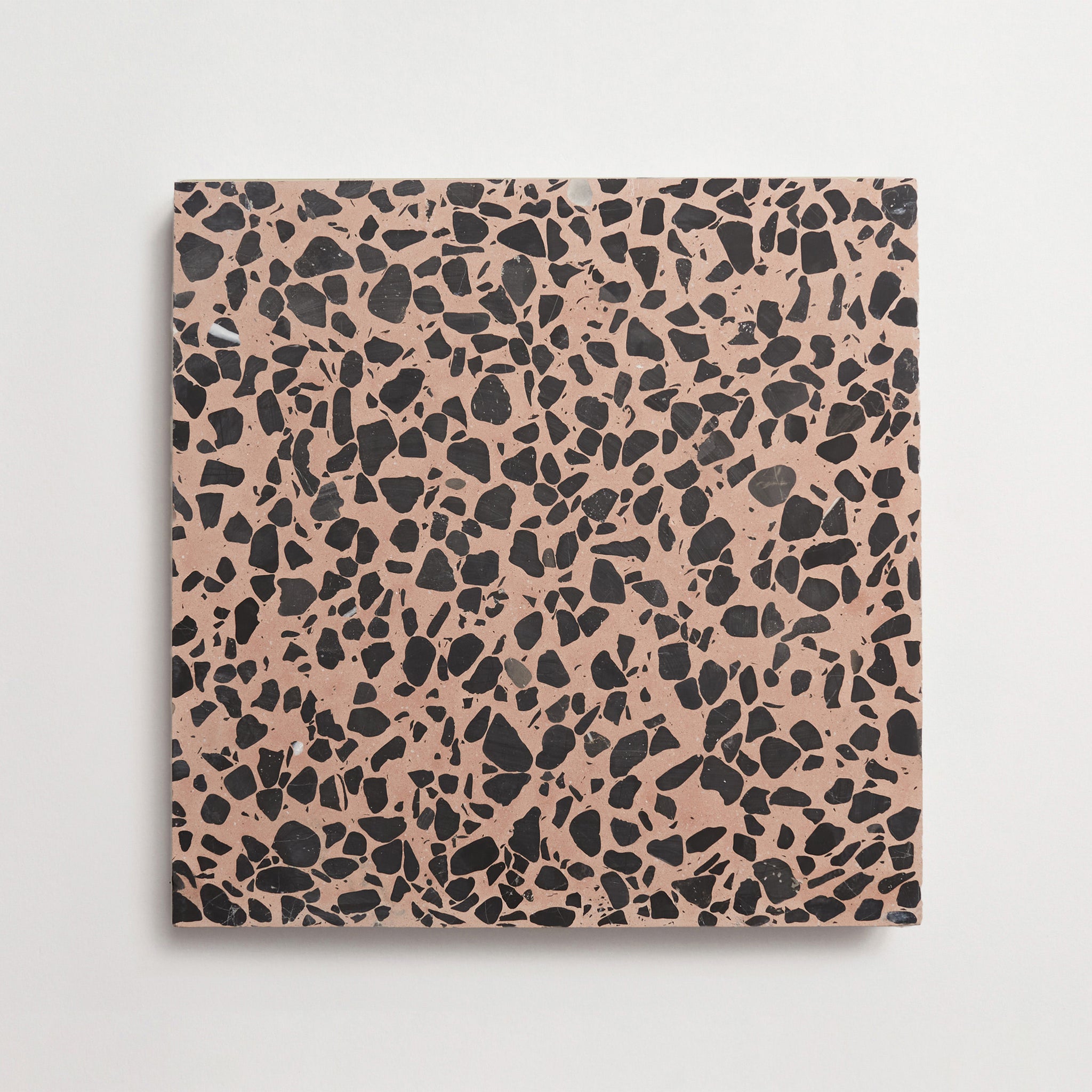
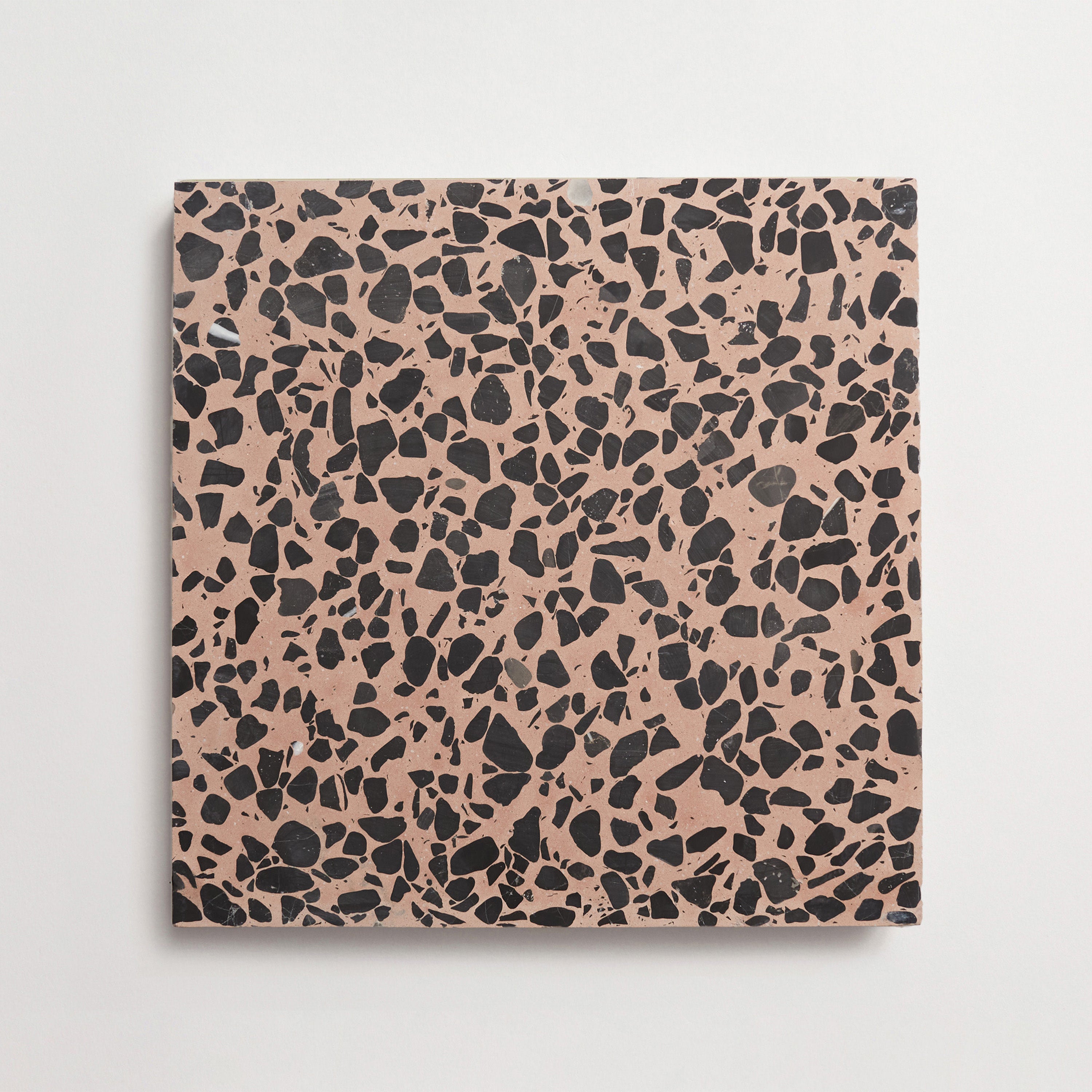
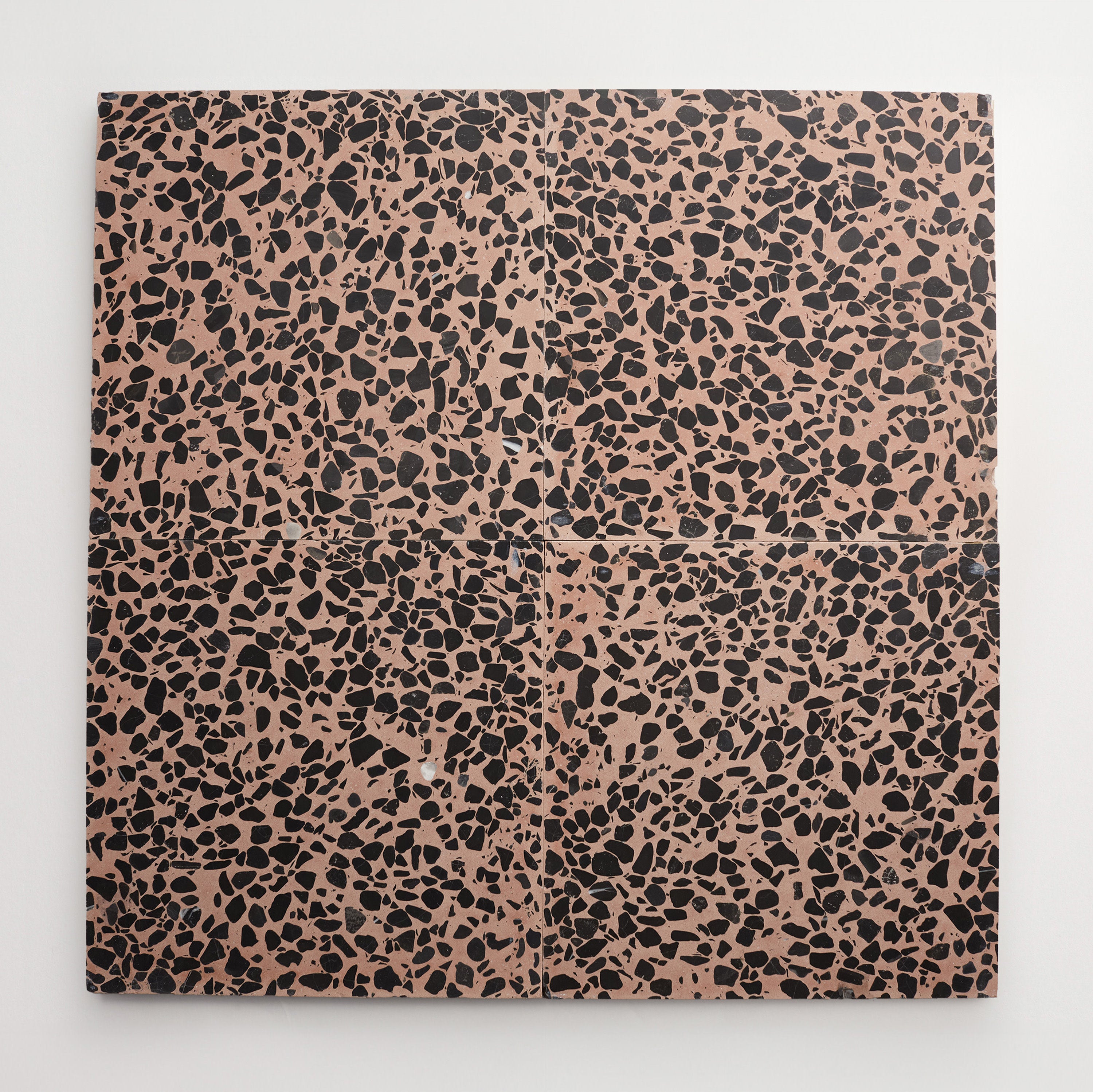
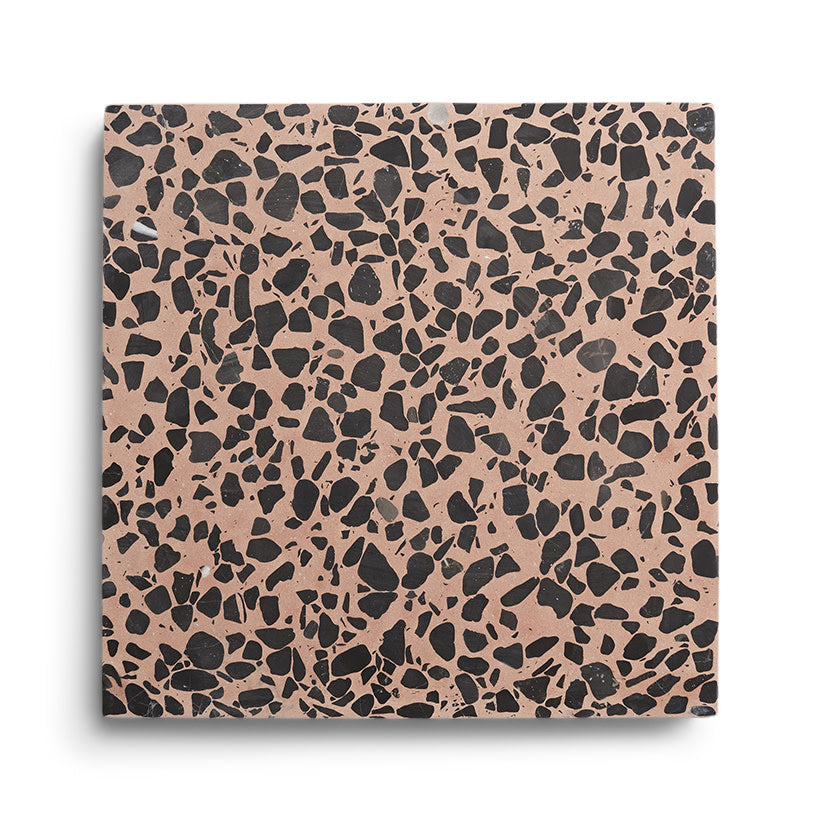
Our terrazzo and natural stone collections exemplify this balance between minimalism and artistry. Subtle aggregate movement in terrazzo and the organic variation of stone add visual interest without disrupting clean-lined compositions. Across climates, selecting appropriately rated exterior materials ensures long-term performance, making it possible to maintain both design integrity and durability in any region.
Modern residential landscapes work best when they feel intentional without appearing overworked—spaces that are structured, usable, and quietly expressive in their details. As design continues to move toward more natural forms and multi-purpose outdoor living, the most successful projects balance restraint with character.
When different outdoor tile types, layouts, and functions are considered together, the landscape stops being a backdrop and becomes an integrated part of everyday life—one that evolves with how people actually use their homes.
Colorway
-
Argilla
Collection
-
Dolce Vita Terrazzo
:
Sub Collection
-
Torrone I
Material
Length
-
4
" x
Width
-
4
" x
Thickness
-
¼
"
Unit of Measurement
-
sqft
/
Price per Unit
$
Colorway
-
Carbone
Collection
-
Dolce Vita Terrazzo
:
Sub Collection
-
Torrone I
Material
Length
-
8
" x
Width
-
8
" x
Thickness
-
⅞
"
Unit of Measurement
-
sqft
/
Price per Unit
$
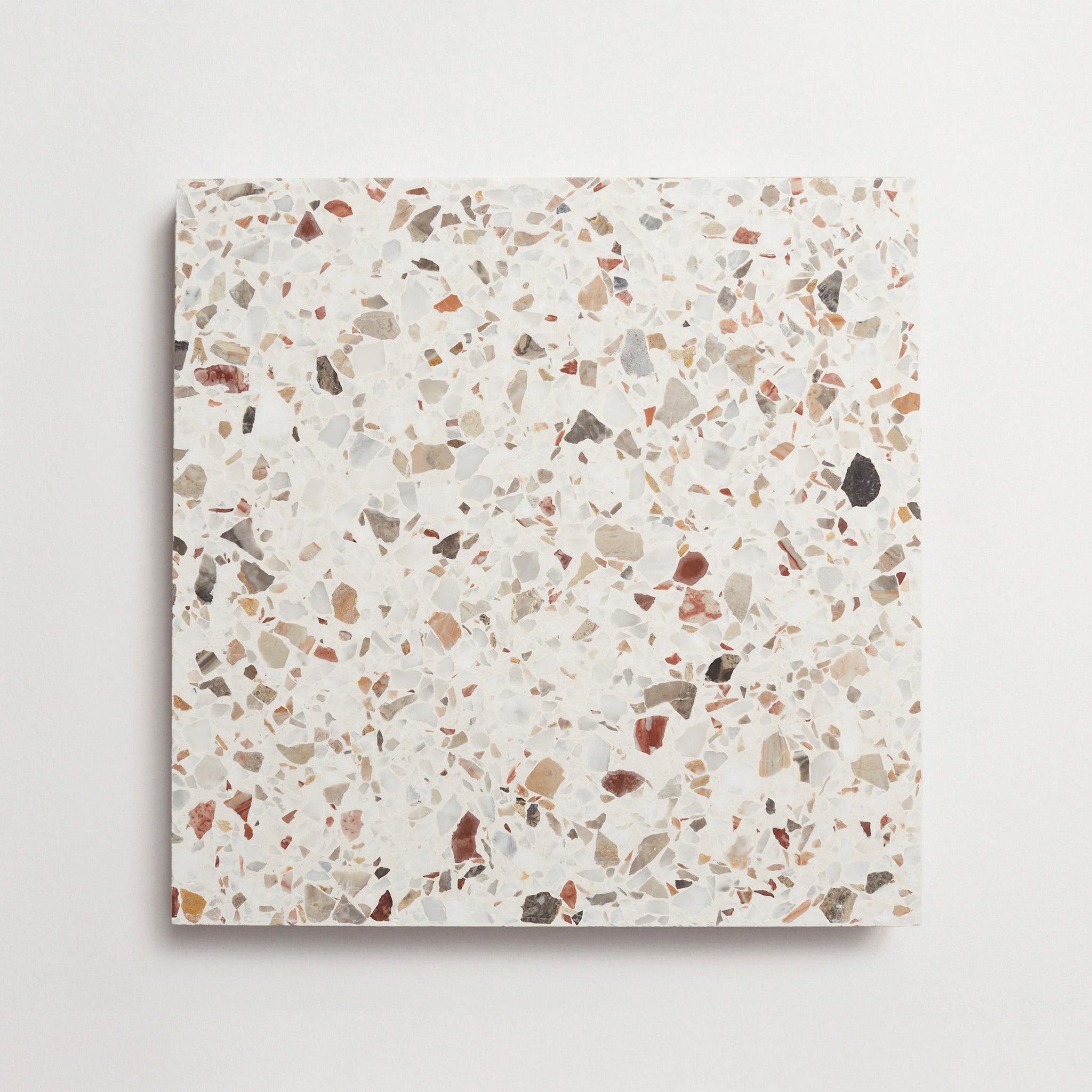
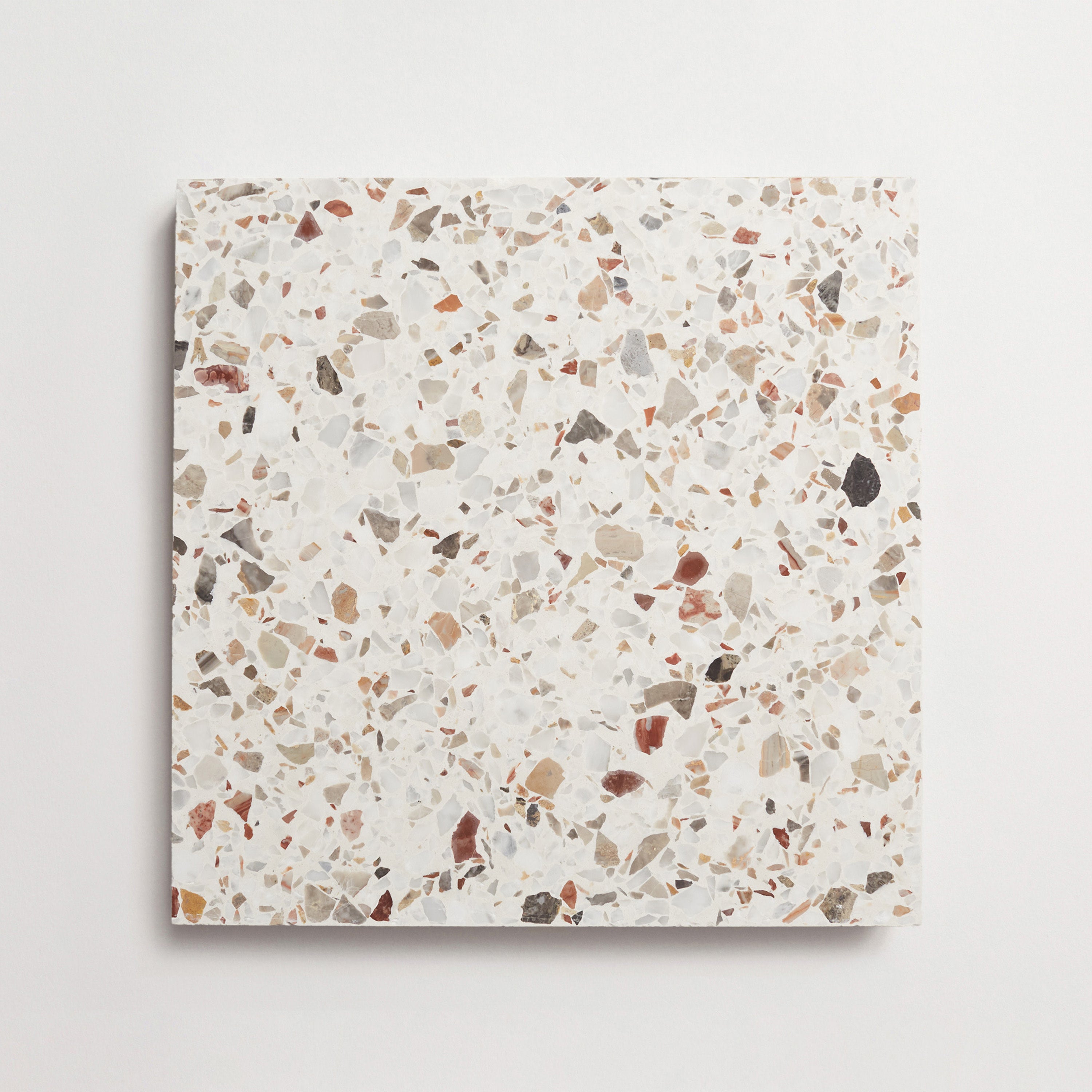
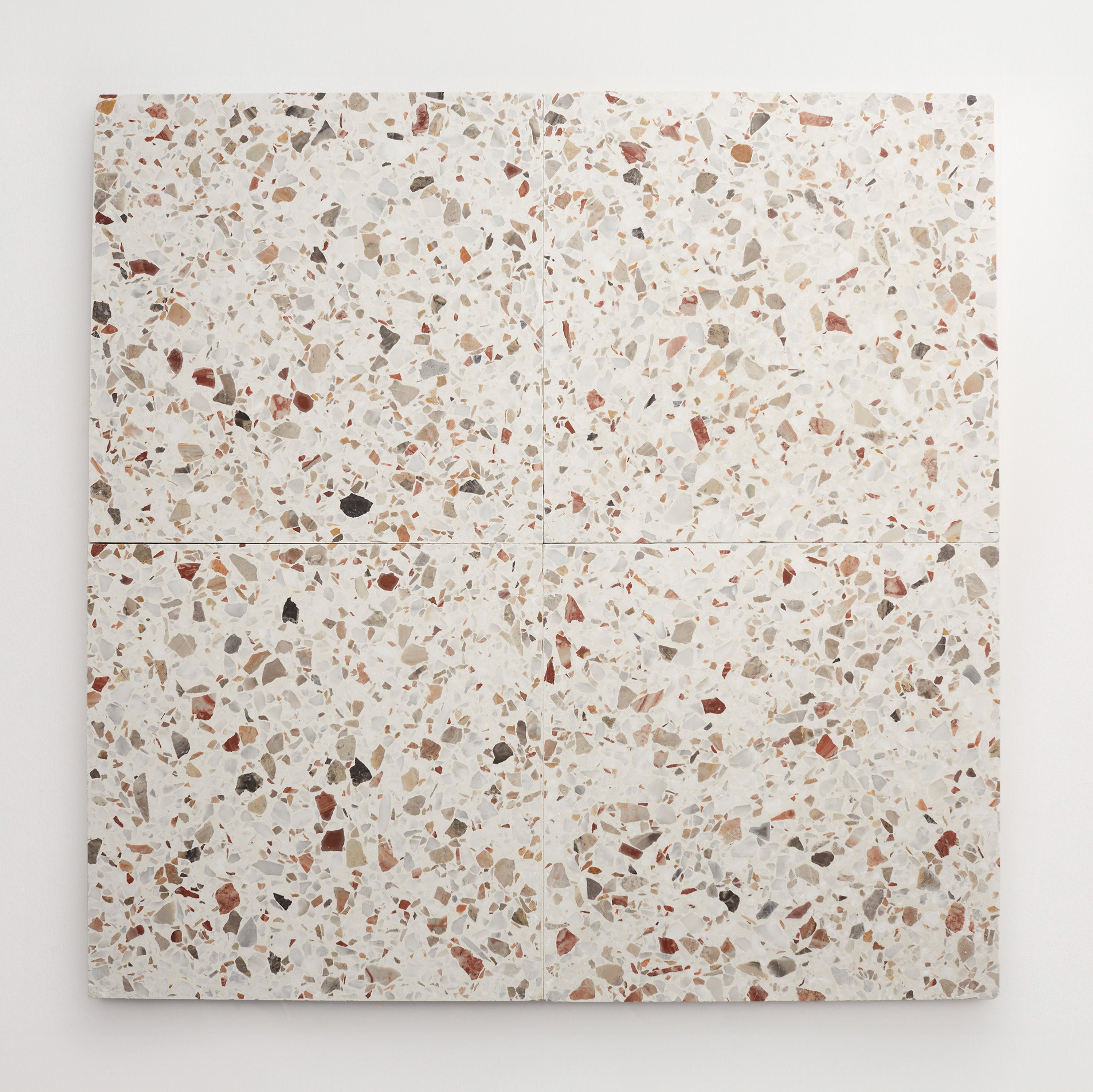
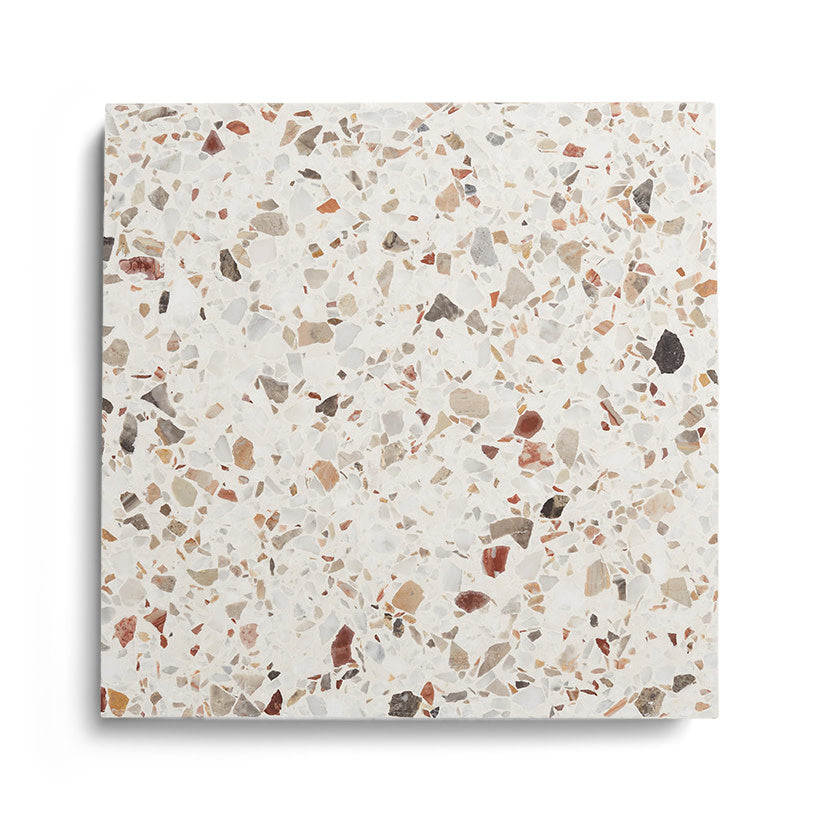
Colorway
-
Blanco
Collection
-
Dolce Vita Terrazzo
:
Sub Collection
-
Torrone II
Material
Length
-
4
" x
Width
-
16
" x
Thickness
-
¾
"
Unit of Measurement
-
sqft
/
Price per Unit
$