

Natural Pool Design Ideas for Every Backyard
Creating a backyard oasis is about more than just adding water. It’s about crafting a seamless extension of the landscape. A natural pool design achieves this by bringing together organic shapes, thoughtful plantings, tactile textures, and intentional material choices to create an environment that feels like it’s inherently part of the terrain.
Whether you're working with a compact city garden, a challenging sloped site, or a quiet shaded corner, a natural pool offers a refreshing, chemical-free sanctuary. Just ahead, we’re exploring the elements that turn a standard swimming pool into a landscape feature. Then, stick around: We’ll also share design strategies for maximizing smaller yards and highlight the materials that pull an entire outdoor space together.


What Makes a Pool Feel Natural
A natural pool is more than just water; it’s an immersive design language. It can be defined by ecological water treatment, a garden-integrated visual aesthetic, or a harmonious blend of both. Regardless of the technical setup, the hallmarks of a natural pool are the same: softened edges that blur the line between water and land, lush planted margins, and layered, tactile textures.
The Swimming Zone and the Regeneration Zone
A classic natural pool is divided into two distinct areas: the swimming zone, where you enjoy the water, and the regeneration zone, a shallow, plant-filled area that acts as the pool's biological filter. This structure is the gold standard for natural water quality, of course, but it’s also a powerful design tool.
In smaller or more design-led backyards, you can interpret this concept more compactly. By using integrated planted margins or adjacent water-garden channels, for example, you can gain the same ecological benefits and lush visual softness while maintaining a modern feel.
Why Materials Matter as Much as Planting
The character of a pool — whether it reads as an isolated installation or a landscape-integrated retreat — is often decided at the water’s edge. Coping and deck surfaces are the transition points where the pool meets the surrounding garden. Treating these areas as a deliberate design decision allows you to anchor the pool within the site’s topography and aesthetic.
Thoughtfully layering materials, from the texture of the coping to the tonal quality of the deck pavers, helps you establish a cohesive foundation that sets the stage for the plantings and architectural details that follow.

10 Natural Pool Design Ideas for Large and Small Backyards
Below, we explore 10 ideas that combine creative inspiration with practical strategies for any yard.
1. Mossy Stone Borders
Natural stone with moss accents are a wonderful way to give the pool an effortlessly aged, organic feel. Irregular stones stacked around the water’s edge create a gentle transition between the pool and the surrounding landscape, while the moss softens hard lines and adds a sense of quiet seclusion. Over time, moisture encourages lush green patches to spread across the stones, blending them even more seamlessly with nearby plantings.
This design approach works best in gardens with mature planting, woodland settings, or homes that benefit from an aged aesthetic. Natural stone-look pavers or textured surfaces can help create this softened edge effect.
2. Waterfalls and Streams to Soften the Soundscape
Incorporating gentle waterfalls, winding streams, or other falling water features into a natural pool design can transform the atmosphere by adding soothing movement that melts away stress. This design is particularly effective for sites dealing with nearby noise, sloped yards, or spaces that require a stronger visual focal point. A small cascade spilling over stacked rocks introduces a calming soundtrack that masks neighborhood noise and makes the area feel secluded.
Another perk: These flowing features oxygenate the water and support a balanced ecosystem if you’re including aquatic plants in your design. For this approach, look at water-friendly tile options like ceramic or glass to add an artisanal touch.
3. Plant-Filled Regeneration Zones
Central to the two-zone concept, the regeneration zone is where the magic happens. This lush, shallow area acts as the pool’s lungs, using aquatic plants like reeds and lilies to provide biological filtration that purifies the water naturally. Beyond their functional role, these zones are key to achieving that soft, organic aesthetic; they replace sterile pool edges with a vibrant transition between water and land. Dense greenery creates a thriving habitat that attracts birds and pollinators, making the pool feel like a true pond.
In more compact backyards, these planted margins can be interpreted as smaller pockets or integrated channels that maintain a lush feel without requiring a massive footprint. Surround these zones with natural stone like grangestone to keep the aesthetic going.
4. Stepping Stone Paths Across the Water
Adding stone step paths that bridge the natural pool is a striking way to blend beauty and function. Large, flat stones set just above the waterline invite guests to wander from one side to the other, creating a playful, serene experience that adds a sense of discovery.This design strategy works beautifully in transitional spaces, narrow side-yard pools, and garden-focused areas where circulation is just as important as lounging. By creating a physical path across the water, you encourage interaction rather than just observation.
When selecting materials, prioritize texture and stability to ensure safe footing. For a truly cohesive design, extend the same material from the deck or coping to the stepping stones. The Pemberley Pavers collection has a gently tumbled finish and nuanced color range that lend understated sophistication and slip-resistant texture.
5. Building Depth with Texture and Light
Creating visual depth in a natural pool relies on thoughtfully combining surface texture with shifting light. A dark, natural stone wall finish can pull the eye inward for a sense of intimacy, for example, while light-colored floor textures can make the water appear brighter and clearer. Think of the waterline as a primary design tool, too — the Swim collection offers options that harmonize with surrounding foliage to create a blurred edge.
Keeping the focus on surface materiality becomes especially important in smaller pools, where every finish directly impacts the feeling of the space. As sunlight filters through trees or dances on rippling water, it makes the pool feel more dynamic. Shaded corners, dappled reflections, and the contrast between smooth and rugged surfaces all lend a sense of natural richness.


6. Organic Forms and Soft Edges That Echo Nature
Designing a natural pool with flowing shapes and gentle curves helps it harmonize beautifully with the landscape. You might opt for truly freeform contours that mimic the way ponds and streams naturally meander, creating a relaxed feel where plantings spill over the borders to blur boundaries.
A more restrained rectangular pool can feel inherently natural, as well. By softening the edges with intentional planting, varied coping materials, and organic textures, you can achieve a modern-natural aesthetic that bridges the gap between structured design and wild landscape.
Both approaches, whether fluid or linear, allow the pool to look as though it has always been part of the terrain.
7. Mixed Materials That Blend Hardscape and Landscape
Blending a variety of natural materials like brick, stone, terracotta, terrazzo, wood, and gravel is essential for creating a pool that feels fully integrated with its surroundings. The key to layering these textures lies in tonal consistency. Rather than relying on a single material family, curate a palette where colors share similar undertones, allowing diverse textures like smooth tile and rough stone to coexist.
When navigating hardscaping ideas, think of the Poolside collection as a foundational element. Its curated range offers both durability and aesthetic warmth, bridging the gap between structure and nature. A stone coping can transition into a gravel path, for example, creating an environment that feels like a natural extension of the backyard.
8. Shaded Corners with Overhanging Greenery
Creating shaded nooks around a natural pool with overhanging plants adds a comforting softness to the backyard perspective. Trees, vines, and cascading foliage provide relief from the sun while framing the water with vibrant greenery. This design strategy is ideal for those seeking a calmer, cooler, and more private retreat, as the canopy creates a natural enclosure that buffers wind and sound.
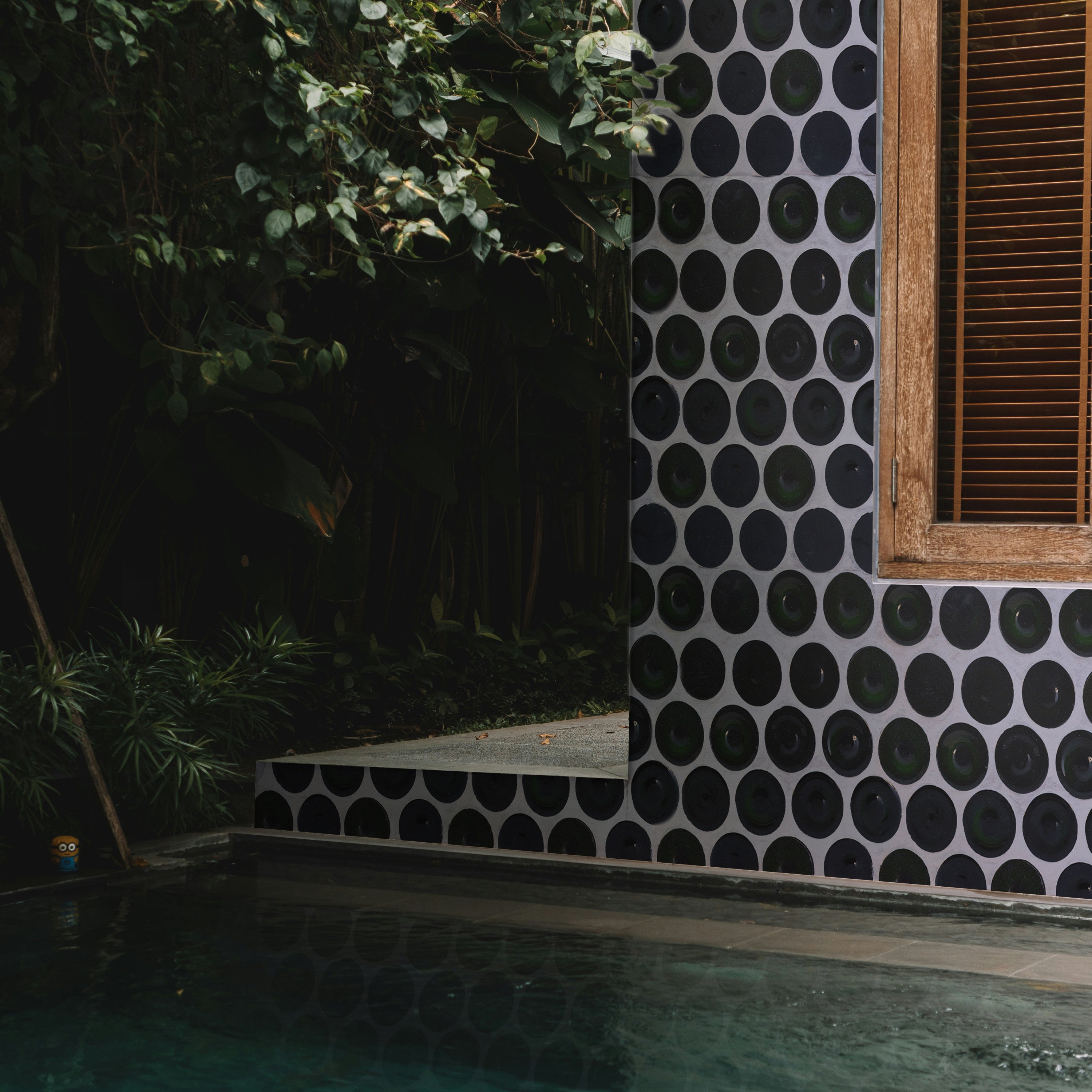
In these lower-light settings, material tone becomes a critical design element. Mid-tone, earthy finishes often feel warmer and more grounded than pale surfaces, which can appear cold or gray in the shade. To bring depth and texture to these quieter corners, consider this mosaic pool tile collection. Its artisanal character and nuanced surfaces respond beautifully to dappled light, ensuring the pool’s edge remains inviting and visually interesting.
9. Zero-Edge or Infinity Features for Small Backyards
In a compact backyard, incorporating a zero-edge or infinity-style pool creates an architectural focal point that visually expands the space. By allowing water to flow smoothly over one or more edges, this design blurs the boundary between the pool and its surroundings, making even a small area feel longer, wider, and more open.
This approach works especially well for sloped sites, urban gardens, or small yards with a borrowed view, where the horizon or garden beyond becomes part of the water feature itself. Zero-edge pools maintain a tranquil vibe, as well — they’re a sophisticated way to elevate even a small backyard.
Want to see how this design thrives in challenging terrain? Explore these sloped backyard pool ideas.
10. Create the Illusion of a Woodland Pond Nestled Into the Landscaping
Design an eco-friendly pool to mimic the serene charm of a woodland pond that’s seamlessly tucked within the garden’s greenery. Using irregular shapes, soft edges, and abundant native plants will create a space that feels untouched and organic. This concept works best for leafy lots, garden-heavy properties, and homes where the outdoor space should prioritize seclusion and softness.
To enhance the forest-like atmosphere, incorporate natural stone, gravel, and fallen logs with raw textures over polished or resort-style finishes. By blending the pool with surrounding trees and shrubs, you create a hidden sanctuary that echoes the calming beauty of nature’s quiet ponds.

Natural Pool Design Ideas for Small Backyards
When designing a natural pool for a smaller footprint, success often lies in tighter material control, stronger vertical planting, and more intentional edge design to create a sense of expansion.
Compact Freeform Layouts
Curved edges and integrated planted ledges can transform a small pool, softening its silhouette and ensuring it feels less boxed-in. This approach works exceptionally well in irregular lots, garden courtyards, or intimate spaces where the pool is best tucked into lush planting rather than centered abruptly in a lawn.
Plunge-Style Natural Pools
Plunge pools are an ideal format for smaller backyards, offering a refreshing experience without a large footprint. To ensure they feel like an intentional part of the landscape, surround the pool with layered greenery that blurs the edge between water and garden. Specifying coping and deck materials with warm, earthy tones — like those found in our Poolside collection — will help anchor the pool as an integrated feature.
Using Vertical Planting to Soften Tight Footprints
In smaller backyards, thinking vertically is your best approach for creating a sense of retreat. By incorporating vining plants, layered shrubs, trellises, or tall grasses along the pool’s perimeter, you can create privacy without sacrificing valuable floor space. Beyond creating a lush oasis, this technique improves day-to-day usability by providing cooling shade, dampening noise, and establishing a calmer visual field.
Designing a Natural Pool on a Sloped Site
A sloped backyard may seem like a design challenge, but it is better framed as a landscape asset. Embracing the natural grade change unlocks a wealth of architectural opportunities, from terraced lounge areas and dramatic water features to planted retaining walls that weave the pool seamlessly into the terrain.
Build With the Slope, Not Against It
Terraces, retaining walls, and stepped platforms can help a pool settle naturally into a sloped site. By carving horizontal planes into the incline, these structures ground the pool, turning the grade into a layered landscape rather than a barrier. To see how these techniques can be applied in practice, explore our sloped backyard pool ideas for inspiration on embracing your (or your client’s) site's unique topography.
Use Level Changes to Create Drama and Calm
Level changes are more than just a functional solution to sloping terrain — they are a design tool for shaping the pool experience. By incorporating raised shells, sunken lounge areas, or tiered platforms, you can create distinct “rooms” within the backyard that offer varying degrees of privacy and enclosure. A lowered basin can create a quiet retreat shielded from wind and view, for example, while an elevated edge can align the sightline with distant scenery.
Use Level Changes to Create Drama and Calm
Level changes are more than just a functional solution to sloping terrain — they are a design tool for shaping the pool experience. By incorporating raised shells, sunken lounge areas, or tiered platforms, you can create distinct “rooms” within the backyard that offer varying degrees of privacy and enclosure. A lowered basin can create a quiet retreat shielded from wind and view, for example, while an elevated edge can align the sightline with distant scenery.


Materials That Pull the Look Together
While plantings and form define the overall shape of a natural pool, it is the material layer that truly unifies the environment. From the waterline and coping to the surrounding decks and garden paths, these final finishes bring the entire design together.
Waterline Tile That Feels Connected to the Landscape
The waterline acts as the visual frame for the pool, determining whether it reads as a sharp cutout or an organic feature that emerges from the earth. To achieve a natural look, move away from high-contrast, bright blue, or hyper-reflective surfaces that can make a pool feel like a standard installation. Instead, lean into softer, earthy, or moody finishes that harmonize with the surrounding landscape. Our Swim collection offers the kinds of finishes that turn the waterline into a design detail.
Deck and Coping Surfaces with Warmth and Texture
The pool edge is where the landscape truly meets the water. When specifying coping and deck materials, prioritize options with slip-resistant textures, warm tones, and finishes that feel organic underfoot. (We love a travertine pool deck.) Whether you’re layering textured stone or earthy ceramic, the goal is to create a visual and physical bridge between the pool and the wilder edges of your yard. Our Poolside collection offers a curated selection of decks and coping designed to anchor a natural space.
Paths, Pavers, and Transitions Into the Garden
The journey from the patio to the pool is just as critical as the pool's edge itself. These transitions — whether they are stepping stones, winding paths, or paver-lined walkways — are what truly ground a pool in the landscape. For a timeless look, consider the Pemberley Pavers collection, whose gently tumbled finish and nuanced color variations lend an effortless quality that bridges the gap between structured patio spaces and the wilder textures of your backyard.
Keeping a Natural Pool Easy to Live With
A natural pool is a living, breathing part of the landscape, and its care is best approached like tending to a garden. By embracing a rhythm of seasonal upkeep — much like pruning shrubs or clearing borders — you shift the focus from strict maintenance to gentle stewardship.
Seasonal Maintenance Rhythms
Maintaining a natural pool is less about chores and more about working with the rhythm of the seasons. In the spring, you or your client should focus on trimming back dead foliage from your aquatic plants to give new growth space to thrive. Throughout the summer, it’s important to monitor circulation pumps to ensure water moves efficiently through the regeneration zone. As autumn arrives, it’s best to prune back overgrown grasses and clear fallen leaves before they reach the pool floor.
Designing for Lower Day-to-Day Upkeep
The secret to minimal maintenance is building balance into the design from the start. Layout, planting choices, and finish selection all play a role here. Cleaner edge conditions that discourage debris buildup can ensure the ecosystem stays balanced. Similarly, selecting durable outdoor surfaces makes for less time scrubbing and more time enjoying the water. By focusing on these practicalities, you create a pool that looks pristine while requiring far less daily management.
Designing a Natural Pool That Feels Connected to the Landscape
Natural pool design isn't defined by a single aesthetic. Whether you are drawn to the wild charm of a woodland retreat or the clean lines of a restrained layout, the true mark of a successful design is intention. When the water, hardscape, and planting feel thoughtfully connected, the pool becomes more than a feature — it becomes a seamless part of your landscape.
Explore our pool tile collections to find a wealth of inspiration for your next natural pool project.

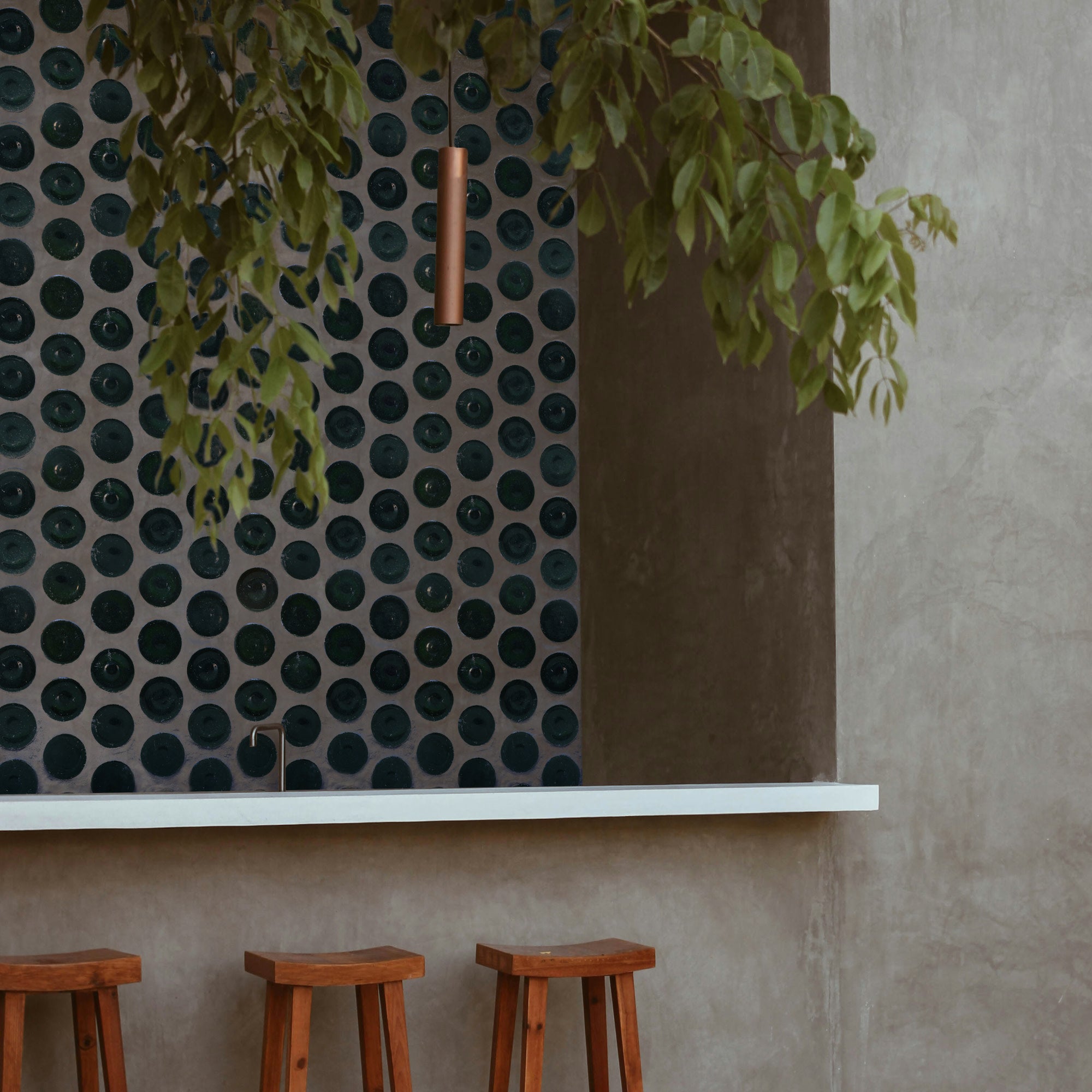
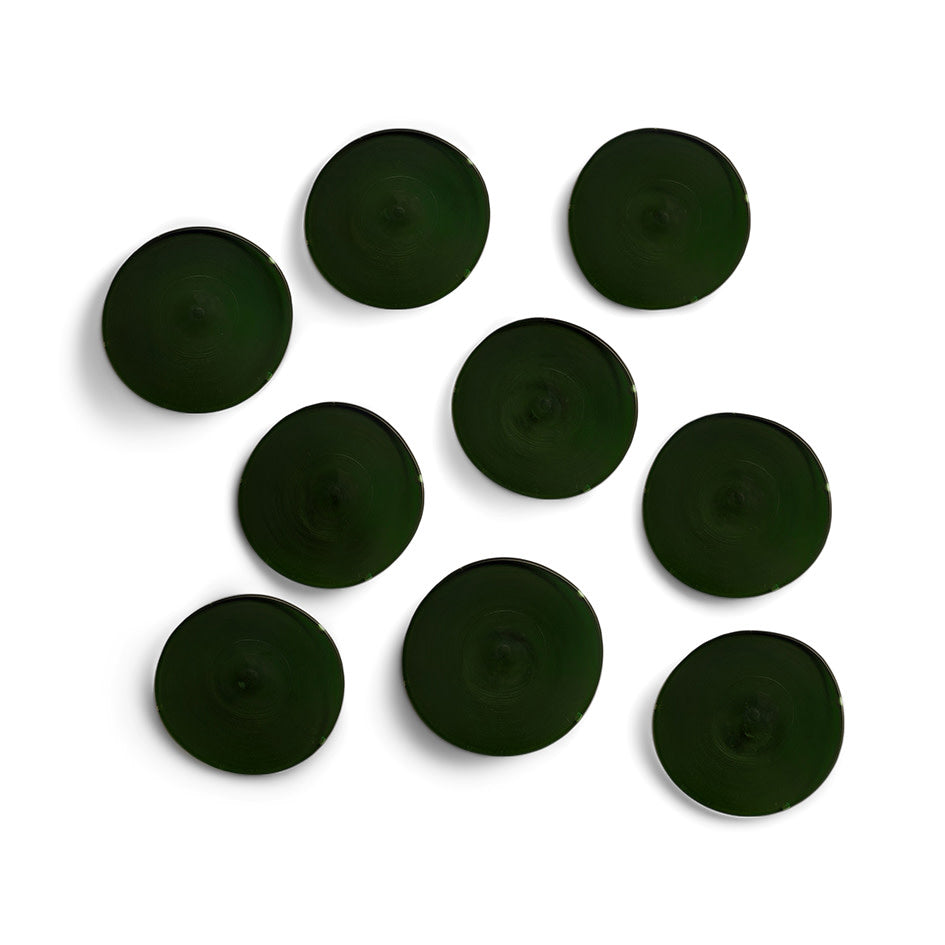
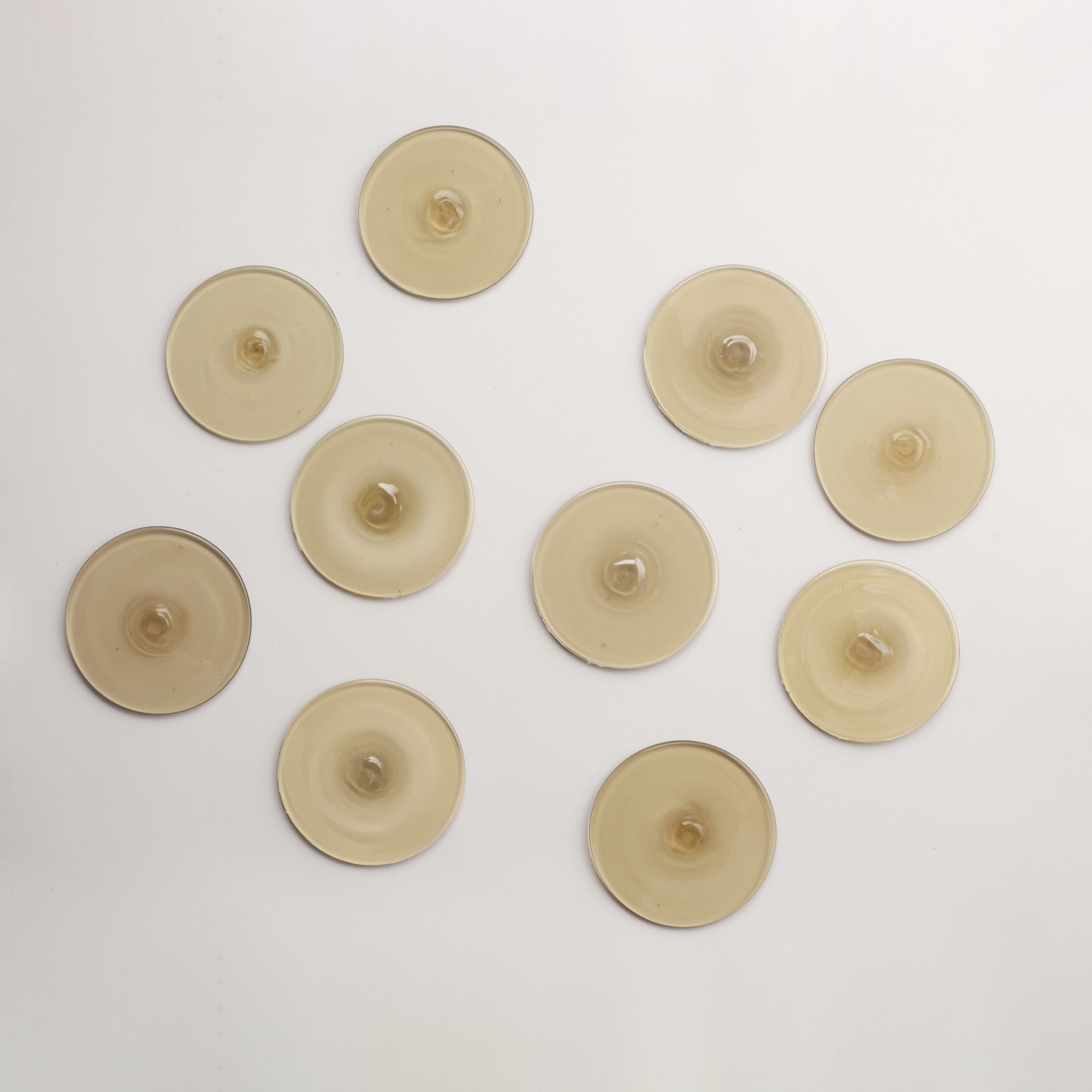
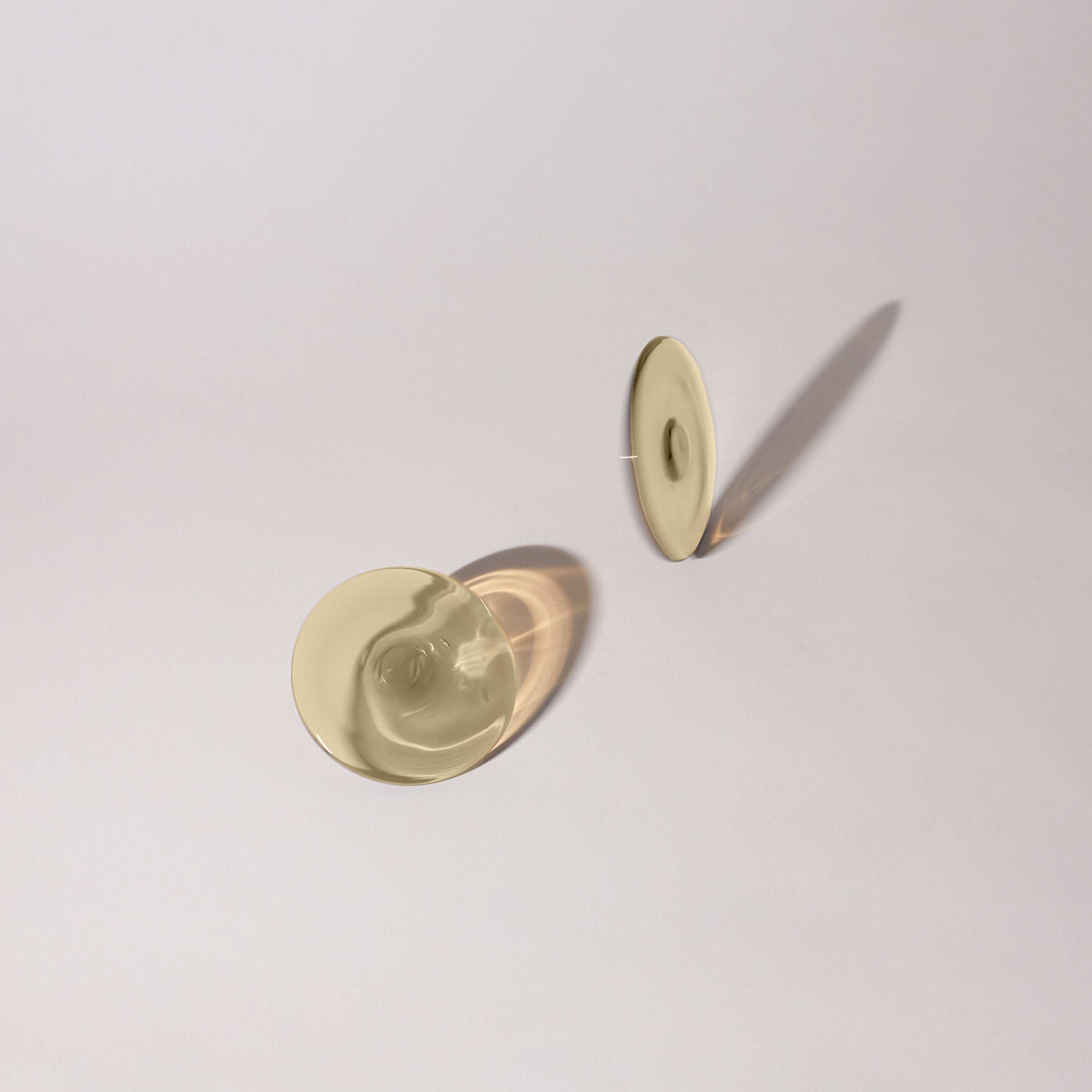
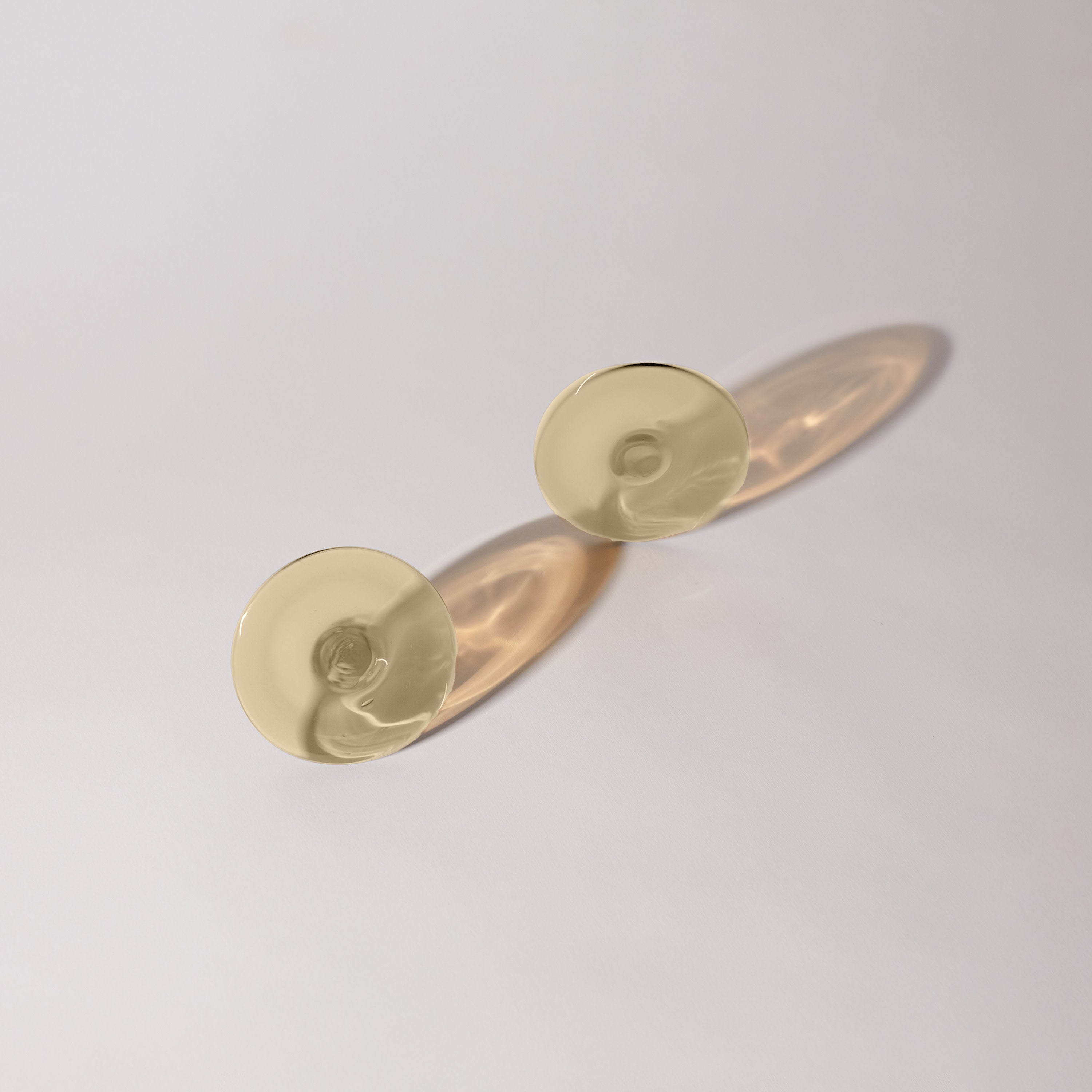
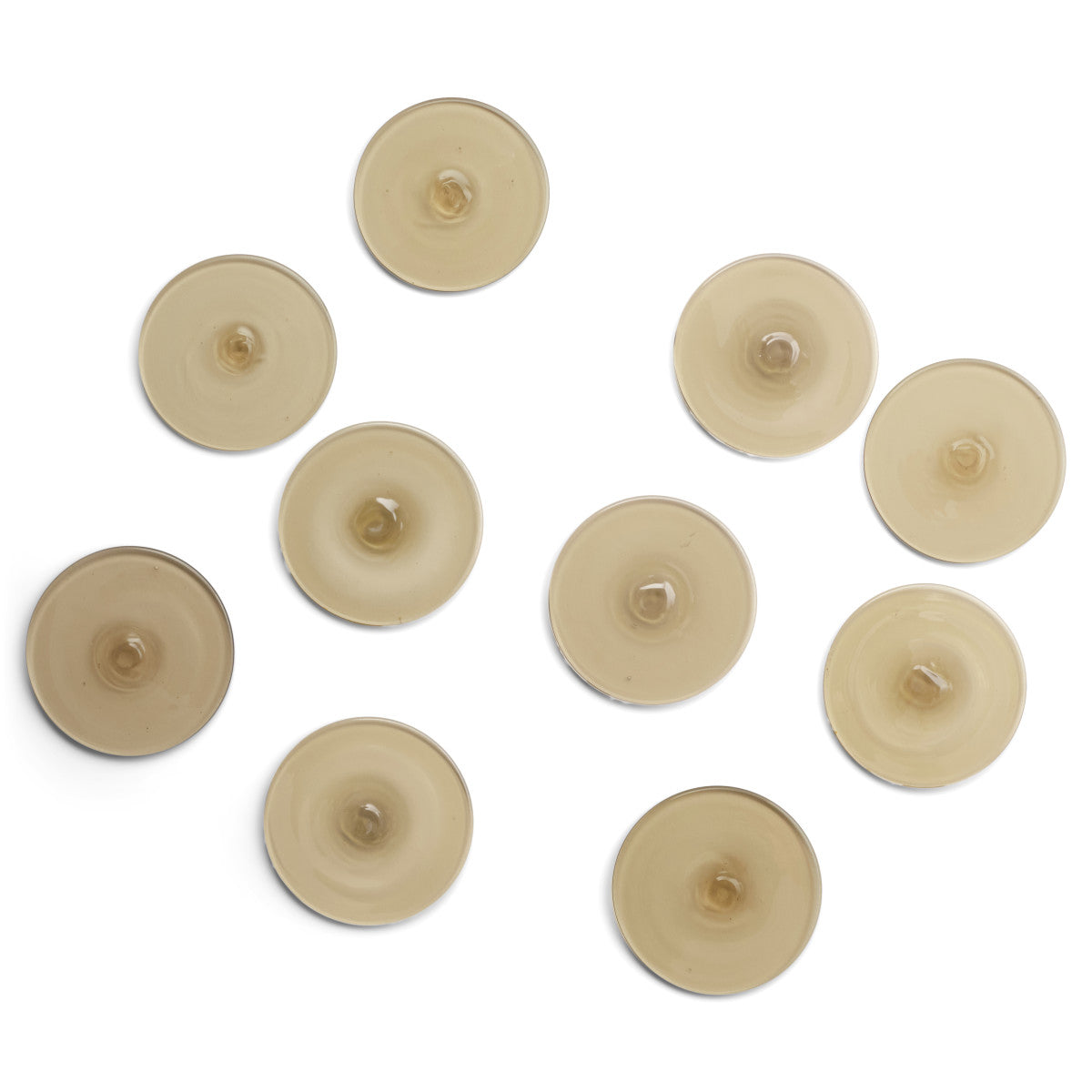
Colorway
-
Freddie
Collection
-
1970s GlassWorks
:
Sub Collection
-
le Disque
Material
Length
-
4
" x
Width
-
4
" x
Thickness
-
¼
"
Unit of Measurement
-
sqft
/
Price per Unit
$
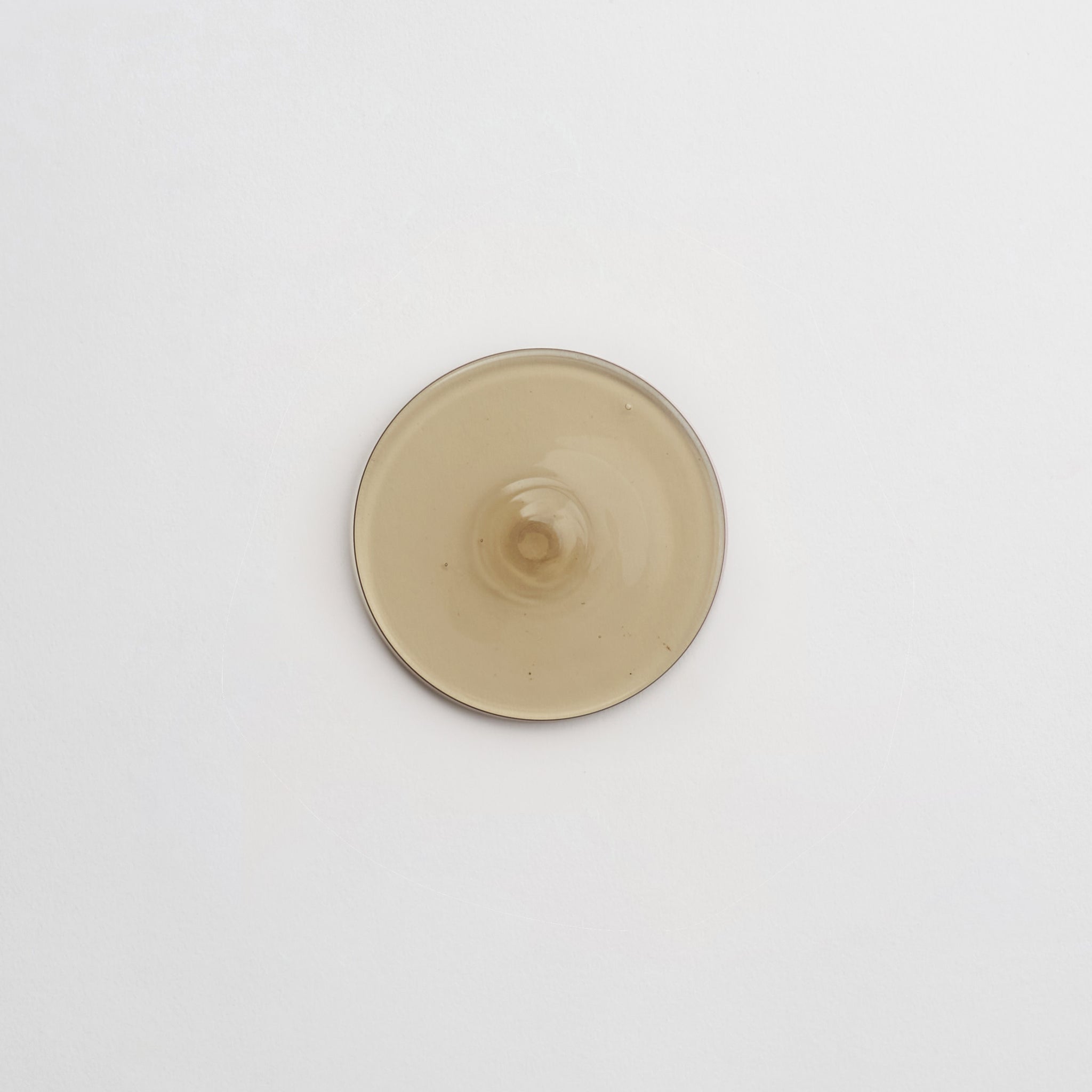
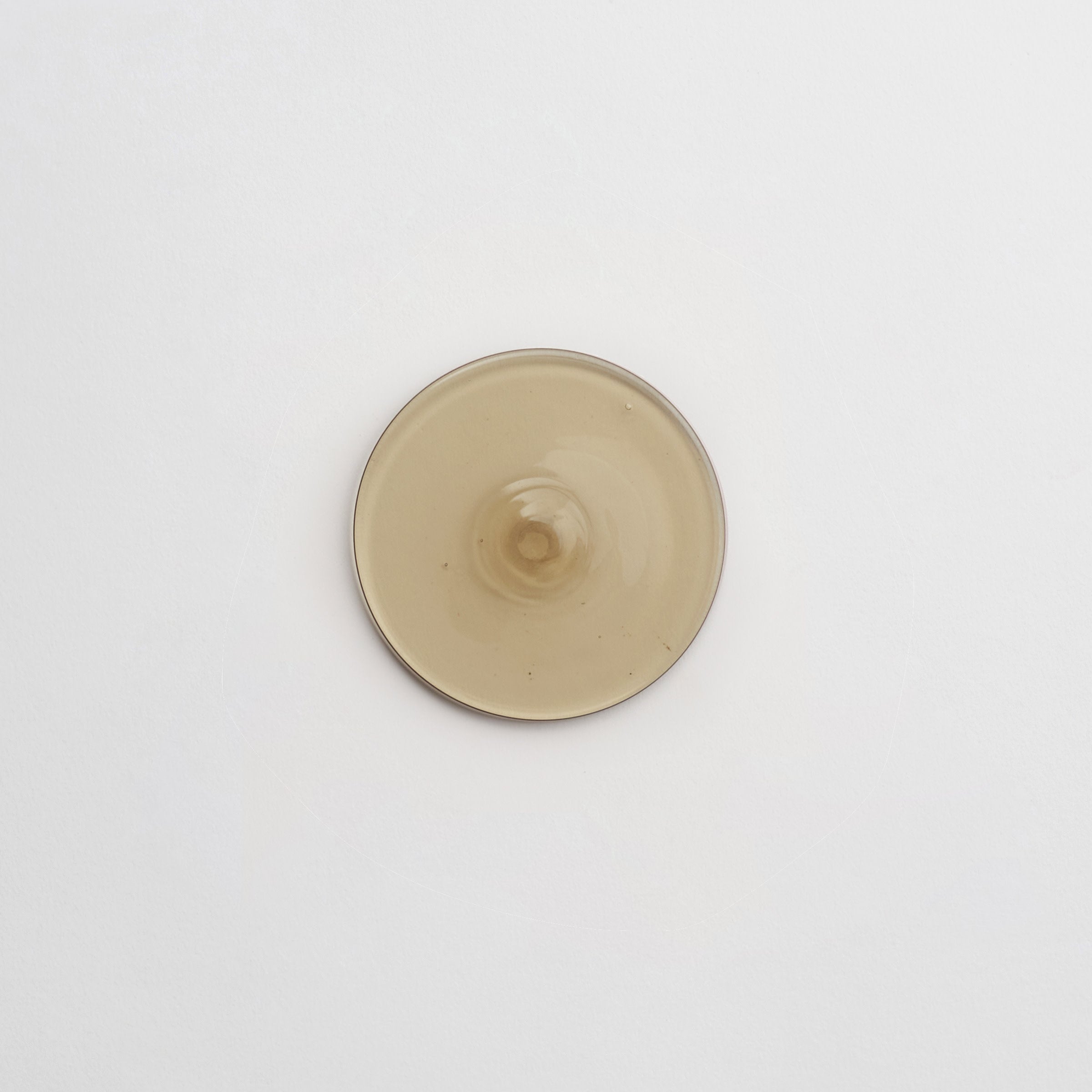
Colorway
-
Agave
Collection
-
1970s GlassWorks
:
Sub Collection
-
le Disque
Material
Length
-
8
" x
Width
-
8
" x
Thickness
-
⅞
"
Unit of Measurement
-
sqft
/
Price per Unit
$
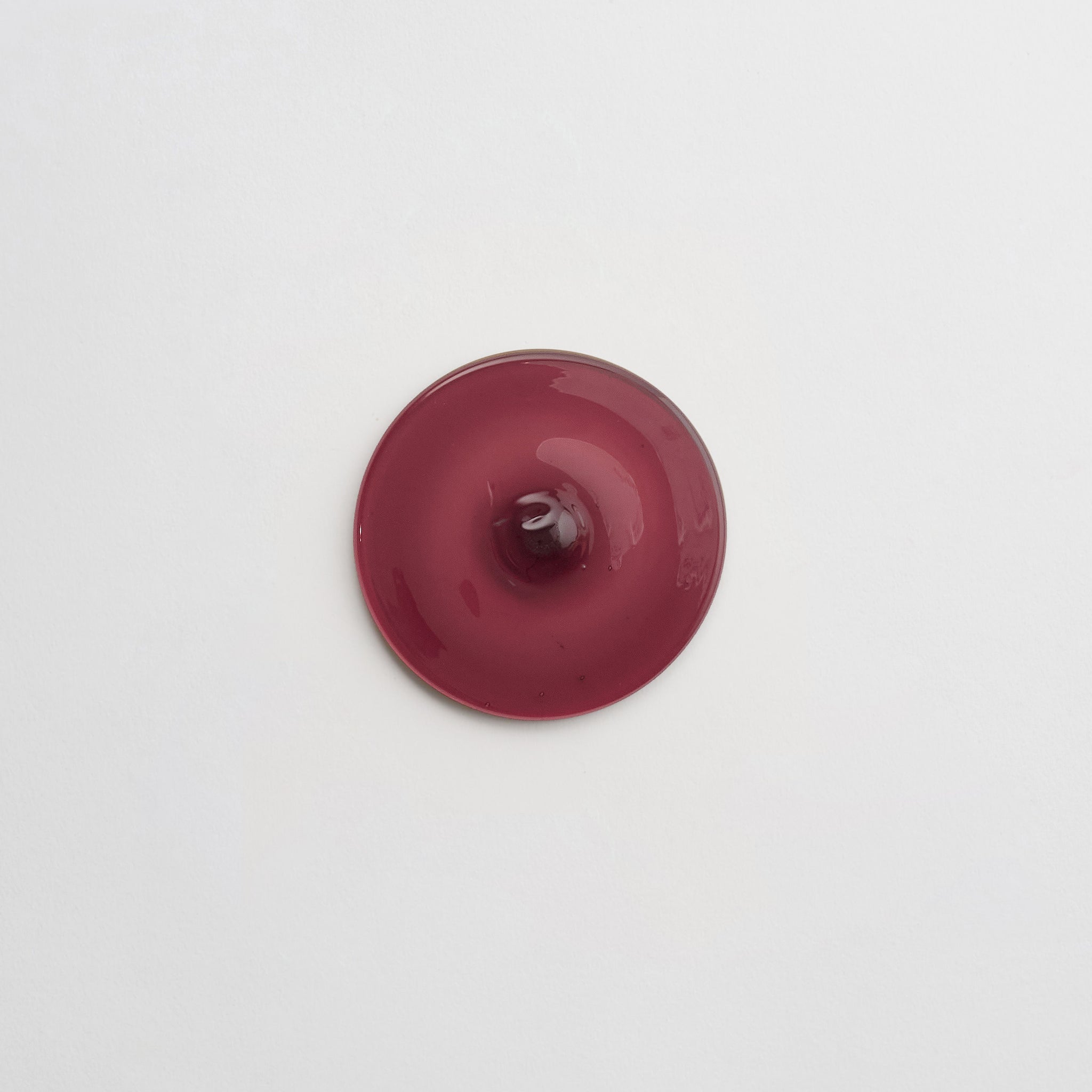
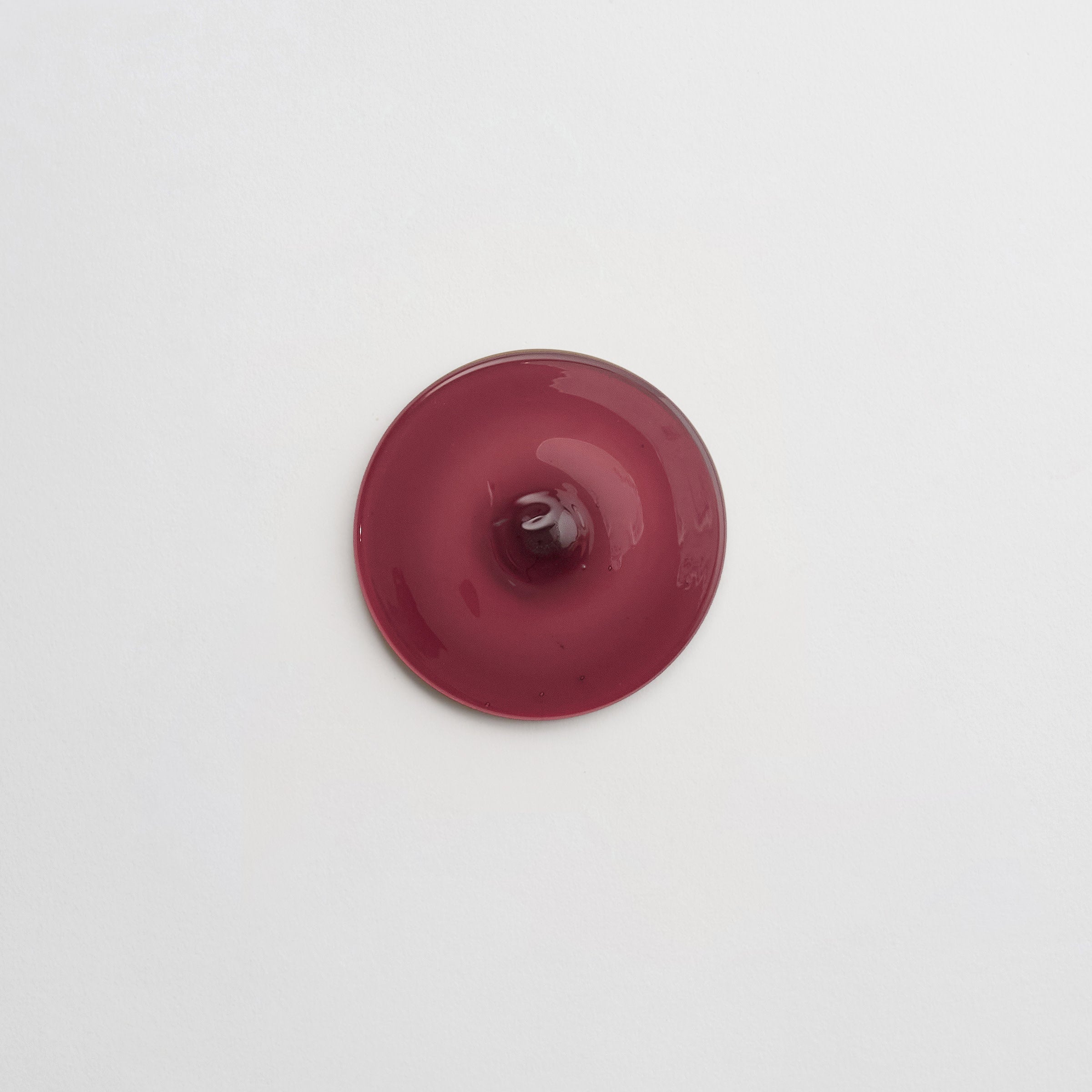


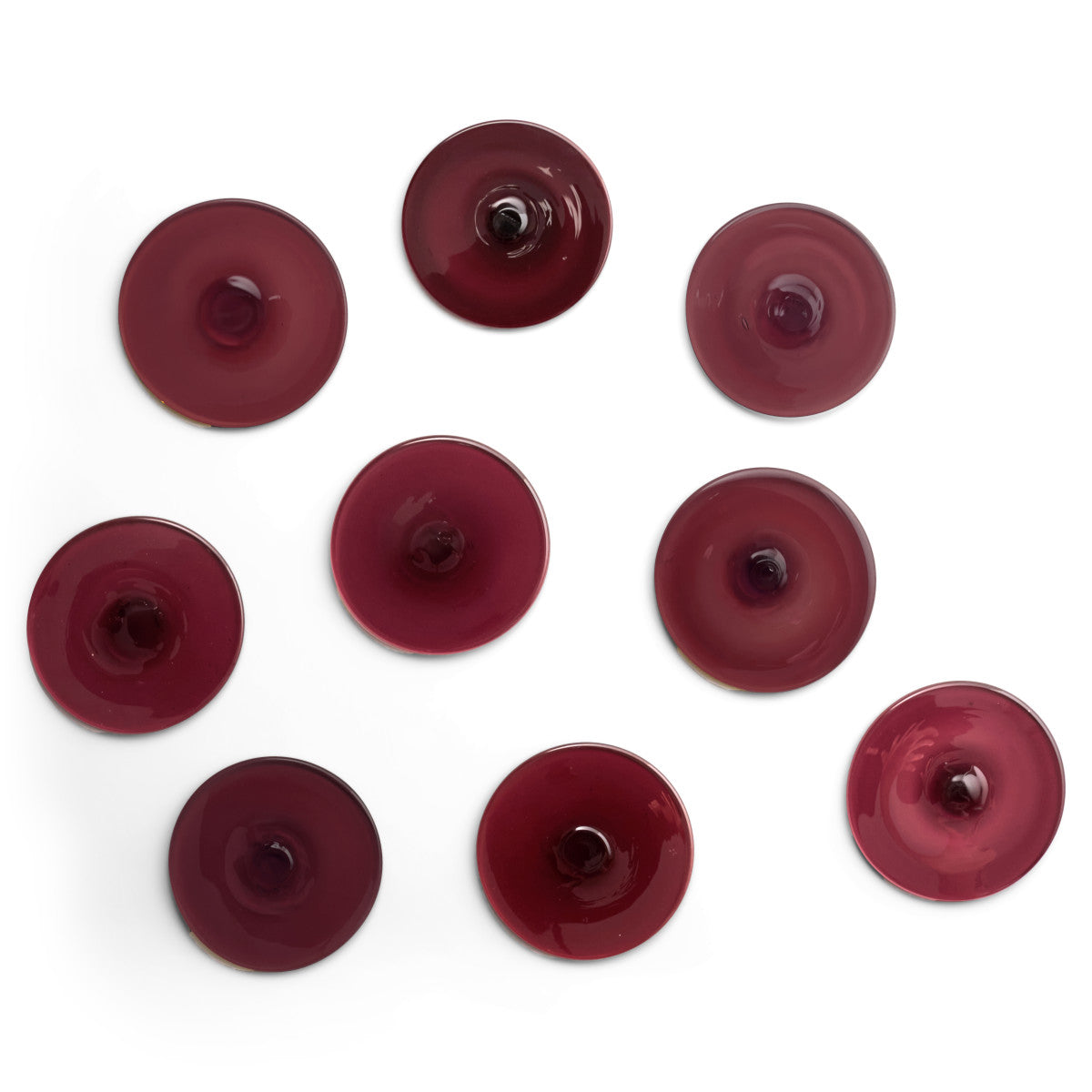
Colorway
-
Chambord
Collection
-
1970s GlassWorks
:
Sub Collection
-
le Disque
Material
Length
-
4
" x
Width
-
16
" x
Thickness
-
¾
"
Unit of Measurement
-
sqft
/
Price per Unit
$