

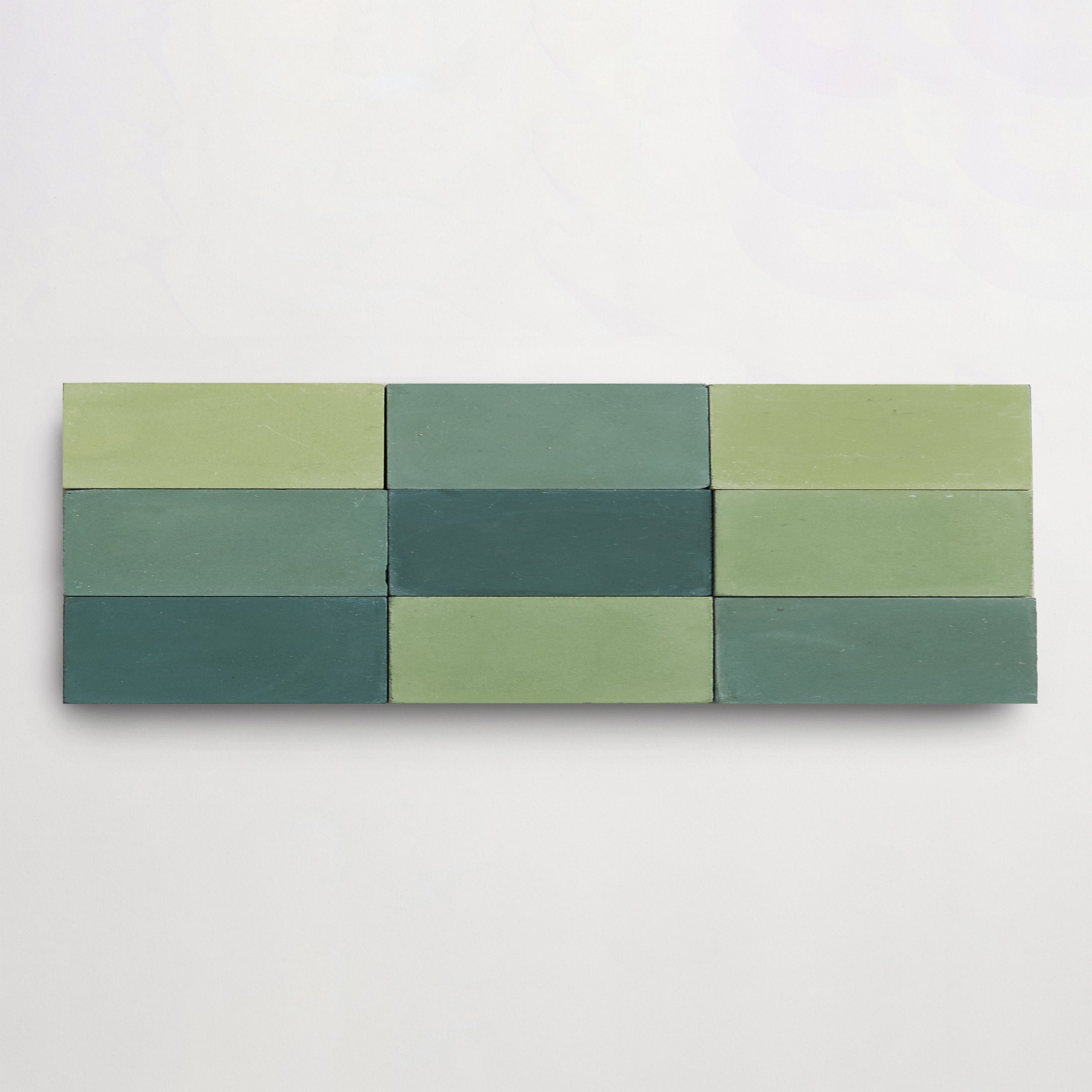
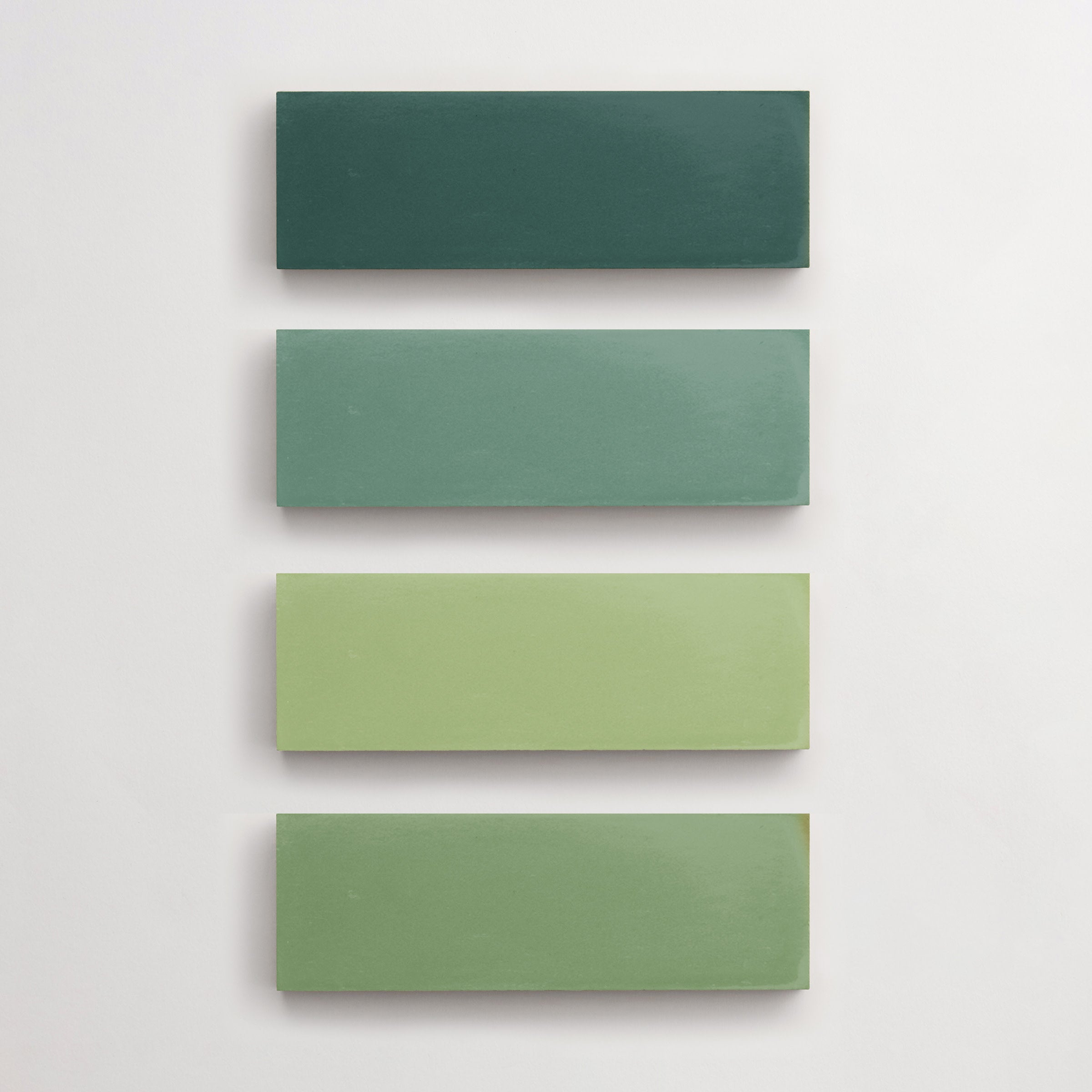
FezBrick Amulet 1x8 in Natural Unfinished.
Outdoor Kitchen Tile Ideas for Every Surface
An outdoor kitchen succeeds when its materials work together as thoughtfully as its layout. Few spaces ask more of their surfaces: the floor must stand up to foot traffic, changing weather, and the occasional dropped pan; the backsplash must withstand heat, grease, and frequent cleaning; and the countertop becomes the stage where cooking, serving, and gathering all unfold. The tile that performs beautifully in one location won't necessarily be the best choice for another.
Thinking about these three surfaces as a unified palette—not three separate decisions—is what elevates an outdoor kitchen from functional to unforgettable. The most compelling outdoor kitchen tile ideas balance performance with character, selecting materials that respond to their specific role while sharing a common visual language. Texture, color, finish, and scale all work together to create a space that feels connected to the home, the surrounding landscape, and the way it's meant to be lived in.
This guide explores each surface in turn, offering design inspiration and material direction for floors, backsplashes, and countertops. Along the way, we'll draw from enduring craft traditions—from the patterned courtyards of Andalusia to the luminous ceramics of Morocco and the refined stoneware heritage of Italy—to show how timeless materials continue to shape contemporary outdoor living.
Whether you're gathering inspiration for small outdoor kitchen tile ideas or planning a generous entertaining space with large outdoor kitchen tile ideas, the goal remains the same: choosing surfaces that perform beautifully on their own while creating an outdoor kitchen that feels cohesive, enduring, and deeply considered.


Three Surfaces, One Design Language
The most memorable outdoor kitchens aren't defined by a single standout material—they're shaped by the relationship between every surface. A cohesive design doesn't require the same tile to appear everywhere. Instead, it comes from selecting materials that share a common language through their finish, color palette, texture, or craftsmanship. When these elements work together, the entire space feels intentional, even as each surface serves a different purpose.
An outdoor kitchen is ultimately composed of three distinct material zones. The floor establishes the foundation, supporting circulation while standing up to weather and everyday use. The backsplash protects the wall behind the grill and prep areas while introducing color, texture, or handcrafted detail at eye level. The countertop is where function and hospitality meet, requiring a surface that performs under constant use while completing the overall composition.
Rather than treating each of these areas as an isolated design decision, it's helpful to think of them as parts of a single material palette. Anchoring the space with one or two complementary materials—and allowing variations in scale, format, or finish to create contrast—produces an outdoor kitchen that feels curated rather than assembled. This design-led approach is reflected throughout OUTERclé's collections, where artisan materials are selected not only for their individual performance, but also for the way they can be layered together to create outdoor cooking spaces with lasting character and cohesion.

The Floor: Where Every Outdoor Kitchen Begins
Every outdoor kitchen begins with the floor. More than any other surface, it establishes the material language that the rest of the space builds upon, setting the tone for everything from cabinetry and countertops to the surrounding landscape. The strongest outdoor kitchen tile ideas recognize that the floor isn't simply a backdrop—it's the foundation that visually unites cooking, prep, and dining into one cohesive environment.
Unlike a typical patio, an outdoor kitchen floor must respond to a different set of demands. It sits alongside grills, pizza ovens, sinks, and prep stations, where water, grease, food spills, and radiant heat become part of everyday use. It also serves as a working surface where secure footing is just as important as aesthetics, requiring materials that provide traction without sacrificing design.
Whether you're exploring small outdoor kitchen tile ideas or planning large outdoor kitchen tile ideas for an expansive entertaining space, the floor is often the element that determines how generous—or intimate—the entire kitchen feels. Scale, finish, and pattern all influence how the eye moves through the space, making thoughtful material selection one of the most important design decisions in the project.
Material Choices for Outdoor Kitchen Floors
Porcelain remains the benchmark for outdoor kitchen flooring because it excels across nearly every performance category. Its dense, low-porosity composition resists moisture, staining, and temperature fluctuations, while textured exterior-rated finishes provide dependable traction underfoot. Easy to clean and highly durable, porcelain offers a refined appearance without demanding constant upkeep, making it one of the most versatile choices for hardworking outdoor kitchens.
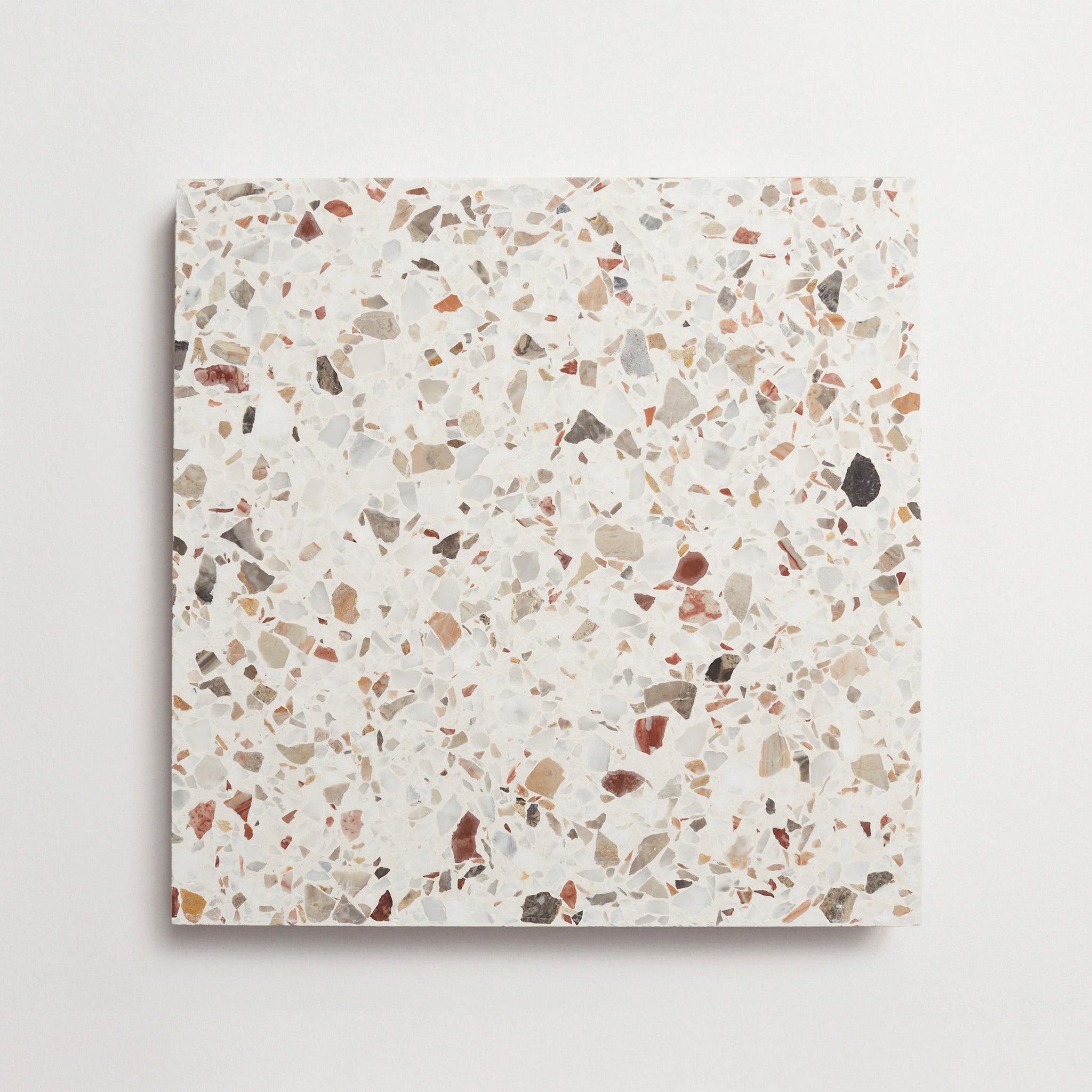
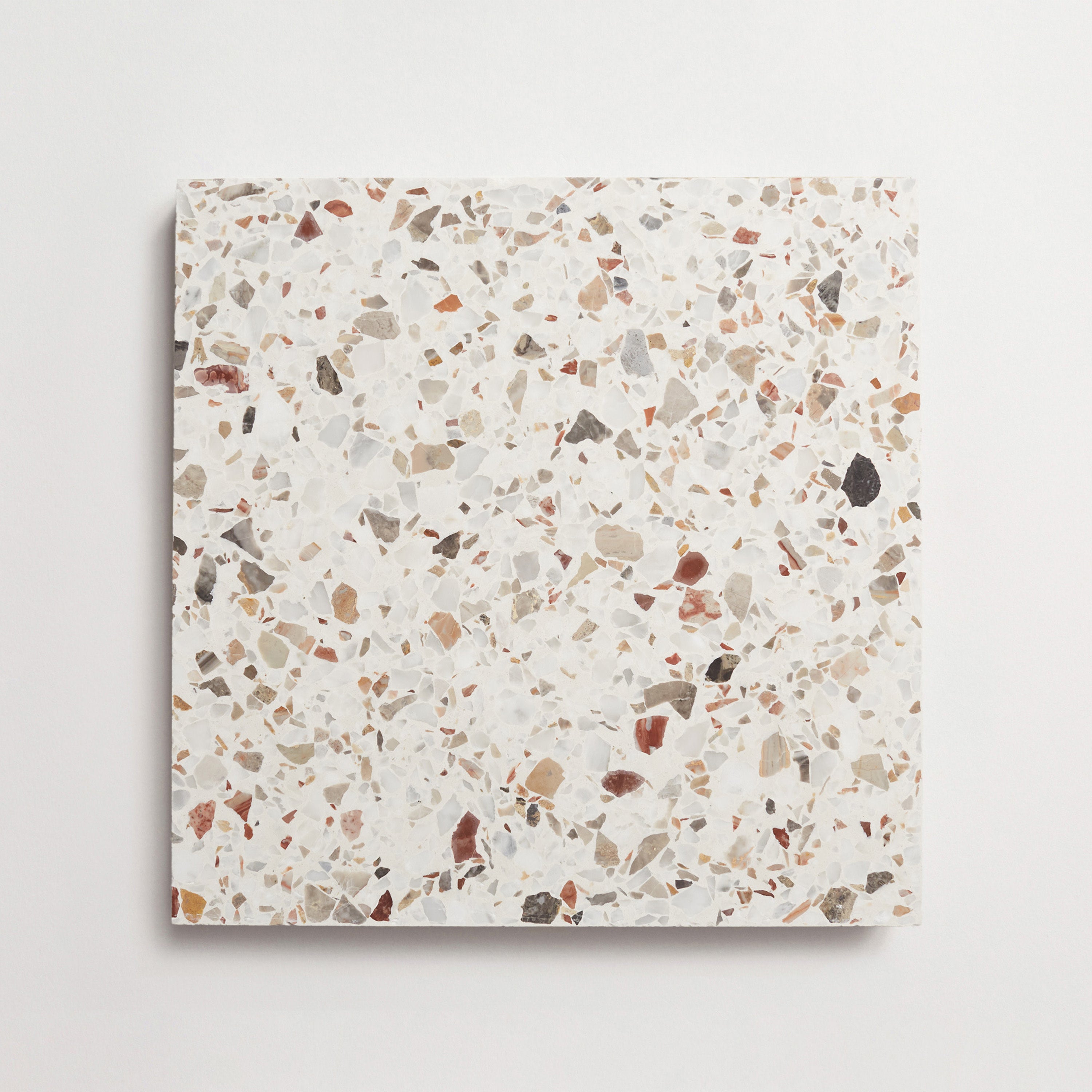
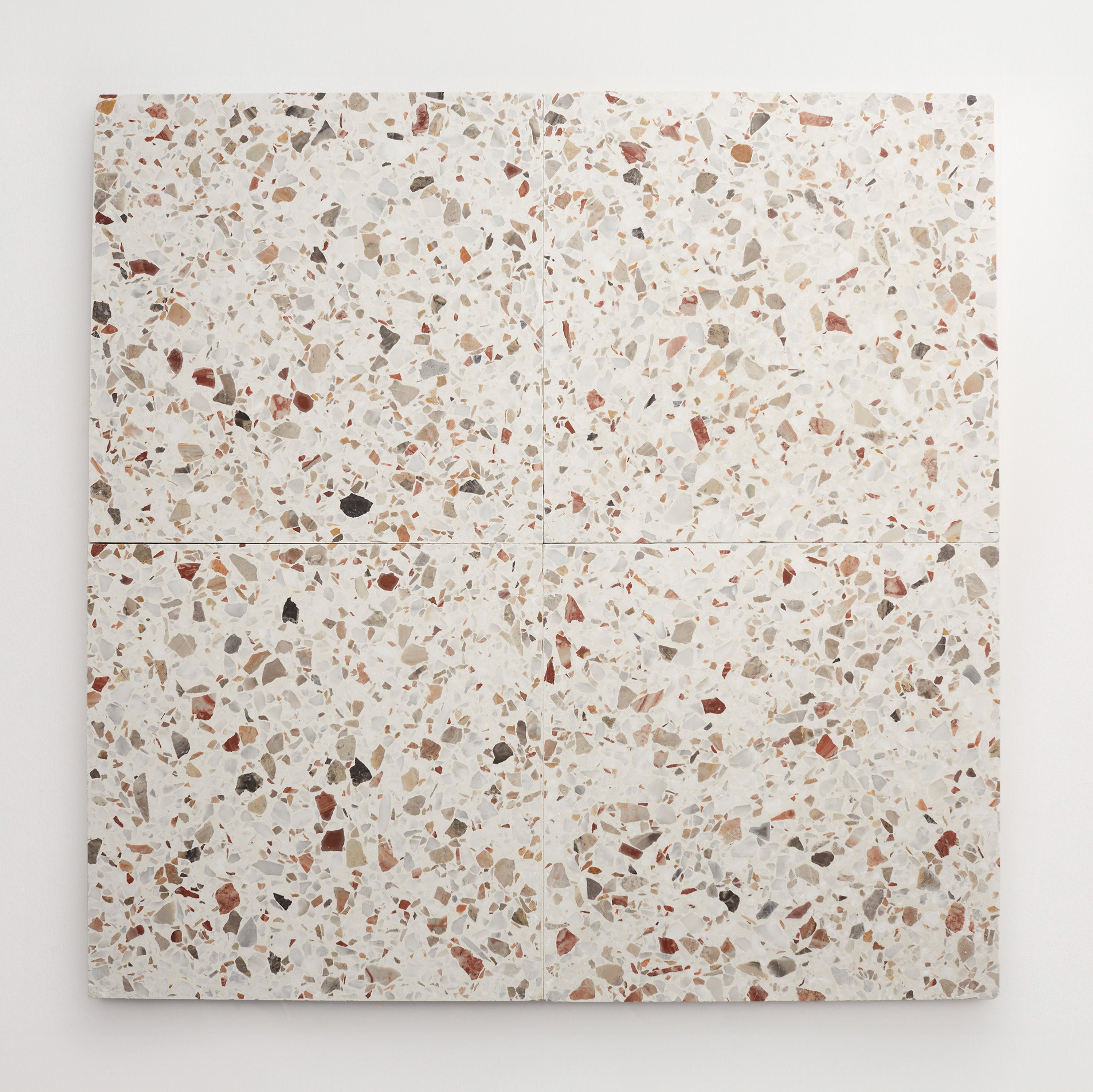
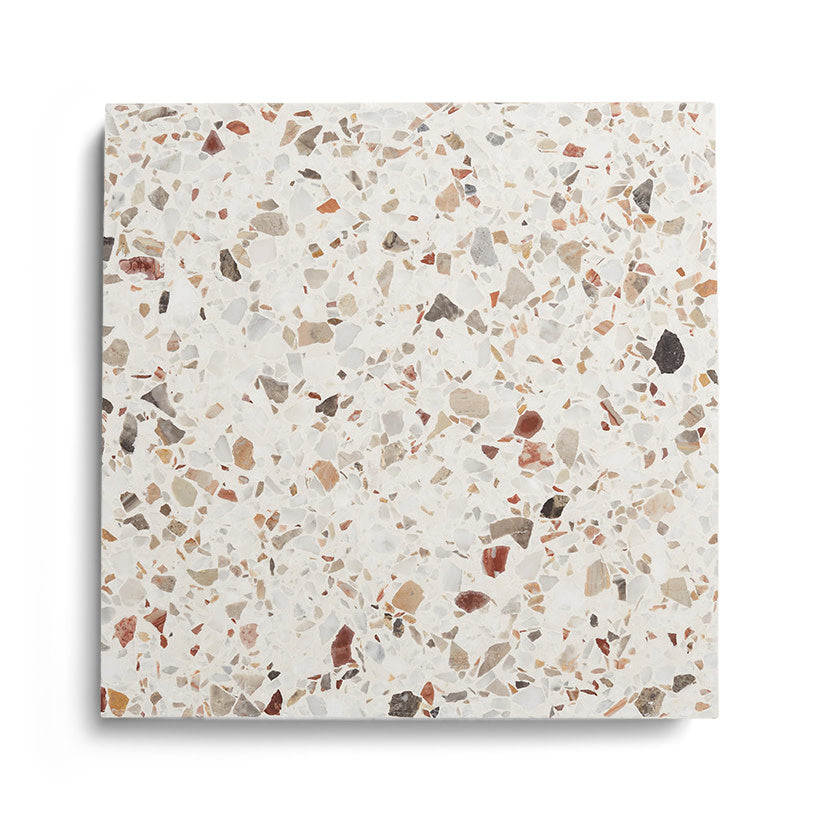
Terrazzo introduces a different kind of richness. The interplay of stone chips suspended within the surface creates visual depth that rewards closer inspection while maintaining the durability and water resistance needed outdoors. When specified in sealed or factory-finished formats suitable for exterior applications, terrazzo lends a contemporary yet timeless character that pairs beautifully with natural materials and surrounding landscapes.
For homeowners seeking a more organic expression, natural stone brings unmatched authenticity. Travertine's softly textured surface offers comfortable footing while developing a gentle patina over time, making it a natural fit for Mediterranean-inspired kitchens. Slate, with its subtle cleft texture and matte finish, minimizes glare in bright sunlight while introducing tonal variation that feels grounded and quietly architectural.
This layered approach to outdoor flooring has deep historical roots. The tiled courtyards of Andalusia have long demonstrated how thoughtfully chosen floors can anchor spaces designed for cooking, gathering, and everyday life. That same material philosophy continues in OUTERclé's curated collections of porcelain, terrazzo, and natural stone, where artisan surfaces bring centuries of outdoor living tradition into contemporary kitchens.
Tile format further shapes the experience of the space. Large-format porcelain or stone creates broad, uninterrupted planes that can make a compact outdoor kitchen feel more expansive. In larger kitchens, smaller formats and classic layouts such as herringbone or running bond introduce rhythm, helping define circulation paths and subtly distinguish cooking, prep, and dining zones without interrupting the overall composition.
Finish, Texture, and the Working Surface
Finish is every bit as important as material. In a working kitchen, matte or lightly textured surfaces consistently outperform polished finishes, offering better traction when the floor is wet, reducing glare under direct sunlight, and developing character gracefully as the space is used over time. Rather than revealing every scuff or footprint, these finishes tend to age with quiet confidence.
Grout deserves equal consideration. The width of the joint and its color influence not only the appearance of the installation but also how the floor performs in daily use. Tighter joints create a cleaner, more continuous surface, while grout selected in a complementary mid-tone or slightly darker shade can help disguise the inevitable traces of cooking and entertaining. These subtle decisions contribute to an outdoor kitchen floor that feels refined, practical, and built to support years of gathering.
The Backsplash: The Outdoor Kitchen's Design Statement
If the floor establishes the foundation, the backsplash gives an outdoor kitchen its personality. It's the surface that frames the grill, anchors the cooking zone, and naturally draws the eye once the practical work of preparing a meal is done. More than any other element, the backsplash has the opportunity to introduce artistry, texture, and craftsmanship without compromising the kitchen's function.
An outdoor backsplash, however, faces a different set of conditions than one inside the home. Instead of protecting against occasional steam and splashes, it must withstand prolonged UV exposure, airborne grease and smoke, seasonal weather, and moisture from rain and humidity. It also exists within a broader visual context, connecting the kitchen not to interior cabinetry, but to gardens, patios, and surrounding architecture. The most successful designs acknowledge both its practical demands and its role as a defining architectural feature.
Materials That Perform and Inspire Behind the Grill
Glazed ceramic tile remains one of the most versatile backsplash materials for outdoor kitchens. Durable, easy to clean, and highly resistant to UV exposure, ceramic offers lasting color while opening the door to handcrafted glazes, painterly variation, and centuries-old decorative traditions. Its richness comes not only from color, but from the subtle movement and depth that quality glazed surfaces develop as natural light shifts throughout the day.
Cement tile introduces a more graphic expression. Handcrafted encaustic cement tiles bring bold pattern and a strong sense of craft, making them especially compelling in covered or semi-covered outdoor kitchens where their decorative character can take center stage. Because each tile is individually made, slight variations in color and pattern are part of the material's authenticity, adding warmth and individuality that machine-made products cannot replicate.
Glass tile offers an entirely different experience. Its reflective surface captures changing daylight and evening illumination, introducing brightness and visual movement to outdoor kitchens that receive generous natural light. Used thoughtfully, glass can soften the weight of masonry and stone while creating subtle moments of luminosity that evolve throughout the day.
Natural stone provides perhaps the greatest sense of permanence. Limestone, slate, travertine, and other stone surfaces bring warmth, texture, and cultural depth while pairing beautifully with stainless steel grills and appliances. The dialogue between handcrafted stone and refined metal creates a balanced composition that feels both grounded and contemporary.
There is a long tradition of treating the cooking wall as both a functional and artistic surface. The glazed zellige backsplashes of Moroccan riads have framed hearths and cooking spaces for centuries, protecting masonry while celebrating the beauty of handcrafted ceramic. That same philosophy continues in OUTERclé's collections of ceramic, glass, and cement tile, where artisan craftsmanship transforms a practical surface into the visual heart of the outdoor kitchen.
Interested in exploring this surface in greater depth? Our guide to outdoor kitchen tile backsplash ideas expands on material selection, layout, and design considerations.
Pattern, Scale, and Where to Let the Tile Speak
Not every backsplash needs to command equal attention. In kitchens anchored by restrained flooring and understated countertops, a full-height patterned installation can become the room's defining feature, bringing color, rhythm, and handcrafted detail to the composition.
For a quieter approach, a single feature panel behind the grill often delivers the same architectural impact with greater restraint. Framed by more neutral surrounding materials, the tile becomes a focal point without overwhelming the rest of the kitchen.
This is also the ideal place to introduce stronger color, expressive pattern, or references to historic craft traditions. Because the backsplash occupies a vertical plane, it remains visually distinct from the hardworking surfaces below, allowing decorative tile to enrich the space without competing with the countertop or interrupting the flow of the floor.
If you're considering different approaches to this focal surface, our companion guide to outdoor grill backsplash tile ideas provides further inspiration for balancing performance with artisan design.
The Countertop: Where Material Meets Craft
The countertop is where an outdoor kitchen works its hardest. It supports meal preparation, serving, and gathering while standing up to constant contact, changing weather, radiant heat, and the demands of everyday use. At the same time, it's one of the most visible surfaces in the entire composition, connecting the cooking area to adjacent seating, dining, and entertaining spaces. Few materials are asked to perform more—or contribute more to the overall design.
Outdoor countertops require a different level of consideration than their indoor counterparts. Materials must tolerate seasonal temperature swings, from freeze-thaw cycles in colder climates to intense summer heat near grills and pizza ovens. Food preparation areas benefit from low-porosity or non-porous surfaces that are easy to clean, while thoughtful grout line management improves both long-term maintenance and the visual clarity of the finished installation.
The Strongest Materials for Outdoor Kitchen Countertops
Porcelain has become the benchmark for outdoor countertop performance. Its non-porous composition resists moisture, stains, and temperature fluctuations while offering exceptional heat tolerance for active cooking environments. Available in large-format slabs and oversized tile formats, porcelain minimizes grout lines and creates a refined, uninterrupted work surface that balances practicality with contemporary design.
Terrazzo offers a more expressive alternative without sacrificing durability. When specified in sealed or factory-finished formats suitable for outdoor applications, it provides excellent resistance to moisture while introducing remarkable visual depth. The interplay of marble, quartz, and glass chips creates a richly layered surface that rewards close inspection, making terrazzo as much a design statement as a working countertop.
Natural stone remains an enduring choice for those who value authentic material presence. Granite combines impressive heat resistance with lower maintenance requirements than many other natural stones, making it especially well suited to outdoor cooking environments. Quartzite delivers similarly robust performance while offering elegant veining that recalls marble, paired with greater resistance to etching and weathering. Both materials bring a sense of permanence that complements artisan tile and handcrafted architectural details.
Throughout Italy, outdoor kitchens have long treated the countertop as more than a work surface. Rooted in the country's stoneworking traditions, it has historically been understood as an object of craft—carefully selected, beautifully detailed, and built to serve generations of gathering. That same philosophy informs OUTERclé's collections of porcelain and terrazzo, where performance and craftsmanship are considered inseparable.
For a deeper exploration of countertop materials and design approaches, our guides to outdoor kitchen tile countertop ideas and porcelain outdoor countertops offer additional inspiration and planning guidance.
Finish Decisions and Indoor-Outdoor Continuity
One of the most effective ways to create a cohesive entertaining environment is by extending the same countertop material from the indoor kitchen into the outdoor cooking area. Whether carried directly through a folding wall system or echoed across adjacent prep surfaces, this continuity strengthens the relationship between the two spaces and allows the outdoor kitchen to feel like a natural extension of the home's architecture rather than a separate addition.
Finish selection deserves equal attention. Polished countertops offer exceptional depth and light reflection, creating a luxurious appearance that complements contemporary entertaining spaces. In outdoor environments, however, they may reveal fingerprints, water spots, or signs of everyday use more readily over time.
Matte and honed finishes provide a quieter alternative, softening reflected light while developing character gracefully through regular use. Neither approach is universally better. The right choice depends on the kitchen's exposure to the elements, the intensity of daily cooking, and the overall design language of the space. When considered alongside the floor and backsplash, the countertop finish becomes one more layer in a carefully composed outdoor kitchen rather than an isolated material decision.


Tying the Three Surfaces Together
The most memorable outdoor kitchens aren't defined by a single beautiful tile—they're shaped by the relationship between every surface. When the floor, backsplash, and countertop are selected in dialogue with one another, the space feels intentional and cohesive rather than assembled from separate design decisions. Each material contributes something different, yet together they create a unified architectural language that extends naturally into the surrounding landscape.
A thoughtful palette is often guided by a few simple principles:
- Anchor the design with one primary material. Let a foundational surface—most often the floor—establish the overall tone, then choose backsplash and countertop materials that complement its color, texture, and character rather than compete for attention.
- Create depth through finish, not unnecessary contrast. A matte or lightly textured floor, a handcrafted backsplash with subtle surface variation, and a refined countertop finish each contribute a distinct tactile quality while maintaining visual harmony. The result is a layered space that feels rich without becoming visually busy.
- Keep the material palette focused. Limiting the number of materials allows craftsmanship, natural variation, and thoughtful detailing to take center stage. A restrained palette almost always feels more timeless than one that introduces a new material at every surface.
The most successful outdoor kitchens don't rely on individual products to make an impression. Instead, they create a conversation between materials, architecture, and landscape—one where every surface supports the others and the entire space feels calm, cohesive, and built to last.
Explore the OUTERclé collections that bring each outdoor kitchen surface to life.
Frequently Asked Questions
What tile is best for an outdoor kitchen floor?
Porcelain is the most versatile choice for an outdoor kitchen floor because it combines durability, low water absorption, slip-resistant finish options, and excellent resistance to heat and changing weather conditions. For homeowners seeking more natural character, travertine, slate, or properly specified terrazzo also offer beautiful, high-performing alternatives.
Can you use tile on an outdoor kitchen countertop?
Yes, provided the tile is suitable for exterior use and installed over a properly constructed substrate. Large-format porcelain is often the preferred option thanks to its low porosity, heat resistance, and minimal grout lines, while sealed terrazzo and durable natural stone can also perform beautifully in the right application.
What is the easiest outdoor kitchen tile to clean near a grill?
Porcelain is generally the easiest material to maintain around grills because its non-porous surface resists grease, stains, and moisture. Choosing a matte finish with tight grout joints or a darker grout color can also help keep everyday cooking residue less noticeable between cleanings.
How do you choose between stone, terrazzo, and porcelain for an outdoor kitchen?
The best choice depends on the balance you want between performance and material character. Porcelain offers the broadest durability and lowest maintenance, terrazzo brings artisan pattern and visual depth, while natural stone delivers unmatched texture and organic variation that develops character over time.
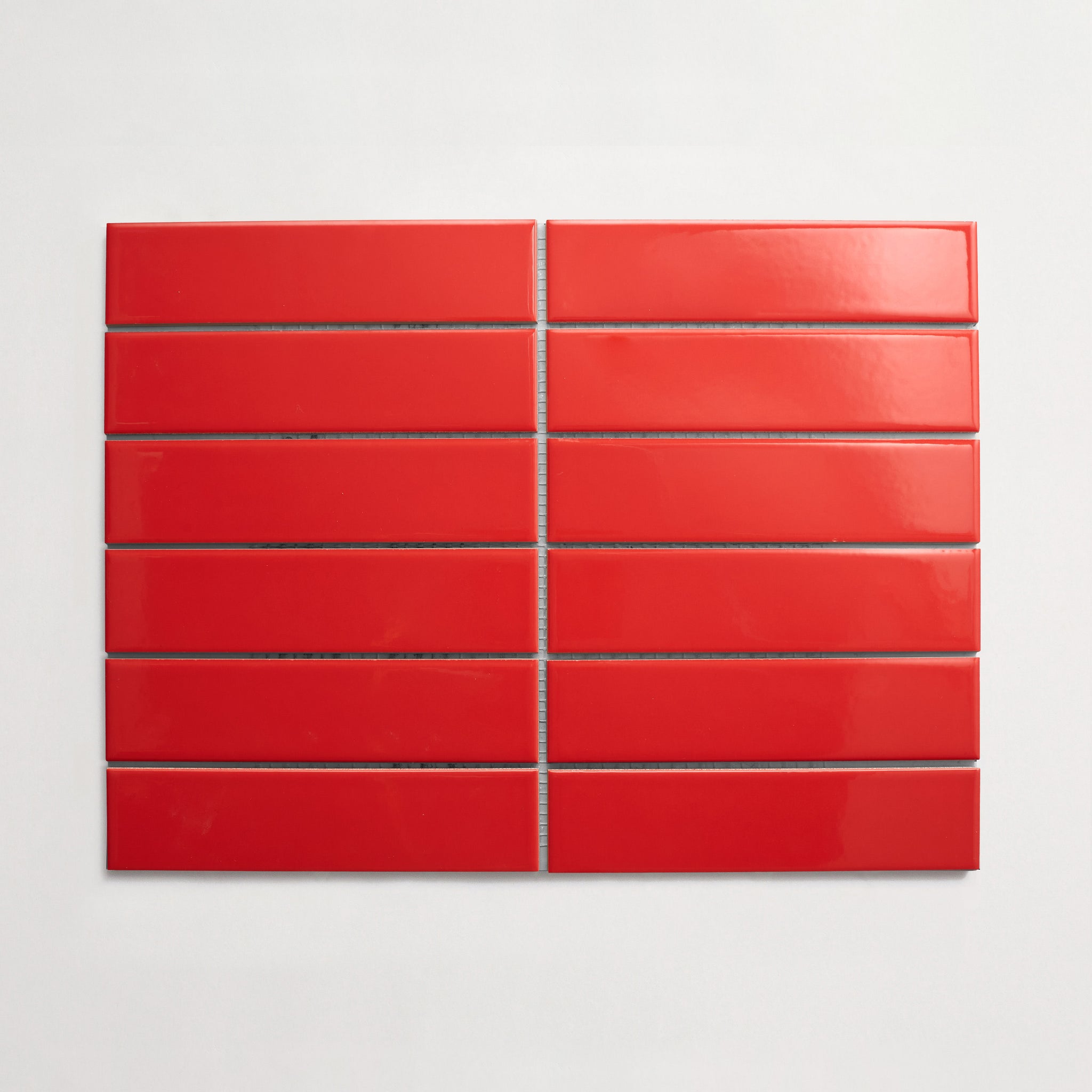
Colorway
-
Rosalind Red
Collection
-
Colorwerks
:
Sub Collection
-
Alegria
Material
Length
-
4
" x
Width
-
4
" x
Thickness
-
¼
"
Unit of Measurement
-
sqft
/
Price per Unit
$
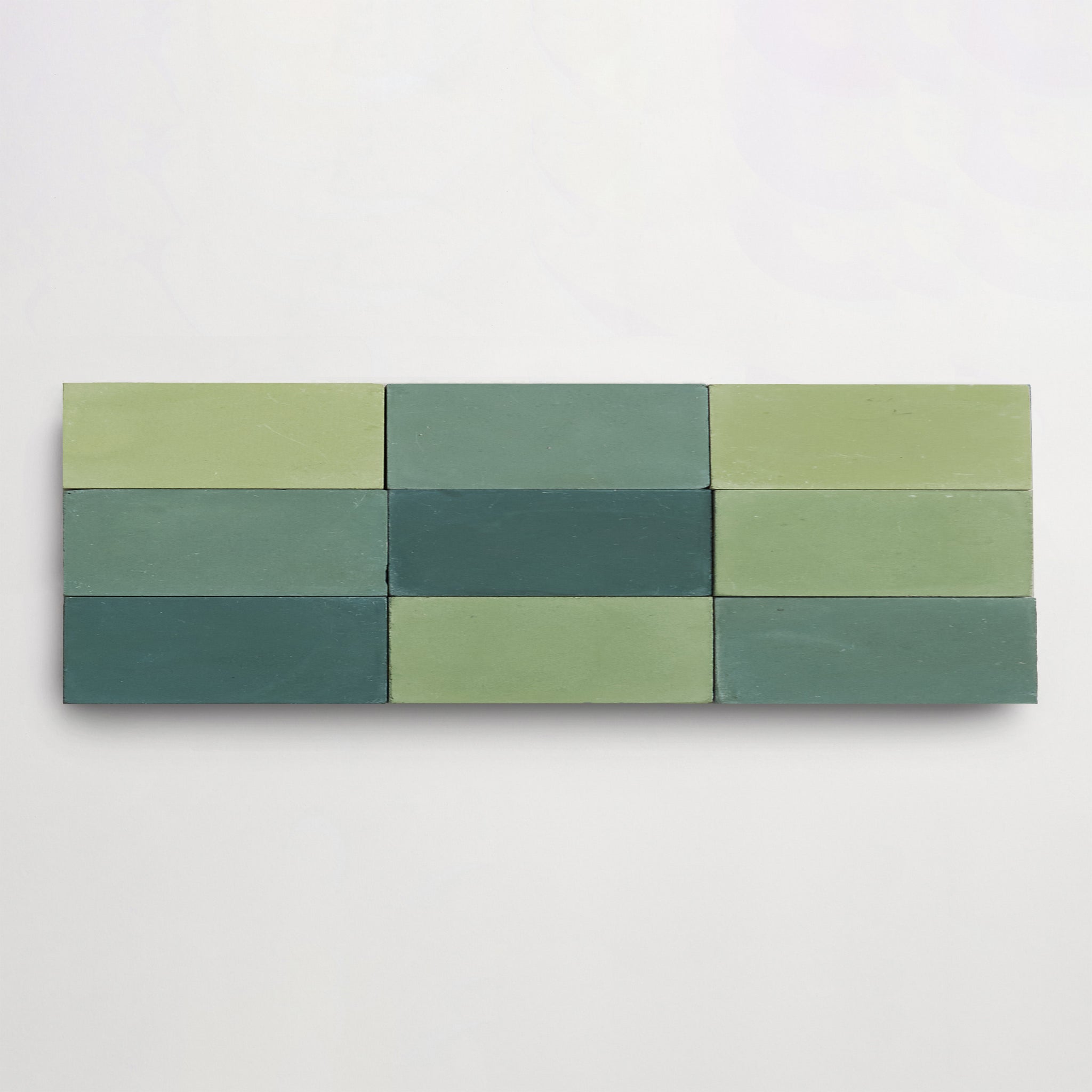
Colorway
-
Acqua Alta
Collection
-
Colore Frattura
Material
Length
-
8
" x
Width
-
8
" x
Thickness
-
⅞
"
Unit of Measurement
-
sqft
/
Price per Unit
$
Colorway
-
Blanco
Collection
-
Dolce Vita Terrazzo
:
Sub Collection
-
Torrone II
Material
Length
-
4
" x
Width
-
16
" x
Thickness
-
¾
"
Unit of Measurement
-
sqft
/
Price per Unit
$