

Dzek + Formafantasma: ExCinere
Outdoor Porcelain Pavers: Pros, Inspiration, and Expert Guidance
Outdoor spaces are no longer an afterthought — they are extensions of a property’s architecture, lifestyle, and design intent. Designers and homeowners alike are looking for materials that can withstand weather, wear, and time without sacrificing beauty.
If you have ever dealt with cracking concrete, fading stone, a slippery pool deck, or constant sealing schedules, you already know the pain points that can extend the tile search beyond cement, travertine, and slate (though these materials are beautiful in their own right). Outdoor porcelain pavers answer those frustrations with strength, stability, and a consistent, uniform aesthetic.
From modern courtyards to resort-style patios, porcelain outdoor pavers have become one of the best choices for projects that demand performance and artistry in equal measure.


What Are Outdoor Porcelain Pavers and Why Are They Everywhere Now?
Outdoor porcelain pavers are high-density, kiln-fired ceramic tiles engineered specifically for exterior environments. Unlike typical ceramic pavers — and some varieties of indoor porcelain — these pavers are thicker, more durable, and designed with extremely low water absorption, making them suitable for direct exposure to the elements. This is thanks in part to how they are made. Compared to ceramic tiles and pavers, porcelain pavers are made from a finer clay and fired for longer at higher temperatures.
Common porcelain paver formats include large rectangular and square tiles for patios and rooftops, as well as smaller mosaic shapes for walkways and transitional zones. Designers are increasingly specifying these types of porcelain outdoor pavers for rooftops, courtyards, and hospitality projects due to their reliability and visual consistency. Consult any design organization about industry trends, and they’re likely to highlight porcelain as a solid choice for modern outdoor hardscapes with longevity in mind.
Why Designers Choose Porcelain for Elevated Outdoor Spaces
Porcelain pavers have moved beyond utilitarian patios into the realm of high-design landscapes. Their appeal lies in the balance of technical performance and aesthetic control, giving designers confidence that their vision will endure. Whether used in a private backyard or for a large-scale project, porcelain offers predictability (but never monotony).
With a variety of colors, textures, and formats available, porcelain pavers also support creative expression while maintaining structural integrity. (More on structural integrity in a moment.) For projects that prioritize both beauty and durability, this outdoor-friendly material is consistently an excellent choice among today’s most discerning professionals — interior designers and landscape architects included.
Before you search “outdoor porcelain pavers near me,” here are a few perks and advantages you should know.
Built to Endure Harsh Climates Without Compromise
Outdoor porcelain pavers are engineered for demanding environments. With water absorption rates below 0.5%, they are able to resist the kind of freeze-thaw damage that stems from water penetrating the paver’s surface and expanding when frozen. This makes porcelain pavers ideal for snowy climates, not to mention coastal or humid regions that see heavy water exposure.
The UV stability of porcelain pavers also ensures their colors remain true under intense sunlight. Meanwhile, textured, matte, and slip-resistant finishes can enhance safety in wet areas. These qualities make porcelain pavers suitable across diverse geographies, from arid deserts to seaside retreats.
For us, durability aligns with the idea of generational integrity. Materials that remain beautiful and functional for decades, not seasons, are the perfect choice for long-term outdoor design.
Design Versatility for Every Outdoor Aesthetic
Porcelain pavers offer remarkable versatility in finish and form. Matte, glazed, and textured surfaces allow designers to tailor the mood of a space, from understated minimalism to expressive pattern work. (Of course, these finishes play a role in functionality, as well.)
Many outdoor porcelain paver collections draw inspiration from Mediterranean courtyards, Moroccan geometry, and ancient traditions, reinterpreted through modern manufacturing. (Explore porcelain in all its cobalt blue, burnished orange, and washed white shades for proof.) This range allows designers and architects to realize outdoor porcelain tile ideas that feel globally informed yet site-specific.
With so many different colors and patterns available, porcelain pavers can anchor rustic landscapes or sharpen contemporary projects, making them a solid choice for nearly any design language.
Low Maintenance, High Impact
Compared to natural stone and poured concrete, porcelain pavers require minimal upkeep. They do not need sealing (save for the surrounding grout, of course) and clean easily with simple washing. They even resist staining, making everyday upkeep that much simpler. This low-maintenance profile allows clients to invest in design impact without committing to intensive care routines.
If you are planning an outdoor space that’s intended to be enjoyed rather than constantly maintained, porcelain delivers peace of mind. Over time, this ease of care translates into lower costs and fewer repairs, reinforcing porcelain as the best choice for long-lasting outdoor surfaces that maintain their original character.

Curated Design Inspiration Using Outdoor Porcelain Pavers
Think of outdoor porcelain pavers as a design foundation. They are quiet when they need to be, and they can be expressive when desired. Their surfaces catch light differently throughout the day, grounding outdoor spaces of all sorts with texture and tone. Used thoughtfully, porcelain pavers shape movement, define zones, and connect architecture to landscape.
The following design ideas can function like a moodboard, highlighting how porcelain is able to elevate patios, pools, and pathways with intention and artistry. These examples show why porcelain tile for outdoor patio projects continues to gain momentum across both residential and commercial design.
Patios and Courtyards That Feel Like Outdoor Rooms
Porcelain pavers excel at creating outdoor rooms that feel as considered as interior spaces. Large-format tiles establish visual calm, while tonal palettes echo adjacent architecture for seamless transitions. Meanwhile, border details or subtle pattern shifts with mosaic porcelain tiles can define seating or dining zones without physical barriers.
However you choose to use porcelain pavers in your project, the result is an outdoor environment that feels both layered and livable. Options like Colorwerks’ Grand Clear Day Blue in Matte Flooring bring a refined wash of color that anchors courtyards and beyond with quiet confidence and architectural rhythm.
Pools and Water Features with Sculptural Simplicity
Around pools and water features, porcelain pavers shine both technically and visually. Their non-porous nature prevents water absorption — a must for such heavy water exposure — while anti-slip finishes like matte and matte grip enhance safety underfoot. (Smaller tile sizes can also offer increased slip resistance, thanks to the need for more grouting.)
Aesthetically, porcelain allows designers and architects to incorporate glass-inspired surfaces, soft Mediterranean blues, and even luminous glazes that echo water itself. Porcelain’s clean edges and consistent thickness also support crisp detailing at pool surrounds. Designs with options like Lido: Soie’s Confetti Pavers in Hat Pin Blue with a Gloss finish achieve sculptural simplicity, turning functional zones into serene focal points that feel both intentional and immersive.
Walkways, Gardens, and Transitional Zones
Porcelain pavers bring clarity and structure to walkways and garden paths. Used in stepping patterns or modular grid layouts, they create intentional transitions that are woven into the landscape.
Designers often pair outdoor porcelain with gravel, grass joints, and raised planters to introduce layered texture and contrast. This approach establishes architectural rhythm while allowing nearby plantings to soften the hardscape. Options like Colorwerks: Alegria’s Satsuma Peel in a Matte Flooring finish add movement and character, proving porcelain is a great choice for paths that need to balance both order and organic flow.


Porcelain vs Other Outdoor Materials
Choosing the right paving material often comes down to how the material will perform over time. While many options look appealing at installation, not all age gracefully. Porcelain pavers stand apart by offering consistency, resilience, and design control — both from the get-go and in the long run.
Understanding how porcelain compares to traditional paving materials helps clarify why so many professionals favor it for modern projects. The conversation around porcelain pavers vs concrete pavers, in particular, highlights key advantages that influence long-term satisfaction.
Why Porcelain Outperforms Concrete and Natural Stone
Porcelain pavers are lighter than concrete and more uniform than natural stone, simplifying installation and layout precision. (Still, we always recommend partnering with a skilled and experienced tile setter.) Its color consistency also ensures that surfaces will age evenly, unlike stone that can weather unpredictably — which, while beautiful, can be a deal breaker for many homeowners.
Ongoing maintenance for porcelain is minimal. It generally does not need sealing, with the exception of the surrounding grout, and sees fewer stains. This low-commitment material also cleans up easily with a gentle, pH-neutral soap, water, and a soft scrubber. Harsh chemicals and abrasives need not apply.
Porcelain’s freeze-thaw resistance and ultra-low water absorption outperform many alternatives in harsh climates. While natural stone offers organic charm, it does not have the predictability, even when sealed, that porcelain has. Porcelain provides control without sacrificing artistry, making it a solid choice for projects where durability and aesthetics must coexist.
Eco-Friendliness, Sourcing, and Ethical Production
Many modern porcelain collections prioritize responsible manufacturing. Some incorporate recycled materials and energy-efficient firing processes to reduce environmental impact. Compared to quarrying natural stone or producing cement, porcelain can carry a smaller ecological footprint when sourced thoughtfully. Of course, you should always check a material’s details and specifications to verify production practices.
Here at OUTERclé, we’re big proponents of timeless design and longevity over disposable trends. This allows installations to last for many years, reducing the need for renovation and replacement materials. For designers seeking materials that align with sustainability goals, porcelain can be an excellent choice that balances environmental responsibility with long-term performance.

Expert Guidance for Selecting and Designing with Porcelain Pavers
Successful outdoor design relies on making informed decisions at every stage, from finish selection to installation strategy. Porcelain pavers reward thoughtful planning, offering flexibility without compromising integrity. By understanding how finishes, layouts, and site conditions interact, designers can maximize both function and beauty. The following guidance distills a few best practices for integrating porcelain seamlessly into outdoor environments.
Choosing the Right Finish and Pattern for Your Environment
Finish selection should correspond with the intended use and climate. Matte and textured surfaces are ideal for wet areas, offering slip resistance and understated elegance. Glazed finishes create visual impact in drier zones, reflecting light and enhancing color depth.
Pattern choice also influences mood — subtle textures and color variations recede, while bold motifs and contrasts energize a space. Considering how light interacts with surfaces throughout the day also ensures the pavers enhance, rather than overpower, the environment. With so many types of tile available, porcelain is a great option for creating tailored looks.
Integrating with Architecture and Outdoor Elements
Porcelain pavers integrate beautifully with materials like stucco, steel, wood, and glass. Warm neutrals complement traditional architecture, while cool tones sharpen modern lines. Designers can choose contrast for drama or continuity for cohesion.
Layout patterns like herringbone, offset running bonds, and stacked grids further influence perception and movement. When coordinated thoughtfully, porcelain pavers become a unifying element that ties architecture, landscape, and furnishings into a cohesive narrative.
What to Know About Installation and Long-Term Care
Proper installation is essential for optimal performance. A well-prepared base, correct spacing, appropriate joint material, and effective drainage all contribute to a surface’s longevity. Always partner with a skilled tile installer to ensure these details are handled correctly, especially in complex environments.
Once installed, porcelain requires minimal long-term care compared to porous and organic surfaces. Routine cleaning preserves its appearance without specialized treatments, reinforcing porcelain’s reputation as a low-maintenance, high-reward material for outdoor spaces.
Elevate Your Outdoor Foundation with Porcelain
Outdoor porcelain pavers offer a rare combination of artistry, resilience, and global inspiration. Their durability supports demanding environments, while their design versatility encourages creativity across patios, pools, and pathways. With a variety of colors, different colors within collections, and hardworking finishes available, porcelain adapts to diverse projects without compromise.
For designers seeking a perfect choice that balances performance and beauty, porcelain delivers lasting value. Explore our curated collections to discover outdoor porcelain pavers that transform foundations into enduring design statements.
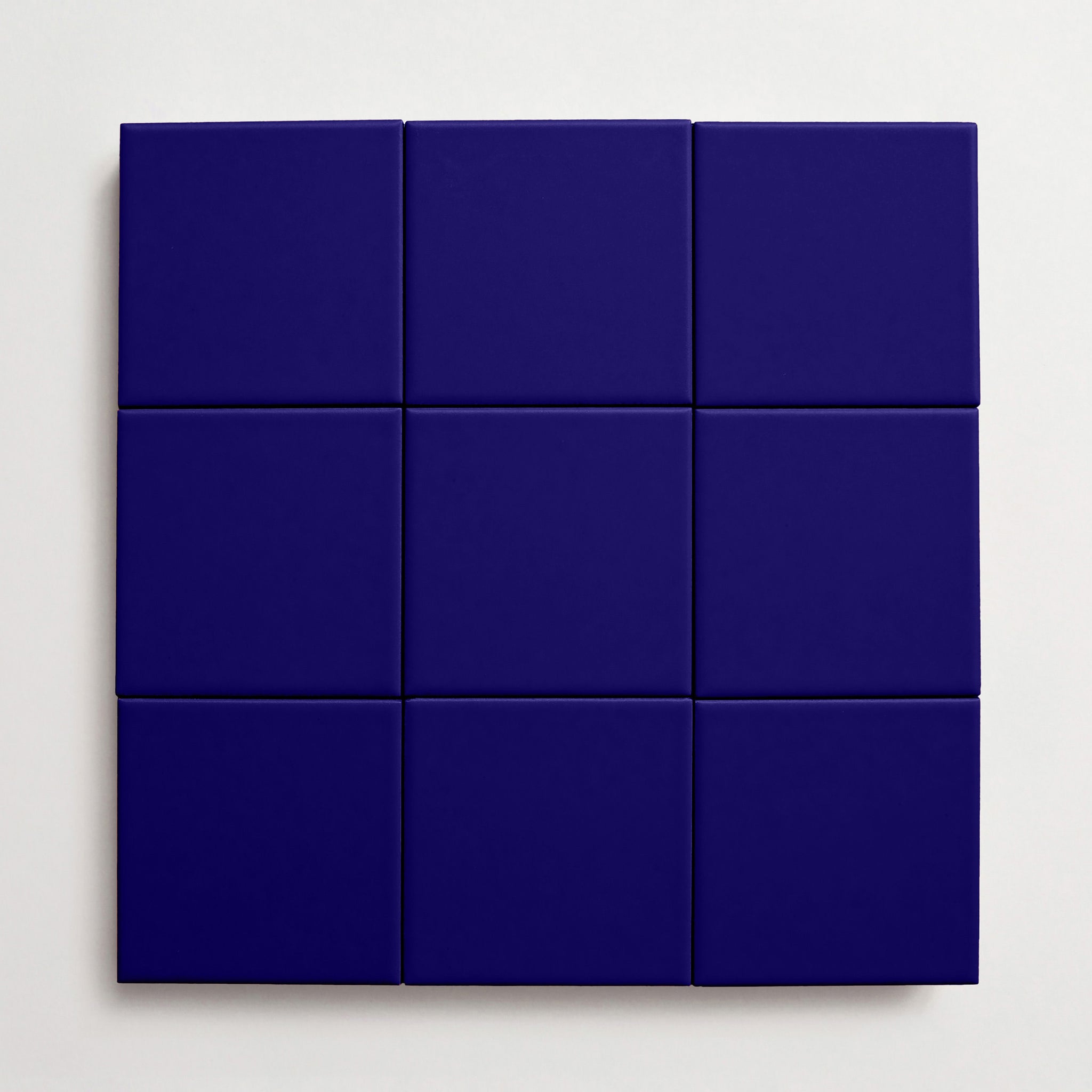
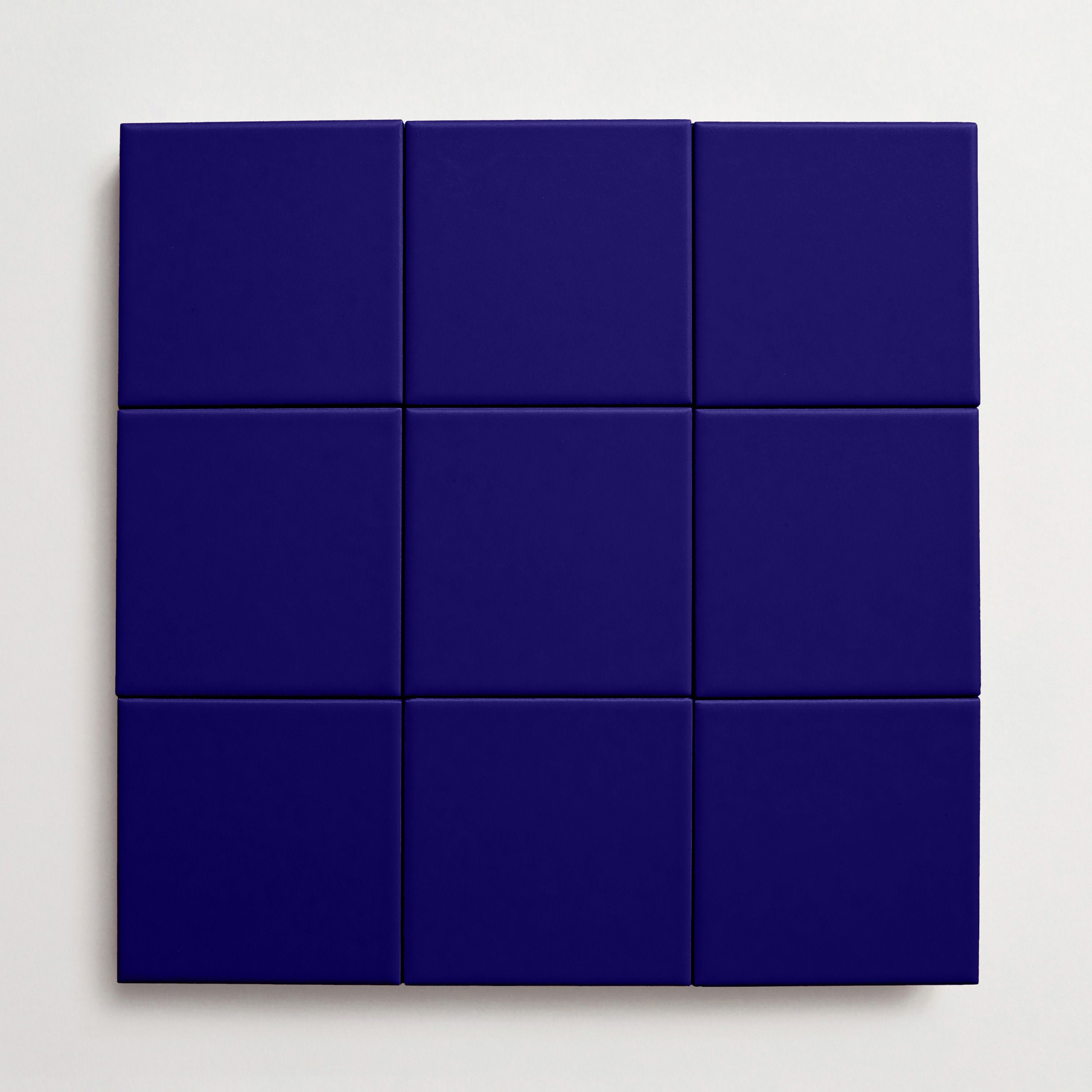


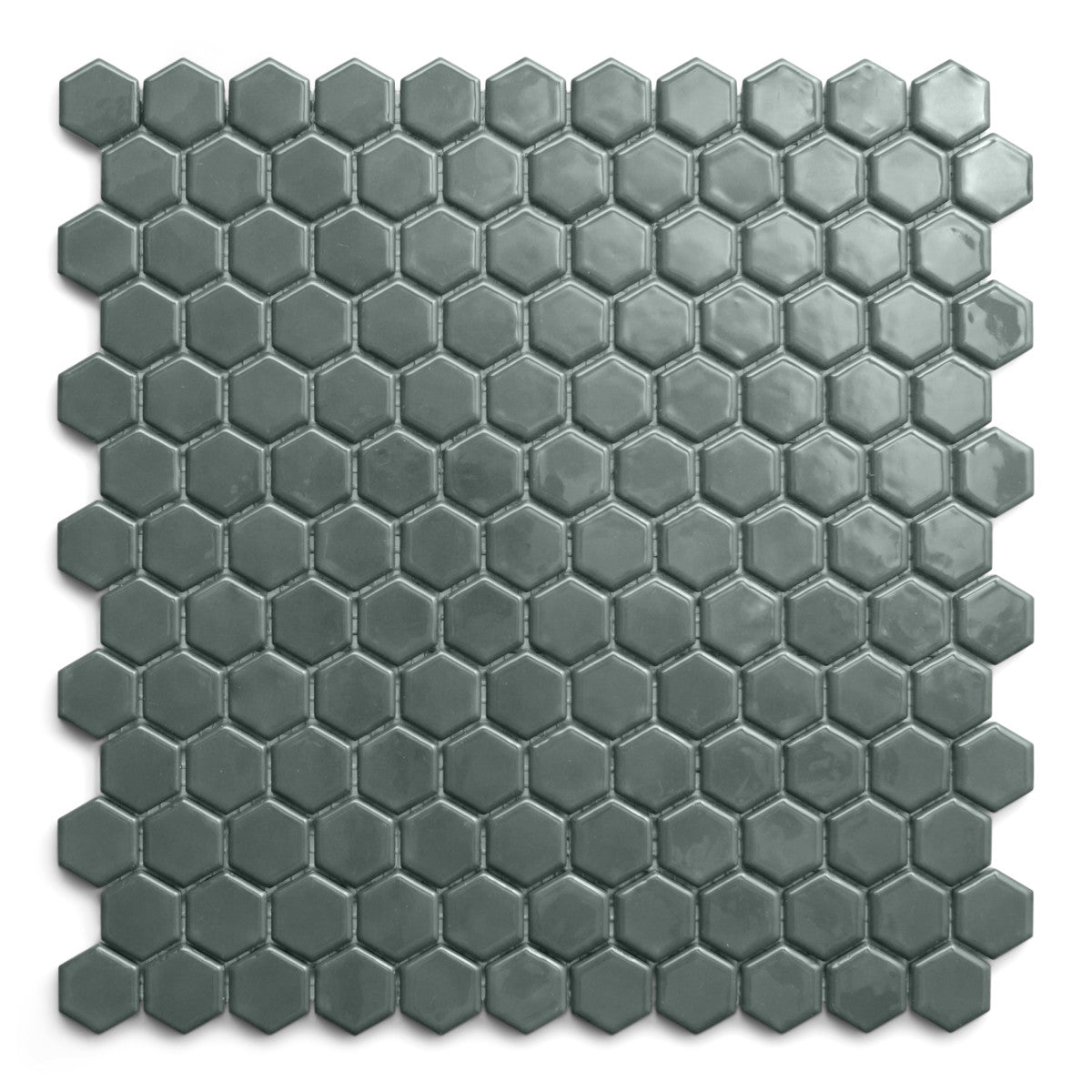
Colorway
-
Cobalt Cloche
Collection
-
Colorwerks
:
Sub Collection
-
Alegria
Material
Length
-
4
" x
Width
-
4
" x
Thickness
-
¼
"
Unit of Measurement
-
sqft
/
Price per Unit
$
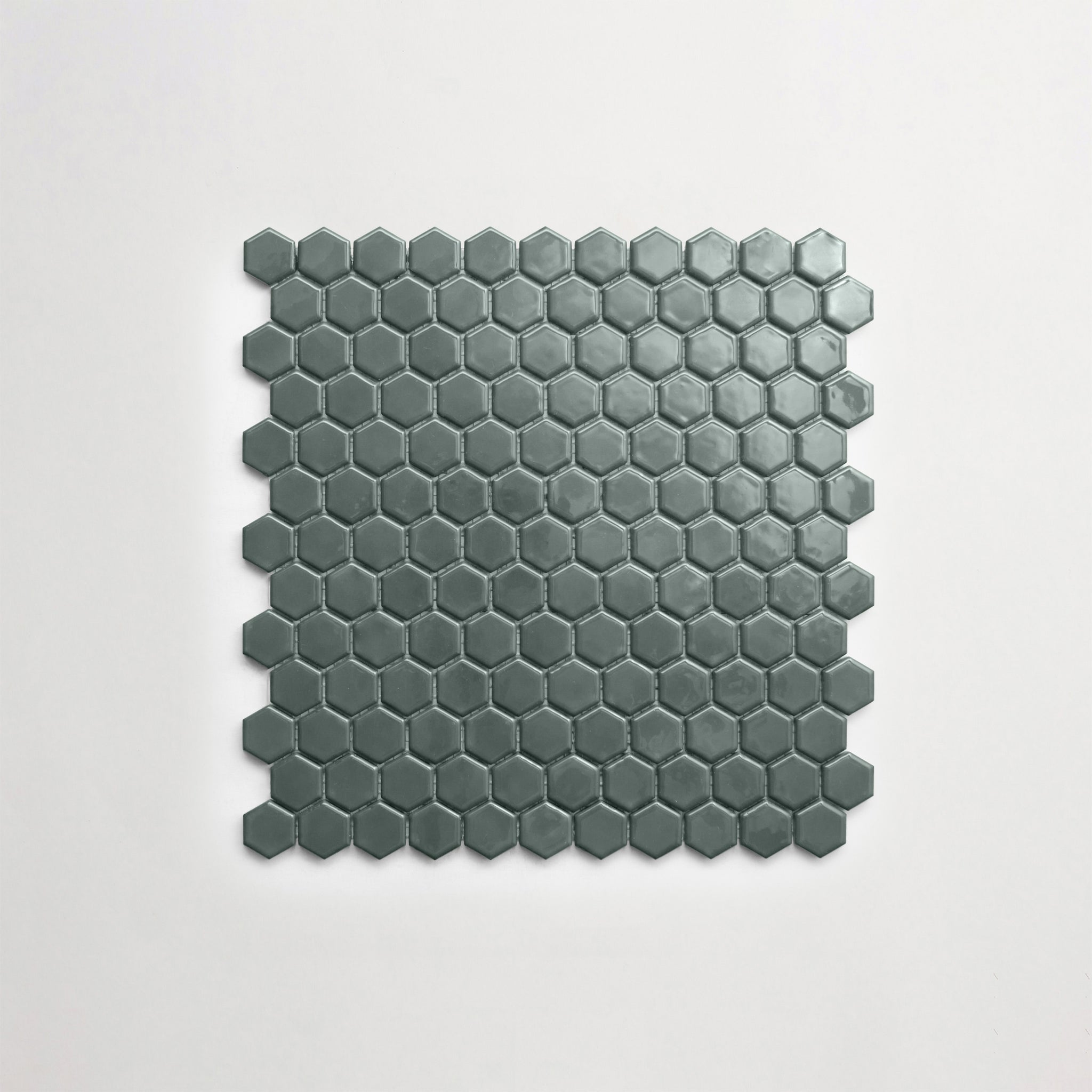
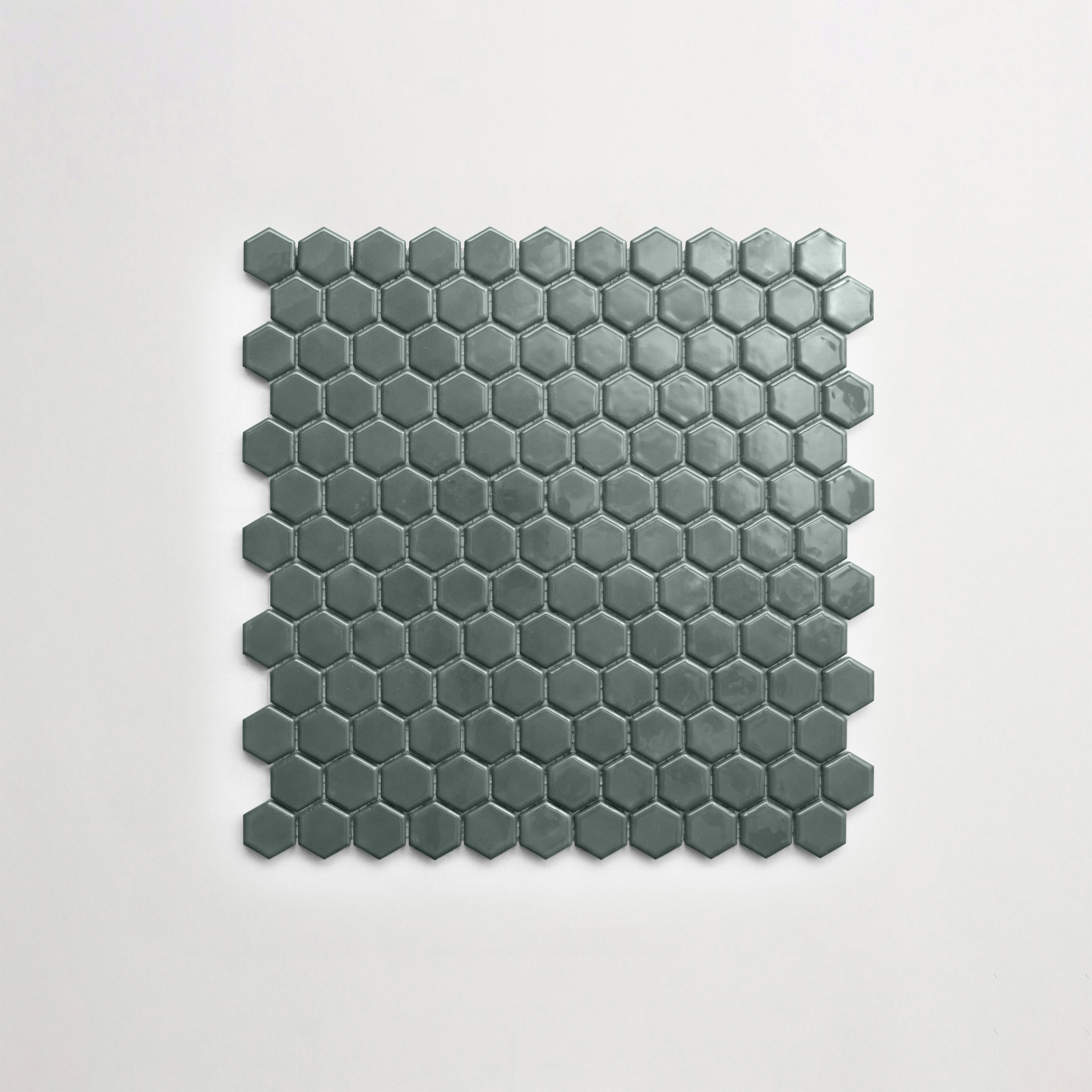
Colorway
-
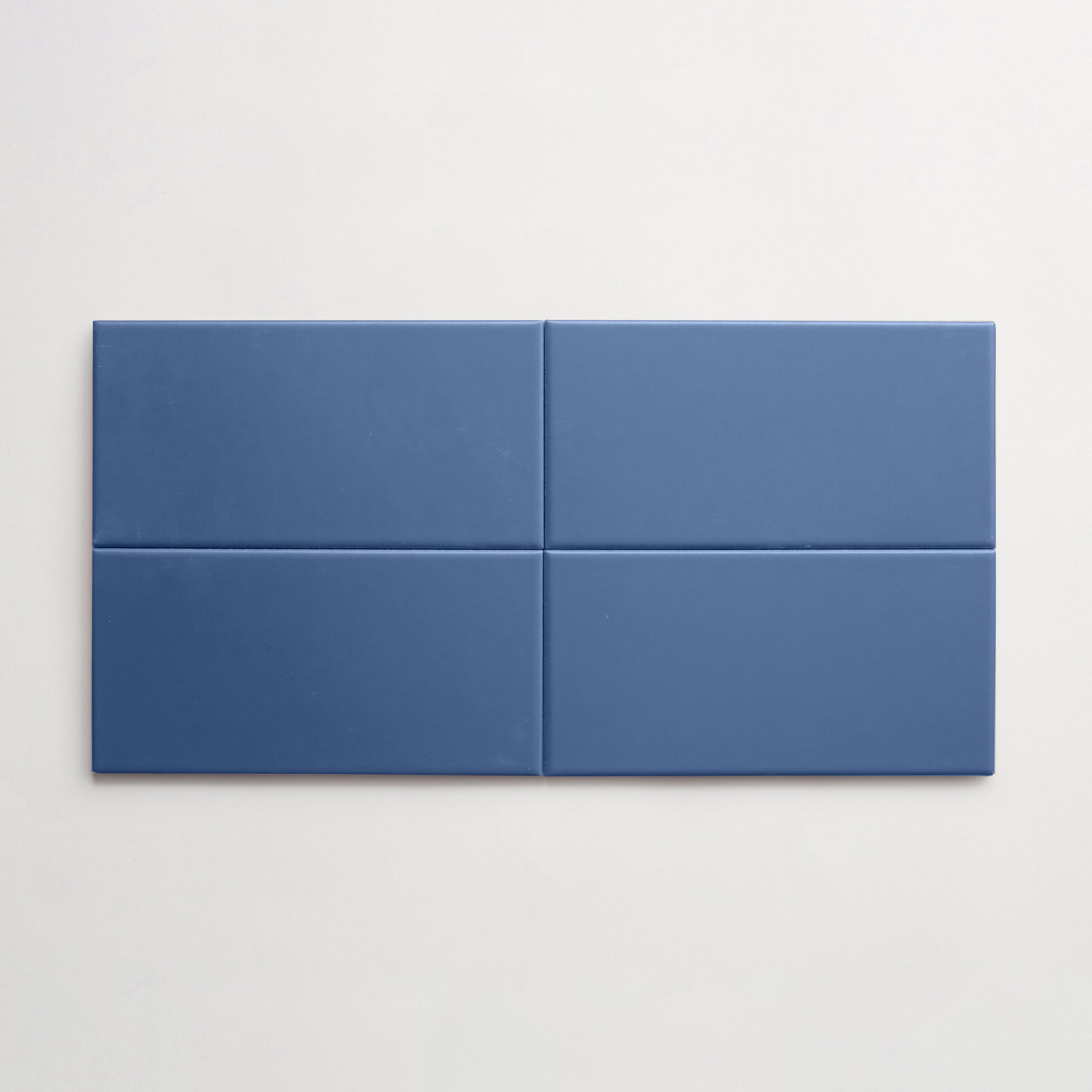
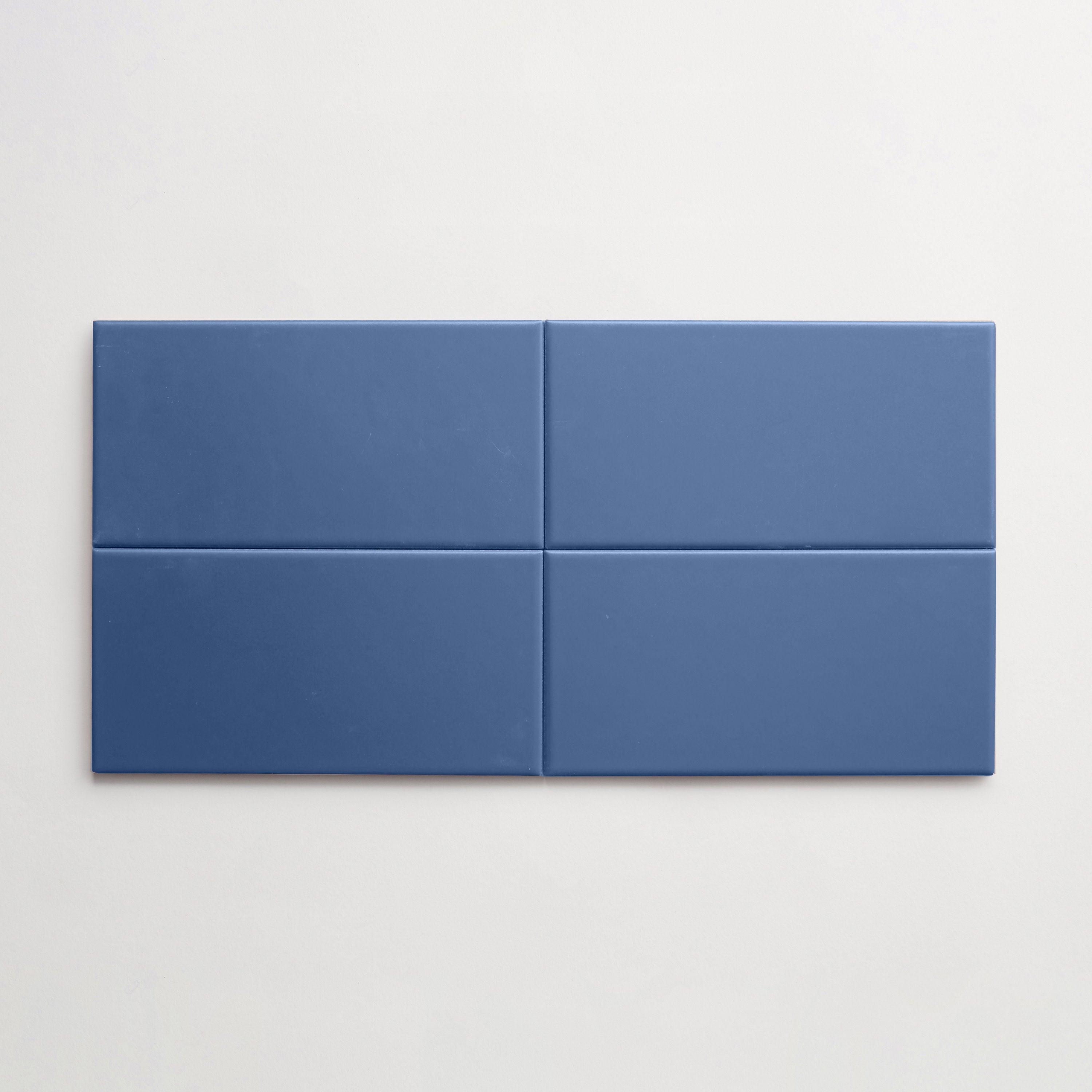
Aruacana Blue
Collection
-
Lido
:
Sub Collection
-
Acquiterre
Material
Length
-
8
" x
Width
-
8
" x
Thickness
-
⅞
"
Unit of Measurement
-
sqft
/
Price per Unit
$

Colorway
-
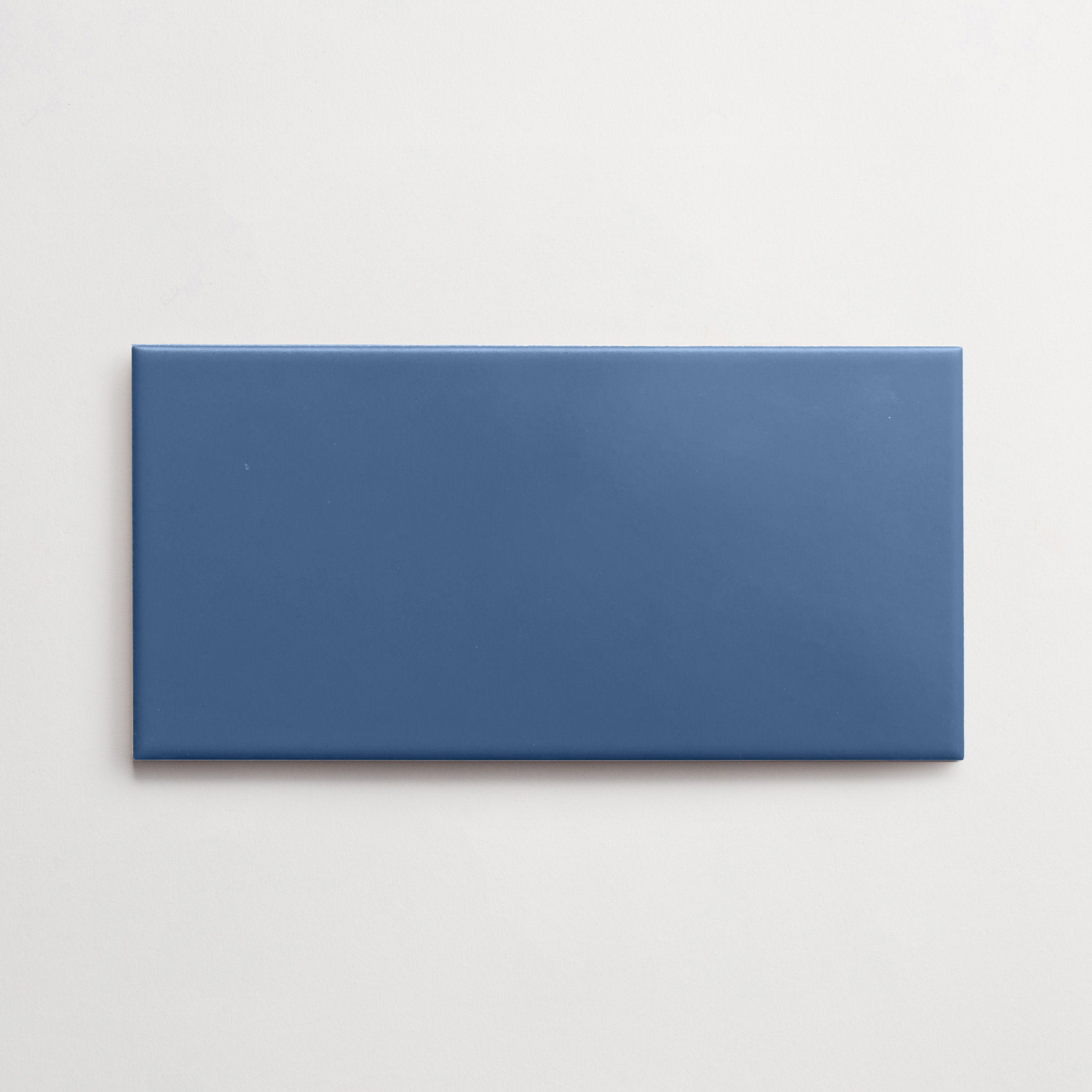
In The Navy
Collection
-
Colorwerks
:
Sub Collection
-
Fondant
Material
Length
-
4
" x
Width
-
16
" x
Thickness
-
¾
"
Unit of Measurement
-
sqft
/
Price per Unit
$