

The Complete Guide to Outdoor Tile Maintenance for Homeowners
Outdoor tile plays a powerful role in shaping how a project looks, feels, and functions over time. And outdoor tile maintenance? Even more so. Beyond aesthetics, proper outdoor tile maintenance protects the tile’s structural integrity in environments exposed to sun, moisture, temperature swings, and daily wear. UV exposure can fade surfaces, moisture intrusion can weaken substrates, and freeze-thaw cycles can cause cracking if these materials aren’t properly sealed and maintained.
A few more perks of thoughtful tile maintenance: It safeguards color vibrancy, surface strength, slip-resistance, and long-term performance. Poor maintenance, on the other hand, can lead to staining, surface cracks, or costly replacements that compromise the entire outdoor design. In this guide, we explain how to care for tile floors outdoors — by material, climate, and season — so your project will remain beautiful and resilient for years to come.


Understanding Maintenance by Material Type
Not all outdoor tiles age the same way, and understanding material-specific needs is essential to smart tile maintenance. Just as care guidance shifts based on life stage in other disciplines, outdoor tile maintenance should respond to material characteristics, exposure, and intended use. Case in point: Some types of tile thrive with minimal intervention, while others require a more hands-on approach to sealing and cleaning.
By tailoring maintenance strategies to the material itself, you protect both performance and design intent. Below, we break down common outdoor tile materials used in patios, terraces, and courtyards, highlighting best practices for maintaining each one responsibly and effectively over time.
Terracotta
Terracotta is prized for its warm, earthy tone and handcrafted appearance, making it an excellent choice for projects seeking character and authenticity. Because raw and unglazed terracotta is highly porous, outdoor tile maintenance for this type of terracotta begins with sealing — both before and after installation. Resealing every one to two years is typically recommended, depending on climate and exposure. (Always consult your contractor and the material guidelines for best practices here.)
Cleaning terracotta on an everyday basis should always involve pH-neutral products, avoiding harsh chemicals or excessive water pooling. Remember: In freeze-prone regions, unsealed terracotta can crack, while shaded, damp areas may develop mold or algae. With attentive care, terracotta develops a rich patina — which for many designers, makes it the perfect choice for timeless outdoor spaces.
Terrazzo & Cement
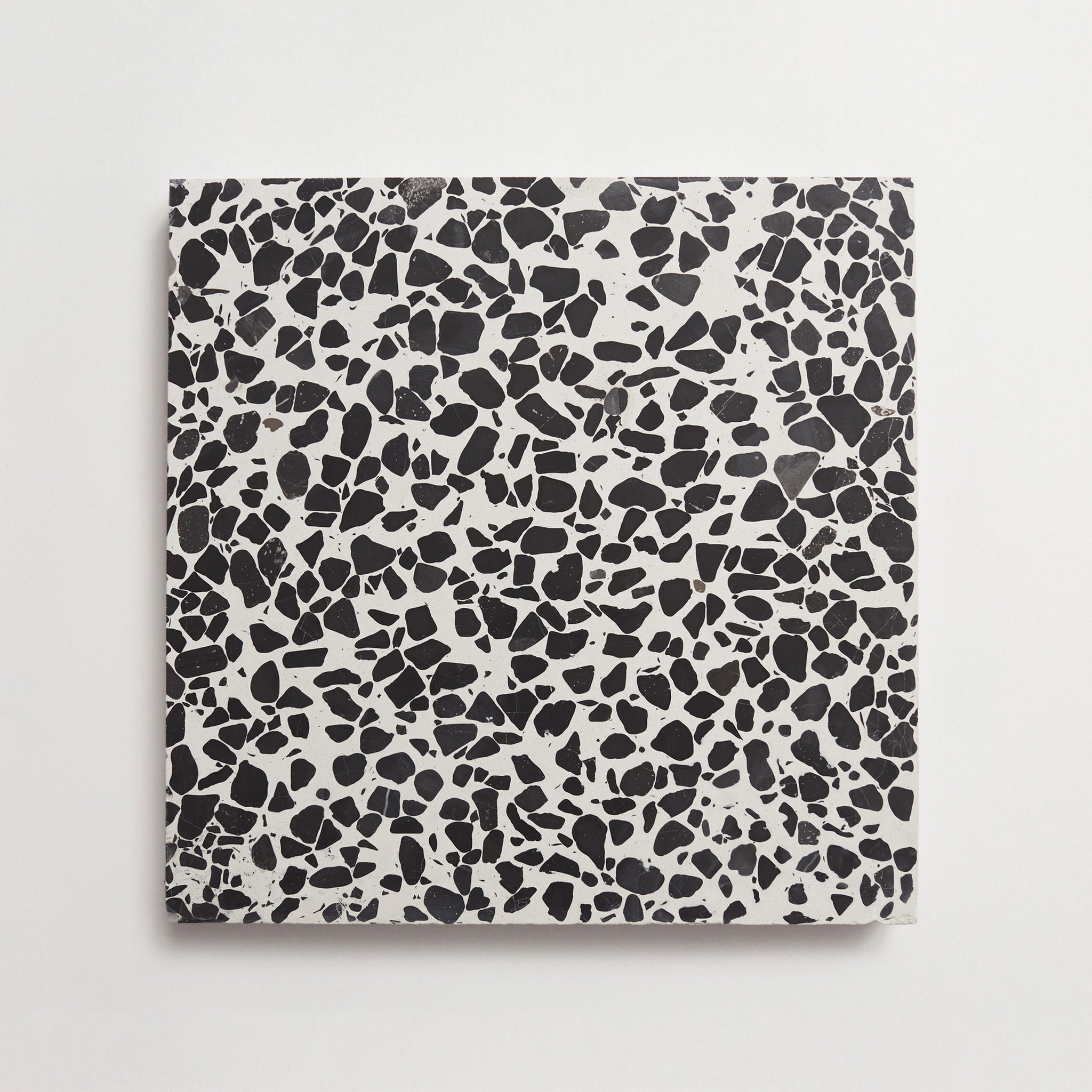
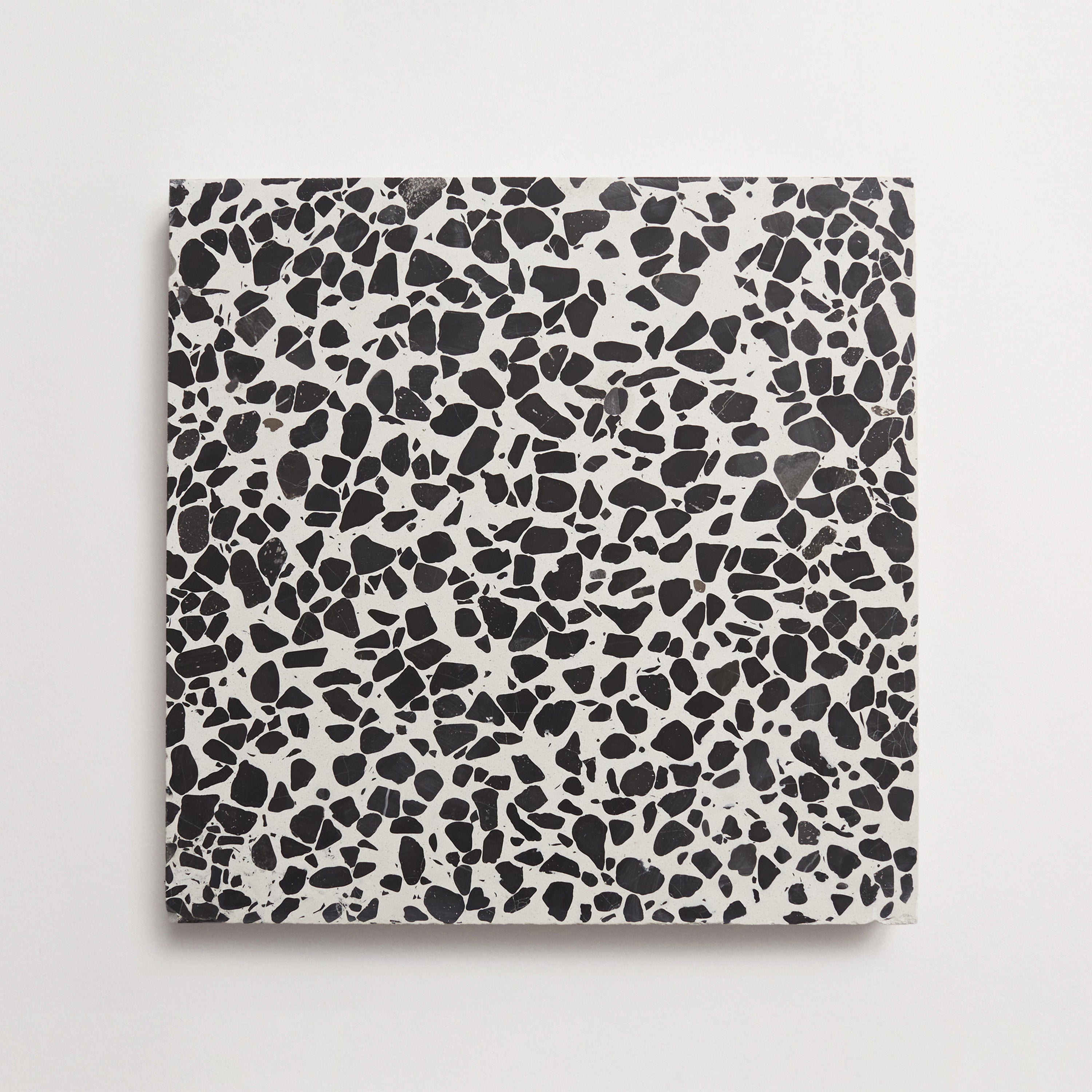
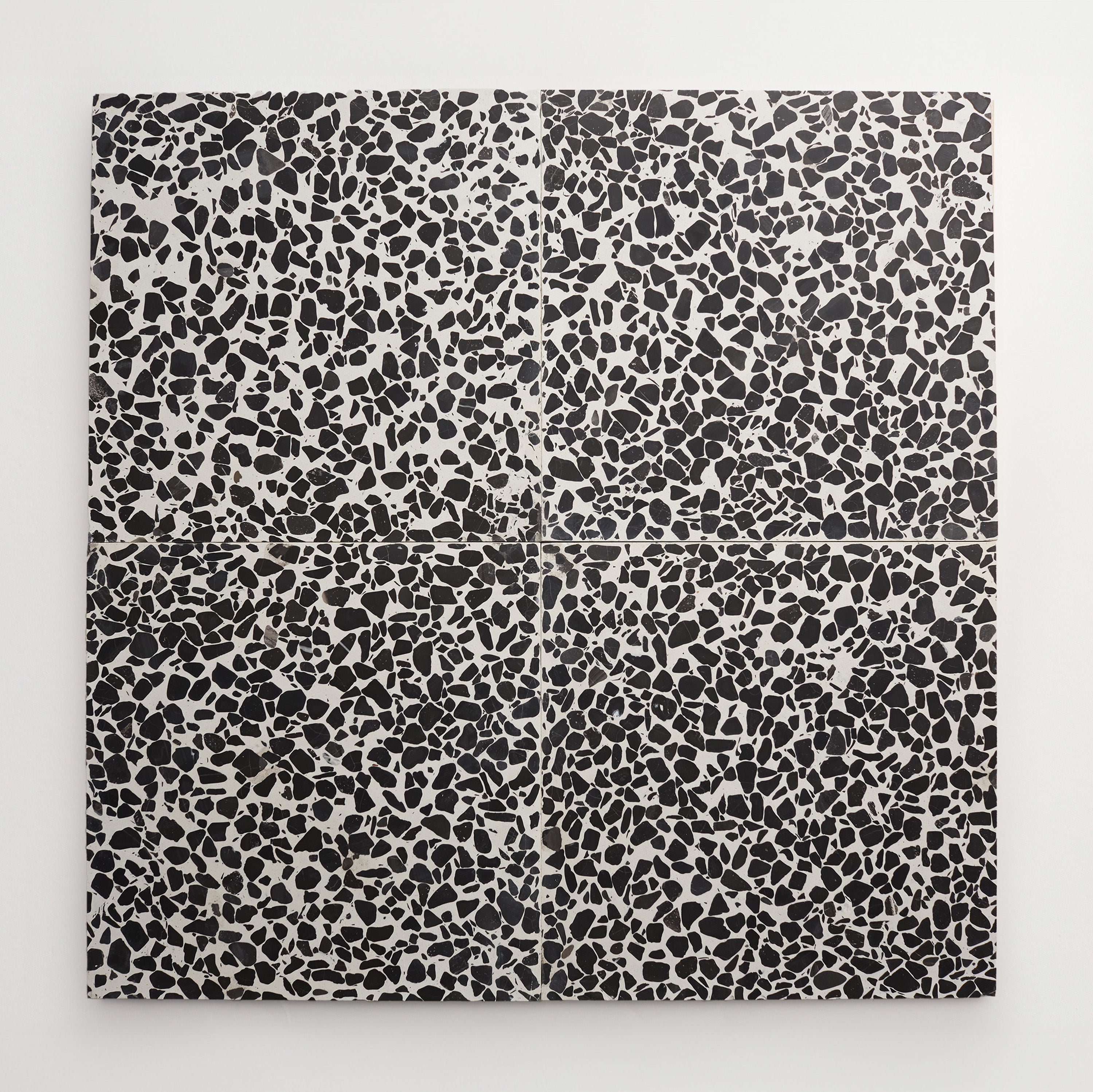
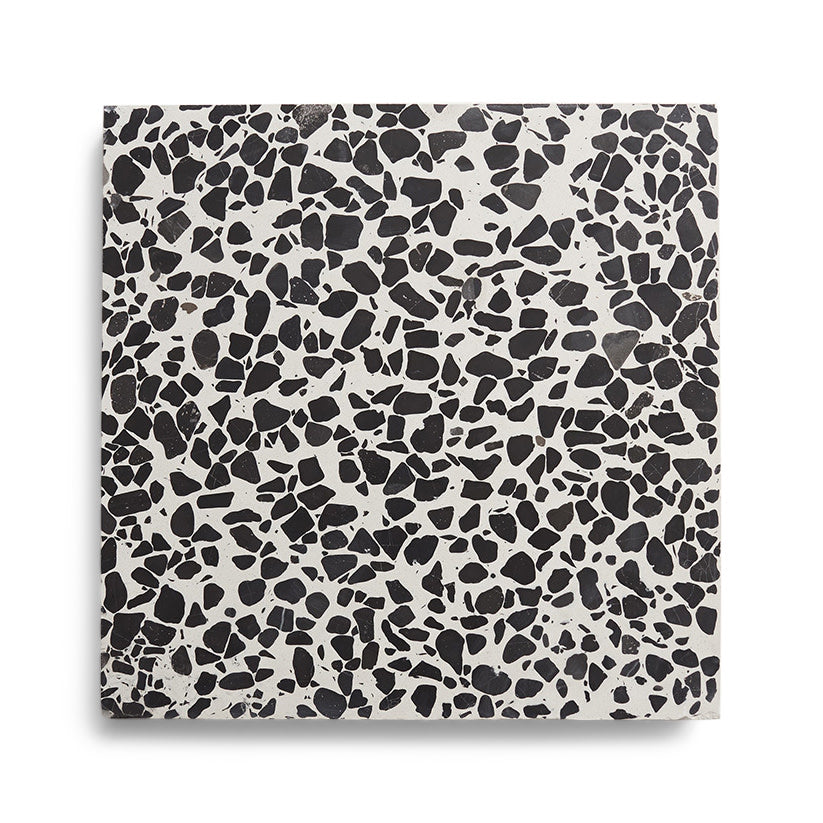
Terrazzo and cement tiles offer graphic impact and durability, making them a solid choice for modern and mid-century inspired outdoor projects. While tough underfoot, both materials are porous and require sealing in order to preserve color and pattern clarity. Proper initial sealing is especially important outdoors, as it will help prevent staining and moisture absorption over time. Resealing every one to three years, depending on exposure and the tile’s technical specifications, is a key part of ongoing tile maintenance.
On a more everyday basis, regular sweeping and gentle mopping help prevent abrasive debris from dulling the surface. You (and any professionals you hire) should always avoid acidic or abrasive cleaners, as these can etch or discolor the surface. With all of these guidelines in mind, you can expect your terrazzo and cement tiles to age gracefully for many years.
Stone, Marble & Slate
Natural stone tiles like marble, slate, and travertine bring organic depth and texture to outdoor environments. These materials are dense but not impervious, and they benefit from breathable penetrating sealers that protect the tile without trapping moisture. Stone-safe, pH-neutral cleaners are essential for ongoing outdoor tile maintenance.
It’s important to note that some weathering is natural — and often desirable — in stone tile installations. Therefore, you should plan your outdoor space accordingly. For example, travertine can be slippery when wet, and this should inform placement and finish selection. Rather than overcorrecting the subtle surface changes stone sees over time, many designers embrace these shifts in tone and texture as part of stone’s enduring appeal.
Glass & Ceramic
Glass and ceramic tiles are among the lowest-maintenance options for outdoor use, thanks to their non-porous, UV-stable surfaces. For projects seeking durability with minimal upkeep, glass and ceramic are often the best choice, especially in areas exposed to sun or water. Periodic cleaning with a soft cloth or sponge is usually sufficient to maintain clarity and luster. Abrasive pads should be avoided, as they can dull the surface over time.
While the tile itself resists staining and moisture, the grout lines still require attention as part of overall tile maintenance. (Your contractor is your best point of contact here.) Be sure to inspect and gently clean the tile regularly to help prevent discoloration or cracking.

Climate & Environmental Factors That Affect Tile Longevity
Even the most durable patio materials respond to their environment. Climate plays a major role in how outdoor tile performs over time, influencing everything from surface wear to structural stability. Temperature extremes, moisture levels, salt exposure, and sun intensity all shape maintenance needs. Thoughtfully selecting your materials and using climate-aware care strategies can dramatically extend the life of an installation.
By understanding environmental stressors specific to your project location, you can make informed decisions about sealing schedules, cleaning routines, and material compatibility — ensuring your outdoor tile maintenance plan supports both beauty and longevity across seasons.
Freeze-Thaw Zones
In regions with freezing temperatures, water intrusion is one of the biggest threats to outdoor tile. When moisture penetrates the tile or grout and freezes, it expands, increasing the risk of cracking or debonding. Frost-resistant tiles are essential in these environments, along with proper slope and drainage to prevent standing water.
Maintaining sealant integrity is a critical part of tile maintenance in freeze-thaw zones, as compromised sealers allow water to infiltrate more easily. Regular inspections before and after winter can help identify small issues before they become structural problems, protecting both the tile surface and the substrate beneath.
Coastal & Saltwater Exposure
Salty air and saltwater introduce unique challenges for outdoor tile maintenance. Salt can accelerate corrosion, stain porous surfaces, and degrade grout over time. In coastal environments, regularly rinsing tiles with fresh water helps minimize salt buildup and surface residue.
Materials like glass tile and certain dense natural stones perform especially well in these conditions and are often an excellent choice for seaside projects. Any sealants should be checked frequently, as salt exposure can shorten their lifespan. Thoughtful material selection combined with consistent rinsing ensures these outdoor installations remain refined, even in demanding coastal climates.
High Heat & UV Exposure
Prolonged sun exposure can lead to color fading, surface heat retention, and even hairline cracking in some outdoor tiles. UV-resistant materials are essential in hot, sunny regions, and lighter finishes can help reduce heat absorption underfoot. Shade structures or strategic planting can further protect outdoor tile surfaces. As for maintenance, cleaning with cool water during extreme heat helps prevent thermal shock, which can stress tile and grout.
Ultimately, selecting finishes and types of tile that balance aesthetics with environmental realities is the best choice for minimizing long-term maintenance challenges in high-UV settings.


Common Outdoor Tile Maintenance Mistakes to Avoid
Even well-designed outdoor spaces can suffer when you approach tile maintenance incorrectly. Many issues seen in high-end projects stem from simple missteps rather than material failure. Avoiding these common mistakes will preserve both the appearance and performance of your tile, ensuring your project ages as intended.
Using the Wrong Cleaners
One of the most frequent mistakes in outdoor tile maintenance is using acidic, bleach-based, or abrasive cleaners. These products can etch stone, discolor cement, and degrade sealers, leading to irreversible damage. Instead, use pH-neutral cleaners that are formulated for specific types of tile, such as stone, terracotta, or cement. Gentle, material-appropriate cleaning protects surface integrity and extends the life of both tile and grout, making it an excellent choice for routine care.
Skipping Sealing (or Over-Sealing)
Sealing plays a vital role in tile maintenance, but timing and application matter. Under-sealing leaves tiles vulnerable to staining and moisture damage, while over-sealing can cause buildup, cloudiness, or uneven discoloration. Each material has different sealing needs, from frequent resealing for terracotta to less frequent applications for dense stone. Understanding when sealing is required — and when it’s not — ensures surfaces remain protected without compromising their natural appearance or breathability.
Neglecting Grout & Drainage
Grout often deteriorates faster than tile, making it a weak point in outdoor installations. Cracked or eroded grout allows moisture to penetrate beneath the surface, leading to long-term damage. Regularly having your grout inspected is a key part of tile maintenance, particularly in shaded areas and near pools. Equally important is proper drainage — without it, even the best patio materials can fail prematurely. Keeping grout and drainage systems in good condition protects the entire installation.

A Seasonal Guide to Outdoor Tile Care
A seasonal approach to outdoor tile maintenance makes care feel manageable rather than overwhelming. By aligning tasks with natural weather patterns, you can stay ahead of potential issues and preserve your project’s integrity year-round. Each season presents its own priorities, from post-winter inspections to pre-winter sealing. This repeatable routine supports both function and aesthetics, ensuring tile surfaces remain safe, clean, and visually compelling through every phase of the year.
Spring
Spring is the ideal time to assess any winter damage and refresh your outdoor tile surfaces. Look for cracks, loose tiles, or compromised grout — and have a professional address issues early. Be sure to have materials resealed as needed, especially porous tiles that have endured moisture and freezing temperatures. Remove debris and organic buildup that may have accumulated, and check drainage to ensure proper runoff. Thoughtful spring maintenance sets the tone for the rest of the year and helps your project transition smoothly into higher-use seasons.
Summer
During summer, outdoor spaces see increased foot traffic, making regular cleaning essential. Sweep and rinse tiles frequently to prevent dirt from becoming embedded in the tile’s surface. In pool-adjacent areas, rinse away any salt or chlorine buildup, which can degrade grout and sealers. Avoid cleaning under direct sunlight, as well, as rapid evaporation can cause streaking or residue. Consistent summer tile maintenance preserves your tile’s appearance and ensures surfaces remain comfortable and safe during peak use.
Fall
Fall maintenance focuses on preparation. Clear leaves and organic debris promptly, as decomposing matter can stain porous tiles. This is also the final opportunity to reseal surfaces before winter, particularly in colder climates. Addressing small repairs now helps prevent moisture intrusion during freeze-thaw cycles. Fall care is a strategic step that protects both structure and aesthetics for long-term performance.
Winter
Winter tile maintenance is largely preventative. Avoid water accumulation or ice formation by keeping surfaces clear and drainage pathways open (but avoid using any salts that may etch the tile’s surface). When possible, cover tiles to limit exposure to snow and ice. During dry spells, conduct visual inspections to catch any emerging issues. While outdoor spaces may see less use during the winter, attentive care during this time ensures tiles are ready to perform once warmer weather returns.


Maintaining Beauty Without Losing Function
Outdoor tile maintenance isn’t just about preservation — it’s about supporting your project’s design intent over time. Our philosophy embraces materials that evolve beautifully while still maintaining their performance. With the right care approach, outdoor tile can balance visual richness with safety, durability, and ease of use. Maintenance becomes a design tool in itself, guiding how surfaces age and how spaces continue to feel intentional, welcoming, and refined long after installation.
Preserving the Visual Integrity of Artisan Tiles
Artisan tiles are defined by variation, texture, and nuance. Proper tile maintenance ensures these qualities remain expressive rather than degraded. Gentle cleaning, appropriate sealing, and climate-aware care allow handcrafted surfaces to develop character without losing clarity. Over time, subtle shifts in tone and finish tell a story of place and use, reinforcing the idea that aging well is part of good design.
How OUTERclé Tiles Are Designed for Longevity
Our tiles are developed with outdoor conditions in mind, offering natural weather resistance, durable finishes, and materials suited for long-term exposure. Many options come in a variety of colors — and have different colors within each batch, enhancing visual depth. By prioritizing longevity, these tiles reduce the need for replacement, a sustainability benefit that aligns performance with environmental responsibility. When in doubt, selecting porcelain for outdoor patio applications is a great option for durability and ease of care.
Inspired Outdoor Sanctuaries That Stand the Test of Time
From serene courtyards to expansive terraces, well-maintained outdoor tile supports spaces that feel intentional and lived-in. Whether used around a pool, along garden paths, or across expansive dining patios, thoughtful tile maintenance allows each project to mature gracefully. With the right materials, finishes, and care routines, outdoor environments become lasting spaces that reflect both design vision and respect for the elements.
Final Thoughts on Outdoor Tile Maintenance
A well-maintained tile installation doesn’t just last — it evolves beautifully over time, shaped by the environment, use, and care. By understanding how to care for outdoor tile floors, selecting the right types of tile, and responding appropriately to climate and season, your project can remain inspired, refined, and enduring for decades.
Colorway
-
Blanco
Collection
-
Dolce Vita Terrazzo
:
Sub Collection
-
Torrone I
Material
Length
-
4
" x
Width
-
4
" x
Thickness
-
¼
"
Unit of Measurement
-
sqft
/
Price per Unit
$
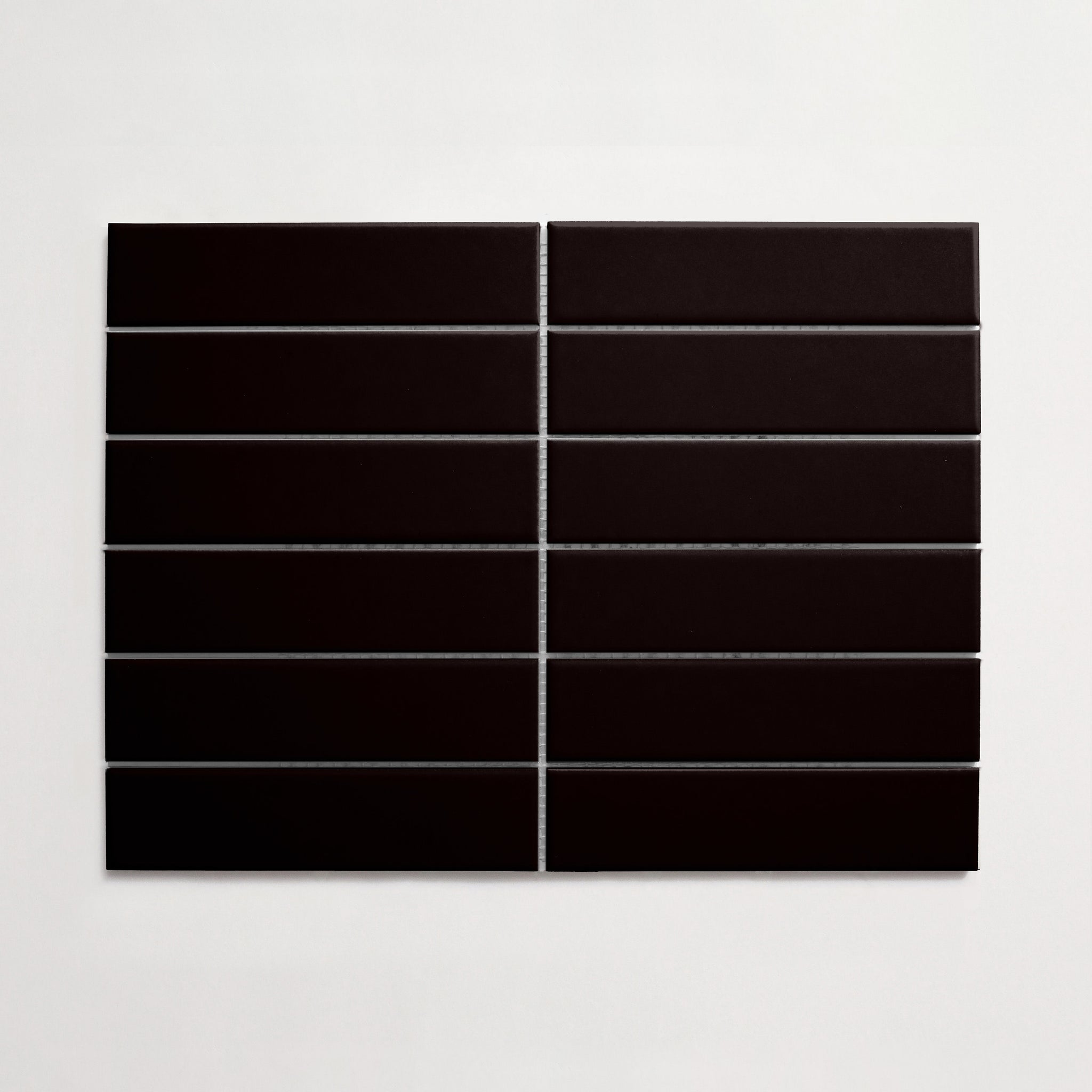
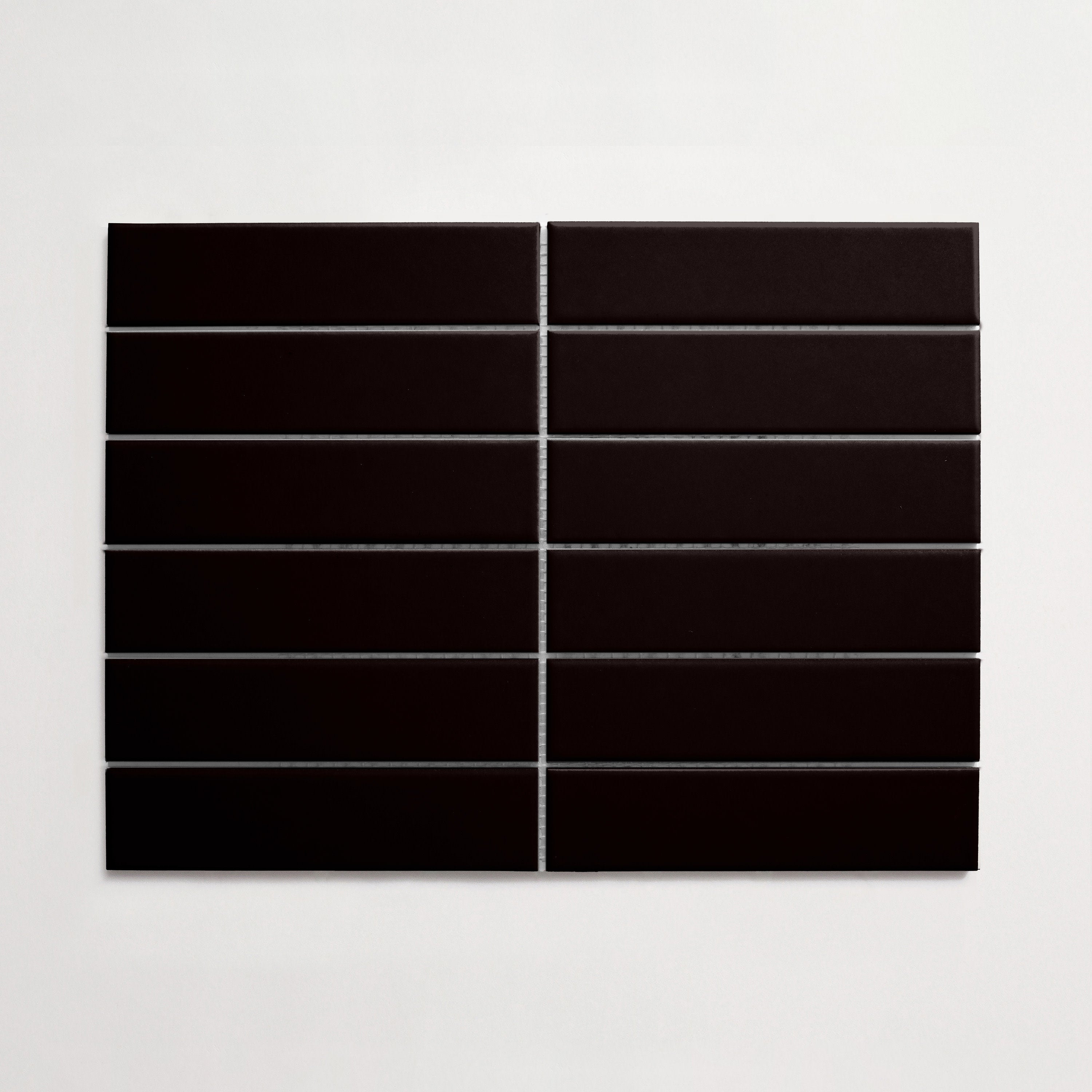
Colorway
-
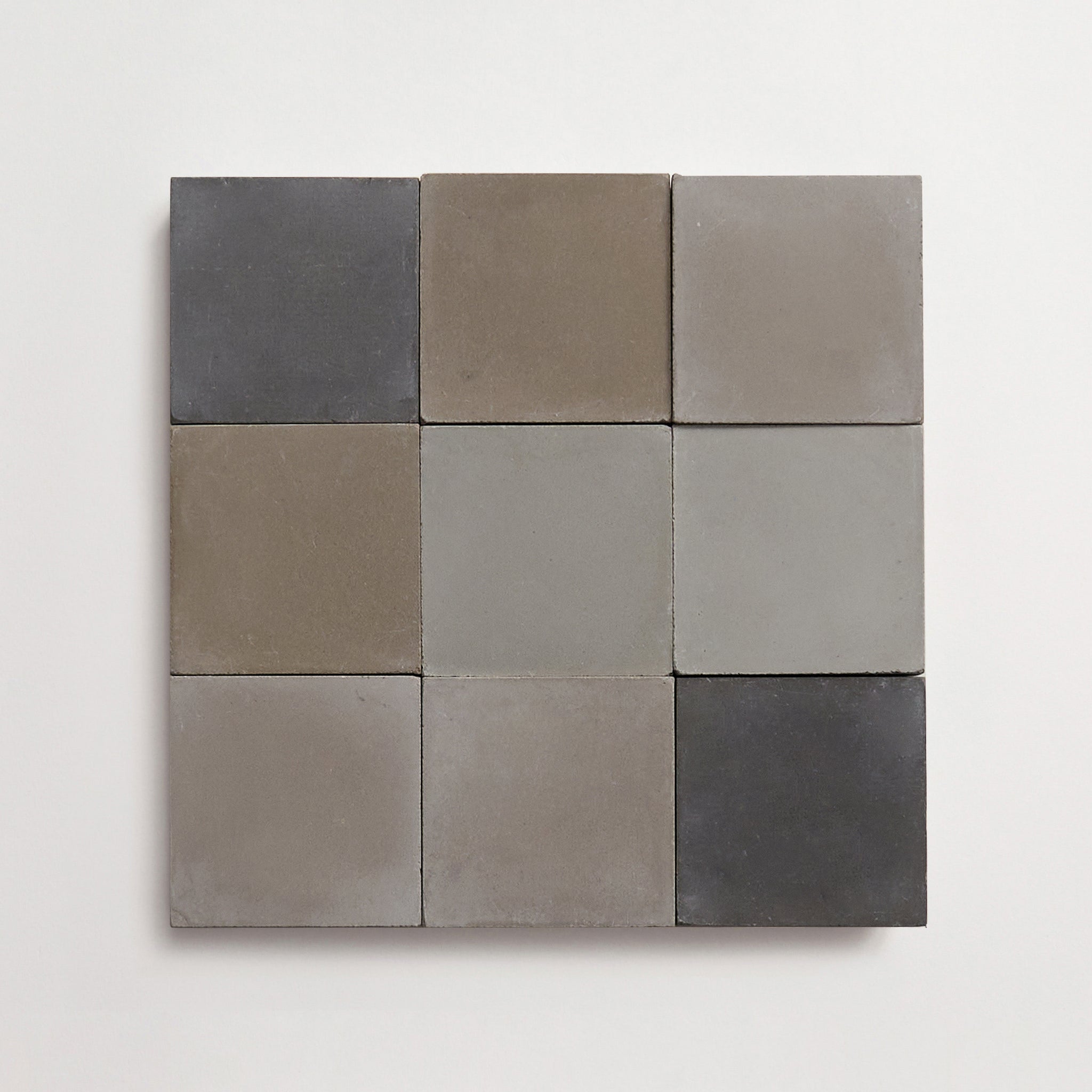
Owens Onyx
Collection
-
Colorwerks
:
Sub Collection
-
Alegria
Material
Length
-
8
" x
Width
-
8
" x
Thickness
-
⅞
"
Unit of Measurement
-
sqft
/
Price per Unit
$
Colorway
-
Grey Cameo
Collection
-
Colore Frattura
:
Sub Collection
-
Brinks
Material
Length
-
4
" x
Width
-
16
" x
Thickness
-
¾
"
Unit of Measurement
-
sqft
/
Price per Unit
$