

Pavers Around the Pool: Ideas for Every Design Style
The most memorable pool landscapes rarely begin with the water itself. They begin with the surface surrounding it. The pool surround acts as a frame, shaping how the water is perceived and how the entire outdoor space feels. When thoughtfully designed, it creates visual continuity between architecture, landscape, and water, transforming a pool from a standalone feature into an integrated part of the scene.
One of the biggest shifts in pool design today is surprisingly simple: scale. Designers are moving away from heavily segmented surfaces and toward larger pavers with quieter joint patterns. The result is a calmer, more expansive space that allows the water, planting, and architecture to take center stage.
This movement extends across multiple design styles, from Mediterranean-inspired courtyards to contemporary resort landscapes. While the materials and aesthetics may vary, the underlying principle remains the same: fewer visual interruptions create a stronger overall composition. Just ahead, we’re exploring ideas that breathe new life into this exciting design direction.


Why the Paver Choice Shapes the Whole Pool
Pavers influence far more than the surface underfoot. Their scale, finish, color, and texture establish the mood of the entire pool environment. A light porcelain field can create a clean and contemporary atmosphere, for example, while warm terracotta introduces a sense of history and regional character. Even subtle shifts in texture can change how the space feels when viewed from indoors or experienced up close.
Because the paver field occupies such a large percentage of the landscape, it often becomes the dominant visual element surrounding the water. The tile you choose therefore deserves the same attention you might give to pool shape, planting design, or architectural detailing.
At the same time, beauty alone is never enough. Every successful pool surface must balance aesthetics with practical considerations. Heat retention, slip resistance, and drainage influence comfort and safety every day. The strongest pool designs integrate these concerns from the beginning rather than treating them as technical requirements added later.
The 3 Things Every Pool Paver Must Do
No matter the design direction, every pool paver should accomplish three essential goals.First, it must provide reliable slip resistance. Water inevitably finds its way beyond the pool edge, making traction one of the most important performance characteristics of any surrounding surface. Textured and matte finishes generally perform best while maintaining a refined appearance.
Second, the surface must remain comfortable underfoot. Pool users spend significant time barefoot, particularly during warmer months. Lighter-colored materials typically absorb less heat than darker options, helping create a more comfortable experience throughout the day.
Third, the installation must support proper drainage. Even the most beautiful pavers can become problematic if water collects on the surface. A carefully planned slope directs water away from gathering areas and prevents standing water around the pool.
Fortunately, lighter tones combined with textured finishes address many heat and slip concerns across porcelain, terracotta, and cement options alike.

The Large-Format Look
Among current pavers around pool ideas, large-format surfaces are among the most influential design shift. Large pavers around pool areas create a sense of visual calm by reducing the number of joints and interruptions across the deck. Instead of focusing attention on the paving pattern, the eye moves naturally toward the water.
The effect can be surprisingly transformative. Even a modest pool can appear larger when surrounded by expansive paving units rather than numerous smaller pieces. Fewer seams create a cleaner visual field, allowing the entire deck to read as one cohesive surface.
This approach also aligns with modern architectural trends that prioritize simplicity, restraint, and material continuity. Large format pool tile and paver installations create elegant transitions between indoor and outdoor spaces while maintaining a refined look.
Why Scale Matters More Than Color
While color often receives the most attention, scale typically has a greater impact on how a pool deck is perceived. A 24-by-48-inch paver, or even larger formats, dramatically reduces visual noise compared to smaller modular layouts. This effect becomes especially important around smaller pools, where excessive segmentation can make the deck feel busy.
For many designers, scale has become the defining characteristic of modern pool tile ideas. The result is a cleaner composition that emphasizes architecture, water, and landscape rather than the paving pattern itself.
Where Large Format Works Best
Large-format pavers naturally complement rectilinear pool designs. Their clean geometry reinforces the crisp lines and proportional clarity often associated with contemporary architecture.
That said, large pavers around pool installations are not limited to strictly modern projects. Freeform pools can also benefit from large-format surfaces when paired with thoughtful coping details and carefully planned edge transitions. A contrasting border or integrated planting edge can work wonders here.
The Mediterranean Courtyard Direction
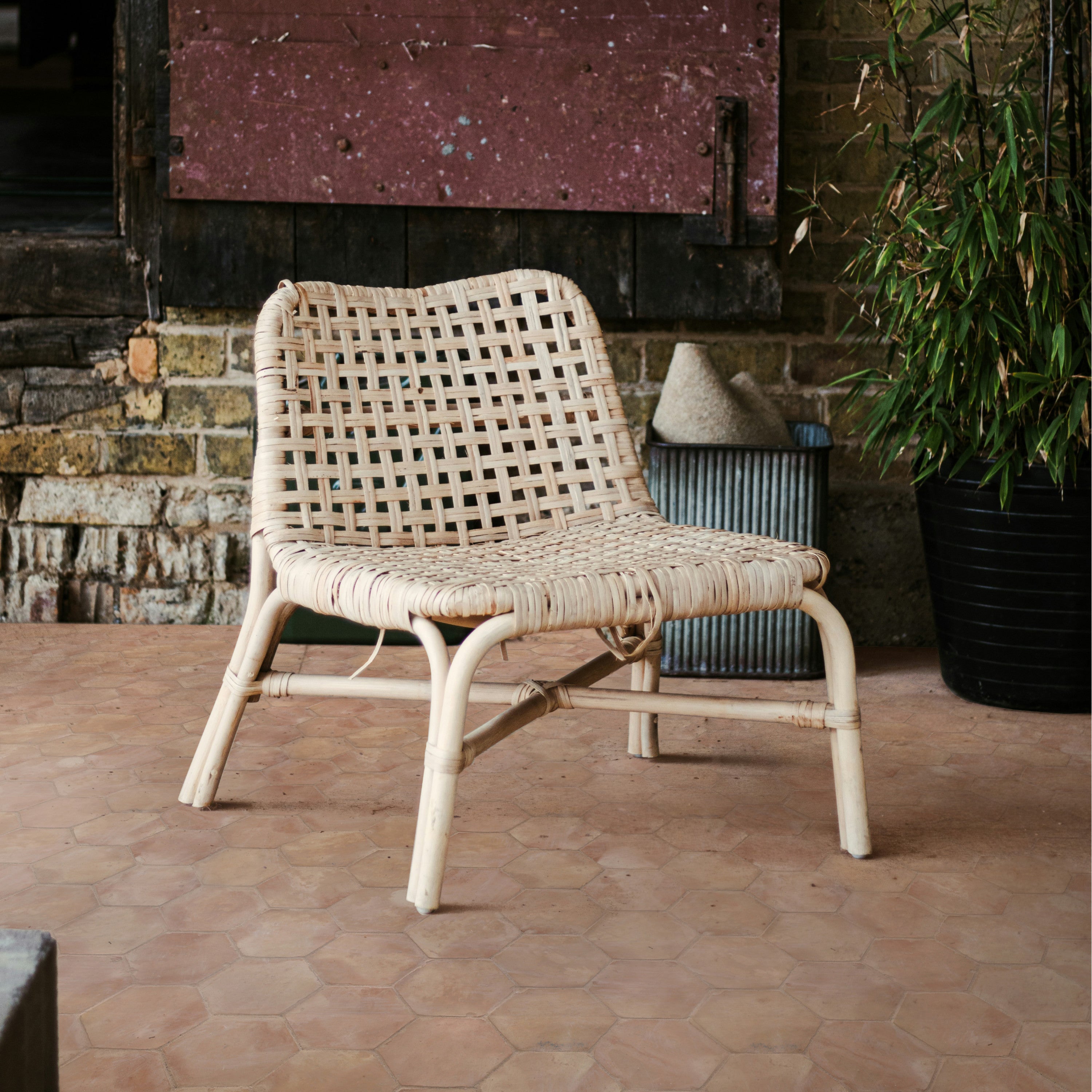
Some pool environments succeed not through minimalism but through warmth. Inspired by Andalusian courtyards and Moroccan riads, this design direction emphasizes tactile materials, sun-washed colors, and surfaces that feel connected to centuries of architectural tradition.
Rather than evoking a luxury resort, these spaces feel intimate and grounded. Terracotta, cement, and handcrafted details create a sense of place that becomes richer with age. The goal is not perfection but character.
Terracotta Underfoot, Sealed for the Pool
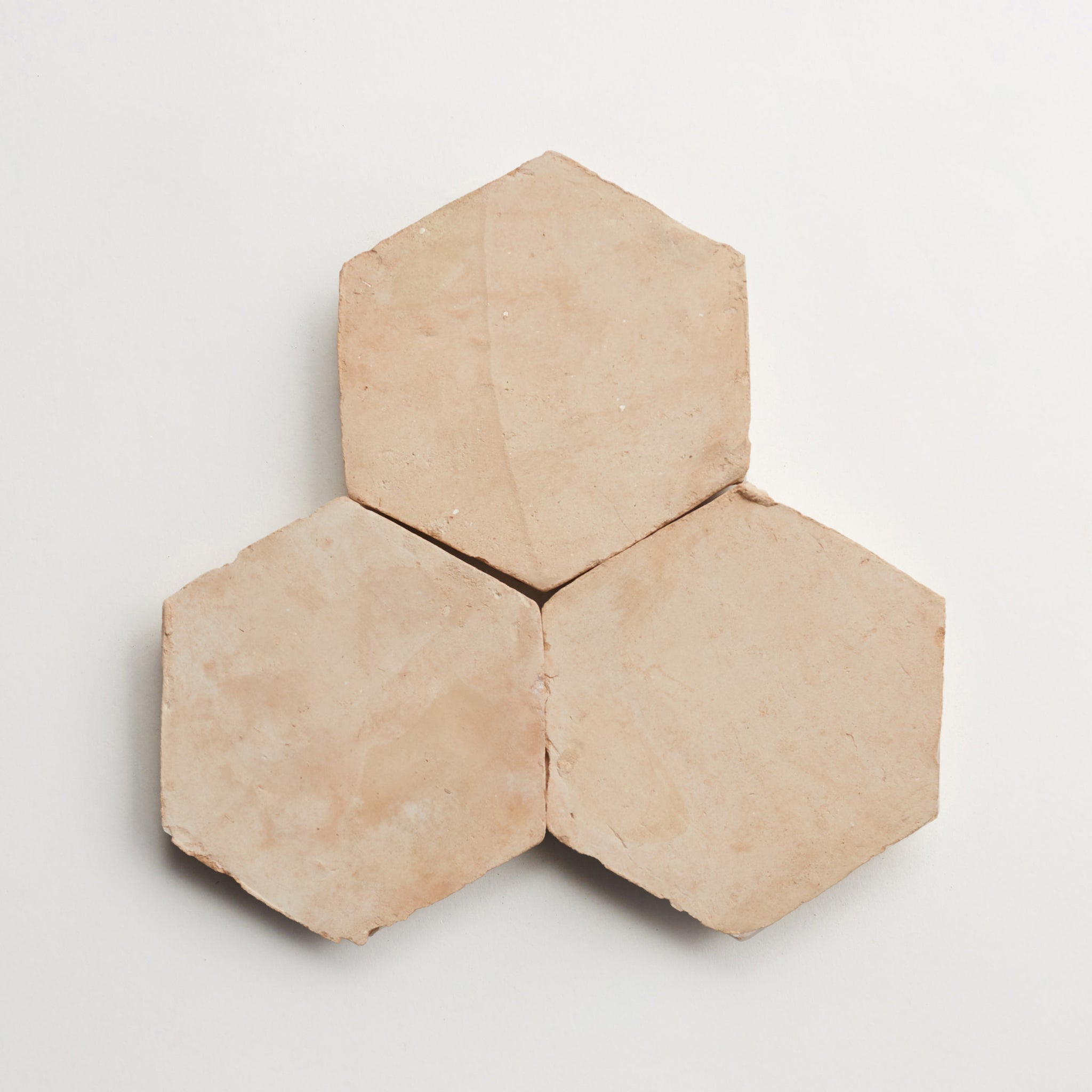
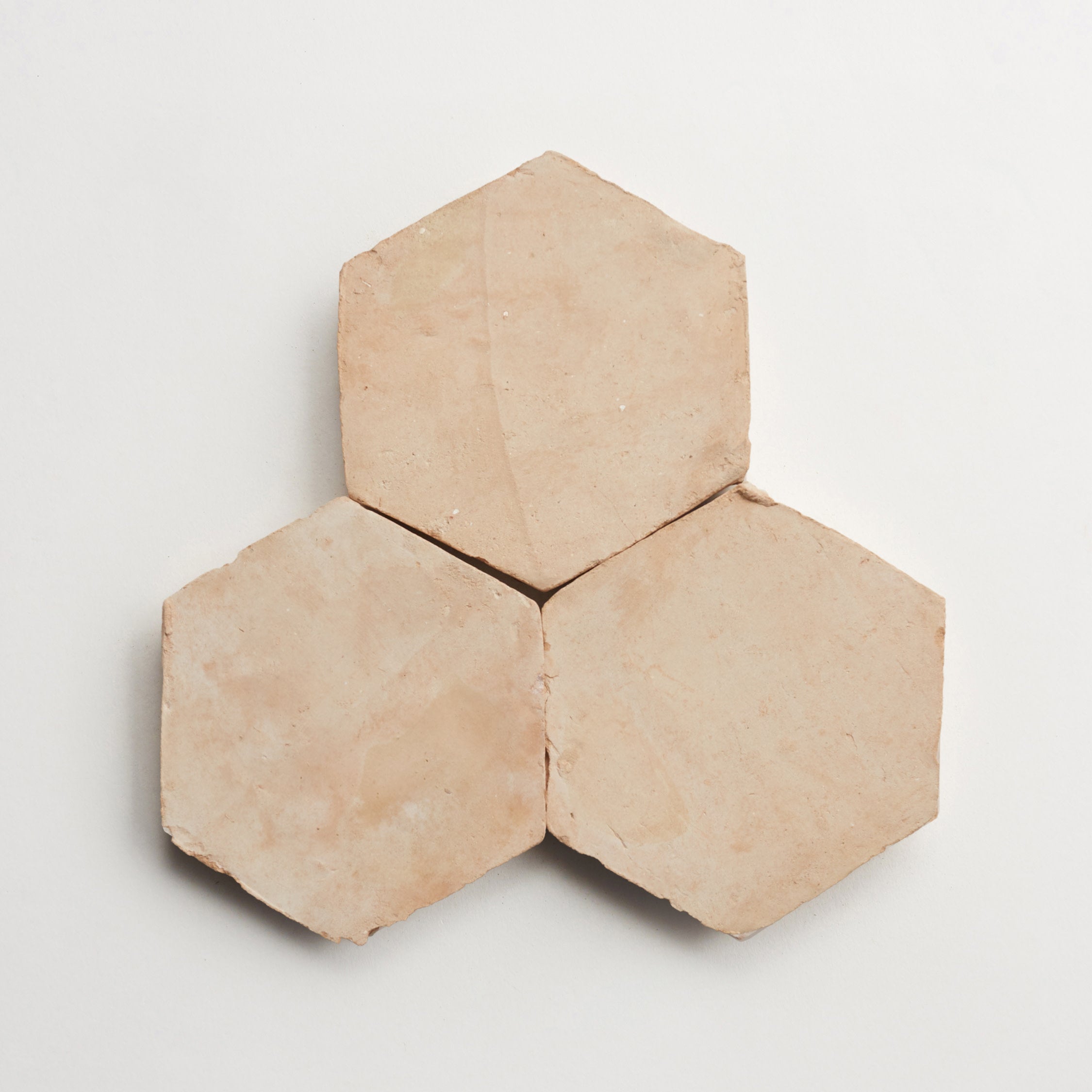
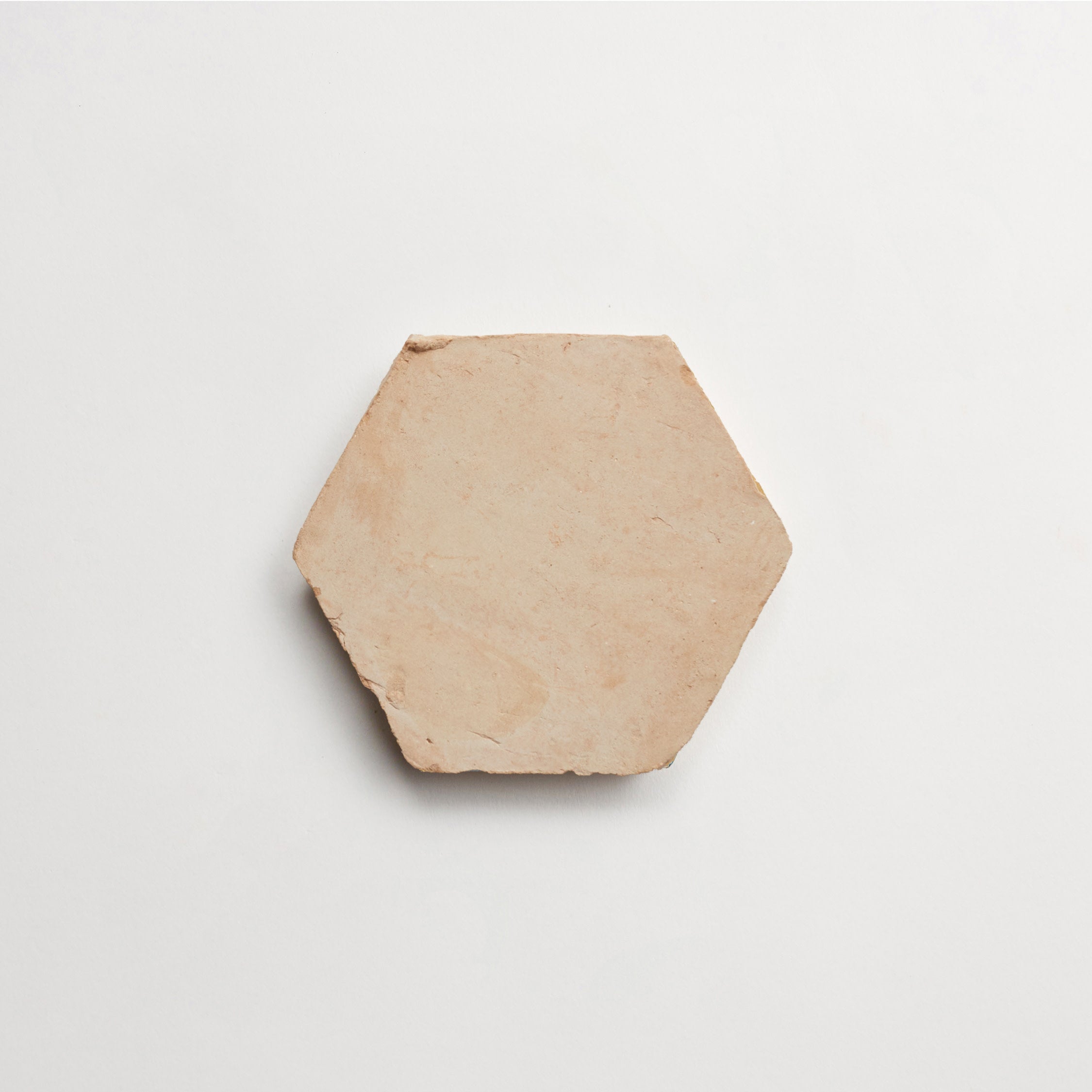
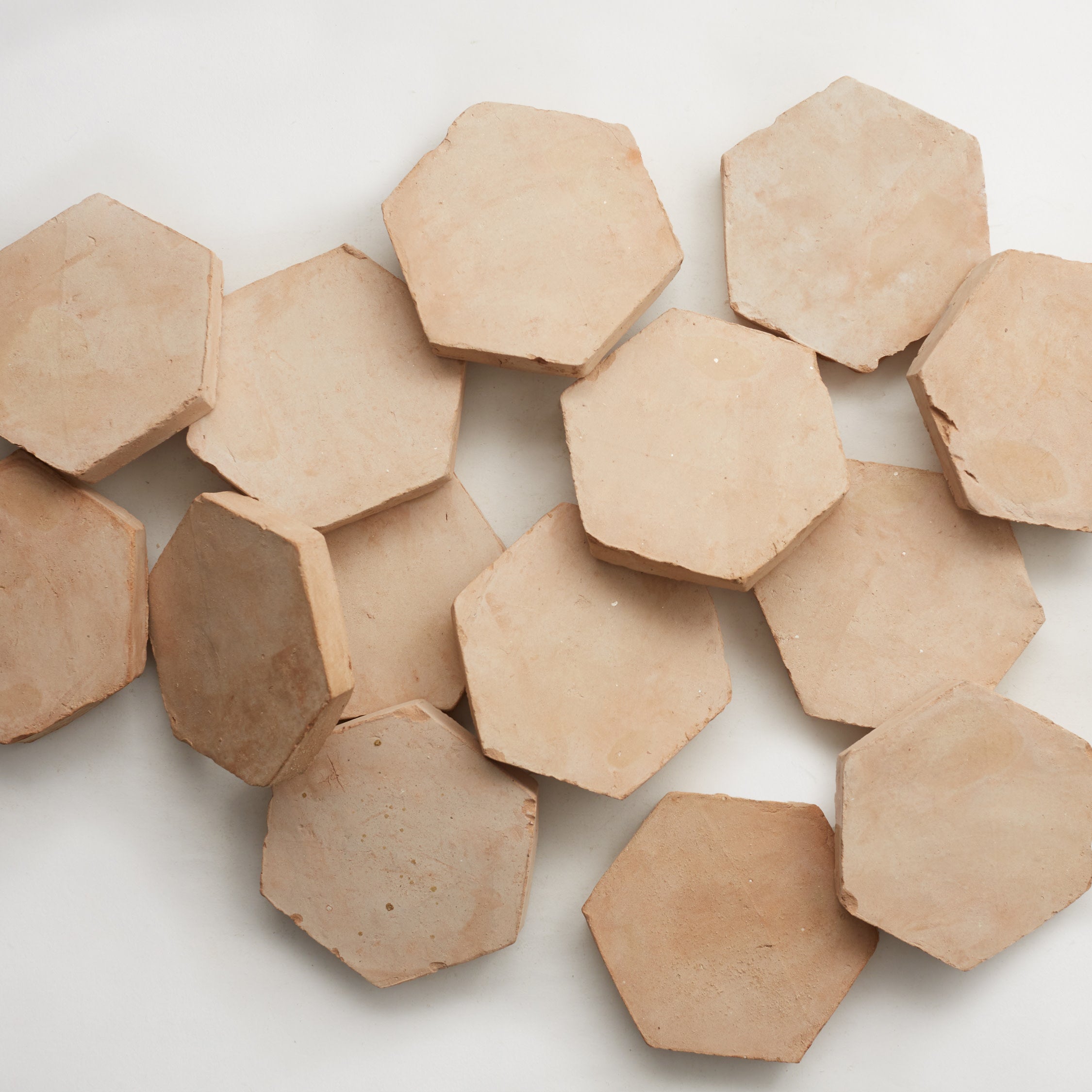
Few materials deliver warmth as naturally as terracotta. Its earthy color variation and tactile texture create a welcoming atmosphere that feels both timeless and regional. Around a pool, terracotta introduces visual softness that contrasts beautifully with reflective water surfaces. Our terracotta collections offer the kind of handcrafted variation that defines this design direction.
For pool applications, keep in mind that proper sealing is essential. A high-quality sealant helps protect the material while supporting long-term performance in areas exposed to moisture and foot traffic. This is especially true for mosaic pool tile ideas that inherently call with more grouting.
Cement Tile as a Bordering Detail
Patterned cement tile can bring tremendous personality to a poolscape, but restraint often produces the strongest result. Rather than covering the entire deck, consider using cement tile as a border, inlay, or transition detail.
A narrow decorative band can define a seating area, frame the pool perimeter, or create visual separation between functional zones. This approach allows the pattern to contribute interest without overwhelming the overall composition.


The Resort-Modern Collection
Contemporary resort design often relies on a restrained material palette. Light surfaces, reflective finishes, and subtle detailing create an atmosphere that feels serene and luxurious without appearing overly decorative.
This approach frequently centers on pale porcelain pool deck pavers that reflect sunlight and maintain a clean visual presence. The paving field becomes a quiet backdrop for water, architecture, and landscape.
Rather than introducing complexity through pattern, designers add interest through carefully placed accents. Glass mosaics, contrasting bands, and architectural borders provide detail while preserving the space’s calm character.
Glass Banding and Inlays
Glass mosaic tiles work best as an accent material rather than a primary walking surface. A single band at the coping, a transition between spaces, or a narrow decorative inlay on a nearby wall can introduce shimmer and visual movement without creating maintenance concerns.
The reflective quality of glass naturally complements water, making it especially effective near the pool edge. Collections such as Lido and our swim pool tile collection offer opportunities to introduce color, depth, and subtle sparkle in measured ways.
Borders That Read as Architecture
The strongest borders function as architectural elements rather than decoration. A contrasting material or color can define the edge of the pool deck while reinforcing the overall geometry of the landscape.
These borders create a sense of intention, guiding movement between paved surfaces, planting areas, and adjacent outdoor rooms. Because the detailing is geometric and disciplined, it contributes structure without visual clutter.
Remember that for modern landscapes, simplicity often proves more effective than elaborate patterns. A single border line can accomplish more than an intricate layout while preserving the calm character that defines resort-inspired design.
The Organic Direction
Not every pool landscape seeks crisp geometry or formal structure. Some projects prioritize continuity with the surrounding environment, allowing the pool to feel integrated into the broader landscape rather than distinctly separated from it.
This direction relies on texture, variation, and naturalistic transitions. Materials with subtle movement help establish a connection between architecture and planting. The overall effect feels relaxed, grounded, and visually layered.
Stone-Look Porcelain Without the Upkeep of Natural Stone
Natural stone has undeniable appeal, but it also introduces maintenance considerations related to porosity, sealing, and weathering. Porcelain in stone-inspired tones offers many of the same visual qualities while reducing those concerns. Porcelain is less porous than many natural stone options, so it can simplify maintenance while maintaining a sophisticated appearance.
If you or your client love the look of natural stone, but it sounds like too much upkeep, you can also explore porcelain options that are made to have stone-like texture, tonal variation, and depth. While we’ll always be proponents of opting for natural stone, these pavers deliver the organic character many designers seek while offering excellent durability around pools.
Where Planting Belongs at the Edge
Planting should always feel intentional. A thoughtfully designed planted edge can soften the transition between hardscape and landscape. Low grasses, drought-tolerant perennials, and carefully selected groundcovers can create visual movement around the pool perimeter. Gravel bands can further define these transitions and support drainage.
When treated as a deliberate design line, planting becomes an integral part of the composition. It also complements much of the best tile for pool decks by introducing texture and contrast that highlight the paving material. The goal is balance between hardscape and landscape, allowing each to strengthen the other.

Choosing the Right Paver for Comfort and Safety
Every design direction ultimately relies on the same practical foundation: Performance and aesthetics must work together.
Porcelain excels in durability, slip resistance, and ease of maintenance. Many contemporary non-slip pool pavers are porcelain, making them particularly well suited to modern and organic designs.
Terracotta offers exceptional warmth and character but requires sealing and ongoing maintenance. For Mediterranean-inspired landscapes, however, its authenticity cannot be matched.
Cement tile provides artistic expression and decorative flexibility. Used strategically, it contributes visual interest while maintaining balance within the larger composition.
Glass mosaics add reflectivity and color but perform best as accents rather than primary walking surfaces.
When evaluating your options, consider heat retention, slip resistance, maintenance requirements, and your overall design goals. The most successful pool environments emerge organically when performance characteristics support the desired aesthetic rather than competing with it.
Bringing the Vision Together
Whether your project leans toward large-format minimalism, Mediterranean warmth, resort-inspired refinement, or organic naturalism, the paver you choose establishes the foundation for everything that follows. It influences how the water is perceived, how the landscape is experienced, and how comfortably people move through the space.
The most effective pool renovations recognize that pavers are not a finishing touch. They are the first design decision, shaping every choice that follows from planting and coping to furniture and lighting.
Discover the Poolside collection and find the paver that completes your surround. Whether you're planning a modern pool deck or exploring a natural stone poolside pool deck tile collection, the right material choice can, quite literally, transform the entire project from the ground up.
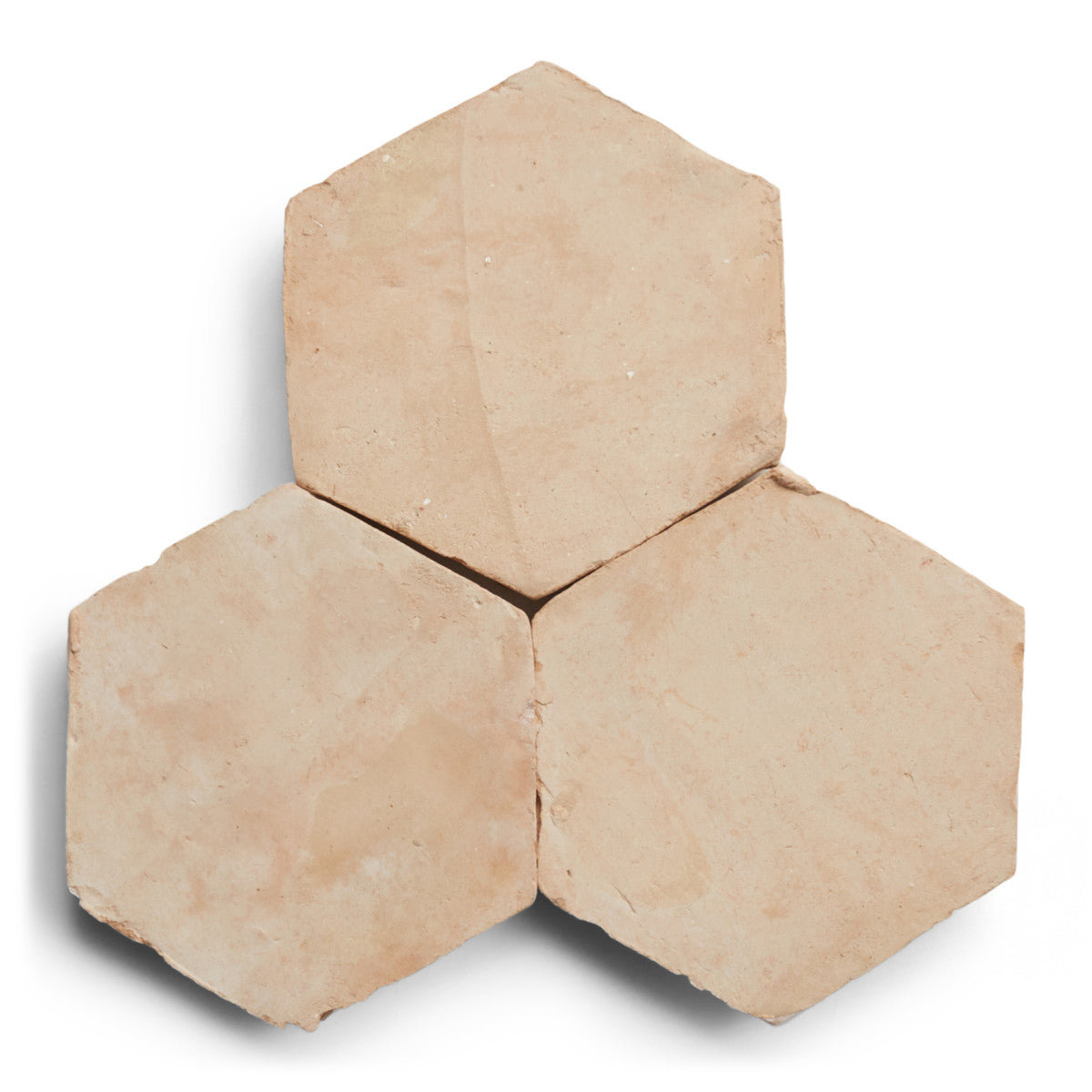
Colorway
-
Natural (Unglazed)
Collection
-
FezBrick
:
Sub Collection
-
Chromatope
Material
Length
-
4
" x
Width
-
4
" x
Thickness
-
¼
"
Unit of Measurement
-
sqft
/
Price per Unit
$


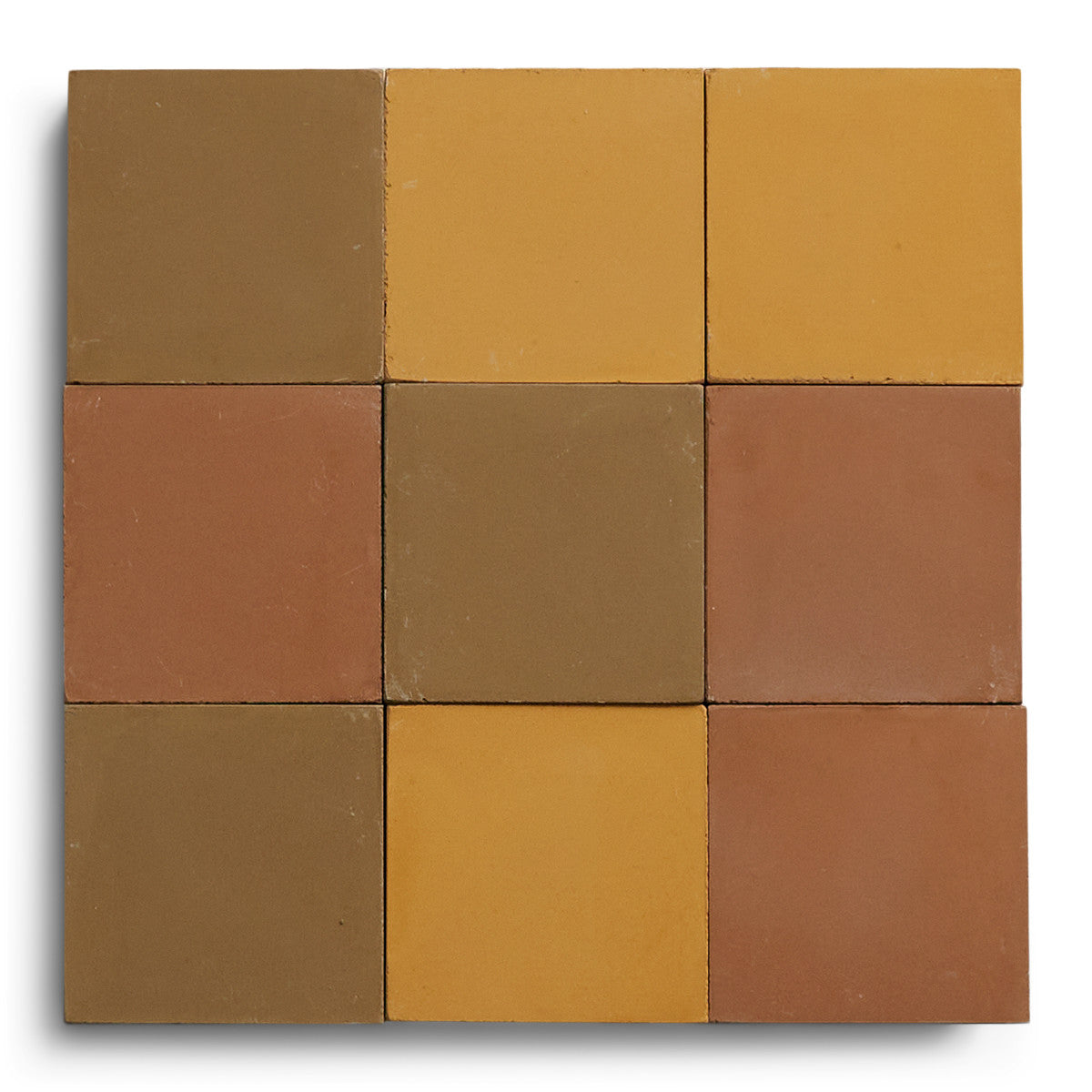
Colorway
-
Brulée
Collection
-
Colore Frattura
:
Sub Collection
-
Alegria
Material
Length
-
8
" x
Width
-
8
" x
Thickness
-
⅞
"
Unit of Measurement
-
sqft
/
Price per Unit
$
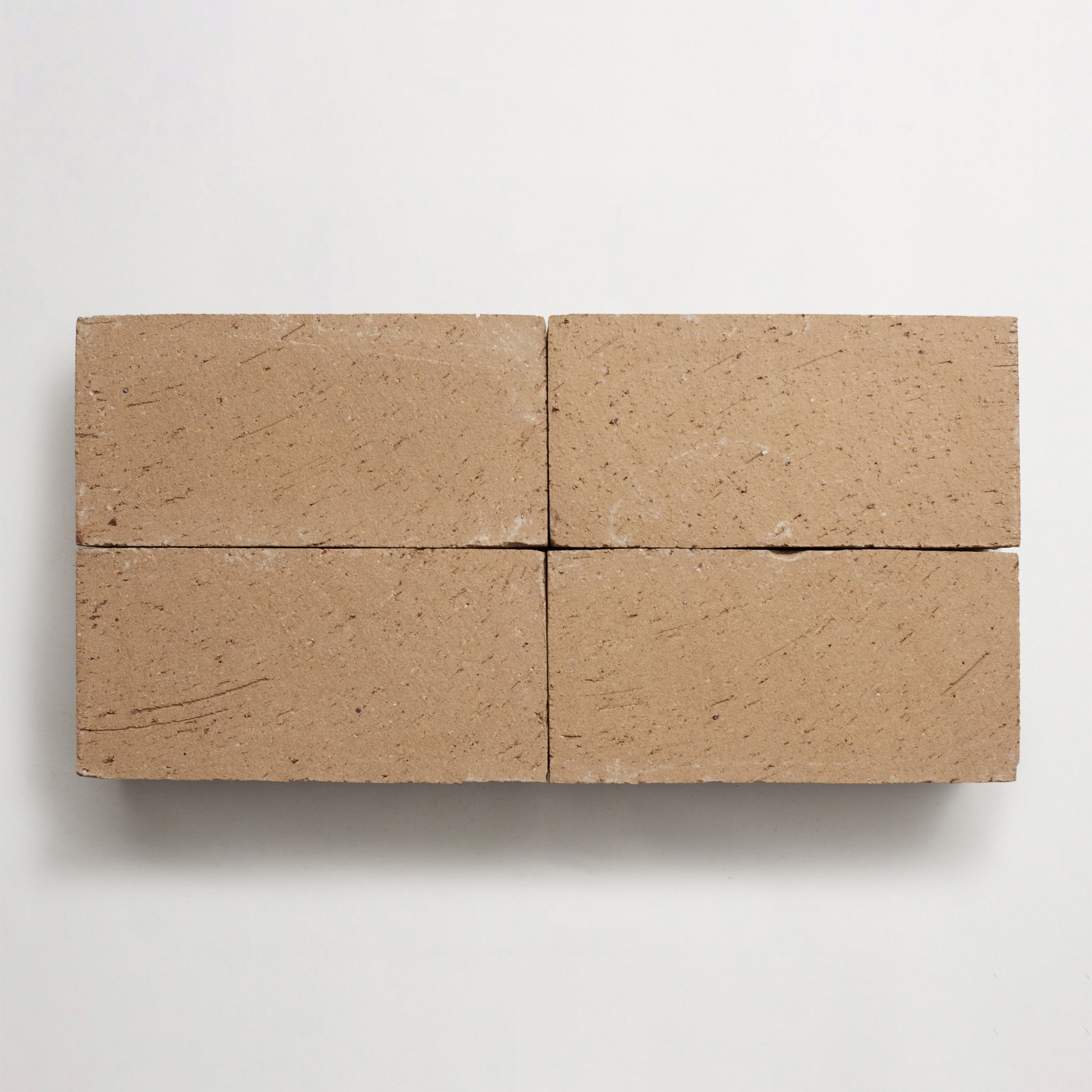


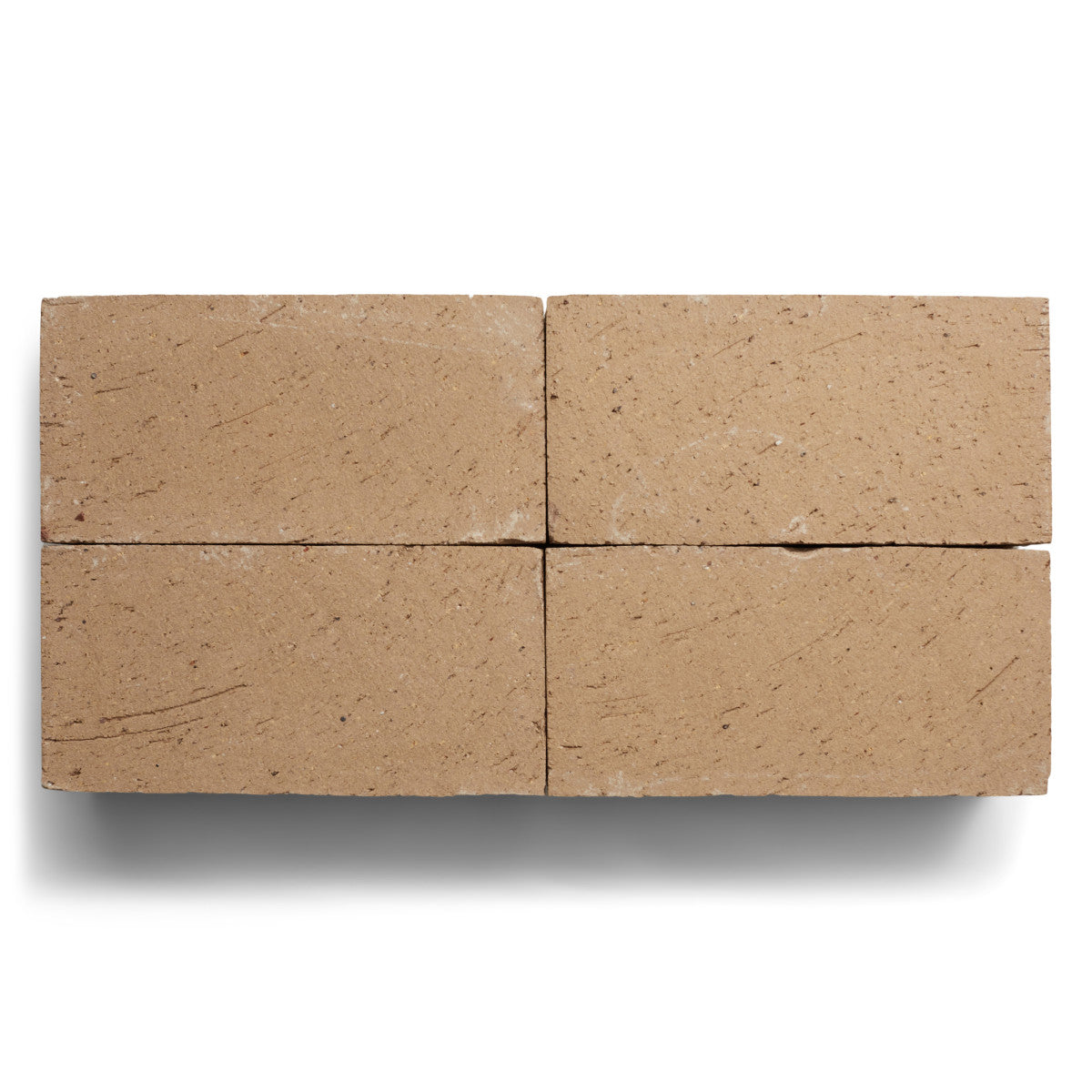
Colorway
-
Pampas Grass
Collection
-
BrickWorks
:
Sub Collection
-
Brinks
Material
Length
-
4
" x
Width
-
16
" x
Thickness
-
¾
"
Unit of Measurement
-
sqft
/
Price per Unit
$