

10 Small Driveway Ideas to Inspire Your Design
Even the smallest of driveways can become a striking focal point for a property. Case in point? These small driveway ideas.
Whether you’re an interior designer or a landscape architect, transforming limited space into a work of art is both a challenge and a rewarding adventure. In this article, we explore 10 small driveway ideas that offer both aesthetic appeal and practical solutions. From very small driveway options to creative approaches for small homes, our guide is filled with techniques that blend functionality with visual interest.
We also cover important considerations before selecting your driveway surface materials.
Read on to discover how the right materials and unique design touches can elevate a gravel driveway or a paved entrance into a charming, inviting addition to any home.


Why Small Driveways Deserve Artisan Attention
Small driveways may have a smaller footprint, but they demand even more thoughtful design than expansive ones. Less room to work with means every choice—from layout and material to edge detail and drainage—has a greater visual and functional impact. A narrow or compact driveway needs to maximize usability without feeling cramped, while still creating a polished first impression that complements the home’s architecture.
Because the driveway is one of the first features people experience, it also plays a major role in perceived property value. Well-designed very small driveway ideas can make a home feel more intentional, refined, and welcoming, while poor material choices or awkward layouts can have the opposite effect. Investing in artisan-quality surfaces, thoughtful patterns, and durable finishes helps transform a purely functional space into one that elevates curb appeal and strengthens resale value.
Durability is just as important as aesthetics. Small driveways often experience concentrated wear from repeated tire traffic, tight turning radiuses, and frequent exposure to sun, rain, or freeze-thaw conditions depending on the climate. Choosing materials that are built for exterior performance—while still delivering texture, warmth, and design character—ensures the space remains beautiful and functional for years to come.
10 Small Driveway Design Ideas & Inspiration
When looking at driveway ideas for small homes, every detail counts. A modern driveway design not only enhances curb appeal but also provides easy access and a seamless transition from the front porch to the rest of the property. These ideas cater to both modern sensibilities and timeless charm. Whether you’re envisioning small U shaped driveway ideas or picturing small circular driveway concepts, let your creativity lead the way.
1. Maximize Space with a U-Shaped Driveway
U-shaped driveways aren’t only for large estates—they can also be a smart solution for smaller properties when designed thoughtfully. This layout maximizes functionality by allowing vehicles to enter and exit from the same opening, making navigation easier while reducing the need for difficult backing or tight turning. In compact spaces, that added flow can make the entire front approach feel more efficient and welcoming.
The key to making a U-shaped driveway feel intentional rather than purely practical is visual continuity. Using a consistent paver tone across the full curve helps the layout read as one cohesive design instead of several disconnected sections. Subtle textures and complementary colors add depth and warmth without making the space feel busy, while overly high-contrast patterns can visually shrink the footprint and distract from the home itself.
Alongside a well-planned gravel driveway or paver layout, evergreen shrubs and low plantings along the edges help define the shape and create a natural border. This softens the hardscape, reinforces the curve of the design, and turns the driveway into a beautiful extension of the home’s landscape rather than just a place to park.
2. Create a Grand Entrance with a Small Circular Brick Driveway
A small circular driveway is a charming alternative for homes with limited space. The circular layout—especially when crafted with brick—creates a sense of arrival that feels elegant and intentional, instantly giving the entry a more elevated presence. It also improves access and circulation while turning the driveway itself into a focal design element rather than just a practical necessity.
What makes a circular driveway feel grand rather than cramped is often restraint in material, not scale. Keeping the brick palette cohesive and avoiding overly busy patterns allows the curve to read as refined and architectural, rather than visually crowded. OUTERclé’s Brickworks collection offers the kind of texture and character that bring warmth to the design without adding unnecessary visual noise.
To enhance the center of the circle, consider incorporating a decorative flower bed, sculptural planter, or small water feature that anchors the space without overwhelming it. When paired with well-maintained walkways and thoughtfully placed focal points, this type of driveway becomes a true statement piece. Brick remains an especially strong material choice for small circular shaped driveway ideas, offering durability, low maintenance, and timeless appeal that keeps the space looking beautiful year after year.

3. Integrate Timeless Stone for Old World Charm
For those who love a sense of history and old-world patina, incorporating natural stone into a driveway design is an excellent choice. Materials like travertine bring durability along with a rustic elegance that feels especially at home in smaller spaces, where texture and material quality have an even greater visual impact. Natural stone adds warmth, permanence, and a handcrafted character that helps the driveway feel like an intentional extension of the home rather than a purely functional surface.
Consider using stone in varied tones to create subtle depth and contrast, or pairing it with gravel accents for additional texture and a softer transition into the surrounding landscape. This combination works particularly well for homes with traditional, Mediterranean, or European-inspired architecture, where layered materials reinforce a sense of heritage and craftsmanship.
When planning your driveway, it’s important to make sure the surface you select is actually rated for driveway use. Some stone tiles—marble, for example—may be beautiful but are often better suited for foot traffic rather than the weight and repeated wear of vehicles. For homeowners wondering what stone does work for driveways, thicker pavers designed specifically for exterior load-bearing applications are the right choice.
Collections like our Pemberley Pavers offer that same organic beauty with the durability needed for everyday driveway performance.
4. Define the Space with Contrasting Borders
You can define the boundaries of a driveway through the clever use of contrasting borders. By incorporating an edge in a different color, texture, or material, you create a clear demarcation that enhances both the form and function of the space. Borders help the driveway feel more intentional and finished, especially in smaller layouts where definition matters most.
They also do more than simply look beautiful—well-designed borders can visually expand a small driveway by drawing the eye outward and creating a stronger sense of proportion and structure. This subtle framing effect helps the space feel larger, more balanced, and more connected to the surrounding landscape.
Consider using a combination of pavers and plantings to outline the perimeter, allowing the edge to stand out without feeling harsh. This technique not only improves access and navigation but also adds a sophisticated layer of design that complements nearly any driveway style. For interior designers and landscape architects alike, borders create another opportunity to blend modern and classic elements, proving that even a compact driveway can make a striking visual statement.
5. Go Playful with a Checkerboard Pattern
For a look that feels both playful and refined, a checkerboard pattern can work beautifully on a small driveway. This design uses two contrasting materials or tones to create a layout that plays with symmetry, rhythm, and balance—turning the driveway into a true design feature instead of just a parking lot. It adds visual interest while also helping guide vehicles naturally through the space.
Material choice is key to making the pattern feel elevated. Whether using brick driveway pavers or natural stone, the goal is to create contrast. Scale matters just as much: smaller tiles tend to create a busier, more intricate look, while larger pavers read cleaner, calmer, and often more luxurious—especially in compact spaces where too much pattern can feel crowded. The OUTERclé Pemberley Pavers collection offers the kind of substantial scale and natural texture that help checkerboard layouts feel sophisticated rather than overly decorative.
With its clean lines and organized structure, this pattern works particularly well for homeowners who want to introduce a subtle design edge while still maintaining timeless curb appeal. The result is a driveway that feels polished and full of architectural character.


6. Bring In Natural Elements for a Soft, Organic Look
Nature often provides the best inspiration for creating inviting outdoor spaces. By incorporating natural elements into your driveway design, you can soften the hard edges of paved surfaces and create a more balanced relationship between structure and landscape. This approach helps a driveway feel less like a purely functional zone and more like an integrated part of the home’s outdoor environment.
Consider adding plants, low greenery, or small flower beds along the edges of the driveway to introduce color, texture, and movement. This works especially well with a natural stone driveway, where the contrast between organic plant life and the smooth, durable surface of pavers creates a layered, welcoming effect. The combination feels both relaxed and purposeful, particularly in smaller spaces where every detail is more visible.
For homeowners concerned about practicality, proper edging is what keeps organic materials like gravel, mulch, or ground cover from spilling onto paved areas. Defined borders using stone, metal edging, or raised planting beds help maintain clean lines while reducing maintenance and preserving the overall design. This technique not only enhances the driveway’s visual appeal but also ensures it blends seamlessly with the surrounding landscape while staying easy to maintain.
7. Infuse Artistry with Geometric Patterns
Geometric patterns are a favorite among modern designers, offering an artistic twist that transforms a simple driveway into a true design statement. Built around clean lines and repeating shapes, these layouts create a sense of order and precision that works especially well in small spaces, where structure and proportion have an even greater visual impact.
Whether you choose a mosaic-inspired arrangement of travertine pavers, go with one of the classic herringbone patterns, or create your own pattern through the rhythm of perfectly imperfect brick, you get a driveway that feels both functional and visually compelling. Geometric layouts also make it easy to layer different textures and subtle tonal variation, adding depth without unnecessary complexity.
Color selection should reflect the home’s architectural context. Warm-toned materials—such as brick-inspired hues like Cordovan Saddle or Antelope Canyon from our Brickworks collection—tend to complement traditional homes, Spanish-style properties, and more classic façades by reinforcing warmth and heritage. Cooler tones, like stone-inspired shades such as Denali Stone or Minnesota Falls, feel more natural alongside contemporary, minimalist, or modern exteriors where cleaner palettes and sharper lines define the design. Matching the colorway to the architecture ensures the pattern doesn't feel disconnected from the overall design, allowing the driveway to enhance the home rather than compete with it.

8. Go Sleek and Minimalist with Large Format Pavers
When working with a very small driveway, sometimes less is truly more. Large format pavers create a sleek, minimalist look that helps compact spaces feel more open, organized, and intentional. By reducing visual clutter and minimizing grout lines or joints, this type of outdoor tile brings a sense of calm that makes the entire entry feel larger than it is.
The smooth, continuous surface these outdoor pavers create reinforces that clean, architectural look while also offering practical benefits like easier maintenance and less opportunity for weeds to grow between joints. That said, large pavers only work well when the scale is right. A good rule is to choose a size that feels proportional to the driveway’s total footprint—large enough to reduce visual fragmentation, but not so oversized that only a few pavers fit awkwardly across the width. The goal is balance: the surface should feel expansive, not over-scaled or visually heavy.
Paired with subtle landscaping elements, large format pavers can transform a small driveway into an elegant extension of the home’s exterior. This driveway paver idea sets up a space that feels refined, functional, and far more spacious than its square footage suggests.
9. Create a Harmonious Design with Coordinating Walkways
A driveway doesn’t have to stand alone as the sole statement piece of your landscape design. By coordinating your driveway with complementary walkways, you can create a cohesive flow that naturally guides visitors from the street to the front door and throughout the property.
Integrating walkways with your driveway not only improves access and circulation but also elevates overall curb appeal. Using shared materials, tones, or finishes across both surfaces helps tie the entire exterior together, creating a unified look. This kind of continuity is especially effective in smaller spaces, where visual cohesion can make the landscape feel larger and more thoughtfully composed.
Whether working with pavers, natural stone, or a gravel driveway, the goal is to ensure transitions feel smooth and inviting rather than abrupt. This cohesive approach does more than enhance aesthetics—it can also increase perceived property value by signaling careful planning, craftsmanship, and attention to detail. To visitors and potential buyers, a unified outdoor design suggests a home that has been thoughtfully maintained and intentionally designed from the ground up.
10. Make a Statement with a Tile Inlay
For those looking to push the boundaries of traditional driveway design, a tile inlay can add a bold, artistic touch that transforms a home’s entrance into a true focal point. Inlays allow for intricate patterns, subtle detailing, or vibrant color accents that elevate the driveway beyond a purely functional surface and into something more expressive and architectural.
When thoughtfully integrated, the key is restraint and placement. In smaller driveways especially, a single well-positioned inlay—often at the entry point or central axis—can create maximum visual impact without overwhelming the space. This approach keeps the overall design clean and readable, while still introducing a moment of detail that draws the eye and signals intentional design. Professional installation is essential here, as precise alignment and execution are what ensure the inlay feels integrated rather than decorative or disconnected.
By carefully selecting materials that complement the surrounding driveway landscaping, inlays can also work in harmony with elements like foliage, stone borders, or water features, adding subtle layers of texture and interest. While this technique requires more planning and skilled craftsmanship, the result is a highly curated entrance.
How to Choose the Right Material for a Small Driveway
Choosing the right material for a small driveway ultimately comes down to three key factors: structural performance, climate conditions, and architectural fit. Because compact driveways concentrate wear in a smaller area, the surface must be fully load-bearing and designed to handle repeated vehicle traffic without shifting, cracking, or premature wear. Proper base preparation and drainage are just as important as the material itself, ensuring long-term stability and preventing issues like pooling water or frost damage.
Climate plays a major role in material selection. In freeze-thaw regions, materials need to accommodate seasonal expansion and contraction without surface failure. In hot or sunny climates, UV resistance and heat reflectivity become more important, while coastal or humid environments call for low-porosity surfaces that resist moisture, salt, and staining. Good drainage design—whether through permeable systems or well-graded base layers—is essential in all cases to protect both the driveway and surrounding landscape.
Equally important is aligning material character with the home’s architectural style. For homeowners who want warmth, texture, and a more expressive surface, brick or brick-inspired systems offer a timeless solution. The Brickworks collection brings depth and character that work especially well with traditional, craftsman, or Mediterranean-inspired homes. For those drawn to a more refined, minimal, or stone-forward aesthetic, natural stone pavers provide a quieter, more architectural presence. Pemberley Pavers deliver a clean, elevated look that pairs seamlessly with contemporary or transitional designs.
Ultimately, the best material is the one that balances performance with personality—supporting the demands of daily use while reinforcing the home’s overall design language.
A small driveway is far more than a functional necessity—it’s the first composed impression of a home, shaping how every visitor, buyer, or passerby experiences the property from the street. When material, layout, and detailing are thoughtfully aligned, even the most compact driveway can feel intentional, elevated, and architecturally significant. The right design doesn’t just solve for space—it enhances the entire exterior narrative.
For those ready to refine that first impression, exploring OUTERclé’s collections offers a curated starting point for materials designed specifically for outdoor performance and design impact. From textured brick expressions to refined natural stone systems, these collections make it possible to turn even a small driveway into a lasting statement of craftsmanship and style.


Colorway
-
Pumice
Collection
-
Pemberley Pavers
:
Sub Collection
-
le Disque
Material
Length
-
4
" x
Width
-
4
" x
Thickness
-
¼
"
Unit of Measurement
-
sqft
/
Price per Unit
$
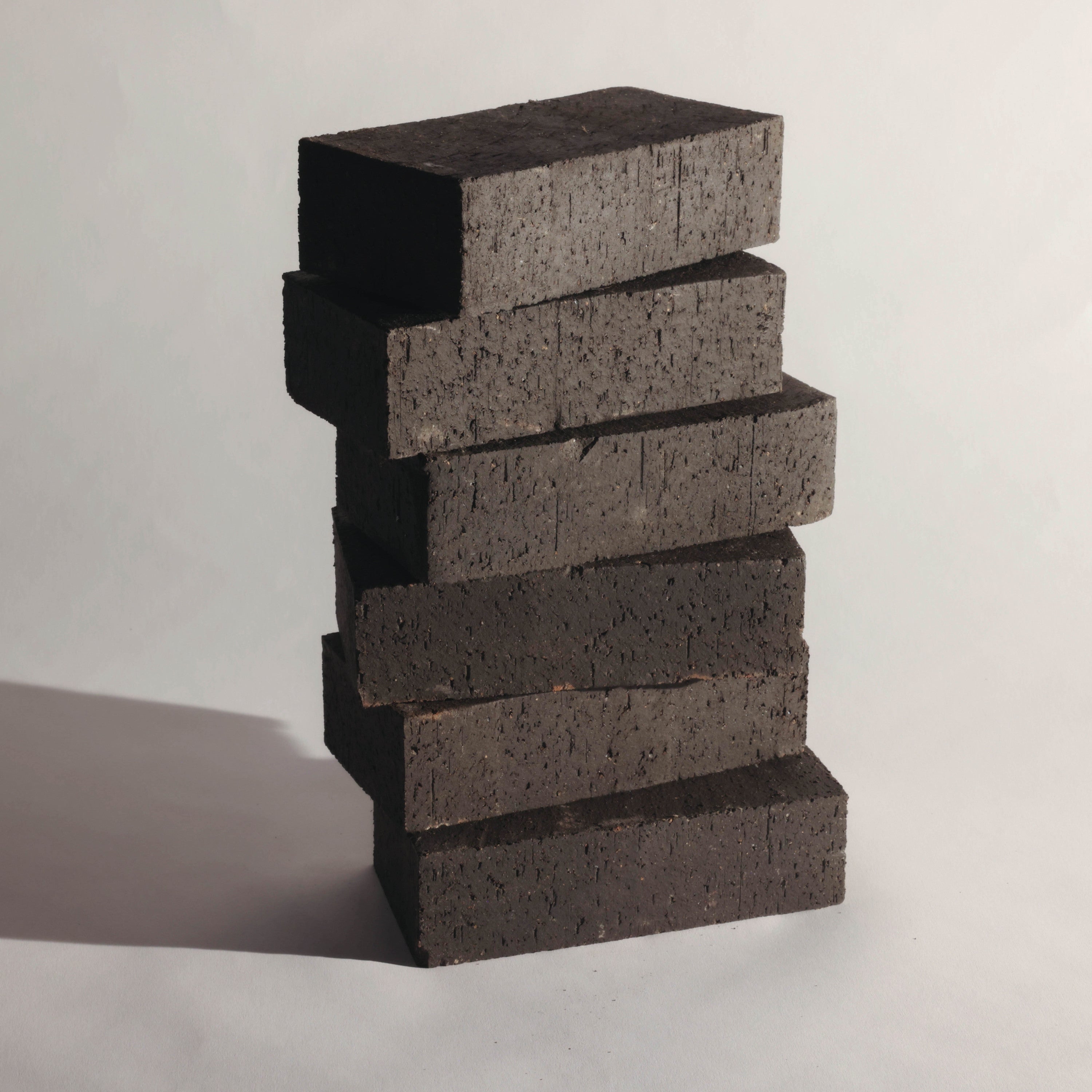
Colorway
-
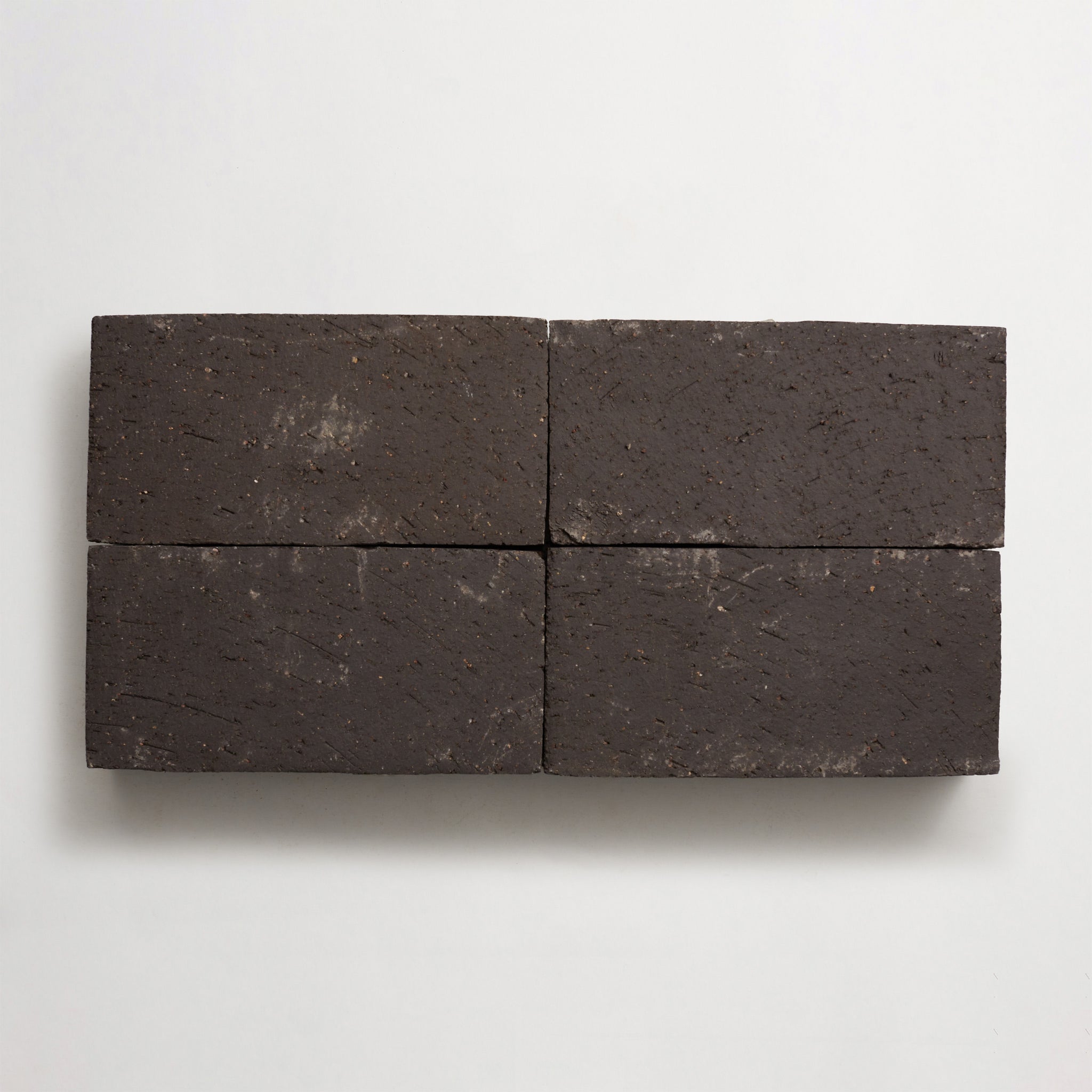
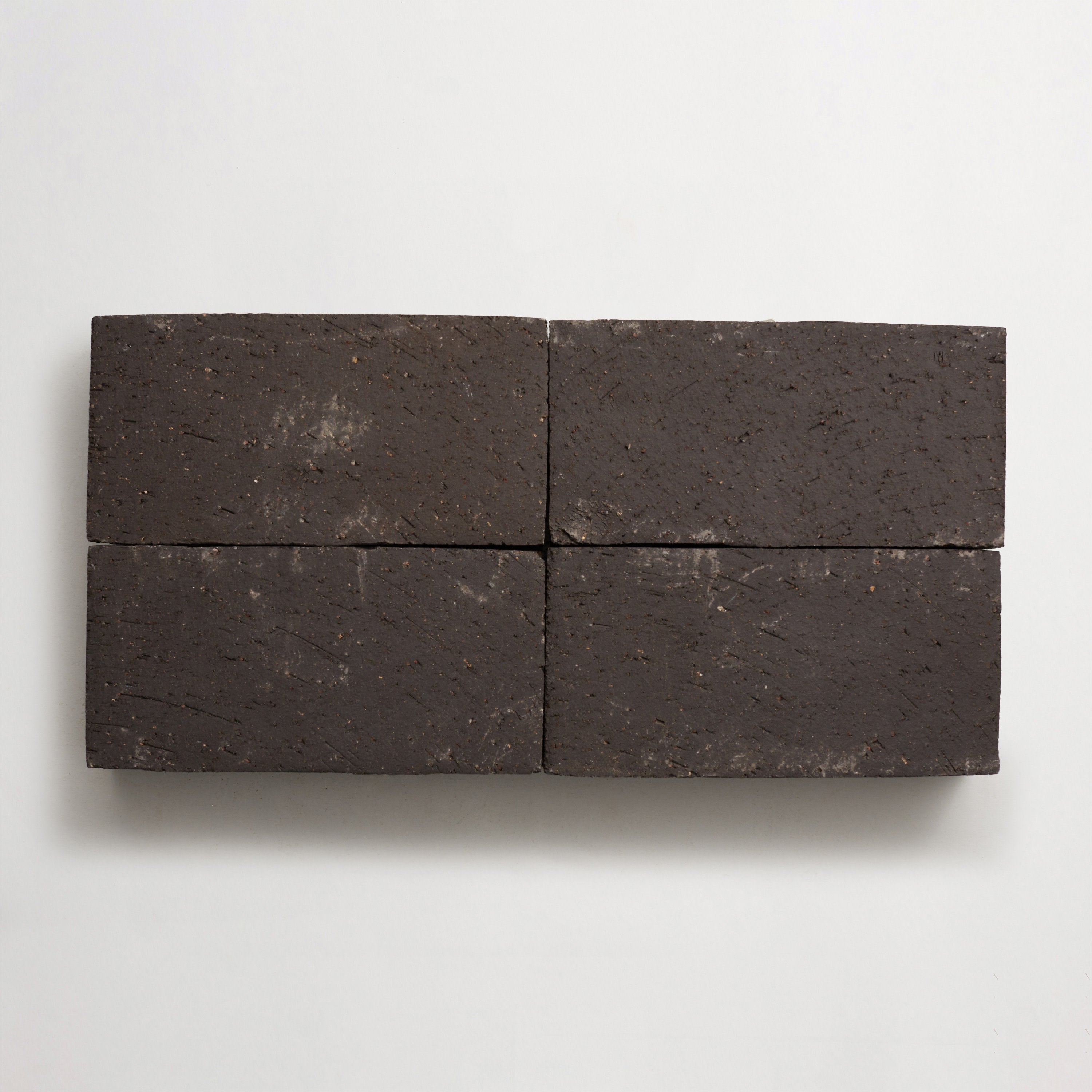
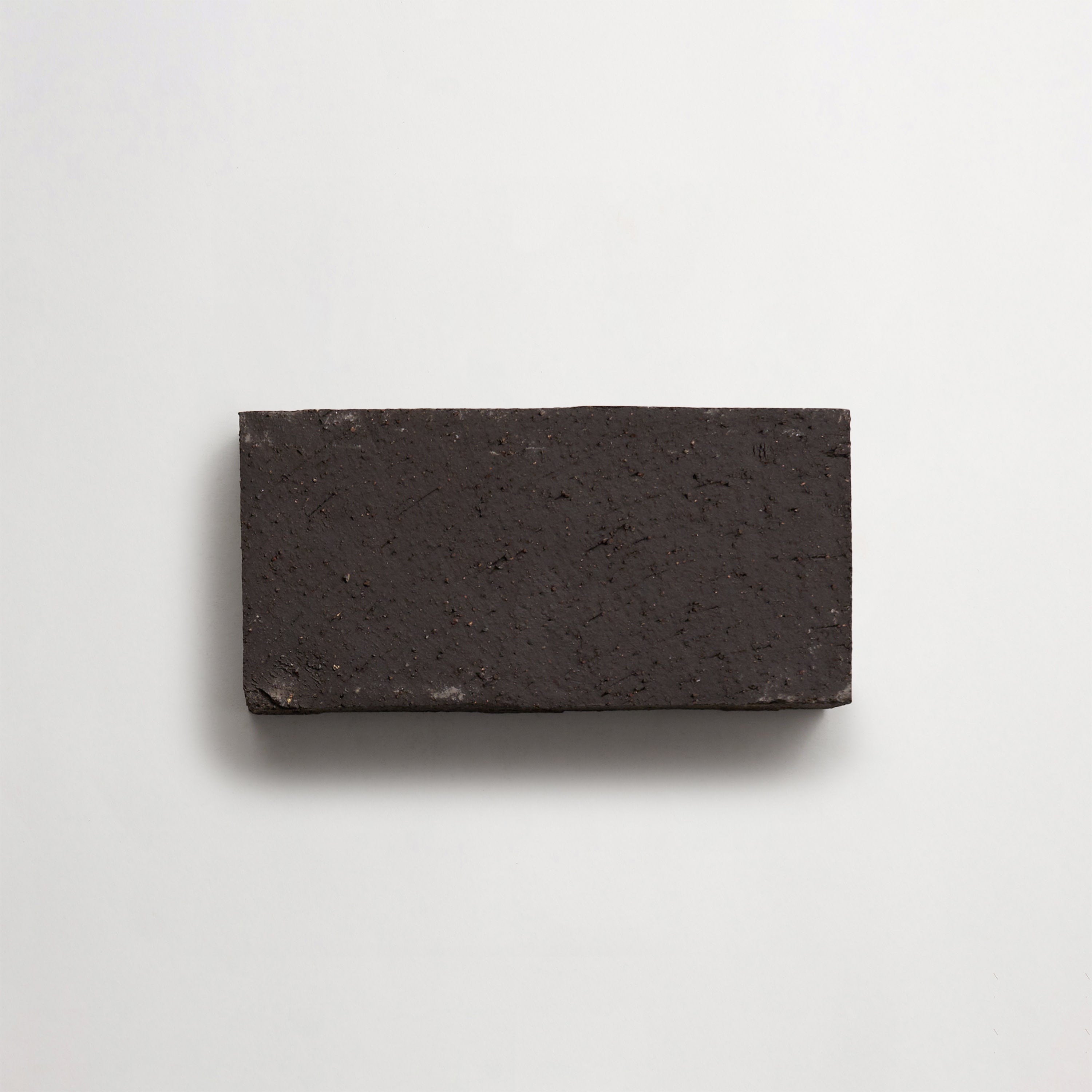
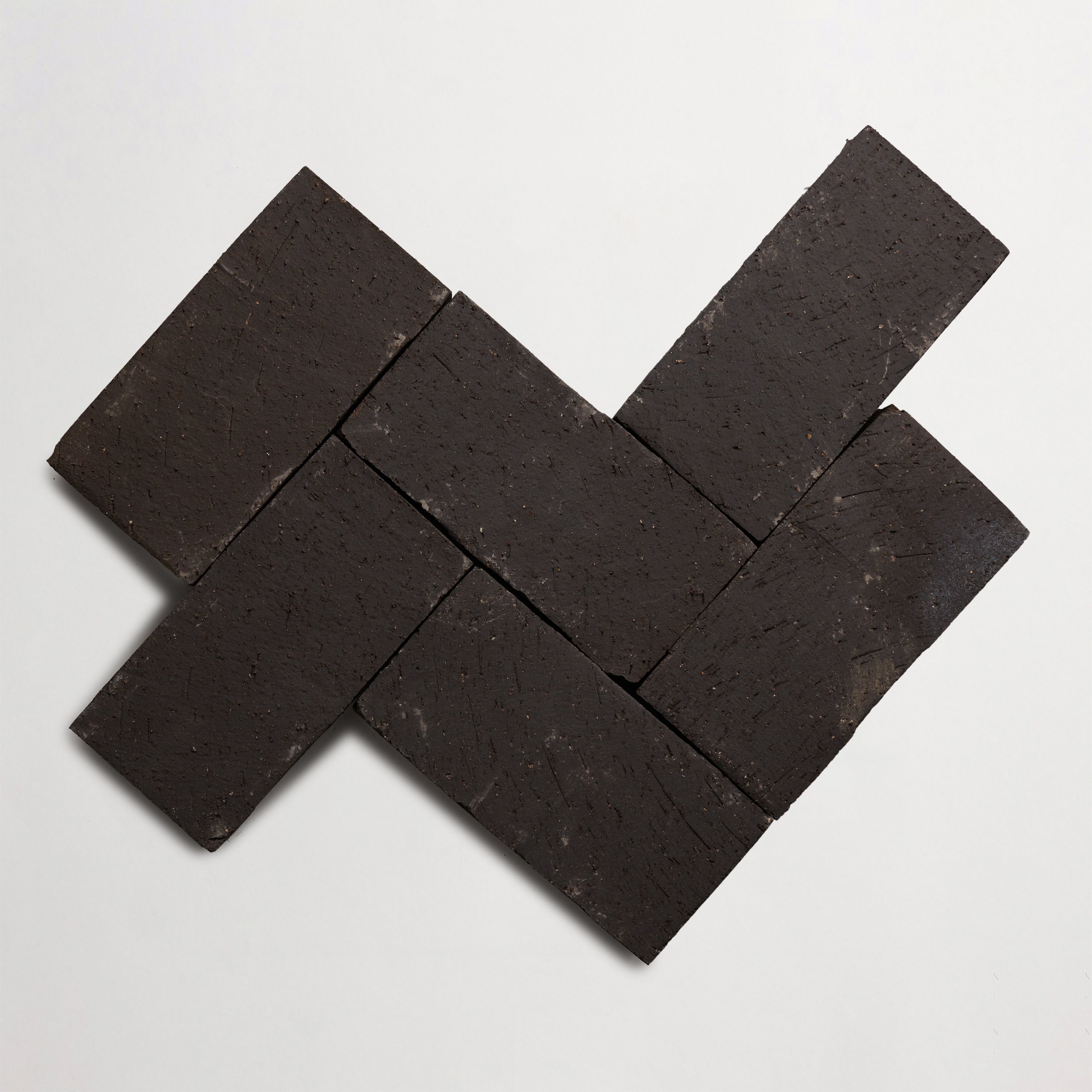
Scorched Earth
Collection
-
BrickWorks
:
Sub Collection
-
Cords
Material
Length
-
8
" x
Width
-
8
" x
Thickness
-
⅞
"
Unit of Measurement
-
sqft
/
Price per Unit
$


Colorway
-
Shale
Collection
-
Pemberley Pavers
:
Sub Collection
-
Torrone II
Material
Length
-
4
" x
Width
-
16
" x
Thickness
-
¾
"
Unit of Measurement
-
sqft
/
Price per Unit
$