

Spanish Courtyard Ideas for an Authentic Andalusian Retreat
If you’re planning an outdoor space, it’s easy to look toward the southern coast of Spain for inspiration. The region is filled with sun-drenched courtyards where shaded corners provide the perfect place to unwind. But how do you translate that timeless Mediterranean feeling into a space that is both authentic and unique?
A true Spanish courtyard is much more than an assembly of terracotta pots, wrought iron lanterns, colorful tile, and citrus trees. The most memorable Andalusian courtyards are remarkably disciplined. They rely on a handful of carefully chosen architectural and material decisions that have evolved over centuries to solve practical problems of climate, privacy, and everyday living.
Whether you're planning a sprawling outdoor retreat for a client or exploring small Spanish courtyard ideas for your own yard, authenticity comes from knowing which elements deserve the spotlight and which should quietly support them. Let’s start with the basics.


Key Takeaways: What You Need to Know
- Authentic Spanish courtyards prioritize enclosure, shade, water, and restraint over decorative excess.
- Flooring does more than any other material to establish an Andalusian atmosphere.
- Pattern works best as a carefully placed accent rather than covering every surface.
- Water features create the emotional center of the courtyard, regardless of their size.
- A limited palette of terracotta, stucco, iron, and greenery feels more convincing than mixing multiple Mediterranean styles.
- Small courtyards often achieve a stronger sense of place because they encourage thoughtful editing.
- Modern interpretations simplify traditional materials instead of replacing them.
What Actually Makes a Courtyard Feel Spanish
Many popular courtyard design ideas focus on decorative accessories, but authentic Spanish courtyards start with a few key foundational moves.
First, there is some form of enclosure. High walls create privacy while protecting the space from intense sun and wind. Next comes a floor that establishes the entire color palette, followed by water that introduces movement and sound. Finally, restraint ties everything together.
These principles repeat throughout Andalusian architecture because they work. Rather than layering every Mediterranean influence into one space, successful Spanish courtyards choose only the elements that matter most. Authenticity comes from knowing how much is enough.
Enclosure, Shade, and a Room Without a Roof
Traditional Andalusian courtyards function as outdoor living rooms. Surrounded by walls and often sheltered with pergolas, vines, or arcades, they turn inward rather than opening themselves fully to the street. This enclosure creates welcome shade during hot afternoons while offering privacy for gathering, dining, and relaxing.
The effect feels authentic because it begins with function. The walls exist to moderate climate and define space, not simply to create atmosphere. When the design solves practical needs first, beauty follows naturally.
A Material Vocabulary Used with Restraint, Not Layered On
Authentic Spanish courtyards rarely combine every Mediterranean material available. Instead, they commit to a concise palette: warm terracotta, textured stucco, wrought iron, natural wood, and occasional patterned tile used with intention.
Restraint allows each surface to stand out. A single tiled stair, a decorative fountain surround, or a colorful border creates more impact than competing patterns spread across every wall and floor. Limiting materials creates cohesion while allowing craftsmanship to remain the focus.

The Alhambra in Granada, Spain. Photo courtesy of Jorge Fernández Salas.
The Floor Underfoot: Where the Style Lives or Dies
No design decision shapes the authenticity of a Spanish courtyard more than the flooring. Because it makes up the largest uninterrupted surface, it establishes the palette, texture, and character of the entire space.
Outdoor performance matters just as much as appearance. Flooring should remain comfortable underfoot during warm weather, provide dependable traction, withstand seasonal exposure, and require manageable upkeep.
A well-chosen surface balances all of these things — slip resistance, durability, appropriate sealing, and easy maintenance — while remaining true to the traditional character of the courtyard. Selecting low-maintenance patio materials that age gracefully will allow the courtyard to become more beautiful over time.
Terracotta as the Anchor Material
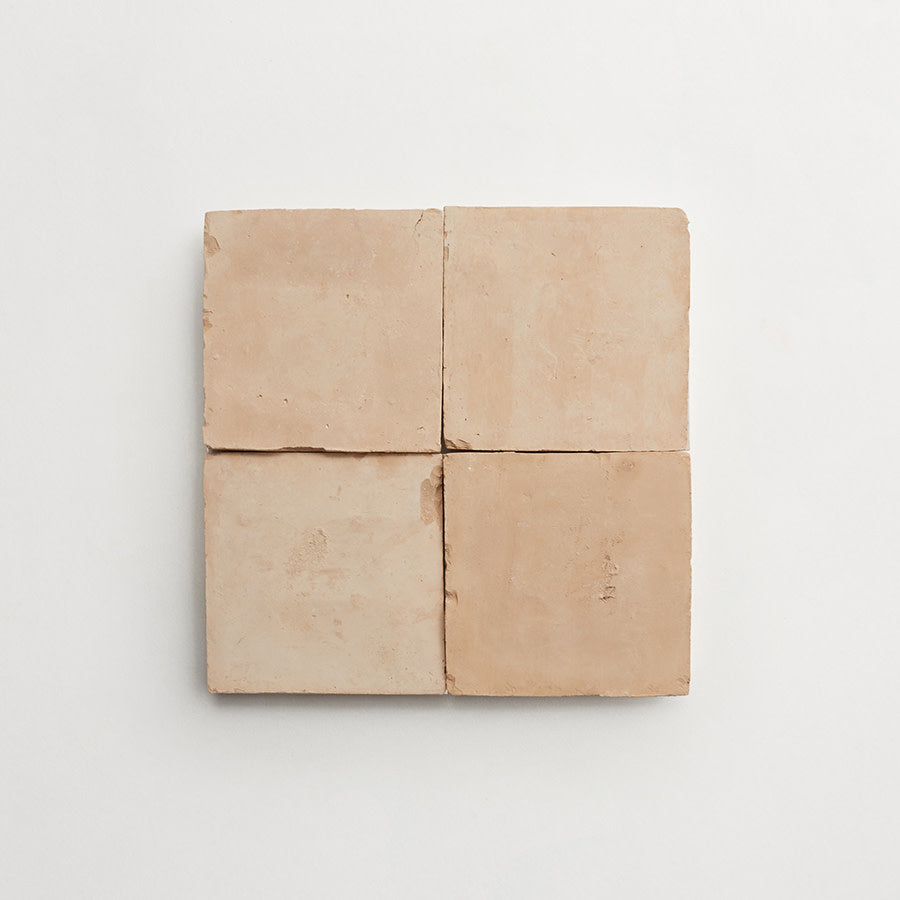
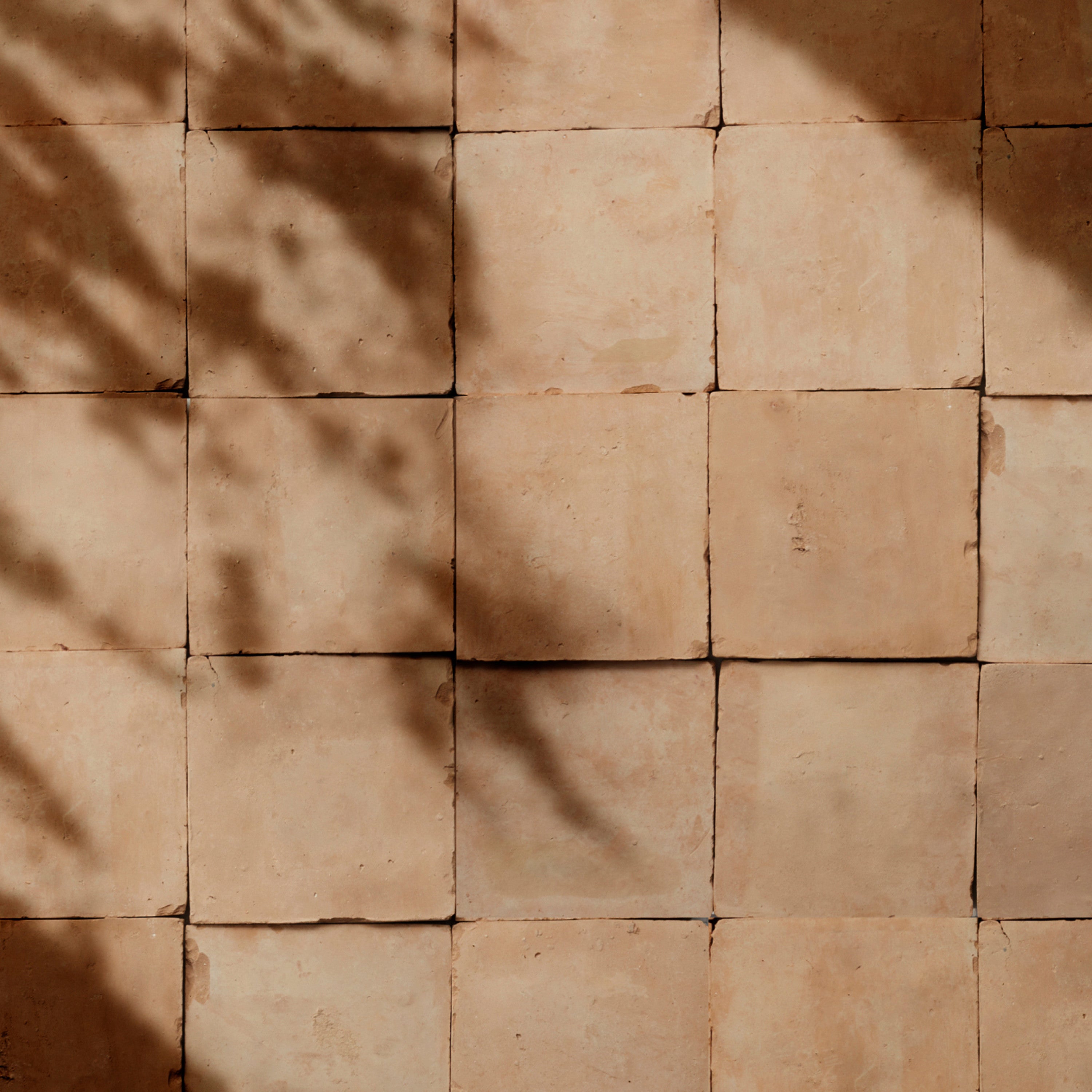
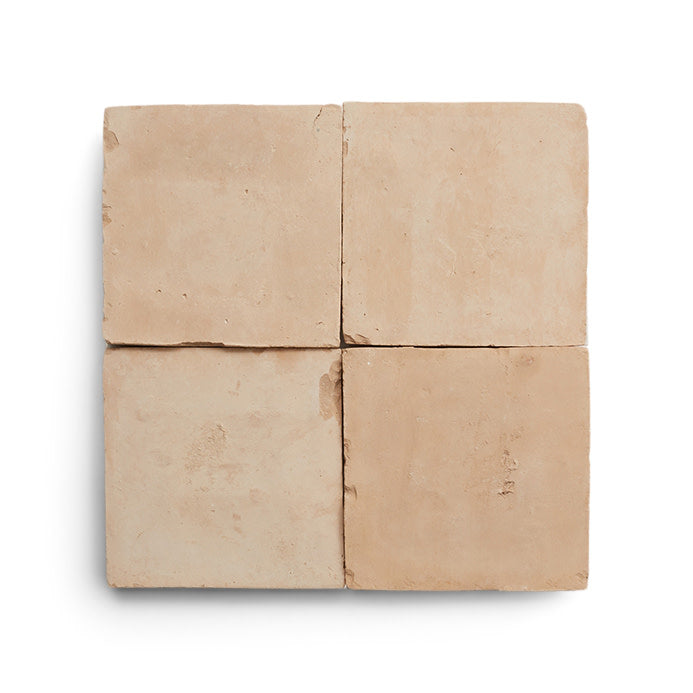
Unglazed terracotta has anchored Spanish courtyards for centuries because it delivers a kind of warmth that manufactured alternatives simply cannot replicate. The earthy color and textured surface develop an increasingly beautiful patina through years of outdoor use. It also offers reassuring grip underfoot, making it a practical choice around water features.
Our terracotta tile collection reflects this enduring tradition while offering a durable material suited for modern projects. Seeking some inspiration? You can explore terracotta patio ideas to see how this type of tile adapts beautifully across different architectural styles.
Where Pattern Earns Its Place, and Where It Starts to Feel Like a Theme
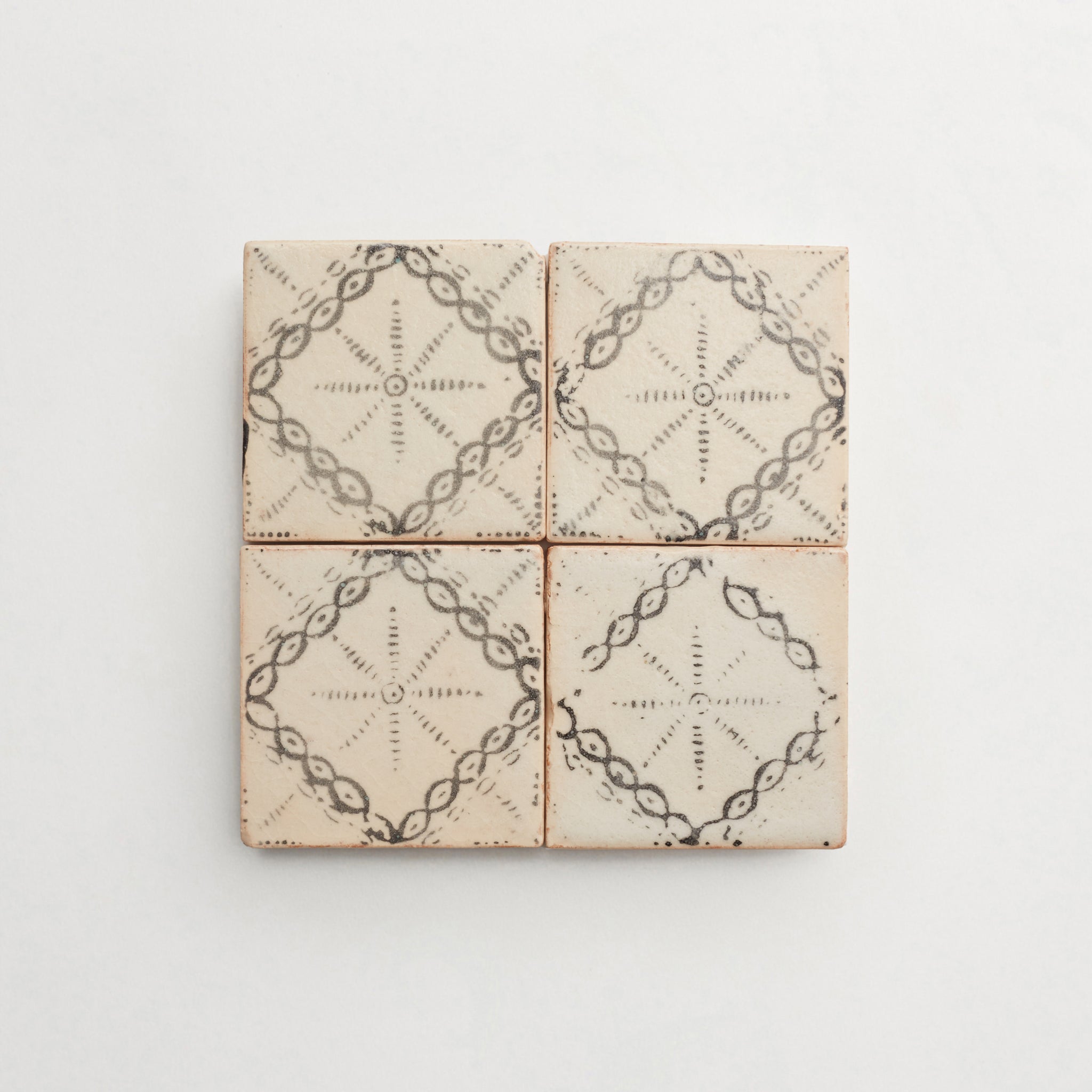
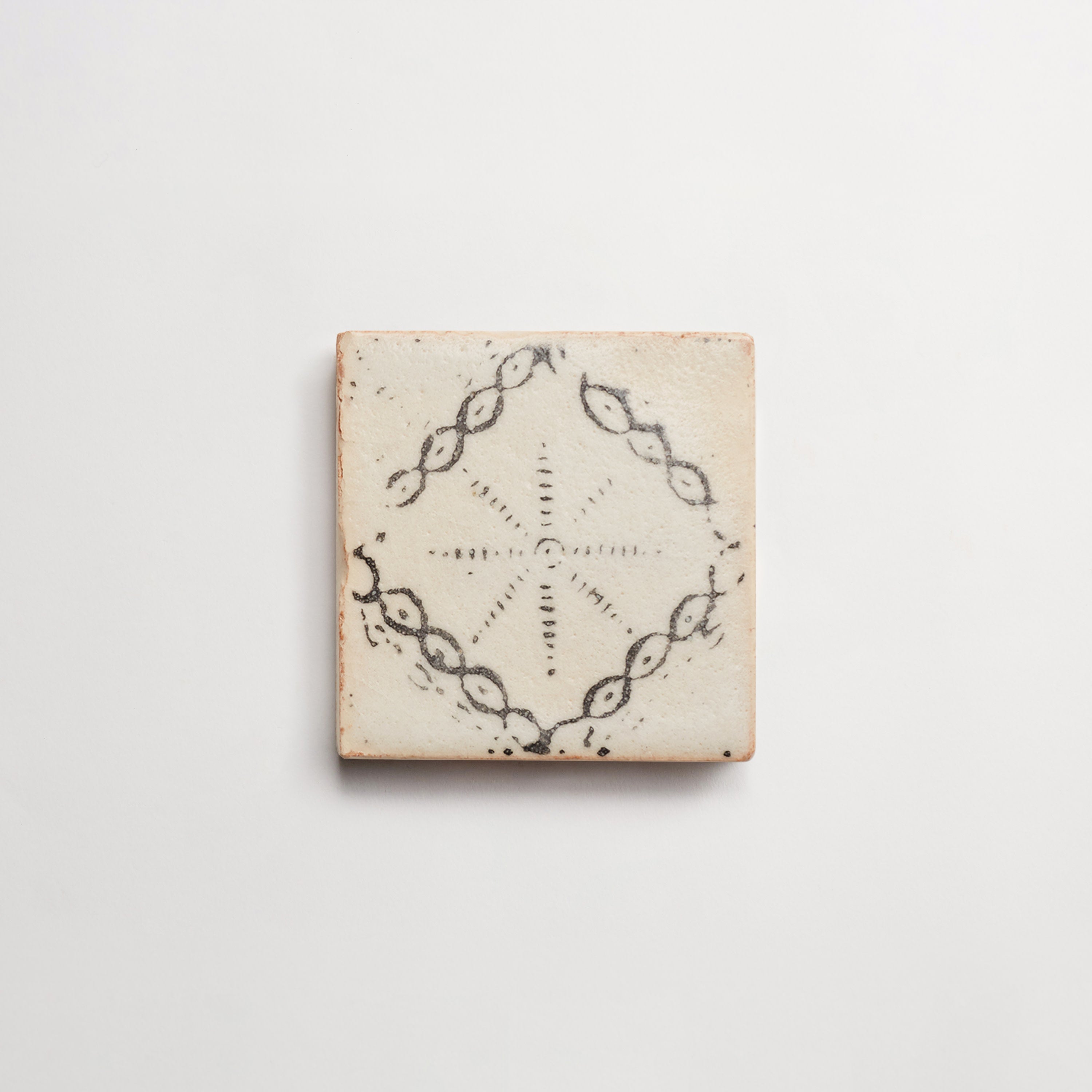
Patterned cement and encaustic-inspired tile have undeniable charm, but restraint remains essential here. One carefully chosen decorative feature almost always feels more sophisticated than an entire patterned floor.
A practical rule of thumb is to reserve a pattern for a single focal point. A stair riser, fountain surround, entry threshold, or narrow border creates visual interest without monopolizing the space. For areas that will be exposed to weather, select non-slip outdoor tiles to keep things both beautiful and practical.
Water as the Courtyard's Quiet Center
Water has always served as more than decoration in Andalusian courtyard design. Its gentle movement cools the surrounding air, softens urban noise, and creates a calming atmosphere that encourages people to linger. Fountains even symbolized abundance historically, all while providing welcome relief from the region's dry climate.
Remember that emotional impact depends less on ornament and more on thoughtful placement. A modest stone basin can create the same sense of tranquility as an elaborate centerpiece. The sound of flowing water, rather than visual spectacle, is the courtyard's defining feature.
Choosing a Scale That Suits the Space
The most successful water features match the size of the courtyard. In a compact space, a simple wall-mounted spout flowing into a shallow basin creates atmosphere without occupying valuable square footage. Larger courtyards can comfortably accommodate central fountains or reflecting basins that establish a gathering point.
Regardless of scale, the goal remains consistent: allow water to anchor the experience without dominating every other design decision.

Fountain in Úbeda, Spain. Photo courtesy of Tim Umphreys.

Framing the Space: Arches, Walls, and What Grows Against Them
The shape of a Spanish courtyard depends as much on architecture as it does on materials. Arched openings, textured stucco walls, and restrained wrought iron create recognizable forms long before decorative details enter the picture.
Planting follows the same disciplined philosophy. Rather than expansive planting beds, traditional courtyards rely on carefully placed greenery that keeps hardscape surfaces visually dominant. Think: a pair of olive trees framing a doorway or bougainvillea climbing a stucco wall.
Arched Openings and Thresholds
Few architectural elements transform a courtyard as dramatically as an arch. Curved openings soften otherwise simple walls while framing carefully composed views from one outdoor room to another.
Even a single arch introduces depth and creates a stronger sense of arrival. Whether leading from the home into the courtyard or connecting adjacent outdoor spaces, it establishes visual hierarchy without requiring elaborate ornamentation.
Stucco, Iron, and Containers Instead of Beds
Warm white or softly tinted stucco offers the ideal backdrop for the earthy tones of terracotta and greenery. Simple wrought iron gates, railings, or window grilles add texture without competing for attention.
Instead of extensive landscape beds, traditional Spanish courtyards gather plants into layered containers. Olive trees, dwarf citrus, rosemary, lavender, thyme, and fragrant jasmine can all thrive in ceramic pots. These movable plantings soften edges while celebrating the hardscaping that defines Andalusian design.
Designing a Small Spanish Courtyard Without Losing the Feeling
Many homeowners assume they need generous square footage to recreate Andalusian character, but often the opposite is true. Some of the most memorable historic courtyards occupy surprisingly modest footprints. Compact spaces are opportunities rather than limitations.
A smaller courtyard naturally encourages disciplined editing. With fewer materials competing for attention, every finish feels intentional, allowing craftsmanship and proportion to take center stage.
Scaling Tile Format and Pattern to the Space
Tile selection strongly influences how spacious a compact courtyard feels. Larger-format tile with subtle variation creates calmer visual movement than small pieces with busy joints or intricate patterns.
Likewise, limiting decorative motifs prevents visual fragmentation. A restrained floor allows architectural elements or greenery to become focal points rather than competing with one another. The result feels more expansive and, well, more authentically Spanish.
One Material Story, Told in Fewer Moves
Smaller courtyards reward consistency. One primary flooring material, one thoughtfully placed decorative tile application, and one appropriately scaled fountain often create greater impact than attempting to replicate every feature found in a larger estate.
This disciplined approach keeps maintenance manageable while preserving visual clarity. The goal is not to fit everything into a limited footprint but to let each element play its role exceptionally well.

Courtyard in Palma, Spain. Photo courtesy of Darko Pribeg.
A Modern Take on a Traditional Courtyard
Many designers appreciate the warmth of Andalusian architecture while preferring cleaner contemporary lines. Those searching for modern Spanish courtyard ideas wish to reinterpret tradition rather than abandon it.
Modernizing the style begins with editing. The familiar materials remain, but ornament is reduced, details become more refined, and individual elements gain visual breathing room. The result is a courtyard that feels current while remaining unmistakably rooted in Spanish design traditions.
Quieting the Palette Without Losing the Warmth
A contemporary Spanish courtyard usually simplifies both color and pattern. Larger-format terracotta or cement tile in a single warm tone establishes a calm foundation. Decorative tile appears sparingly, while iron detailing becomes cleaner and more architectural.
Our terracotta and cement collections showcase how traditional materials can support current compositions without sacrificing authenticity. By emphasizing craftsmanship over ornament, these surfaces preserve warmth while creating a look that’s unequivocally modern.
Bringing the Elements Together
Authentic Spanish courtyard ideas return to the same essential principles again and again. Begin with an enclosure that creates privacy and comfort. Choose flooring that anchors the entire palette. Introduce water as a quiet sensory centerpiece. Frame the space with arches, stucco, and restrained ironwork. Finally, practice restraint.
Whether you're inspired by expansive estates, small Andalusian courtyards, or modern Spanish courtyard ideas, the goal remains the same. A limited palette, thoughtful craftsmanship, and careful editing will create an outdoor space that feels timeless rather than themed.
Discover the artisan terracotta and cement collections built to bring an authentic Spanish courtyard to life.
Colorway
-
Natural (Unglazed)
Collection
-
FezBrick
:
Sub Collection
-
Alegria
Material
Length
-
8
" x
Width
-
8
" x
Thickness
-
⅞
"
Unit of Measurement
-
sqft
/
Price per Unit
$
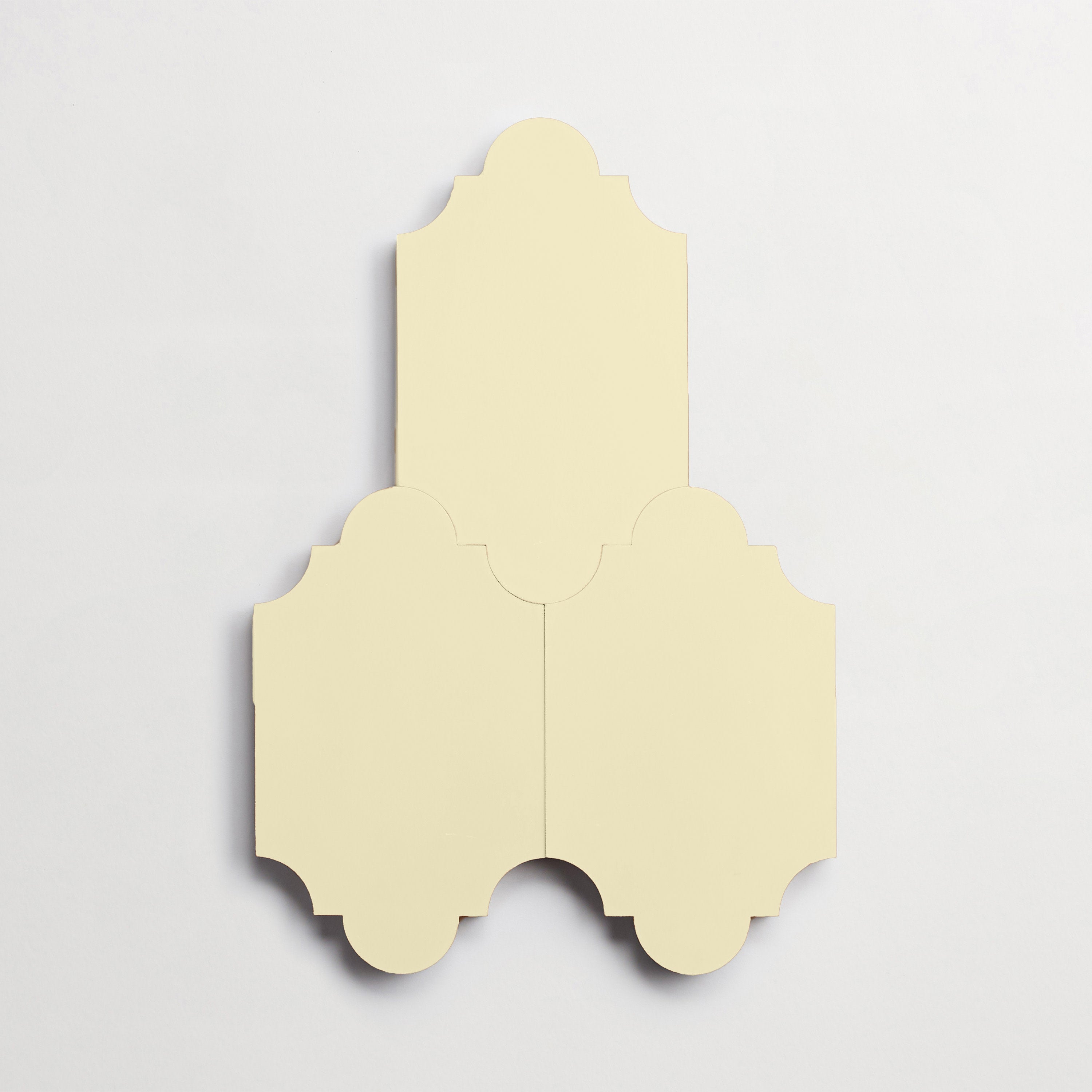
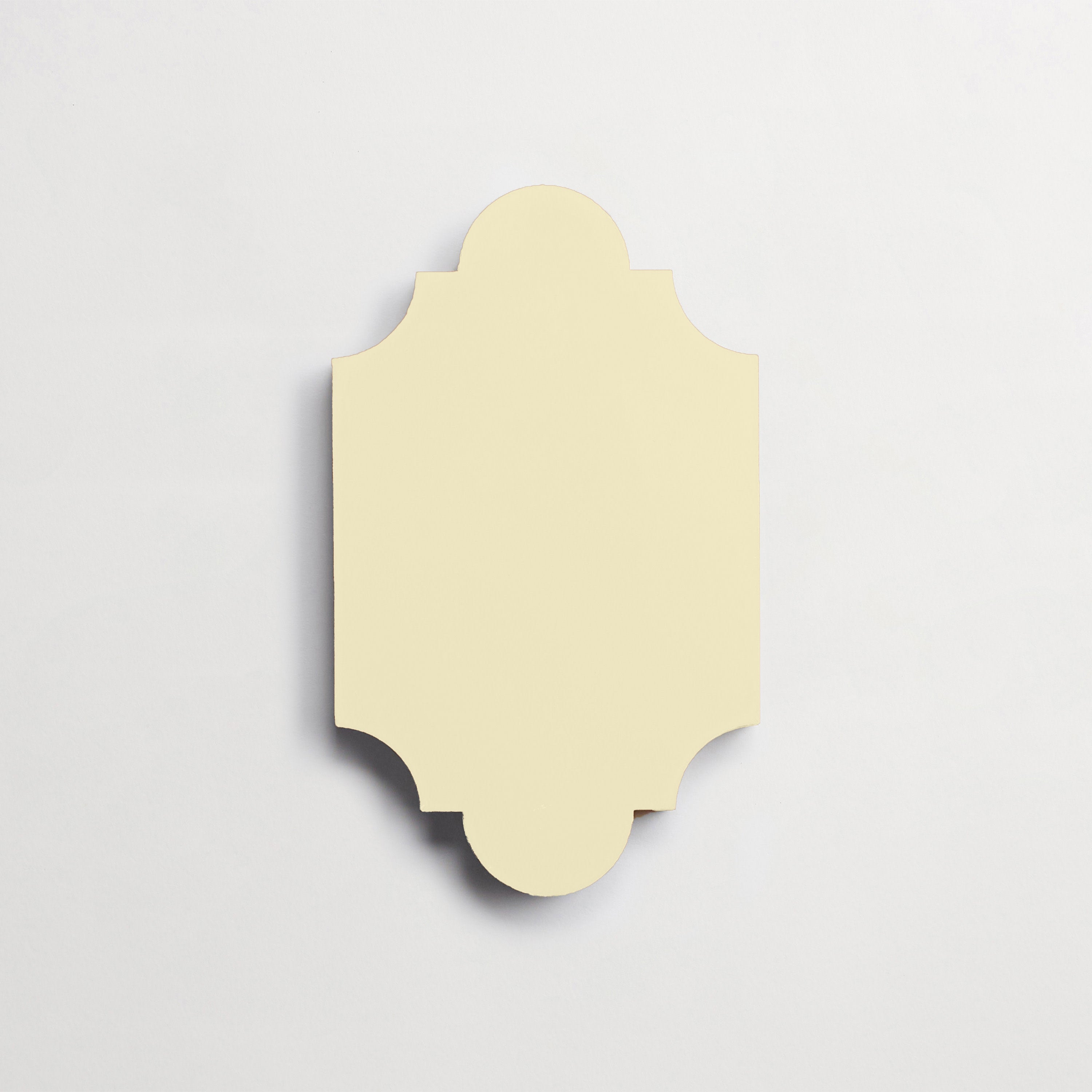
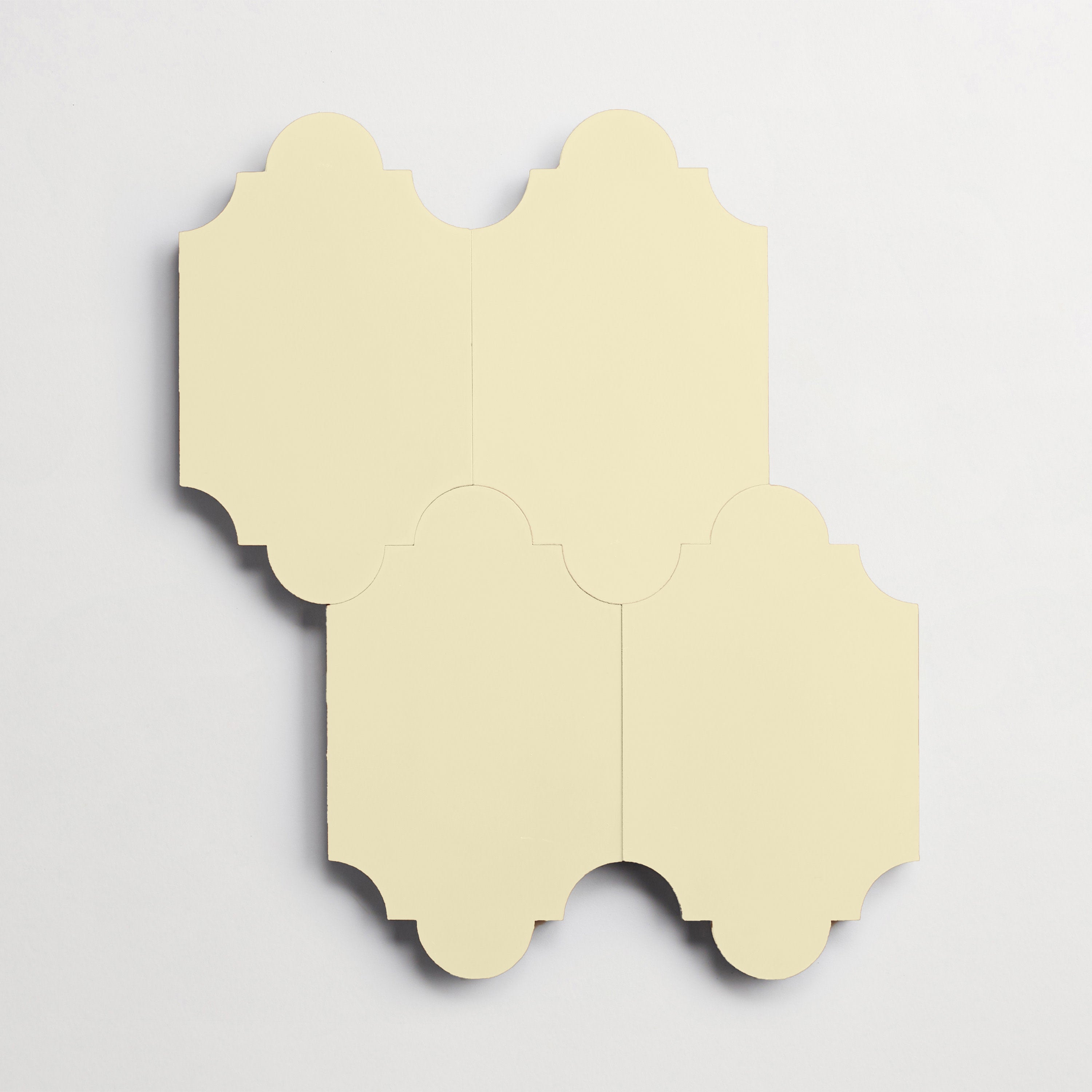
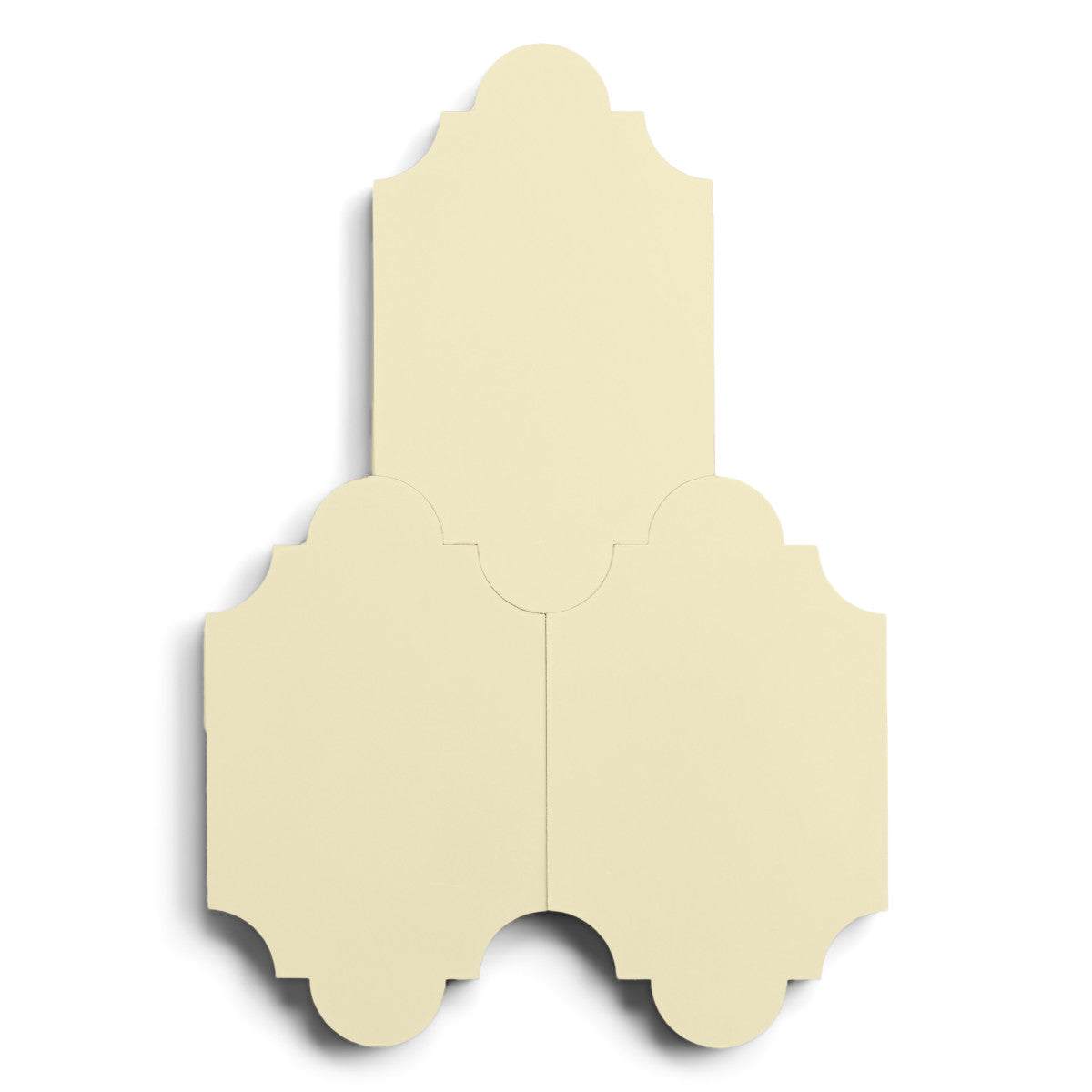
Colorway
-
Roan
Collection
-
Pavimenti
:
Sub Collection
-
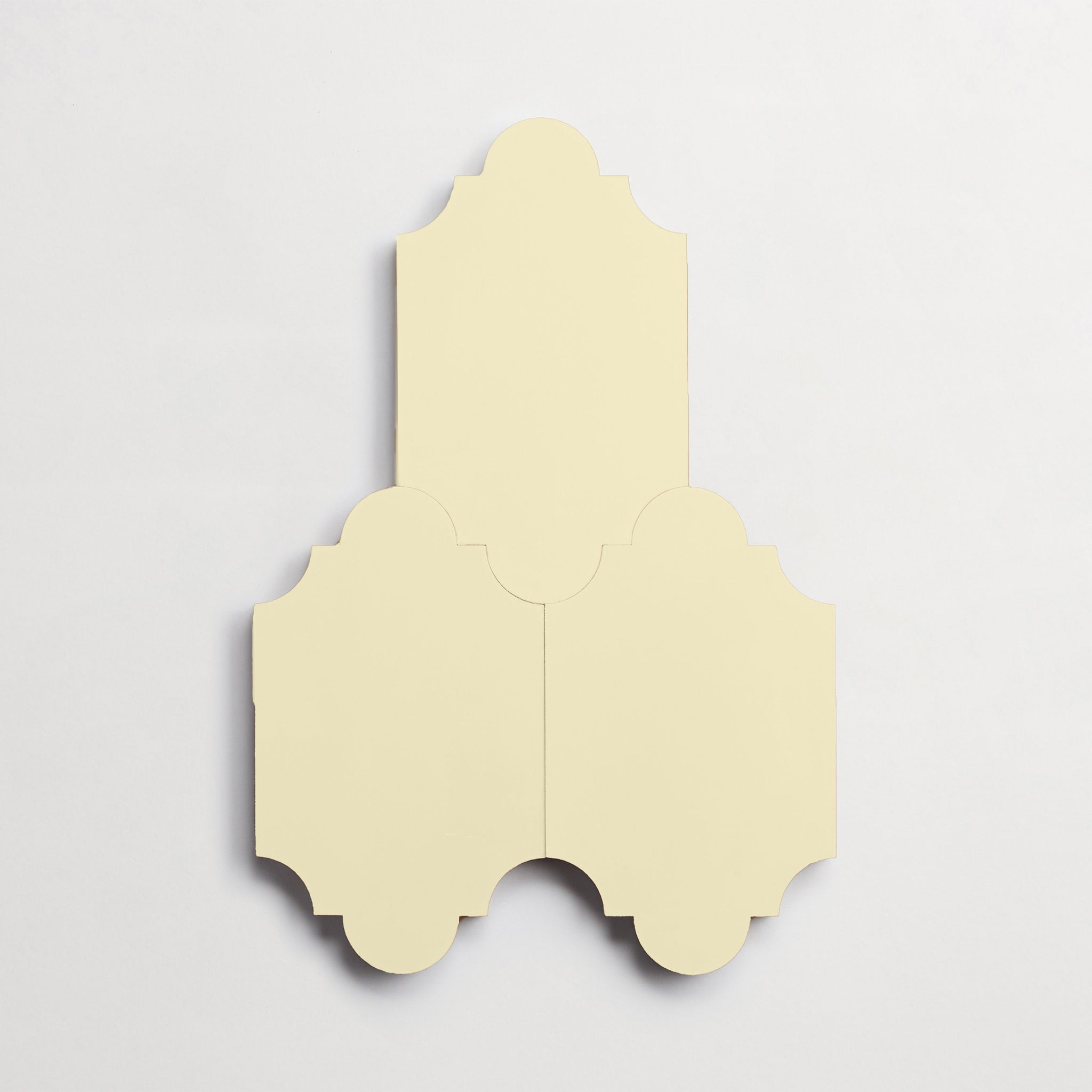
Lanterni
Material
Length
-
4
" x
Width
-
4
" x
Thickness
-
¼
"
Unit of Measurement
-
sqft
/
Price per Unit
$
Colorway
-
Claire + Barcelos Black
Collection
-
Eastern Expression
:
Sub Collection
-
Henna
Material
Length
-
4
" x
Width
-
16
" x
Thickness
-
¾
"
Unit of Measurement
-
sqft
/
Price per Unit
$