

Stucco vs Brick vs Stone: Choosing Your Home’s Exterior
The exterior material you choose for a home is the one design decision every other decision on the property will eventually answer to. It not only establishes the first impression from the street but also sets the tone for the front door, the landscape, the hardscape, and even the materials that appear in the quieter corners of the property.
Performance matters in the debate over stucco vs brick vs stone exterior, but it is only part of the picture. Each material brings a distinct texture, color story, architectural lineage, and sense of permanence. The best choice is the one that feels right for the home — and gives the rest of the property a material language worth continuing.

Tan stucco. Photo courtesy of Wesley Tingey.


Stucco vs Brick vs Stone: What You Need to Know
- Stucco offers a sculpted, seamless appearance with exceptional color and texture flexibility.
- Brick brings modular texture, warmth, longevity, and a sense of architectural permanence.
- Stone offers the greatest natural variation and an especially strong connection to regional architecture.
- Climate should influence the decision, particularly when comparing stucco with brick or stone in humid or freeze-thaw conditions.
- Brick, stucco, and stone can be combined intentionally to create a layered exterior rather than a one-material facade.
- The exterior material should inform patios, walkways, garden walls, and other hardscape elements for a cohesive property.
- Exterior tile can echo the character of a primary cladding material at a smaller, more detailed scale.
Three Materials, Three Design Languages
Stucco, brick, and stone may all protect a home’s exterior, but they do not communicate in the same way. Stucco reads as soft and continuous. Brick is rhythmic and architectural, its individual units creating a recognizable pattern across the facade. Stone is irregular, geological, and inherently site-specific.
That distinction makes the stucco vs brick vs stone decision less about choosing from a list of siding options and more about choosing a visual vocabulary. Character comes first, while climate, maintenance, and installation considerations help determine where that vocabulary makes the most sense.
Reading a Home’s Material Vocabulary
Stucco is a wet, troweled finish that creates a relatively monolithic surface, making it particularly effective for Mediterranean, Spanish, and Southwestern-inspired homes. Brick is a fired-clay building material with centuries of structural history, bringing a modular rhythm and familiar warmth to traditional, transitional, and contemporary architecture. Stone has perhaps the strongest sense of individuality, since its appearance varies depending on the particular geology, color, and texture of the particular stone.

White stucco. Photo courtesy of Wolfgang Hasselmann.
Stucco: Warmth Cast in Plaster
Stucco is made from a cementitious mixture that is applied wet and troweled onto a home’s exterior, where it cures into a continuous surface. Its long association with Mediterranean and Spanish architecture — and later with the architecture of the American Southwest — gives it an unmistakable sense of place.
Today, stucco can move well beyond those traditional references. Its broad range of colors and textures makes it an excellent choice for contemporary architecture, warm-climate homes, and designs that favor a quieter exterior envelope. A smooth finish can feel highly modern, while a more tactile finish adds depth and shadow.
Where Stucco Excels
The greatest advantage of stucco is its visual flexibility. It can be tinted in a wide variety of colors, from chalky whites and warm sands to earthy terracottas and deeper tones, while its finish can range from smooth and refined to heavily textured.
That versatility makes stucco a solid choice for homes where color is doing much of the architectural work. It is also particularly well suited to dry and temperate climates, since it has a long history in warm-climate architecture.
What Stucco Asks of You
Stucco generally requires more active maintenance than brick or stone. Homeowners may need to repaint or refresh the finish periodically, while cracks should be monitored and addressed before moisture can create larger problems.
Climate is an important part of the equation. Humidity and repeated freeze-thaw cycles can be harder on stucco than consistently dry conditions. That is not a flaw in the material so much as a reminder that exterior design and climate should be considered together.
Brick: The Enduring Structure
Brick has an architectural presence that comes from repetition. Each individual fired-clay unit is relatively simple, but thousands of those units can create a facade with remarkable warmth, rhythm, and visual depth.
Brick’s centuries-long history gives it an especially strong connection to traditional, colonial-influenced, and transitional architecture, yet it is hardly limited to historic-looking homes. Clean proportions, minimal detailing, and thoughtfully selected brick can make a contemporary exterior feel grounded. Among the stucco vs brick vs stone pros and cons, brick’s strongest argument may be how naturally it ages.
Where Brick Excels
Brick is exceptionally durable and requires relatively little ongoing maintenance once properly installed. It is also fire resistant and is one of the most enduring exterior materials available.
Its timelessness is another advantage. Brick can look at home on a colonial revival, a traditional farmhouse, a Tudor-inspired residence, or a decidedly modern structure. The scale and repetition of the units provide texture without requiring additional ornament. It’s a great choice for homeowners who want the exterior to develop character through material alone.
What Brick Asks of You
Brick often demands a higher upfront investment than other exterior finishes, particularly when the project calls for extensive masonry work. That initial commitment is part of the material’s appeal, though: brick is intended to be a long-term architectural element rather than a surface designed for frequent replacement.
Its native color range can also feel comparatively narrow next to the possibilities of stucco. Brick tends to live in the world of reds, browns, creams, grays, and related earth tones, although painted brick can broaden the palette considerably.


White stone exterior. Photo courtesy of Daniel Stranden.
Stone: The Material With the Longest Memory
Stone has a quality the other two materials cannot quite replicate: every piece carries evidence of where it came from. Even when carefully cut and installed, natural stone retains variation in color, veining, texture, and shape, so no two installations are precisely alike.
That individuality can create dramatically different architectural expressions. Rough fieldstone might evoke a historic New England home, while Texas limestone can feel crisp and regional. Refined limestone, slate, or other carefully finished stones may support a sophisticated facade with quieter character.
Where Stone Excels
Durability is one of natural stone’s defining qualities. Properly selected and installed, stone can withstand the elements for generations, while its thermal mass can help moderate temperature changes in some applications.
Stone is also unusually adaptable. Its appearance can shift from rustic to highly refined depending on the species, cut, finish, jointing, and installation pattern. That makes it an excellent choice for architecture that wants a strong connection to its surroundings — whether that means a rugged mountain setting or a formal urban residence.
What Stone Asks of You
Of the three materials, natural stone typically requires the highest investment. It can also introduce structural considerations because of its substantial weight, making engineering and installation particularly important.
It is worth distinguishing full stone construction from stone veneer, which offers the appearance and texture of natural stone with a different construction approach and weight profile. The two should not be treated as interchangeable simply because they can create similar visual effects.
Where Climate and Character Agree
The best way to compare brick vs stone vs stucco is to consider both environmental fit and design intent. No material is universally superior; different conditions play to different strengths.
| Climate Fit | Architectural Styles | Maintenance Rhythm | |
|---|---|---|---|
| Terracotta | Best suited to dry and temperate climates; requires added consideration in humid or freeze-thaw regions | Mediterranean, Spanish, Southwestern, contemporary | Periodic repainting or refinishing; monitoring cracks |
| Stone & Marble | Broad climate suitability with excellent durability | Traditional, colonial, transitional, contemporary | Relatively low maintenance |
| Cement | Broad climate suitability when properly selected and installed | Rustic, regional, traditional, contemporary, refined | Relatively low maintenance; inspecting joints and installation |
This table is a starting point, but the most successful exterior is rarely the result of checking boxes. Think about what you want the house to communicate, what materials already belong to the region, and how the exterior will relate to the landscape over time.
Can You Mix Materials on One Home?
Absolutely. A brick base with a stucco upper story can give a home a grounded lower register and a lighter appearance above. Stone can frame an entry or chimney, while a stucco field with a brick water table can introduce a subtle change in scale and texture.
The key is intentionality. Materials should have a reason for appearing where they do rather than looking as though they were added to solve unrelated problems. Our exterior wall tile collection can also introduce a smaller-scale layer of material through an entry surround, accent wall, or other architectural detail, giving designers another way to build texture into a primarily brick, stucco, or stone facade.

Exterior of a brick home. Photo courtesy of Mattia Bericchia.
Continuing the Material Story Beyond the Wall
The most compelling exterior designs do not stop at the facade. The material chosen for the home’s envelope establishes a color, texture, and visual weight that can continue throughout the property, connecting the architecture to patios, walkways, garden walls, pool surrounds, and other hardscape elements.
Think of this as a conversation between the house and the landscape rather than a strict matching exercise. The goal is not to make every surface identical but to repeat a material quality — be it warmth, irregularity, color, scale, or texture — so that the entire property feels considered.
Letting the Entry Make the Introduction
The entry is an ideal place to translate the primary exterior material into a smaller, more detailed application. A brick house might repeat its warm tones in an entry surround, while a stone home could echo its natural variation through a tiled accent wall.
Even house numbers can become part of the material story when they are mounted within a thoughtfully designed surround. An entry walkway can similarly preview the textures and colors visitors will encounter at the facade, creating a transition instead of an abrupt boundary.
These details are especially useful when the primary cladding is visually quiet. A restrained stucco exterior, for example, can gain depth through a richly textured entry feature.
Where the Wall Meets the Ground
The transition between architecture and landscape is where material choices become especially important. A patio or pool surround that picks up the warmth of a brick facade, the earthy tones of terracotta, or the variation of natural stone can make the home feel rooted in its setting.
This is also where thinking about hardscape vs landscape becomes useful. Plantings can soften and contrast with architecture, but the hardscape creates the physical bridge between the two. Homeowners who choose brick, terracotta, or stone for the envelope can continue that material language into a tiled patio or garden wall. Our facade and material collections are full of inspiration here.
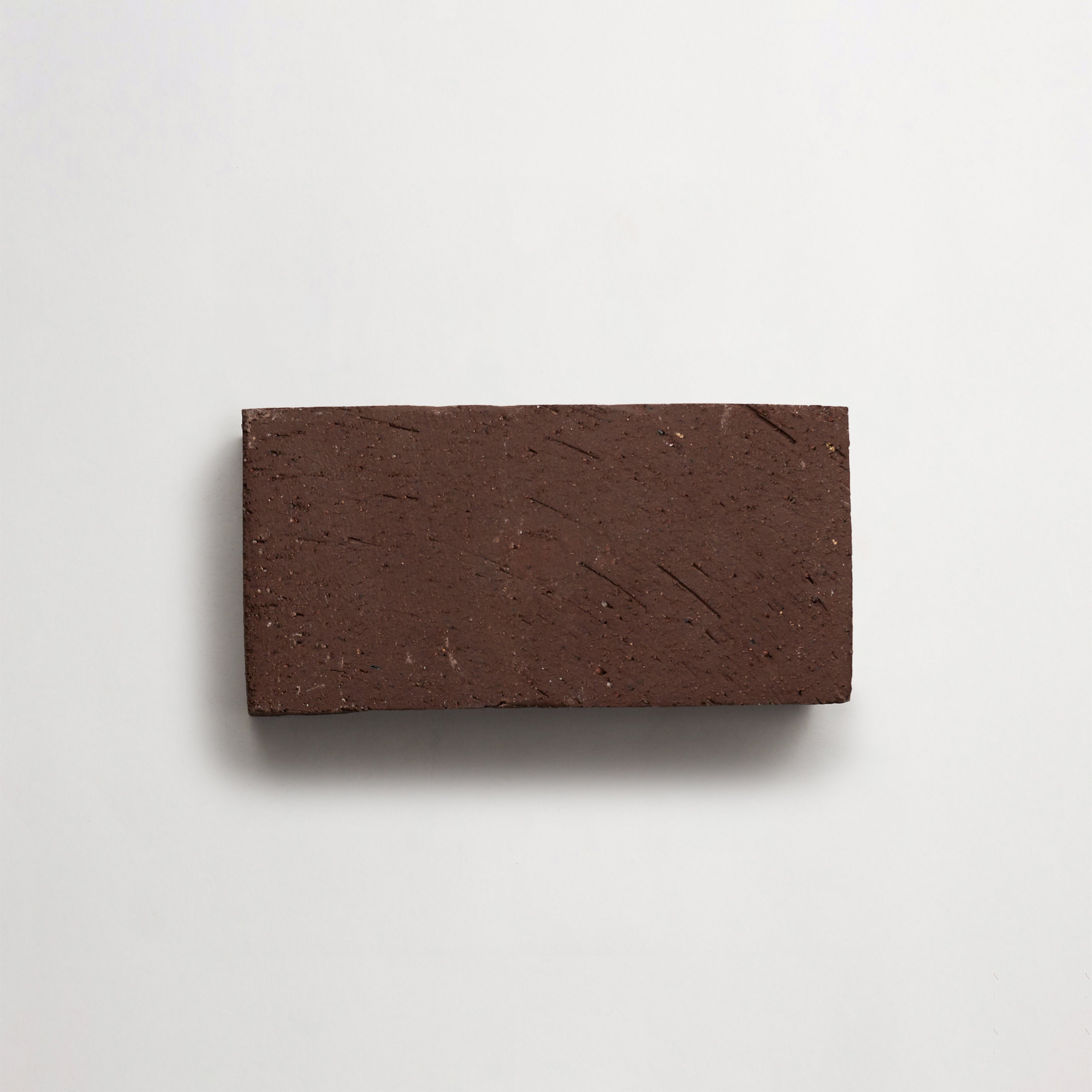
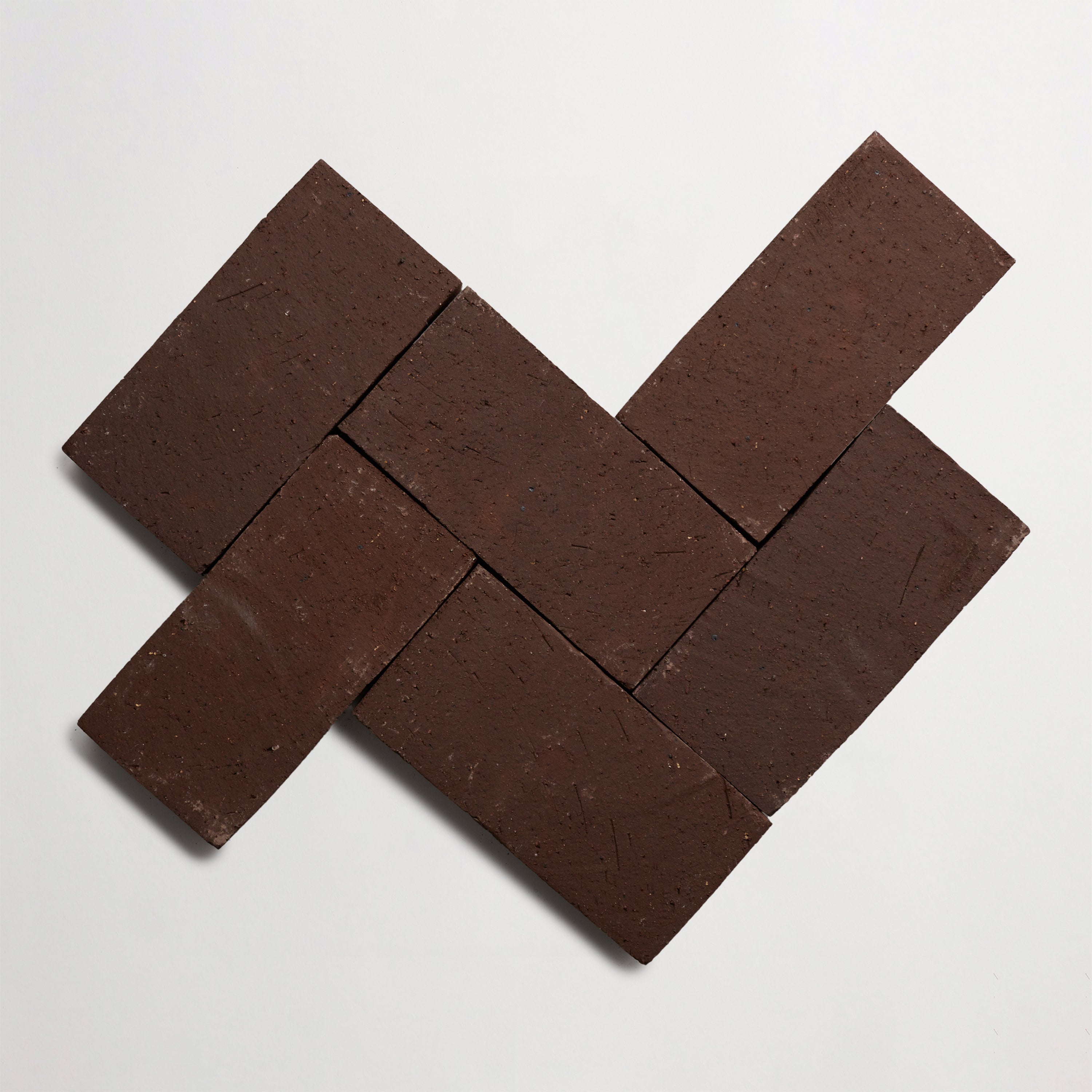
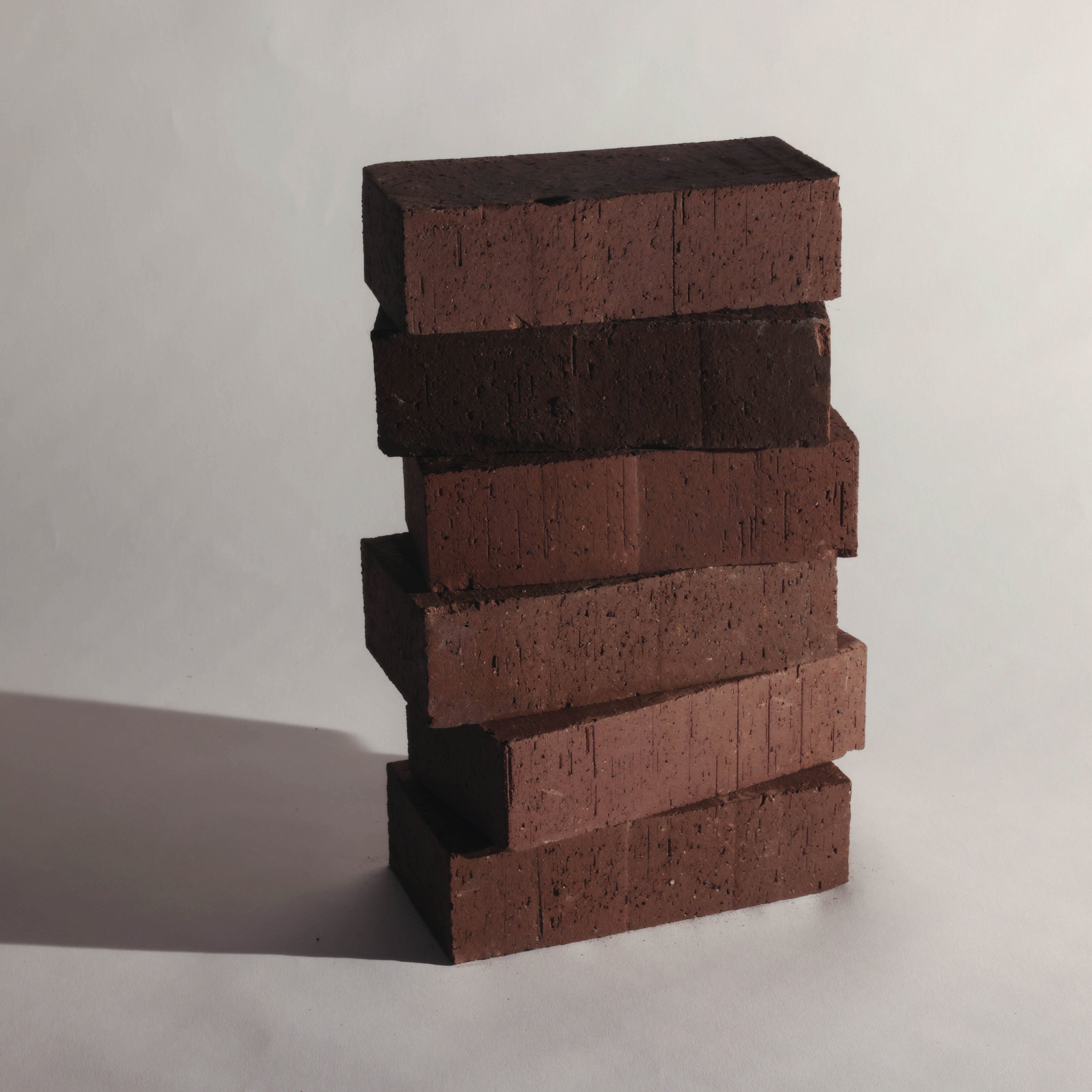
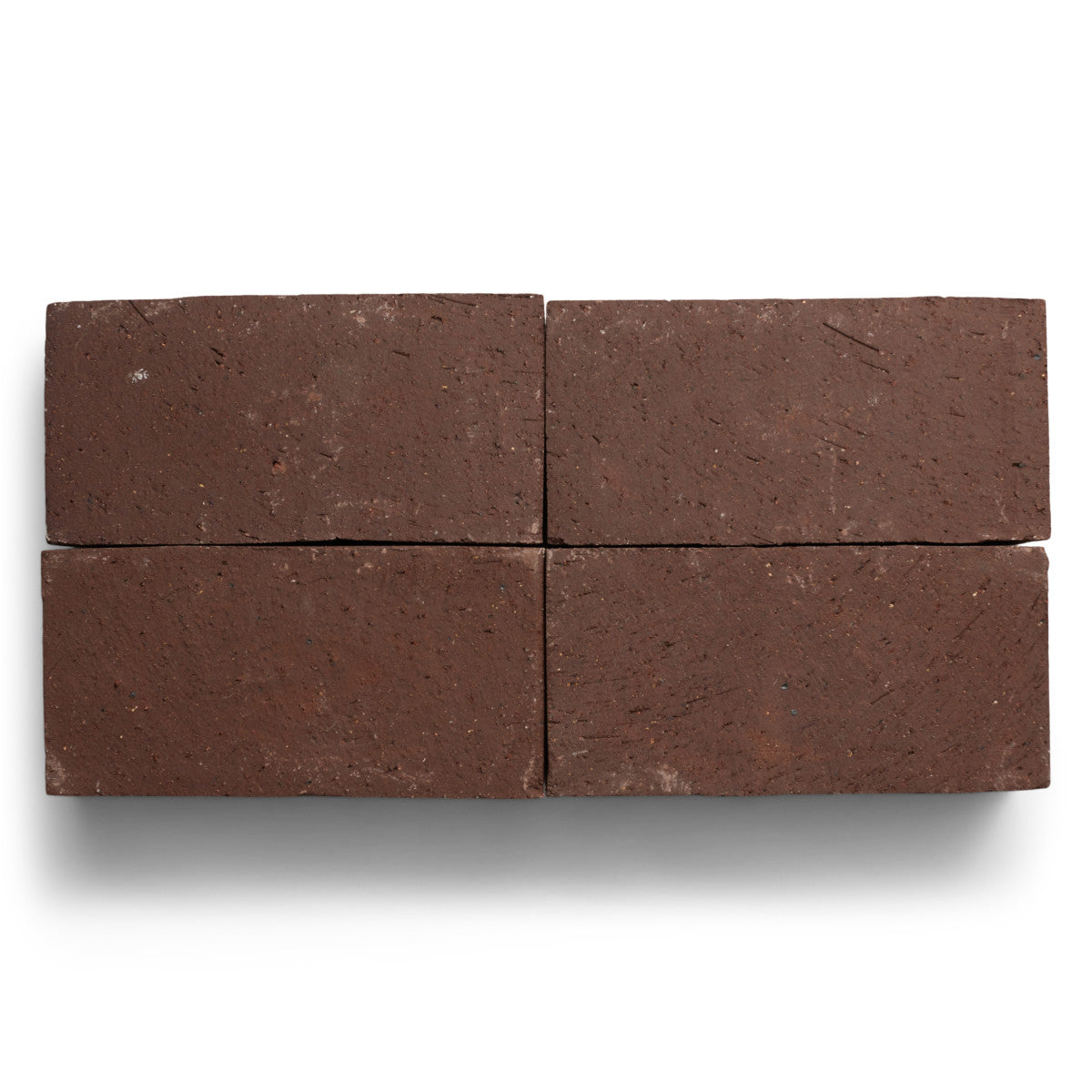
The result does not have to be an exact match, either. A brick exterior could pair beautifully with another paver from the same brick tile collection, while a warmer stucco facade might find continuity through a related terracotta tile collection. A stone exterior could similarly be paired with a stone tile collection, allowing the same visual vocabulary to appear at a different scale.
For designers developing courtyard design ideas, this approach can be particularly effective. Repeating an exterior material around a courtyard, garden wall, or seating area makes the outdoor rooms feel like extensions of the architecture.
Choosing the Material That Speaks for Your Home
The stucco vs brick vs stone decision is about more than durability, maintenance, or climate. It is a design decision that establishes the material language of the entire property.
Stucco can create warmth through color and sculptural texture. Brick brings rhythm, permanence, and architectural history. Stone offers individuality, regional character, and a sense of permanence. Any can be the perfect choice when it supports the architecture and gives the rest of the property something meaningful to build upon.
Once you’ve established that primary language, look beyond the wall. Patios, walkways, entries, garden walls, and pool surrounds can repeat and reinterpret the same material cues, creating a property that feels cohesive from facade to landscape.
Explore artisan facade tile that lets your home’s material story continue outward.


Frequently Asked Questions
These are the most frequently asked questions we see around stucco vs brick vs stone exteriors.
Is Brick or Stucco More Expensive to Install?
Brick generally calls for a higher upfront installation investment than stucco, although the final cost depends on the home’s size, construction, labor, detailing, and location. Stucco may offer a more economical initial path, but ongoing maintenance should also be considered.
Which Lasts Longer: Stucco, Brick, or Stone?
Brick and properly installed natural stone generally offer the longest life spans with relatively low maintenance. Stucco can also be long lasting when correctly installed and maintained, but it requires more periodic attention, especially in climates with humidity or repeated freeze-thaw cycles.
Can Stucco, Brick, and Stone Be Combined on One House?
Yes. Combining materials can create a layered facade when each material has a clear role. Think: brick at the base, stucco across the main facade, and stone at an entry or chimney. The strongest combinations coordinate color, scale, texture, and proportion.
Which Exterior Material Adds the Most Resale Value?
There is no universal winner between stucco, brick, and stone when it comes to resale value. Buyers tend to respond to an exterior that is well suited to its architecture, climate, and neighborhood. Thoughtful design and proper installation ultimately matter more than choosing one material over another.
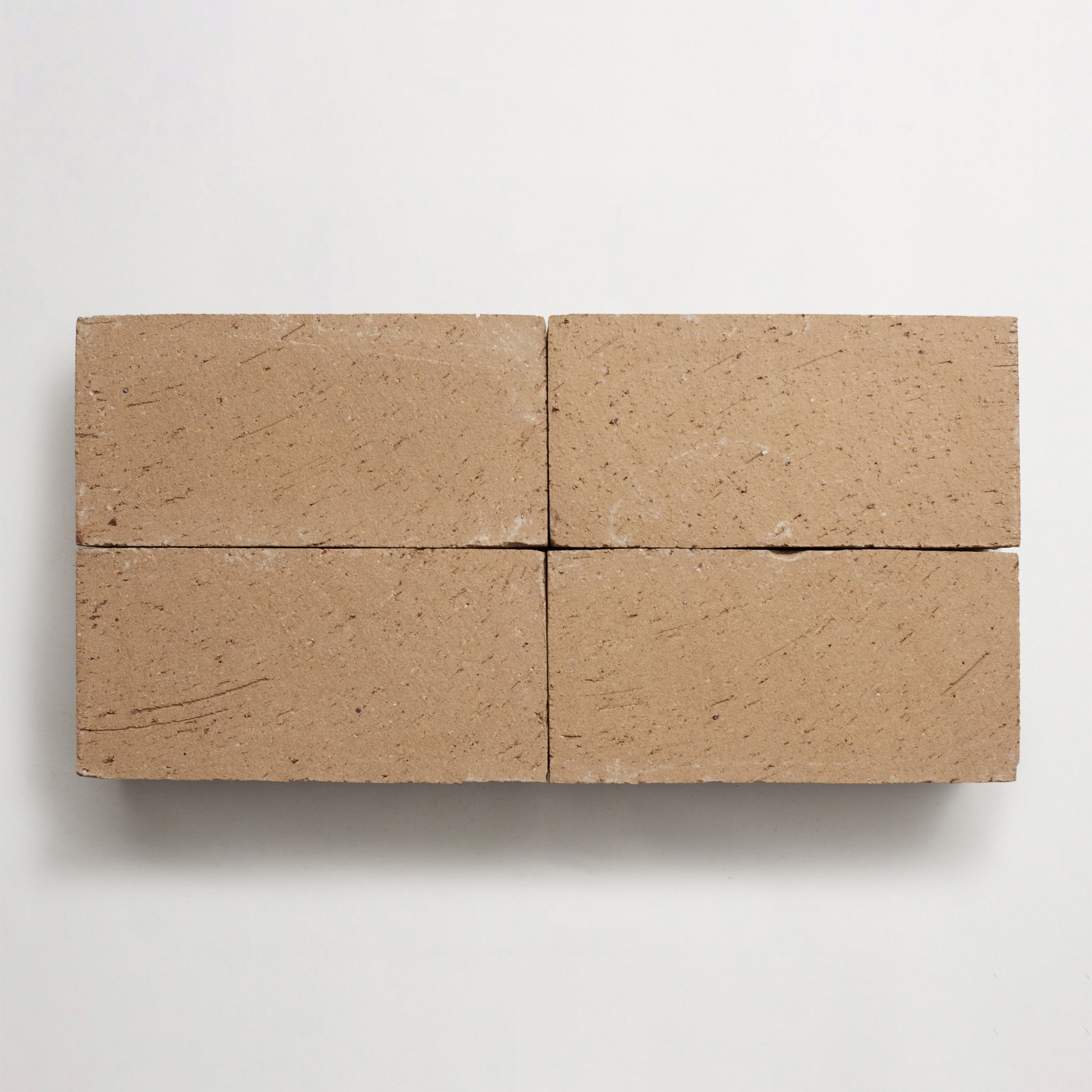


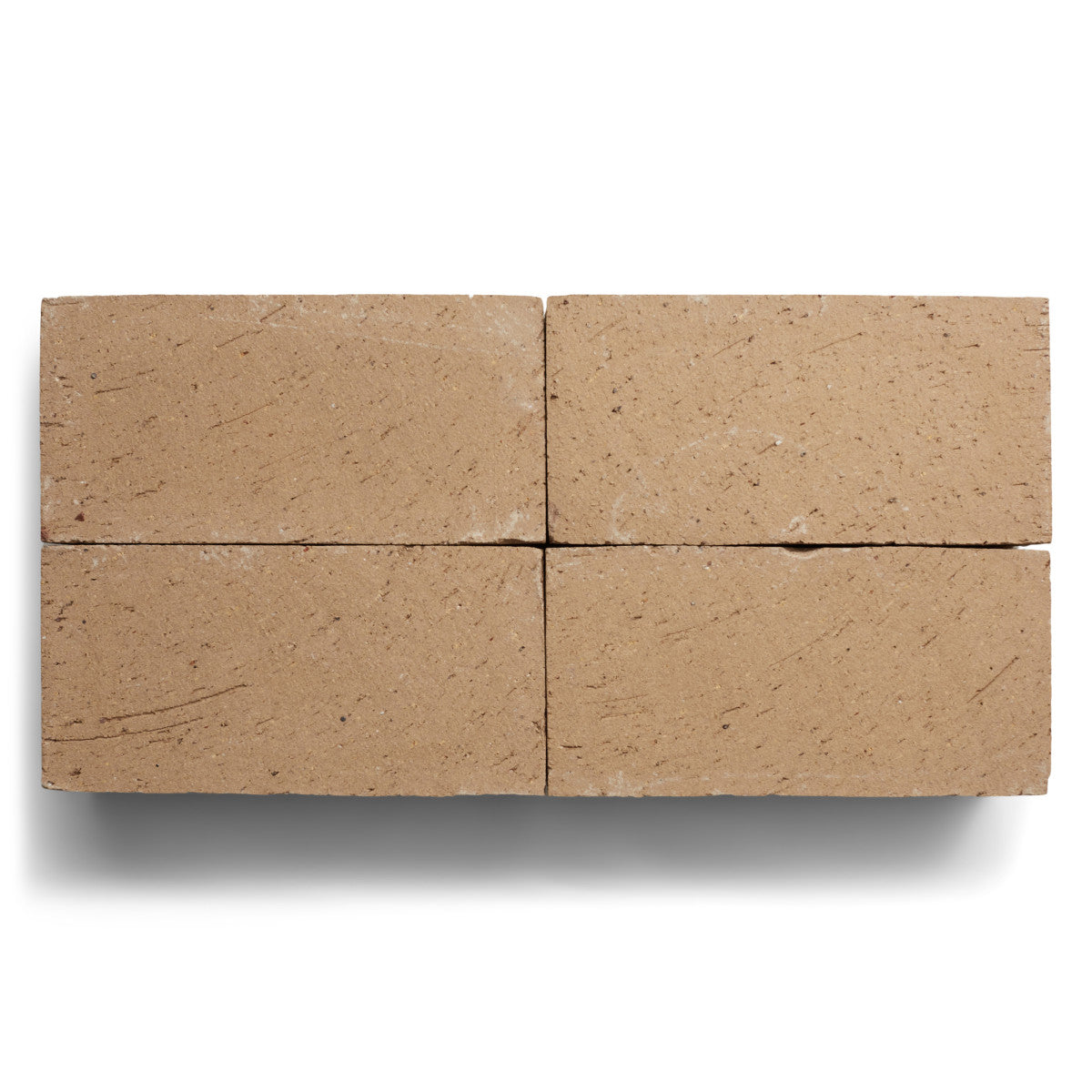
Colorway
-
Pampas Grass
Collection
-
BrickWorks
:
Sub Collection
-
Chromatope
Material
Length
-
4
" x
Width
-
4
" x
Thickness
-
¼
"
Unit of Measurement
-
sqft
/
Price per Unit
$
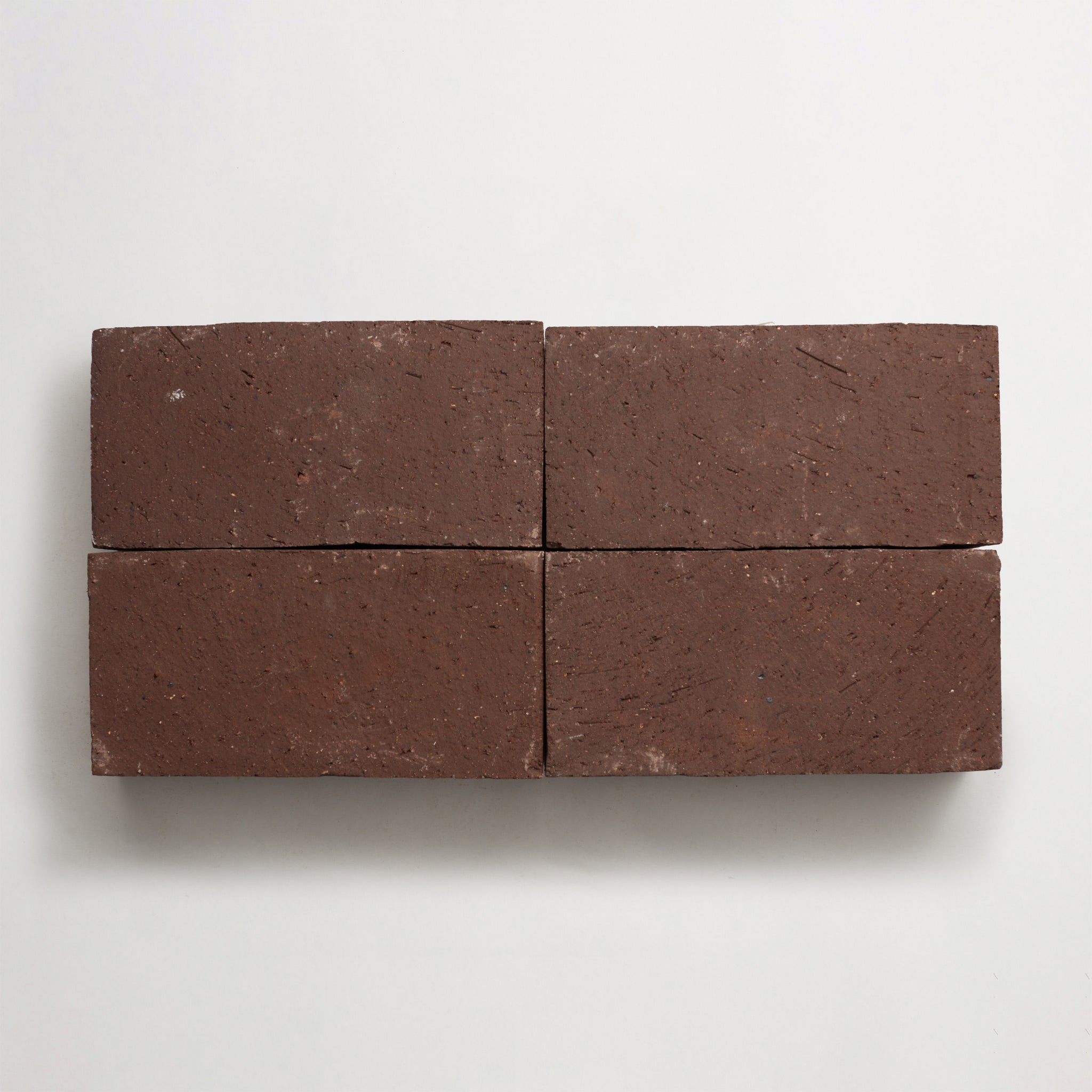
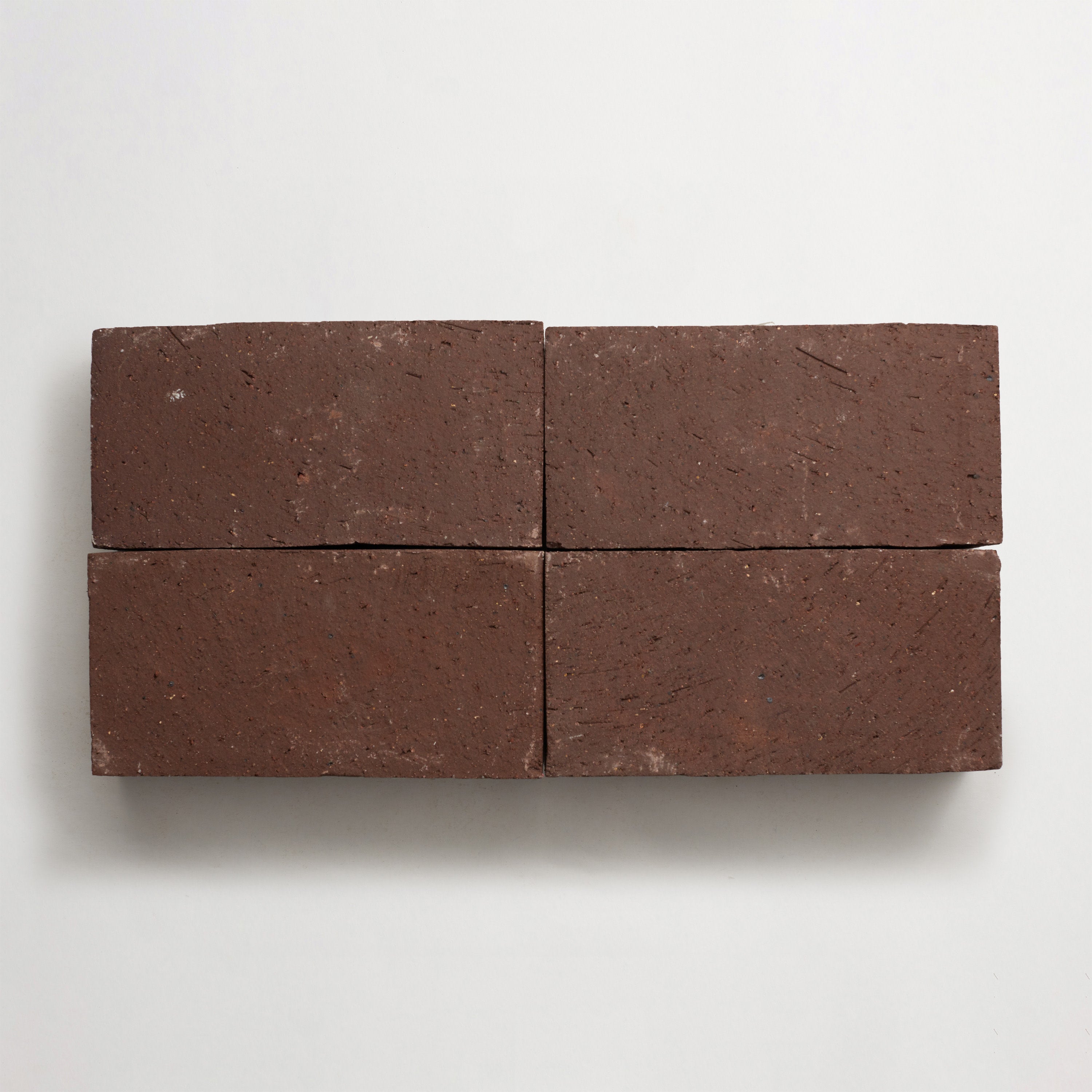
Colorway
-
Cordovan Saddle
Collection
-
BrickWorks
:
Sub Collection
-
Alegria
Material
Length
-
8
" x
Width
-
8
" x
Thickness
-
⅞
"
Unit of Measurement
-
sqft
/
Price per Unit
$
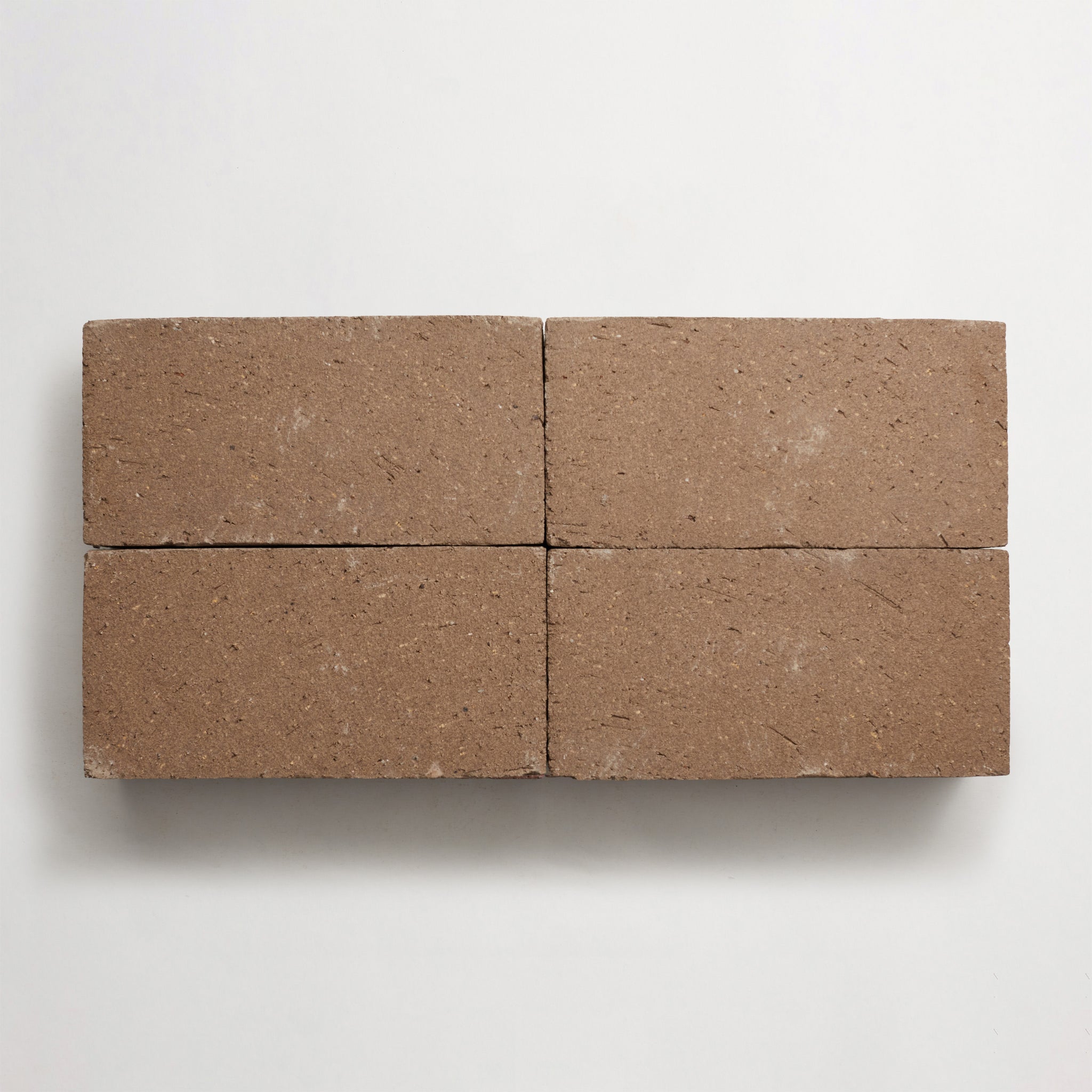
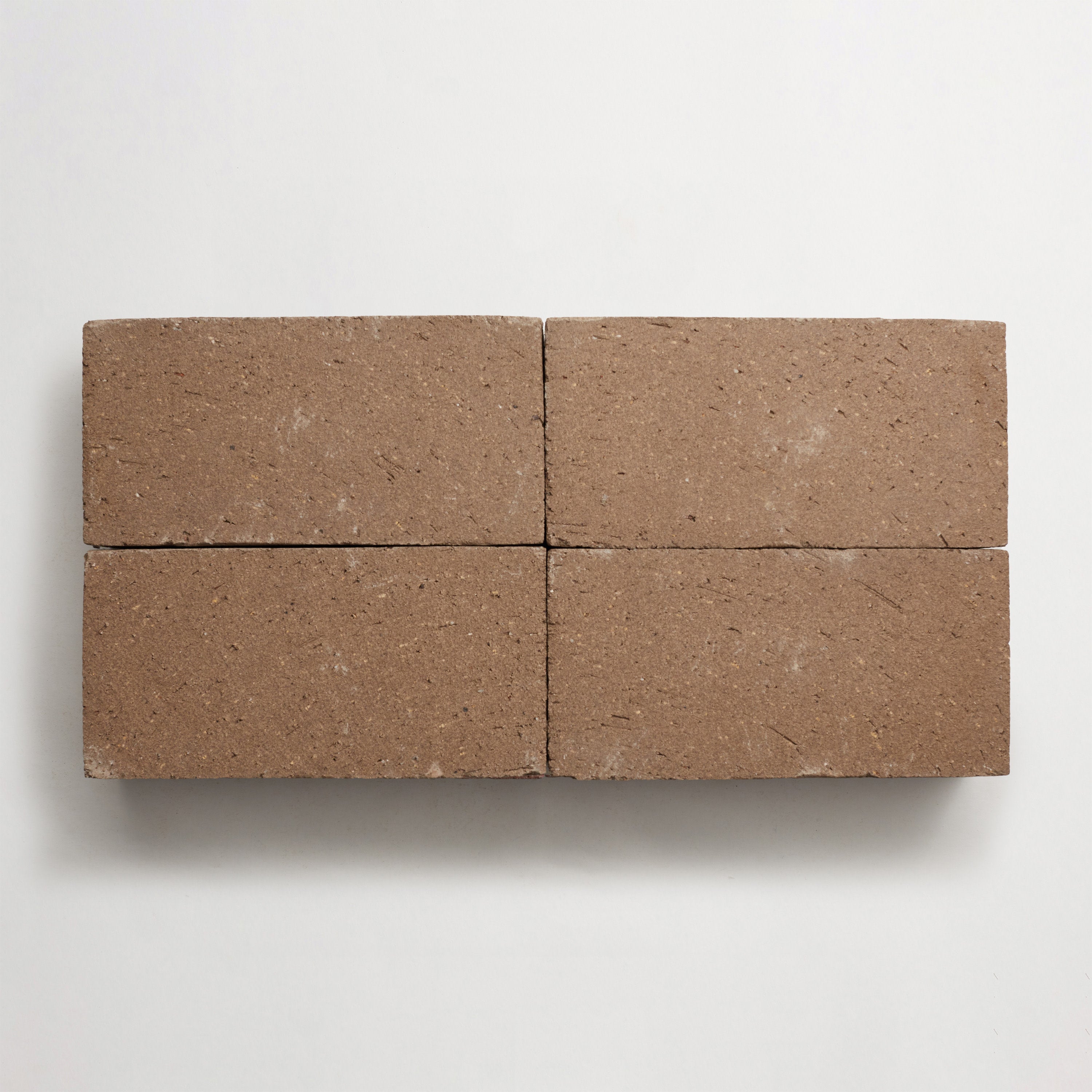
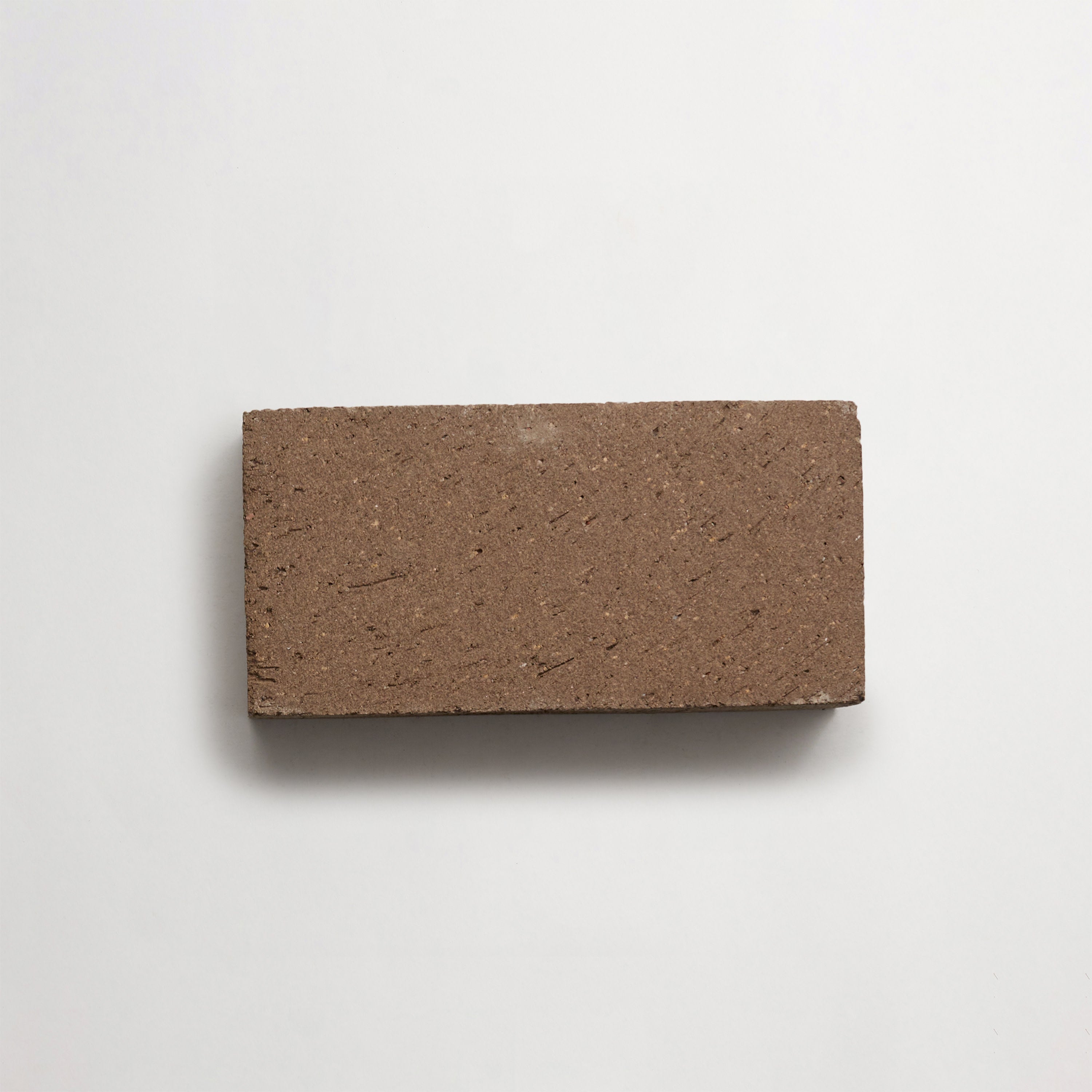
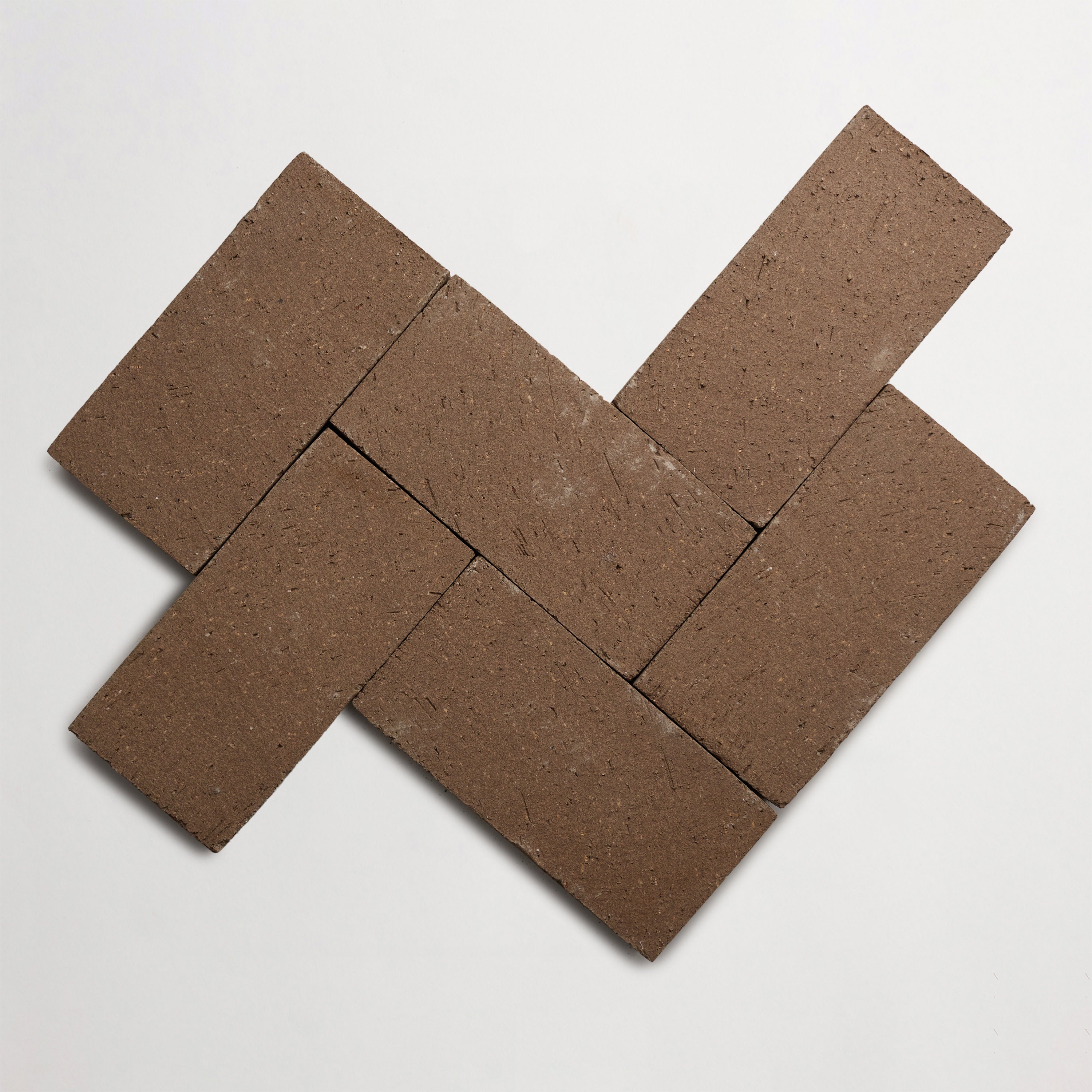
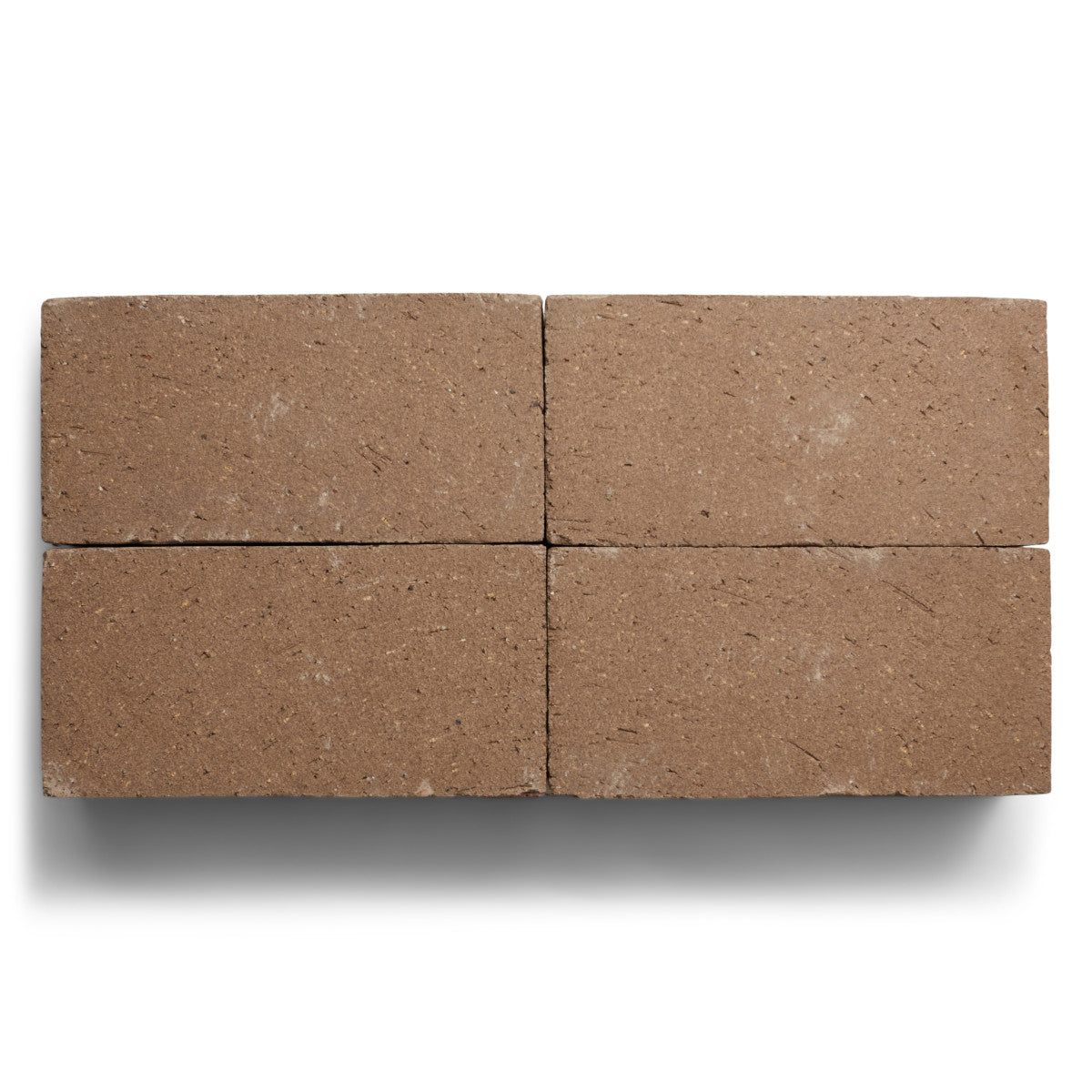
Colorway
-
Snapped Twig
Collection
-
BrickWorks
:
Sub Collection
-
Brinks
Material
Length
-
4
" x
Width
-
16
" x
Thickness
-
¾
"
Unit of Measurement
-
sqft
/
Price per Unit
$