

Dzek + Formafantasma: ExCinere, 2x4" Double Pixies, Terra Bundle, Gloss
Tiled Hot Tub: 10 Designs, Materials, and What to Expect
Whether you’re an interior designer, a landscape architect, or a discerning homeowner, a tiled hot tub gives you an opportunity to introduce texture, pattern, and permanence into your next outdoor project. Unlike prefabricated acrylic shells, a tiled spa can be formed precisely to site geometry and integrated with a pool deck, swimming pool steps, and surrounding planting for seamless circulation.
Let's look at ten distinctive tiled hot tub designs and practical guidance for selecting tile — especially for these chlorinated, high-moisture environments. Each one manages to balance durability, maintenance, and aesthetics, all while prioritizing long-term performance and refined material expression.
Alongside design inspiration, we also touch on key planning considerations, including whether a tiled spa is best approached as a new-build feature or a retrofit upgrade, and how climate conditions influence material selection and long-term performance.


Is a Tiled Hot Tub Worth It? The Long-Term View
A tiled hot tub is often best understood as a long-term architectural decision rather than a prefabricated product choice. Compared to acrylic or vinyl-lined shells, a tiled spa offers significantly greater visual longevity, maintaining its material expression over time instead of relying on a manufactured surface that can fade, scratch, or age out stylistically. From a performance standpoint, properly specified tile systems are highly resistant to pool and spa chemicals, and they offer the added advantage of repairability, where individual tiles can be replaced without requiring a full structural overhaul.
The tradeoff is upfront investment. A tiled hot tub requires more planning, detailing, and installation precision than a standard prefabricated unit. However, this is also where the value of material selection and craftsmanship becomes most visible over time. Decisions made at the design stage directly influence how the spa will look, perform, and integrate with its surroundings for years, even decades.
Two Starting Points: Upgrading a Spa Surround vs. Building New
A tiled hot tub can be approached in two fundamentally different ways, depending on whether you are working with an existing spa or designing one from the ground up. Both paths lead to a fully tiled result, but the scope, construction method, and level of integration with the surrounding landscape differ significantly.
Tiling an Existing Hot Tub Surround
Most homeowners with an existing freestanding or acrylic spa are not altering the shell itself, but reworking the surrounding structure. In these cases, tile becomes a way to completely transform the visual context of the hot tub without replacing the unit, shifting it from a prefabricated object to an intentional architectural feature within the landscape.
This approach typically focuses on the spa surround, adjacent decking, and any vertical elements that frame the installation. Proper surface preparation is essential, along with the installation of a waterproofing membrane to ensure long-term performance in a high-moisture environment. Because of these technical requirements, professional installation is strongly recommended, particularly where tile meets water-adjacent surfaces. When executed well, this process elevates an off-the-shelf spa into a cohesive, design-led focal point.
Planning a Custom Built-In Tiled Spa
A custom tiled spa begins as a constructed shell, typically formed from concrete or block and fully engineered to support both structure and waterproofing systems. Once the shell is complete, it is finished inside and out with tile, creating a fully integrated architectural element that sits seamlessly within the broader outdoor design.
All adhesives, grouts, and setting materials used in submerged or water-exposed conditions must be specified as pool-grade systems to ensure durability and chemical resistance. Because of the complexity involved, this approach is best understood as a collaborative process between a qualified tile specialist, spa contractor, and overall project designer.
Rather than a product purchase, this is a luxury architectural decision. When thoughtfully executed, a built-in tiled spa becomes a permanent extension of the landscape, designed to function as both a structural feature and a refined material expression of the surrounding environment.
10 Unique Tiled Hot Tub Designs
Just ahead: 10 unique tiled hot tub designs to elevate your next outdoor project. From serene natural retreats to vibrant, modern statements, discover how creative tiling can transform the hot tub into a stunning focal point.
1. Minimalist Geometry in a Tiled Hot Tub Design
Clean lines and a limited color palette let the hot tub read as a calm architectural object within the greater landscape. Specify large-format porcelain tile with narrow grout joints to wrap any built-in seating, as well as crisp coping to give the look a modern touch. You might also use a subtly textured mosaic tile on any submerged steps and at entry points to signal a change of grade without visual clutter.
This restrained approach is an excellent choice for contemporary environments like rooftop decks, and it allows the tiled spa to become a modern addition to the outdoor space.
2. Iridescent Glass Mosaic Tiled Jacuzzi in a Lush Garden Setting
Iridescent glass tile animates water by catching sunlight and reflecting surrounding planting hues. This makes it an excellent choice for a tiled jacuzzi nested in a layered garden. These glass tiles will also respond to ripples and jets, scattering light to create a shimmering surface that reads as luxury beside a pool deck or modern residential pool.
Be sure to specify glass tile that is rated for submerged use, along with compatible grout and flexible setting materials. Use it selectively, too — on spillways, niches, or seating returns, for example — and balance them with durable porcelain on adjacent walking surfaces to simplify maintenance.
3. Earth-Toned Cement Tiled Spa in a Desert Landscape
Using earth-toned cement tile on the pool deck and pairing it with cement-look porcelain in any submerged areas will harmonize well with arid planting palettes. These warm, matte surfaces resist glare and integrate visually with other details like sand-colored paving. Use larger field tiles on vertical faces for a monolithic expression and smaller formats on curved benches and steps where format flexibility and better slip performance are necessary.
Want to lean into this aesthetic even more? Try introducing different colors within a cohesive family, such as soft ochres, muted terracotta, and warm grays, to ad richness without compromising the calm, grounded character of the project.
4. Wraparound Poolside Unique Hot Tub with Matte Porcelain
A wraparound hot tub recessed along the pool edge benefits from matte porcelain tile to maintain a continuous visual plane between the pool and spa. Matte porcelain reduces glare, resists staining, and performs especially well around a pool deck. Be sure to match the pool’s waterline tile to the spa field tile, or to use a coordinating accent band to tie the elements together and clarify the relationship between volumes.
This is a solid choice for projects that prioritize seamless circulation and straightforward maintenance while keeping the overall composition restrained and modern.
5. Elevated Deck Tiled Hot Tub with Brick-Look Tile
Cladding an elevated deck hot tub in brick-look porcelain introduces a tactile element that contrasts with smooth paving. These ceramic tiles in burnished reds and oranges deliver the brick look without the maintenance and weight of true masonry — an excellent choice for rooftop deck installations where durability and weight constraints matter.
Vertical layouts can emphasize spa edges even more, while tiled stairs can create a unified look throughout the area. Coordinate any surrounding decking and planting to complement the brick aesthetic and anchor the hot tub within the broader outdoor hardscape and landscape.

6. Integrated Steps and Seating in a Terracotta Tiled Jacuzzi
Terracotta pool deck tiles and terracotta-look porcelain in submerged areas create a warm and inviting mood for a jacuzzi. Integrating built-in seating and nearby swimming pool steps into the tiled area can extend the look even further, improving circulation while allowing tile patterns to act as subtle wayfinding. Use larger field tiles on vertical faces and small mosaics on treads and nosings to increase grip where needed.
Terracotta shades pair well with warm metal trims and hardware. They are also a solid choice when your project aims for Mediterranean or rustic references while still performing well under frequent use.
7. Contemporary Black Tile in a Monochrome Tiled Spa
A monochrome spa clad in deep black or charcoal tile reads as deliberately modern and highly composed. Honed or satin-finish porcelain absorbs light and can make the water appear deeper and more reflective — a bold option when drama is the design intent.
Use matching grout for a seamless look, or emphasize geometry with a subtle contrasting grout. Black tile pairs especially well with restrained lighting and metal accents. Together, these details can anchor a modern residential pool or rooftop deck composition with a moody atmosphere.
8. Traditional Patterned Tile for a Courtyard Tiled Hot Tub
Patterned ceramic or encaustic-look porcelain tile gives a courtyard hot tub added depth and regional character. Choose colors and scale that complement nearby planting so the tile becomes a focal point without overwhelming the space. Smaller formats can wrap curved seating and stairs more readily, and grout tone will determine whether the pattern reads crisp or softened.
Patterned tile such as checkerboard tile is an excellent choice for projects that require cultural resonance or a crafted aesthetic. Pair this look with neutral paving to let the tiled hot tub be the primary decorative moment in the courtyard.
9. Custom-Colored Tile for a Coastal Unique Hot Tub Design
Custom-colored glass or glazed porcelain tile allow a coastal hot tub to echo shoreline hues precisely, from seafoam greens and muted aquas to deep storm blues. A gradated mosaic can mimic shifting tides and change in appearance depending on daylight and viewing angle — an effective approach for sites near the sea.
Specify tiles and setting materials that are rated for salt-air exposure, and coordinate colors so the hot tub integrates seamlessly with the surrounding pool deck and residential pool. Precise color choices give designers distinct control over the narrative and how the spa sits within the greater coastal environment.
10. Reflective Glass Tile Framing a Rooftop Tiled Spa
Reflective glass tile can make a rooftop spa feel jewel-like by catching skyline light and scattering it in many different directions. Use glass tile to frame a spillway, highlight a sunken seating niche, or delineate an accent band — and pair it with matte porcelain coping for durability underfoot.
Rooftop deck installations require careful detailing for substrate anchoring, movement joints, and adhesive selection to handle thermal and wind loads. When paired with a restrained pool deck palette, glass accents are a luminous option that elevates the spa experience.


How to Choose Tile for a Tiled Hot Tub or Spa
Choosing the right types of outdoor tiles for your hot tub or spa project is a crucial decision that impacts aesthetics, durability, and maintenance. Here are key considerations to guide your selection process.
Material Considerations for High-Moisture Environments
Prioritize tile materials that are specified for continuous exposure to water and chemicals. Glazed porcelain and properly fired glass tile are typically the best choices for longevity and resistance to chlorinated water.
When in doubt, always check a tile’s material guidelines and technical specifications. These resources will detail the tile’s coefficient of thermal expansion, bond strength, and compatibility between tile, adhesive, and grout to minimize delamination risk.
When the hot tub is adjacent to a travertine pool deck or another moisture sensitive material, specify transition details and sealants that protect both materials from staining and chemical migration.
Porcelain vs. Natural Stone for Tiled Spas
Choosing between porcelain and natural stone for a tiled spa is less about selecting a superior material and more about understanding how each behaves in a high-moisture, chemically active environment. Both are valid, high-performance options when used in the right context, but they serve different roles within a spa design.
Porcelain is often specified for the interior and waterline areas of tiled spas because it is non-porous, dimensionally stable, and highly resistant to pool and spa chemicals. It performs reliably in both fully submerged and semi-submerged conditions, requires minimal maintenance, and is available in a wide range of formats, finishes, and visual styles. This makes porcelain a strong choice where long-term durability and ease of upkeep are primary considerations, especially for the interior shell of the spa.
Natural stone, including materials such as marble and travertine, brings a level of visual depth and organic variation that is difficult to replicate. However, its performance characteristics make it better suited to spa surrounds, coping, and adjacent decking rather than fully submerged applications. A stone hot tub requires sealing and periodic resealing to maintain its appearance, and even then, full submersion demands careful specification and specialist-grade systems. In many designs, its greatest strength is expressed outside the waterline, where texture and tonal movement can be fully appreciated without constant chemical exposure.
In practice, many of the most successful tiled spa designs combine both materials: natural stone from OUTERclé's Outdoor Stone + Marble Tile collection used for surrounds and coping, paired with porcelain or ceramic finishes from the OUTERclé’s Ceramic collection for interior and submerged surfaces. This pairing delivers the warmth and material richness of stone where it can be safely showcased, alongside the performance reliability of porcelain where water exposure is constant.
Finish, Texture, and Slip Resistance
Finish and texture influence both the safety and the visual language of the project. Honed or matte finishes reduce glare and perform exceedingly well as non-slip outdoor tiles around a pool deck, while textured mosaics increase grip on steps and bench edges. Seek higher slip-resistance ratings for walking surfaces and swimming pool steps.
If you want to keep things simple, you can use a refined field tile for most faces and reserve textured or smaller mosaic tiles where traction is essential. Again, a tile’s technical specifications are your best resource here.
Climate Considerations for Outdoor Tiled Spas
Climate plays a defining role in how a tiled spa performs over time. Temperature extremes, UV exposure, and freeze-thaw cycles all influence material selection, installation systems, and even surface finish choices. Understanding these conditions early in the design process ensures the spa remains both beautiful and structurally sound year-round.
Warm and Temperate Climates
In warm and temperate regions, UV stability and heat retention become the primary material considerations for outdoor tiled spas. Surfaces exposed to direct sun should be specified with UV-resistant materials, particularly porcelain and glass, to ensure long-term color stability and prevent surface degradation over time.
Slip resistance is equally important in these environments, as spa surrounds remain consistently wet during use. Textured or matte-finish tiles are typically recommended to maintain traction without compromising design intent. These finishes also help reduce glare, keeping the surrounding surfaces visually comfortable in strong sunlight.
Cold and Freeze-Thaw Climates
In freeze-thaw climates, material performance is governed by how well tile assemblies respond to repeated expansion and contraction. All tile, adhesive, and grout systems used in outdoor spa applications must be explicitly rated for freeze-thaw conditions to prevent cracking, debonding, or moisture infiltration over time.
Porcelain is often the preferred specification in these environments due to its low water absorption rate, typically below 0.5%, making it suitable for both submerged and semi-submerged applications. Natural stone can still be used, but it requires meticulous sealing and ongoing seasonal evaluation to ensure long-term stability. In many cases, incorporating a covered or partially enclosed spa surround significantly reduces exposure to environmental stress and expands the range of viable material options.
Harmonizing with Your Surrounding Landscape
Tile should act as a bridge between the hot tub and its surroundings. Choose palettes and materials that resonate with the surrounding greenery, architecture, and hardscape — whether that means matching a travertine pool deck, repeating tones from a rooftop deck, or selecting different colors for subtle contrast.
In addition, integrate planters, metal trim, and lighting to tie the tiled spa into the broader material story. Pay attention to sightlines from terraces and interior rooms so the tiled hot tub reads as an intentional component of the composition rather than an isolated element.
Creating Continuity with Pools, Decks, and Walkways
Material continuity helps the hot tub feel intentional and integrated. Repeat a porcelain tile at the pool’s waterline, extend a pool deck material to the spa approach, or introduce a unifying accent band to tie elements together. Coordinate grout color and joint width as well to minimize visual breaks between the swimming pool steps and the spa entry.
For a modern residential pool project, a restrained palette and repeated material cues simplify maintenance decisions and provide a coherent, composed site where the hot tub reads as part of the overall landscape.


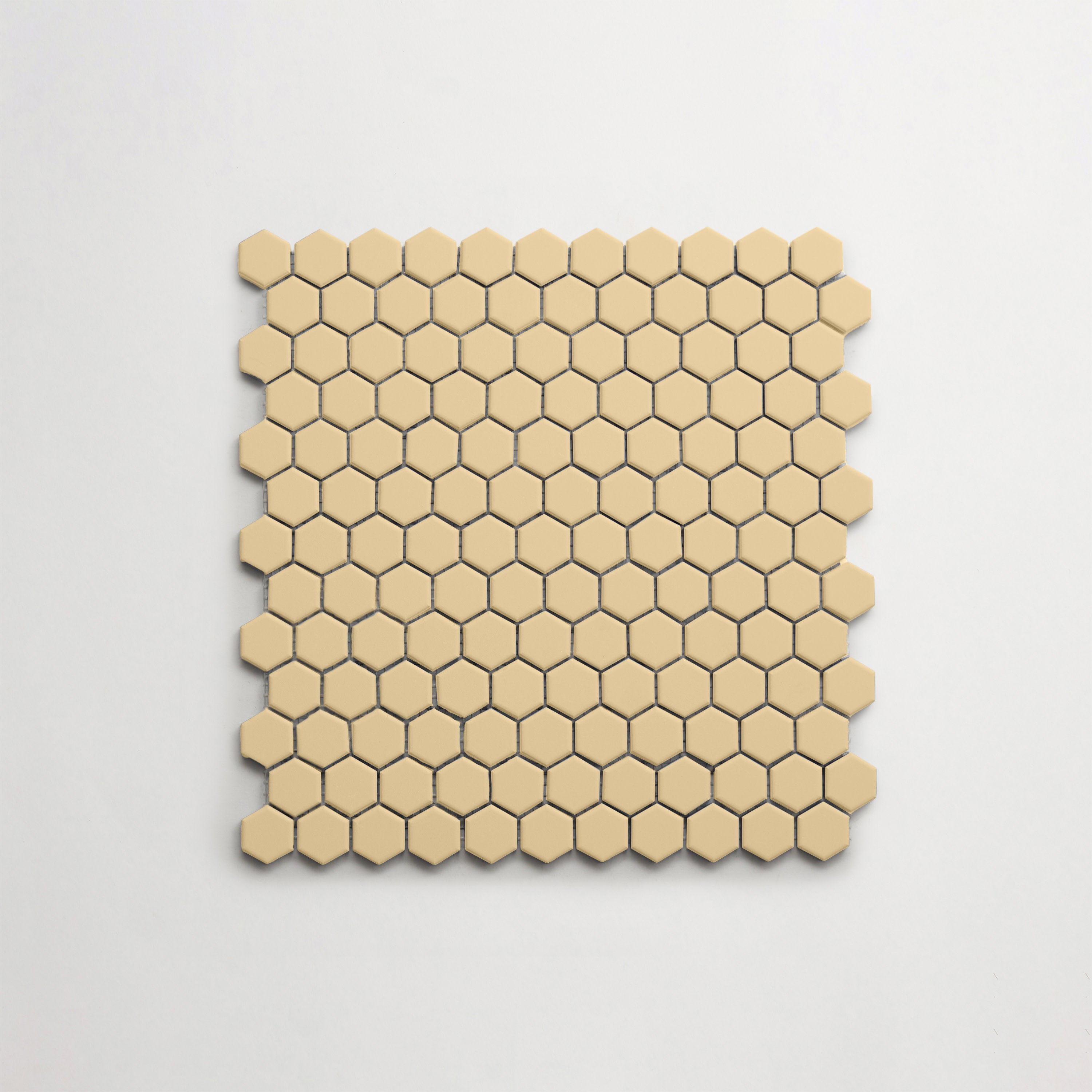

Colorway
-
Barely Buff
Collection
-
Lido
:
Sub Collection
-
Acquiterre
Material
Length
-
4
" x
Width
-
4
" x
Thickness
-
¼
"
Unit of Measurement
-
sqft
/
Price per Unit
$


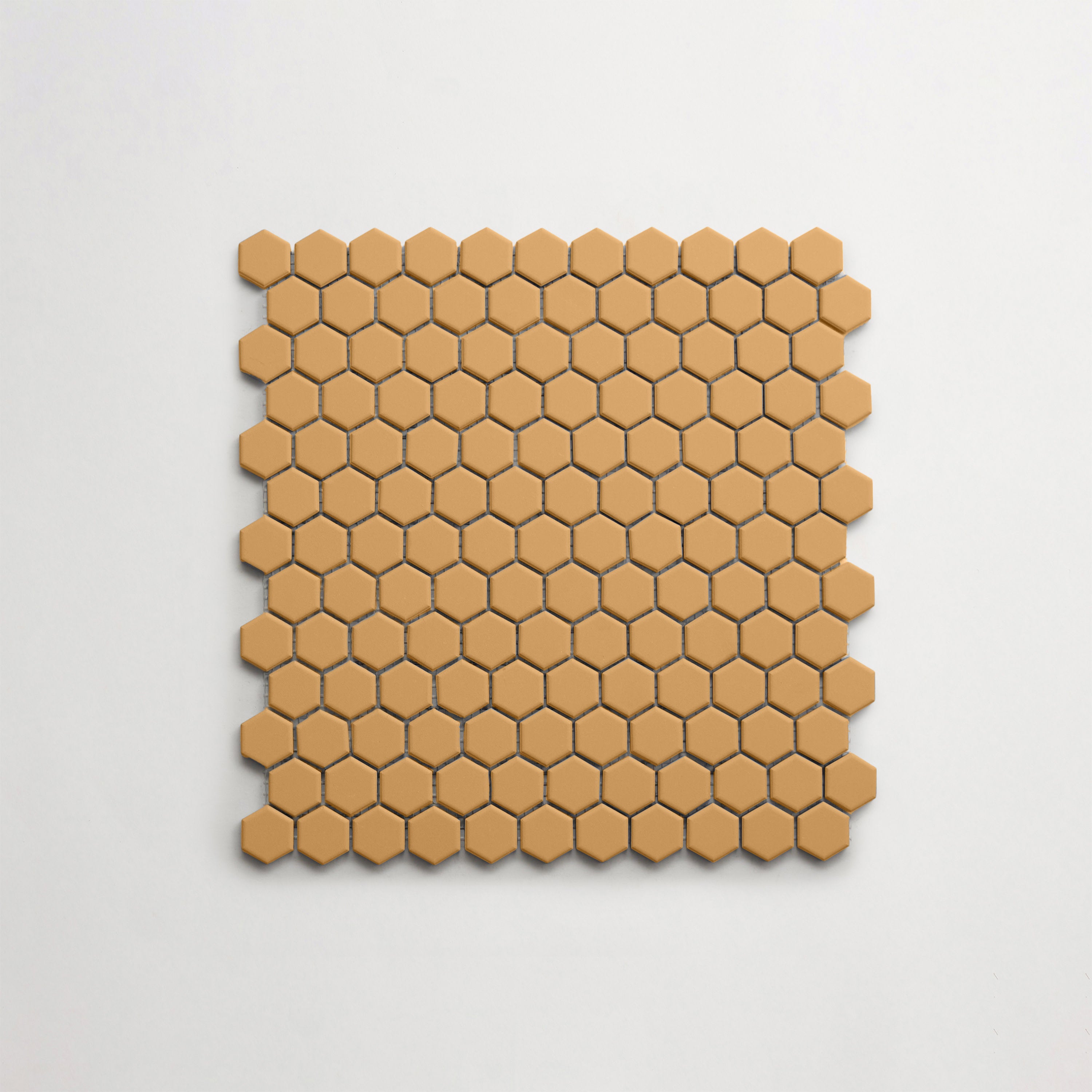

Colorway
-
Copper Penny
Collection
-
Lido
:
Sub Collection
-
Acquiterre
Material
Length
-
8
" x
Width
-
8
" x
Thickness
-
⅞
"
Unit of Measurement
-
sqft
/
Price per Unit
$


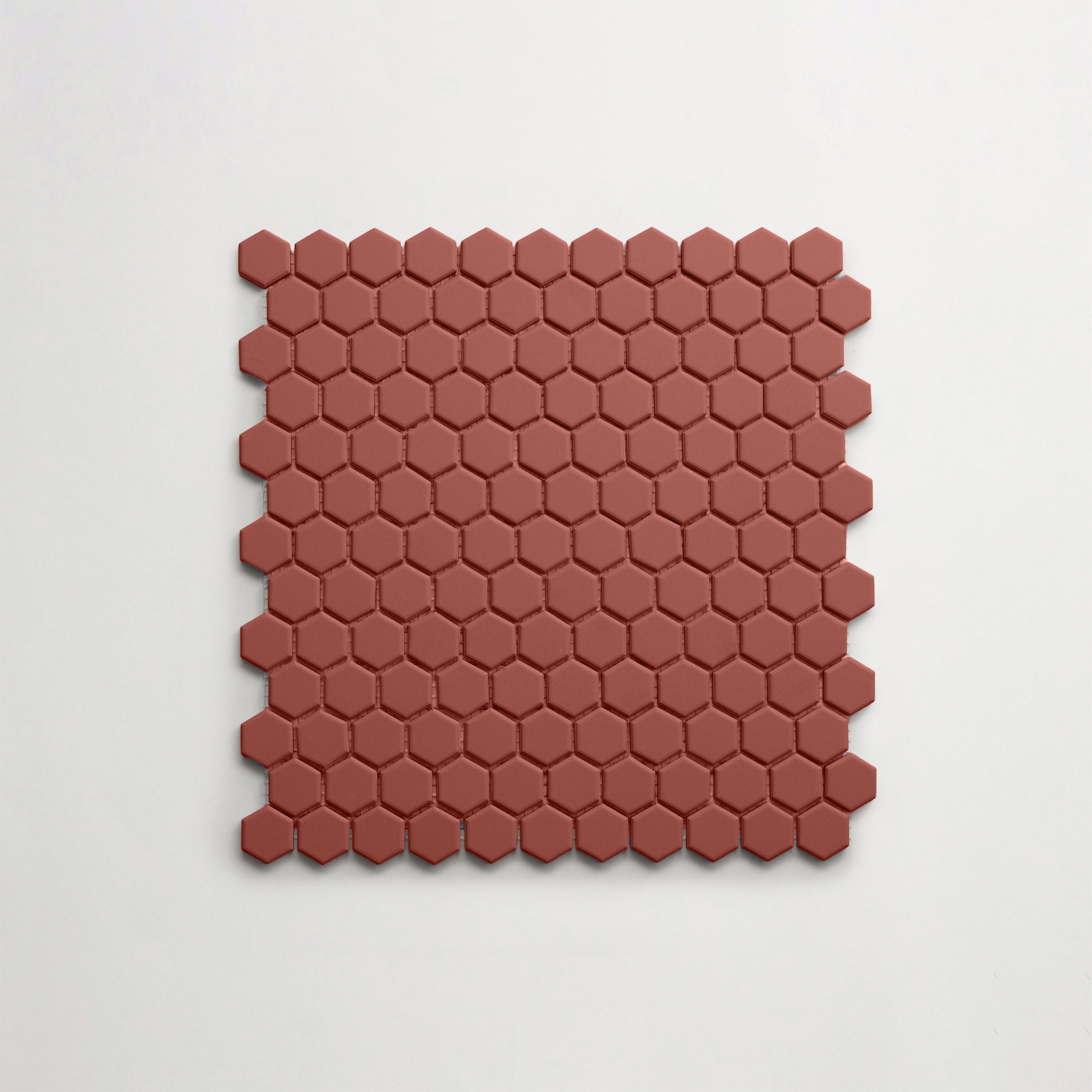

Colorway
-
Mexican Poinsettia
Collection
-
Lido
:
Sub Collection
-
Acquiterre
Material
Length
-
4
" x
Width
-
16
" x
Thickness
-
¾
"
Unit of Measurement
-
sqft
/
Price per Unit
$