

Pemberley Pavers, Hex, Pumice, Tumbled
Travertine Finish: Honed vs Tumbled Travertine Pool Deck
If you’re planning a patio or pool deck renovation and feeling stuck between several natural stone options, well, we get it. There is so much to love about natural stone, and choosing the right finish for your project can be difficult. How do you know which one will be the best flooring for outdoor patio or pool deck use? No one wants a pool deck that is slippery when wet, horribly hot underfoot, high maintenance, or expensive to replace, after all.
In this article, we’ll walk through the different types of travertine finishes, including honed vs tumbled travertine, and then explore pool deck applications. By the end, whether you’re a designer, landscape architect, or homeowner, you’ll feel confident in deciding whether a honed or tumbled travertine pool deck is the perfect choice for your outdoor project.
What’s a Travertine Finish?
Travertine is a type of natural stone that forms over the course of millions of years around mineral springs. It’s actually a softer version of limestone. Travertine offers many of the benefits for which stone is celebrated, such as durability, resistance to weather, and bespoke looks. That’s why travertine can be used outside for patios, pool decks, and other high-traffic areas like courtyards and garden paths.
A travertine finish, meanwhile, refers to how the surface of the natural stone is treated after it’s been quarried and cut. In other words, it’s how the stone has been textured, smoothed, or edged. How the stone is finished affects how it feels underfoot, how slip resistant and heat resistant it is, and how much maintenance it may need. The right finish makes all the difference when you’re installing a travertine pool deck or patio with natural stone pavers.


Polished tile created with ten reclaimed stones including travertine. Photo courtesy of clé tile.

Types of Travertine Finishes
As you explore travertine tiles and pavers — or even a limestone vs travertine pool deck — you’ll encounter a wide variety of finishes. Below are the main ones to know, each with its own aesthetic and functional benefits.
Honed Travertine
Honed travertine is stone that has been ground down to a smooth, matte-to-satin finish. The holes and natural pits in the stone might be filled or unfilled depending on the product. (We’re ones to celebrate travertine in all its imperfections.)
Because honed travertine has less texture and fewer surface irregularities, it has a more refined look. This makes it a solid choice for patios, modern pool decks, or other projects the stone needs to look uniform and feel even underfoot. It’s often used in outdoor pool deck applications because the smoother surface is comfortable for bare feet.
If you’re seeking a clean and elegant surface that still retains the character of natural stone, honed travertine is an excellent choice.
Polished Travertine
Polished travertine goes a step beyond honed travertine. With polished travertine, the surface is ground and buffed to create a glossy and reflective sheen, which emphasizes the color and pattern of the stone.
While polished travertine looks luxurious and is often used for indoor floors, walls, and backsplashes, it’s not usually the best choice for wet outdoor areas like pool decks because the high gloss surface can get slippery when water is involved. So while polished is a beautiful choice for indoor design, for outdoor pool decks, you’ll likely want to look elsewhere.
Tumbled Travertine
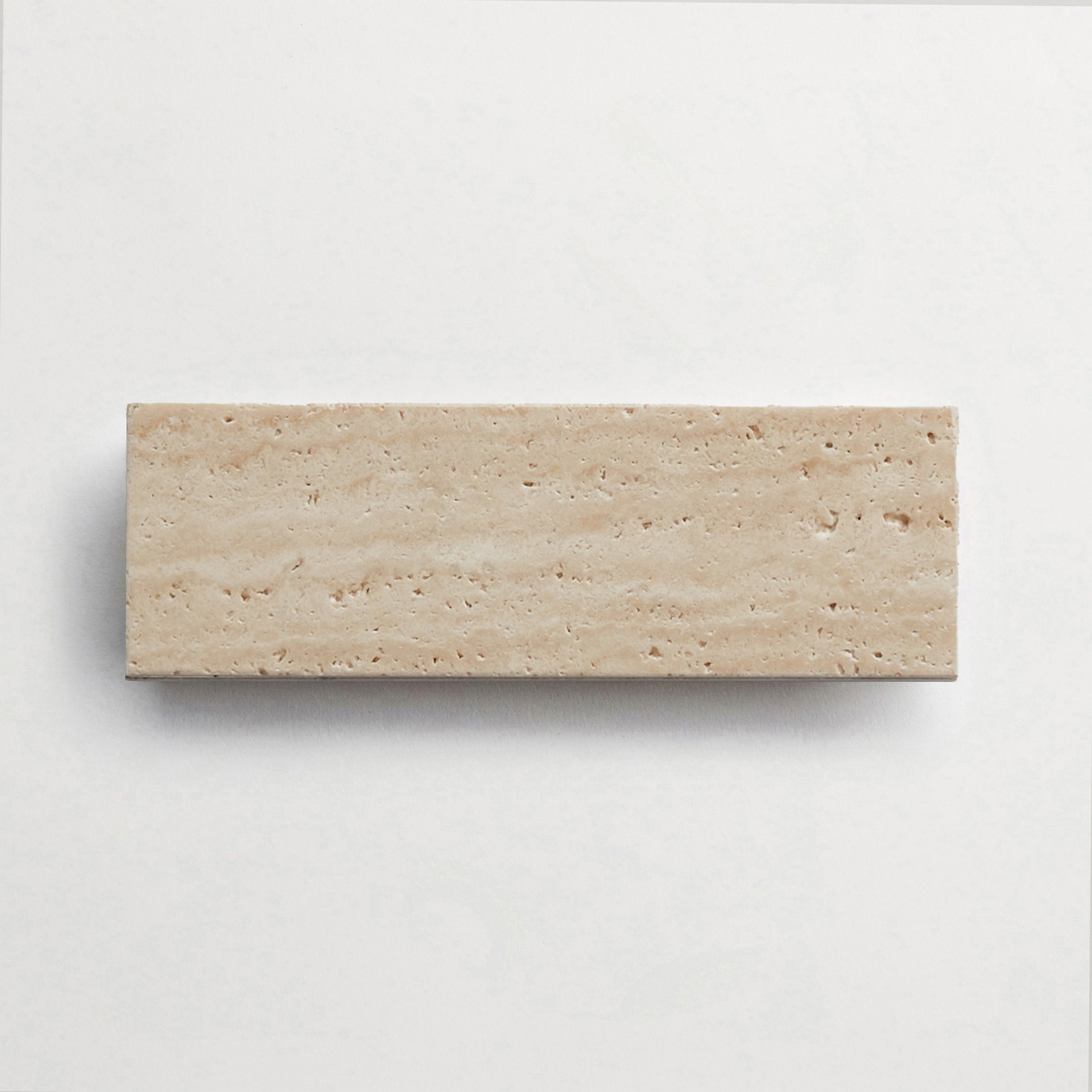
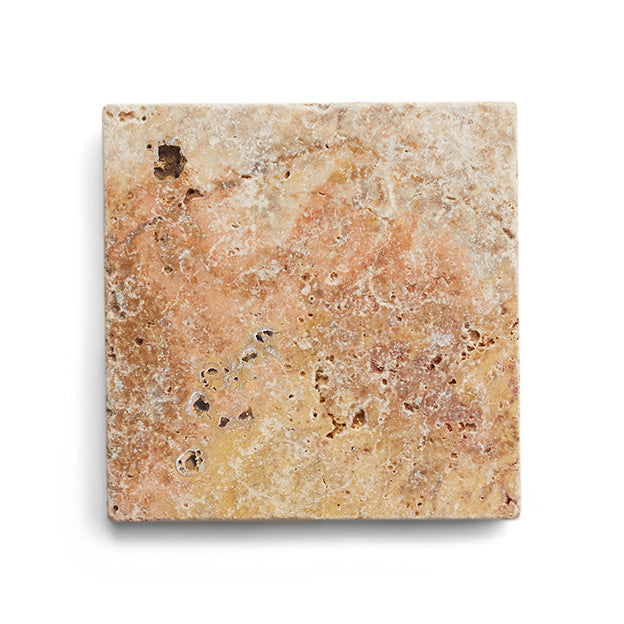
Tumbled travertine is natural stone that has been placed in a barrel or drum with abrasive grit and water to create a gently worn, textured surface and softened edges. The result is a rustic, antique look with edges that are slightly rounded, along with natural pits and a more varied surface.
Because of its texture, tumbled stone tends to offer better slip resistance in wet areas. This makes it a popular choice for outdoor spaces like patios and pool surrounds. If you’re aiming for a natural, relaxed aesthetic and want a stone surface that hides wear well, tumbled travertine is a perfect choice.
Straight Edge Finish
Also called saw cut travertine, the term straight edge finish refers more to the edge of the tile or paver than the surface. With a straight edge finish, the stone is cut with, well, a straight edge. This practice is common for outdoor pavers that need to have clean lines and minimal texture underfoot.
As for the surface: It can be anything from smooth to slightly textured depending on the manufacturer. If your pool deck design emphasises crisp geometry and clean lines, straight edge travertine could be an excellent choice.
Brushed Stone Finish
Brushed travertine is created by using a wire brush or rotary tool to lightly wear the surface and give it subtle texture. The finish is less rough than a tumbled finish but more textured than a honed one. This technique gives the stone a soft antiqued look while retaining decent slip resistance — a great choice in scenarios where you want a balance of style and function for your outdoor stone pavers.
Chiseled Edge Finish
Chiseled edge travertine has intentionally rough edges. The border of the stone is chipped or broken to give it an aged and weathered appearance. This type of finish often pairs with other textures (like honed or tumbled surfaces) and is great for designs that call for a rustic, historic, Mediterranean, or Tuscan-style look. If your outdoor space embraces that style, chiseled edge is a solid choice.

Travertine Pool Decks: Honed or Tumbled Travertine?
When it comes to selecting a travertine pool deck — and comparing honed vs tumbled travertine finishes — several factors matter. Namely: slip resistance, heat retention, durability, ease of maintenance, stain resistance, and cost. Let’s compare.
Slip Resistance
Tumbled travertine generally performs better in wet environments. This is because it generally has a higher SCOF (Static Coefficient of Friction) and DCOF (Dynamic Coefficient of Friction) than honed surfaces. In other words, there’s less chance of slipping.
Honed travertine, while smoother and comfortable, tends to score lower and may require more caution around water. Opting for smaller tile and paver sizes can help with this, as it gives you more grouting.
For a pool deck where splash-zones, barefoot traffic, and wet feet are common, a tumbled finish is often the best choice for slip resistance.
Heat Resistance
One big homeowner worry is: Does travertine get hot in the sun? The simple answer: All stone absorbs heat, but travertine tends to stay cooler underfoot than many other materials thanks to its natural pores and finish.
The finish choice plays into it, as well. A honed finish has less texture and less shade-creating crevices, so it may heat up slightly more than a tumbled finish, which has more surface area and shade-recesses. So, if you want stone that stays cool for bare feet in full sun, tumbled travertine is a perfect choice. That said, honed travertine still performs beautifully.
Durability
Travertine is a very durable natural stone, and when installed well, it handles foot traffic and harsh outdoor conditions beautifully. Honed travertine has smoother edges and less surface texture, so there are fewer places for debris to catch. However, it may show scratches or wear more visibly. Tumbled travertine, on the other hand, has more texture overall, allowing it to hide wear, tear, and chips well.
In a pool deck scenario where there’s lots of activity (think: chairs, loungers, bare feet, and water) tumbled travertine may offer longer-term visual resilience. But if you have honed travertine installed properly, with a good base, correct sealing, and consistent maintenance, it still is a solid choice.
Ease of Maintenance
Honed travertine’s smoother surface means dirt and debris are less likely to settle into pits and crevices, and cleaning could be easier. On the flip side, tumbled travertine’s texture hides dirt, but it may require more effort to clean thoroughly. It may also need more frequent cleaning.
If ease of maintenance is a priority, honed travertine is an excellent choice. Also, keep in mind that how the stone is sealed — and how often the stone is sealed — plays a huge role in what cleaning and maintenance look like.
Stain Resistance
Natural stone is porous, and how that stone is finished can change how susceptible it is to staining. Honed travertine often has fewer pits and is therefore slightly less prone to absorbing stains. Still, it requires regular sealing. Tumbled travertine, with its natural texture and pitting, can be more prone to picking up dirt or stains, especially if not sealed properly.
Both of these finishes need attention, but a honed finish can make travertine stain removal a little easier. If you anticipate spills from poolside drinks, sunscreen, oils, and more, you might give honed travertine a slight edge for stain management.
Cost
The initial material cost between honed and tumbled travertine may be similar, but installation, maintenance, and longevity costs can differ from tile to tile. Where one honed travertine paver might need more frequent sealing over time, it may be less expensive to install. Another tumbled travertine paver, on the other hand, may cost more to install properly due to its texture, then require less maintenance in the long run.
Both of these finishes are excellent choices when installed by professionals. As you assess cost, study the technical specifications and maintenance guidelines for every option you’re considering.


Conclusion
Your decision between honed vs tumbled travertine for a pool deck doesn’t have to be stressful. Once you can answer questions like what is honed travertine and what is tumbled travertine, it’s easier to make a well-informed choice.
Many professionals lean toward tumbled travertine for pool decks, but honed travertine remains a viable option when properly installed and sealed. If safety and barefoot comfort are your highest priorities, tumbled travertine is the perfect choice. If you want a smoother look with potentially easier cleaning, honed travertine is an excellent option.
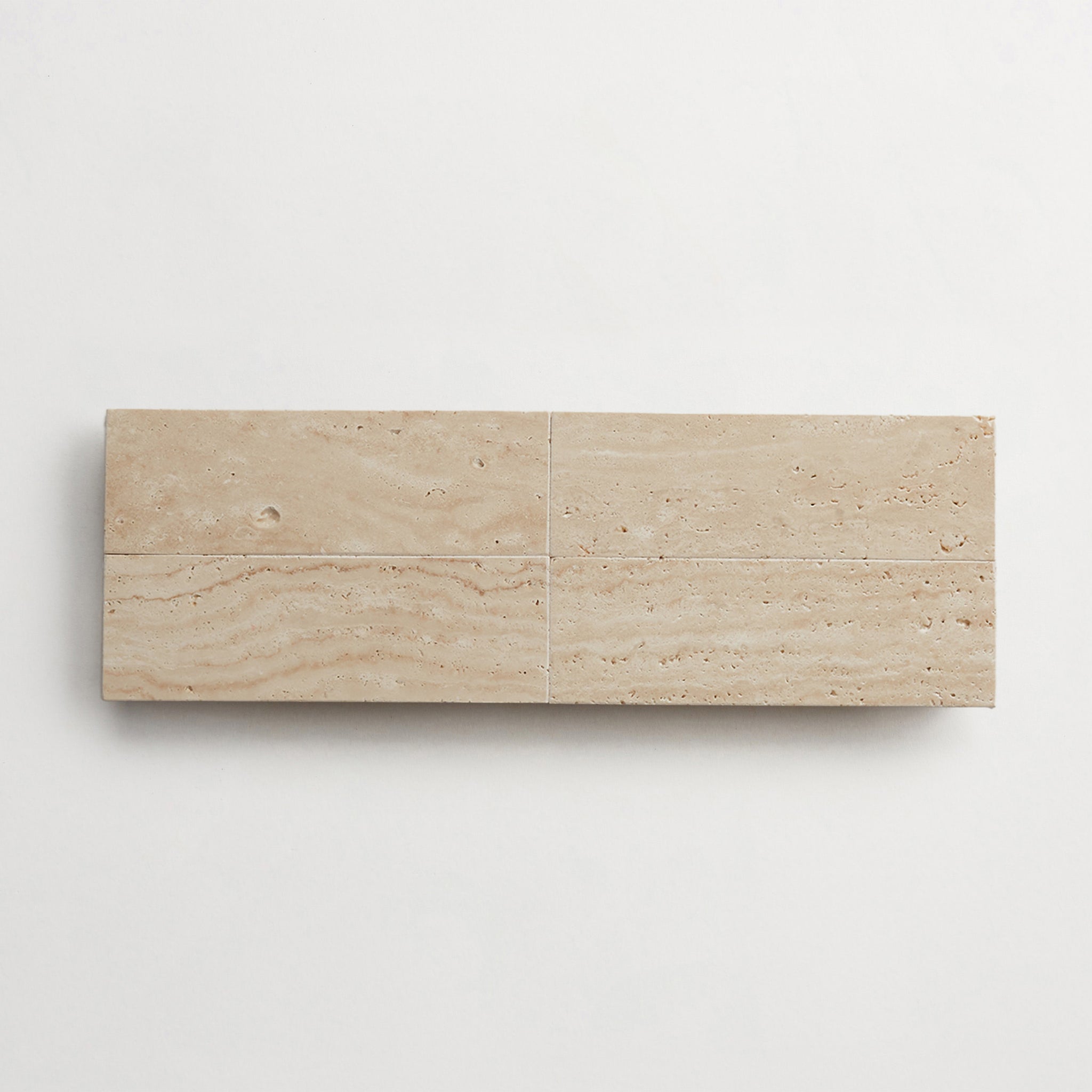
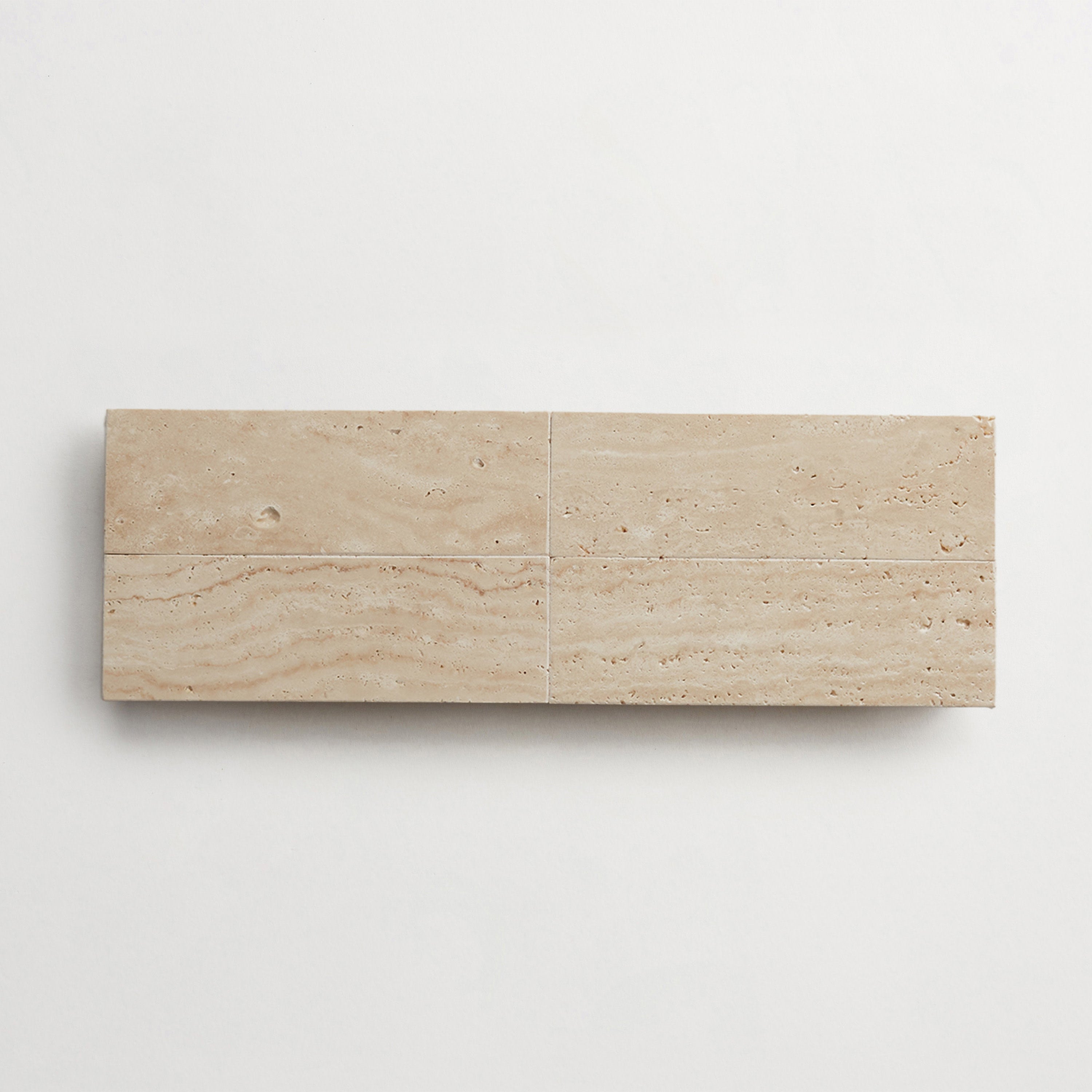
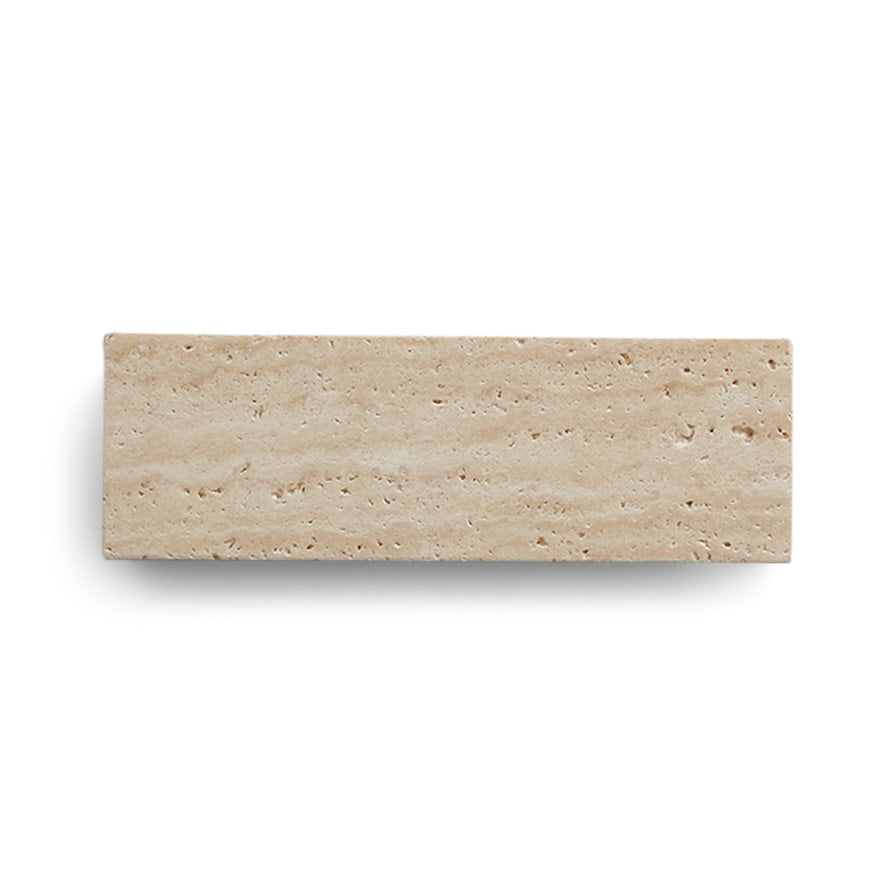
Of course, it always helps to visualize all of your options in the outdoor space. Our Pemberley Pavers collection includes tumbled travertine bricks with a timeworn look, while our lapidary collection has an assortment of sleek, honed options.
Frequently Asked Questions About Travertine Finishes
Here are some of the most common questions we see about honed vs tumbled travertine, especially as homeowners explore their own travertine patio ideas.
What’s the Best Travertine Finish for Pool Decks?
Choosing the best finish for your project depends on your priorities. If slip resistance and barefoot comfort by the pool are key, a tumbled travertine finish may be the best pick thanks to its textured surface and higher traction. If you prioritize smoother surfaces, easier cleaning, and a more polished look, a honed travertine finish is a strong option.
Whichever finish you go with, always be sure to partner with an experienced tile setter who will install and seal the stone with proper considerations for outdoor floor usage.
Is Travertine Slippery?
All travertine surfaces can become slippery when wet, especially if the finish is smooth and glossy (polished travertine, for example). Honed travertine has better traction than polished travertine, but less than a textured finish like tumbled travertine. This means that for a travertine pool deck, it’s smart to choose a finish with good slip resistance — and even work with your installer to incorporate other anti-slip details.
With the right finish and installation techniques, tumbled and honed travertine can both offer a safe and upscale surface for the pool deck.
Colorway
-
Beige Travertine
Collection
-
lapidary
:
Sub Collection
-
Acquiterre
Material
Length
-
4
" x
Width
-
16
" x
Thickness
-
¾
"
Unit of Measurement
-
sqft
/
Price per Unit
$


Colorway
-
Pumice
Collection
-
Pemberley Pavers
:
Material
Length
-
4
" x
Width
-
4
" x
Thickness
-
¼
"
Unit of Measurement
-
sqft
/
Price per Unit
$
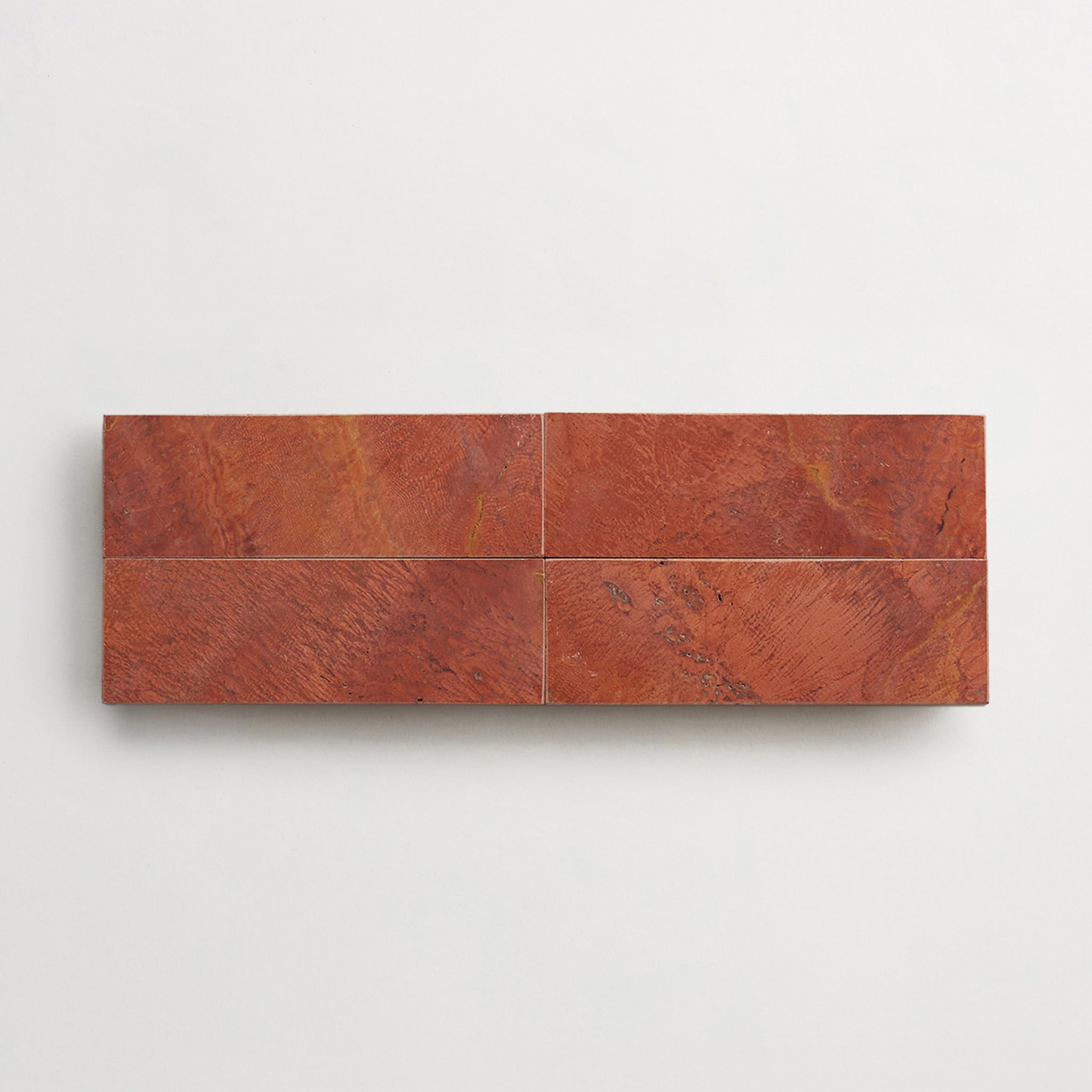
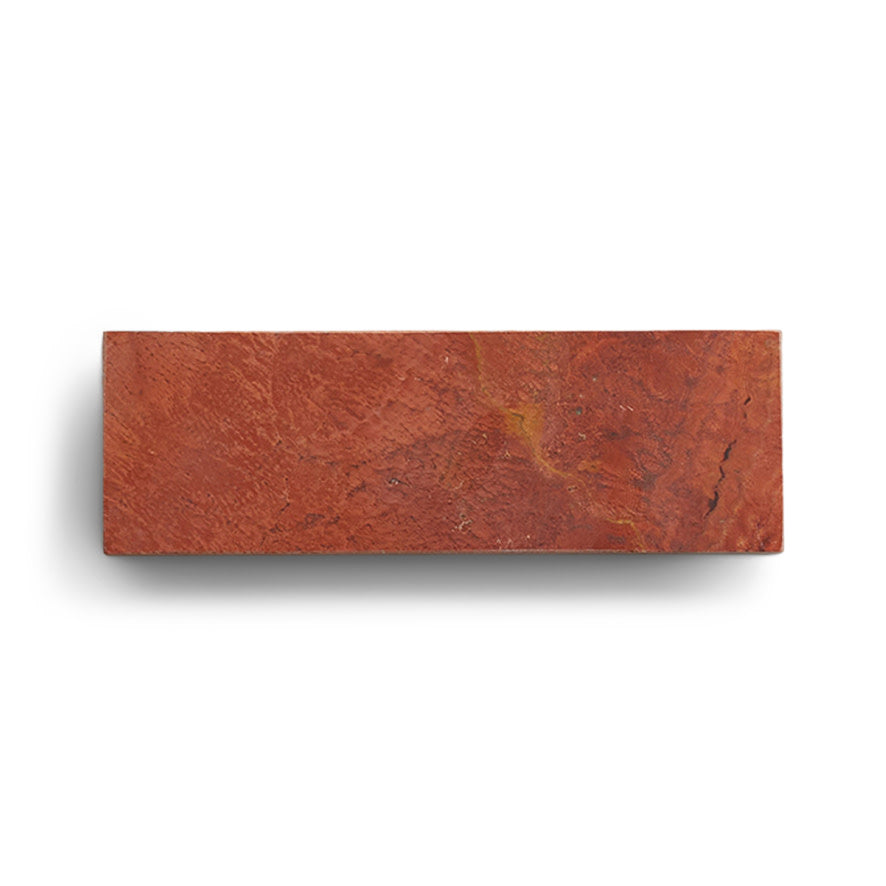
Colorway
-
Red Travertine
Collection
-
lapidary
:
Sub Collection
-
Aperto
Material
Length
-
8
" x
Width
-
8
" x
Thickness
-
⅞
"
Unit of Measurement
-
sqft
/
Price per Unit
$