

Types of Exterior House Stone Materials and Colors
Natural stone brings a depth and permanence to architecture that few exterior materials can match. From the warm, sun-washed tones of travertine and limestone to the dramatic textures of slate and grangestone, each stone carries its own visual character, color palette, and relationship to the surrounding landscape.
The right exterior house stone does more than clad a façade—it helps define the personality of the home itself. Some stones feel rustic and rooted, while others read crisp, contemporary, or quietly monumental. In this guide, we explore 10 types of exterior house stone materials, their defining colors and characteristics, where they work best architecturally, and the key considerations to keep in mind when selecting a stone for your project.

Travertine terraces in Pamukkale, Turkey. Photo courtesy of Hamza Şamil Yavuz.

Limestone cliffs in Scala dei Turchi, Agrigento, Italy. Photo courtesy of Flo P.

Navajo sandstone in Arizona’s Antelope Canyon. Photo courtesy of Harry K.
Types of Natural Stone for Home Exteriors
Every natural stone brings a different mood to a home's exterior. Some create a warm, welcoming presence rooted in tradition, while others lend a sense of drama, refinement, or contemporary simplicity. Color, texture, and surface movement all influence how a stone is perceived from the street and how it interacts with surrounding landscape and architecture.
The following types of natural stones for house exterior walls have been used in residential architecture for generations. Each offers a distinct visual language—from soft and understated to bold and expressive—making the selection as much about architectural character as it is about material performance.
1. Travertine
Travertine is one of the most welcoming stones used in residential architecture, prized for its warm palette, organic texture, and timeless connection to Mediterranean design. Its color range typically spans cream, ivory, sand, beige, and soft taupe, creating a naturally sun-washed appearance that feels both relaxed and refined.
As a form of limestone, travertine is known for its distinctive porous surface and subtle pitting, characteristics that give the material depth and visual movement. Rather than feeling perfectly uniform, it carries the quiet variation and irregularity that make natural stone so compelling.
Travertine is remarkably versatile in its architectural range. It feels at home on classic Mediterranean villas, transitional residences, and contemporary homes seeking warmth and texture without excessive ornamentation. Whether used as exterior cladding, stone siding, or accent walls, travertine softens a façade and creates a connection between the built environment and the surrounding landscape.
Designers often choose travertine for projects that prioritize warmth, permanence, and understated elegance. Its naturally light tones reflect sunlight beautifully, helping exteriors feel bright, approachable, and enduringly timeless.
2. Limestone
Limestone is the embodiment of quiet luxury. With its soft matte surface, restrained movement, and subtle tonal variation, it brings a sense of refinement that never feels showy or overstated. Its palette typically ranges from warm cream and ivory to pale beige, greige, and light gray, making it one of the most versatile stones for exterior architecture.
Unlike stones with dramatic veining or pronounced texture, limestone derives its beauty from restraint. Its even coloration and gentle surface character allow architectural forms, proportions, and landscaping to take center stage while still providing richness and depth upon closer inspection.
This understated quality makes limestone a natural fit for elegant traditional homes, European-inspired residences, and contemporary designs that prioritize simplicity and material authenticity. Whether used as natural stone cladding, stone veneer, or large-format wall applications, limestone creates a calm, cohesive exterior that feels both sophisticated and enduring.
Designers often specify limestone when the goal is timelessness rather than trend. While the material requires thoughtful sealing due to its natural porosity, its ability to deliver a soft, luminous presence makes it a favored choice for refined exteriors where subtlety is the ultimate luxury.
3. Sandstone
Sandstone carries the warmth and character of a material shaped by time. Known for its naturally textured surface and layered appearance, it brings a sense of heritage and permanence to residential architecture that few materials can replicate. Its color palette ranges from soft tan and honey to amber, gold, rust, and deep earth tones, creating façades that feel rich, grounded, and connected to the landscape.
Formed from compacted sand over thousands of years, sandstone often displays subtle striations, grain patterns, and tonal variation that give each installation a distinct personality. These natural markings contribute to its visual depth and reinforce its authenticity as a building material.
Architecturally, sandstone is particularly well suited to homes that embrace traditional craftsmanship, regional materials, and a strong sense of place. It appears equally at home on historic-inspired residences, rustic retreats, and contemporary designs seeking warmth and texture. Whether used as stone siding, cladding, or landscape walls, sandstone introduces a tactile quality that softens architectural lines and adds visual interest from every angle.
When designers want an exterior to feel established and enduring from the moment it is built, they often turn to sandstone. While thoughtful maintenance is important, particularly in climates subject to significant weathering or freeze-thaw cycles, sandstone rewards that care with a timeless character that only becomes more compelling over time.

4. Grangestone
Grangestone occupies a distinctive space within the world of exterior stone. Exclusive to OUTERclé, it delivers the visual weight and permanence associated with natural stone while offering a character that feels more sculptural and expressive than many traditional options. Where limestone tends toward refinement and sandstone toward warmth, Grangestone introduces a more dramatic interplay of texture, shadow, and surface movement.
Its palette is typically grounded in muted, landscape-inspired tones that allow the material's texture to take center stage. The surface possesses a rugged, architectural quality that creates depth across a façade or stone stairway (check out these stone steps ideas), producing changing patterns of light and shadow throughout the day. This dimensional character gives Grangestone a strong visual presence without relying on bold color variation.
Architects and designers often specify Grangestone when they want a home to feel rooted in its environment while maintaining a distinctly contemporary edge. It works particularly well on modern residences, mountain homes, and projects where material authenticity is central to the design narrative. Used as exterior cladding or feature walls, it creates a sense of permanence that feels both elemental and highly considered.
For homeowners seeking something less familiar than limestone, travertine, or sandstone, Grangestone offers an opportunity to introduce a more artisanal architectural expression—one defined by texture, depth, and enduring visual impact.
5. Slate
Slate is one of the most architecturally striking stones available for exterior applications, prized for its layered texture, rich tonal variation, and naturally sophisticated appearance. Formed under intense pressure, this metamorphic stone reveals subtle planes and clefts that create depth, shadow, and movement across a façade.
The color palette is notably cooler than many other natural stones, ranging from charcoal and graphite to blue-gray, green-gray, and deep smoky tones. These restrained hues give slate a refined presence that feels both contemporary and timeless. Rather than drawing attention through warmth or ornamentation, slate creates impact through texture, contrast, and material authenticity.
Slate is particularly well suited to modern, minimalist, and contemporary homes where clean lines and strong forms take precedence. Its darker tones provide a dramatic counterpoint to glass, metal, wood, and light-colored architectural elements, helping to anchor a structure within its landscape. When used as stone veneer or exterior cladding, slate brings a sense of precision and permanence without sacrificing natural character.
Slate often comes into play when designers want an exterior to feel crisp, grounded, and quietly powerful. Combined with its exceptional durability, resistance to harsh weather, and relatively low maintenance requirements, slate remains a compelling choice for projects that prioritize both performance and sophisticated architectural expression.
6. Marble
Marble occupies a unique position among exterior stone materials. Revered for its luminous surface, elegant veining, and unmistakable sense of luxury, it is rarely chosen as the primary material for an entire façade. Instead, designers often use marble strategically—as an accent material that introduces brightness, refinement, and visual distinction.
The marble palette ranges from crisp whites and soft creams to dramatic grays and richly veined varieties, allowing it to complement both traditional and contemporary architecture. Even in small applications, marble has an ability to elevate surrounding materials, creating moments of contrast and sophistication that draw the eye without overwhelming the overall composition.
Marble is particularly effective for entry surrounds, feature walls, columns, architectural details, and other focal points where its natural beauty can be appreciated up close. Its polished appearance and subtle reflectivity bring lightness to exterior designs, making façades feel more expansive and refined.
That beauty does come with considerations. As a naturally porous stone, marble requires thoughtful specification, sealing, and ongoing maintenance to preserve its appearance over time. In climates subject to significant moisture or freeze-thaw conditions, material selection and installation become especially important. For projects where elegance, brightness, and material richness are priorities, however, marble remains one of the most compelling stones available for exterior design.


Marbling tilework at Arlington National Cemetary. Photo courtesy of Courtney Cantu.
7. Quartzite
Quartzite offers one of the most compelling combinations of beauty and durability found in natural stone. Often admired for its marble-like elegance, it possesses a strength and resilience that make it exceptionally well suited to demanding exterior applications. For homeowners seeking refinement without compromise, quartzite occupies a particularly attractive middle ground.
The crystalline composition gives the stone a subtle natural sparkle that becomes especially noticeable in changing sunlight. Combined with its layered tonal variation, this quality creates façades that feel dynamic and alive rather than static. Depending on the variety, quartzite can range from soft whites, creams, and silver-grays to warmer earth tones and more dramatic color expressions, offering considerable design flexibility.
Quartzite works beautifully across a range of styles. It can lend sophistication to contemporary homes, enhance the material richness of transitional designs, or bring texture and visual depth to more traditional residences. As exterior cladding, it delivers a refined appearance that feels luxurious without appearing overly formal.
Home design experts frequently specify quartzite for projects where both aesthetics and performance are priorities. Its resistance to wear, weather exposure, and temperature fluctuations makes it a dependable choice in challenging climates, while its natural variation ensures that no two installations look exactly alike. The result is an exterior material that feels elevated, enduring, and effortlessly connected to the natural world.
8. Fieldstone
Fieldstone is one of the most inherently organic exterior stones, defined by its uncut forms, irregular shapes, and naturally weathered surfaces. Rather than being quarried into uniform blocks, it is shaped by the landscape itself, resulting in a material that feels deeply connected to the land it comes from.
The visual character of this type of natural stone is rooted in variation. Soft grays, earthy browns, mossy greens, and muted mineral tones appear across individual stones, creating a composition that feels layered, tactile, and entirely unrepeatable. This natural diversity is what gives fieldstone its unmistakable countryside presence.
Fieldstone is most authentic in applications where its irregularity can be fully expressed. It is especially effective on lower façades, chimney structures, retaining walls, and garden enclosures, where its weight and texture anchor a building to its surroundings. In these contexts, it reads less as a designed surface and more as an extension of the landscape itself.
Fieldstone is a top choice among designers when they want to evoke a sense of permanence, tradition, and rural character. Whether used in stone siding or landscape architecture, it brings a grounded, timeworn quality that softens built forms and reinforces a strong connection between home and environment.
9. Cobblestone
Cobblestone carries an unmistakable sense of history, defined by its rounded forms, softened edges, and time-worn surface character. It evokes streetscapes shaped over centuries, where repetition, weathering, and use have created a material language rooted in tradition rather than precision.
Its palette is naturally varied, ranging from cool grays and silvery tones to warm browns, charcoal, and muted earth colors. This subtle variation, combined with its tactile surface, gives cobblestone a depth that feels both architectural and narrative—each piece contributing to a broader sense of continuity and heritage.
In exterior design, cobblestone is most effective as an accent rather than a primary cladding material. It is especially well suited to pathways, entry approaches, courtyard details, and heritage-inspired architectural elements where texture and rhythm can be appreciated at ground level. Used thoughtfully, it adds weight and grounding without overwhelming the overall composition of a façade.
Designers often incorporate cobblestone into traditional, European-inspired, or historically referential exteriors, where its aged character reinforces a sense of permanence and place. While highly durable and weather-resistant, its greatest strength lies in its ability to introduce a layered, storied quality that feels both functional and deeply atmospheric.
10. Granite
Granite is one of the most durable and widely used natural stones in exterior architecture, valued for its strength, consistency, and quietly refined visual presence. Unlike more porous or expressive stones, granite offers a sense of control and precision that makes it especially well suited to clean-lined, contemporary exteriors.
Its appearance is defined by a crystalline structure that creates subtle sparkle and depth across the surface. Color variations range widely, from cool grays, charcoals, and silvery tones to warmer browns, beiges, pinks, and near-black hues. This spectrum allows granite to adapt to both restrained minimalist palettes and more contrasting architectural compositions.
Design-wise, granite reads as grounded and intentional. Its surface can be polished for a more refined, reflective finish or left honed for a softer, matte appearance, each offering a different architectural effect. In either case, it maintains a sense of visual clarity that pairs well with modern forms, crisp edges, and structured landscaping.
Often used for exterior cladding, base courses, entry elements, and feature walls, granite is especially valued in projects where performance and longevity are non-negotiable. Its resistance to weathering, freeze-thaw cycles, and wear makes it a reliable choice across climates, while its natural variation ensures that even the most precise installations retain a sense of material authenticity.

Quartzite in the Magaliesberg of northern South Africa. Photo courtesy of Melissa Brown.
Types of Manufactured Stone Used for Exterior Walls
While natural stone remains central to many architectural designs for its depth and variation, some projects call for manufactured alternatives that prioritize consistency, accessibility, or specific performance characteristics. These materials are designed to replicate the look of stone while offering a more controlled aesthetic outcome.
Concrete Stone Veneer
Concrete stone veneer is a lightweight, manufactured option that replicates the texture and color of natural stone. It is engineered for durability and ease of use, making it a common alternative to traditional stone cladding. Compared to natural stone, however, it typically offers a more uniform appearance with less inherent variation.
Cultured Stone
Cultured stone is produced from a blend of cement, aggregates, and pigments to mimic the appearance of natural stone. It allows for a wide range of color and texture options, with a more consistent finish that can be useful in achieving a uniform architectural expression.
Cast Stone
Cast stone is a highly engineered material designed to replicate the look and detail of natural stone with precision. Created using cement, aggregates, and colorants, it offers strong visual consistency and is often used in applications where a refined, controlled architectural aesthetic is preferred.

Fieldstone wall in Wriezen-Haselberg, Brandenburg, Germany. Photo courtesy of Doris Antony.

Cobblestone street in Switzerland. Photo courtesy of Etienne Girardet.
Stone Panel Systems and Siding Options
Stone panel systems expand how natural and manufactured stone can be applied to exterior façades, offering a range of formats that balance visual intent, efficiency, and architectural expression. While some systems prioritize consistency and ease of use, others preserve the full depth and variation of traditional stonework.
Natural Stone Panels
Natural stone panels are cut from authentic stone and pre-sized for more efficient installation. They retain the character, color variation, and surface depth of natural material while offering a more streamlined application as exterior cladding.
Composite Stone Panels
Composite stone panels combine stone aggregates with resins or binding agents to create a lightweight, durable surface. These systems are valued for their consistency and weather resistance, while still referencing the appearance of natural stone in a more controlled format.
Full Bed Stone
Full bed stone uses solid, uncut pieces of natural stone applied directly to the façade. This approach emphasizes mass, depth, and material authenticity, creating a highly dimensional surface with strong architectural presence.
Thin Stone Veneer
Thin stone veneer offers the visual language of natural stone in a reduced thickness. It delivers a lighter-weight cladding solution while maintaining the appearance of traditional stone siding, making it a flexible option for a wide range of exterior applications.

A closeup of granite stone. Photo courtesy of Brian Wangenheim.
What to Consider When Choosing Exterior Stone
Selecting exterior stone is ultimately a design decision as much as a material one. The right choice shapes how a home is perceived—its mood, its architectural clarity, and how it sits within the surrounding landscape—while practical considerations help refine that vision into a lasting result.
Aesthetic Preferences
Aesthetic intent is the primary driver in choosing exterior stone. Texture, tone, and scale all influence the overall mood of a home—whether it feels warm and grounded, crisp and modern, or softly weathered and timeless.
Lighter stones like limestone and travertine tend to read more relaxed and sun-washed, while slate and granite introduce contrast, structure, and definition. Equally important is how the stone interacts with the architecture itself and the surrounding landscape, creating either harmony, contrast, or a deliberate focal point.
Climate and Weather Conditions
Climate plays a supporting role in refining material selection. Moisture exposure, sunlight intensity, and freeze-thaw cycles can all influence how a stone performs over time. These conditions are less about technical specification in isolation and more about ensuring the chosen material maintains its intended appearance and character within its environment.
Maintenance Requirements
Maintenance is best understood as part of a material’s lifestyle fit. Some stones are more porous and may require periodic sealing, while others offer a more low-maintenance surface that naturally resists wear. The goal is to align upkeep expectations with the desired aesthetic—whether that means embracing the evolving patina of a more expressive stone or maintaining a more consistent, refined finish over time.
Location of Installation
Where stone is used has a direct impact on both its visual effect and its performance. Entryways, façades, garden walls, courtyards (stroll through these courtyard design ideas) and accent areas each carry different levels of exposure and visual prominence. Placement can amplify a material’s character—highlighting texture at eye level or establishing weight and grounding at the base of a structure—helping ensure the stone contributes intentionally to the overall architectural composition.


Stone home in Edinburgh, United Kingdom. Photo courtesy of Lucija Ros.
Popular Trends in Exterior House Stone Design
Exterior stone design continues to evolve, but the strongest directions remain rooted in timeless material expression rather than fleeting trends. Today’s most compelling approaches focus on how stone is used to shape mood, reinforce architecture, and create meaningful relationships between structure and landscape.
Rustic & Traditional
Rustic and traditional design continues to celebrate the organic character of natural stone. Materials like cobblestone, fieldstone, and travertine remain central to these approaches, valued for their irregularity, warmth, and sense of history. These compositions often feel grounded and enduring, with façades that read as layered, timeworn, and deeply connected to place.
Modern & Minimalist
Modern and minimalist exteriors take a more restrained approach, favoring clean lines, simplified forms, and controlled material palettes. Stones such as slate and granite are often chosen for their tonal consistency and ability to support strong architectural geometry. The result is a pared-back, refined expression where material and form work in quiet balance.
Blending Stone with Other Materials
Increasingly, designers are exploring how stone interacts with other exterior materials to create more dimensional façades. Mixing stone with brick, terracotta tiles (like our FezBrick), wood, or metal introduces contrast in both texture and tone—soft against hard, matte against reflective, natural against refined.
For example, travertine or limestone may be paired with warm wood cladding, or slate contrasted with metal detailing for a more contemporary edge. OUTERclé-inspired palettes, such as exterior brick colors, often reflect this layered approach, where stone is part of a broader material conversation rather than a standalone surface.
Types of Exterior House Stone Colors
Color plays a defining role in how exterior stone is perceived, shaping everything from architectural mood to overall curb appeal. Rather than focusing solely on material type, stone can also be understood through its color family, which helps clarify how different outdoor color schemes interact with style, light, and landscape.
Warm Exterior House Stone Colors
Warm stone palettes include cream, beige, sand, gold, amber, and rust tones, all of which bring a sense of welcome, softness, and approachability to exterior design. These colors are commonly found in materials such as travertine, limestone, sandstone, and select fieldstone variations, where natural warmth is part of their inherent character. Architecturally, warm-toned stone is especially well suited to Mediterranean-inspired homes, traditional residences, and transitional designs that emphasize comfort, sunlight, and a grounded connection to the landscape.
Cool Exterior House Stone Colors
Cool stone palettes span gray, charcoal, graphite, blue-gray, and green-gray tones, offering a more tailored and restrained visual effect. These colors are often associated with slate, granite, and certain quartzite-driven compositions, where clarity and structure are emphasized over warmth. In exterior applications, cool-toned stone is frequently used in modern, minimalist, and contemporary architecture, where it reinforces clean lines, material precision, and a more architectural, composed presence.
Variegated and Mixed Stone Palettes
Variegated stone palettes incorporate multiple tones within a single material, creating natural shifts in color, texture, and visual rhythm. These multi-tonal surfaces introduce softness and movement to exterior façades, helping buildings feel more organic and integrated with their surroundings. Because of their inherent variation, these stones pair best with carefully considered trim and roofing tones that either ground the palette with neutral stability or subtly echo one of the dominant stone hues for a cohesive architectural composition.
Exterior House Stone, Styled with Intention
The most successful exterior stone choices are guided less by category and more by intent. Architecture, color palette, and the overall mood you want a home to convey all play a role in shaping the right material direction—whether warm and welcoming, cool and contemporary, or layered with natural variation and depth.
When chosen thoughtfully, stone becomes more than a surface finish; it becomes part of the home’s identity and the way it sits within its environment.
To explore materials and inspiration, discover OUTERclé stone and tile collections.
Frequently Asked Questions on Exterior House Stone
What Is the Best Stone for a House Exterior?
There is no single “best” stone, as the right choice depends on architectural style, climate, and desired aesthetic. Travertine, limestone, slate, granite, and quartzite are all widely used, each offering a different balance of tone, texture, and performance. The best option is the one that aligns with both the design intent and the long-term visual character of the home.
Which Exterior Stone Is the Lowest Maintenance?
Generally, denser stones such as granite, slate, and many quartzites require less maintenance due to their lower porosity and higher resistance to weathering. More porous stones like limestone and sandstone may need periodic sealing to maintain their appearance. Maintenance level should be considered alongside the desired aesthetic, as more expressive stones often require a bit more care.
What Are the Most Timeless Exterior House Stone Colors?
Timeless exterior stone colors tend to fall within neutral and natural palettes, including warm creams, soft beiges, sand tones, and layered grays. These hues adapt well to changing design trends and complement a wide range of architectural styles. Their enduring appeal comes from their ability to feel both grounded and visually balanced across different environments.


Colorway
-
Denali Stone
Collection
-
BrickWorks
:
Sub Collection
-
le Disque
Material
Length
-
4
" x
Width
-
4
" x
Thickness
-
¼
"
Unit of Measurement
-
sqft
/
Price per Unit
$



Colorway
-
Amaretto
Collection
-
1970s GlassWorks
:
Sub Collection
-
le Disque
Material
Length
-
8
" x
Width
-
8
" x
Thickness
-
⅞
"
Unit of Measurement
-
sqft
/
Price per Unit
$


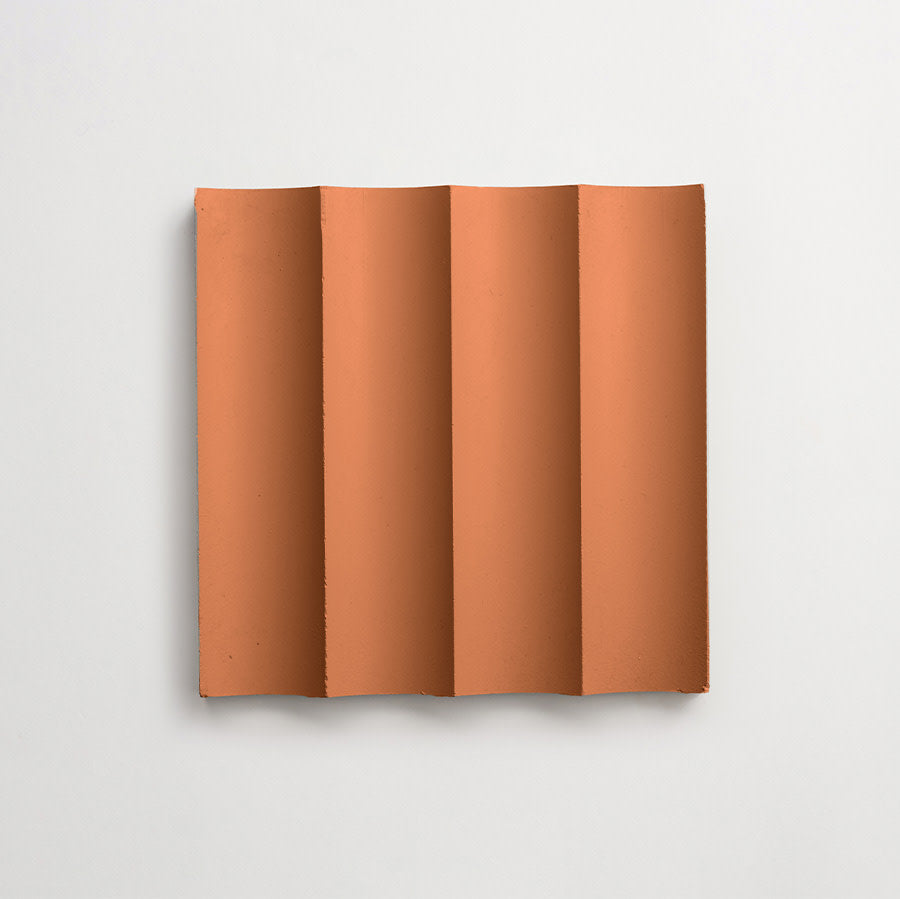
Colorway
-
Flowerpot
Collection
-
Cement Origami
:
Sub Collection
-
Coves
Material
Length
-
4
" x
Width
-
16
" x
Thickness
-
¾
"
Unit of Measurement
-
sqft
/
Price per Unit
$