

Lido.
Designing with Intention: The Best Tile and Coping for Saltwater Pools
Designing a saltwater pool requires special consideration when it comes to tile and coping materials, since the water’s chemistry can be tough on surfaces not made to withstand it. The best tile for saltwater pools—like porcelain, ceramic, and select natural stones—offer durability, resistance to salt exposure, and long-lasting beauty. At the same time, certain materials are best avoided, as they may erode, discolor, or weaken over time.
Performance aside, the right selections also help create a seamless, well-balanced look that ties your pool into the rest of your outdoor environment. Let's explore the most reliable materials for saltwater pools, what to steer clear of, and how to choose materials, such as the best pool coping for salt water and the right grout, that combine strength with cohesive design.
Float through the pool tile collection from OUTERclé and discover materials that merge beauty with saltwater-ready performance.


Best Tile and Coping Materials for Salt Water Pools
Porcelain: Durable and Design-Forward
Porcelain is one of the top choices for saltwater pool tile and coping thanks to its incredible durability and versatile design potential. Engineered to resist salt damage, fading, and moisture absorption, porcelain stands up to the unique demands of a saltwater environment while maintaining its sleek, polished look for years.
It’s available in a wide range of colors, finishes, and textures—some even mimicking natural stone or wood—making it easy to match any outdoor aesthetic. Its low-maintenance nature also means less worry about long-term upkeep, giving homeowners a material that blends resilience with style.
Glass: Luminous, Non-Porous, and Pool-Perfect
Glass tile is a standout material for saltwater pools, offering both beauty and performance. Its non-porous surface means it won’t absorb water, salt, or chemicals, making it exceptionally resistant to corrosion and staining over time. The reflective qualities of glass create a luminous effect in and around the pool, catching sunlight by day and glowing under water lighting at night.
With its variety of colors, shapes, and mosaics, glass tile allows for highly customized designs while delivering a long-lasting, low-maintenance finish that enhances the elegance of any saltwater pool.
Ceramic: Versatile and Finish-Dependent
Ceramic tile can be an excellent choice for saltwater pools when the right finish is selected. Glazed ceramic resists water absorption, making it suitable for long-term exposure to salt and moisture, while unglazed options may require sealing to maintain durability.
Its versatility lies in the considerable selection of shape, pattern, and color options, giving homeowners endless design freedom. With the proper finish and care, ceramic tile balances style, practicality, and affordability in a saltwater pool environment.
Select Natural Stone: When Performance Matches Placement
Natural stone can be a stunning choice for saltwater pool tile and coping when selected with care. Dense, non-porous stones like granite, quartzite, and basalt stand up well to salt exposure, while softer options like certain types of limestone or travertine will not hold up as well and need very good sealing and maintenance to endure for any length of time. Comparing basalt to other stone options is always a good idea.
By matching the stone’s durability to its placement, you can achieve a luxurious, organic look that blends seamlessly with the landscape while ensuring long-term performance.
Begin your design journey—explore the Swim tile collection from OUTERclé.

Materials to Avoid in Saltwater Environments
Why Some Natural Stones and Metals Fall Short
Not every material is equally suited for the harsh conditions of a saltwater pool. Softer natural stones like limestone (although formed in marine environments), travertine (quite porous), or sandstone (a fairly durable sedimentary rock) can absorb moisture, leading to staining, erosion, and surface breakdown over time. Proper sealing and regular maintenance can help preserve these materials, but they’re not a first choice for pools.
Many metals are prone to corrosion when exposed to salt, which can compromise both appearance and safety. Avoiding this vulnerable material helps preserve your pool’s beauty and structural integrity for years to come.
Common Issues Like Erosion, Discoloration, and Salt Stains
In saltwater settings, certain materials can quickly lose their appeal and durability. Stones with higher porosity that haven’t been thoroughly sealed are especially vulnerable, as they can soak up water and develop unsightly salt deposits, fading, or surface wear.
Over time, this leads to pitting, crumbling, or uneven color changes that detract from the pool’s design. Steering clear of these materials—or at most, making sure they’re completely sealed and rigorously maintained—helps uphold visual harmony and performance.
How to Spot Finishes That May Degrade Over Time
When selecting materials for a saltwater pool, it’s important to recognize finishes that may not stand the test of time. Glossy sealants, low-grade glazes, or thin surface treatments can wear away with exposure to salt, sun, and water circulation.
As these protective layers break down, the underlying material becomes more prone to staining, fading, or erosion. Identifying and avoiding such vulnerable finishes helps ensure that your surface won't break down over time.


Creating a Cohesive, Design-Forward Saltwater Pool
Pairing Waterline Tile and Coping for Seamless Aesthetics
A saltwater pool feels most refined when the waterline tile and coping work together as part of one unified design. By choosing complementary tones, textures, and materials, you create a smooth transition between the pool’s edge and the surrounding space.
Whether pairing sleek porcelain with matching coping or contrasting certain natural stone against luminous glass tile, selecting the best waterline tile for saltwater pools and the best pool coping for salt water ensures that your swimming zone reads as both polished and intentional.
Design Considerations for Grout, Finishes, and Texture
Paying attention to grout, surface finishes, and texture is key to both longevity and visual appeal. Selecting grout that resists moisture and salt ensures durability, while choosing grout colors and tile finishes that complement the pool’s water and surroundings enhances the overall aesthetic.
Thoughtful texture choices—not too slick, yet comfortable underfoot—balance safety with style, resulting in a cohesive, design-forward pool.
Expert Tips for Long-Term Maintenance and Care
Maintaining a saltwater pool’s beauty and performance requires a proactive approach to care and upkeep. Regular cleaning, timely sealing of porous surfaces, and monitoring for mineral or salt buildup help protect tiles and coping from wear. Paying attention to water chemistry and addressing minor issues early preserves aesthetics and function.
Curating a Complete Outdoor Space Around the Pool
Saltwater pool design goes beyond the water’s edge—consider the surrounding environment to create a harmonious outdoor retreat. Whether you lean modern, traditional, or natural, integrating complementary decking, plantings, seating areas, and lighting helps tie the pool into the landscape, while thoughtful material choices echo the pool’s tile and coping. By coordinating textures, colors, and finishes, you can craft a cohesive space that feels intentional, inviting, and visually balanced from every angle.
Choosing the right tiles and coping materials is key to a saltwater pool that’s both beautiful and built to last. By balancing durability, aesthetics, and maintenance needs in your surface selection, you can create a unified design that enhances the water’s sparkle while standing up to the unique challenges of a saltwater environment.
Explore the curated pool tile collection from OUTERclé.

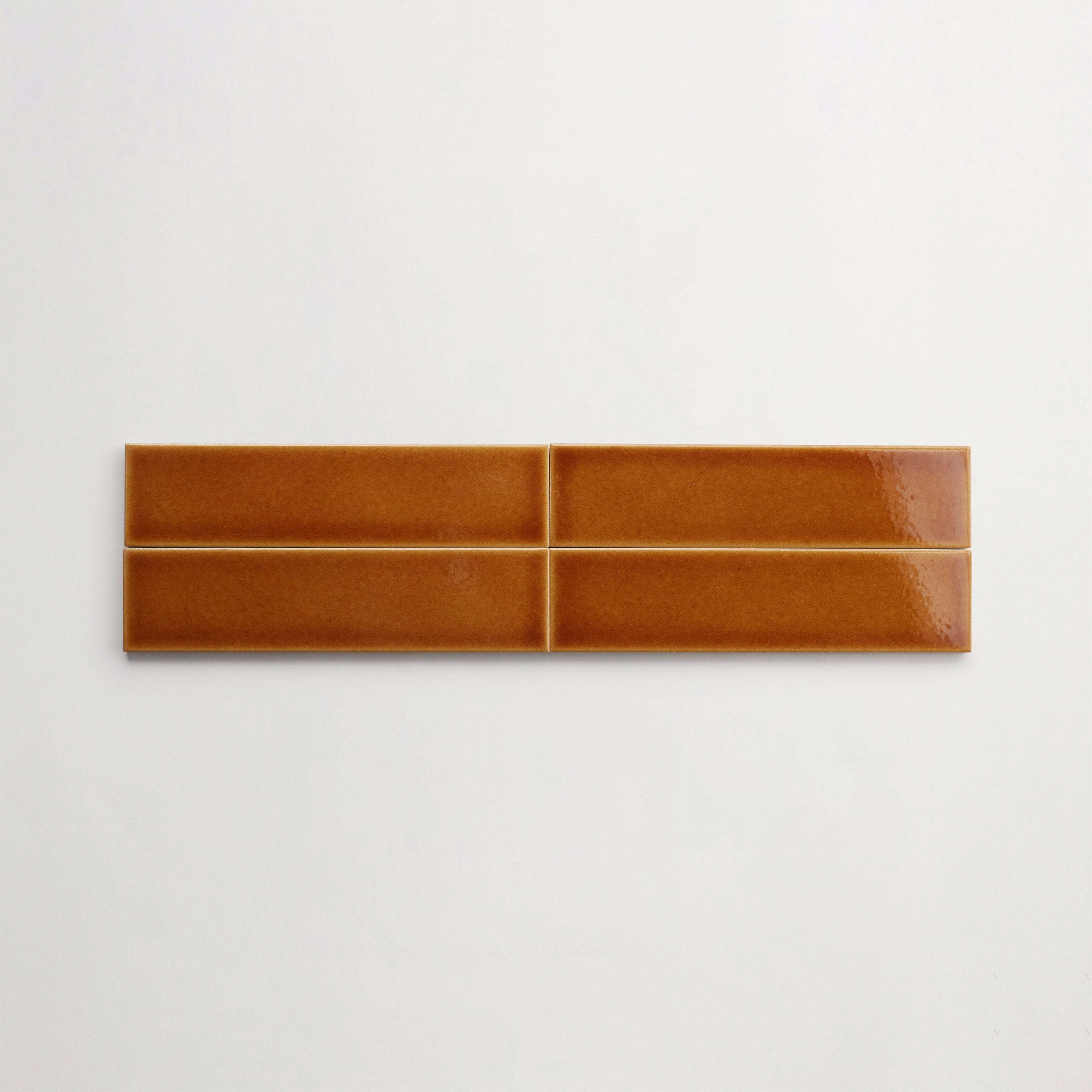

Colorway
-
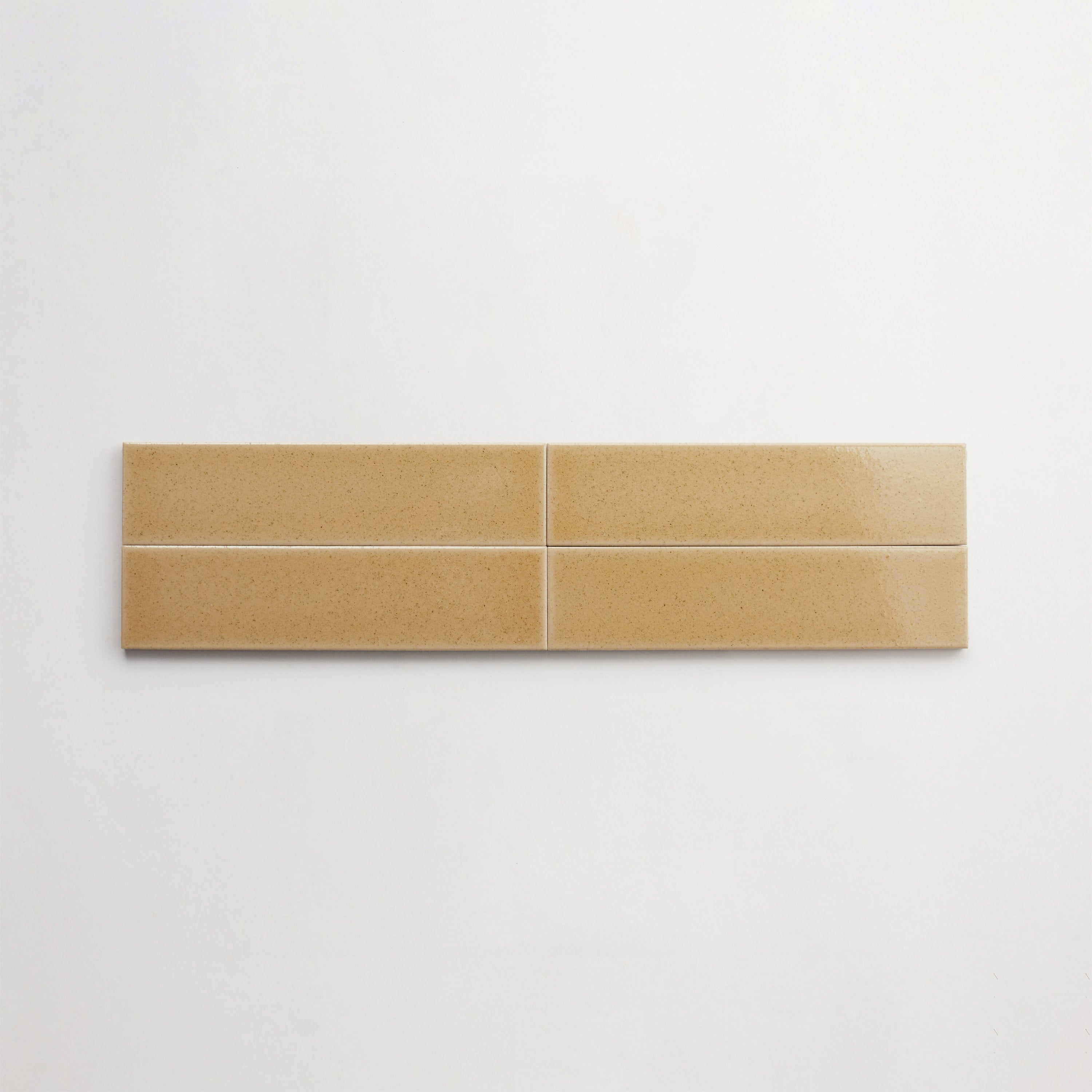
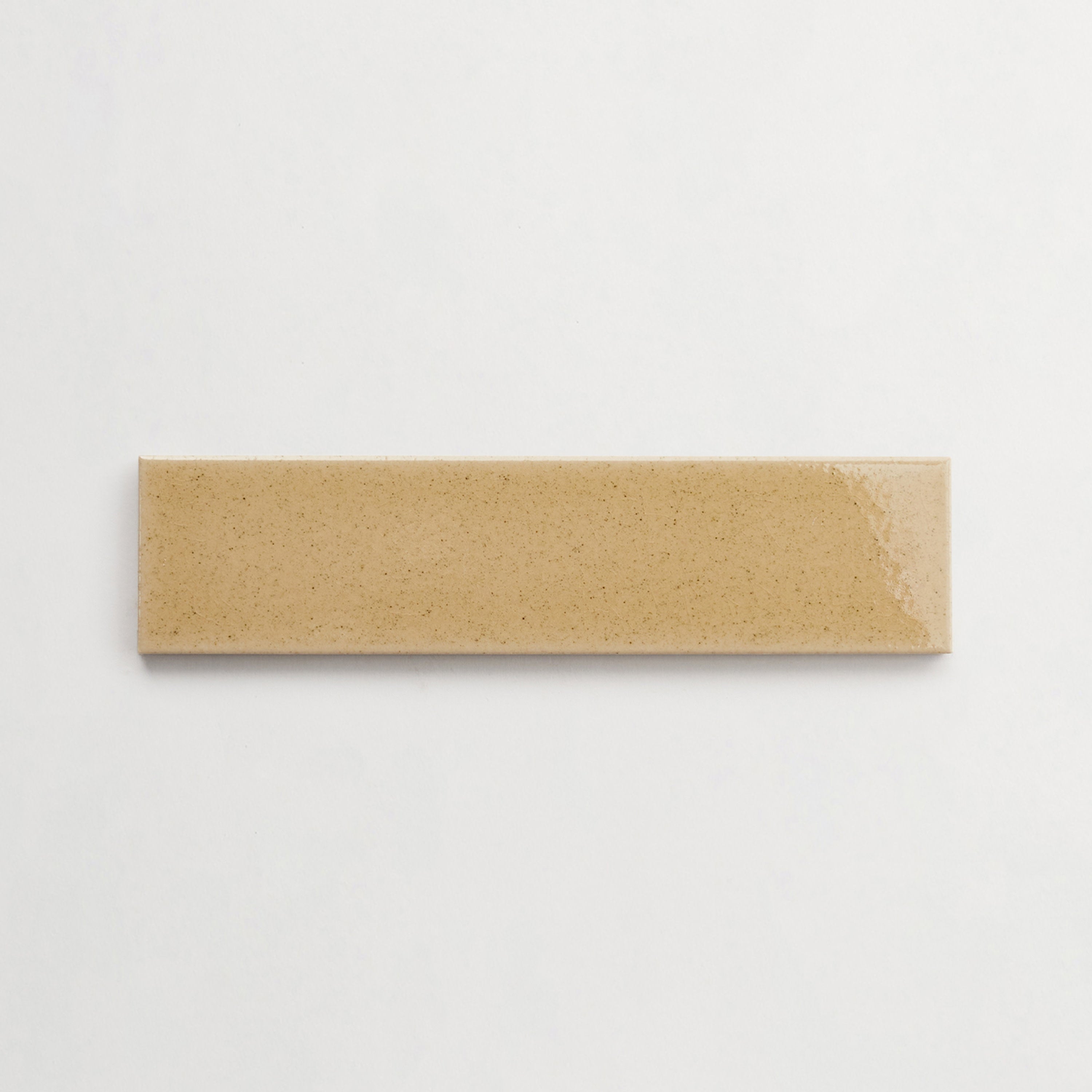
Terra A
Collection
-
Dzek + Formafantasma
:
Sub Collection
-
ExCinere
Material
Length
-
4
" x
Width
-
4
" x
Thickness
-
¼
"
Unit of Measurement
-
sqft
/
Price per Unit
$
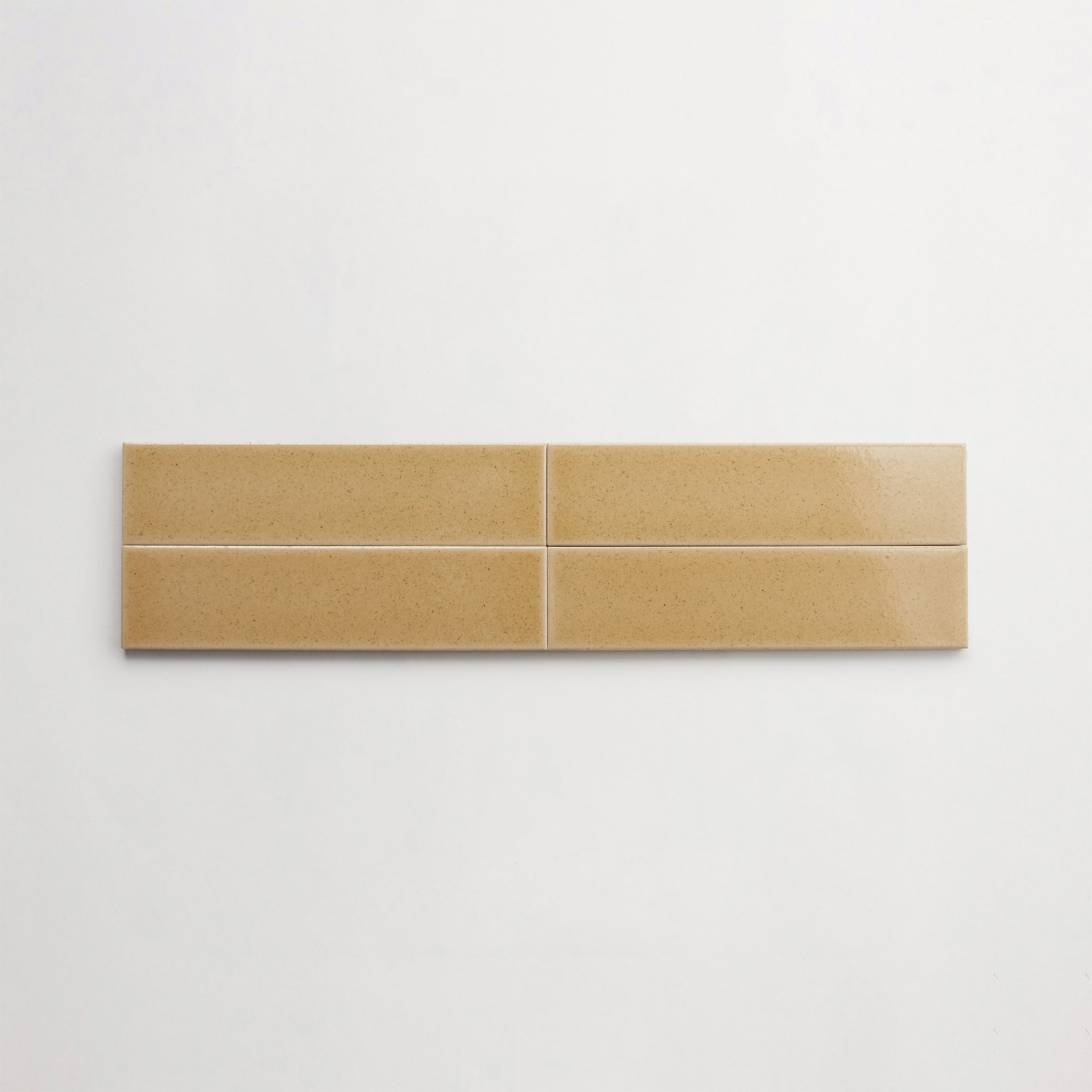
Colorway
-
Verdigris E
Collection
-
Dzek + Formafantasma
:
Sub Collection
-
ExCinere
Material
Length
-
8
" x
Width
-
8
" x
Thickness
-
⅞
"
Unit of Measurement
-
sqft
/
Price per Unit
$

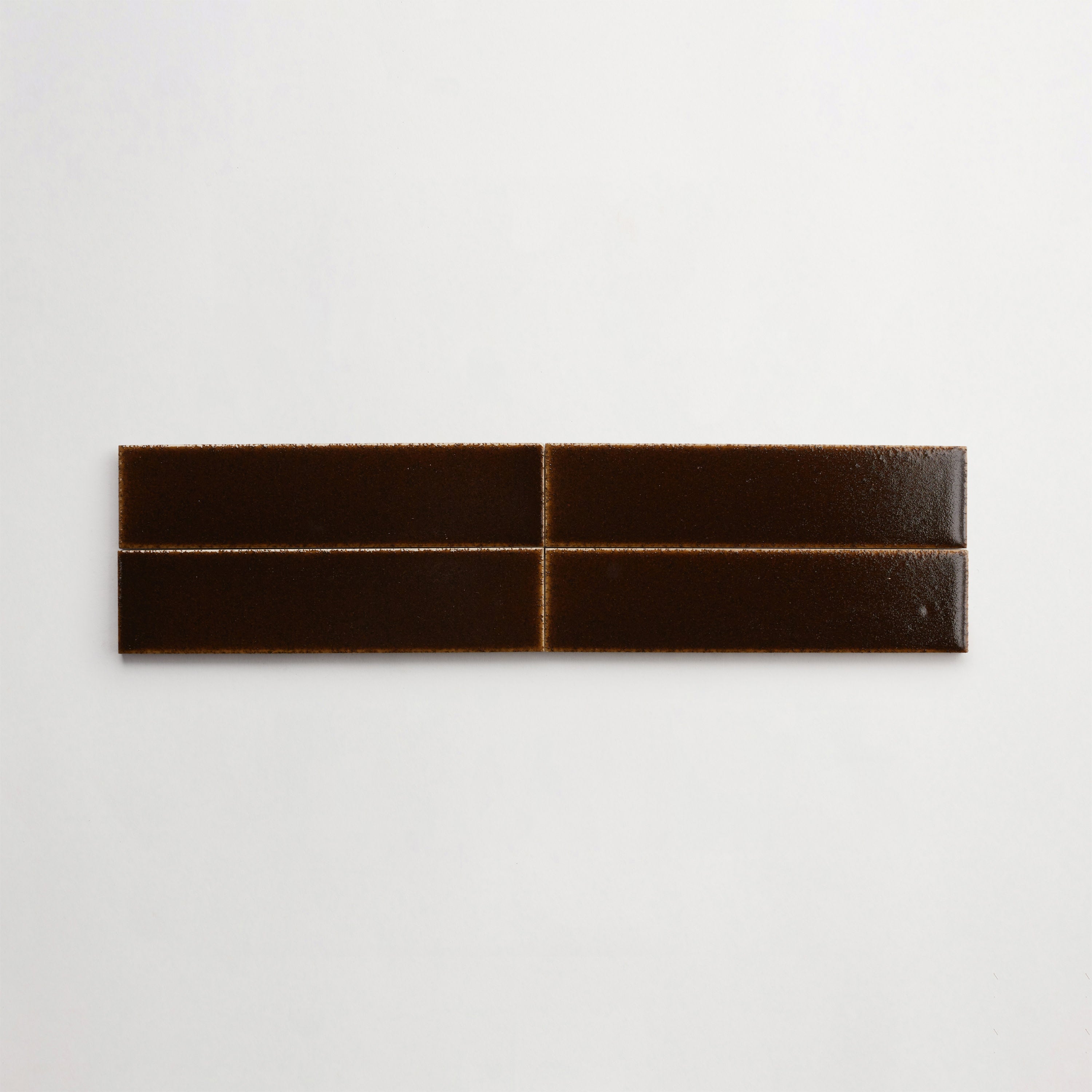
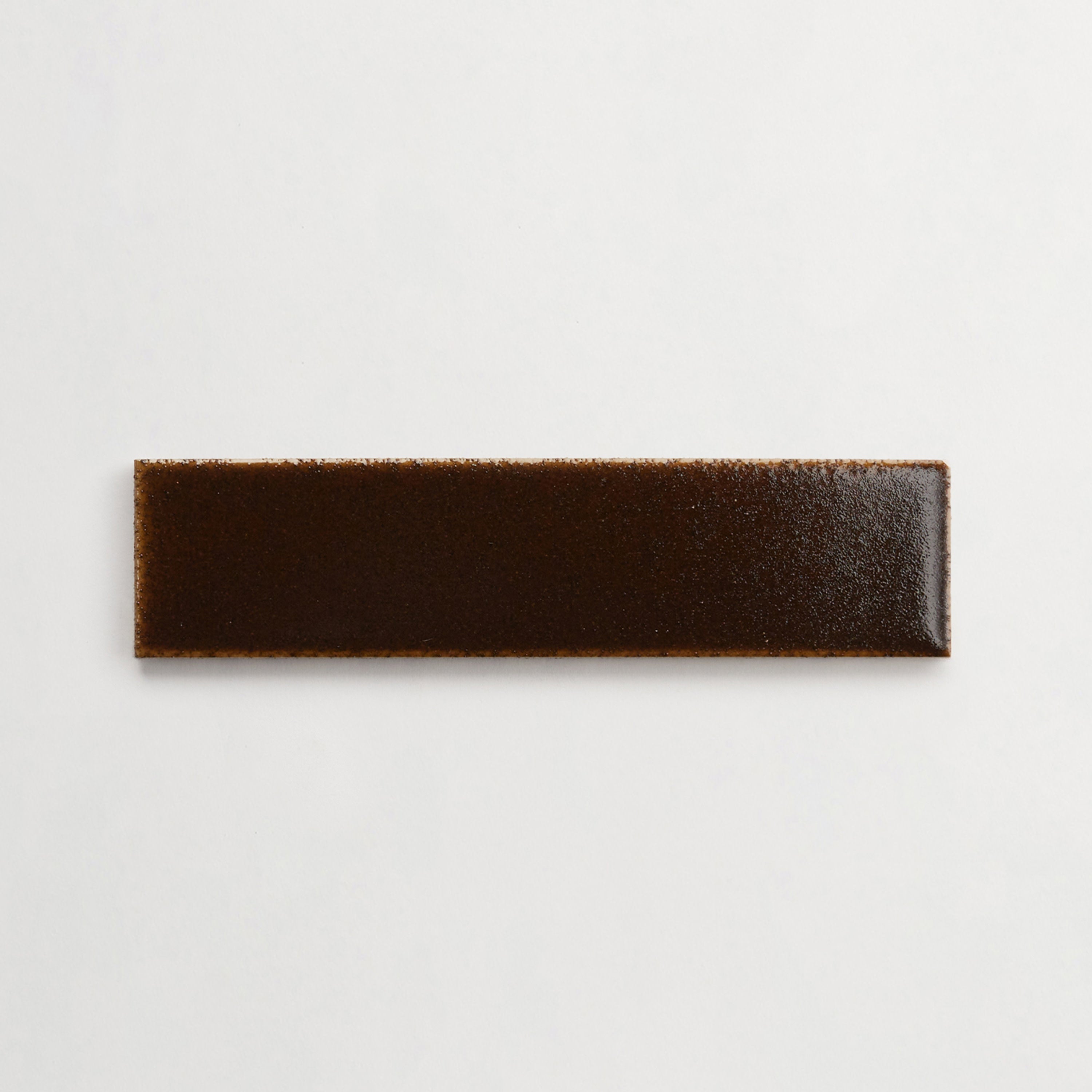
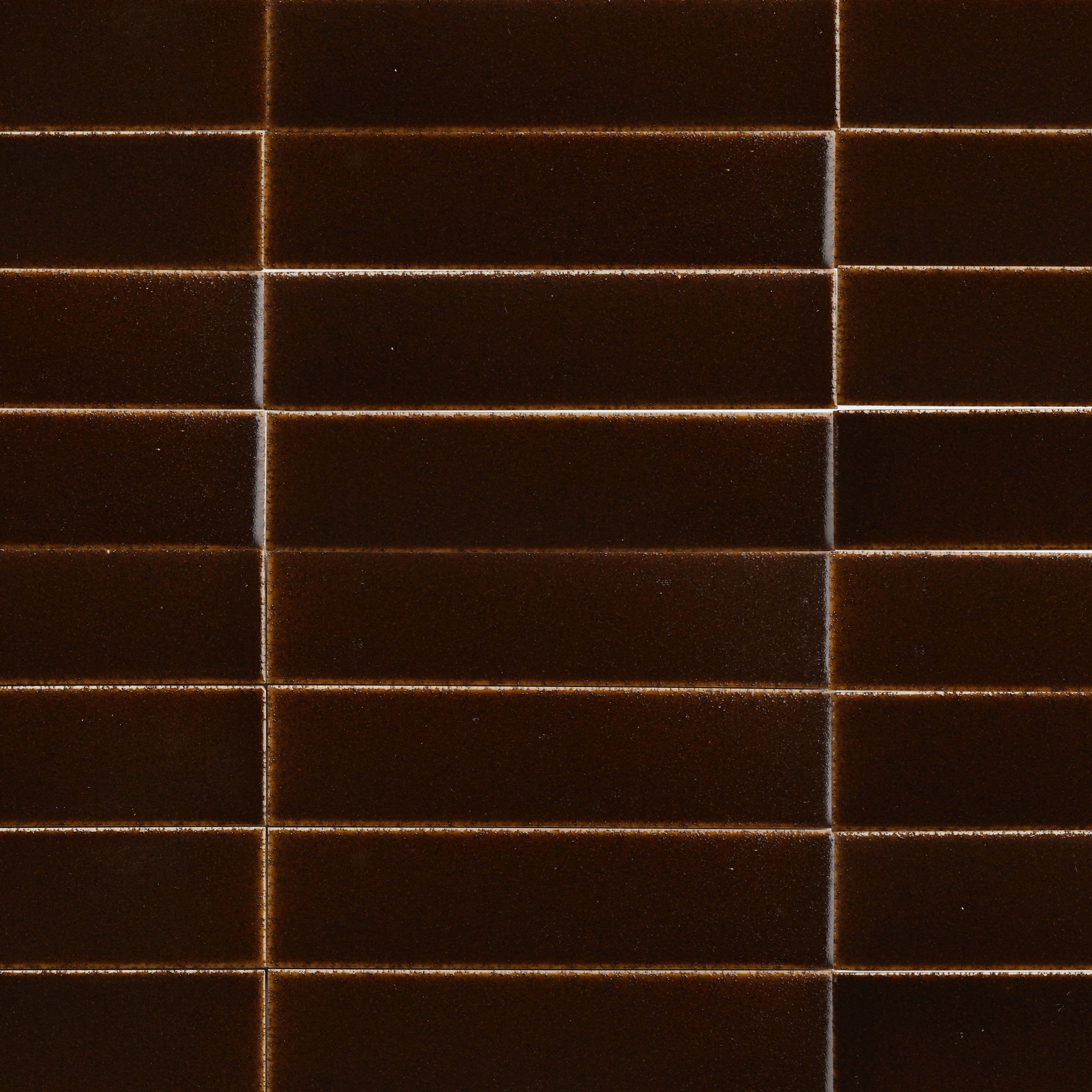

Colorway
-
Terra D
Collection
-
Dzek + Formafantasma
:
Sub Collection
-
ExCinere
Material
Length
-
4
" x
Width
-
16
" x
Thickness
-
¾
"
Unit of Measurement
-
sqft
/
Price per Unit
$