

12 Flagstone Patio Ideas for a Naturally Layered Outdoor Room
Flagstone's irregularity is often treated as something to tame—to smooth out with rigid layouts, uniform joints, or overly tidy borders. But those natural variations in shape, size, and edge are precisely what make flagstone such a compelling material for an outdoor room. Rather than working against the stone's character, the strongest flagstone patios use it as the starting point for a composition that feels collected, layered, and intentional.
The flagstone patio layout ideas ahead approach flagstone as more than a paving surface. Layout, borders, planting, and stone format all play a role in how the finished patio reads, whether the goal is relaxed and traditional or clean and contemporary. The result is a collection of flagstone patio designs that shows how thoughtful decisions around the material can turn irregularity into structure—and make a patio feel designed rather than simply installed.


Let the Cut of the Stone Set the Mood
The way flagstone is cut and fitted sets the tone for the entire patio. Irregular, randomly fitted pieces create a relaxed, organic rhythm, allowing the natural variation of each stone to lead the composition. A tighter layout with more tailored cuts and narrower joints feels more composed and architectural, proving that flagstone does not have to read as rustic. This decision should come before choosing borders, planting, or furnishings, because the stone's scale and rhythm establish the visual language for everything around it.
OUTERclé's Grangestone Flagstone collection offers a natural way to explore that shift without changing materials. Full Petros pieces from the collection create a bolder, more expansive rhythm, while Medium Petros and Mini Petros introduce a tighter, more detailed scale. Used thoughtfully, that range can move a flagstone patio from broad and informal to refined and structured while keeping the character of the stone intact.
Let the Perimeter Move with the Landscape
A flagstone patio does not need to end at a rigid rectangle. Curved edges and gentle level changes can help the stone meet the lawn or garden beds more naturally, allowing the patio to feel integrated with the landscape rather than placed on top of it. A softly shifting perimeter also reinforces the organic character of irregular flagstone without making the overall design feel unplanned.
A stepped transition between levels can take the same approach while adding useful separation. A subtle change in elevation can distinguish a dining area from a lounging area without introducing a wall or railing, creating distinct outdoor zones while keeping the patio visually connected.
Give the Patio a Border That Belongs to the Garden
A border can do more than finish the edge of a patio. Gravel, brick, or a low planted edge creates a deliberate seam between the flagstone and the rest of the yard, helping the patio feel connected to the garden rather than trimmed off from it. It can also play a practical role by helping direct water away from the stone, without requiring the border to become a separate visual feature.
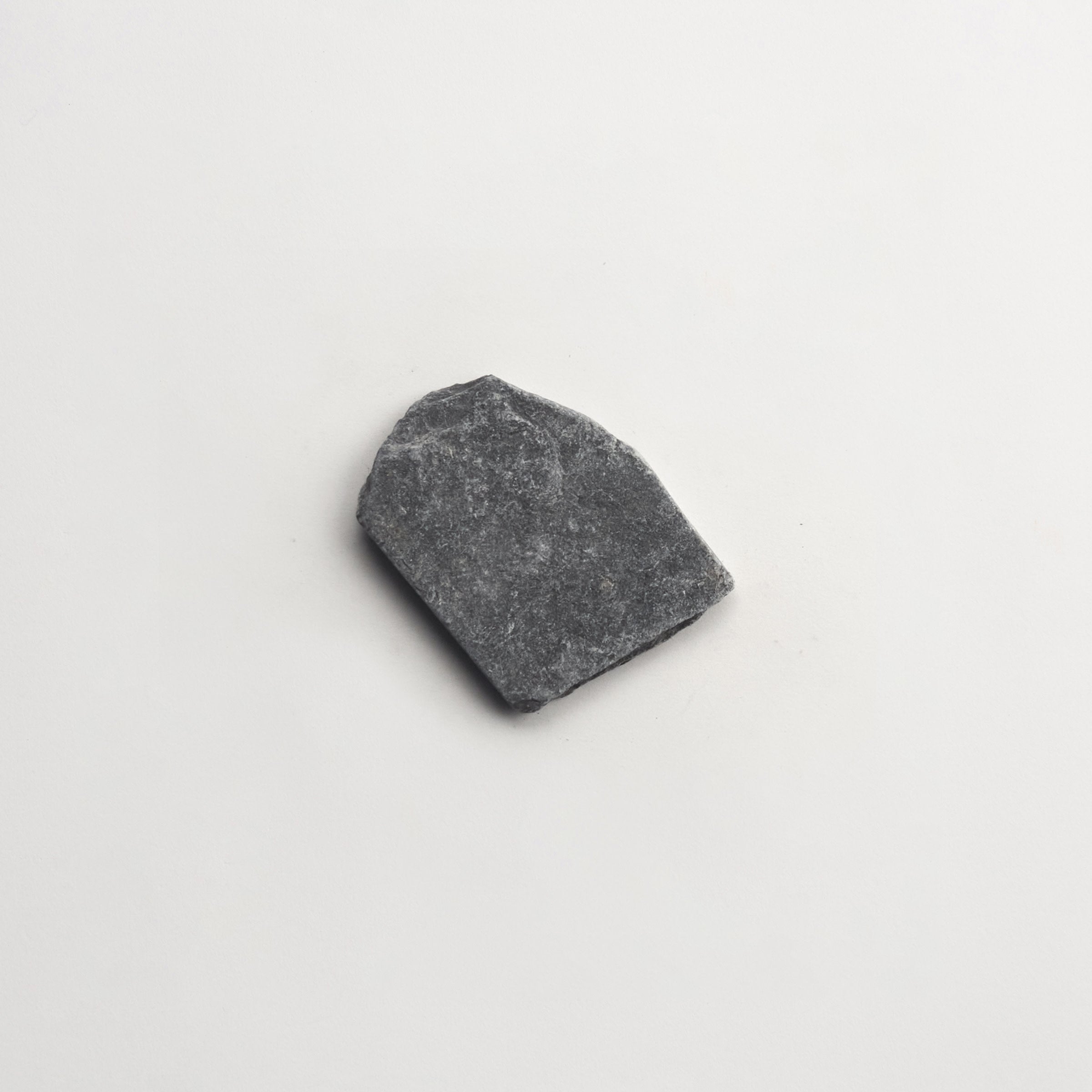
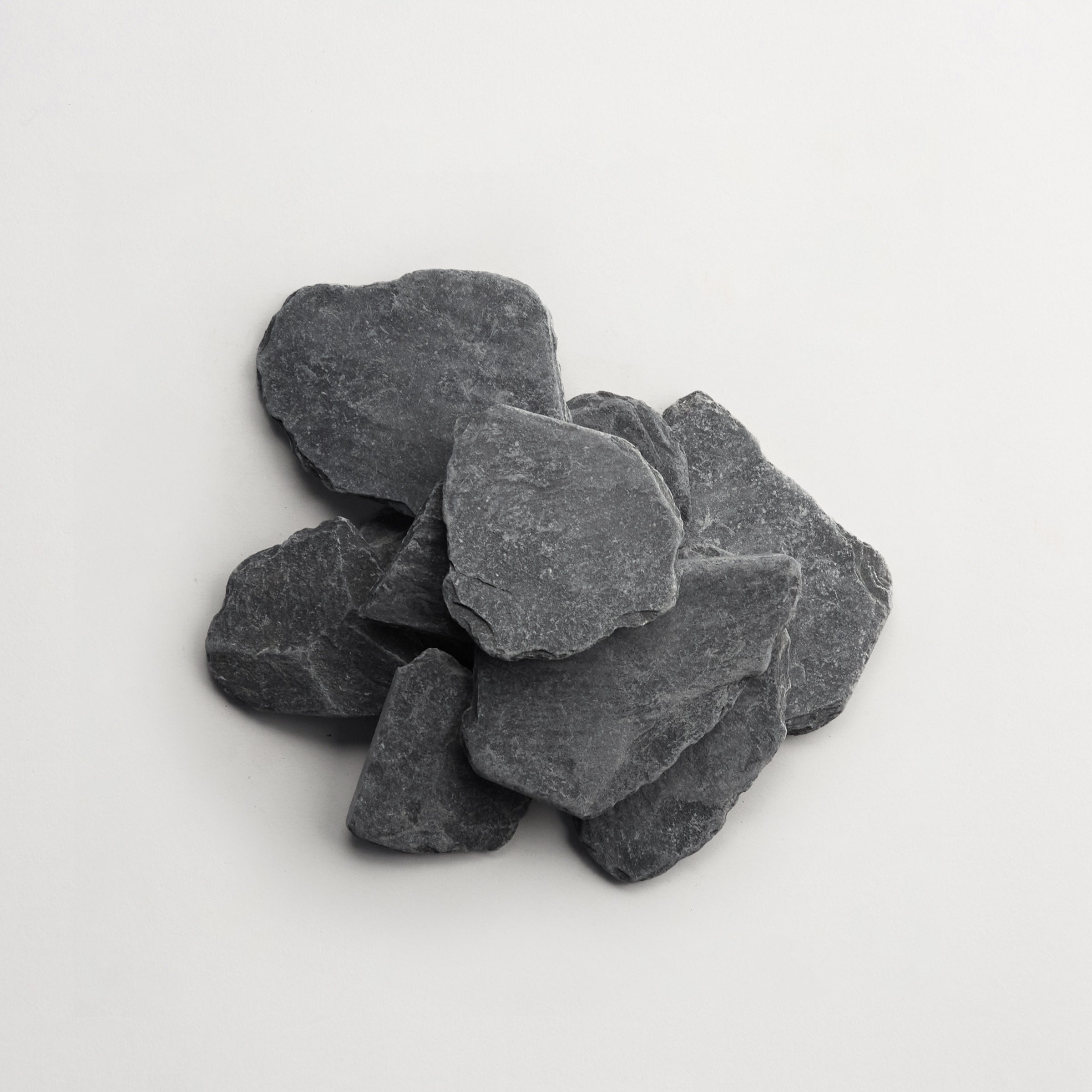
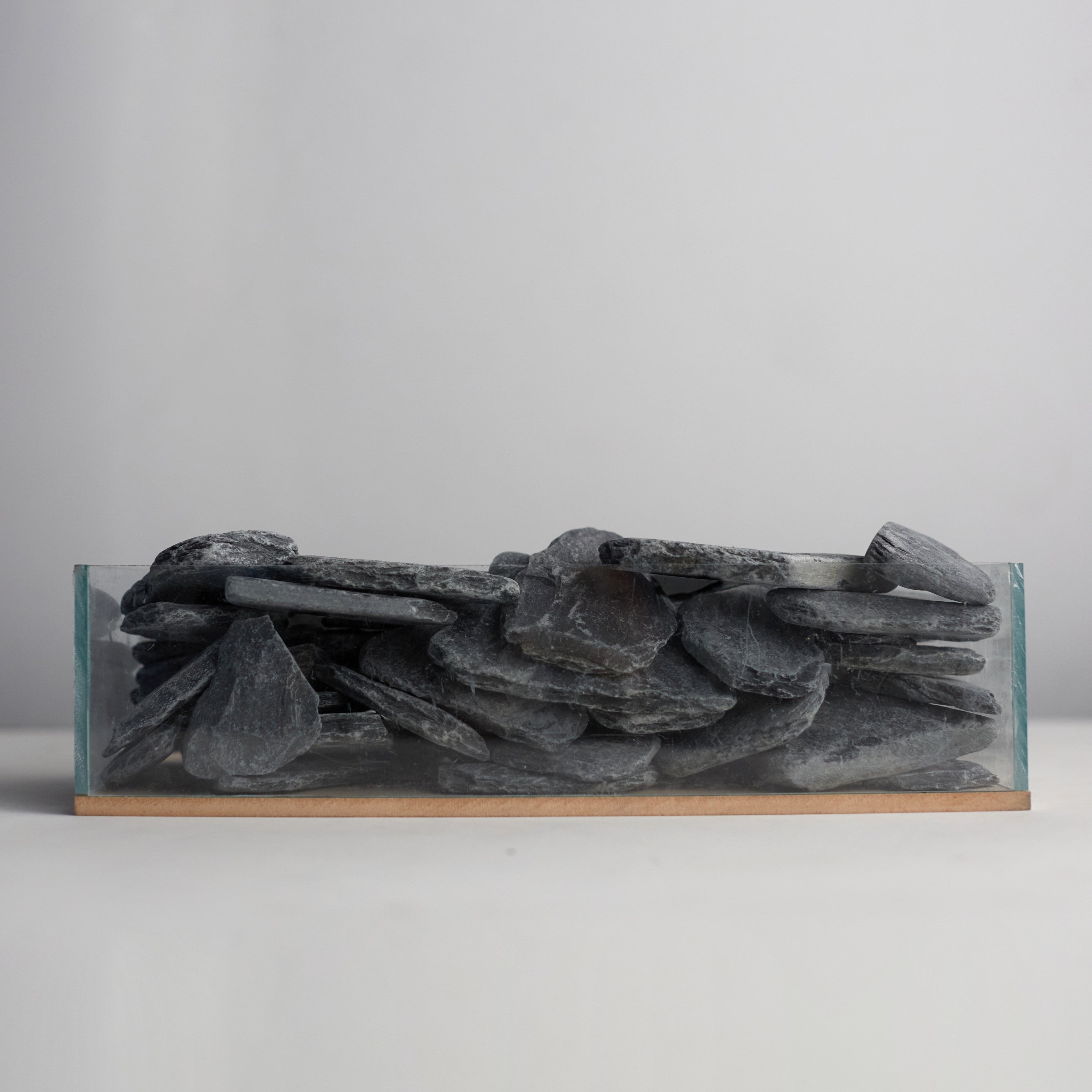
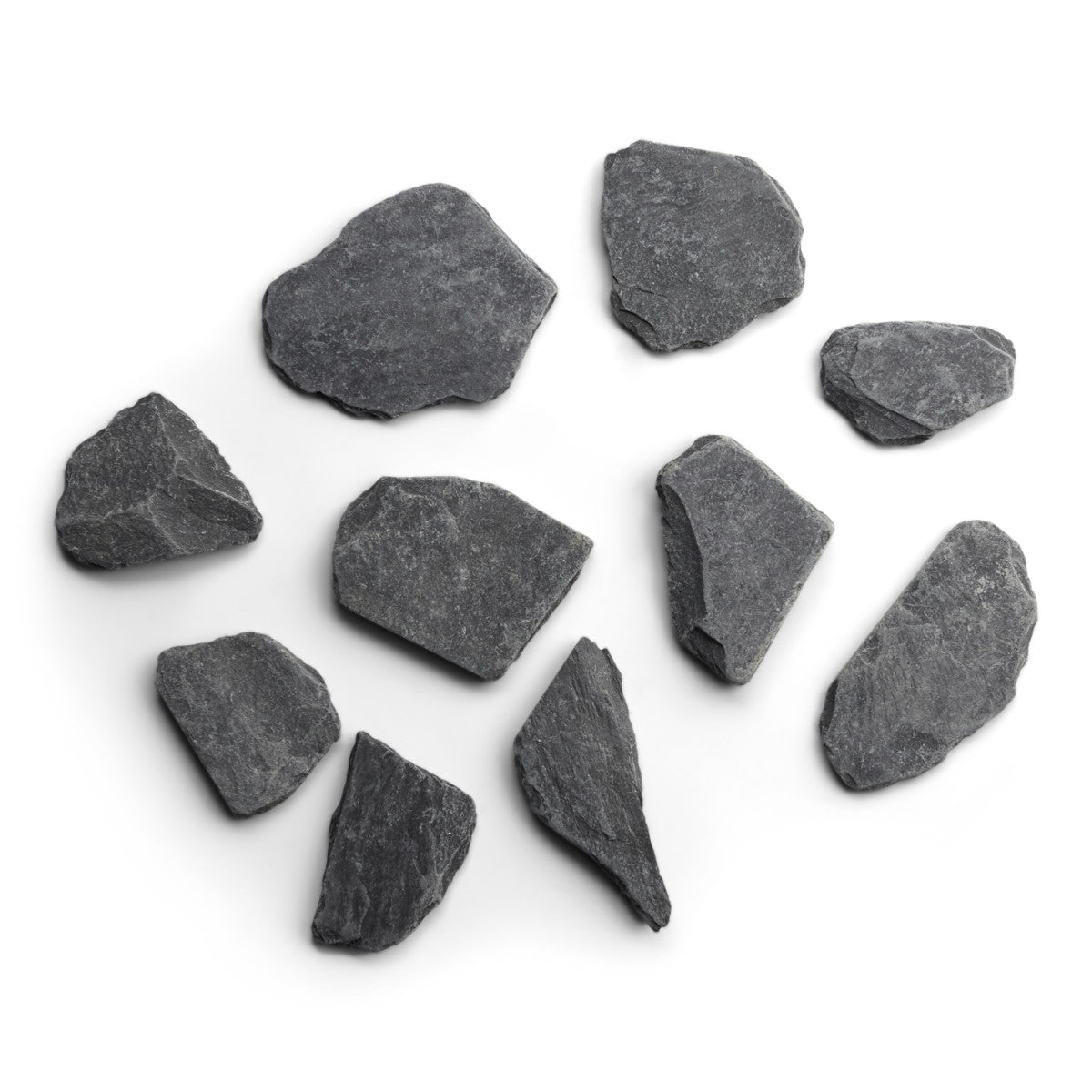
Think of the border as part of the landscape composition from the beginning. OUTERclé's Grangestone Galet works naturally here as a scattered, mulch-style accent along the edge or between the patio and planting areas. Because Galet is intended as an accent rather than a paving surface, it can add another layer of texture without competing with the flagstone underfoot.
Let the Joints Go Green
The space between flagstones can become another place to connect the patio to the garden. Moss, creeping thyme, and other low groundcovers can soften the geometry of the stone and gradually blur the line between patio and planting, particularly in a relaxed landscape. For a cleaner, lower-maintenance look, a tighter sand-filled joint keeps the individual stones clearly defined and creates a more tailored line.

Pull the Pattern Into a Modern Register
Yes, flagstone can work beautifully in a modern yard. The key is to let the layout—not the material's natural irregularity—create the sense of order. Tighter joints, a restrained one- or two-tone palette, and larger, more uniform stone formats give flagstone a cleaner architectural presence that pairs naturally with contemporary planting, simple furniture, and strong geometric lines.
The contrast between modern flagstone patio ideas and a traditional flagstone patio is largely a matter of composition. Wide joints, multiple stone tones, and a more varied arrangement emphasize the material's rustic, organic character, while a tighter layout and controlled palette quiet those same qualities. The stone has not changed; the way it is organized has.
Anchor the Furniture to the Flattest Ground
With irregular flagstone, the most comfortable place for dining and lounge furniture is also the place where the stone layout feels most consistent. A flatter, more even run gives chairs, tables, and seating a visual and physical sense of stability, while the more varied edges and shapes can remain around the perimeter where they contribute character without competing with the furniture.
Identify that zone early, before choosing the furnishings. Working with the stone setter to establish where the most consistent run will fall allows the paving pattern and furniture plan to support each other from the start. Instead of forcing furniture onto a finished surface, the patio can be composed around how the space will actually be used.
Pair Flagstone With a Second Surface at the Threshold
Flagstone does not have to carry the entire patio to make a strong impression. Pairing it with a second surface—such as brick, gravel, or decking—can mark a change in use without creating a hard visual stop. A brick border at a doorway, a gravel transition at the edge of the patio, or decking where the outdoor room meets a pool can create subtle shifts in texture and function while keeping the overall composition connected.
These transitions work particularly well where one outdoor space flows into another. A change in material can signal the move from patio to path, dining area to garden, or lounging space to pool deck without relying on walls or other barriers. For more ideas on creating natural transitions through the landscape, explore our garden path ideas.
Scale the Idea Down Without Losing the Effect
Small flagstone patio ideas work best when the composition is edited rather than simply reduced. A tighter joint pattern, a single stone format, and a restrained border keep a smaller footprint from feeling busy or over-detailed. With less surface area to work with, every change in scale, color, and edge becomes more noticeable, so a simpler approach can make the patio feel larger and more intentional.
A smaller patio can also be an ideal place to try a modern, tailored-cut approach. Fewer, larger stones create a cleaner visual field, while tighter joints keep the pattern from fragmenting the space. The result is a more architectural take on flagstone that feels considered even within a compact footprint. For more ways to make the most of a smaller outdoor space, explore our small patio tile ideas.


Let the Stone Begin Its Second Act
Flagstone is a material that can become more beautiful as it settles into the landscape. Over time, colors can deepen, moss may find its way into joints, and the distinction between stone and planting can soften. Rather than designing for permanent uniformity, treat that evolution as part of the patio's character from the beginning.
Choose surrounding planting, borders, and furnishings with that gradual change in mind. The goal is not to keep the patio looking newly installed, but to create a composition that has room to develop. For a deeper look at what to expect from flagstone over time, check out our guide to flagstone patio pros and cons.
Close the Loop With One Considered Material Choice
The strongest flagstone patios come together when shape, border, planting, tone, and format are considered as parts of the same composition. Rather than choosing each element separately, let the character of the stone guide the surrounding landscape—and let the landscape give that irregularity a sense of structure and purpose.
The result can be relaxed or refined, traditional or modern, expansive or intimate. What matters is that the choices feel connected, allowing flagstone's natural variation to become part of the story you're building rather than something to work around.
Find the flagstone that fits the story you're building.


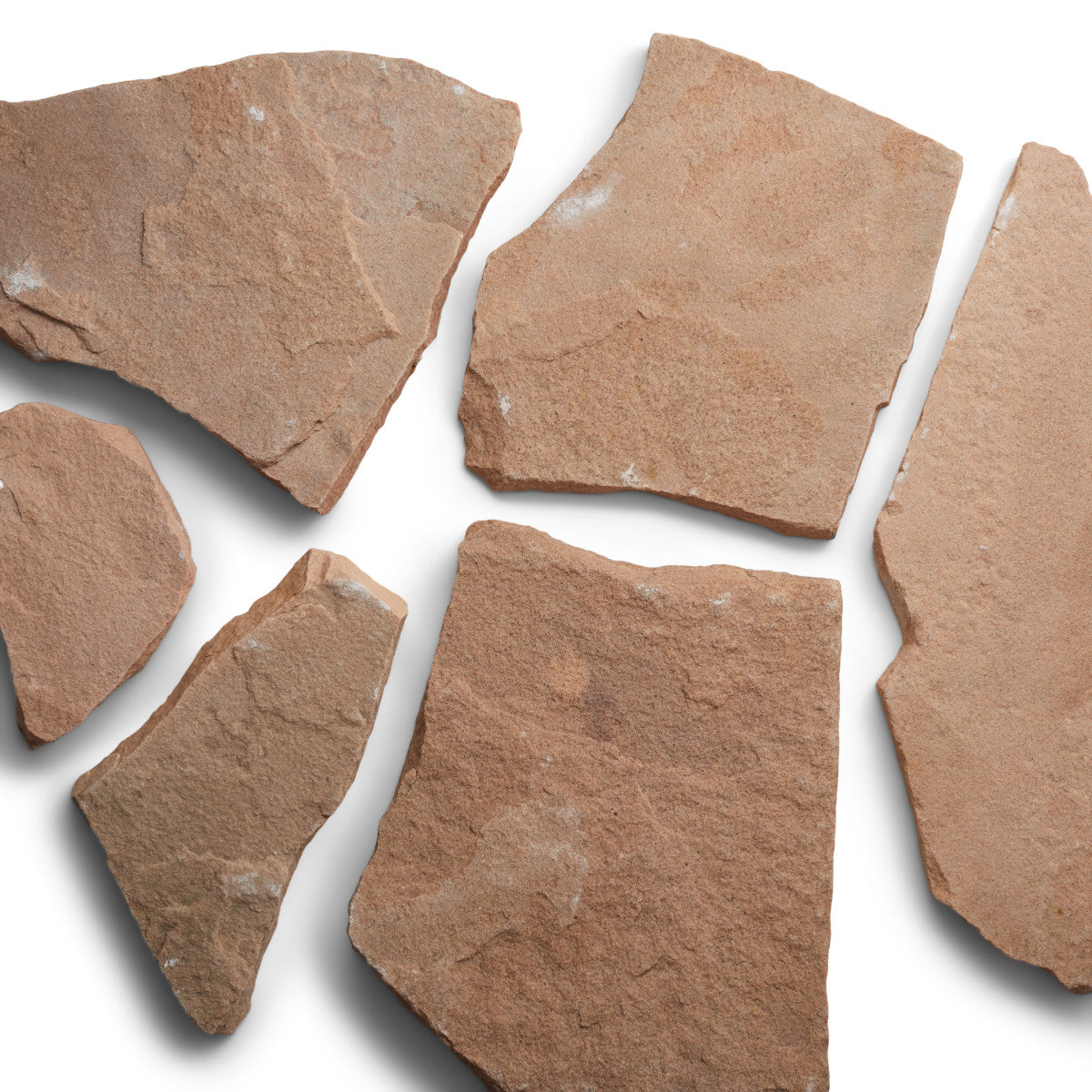
Colorway
-
Rosso
Collection
-
Grangestone
: Medium Petros
Material
Length
-
4
" x
Width
-
4
" x
Thickness
-
¼
"
Unit of Measurement
-
sqft
/
Price per Unit
$


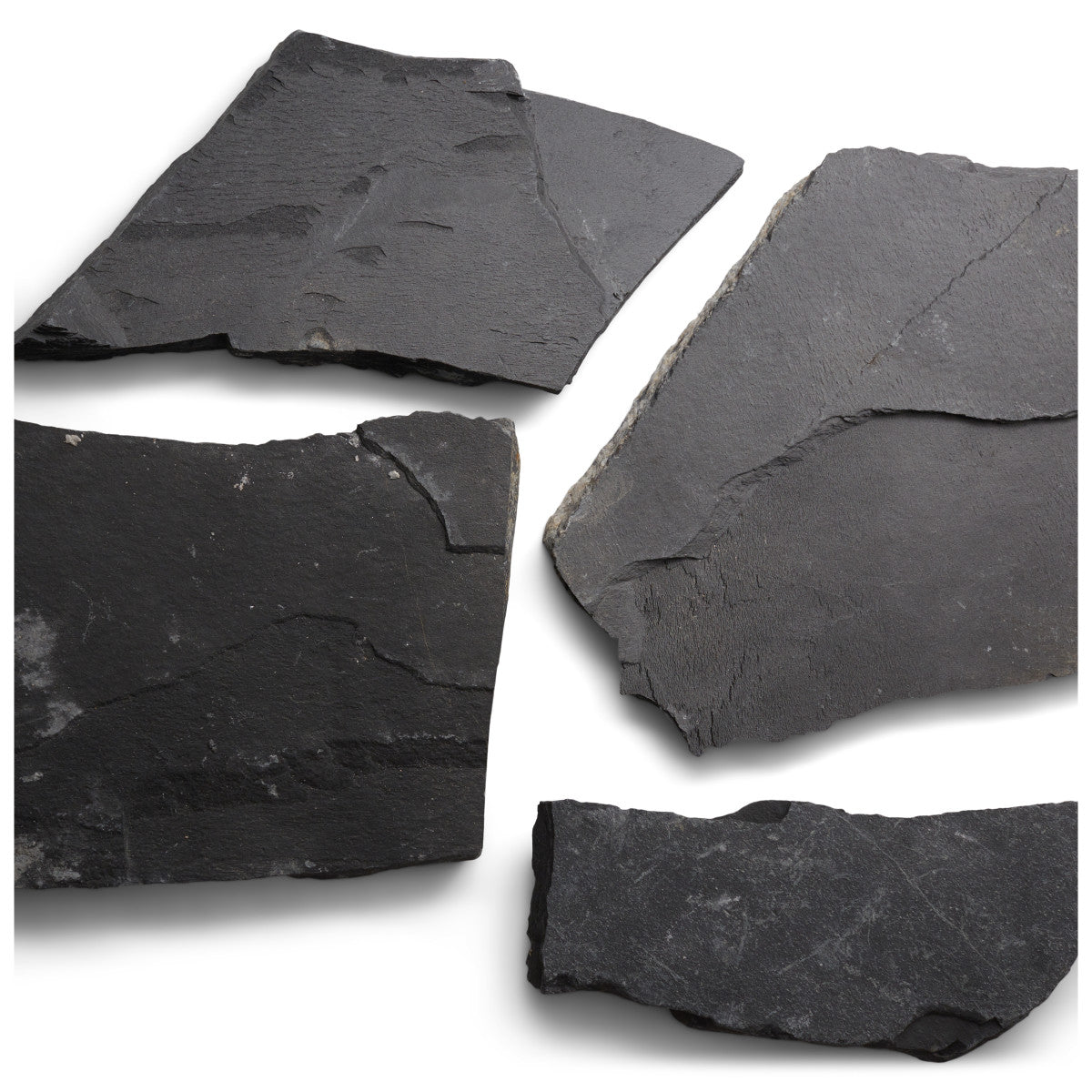
Colorway
-
Slate
Collection
-
Grangestone
: Medium Petros
Material
Length
-
8
" x
Width
-
8
" x
Thickness
-
⅞
"
Unit of Measurement
-
sqft
/
Price per Unit
$
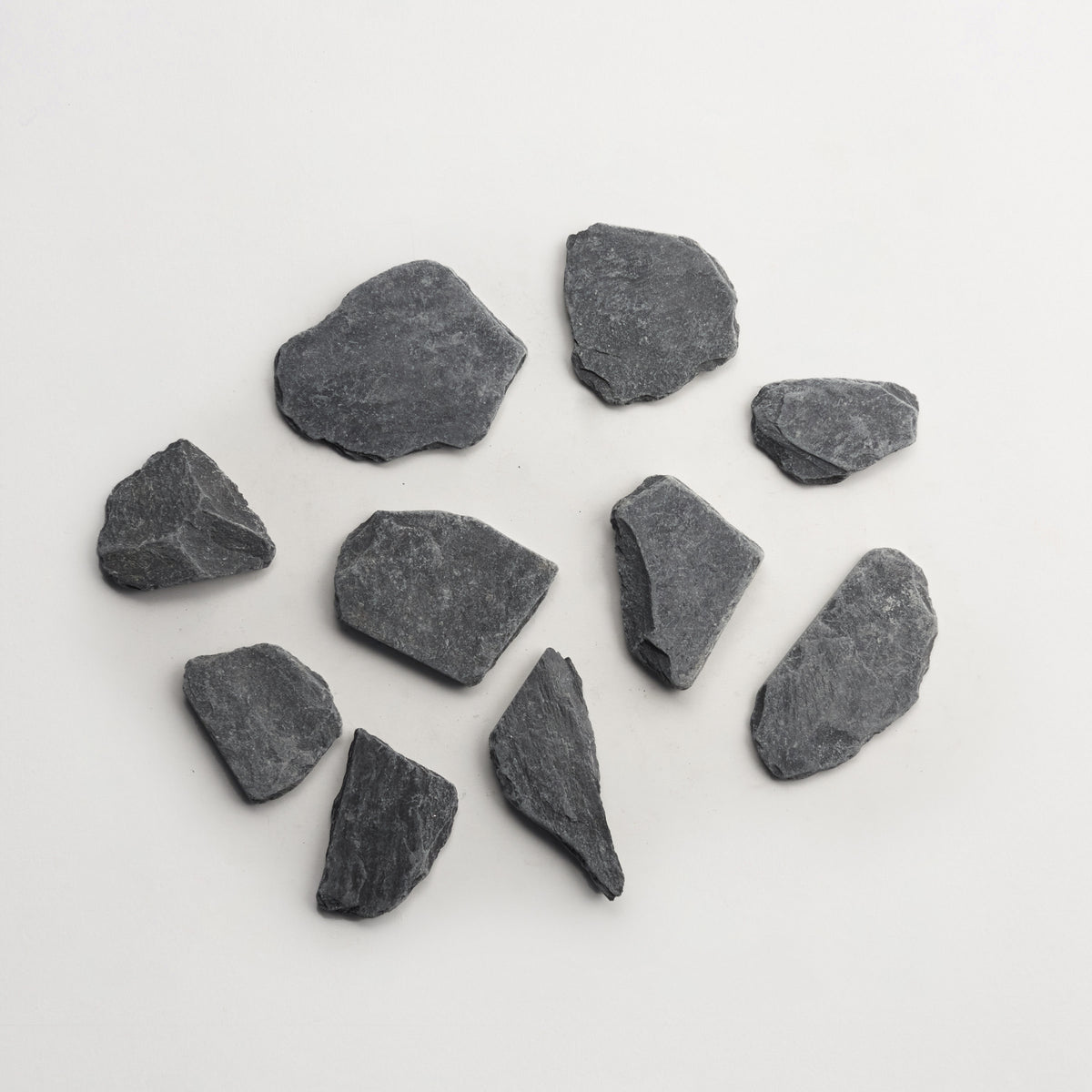
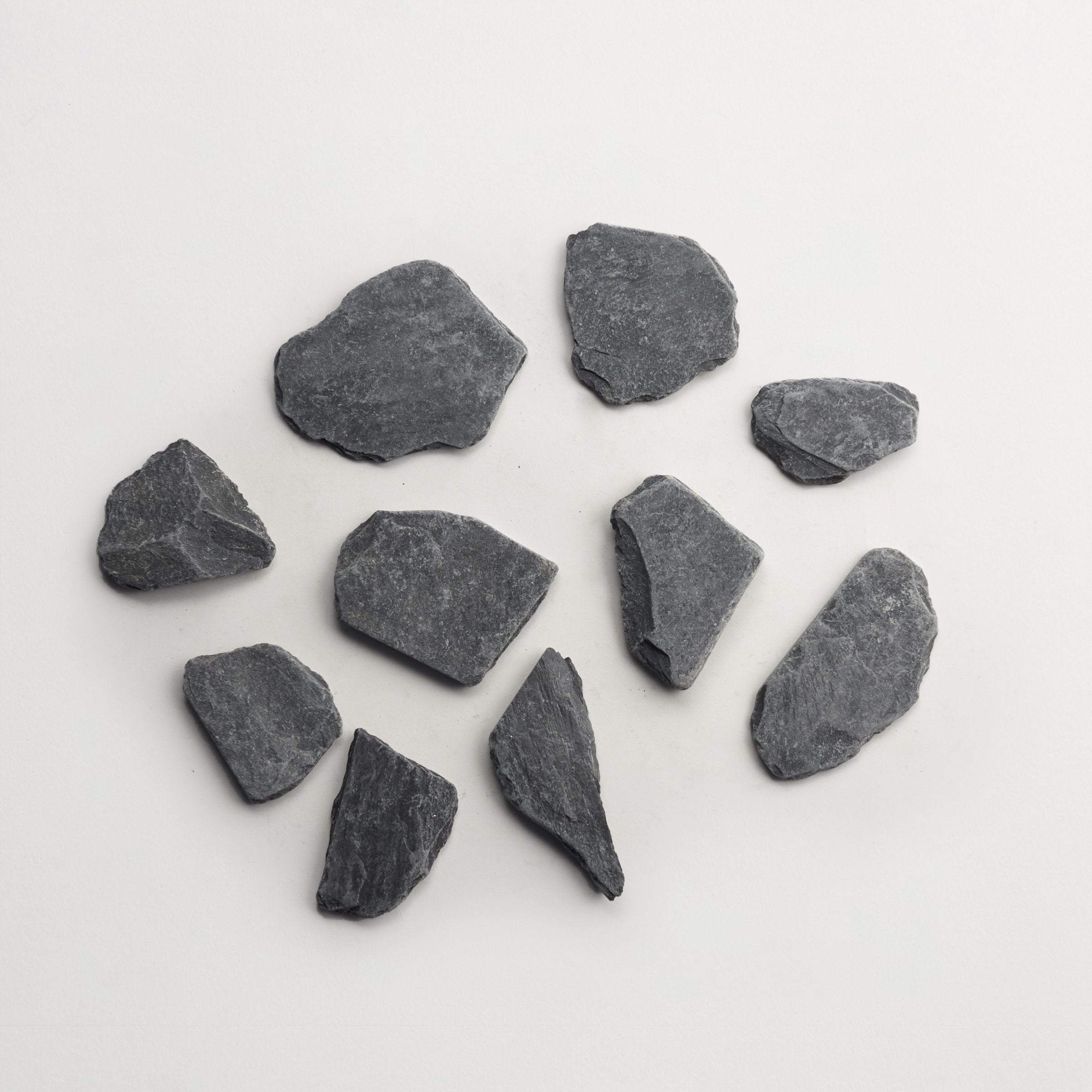
Colorway
-
Slate
Collection
-
Grangestone
: Petit Galet
Material
Length
-
4
" x
Width
-
16
" x
Thickness
-
¾
"
Unit of Measurement
-
sqft
/
Price per Unit
$