

Flagstone Patio Pros and Cons: What to Know Before You Commit
Few patio materials feel as though they belong to the landscape quite like flagstone. Natural stone has long graced monastery cloisters, Mediterranean courtyards, English gardens, and sprawling estate terraces, quietly developing more character with every passing season. Its appeal is all about authenticity, with each paver carrying its own texture, color, and history.
Understanding the flagstone patio pros and cons is key before making a long-term investment. Flagstone offers remarkable durability, timeless style, and a connection to the natural environment that manufactured materials rarely achieve. At the same time, it asks for thoughtful material selection, skilled installation, and an appreciation for a surface that ages gracefully.

OUTERclé Gather Collection. Photo courtesy of Anthony Rae.

OUTERclé Gather Collection. Photo courtesy of Haberdoedas.

What You Need to Know About Flagstone Patios
- Flagstone is a category of natural stone, with each variety offering distinct performance, appearance, and maintenance characteristics.
- A properly installed flagstone patio can last for generations while developing a rich patina that enhances its beauty.
- Surface texture, stone type, and installation method all influence slip resistance, durability, and long-term performance.
- Individual stones can be repaired or replaced without rebuilding the entire patio, making flagstone a lasting investment.
- The best results come from matching the right stone to the local climate, drainage conditions, and intended use.
- Flagstone rewards homeowners and designers who appreciate materials that evolve naturally.
A Surface Born From the Earth, Not the Factory
Unlike manufactured paving products, flagstone is not one specific material. It’s a family of naturally occurring stones quarried in broad, relatively flat layers. Slate, bluestone, limestone, sandstone, and quartzite can all be varieties of flagstone, each bringing its own composition, color palette, and performance characteristics.
Because the stone forms naturally over thousands or millions of years, every piece is unique. That geological origin gives flagstone a visual depth and subtle variation that molded concrete pavers and poured slabs simply cannot replicate.
The Stone’s Natural Character
Flagstone’s appeal comes from qualities that cannot be manufactured. Cleaved surfaces catch changing light throughout the day, while natural variations in tone create movement across even the largest patios. Depending on the design, joints can be filled with mortar for a formal appearance or softened with gravel, creeping thyme, or moss.
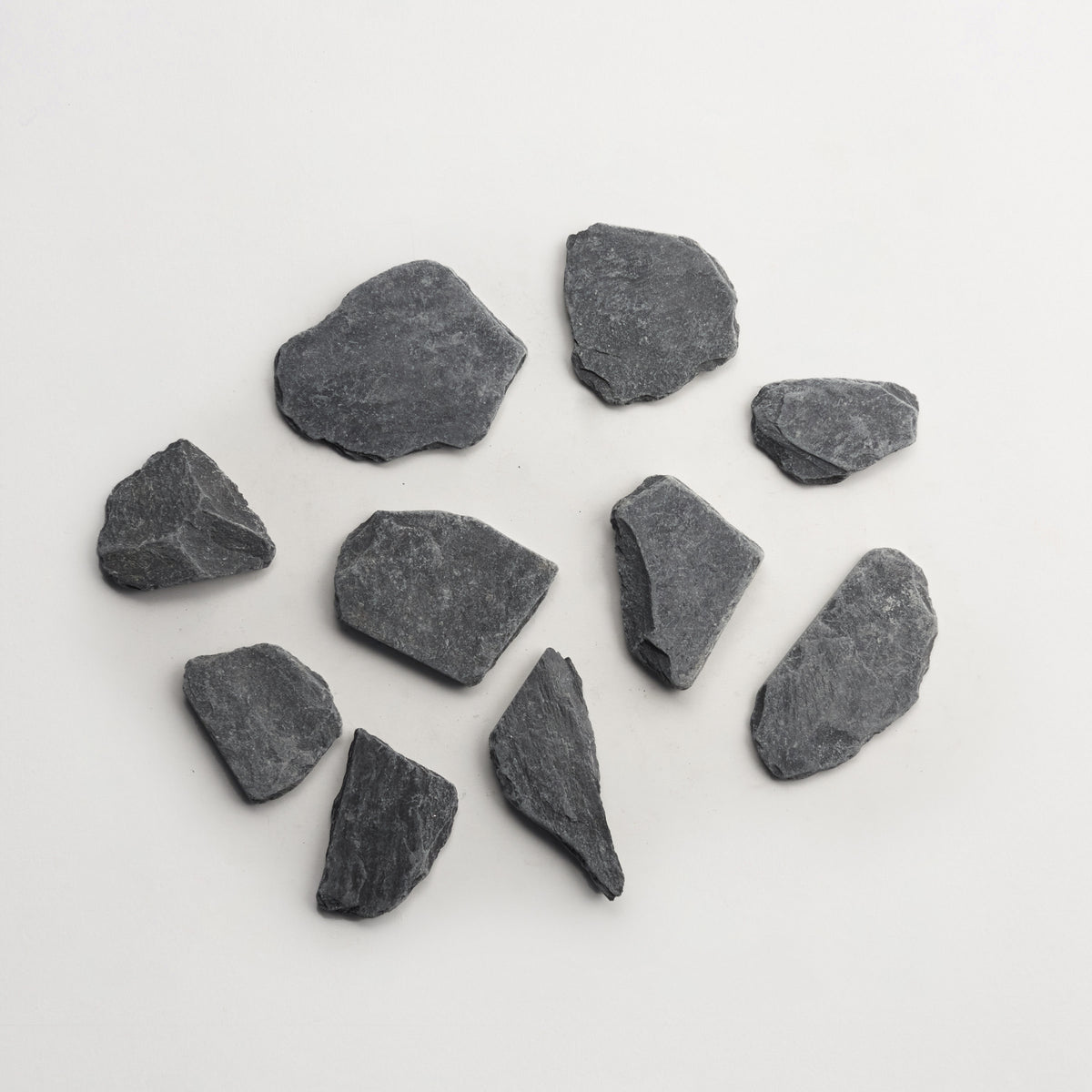
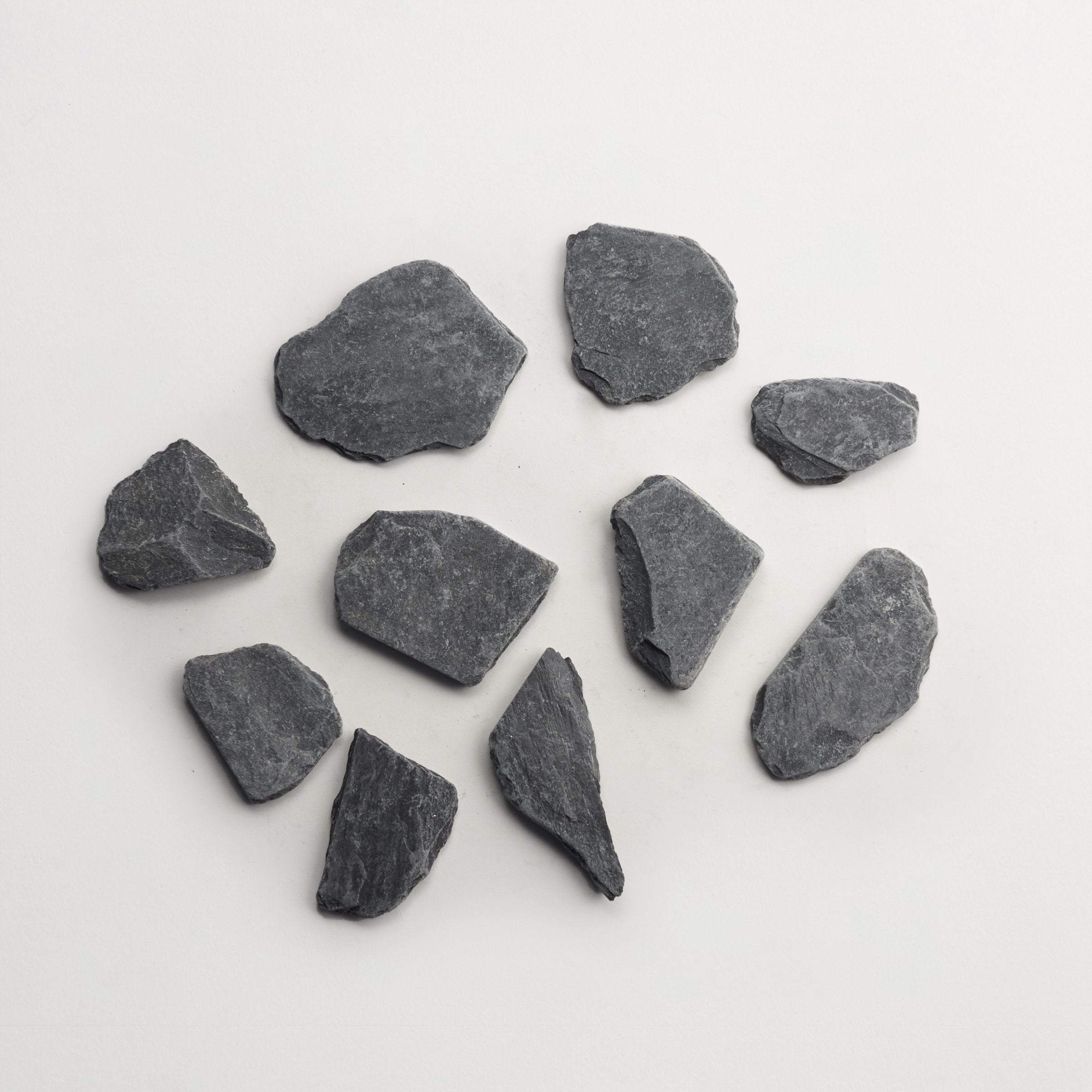
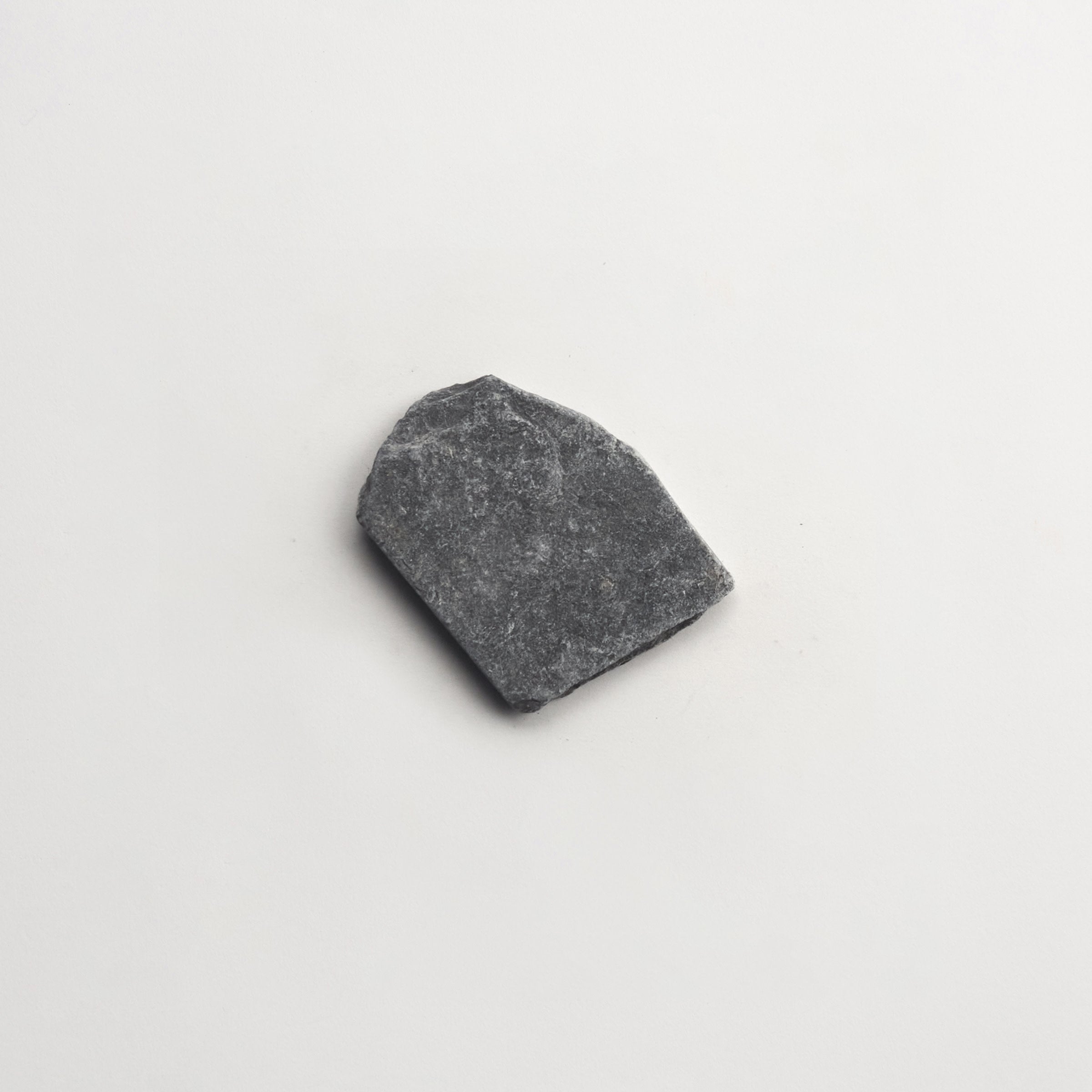
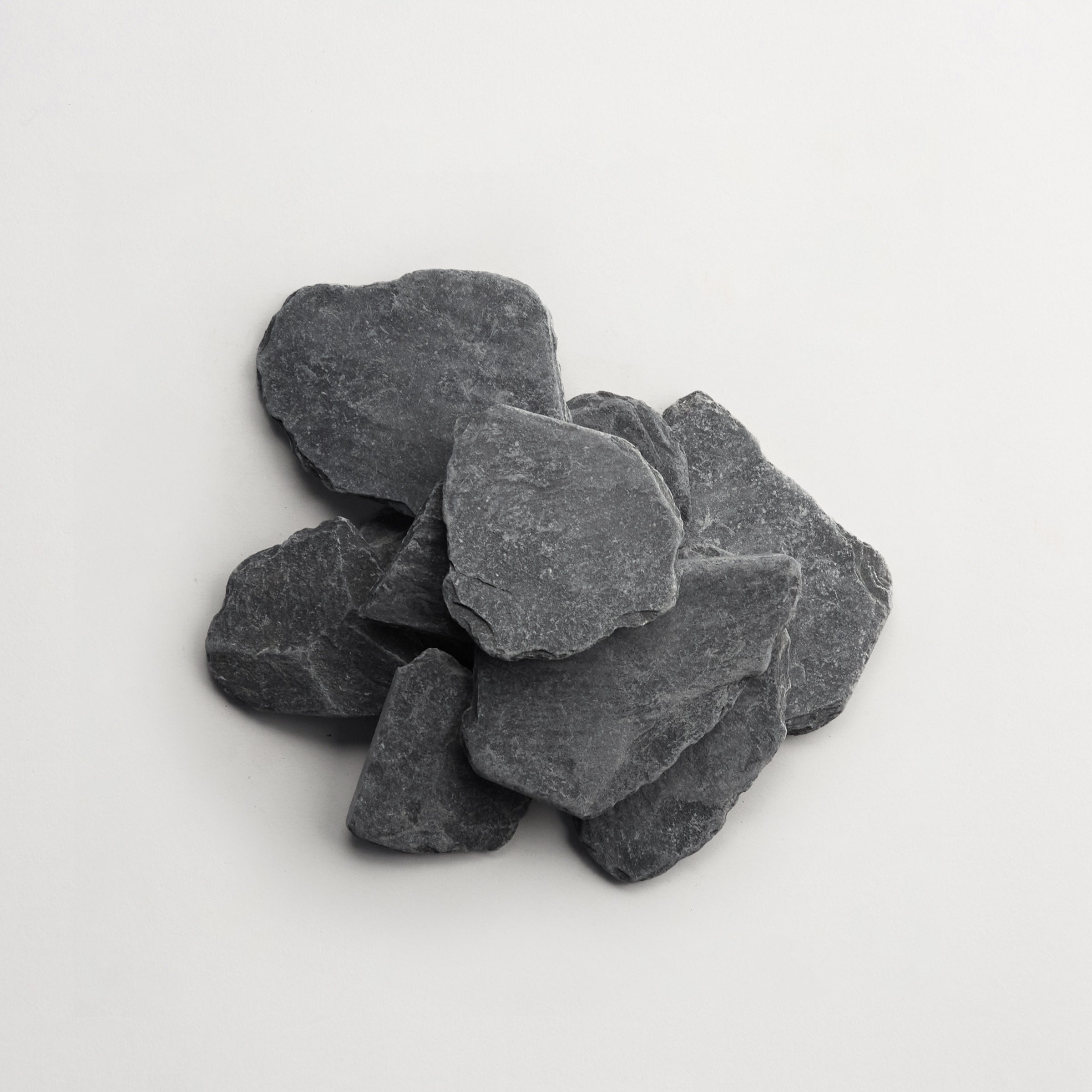
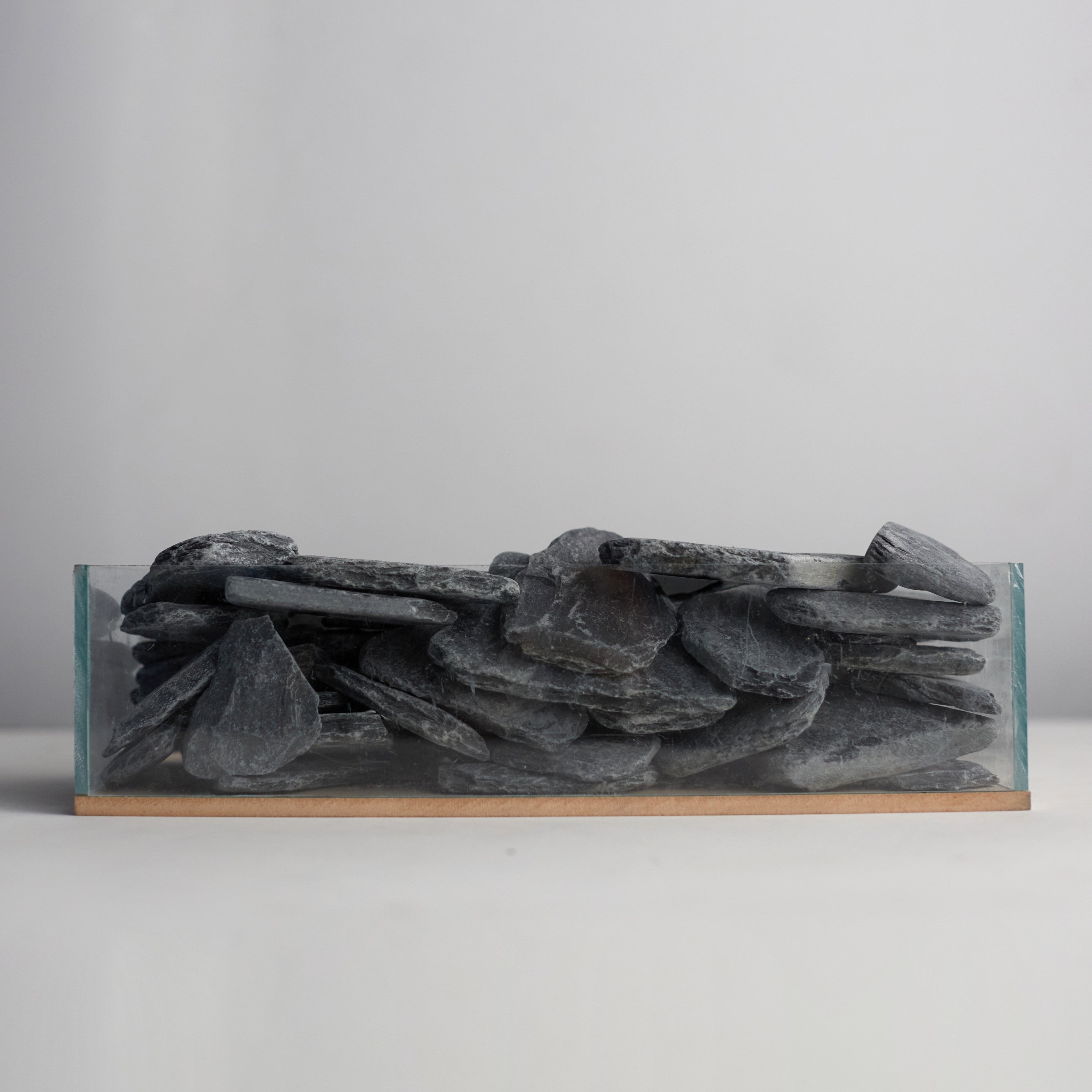
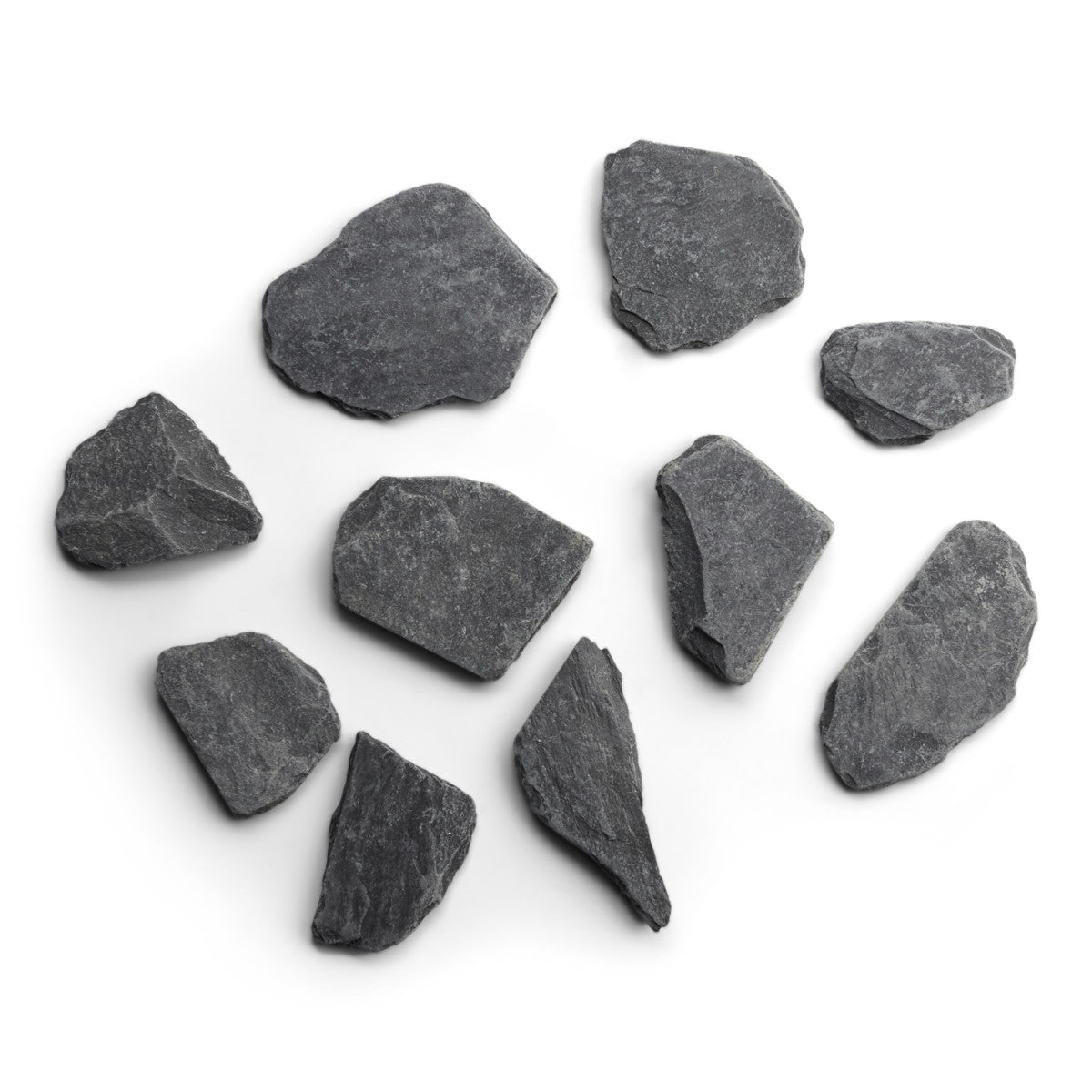
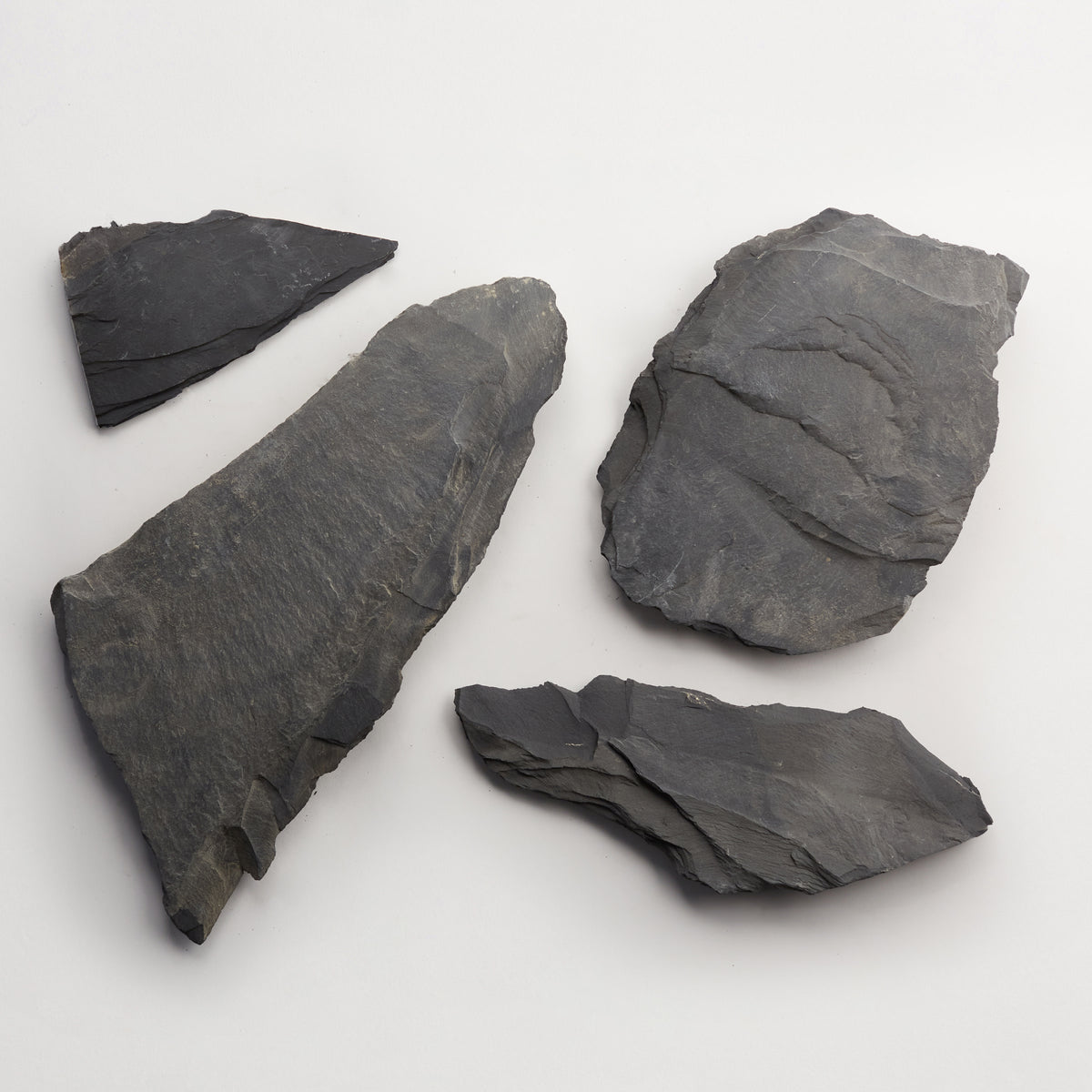
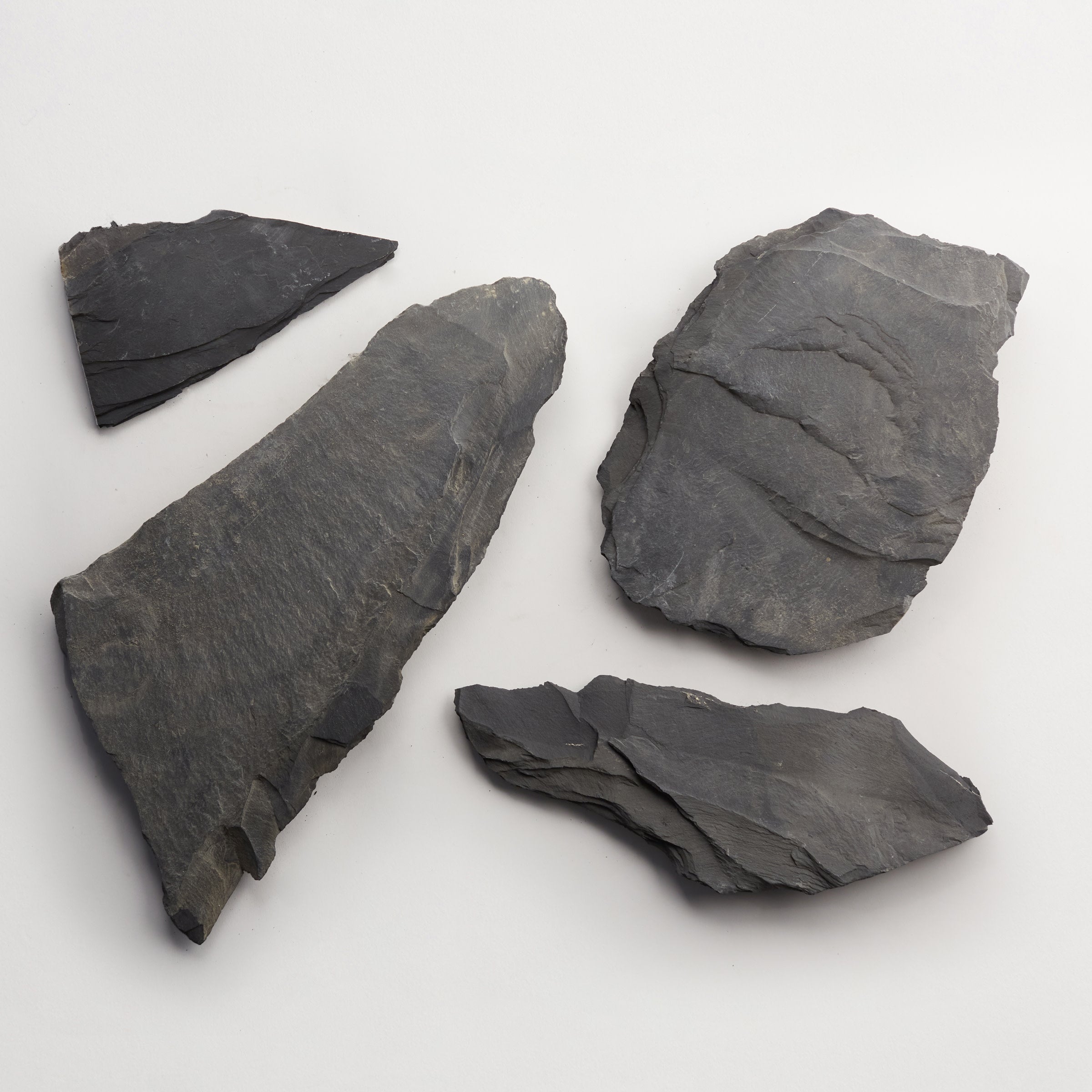
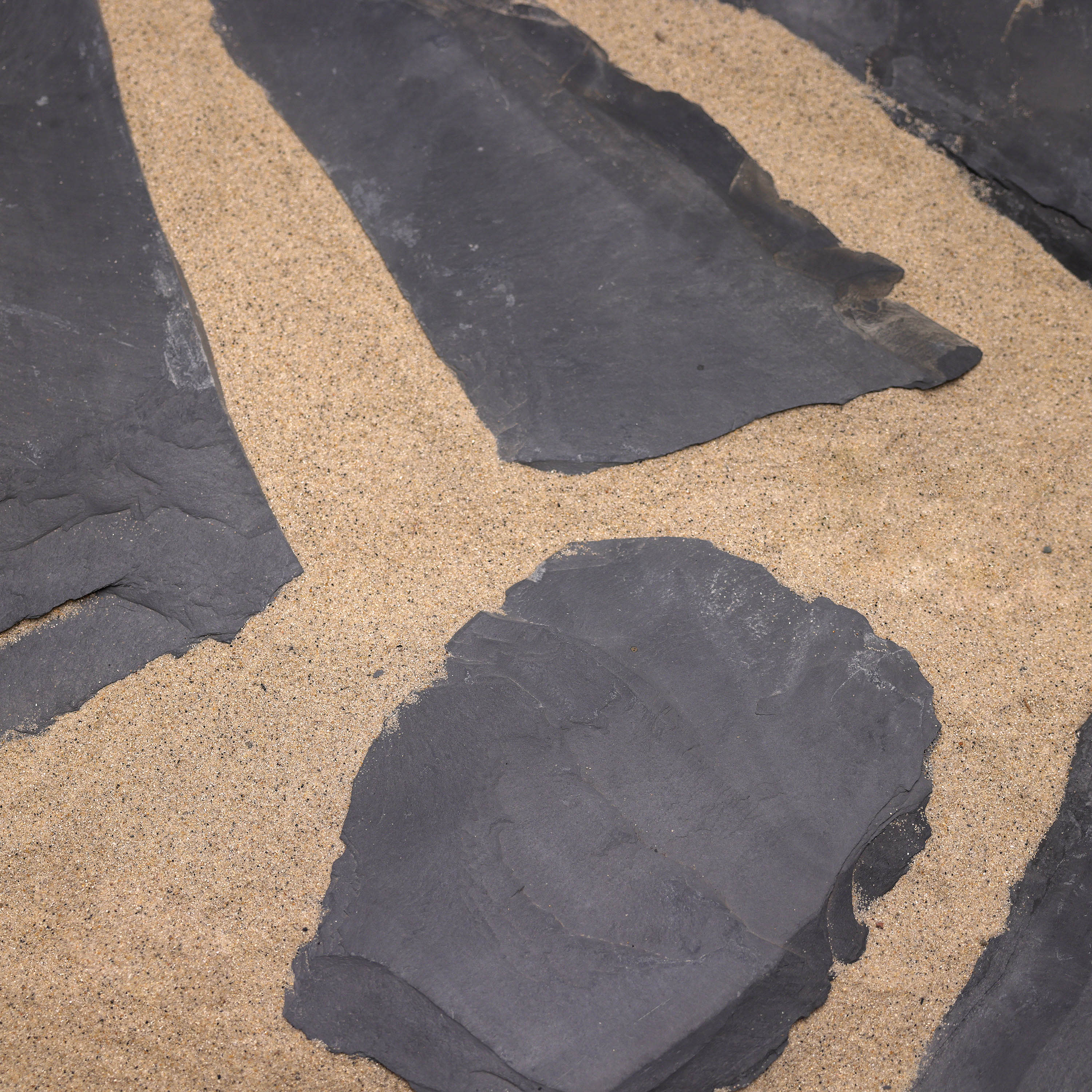
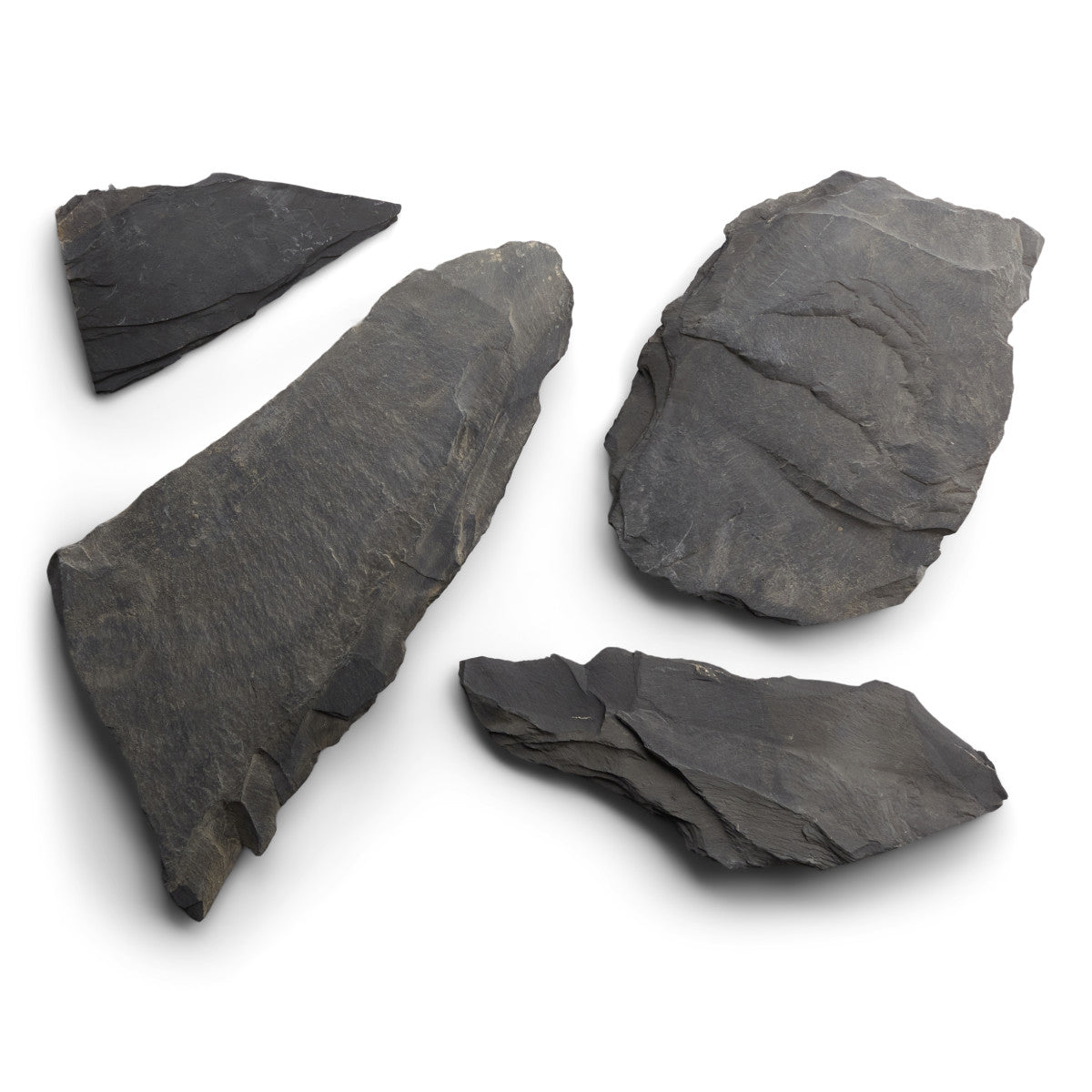
For projects seeking the durability and authenticity of natural slate, the Grangestone flagstone collection offers a carefully curated option designed specifically for outdoor spaces. With naturally slip-resistant surfaces and exceptional freeze-thaw durability, it creates patios that feel grounded in their surroundings while lasting for decades.

What Flagstone Gives a Space
Choosing flagstone is about more than selecting a paving material. It shapes the atmosphere of the patio, influences how the space matures over time, and determines how gracefully it responds to daily use. While many surfaces prioritize consistency, flagstone embraces variation, developing more personality as the years pass.
Here's a guide to flagstone patio ideas.
A Surface That Outlasts Fashion
Some outdoor materials inevitably reveal the era in which they were installed. Flagstone rarely does. Whether found in ancient Celtic pathways, Mediterranean courtyards, or Provençal farmhouse terraces, natural stone remains relevant because it belongs to the landscape rather than following design trends.
When installed over a properly prepared base, flagstone can last for generations. It does not warp like wood, fade dramatically under sunlight, or suffer the gradual deterioration often associated with manufactured paving products. Instead, exposure to weather slowly enriches the surface, allowing subtle patinas to develop.
Natural Traction Underfoot
Texture plays a significant role in how safe an outdoor surface feels. Most flagstone varieties have naturally cleft faces that provide subtle grip underfoot without relying on artificial textures or coatings. That inherent traction makes flagstone particularly well suited for patios, garden paths, outdoor kitchens, and poolside areas where moisture is a regular part of daily life.
Not every flagstone performs the same, of course. Deeply cleft slate offers a very different walking surface than smooth-cut limestone, making stone selection just as important as color. For homeowners and designers evaluating non-slip outdoor tile options, paying close attention to both material and finish ensures the patio performs as beautifully as it looks.
Stone-by-Stone Repair Without Disturbing the Whole
Outdoor surfaces inevitably experience years of weather, furniture movement, and everyday wear. One of flagstone's greatest long-term advantages is that repairs rarely require replacing the entire patio. If an individual stone becomes stained, chipped, or damaged, it can often be lifted and replaced while leaving the surrounding installation intact.
That flexibility stands in sharp contrast to poured concrete, where cracks frequently become permanent visual features even after repairs. Because each flagstone functions as an individual component within the larger surface, maintenance can be localized rather than disruptive. Over decades, this ability to address isolated issues helps preserve both the appearance and structural integrity of the patio.
The Ability to Age with a Space
Some materials strive to look exactly the same year after year. Flagstone succeeds because it does the opposite. As seasons pass, colors subtly deepen, edges soften, and the surrounding landscape gradually weaves itself into the stonework. Lichen may settle between joints, ground covers become more established, and weather gently enhances the stone’s natural texture.
Appreciating flagstone means embracing this evolution rather than resisting it. The goal is not a patio that remains pristine forever, but one that becomes increasingly connected to its setting. As gardens mature and architecture settles into the landscape, flagstone responds alongside them, creating outdoor spaces that feel authentic, timeless, and rooted in place.


What Flagstone Asks of You
The qualities that make flagstone so enduring also require thoughtful planning. Unlike engineered products that are designed for complete uniformity, natural stone responds to climate, installation methods, and everyday use in ways that deserve careful consideration. Understanding “what are the disadvantages of flagstone?” is all about recognizing the conditions that allow it to perform at its best.
Porosity and Its Implications by Stone Type
Although flagstone is lumped into a single category, each stone behaves differently. Slate and bluestone are among the densest options, resisting moisture penetration far better than softer sandstone varieties. That distinction becomes especially important in regions that see repeated freeze-thaw cycles, where absorbed water can expand as ice and cause surface spalling or gradual joint deterioration.
Sealing comes with the same nuance. Dense slate often performs exceptionally well without sealers and, in some hot climates, certain sealants may discolor or interfere with the stone's natural weathering. More porous stones like sandstone, however, can benefit from periodic sealing where heavy rainfall or staining is a concern. All important considerations for those seeking low maintenance patio materials.
Heat and Traction in Extreme Conditions
Like many natural materials, flagstone responds to sunlight according to its color and finish. Dark charcoal slate and deep bluestone absorb considerably more heat than pale limestone or travertine, making them noticeably warmer under bare feet during the summer. In especially sunny climates, lighter-toned stones often provide a more comfortable outdoor experience.
Surface texture matters just as much as color. A naturally cleft finish maintains excellent traction after rain or around water features, while honed or smooth-cut stones can become slippery when wet. When selecting the best outdoor patio flooring for poolside and other damp landscapes, finish is as much about performance as it is about aesthetics.
Settlement and Joint Integrity over Time
How a flagstone patio is installed influences how it responds to changing ground conditions over time. Dry-laid installations rest on compacted gravel and sand, allowing individual stones to accommodate small amounts of seasonal movement. If settling occurs, affected stones can be lifted, adjusted, and reset without disturbing the surrounding surface.
Mortar-set flagstone installed over a concrete slab creates a more permanent assembly that resists weed growth. It also produces crisp, consistent joints. That said, if the slab beneath develops movement or cracking, the mortar joints may reflect that stress over time.
Neither method is inherently superior. Soil conditions, drainage, climate, and aesthetic preferences all influence which installation method is best for your project.
Surface Irregularity and What it Means for Furniture and Everyday Use
The same natural variation that gives flagstone its character can occasionally introduce practical considerations. Individual stones rarely sit in perfectly uniform planes, meaning outdoor dining tables or lightweight furniture may require slight adjustments for complete stability. This characteristic is especially noticeable with irregular flagstone layouts that celebrate varying stone shapes and joint widths.
Fortunately, careful planning can help address this issue. More consistently sized stones, tighter joint patterns, and expert installation techniques create smoother finished surfaces while preserving the stone’s organic character. Designers and tile setters can use stone format and layout to balance natural expression with the functional needs of the space.

The Right Stone for the Right Place
Flagstone performs best when its natural characteristics align with the environment it graces. Climate, drainage, sunlight, and intended use all influence which stone variety and finish will deliver the greatest longevity. Selecting the right material from the start helps ensure the patio continues to perform beautifully through years of changing seasons and daily use.
Cold Climates with Freeze-Thaw Cycles
In regions where temperatures regularly fluctuate above and below freezing, dense stones offer the greatest resilience. Slate, bluestone, and quartzite absorb less moisture than softer alternatives, reducing the likelihood of freeze-related damage over time. Proper grading and drainage are equally important, directing water away from the patio before it has an opportunity to collect beneath the surface.
Joint materials should also accommodate seasonal expansion and contraction. Allowing the installation to respond appropriately to changing conditions significantly improves long-term performance.
Hot, Sunny Environments
Sun-drenched patios benefit from thoughtful color selection. Pale limestone, beige travertine, and lighter-colored slate stay noticeably cooler underfoot than darker stone varieties. Choosing lighter natural tones also reflects more sunlight while maintaining the timeless character associated with flagstone. (These are also helpful guidelines to consider when exploring flagstone patio ideas with a fire pit.)
Surface finish is equally important in warm climates. A naturally cleft texture continues to provide reliable footing following summer rainstorms. Whether sealing is appropriate depends on the specific stone, so be sure to check the material’s technical specifications.
Pool Surrounds and Wet Zones
Material selection becomes especially important around pools and other consistently wet environments. Dense stones like slate and bluestone that have naturally cleft finishes are some of the most dependable options for durability and slip resistance.
On the other hand, highly polished or smooth-cut flagstone is less appropriate where standing water is common. If you’re evaluating non-slip outdoor tile options, prioritizing both stone density and surface texture will give you a patio that’s both beautiful and safe.
A Material Worth the Commitment
Flagstone is not a material that promises effortless perfection. It asks for thoughtful specification, skilled installation, and an appreciation for surfaces that develop character over time. For homeowners and designers who understand that the most memorable outdoor spaces are shaped by both craftsmanship and time, those qualities are part of its enduring appeal.
When the right stone is matched to the right setting and maintained with care, flagstone rewards that investment with generations of beauty, resilience, and authenticity. Among today's outdoor patio tile ideas, few materials offer such a compelling balance of natural character and lasting performance.
Discover the Grangestone flagstone collection: slate flagstone curated for outdoor spaces that age with intention.
Colorway
-
Slate
Collection
-
Grangestone
:
Sub Collection
-
Alegria
Material
Length
-
8
" x
Width
-
8
" x
Thickness
-
⅞
"
Unit of Measurement
-
sqft
/
Price per Unit
$


Colorway
-
Rosso
Collection
-
Grangestone
:
Material
Length
-
4
" x
Width
-
4
" x
Thickness
-
¼
"
Unit of Measurement
-
sqft
/
Price per Unit
$



Colorway
-
Slate
Collection
-
Grangestone
:
Sub Collection
-
Henna
Material
Length
-
4
" x
Width
-
16
" x
Thickness
-
¾
"
Unit of Measurement
-
sqft
/
Price per Unit
$