

Flagstone Patio Ideas With a Fire Pit for Every Backyard
A fire pit has a way of becoming the natural center of an outdoor space. And the stone beneath it? It matters just as much. Rather than treating the patio as a finished surface and the fire feature as an addition, think of the two as a single design decision from the beginning. The shape of the fire pit, the character of the flagstone, the way the pieces are laid, and the surrounding seating should all work together.
The most enduring outdoor spaces begin with that kind of intention. Flagstone brings an organic, timeworn quality that feels particularly at home next to fire. With flagstone, you can create a gathering place that feels both grounded and refined.


A Flagstone Patio With a Fire Pit: What You Should Know
- Flagstone and fire create a natural focal point when the stone layout is designed around the fire feature.
- Stone type, texture, density, climate, and installation method all matter in a heat-adjacent area.
- Circular fire pits pair naturally with radial or irregular flagstone layouts, while square pits suit more modular patterns.
- Small flagstone patio ideas with fire pit layouts work best when seating, circulation, and the fire feature share one compact zone.
- Larger patios benefit from distinct zones for gathering, circulation, dining, and other outdoor activities.
- Low, ambient lighting can extend the atmosphere of the fire pit without competing with its glow.
- A thoughtful material palette can carry flagstone from the fire pit outward to paths, seating areas, and other backyard hardscaping ideas.
Why Flagstone and Fire Pits Belong Together
Pairing flagstone with fire is about more than just aesthetics. It involves connecting an outdoor space to the elements. By selecting a stone that stands up to the warmth and drama of a flame, you ground the outdoor living area in a material that is as timeless as the fire itself.
A Material Built for the Hearth
Long before the modern outdoor patio came to be, fire served as a natural center of gathering. Mediterranean courtyards, Andalusian patios, and other historic outdoor spaces have long used masonry and stone to define places where people cook, talk, rest, and gather around a central flame. That relationship between stone and fire still feels intuitive.
Flagstone, in particular, carries that sense of permanence. Its natural variation, irregular edges, and tactile surface feel more connected to the landscape than a perfectly uniform manufactured paver. Around a fire pit, that quality can make the entire setting feel lived-in. Among the pros and cons of flagstone patio pavers, the visual character is one of the clearest advantages for a fire-centered gathering space.

Flagstone Built for the Fire Pit Zone
When integrating a fire pit into a flagstone patio, the material you choose and how you have it installed defines both the safety and the atmosphere of the space. Because this area experiences unique stresses — from varying heat levels to high foot traffic — selecting the right stone and a laying pattern is essential.
Stone Types and How They Perform Near Heat
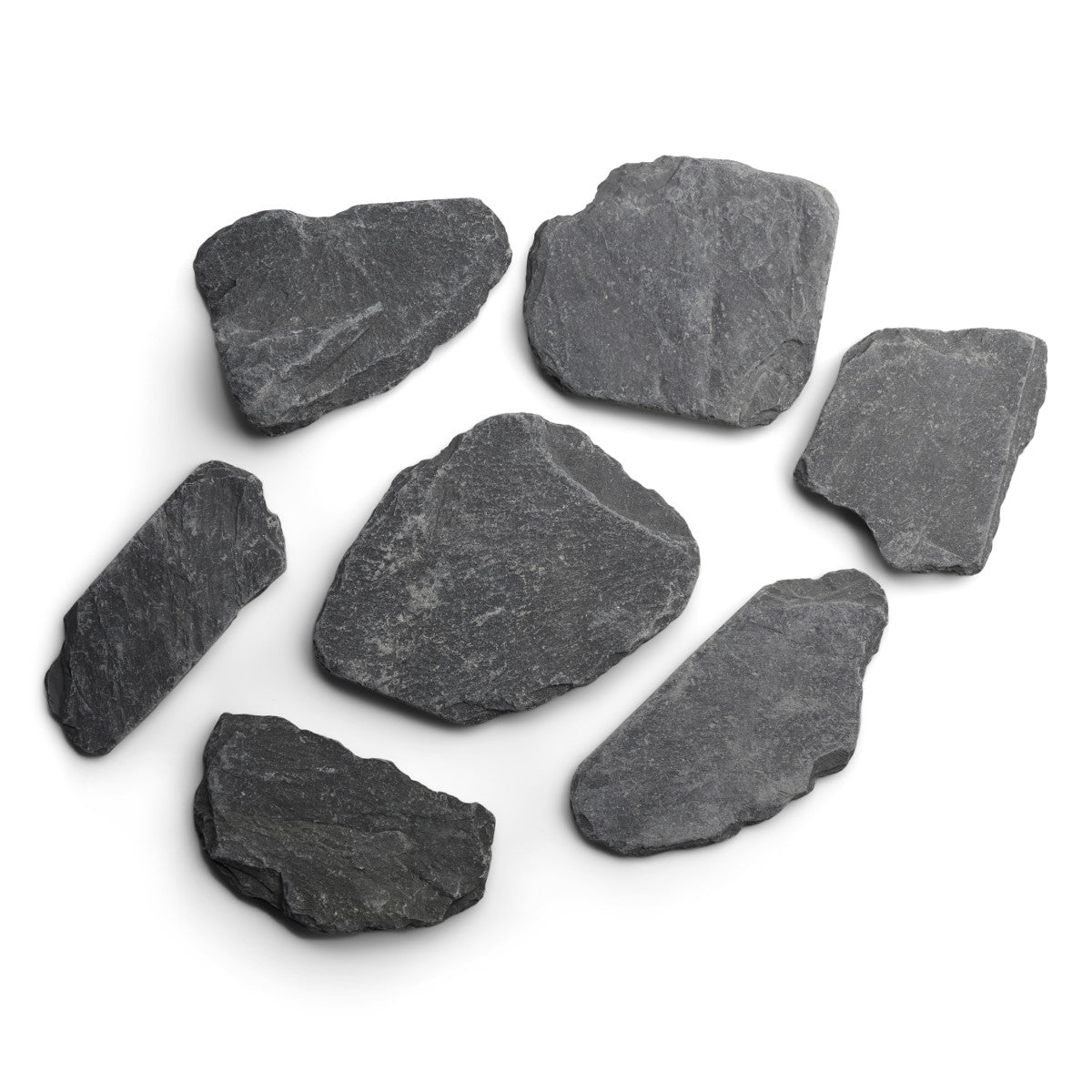
Not every flagstone behaves the same way near a fire feature. Slate has a distinctive layered appearance but can vary in durability depending on the particular stone. Sandstone offers warm color variation and a naturally textured surface. Bluestone is dense and visually grounded. Limestone brings a softer, more understated look, though it can be more porous.
Texture and density matter in a high-traffic zone where people will be walking, sitting, and moving around the fire. The right choice depends on the fire feature, installation method, climate, and intended use. If you’re a homeowner, be sure to have a qualified design or installation professional confirm the appropriate stone and required clearances for your specific project.
Laying Patterns That Frame a Fire Feature
The shape of the fire pit can guide the pattern beneath it. Irregularly fitted flagstone creates a relaxed, organic effect around a circular fire pit, while modular pieces can give a square or rectangular feature a more architectural frame. Radial layouts are another option, directing the lines of the stone outward from the flame and emphasizing the fire as the center of the composition.
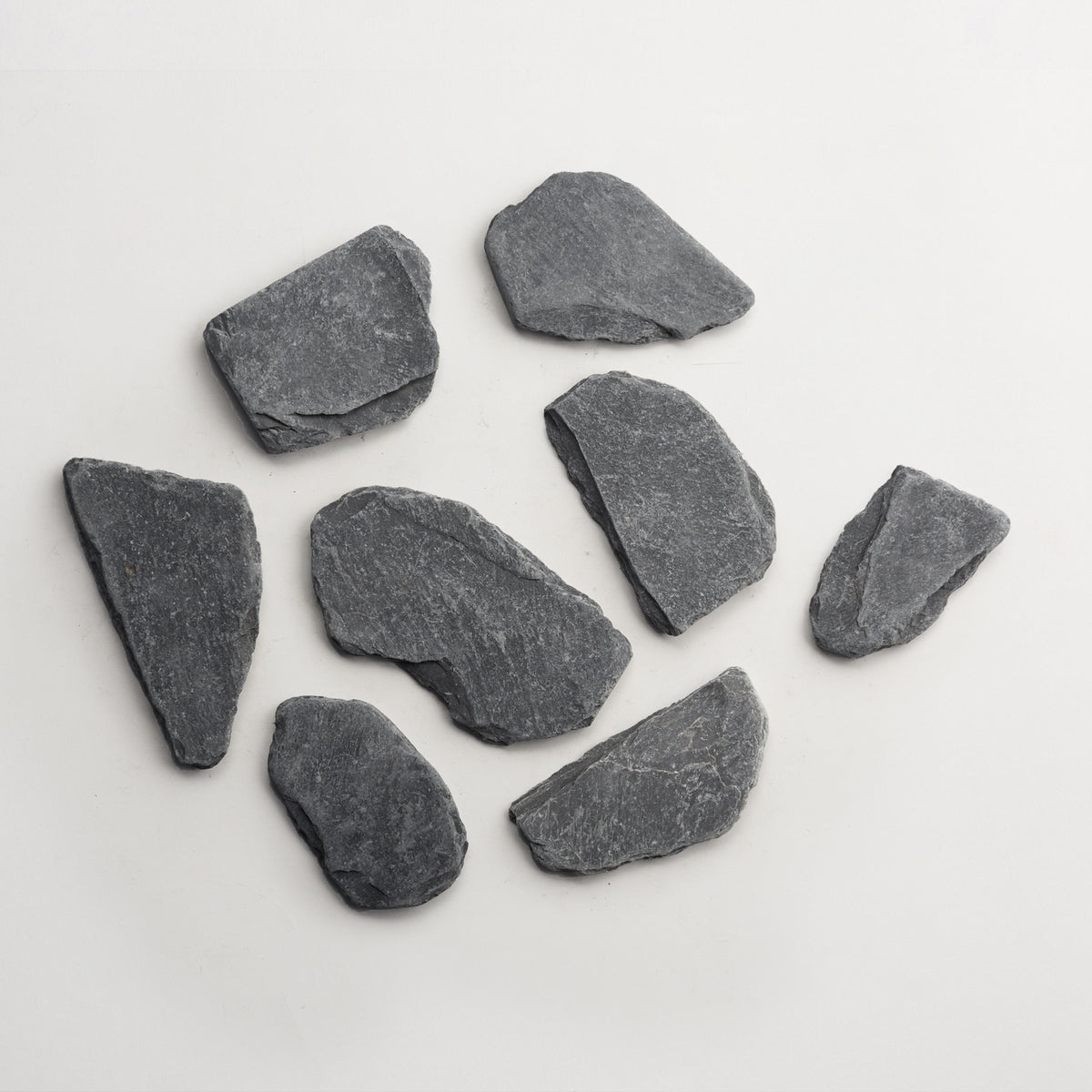
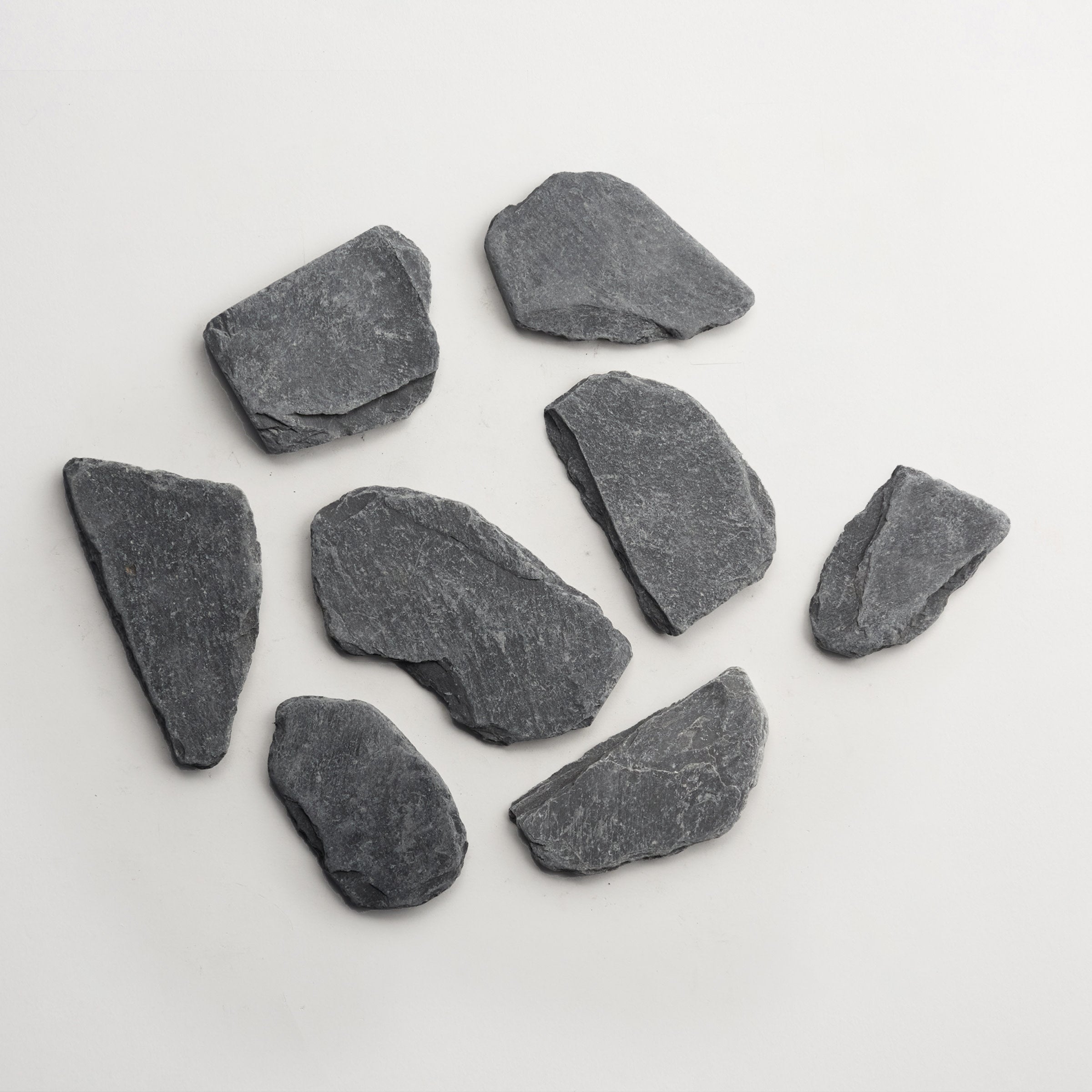
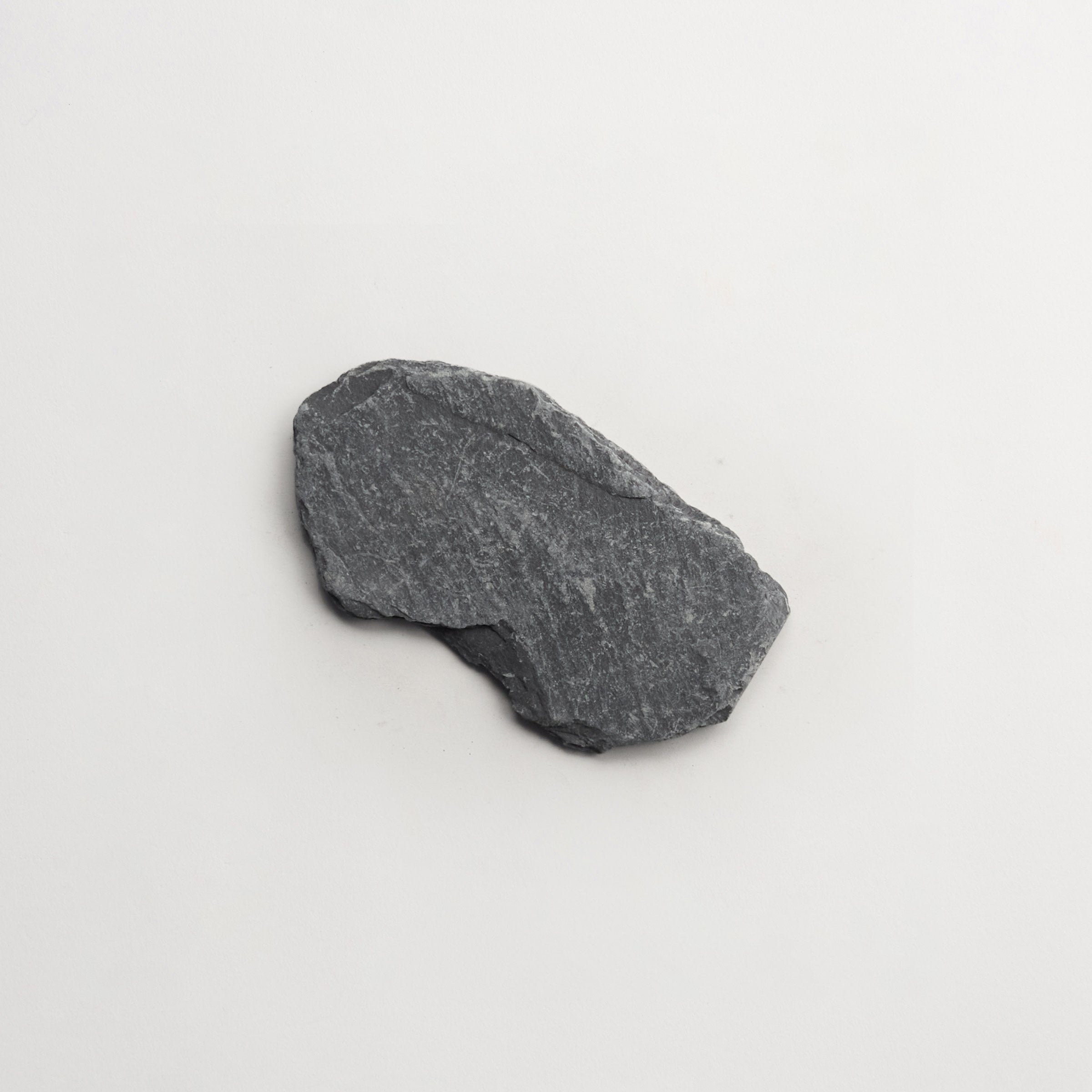
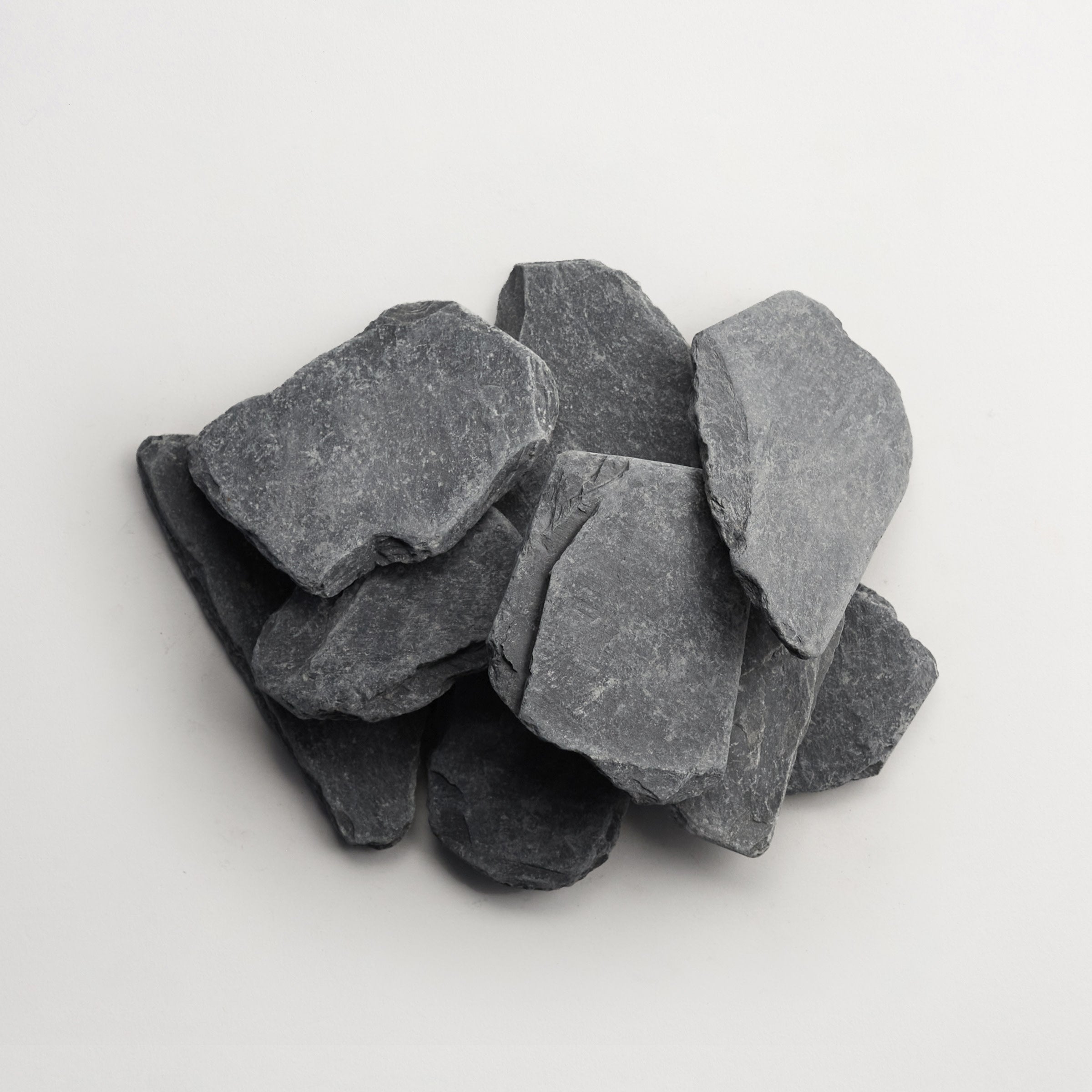
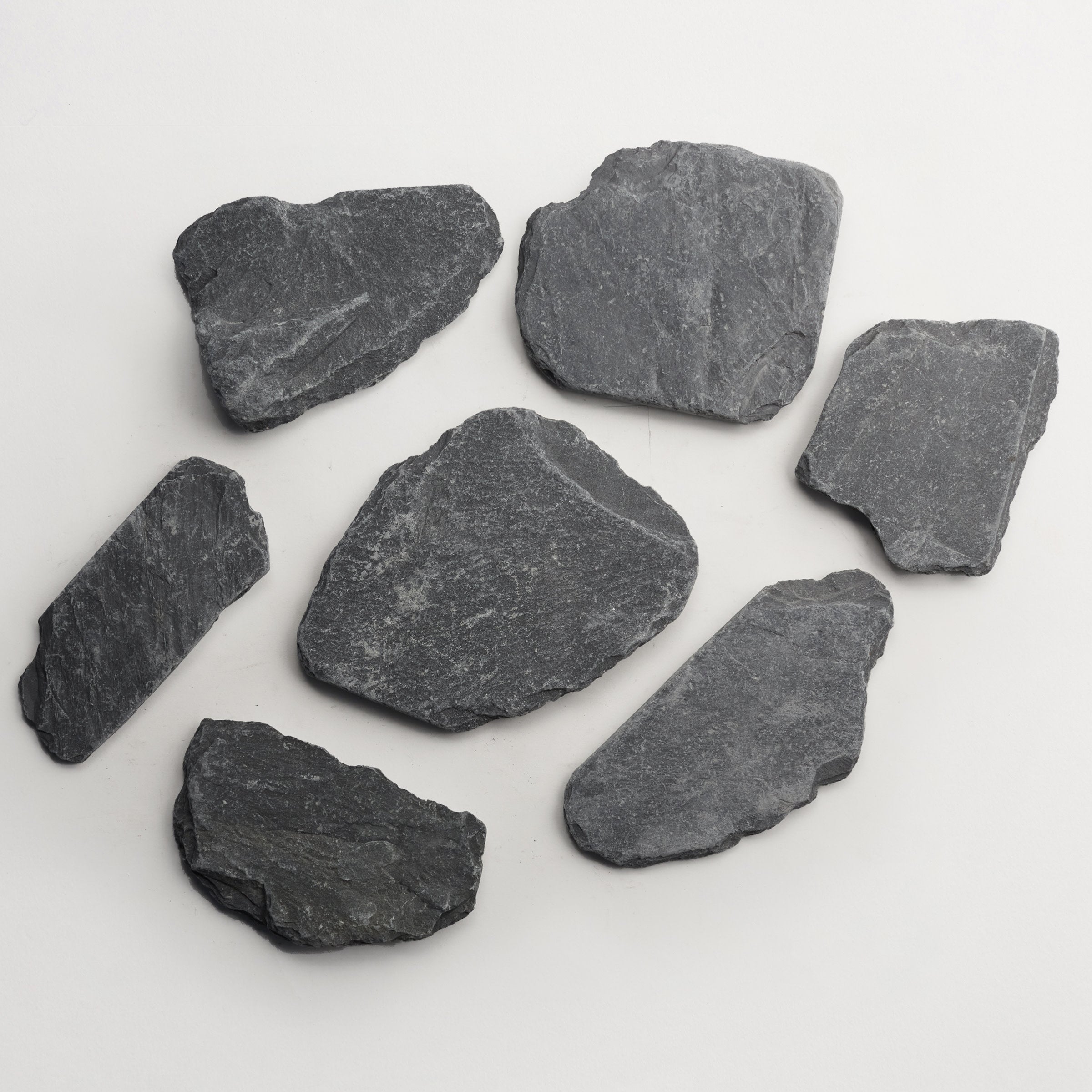
The goal is not necessarily to make every joint point directly toward the fire. Instead, the pattern should establish a visual relationship between the feature and the surrounding patio. Our Gangestone flagstone collection works naturally in this setting, telling a material story that defines both broad patio fields and tighter fire pit surrounds.


The Compact Version: A Fire Pit Patio for Smaller Yards
Designing a fire pit patio for a smaller yard requires you to balance intimacy and utility. The goal is to create a focused gathering spot that feels intentional rather than crowded. By carefully selecting your layout and integrating seating directly into the hardscape, you can transform a compact area into an outdoor destination.
Scaling the Gathering Space Down
Small patios require a different approach than simply shrinking a larger layout. With less square footage, every element needs to earn its place. An off-center fire pit can preserve a little more usable floor area while still creating a focal point. A single gathering zone can combine seating and circulation instead of separating them into multiple areas.
Joint patterns can also influence how compact a patio feels. Tighter, more cohesive layouts create visual continuity, while excessive pattern changes can make a small area feel busy. When considering small flagstone patio ideas with fire pit features, prioritize one strong composition over several competing elements. The result will feel intimate and intentional.
Making a Compact Zone Feel Intentional
A small footprint does not have to mean a small design presence. Built-in flagstone seat walls can define the gathering area while providing substantial seating — all without introducing additional furniture. Repeating the same stone on a low wall and patio surface can make the entire space feel more unified.
A restrained material palette also helps. Let the flagstone provide the texture and variation, then keep surrounding finishes relatively quiet. Lighting can reinforce the architecture after dark, particularly when fixtures are tucked into seat walls, planting beds, or paths. These details give a compact patio a sense of purpose, proving that thoughtful backyard hardscaping ideas do not require a sprawling yard.
The Full Layout: Zoning a Flagstone Patio Around Fire
A larger patio allows you to create multiple outdoor living areas, but it also demands careful planning. Balancing distinct functional zones — such as seating, pathways, and a fire feature — ensures the space remains unified, safe, and comfortable for entertaining guests.
Zoning Seating, Circulation, and Clearance
A larger patio offers more possibilities, but it also requires more planning. The fire pit should anchor a defined gathering zone rather than sit in the middle of a circulation path. Seating should face inward toward the flame while pathways move around the perimeter, allowing guests to enter and leave without crossing directly through the fire pit area.
Clearance is equally important. The required distance between a fire feature and nearby structures, planting, furniture, and other combustible materials depends on the specific fire pit and local requirements. Always confirm those dimensions with a qualified professional. Seat walls should also be proportioned for comfortable use, with enough depth for sitting and a height appropriate to the intended seating position.
Extending the Material Story Beyond the Fire Pit
The flagstone around the fire pit does not have to stop at the edge of the gathering zone. Carrying the same material into an adjacent walkway, terrace, or secondary seating area creates a visual thread that connects separate outdoor rooms. Changes in pattern or orientation can distinguish those zones without introducing an entirely new surface.
This approach works particularly well when the fire pit is intended to function as a garden focal point rather than an isolated feature. A path of the same stone can lead toward it, while surrounding planting softens the edges and reinforces its role within the landscape. For more inspiration, explore these garden focal point ideas.

OUTERclé Hearth Collection. Photo courtesy of John Angel.
Where Light and Longevity Meet the Flame
Beyond the initial design and stone selection, the longevity and atmosphere of a fire pit patio depend on thoughtful finishing touches. Proper lighting ensures the outdoor space remains inviting and safe after sunset, while regular maintenance helps preserve the integrity of the flagstone.
Layering Light Around Flame and Stone
Firelight already provides an atmosphere, so outdoor lighting should complement it rather than compete with it. Low, ambient fixtures can illuminate the edges of the patio, steps, paths, and seat walls while keeping the fire pit itself the brightest focal point. Recessed lights and concealed fixtures are especially useful when the goal is a subtle evening effect.
Think about lighting as part of the patio composition from the beginning. A fixture tucked beneath a seat wall can make the stone appear to float, while path lighting can quietly define circulation without drawing attention away from the flame. For additional inspiration, explore these hardscape lighting ideas and consider how light can bring out stone’s natural variation after sunset.
Caring for a Flagstone Fire Pit Surround
A flagstone fire pit surround is a long-term design investment, and regular care helps preserve its character. Depending on the stone and installation, sealing may be appropriate to help protect the surface from moisture, staining, and everyday wear. Your contractor and the product’s material guidelines can recommend the right product and maintenance schedule for your installation.
As for everyday maintenance, ash and soot should be cleaned promptly. Always use cleaning products intended for the specific stone, and avoid harsh chemicals that could damage the surface. The goal is not to make natural flagstone look untouched — its variation and patina are part of the appeal. Thoughtful maintenance simply helps the material age gracefully alongside the fire feature.


Bringing Stone and Fire Together
The strongest fire pit patios begin with the understanding that stone and flame are not separate features. They are the foundation of one gathering space. The flagstone establishes the texture, scale, and rhythm of the patio, while the fire creates warmth, movement, and a natural focal point.
Whether you are working with a compact courtyard or a generous outdoor entertaining area, the same principle applies: design the material, layout, seating, circulation, lighting, and fire feature as one composition. That is what gives outdoor flagstone patio ideas with fire pit features their lasting sense of cohesion.
Discover a flagstone collection that’s built to gather around.
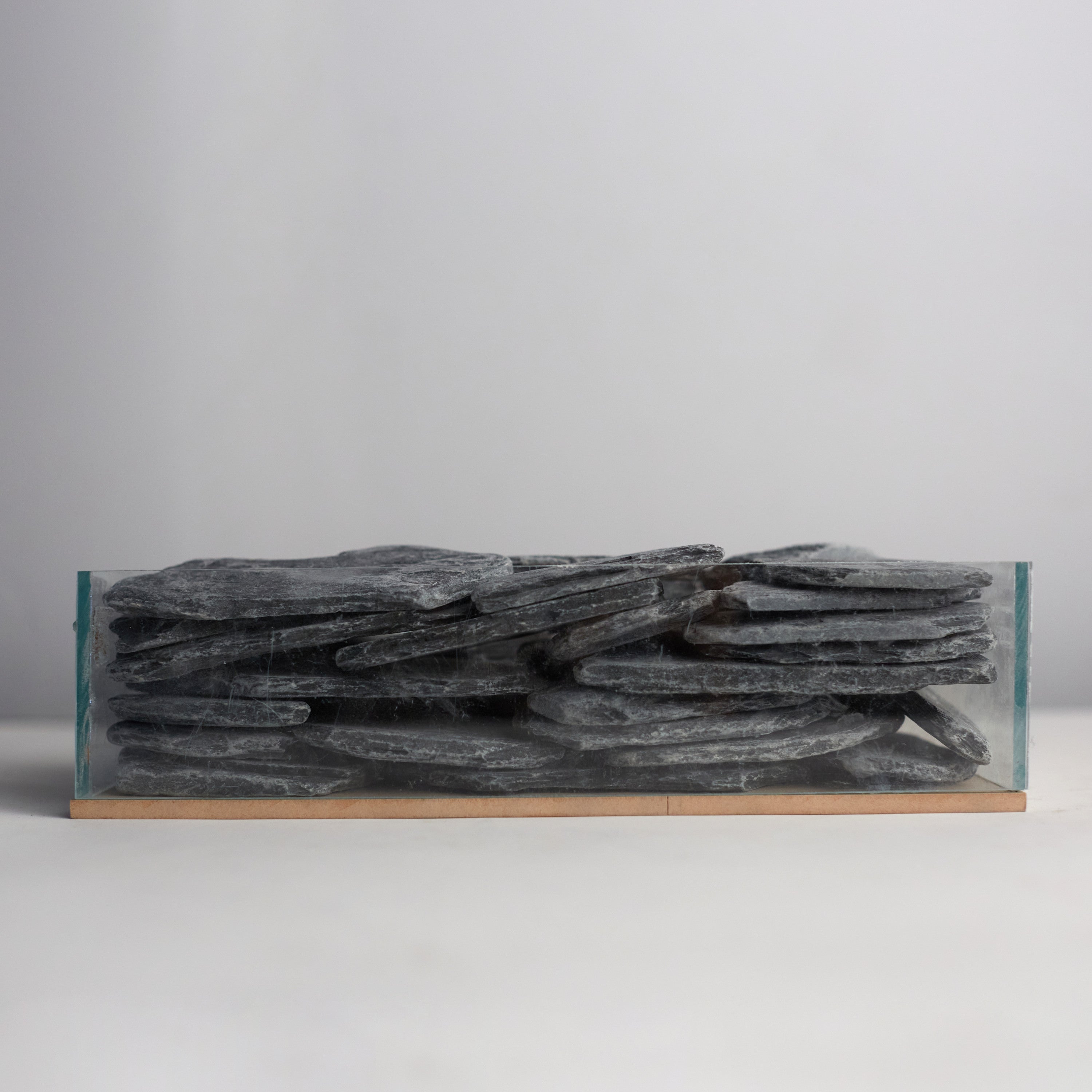
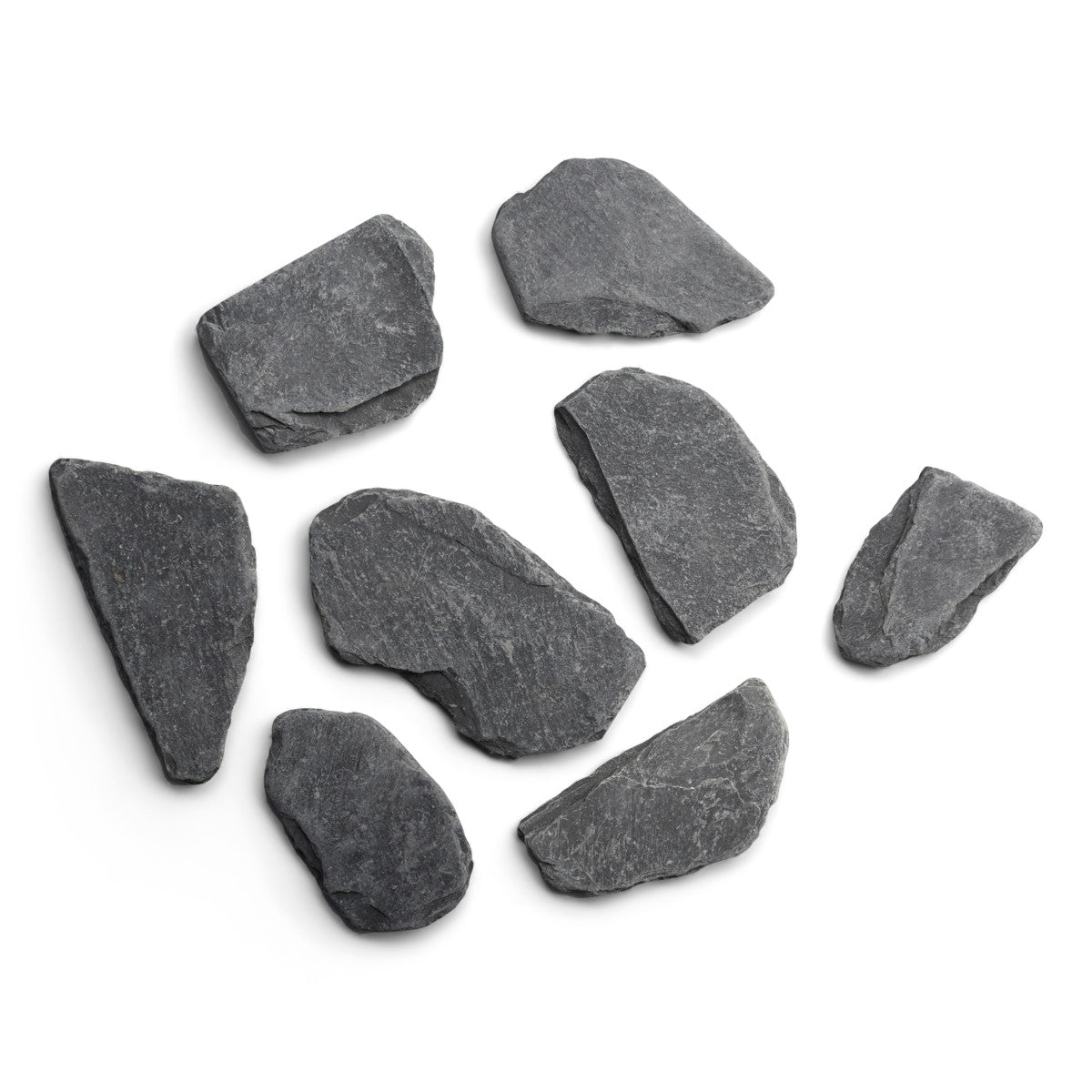
Colorway
-
Slate
Collection
-
Grangestone
:
Sub Collection
-
Chromatope
Material
Length
-
4
" x
Width
-
4
" x
Thickness
-
¼
"
Unit of Measurement
-
sqft
/
Price per Unit
$


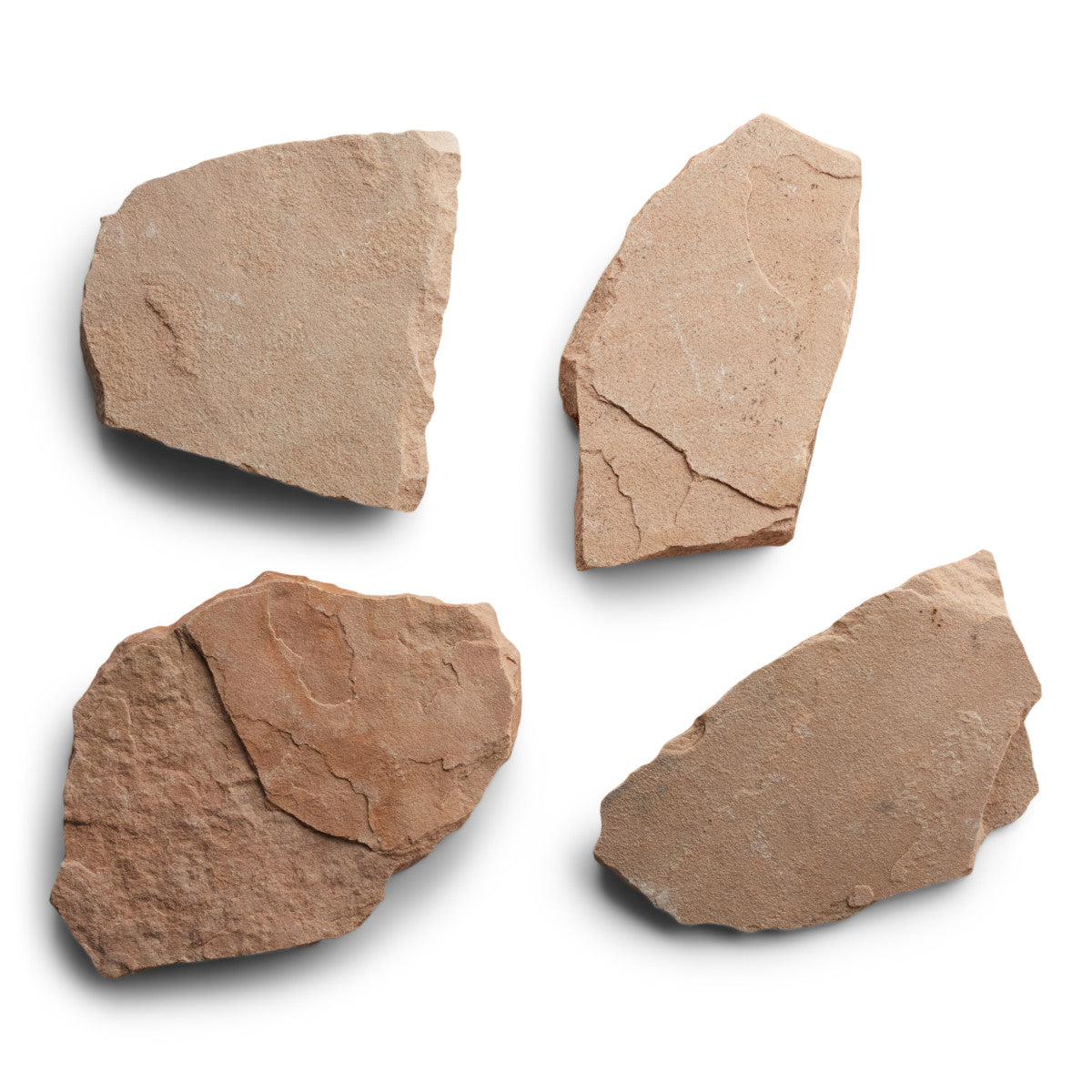
Colorway
-
Rosso
Collection
-
Grangestone
:
Sub Collection
-
Alegria
Material
Length
-
8
" x
Width
-
8
" x
Thickness
-
⅞
"
Unit of Measurement
-
sqft
/
Price per Unit
$
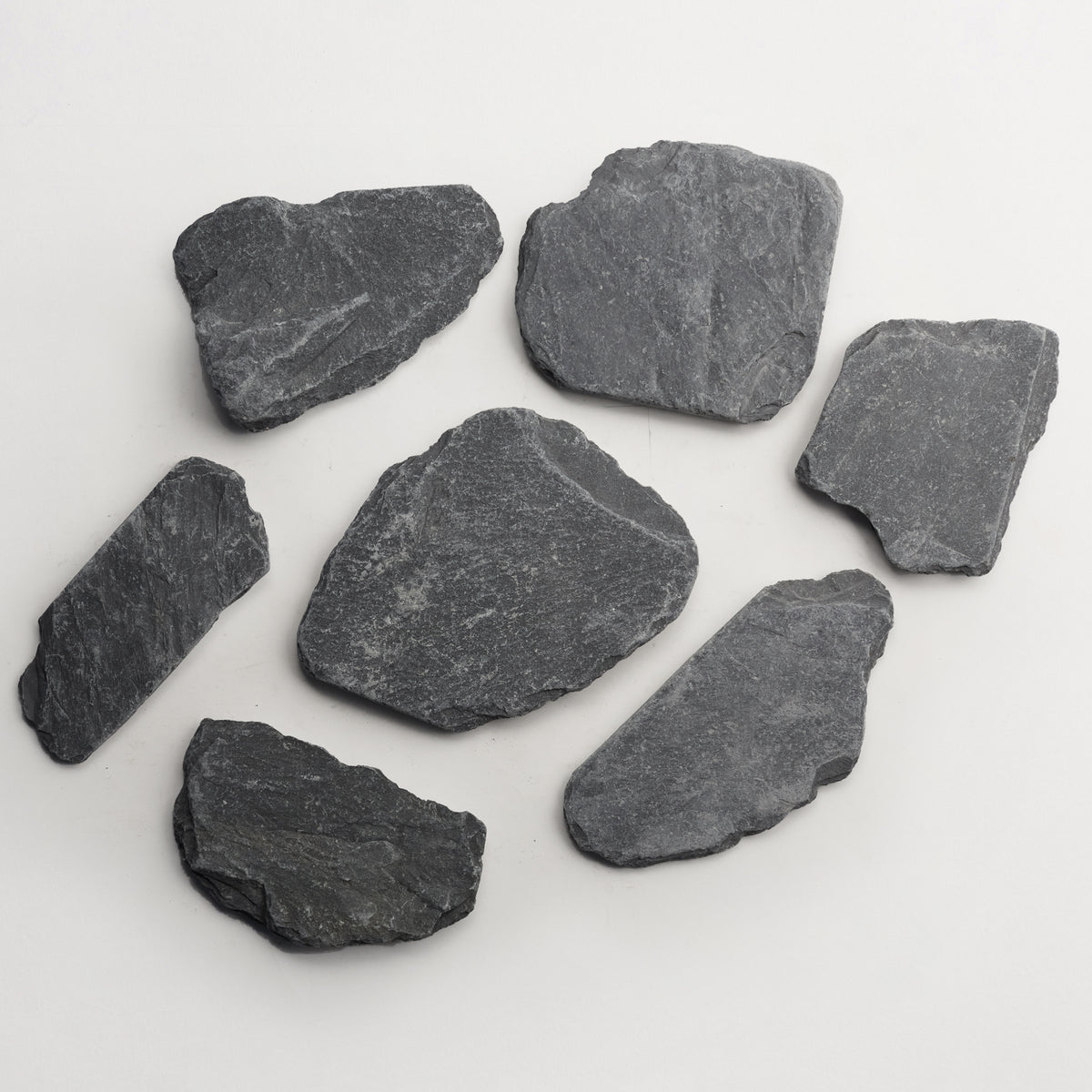

Colorway
-
Slate
Collection
-
Grangestone
:
Sub Collection
-
Brinks
Material
Length
-
4
" x
Width
-
16
" x
Thickness
-
¾
"
Unit of Measurement
-
sqft
/
Price per Unit
$