

Front Porch Tile Flooring Ideas for a Stunning Entrance
The front porch is often called the gateway to the home—and for good reason. More than almost any other outdoor space, it creates that crucial first impression, welcoming guests while setting the visual tone for the rest of the property. A well-designed porch balances practicality with style, offering a space that feels both inviting and durable enough for everyday use.
Let's explore ten inspiring front porch tile flooring ideas, from classic checkerboard layouts to statement-making terrazzo surfaces, suited to a range of architectural styles. We’ll also cover key planning considerations, so you can approach installation armed with the knowledge you need for a stylish, long-lasting finish.


Outdoor Tile Ideas for the Front Porch
From timeless checkerboard patterns to bold terrazzo tiles, there are countless ways to elevate the entrance of a home beyond the concrete slab. Whether your project calls for rustic charm, modern sophistication, or vibrant artistry, here are ten ideas to provide inspiration for crafting a memorable and functional space.
1. Classic Checkerboard Pattern
Timeless and sophisticated, a classic checkerboard pattern is an unexpected (yet very welcome) choice for front porch tile and patio flooring. Featuring alternating black and white tiles—or another high-contrast color pairing—this layout creates strong visual definition and works especially well with colonial, craftsman, transitional, and Victorian-style homes, where architectural details benefit from a more tailored, formal entry.
Designers can also play with scale, using larger-format tiles for grand front entrances or smaller tiles for a more intricate, vintage-inspired look. Pairing a traditional black and white checker pattern with polished wrought iron railings, paneled doors, or antique-style sconces further enhances its timeless appeal. Grout color also shapes the final effect: contrasting grout makes the pattern feel bolder and more graphic, while a tonal grout creates a softer, quieter finish with a more refined look.
For material selection, putting ceramic tile outside can work in covered porch areas, while natural stone tiles offer added durability for exposed outdoor conditions without losing the charm of the checkerboard motif. Cement tile is another versatile option, particularly in milder climates where freeze-thaw cycles are less of a concern. For a naturally elegant interpretation, collections like OUTERclé Pavimenti (in Lanterni or Savoy) or selections from our Cement collection offer durable, design-forward options that suit this look beautifully.
2. Rustic Terracotta Tones
Terracotta tiles bring warmth and earthy charm to any front porch. Their rich, sunbaked hues—ranging from deep red to soft ochre—create a Mediterranean-inspired look that feels both welcoming and enduring. This style pairs especially well with Spanish Colonial, Tuscan, farmhouse, and Mediterranean architecture, where natural materials and timeworn textures help define the overall aesthetic.
Terracotta works beautifully alongside natural wood beams, stucco exteriors, and wrought iron accents, making it equally at home in urban courtyards and rural entryways. Designers may opt for hand-finished or textured tiles to introduce even more character and variation. One of terracotta’s greatest strengths is how it ages: over time, the surface develops a soft patina that adds depth and reinforces its lived-in, collected feel.
Finish selection is an important decision point. Unglazed terracotta offers the most authentic, rustic appearance and better slip resistance, making it a popular option for outdoor use, but it requires regular sealing to protect against moisture, staining, and heavy foot traffic. Glazed terracotta provides a smoother, more sealed surface with less maintenance, though it tends to feel more polished and may be less slip-resistant depending on the finish.
For a naturally warm outdoor application, artisanal selections like our Terracotta collection offer durable options that preserve the material’s organic beauty while standing up to everyday use.
3. Modern Geometric Designs
Geometric tiles bring a modern edge to front porch flooring, making them an ideal choice for homeowners drawn to bold lines and graphic design. From clean hexagonal layouts to intricate repeating motifs, these tiles create strong visual impact and work especially well with modern, minimalist, and contemporary architecture. They can also serve as an unexpected contrast on more traditional homes, adding personality to a classic façade without overwhelming it.
There’s an important distinction between shape-driven geometry and pattern-driven geometry. A single-color hexagonal tile, for example, delivers a quieter, more architectural look through form alone, while an encaustic-style hex tile with a decorative motif feels more expressive and statement-making. Monochromatic palettes in shades like charcoal, white, or soft gray create a refined, minimalist aesthetic, while bolder colors introduce a more playful and personalized feel.
These tiles pair seamlessly with sleek metal railings, streamlined planters, and understated exterior finishes that allow the flooring to take center stage. For outdoor performance, prioritize weather-resistant materials and textured, non-slip finishes to ensure the porch remains as practical as it is striking.
For this look, design-forward options from our Cement collection offer the durability and visual detail needed to make geometric tile feel both elevated and functional.
4. Weathered Look Tiles
Weathered-look tiles combine the charm of natural materials with the durability of tile, making them an ideal choice for outdoor porches. Designed to mimic the character of aged flooring, they bring a rustic yet refined quality to an entryway—one that feels established, layered, and naturally connected to the home. This look works especially well with craftsman bungalows, colonial revival homes, country estates, and older European-inspired architecture where texture and patina enhance the overall design.
These tiles come in a range of finishes, from softly tumbled stone to timeworn brick looks, allowing designers to tailor the effect to the property’s style. A worn limestone-inspired surface may feel more formal and understated, while brick-look tile introduces warmth and a more relaxed, lived-in character. Pairing the flooring with climbing greenery, aged metal planters, or wrought iron railings helps create a cohesive outdoor space that feels both intentional and welcoming.
One of the biggest advantages of weathered-look tile is maintenance: it delivers the visual appeal of reclaimed stone or aged brick without the same level of upkeep. Unlike true reclaimed materials, porcelain and other durable tile options are less porous, easier to clean, and better equipped to handle changing weather conditions over time.
For this aesthetic, OUTERclé’s Brickworks tile collection offers a timeless way to achieve that softened, historic feel with greater long-term durability.
5. Natural Stone Tiles
Natural stone tiles bring a sense of luxury and timelessness to front porch design, elevating the entry with organic texture and understated elegance. Materials like slate, travertine, and limestone offer a neutral palette that complements a wide range of architectural styles, from Mediterranean villas to transitional homes and classic estates. Many types of natural stone also create a seamless transition between indoor and outdoor spaces, especially when the same material or tone is carried from the foyer to the porch.
Designers can shape the overall feel through format and finish. Oversized stone slabs create a clean, contemporary look with fewer grout lines and a stronger sense of visual continuity, while irregular cuts or tumbled finishes feel more rustic and collected. Stone front steps and porch flooring pair beautifully with lush landscaping, warm exterior lighting, and substantial wood or iron doors that reinforce the sense of permanence.
Climate performance matters when selecting stone. Slate tends to perform well in freeze-thaw climates thanks to its density, while travertine and limestone are better suited to milder regions or covered porches where moisture exposure is more controlled. In humid or coastal environments, proper sealing becomes especially important to protect against staining, salt exposure, and weathering over time. Natural stone generally requires regular sealing and maintenance, so clients should understand the long-term care involved.
If you're looking for a refined outdoor application, OUTERclé’s Pemberley Pavers collection features durable tumbled stone surfaces that balance elegance with practicality.


6. Artistic Mosaic Patterns
Mosaic tiles allow designers to bring artistry and personality to front porch flooring, turning the entrance into both a functional surface and a decorative focal point. Intricate designs in vibrant or muted tones can introduce visual richness, while patterns inspired by Moroccan, Grecian, or Art Deco traditions add a sense of history and global influence. This approach works especially well with Mediterranean villas, Spanish-style homes, and even maximalist contemporary spaces where bold detail is part of the overall design language.
Scale plays an important role in how mosaic tile is perceived. A full mosaic field across the entire porch creates a dramatic, immersive statement, ideal for homes where the entry is meant to feel expressive and memorable. A mosaic border, inset, or decorative inlay offers a more restrained interpretation, framing the doorway or highlighting steps without overwhelming the façade. Pairing mosaic tile with neutral walls, understated landscaping, and simple architectural finishes helps the pattern remain the clear focal point.
On a practical level, smaller-format tiles are especially useful for curved steps, rounded landings, or uneven surfaces, offering more flexibility during installation than larger tile formats. As with any outdoor application, choosing durable, high-quality materials is essential to ensure the surface stands up to moisture, foot traffic, and changing weather conditions over time.
For color-rich options that suit this look beautifully, collections like OUTERclé’s Lido bring both visual impact and long-lasting performance to artful porch designs.
7. Bright Porcelain Tiles
Porcelain tiles may be less expected than, say, stone front porch ideas, but they offer a playful yet refined option that bridges vintage charm and contemporary design. Available in small squares, hexes, and other compact formats, they create texture and visual rhythm that suit everything from Victorian and cottage-style homes to Scandinavian modern and mid-century exteriors. Their smaller scale gives porches a more detailed, intentional feel—especially in entryways where pattern can make a strong first impression.
Because porcelain comes in such a wide range of colors and finishes, designers can use it for monochromatic layouts, graphic borders, or fully customized patterns. Contrasting grout helps emphasize the geometry and gives the installation a more graphic, decorative effect, while tonal grout creates a softer, quieter finish. These tiles pair equally well with sleek modern railings and minimalist planters or with vintage porch lighting and traditional architectural details, depending on the overall style of the home.
For exterior performance, slip resistance is essential, and textured, non-slip finishes make porcelain a practical choice for wet conditions. Its compact size also means more grout lines, which can improve traction underfoot. PEI (Porcelain Enamel Institute) ratings are another important consideration: for outdoor residential applications, designers should look for durable porcelain rated to handle regular foot traffic and changing weather conditions without excessive wear.
That said, for luxury porches where character and material depth matter most, handcrafted cement or terracotta often offers a more elevated, design-forward look than standard porcelain, bringing a richer sense of texture and permanence to the entry experience.
8. Vibrant Cement Tiles
For clients drawn to bold color and expressive pattern, vibrant encaustic cement tiles offer a front porch flooring option that feels both artistic and enduring. These handcrafted tiles come in a wide range of rich hues and graphic motifs, making them a natural focal point for the entry. They pair especially well with Mediterranean, eclectic, bohemian, and maximalist homes, where layered materials and strong visual personality are part of the architectural language. To keep the design balanced, understated furnishings and simple landscaping help the tile remain the star.
Often associated with Mediterranean aesthetics, encaustic cement tiles bring warmth, charm, and a sense of craftsmanship to outdoor spaces. One of their defining qualities is that no installation feels perfectly uniform—slight variation in color, tone, and pattern from tile to tile is part of what makes authentic encaustic cement feel special. Rather than a flaw, this handcrafted variation adds depth and character, creating a porch that feels collected rather than manufactured.
These tiles also develop a beautiful patina over time, softening slightly with age while retaining their visual richness—especially when properly cared for. Even with regular sealing, that lived-in finish becomes part of their appeal. Because cement is naturally porous, proper sealing is essential to protect against moisture, staining, and everyday wear, particularly in exposed outdoor environments.
For this look, OUTERclé’s Colore Frattura collection provides the kind of color, texture, and handcrafted detail that make encaustic tile such a standout choice.
9. Bold Yet Understated Terrazzo
Terrazzo tiles bring a distinctive blend of artistry and durability to front porch flooring, offering a surface that feels both refined and highly functional. Made from a mix of marble, granite, glass, and other aggregate chips set within a solid base, terrazzo combines the strength of a hardwearing material with the visual interest of a patterned finish.
This versatility allows it to work equally well in understated, minimalist designs and in more expressive statement entrances. It’s especially well suited to mid-century modern homes, Art Deco revival architecture, and contemporary minimalist spaces where clean lines benefit from subtle texture and movement.
Available in a wide range of colors, chip sizes, and pattern densities, terrazzo offers nearly endless customization. A soft neutral terrazzo with fine aggregate creates a quiet, sophisticated backdrop, while larger chips and bolder color contrasts feel more playful and architectural. Pair these tiles with minimalist furniture and streamlined railings for a sleek look, or with sculptural lighting and stronger architectural details to emphasize terrazzo’s decorative side.
Terrazzo is also increasingly valued as a more sustainable design choice, particularly when made with recycled stone or glass aggregate that reduces material waste while adding visual character. As with many outdoor floor tiles, proper sealing helps protect the surface, preserve its finish, and extend its lifespan over time. Non-slip finishes are equally important, ensuring the porch remains safe and practical in wet conditions without sacrificing style.
For a design-forward outdoor application, our Dolce Vita Terrazzo collection features a polished balance of durability, texture, and architectural appeal.
10. Large Format Tiles
Large format tiles create a sleek, seamless look that’s especially well suited to modern and minimalist front porches. Their oversized dimensions reduce grout lines, which emphasizes a clean, uninterrupted surface and helps the entry feel more expansive and architectural. This is particularly effective in smaller porches, where the visual continuity can make the space feel significantly larger and more intentional.
Terrazzo is a strong candidate for large format applications, offering both durability and refined visual texture. Neutral terrazzo tones work easily across a range of exterior palettes, while still providing enough variation in aggregate to avoid feeling flat. Pairing these tiles with streamlined outdoor furniture or geometric landscaping reinforces the cohesive, design-forward entry experience.
One important consideration is installation: large format tiles require a highly level substrate and precise professional installation to prevent lippage and ensure long-term performance, especially in exterior environments exposed to shifting temperatures and moisture. They also work particularly well in threshold transitions when the same—or closely complementary—tile continues from the porch into the interior foyer, reinforcing a seamless indoor-to-outdoor flow.
For this kind of application, OUTERclé is here as a trusted reference point for selecting materials that balance scale, performance, and architectural cohesion.

How to Choose Front Porch Tile Flooring
Selecting the right tile for a client’s front porch is essential to achieving both aesthetic appeal and long-term durability. As the true gateway to the home and the first impression of the property, the porch sets the tone for everything that follows—so each material decision carries both visual and practical weight.
From working within small footprint constraints and aligning with the home’s broader architectural language to accounting for climate and upkeep requirements and creating a natural flow between indoor and outdoor spaces, thoughtful selection shapes how the space is experienced over time.
Tips for Small Front Porches
As every exterior designer and architect knows, working with smaller front porches requires strategic tile choices that expand perceived space while maintaining visual balance. So, let’s look at some small front porch tile ideas.
Light-colored tiles and large-format designs can help create an illusion of openness by reducing visual breaks and reflecting more natural light. Simple layouts, such as diagonal tile patterns, also contribute to a sense of movement that makes the area feel larger than its footprint.
At the same time, color temperature plays an important role in shaping atmosphere. Warm-toned neutrals—like soft beige, sand, or muted stone—tend to make compact porches feel intimate and welcoming, while still open and comfortable. Cooler whites and stark grays can increase brightness but may sometimes feel overly clinical or flat in smaller outdoor settings if not balanced with texture and greenery.
Designers generally avoid overly intricate or high-contrast patterns in tight spaces, as these can visually compress the area rather than expand it. Instead, incorporating vertical elements such as tall planters, climbing greenery, or slender lighting fixtures helps draw the eye upward, reinforcing a sense of height and openness while keeping the focus on the entry itself.
Check out these small patio tile ideas.
Complementing the Home’s Aesthetic
The right tile seamlessly ties the front porch to the home’s broader architectural style, making the entry feel like a natural continuation rather than a separate space.
For traditional homes, classic checkerboard patterns, terracotta, and natural stone offer a timeless sense of balance and familiarity. Modern and minimalist designs tend to benefit from large-format tiles, geometric layouts like herringbone outdoor tile, or terrazzo, where clean lines and restrained palettes reinforce a more contemporary identity. Rustic and craftsman-style properties shine with weathered-look finishes, brick-inspired tile, and tumbled stone, all of which add texture and a sense of lived-in character. Mediterranean and Spanish-style homes often call for encaustic cement, terracotta, or mosaic designs that emphasize craftsmanship, color, and pattern.
Just as important as style is how tile interacts with the home’s exterior materials. Smooth stucco facades often pair best with matte or subtly textured tiles that echo their soft, continuous surfaces, while brick exteriors tend to work well with tumbled or weathered finishes that complement their natural variation. Wood-clad homes can handle a wider range of finishes but often benefit from warmer, more organic surfaces that reinforce their natural feel. Glossy or heavily glazed tiles, meanwhile, are typically better suited to more sheltered or contemporary applications where reflection and polish are intentional design choices.
As always, careful attention to color palette and material finish ensures cohesion between porch and façade. When thoughtfully coordinated, the tile doesn’t just sit at the entrance—it completes the architectural story, reinforcing the home’s character from the first step onward.
Factoring in Weather Conditions & Maintenance Needs
Durability is essential when selecting tiles for outdoor use, especially in spaces exposed to changing weather conditions year-round. In regions that experience freezing temperatures, choosing freeze-thaw–rated materials helps prevent cracking and surface damage over time, while slip-resistant finishes are critical for safety in wet conditions. Natural stone and ceramic tile are both strong options for exterior applications, provided they are properly rated and finished for outdoor performance.
Slip resistance is often measured using a COF (coefficient of friction) rating, which indicates how much traction a surface provides underfoot. For exterior porches, especially those exposed to rain or snow, designers typically look for non-slip outdoor tiles with higher wet COF ratings to ensure stability and reduce the risk of slipping. This becomes especially important on steps, shaded entryways, and high-traffic thresholds where moisture can linger.
Climate should also guide material selection. In hot, sunny regions, UV-stable materials that resist fading and heat absorption are key, while humid or coastal environments benefit from low-porosity surfaces that resist salt, moisture, and mildew buildup. Cold climates demand freeze-thaw–resistant tile paired with proper installation methods to accommodate seasonal expansion and contraction. In all cases, sealing plays a crucial role in protecting the surface from stains and long-term wear.
As a general guideline, most exterior natural stone and cement-based tiles should be resealed every 1–3 years, depending on exposure, porosity, and foot traffic. High-performance penetrating sealers are typically preferred for outdoor use, as they protect the material without creating a surface film that can wear unevenly over time. With the right combination of rating, finish, and maintenance, porch tile can remain both visually refined and structurally resilient across seasons.
Creating a Seamless Indoor-to-Outdoor Transition
This is less about matching materials exactly and more about creating visual continuity between the porch and the interior. When tile tones are thoughtfully aligned—whether through closely related neutrals or complementary finishes—the eye moves naturally from exterior to foyer without a hard break at the threshold. This subtle coordination helps the entry feel like one continuous architectural gesture rather than two separate spaces.
Grout color and tile scale also play a quiet but powerful role in this flow. Consistent grout tones can soften the boundary between materials, allowing porch and interior surfaces to read as part of the same design language, even if the tiles themselves differ slightly. Likewise, carrying a similar tile scale—or gradually shifting from large-format exterior tiles to a slightly finer interior pattern—can guide the transition in a way that feels intentional rather than abrupt.
Outdoor tile ideas for front porch projects are more important than you might think. That’s because a well-chosen porch tile doesn’t just decorate the entry—it anchors the entire experience of arriving at a home. When material, pattern, and performance are considered together, the front porch becomes less of a threshold and more of a designed transition—one that quietly signals what the rest of the home is going to feel like.
And because it’s the first design decision a guest, buyer, or passerby actually experiences, it’s also one of the most worth investing in. The front porch sets expectations before a door is even opened, making it a place where thoughtful material choices pay off immediately in impact and long-term value.
If you’re ready to refine that first impression, exploring OUTERclé’s artisan outdoor tile collections is a natural next step—offering materials designed specifically for exterior beauty and performance. Working with a designer or experienced installer can help translate that vision into a finished space that feels intentional, durable, and distinctly welcoming.


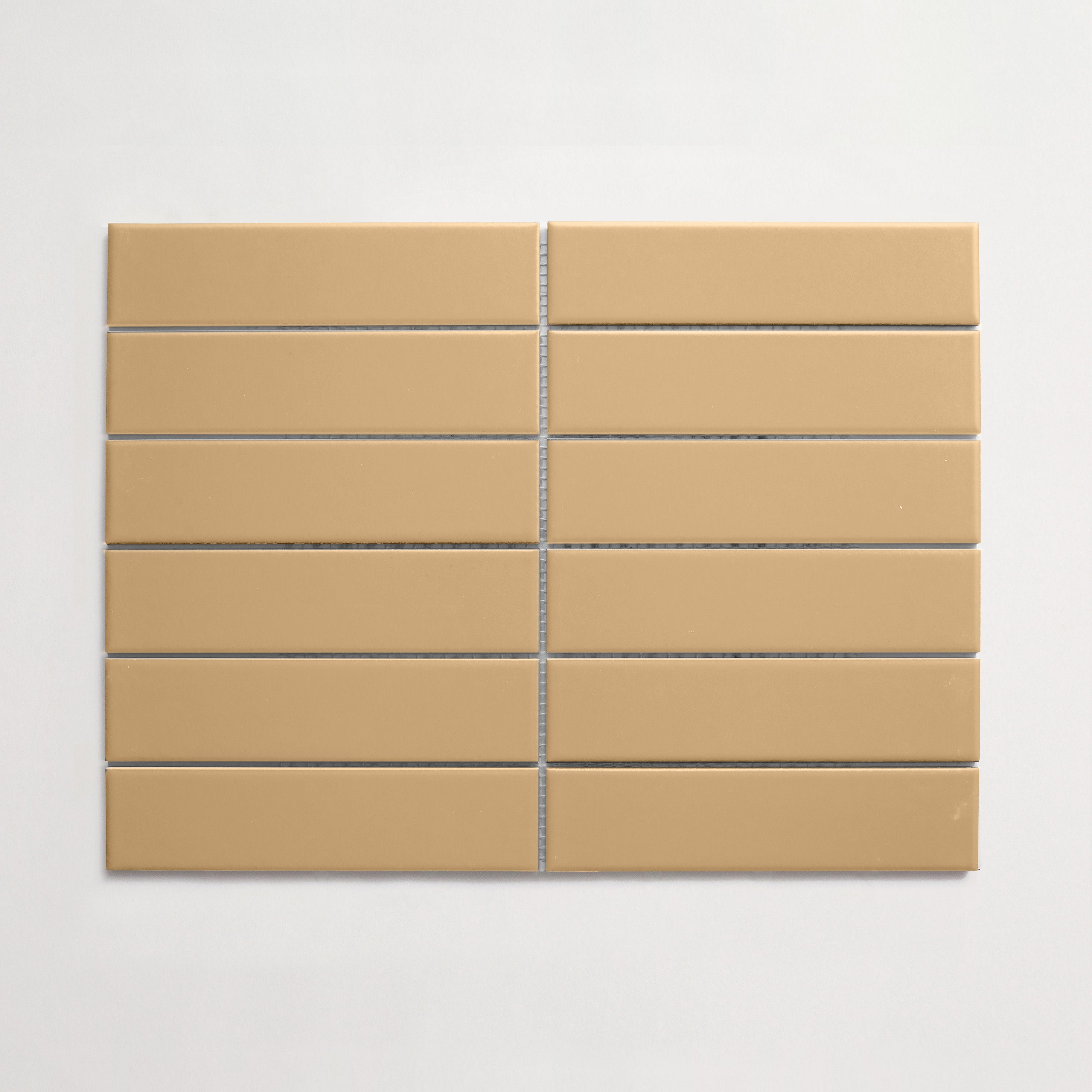

Colorway
-
Cannoli Shell
Collection
-
Colorwerks


Colorway
-
Denali Stone
Collection
-
BrickWorks


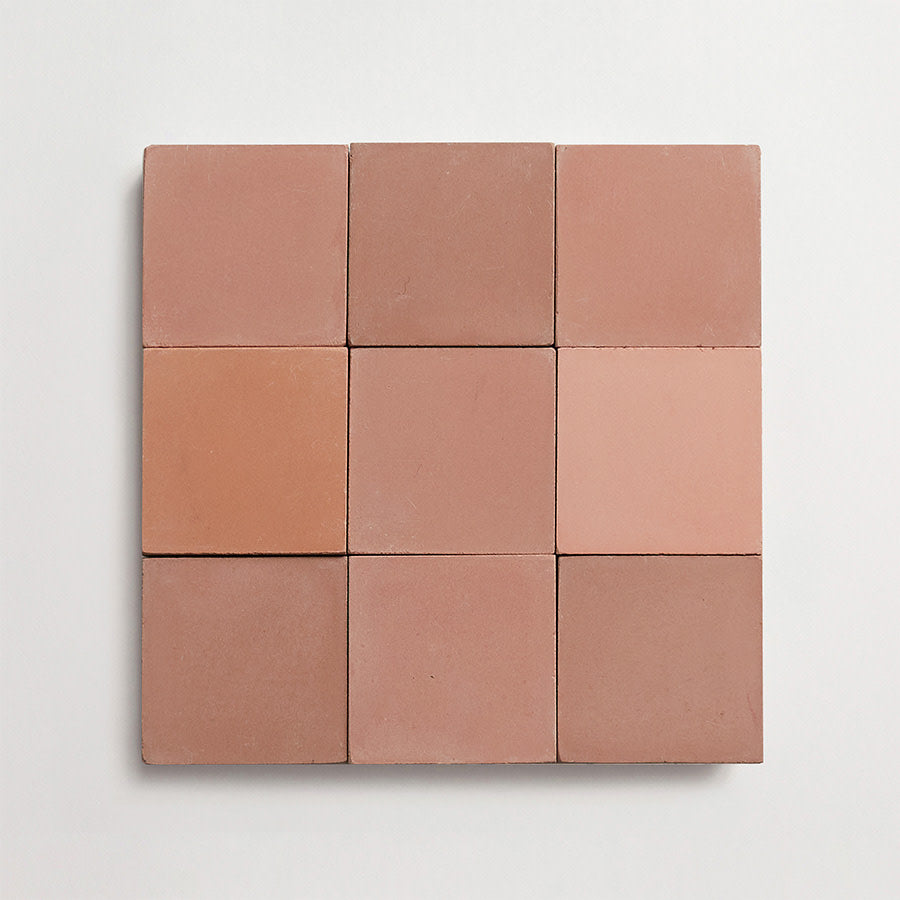
Colorway
-
Pressed Flower
Collection
-
Colore Frattura