

Outdoor Floor Tiles Design: Best Ideas, Materials, & Modern Styles
Outdoor floor tiles design has the power to shape how exterior spaces look, feel, and function—turning patios, pool surrounds, front porches, and decks into extensions of the home rather than afterthoughts. The right tile not only enhances the visual impact of an outdoor area, but also delivers the durability, traction, and performance needed to handle changing weather and everyday use.
Let’s walk through the key materials suited for outdoor environments, explore layout patterns that elevate the space, discuss how to choose tile based on your specific climate, and share design ideas for modern outdoor floor tiles to help you create a space that feels both practical and thoughtfully designed.


Types of Outdoor Floor Tiles
Porcelain Tile
Porcelain is one of the most reliable types of outdoor tiles for flooring thanks to its high density and low water absorption. It holds up well in changing weather conditions, resists cracking in freeze–thaw climates, and performs under heavy foot traffic. With slip-resistant finishes and a wide range of styles, porcelain is often the go-to choice when durability is the top priority.
Cement Tile
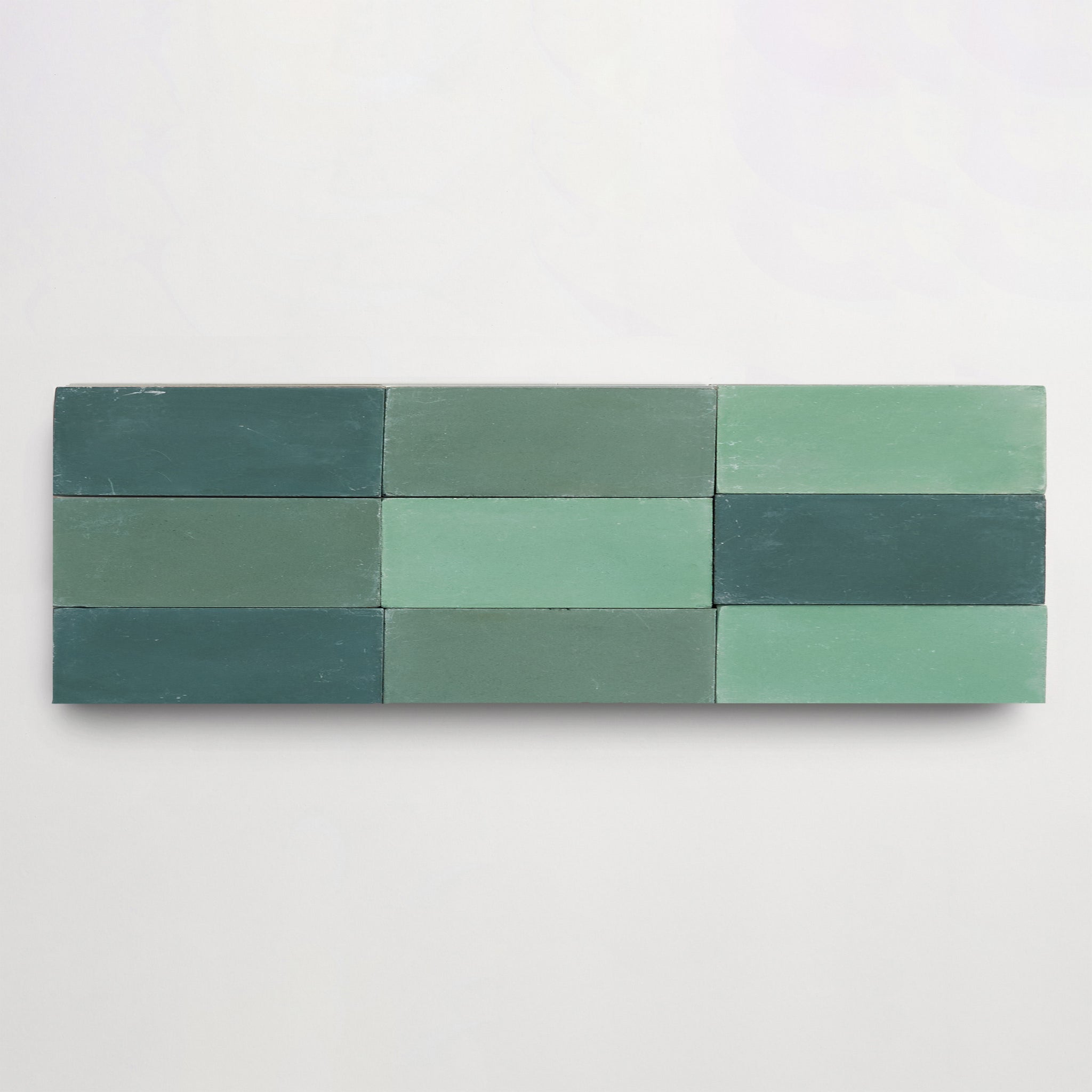
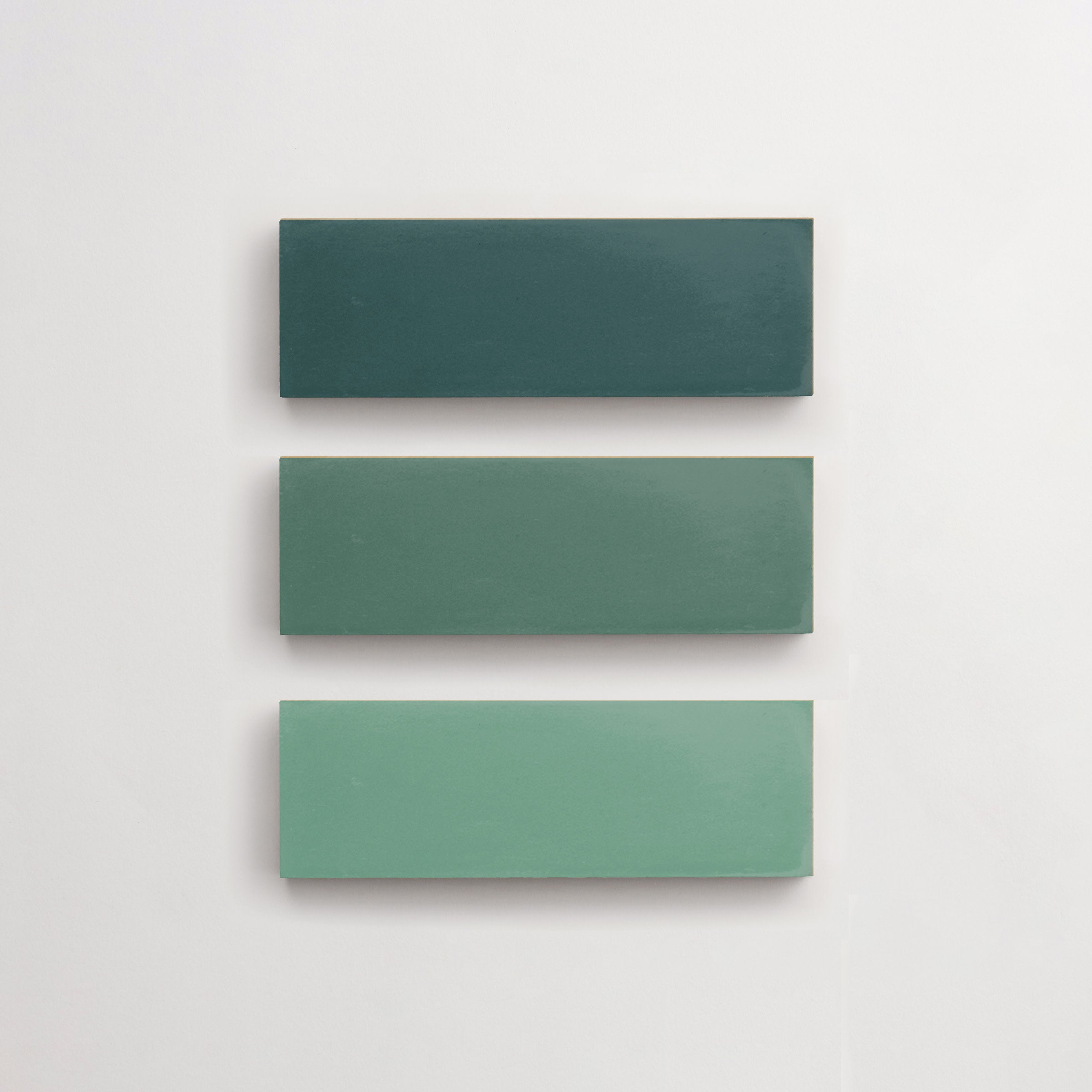
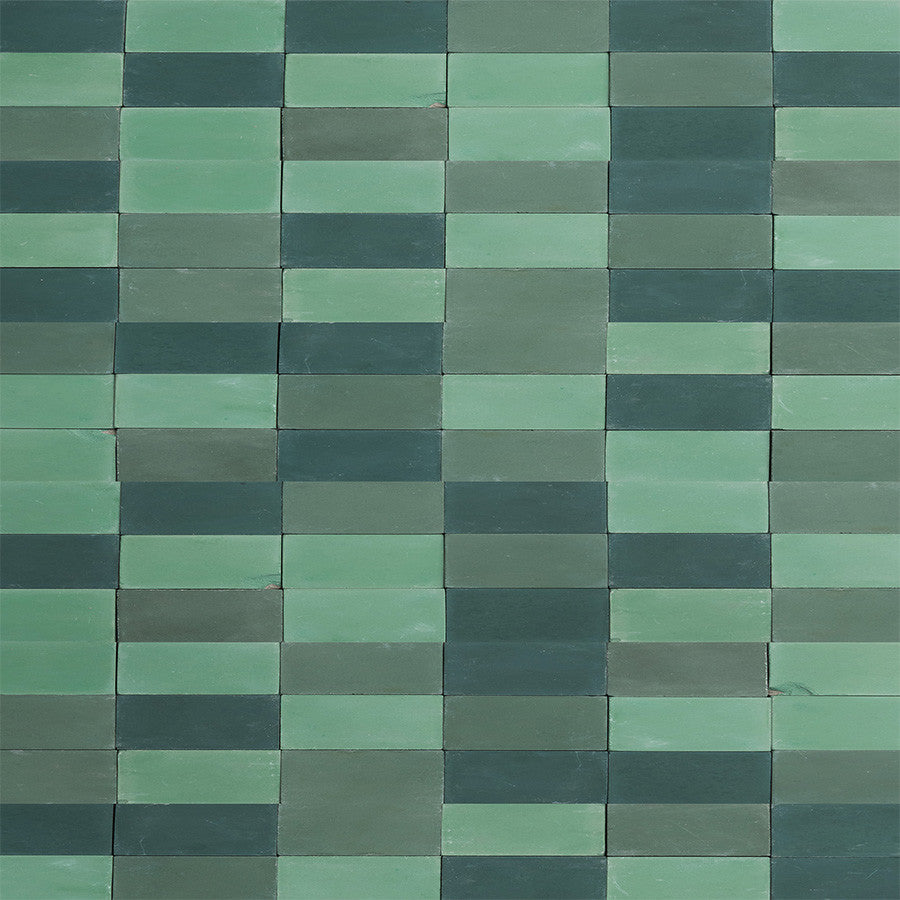
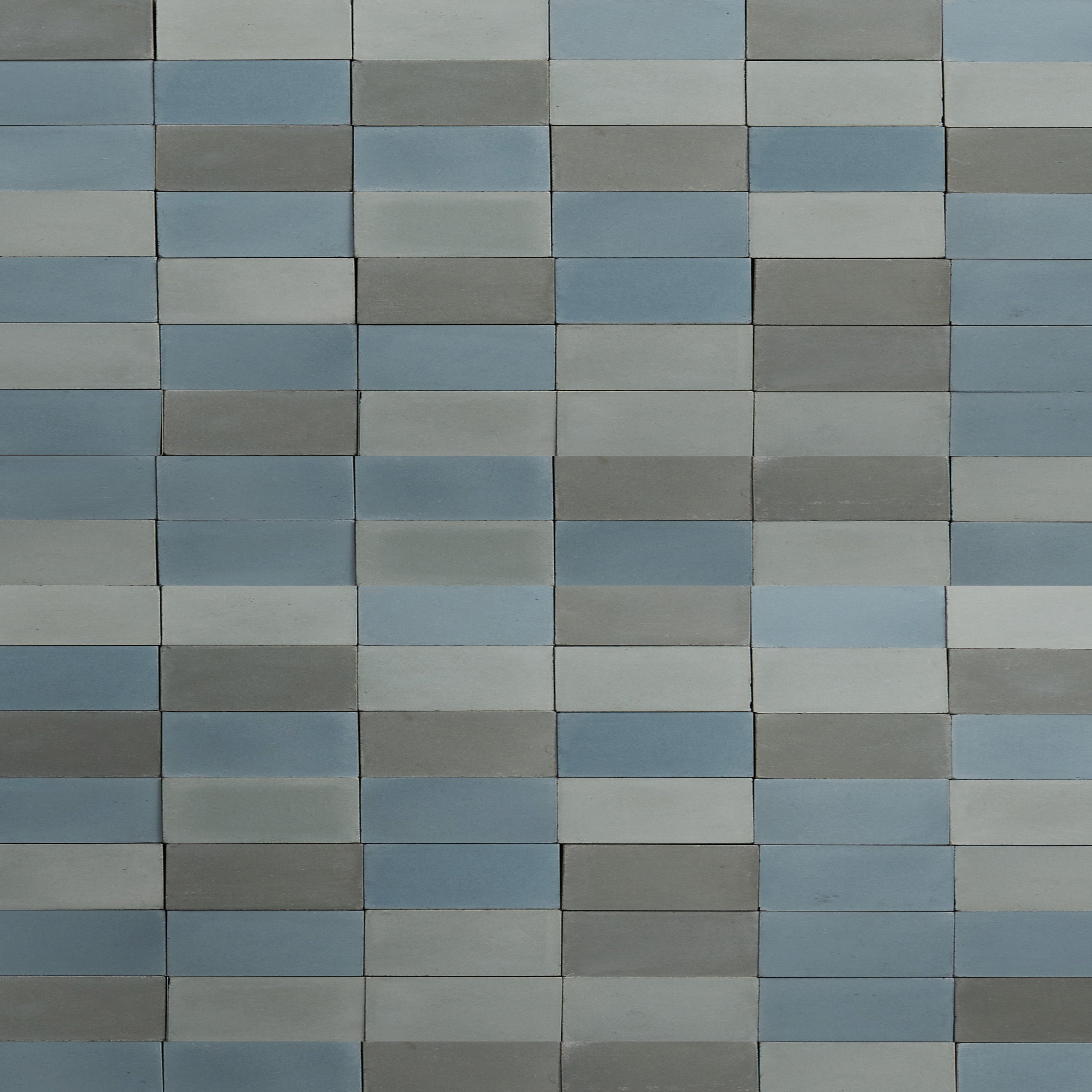
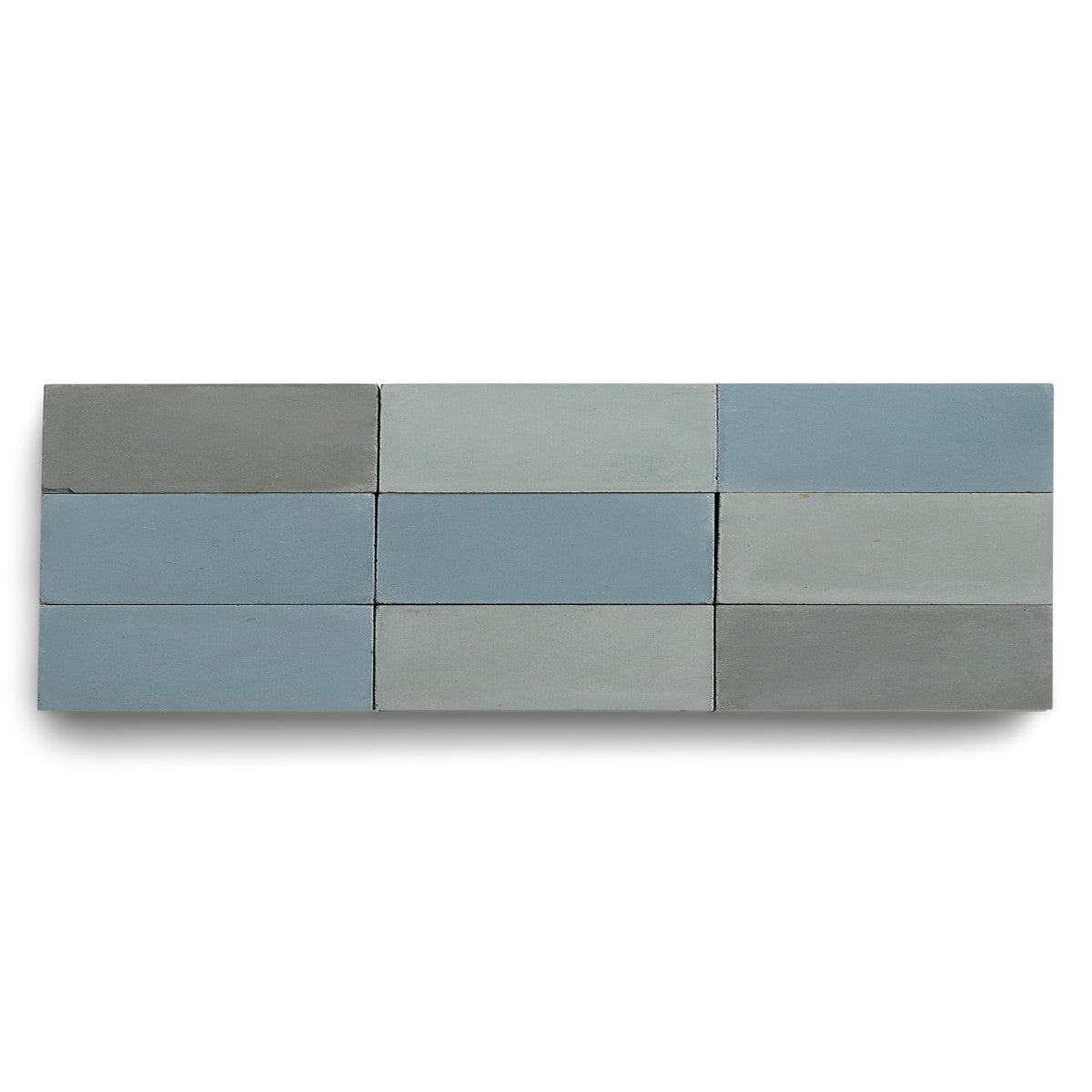
Cement tile brings bold pattern and visual weight to outdoor spaces. While it requires proper sealing and maintenance, it works well in covered patios or low-moisture areas where design impact is key. Its hand-crafted nature gives patios and porches a strong architectural presence.
Slate Tile
Slate is a natural stone known for its layered texture and naturally slip-resistant surface. It performs well outdoors when properly sealed and is especially suited for patios and walkways that benefit from its rugged, organic look. Color variation and surface clefting add depth without feeling decorative.
Travertine Tile
Travertine offers a softer, more refined stone look that stays cool underfoot, making it popular for pool decks and warm climates. (It makes for one of the best stone patio ideas, too.) Its porous structure requires sealing, but when maintained, it provides a timeless, resort-like feel that works well in both traditional and modern outdoor designs.
Terracotta Tile
Terracotta brings warmth and earthy character to outdoor spaces, particularly in dry or mild climates. Its natural clay body and matte surface create a relaxed, lived-in feel, though it requires sealing and protection from prolonged moisture or freezing temperatures.
Brick Tile
Brick is a classic outdoor flooring option valued for its durability and traction. It works well for patios, pathways, driveways (check out our guides on modern driveway materials) and courtyards, offering a sense of permanence and traditional charm. Color variation and texture help brick age gracefully over time.
Mosaic and Decorative Tile
Mosaic and decorative tiles are best used as accents rather than full-surface flooring outdoors. They add visual interest to borders, insets, or feature zones, but should be selected carefully for slip resistance and climate compatibility to ensure long-term performance.
Modern Outdoor Floor Tiles Design Ideas
When it comes to outdoor flooring, including outdoor tile stairs, there are as many design possibilities as there are outdoor spaces. Here are several ideas to inspire your next project, whether you want to complement a modern driveway or plan an eclectic patio.
Modern & Minimalist
Clean lines, neutral tones, and uncluttered layouts are the hallmarks of modern outdoor floor tile design. These spaces emphasize simplicity and function, with open layouts that allow the beauty of the tiles and surrounding environment to shine. Incorporating straight edges and symmetrical patterns enhances the streamlined aesthetic.
To achieve this look, outdoor porcelain tiles are a popular choice due to their sleek surface, durability, and water-resistant properties. For a monochromatic palette, shades like soft gray, warm beige, or crisp white can complement the minimalist theme, while matte finishes (a must for slip resistance) reduce glare under sunlight.
For an outdoor porcelain tile alternative, natural stone tiles such as slate can provide subtle texture without overwhelming the design. When sealed properly (and then resealed regularly) this type of tile not only lends a clean, contemporary aesthetic but also offers practicality for harsh weather conditions.
Bold Patterns to Catch the Eye
For clients seeking a more vibrant and dynamic flooring design, bold outdoor tiles are a good option. These designs use vibrant hues in striking geometric arrangements to create a lively atmosphere. Layouts inspired by Moroccan floor tile patterns, Art Deco, and Mediterranean aesthetics can transform a tiled pool area or concrete patio into a visually stunning focal point. The repetition of shapes and symmetry in these patterns also adds a sense of order while still maintaining an energetic vibe.
For those who are drawn to this aesthetic, ceramic tiles — especially porcelain tiles — are an excellent option to consider. These tiles come in a range of different colors, shapes, and sizes for adding a splash of vibrancy. They’re also ideal for high-traffic outdoor areas and locations subject to harsh weather conditions. (The same things could be said about cement tile.)
Also worth considering: terrazzo tile. This type of tile offers pairs the versatility of a solid with the visual interest of a pattern — and also happens to be available in a wide range of shades. (Just ask the Dolce Vita Terrazzo collection.) When it comes to color, opt for rich blues, warm terracotta, or even monochromatic black-and-white palettes to amplify the dramatic effect. Mixing matte and glossy finishes can further enhance the visual interest, ensuring the outdoor flooring stands out as a true design statement.
Textured Combinations for Depth & Interest
Combining textured tiles adds depth and character to outdoor flooring, creating a layered and dynamic visual experience. This approach also evokes a sense of natural beauty and craftsmanship, making it ideal for spaces that aim to feel both inviting and sophisticated. This approach works particularly well in areas where the interplay of light and shadow enhances the design, such as garden paths and shaded patios.
For example, blending natural stone with terracotta tiles evokes a warm and earthy aesthetic that complements Mediterranean and rustic design styles. Pairing porcelain tiles with cement-inspired textures could deliver a modern industrial look, perfect for contemporary spaces. Meanwhile, terrazzo tiles combined with slate create a striking contrast of smooth and textural finishes, offering a bold yet refined statement.

Seamless Indoor-Outdoor Transitions
Blurring the line between indoor and outdoor spaces is a growing trend in modern design. A seamless transition between these areas creates a harmonious flow, making the overall space feel more expansive and cohesive. This approach is especially effective in homes with open layouts or large glass doors that connect interior and exterior spaces.
To achieve this effect, consider tile materials like cement or raw terracotta that can effortlessly extend from indoor living spaces to outdoor patios or decks. These materials offer a natural, timeless appeal and work beautifully in warm, earthy color palettes. By selecting materials and colors that are suitable for both indoor and outdoor use, you can create a seamless design that feels intentional and refined.
Defining Outdoor Zones With Tile Patterns
Outdoor floor tiles can be used strategically to define different functional zones within an outdoor space. By incorporating distinct tile patterns, colors, or textures, you can visually separate areas like dining spaces, lounging zones, or walkways, even in open layouts. This approach not only adds structure and clarity to the design but also ensures that each zone feels purposeful and unique.
For example, consider using terracotta tiles in a herringbone pattern to define a cozy dining area, while opting for sleek porcelain tiles with a linear design on the pool deck. (We have plenty more terracotta patio tile ideas, by the way.) Meanwhile, natural stone tiles are the perfect choice for walkways, garden paths, and outdoor seating areas, blending seamlessly with the surrounding landscape. Brick works beautifully on the floor in outdoor kitchen areas, as well as on walls or backsplashes, and especially if you're seeking grill backsplash tile ideas. (See also: these ideas for a brick patio.)
Accentuating Focal Points
Tiles can also be used to draw attention to key features of an outdoor space, such as a fire pit, water fountain, or pool area. Highlighting these focal points with contrasting colors, bold patterns, or unique textures not only adds visual interest but also reinforces their significance within the overall layout. This design approach creates a sense of hierarchy in the space, guiding the eye naturally to areas of importance.
For example, you could frame a fire pit with natural stone tiles in warm, earthy tones to create a cozy and inviting ambiance. Surrounding a water fountain with glossy blue or green porcelain tiles can enhance the sense of serenity and evoke the look of a natural oasis. For a pool area, consider using raw brick to outline the perimeter, adding a timeless element to the design.
Mixing Materials for a Custom Aesthetic
For a truly bespoke look, mixing materials such as textural stone and smooth cement provides endless opportunities for creative expression. Combining these materials and finishes allows you to craft a custom aesthetic that not only reflects your client’s personal style but also adds depth and interest to the space. This approach works especially well in larger outdoor areas, where a variety of materials can break up the monotony and introduce an element of surprise.
For example, flagstone paired with raw terracotta tiles can create a stunning contrast between light and dark, ideal for walkways, eclectic spaces, and even Moroccan style patios. Bright travertine tiles and porcelain ones offer two different takes on color, a striking choice for a natural pool design idea.


Outdoor Floor Tile Design Tips
Designing with outdoor floor tiles involves more than just choosing the right look. Here are some essential tips to keep in mind when selecting the right types of outdoor tile for outdoor applications.
Considering Climate & Tile Material
The climate of your location plays a significant role when selecting the appropriate tile material. Porcelain tiles are excellent for areas with harsh weather conditions due to their water-resistant and frost-resistant properties. (They are freeze-thaw rated, thanks to their nonporous nature.) In warmer climates, cement and terracotta tiles are both timeless and heat-resistant options. You might also consider the advantages of flagstone.
Always choose materials that can withstand the specific demands of your outdoor environment — and when in doubt, double check the tile’s technical specifications.
Ensuring Safety in Wet Areas
Safety should always be a top priority, especially in pool areas, outdoor shower flooring, and other wet zones. For high-traffic areas that will see heavy moisture exposure, opt for slip-resistant or slate tiles to reduce the risk of accidents. (Matte grip porcelain tiles and natural brick tiles are two great examples of the best non-slip tiles.) Smaller tiles are also an excellent option here, as they require more grouting — and more grouting means more traction.
These tips are also important to keep in mind when tiling landscape steps and outdoor bathrooms. For more on this topic, learn about choosing tile for outdoor wet-area floors.
Creating a Cohesive Look
A well-designed outdoor space should feel cohesive and harmonious. When selecting outdoor floor tiles, consider how the material, color, and texture will complement other design elements such as the furniture, landscaping, and architectural features. (What will pairing brick with paint look like, for example?)
Neutral tones or tiles that resemble the surrounding scenery can help tie the entire space together. If you're working with a small space, tile size and pattern can have a big impact on the aesthetic. Check out these front porch tile flooring ideas.
Outdoor floor tiles are a cornerstone of modern outdoor design, offering endless opportunities to enhance functionality and style. From sleek minimalist patios to vibrant poolside escapes, the right tile choice can transform any space into an outdoor oasis.
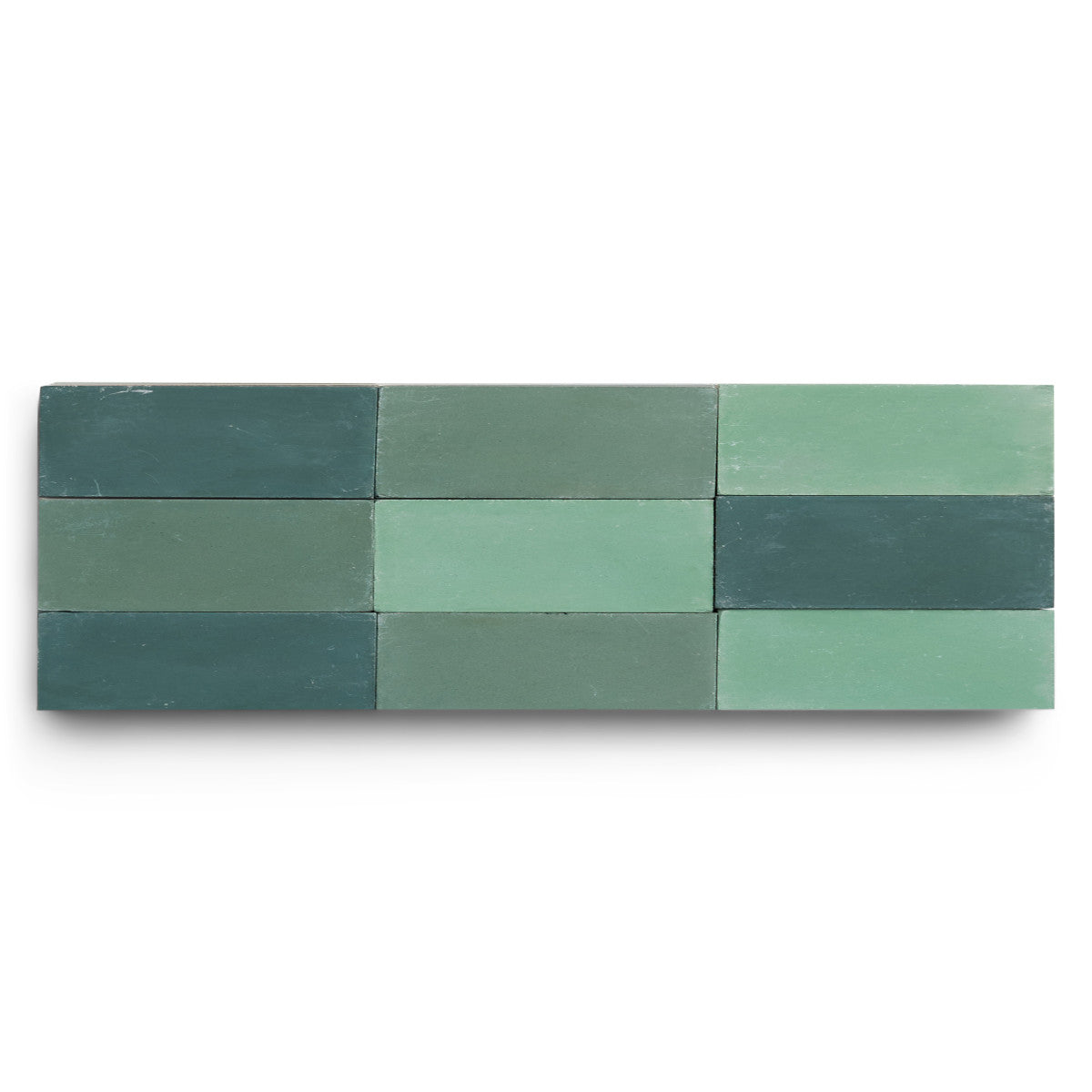
Colorway
-
Hidden Pond
Collection
-
Colore Frattura
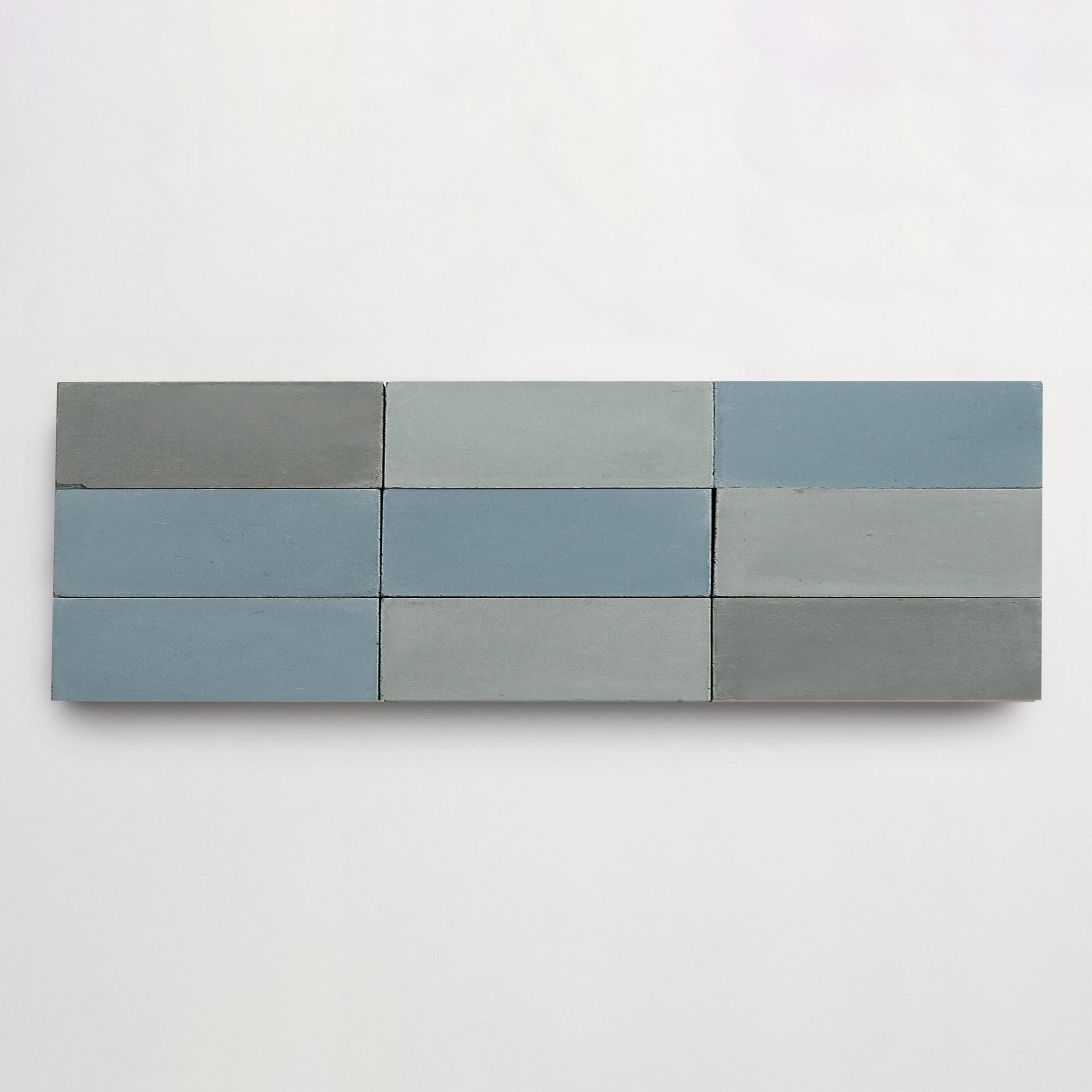
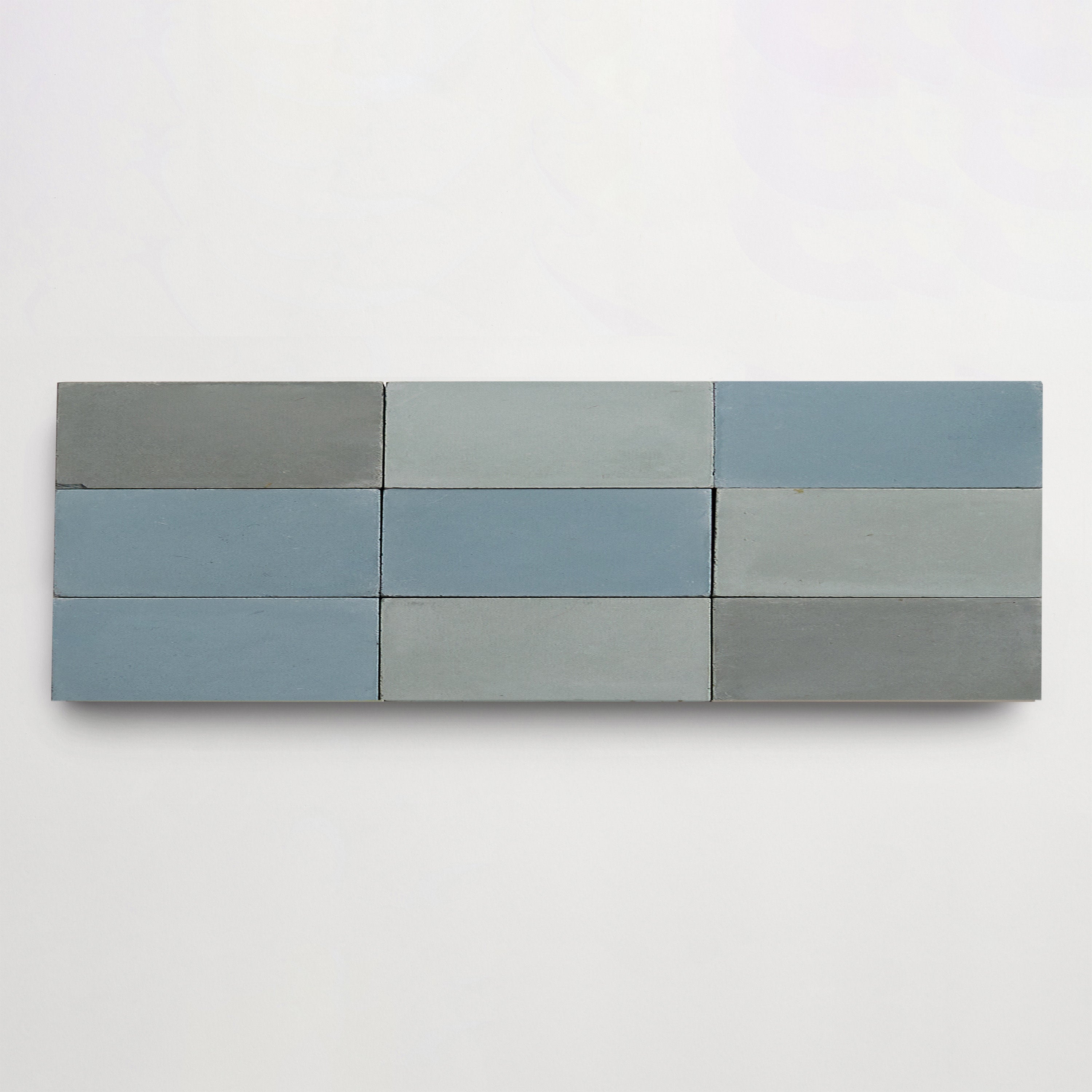
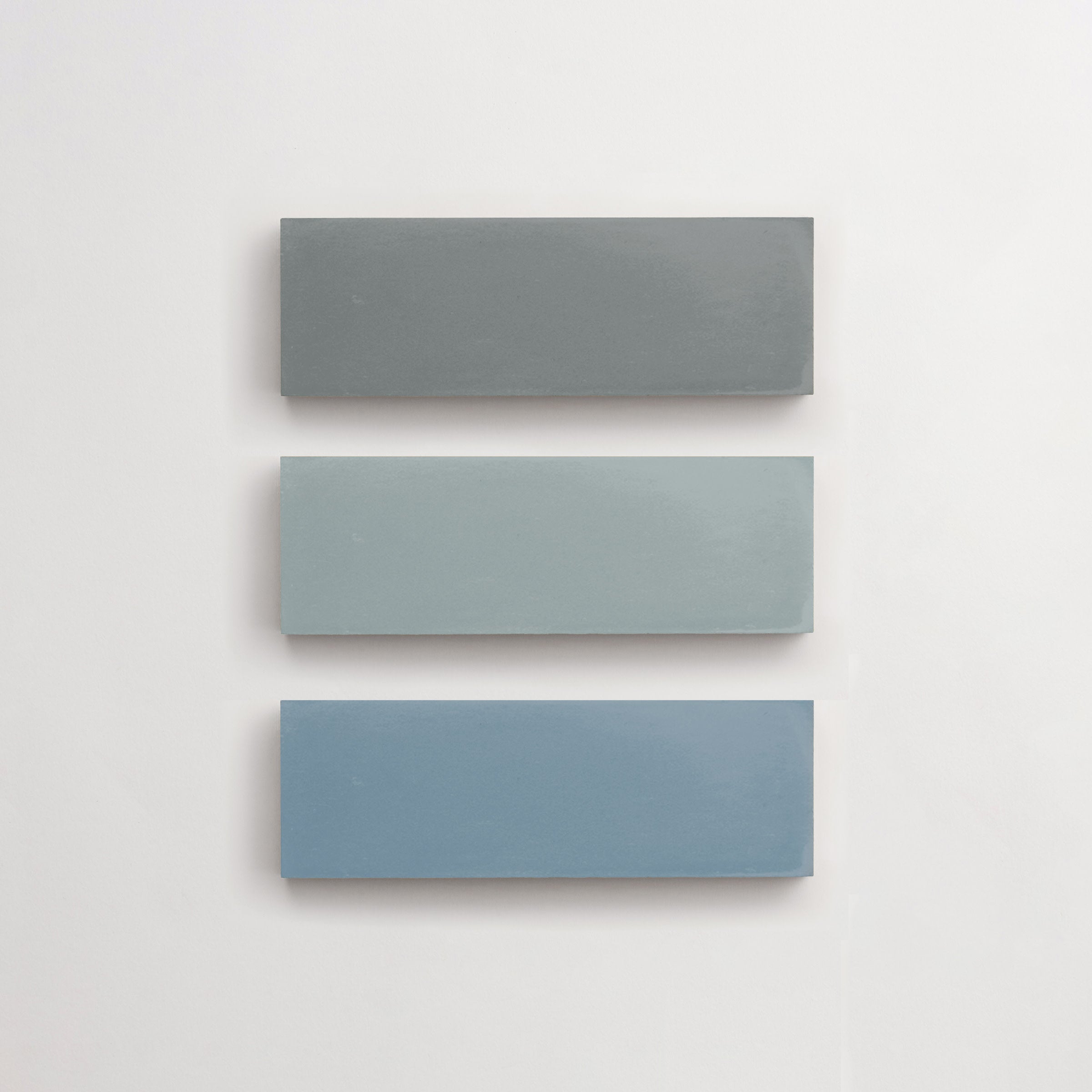
Colorway
-
Heirloom Opal
Collection
-
Colore Frattura
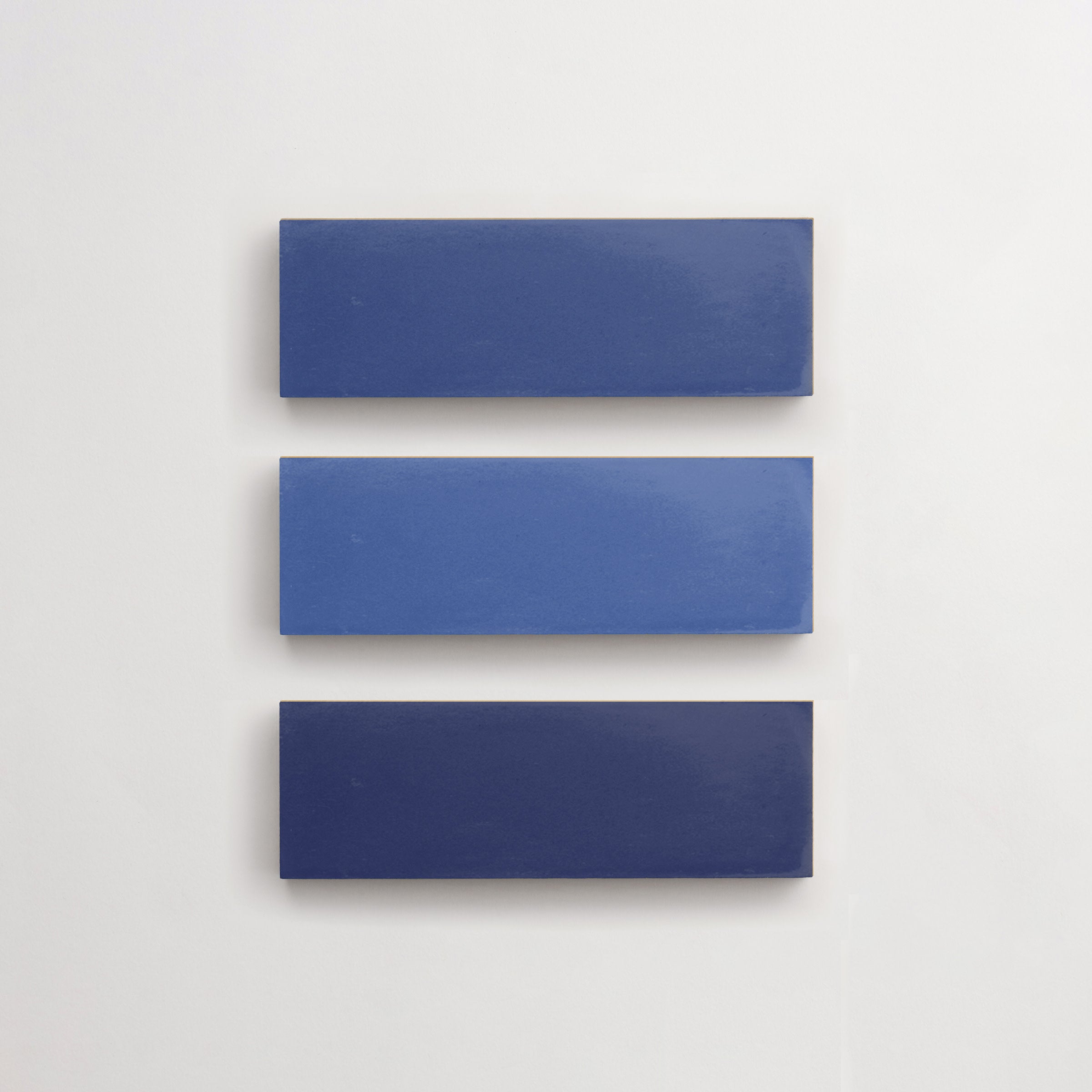
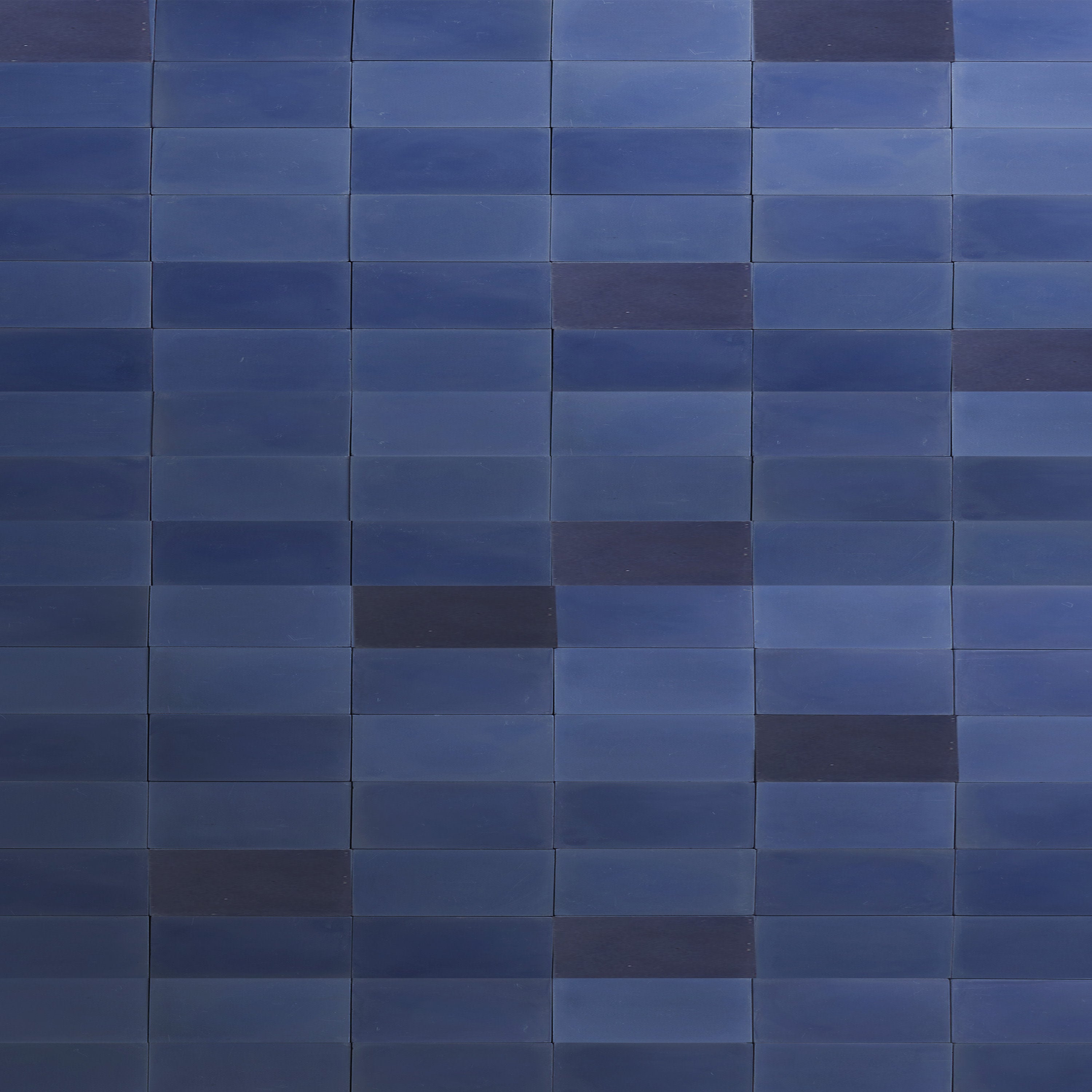
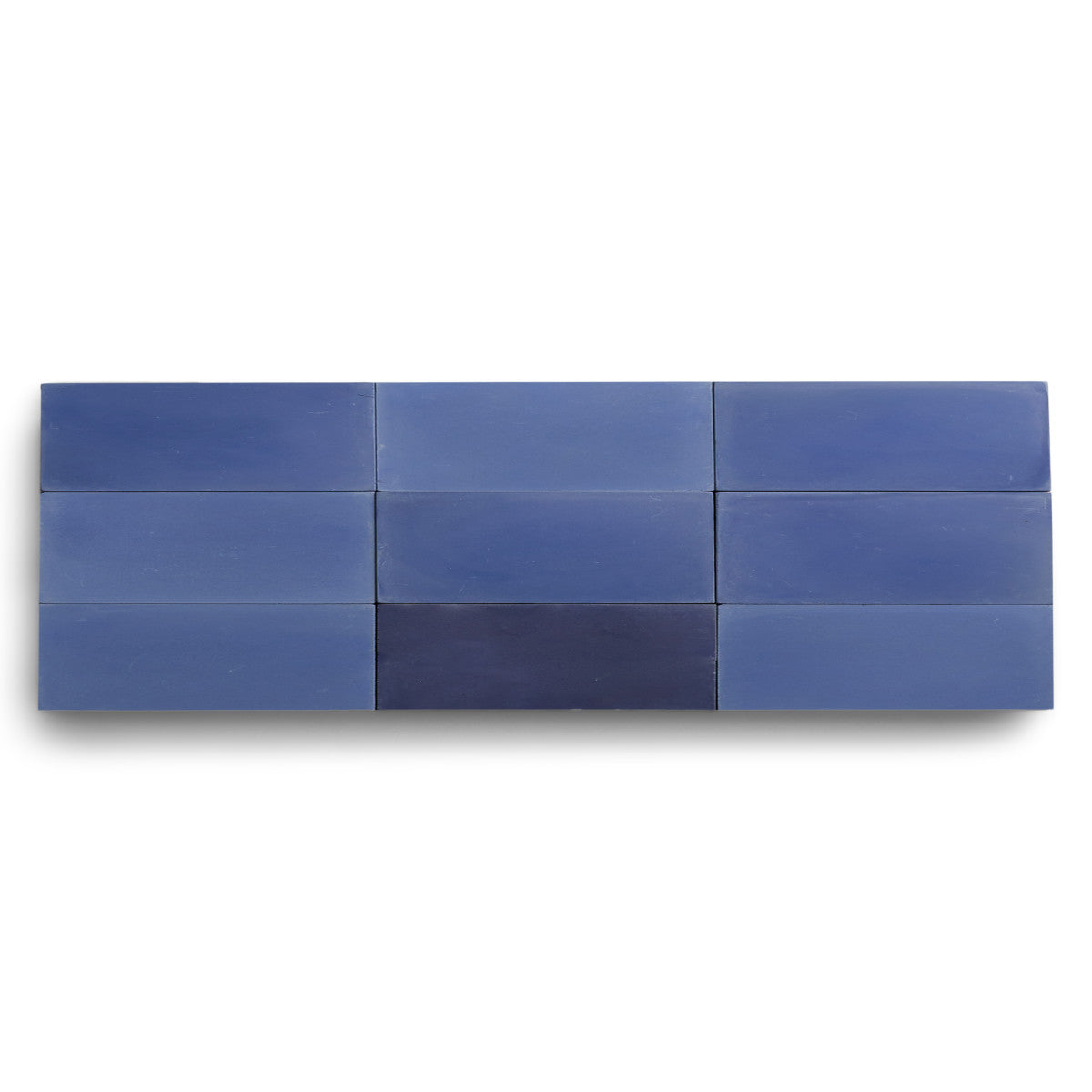
Colorway
-
Celestia
Collection
-
Colore Frattura