

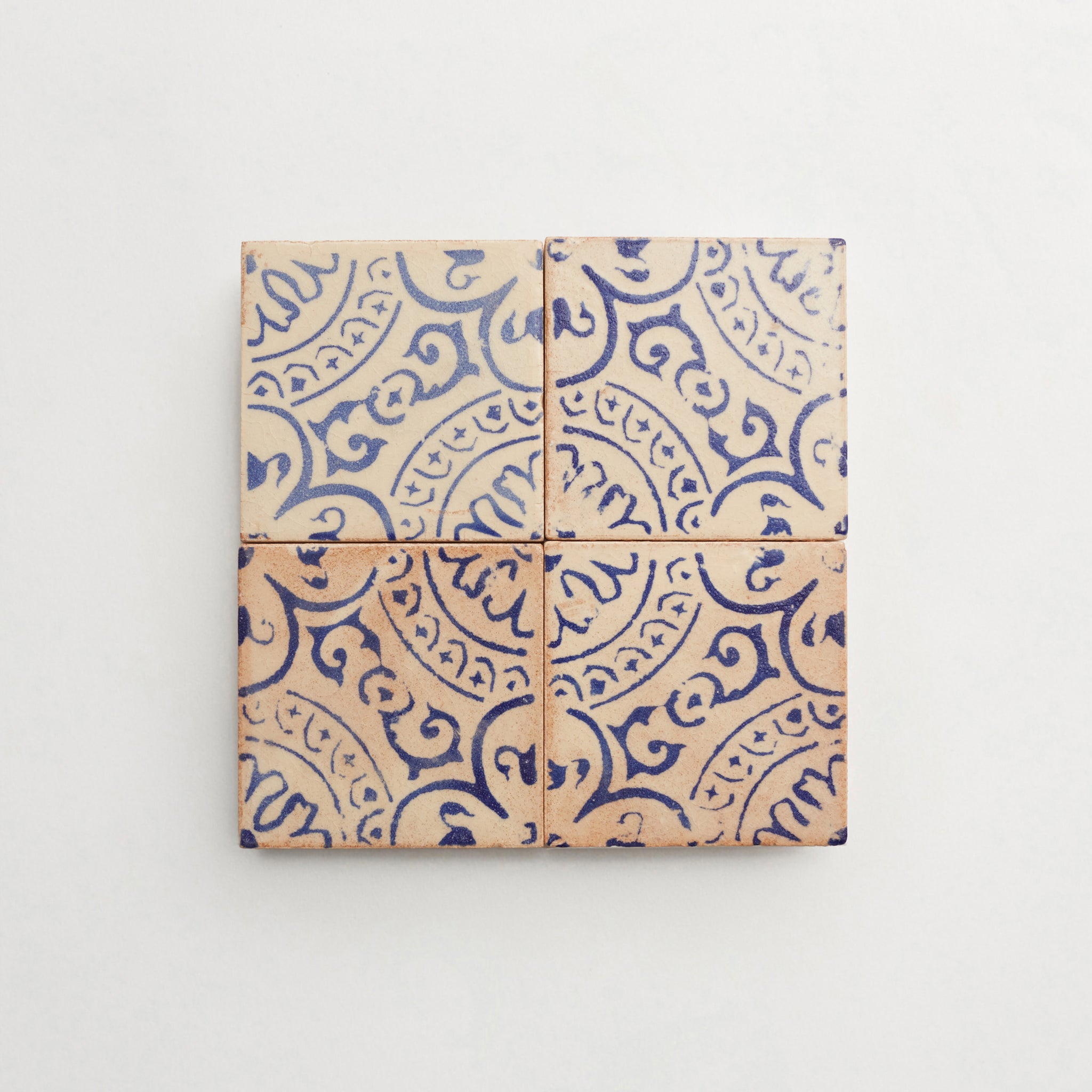
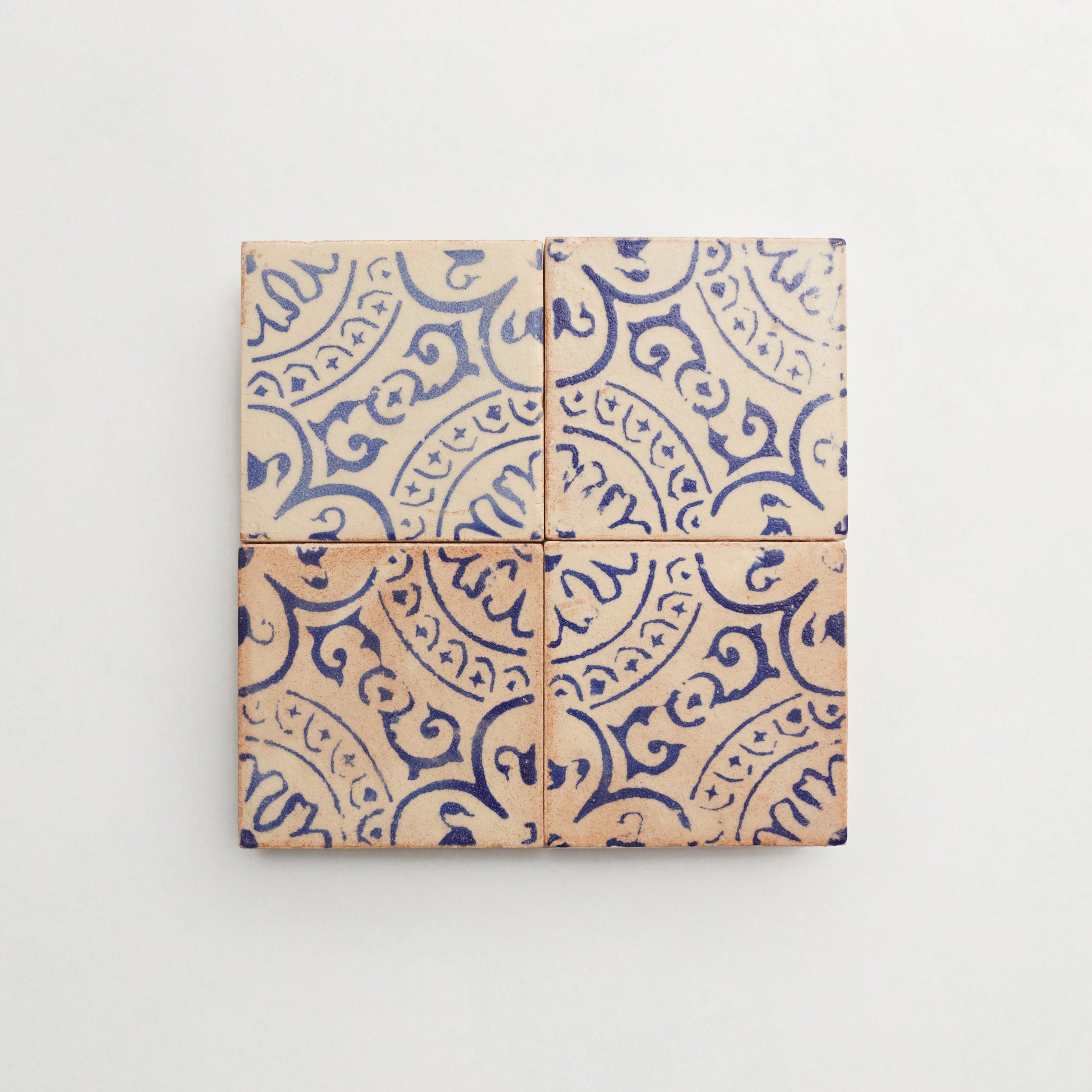
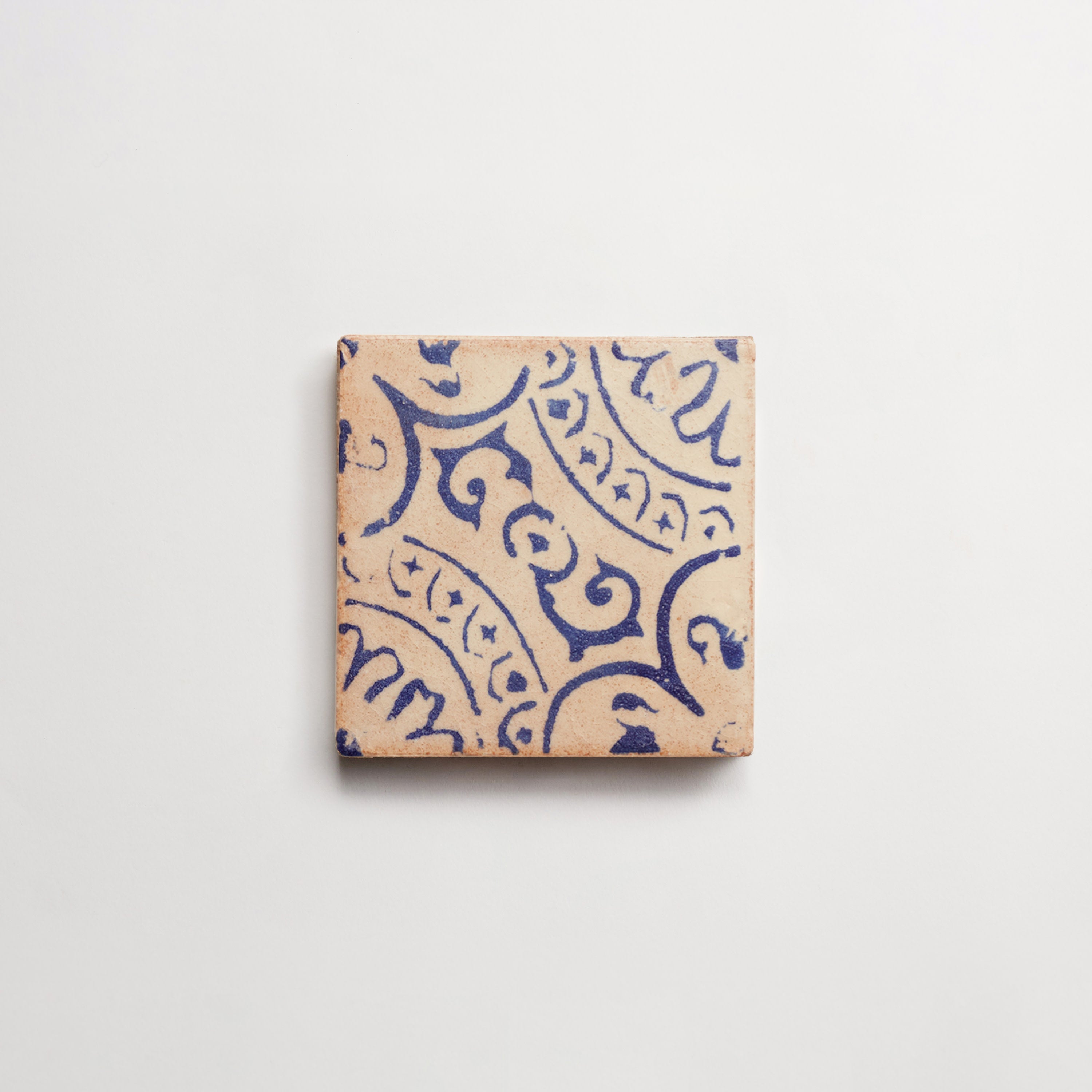
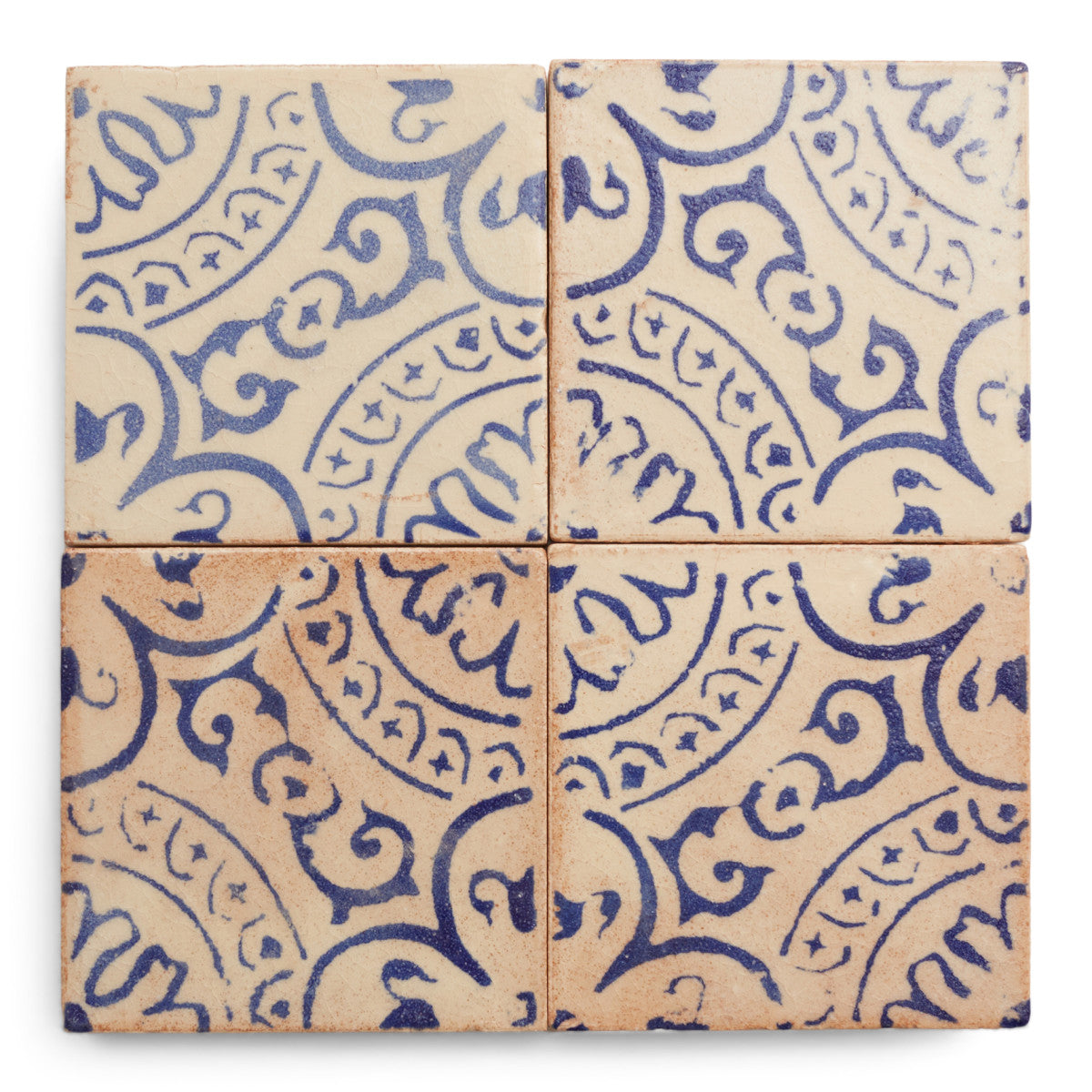
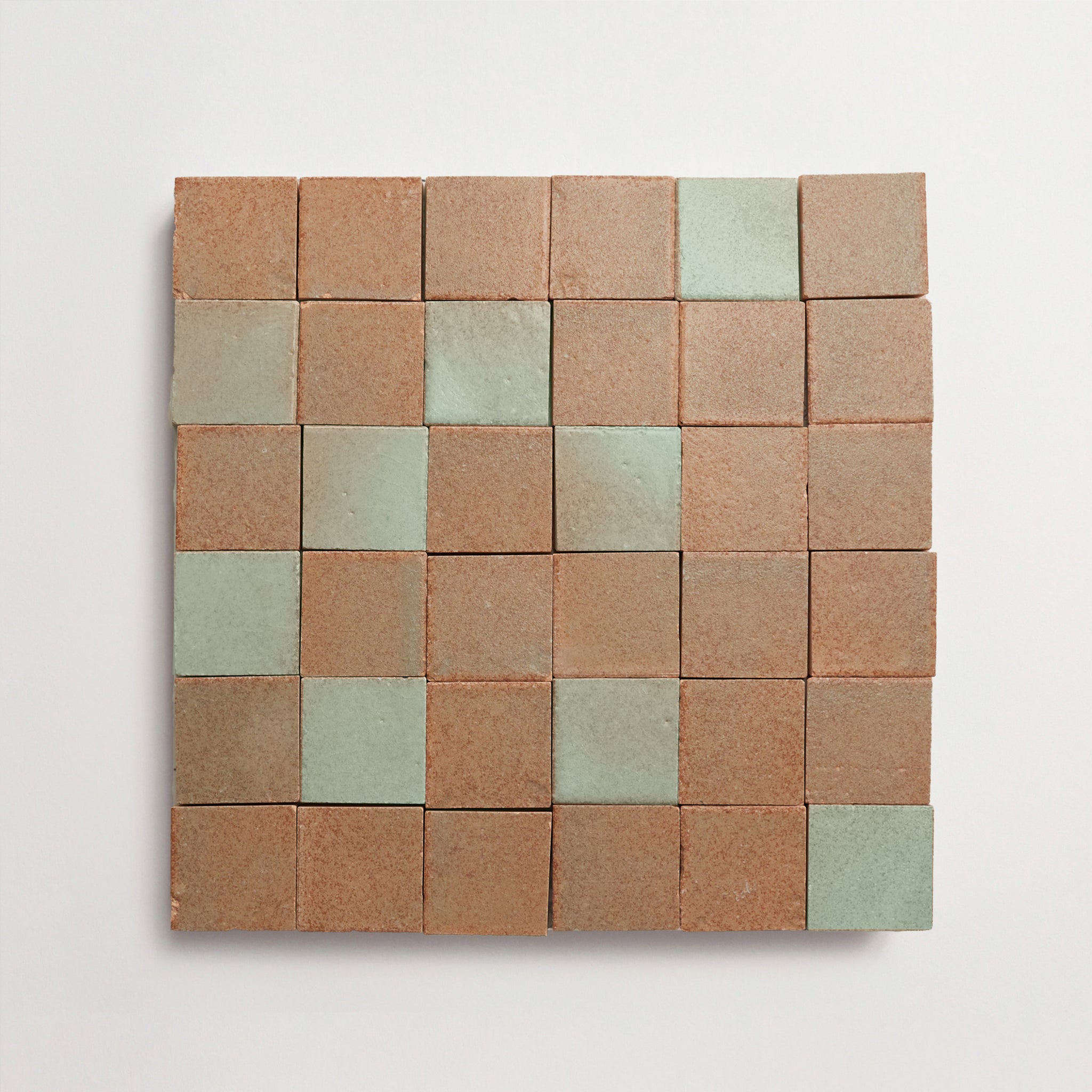
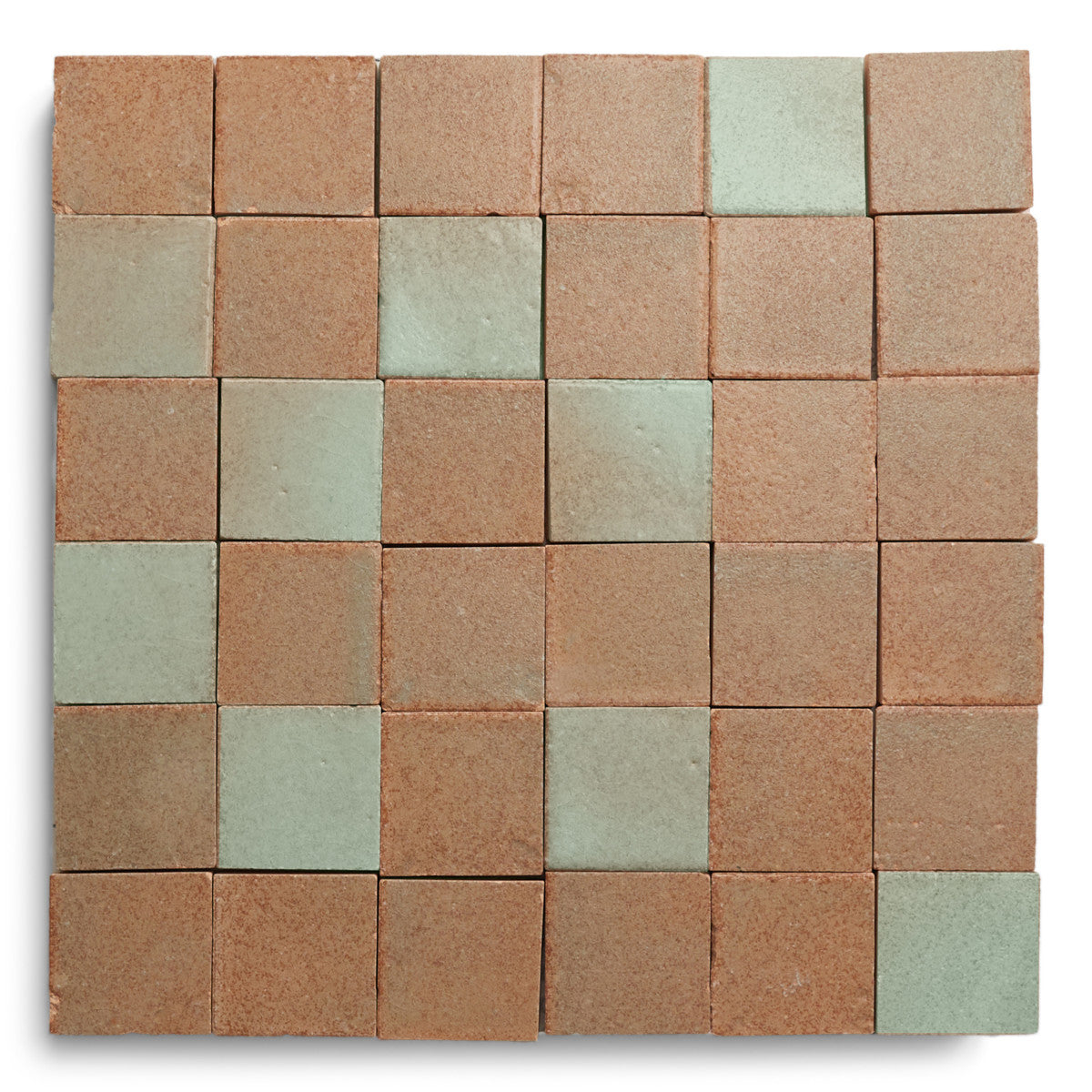
FezBrick, 4x4" Petite, Natural, Unfinished
11 Moroccan Tile Floor Pattern Ideas for Porches and Patios
Moroccan tile has a long history of bringing pattern, rhythm, and artistry to architectural surfaces — and outdoors is where it truly shines. When used on porches and patios, a Moroccan tile floor pattern can transform an open-air space into something intentional and transportive, blending heritage with performance.
From subtle tone-on-tone layouts to bold geometric statements, these designs offer a wide range of aesthetic possibilities for exterior projects. Below, we’ve curated eleven Moroccan tile pattern ideas that balance beauty, durability, and craft, all while elevating outdoor floor tile designs with timeless appeal.

FezBrick, 1x8" Amulet, Natural, Unfinished. Photo courtesy of Kajetan Powolny.


11 Moroccan Tile Floor Pattern Ideas for Porches and Patios
The following ideas showcase distinct ways to work with a Moroccan tile pattern for floors in outdoor environments. Each approach considers scale, materiality, and visual impact, whether the goal is to anchor a seating area, define circulation paths, or complement Mediterranean outdoor kitchen ideas.
These Moroccan tile floor pattern concepts are as functional as they are expressive, too, making them an excellent choice for designers seeking surfaces that feel both considered and lived-in. Think of this list as a tool kit — adaptable, layered, and grounded in artisan tradition.
1. Zellige-Inspired Layouts with Tonal Variation
Zellige-inspired layouts celebrate subtle irregularity and depth, making them a perfect choice for patios that benefit from visual texture. Slight variations in tone and surface reflect light differently throughout the day, creating movement without distracting from the overall design.
This Moroccan tile pattern works especially well in neutral palettes like sand, clay, or soft white, where the craftsmanship can take center stage. (Natural, unglazed zellige is an especially striking option.) For outdoor floors, it’s a solid choice that pairs beautifully with plaster walls, natural wood furniture, and a relaxed Moroccan patio atmosphere.
2. Repeating Star-and-Cross Patterns for Timeless Symmetry
Star-and-cross motifs are among the most recognizable Moroccan floor tile patterns, prized for their balance and repetition. Used on porches or patios, this Moroccan tile pattern for floors introduces rhythm that feels both structured and inviting.
The repetition in this pattern helps large outdoor areas feel cohesive. In cement, these patterns become a perfect choice for projects seeking longevity and visual harmony, grounding outdoor spaces with geometry that has endured for centuries.
3. Checkerboard Geometry with Mediterranean Contrast
A checkerboard layout offers a graphic interpretation of Moroccan tile patterns for floors while nodding to broader Mediterranean influences. High-contrast pairings like charcoal and ivory or terracotta and cream feel bold yet familiar, making them ideal for transitional outdoor spaces.
This Moroccan tile floor pattern is an excellent choice for patios connected to Mediterranean inspired pool areas, where clarity and contrast help define zones. The simplicity of the grid allows surrounding materials — greenery, wood, and metal, for example — to shine.

4. Borders That Frame and Define Space
Patterned borders are a subtle way to introduce Moroccan tile patterns without committing to an all-over design. Used to frame dining areas, outdoor kitchens, and walkways, borders add structure and intention to patios. This approach works especially well in multi-use spaces where different zones benefit from visual separation.
A Moroccan tile pattern for floors used as a border is a best choice for projects that prioritize flexibility. Designers can layer patterns thoughtfully while still keeping the overall composition calm.
5. Large-Scale Motifs That Anchor Outdoor Seating Areas
Oversized Moroccan tile floor patterns can visually anchor furniture groupings, making patios feel cohesive rather than scattered. Large motifs work best in open layouts, where the scale can be fully appreciated. When rendered in durable materials like stone or high-performance cement, these patterns become both focal point and foundation.
This is a perfect choice for expansive porches or terraces, where a single repeating motif can ground the space and support a curated mix of outdoor furnishings.
6. Pattern Mixing for Layered, Curated Elegance
Mixing Moroccan tile patterns introduces a collected, design-forward sensibility that feels organic rather than overly matched. Pairing cement tiles with terracotta or combining different colors within the same geometric language creates depth and narrative. The key is cohesion — shared tones or scales help the mix feel intentional.
For designers who are planning a Moroccan patio with character, pattern mixing is an excellent choice that evokes lived-in elegance while showcasing the versatility of different types of tile.
7. Monochrome Patterning for a Modern Interpretation
A monochrome Moroccan tile pattern strips color back while letting geometry take the lead. Black, white, or soft gray palettes feel especially at home in contemporary architecture, where clean lines meet historical references.
This approach proves that Moroccan tile floor patterns don’t need vibrant hues to make an impact. By limiting the palette, the pattern itself becomes the star, offering a solid choice for modern outdoor projects that value restraint without sacrificing visual interest.


8. Subtle Tone-on-Tone Reliefs with Natural Clay Textures
Natural clay tiles with low-relief Moroccan patterns offer a quieter, more tactile experience underfoot. Unglazed or lightly textured surfaces feel grounded and authentic, making them a perfect choice for porches that blur the line between indoors and out.
Tone-on-tone designs emphasize material over contrast, allowing shadows and sunlight to define the pattern. This approach works beautifully in earthy settings and pairs well with the variety of colors found in landscape and architectural elements.
9. Mosaic-Style Compositions with Artisan Irregularity
Mosaic-style Moroccan tile patterns embrace variation, celebrating hand-cut edges and organic layouts. These designs feel inherently custom, making them ideal for designers who want outdoor floor tile designs that read as one-of-a-kind. Irregular mosaics work particularly well in intimate patio spaces or garden paths, where their scale invites closer inspection.
As a Moroccan tile floor pattern, mosaic compositions are a perfect choice for projects that prioritize craft and individuality over uniformity.
10. Classic Quatrefoil Patterns Reimagined in Outdoor Stone
The quatrefoil is a timeless motif that adapts beautifully to outdoor environments when rendered in stone or other weather-resistant materials. This Moroccan floor tile pattern offers softness within geometry, balancing curves and structure.
Used on patios, this pattern pairs effortlessly with both traditional and contemporary furnishings. It’s an excellent choice for long-lasting exterior surfaces that reference heritage while meeting modern performance expectations.
11. Glazed Details That Capture and Reflect Sunlight
Glazed Moroccan tile patterns introduce light play that evolves throughout the day, adding dimension to outdoor floors. Used sparingly or as accents, glaze can highlight specific areas like thresholds or seating zones. In sunlit patios, reflective surfaces create subtle movement without overwhelming the design.
This Moroccan tile pattern for floors is a great option when paired with matte materials, offering contrast that feels dynamic and intentional across different colors and lighting conditions.

Designing with Moroccan Tile Outdoors
Moroccan tile patterns are uniquely suited to exterior environments because they balance ornament with function. Their geometric language feels at home in open-air settings. From Moroccan inspired patios to pool surrounds and outdoor kitchens, here are some considerations designers and architects must keep in mind when planning projects that meet aesthetic goals and practical demands.
The Artistry Behind the Pattern
At the heart of Moroccan tile patterns lies a deep tradition of geometry, repetition, and symbolic balance. These designs were historically used to express harmony and order, qualities that translate beautifully to outdoor architecture. Understanding this visual language helps designers use Moroccan tile patterns for floors with intention, ensuring motifs feel purposeful rather than decorative.
Durability Meets Design in Open-Air Environments
For outdoor use, material performance matters as much as pattern. Our tiles, for instance, are designed to withstand temperature shifts, moisture, and sun exposure without sacrificing beauty. (When in doubt, always check a tile’s technical specs.) This makes them an excellent choice for patios, porches, and even Mediterranean inspired pool settings.
Choosing the Right Moroccan Tile Pattern for Your Porch or Patio
Moving from inspiration to specification requires balancing aesthetics with context. The right Moroccan tile pattern for floors should respond to scale, surroundings, and how the space will be used. Considering these factors early helps ensure the final result feels cohesive and intentional, whether the project is a compact porch or an expansive patio.
Aligning Pattern Scale with Outdoor Proportions
Pattern scale plays a critical role in how a space is perceived. Smaller, intricate Moroccan tile patterns can overwhelm tight areas, while large motifs may feel lost in expansive patios. Matching the scale of the pattern to the proportions of the outdoor area is an excellent choice for visual balance.
Balancing Bold Geometry with Surrounding Elements
Moroccan tile patterns are inherently expressive, so it’s important to balance them with surrounding materials. Furniture, landscaping, and architectural details should complement — not fight with — the geometry underfoot. Neutral furnishings and natural textures often provide the right counterpoint, allowing the tile to stand out.
Surface Texture, Color Variation, and Light Interaction
Outdoor environments constantly change with light and weather, making surface texture and color variation especially important. Matte finishes reduce glare, while subtle variation adds depth. Glazed accents can highlight specific zones. Considering how Moroccan tile floor patterns interact with sunlight throughout the day helps designers select finishes that feel dynamic yet comfortable.
Bringing Pattern, Heritage, and Craft Outdoors
Moroccan tile patterns offer more than decoration — they bring history, artistry, and intention to outdoor spaces. When used on porches and patios, these designs elevate everyday surfaces into meaningful architectural elements. From subtle clay reliefs to bold geometric statements, Moroccan tile patterns for floors are an excellent choice for designers seeking enduring beauty. Explore our collections to discover a variety of colors, materials, and types of tile that bring craft outdoors with confidence.
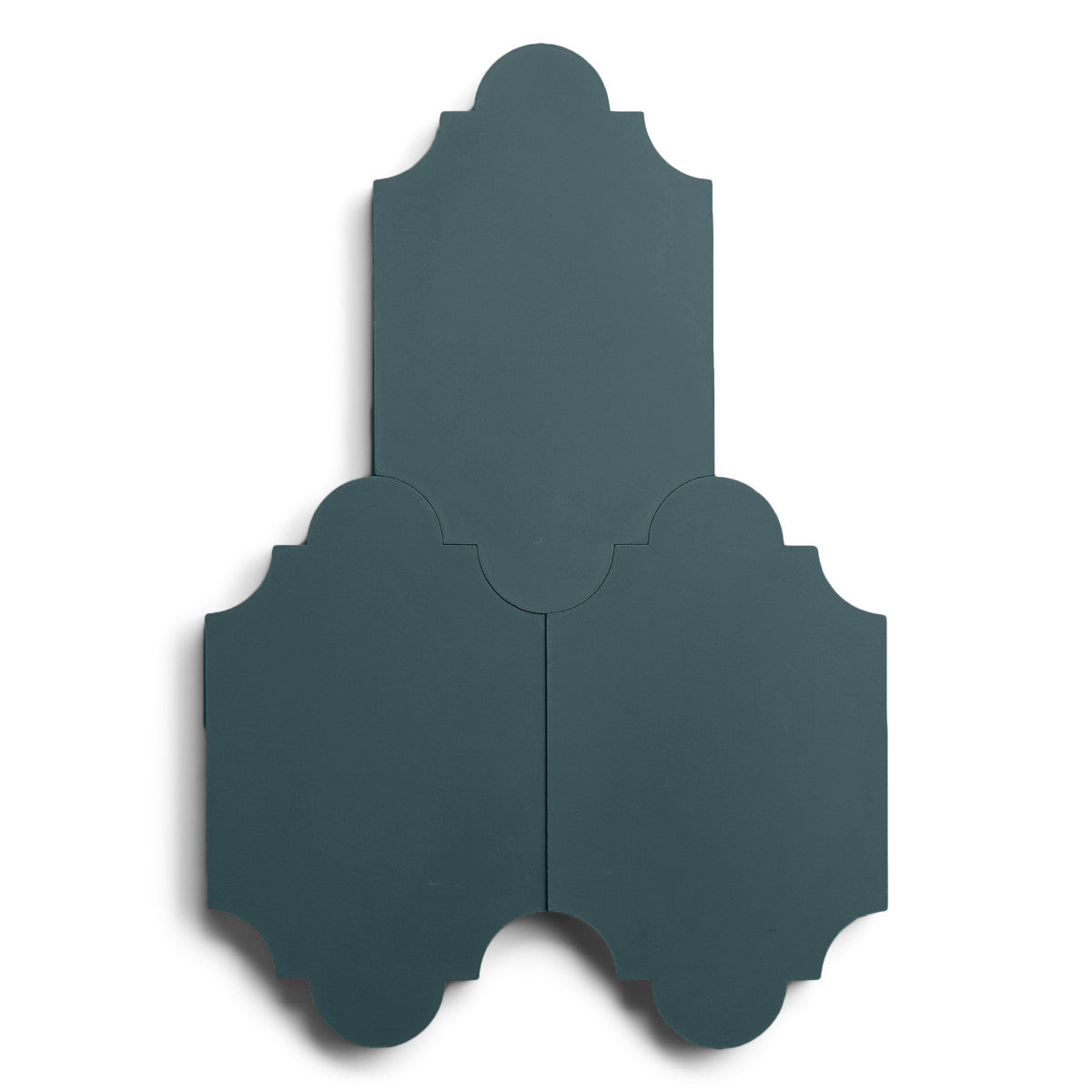
Colorway
-
Claire + Barcelos Blue
Collection
-
Eastern Expression
:
Sub Collection
-
Henna
Material
Length
-
4
" x
Width
-
4
" x
Thickness
-
¼
"
Unit of Measurement
-
sqft
/
Price per Unit
$
Colorway
-
Mallard
Collection
-
Pavimenti
:
Sub Collection
-
Lanterni
Material
Length
-
8
" x
Width
-
8
" x
Thickness
-
⅞
"
Unit of Measurement
-
sqft
/
Price per Unit
$
Colorway
-
Flowering Tea
Collection
-
Eastern Expression
:
Sub Collection
-
Tempera
Material
Length
-
4
" x
Width
-
16
" x
Thickness
-
¾
"
Unit of Measurement
-
sqft
/
Price per Unit
$