

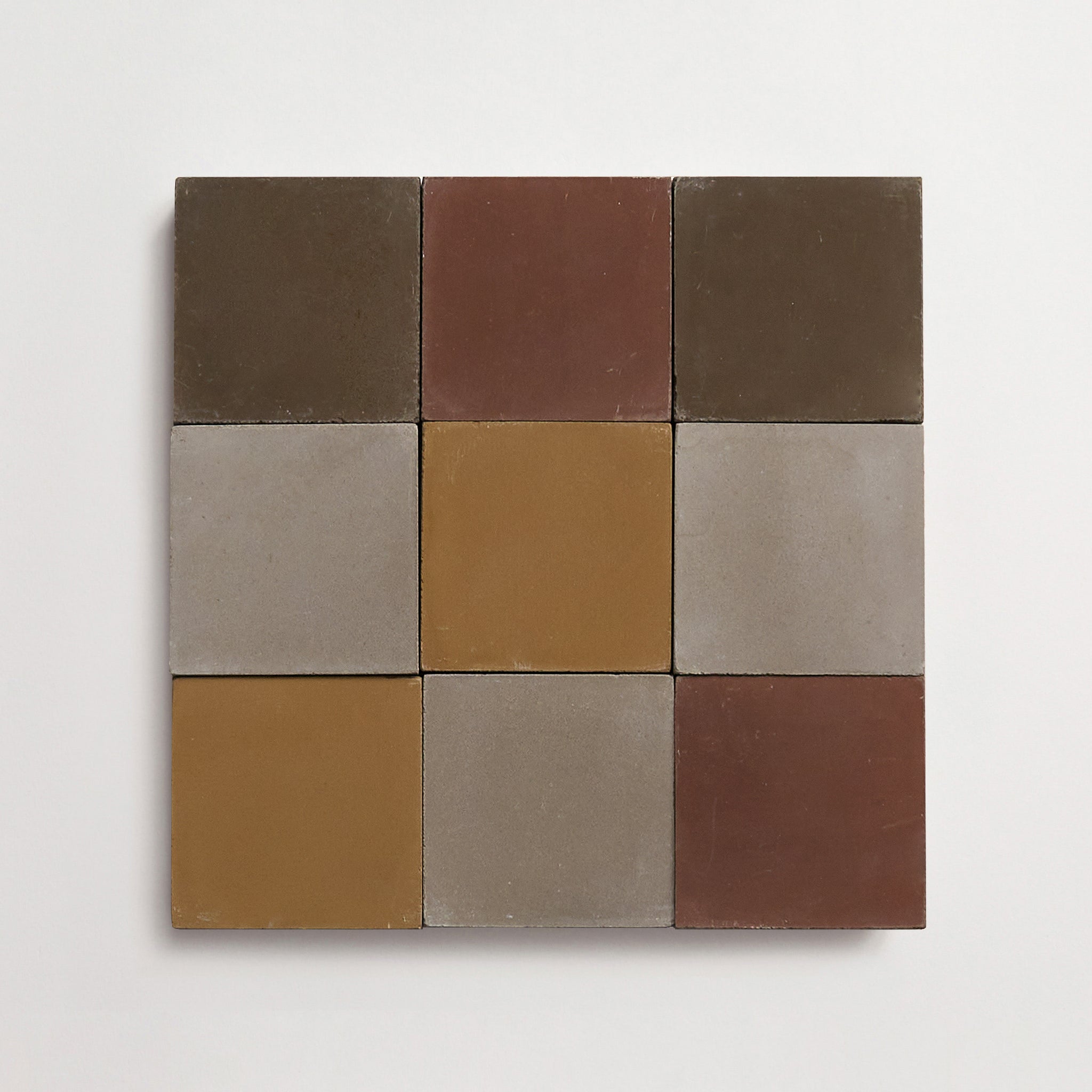
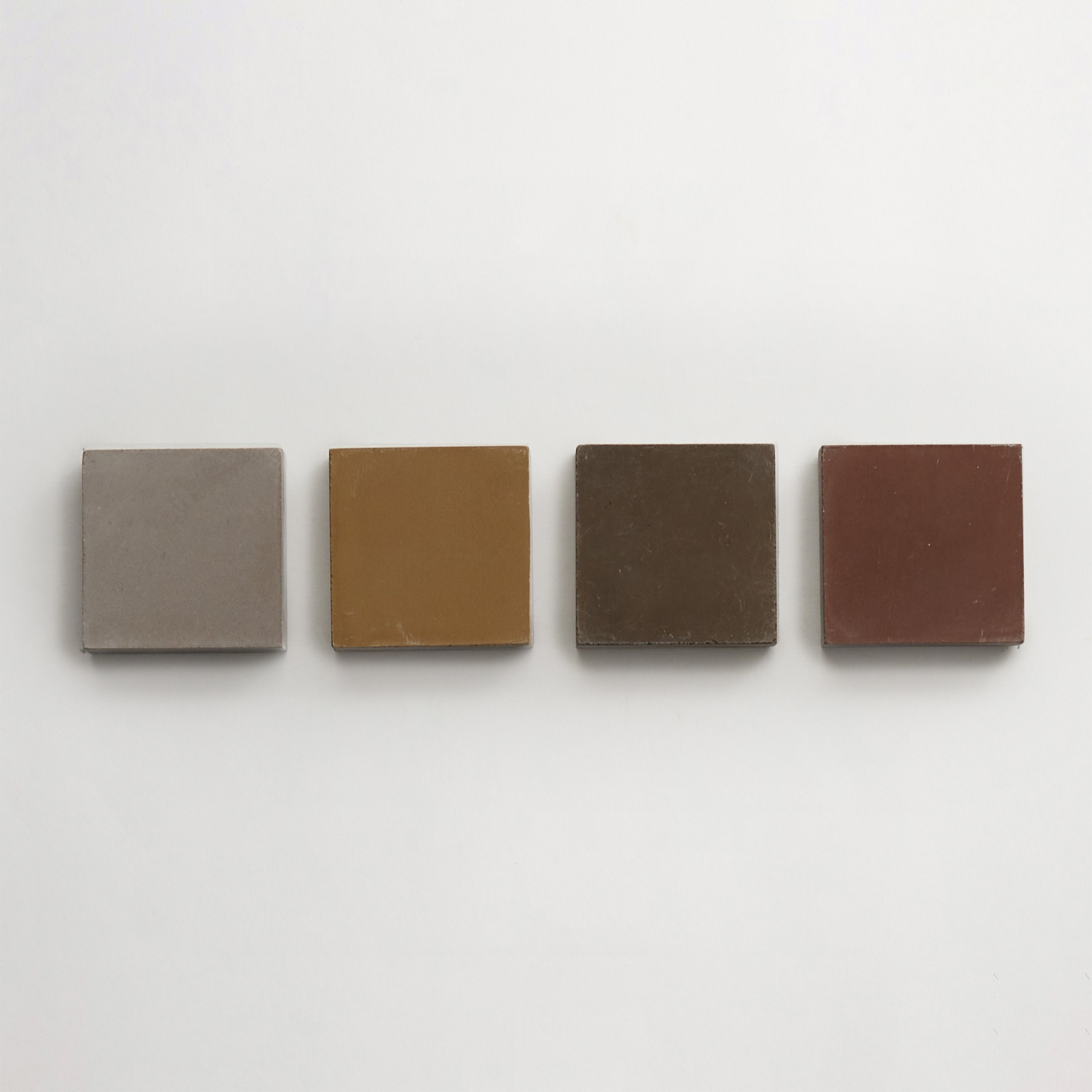
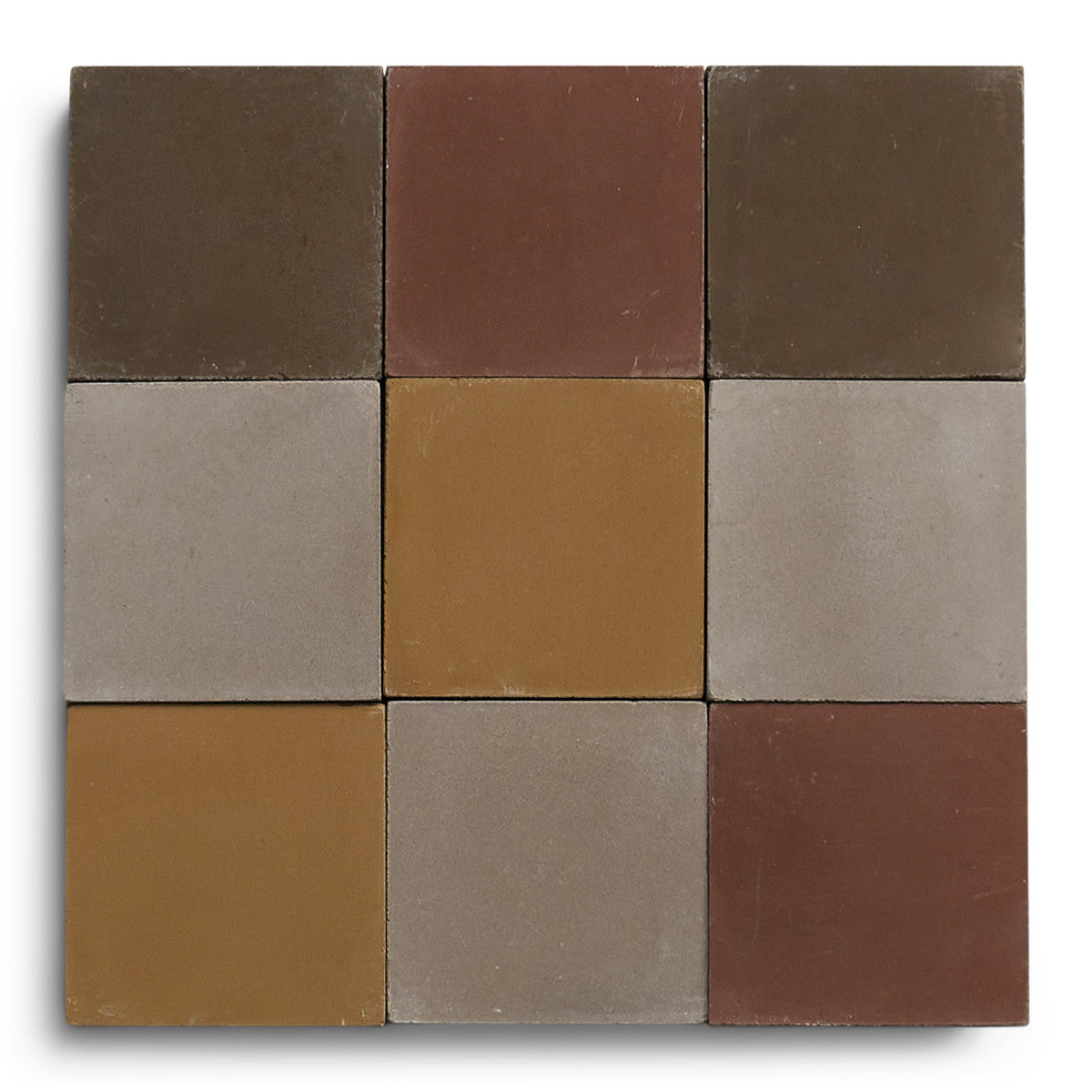
Colore Frattura, 2x6" Baguette, Botanica, Matte
How to Clean Outdoor Cement Tiles: Preserving Artisan Beauty
Outdoor cement tiles, including terrazzo tiles, bring a sense of permanence and artistry to any patio, pool deck, or garden pathway. After all: They have handcrafted character, nuanced color variation, and a matte finish that, together, make them an excellent choice for projects that aim to feel grounded yet refined. Whether you’re a homeowner investing in a long-term outdoor living space or a designer specifying materials for a client, understanding proper care is essential to preserving that beauty over time.
The good news? Maintaining outdoor cement tile doesn’t have to require complicated routines or harsh chemicals. With thoughtful outdoor tile maintenance, you can protect it against weather exposure, UV exposure, and daily wear while keeping it looking vibrant and intentional.
These tiles are a solid choice for high-impact areas, but they do ask for some consistency in care. In this guide, we’ll walk through weekly cleaning routines, deep cleaning strategies, sealing best practices, and common mistakes to avoid. You’ll also find practical stain removal tips and guidance that you can confidently pass along to clients — or apply to your own project.


Why Proper Cleaning Matters for Outdoor Cement Tiles
Cement tiles are inherently porous, which is part of what gives them their soft, velvety finish and depth of color. But that same porosity also means they can absorb moisture, dirt, and stains if not properly cared for. Without consistent outdoor tile maintenance, exposure to water, oils, and debris can dull their appearance and compromise their integrity over time.
Sealing plays a critical role here, but cleaning is ultimately what preserves that protective layer. Harsh chemicals and improper techniques can break down sealers, leaving the tile vulnerable to staining and discoloration. This is especially important in patio, pool deck, and pool tile care, where constant foot traffic and weather exposure are a part of daily life. Maintaining a gentle, consistent routine helps extend the life of both the tile and its finish.
Then there is the artistry of outdoor cement tile to consider. What sets cement tiles apart from mass-produced alternatives is their handcrafted nature. Just like how our Pemberley Pavers and BrickWorks collections highlight the artistry and individuality of each piece, our cement tile collection is filled with bespoke tiles, every one unique from the next. That’s why proper care isn’t just maintenance — it’s preservation.
To explore your design possibilities, visit the cement collection and consider how thoughtful care enhances long-term performance.
Weekly Cleaning Routines
A simple weekly cleaning routine is key to ensuring cement tile performs as well years down the road as it does just after installation. This is essential knowledge for homeowners, of course — and it’s equally important information for designers and architects to communicate clearly during project planning. When expectations are set early, ongoing care becomes part of the design’s success rather than an afterthought.
Start by removing loose debris. Sweeping or vacuuming regularly keeps dirt, sand, and organic material from settling into the tile’s surface. This is especially important in outdoor environments where wind, landscaping, and foot traffic introduce constant buildup.
Next, clean the surface with a pH-neutral soap mixed with warm water. It’s best to use a soft mop or a gentle brush to avoid scratching or wearing down the sealer. While some homeowners use mild dish soap for a subtle sheen, it’s always wise to consult the tile’s material guidelines.
Finally, rinse the tile thoroughly with clean water and allow the area to dry completely. Avoid acidic cleaners, bleach, and abrasive tools, as these can etch the surface and compromise the tile’s finish. Consistency here makes all the difference.

Deep Cleaning for Stains and Grime
Even with regular upkeep, outdoor cement tiles occasionally need a deeper clean. Seasonal changes, increased use, and environmental factors like weather exposure or heavy UV exposure can lead to buildup that weekly routines won’t fully address.
Deep cleaning restores the tile’s surface without damaging its character — as long as the process is gentle and aligns with manufacturer recommendations.
General Deep-Clean Steps
A general deep clean should typically be performed once a month, though frequency can vary depending on location and use. High-traffic areas like a pool deck or outdoor kitchen may require more frequent attention, while covered patios may need less.
Typically, you should start by wetting the tile surface with clean water. This helps prevent cleaners from absorbing too quickly into the porous material. Then, you should apply a diluted pH-neutral deep cleaner designed specifically for cement or natural stone surfaces. Again, the tile’s material guidelines are always the final word here.
Deep cleaners are typically applied using a soft-bristle brush while scrubbing the tile in circular motions. You should always avoid aggressive scrubbing, which can damage the surface or wear down the sealer. Once cleaned, it’s important to rinse the tile thoroughly to remove all residue.
Tiles need to dry completely before resuming use. Factors like humidity, shade, and airflow will influence drying time. Regular sealing and mindful cleaning will make deep cleans more effective and less frequent over time.
Removing Common Outdoor Stains
Outdoor environments introduce a whole variety of potential stains, and knowing how to address them properly is key to maintaining a polished look.
Organic matter (algae and moss): In shaded or damp areas, algae and moss can develop on cement tiles. Fortunately, there are pH-neutral cleaners specifically formulated to address organic buildup. Gentle scrubbing combined with proper drainage and sunlight exposure helps prevent recurrence.
Oil and grease: Outdoor kitchens and dining areas often encounter oil stains. Spills need to be blotted quickly and treated with a neutral degreasing cleaner that is approved for cement tile. Remember that harsh solvents can damage the tile surface.
Rust: Metal furniture or fixtures can leave rust stains over time. These stains are best treated with a specialty cleaner recommended in the tile’s material guidelines. Rust removal should always be handled carefully to avoid discoloration.
When in doubt, always defer to manufacturer instructions — they have the final say on safe and effective stain removal.
Sealing Outdoor Cement Tiles: Essential Protection
Sealing is one of the most important steps in maintaining outdoor cement tile. It acts as a barrier against moisture, stains, and environmental wear, helping preserve both function and appearance.
In most cases, outdoor cement tiles should be sealed one to two times per year. However, this can vary based on climate, weather exposure, and how heavily the area is used. A pool deck or high-traffic entertaining space may benefit from more frequent regular sealing, while covered installations may require less.
The process itself is straightforward but should be handled by a professional with care. Tiles must be thoroughly cleaned before sealing to ensure no dirt or residue is trapped beneath the surface. Once clean, a pro must apply the sealer evenly according to product instructions, then allow the area to dry undisturbed for 24 to 48 hours.
The benefits are significant. Sealing enhances the tile’s stain resistance, protects it against UV exposure, and helps lock in the tile’s natural color. It’s a simple step that delivers long-term value.


Tools and Products for Cement Tile Care
The right tools and products make outdoor tile maintenance both effective and efficient. While there are many options available, the guiding principles remain the same: gentle, pH-neutral, and compatible with cement tile.
Soft-bristle brushes, microfiber mops, and non-abrasive sponges are ideal for everyday cleaning. These tools protect the tile’s surface while still removing dirt and buildup. For larger areas like patio pavers or expansive terraces, a low-pressure rinse can help maintain cleanliness without damaging the material.
When it comes to cleaning solutions, pH-neutral products are always the best choice. They clean effectively without breaking down sealers or etching the tile. Homeowners should avoid anything acidic or highly alkaline unless explicitly approved in the tile’s material guidelines.
For designers and architects, setting expectations around tools and maintenance early in the project ensures clients understand what care will require — and why it’s worth the effort for such a perfect choice in material.
Common Mistakes and How to Avoid Them
Even well-intentioned maintenance routines can go wrong if the wrong products or stain removal tips are involved. Understanding common mistakes helps protect the tile investment for years to come.
Using Acidic Cleaners
Acidic cleaners are one of the most common — and most damaging — mistakes in cement tile care. Because cement is alkaline, acids react with the surface and can cause etching, dullness, and permanent damage.
This includes common household cleaners like vinegar and lemon-based solutions. While they may seem like natural options, they are not suitable for cement tile. Always stick to pH-neutral products specifically designed for this material.
Skipping Sealing
Skipping sealing — or failing to maintain it — leaves tiles vulnerable to staining and moisture absorption. This is especially critical immediately after installation, when the tile is most exposed.
Regular sealing should be part of any outdoor tile maintenance plan. Climate, usage, and weather exposure all play a role in determining frequency, so consult both the contractor and the tile’s material guidelines for tailored recommendations.
Over-Wetting in the Shade
In shaded areas, excess moisture can linger on the tile surface, creating an environment for mildew and algae growth. Over-wetting during cleaning — especially without proper drying — can contribute to this issue.
Homeowners must use water thoughtfully and ensure proper drainage and airflow. Drying the surface completely after cleaning helps prevent unwanted buildup.
Too Much DIY Maintenance
While routine cleaning is absolutely manageable for homeowners, more intensive care — especially sealing — is best handled by professionals. Improper application can lead to uneven protection or damage.
Designers and architects should clearly communicate what maintenance can be DIY and what requires expert handling. When everyone understands their role, the tile installation performs beautifully for years to come.

Outdoor Cement Tiles That Stand the Test of Time
Caring for outdoor cement tiles is ultimately about consistency and intention. With simple weekly routines, occasional deep cleaning, and regular sealing, homeowners can preserve the color, texture, and craftsmanship that make these tiles so distinctive.
For homeowners, it’s about maintaining a surface that feels as beautiful as it looks. For designers and architects, it’s about specifying a material that delivers both aesthetic and performance value — with clear guidance on care.
When properly maintained, cement tiles are a timeless and solid choice, offering a variety of colors, patterns, and possibilities that only grow richer with time. Are you a discerning homeowner or a designer who wants to explore this exceptional material? Discover the perfect outdoor cement tiles for your project.


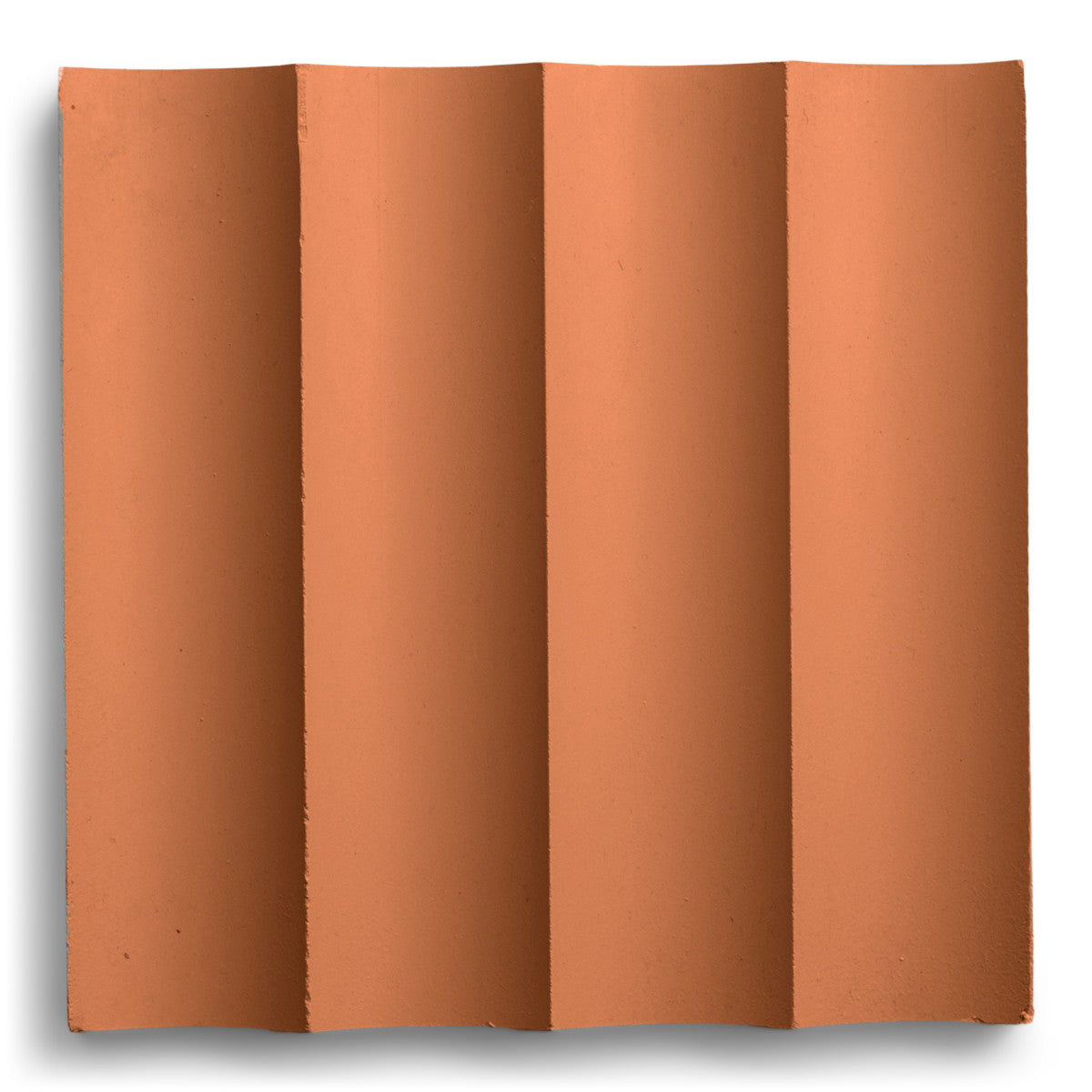
Colorway
-
Flowerpot
Collection
-
Cement Origami
:
Sub Collection
-
Coves
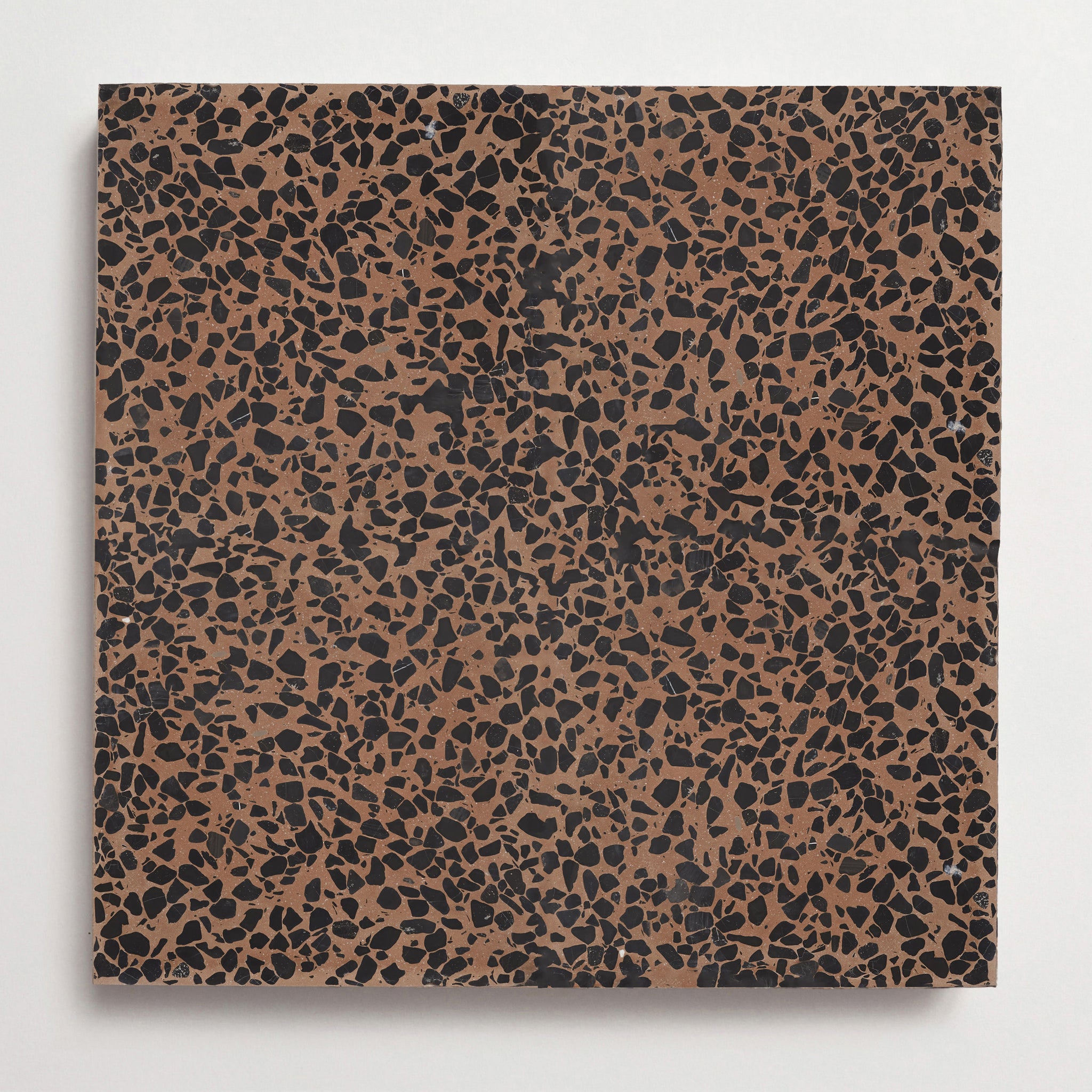
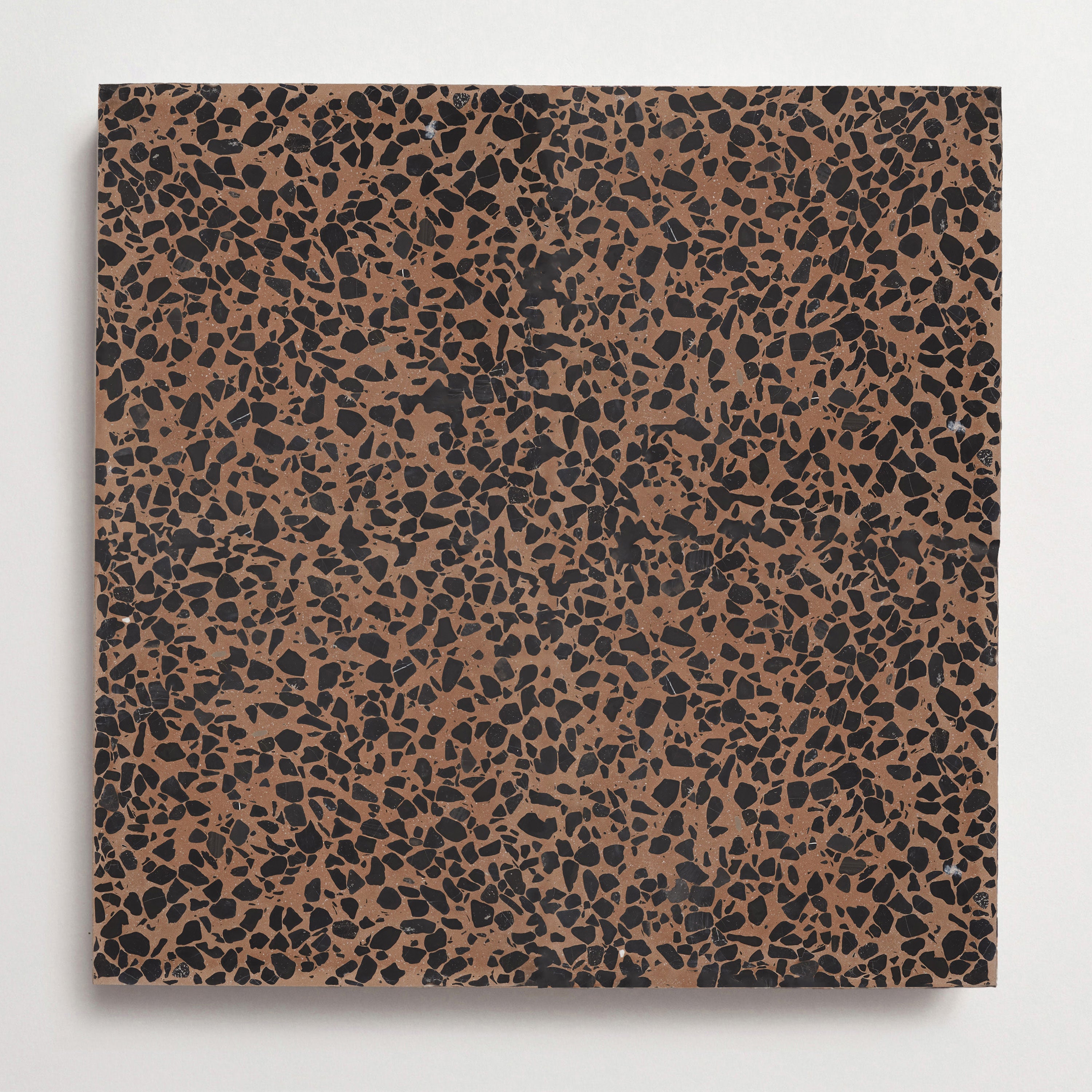
Colorway
-
Maronne
Collection
-
Dolce Vita Terrazzo
:
Sub Collection
-
Torrone I
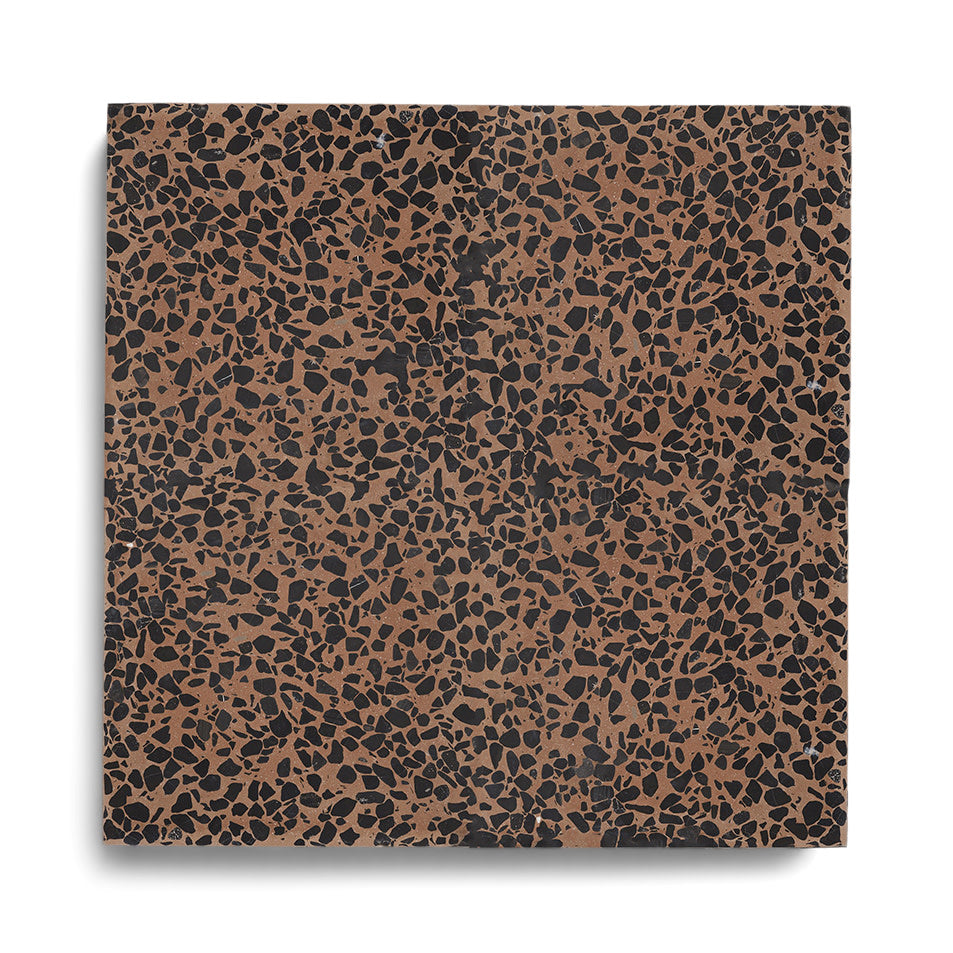
Colorway
-
Black Cardamom
Collection
-
Colore Frattura
: