

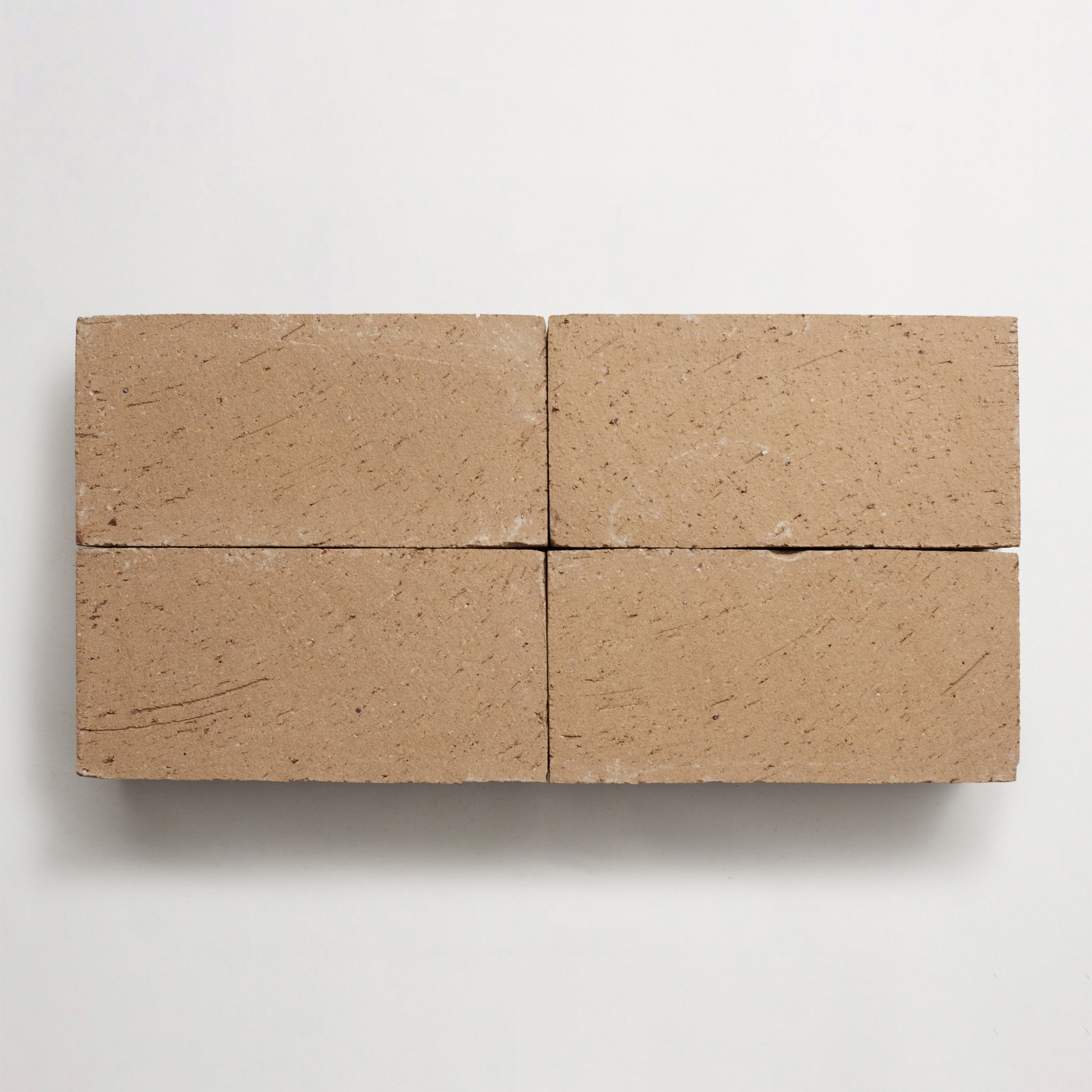
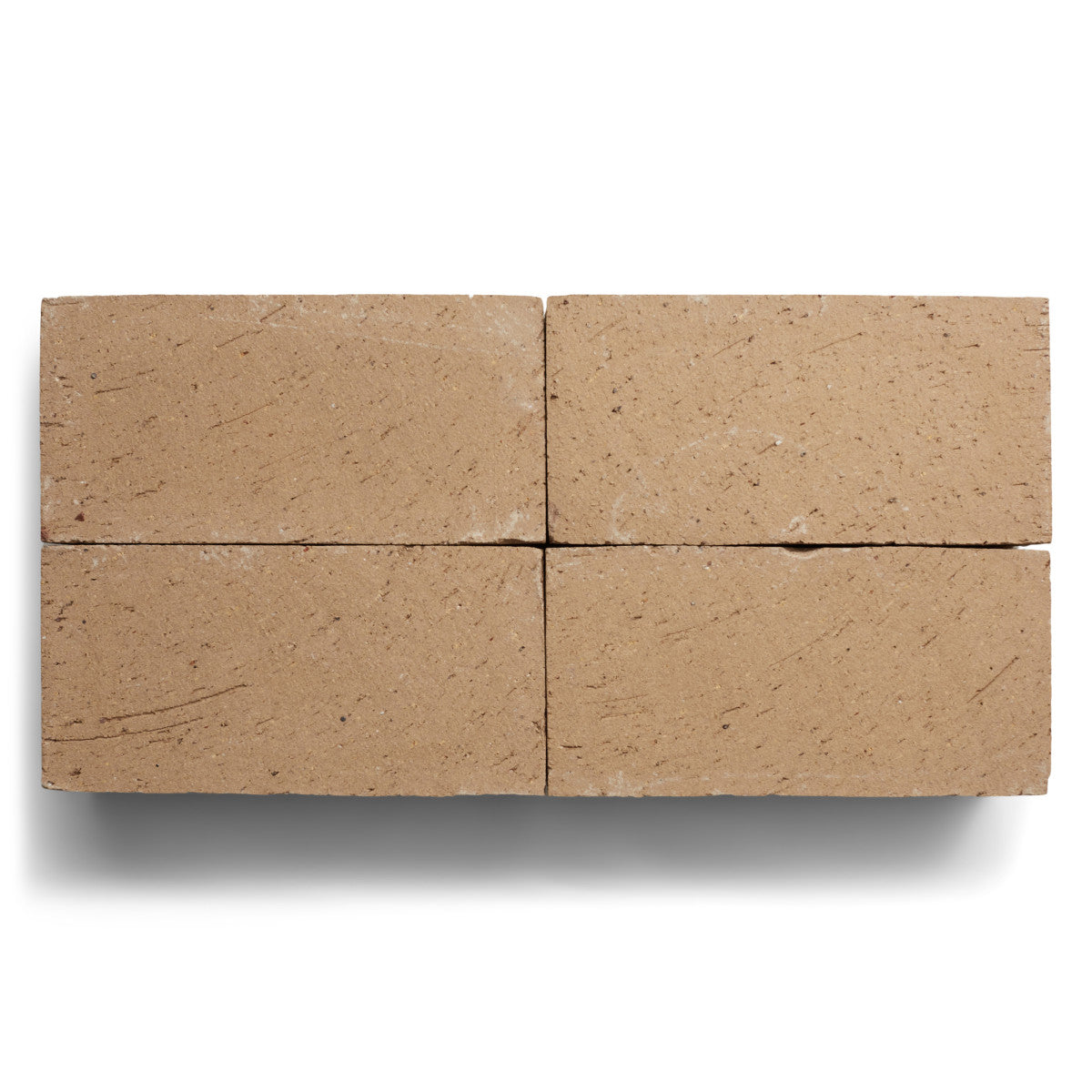
BrickWorks, 4x8" Mason, Sequoia Grove
Landscape Steps: How to Turn a Slope Into a Design Signature
Picture this: You’re meandering through a winding landscape — one that takes you through wildflowers, lush greenery, and moss-covered stone. You reach a short hill and descend upward, on a set of steps that feels almost like it’s been a part of the landscape for decades. It’s an idyllic outdoor scene, yes?
A well-designed garden rarely fights the terrain. Instead, it listens to it. The most memorable landscape steps are the ones that feel inevitable — as though the slope always intended them to exist. Think: broad stone treads softened by thyme, terracotta stair tiles that warm in the afternoon sun, or clean-lined cement steps that extend into the landscape with quiet precision. In each case, the steps do more than move people upward or downward. They organize the experience of the entire project.
That is the real role of landscape steps. They are not just circulation elements or structural necessities. Material, proportion, texture, edge detailing, and placement all contribute to the visual language of the landscape. When handled thoughtfully, landscape steps become the connective thread that tie every surface together.


Start With the Terrain, Not the Material
Whether you’re a landscape architect, interior designer, or homeowner, there’s one key thing to remember as you begin planning landscape steps. Before deciding which stone, porcelain, or terracotta surface to specify, you must first understand how the slope itself shapes movement through the landscape. The terrain, after all, establishes the rhythm of the experience.
A gentle incline invites broader treads, relaxed pacing, and more expressive surface finishes. These kinds of landscape steps on a slope often feel expansive and integrated into the garden itself. A steeper grade, by contrast, requires tighter rises, carefully positioned landings, and materials with more grip-forward finishes. The slope dictates not only the engineering of the steps but also their tactile character.
Many designers reference the Rule of Comfort when planning outdoor stair proportions. Rather than treating it as a rigid formula, it works best as a design standard that ensures the steps feel intuitive underfoot. Comfortable proportions encourage the body to move naturally through the space rather than consciously navigating each rise.
Most importantly, the terrain should never be treated as a problem to solve. It is the brief the designer works from. The contours of the site reveal how the outdoor floor tile design should unfold, where moments of pause belong, and how materials can reinforce the natural flow of movement.
Landings as Design Moments
On longer or steeper slopes, landings become essential — but not merely for safety. They are moments of punctuation within the landscape narrative. A landing offers an opportunity to widen the spatial experience, redirect the view, or introduce a shift in material tone that subtly changes the atmosphere.
Some landings frame a planted border filled with ornamental grasses or creeping ground cover. Others create a pause where the eye can take in a distant view or courtyard focal point. In more architectural gardens, landings may align precisely with terraces or pathways to reinforce geometric order.
One of the most overlooked continuity decisions in landscape design is how the landing surface relates to the stair material above and below it. A landing tiled identically to the stair treads creates visual flow, while a tonal variation or layout shift can establish hierarchy and rhythm. These transitions ultimately shape how cohesive the project feels.

Landscape Steps Ideas: Designing for Your Garden's Character
Once you understand the terrain, the next question becomes more expressive: What story should the steps tell? The most successful landscape steps ideas begin with the character of the garden itself. Rather than following trends, they reinforce the emotional identity of the outdoor space. Here are just three examples.
The Naturalistic Garden: Steps That Disappear into the Landscape
In naturalistic gardens, the goal is to make the steps feel discovered rather than installed. The surfaces appear to emerge from the terrain itself, softened by time. Here, stone and terracotta are excellent choices because they age gracefully, developing patina and tonal variation that blend into the surrounding landscape.
Irregular edges, loose joints, and planted borders reinforce the sense that the staircase belongs to the earth rather than sitting on top of it. Low ground covers spilling gently over the stair edges further soften the geometry.
This is where our stone and terracotta collections feel especially at home. Their organic qualities support outdoor environments that need to feel timeless, layered, and rooted in place.
The Contemporary Garden: Steps as a Geometric Statement
Contemporary landscape steps approach a slope differently. Rather than disappearing into the garden, they tend to establish architectural clarity. Proportion becomes deliberate. Lines remain crisp. Surface textures are restrained and intentional.
Cement and porcelain are solid choices in these environments because they maintain precision while supporting either bold pattern or minimal texture. Consistent grout lines and flush stair edges reinforce a strong geometric language throughout the project.
Our cement collection works particularly well in contemporary gardens where the landscape steps extend directly into patios, terraces, or pool surrounds. Repetition becomes the organizing principle of the entire hardscape.
The Mediterranean Courtyard: Steps as Cultural Expression
Some landscape steps carry a deeper sense of place. In Mediterranean-inspired courtyards, the stair becomes part of a broader cultural language rooted in warmth, craftsmanship, and material richness.
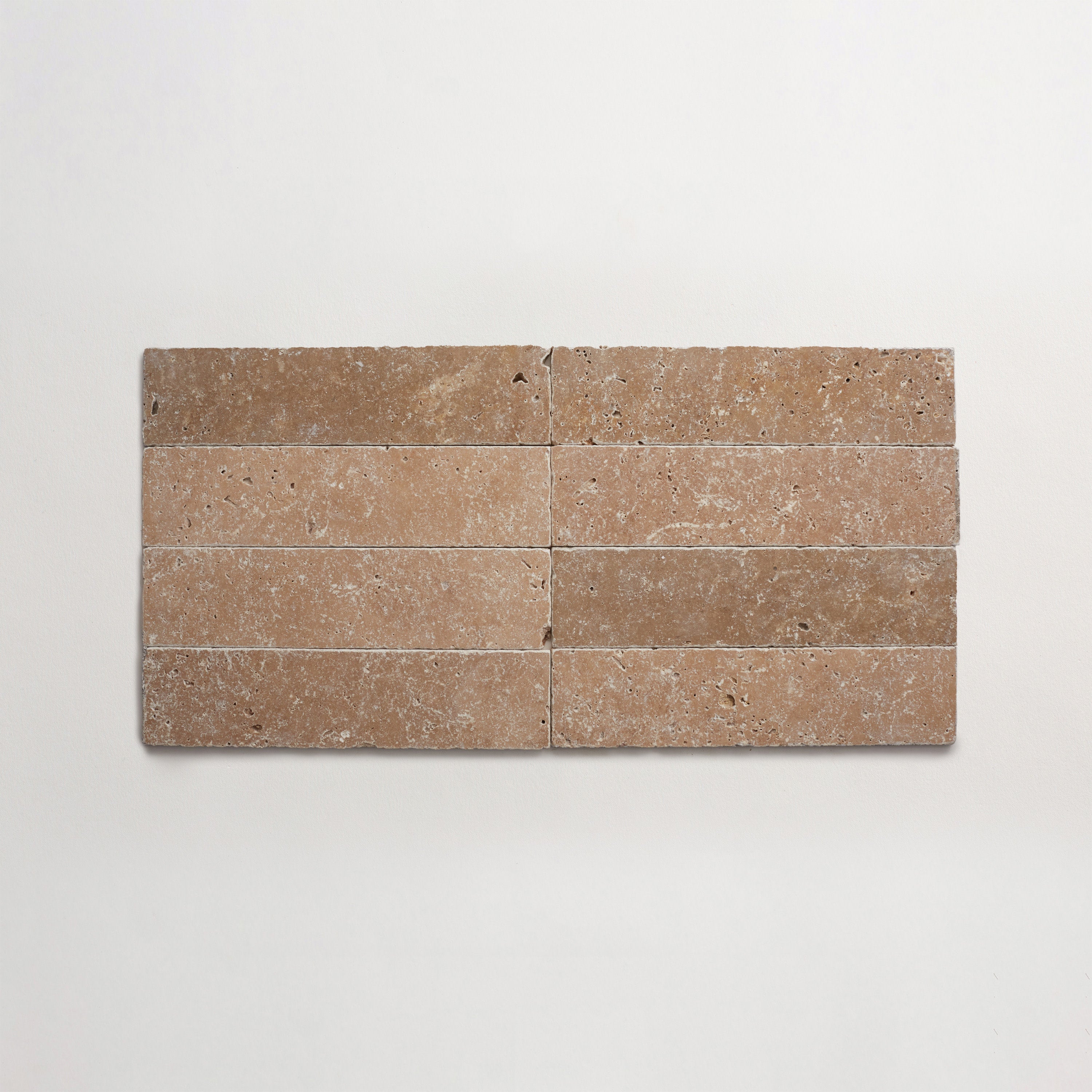
Terracotta is often the best choice for this design approach because its sun-baked tones and handmade variation create immediate visual warmth. The material feels deeply connected to courtyards, garden walls, and tiled outdoor rooms that have been shaped by centuries of regional tradition.
Terracotta steps paired with terracotta walls or courtyard flooring can establish a design language that feels intentional rather than decorative. The continuity of material creates an immersive environment where every surface contributes to the same atmosphere.
Climate still matters, of course. Terracotta performs best in milder climates. If your project is in a region that sees freeze-thaw cycles, be sure to reference the tile’s material guidelines for freeze-thaw resistance information.


Designing Landscape Steps on a Slope: From the First Rise to the Last Tread
Once you understand the terrain and establish the design identity of your project, you’ll start to see some technical and aesthetic decisions emerge. Slope steepness influences tread depth, for example. Meanwhile, landing placement affects pacing and circulation. Then you have material selection, which must withstand the elements and offer visual continuity.
A successful hardscape (see also: our hardscape design guide) always treats these factors as interconnected rather than isolated choices. The surface finish of the stair is especially important because it must accomplish two things. First, it needs to perform safely under changing weather conditions. Second, it must continue the landscape’s overall design story.
Matching Material Character to Grade
Different slopes call for different material personalities.
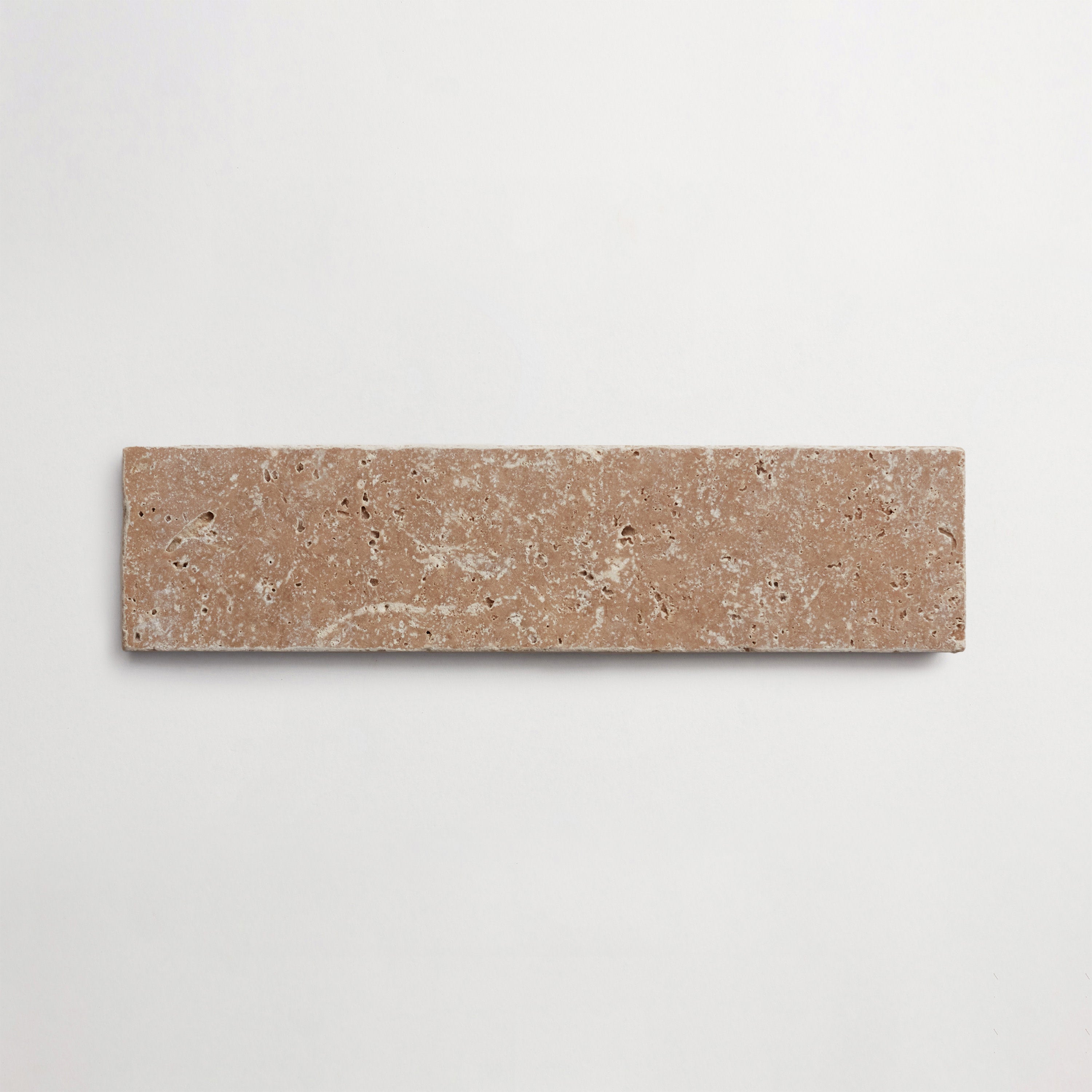
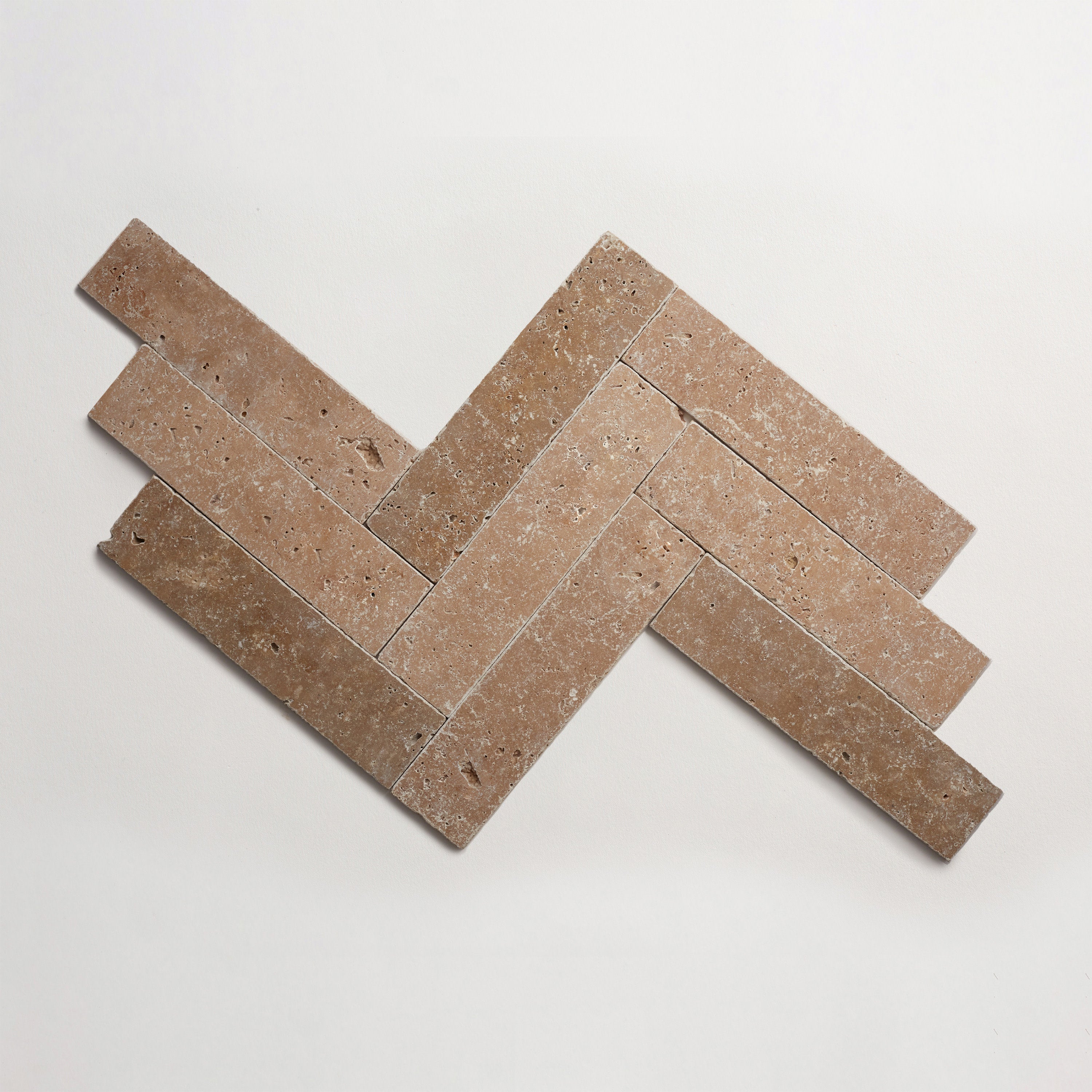
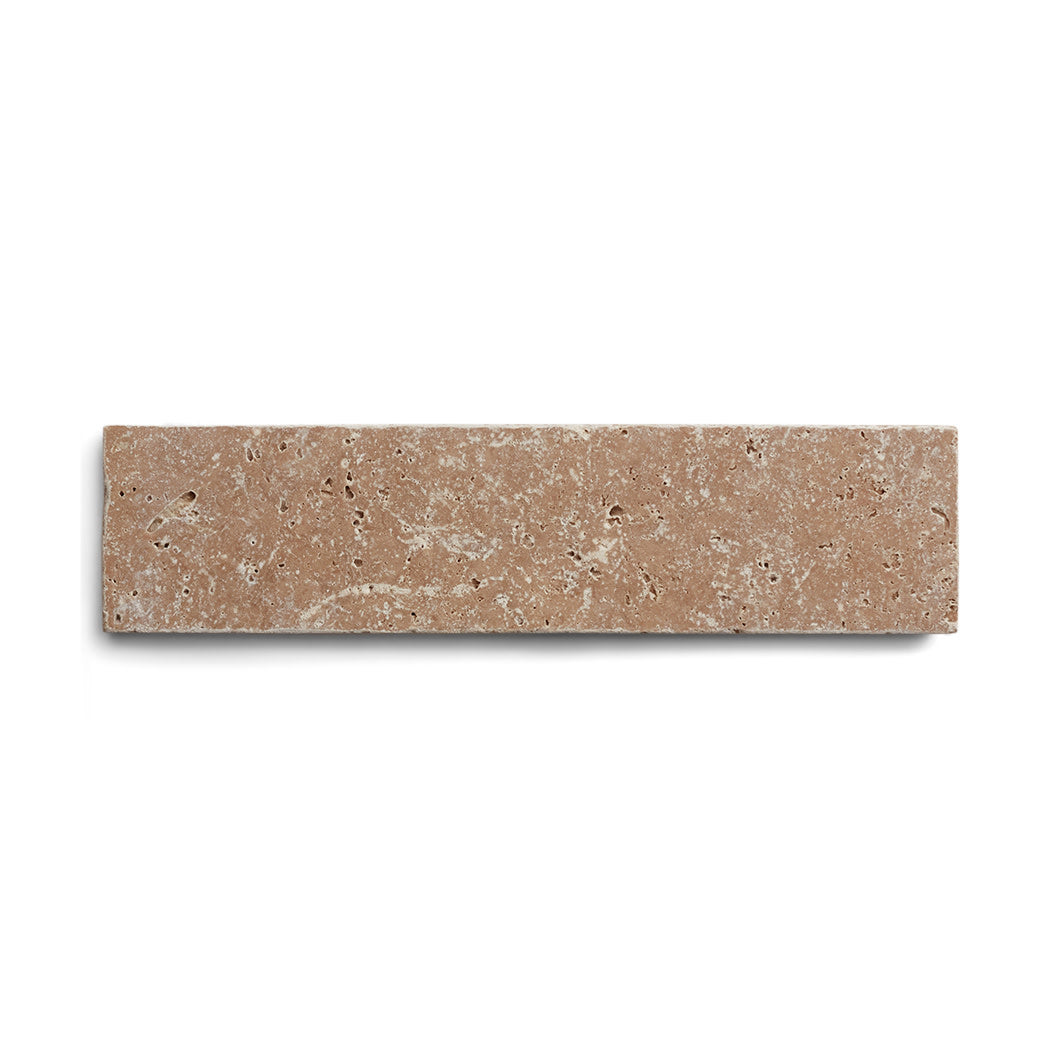
On gentle grades, stone and terracotta allow for more expressive finishes because aggressive grip is less critical. Their aged textures and tonal movement help the steps feel integrated into the surrounding scenery.
Moderate slopes often benefit from textured surfaces like cement. These materials support pattern-led design while still offering reliable performance. Cement is an excellent choice for transitional landscapes balancing architectural structure with softer planting.
For steep or heavily exposed grades, matte grip porcelain is often a perfect choice. Among the best non-slip outdoor tiles available, this type of porcelain offers durability, low porosity, and consistent slip resistance while maintaining its finish through demanding weather conditions.

The Continuity Principle: Steps That Connect Everything
Ultimately, well planned landscape steps connect more than elevation changes. They connect materials, landscape elements, and the overall design language of a project.
The strongest outdoor spaces rarely rely on identical surfaces everywhere. Instead, they use complementary relationships. Stone steps may transition into a stone-edged pathway, for example, while cement stair treads might continue the geometry of a cement-tiled patio. Terracotta steps could anchor a courtyard where the same material appears across walls and floors in different formats.
Remember that even the smallest details matter. Grout tone can either sharpen contrast or soften transitions. Edge detailing can reinforce architectural precision or give the step more organic feel. These finishing decisions quietly determine whether or not the project feels cohesive.
Our stair, patio, and walkway surfaces are designed with this type of continuity in mind. Through a wide variety of colors, textures, and types of tile, these collections allow designers and landscape architects to tell complete outdoor material stories. Whether you’re exploring outdoor stair tile options for a steep hillside path or refining an outdoor floor tile design for a courtyard terrace, continuity remains the guiding principle.
Explore our outdoor tile collections by area and discover the materials that can carry your design from the first step to every surface beyond.


Colorway
-
Pampas Grass
Collection
-
BrickWorks
: Hex
Material
Length
-
4
" x
Width
-
4
" x
Thickness
-
¼
"
Unit of Measurement
-
sqft
/
Price per Unit
$


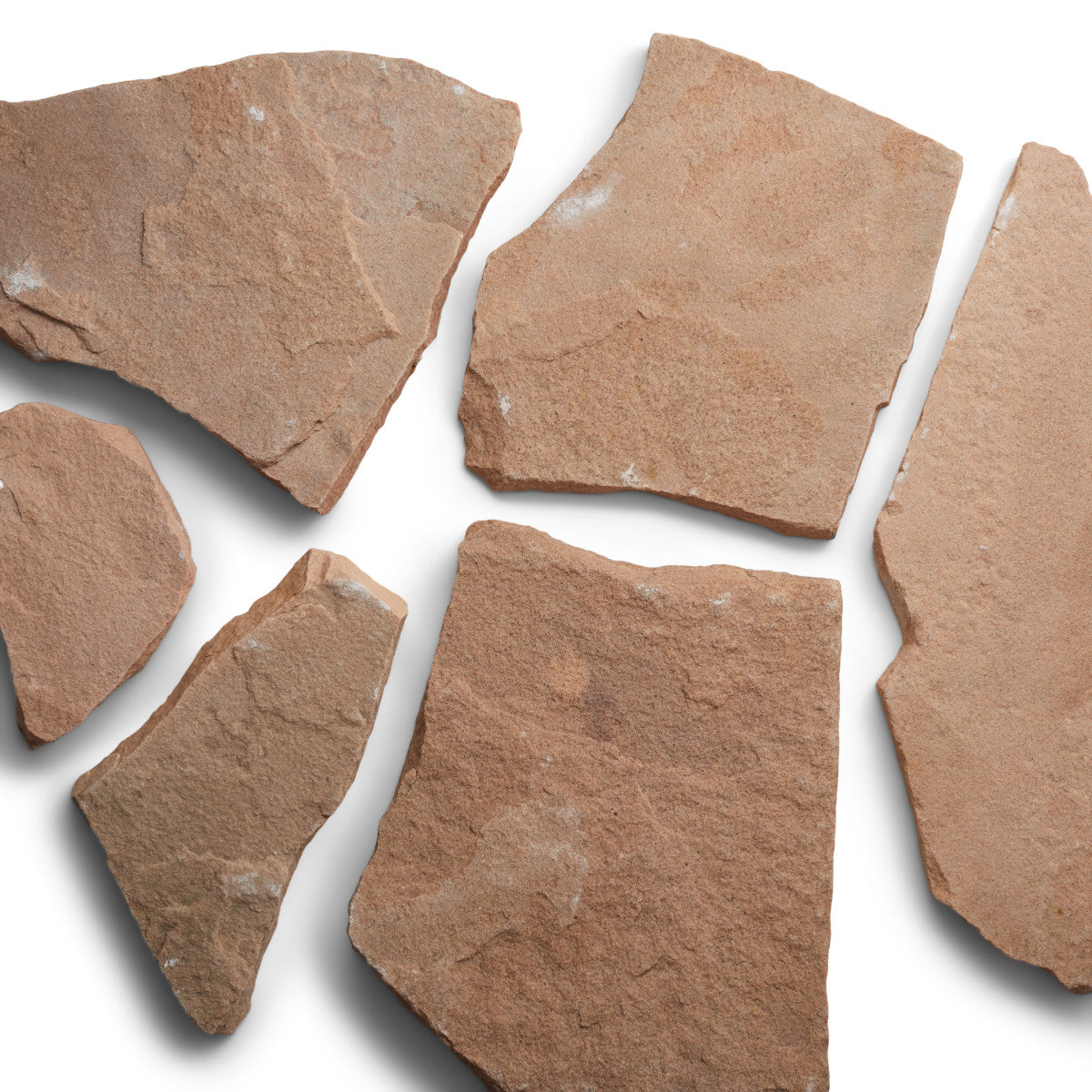
Colorway
-
Rosso
Collection
-
Grangestone
: Hex
Material
Length
-
8
" x
Width
-
8
" x
Thickness
-
⅞
"
Unit of Measurement
-
sqft
/
Price per Unit
$
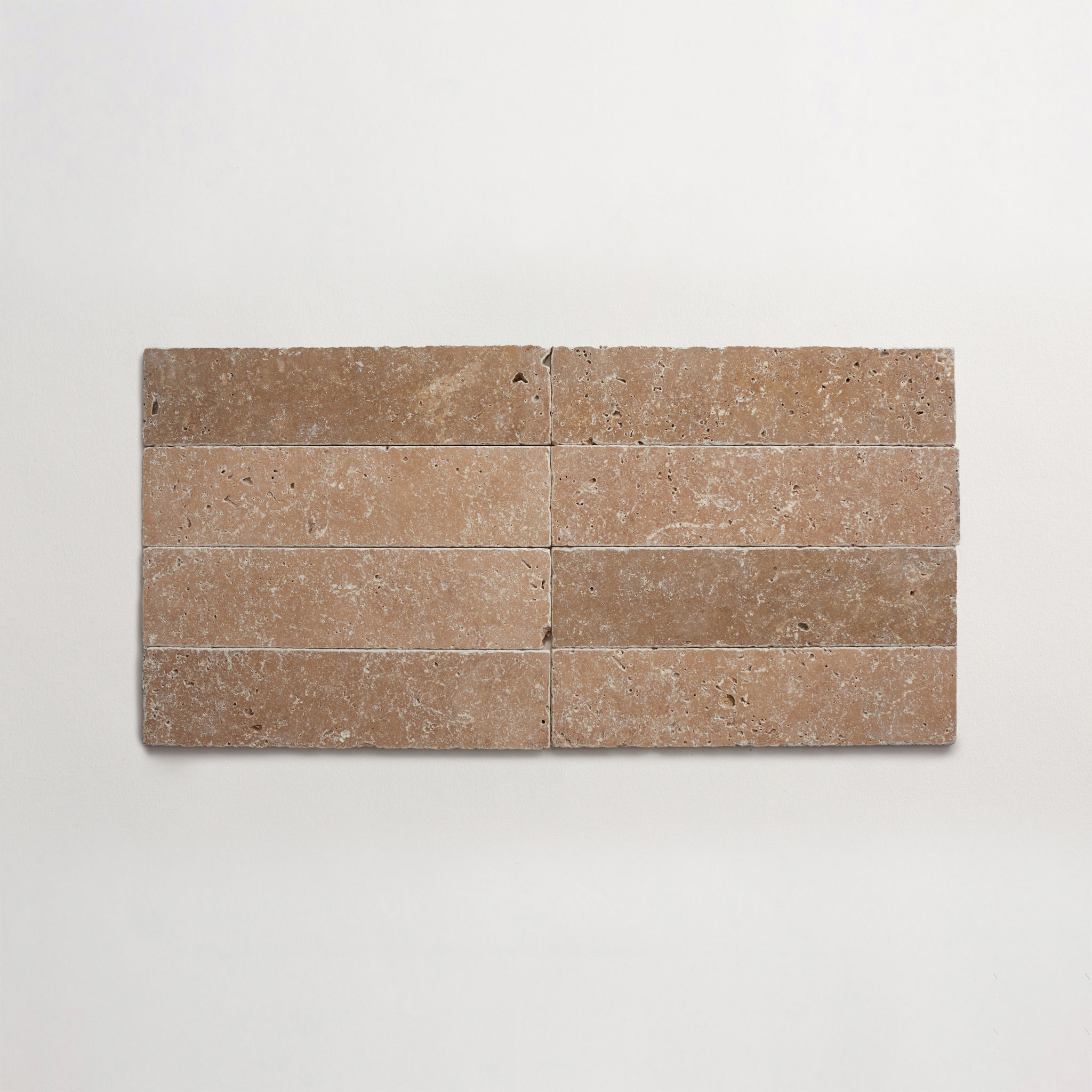
Colorway
-
Sand
Collection
-
Pemberley Pavers
: Hex
Material
Length
-
4
" x
Width
-
16
" x
Thickness
-
¾
"
Unit of Measurement
-
sqft
/
Price per Unit
$