

Luxury Outdoor Patio Ideas for Every Design Direction
A truly luxurious patio is defined less by what sits on it than by what lies beneath it. The surface establishes the character of the space, determines how it feels underfoot, and creates the visual language that everything else—from planting and architecture to furniture and lighting—responds to. When the material palette is chosen with intention, the patio becomes more than an outdoor room; it becomes an extension of the home itself.
The most enduring luxury outdoor patio ideas begin with a clear design direction rather than a shopping list of features. Whether you are drawn to the relaxed elegance of a resort-inspired retreat, the seamless flow of indoor-outdoor living, or a richly layered composition of artisan materials, the right tile provides the foundation for every decision that follows. In this guide, we'll explore how terracotta, terrazzo, natural stone, glazed brick, and patterned cement tile shape distinct design frameworks, helping you create an outdoor space that feels timeless, cohesive, and deeply considered.


What You Need to Know About Luxury Outdoor Patios
Here's everything you need to know about finding the right tile for your outdoor patio installation.
- A luxury patio is defined by material intelligence, not the number of features it includes. The surface, proportions, and relationship between materials create the foundation for an elevated outdoor space.
- The tile or stone underfoot is the design decision that shapes everything else—from furniture selection and planting choices to how the patio connects with the architecture of the home.
- Resort-style patios rely on warm, tactile materials like terracotta, travertine, and terrazzo to create a sense of permanence, comfort, and connection to global courtyard traditions.
- Indoor-outdoor continuity comes from creating a deliberate relationship between interior and exterior materials, whether through a seamless match or a complementary palette.
- Layered patios feel curated rather than cluttered when one dominant material establishes the field, secondary materials add accents, and planting acts as a living design layer.

Dzek + Formafantasma: ExCinere. photography: anthea hamilton.
What Makes a Patio Feel Luxurious
The best luxury outdoor patio ideas begin with a shift in perspective. A patio looks luxurious not because it includes more features or a higher price tag, but because every material choice feels intentional. The most memorable outdoor spaces share three defining qualities: a surface that anchors the design, materials with authentic character, and distinct zones that work together as a cohesive whole. When those elements are aligned, the patio feels composed rather than simply furnished.
The Surface as the Foundation of the Design
Every successful patio begins underfoot. The tile or stone is not a neutral backdrop—it establishes the scale, texture, and rhythm of the space, influencing everything from furniture selection and planting design to how the patio is experienced from inside the home.
Handcrafted materials bring a depth that manufactured paving rarely achieves. The subtle variation of terracotta, the visual richness of terrazzo, and the artisanal patterns of cement tile introduce texture, movement, and a sense of permanence that grows more compelling with time.
OUTERclé's patio collections reflect this material-first approach, offering surfaces that become the architectural foundation of the outdoor room rather than simply covering it. For a deeper look at choosing the right surface, stroll through our guide to outdoor patio tile ideas.
Material Warmth vs. Material Precision
Luxury outdoors can be expressed in more than one way. Some materials invite time to become part of the design. Terracotta, natural stone, and glazed brick develop subtle patina as they weather, giving the patio a lived-in character that feels increasingly authentic with each passing season.
Others celebrate clarity and refinement. Terrazzo and large-format porcelain retain crisp lines, consistent color, and a composed appearance that complements contemporary architecture. Their appeal lies in precision rather than patina.
Neither direction is inherently more luxurious than the other. The choice depends on the experience you want to create—whether the patio should feel as though it has evolved naturally over decades or as though every surface was carefully orchestrated from the very beginning. Those two expressions of material character, along with the way they shape outdoor living, form the design frameworks explored throughout the rest of this guide.
The Resort-Style Patio: Warmth, Repose, and Artisan Surface
Among the most enduring luxury outdoor patio ideas, the resort-style patio is distinguished by restraint rather than abundance. Its luxury comes from atmosphere: warm materials underfoot, generous breathing room between furnishings, and surfaces that invite the eye to slow down. The result is an upscale patio design that feels rooted in place, drawing inspiration from centuries of open-air living rather than fleeting outdoor trends.
Unlike a pool deck or entertainment-focused terrace, this design direction is centered on quiet retreat. Every material contributes to a sense of ease, allowing texture, natural light, and proportion to shape the experience more than decorative accessories ever could.
Terracotta and the Culture of the Courtyard
Few materials carry the history of outdoor living as naturally as terracotta. For centuries, handcrafted terracotta has anchored the courtyards of Moroccan riads, Andalusian cortijos, and Portuguese quintas, where its warm, unglazed surface absorbs the day's sunlight and gradually releases that warmth into the evening. The material creates an atmosphere that feels welcoming before a single piece of furniture is introduced.
The way terracotta is laid reinforces that character. Large-format tiles installed in a running bond establish a calm, horizontal rhythm that encourages relaxation, while chevron and herringbone layouts introduce subtle movement without overwhelming the space. OUTERclé's terracotta collection illustrates how these traditional materials continue to define contemporary outdoor living through craftsmanship, rich tonal variation, and authentic surface character.
Travertine complements this direction beautifully. Its warm palette, naturally porous texture, and comfortable feel underfoot make it especially well suited to sun-filled patios where the landscape and architecture are intended to soften together over time. If terracotta reflects the hand of the artisan, travertine speaks to the character of the quarry—each offering a different expression of place while sharing an unmistakable sense of permanence.
As with many natural materials, thoughtful specification matters. Unglazed terracotta benefits from periodic sealing and is particularly well suited to covered patios, partially sheltered courtyards, or climates where it can weather gracefully while retaining its distinctive character. Looking for more inspiration? Explore our guides to terracotta patio ideas and travertine patio ideas.
Scale, Proportion, and the Small Luxury Patio
Some of the most compelling small luxury outdoor patio ideas prove that elegance has very little to do with square footage. A compact courtyard or terrace often feels more intentional because every material and proportion receives greater attention.
Large-format tile with restrained grout joints visually broadens a smaller footprint by reducing visual interruption across the surface. Limiting the palette to a single primary material—rather than combining several competing finishes—creates an immediate sense of cohesion, allowing texture and craftsmanship to provide visual richness instead of contrast.
Once the surface establishes that quiet foundation, a few carefully considered architectural elements are all that's needed. A raised planter, a sculptural vessel, or a modest water feature can complete the composition without fragmenting the patio into competing focal points. The result is an outdoor room that feels generous, balanced, and refined regardless of its size. For additional planning guidance, see our collection of small patio tile ideas.
The Indoor-Outdoor Patio: Continuity, Threshold, and Extending the Interior
The most successful large outdoor patio ideas often begin with a simple architectural intention: the patio should feel like a continuation of the home, not a separate destination placed beside it. This approach extends interior materials, colors, and proportions into the landscape, creating a transition that feels natural rather than abrupt.
This design direction is especially powerful for expansive patios, where the challenge is not creating enough visual interest but creating enough cohesion. A large surface can easily feel disconnected without a clear material language. At the same time, the same principle applies to small luxury outdoor patio ideas—a carefully chosen surface connection can make a compact outdoor room feel more intentional and integrated.
Terrazzo and the Logic of the Expanded Floor Plane
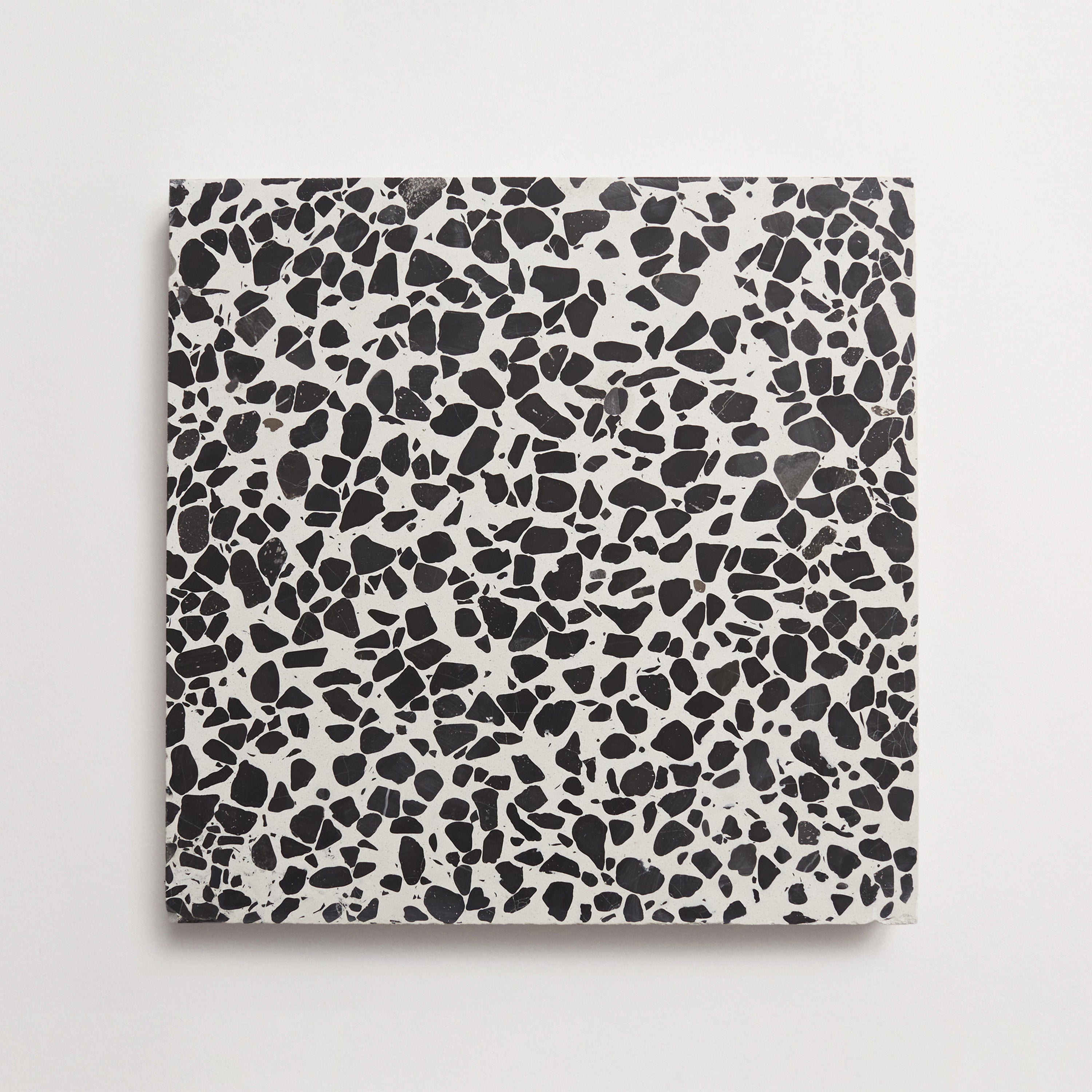
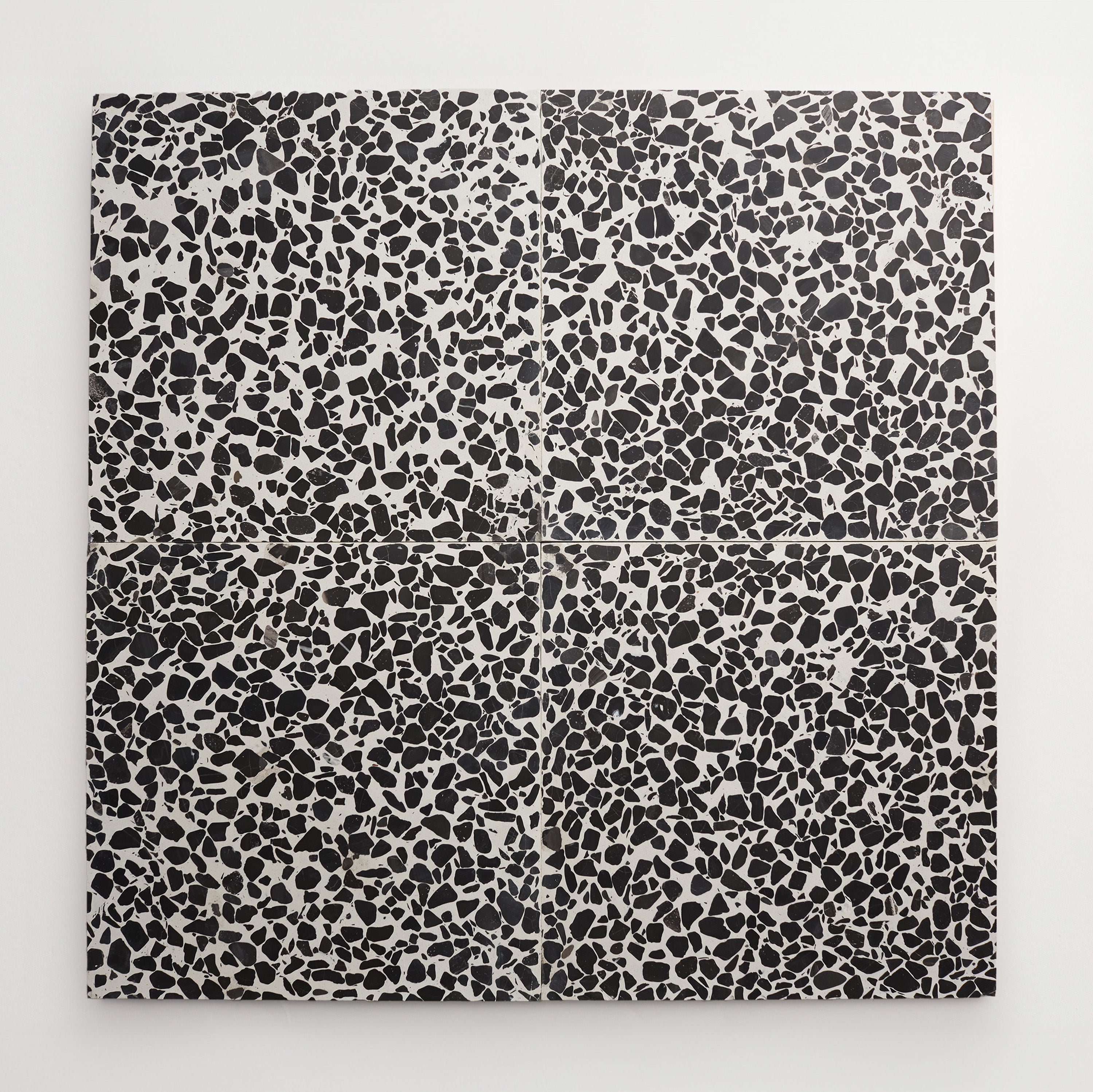
Terrazzo has long represented the idea of a continuous architectural surface. From Italian piazzas to mid-century modern interiors, terrazzo has been used to create floors that extend effortlessly across thresholds, making the relationship between interior and exterior feel considered rather than divided.
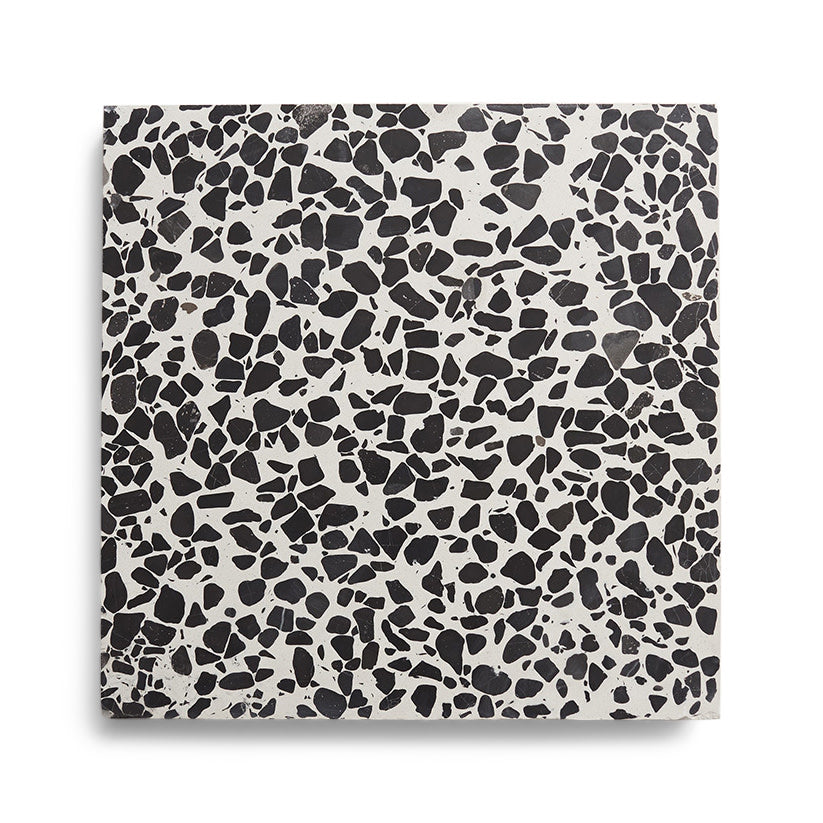
For larger patios, terrazzo offers a sense of visual order. Its refined surface character and controlled pattern allow expansive areas to feel composed instead of overwhelming. A fine aggregate terrazzo creates a quieter, more architectural foundation, while larger aggregate pieces introduce a stronger graphic presence that can become the defining feature of the space.
OUTERclé's terrazzo collections demonstrate how this historic material can translate into contemporary outdoor settings, balancing artisan character with a refined, elevated finish. For exterior applications, sealed terrazzo performs best in covered or semi-covered environments where the material can be protected while maintaining its distinctive visual depth.
For patios installed over existing concrete, thoughtful tile selection and proper preparation can transform a utilitarian base into a finished architectural surface. You can find more considerations in our guide to outdoor patio tiles over concrete.
Stone and the Architecture of the Threshold
Where terrazzo creates continuity through pattern and finish, natural stone creates it through weight, texture, and material presence. Travertine and slate, for example, can carry the same tonal language from an interior hallway, kitchen, or living space into the outdoors, creating a transition that feels grounded and permanent.
One of the most common design decisions is whether the outdoor material should match the interior or simply complement it. Both approaches can be successful. A matching material palette creates a seamless visual extension, allowing the floor plane to flow almost uninterrupted from inside to outside. A complementary material creates more contrast while still maintaining a conversation between the two spaces.
The essential consideration is intention. Whether the patio echoes the interior exactly or introduces a related texture and tone, the strongest designs make the threshold feel like a deliberate connection rather than a boundary.
The Layered Patio: How to Mix Tile, Stone, and Planting Without Losing Coherence
Of the three design directions, the layered patio offers the greatest opportunity for personal expression. It is also the one that requires the most intention. The most successful luxury outdoor patio tile ideas are not built by combining every beautiful material available, but by creating a clear relationship between surfaces, patterns, and planting. A layered patio feels collected and curated because each element has a role.
The key is hierarchy. A dominant material establishes the field—the surface that carries the largest visual presence—while a secondary material introduces contrast through pattern, texture, or detail. Planting becomes the third layer, adding life, movement, and softness. This balance allows multiple materials to coexist without making the space feel busy or unresolved.
Cement Tile, Glazed Brick, and the Art of the Pattern
Patterned materials bring a different kind of richness to an outdoor space. Cement tile introduces mineral pigments, handcrafted variation, and the visual language of historic encaustic floors. Glazed brick adds warmth, dimension, and a reflective quality that changes throughout the day as light moves across the surface.
These materials carry deep cultural histories, from the Iberian azulejo tradition to Moroccan zellige and French encaustic tile floors. Their appeal comes from craftsmanship and material depth rather than decoration alone. Subtle variations in color, texture, and finish create surfaces that feel authentic and connected to generations of making.
In a layered patio, pattern works best when it has room to breathe. A patterned cement tile field paired with a quieter stone border creates a sense of structure, while a glazed brick accent band around a neutral stone patio introduces rhythm without competing for attention. The goal is not to eliminate contrast, but to give each material a clear purpose.
For practical reasons, cement tile is best specified in covered outdoor areas, protected patios, or climates without severe freeze-thaw cycles. This type of thoughtful specification allows the material's artisan character to remain the focus while ensuring the surface performs beautifully over time. For more inspiration on combining tones and textures, check out our guide to outdoor patio color schemes.
Integrating Planting Into the Material Palette
A truly designed patio considers planting as part of the material composition, not as an element added afterward. The surface beneath your feet influences the landscape around it, creating a relationship between hardscape and living elements.
Warm terracotta naturally complements silver-leafed Mediterranean planting, creating a palette that feels sun-washed and timeless. Terrazzo provides a refined contrast against clipped greenery, sculptural topiary, or a single architectural plant specimen. Stone and cement soften beautifully alongside looser, more naturalistic borders where texture and movement become part of the overall design.
The question is not simply, "what plants go with this patio?" A more useful question is, "what does the surface invite?" That shift in thinking is what separates a furnished outdoor area from a truly designed outdoor room.
When mixing tile, stone, and planting, coherence does not come from limiting the number of materials—it comes from understanding their roles. A strong field material, a purposeful accent, and planting that responds to the surface create a layered composition that feels intentional rather than crowded.
What Features Are Worth Including Beyond Furniture
When considering more than simply furniture, the most successful choices are not the ones that add the highest cost—they are the ones that extend the design logic already established by the patio surface. A luxury outdoor space feels complete when every element reinforces the material palette, creating a cohesive environment, not a collection of separate features.
Built-In Surfaces That Carry the Tile Language
The most memorable patios often allow the surface material to move beyond the floor. Seating walls, fireplace surrounds, stair risers, and raised platforms finished in complementary tile or stone create a three-dimensional composition where the patio feels architectural over simply furnished.
A tiled water feature or tile-clad planter can continue the visual language upward, giving the eye a vertical element to connect with the ground plane. These details create the kind of layered material relationships often seen in design publications, where every surface feels considered.
OUTERclé's wall tile and fireplace tile collections offer natural opportunities to extend the patio material palette into vertical applications. Wall tile can also introduce a refined accent on seating walls, water features, or architectural details, reinforcing the character of the floor without competing with it. The goal is not to tile every surface, but to create moments where the material story continues.
Zoning Without Partitions
A large patio feels most intentional when it has a sense of sequence. Rather than dividing the space with walls, screens, or excessive landscaping, thoughtful surface changes can create distinct zones while maintaining visual flow.
A bordered tile insert can define a dining area, while a change in laying direction can subtly distinguish a lounging space from a cooking or gathering zone. These shifts allow the material itself to guide movement through the patio.
This approach is especially effective for expansive outdoor areas, where a single uninterrupted surface can feel undefined. By using pattern, orientation, and proportion as design tools, the patio becomes a curated series of experiences, nott just an open expanse filled with furniture.


The Surface That Sets Everything Else in Motion
Across every patio design direction, the same principle remains true: the surface is the decision that sets everything else in motion. Whether the goal is a warm courtyard inspired by centuries of open-air living, a seamless extension of the interior, or a layered composition of tile, stone, and planting, the material underfoot establishes the foundation for every choice that follows.
The most enduring outdoor spaces are not defined by how many features they include, but by how thoughtfully each element relates to the next. Tile, stone, architecture, planting, and furnishings become part of a single visual language when the surface provides a clear point of connection.
A thoughtfully chosen patio material does more than complete the space—it gives it character, permanence, and a sense of belonging within its surroundings. Discover the patio tile collection that can help you shape enduring outdoor spaces.
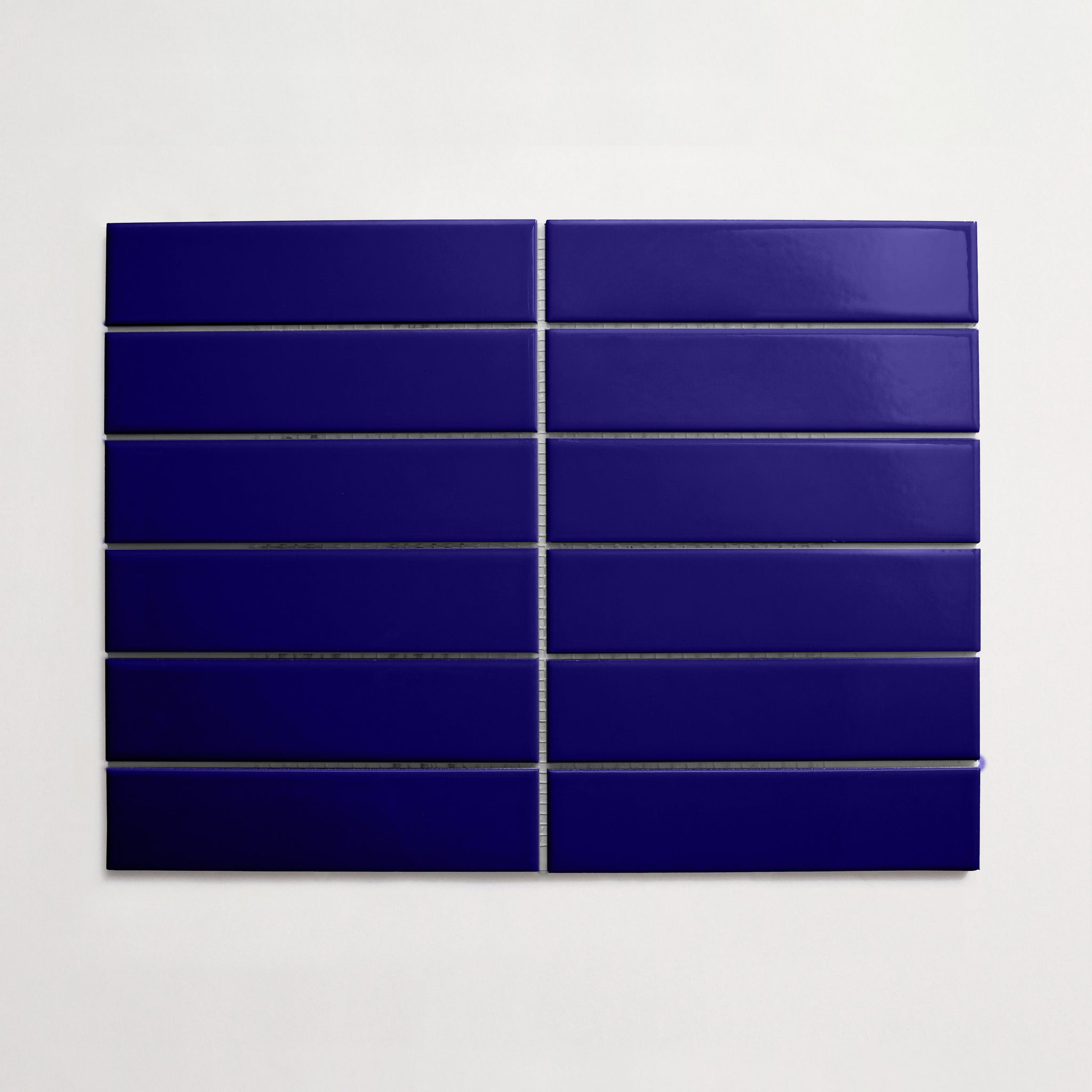
Colorway
-
Cobalt Cloche
Collection
-
Colorwerks
:
Sub Collection
-
Alegria
Material
Length
-
4
" x
Width
-
4
" x
Thickness
-
¼
"
Unit of Measurement
-
sqft
/
Price per Unit
$



Colorway
-
Amaretto
Collection
-
1970s GlassWorks
:
Sub Collection
-
le Disque
Material
Length
-
8
" x
Width
-
8
" x
Thickness
-
⅞
"
Unit of Measurement
-
sqft
/
Price per Unit
$
Colorway
-
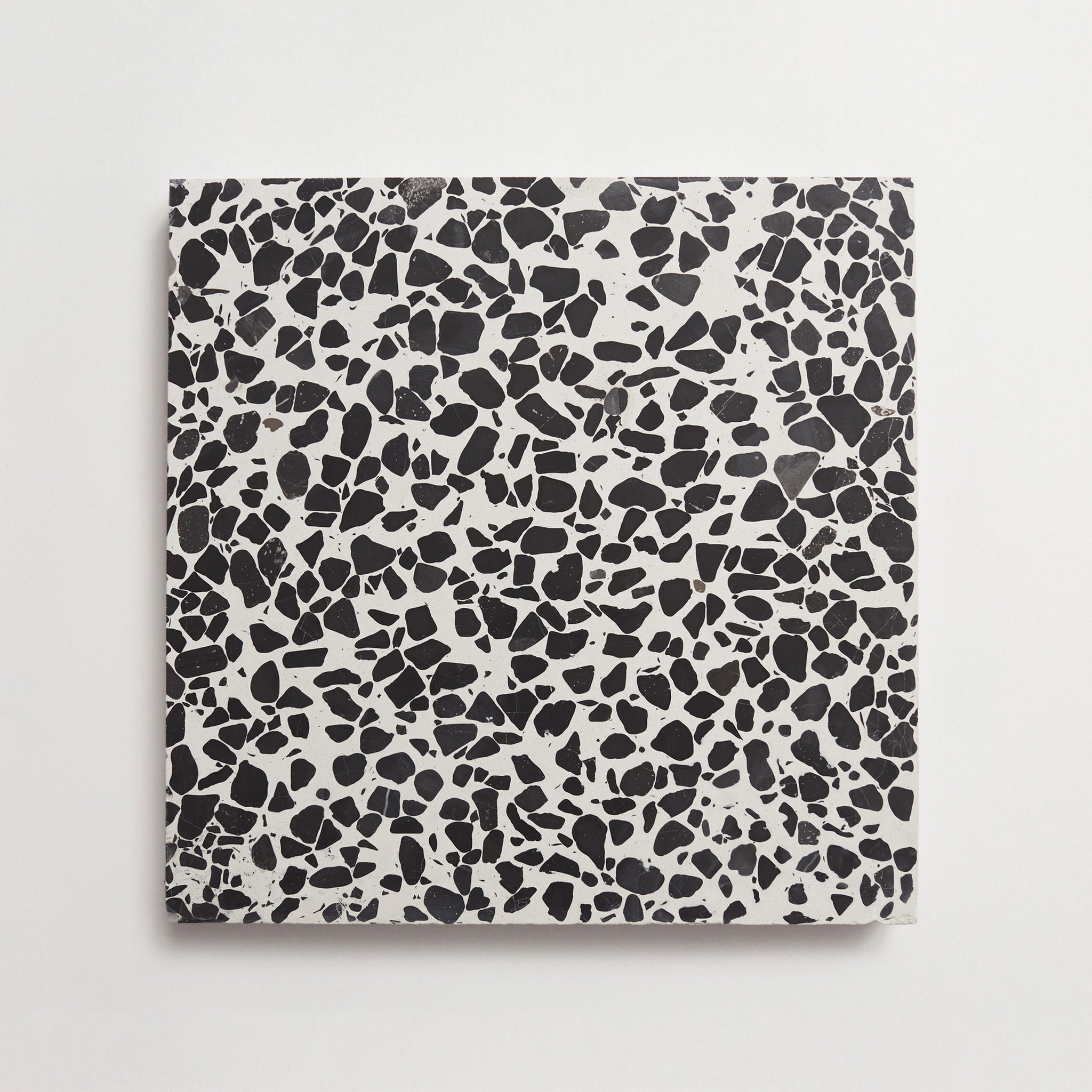
Blanco
Collection
-
Dolce Vita Terrazzo
:
Sub Collection
-
Torrone I
Material
Length
-
4
" x
Width
-
16
" x
Thickness
-
¾
"
Unit of Measurement
-
sqft
/
Price per Unit
$