

Grangestone, Medium Petros, Slate
Natural Stone Outdoor Kitchen Ideas, From Counter to Cladding
Even more so than indoors, an outdoor kitchen is defined as much by its texture as its function. And natural stone has the power to ground the entire space. Integrating stone outdoors is rarely a singular decision, of course; it plays out across countertops, vertical cladding, and the floor underfoot.
Each surface asks something different of the material — whether that is the resilience needed for a prep station or the refined finish required for a bar top. By considering the unique demands of each zone, you can curate an outdoor space that feels as enduring as the stone itself.


Key Takeaways: What to Know About Natural Stone Kitchens
- Successful outdoor kitchen design treats stone selection as a zoning strategy. Use high-density stones like granite for heavy-use cooking areas, while reserving softer stones like limestone for dining or lounge spaces.
- Your local climate is the ultimate arbiter of material. Dense, non-porous stones are a must in freeze-thaw regions, while porous options like travertine dissipate heat in sun-drenched environments.
- Every stone carries a unique geological signature — from ancient bedrock to mineral-rich hot spring — which dictates not just its visual character but also how it will perform through the seasons.
- Natural stone is a long-term investment that rewards a simple ritual of care. Consistent, proactive sealing is the primary defense against oils and moisture, ensuring the material ages gracefully.
- Applying natural stone consistently across countertops, vertical cladding, pizza ovens, and flooring integrates the kitchen into the broader landscape in a way synthetic materials cannot.
Reading a Stone Before You Build with It
Every stone carries a geological and cultural signature that defines how it looks and performs outdoors. Granite, forged from ancient bedrock, brings a hardness that resists the elements, making it a reliable workhorse for high-traffic zones. Travertine, formed in Italian hot springs, boasts a porous texture that stays cool under the sun. (Hello, barefoot-friendly patios.) Limestone, deposited as ancient seabeds, offers a softer aesthetic that ages with grace.
As we explore the different zones of the outdoor kitchen, keep this material story in mind. Each stone is not just a surface but a piece of history that dictates how the space will evolve with the seasons.
Where Stone Does the Work: Ideas by Zone
The possibilities are endless with natural stone, especially when you’re incorporating it into an outdoor kitchen. Here’s what to consider as you explore outdoor kitchen layout ideas.
Countertops in Mixed Stone
Combining different types of stone in an outdoor kitchen is an effective way to balance utility and aesthetics. For high-traffic cooking zones, choose durable, weather-resistant materials like granite or quartzite. For dining and serving areas, introduce softer stones like limestone or slate. You might also consider a stone-topped dining island using these materials. Soapstone is another excellent option for a patinated look. By layering these stones, you designate specific zones while creating a custom outdoor space.
For more countertop inspiration, see our post on outdoor kitchen tile countertop ideas, as well as our thoughts on porcelain outdoor countertops and granite countertop alternatives.
A Stone-Clad Pizza Oven as the Centerpiece
A stone-clad pizza oven instantly becomes the anchor of an outdoor kitchen. By choosing a fire-resistant stone veneer, such as sandstone or granite, you can create a functional centerpiece and make a powerful visual statement. These dense, heat-tolerant materials not only hold the consistent temperatures required for a perfect bake but also bring an inherent sense of permanence to the space. Whether it’s a classic wood-fired hearth or a sleek modern installation, the right stone cladding grounds the design.
The Exterior Wall: Stone Cladding and Siding
Beyond the cooking and prep zones, the surrounding walls offer a massive canvas for texture. Designing an outdoor kitchen with natural stone siding transforms a functional area into a piece of architecture. Whether you opt for rugged stone or honed slabs, this cladding creates a seamless transition between the structure and the landscape. Our stone and marble collection offers a range of textures perfect for these vertical surfaces.
A Natural Stone Bar, Built to Gather Around
A natural stone bar adds elegance and practicality to any backyard. Using granite, marble, quartz, or limestone for an outdoor patio bar top gives you a durable and weather-resistant surface that maintains its beauty over time. These same materials can also make up the bar’s base or surrounding walls, lending an organic feel. Whether finished with comfortable seating or built-in storage, a stone bar easily inspires outdoor entertaining.
Backsplash as a Canvas
A stone veneer backsplash offers a timeless backdrop that balances utility with artistry. By pairing an earthy stone like travertine, granite, or limestone with inlaid decorative tiles — such as patterned ceramic or painted accents — you create a functional focal point that protects the walls while reflecting your (or your client’s) personal style. This blend of natural texture and intricate detail transforms a standard kitchen wall into a crafted element of the outdoor design.
Underfoot: Mosaic Stone Flooring
A mosaic stone floor brings striking visual interest to an outdoor kitchen. Using small, colorful pieces of slate, marble, quartzite, or travertine, you can create intricate patterns that reflect the natural world. These mosaic designs are more than just a surface — they can tie together disparate elements like countertops, pizza ovens, and bar areas into a cohesive whole. Durable and easy to clean, mosaic flooring is as practical as it is beautiful.
Seating Carved from Stone
Curved built-in seating adds a natural flow to an outdoor kitchen, effortlessly blending with the landscape’s organic lines. Whether crafted from limestone, granite, or slate, these curved forms create an inviting, communal atmosphere around dining zones or fire pits. Using materials like limestone keeps the seating as durable as it is sophisticated, offering a weather-resistant solution that elevates both the aesthetic and functionality of the space.

Choosing the Right Stone for Outdoor Performance
You’d be hard pressed to name a single best stone for outdoor kitchen projects. Many stones offer the durability, versatility, and beauty that outdoor kitchens call for. To name a few: granite, limestone, slate, sandstone, and travertine.
Granite
Granite, forged from ancient bedrock, offers both resilience and a timeless aesthetic to outdoor kitchens. Its dense composition makes it well-suited for high-traffic zones, including countertops and pizza oven surrounds, where it stands up to heat, frost, and the rigors of daily use.
Beyond its technical performance, granite provides significant visual versatility. It is available in a spectrum of patterns, from bold, speckled movements to subdued, earthy tones. Whether honed for a soft finish or polished to a sleek sheen, it serves as a foundational element that evolves beautifully with the outdoor landscape.
Limestone
Sourced from ancient seabeds, limestone brings an inherent, quiet warmth to the outdoor kitchen. Its palette, ranging from pale creams to rich, weathered hues, offers a rustic elegance that feels grounded and inviting. The stone’s subtle texture creates a soft surface that feels natural underfoot or as a countertop, and its ability to absorb and diffuse heat makes it an excellent candidate for grill surrounds or near fire pits.
Many people ask, Is limestone strong enough for outdoor use? The answer is yes. Because it is porous, sealing is necessary. But you’ll be rewarded with a finish that ages with grace, developing a unique character over time that effortlessly complements wood, metal, and lush greenery.
Slate
Formed through the intense compression of shale and clay, slate carries the quiet, grounded strength of ancient mountains. With its fine-grained texture and rich palette — ranging from deep, moody greens to earthy grays — it offers a versatile foundation for any outdoor style.
Slate’s natural riven surface provides an inherent, reliable grip, making it an excellent, slip-resistant choice for flooring and wet zones. It’s also resilient against heat and moisture, so it excels as a countertop, backsplash, or floor. While it requires sealing to guard against staining, its rustic charm only deepens with age.
Sandstone
Born from ancient riverbeds and shifting dunes, sandstone carries a warmth that feels intrinsically linked to the landscape. Its sedimentary nature gives it a palette of warm hues from golden yellows to deep reds, creating a rustic atmosphere that blends beautifully with outdoor living spaces. You’ll often see it in Mediterranean outdoor kitchen ideas.
Highly resilient, sandstone serves as a versatile workhorse for countertops, flooring, and accent walls. While its porous nature means it requires regular sealing to guard against moisture, the effort is rewarded with a low-maintenance surface that retains a cool touch under the summer sun.
Travertine
Travertine — that iconic stone formed in the mineral-rich Italian hot springs we touched on earlier — brings a classic, sun-drenched elegance to the outdoor kitchen. Its signature pitted texture and earthy palette of creams and rusts carry an innate sense of history.
While its natural porosity demands consistent sealing to protect against stains and moisture, that same porous character is what allows the stone to breathe and stay remarkably cool under the direct sun. Travertine balances rustic charm with a quiet, enduring resilience that ages gracefully in the open air.


Climate, Sealing, and the Realities of Life Outdoors
Understanding the unique geological character of your chosen stone is only half the equation. How you prepare it for the local climate and what ongoing care looks like will determine how gracefully it will weather the seasons.
Matching Stone to Your Climate
Different climates demand different geological responses from your stone. In regions defined by harsh freeze-thaw cycles, density is your greatest ally. Non-porous stones like granite or dense quartzite are less likely to absorb the moisture that expands and cracks during a winter freeze.
On the other hand, in areas with intense, direct sun exposure, heat retention becomes the primary concern. Here, lighter-toned, porous stones like travertine often excel. Their inherent structure allows them to breathe and remain cooler to the touch in the heat, whereas darker, denser materials can retain and radiate warmth.
Sealing and Everyday Care
While the right stone is inherently resilient, consistent care allows it to remain a permanent fixture of the landscape. Sealing is the primary line of defense, particularly for more porous varieties like limestone or travertine, which are susceptible to oils, acids, and moisture.
Beyond sealing, simple, routine upkeep is key. Clearing leaves and debris prevents staining, while a gentle wash with a pH-neutral cleaner keeps the surface looking its best. Think of it less as maintenance and more as a simple ritual that protects the stone’s integrity.
Why Natural Stone, Still
While a brick outdoor kitchen offers its own distinct charm, natural stone remains the gold standard for creating a space that is as durable as it is sophisticated. Materials like granite, quartz, slate, and limestone provide natural resistance to heat, moisture, and daily wear, ensuring the kitchen remains pristine with minimal effort.
Beyond performance, natural stone brings a timeless beauty that integrates effortlessly with wood, greenery, and the broader landscape. For more ways to extend your design, explore these backyard hardscaping ideas.
Sustainable and enduring, natural stone is an investment that matures with the seasons, adding value and character to any home. Discover the natural stone and marble collections that bring this kind of craftsmanship outdoors.
Frequently Asked Questions
Is Natural Stone Worth It for an Outdoor Kitchen?
Natural stone is an exceptional investment for an outdoor kitchen, offering both longevity and aesthetic appeal that matures beautifully within a landscape. While it requires thoughtful selection and consistent maintenance, its ability to withstand the elements while adding authentic character makes it a long-lasting alternative to manufactured materials.
What Is the Most Durable Stone for an Outdoor Kitchen?
Granite stands out as the most durable stone for outdoor kitchens due to its exceptional strength and resistance to heat, scratches, and weathering. Its dense and moisture-resistant composition reliably withstands extreme temperatures, making it ideal for high-traffic areas like countertops, pizza ovens, and flooring. Add the wide variety of patterns and colors, and granite offers both the technical resilience and aesthetic versatility needed for a functional outdoor space.
Does Natural Stone Need to Be Sealed Outdoors?
Yes, sealing is essential for most natural stones used outdoors to protect them against oils, acids, and moisture. Routine, proactive sealing acts as your primary defense, ensuring the stone maintains its unique character and resists staining throughout the changing seasons.
Colorway
-
Jade Green
Collection
-
lapidary
Colorway
-
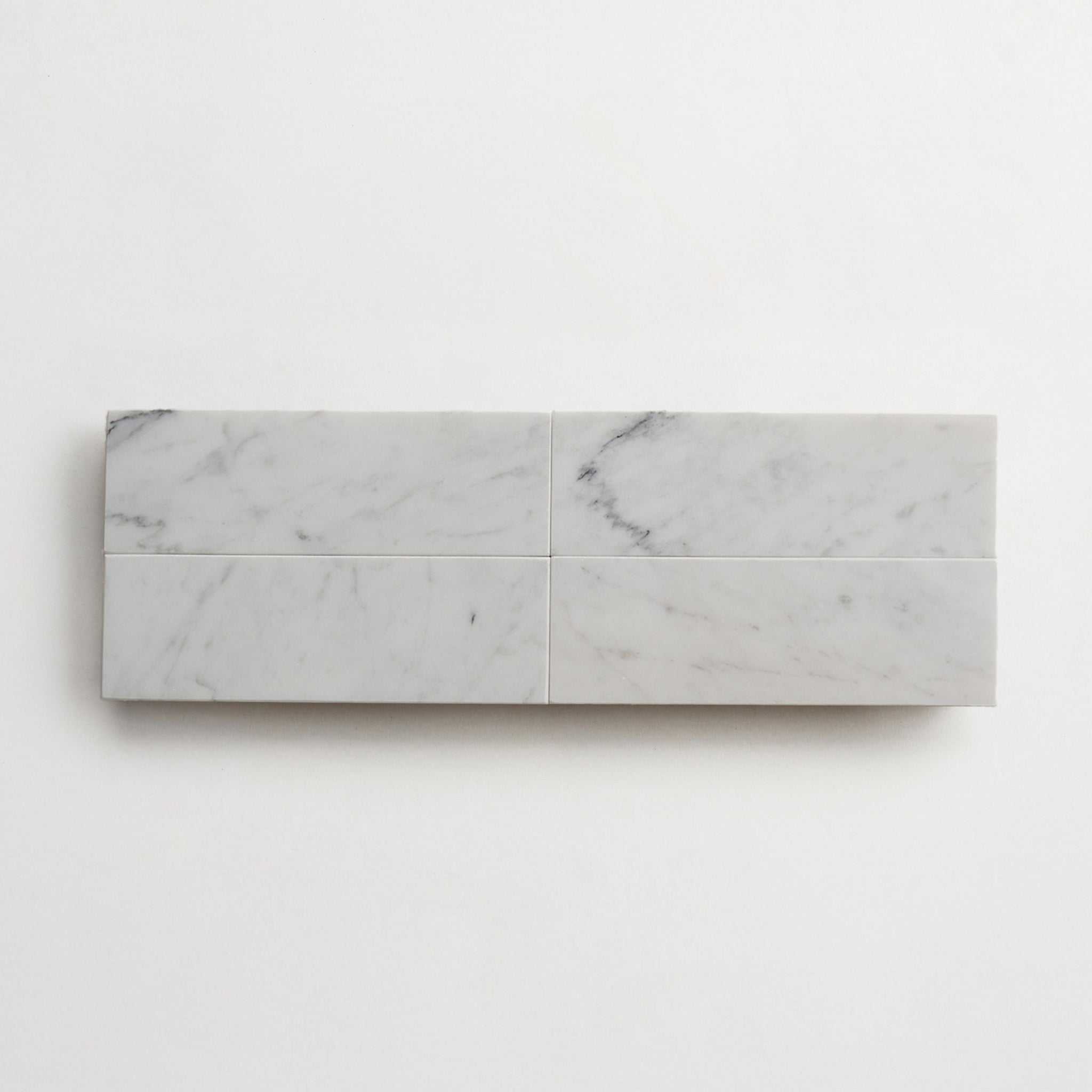
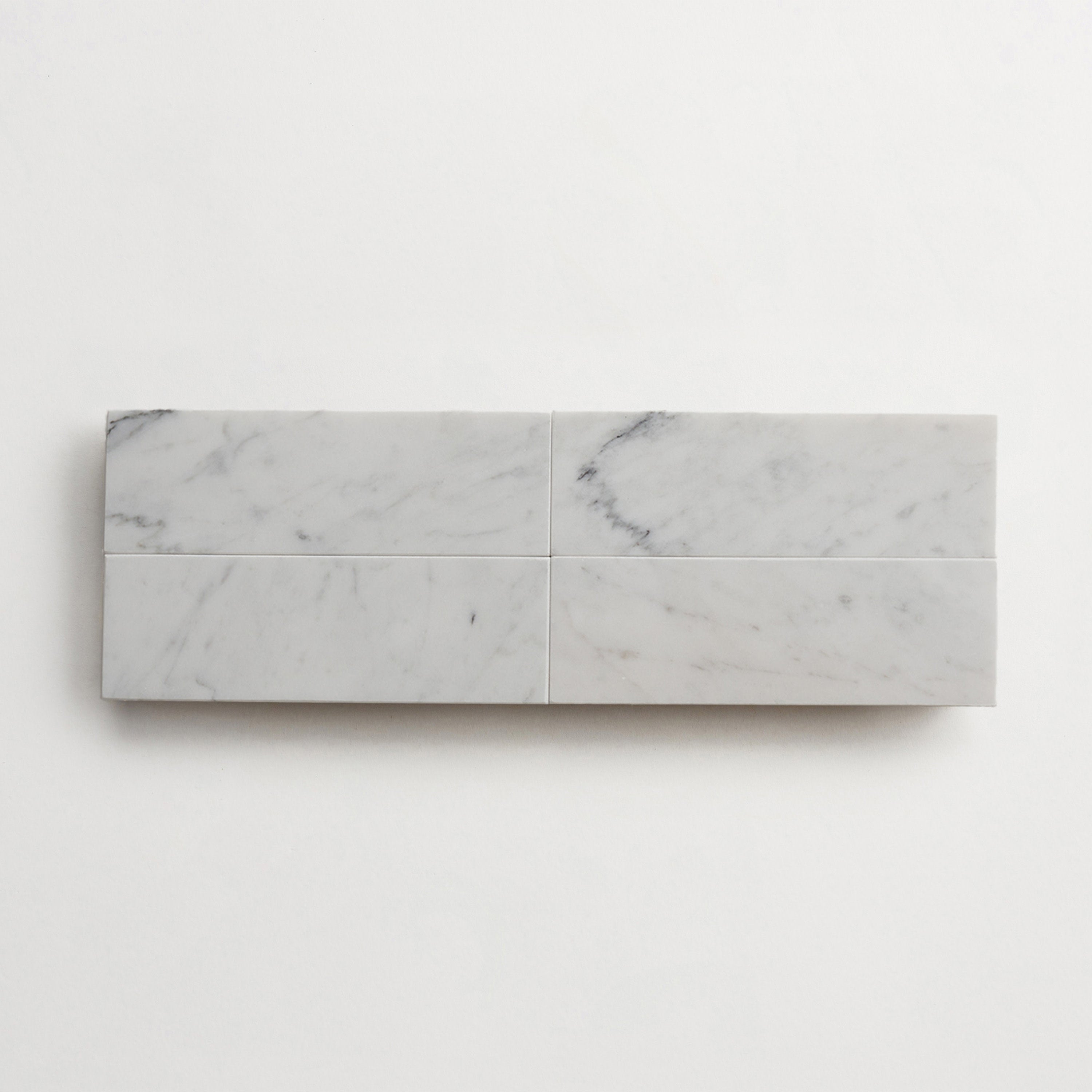
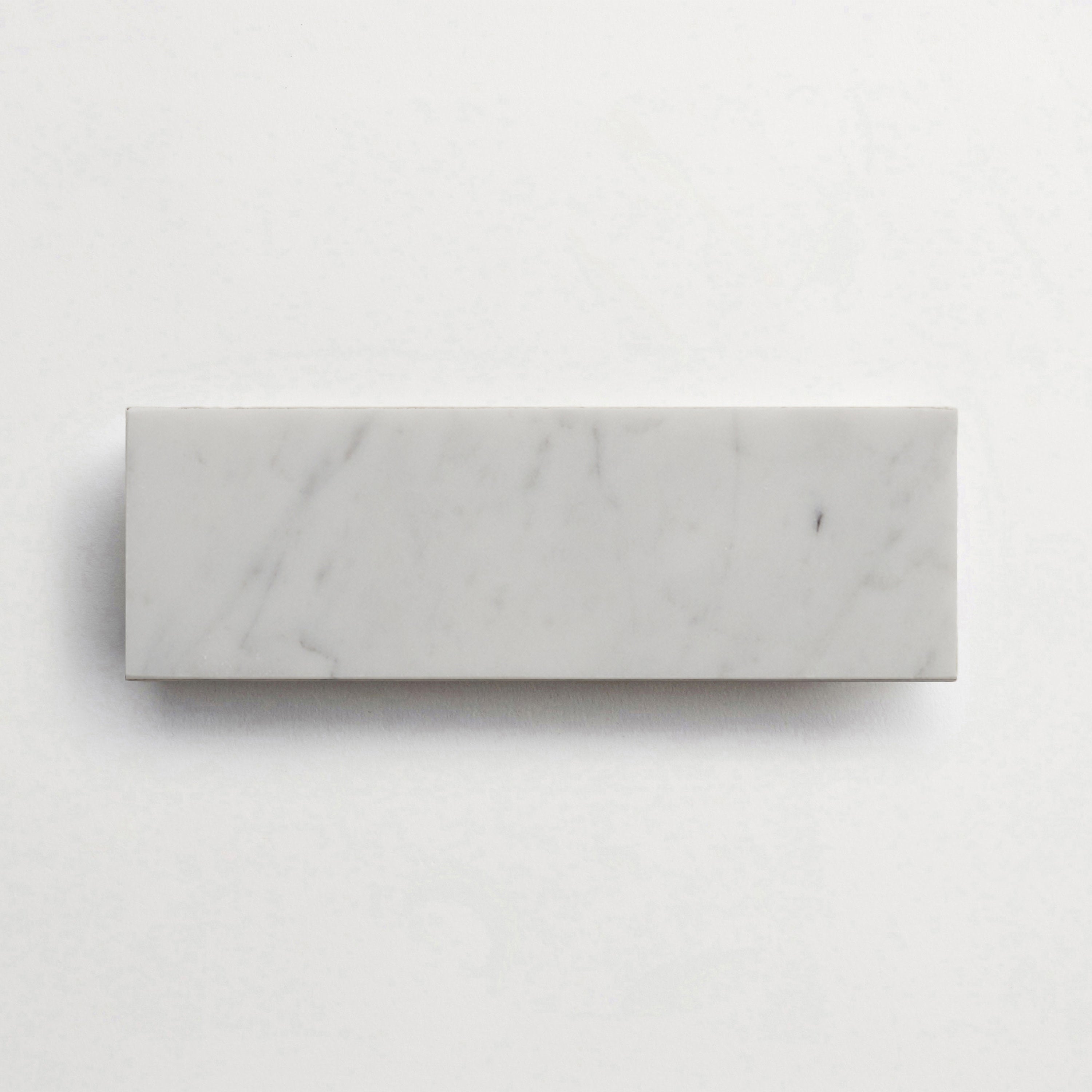
Carrara
Collection
-
lapidary
Colorway
-
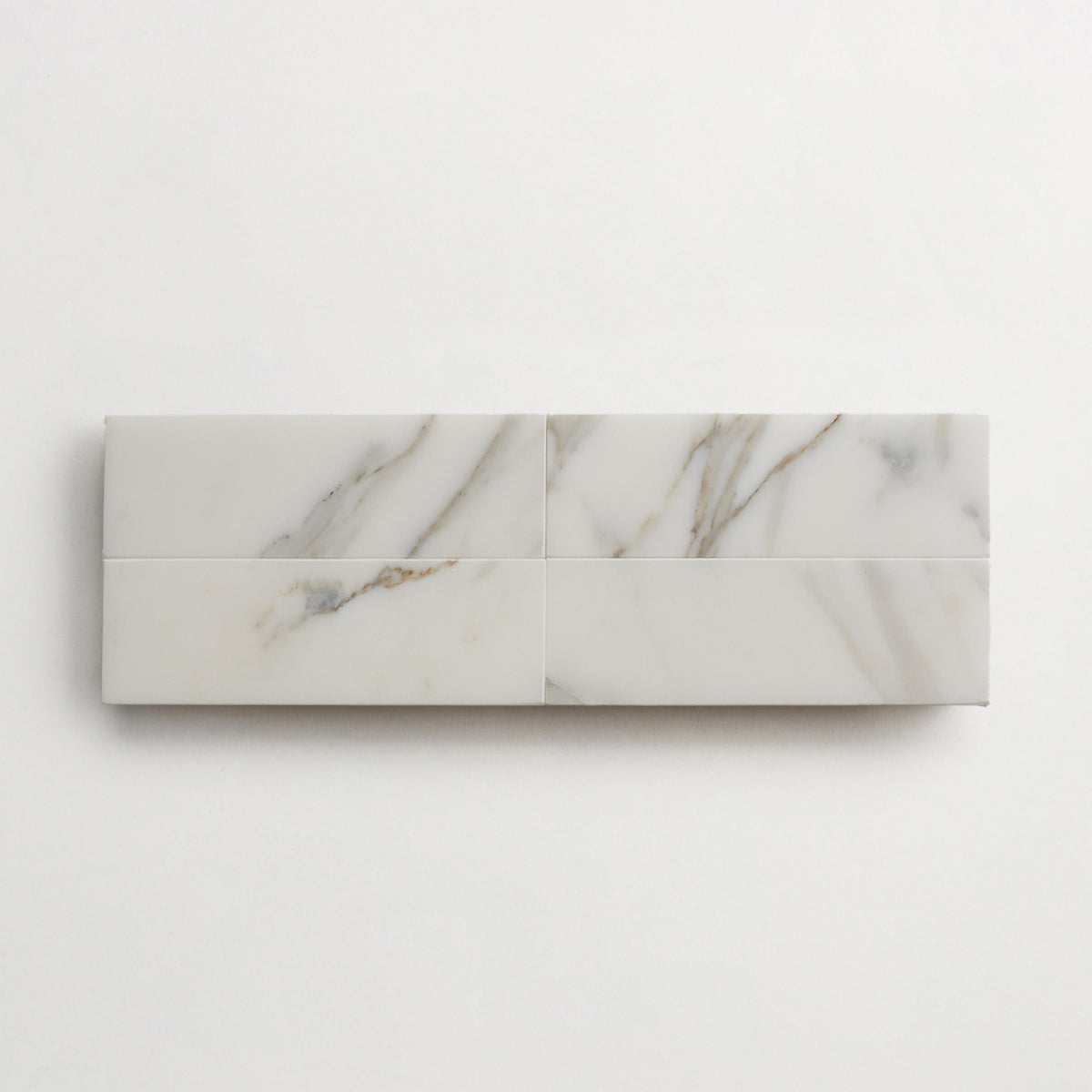
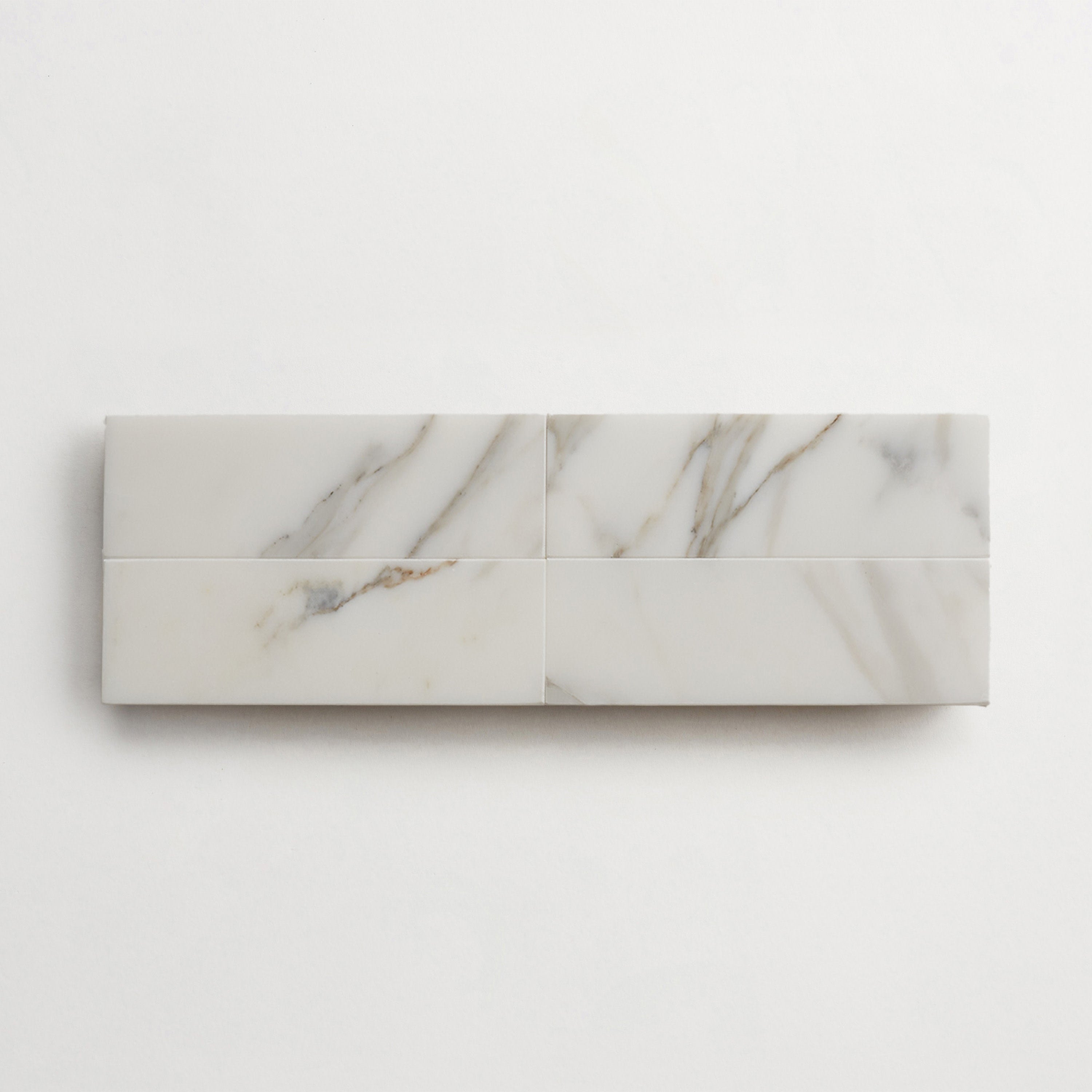
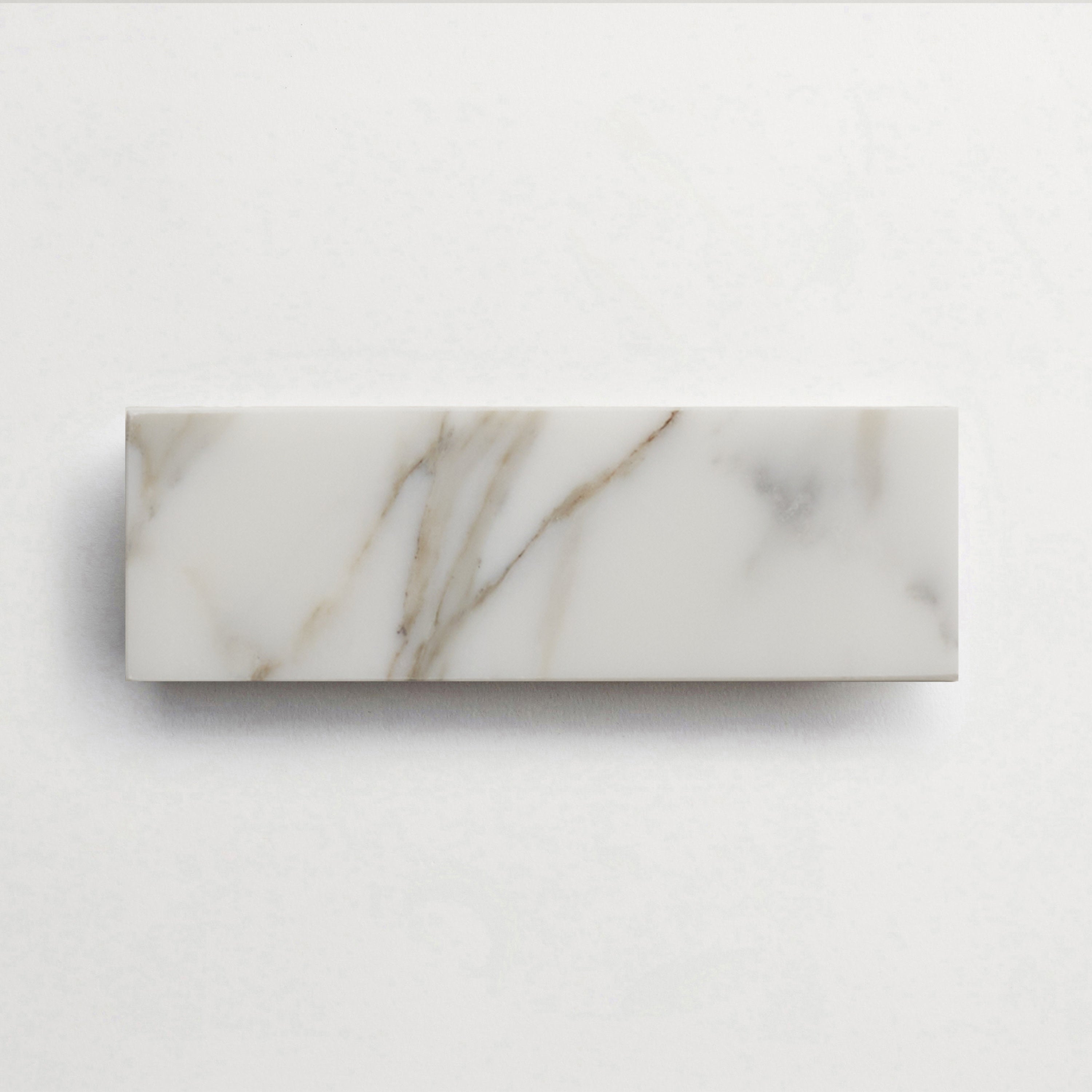
Calacatta Gold
Collection
-
lapidary