

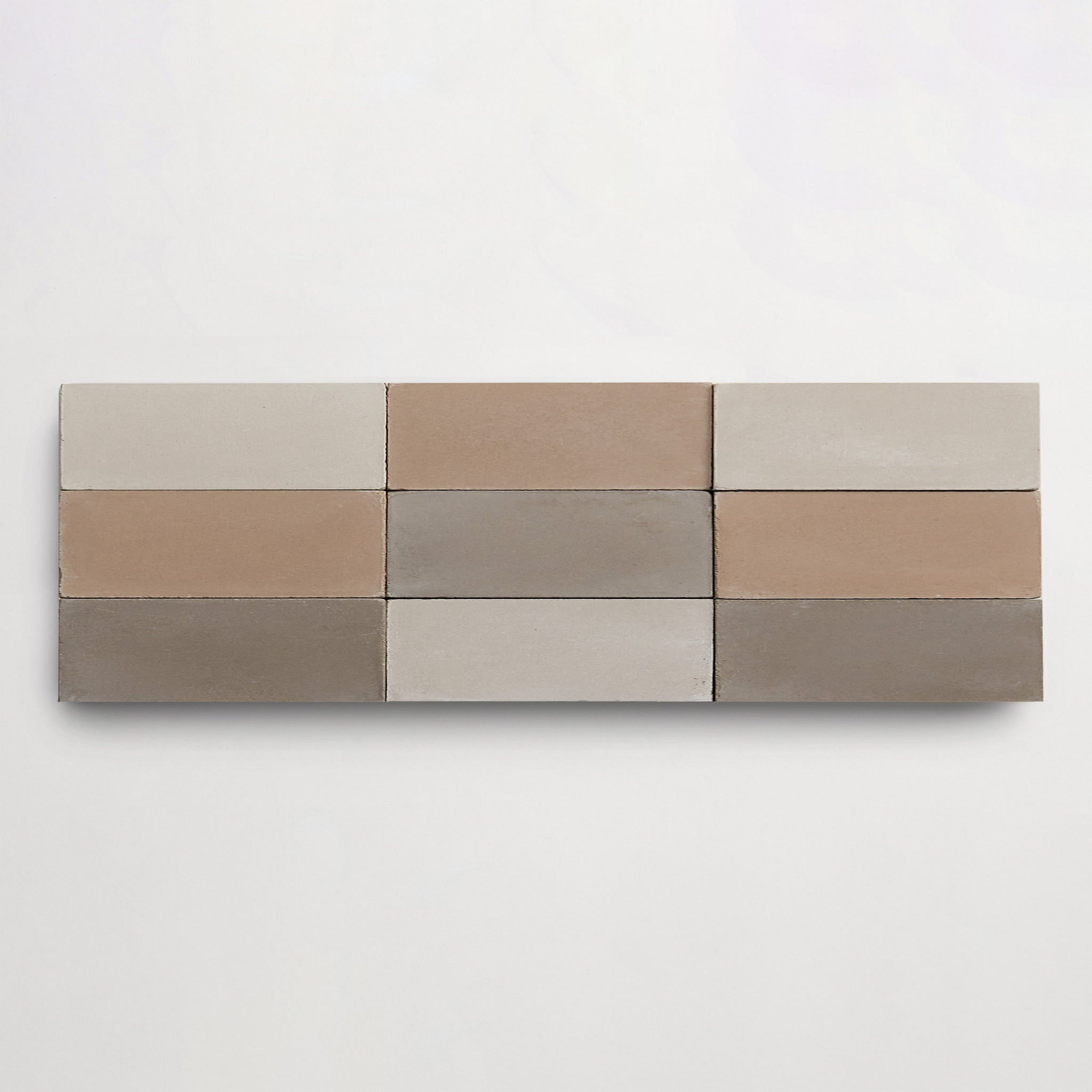
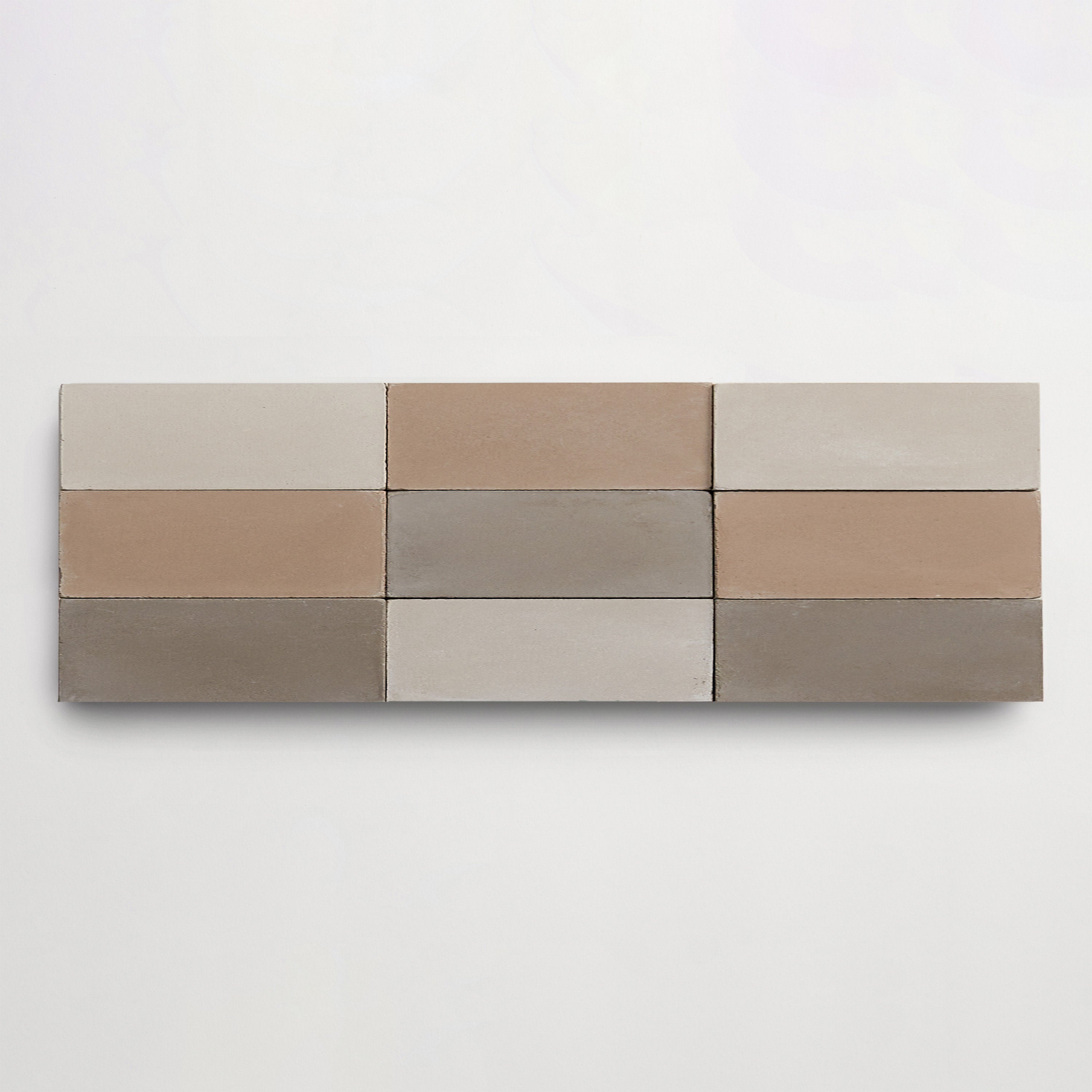
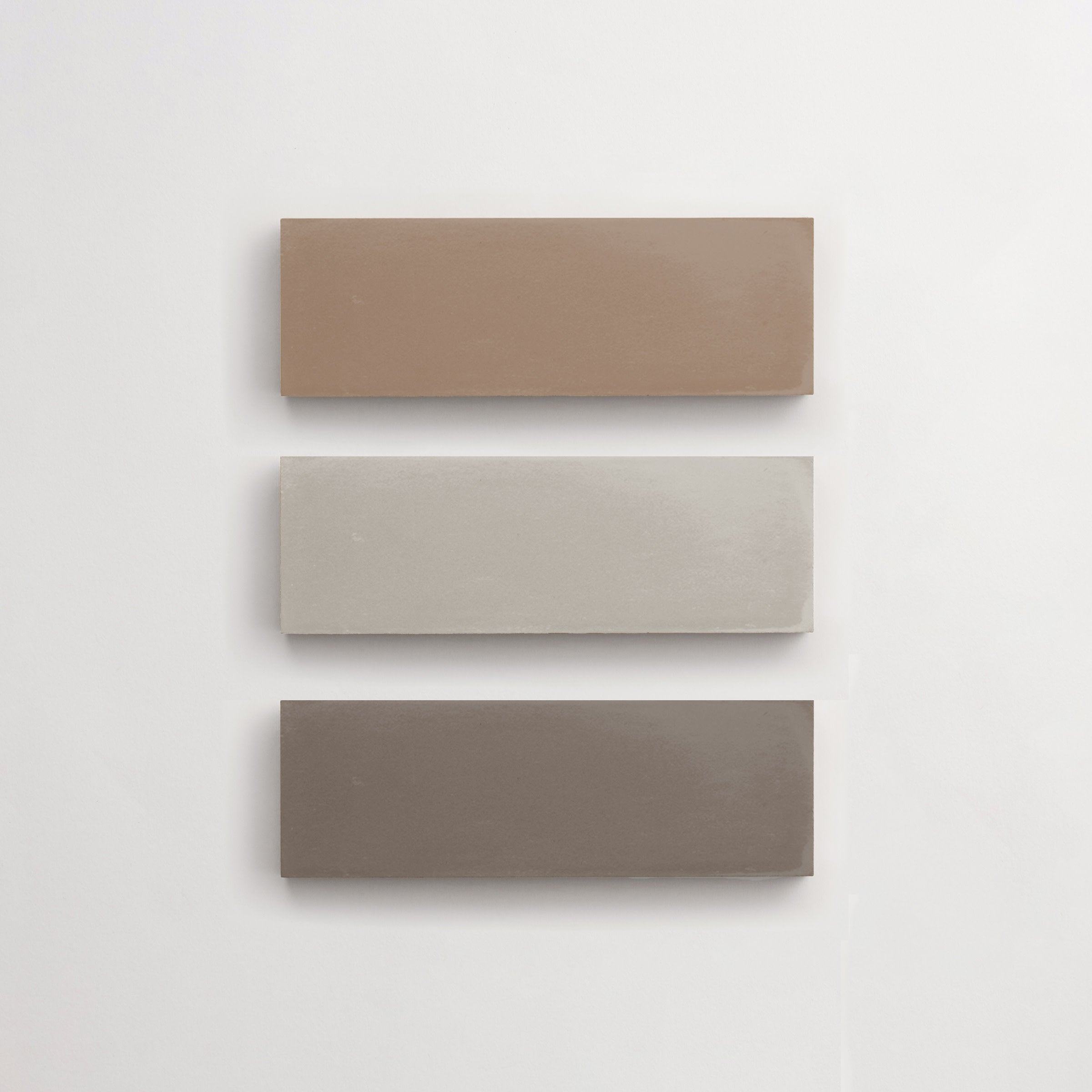
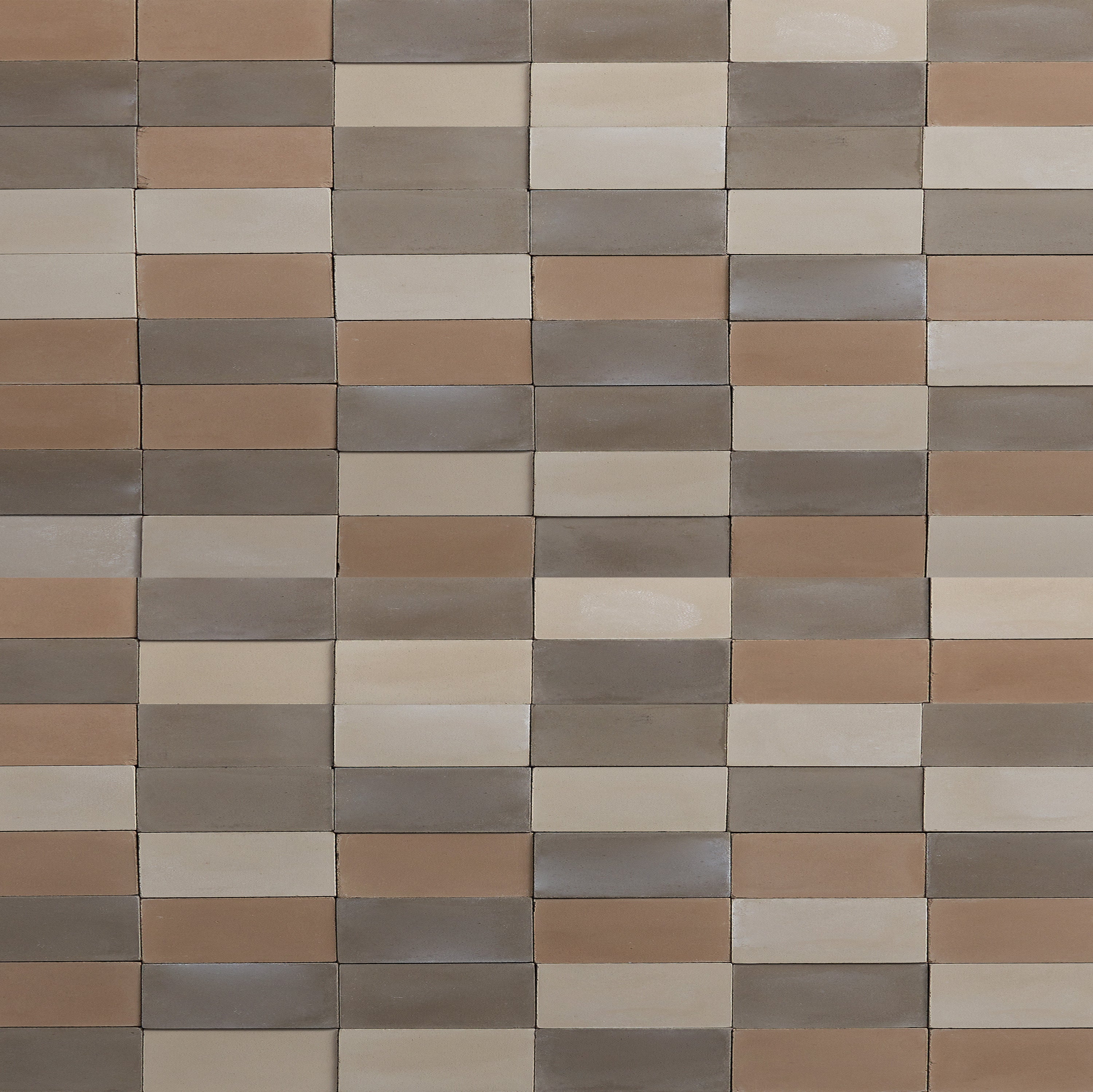
FezBrick, 1x8" Amulet, Natural, Unfinished
Outdoor Kitchen With a Pizza Oven: Ideas & Design Guide
There’s an art to planning an outdoor kitchen with a pizza oven. The best outdoor kitchens treat the pizza oven as a feature in its own right — not just another appliance to tuck into a lineup of features. Whether you opt for a rustic wood-fired model or a sleek modern design, the oven naturally becomes the center of the kitchen.
The size, fuel source, heat output, and architectural style of the pizza oven influence nearly every other decision that follows. The surrounding materials, the amount of workspace nearby, even the flow of guests through the space — the oven influences all of these things.
If you’re a designer, architect, or homeowner planning a pizza oven outdoor kitchen, you’ll want to identify the right oven and oven surround materials first. Then, any remaining elements can support the oven rather than compete with it. The result: a kitchen that feels intentional, balanced, and timeless.


Start With the Oven, Not the Appliance List
Many start planning an outdoor pizza kitchen in the wrong place. While it can be easy to focus on appliance packages and convenient features, the oven deserves priority because of the unique demands it places on the kitchen’s layout and materials.
A pizza oven generates significant heat, occupies valuable square footage, and draws attention from almost every vantage point. It influences how guests gather, how food moves from prep to serving, and how surrounding finishes perform over time. So: Before selecting countertops, cabinetry, or seating arrangements, determine how the oven will look and function.
The type of oven is important, too. Wood-fired, gas, and electric models each have different requirements in terms of footprint, ventilation, and surrounding materials. They also communicate different design languages. Those decisions affect the entire composition long before details like hardware, lighting, and storage enter the conversation.
What the Heat Source Brings to the Room
Wood-fired ovens remain deeply connected to Neapolitan and Mediterranean cooking traditions. Their larger footprint, visible chimney structures, and wood storage requirements create a strong architectural presence. They bring warmth, texture, and a sense of ritual that naturally encourages gathering.
Gas-fired ovens offer many of the visual benefits of a traditional oven while supporting faster startup and easier temperature control. Their cleaner operation allows them to integrate comfortably into a wide range of outdoor spaces. They often require less visual accommodation than wood-fired alternatives while still serving as a striking focal point.
Electric ovens offer the most streamlined appearance. They typically align well with minimalist architecture, refined material palettes, and highly controlled design environments. Their compact footprints can also benefit projects with limited square footage.

Where the Pizza Oven Lives in Your Layout
Once you’ve landed on an oven type, it all comes down to placement. Many outdoor kitchen ideas with pizza oven installations focus on appearance alone, but the layout should always support the cooking workflow.
One common approach is to place the oven at the end of a cabinetry run. This arrangement allows prep surfaces and storage to remain uninterrupted while giving the oven a clear visual presence. Another strategy keeps the oven in the center of the composition, turning it into a dramatic focal point that’s visible from multiple directions.
A third option separates the oven entirely, creating a dedicated hearth structure that sits apart from the primary kitchen zone. This approach can create a strong sense of destination while reinforcing the oven's architectural importance.
Regardless of placement, adequate landing space is essential. Cooks need room for peels, ingredients, finished pizzas, and serving platters. Always consult manufacturer specifications and local building codes for exact clearance, ventilation, and installation requirements before finalizing your plans.
Anchored in the Counter — or Standing Apart
An oven that’s integrated into a countertop run creates efficiency. Prep areas, refrigeration, and serving surfaces remain close at hand. This arrangement often suits smaller projects, such as a small outdoor kitchen with a pizza oven, where every square foot must work hard.
Integrated installations also place greater emphasis on the materials surrounding the oven. Countertops, vertical surfaces, and nearby finishes must visually support the oven while standing up to demanding conditions.
A freestanding hearth-style structure creates a different experience. Rather than functioning as one station within the kitchen, the oven becomes a destination of its own. The surrounding materials often take on a more architectural role, helping the structure feel grounded within the landscape.
The Surround Is the Design Decision
Among all the choices involved in planning an outdoor kitchen with a pizza oven, none has more influence than the surround material. The surfaces immediately around the oven opening experience heat exposure, visual scrutiny, and daily use. They perform practical work while also defining the character of the entire installation.
Because the oven naturally attracts attention, even small material decisions become highly visible. A poorly chosen surround can feel disconnected from the rest of the design or show wear prematurely. A thoughtful surround, by contrast, reinforces the oven's architecture and develops character over time.
Keep in mind that this area is often the most photographed and frequently used portion of the kitchen. It frames the fire, highlights craftsmanship, and establishes the relationship between cooking and gathering. For that reason, surround materials deserve the same level of consideration as the oven itself.
Let’s dive into a few of our favorite material options.
What Each Material Brings to the Flame
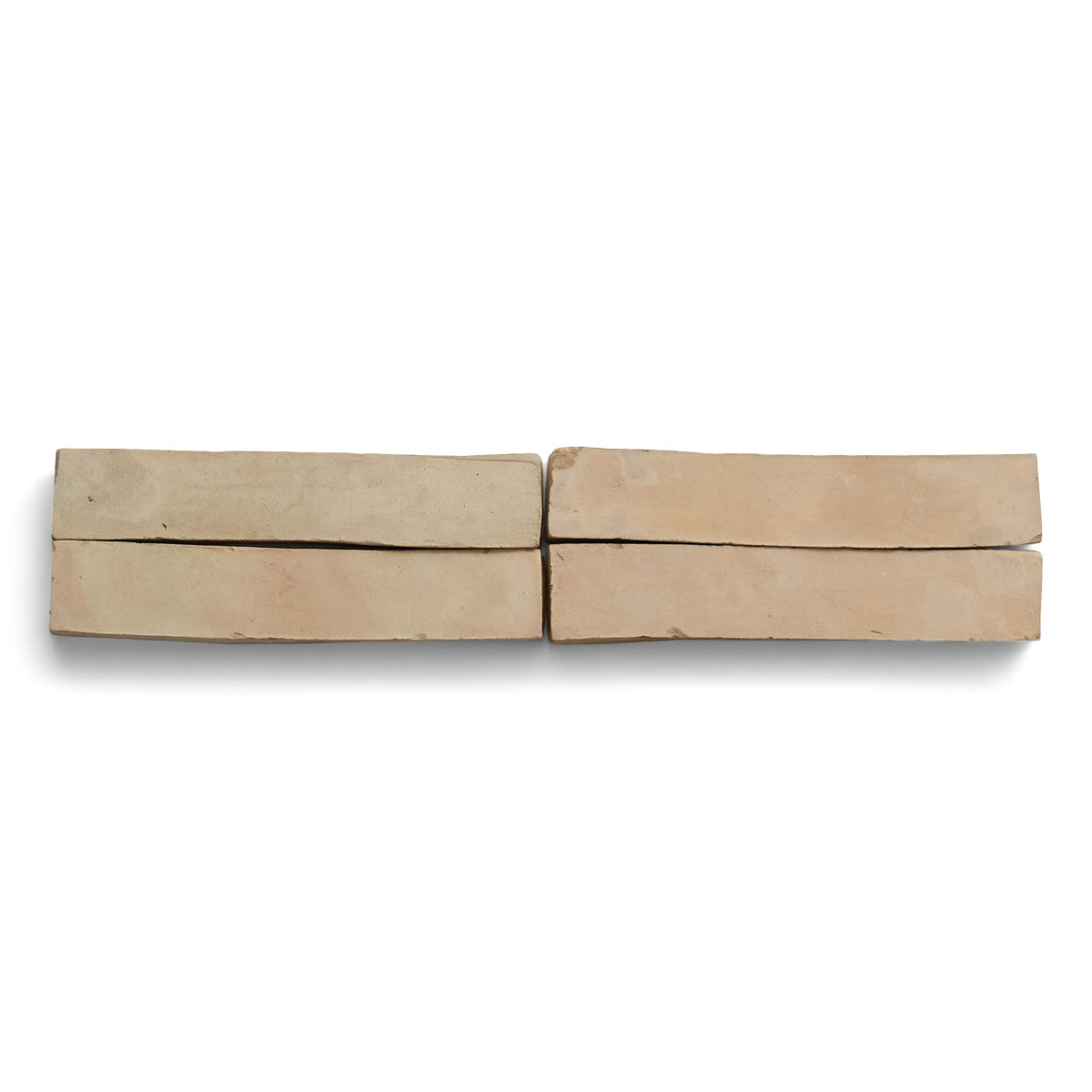
Terracotta remains one of the most compelling choices around pizza ovens. Its natural heat resistance, earthy texture, and connection to Mediterranean architecture make it especially well suited to traditional outdoor cooking environments. It contributes warmth and authenticity while pairing beautifully with stucco, stone, and natural plantings. It is also a natural complement to many terracotta patio ideas.
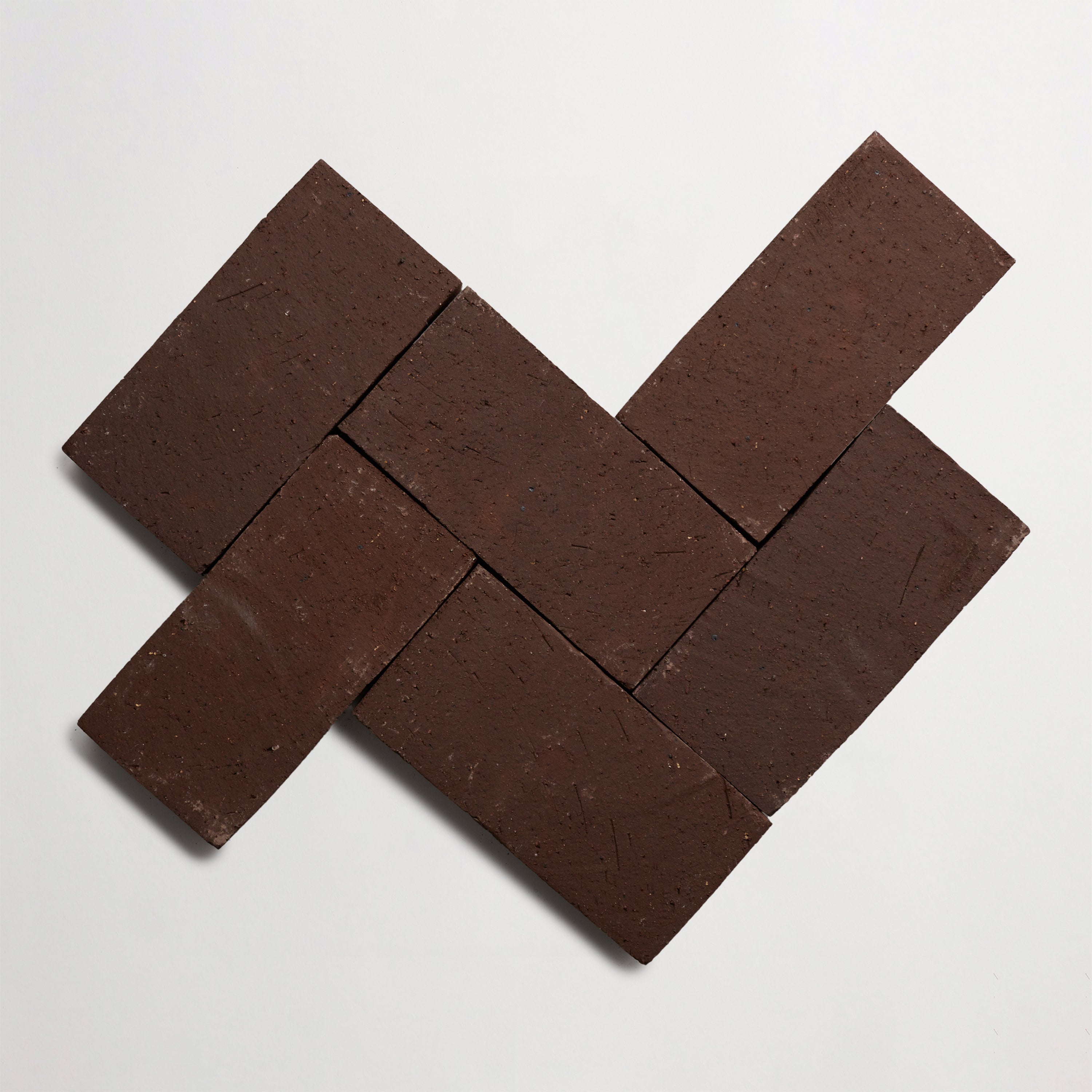
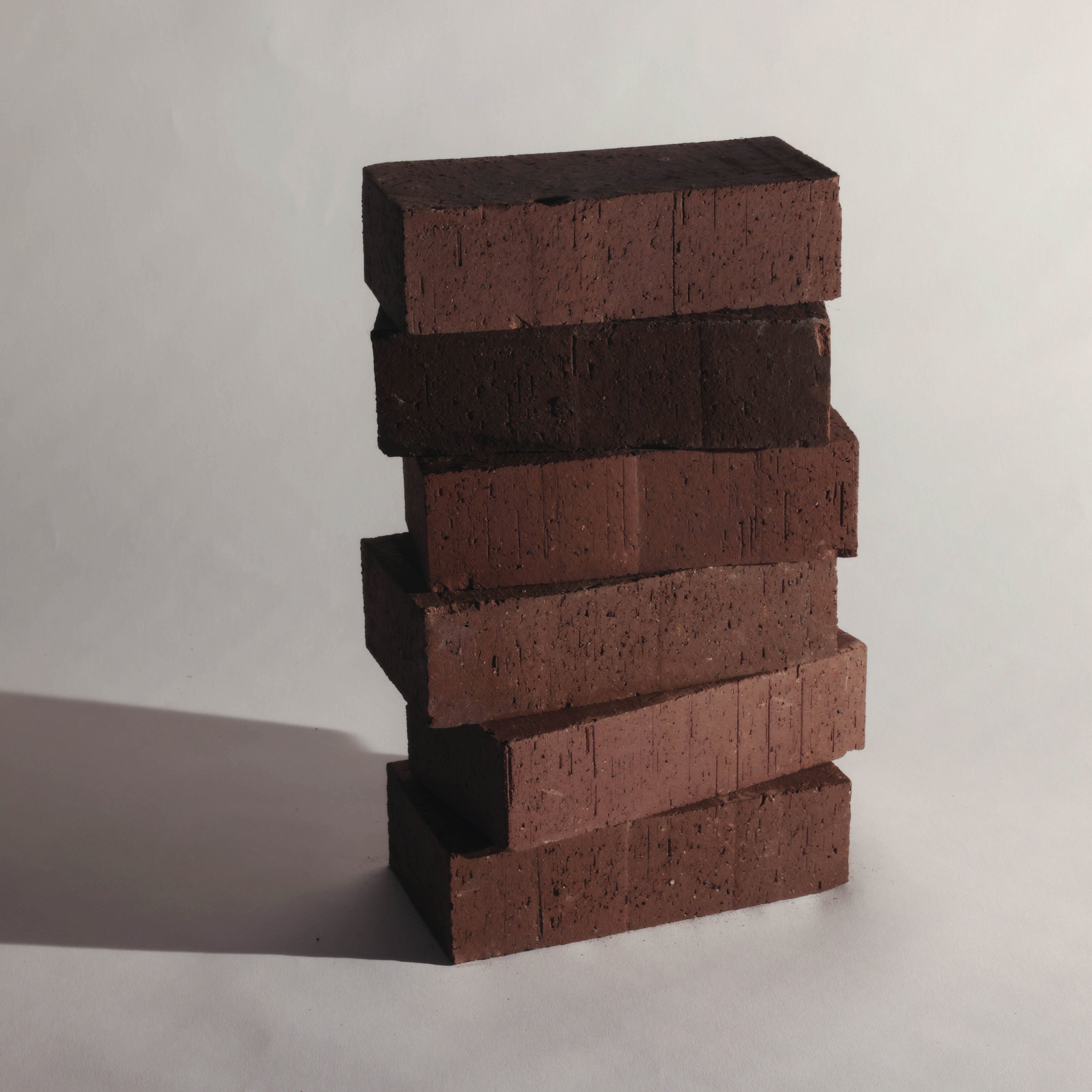
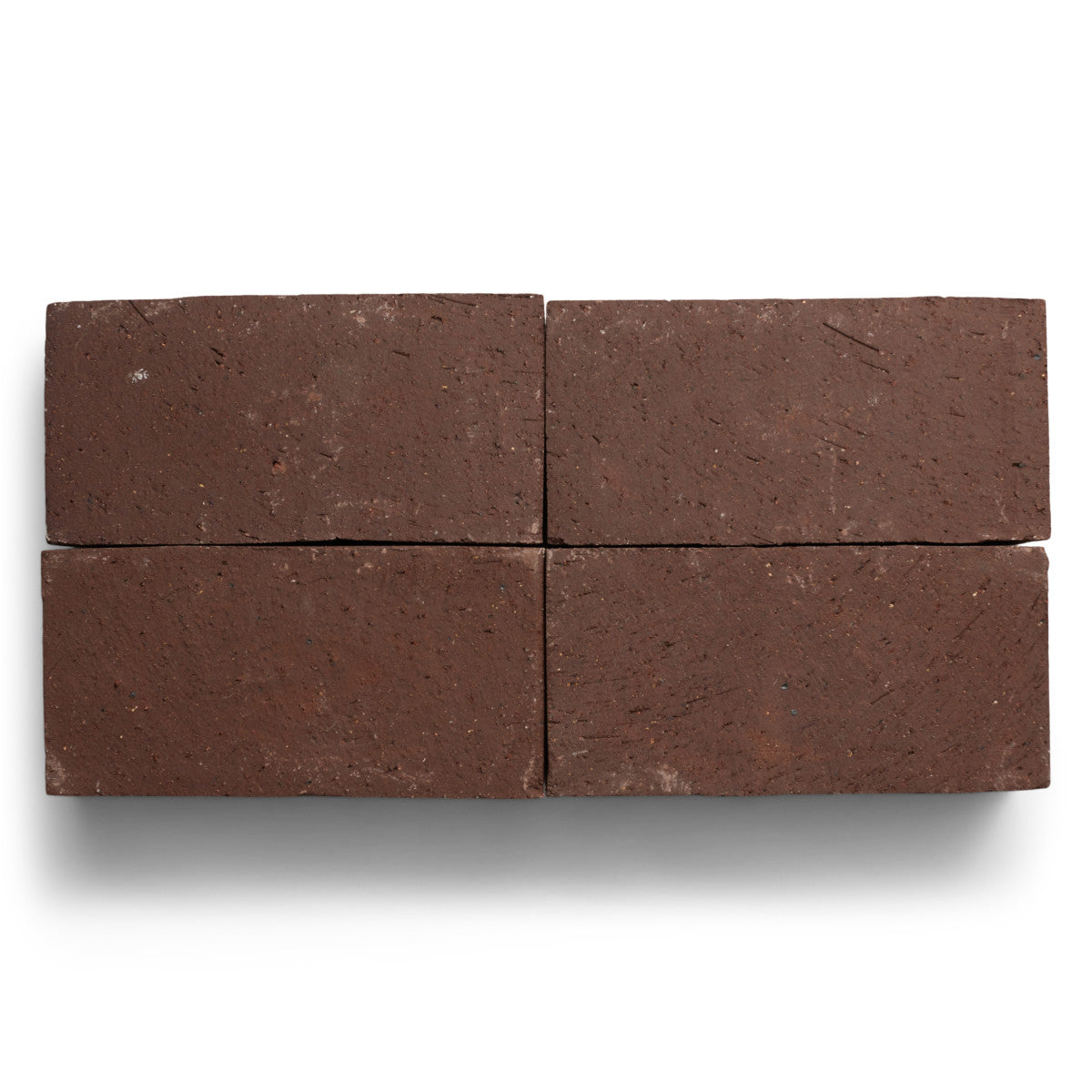
Brick is another enduring option. Its heritage texture and excellent high-heat tolerance make it a perfect choice for projects seeking timeless character. Brick can feel rustic or refined depending on the pattern, scale, and detailing, making it an excellent choice for both traditional and transitional designs.
Cement surfaces introduce a more modern perspective. Their graphic potential and bold visual presence can be striking, though they are often best positioned slightly back from areas exposed to the most intense direct heat.
Remember that finish matters as much as material. Matte surfaces generally provide a softer appearance and practical underfoot performance. Glazed finishes can add visual depth and easier maintenance, though designers should carefully evaluate slip resistance and placement within the overall composition.


From Courtyard to Minimalist: Pizza Oven Style Ideas
The best pizza oven outdoor kitchen designs are not defined by individual choices. They are defined by a cohesive visual language that connects the oven, materials, and surrounding landscape.
Rather than approaching the project as a collection of separate elements, consider the overall atmosphere the space should create. The following styles illustrate how oven type, surround material, and cultural inspiration can work together.
Mediterranean Courtyard
Among the most enduring Mediterranean outdoor kitchen ideas is the classic courtyard composition built around a wood-fired oven. Terracotta surrounds establish warmth and texture while white stucco walls reflect sunlight and create visual contrast.
Climbing greenery softens hard surfaces and strengthens the connection between architecture and landscape. Olive trees, vines, and aromatic herbs add to the relaxed atmosphere often associated with southern European outdoor living.
This approach works especially well for designers seeking timeless character. Terracotta's natural color variation, combined with weathered finishes and layered planting, creates a space that feels established rather than newly constructed.
Old-World Brick Hearth
A brick oven outdoor kitchen design draws inspiration from historic European gathering spaces where cooking and community naturally intersected. Here, the oven becomes a substantial architectural feature framed by richly textured brick.
Wrought iron accents, arched openings, and integrated wood storage reinforce the sense of permanence. The layered textures created by brickwork help the oven feel rooted within the broader landscape while providing excellent durability.
This style pairs particularly well with outdoor brick kitchen ideas that extend material continuity across walls, pathways, or adjacent entertaining spaces. Repeating brick throughout the project creates cohesion and strengthens the visual importance of the oven.
Wood-fired ovens are often the most natural fit within this aesthetic, though gas models can achieve a similar appearance when integrated thoughtfully.
Modern Minimalist
A modern minimalist outdoor pizza kitchen is all about restraint. Clean geometry, simplified detailing, and a tightly controlled palette allow the oven to become a sculptural focal point rather than an ornamental feature.
Gas and electric ovens often align naturally with this aesthetic. Their streamlined profiles complement smooth cement surrounds, refined stone surfaces, and carefully edited material selections.
Neutral tones can help unify the composition, as well. Rather than relying on contrast, the design creates impact through proportion, texture, and precision. Stainless steel accents appear sparingly and purposefully, supporting functionality without overwhelming the visual balance.

Where the Oven Meets the Rest of the Room
Even the most beautiful oven installation must function effectively within the larger kitchen. The oven zone should connect naturally to preparation areas, serving surfaces, and seating spaces.
Keeping prep counters nearby helps streamline cooking. Ingredients, tools, and finished dishes remain within easy reach. Meanwhile, putting serving counters next to the oven allows food to move quickly from cooking to dining.
Seating should also support interaction without disrupting workflow. Guests naturally gravitate toward the oven, especially when pizzas are being prepared and baked. Thoughtful circulation paths can help maintain comfort for both cooks and visitors.
Many outdoor kitchen layout ideas also have to address limited square footage. For smaller patios, a single-wall configuration or corner arrangement can keep the oven prominent while preserving valuable workspace.
Living With the Heat: Upkeep Over Time
The long-term success of a pizza oven installation depends partly on maintenance. Heat, soot, smoke, grease, and outdoor exposure all affect surrounding materials differently.
Sealed and non-porous finishes generally simplify cleanup around the oven opening. They help resist staining and make routine maintenance more manageable, particularly in high-use cooking environments.
More porous materials can still perform beautifully, but they require periodic resealing and additional care. Understanding those maintenance requirements early allows designers and homeowners to make informed decisions that align with expectations.
Never separate durability from aesthetics. A well-selected surround does not merely survive exposure to heat and weather. It develops character while maintaining structural and visual integrity. Viewed through that lens, surround materials become a long-term design investment.
Make the Pizza Oven the Heart of the Space
The strongest outdoor kitchen with pizza oven designs begin with a simple principle: let the oven lead. Oven type and placement establish how the kitchen functions, while surround materials determine how it feels and how it ages.
Whether the goal is a Mediterranean courtyard, a heritage-inspired brick hearth, or a modern minimalist retreat, the most successful projects treat the oven as the architectural center of the composition. Every surrounding decision supports that focal point rather than competing with it.
Ready to turn up the heat on your outdoor kitchen design? Explore collections for pizza oven surrounds and built to last. A thoughtfully designed pizza oven can transform an outdoor room from a cooking space into a place where people gather, linger, and create lasting memories around the fire.
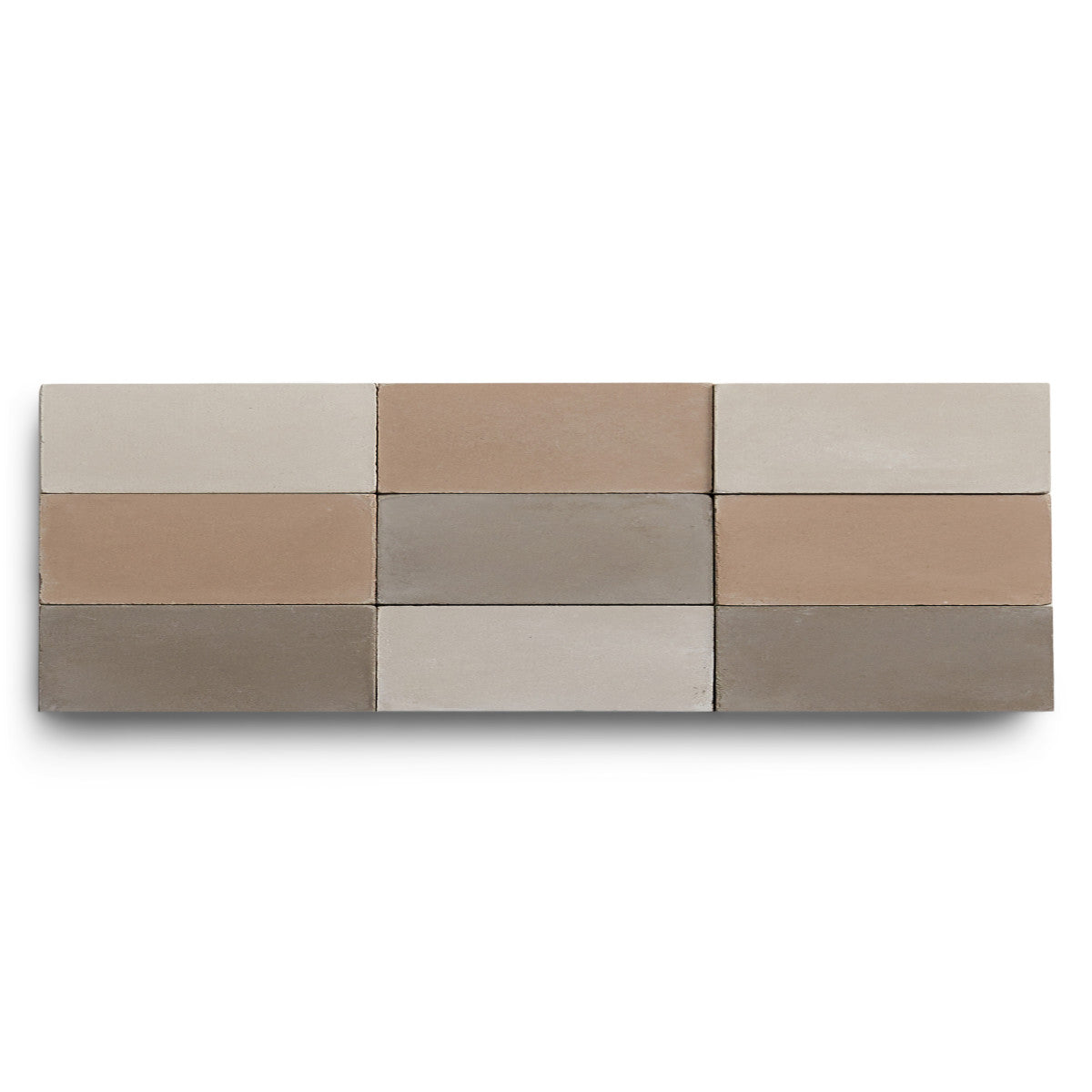
Colorway
-
Ancient Scroll
Collection
-
Colore Frattura
:
Sub Collection
-
Chromatope
Material
Length
-
4
" x
Width
-
4
" x
Thickness
-
¼
"
Unit of Measurement
-
sqft
/
Price per Unit
$
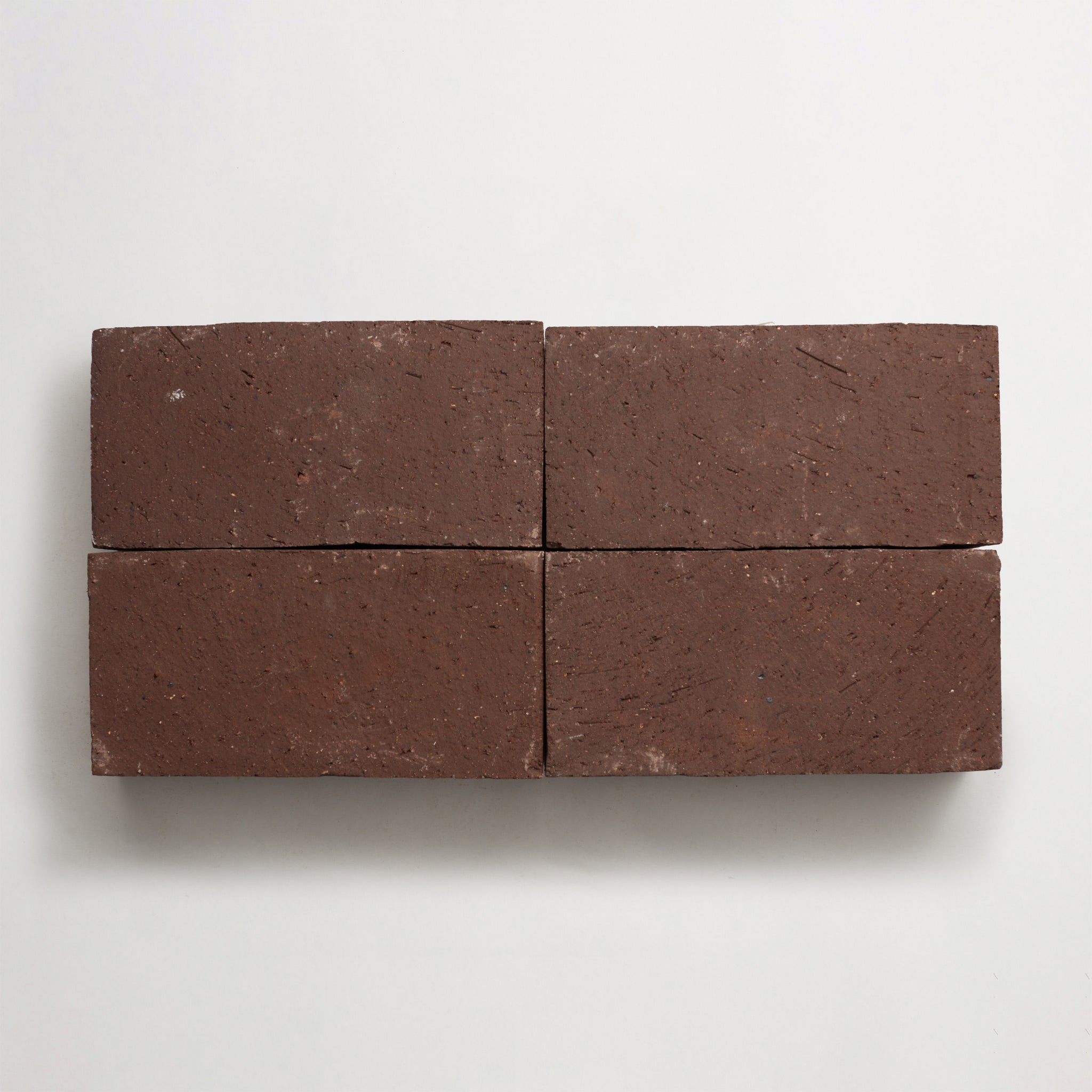
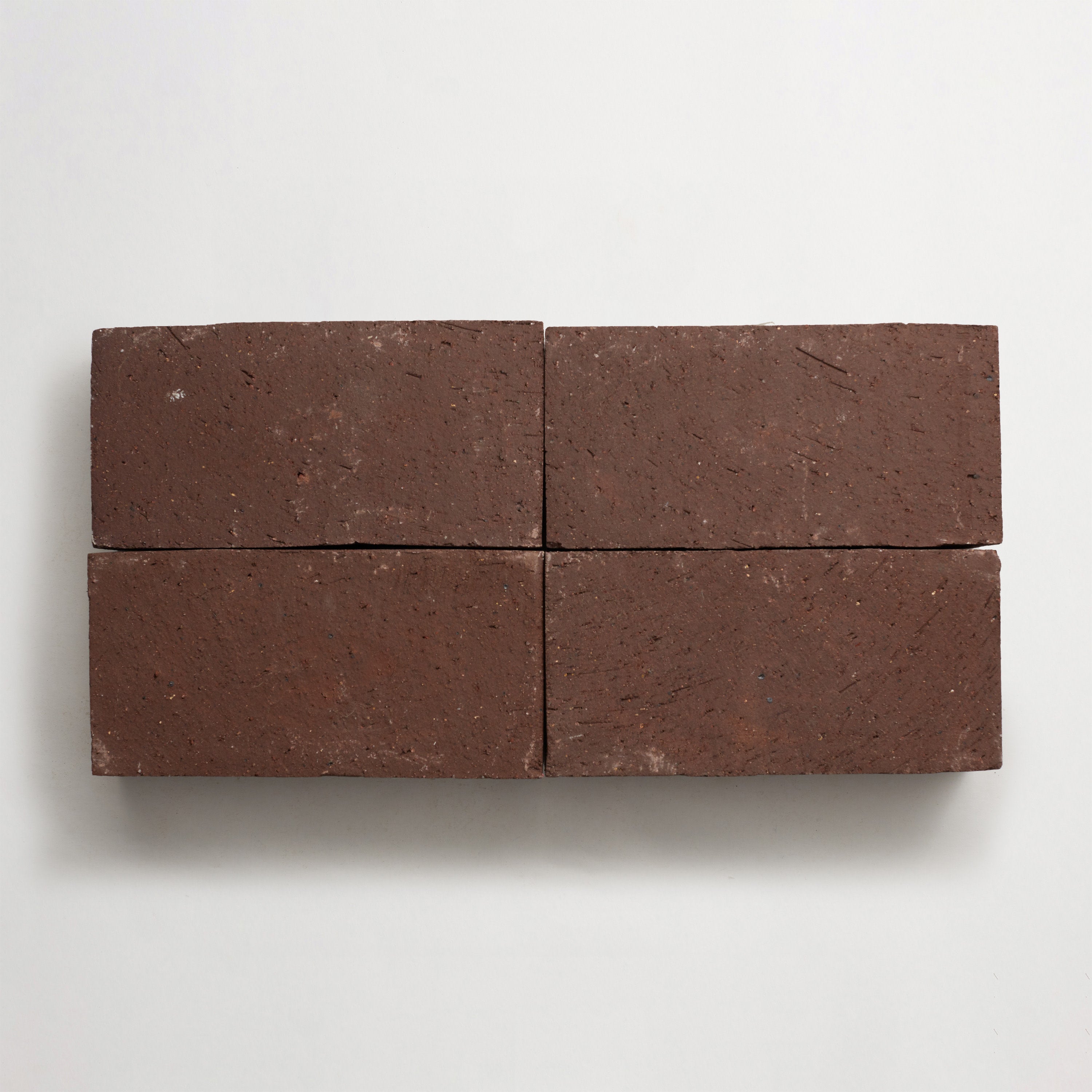
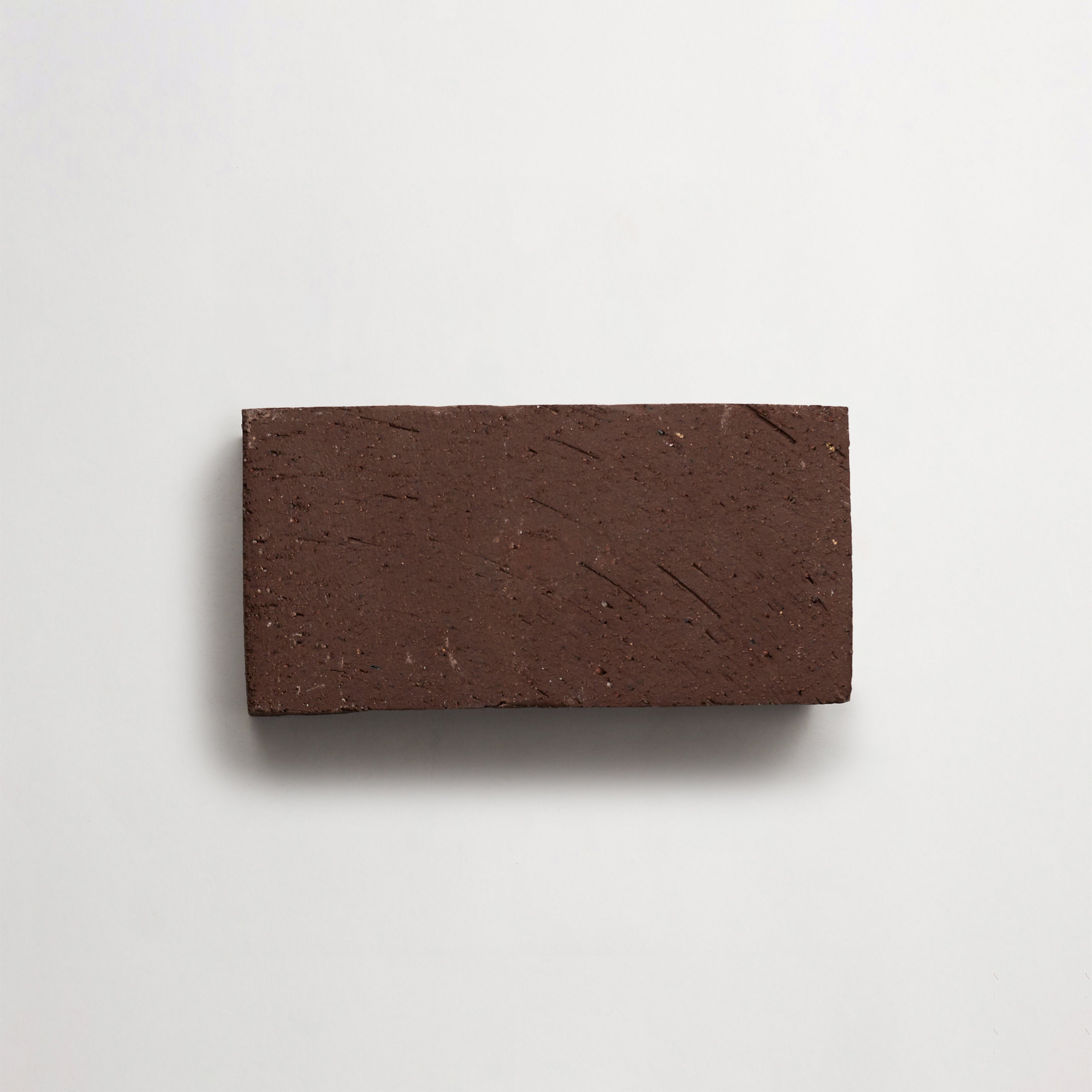
Colorway
-
Cordovan Saddle
Collection
-
BrickWorks
:
Sub Collection
-
Alegria
Material
Length
-
8
" x
Width
-
8
" x
Thickness
-
⅞
"
Unit of Measurement
-
sqft
/
Price per Unit
$


Colorway
-
Natural (Unglazed)
Collection
-
FezBrick
:
Sub Collection
-
Brinks
Material
Length
-
4
" x
Width
-
16
" x
Thickness
-
¾
"
Unit of Measurement
-
sqft
/
Price per Unit
$