

Patterned Patio Ideas: Artisan Tile Layouts to Try
A patio can set a mood before you've placed a single chair on it — especially if it incorporates some sort fo pattern. Think of pattern underfoot the way you might think of a rug in a living room or wallpaper in a dining room: it's one of the first design decisions you notice, and it quietly determines everything that follows. A bold geometric floor can make an outdoor room feel collected and theatrical, while a softly speckled surface can bring texture without competing with the landscape.
The most compelling patterned patio ideas treat tile as a design medium rooted in centuries of craft tradition. Pattern can come through contrast, repetition, scale, color, or even the character of the tile itself. The key is choosing the right intensity for the space — and knowing when a little pattern makes the biggest impact.


Key Takeaways About Patterned Patio Ideas
- Pattern can define the mood of an outdoor room just as powerfully as a rug or wallpaper indoors.
- Checkerboard is a versatile choice for everything from formal courtyards to contemporary rooftops.
- Small patios can benefit from concentrated pattern moments rather than a bold pattern across the entire floor.
- Tonal terrazzo and other subtly textured materials are excellent choices for simple patterned patio ideas.
- Borders and inlays offer a way to introduce artisan pattern without overwhelming a compact space.
- Globally influenced patterns can bring cultural character to a patio while complementing the surrounding architecture and landscape.
- Material matters outdoors: consider slip resistance, UV exposure, sealing, and climate alongside aesthetics.
- The best flooring for an outdoor patio balances visual character with the performance requirements of the setting.
Pattern Is a Design Decision, Not an Installation Detail
Pattern isn't simply a matter of how individual tiles are arranged. For the person experiencing the finished space, it becomes part of the visual language of the patio, establishing rhythm, contrast, scale, and even a sense of place.
A full-field pattern creates a strong foundation for the entire outdoor room, while an accent pattern can act more like a piece of artwork. High-contrast combinations make geometry immediately apparent, and tonal combinations let texture and repetition emerge more slowly. Small-format tile creates a lively, detailed rhythm, while larger formats make a pattern feel more restrained.
Thinking about pattern this way makes it easier to tailor the look to your project. Rather than asking which layout is technically possible, ask how much visual energy the space needs. Pattern intensity is a dial you can turn up or down, whether you're designing an expansive courtyard or looking for small patterned patio ideas.
How Much Pattern a Space Can Hold
A useful starting point is to consider both the size of the patio and everything already competing for attention. A compact patio surrounded by lush planting, colorful furniture, or a dramatic architectural backdrop may benefit from a quieter floor. On the other hand, a simple architectural setting can handle a more expressive surface.
Full-field patterns make the floor the main character. An accent border, inset, or tonal repeat gives you a supporting role instead. Color also changes the equation: a crisp black-and-white palette reads more dramatically than two closely related shades, even when the layout is identical.
Small-format repeats tend to feel intricate and energetic, while large-format patterns create a broader and calmer impression. There is no universal rule for how much pattern a patio can hold. The goal is to create a visual hierarchy where the tile, furnishings, architecture, and landscape each have room to contribute.

The Checkerboard: Timeless Contrast Underfoot
Checkerboard may be one of the most adaptable patterned patio ideas because its visual language can shift dramatically depending on the materials and colors involved. A classic two-tone floor can feel formal and architectural in a courtyard, while oversized checks in softer shades can look distinctly contemporary on a rooftop terrace.
The pattern also nods to centuries of design history. Two-tone checkerboard flooring has roots in Renaissance-era Italian and French interiors, where marble floors appeared in grand entry halls, palazzo corridors, and other architectural settings. Bringing that language outdoors extends the idea of the interior foyer into the outdoor room, creating a sense of continuity between house and landscape.
Our cement and porcelain collections offer natural opportunities for this kind of contrast, whether you're after a graphic black-and-white moment or a more nuanced pairing. It’s a solid choice when you want a pattern with an immediately recognizable rhythm.
Zellige-Inspired Mosaic: A Nod to Moorish Courtyards
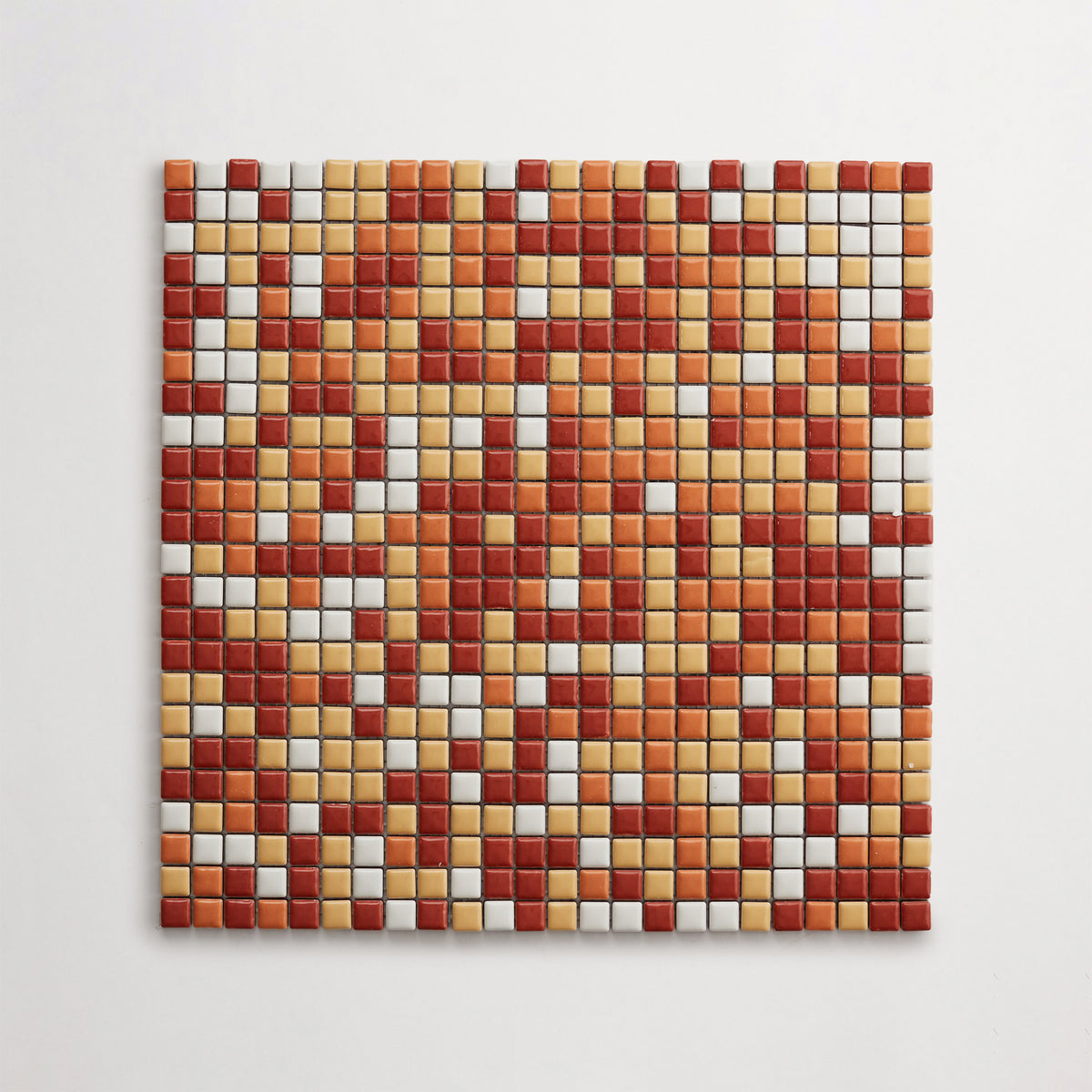
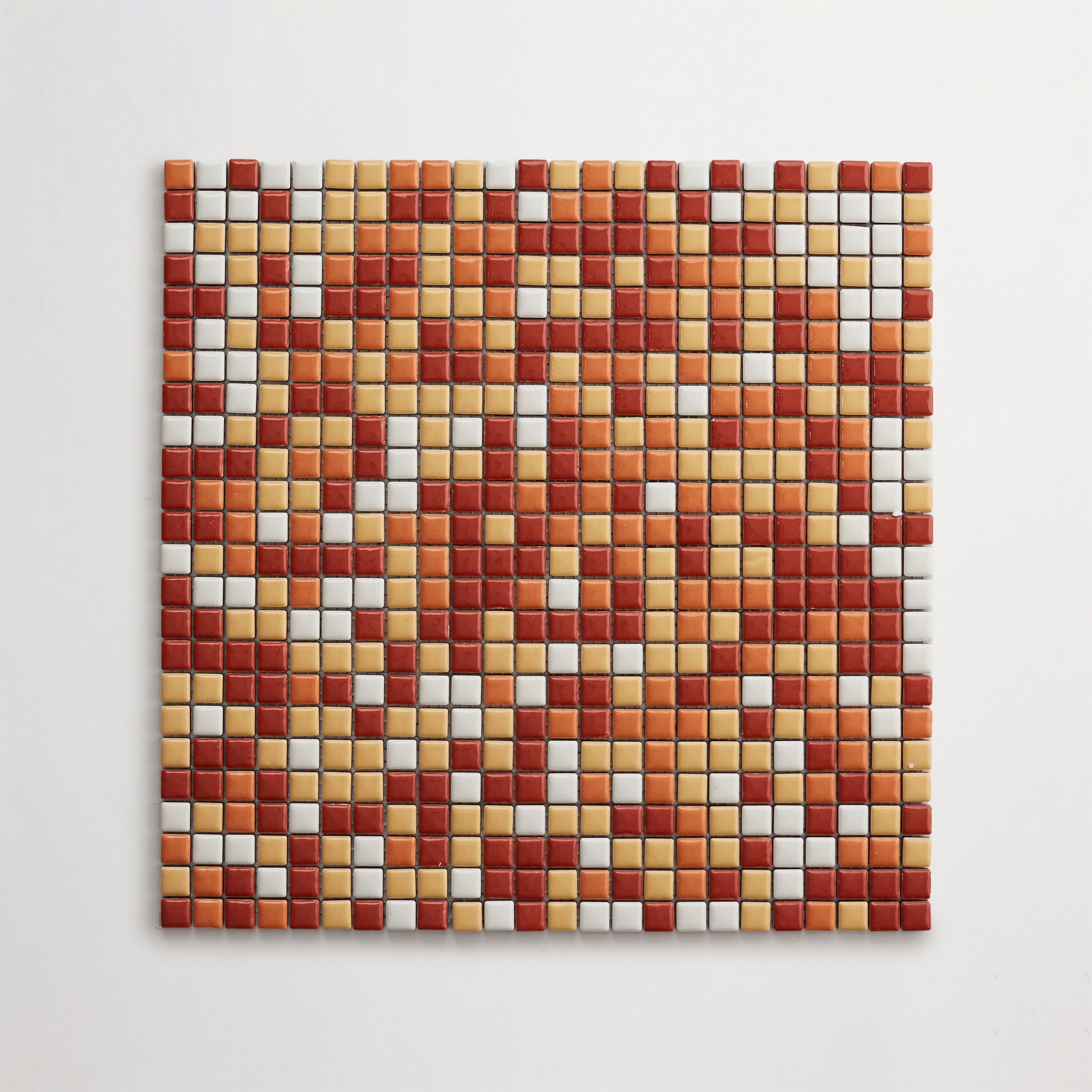
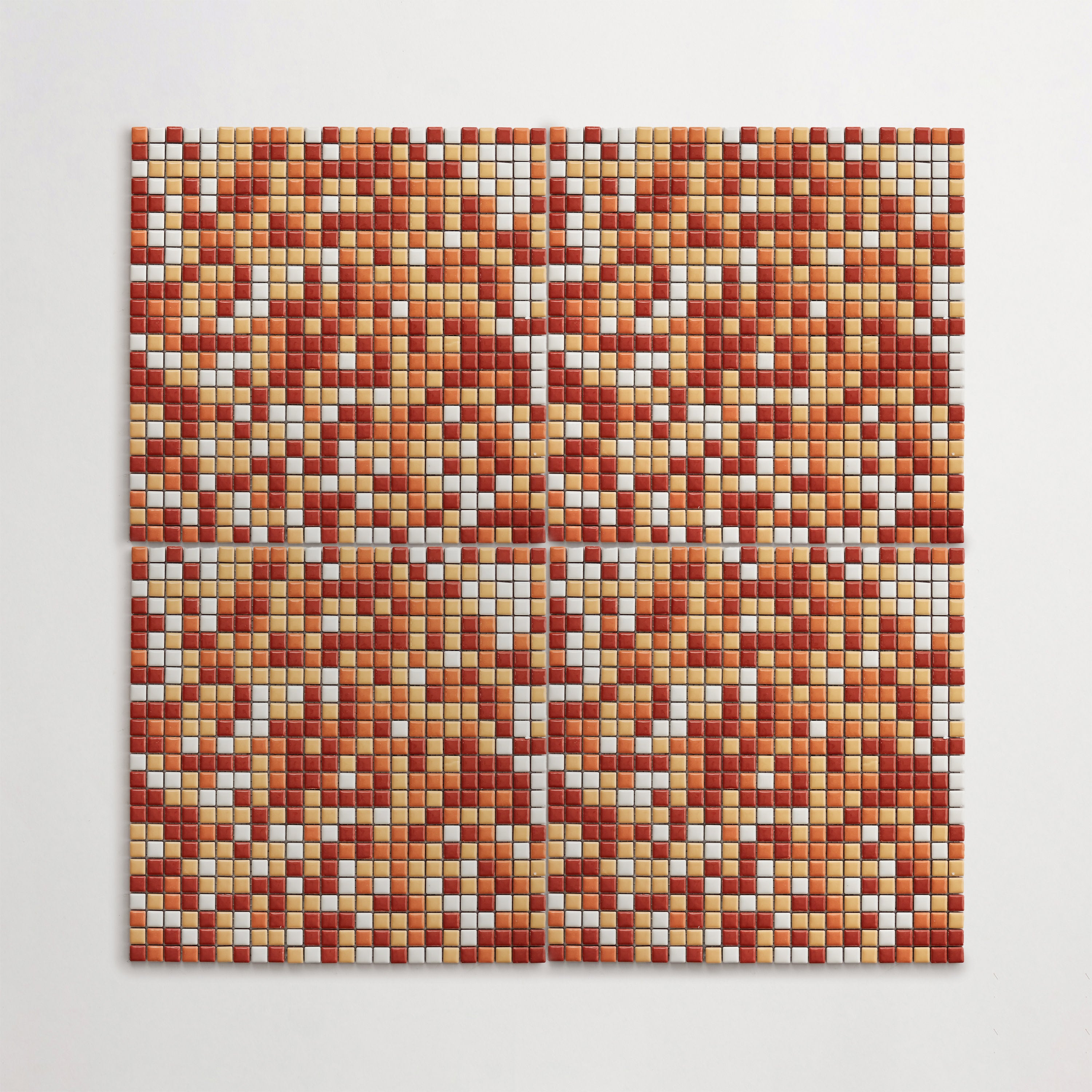
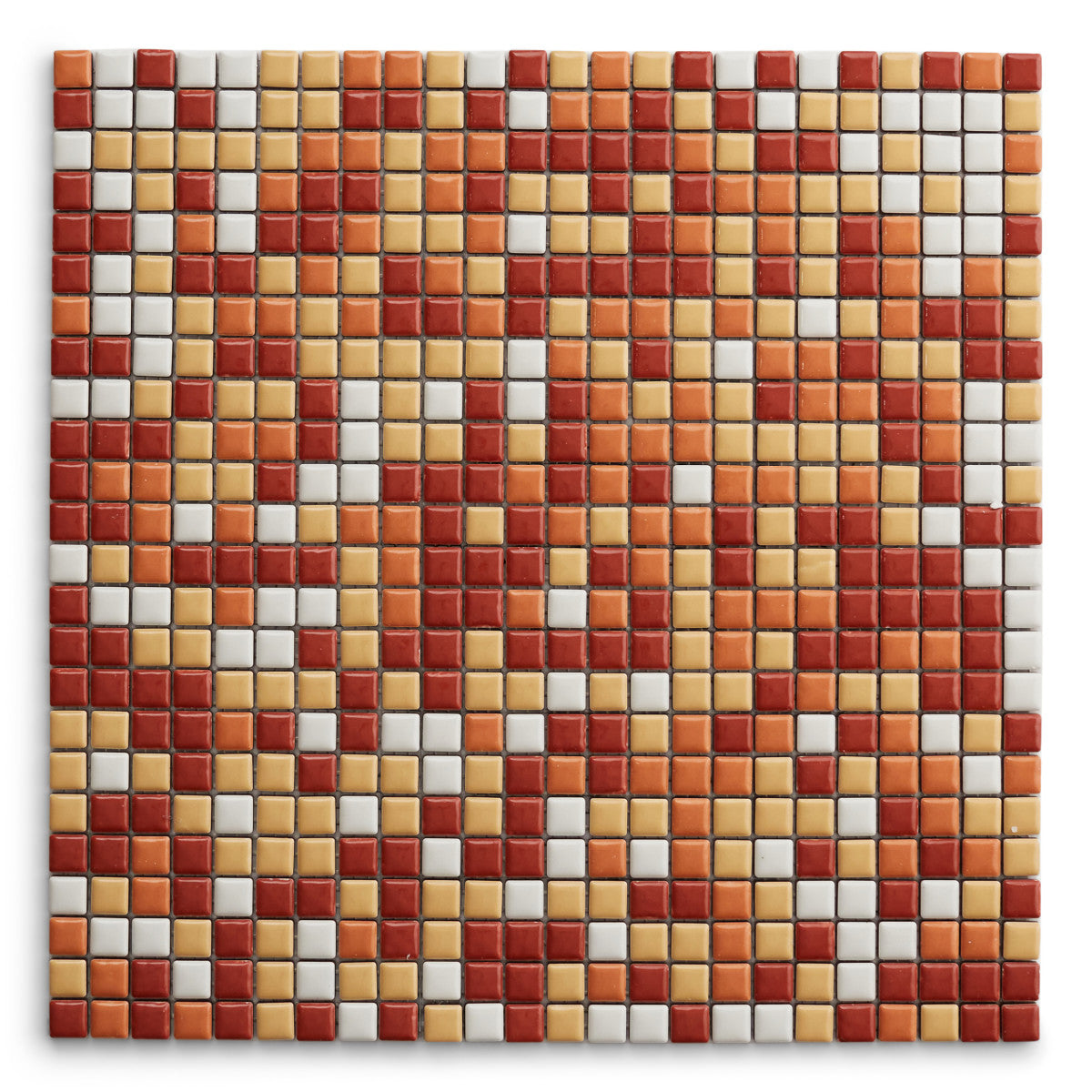
Zellige-inspired tile brings a different kind of pattern language to the patio. Instead of relying solely on a geometric arrangement, small-format glazed tiles introduce variation through color, surface, and the subtle irregularities that make handcrafted tile so compelling. It's one of the bolder choices for an outdoor space, so intention matters.
Historically, zellige has been used across walls, floors, fountains, and other architectural surfaces in Moroccan riads and palaces, where intricate tilework is integral to the experience of the space. That tradition makes it a natural fit for globally inspired patio color schemes and Mediterranean-inspired tile ideas.
For a modern patio, however, you don't need to cover every square inch. Our mosaic and glazed ceramic tile collections can create a focused border, inset, or decorative moment. On a smaller patio, concentrating that detail can actually make the design feel more deliberate. The pattern becomes an accent with a clear visual purpose rather than a competing layer.
Eastern Expression: Pattern Built Into the Tile
Some of the most interesting patterned patio ideas don't depend on a layout at all. Instead, the pattern is carried by the tile itself. Historically patterned terracotta offers exactly that kind of expression, with decorative motifs pressed, carved, or painted onto the surface before the tiles ever reach the patio.
This approach creates a softer relationship between pattern and architecture. Rather than seeing a large geometric composition from across the yard, you discover individual motifs and variations as you move through the space. The result feels particularly at home alongside natural stone, wood, plaster, and abundant greenery.
Patterned terracotta is also a natural bridge between craft tradition and contemporary outdoor design. Used across a floor, it can create an immersive field; used more selectively, it can become an inset or border that punctuates a quieter material. For projects drawing from Mediterranean, Eastern, or other globally inspired references, it's an opportunity to let the material itself carry the story.


Terrazzo Speckle: Pattern in Miniature
Not every patterned patio needs a recognizable geometric repeat. Terrazzo offers pattern at a much smaller scale, creating a field of texture through flecks and fragments distributed throughout the surface. The effect is visually interesting without becoming a bold graphic statement. This makes it one of the best simple patterned patio ideas for a space where you want the material to whisper rather than shout.
The look has a long history, too. Venetian terrazzo floors were traditionally made using discarded marble chips embedded in a cement-like surface, turning remnants of stone into floors prized for their quiet richness and distinctive character.
Our terrazzo collections bring that speckled language into contemporary spaces. Because the pattern is dispersed rather than directional, terrazzo can work particularly well when you want an easy visual foundation for furniture, planting, and architecture.
If you're searching for simple patterned patio ideas, this is the appeal: the floor still reads as intentional and crafted, but its texture doesn't demand constant attention.
Breeze Block Screens: Pattern With Depth
Pattern doesn't have to stop at the floor. Breeze block introduces pattern vertically, creating a dimensional screen that can define the edge of a patio, frame a planting area, or provide a sense of privacy without building a completely solid wall.
The perforated geometry creates a particularly compelling interplay of light and shadow. As the sun moves throughout the day, the pattern changes with it, giving the outdoor room a sense of movement that a flat surface can't quite replicate. Our Breeze collection can bring this architectural character to a patio while connecting the screen visually to the tile and surrounding materials.
There are important material considerations, too. Our breeze block is recommended only for temperate, non-freeze-thaw climates, is not load-bearing, and requires a proper foundation and structural support. Rather than treating those requirements as limitations, consider them part of the design decision. A breeze block screen works best when its structural needs are integrated thoughtfully into the project from the beginning.
Borders: Pattern as a Frame, Not a Field
One of the simplest ways to introduce pattern is to let it frame a quieter surface. A patterned tile border around a plain field creates a visual perimeter, much like how a rug defines a seating area indoors. An inset can accomplish something similar, drawing attention to a dining table, fire pit, or transition between spaces.
This strategy is especially effective in small patterned patio ideas because it concentrates visual detail without asking the entire floor to carry it. A compact patio can feel highly designed with a single pattern moment, while the central field remains calm and flexible.
It's also useful when you're working with a restrained architectural palette. A decorative border can provide just enough color or geometry to distinguish the patio from the surrounding landscape without overwhelming it. For more inspiration, explore these small patio tile ideas.
Matching Pattern Intensity to Patio Scale
For a small patio, choose one primary pattern moment — a border, inset, or single-material tonal pattern — rather than layering several competing motifs. This keeps the composition legible while still giving the floor personality. For a simple or minimalist patio, a subtle repeat or large-format tonal pattern can provide texture without introducing visual noise.
Material selection matters just as much as pattern. Glazed ceramic brings color and a reflective surface, while cement offers graphic versatility but typically requires sealing and ongoing care. Terracotta brings warmth and variation, while terrazzo creates a quieter speckled effect. Depending on the material and application, slip resistance, UV stability, and sealing requirements can also differ.
The most successful approach is both aesthetic and practical. Pattern should enhance how the patio looks and feels without overlooking how the surface needs to perform in its climate and setting.

Bringing Pattern Home
The most memorable outdoor rooms rarely feel as though their design elements were added one at a time. Instead, the architecture, landscape, furnishings, and surfaces appear to belong to the same visual conversation. Pattern can play a central role in that narrative, establishing the character of the space before the first chair, planter, or fire pit arrives.
That doesn't mean every patio needs a dramatic geometric floor. A checkerboard can make a confident statement; a mosaic inset can add a concentrated moment of craft; terrazzo can introduce pattern so subtly that it feels almost like texture. The right choice depends on the scale, architecture, and atmosphere you want your project to convey.
Explore artisan tile collections built for pattern, from bold mosaic to quiet terrazzo texture. And for more ways to approach your outdoor surface, explore these outdoor patio tile ideas.


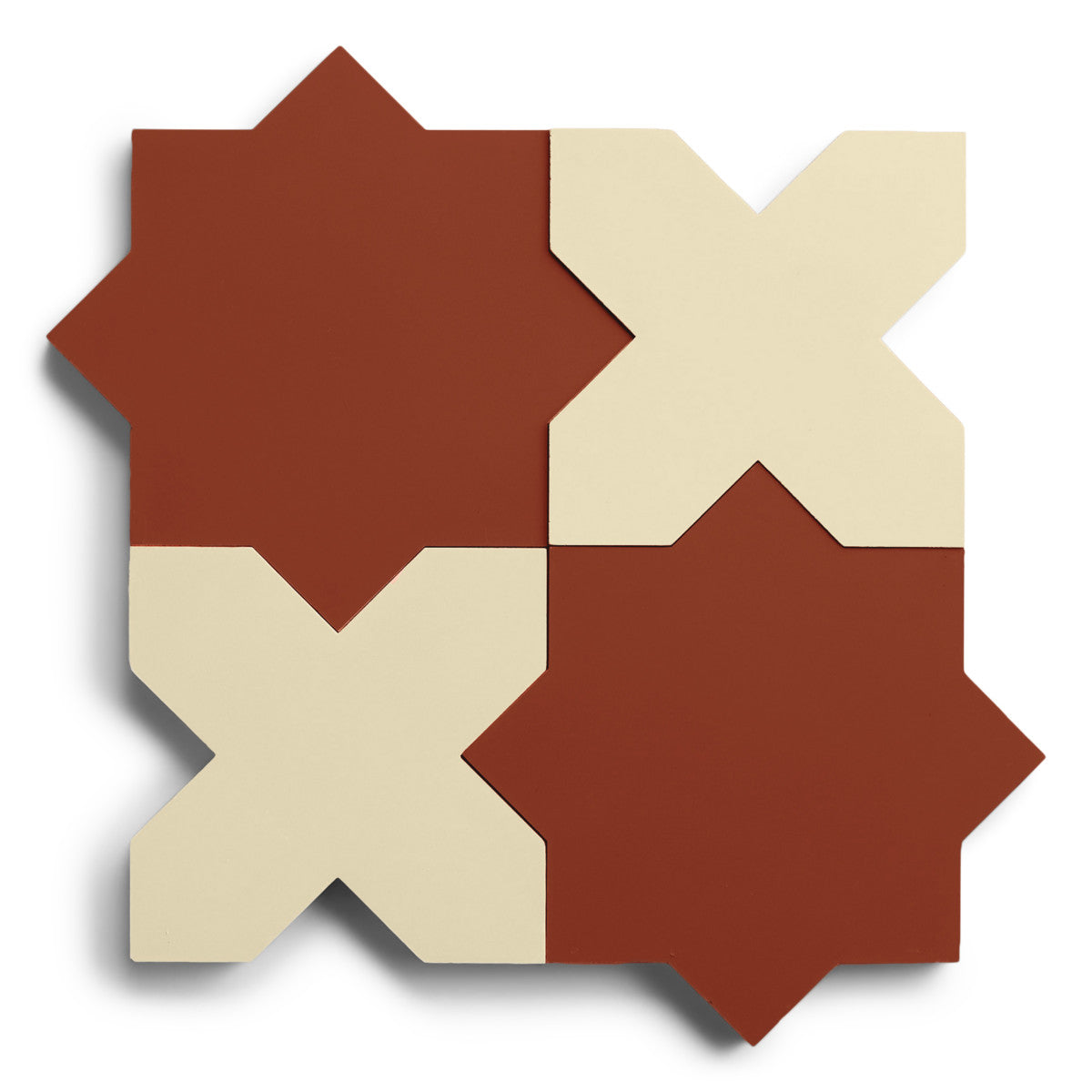
Colorway
-
Flame + Roan
Collection
-
Pavimenti
:
Sub Collection
-
Savoy
Material
Length
-
8
" x
Width
-
8
" x
Thickness
-
⅞
"
Unit of Measurement
-
sqft
/
Price per Unit
$
Colorway
-
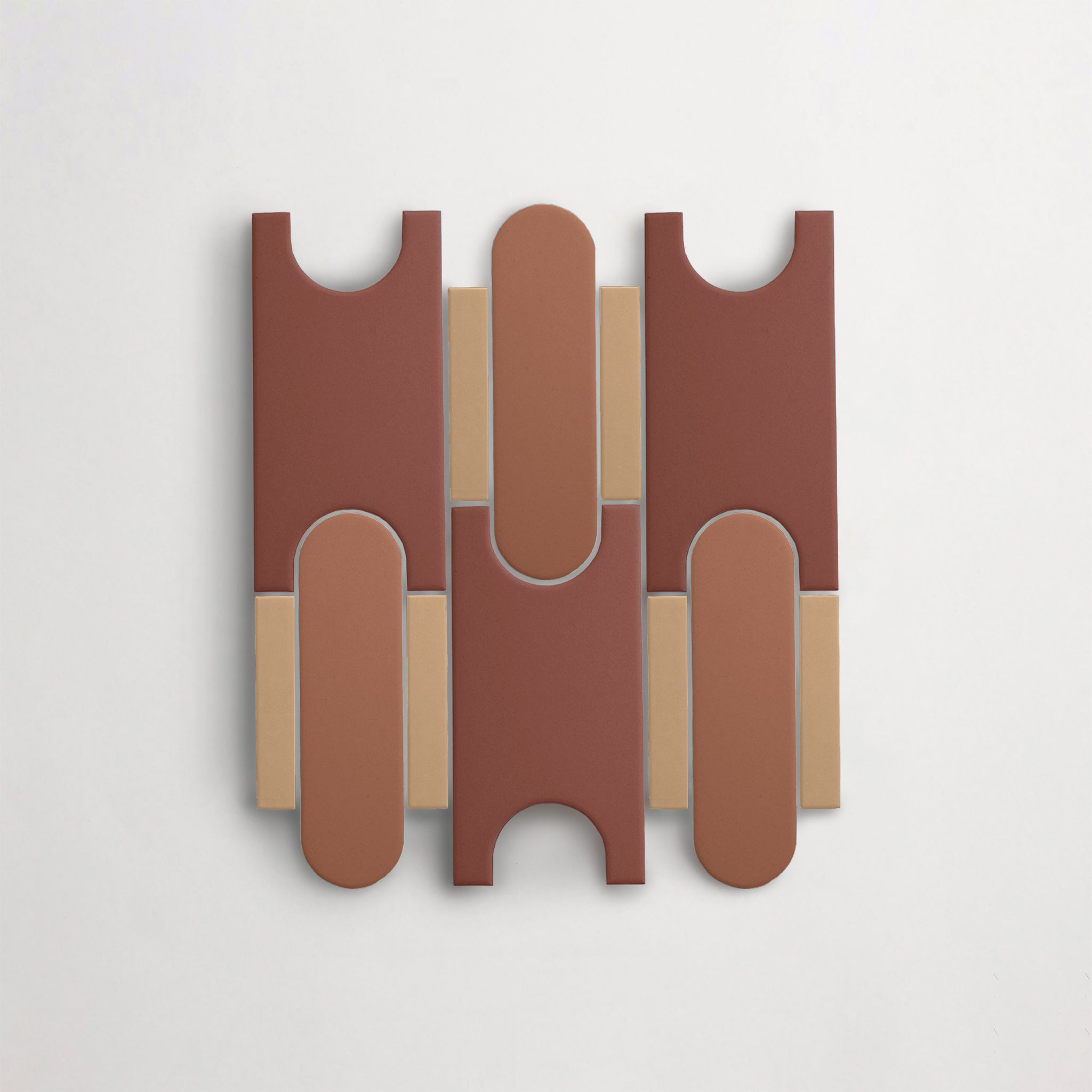
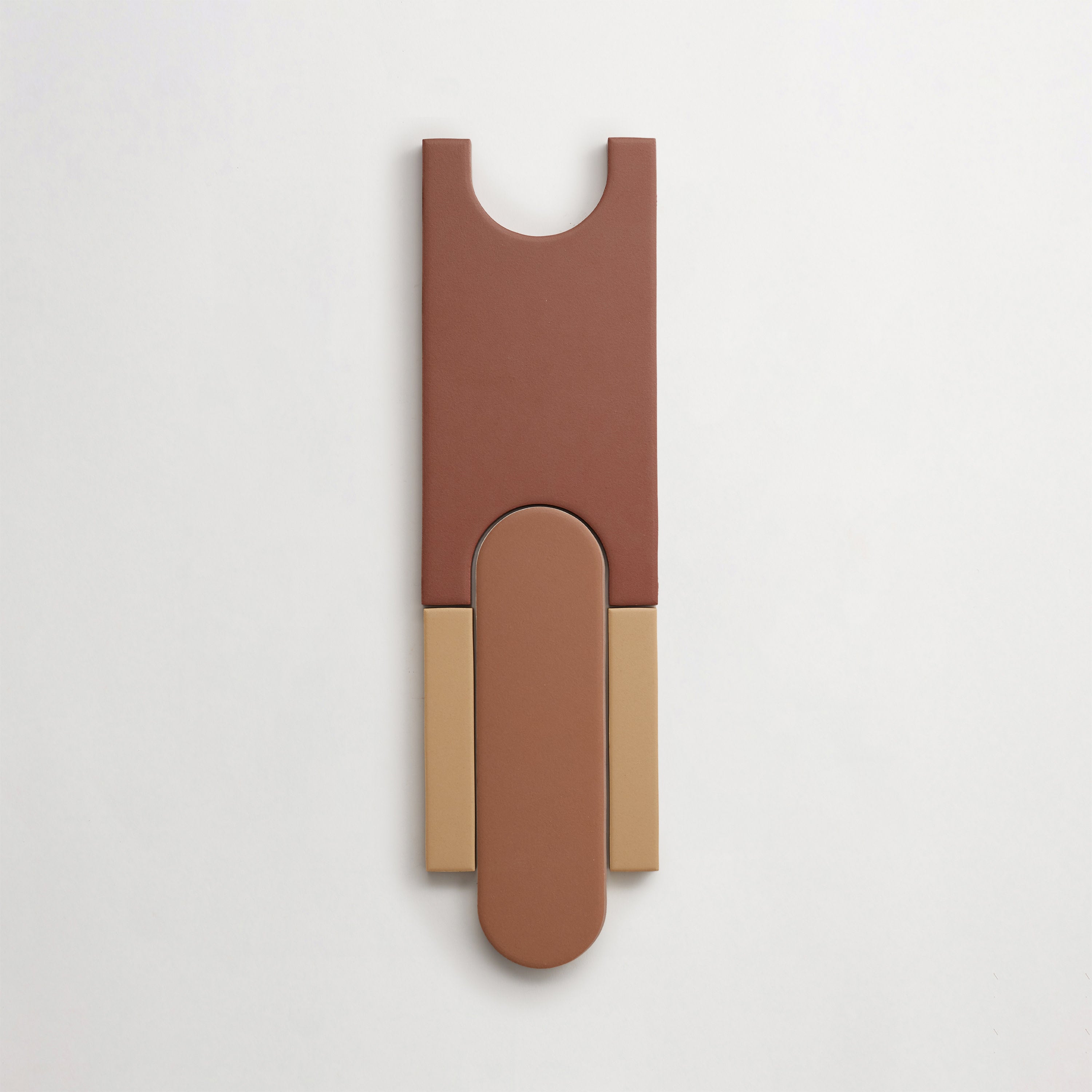
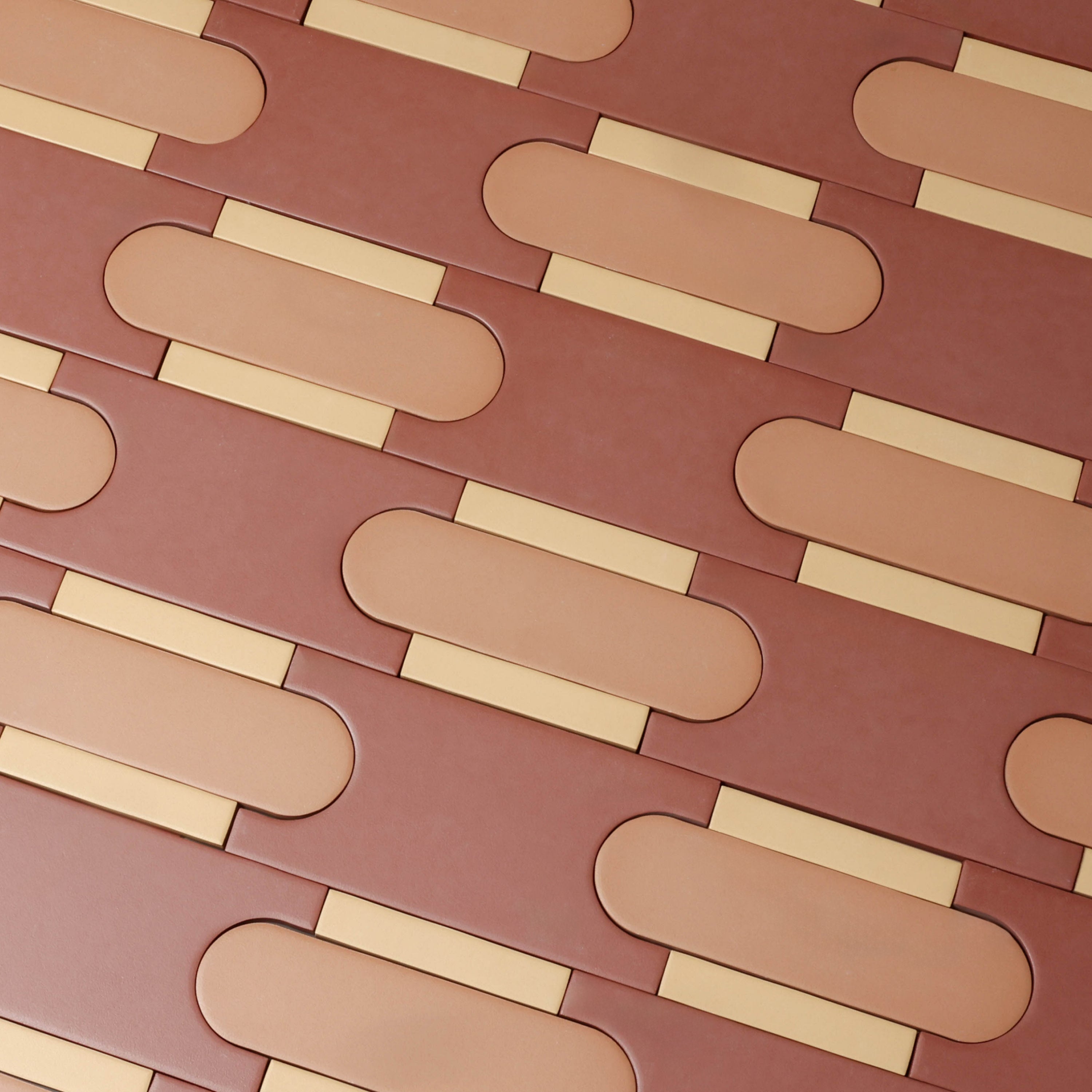
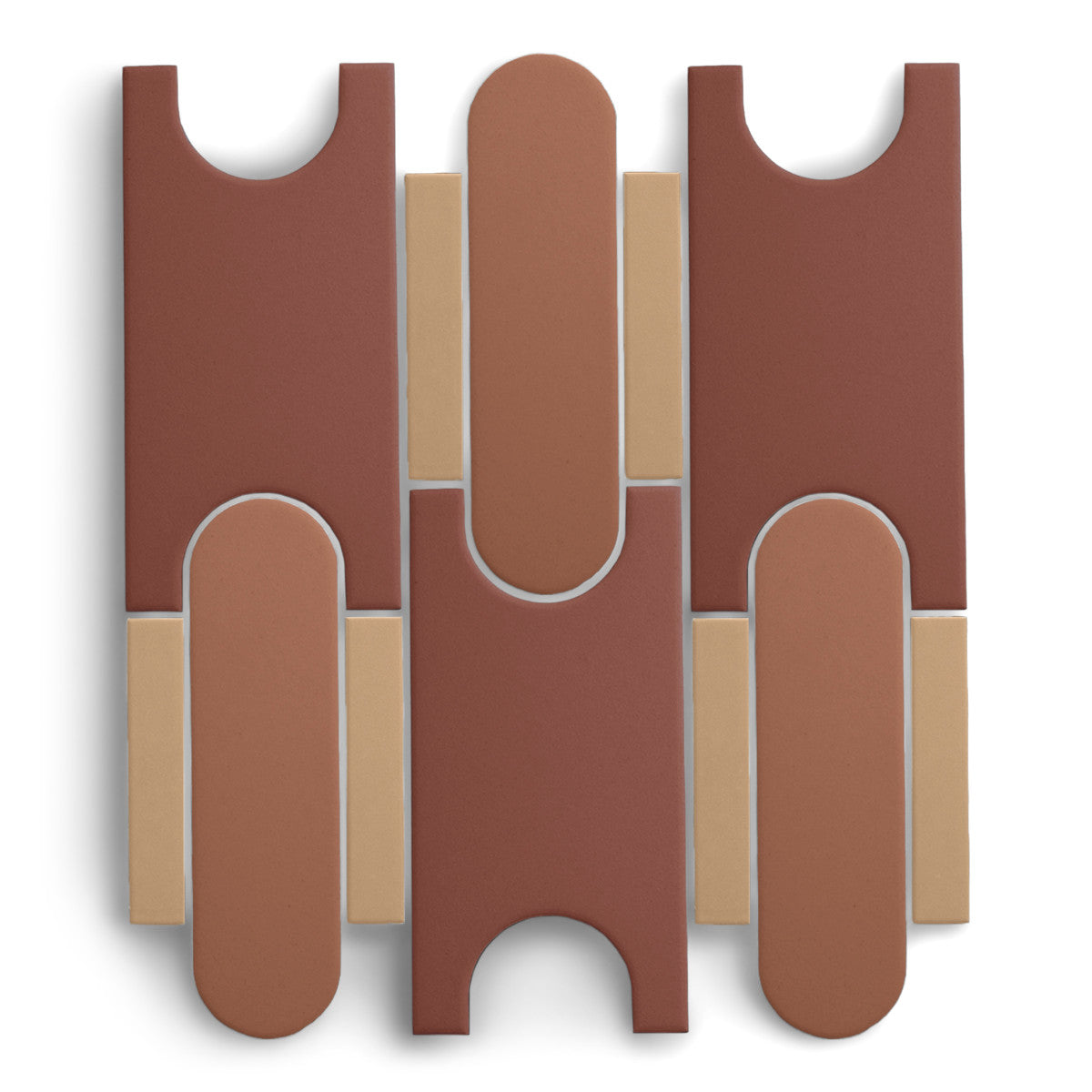
Marrone Caffè, Beige + Marrone Fango
Collection
-
Fornace Brioni + Cristina Celestino
:
Sub Collection
-
Tivoli Tech
Material
Length
-
4
" x
Width
-
4
" x
Thickness
-
¼
"
Unit of Measurement
-
sqft
/
Price per Unit
$
Colorway
-
Fruttato
Collection
-
Lido
:
Sub Collection
-
Splash
Material
Length
-
4
" x
Width
-
16
" x
Thickness
-
¾
"
Unit of Measurement
-
sqft
/
Price per Unit
$