

Pool Tile Grout Colors: How to Choose the Perfect Shade
Choosing the right color for your swimming pool tile grout is just as important as selecting the tile itself, as it can dramatically impact the overall look and feel of your pool. The perfect shade of grout can enhance the beauty of your tiles, create seamless transitions or add striking contrast.
With options ranging from classic whites and neutrals to deep blues and dark hues, finding the ideal grout color requires considering factors like tile color, pool aesthetics and maintenance needs. Here’s how to select the best grout shade for your pool and ensure a stunning and long-lasting finish.
Why Pool Tile Grout Color Matters
The color of your pool tile grout plays a crucial role in defining the overall aesthetic, durability and maintenance of your pool, pool coping, and swimming pool steps. (Type of grout matters, too. You’ll want a high-quality, waterproof, cement-based grout, urethane grout or epoxy grout made specifically for pools.) A well-chosen grout color can either blend seamlessly with your tiles for a uniform look or create contrast to highlight unique patterns and designs. Lighter grout colors can make the pool appear bright and clean but may require more upkeep to prevent discoloration, while darker grout color can add depth and hide stains more effectively.
Additionally, the right grout color enhances the visual harmony of your pool area, complementing the water’s natural hues and surrounding landscape. For example, if you have a travertine pool deck, think about what pool tile grout color will complement travertine’s earthy tones. Choosing the perfect grout shade ensures both style and longevity, making it an essential element in pool design. (More grout lines can also help avoid slippery surfaces, as can the tile surface itself. Check out our guide on the best non-slip pool tile finishes.)
Grout color is also a decision that extends beyond aesthetics. Over time, mineral deposits, calcium scale, algae, and other forms of buildup interact differently with light and dark grout, affecting how visible maintenance issues become on the pool surface. Later in this guide, we'll take a closer look at how grout color influences long-term appearance and what that means for keeping your pool looking its best.
Pool Tile Grout Colors to Consider
White
White is a classic choice for grout for pool tile, offering a bright, clean and timeless look that enhances the crispness of light-colored tiles. It creates a seamless, airy feel that can make the pool appear larger and more inviting. White grout also reflects sunlight beautifully, enhancing the water’s clarity and sparkle. It also goes well with any tile color.
However, if you’re using cement-based grout it does require regular maintenance, as it is more prone to staining, discoloration and algae buildup over time. Using high-quality, stain-resistant grout and sealing it properly can help maintain its pristine appearance, ensuring a fresh and elegant finish for your pool. Epoxy grout, on the other hand, is stain–resistant and requires less regular maintenance.
For bright, classic pool designs, white grout creates a crisp, seamless finish that feels timeless.
Gray
Gray grout is a versatile and stylish choice for pool tiles, offering a balanced look that complements both light and dark tiles. It provides a subtle contrast that enhances tile patterns without being too bold, making it an excellent option for creating a modern and sophisticated aesthetic.
Light gray grout maintains a clean and fresh appearance while being more forgiving than white when it comes to stains and discoloration. Darker gray shades, such as charcoal, add depth and richness while effectively masking dirt and algae buildup. With its durability and low-maintenance appeal, gray grout is a practical and timeless choice for a beautifully finished pool.
Contemporary pools that balance visual refinement with everyday practicality often benefit from the versatility of gray grout.
Beige
Beige grout offers a natural and harmonious look that blends beautifully with earthy tones and stone-inspired tiles. It creates a soft, seamless transition that enhances the pool’s organic aesthetic, making it ideal for Mediterranean, tropical or rustic-style designs.
Beige grout is also practical, as it helps conceal dirt and discoloration better than white while maintaining a bright and clean appearance. Whether paired with blue, green or neutral-toned tiles, beige grout adds a subtle warmth that complements both water and surrounding pool area landscapes, making it a timeless and versatile option for pool design.
In pool environments inspired by natural stone, warm climates, and relaxed resort living, beige grout feels especially at home.
Black
Black grout creates a striking contrast that enhances tile patterns and adds depth to the pool’s design. It pairs exceptionally well with darker tiles for a sleek, modern look or with lighter tiles to make the design stand out. (For the ultimate contrast, talk to your contractor about white tile with black grout.)
One of black grout’s biggest advantages is its ability to mask dirt, algae and stains, making it a low-maintenance option. However, it can absorb more heat in sunny areas, which may impact the tile's surface temperature. With its sophisticated appeal and practical durability, black grout is an excellent choice for those looking to make a stylish statement while minimizing upkeep.
Homeowners seeking bold contrast and graphic definition may find black grout to be the most compelling option.
Blue
Blue grout enhances the water’s natural vibrancy and creates a cohesive, refreshing look. It works beautifully with various tile shades, from light aqua to deep navy, seamlessly blending with the pool’s shimmering water for an inviting, ocean-inspired aesthetic. Lighter blue grout offers a soft, serene feel, while darker blue tones add depth and contrast, making tile patterns more pronounced.
Plus, blue grout is more forgiving than white when it comes to stains and discoloration, helping maintain a cleaner appearance over time. Perfect for a classic or tropical-style pool, blue grout brings a timeless, tranquil charm to any swimming space. Both epoxy grout and cement-based grout come in a range of colors, so finding the right blue for the design shouldn’t be an issue.
When the goal is to emphasize the color, clarity, and luminous quality of the water, blue grout is a natural choice.
Green
Green grout brings a natural, tropical-inspired feel to the water. It pairs beautifully with blue, teal or earth-toned tiles, enhancing the pool’s connection to lush surroundings and creating a serene, lagoon-like aesthetic. Lighter green grout offers a soft, subtle effect, while darker shades add depth and contrast, making tile patterns more pronounced.
Green grout is also more forgiving than white when it comes to masking stains and discoloration, providing a balance of beauty and practicality. Ideal for nature-inspired poolscapes, green grout adds an organic, calming touch to the pool area.
Nature-inspired poolscapes gain additional depth and cohesion through the use of green grout.
Copper
Copper-colored grout adds warmth and richness to the overall pool design. It pairs beautifully with earthy tones, deep blues and green tiles, creating an interesting contrast that enhances the pool’s natural beauty. This unique grout color can evoke a rustic, Mediterranean or even industrial aesthetic, making it ideal for those looking to create a distinctive and high-end look.
Another benefit is that copper grout helps mask dirt and discoloration better than lighter shades, ensuring a low-maintenance yet visually stunning finish. It can be used to complement warm-toned tiles or add a metallic-inspired accent.
Designs that prioritize warmth, character, and an artisan sensibility are particularly well suited to copper grout.
Silver
Silver grout offers a modern, sleek and sophisticated look that adds a touch of elegance to pool tiles. Its metallic sheen creates a subtle sparkle that complements both light and dark tiles, making it a versatile choice for contemporary, minimalist or high-end pool designs. Silver grout works particularly well with cooler tones like blue, gray and teal, enhancing the reflective qualities of the water and adding a shimmering effect that mimics the play of light on the surface.
It also offers the practical advantage of concealing stains and dirt better than lighter grout shades, ensuring the pool maintains its polished appearance with less upkeep. Perfect for those seeking a chic and durable finish, silver grout elevates any pool design with a touch of luxury.
For modern pool environments where subtle sophistication and light-reflective detail matter, silver grout offers a refined finishing touch.
Real-World Grout and Tile Combinations
Grout color samples can look very different at pool scale than they do on a swatch board. The following combinations illustrate how tile color, material, and grout work together to influence the appearance of the water and the overall character of the pool.
White or Light-Gray Glass Mosaic + White Grout
Here's a combination that creates water that reads bright, clean, and highly reflective. Because the grout closely matches the tile, individual joints visually recede, allowing the surface to read as a continuous field of color and light. The result is the crisp, resort-inspired aesthetic often associated with luxury hospitality projects.
This pairing is particularly effective in pools where the goal is maximum brightness and visual clarity. To maintain that appearance over time, white grout used with glass tile should be specified as epoxy or another stain-resistant grout system. Artisanal options such as OUTERclé's Glass collection are especially well suited to this approach.
Deep Blue Ceramic Tile + Charcoal or Navy Grout
Deep blue ceramic tile paired with charcoal or navy grout produces water that feels rich, saturated, and dramatic. Unlike tonal grout pairings that disappear into the surface, darker grout emphasizes each tile edge, adding visual structure and creating a more defined pattern across the pool interior.
It's a combination that works particularly well in formal pool designs and contemporary outdoor living environments where a stronger architectural presence is desired. The darker grout also helps maintain the crisp geometry of the installation over time. Our Ceramic collection features an array of carefully curated shapes, colors, and sizes, all designed with durability and design as leading lights.
Warm Stone or Travertine-Look Tile + Beige or Taupe Grout
When warm stone-inspired tile is paired with beige or taupe grout, the water tends to read softer and more natural. The grout recedes visually, allowing the texture and tonal variation of the tile to carry the composition while helping the pool integrate seamlessly with surrounding stonework and planting.
This approach is especially effective when the pool is designed as part of a broader landscape composition rather than as a standalone focal point. It pairs naturally with travertine coping and other warm-toned hardscape materials, creating a cohesive outdoor environment.
Neutral Gray Porcelain Tile + Light Gray Grout
Neutral gray porcelain tile combined with light gray grout produces water that feels clear, calm, and understated. Because the grout and tile are closely matched, the installation reads as a unified surface, creating a refined architectural finish rather than a highly patterned one.
This is an excellent choice for pools where the surrounding hardscape, architecture, or landscape design is intended to carry most of the visual interest. It is also one of the more forgiving combinations from a maintenance standpoint, as light gray grout tends to conceal minor discoloration better than bright white alternatives.
Teal or Aqua Glass Tile + Silver or White Grout
Teal or aqua glass tile paired with silver or white grout creates water that appears vivid, luminous, and full of movement. The lighter grout enhances the reflective qualities of the glass, amplifying the way light interacts with the tile surface and intensifying the pool's color.
This matchup is ideal when the pool itself is intended to serve as a visual centerpiece. Because glass tile reflects light so dramatically, epoxy grout is generally recommended to preserve the finish and maintain long-term performance in a chemically active pool environment.
Complimenting Tile Materials with the Right Grout Color
Glass Tiles
When working with glass tiles, choosing the right grout color is essential to enhance their glossy finish and vibrant hues. For a monochrome look, opt for a grout color that closely matches the tile, such as white or light gray, to create a uniform, polished appearance. If you want to make the glass tiles pop and draw attention to their reflective surfaces, choose a contrasting cement-based grout color or epoxy grout color, like deep blue, charcoal or black, which will highlight the edges of each tile and add depth to the design.
Metallic grout shades, such as silver or gold, can also work beautifully with glass tiles, emphasizing their luminosity and creating a sophisticated, high-end finish. Ultimately, the right grout will complement the transparency and brilliance of glass tiles while balancing both aesthetic and practical needs.
Ceramic Tiles
If you’re pairing grout with ceramic tiles, it's important to choose a color that either complements or contrasts with the tiles. For a classic look, check out cement or epoxy grout in a shade that closely matches the color of the ceramic tiles, such as beige, light gray or white. This creates a soft, cohesive appearance that draws attention to the texture and pattern of the tiles themselves.
For a more dramatic effect, choose a contrasting darker grout color like charcoal, navy or even a rich metallic tone, which can make the tile edges stand out and add depth. Ceramic tiles are versatile, from solid hues to intricate mosaics, so the right grout can either blend in for a smooth finish or create an attention-grabbing focal point.
Stone Tiles
With stone tiles, selecting the right grout color helps highlight the tiles’ natural textures and create a balanced look. For a more organic, earthy feel, choose grout in warm, neutral tones such as beige, taupe or light gray, which complement the natural colors of stone while allowing its unique patterns and textures to stand out. If you want to create a bit more contrast and definition, darker grout colors like charcoal, slate or even deep brown can accentuate the edges of the stones and enhance their rugged appearance.
Alternatively, matching the grout to the paver color selection can create a symmetrical look, especially in spaces that aim for a more understated, natural aesthetic. Ultimately, the right grout for stone tiles should enhance their earthy beauty and texture while being durable and easy to maintain.
How Grout Color Affects Water Appearance
The color of grout can significantly influence the appearance of your pool's water, impacting its overall aesthetic and mood. Lighter grout colors, such as white or beige, create a brighter, more vibrant feel by reflecting light and making the water appear clearer and more inviting. These shades can enhance the natural shimmer and sparkle of the water, giving it a fresh, clean look.
On the other hand, darker grout colors, like charcoal or navy, create a striking contrast with the water, making it appear deeper and more dramatic. Darker grout color can also absorb light, reducing glare and making the water appear calmer and more serene. Choosing the right grout color can either enhance or mute the colors of the water, allowing you to achieve the desired effect for the pool area ambiance.
How Grout Color Affects What You See Over Time
A grout color that looks beautiful on installation day will continue to evolve as it interacts with the realities of the pool environment. Calcium deposits, mineral scale, algae, sunscreen residue, and everyday water chemistry all affect how grout appears over months and years, and those effects are often predictable enough to factor into the selection process from the beginning.
In general, lighter grout colors tend to reveal discoloration, staining, and calcium buildup more readily. White grout, for example, offers a crisp, clean appearance but can make scale deposits and algae growth more visible if maintenance lapses occur. Darker grout colors such as charcoal, navy, and black are typically more forgiving, helping to disguise minor staining and mineral accumulation while maintaining visual consistency between cleanings.
Mid-tone options such as gray, beige, and taupe often strike a balance between these two extremes. They preserve definition between tiles while concealing everyday wear more effectively than bright white grout, making them popular choices for pool owners seeking both design flexibility and easier maintenance.
How to Test Grout Colors Before Committing
Testing pool tile grout colors before making a final choice is a smart way to ensure you achieve the design vision. Start by applying grout samples in small sections between your pool tiles to see how the color interacts with the tiles and water. Make sure to test grout under different lighting conditions, as natural light can make grout colors appear lighter or darker.
It's also important to wet the grout slightly, as the final color can change once it's been sealed and exposed to moisture. You can even create a mock-up by laying the tiles and grout color next to your pool or in an area where they will be installed, allowing you to see how the combination looks in the context of your space. Take note of how the grout complements or contrasts with the tile and how it affects the overall visual appeal of the pool.
Matching Grout to Your Coping and Deck
The pool does not exist in isolation. Coping, decking, and the surrounding hardscape all influence how a grout color reads in context, yet these adjacent materials are often overlooked during the selection process. A grout color that looks perfect against a tile sample can feel entirely different once it is viewed alongside the pool edge, deck surface, and outdoor light conditions.
Travertine or Natural Stone Coping
Warm, neutral grout tones such as beige, taupe, and warm gray typically create the most cohesive relationship with travertine and other natural stone coping materials. These shades allow the pool interior to transition gracefully into the coping, reinforcing a unified material palette rather than separating the elements visually.
Cool white grout and stark charcoal grout often interrupt this continuity by introducing a temperature contrast that feels disconnected from the warmth of the stone. When the goal is a relaxed, natural aesthetic, grout should support the stone rather than compete with it. This approach is especially effective when paired with a travertine pool deck or other warm-toned hardscape materials.
Porcelain or Concrete Coping in Cool Tones
Pools finished with cool-toned porcelain or concrete coping generally benefit from gray, silver, or white grout. These colors maintain a clean, architectural appearance while reinforcing the crisp lines and contemporary character of the installation.
In many cases, dark grout can create more contrast than necessary at the waterline, drawing attention away from the coping itself. When the coping features refined detailing or a carefully considered edge profile, a tonal grout selection often produces the most sophisticated result.
Brick or Terracotta-Toned Decking
Warm decking materials such as brick, terracotta, and clay-inspired pavers pair naturally with grout colors that share similar undertones. Beige, copper, and soft gray grout help reinforce the warmth of the surrounding landscape while allowing the decking material to remain the dominant visual feature.
The objective is not to match the deck exactly, but to create a relationship between surfaces that feels intentional and balanced. Warm grout colors help bridge the transition between the pool interior and the earthy tones of the surrounding hardscape.
Dark or Charcoal Decking
Dark decking materials present an opportunity to create either contrast or continuity, depending on the design intent. White or light gray grout establishes a clear visual boundary around the pool, turning the waterline into a deliberate design feature and helping define the pool's shape within the landscape.
By contrast, dark grout paired with dark decking minimizes visual separation between surfaces, creating a more seamless effect. This approach can be highly effective in contemporary settings, but it works best when the goal is to reduce visual contrast rather than emphasize the pool edge.
Before making a final grout selection, bring physical grout samples to the project site and evaluate them directly against the coping and deck materials in natural sunlight. What reads correctly in a showroom or on a sample board can shift dramatically once viewed at outdoor scale and under the changing light conditions of the actual installation.
Preserving Pool Tile Grout Color
Protecting the color of your pool tile grout is essential for maintaining a clean and vibrant appearance over time. Regular cleaning is key to preventing dirt, algae and mineral buildup that can cause discoloration. Use a gentle, pH-balanced cleaner specifically designed for pool grout to avoid damaging the grout or tiles. Sealing the grout with a high-quality sealant helps protect it from stains, water absorption and fading, extending its lifespan and maintaining its original color.
On top of that, regular brushing with a soft-bristled brush helps prevent mold and mildew growth, particularly in shaded or damp areas. To further preserve the grout, consider installing a pool cover and maintaining proper water chemistry to minimize exposure to harsh elements like chlorine, which can cause grout discoloration.
Pool tile grout can be an overlooked factor in designing a pool and selecting the right tile. Grout plays a huge role in the appearance of the water and the level of maintenance required. Achieving a combination of visual appeal and durability means choosing the right pool tile (here are some modern ideas), which happens to be a specialty here at OUTERclé, where you’ll find premium-quality, design-forward tile that will pair beautifully with whatever grout color you decide upon. We recommend buying only the highest-quality grout to ensure all your materials last and complement each other.


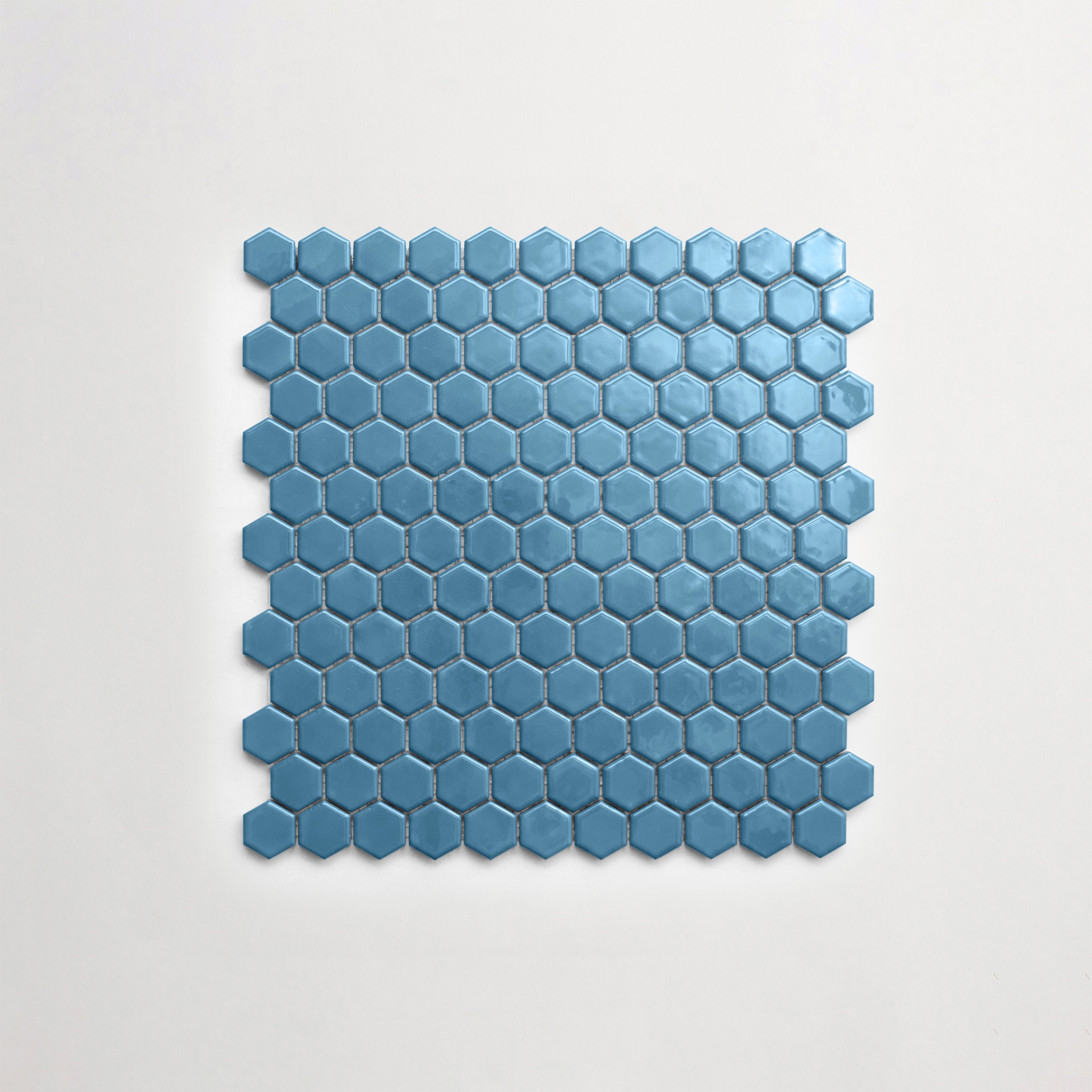

Colorway
-
Icy Fjord
Collection
-
Lido
:
Sub Collection
-
Acquiterre
Material
Length
-
4
" x
Width
-
4
" x
Thickness
-
¼
"
Unit of Measurement
-
sqft
/
Price per Unit
$


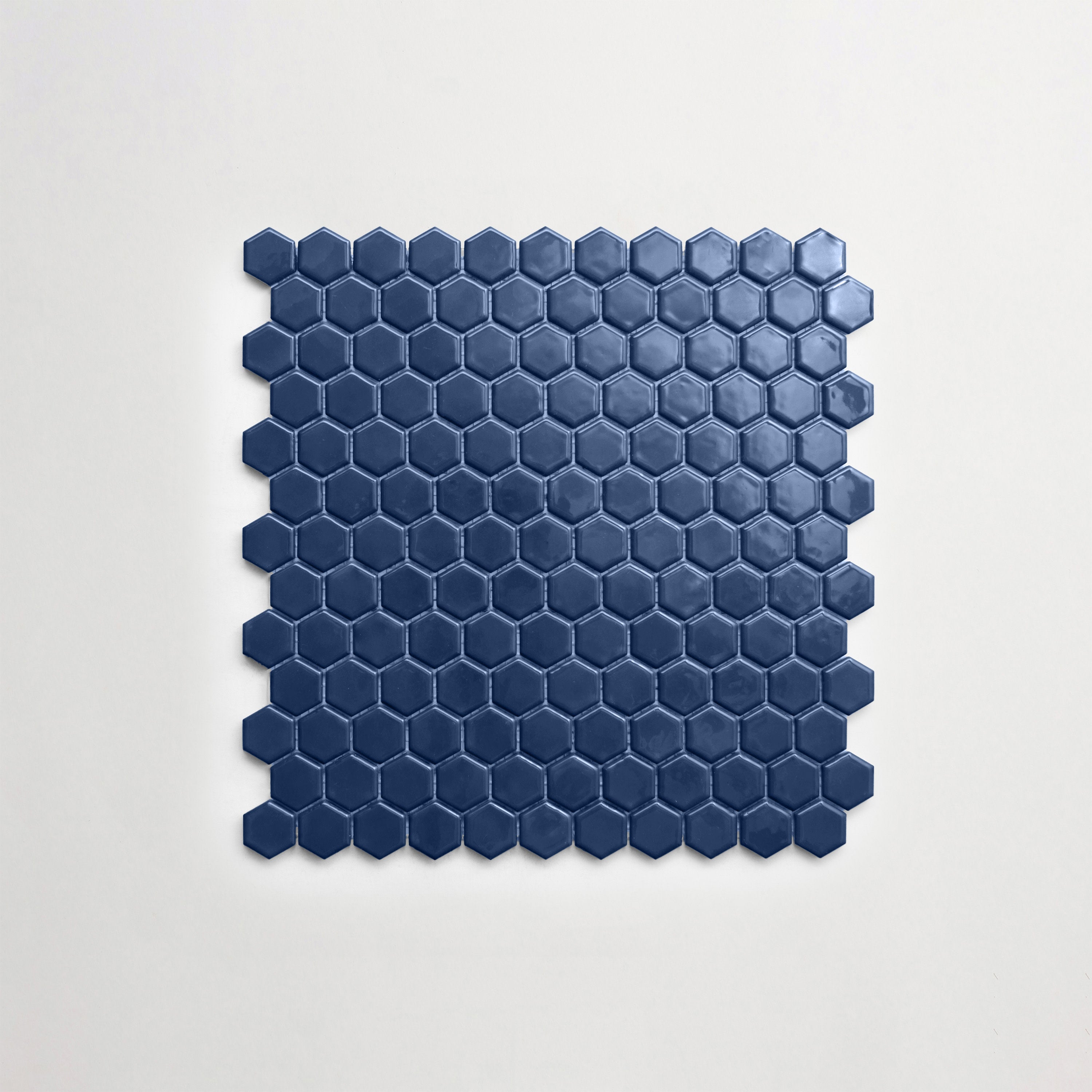

Colorway
-
Medieval Blue
Collection
-
Lido
:
Sub Collection
-
Acquiterre
Material
Length
-
8
" x
Width
-
8
" x
Thickness
-
⅞
"
Unit of Measurement
-
sqft
/
Price per Unit
$


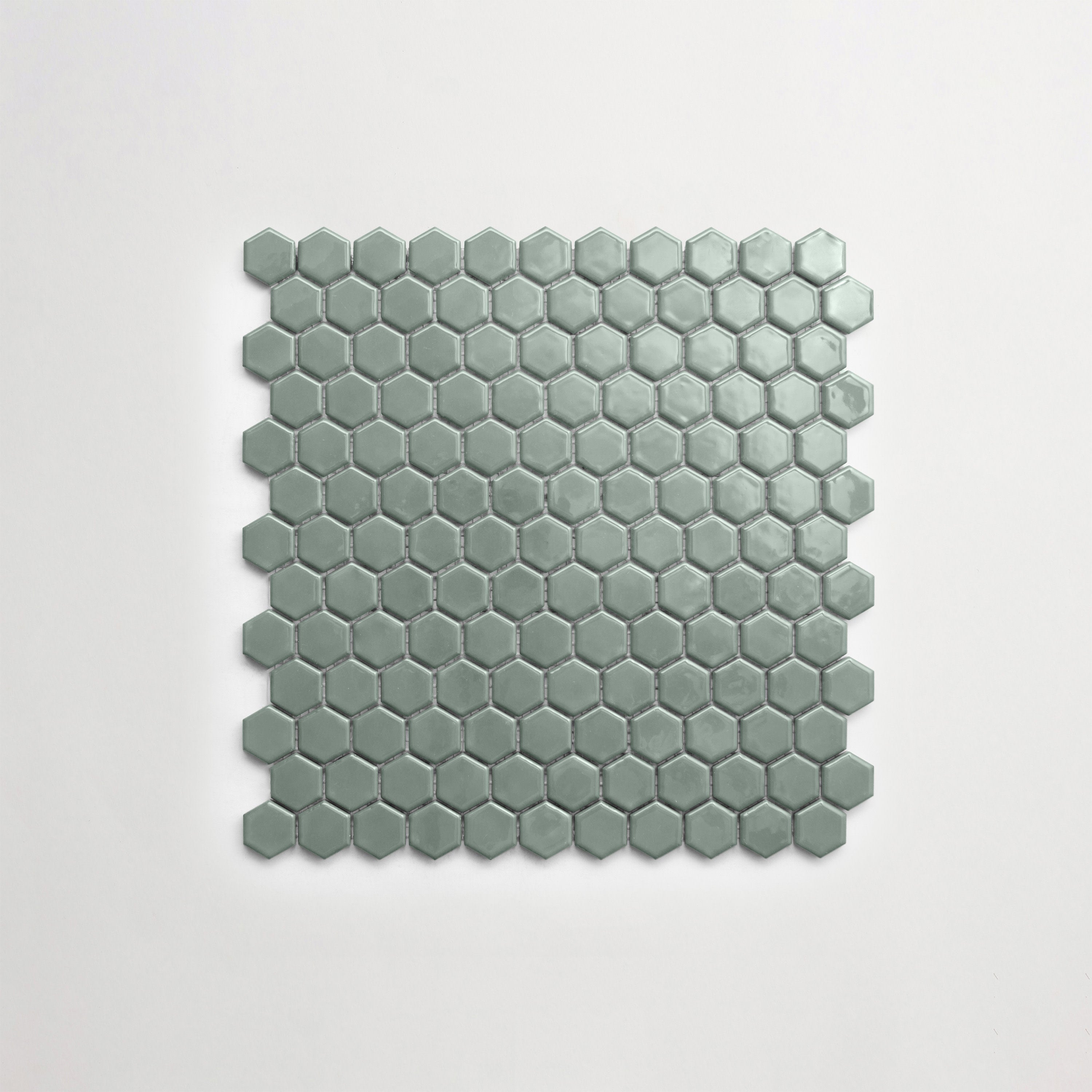

Colorway
-
Norwegian Spring
Collection
-
Lido
:
Sub Collection
-
Acquiterre
Material
Length
-
4
" x
Width
-
16
" x
Thickness
-
¾
"
Unit of Measurement
-
sqft
/
Price per Unit
$