

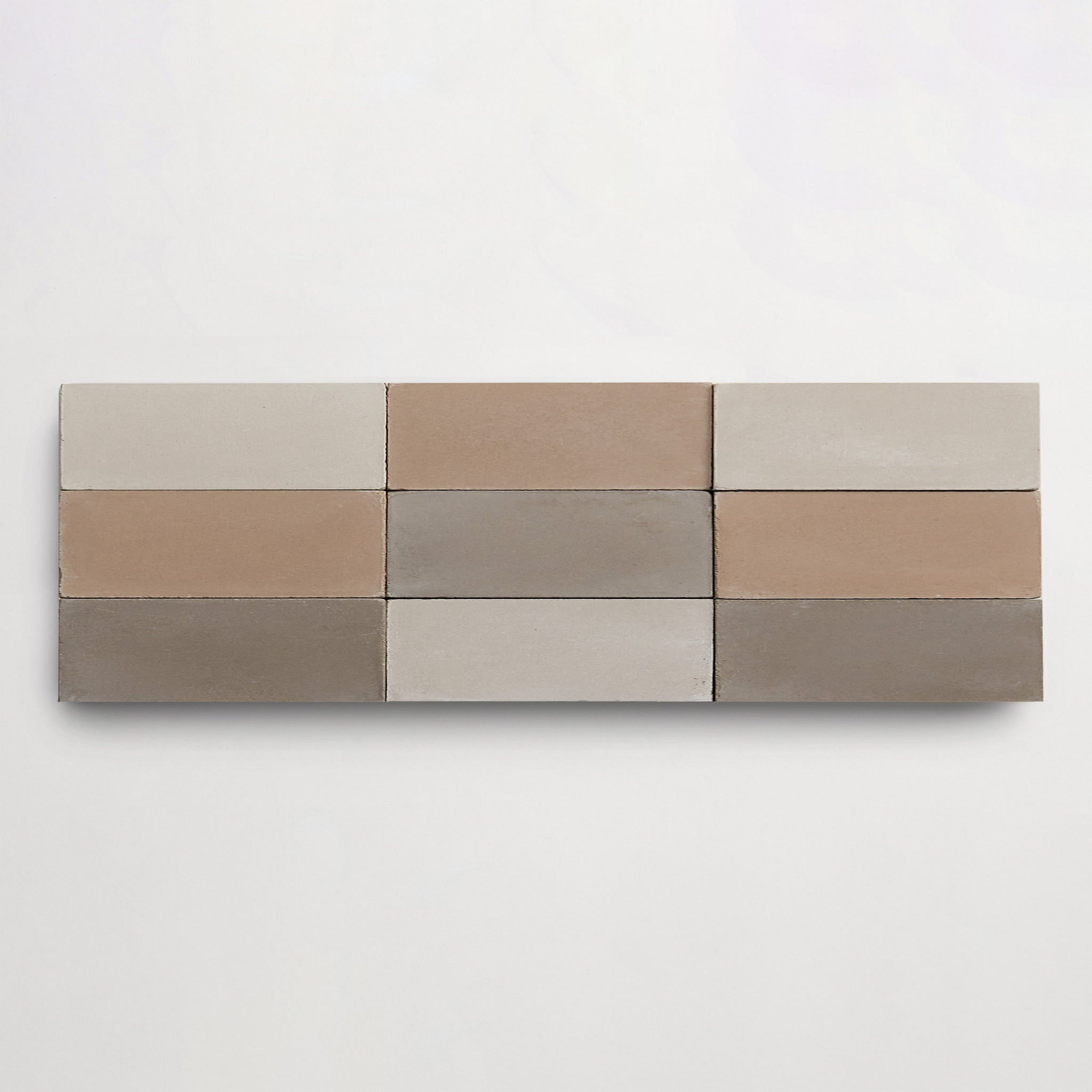
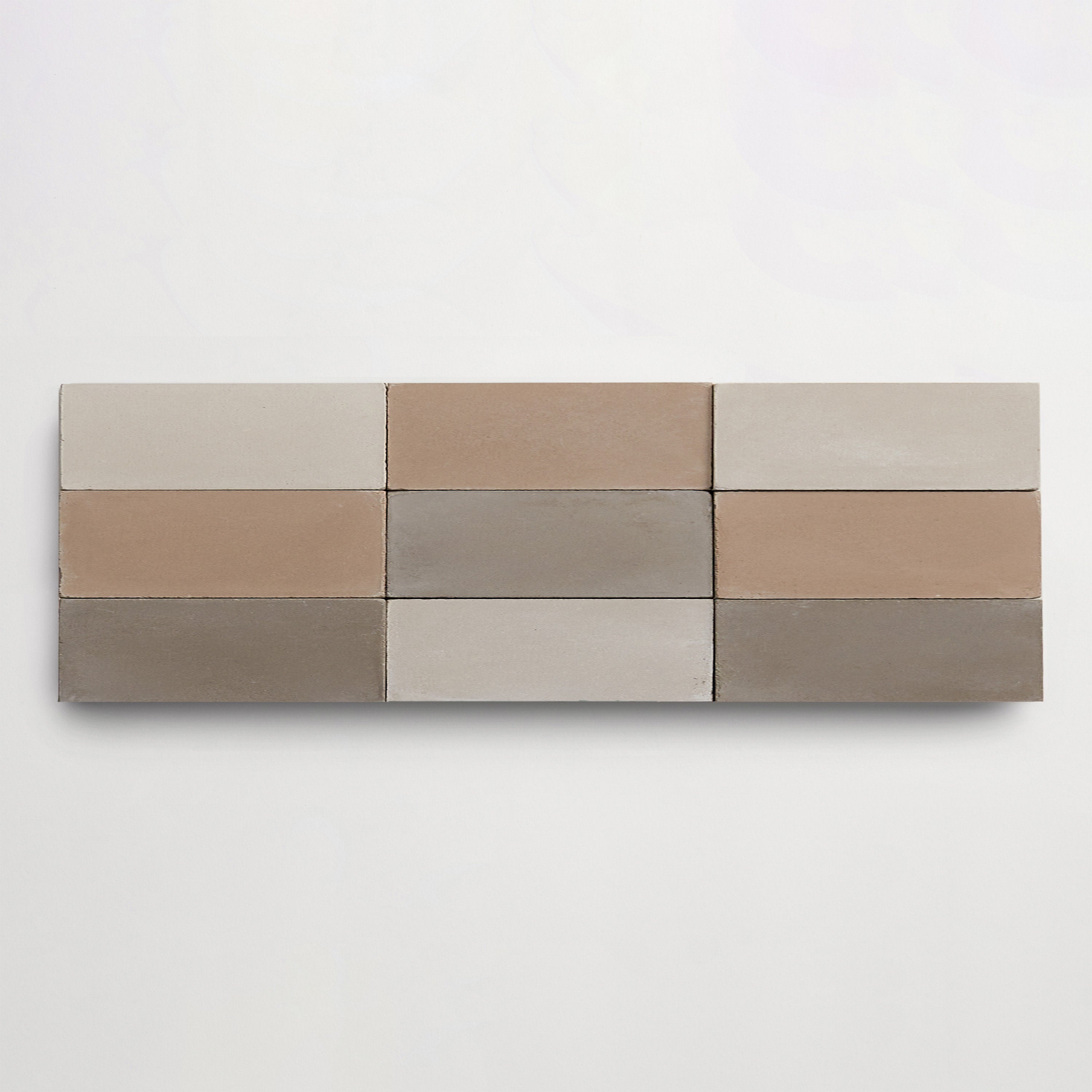
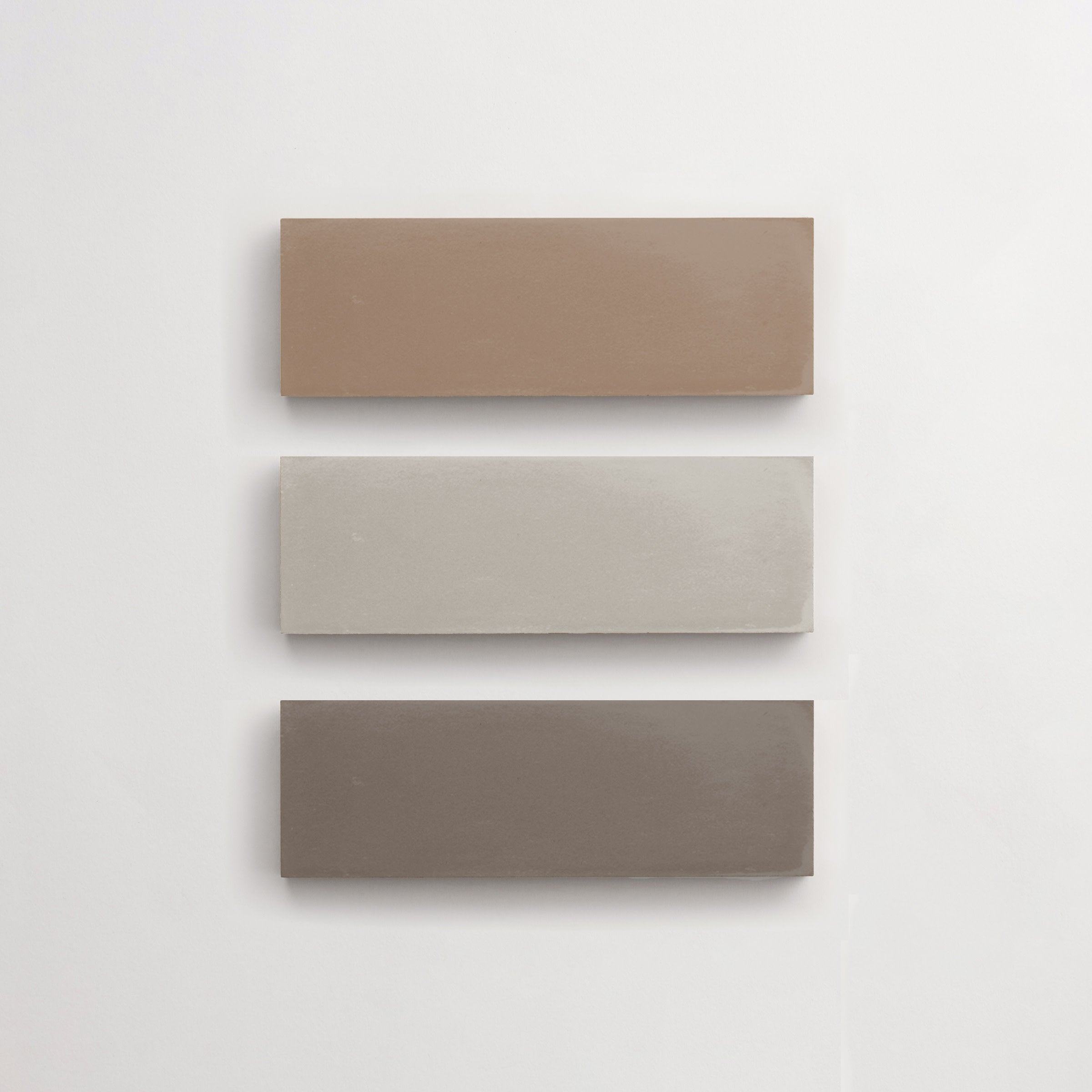
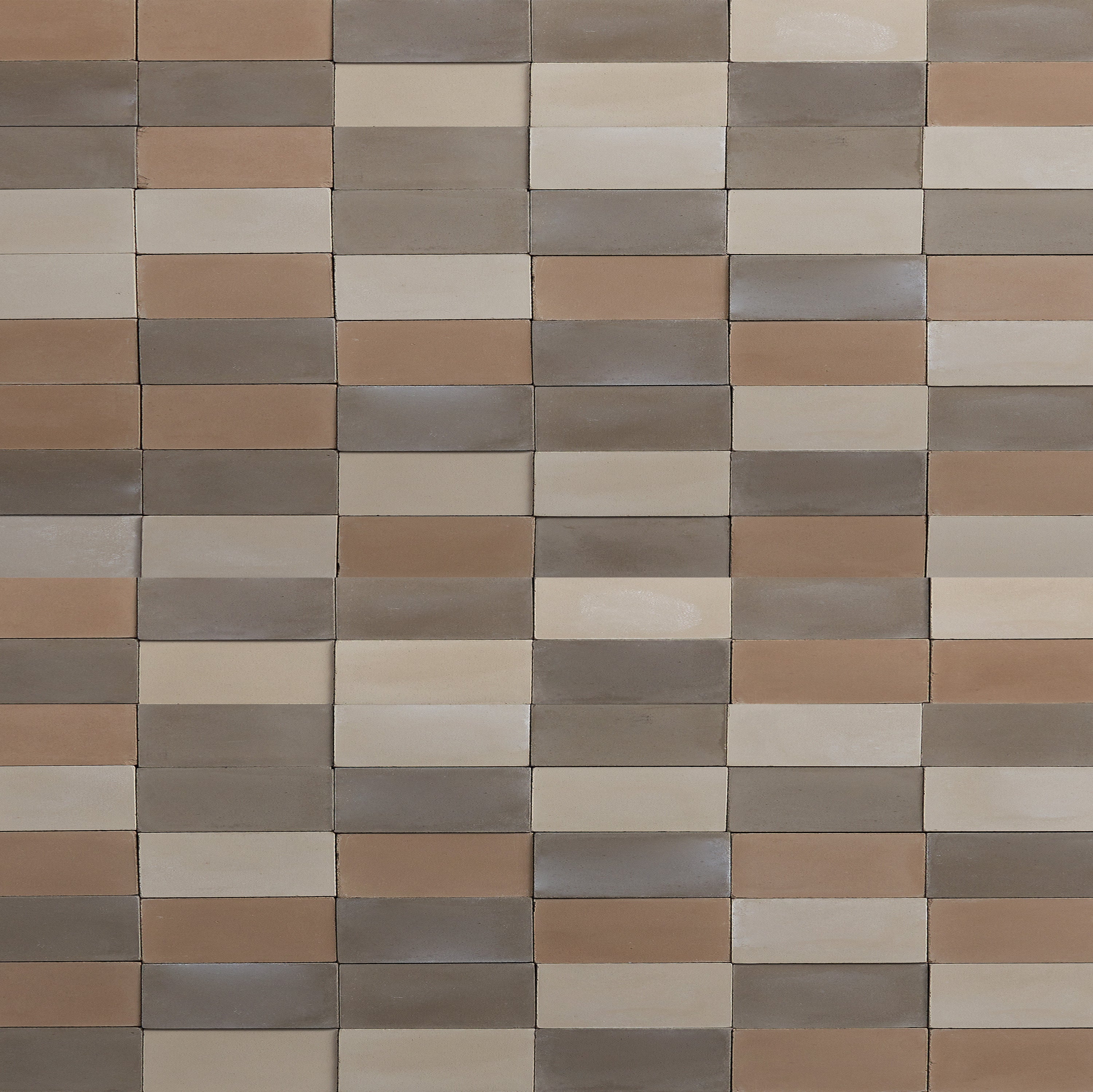
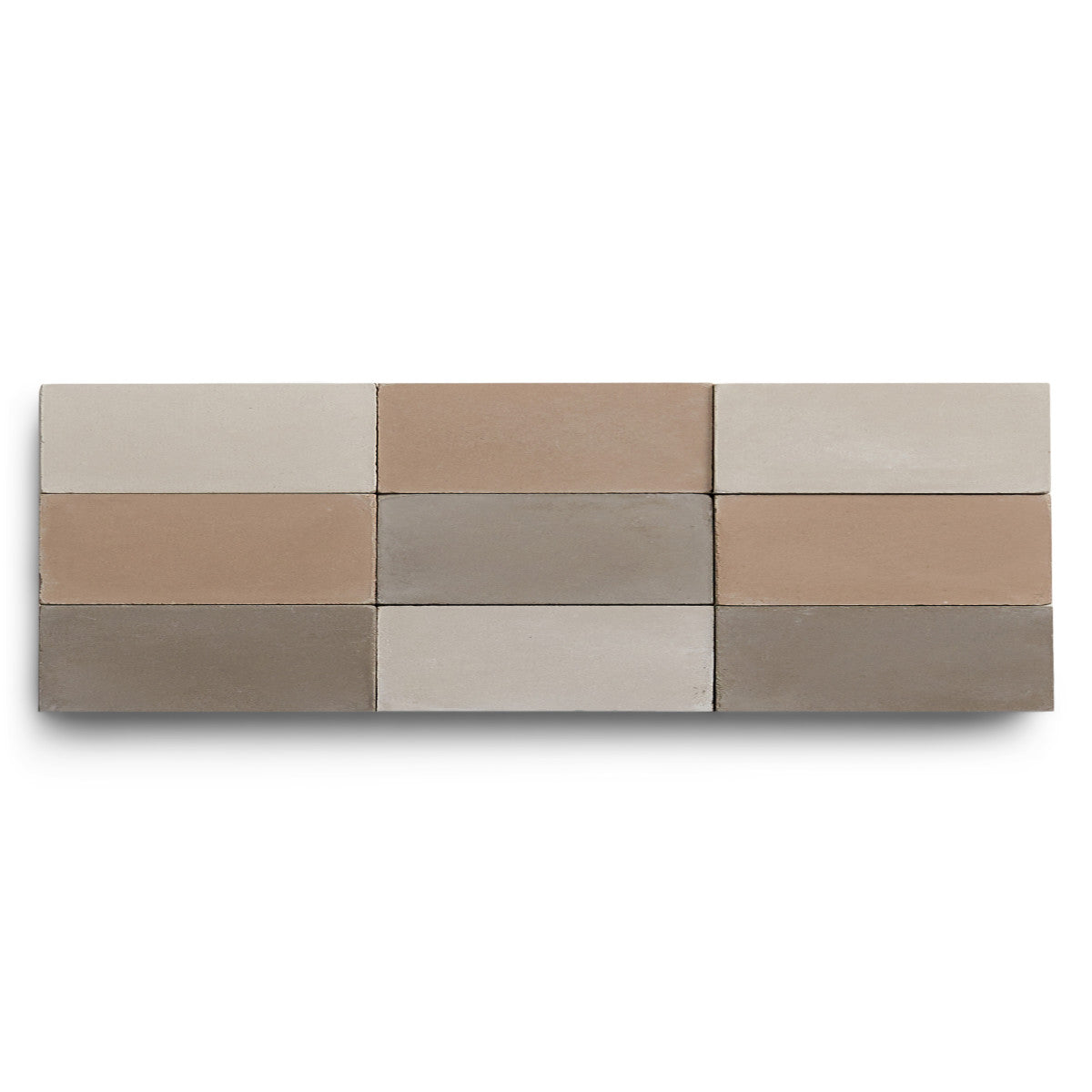
BrickWorks, 4x8" Mason, Sequoia Grove
How to Lay Tile Outdoors: 13 Patterns That Elevate a Space
Learning how to lay tiles (and play with tiles) outdoors is as much about visual intelligence as it is about technical execution. Whether you’re a designer, architect, or discerning homeowners, the pattern you choose shapes how a space feels, moves, and ages — especially in exterior environments where weather, light, and landscape are active participants.
From structured patios to meandering garden paths, tile patterns provide rhythm and intention. This guide explores smart, design-forward ways to lay porcelain, natural stone, and other types of tile outdoors, with a focus on durability, artistry, and spatial flow. After all: Understanding tile patterns is one of the best ways to create outdoor spaces that feel purposeful, elegant, and built to last.


Before You Lay a Single Tile: What to Know About Outdoor Layouts
Before choosing between tile patterns, it is essential to understand how outdoor environments change the rules. Unlike interiors, exterior spaces demand layouts that respond to water, movement, and exposure. The most successful ways to lay tile outdoors balance design intent with environmental realities, ensuring tile patterns remain beautiful and functional over time. This foundation makes every subsequent decision — from material to grout — a solid choice rather than a risky experiment.
Outdoor Layouts Are Different
Outdoor tile lives in constant conversation with the elements. Rain, freeze-thaw cycles, heat, UV exposure, and drainage all affect how tile performs day in and day out. Patterns that work indoors can warp, shift, or crack outside if they do not allow for movement or proper runoff.
If you’re planning a tile layout in an outdoor area, you should know: Laying tiles outdoors requires intentional spacing, slope, and alignment. In addition, structured patterns often outperform overly delicate ones, especially in high-traffic areas. Ultimately, the best choice is a layout that supports stability first — beauty naturally follows.
Design Intent Drives Pattern Choice
Every tile pattern communicates movement and direction. A linear layout can visually lengthen a pathway, while a radial pattern draws attention to a focal point like a fire pit or fountain. Understanding lines of sight, circulation paths, and how people move through the backyard helps determine the most effective ways to lay tile around architectural and landscape features. This is where artistry meets architectural logic. Tile patterns are not merely decoration, but rather spatial tools that guide experience.
Material and Pattern Must Work Together
Not all tile types suit every pattern. Thick stone or travertine tile performs beautifully in ashlar or mixed-format layouts, while thinner porcelain tile often benefits from more structured, grid-based patterns. (You’d be hard-pressed to lay natural slate pavers in a herringbone pattern, for example, unless they’ve been precisely cut into a rectangular format.)
Finish also matters. Honed or textured surfaces handle outdoor wear — and offer more slip resistance — than highly polished ones. These considerations ground pattern choice in reality, ensuring that design ambition aligns with material performance. Thoughtful pairing is always the perfect choice for longevity and visual coherence.

13 Outdoor Tile Patterns That Add Structure, Texture, and Elegance
Ready to explore the possibilities? Here are 13 ways designers, architects, and homeowners alike arrange outdoor tiles in creative patterns.
1. Herringbone
Herringbone is one of the most dynamic ways to lay tile outdoors, prized for the sense of movement it creates across a surface. The angled arrangement naturally draws the eye forward, which makes it an excellent choice for narrow walkways, garden paths, or transitional zones where you want to encourage circulation.
Herringbone outdoor tile performs best when executed with durable porcelain tile that can withstand temperature shifts and moisture exposure. The interlocking geometry distributes weight evenly, helping the surface feel stable underfoot while also minimizing the visual impact of minor settling. When aligned intentionally with surrounding architecture, herringbone becomes both a functional and expressive layout.
2. Chevron
Chevron offers a more tailored, symmetrical alternative to herringbone, with clean lines that meet at precise angles. (Because of this, chevron layouts tend to require several angled tile cuts.) This pattern feels structured and intentional, making it a perfect choice for patios, courtyards, or pool decks where balance and order matter.
Because chevron requires exact cuts and alignment, it pairs best with high-quality porcelain tile that offers consistent sizing and thickness. Outdoors, the mirrored layout creates a sense of refinement while still introducing movement across the surface. Chevron works particularly well in modern projects where geometry plays a central role in the overall design language.
3. Stack Bond
Stack bond is one of the most straightforward tile patterns, with rectangular tiles aligned directly over one another in a clean grid. This layout places full emphasis on the tile itself, making it an excellent choice when working with bold color, pronounced texture, or artisanal variation. Glossy porcelain tiles and natural brick pavers are both great options.
Outdoors, stack bonds require a stable substrate and careful installation, as the vertical alignment does not disguise movement the way offset patterns do. For that reason, porcelain tile is often the best choice. When executed properly, stack bond delivers a crisp, modern look that feels calm and deliberate.
4. Running Bond (Offset Brick)
Running bond is a classic and highly forgiving pattern that has stood the test of time. The staggered layout helps absorb visual and structural irregularities, making it one of the best choices for high-traffic outdoor walkways and patios. This pattern works across a wide range of materials, including porcelain tile, square cement tile, and travertine tile, and adapts easily to both classic and modern settings.
Outdoors, running bonds offer durability without rigidity, allowing the surface to feel grounded rather than overly formal. It is an excellent choice when longevity and ease of maintenance are priorities.


5. Basketweave
A basketweave layout introduces texture and visual rhythm through its interlocking, woven appearance. Traditionally associated with smaller-format stone or brick, this pattern brings a sense of heritage and craftsmanship to outdoor spaces. Basketweave works particularly well in courtyards, garden paths, and entry zones where a more intimate scale feels appropriate.
Outdoors, this pattern benefits from slip-resistant finishes and thoughtful spacing to handle moisture and debris. (Natural brick and cement pavers are both fair game here.) When paired with natural tones and subtle variation, basketweave becomes a solid choice that balances decorative interest with everyday functionality.
6. Grid Pattern
A grid pattern is one of the most restrained and architectural ways to lay tile outdoors. With joints aligned both vertically and horizontally, the layout creates a sense of order that allows the tile’s square shape, color variation, finish, and surface texture to take center stage. Grid patterns are especially effective with tiles that feature a variety of colors or handmade character.
Outdoors, this layout is easy to plan, install, and maintain, making it a practical choice for expansive patios and terraces. Its simplicity reads as intentional rather than plain when paired with a distinctive material such as natural zellige or brightly colored porcelain.
7. Circular Layout
Circular layouts are designed to highlight focal points and create moments of visual pause. Often used around fire pits, fountains, and seating areas, this pattern draws the eye inward and reinforces the importance of a central feature. Because circular layouts require precise planning and cutting, they are best reserved for defined zones rather than entire surfaces.
Outdoors, circular layouts create a sense of ceremony and spatial hierarchy. When used thoughtfully, this pattern is an excellent choice for anchoring niche gathering spaces within larger landscapes. To emphasize the effect even more, consider using round glass tile on an accent wall here.
8. Hexagon
Hexagon tiles offer an organic yet geometric alternative to rectangular layouts. Their six-sided shape creates a natural flow that works especially well in garden paths and landscape-driven projects. When expressed as mini hex porcelain tile, hexagons deliver durability alongside visual softness, making them suitable for exterior conditions.
A hexagonal pattern reads as both playful and architectural, bridging the gap between structure and nature. Available in a variety of colors, these layouts are an excellent choice for designers seeking to create movement without strict linearity.

9. Random Ashlar
Random ashlar combines multiple tile sizes in an intentionally irregular layout, all for an effect that feels relaxed and timeworn. This pattern is ideal for rustic patios and outdoor living areas where a sense of informality is desired. It works particularly well with stone and travertine tile, which naturally feature variation in tone and texture.
For those wondering “can travertine be used outside?”, random ashlar is proof. It’s one of the best choices when paired with proper installation and drainage. The result feels grounded, organic, and enduring, especially where travertine pavers are involved.
10. Cobblestone Mosaic
Cobblestone mosaics bring history, texture, and tactile richness to outdoor spaces. Their uneven surface provides natural slip resistance, making them an excellent choice for driveways, entry courts, and transitional zones. Smaller-scale slate pavers work beautifully here.
While installation of this layout is labor-intensive, the durability and visual payoff are significant. Cobblestone patterns age gracefully, developing character over time rather than showing wear. Outdoors, they establish a strong sense of place and permanence, particularly in traditional or European-inspired landscapes.
11. Linear Plank
Linear plank layouts mimic the look of hardwood flooring while offering the resilience needed for outdoor use. Porcelain tile planks resist moisture, fading, and temperature changes, making them a perfect choice for patios and terraces. We also love rectangular stone planks for this layout.
Installed lengthwise, planks can visually elongate a space; installed perpendicular, they can widen it. This flexibility allows designers to subtly manipulate proportion. Linear plank layouts also create continuity between indoor and outdoor areas, reinforcing a cohesive architectural flow.
12. Mixed Width Layout
A mixed width layout uses the same material in varying dimensions to introduce depth and rhythm without visual clutter. This approach feels layered and intentional, making it a solid choice for contemporary outdoor projects. Because the material remains consistent, the pattern adds interest without competing with surrounding elements like landscaping or furniture.
Outdoors, mixed width layouts work well on larger surfaces where subtle variation prevents monotony. It is an excellent choice for designers who prefer nuance to overt patterning. We love using boldly colored outdoor cement tile for this approach.
13. Radial or Spiral Layout
Radial and spiral layouts create strong visual movement and are best used as intentional statements. These patterns guide the eye inward or outward, emphasizing circular architectural elements like trees, fountains, and sculptural features. Because of their complexity, they should be applied selectively rather than across expansive areas.
Outdoors, radial layouts benefit from durable materials such as natural brick that can handle precise cutting and alignment. When executed well, they become a solid choice for moments where drama and craftsmanship are meant to take center stage.


Choosing the Right Pattern for a Space
Selecting from different types of tile patterns is about aligning use, scale, and context. The best layouts respond to how the space functions day to day while enhancing its architectural story.
Match Pattern to Function
High-traffic areas benefit from interlocking patterns like running bond and herringbone. Small patios and nooks can handle bolder layouts without feeling busy. Around pools, slip resistance and directional flow with, say are critical. Functional alignment ensures your pattern choice remains an excellent choice over time.
Think in Zones, Not Surfaces
Rather than treating the backyard as one surface, divide it into zones. Shifting patterns subtly defines dining, lounging, or circulation areas. This approach adds sophistication without you having to bring in additional materials — and it works beautifully with a variety of colors and textures.
Work with What Exists
Tile patterns should respect any existing architecture and landscape features. Aligning layouts with walls or edges creates harmony, while intentional contrast can soften rigid lines. Responsive design is ultimately the best choice for creating a cohesive outdoor space.
Laying Tile That Makes an Impact
Tile patterns are about more than aesthetics — they create movement, structure, and longevity. When chosen thoughtfully, they elevate outdoor environments into cohesive, enduring designs. By observing how high-end spaces balance material and layout, you can approach your own project with both clarity and confidence. Explore curated patterns, trust intentional design, and let tile become the framework for outdoor living that truly lasts.
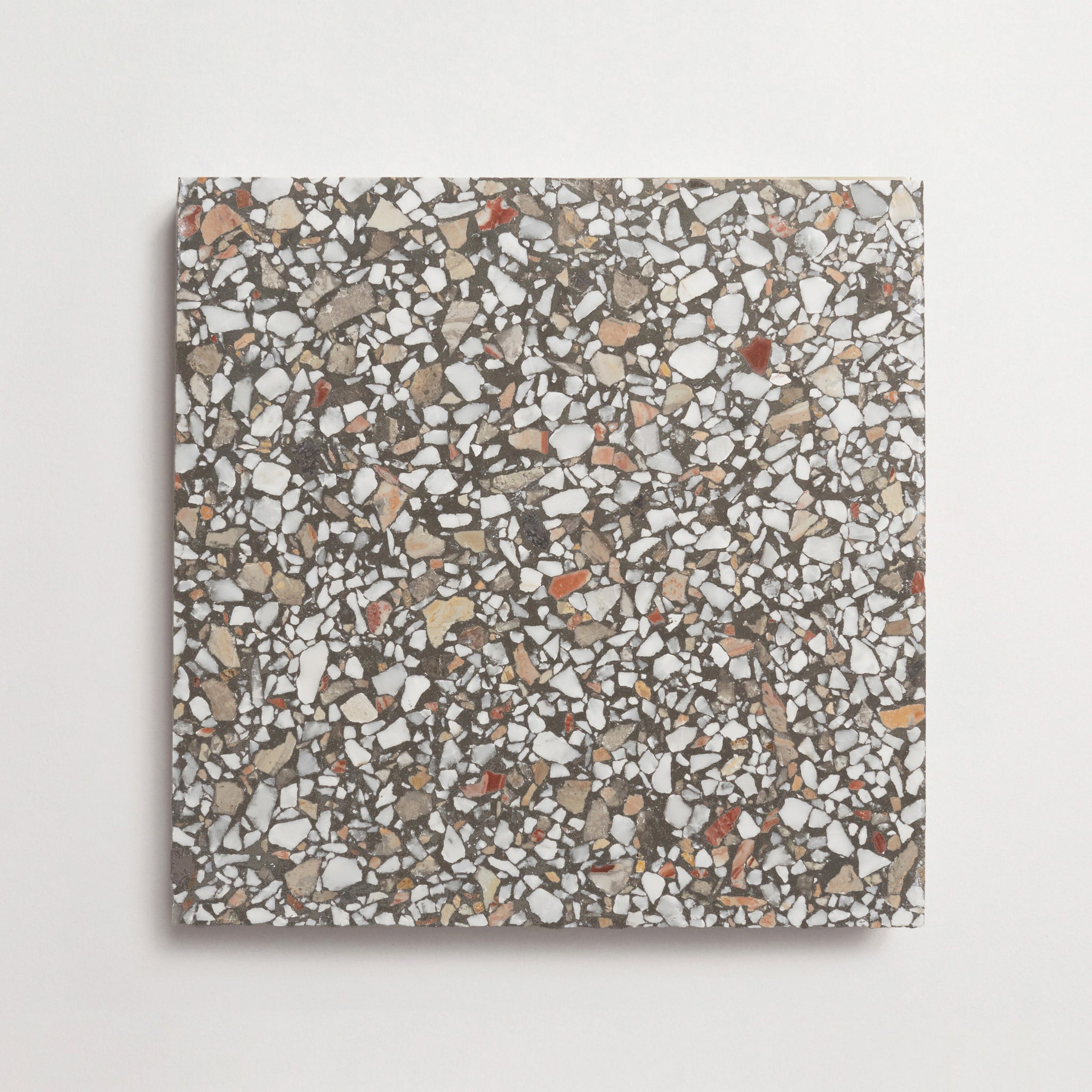
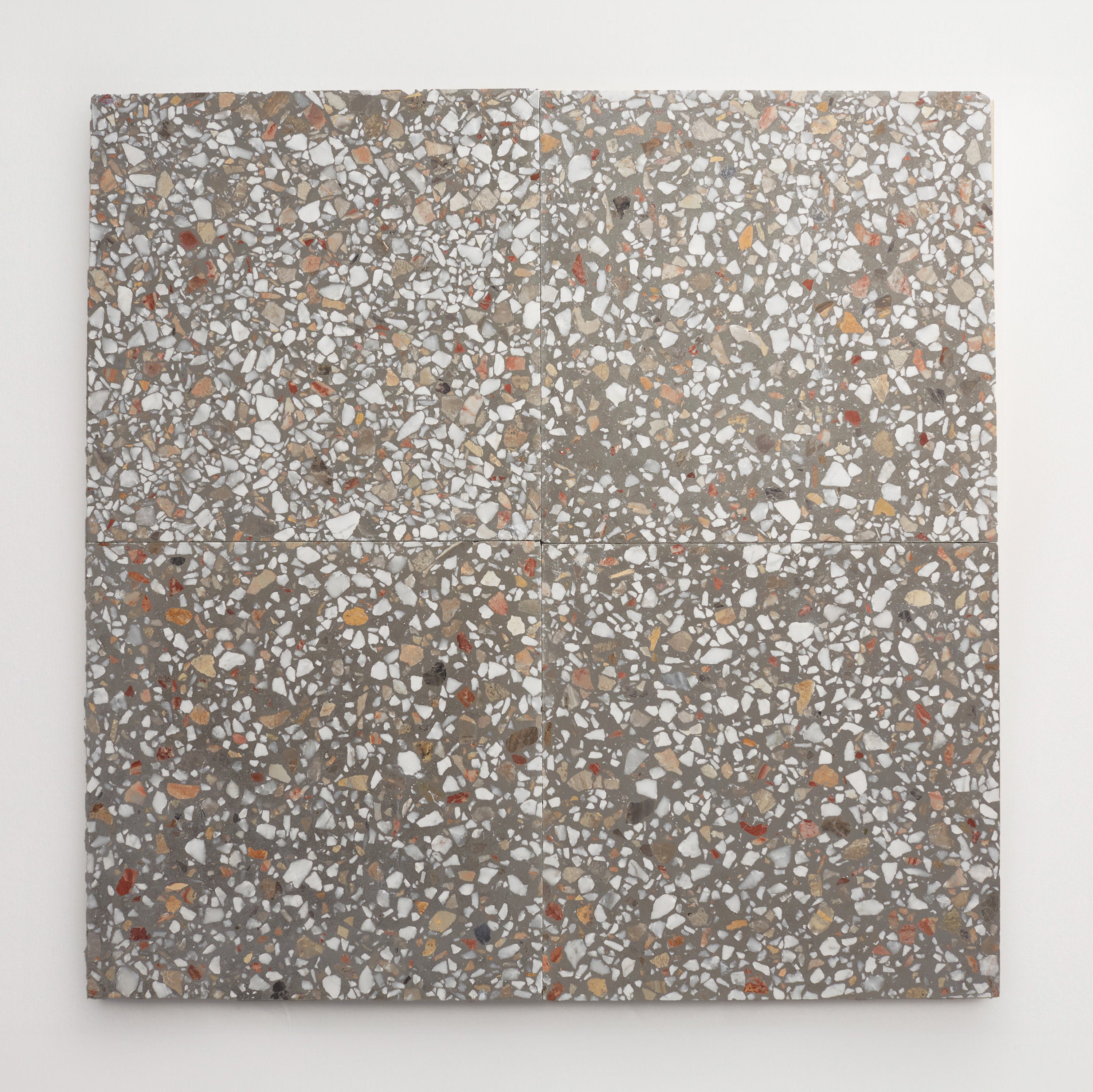
Colorway
-
Carbone
Collection
-
Dolce Vita Terrazzo
:
Sub Collection
-
Torrone II
Material
Length
-
4
" x
Width
-
4
" x
Thickness
-
¼
"
Unit of Measurement
-
sqft
/
Price per Unit
$
Colorway
-
Ancient Scroll
Collection
-
Colore Frattura
:
Material
Length
-
8
" x
Width
-
8
" x
Thickness
-
⅞
"
Unit of Measurement
-
sqft
/
Price per Unit
$
Colorway
-
Brun + Barcelos Black
Collection
-
Eastern Expression
:
Sub Collection
-
Henna
Material
Length
-
4
" x
Width
-
16
" x
Thickness
-
¾
"
Unit of Measurement
-
sqft
/
Price per Unit
$