

OUTERclé Wander Collection. Photo courtesy of Ray Harrington.
Flagstone Walkway Ideas for Gardens and Outdoor Paths
A thoughtfully designed garden path does more than connect one destination to another. It establishes rhythm, guides movement, and creates moments of discovery throughout the landscape. Whether winding through lush planting beds or leading visitors from the entry gate to a courtyard, a flagstone walkway becomes an essential part of the outdoor experience.
Among the many flagstone walkway ideas out there, the most successful designs begin with the material itself. The stone's color, texture, and character ultimately define the personality of the path. Choosing the right material creates a walkway that feels timeless, settles naturally into its surroundings, and grows more beautiful with every season.


Quick Facts About Flagstone Walkways
- Flagstone is a category of natural paving materials rather than a single type of stone, making material selection the first and most important design decision.
- A single stone variety used consistently across walkways, patios, and garden spaces creates visual harmony.
- Irregular flagstone offers a refined yet simple take on the flagstone walkway, blending naturally into the landscape.
- Cut flagstone introduces architectural structure and works well in formal gardens and courtyards.
- The space between stones contributes just as much to the design as the stone itself, whether filled with gravel, moss, or living ground cover.
- Natural stone develops an attractive patina over time, rewarding thoughtful material selection with lasting beauty.
The Surface Beneath the Journey: Why Material Defines the Path
Many people use the word “flagstone” as though it refers to a single material, but it actually describes a category of flat natural stones suitable for paving. Bluestone, slate, sandstone, limestone, and even terracotta can all make up a flagstone walkway, yet each brings its own visual language.
A warm sandstone path immediately evokes sunlit landscapes, while cool slate creates a quieter, more contemporary atmosphere. Limestone offers understated elegance, and terracotta introduces earthy warmth rooted in Mediterranean traditions. The stone itself establishes the emotional tone of the entire project.
Artisan-quality collections further elevate this decision. Our lapidary and Grangestone collections celebrate the natural variation, texture, and craftsmanship that allow each walkway to feel authentic rather than manufactured.
Stone Variety and What It Brings to the Path
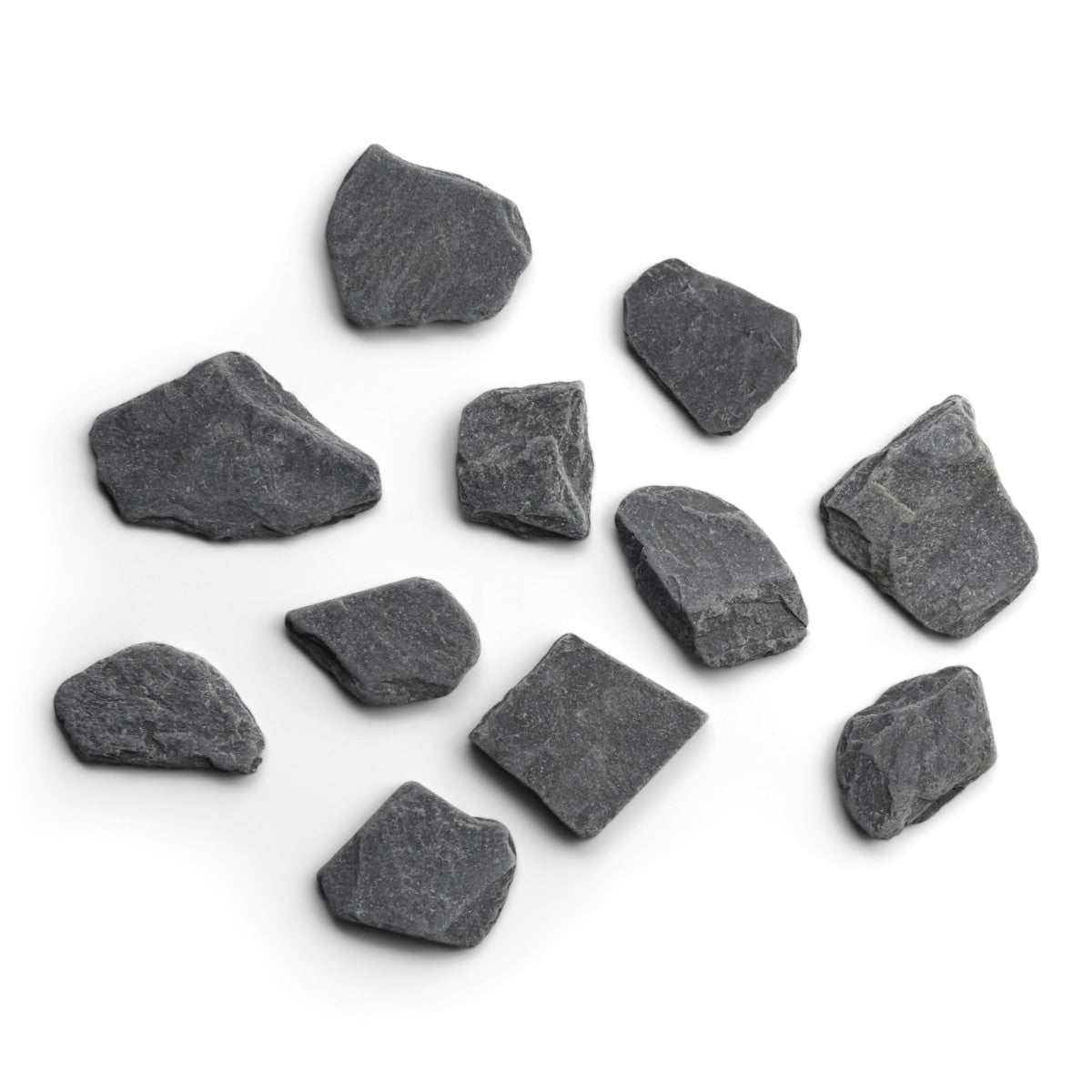
Each type of flagstone tells a different story. Slate and bluestone-inspired materials offer dense surfaces in shades of charcoal, blue-gray, and deep graphite, making them especially compelling in modern gardens. Their subtle cleft textures catch changing light throughout the day without feeling overly rustic.
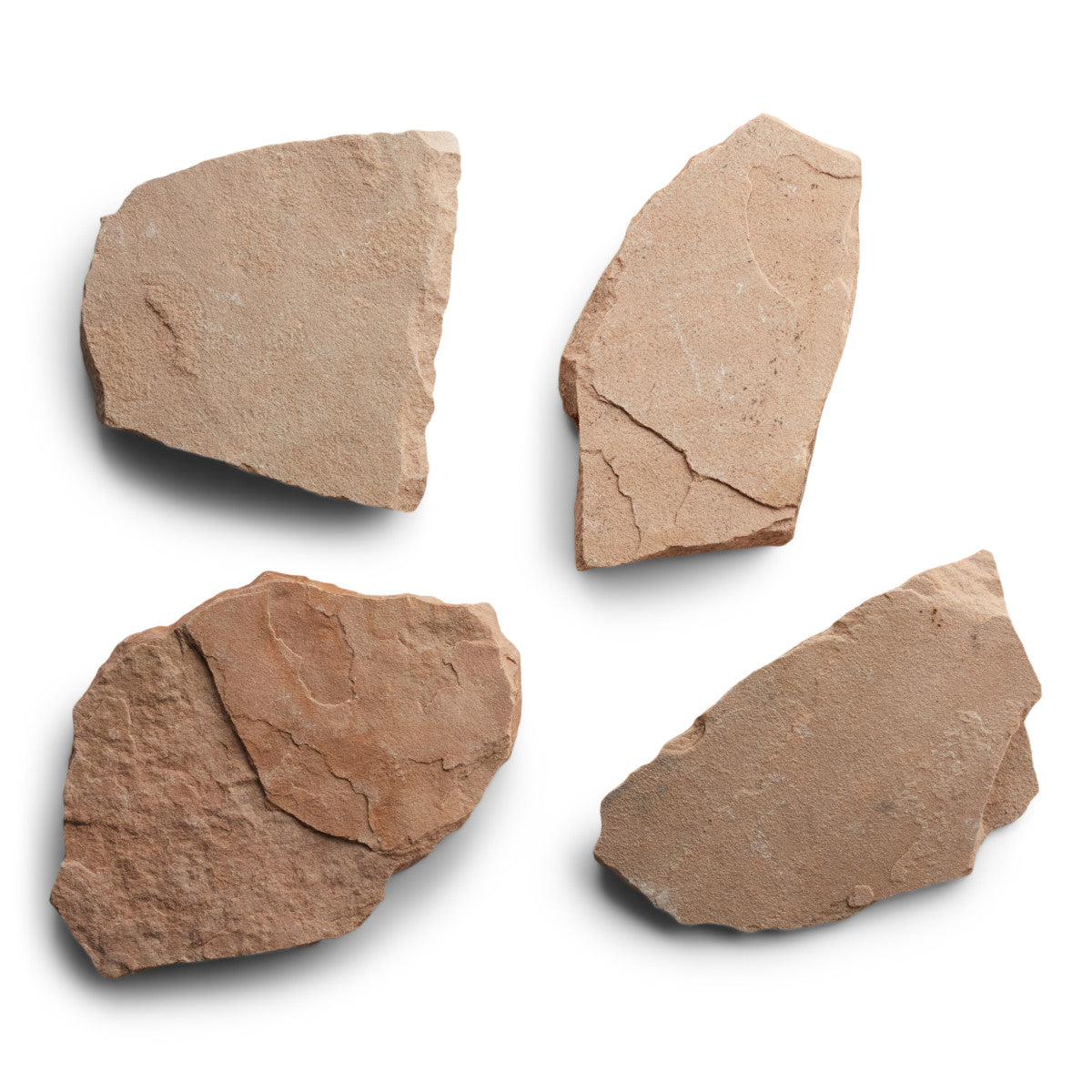
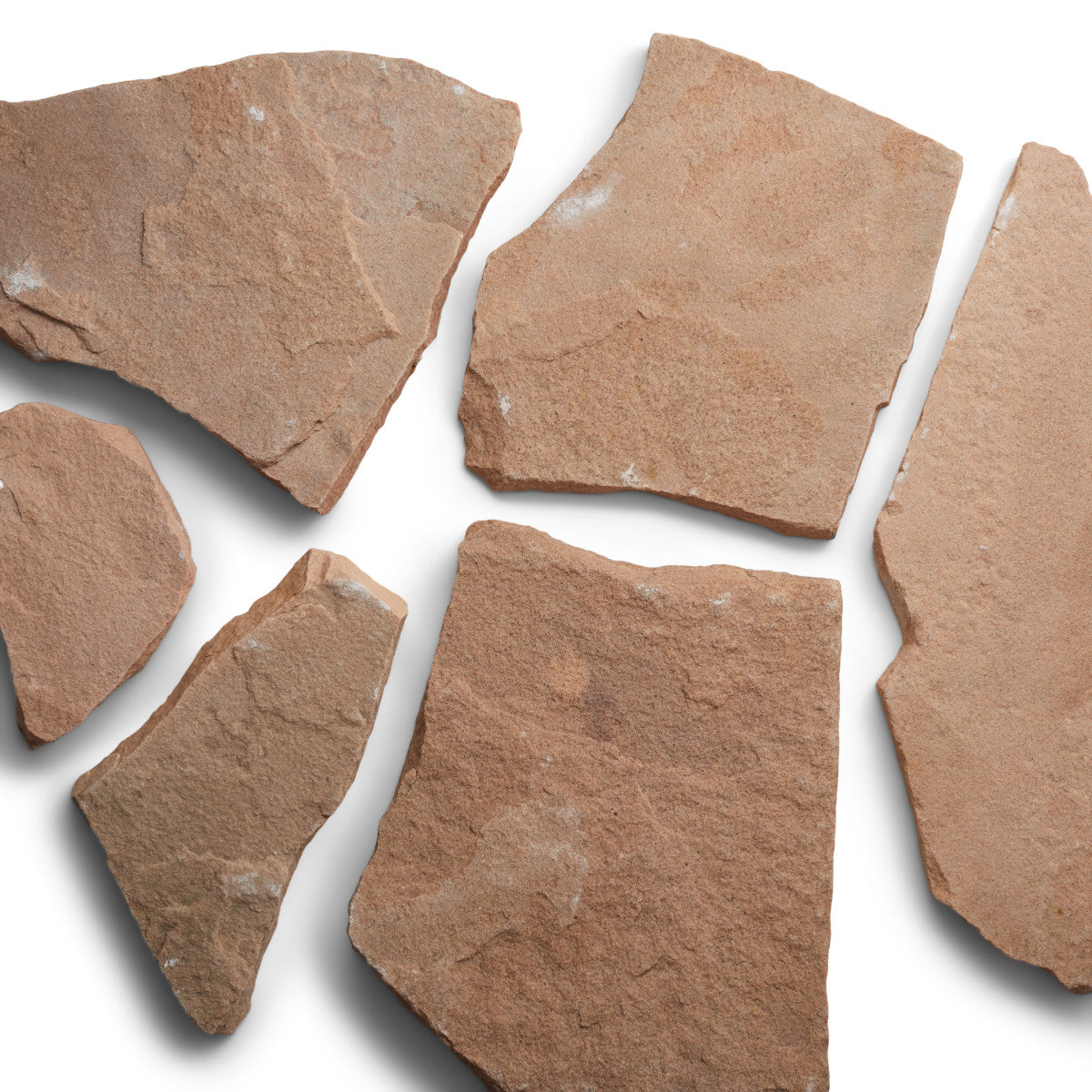
Sandstone introduces warmth through ochre, honey, and soft caramel tones. Its gently textured surface feels inviting underfoot and pairs beautifully with drought-tolerant plantings, Mediterranean architecture, and ornamental grasses.
Limestone presents a softer expression, with creamy neutrals, pale grays, and weathered ivory tones that become even richer over time. Its quiet elegance complements everything from French-inspired courtyards to modern minimalist gardens.
Terracotta, while technically tile rather than natural flagstone, often occupies a similar design conversation because of its earthy character and generous format. Rich clay hues bring unmistakable warmth, making it an inspired choice for enclosed courtyards, kitchen gardens, and outdoor entertaining spaces.
Setting the Tone: How One Material Creates Design Coherence
The most memorable landscapes establish one dominant stone language and allow it to carry through patios, walkways, planting beds, and gathering spaces. That consistency creates visual calm, even when the garden itself is lush and layered.
This approach appears repeatedly throughout the world's great gardens. The stone-paved corridors of Kyoto rely on carefully selected materials that quietly frame moss, bamboo, and maple. Moroccan riads achieve similar harmony through worn limestone passages that soften with age, while Tuscan villas extend warm terracotta from the home directly into garden allées.
A cohesive material palette allows every destination to feel connected. Rather than treating the walkway as an isolated feature, it becomes the thread that ties the entire project together.

Irregular Flagstone: The Path That Belongs to Its Garden
Some of the best flagstone path ideas are also the most restrained. Irregular flagstone has long been associated with relaxed gardens, but its appeal comes not from casualness — it comes from intention. Every stone contributes subtle variation in shape, texture, and edge, allowing the finished path to feel discovered rather than imposed.
This is why many simple flagstone walkway ideas are so enduring. “Simple” does not mean easy or unfinished. Instead, the irregular stones celebrate natural imperfections, creating a walkway that appears to have emerged organically from the surrounding landscape.
Irregular Stone in a Garden Setting
Irregular flagstone excels wherever the garden is meant to feel immersive. A winding path through perennial borders slows the pace of movement, encouraging visitors to notice seasonal blooms. Elsewhere, the same material can connect a terrace to a garden gate or define the edges of a kitchen garden filled with herbs and vegetables.
English walled gardens have embraced naturally laid stone paths for centuries, allowing weathered paving to disappear beneath climbing plants and overflowing borders. Japanese tea gardens employ a similar philosophy, arranging irregular stepping stones that encourage deliberate, mindful movement through carefully composed landscapes.
Our Grangestone collection embodies this organic character with richly textured natural stone that feels equally at home in traditional gardens and modern landscapes seeking authenticity. For additional inspiration, see our walkway and garden path tiles collection.
Simple Flagstone Walkway in Grass: The Path as a Living Surface
The flagstone walkway in grass remains one of the most enduring flagstone walkway ideas because it allows hardscape and landscape to coexist rather than compete. Instead of drawing a hard boundary, the lawn becomes part of the composition.
Success depends on thoughtful material choices. Stones should be substantial enough to remain stable over time and installed flush with the surrounding grade so movement feels effortless across the surface. The stone you choose dramatically shapes the atmosphere. Warm sandstone creates a sun-washed garden path, while cool slate introduces quiet sophistication and crisp contrast against vibrant green turf.
Remember that the living spaces between stones matter just as much as the paving itself. Whether filled with lawn, thyme, or another ground cover between pavers, these planted joints soften the transition between architecture and nature.

OUTERclé Wander Collection. Photo courtesy of Matthew Waring.

Geometric and Cut Flagstone: Architecture for the Garden Floor
While irregular stone celebrates the spontaneity of nature, cut flagstone introduces order and precision. The path becomes an architectural feature rather than a landscape accent, creating a deliberate sense of arrival. This approach works beautifully for formal front entries, courtyard connectors, and transitions between structured patios and surrounding gardens.
Rather than asking which style is superior, consider the language each one speaks. Irregular stone blends into its setting, while geometric paving establishes rhythm and definition. Both can produce exceptional results when paired with the right architecture and planting palette.
Pattern, Format, and Direction: What Laying Choices Communicate
The layout of the stone can be as expressive as the material itself. A running bond pattern introduces an understated rhythm that complements both traditional and contemporary landscapes, while a herringbone layout creates movement. Grid layouts feel orderly and modern, whereas offset stack patterns balance structure with subtle variation.
Direction also influences how the landscape is perceived. When rectangular stone runs parallel to the architecture, the path visually widens the space and reinforces the building's horizontal lines. Turn those same stones perpendicular to the home, and the eye is naturally drawn deeper into the garden, making the landscape feel more expansive.
The gardens of Andalusia demonstrate this beautifully. Their carefully proportioned stone corridors strengthen the geometry of enclosed courtyards while framing fountains, citrus trees, and shaded arcades. Our lapidary collection offers the refined natural stone surfaces that support this architectural approach. For more inspiration, explore these garden path ideas.
The Joint as a Design Element
Designers often focus on the stone itself, but the spaces between each piece deserve equal consideration. Joint treatment influences how formal, relaxed, or integrated the finished walkway feels within its surroundings.
Narrow mortared joints emphasize clean geometry and create a polished appearance for modern homes, formal courtyards, and hardscapes where precision is the defining characteristic. The individual stones visually merge into a continuous surface.
Open joints tell an entirely different story. Gravel introduces texture, moss softens the composition with age, and living plantings blur the distinction between paving and landscape. Rather than separating one stone from another, these materials weave the walkway into the surrounding garden.

Connecting Every Zone: The Walkway as Landscape Thread
The best walkways do more than provide circulation. They organize the landscape, quietly connecting outdoor rooms into a cohesive whole. A thoughtfully selected material creates continuity from the front entry to the patio, from the garden gate to the fire pit, and from shaded seating areas to water features.
From Patio to Garden: Continuity Through Material
Consistency is one of the hallmarks of timeless landscape design. Using the same stone family across both the patio and the connecting walkway eliminates abrupt visual transitions, allowing each space to feel like part of a larger composition.
This principle becomes especially valuable in larger backyard hardscape ideas, where multiple outdoor living areas must coexist. A dining terrace, lounge area, kitchen, and garden path all benefit from sharing a common material vocabulary.
Softening the Path’s Edges: Where Stone Meets Planting
A walkway rarely ends at its edges. The planting that surrounds it determines whether the path feels formal and defined or gently absorbed into the landscape.
Low-growing herbs, creeping thyme, and moss soften the transition between stone and soil. Rather than presenting a sharp boundary, they encourage the walkway to dissolve into the surrounding garden, creating a layered composition that changes with the seasons.
The right ground cover between pavers also adds sensory richness. Fragrant herbs release their aroma underfoot, moss introduces subtle shifts in color after rainfall, and flowering ground covers attract pollinators that bring movement.
Stone That Ages with Intention: Material Performance and Long-Term Care
A successful walkway should not simply survive the years — it should become more compelling because of them. High-quality natural stone develops character through weather, changing light, and everyday use, rewarding thoughtful material selection with lasting beauty.
Stone Variety and Climate: Matching Material to Setting
Every natural stone responds differently to its environment, making climate an important part of the design conversation. Dense slate performs exceptionally well in regions with repeated freeze-thaw cycles because its low porosity limits moisture absorption.
Sandstone and terracotta offer incomparable warmth and texture but generally perform best in temperate or dry climates where periodic sealing helps preserve their distinctive character. Their softer appearance is part of their appeal.
Stone thickness also influences long-term durability. Thicker pavers create greater stability for dry-laid installations, while thinner pieces are more vulnerable to movement and cracking under regular foot traffic.
Patina as a Design Asset
One of natural stone's greatest virtues is that it improves with time. The most enduring landscapes develop a patina that reflects years of weather, sunlight, and daily life. Periodic sealing is not a maintenance burden but rather a way to preserve the richness, depth, and tactile qualities that make the stone so compelling.
Across Europe and the Mediterranean, worn cobblestone streets and sun-bleached terracotta courtyards are admired precisely because they reveal the passage of time. Their beauty comes from accumulated experience, not manufactured perfection. The same philosophy applies to thoughtfully selected natural stone today.
Whether your vision favors organic flagstone walkways, structured geometry, or outdoor floor tile ideas inspired by historic landscapes, the foundation always begins with exceptional materials chosen with intention.
Explore the stone and tile collections that define a path worth walking. Shop walkway and garden path tiles to discover artisan materials designed for landscapes that grow more beautiful with time.


Colorway
-
Rosso
Collection
-
Grangestone
:
Sub Collection
-
Alegria
Material
Length
-
8
" x
Width
-
8
" x
Thickness
-
⅞
"
Unit of Measurement
-
sqft
/
Price per Unit
$


Colorway
-
Slate
Collection
-
Grangestone
:
Material
Length
-
4
" x
Width
-
4
" x
Thickness
-
¼
"
Unit of Measurement
-
sqft
/
Price per Unit
$


Colorway
-
Rosso
Collection
-
Grangestone
:
Sub Collection
-
Henna
Material
Length
-
4
" x
Width
-
16
" x
Thickness
-
¾
"
Unit of Measurement
-
sqft
/
Price per Unit
$