

10 Outdoor Grill Backsplash Tile Ideas for Stunning BBQ Spaces
Creating an outdoor living space that is both functional and design-conscious is a goal for many homeowners. It’s no surprise, then, that the outdoor kitchen has evolved into a true style statement—a place to entertain, gather, and unwind. And within that space, the backsplash often becomes one of the most captivating design elements, anchoring the entire cooking area visually.
Beyond aesthetics, a grill backsplash has to work harder than most surfaces. It must stand up to high heat, grease splatter, smoke exposure, and the elements—all while maintaining its appearance over time. The right material balances durability with design, ensuring the space performs as beautifully as it looks.
Let’s fire up 10 stunning outdoor grill and BBQ backsplash tile ideas that bring together a range of materials, colors, and textures—from natural stone and ceramic to brick and glass—each offering a distinct way to elevate your outdoor kitchen.


10 Stunning Outdoor Grill and BBQ Backsplash Tile Ideas
Whether you’re designing a modern outdoor kitchen for a client or one that embraces the rustic charm of traditional styles, here is just a taste of your outdoor kitchen tile options. (And take a look at these outdoor kitchen tile backsplash concepts, too.)
1. Add Warmth and Texture with a Brick BBQ Backsplash
There’s something inherently captivating about a brick backsplash. With its natural warmth and organic texture, brick is a popular choice for outdoor kitchen backsplash designs. It brings a sense of rustic charm to the grill area while offering the durability needed to withstand heat, weather, and everyday use.
Brick is also valued for its thermal properties—it absorbs and slowly releases heat, making it especially well-suited for outdoor cooking environments. Finish plays a key role in how brick reads stylistically: tumbled brick feels soft and timeworn, ideal for traditional or Mediterranean-inspired kitchens; wire-brushed finishes offer a slightly more refined, tactile surface that works well in transitional spaces; and reclaimed-look brick introduces deeper variation and patina for a more lived-in, old-world feel.
Pattern choice can further shape the overall effect. A classic running bond layout creates a continuous, traditional backdrop, while a herringbone pattern behind the grill adds movement and turns the backsplash into a focal point. For homeowners looking to balance durability with timeless character, OUTERclé’s Brickworks collection offers versatile options that bring both texture and long-lasting performance to outdoor kitchens.
2. Evoke Mediterranean Vibes with Terracotta
Terracotta has a warm, earthy quality that instantly evokes sun-drenched Mediterranean spaces. Its natural pigments and subtle tonal variation make it an inviting choice for an outdoor grill backsplash, bringing color and character without feeling overly formal. Terracotta also pairs easily with a wide range of palettes, making it just as at home in farmhouse, Tuscan, and rustic modern kitchens as it is in classic Mediterranean designs.
The material’s softly textured surface helps diffuse light, creating a gentle interplay of shadows and highlights that adds depth to the cooking area throughout the day. When selecting terracotta for a grill backsplash, finish is an important consideration. Glazed terracotta offers a smoother, more sealed surface that is easier to clean—especially useful for grease and smoke exposure—while unglazed terracotta provides richer, handcrafted depth and variation but requires proper sealing and ongoing maintenance.
In addition to its visual appeal, terracotta is valued for its durability and ability to perform in outdoor conditions, including exposure to heat and the elements. For a refined yet organic look, our Terracotta collection offers options that balance traditional warmth with time-tested performance in these demanding settings.
3. Create a Statement with a Colorful Cement Grill Backsplash
For homeowners who want to infuse their outdoor kitchen with art and personality, a cement backsplash can transform an ordinary grill wall into a true focal point. Known for its bold color and graphic patterning, cement tile brings a distinctive, design-forward quality that feels both modern and deeply rooted in craftsmanship. It’s an ideal way to introduce visual impact without relying on additional décor.
Cement tile also layers beautifully with other materials. Pairing it with natural stone, brick, or porcelain accents adds depth and contrast, creating a more dynamic and curated outdoor space. One important detail to understand: authentic encaustic cement tiles are handcrafted, so slight variation in color and pattern from tile to tile is expected—and valued. This natural variation adds richness and character, reinforcing the artisan quality rather than detracting from it.
Because outdoor grill backsplashes are exposed to grease, smoke, and splatter, proper sealing is essential. Cement is a porous material, so applying and maintaining a high-quality sealer helps protect the surface, preserve color, and make cleaning easier over time. With the right care, cement tile offers both striking design and reliable performance in outdoor conditions.

4. Turn the BBQ Wall Into a Focal Point with Mosaic Tile
Mosaic tile is a versatile option that allows you to create dynamic patterns using materials like glass and ceramic. A mosaic backsplash behind the grill can act as the true centerpiece of an outdoor kitchen, drawing the eye and anchoring the entire space. As light moves across the surface, it catches on the individual pieces, creating subtle reflections that add depth and dimension throughout the day.
Scale plays a crucial role in how mosaic is experienced. A full-field mosaic across the entire backsplash creates a bold, immersive statement, ideal for spaces that lean into color and pattern. Alternatively, using mosaic as a feature panel behind the grill or as a border within a more neutral backdrop offers a more restrained, architectural approach—introducing detail without overwhelming the space. This flexibility makes mosaic especially useful for tailoring the design to both the size of the kitchen and the homeowner’s aesthetic.
Whether you choose handcrafted ceramic or reflective glass, mosaic tiles bring personality and texture in a way few other materials can. Design-forward options like Tempera Pixies from our Eastern Expression collection offer rich color and pattern potential that elevate outdoor grill spaces with both artistry and durability.
Looking for complementary outdoor floor tiles ideas? Look no further. Perhaps non-slip outdoor tiles? We’ve got ideas for those, too.
5. Consider Outdoor Stone for a Grounded, Organic Effect
Outdoor stone is renowned for its durability and naturally rugged texture, making it an excellent choice for an elevated outdoor kitchen backsplash. Natural stone tiles—whether limestone, marble, slate, or travertine (like our Pemberley Pavers collection)—bring an organic aesthetic that connects the cooking space to its surroundings while standing up to the demands of outdoor use.
Each stone offers a distinct character. Limestone reads refined and often leans cool-toned, ideal for more understated palettes. Marble introduces dramatic veining for a more expressive, high-contrast look. Slate delivers a rugged, tactile surface with natural variation, while travertine offers a warm, earthy feel that’s both timeless and inviting. Larger-format stone tiles can be especially effective for creating a clean, minimalist backdrop that allows the grill and surrounding elements to take center stage.
One of stone’s most appealing qualities is how it ages—developing a natural patina over time that adds depth and authenticity to the space. That said, in a grill backsplash application where grease and smoke are common, proper sealing is essential. A high-quality penetrating sealer helps protect the surface from staining while preserving the stone’s natural look.
6. Add Tiled Niches for Stylish Storage Behind the Grill
Incorporating tiled niches into an outdoor grill backsplash is a smart way to blend practicality with design. These built-in nooks provide convenient storage for cooking tools, spices, or small decorative accents, while also becoming a visual feature within the overall composition. When thoughtfully designed, they feel less like an add-on and more like an intentional extension of the backsplash.
Material selection plays a key role in how the niche reads. Homeowners can choose from porcelain, stone, cement, and other wall tile options to create a tailored look that complements the surrounding surface. Using a contrasting tile inside the niche—whether through color, texture, or pattern—creates a subtle “jewel-box” effect that draws the eye and adds depth without overwhelming the space.
This approach not only keeps the outdoor kitchen organized and clutter-free, but also introduces an extra layer of sophistication. By integrating storage with design, the backsplash becomes both highly functional and visually compelling, reinforcing the idea that every detail in the space has been carefully considered.


7. Bring In Relief Tiles for Sculptural Depth and Shadow Play
Relief tiles are a powerful way to introduce sculptural depth into an outdoor grill backsplash. With raised patterns that catch and cast light, they create shifting shadows and a sense of movement across the surface. The result is a backsplash that feels dynamic and tactile—something you not only see, but experience.
How you use relief tile makes a big difference. A full field application delivers a bold, dramatic statement that can anchor the entire outdoor kitchen. For a more restrained approach, incorporating relief tiles as a border or accent row within a neutral backdrop adds rhythm and dimension without overwhelming the space. This layered approach works especially well when paired with smoother materials like natural stone or glass, creating contrast between flat and textured surfaces.
For designs that emphasize surface dimension, OUTERclé’s Cement Origami collection offers sculptural patterns that bring both visual depth and architectural interest to outdoor backsplash applications.
8. Create Quiet Drama with a Monochromatic Stacked Tile Backsplash Behind the Grill
A monochromatic stacked tile backsplash brings elegant yet understated beauty to an outdoor grill space. Built around a single color palette, it creates visual consistency that feels both modern and timeless. The stacked layout introduces a sense of quiet drama—orderly, intentional, and subtly architectural without relying on bold pattern.
The material you select can shift the overall feel. Matte cement or natural stone in a stacked bond tends to read more artisan and textural, while glossy porcelain in the same configuration feels more polished and contemporary. Grout also plays a defining role: contrasting grout lines emphasize the clean geometry of the layout, while matching grout softens the look for a more seamless finish. Similarly, wider grout joints highlight each individual tile, adding rhythm and definition, whereas tighter joints create a smoother, more refined surface.
This idea remains popular for its balance of simplicity and performance. The result is a backsplash that feels composed and durable, blending effortlessly with both indoor kitchens and outdoor living spaces while maintaining a distinctly design-forward edge.
9. Frame Each Tile with Contrasting Grout
Sometimes, it’s the details that make all the difference. Incorporating contrasting grout into an outdoor grill backsplash not only frames each tile beautifully but also highlights the craftsmanship behind the installation—whether the material is cement, natural stone, or ceramic. The contrast draws attention to the shape, layout, and texture of each tile, turning even a simple pattern into something more intentional and design-forward.
The interplay between grout and tile can also create a subtle border-like effect across the surface, emphasizing variation in tone and finish while adding depth. For homeowners seeking a refined yet slightly playful aesthetic, this approach elevates a standard wall tile installation into a backsplash that feels considered and distinctive.
There’s also a practical advantage in grill areas: darker grout tends to conceal soot, grease, and everyday cooking residue far better than white or light grout. It’s a small design decision that can make a noticeable difference in long-term maintenance while still contributing to the overall look.
10. Incorporate Warm Metallic or Glass Tiles for a Backsplash That Glows
For a final flourish, consider incorporating warm metallic or glass tiles into an outdoor grill backsplash. These materials (when properly rated for heat-prone areas like the grill) capture and reflect soft outdoor lighting during evening gatherings, creating a gentle glow that elevates the entire outdoor kitchen experience after sunset.
Rather than covering the entire backsplash, metallic or glass tile is often most effective when used as an accent row, framed panel, or focal inset within a more neutral field. This aesthet delivers the same reflective impact while keeping the overall design simpler and more installation-friendly. The contrast between matte surrounding materials and light-catching accents adds depth without overwhelming the space.
This technique is a thoughtful way to merge contemporary design with practical durability. For homeowners looking to maintain a strong visual focal point into the evening hours, reflective tile accents can be the perfect finishing touch. Our 1970s GlassWorks collection brings color, shimmer, and texture that help transform an outdoor grill backsplash into an unforgettable design feature both day and night.
How to Choose the Right Grill Backsplash Tile
Choosing the right grill backsplash tile means balancing performance with design intent so the space looks beautiful and holds up under real cooking conditions. The best selections account for heat, weather exposure, maintenance needs, and how the backsplash visually connects to the surrounding kitchen elements.
Heat and Weather Resistance
Outdoor grill backsplashes must be designed to handle far more than just visual wear—they need to withstand direct heat, fluctuating temperatures, and year-round exposure to the elements. In the zone directly above the grill, prioritize materials like natural stone, properly sealed cement, or unglazed ceramic, all of which are better suited to handle high heat conditions and outdoor stress.
Just as important is ensuring that any tile used is explicitly rated for exterior or outdoor applications. Not all interior tiles are designed to withstand UV exposure, moisture, or freeze-thaw cycles, and using the wrong material can lead to premature damage or failure. Choosing purpose-built exterior tile ensures both safety and long-term durability while maintaining the design integrity of the space.
Maintenance and Sealing
Maintenance is an important part of choosing the right outdoor grill backsplash, especially since these surfaces are exposed to grease, smoke, and weather. Natural stone and cement-based tiles typically require periodic sealing to protect against staining and moisture absorption, helping preserve both their appearance and performance over time. Glazed ceramic and porcelain, by contrast, are generally lower maintenance and require far less sealing or ongoing surface treatment.
The right choice often comes down to how the outdoor kitchen will be used. High-use grilling areas benefit from materials that are easier to clean and maintain on a regular basis, while lower-use or more decorative outdoor kitchens may allow for materials that require a bit more upkeep in exchange for added texture and character. Matching the maintenance commitment to the lifestyle of the space ensures the backsplash remains both beautiful and practical long-term.
Coordinating with Your Countertop and Cabinetry
A successful outdoor grill backsplash doesn’t exist in isolation—it should work in harmony with the surrounding countertops and cabinetry to create a cohesive cooking space. When the countertop is light in tone, a darker or more patterned backsplash can introduce contrast and visual depth, helping define the grill area as a focal point. This balance prevents the design from feeling flat and adds dimension to the overall kitchen layout.
Conversely, if the countertop is dark, pairing it with a lighter or softly textured neutral tile can create breathing room and keep the space from feeling heavy. This approach allows the backsplash to feel clean and balanced while still contributing subtle character through material or finish.
A simple but effective design strategy is to pull a single color from the countertop and echo it in the backsplash—either through the tile itself or the grout. This small connection helps unify all the surfaces, creating a more intentional and cohesive outdoor kitchen where every element feels thoughtfully tied together.

FAQ: Choosing the Right Tile for an Outdoor Grill Backsplash
Is one type of tile the better option for your project? Here are some of the first things to consider as you find the right tile for your project.
What Is the Best Backsplash Tile for an Outdoor Grill?
When selecting a backsplash tile for an outdoor grill, the best option depends on your client’s style, budget, and climate. Popular design choices include ceramic, cement, and natural stone, all of which offer durability and a great way to resist heat and weather-related wear.
For those who desire a modern look, porcelain and glass tiles are excellent options, while natural stone exudes timeless beauty. Always be sure that the tile you select not only complements the outdoor kitchen design but also withstands the rigors of outdoor use, so that the backsplash can continue to impress for years to come.
What Types of Outdoor BBQ Backsplash Tiles Are Heat Resistant?
Heat resistance is a key factor in choosing a backsplash tile for an outdoor grill. Ceramic and porcelain tile are renowned for their resistance to heat and moisture, making them ideal for BBQ areas. Natural stone tiles, including travertine and slate, also offer excellent heat resistance while adding a naturally grounded appearance to the space.
Additionally, terrazzo is a unique alternative that is both visually striking and resilient against the high temperatures produced by an active grill. In any outdoor kitchen project, combining durability with aesthetic appeal is essential, and these materials are often the best choices for enduring outdoor conditions.
Do Outdoor Grill Backsplash Tiles Require Special Maintenance?
Outdoor grill backsplash tiles are designed to be low-maintenance, but the level of care needed can vary depending on the material. For example, terracotta and natural stone tiles benefit from periodic cleaning with a specialized solution to keep them free of residue. Meanwhile, glazed ceramic tiles wipe down easily with mild detergent and warm water.
It is also important for natural stone, cement, and other unglazed tiles to get regular sealing to safeguard them against the elements. With a little routine maintenance and attention, the backsplash can continue to highlight the outdoor kitchen design while standing up to the challenges of outdoor use.
Colorway
-
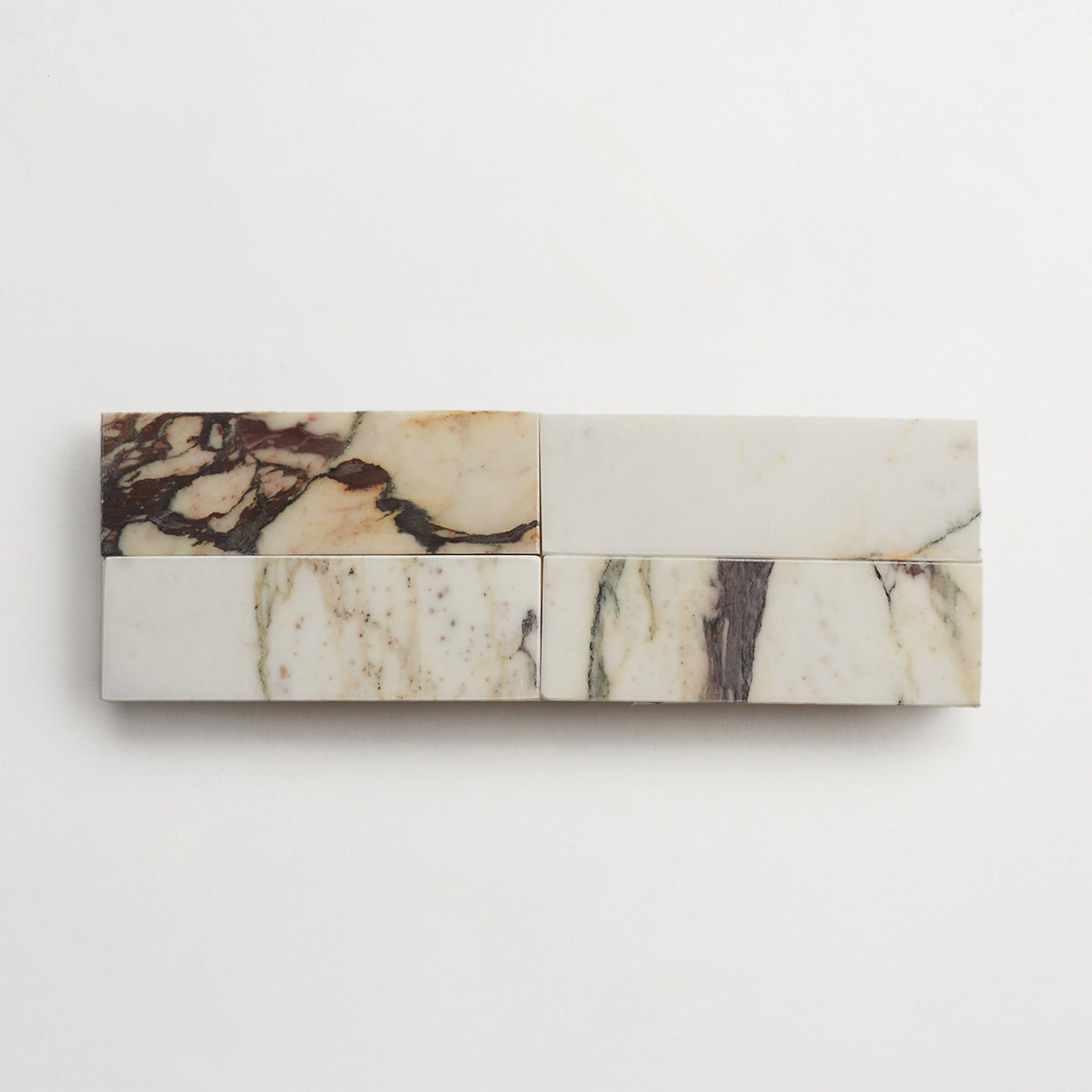
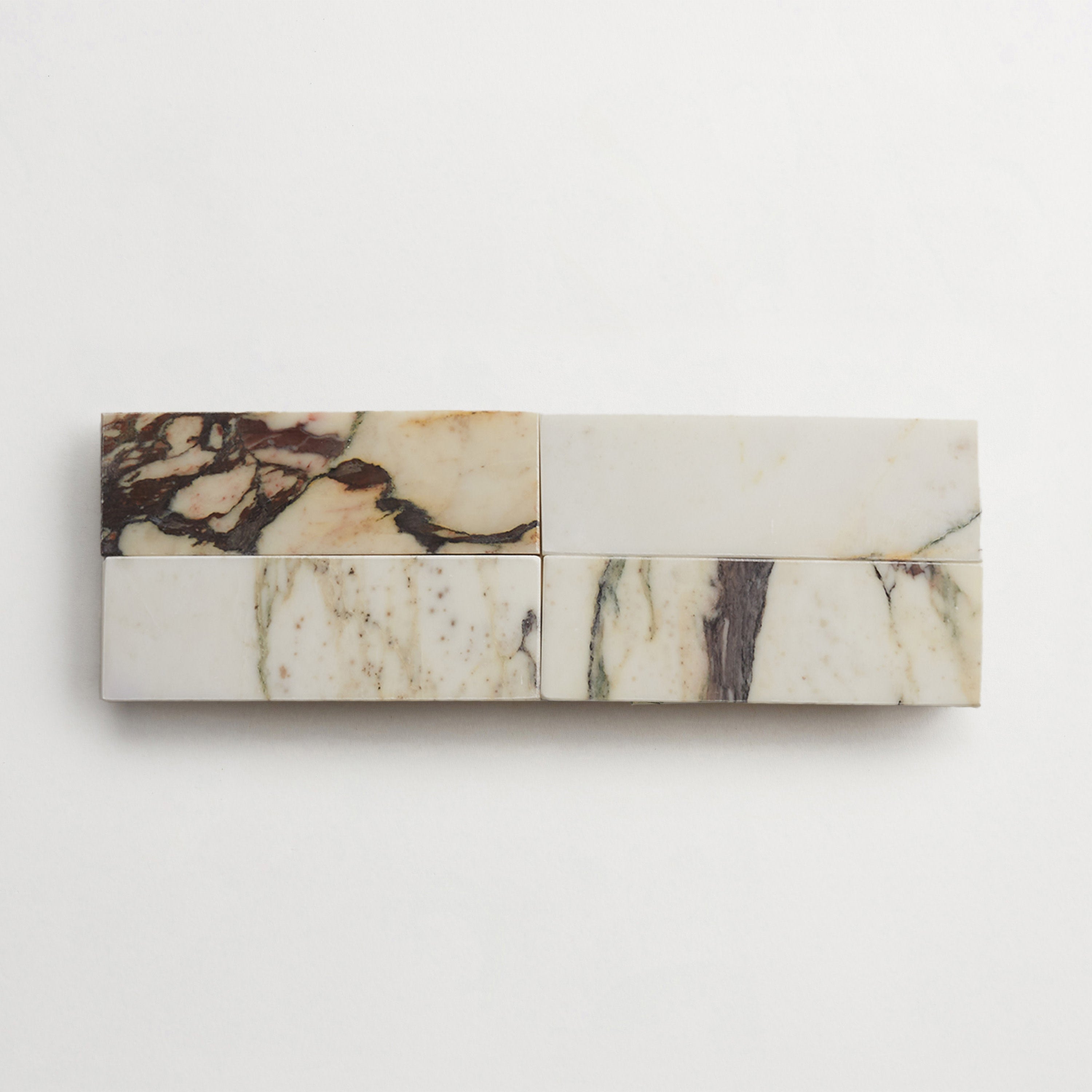
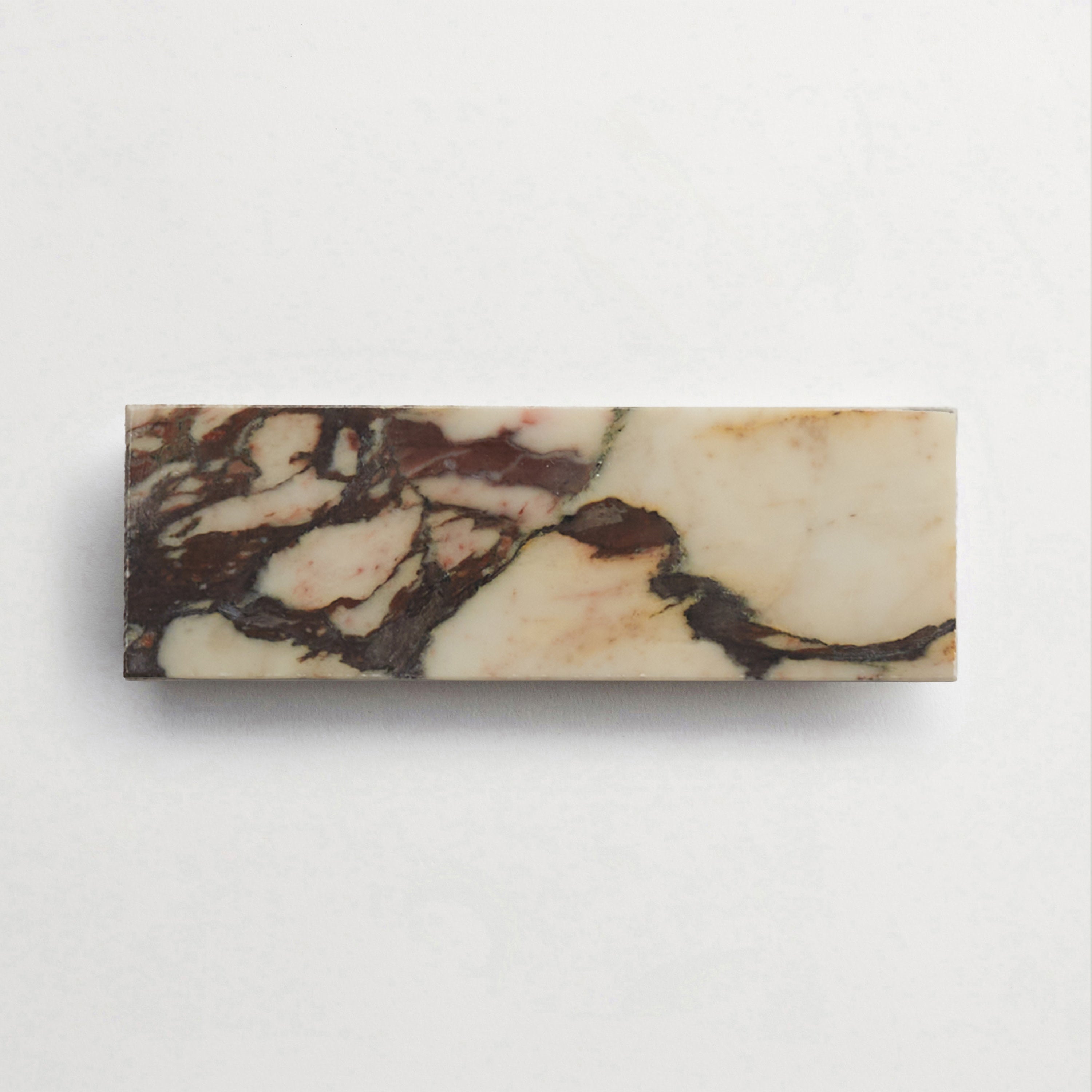
Calacatta Viola
Collection
-
lapidary
:
Sub Collection
-
le Disque
Material
Length
-
8
" x
Width
-
8
" x
Thickness
-
⅞
"
Unit of Measurement
-
sqft
/
Price per Unit
$


Colorway
-
Sand
Collection
-
Pemberley Pavers
:
Sub Collection
-
le Disque
Material
Length
-
4
" x
Width
-
4
" x
Thickness
-
¼
"
Unit of Measurement
-
sqft
/
Price per Unit
$


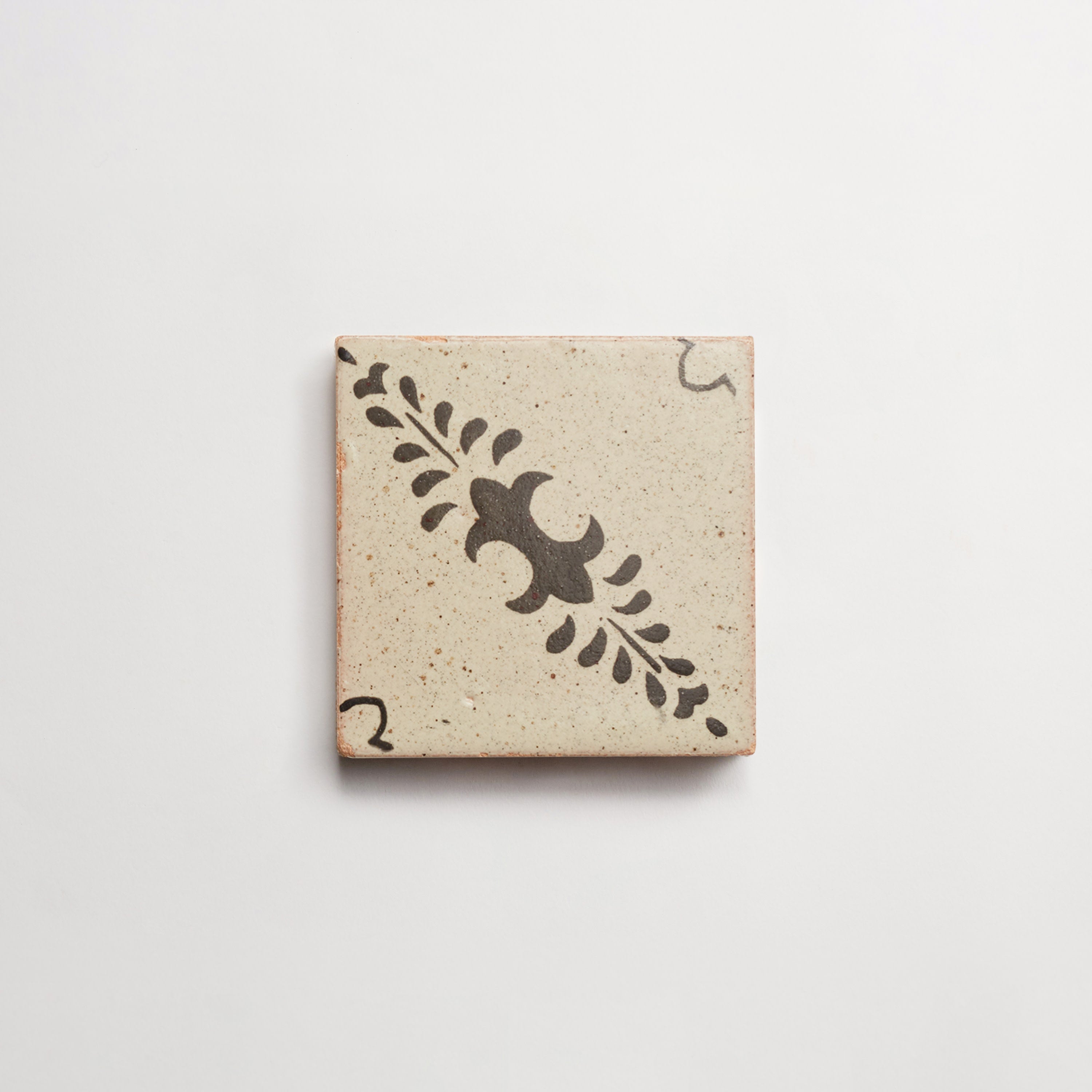

Colorway
-
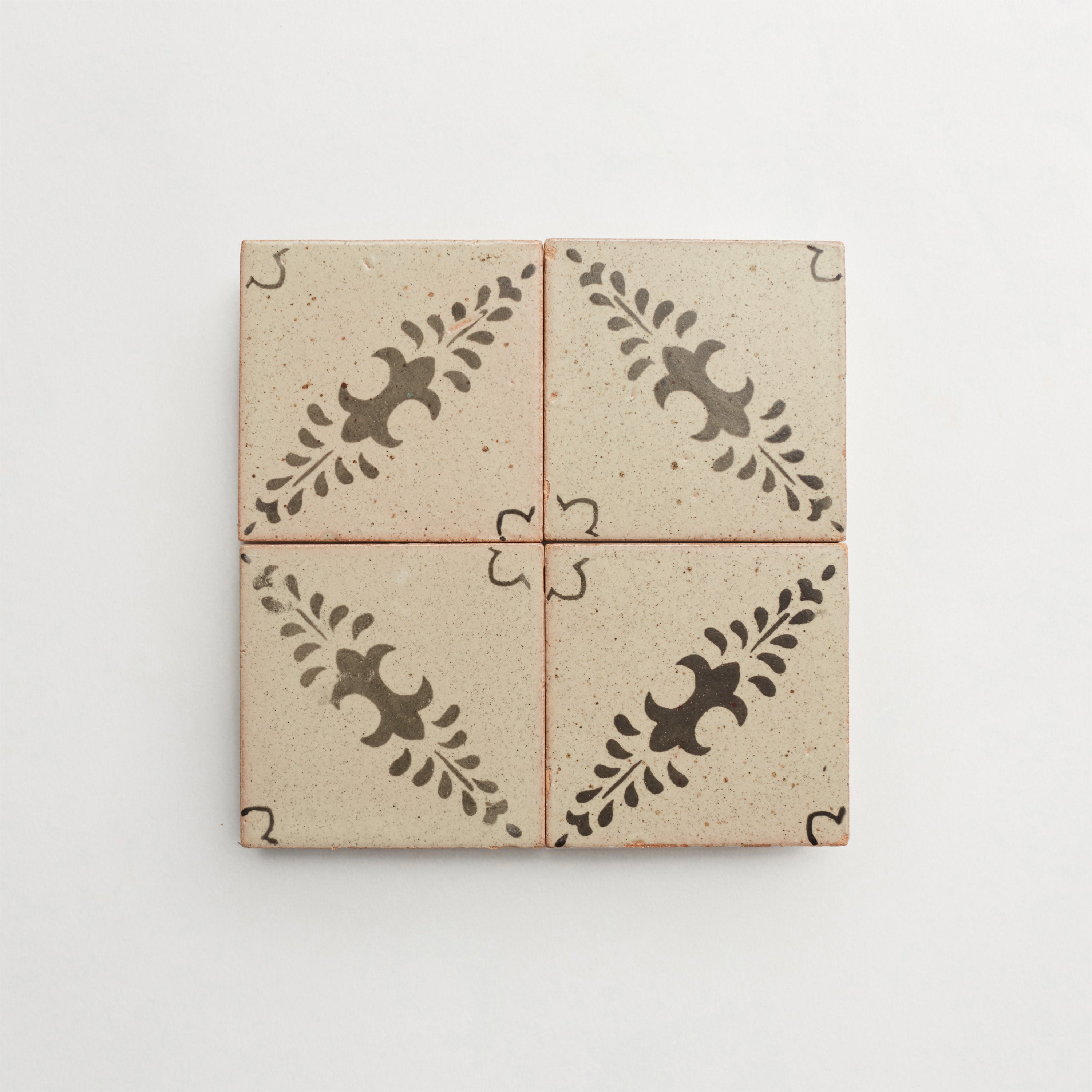
Brun + Barcelos Black
Collection
-
Eastern Expression
:
Sub Collection
-
Henna
Material
Length
-
4
" x
Width
-
16
" x
Thickness
-
¾
"
Unit of Measurement
-
sqft
/
Price per Unit
$