

8 Captivating Pool Color Ideas for 2026 (That Are Designer-Approved)
Pool design has come a long way from its purely functional roots. Today, a pool is often the visual anchor of the entire backyard — a space where architecture, landscape, and materiality converge. Yet many projects still default to familiar choices, especially the assumption that blue is best. While blue can be beautiful, it’s far from the only option.
In reality, swimming pool colors are shaped by much more than pigment alone. Tile material, finish, texture, depth, and light all work together to influence how water actually appears once the pool is filled. This article challenges the idea of a one-size-fits-all pool color idea and replaces it with a more nuanced, design-led approach.
Ahead, we’ll explore eight modern pool colors that designers are gravitating toward in 2026 — and explain how each one behaves in real conditions. The goal is simple: to help you choose pool tiling that aligns with your project, not just inspiration images.


8 Pool Color Ideas That Transform with Light, Texture & Tile
Choosing a pool color is less about picking a swatch and more about understanding how surfaces interact with water and light. Designers increasingly look at pools as layered compositions — tile, finish, surroundings, and sun exposure all matter. The ideas below reflect that thinking, offering the best pool tile colors that evolve throughout the day and feel intentional within the larger outdoor design.
As you read, consider not only the hue itself, but how that hue will live alongside any deck materials, plantings, and architecture. When viewed in this way, pool step tile ideas and overall pool tiling decisions become part of a cohesive design language rather than an afterthought.
1. Deep Blue Tiles for a Reflective, Resort-Inspired Look
Deep blue tiles remain a favorite for a reason. Rich navy, indigo, and cobalt tones amplify reflections, creating a luxurious, resort-inspired surface that feels both familiar and elevated. Blue naturally signals cleanliness and calm, which is why it has long been associated with pools.
What’s changing is the depth of color designers now prefer. Darker blues absorb more light, giving the water a jewel-like quality rather than a flat, painted look. These tones also photograph beautifully, reflecting sky and architecture with clarity. Deep blue pool tiling works especially well in geometric pools where clean lines enhance the mirror effect. It’s also a solid choice for projects that want a timeless feel without feeling dated.
Overall, this look is best for modern homes, luxury rentals, formal backyards, and pools with strong architectural symmetry. For saltwater systems, dense porcelain options in deep blue are among some of the best tile for saltwater pool applications due to their durability and color stability.
2. Warm Earth Tones for a Mediterranean-Inspired Feel
Warm earth tones are gaining momentum as designers look beyond traditional swimming pool colors. Shades inspired by clay, sandstone, and muted rust transform water into a sun-warmed, green-tinged blue that feels organic rather than chlorinated. These tones interact beautifully with golden-hour light, when the water takes on a luminous, almost coastal glow.
Earth-toned pool tiling pairs naturally with plaster, limestone, and terracotta-adjacent materials, making it an excellent choice for Mediterranean or desert-inspired projects. We also love it for courtyard pools, homes with warm stone or stucco, and landscapes designed for dusk and evening use. The result feels relaxed and grounded, as if the pool has always belonged to the landscape.
Rather than reading overtly “blue,” the water in these pools reflects its surroundings, picking up warmth from decks and walls. This makes earth tones a perfect choice for designers aiming for subtlety and cohesion. They’re also among the best pool tile colors for clients who want something distinctive but not trendy.

3. Soft White or Cream Cement for a Crisp Aqua Effect
While cement is best reserved for the pool deck, using white and cream tile in the pool area creates some of the most striking transformations once water is introduced. On dry land, these surfaces appear neutral and understated. Filled with water, they produce a crisp aqua tone that feels clean, airy, and refreshing.
The finish of the pool tile plays a major role here: polished surfaces reflect light more intensely, while honed finishes diffuse it, resulting in a softer, milkier blue. These finishes work beautifully with neutral hardscaping and desert landscapes, where brightness helps balance intense sun. They also complement both linear and freeform pool shapes, making them versatile across design styles.
While white finishes can show wear more easily, pairing them with thoughtfully selected pool step tiles helps define edges and improve longevity. Whether used for minimalist homes, desert climates, sun-drenched backyards, or pools designed for daytime use, light pool surfaces remain among the best pool tile colors for modern yet timeless projects.
4. Cool Gray Stone for a Moody, Modern Look
Stone is also best reserved for the pool deck, but using cool gray stone-inspired tile introduces a moody sophistication that feels distinctly modern. Mid- to dark-gray tiles deepen water color, often producing a slate-blue appearance that shifts dramatically with weather and time of day. Under bright sun, the water can look crisp and architectural; under overcast skies, it turns reflective and atmospheric.
This versatility makes gray a favorite for contemporary projects that prioritize material contrast. Gray pool tiling works seamlessly with concrete decks, blackened steel, and restrained planting palettes. Unlike stark white or deep black, gray offers a middle ground — it’s dramatic without being overpowering. It also hides minor wear better than lighter finishes, which appeals to long-term maintenance considerations.
Many designers consider gray stone among the best tile for pool decks, creating continuity between the deck and waterline for a cohesive visual experience. We love this color for modern architecture, urban settings, high-contrast material palettes, and clients drawn to understated drama.
5. Green Tiles for a Lush, Natural Oasis
Green pool tiles have reemerged as designers seek more nature-forward swimming pool colors. Soft sage, olive, and celadon tones create muted green-blue water reminiscent of lagoons or natural springs. Rather than feeling artificial, these colors blur the line between built and natural environments.
Green tiles perform best when surrounded by trees, gardens, or layered planting, as reflections intensify the organic effect. The result feels immersive and calming, encouraging slower, more intentional use of the space. Green pool tiling also pairs beautifully with stone decks and wood accents, reinforcing a sense of retreat.
While bold greens can feel thematic, muted tones strike a balance that feels sophisticated and timeless. For garden-centric landscapes, properties with mature trees, eco-inspired designs, and retreat-style pools, green remains one of the best pool tile colors available.


6. Dark Charcoal or Black Tiles for a Mirror-Like Effect
Charcoal and black pool tiles create some of the most dramatic pool surfaces available. These dark tones absorb light, resulting in inky blue or near-black water that acts like a mirror. Reflections of architecture, sky, and landscape become the focal point, lending a sense of visual stillness and luxury.
Contrary to common concerns, dark pools can be stunning in both sun and shade, as the water surface remains dynamic even in low light. Precision is key here — clean lines and high-quality materials are essential to avoid a heavy or unbalanced look. Dark pool tiling is also surprisingly forgiving, concealing debris and surface imperfections better than lighter finishes.
When paired with lighter deck materials, these tiles create striking contrast and are often among the best tile for pool areas in contemporary projects. Look to this hue when planning high-design residences, minimalist landscapes, reflective architecture, and statement pools.
7. Soft Neutrals for Timeless, Tranquil Waters
Soft neutrals offer a calming alternative for clients who want balance above all else. Light beige, taupe, and warm gray tiles produce muted blue-green water that feels neither too cool nor too warm. These tones are especially appealing for projects seeking longevity, as they resist trends and integrate easily with evolving landscapes.
Neutral pool tiling adapts well to different lighting conditions, maintaining a consistent appearance throughout the day. It also complements a wide range of materials, from travertine to concrete to wood.
Designers often turn to neutrals when working with mixed-use outdoor spaces, where the pool should enhance rather than dominate. As a result, soft neutrals consistently rank among the best pool tile colors for versatile, design-forward projects. Neutrals are also great for family pools, multi-functional backyards, transitional design styles, and clients prioritizing timeless appeal.
8. Patterned or Mosaic Tiles for Dimensional Color Effects
Patterned and mosaic tiles introduce depth and movement that single-tone finishes can’t replicate. By mixing blues, greens, or earth tones, these tiles create multi-tonal water effects that shift as light moves across the surface. Patterns refract sunlight differently, adding visual texture and dynamism to the pool.
Mosaic pool tiling is especially effective on steps, benches, and waterlines, where close-up detail matters. These areas benefit from both aesthetic interest and improved visibility, making patterned pool step tile ideas both beautiful and functional. While mosaics require careful planning to avoid visual clutter, thoughtful palettes feel intentional and artisanal.
When used strategically, multicolored mosaic pool tiles become a focal point without overwhelming the design. They’re an excellent choice for projects seeking personality and craftsmanship in their swimming pool colors. A few examples: feature pools, artistic landscapes, custom residences, and designs emphasizing detail and craftsmanship.

How Surroundings and Lighting Affect Pool Water Color
Even the best pool tile colors don’t exist in isolation. Surroundings and lighting dramatically influence how water reads once a pool is complete. Understanding these factors helps designers, architects, and homeowners make more confident, informed choices.
Sunlight vs Shade
Direct sunlight intensifies water color, especially on light tiles like white glass or porcelain mosaics. These surfaces reflect light upward, making water appear brighter and more saturated. In shaded pools or during late afternoon, water often appears cooler or darker regardless of tile tone. This is why pools surrounded by walls or trees can read differently than expected. Considering daily sun patterns is essential when evaluating pool color ideas.
Water Depth and Shape
Depth plays a significant role in color perception. Deeper areas naturally appear richer and darker, while shallow ledges look brighter and clearer, even with identical tile. Pool shape matters too. Curved forms scatter light softly, while linear pools reflect it more sharply, changing how color is perceived across the surface.
Surrounding Deck Materials and Landscape
Deck colors reflect directly into the water. Travertine or limestone decks visually warm a pool’s tone, while concrete or dark stone cool it down. Greenery, walls, and nearby structures also influence reflection, subtly shifting swimming pool colors throughout the day.
Choose Color with Intention, Not Just Inspiration
The most successful pools aren’t defined by a single color choice, but by how tile, material, finish, and environment work together. Whether you’re drawn to deep blues, earthy neutrals, or dramatic charcoals, understanding how pool tiling behaves in real conditions leads to better outcomes.
Consider how your project will be used, how light moves through the space, and how surrounding materials interact with water. When chosen thoughtfully, the right tile becomes an extension of the architecture and landscape — not just a surface beneath the water.
Explore our curated collections to find options that are among the best tile for pool decks and pool applications, along with truly elevated pool color ideas designed to last.
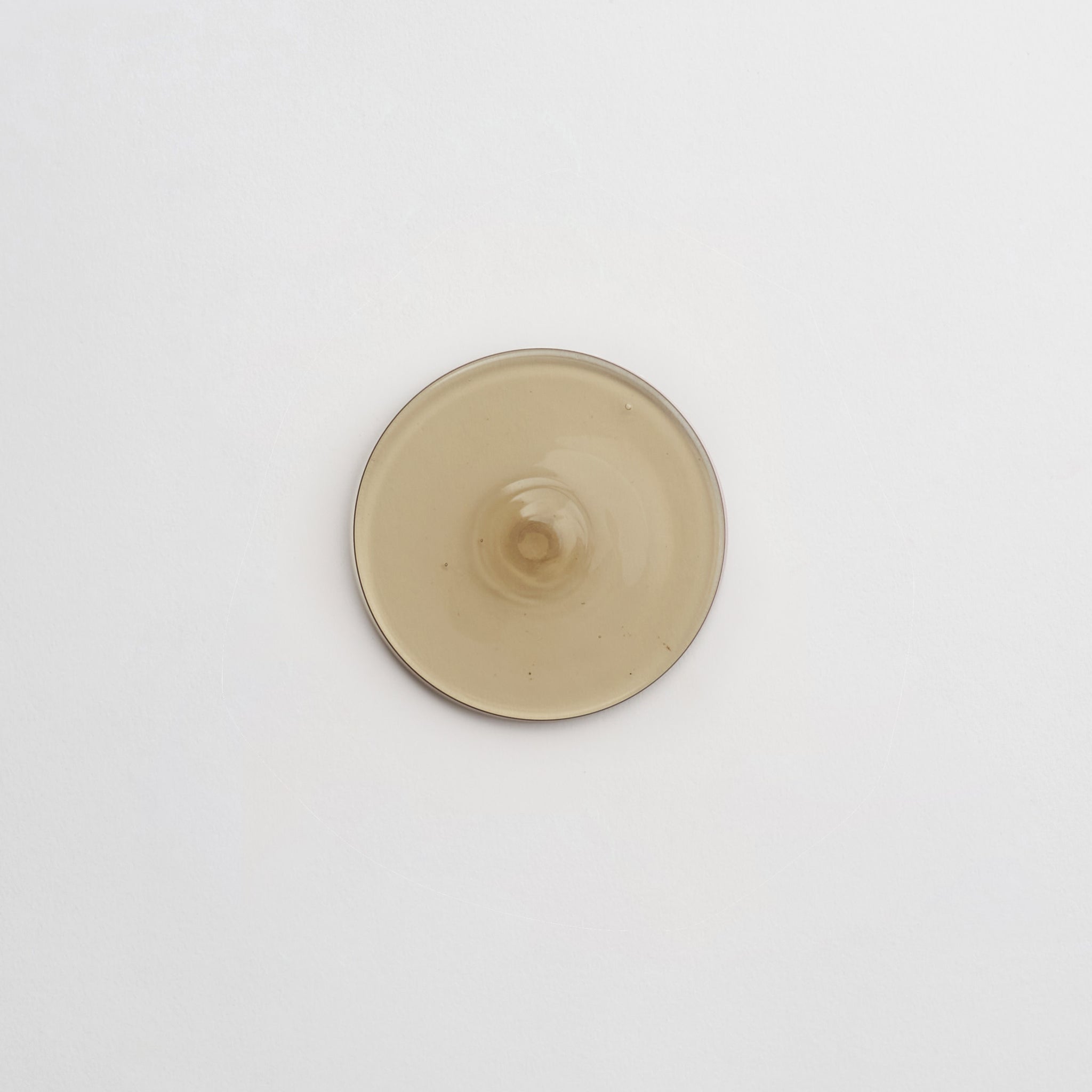
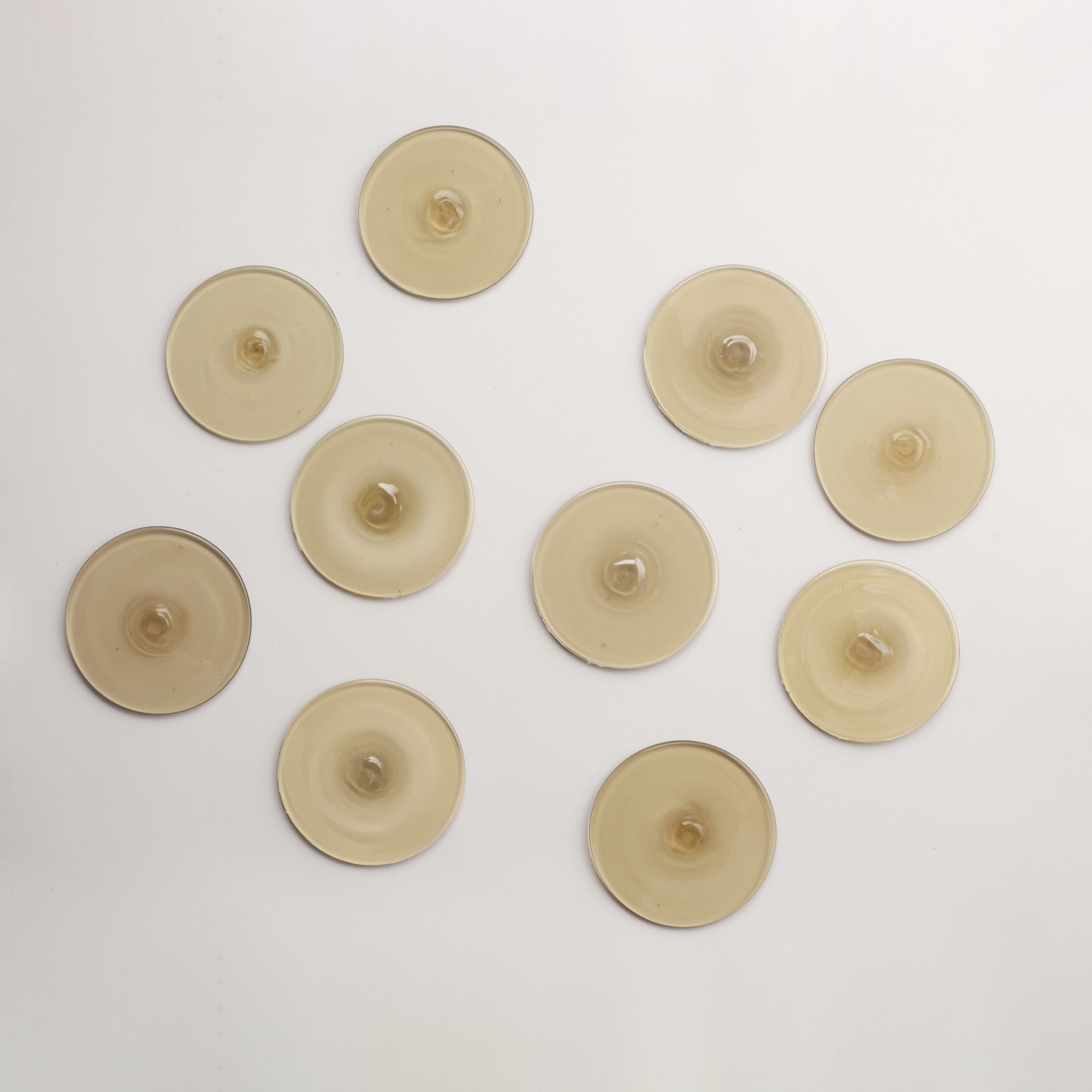
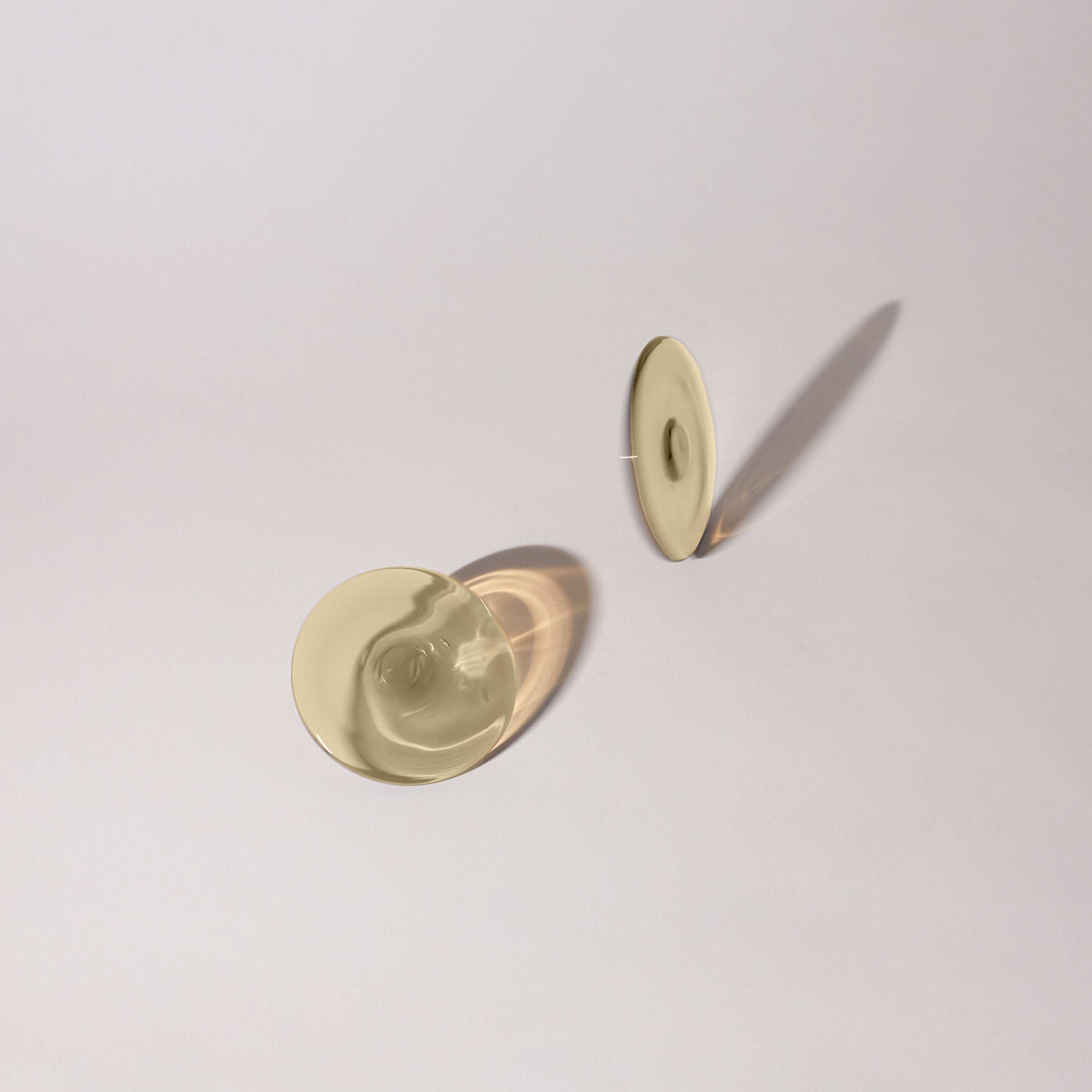
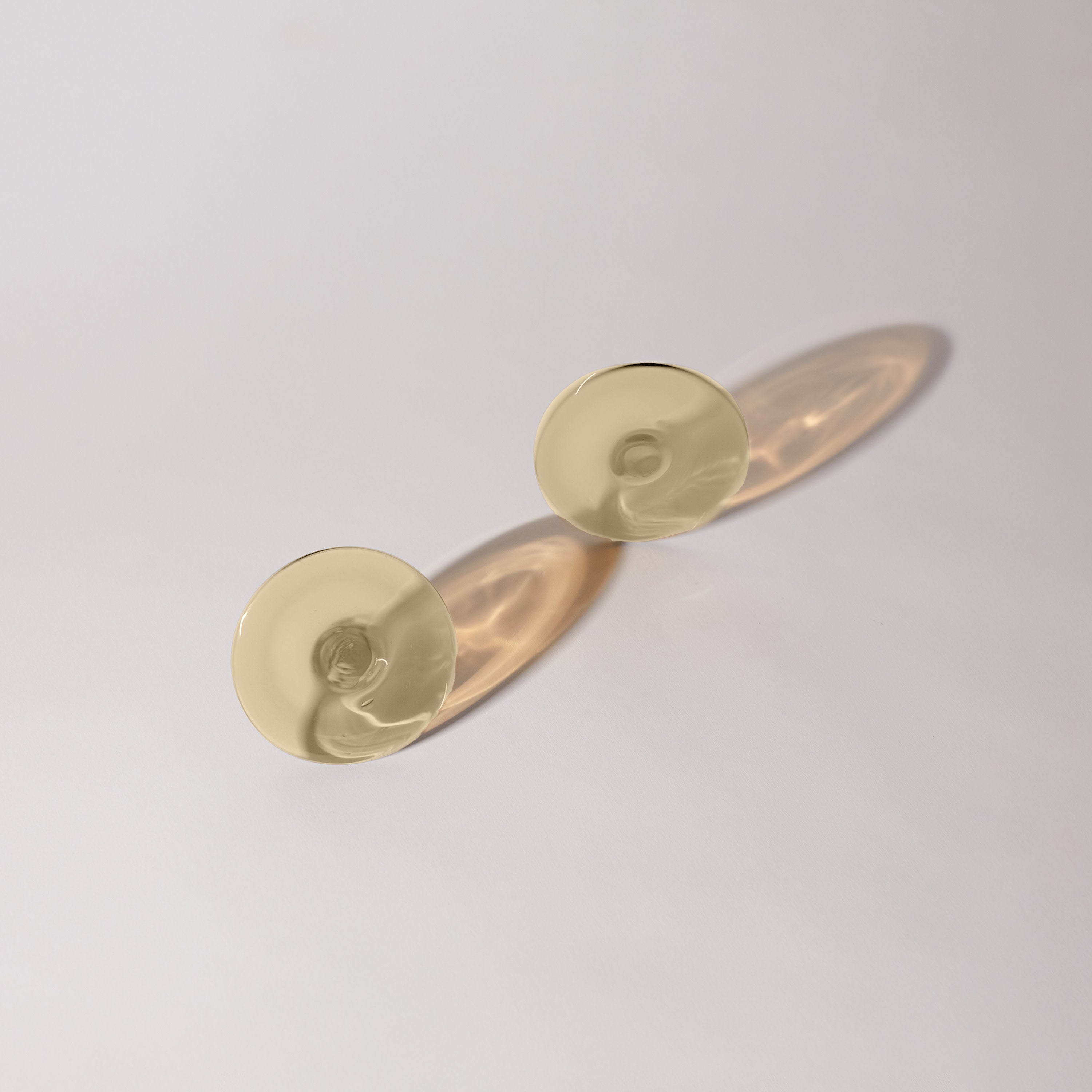
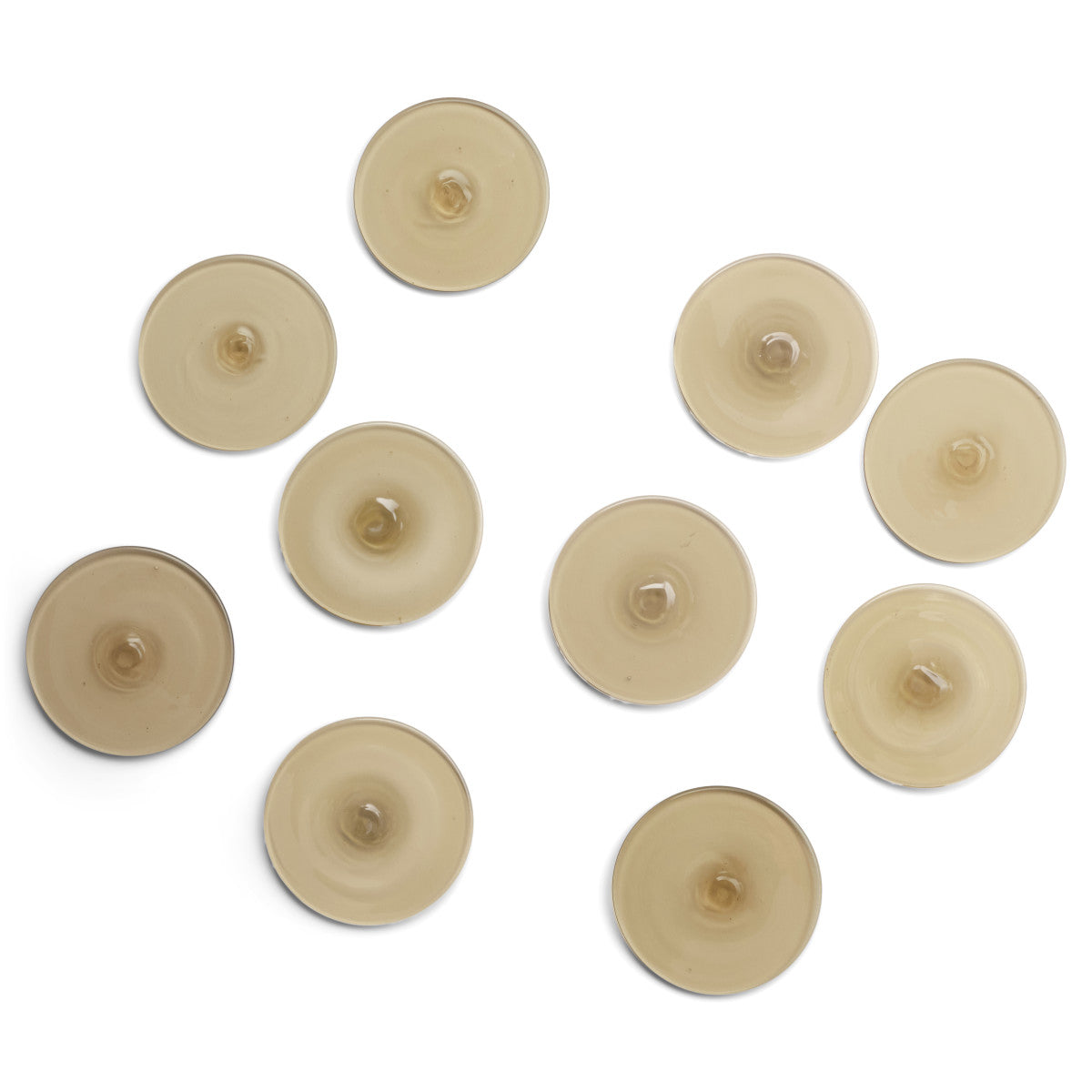
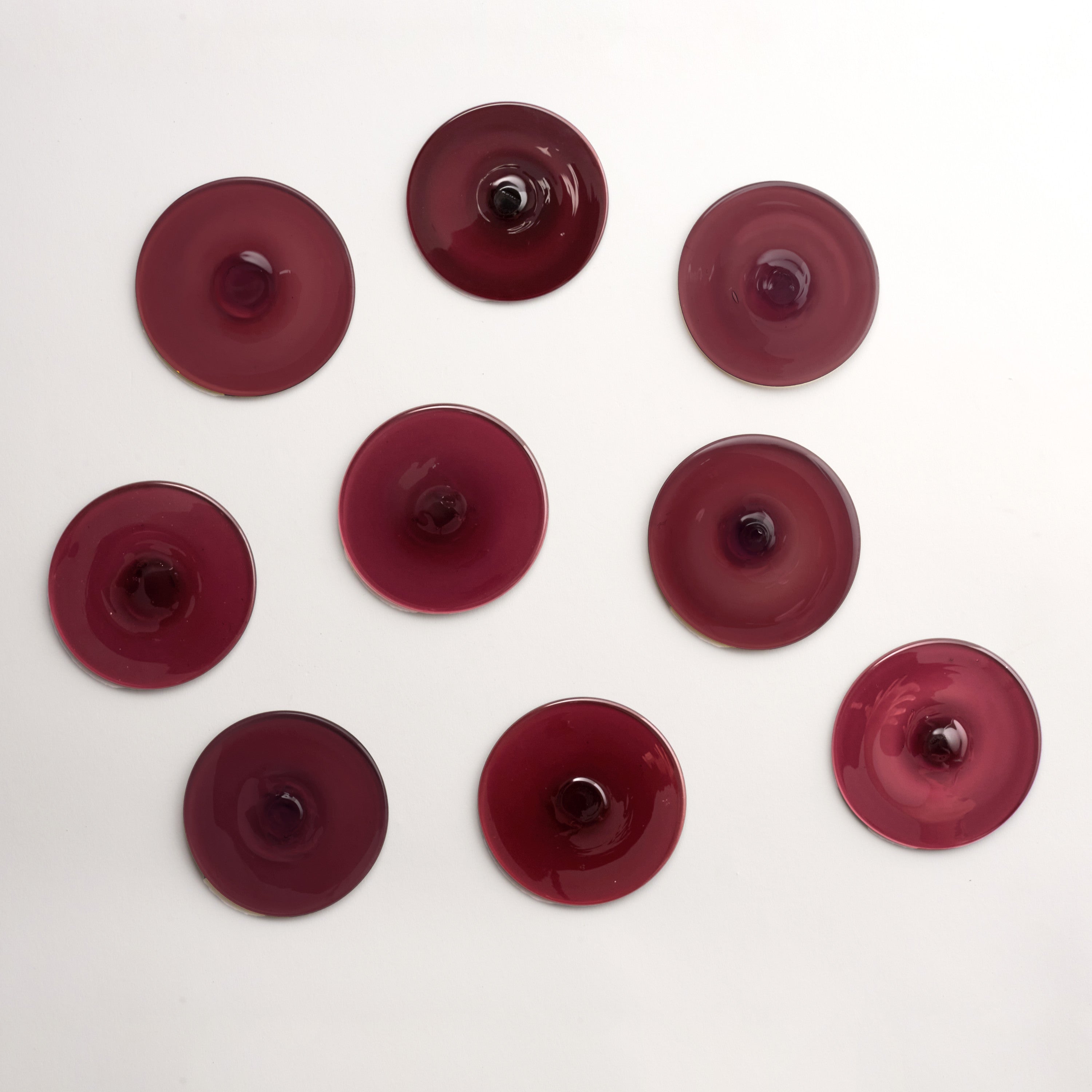
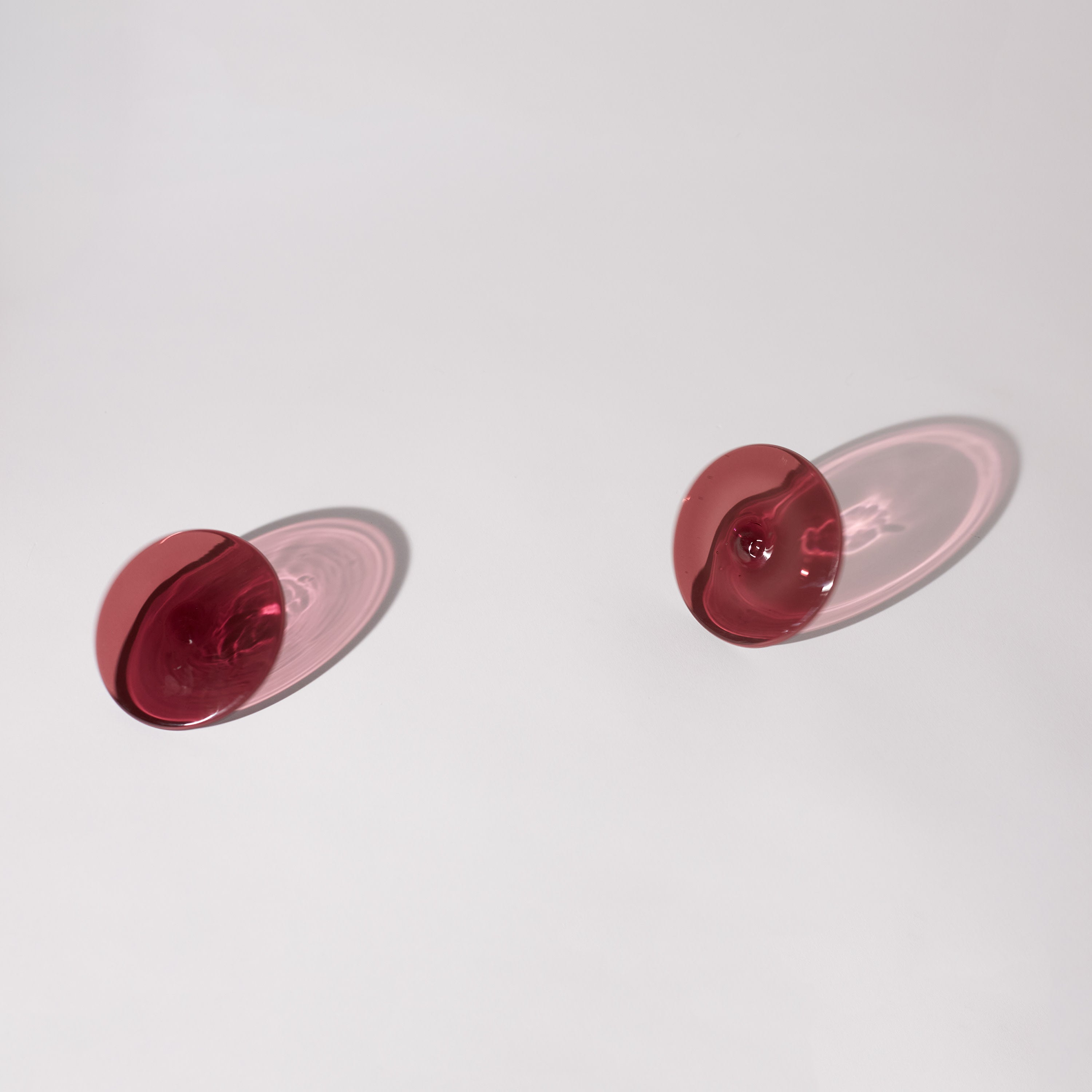
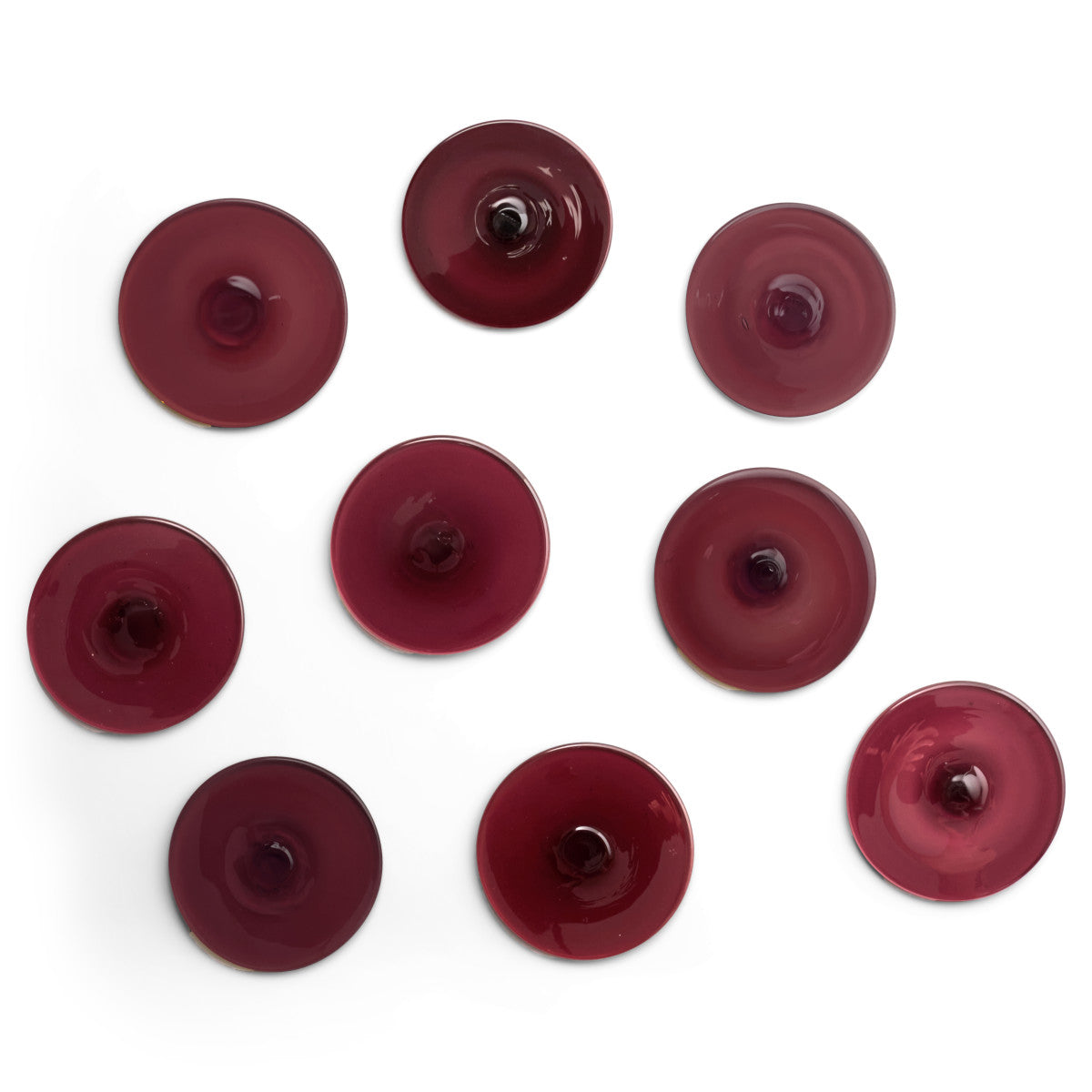
Colorway
-
Agave
Collection
-
1970s GlassWorks
:
Sub Collection
-
le Disque
Material
Length
-
4
" x
Width
-
4
" x
Thickness
-
¼
"
Unit of Measurement
-
sqft
/
Price per Unit
$
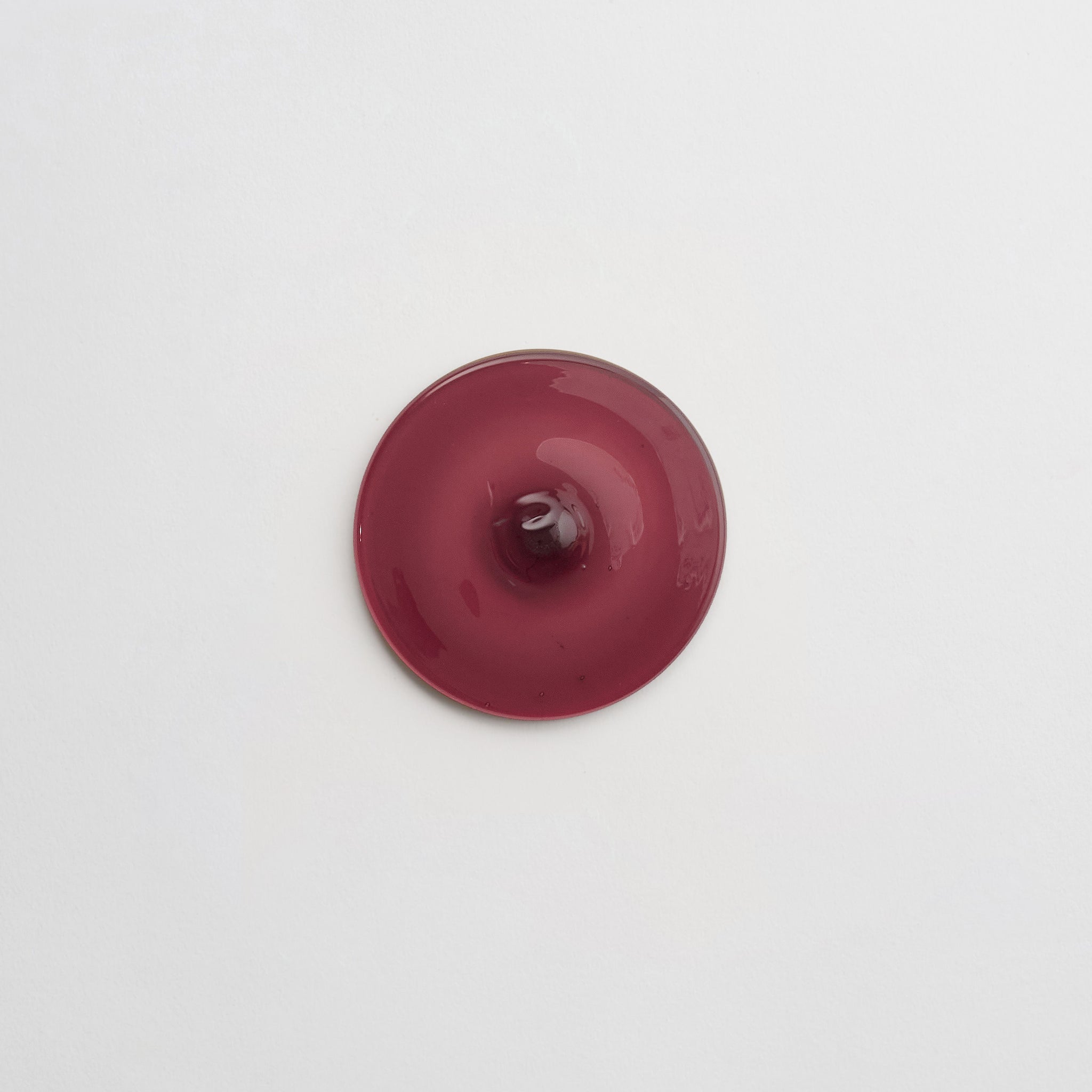
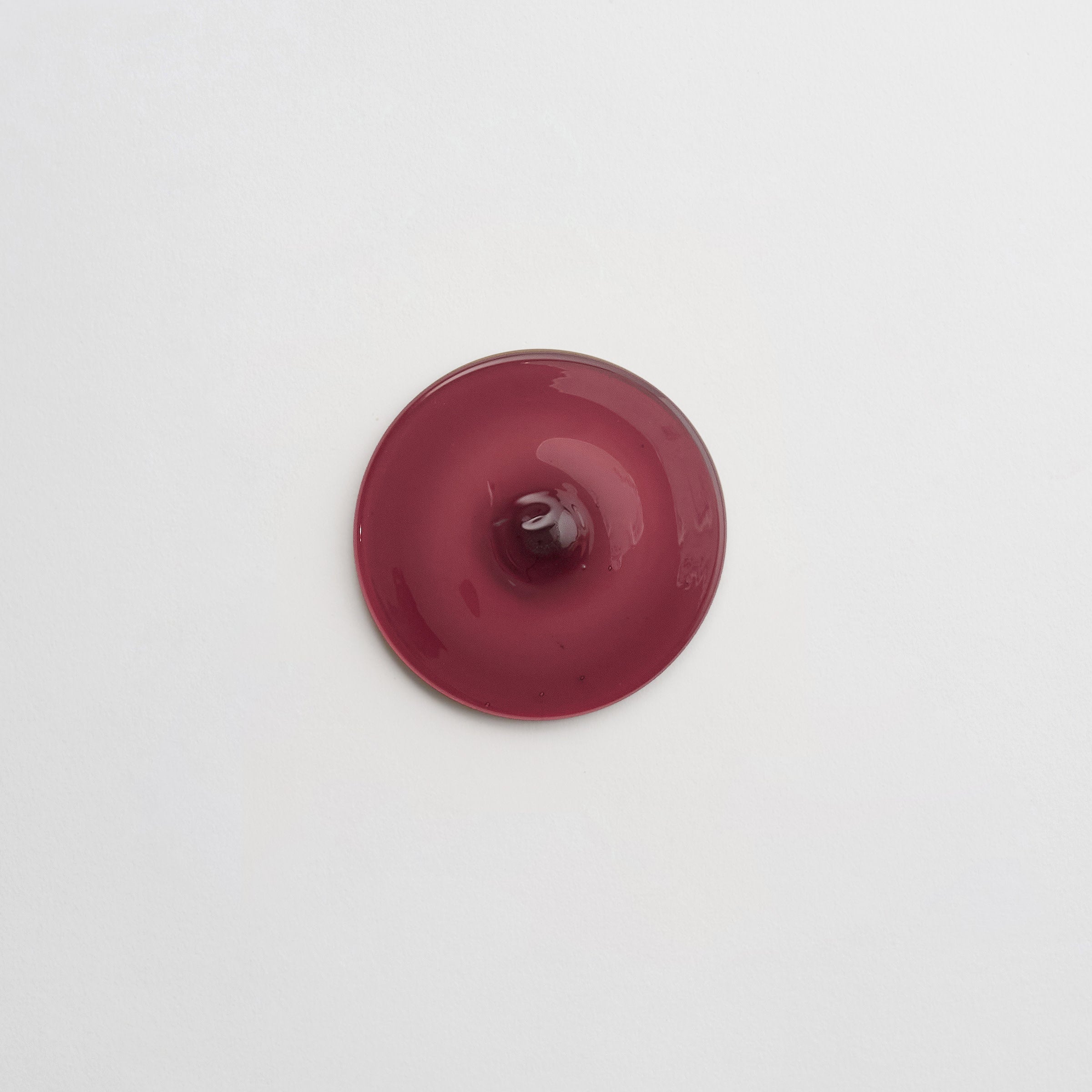
Colorway
-
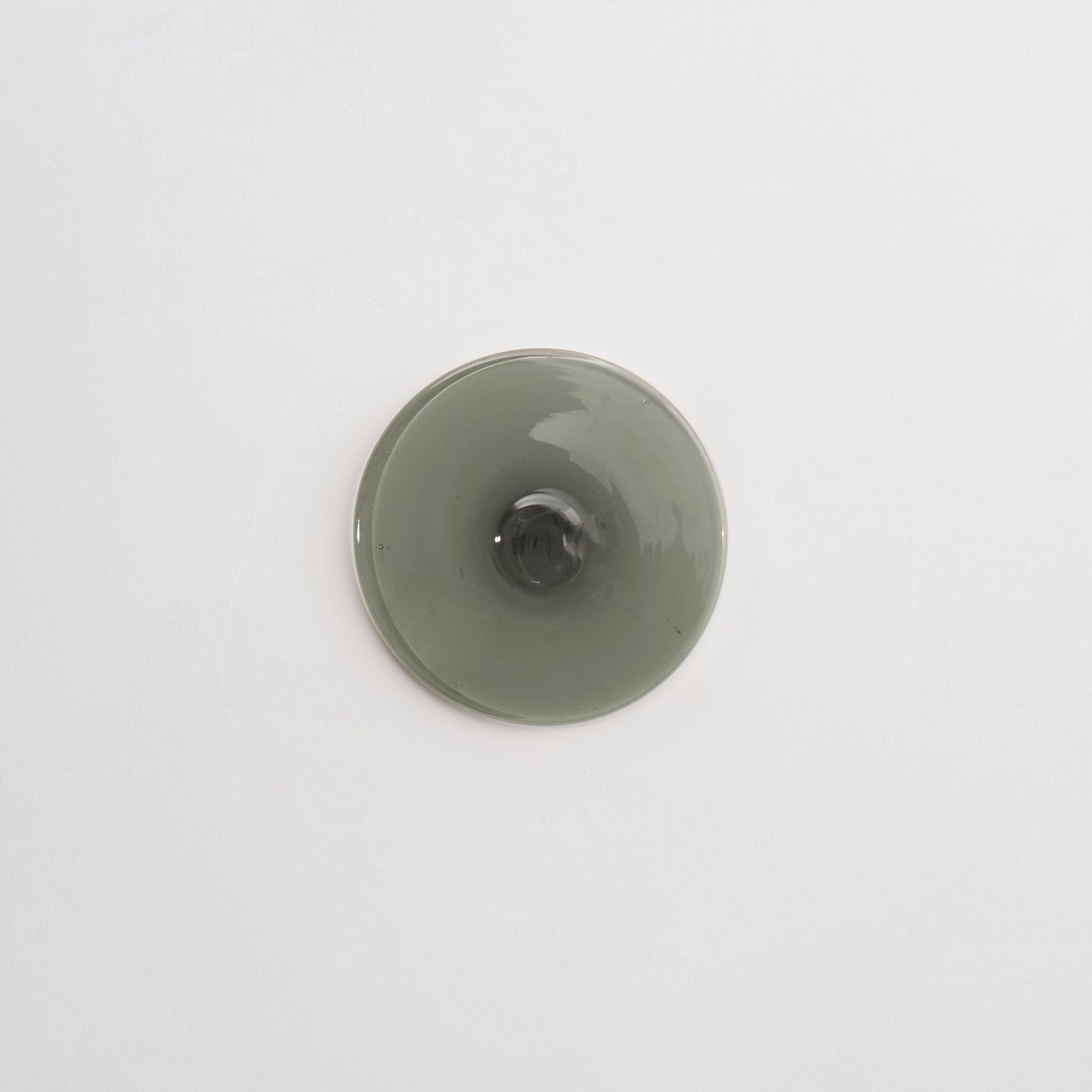
Chambord
Collection
-
1970s GlassWorks
:
Sub Collection
-
le Disque
Material
Length
-
8
" x
Width
-
8
" x
Thickness
-
⅞
"
Unit of Measurement
-
sqft
/
Price per Unit
$
Colorway
-
Last Call
Collection
-
1970s GlassWorks
:
Sub Collection
-
le Disque
Material
Length
-
4
" x
Width
-
16
" x
Thickness
-
¾
"
Unit of Measurement
-
sqft
/
Price per Unit
$