

Eastern Expression: Tempera, Ginger Flower, 2x6" Baguette
Saltillo Tile vs Terracotta: Choosing Clay for the Outdoors
There is something timeless about sun-baked clay underfoot. Its warm, earthy tones bring to mind Mediterranean courtyards, Mexican haciendas, and garden paths that have welcomed generations. Shaped from the same earth and transformed by fire, clay tiles carry a sense of place that few materials can replicate.
When comparing Saltillo tile vs terracotta, however, things get a little complicated. Saltillo is a regional expression of the broader terracotta tradition. A more useful question is how each tile is formed, fired, finished, and prepared for the environment where it will live.

Terracotta tile in Rosarito, Baja California, Mexico. Photo courtesy of Jon Matthews.

Saltillo tile in Huamantla, Tlaxcala, Mexico. Photo courtesy of Roberto Carlos Román Don.

Terracotta stair riser tile. Photo courtesy of Roberto Carlos Román Don.
The Clay Tradition at a Glance
- Is Saltillo tile terracotta? Yes. Saltillo is a distinctive regional variety of terracotta, traditionally handmade in Saltillo, Coahuila, Mexico.
- What sets them apart? Saltillo typically has a rustic, hand-formed appearance, while terracotta encompasses clay tiles made across many regions and traditions.
- How do they compare outdoors? Both can bring warmth and texture to exterior spaces, but their suitability depends on porosity, firing, sealing, and climate ratings.
- Can either be used in an outdoor shower? Potentially, but unglazed clay requires careful consideration of water exposure, waterproofing, and maintenance.
- Which is better for a patio? Either can be an excellent choice when the specific tile is rated for its intended application.
- What about cold climates? Freeze-thaw performance varies by product. Always confirm the manufacturer’s specifications before selecting clay for an exposed installation.
One Clay Tradition, Two Names
To understand Saltillo tile vs terracotta, start with the relationship between the two. Terracotta, meaning baked earth, describes a broad family of ceramic materials made from natural clay. Saltillo is a more specific expression of that tradition, named for the Mexican city where its distinctive style originated.
In everyday conversation, terracotta often describes a wider range of clay tiles, including refined, glazed, and handcrafted varieties. Saltillo refers to rustic, handmade Mexican floor tiles, recognizable for their irregular shapes, warm colors, and natural imperfections.
Where Saltillo Comes From
Saltillo tile takes its name from Saltillo, the capital of Coahuila in northeastern Mexico. The region’s traditional clay flooring reflects a long-standing craft of shaping local earth into practical, beautiful surfaces for homes and courtyards. Historic Mexican architecture offers a particularly rich setting for these floors, where handmade clay brings warmth to both interior rooms and open-air gathering spaces.
Traditional Saltillo tiles are formed by hand, dried, and fired, with natural variations emerging throughout the process. Some retain impressions and irregularities that reveal the maker’s touch. Today, Saltillo-style tiles are also produced elsewhere, although the name remains closely associated with the original regional tradition.
How Terracotta Is Made Across Traditions
Terracotta is not one standardized product. Across Mediterranean, Mexican, and other global traditions, artisans work with different clay bodies, forming methods, firing temperatures, and finishes. Some tiles are shaped by hand, while others are pressed or formed using more controlled techniques. These decisions influence density, porosity, color, and surface character.
Saltillo is generally associated with relatively rustic, porous, hand-formed clay. Other terracotta varieties may be denser, more refined, or glazed for different applications. Our handcrafted terracotta celebrates this broader tradition, bringing artisan techniques and distinctive finishes into contemporary outdoor design.

Reading the Surface: Color, Variation, and Finish
One of clay’s greatest design strengths is its individuality. Unlike manufactured surfaces with highly consistent coloration, handmade terracotta carries the subtle variations of its raw material and production process. Differences in firing, clay composition, and finishing create depth that makes an installation feel connected to the earth.
These variations are not defects to be corrected. They’re part of the material’s appeal, giving each project a character that becomes even more compelling as the surface develops a natural patina.
The Beauty of Natural Variation
Terracotta can move between golden ochre, warm orange, russet, and deep red, sometimes within a single installation. Saltillo is particularly known for its varied tones and occasional darker markings created during firing. Handmade edges, slight differences in thickness, and gentle surface irregularities add another layer of visual interest.
For designers, these qualities offer an opportunity to create a floor that feels collected rather than manufactured. Sampling several tiles together is essential to understanding the overall palette, especially when working with a variety of colors. The resulting surface can complement everything from lush garden planting to weathered stone and architectural stucco.
How Finish Changes the Tone
A tile’s finish can transform how its color and texture read. Natural, unglazed clay tends to have a soft, earthy appearance, while sealing might deepen its color and introduce a subtle sheen. Matte finishes preserve a more understated character, satin finishes reflect a little more light, and gloss finishes create a brighter, more polished effect.
Glazing introduces another dimension, offering different colors and surface qualities while changing how the tile interacts with moisture. The right finish depends on both the desired atmosphere and the intended application. A beautiful surface should also be appropriate for the conditions it will encounter.
Saltillo Tile vs Terracotta Outdoors: How Clay Meets the Weather
Comparing saltillo tile vs terracotta outdoor applications ultimately comes down to performance. How will exterior surfaces weather direct sunlight, rain, temperature fluctuations, and everyday foot traffic? While clay has a long history in outdoor architecture, not every tile is engineered for every climate or exposure level.
Porosity and the Role of Sealing
Natural, unglazed clay is porous, meaning water can enter its surface rather than simply running off. This absorption can contribute to staining, discoloration, and moisture-related deterioration, particularly when water remains trapped in or beneath the tile. Sealing helps reduce absorption and protects the surface, although it does not make every porous tile waterproof.
The appropriate sealer, application method, and resealing schedule depend on the tile and its environment. Experienced installers should determine the right preparation and protection system before installation. Thoughtful outdoor tile maintenance also helps preserve the appearance and integrity of handmade clay over time.
Climate, Freeze, and Thaw
In climates with freezing winters, moisture management becomes especially important. Water absorbed into a tile or trapped beneath an installation can expand when temperatures drop, placing stress on the material and potentially causing cracks or other damage.
When in doubt, confirm the manufacturer’s exterior and freeze-thaw ratings with your installer before specifying a tile, particularly in regions with significant seasonal temperature changes. A tile’s firing, water absorption, product testing, drainage, and installation all influence its exterior suitability.
Slip resistance deserves equal attention. Textured and matte surfaces can offer more traction than smooth, glossy finishes, but the actual performance should be evaluated for the intended application. Explore non-slip outdoor tiles when considering surfaces exposed to rain or standing water.
Where Each Clay Belongs in the Garden
Saltillo’s rustic character feels particularly natural in courtyard-inspired settings, informal garden paths, and covered entertaining areas. Its rich color and handmade variation pair beautifully with greenery, timber, stone, and traditional architectural details. For projects seeking a more contemporary interpretation, other terracotta varieties offer additional shapes, finishes, and color possibilities.
Our handcrafted terracotta provides another way to bring clay into outdoor living, with options that complement everything from intimate gathering spaces to expressive architectural features. Browse terracotta patio ideas for inspiration, or explore the possibilities of outdoor patio tiles when considering the broader material palette.


Eastern Expression: Tempera, Young Lychee, 2x6" Baguette. Design: Bold Builds / Photo: Blake Nelson.
Saltillo Tile vs Terracotta in the Outdoor Shower
An outdoor shower is one of the most demanding environments for clay. Unlike a patio that experiences intermittent rain, a shower receives repeated direct water exposure, mineral deposits, soaps, and frequent wet-to-dry cycles. These conditions make material selection and installation particularly important.
When considering saltillo tile vs terracotta outdoor shower applications, the question isn’t simply whether clay can withstand moisture. It’s whether the specific product and complete installation system are designed to manage that exposure.
Why Unglazed Clay Asks More in a Wet Room
Unglazed Saltillo and terracotta absorb water more readily than less porous surfaces. In an outdoor shower, this can make them vulnerable to mineral staining, discoloration, and moisture-related deterioration if they aren’t properly protected. Hard water can leave deposits that become especially noticeable on textured, absorbent surfaces.
Sealing helps, but it isn’t the only approach to consider. The shower’s substrate, drainage, slope, grout, and waterproofing membrane all need professional attention. Before specifying unglazed clay, consult the manufacturer and an experienced installer about the complete installation process and long-term maintenance requirements.
Glazed Terracotta, Ceramic, and Porcelain for the Wet Zone
For surfaces that receive frequent direct water exposure, glazed and less porous materials can offer a more practical solution. Our ceramic tiles provide an expressive range of colors, shapes, and finishes, including options suitable for shower applications. Not every collection or finish is intended for every wet-zone use, so product-specific guidance remains essential.
Standard ceramic can bring the decorative appeal of handcrafted surfaces to shower walls, while carefully selected floor tiles address the separate need for traction. Porcelain is another option worth considering where low water absorption is a priority. The best choice balances the design vision with the performance requirements of each surface.
Bringing the Warmth of Clay to the Shower Setting
Choosing a different material for the wet zone doesn’t mean sacrificing the warmth of terracotta. Instead, consider using natural clay on the surrounding patio, changing area, or covered approach, with a glazed surface handling the shower walls and floor.
This approach creates visual continuity while giving each material a role suited to its properties. The contrast between earthy clay and a more water-resistant finish can also make the shower feel like an intentional extension of the garden.
Choosing the Clay That Suits the Place
Ultimately, Saltillo and terracotta aren’t rivals. Both belong to a rich clay tradition, and either can be a perfect choice when its characteristics align with the project. Consider the local climate, degree of water exposure, and desired finish. These practical details matter more than the name on the specification sheet.
| Saltillo | Other Terracotta |
|---|---|
| Traditionally associated with Saltillo, Mexico | Made across many regional traditions |
| Rustic, hand-formed appearance | Ranges from rustic to refined |
| Naturally varied, earthy coloration | Available in different colors and finishes |
| Often relatively porous | Porosity varies by clay and firing |
| Best evaluated individually for exterior use | Best evaluated individually for exterior use |
| Typically requires sealing and attentive care | Care depends on finish and specifications |
Installation and Care That Honor the Clay
Handcrafted clay deserves an installation that respects its natural characteristics. Work with experienced tile professionals who understand exterior substrates, appropriate setting materials, drainage, movement joints, and sealing requirements. These details are especially important in climates with freezing temperatures or installations exposed to frequent moisture.

Fornace Brioni + Cristina Celestino: Righe, Fornace Brioni, Cotto Rosato. Design: Studio Delson / Photo: Jason Schmidt.
Clay That Belongs to the Place It Warms
From the courtyards of Mexico to Mediterranean-inspired terraces, clay has a remarkable ability to make an outdoor space feel grounded and welcoming. Its natural variation, tactile surfaces, and evolving patina bring a sense of history to modern projects. Whether the inspiration is traditional Saltillo or a more expressive interpretation of terracotta, the right material can make an exterior feel as though it has always belonged.
Begin your design journey with handcrafted terracotta made for the outdoors. Explore the OUTERclé terracotta collection to discover distinctive surfaces shaped by earth, craftsmanship, and fire.
Frequently Asked Questions on Saltillo and Terracotta
Can Saltillo or Terracotta Tile Be Used Around a Pool?
Potentially, yes, provided the specific product is approved for exterior poolside use. Consider water absorption, freeze-thaw resistance, surface texture, and slip resistance. Pool chemicals and frequent water exposure also affect maintenance requirements. Always confirm suitability with the manufacturer and installer before specifying clay around a pool.
Does Outdoor Terracotta Fade in the Sun?
Natural terracotta can change in appearance with prolonged sun exposure, although the degree varies by clay body, finish, glaze, and UV resistance. Some surfaces develop a softer, weathered appearance over time. If color consistency is important, review the manufacturer’s UV guidance and select a product designed for the intended exposure.
How Do You Clean Outdoor Saltillo or Terracotta Tile Without Harming the Sealer?
Begin with regular sweeping to remove abrasive dirt and debris. For routine washing, use a pH-neutral cleaner approved for the tile and its sealer, along with a soft brush or mop. Avoid acidic cleaners, harsh chemicals, and abrasive tools that could damage the finish. Partner with a professional when it’s time to reseal.
Can Terracotta Tile Be Installed Over an Existing Concrete Patio?
Yes, in some circumstances, but the concrete must be structurally sound, appropriately prepared, and suitable for the exterior tile installation system. Drainage, slope, moisture conditions, movement joints, and the tile’s weight all need consideration. An experienced installer should assess the existing patio before recommending an installation method.
Can Unglazed Terracotta Tile Be Used in an Outdoor Kitchen?
It may be suitable for certain outdoor kitchen applications, depending on the tile’s specifications and proximity to cooking, grease, spills, and water. Porous clay requires appropriate sealing and ongoing care to minimize staining. For heavily used food-preparation areas, a less porous surface may be a more practical choice.


Colorway
-
Cotto Moka
Collection
-
Fornace Brioni + Cristina Celestino
:
Sub Collection
-
Righe
Material
Length
-
4
" x
Width
-
4
" x
Thickness
-
¼
"
Unit of Measurement
-
sqft
/
Price per Unit
$
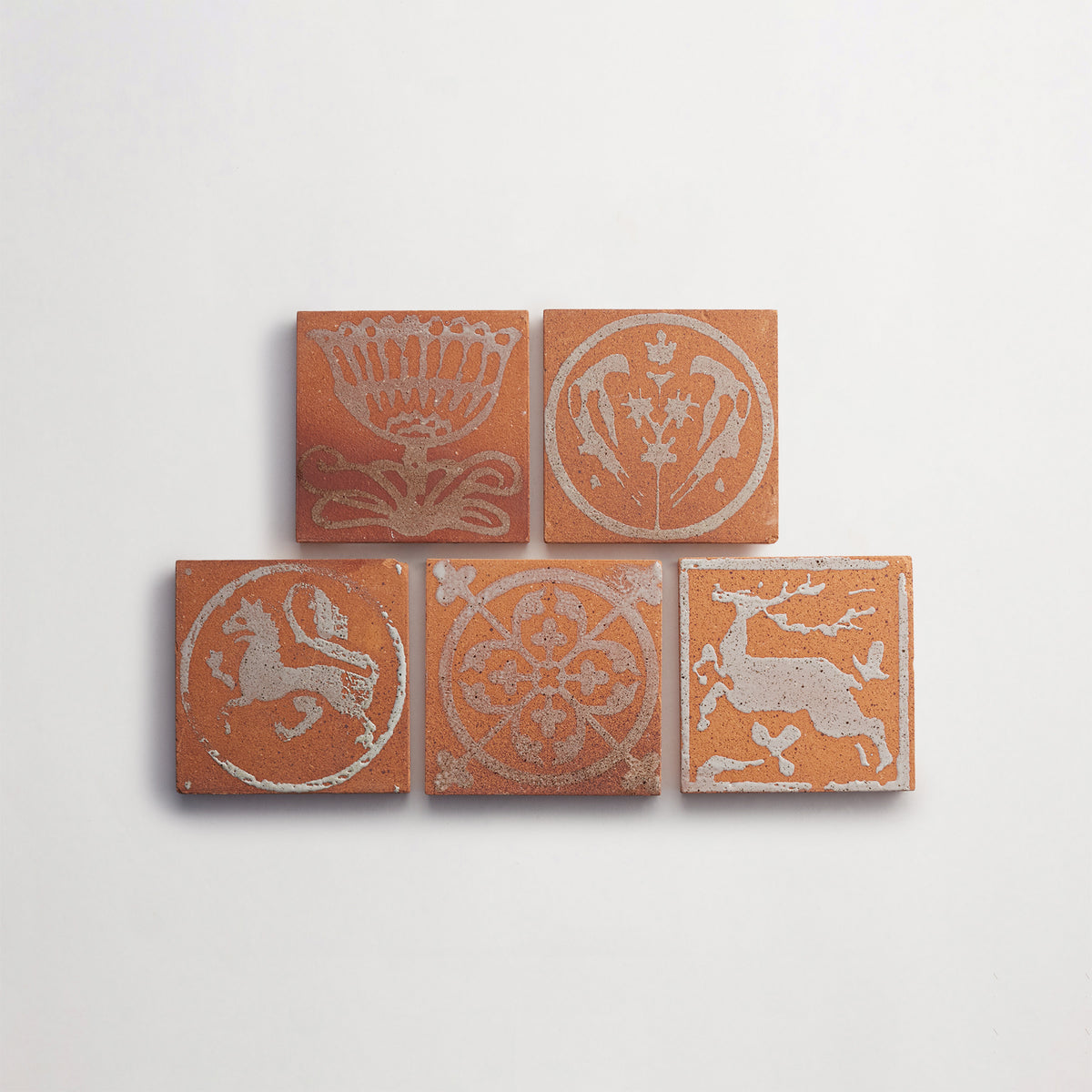
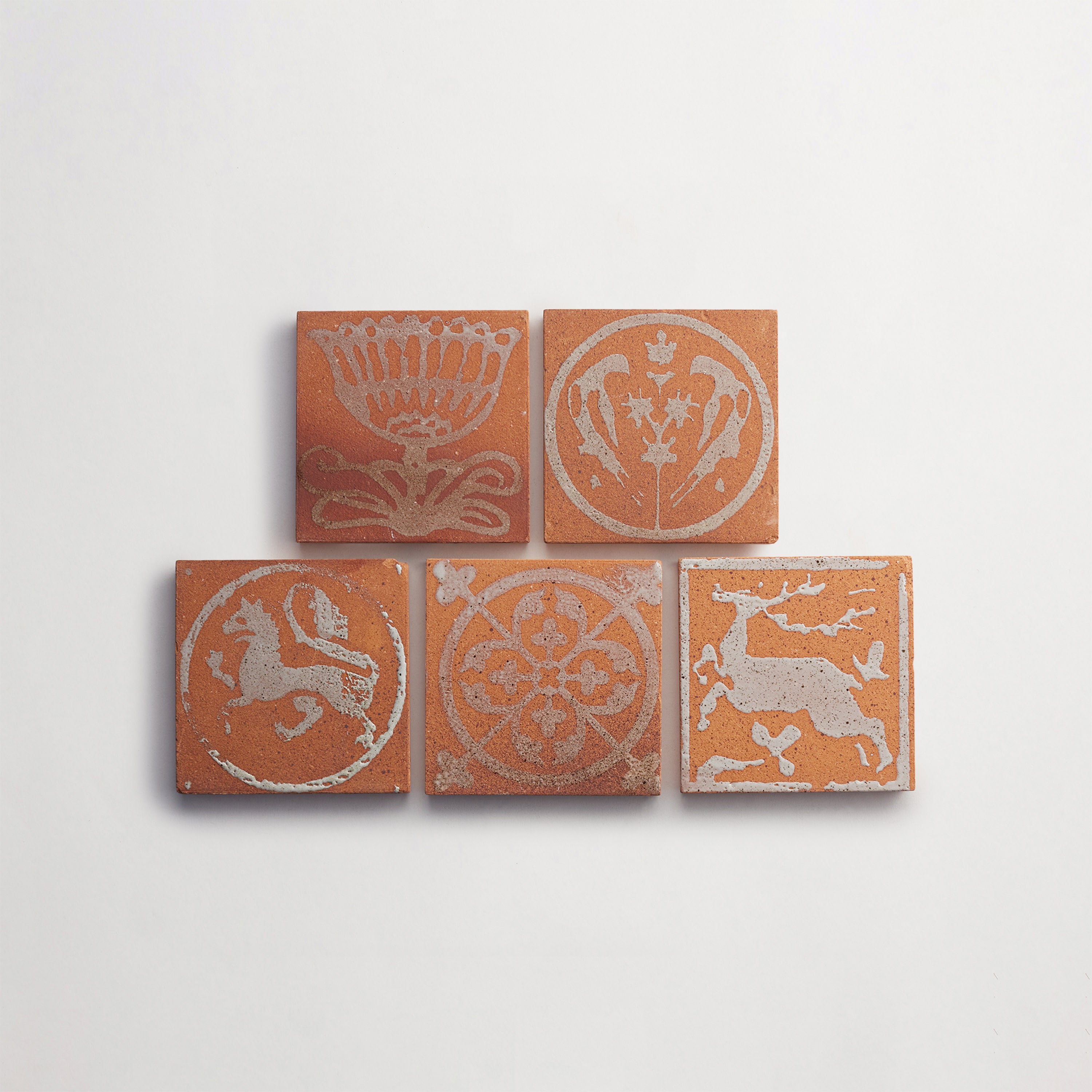
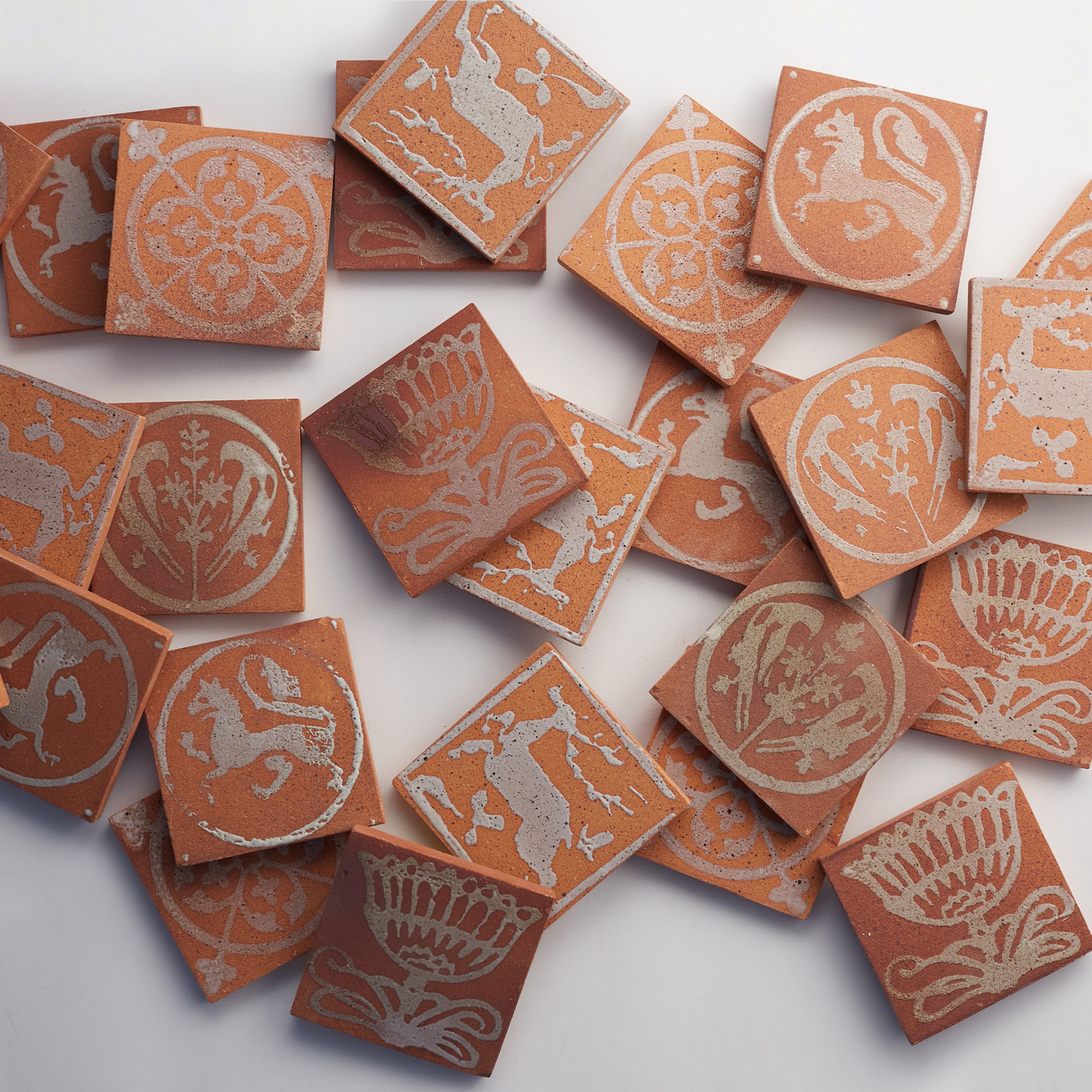
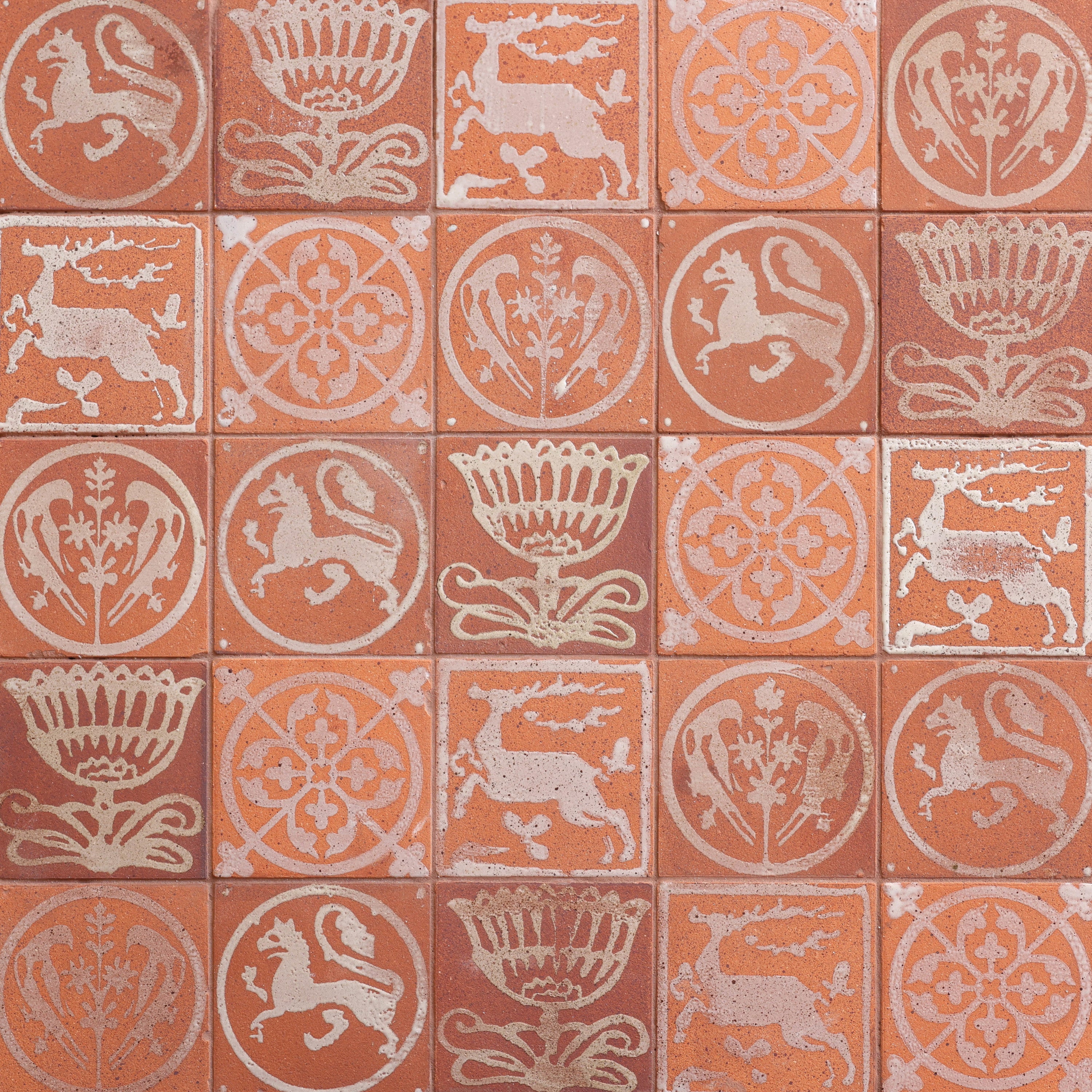
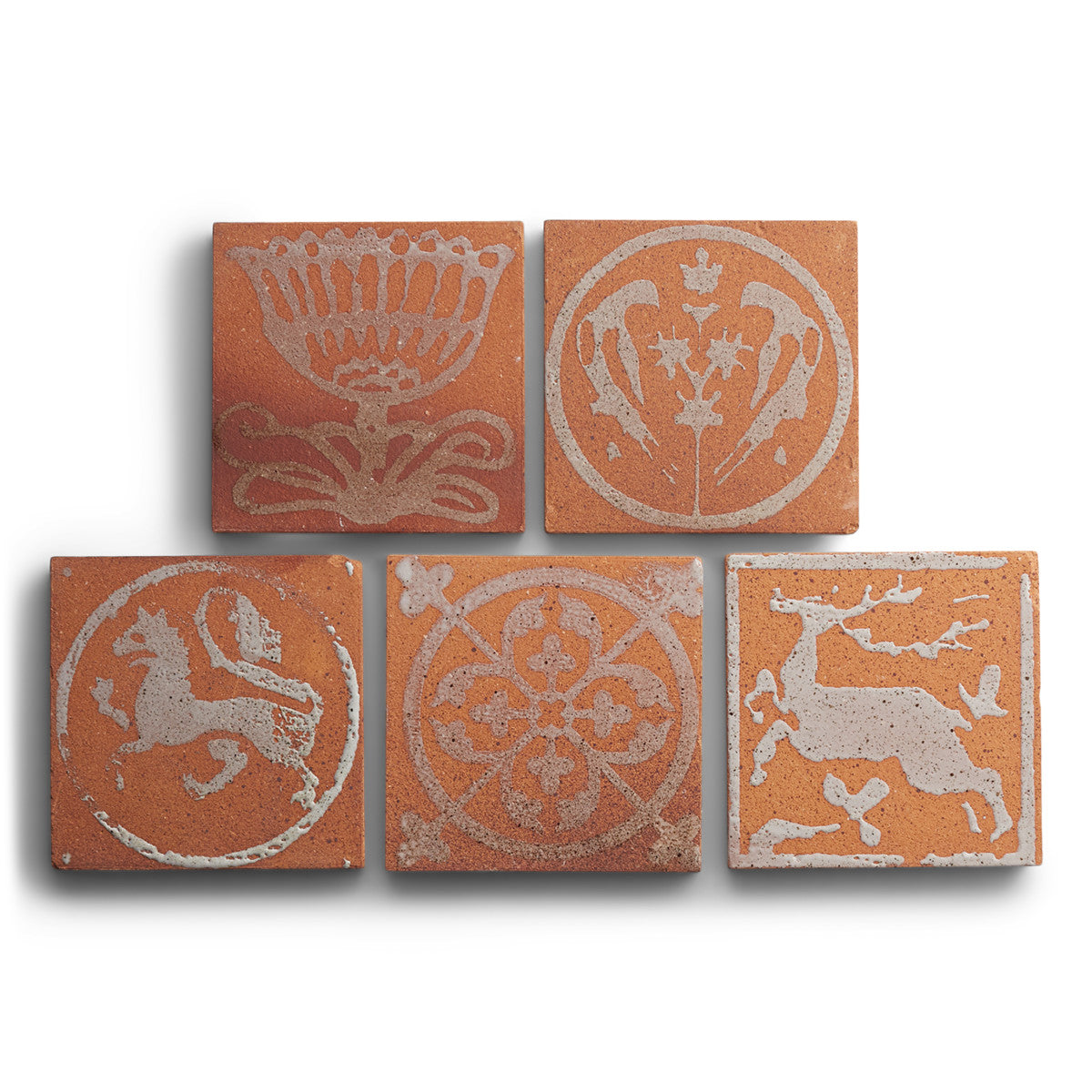
Colorway
-
Gloriana Red + Alba
Collection
-
Eastern Expression
:
Sub Collection
-
Heraldry
Material
Length
-
8
" x
Width
-
8
" x
Thickness
-
⅞
"
Unit of Measurement
-
sqft
/
Price per Unit
$
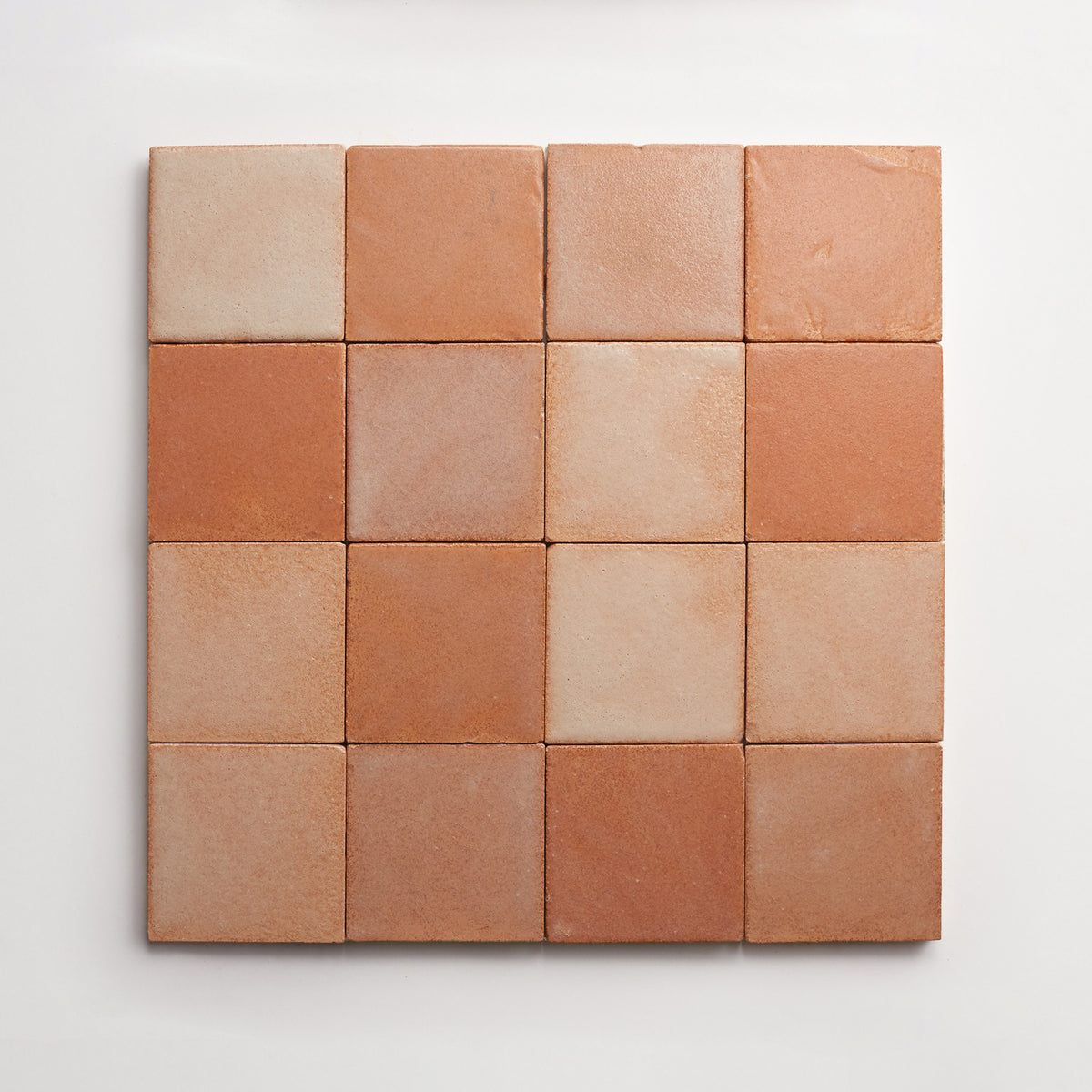
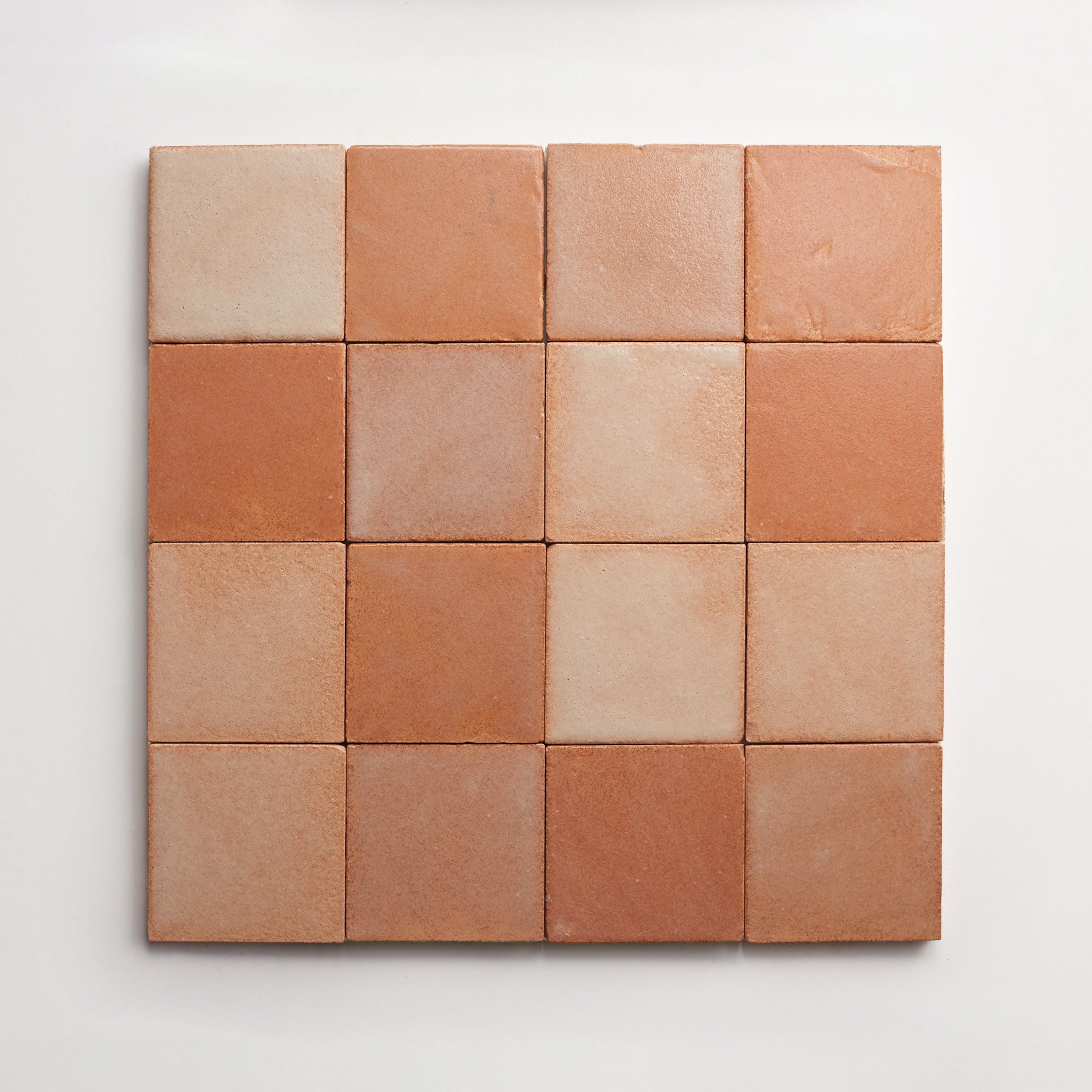
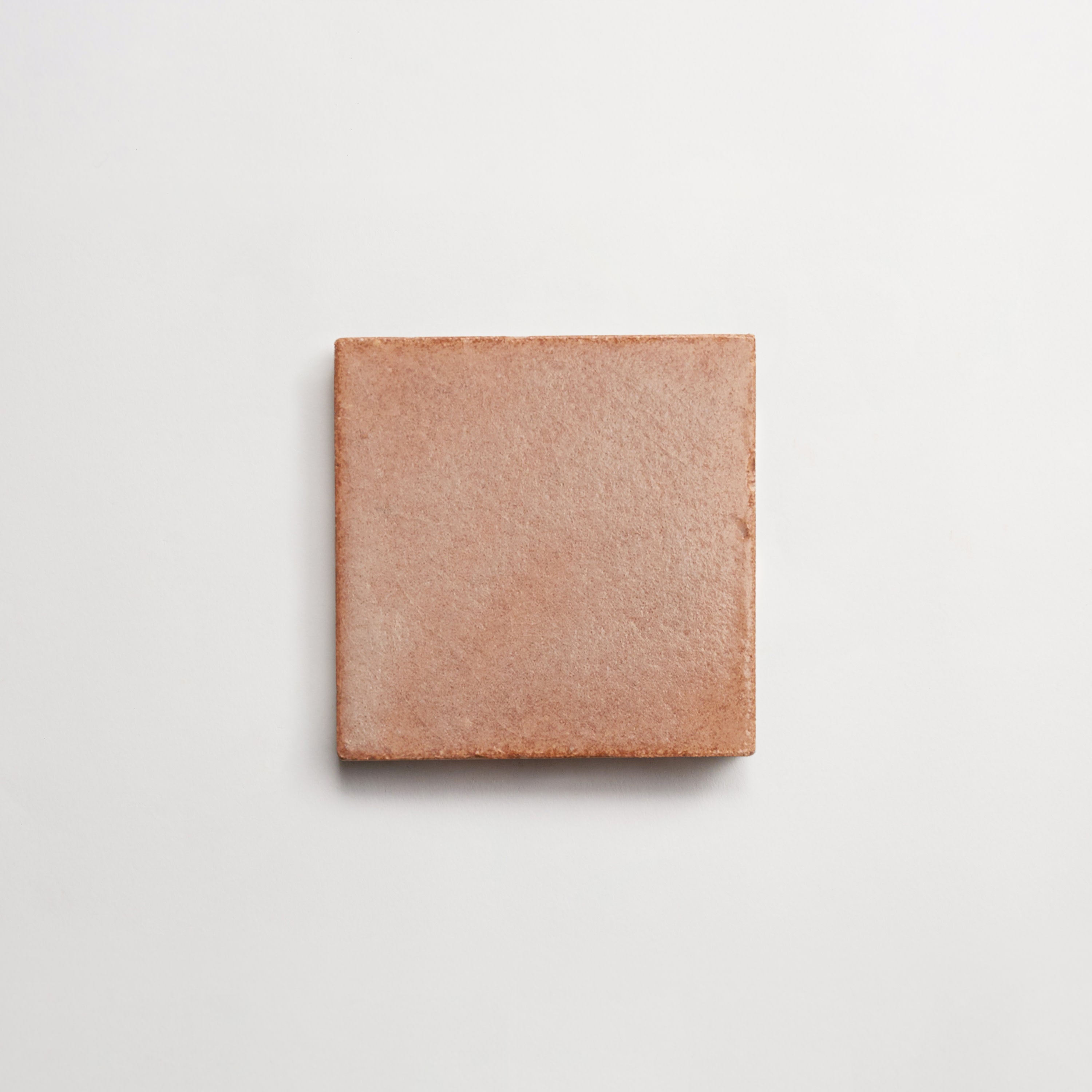
Colorway
-
Mandarin Pearl
Collection
-
Eastern Expression
:
Sub Collection
-
Tempera
Material
Length
-
4
" x
Width
-
16
" x
Thickness
-
¾
"
Unit of Measurement
-
sqft
/
Price per Unit
$