Explore more at clé: free shipping through 6.29


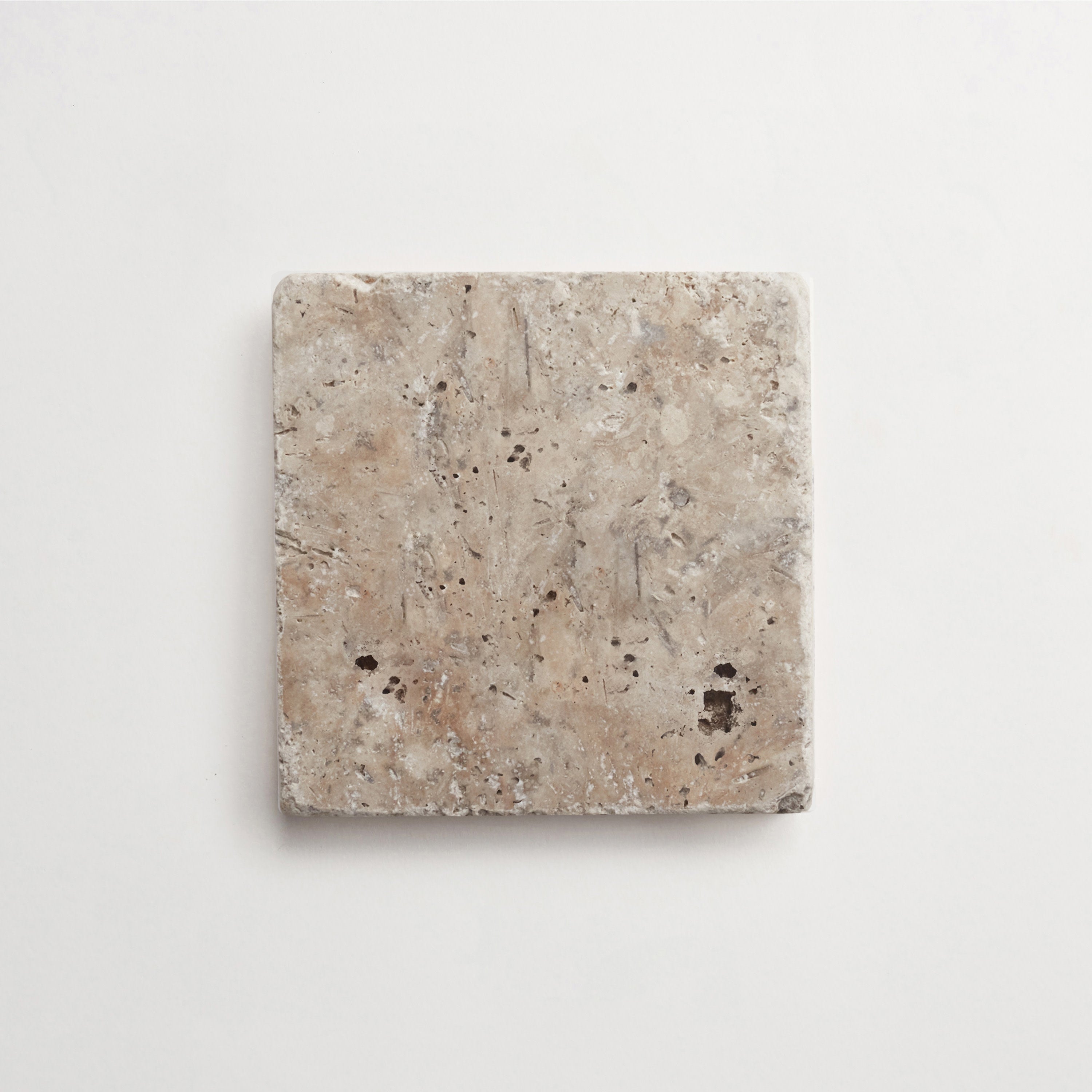
lapidary, Cigar, Beige Travertine, Honed
Sealing a Travertine Pool Deck: What You Need to Know
A travertine pool deck lends natural beauty to any outdoor space, not to mention timeless appeal and comfortable surface temperatures underfoot. But once the installation is complete, one question inevitably follows: How do you protect the stone without changing the way it looks and feels? The answer often comes down to selecting the right sealer and applying it at the right time.
When it comes to sealing a travertine pool deck, consider these key factors:
- Intended finish: Preserve the natural appearance or enhance the stone's color?
- Pool type: Chlorine pool or saltwater pool?
- Surface condition: Newly installed and clean, or older with visible staining?
If you’re a designer, architect, or discerning homeowner who is planning a new install, protecting the stone will involve having your contractor apply a penetrating sealer after all materials have fully cured.
If the travertine pool deck in question is older or stained, the deck will need to be restored — with all stains removed — before it can be sealed effectively. Otherwise, those stains will become almost impossible to remove down the road.


Should You Seal Travertine Around a Pool?
The short answer to “should you seal travertine around a pool?” is yes. While travertine is a durable natural stone that performs exceptionally well outdoors, pool environments introduce challenges that make sealing a worthwhile investment.
Pool decks are exposed to repeated moisture cycles, sunscreen, body oils, chlorine, salt, food spills, and environmental debris. Over time, these elements can penetrate the stone's porous surface and create discoloration, staining, or premature wear. A properly selected sealer helps reduce this kind of absorption while allowing the stone to maintain its natural character.
Without proper sealing, a travertine pool deck can become more susceptible to chlorine-related staining, algae growth in damp areas, and gradual surface erosion. Oils from sunscreen and outdoor entertaining can also leave difficult-to-remove marks that become embedded within the stone.
Sealing is not intended to make travertine maintenance-free. Instead, it creates an additional layer of defense that helps preserve the appearance and longevity of the installation. Once you've decided to seal, the next step is determining which type of sealer is most appropriate for the wet outdoor environment. (More on that in a moment.)
Does Sealing Travertine Make It Slippery?
One of the most common concerns designers and homeowners have is this: Does sealing travertine make it slippery? The answer depends largely on the type of sealer selected.
For pool decks, the best option is usually a penetrating sealer for travertine. This type of sealant soaks into the stone below the surface rather than creating a visible coating on top. Because it preserves the existing texture of the stone, it generally maintains the traction and characteristics that make travertine popular around pools.
By contrast, film-forming or topical sealers sit on the surface of the stone. These products create a sheen or protective layer that may increase slipperiness when water is present. They can also detract from the natural beauty of the stone. For these reasons, topical sealers are generally not recommended for pool deck applications.
The finish of the travertine itself also matters when evaluating slip resistance. Discussions around honed vs. tumbled travertine finishes are particularly relevant here. Tumbled and brushed finishes typically provide more texture and grip underfoot. Honed surfaces are smoother and may present a higher slip risk when wet.
When asking “is travertine slippery when wet?” the answer is that the stone’s finish, maintenance practices, and sealer selection all play important roles. A quality penetrating sealer paired with a textured finish helps preserve the traction that makes travertine one of the best non-slip outdoor tiles for poolside applications.

Choosing the Right Sealer for a Travertine Pool Deck
Not all stone sealers are designed for the same conditions. When you a product for a pool environment — or, more realistically, when your contractor selects a product for a pool environment — it's important to focus on performance rather than marketing claims alone.
Your contractor should look for labels that specifically identify the product as:
- Penetrating or impregnating
- Safe for natural stone
- Rated for pool areas or wet environments
These indicators help confirm that the sealer is intended to protect the stone without creating a surface film that could compromise traction.
Another consideration is whether to choose a water-based formulation or a solvent-based formulation. Water-based products typically have lower odor, easier cleanup, and a more environmentally conscious profile. Solvent-based products often offer deeper penetration and enhanced durability, although they may require additional ventilation and application precautions. Your contractor is the final word here.
For projects that include saltwater pools, pay particular attention to product specifications. Salt can be especially challenging for natural stone over time, so it’s crucial to select a sealer that is specifically designed to resist salt-related deterioration.
Finally, appearance matters. Many designers prefer a matte or natural-look finish that leaves the stone visually unchanged. Others might opt for a color-enhancing penetrating sealer that deepens the natural tones and variation within the travertine. Both approaches can be effective, provided the product remains a true penetrating sealer rather than a surface coating.
Overall, the goal is to balance protection, aesthetics, and performance while preserving the qualities that make travertine such a desirable pool deck material.
Sealing Newly Installed vs. Older Travertine
The sealing process differs depending on whether the stone is newly installed or has already spent years exposed to the elements. Understanding these distinctions can help you and your clients avoid common mistakes — and improve the stone’s long-term performance.
New Installations
For newly installed travertine, patience is essential. Before sealing, your contractor should allow the installation to fully cure according to material guidelines. Grout, mortar, and setting materials must complete their curing process before a sealer is introduced.
The surface should also be thoroughly cleaned to remove construction dust, residue, and debris. Even small bits of contamination can become trapped beneath the protective treatment.
Once the installation is clean and fully cured, your installer should perform a simple water bead test. They’ll place a few drops of water on the stone and observe how quickly they absorb. Rapid absorption means that the stone is ready for sealing.
For most pool deck projects, a natural-look penetrating sealer provides the best balance of protection and aesthetics. This approach helps preserve the texture and visual character of the travertine while adding resistance to moisture and staining.
Older or Stained Travertine
Older installations require additional evaluation before sealing begins. The reason? You should never seal over visible stains. Sealing over stains effectively locks those stains into the stone, making future removal significantly more difficult.
Instead, an experienced professional should start by addressing staining through proper travertine stain removal techniques. Depending on the source of the discoloration, this may involve specialized cleaners, poultice treatments, or additional stone restoration services.
After stains have been removed and the surface has completely dried, your contractor can then perform the water bead test to evaluate absorption. If the stone readily absorbs water, it may be ready for resealing with a penetrating sealant.
For installations that are showing deep-set staining, spalling, excessive erosion, or other signs of deterioration, you may need to schedule a professional assessment for deeper restoration. Addressing underlying issues before sealing may take extra time and effort, but it will ensure that the sealing work delivers the intended results.


How Often Should You Reseal a Travertine Pool Deck?
To understand how often to reseal a travertine pool deck, you need to look at several environmental and usage factors. There is no universal schedule because, well, every project experiences different conditions.
Foot traffic is one of the biggest variables. A heavily used residential pool or hospitality project will place greater demands on the sealer than a lightly used private courtyard.
Sun exposure also matters. Intense UV radiation can gradually degrade some formulations, particularly in regions with long summers and high solar exposure. Pool chemistry, splash-out frequency, and maintenance practices further affect performance.
For installations that experience heavy pool use, many penetrating sealers perform best when reapplied every one to two years. Higher-grade formulations may extend that timeline to two or three years between applications. Areas with lighter traffic and less demanding environmental conditions can sometimes stretch resealing intervals to three to five years.
As a general guideline, you or your client should have a travertine pool deck inspected annually. Between inspections, periodic water bead testing can provide valuable information. If water begins absorbing quickly instead of beading on the surface, the stone may be ready for another application.
Maintaining a Sealed Travertine Pool Deck Over Time
Even the best sealer benefits from a thoughtful maintenance routine. Consistent care can significantly extend the appearance and performance of a travertine installation.
For routine cleaning, you or your client should use a pH-neutral stone cleaner paired with a soft broom or brush. Gentle rinsing helps remove dirt, sunscreen residue, leaves, and other contaminants before they have an opportunity to penetrate the surface.
It’s also important to avoid acidic cleaners, bleach-based products, and aggressive pressure washing. These can damage both the stone and the protective treatment.
Seasonal inspections are equally important. During the summer, pool owners should pay attention to high-traffic areas around entry points, lounge spaces, and outdoor kitchens. These locations often experience accelerated wear.
In freeze-thaw climates, winter preparation deserves special attention. Pool owners should clear debris, maintain proper drainage, and minimize standing water where possible. Moisture trapped within the stone can create additional stress during freezing conditions.
As for spot care, it’s important to address oily spills immediately by blotting rather than scrubbing. Prompt cleanup reduces the likelihood of staining. Stubborn discoloration may require professional poultice treatments rather than household cleaning products.
A maintenance log can be surprisingly useful. Recording inspection dates, cleaning procedures, and resealing schedules creates a valuable history that helps guide future care decisions. It’s like an outdoor tile maintenance guide that’s tailored specifically to the project.

Design for Protection, Preserve the Look
A travertine pool deck succeeds when beauty and durability work together. Proper sealing helps protect the stone from moisture, pool chemicals, oils, and environmental wear while preserving the character that makes travertine such a sought-after material.
The key is making sure your contractor selects the right penetrating sealer, prepares the surface correctly, and maintains a realistic inspection and resealing schedule over time. When those elements align, the pool deck will continue to perform beautifully for years.
For projects seeking a timeless natural stone foundation, be sure to explore the Pemberley Pavers collection. This curated collection offers tumbled travertine surfaces that are well suited to outdoor environments — combining classic texture, enduring appeal, and the traction benefits designers often seek in poolside applications.
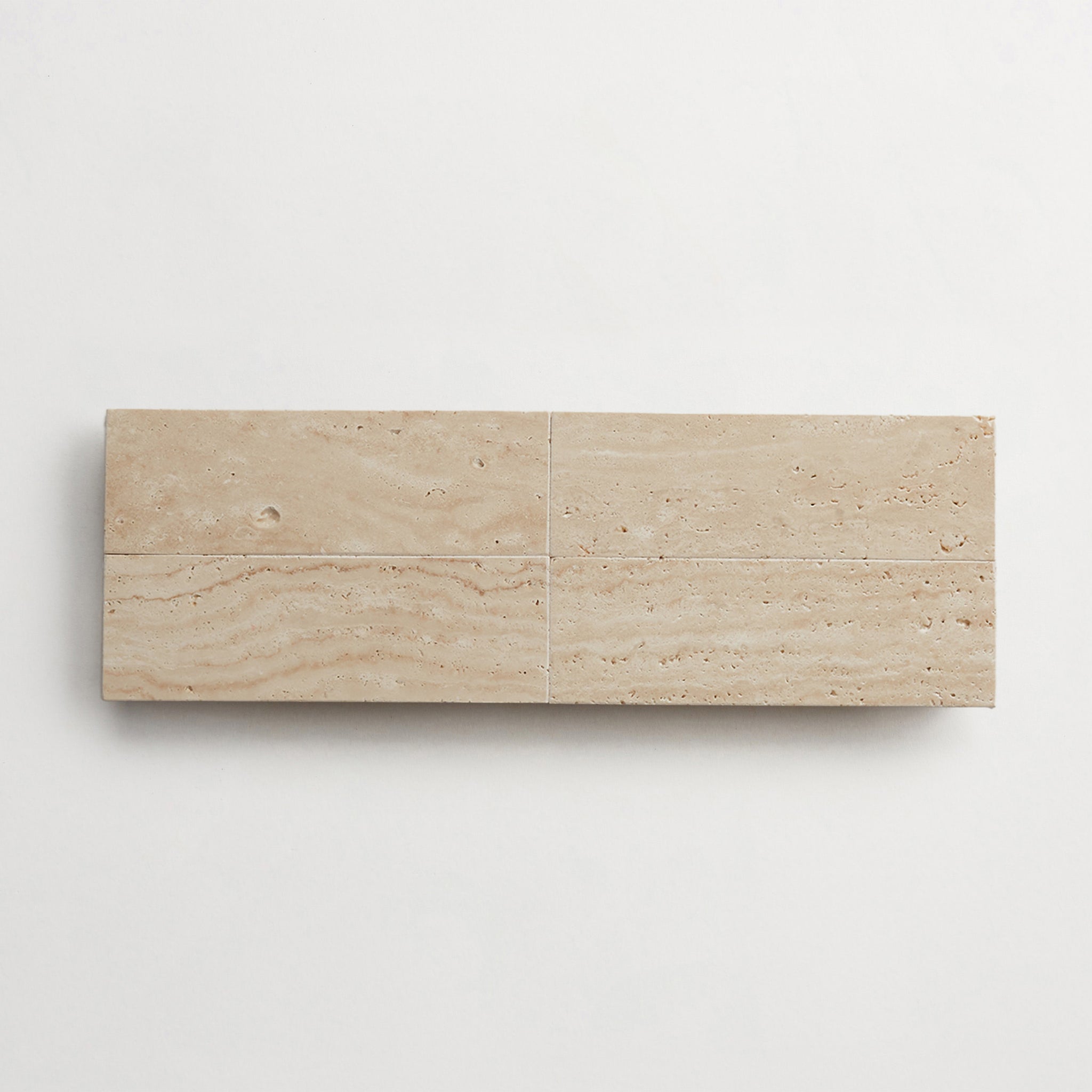
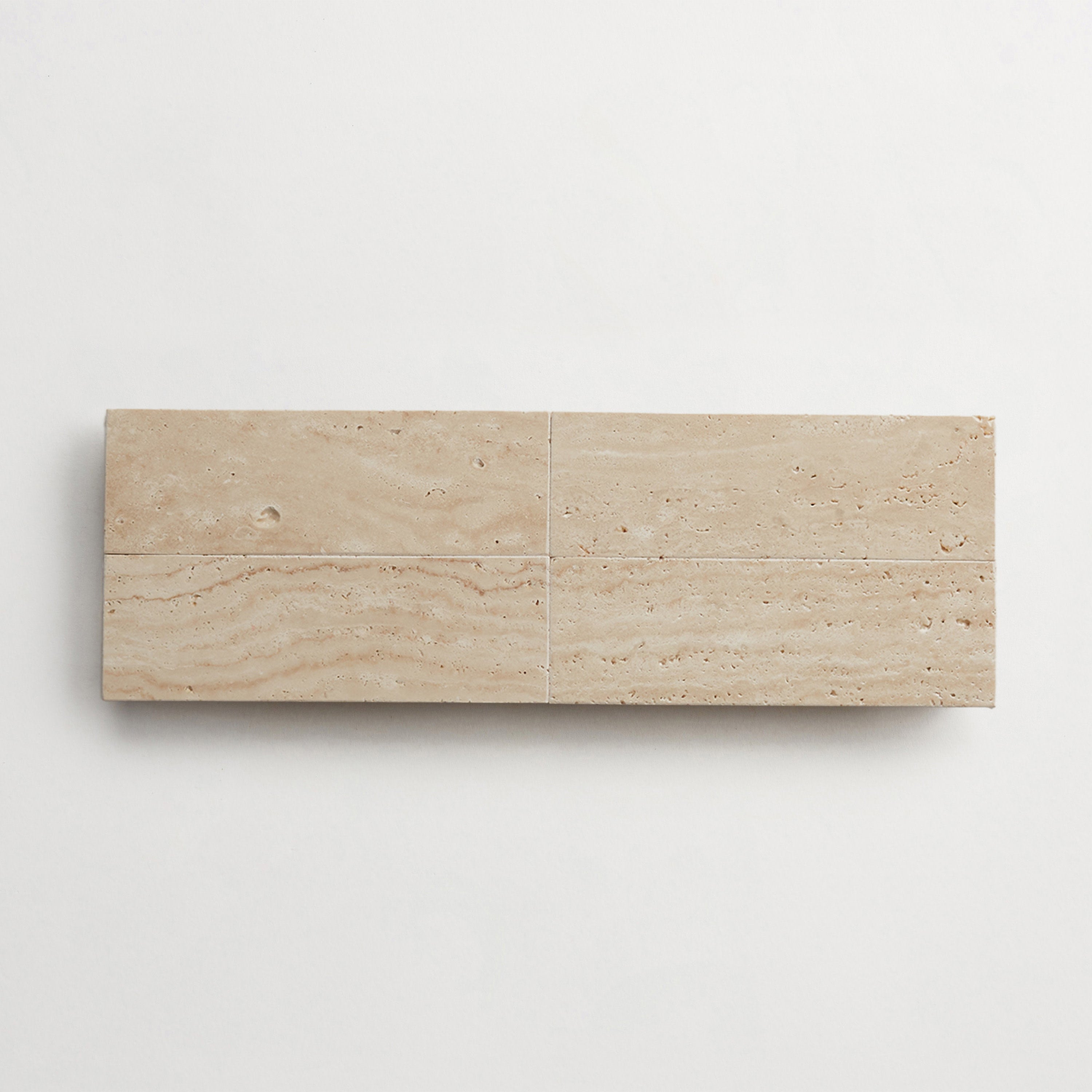
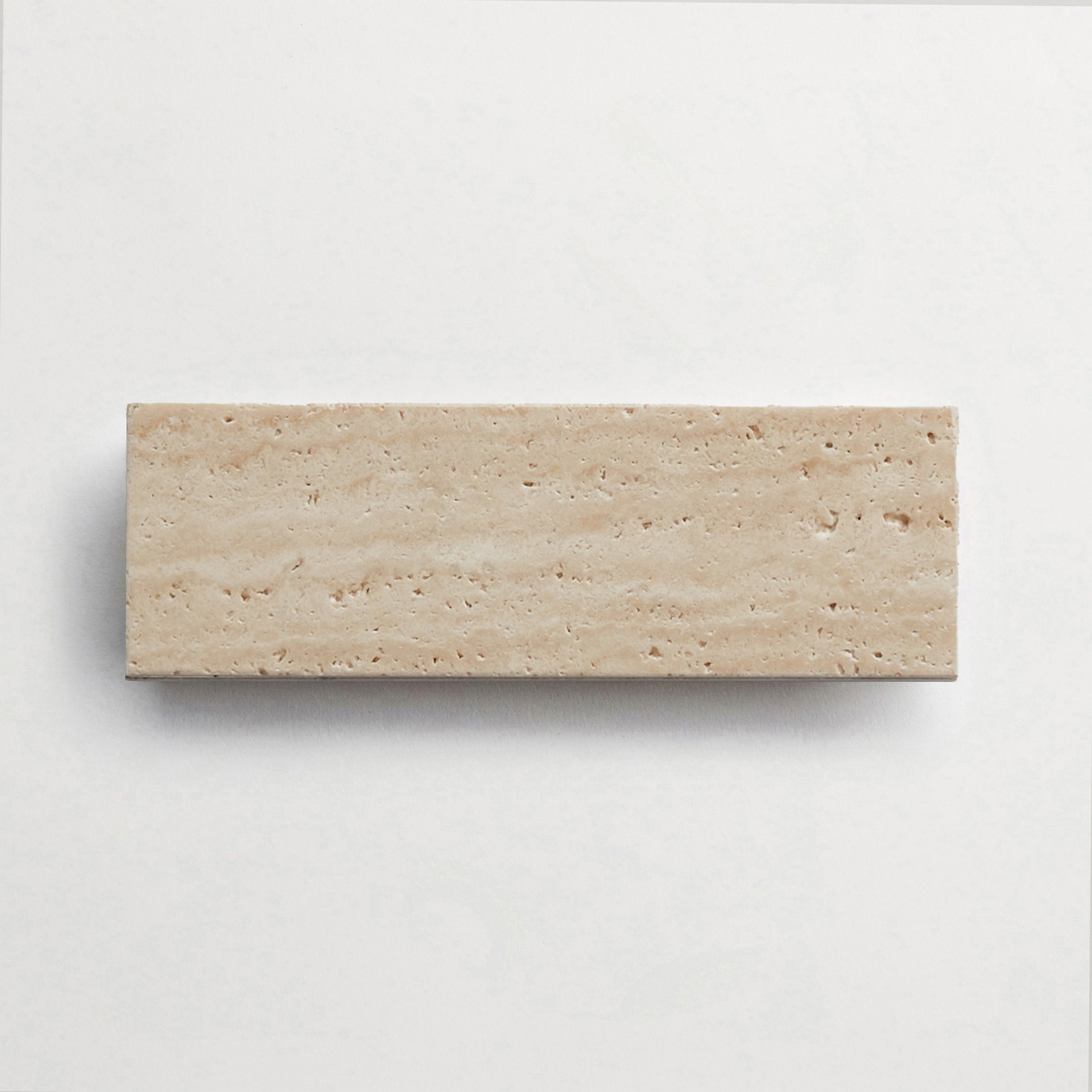
Colorway
-
Beige Travertine
Collection
-
lapidary
:
Sub Collection
-
Chromatope
Material
Length
-
4
" x
Width
-
4
" x
Thickness
-
¼
"
Unit of Measurement
-
sqft
/
Price per Unit
$


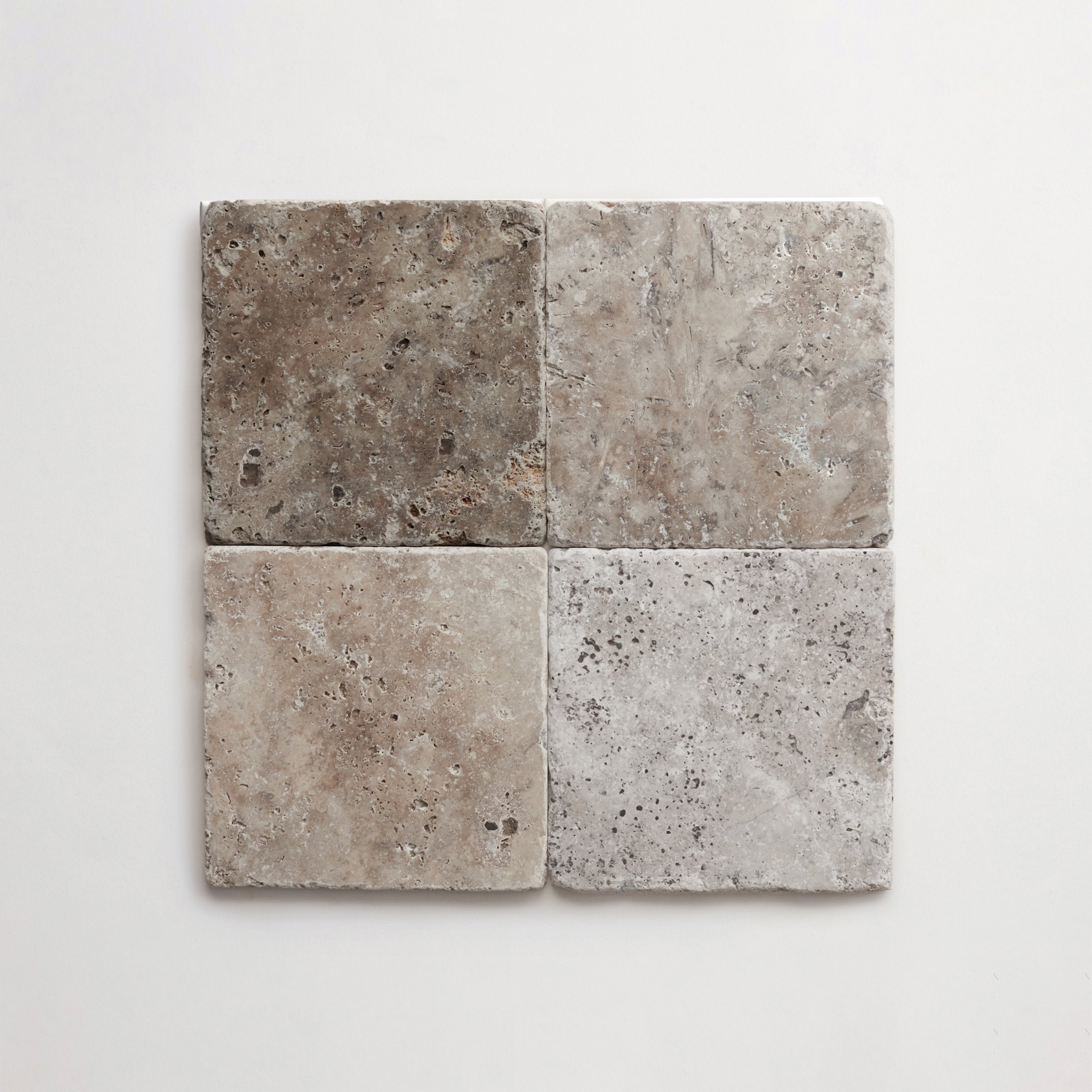

Colorway
-
Shale
Collection
-
Pemberley Pavers
:
Sub Collection
-
Alegria
Material
Length
-
8
" x
Width
-
8
" x
Thickness
-
⅞
"
Unit of Measurement
-
sqft
/
Price per Unit
$
Colorway
-
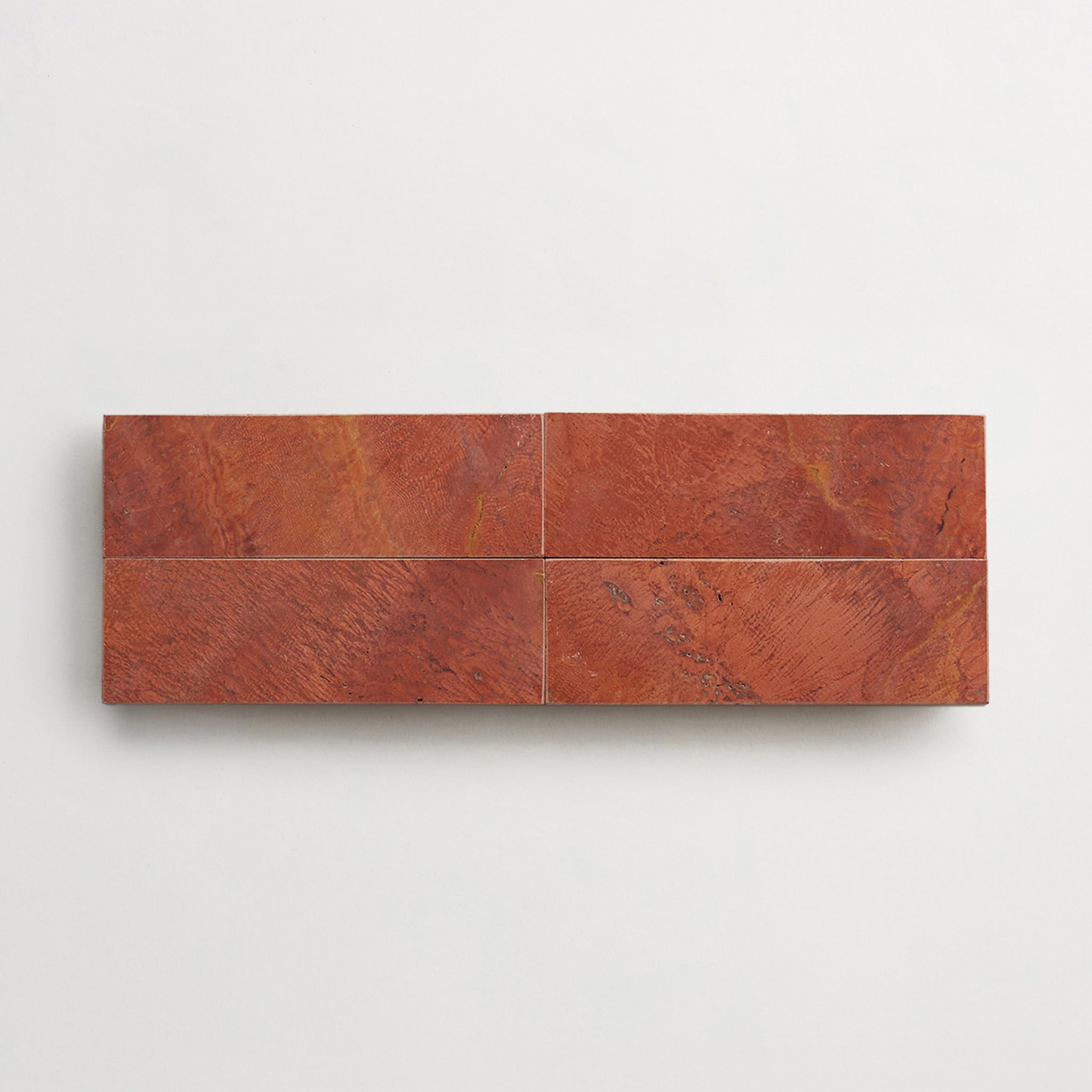
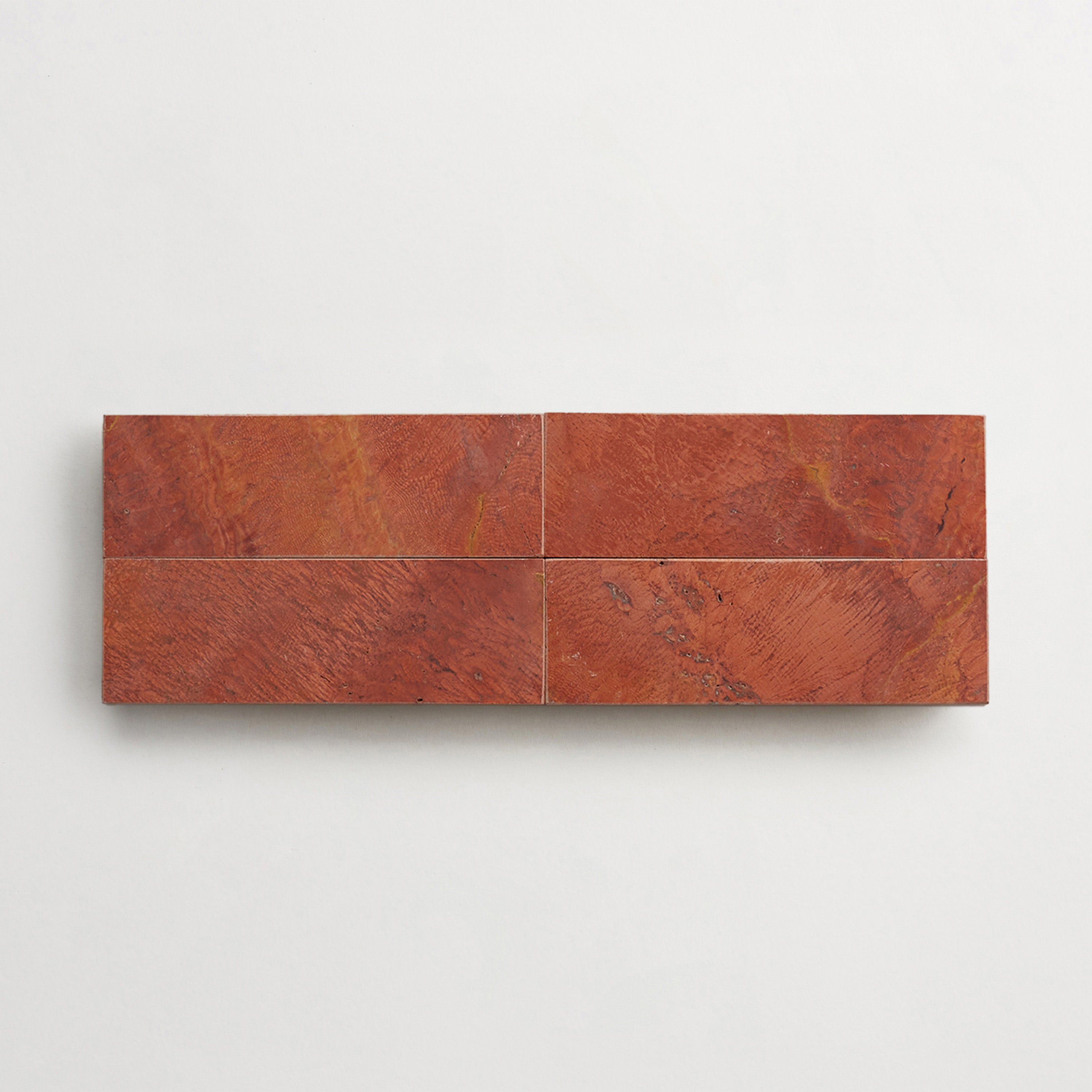
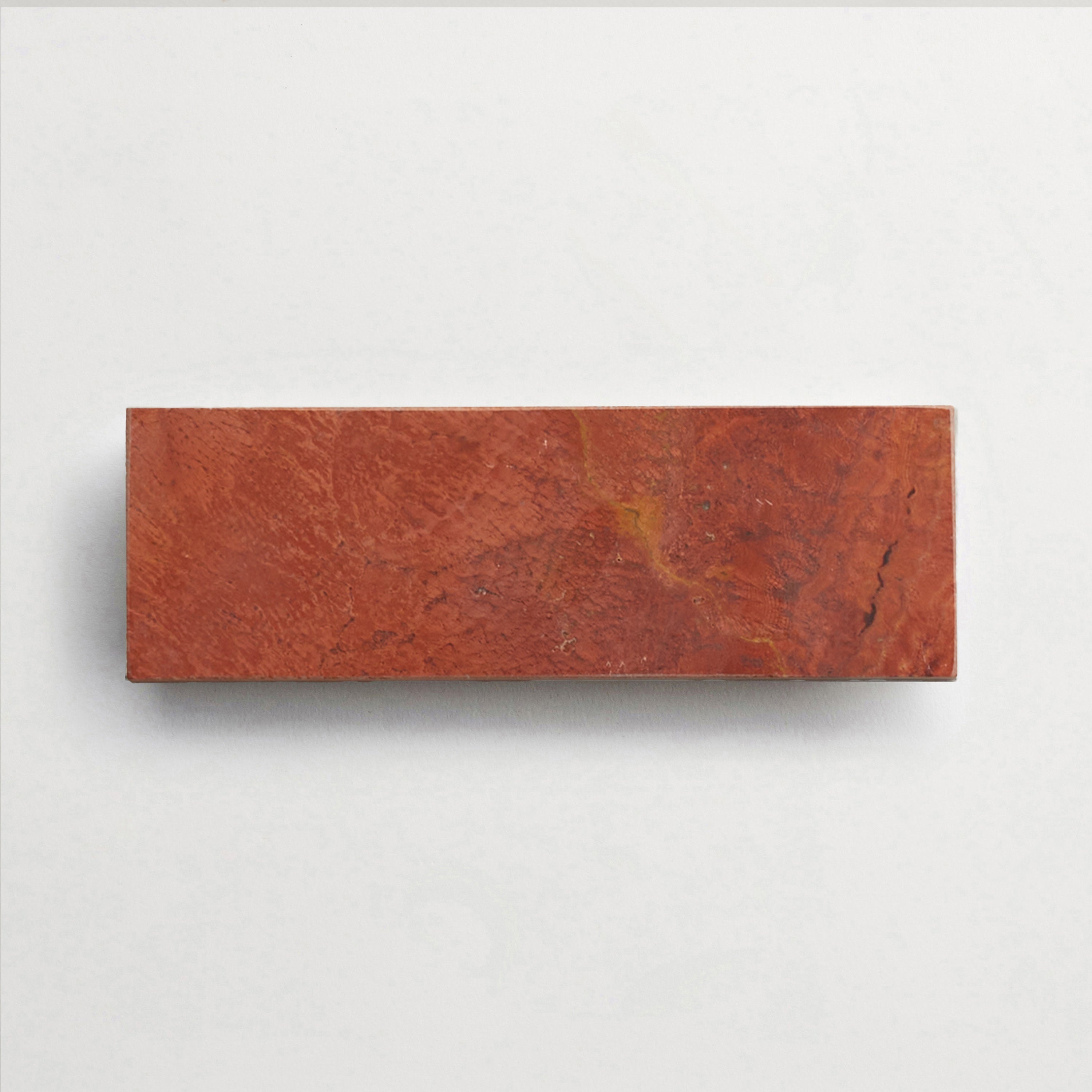
Red Travertine
Collection
-
lapidary
:
Sub Collection
-
Brinks
Material
Length
-
4
" x
Width
-
16
" x
Thickness
-
¾
"
Unit of Measurement
-
sqft
/
Price per Unit
$