

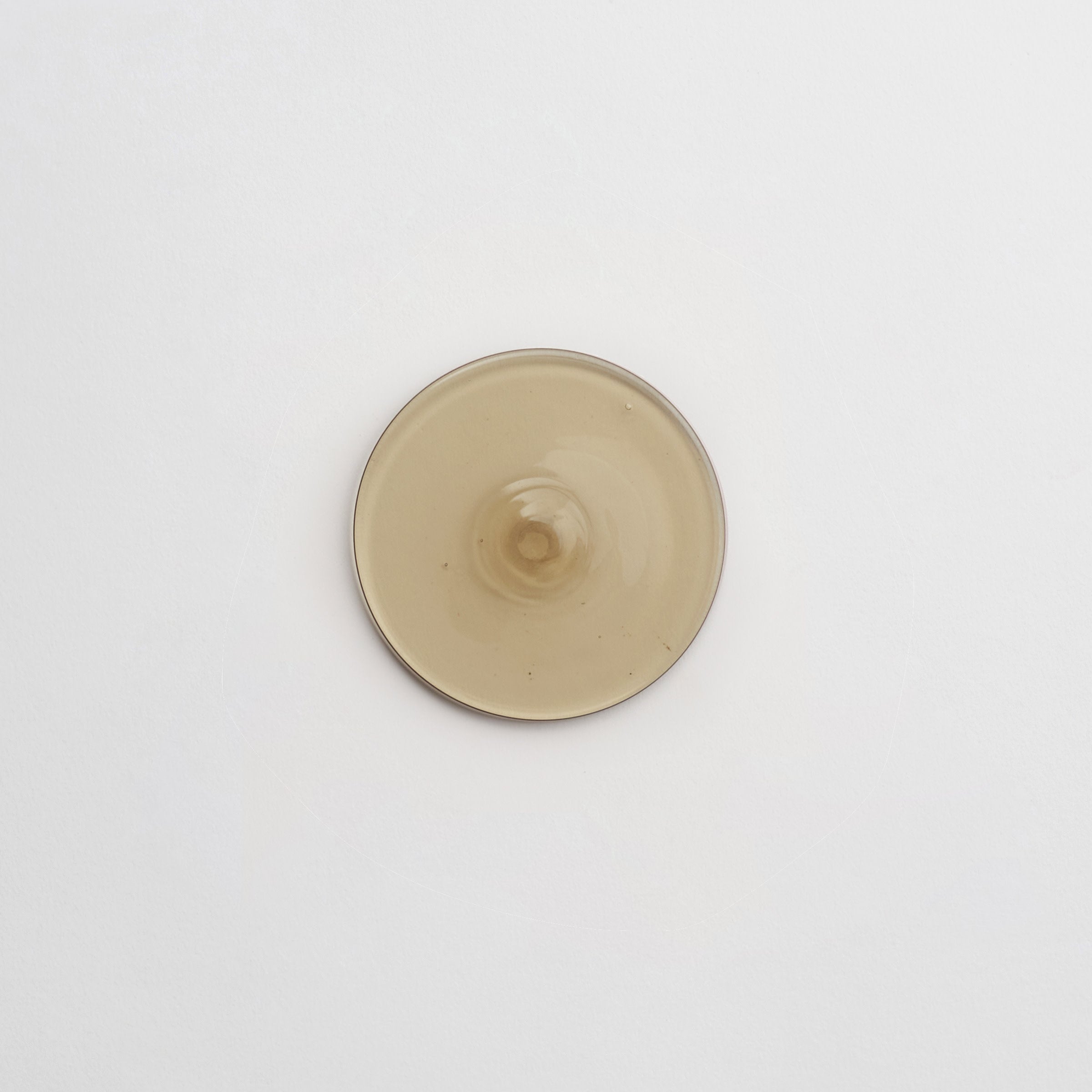
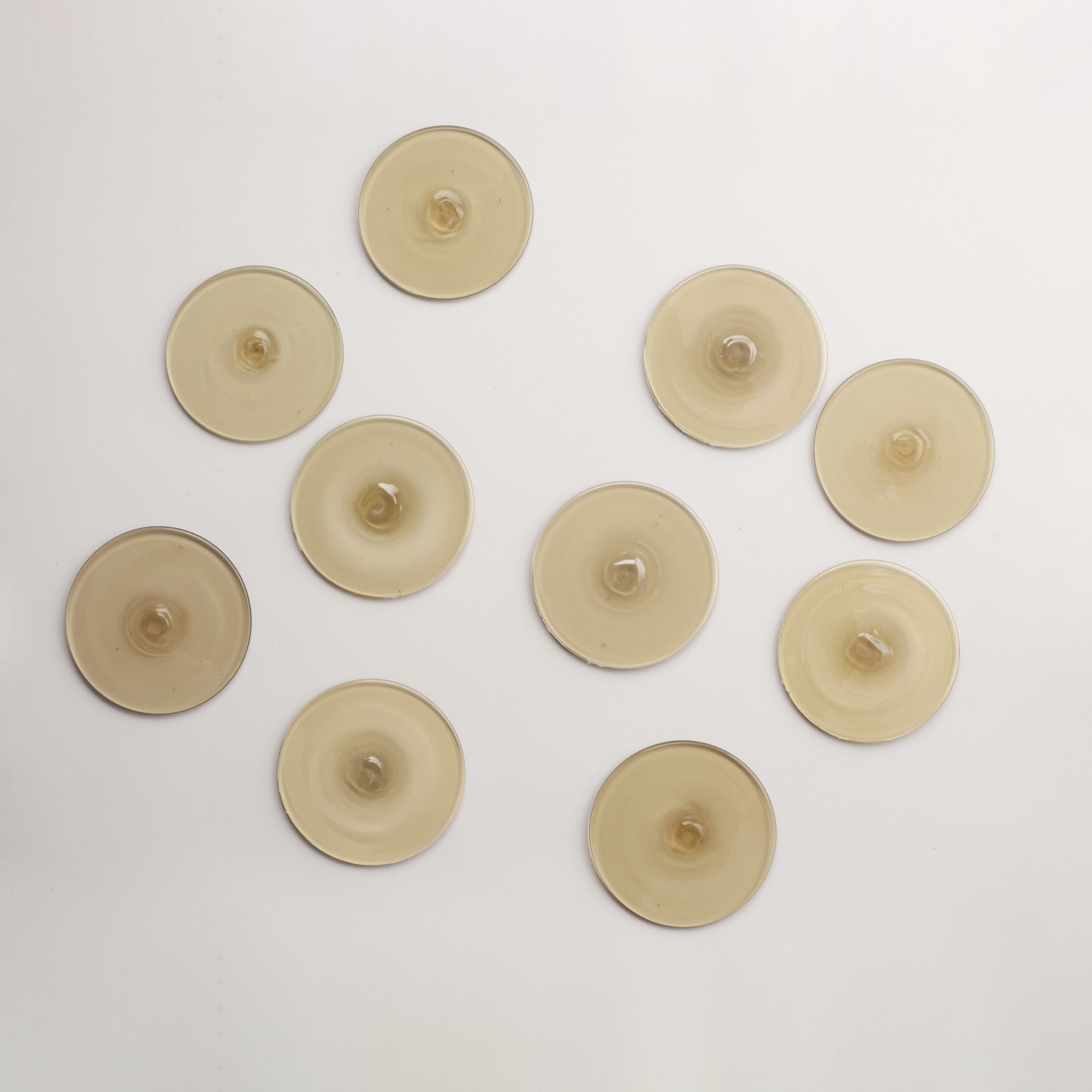
Lido: Lumiere, 1x1" Bouchon, Succulent Garden, Matte + Lido: Lumiere, 1x1" Bouchon, Baked Alaska, Matte
The Ultimate Guide to Swimming Pool Tile Repair: Pro Tips & Tools
Swimming pool tile repair is one of those topics most homeowners and designers hope they never have to think about — until a cracked waterline or missing tile interrupts an otherwise pristine pool wall or pool deck. When tile damage appears, it can feel urgent, confusing, and surprisingly high-stakes, especially when the pool is a focal point of a backyard project.
Tile damage rarely announces itself at a convenient time, either. A sharp edge catches your hand while cleaning. Calcium deposits creep across the waterline. A once-crisp band of tile looks uneven or dull in the afternoon sun. These moments beg the question: Can it be fixed, or does it need replacing?
This guide is designed to help you recognize early warning signs, understand when repairing tile makes sense, and know when replacement is the better path. While we do not not recommend DIY repairs, being an informed partner in the process allows you to protect your project’s design integrity and ensure your pool ages as beautifully as intended.


Signs Your Pool Tile Needs Repair (or More)
Even high-quality tile shows wear over time, especially in outdoor, submerged environments. The key is knowing what normal aging looks like versus signs of deeper issues. Early intervention often prevents larger repairs, but subtle cues are easy to miss if you don’t know what to look for. (Especially if those subtle cues are underwater.)
Below are the most common indicators that swimming pool tile repair — or replacement — may be necessary, along with insight into what typically causes them in design-forward pool settings.
Cracked, Loose, or Missing Tiles
Cracks, shearing, or tiles that sound hollow when tapped are among the clearest visual cues of damage. You may notice hairline fractures, uneven edges, or subtle discoloration where water has penetrated. Beyond these problems, loose or missing tiles pose safety risks and disrupt the clean geometry of the pool line.
Glass pool tile often fails more dramatically, with sharp breaks, while terracotta pool tile may chip or erode at the edges. Ceramic and porcelain pool tile, on the other hand, may show cracks and crazing in the glaze. Regardless of material, these issues signal compromised bonding and should be evaluated promptly by a professional.
Efflorescence, Staining, and Grout Erosion
White, chalky residue along the waterline is often efflorescence — mineral salts drawn to the surface by moisture. Calcium deposits can build up unevenly, dulling the color and texture of your tile installation. Meanwhile, grout erosion appears as pitting, cracks, or thinning joints, especially in high-exposure zones like the waterline.
Another thing to keep in mind: Saltwater pool tile can age differently than tile in chlorine pools, as salt systems accelerate mineral movement. While some surface buildup and staining is cosmetic, persistent discoloration or failing grout usually indicates moisture has migrated beneath the tile surface (in which case, you should call in a professional immediately).
Structural Damage Beneath the Surface
When multiple tiles loosen or damage spreads quickly, the issue may extend beyond the tile itself. Water intrusion can compromise the substrate, waterproofing membrane, or bond coat beneath the finish layer. These problems are rarely visible at first glance but often reveal themselves through recurring tile failure.
Attempting DIY repairs in these situations can mask symptoms without addressing the cause, so it’s important to seek out an expert as soon as possible. A professional assessment ensures that repairing pool tile doesn’t trap moisture or worsen structural conditions over time.

Glazed tile with visible chips and cracks. Photo courtesy of Vitor Paladini.
Repair or Replace? Making the Right Call for Design-Forward Spaces
Once you (or, ideally, a professional) have identified the damage, the next decision is whether to repair or replace the tile. In design-driven pools, this choice goes beyond function. Visual harmony, material availability, and long-term performance all play a role.
While repairing pool tile can be effective in targeted situations, more in-depth tile replacement may offer better outcomes — especially when the damage compromises the pool’s aesthetics or durability. Understanding this distinction helps protect both the look and lifespan of the entire pool environment.
When a Repair Is Enough
Localized issues such as a few cracked tiles, minor grout erosion, or isolated bond failures can often be resolved with professional swimming pool tile repair. Experienced installers use artisan-appropriate pool tile adhesive and carefully matched grout to blend repairs seamlessly. This approach preserves the surrounding field tile and minimizes disruption.
Repairs are most successful when the original pool materials are still available and the substrate remains sound, allowing the pool’s original design language to remain intact. (This is one major reason we recommend ordering at least 15% overage for any outdoor tile project.)
When Replacement Is the Smarter Investment
Pool tile replacement becomes the better choice when damage disrupts the pool’s visual consistency — or signals widespread failure. Severely weathered materials, broken tile lines, or repeated repair cycles often justify starting fresh. Replacement also creates an opportunity to refine pool tile colors, upgrade durability, or better align the pool with the overall landscape design.
When replacement is in order, experienced professionals can help maintain visual continuity by thoughtfully transitioning new tile into existing finishes, ensuring the updated area feels intentional rather than patched. You and your designer may even take an eclectic approach to updating your pool tile.


How Tile Finish and Material Affect Repairs
Not all tile responds the same way to water, temperature shifts, and chemical exposure. Material and finish choices influence how repairs are performed, how visible they will be, and how long they last. For design-forward projects, understanding these differences is essential to planning repairs or replacement options that align with long-term performance and aesthetic goals.
How Glass, Ceramic, Cement, and Terracotta Respond to Wear and Repair
Glass tile offers luminous color, but some options out there can be brittle in pool environments. For this reason, it is often replaced rather than repaired at the waterline. Ceramic tile, on the other hand, provides more flexibility and predictable performance in submerged conditions — especially when it’s highly durable porcelain tile. Then you have cement and terracotta tiles, which can be suitable for the pool deck. These types of tile develop character over time but are more porous, making moisture management and regular sealing critical.
Our glass, ceramic, cement, and terracotta pool collections have been curated with these realities in mind. With the right tile selection, you can expect repairs that respect material behavior while preserving visual impact in environments that see heavy water exposure.
Tile Finish and Its Role in Long-Term Repair
Finish plays a subtle but important role in swimming pool tile repair, as well. Glazed surfaces resist staining and clean easily but can highlight mismatched replacements. Matte and natural finishes absorb light to soften reflections, but they may show mineral buildup sooner.
With either finish, sun exposure alters sheen and color depth over time. Matching the tile finish during repairs is just as important as matching the tile size or color, ensuring repaired sections don’t catch the eye under changing daylight conditions.

Tools, Techniques, and Why Expert Repair Matters
While many homeowners are curious about repairing tile themselves, wet environments like swimming pools demand precision and experience. The tools and techniques involved are highly specialized, and small mistakes can compromise both appearance and performance. Understanding the professional process can help set realistic expectations and reinforce why expert involvement protects these striking areas.
Tools of the Trade
Professional installers rely on high-performance pool tile adhesive, compatible grout systems, sealers, spacers, and wet saws designed for dense or brittle materials. Each tool plays a role in ensuring proper bond strength, alignment, and finish quality. As a result, using the wrong adhesive or cutting method can lead to premature failure. While these tools may seem like the kind of thing you can pick up at your local hardware store, their effective use depends on experience, material knowledge, and an understanding of submerged installation requirements.
Why We Don’t Recommend DIY for Design-Focused Pools
DIY repairs often result in uneven surfaces, mismatched grout, or improper bonding — issues that become more noticeable over time. In pools featuring artisanal tile, even small inconsistencies disrupt the intended aesthetic. Even worse: Improper repairs can allow for moisture intrusion, leading to more extensive damage and higher repair costs later. We always recommend preserving the artistry and performance of your tile, which is why partnering with skilled professionals is always the best choice for repairing pool tile.
Proactive Maintenance After Repair
After a skilled professional has completed any repairs, proactive care helps extend the lifespan of these repairs. Regular cleaning prevents calcium deposits from building up, while sealing — when appropriate — protects porous materials. Monitoring water chemistry reduces stress on tile and grout, especially in saltwater systems.
We always recommend considering long-term performance at the material selection stage, right at the beginning of your pool project. This way, you can ensure that ongoing maintenance aligns with the realities of outdoor pool environments and supports lasting design integrity.
Swimming Pool Tile Repair Done Right
Not all tile damage requires full replacement, but every issue deserves thoughtful evaluation. In some cases, swimming pool tile repair restores the installation’s beauty and function with minimal disruption. In other cases, damage presents an opportunity to upgrade materials, refine pool tile colors, or better align the pool with the surrounding project vision. By pairing professional expertise with intentional design choices, you can protect both the artistry and longevity of your pool.
Explore our curated pool tile collections or request a consultation to support your next phase of swimming pool care or renovation.
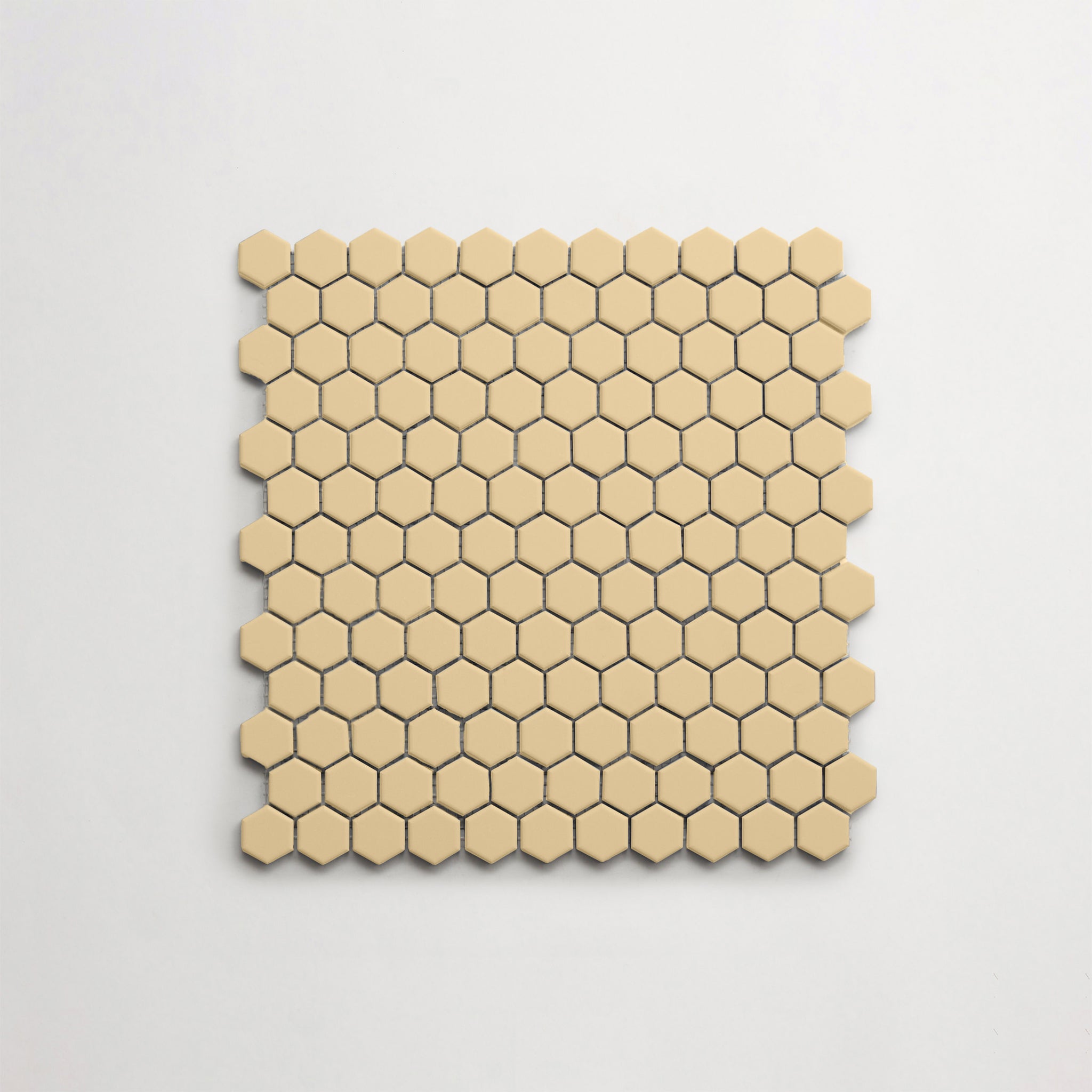
Colorway
-
Barely Buff
Collection
-
Lido
:
Sub Collection
-
Acquiterre
Material
Length
-
4
" x
Width
-
4
" x
Thickness
-
¼
"
Unit of Measurement
-
sqft
/
Price per Unit
$
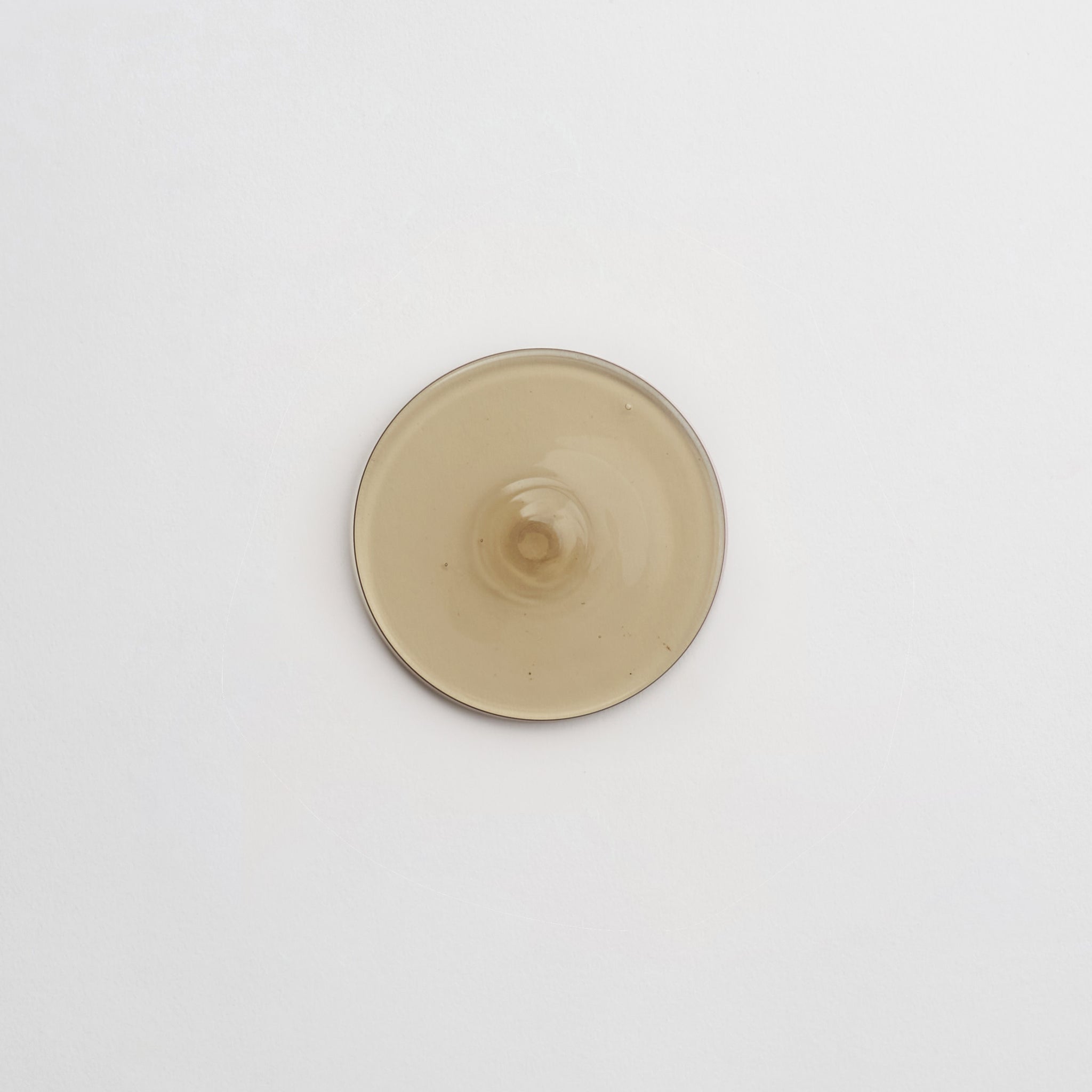
Colorway
-
Agave
Collection
-
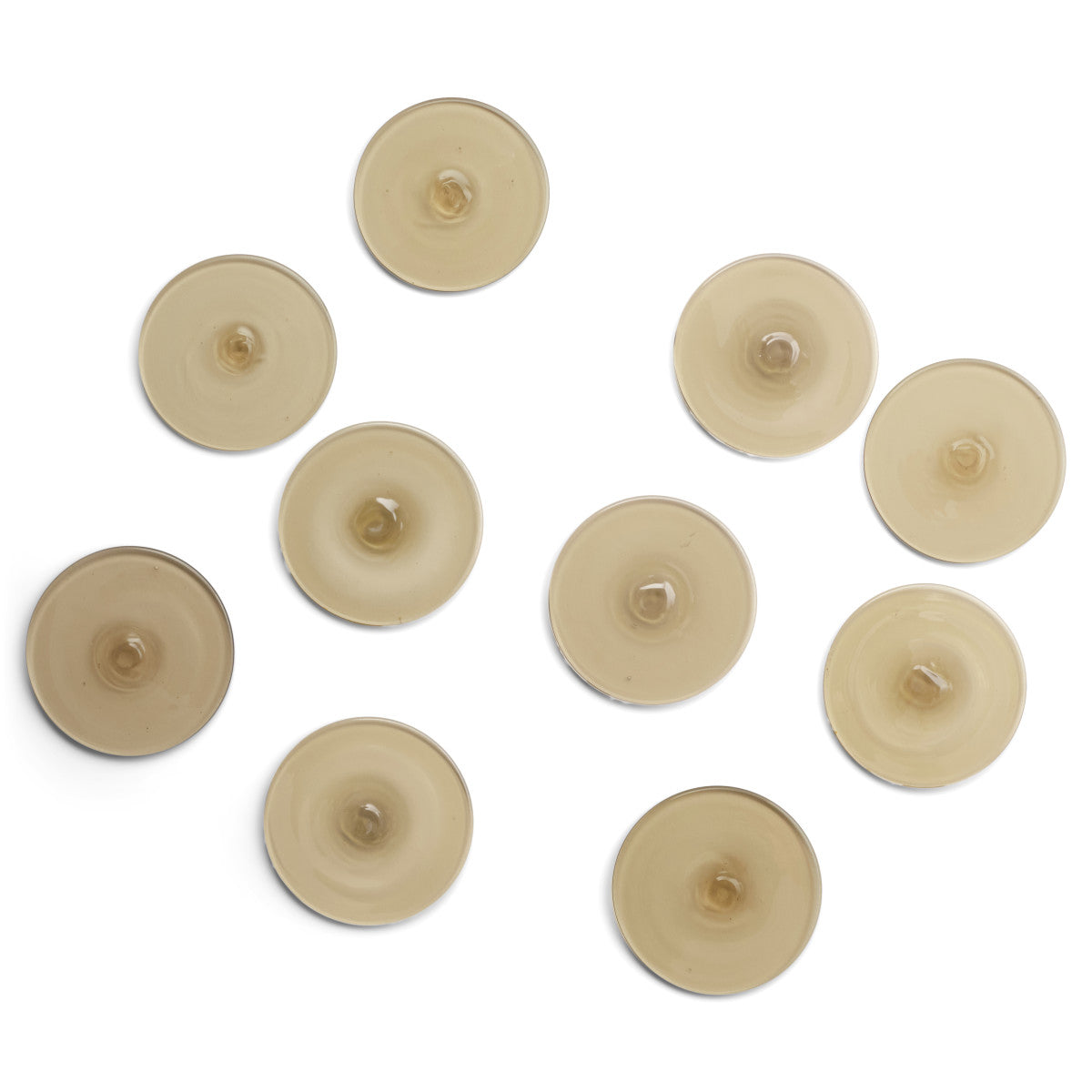
1970s GlassWorks
:
Sub Collection
-
le Disque
Material
Length
-
8
" x
Width
-
8
" x
Thickness
-
⅞
"
Unit of Measurement
-
sqft
/
Price per Unit
$



Colorway
-
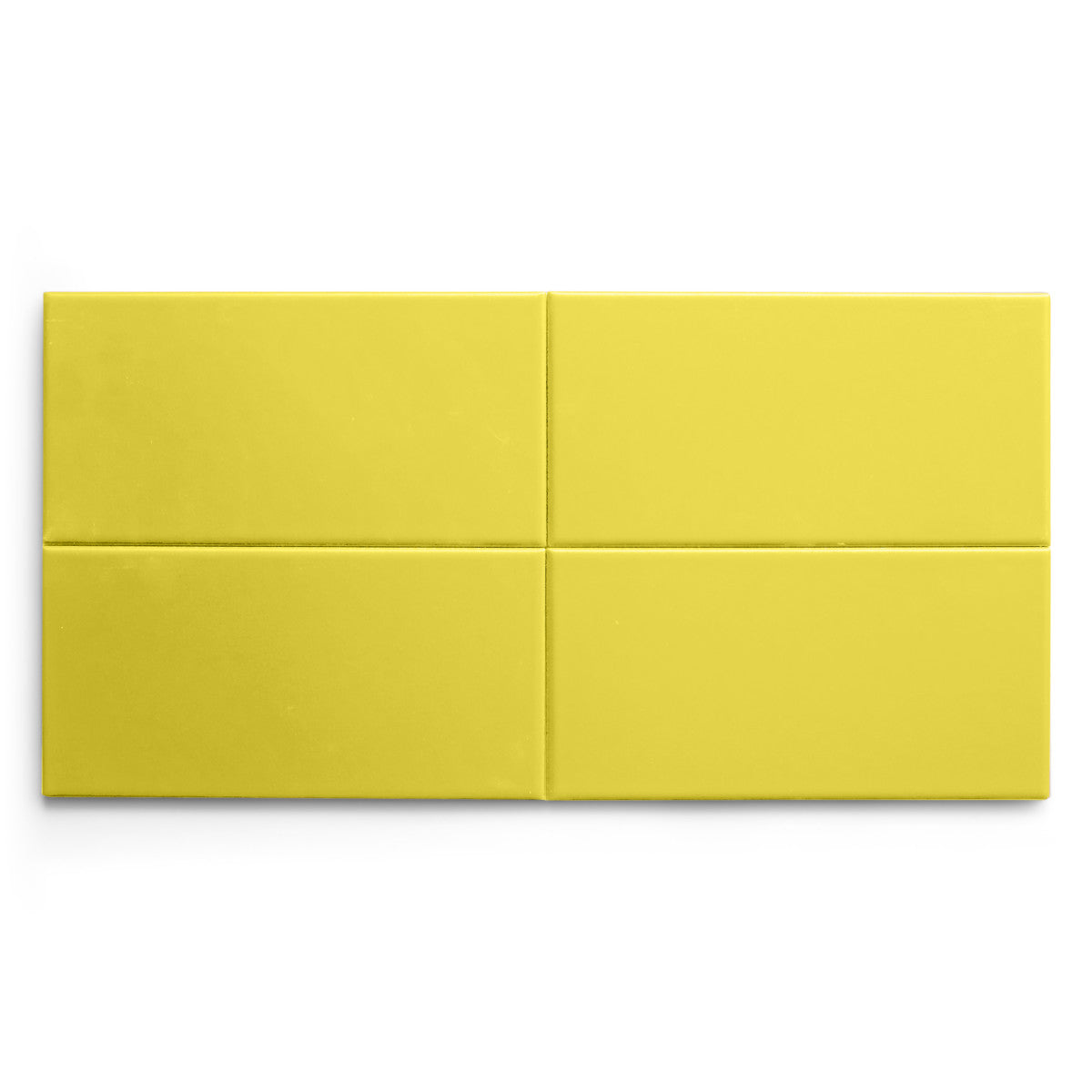
Provence Peel
Collection
-
Colorwerks
:
Sub Collection
-
Fondant
Material
Length
-
4
" x
Width
-
16
" x
Thickness
-
¾
"
Unit of Measurement
-
sqft
/
Price per Unit
$