

Dzek + Formafantasma: ExCinere
Types of Outdoor Tiles: 15 Materials for Stylish Exteriors
Outdoor spaces are evolving into sophisticated extensions of interior living. So, needless to say, choosing the right outdoor tile can make all the difference. In this article, we’ll exploring 15 different types of outdoor tile that we see interior designers and landscape architects turn to the most. Then, stay tuned: We’ll also discuss how to choose the best outdoor tile for your project by considering factors like weather resistance, slip resistance, and aesthetic appeal.


How to Choose Between Different Types of Outdoor Tiles
With so many outdoor tile materials available, the best choice often comes down to balancing aesthetics with performance. Climate, slip resistance, maintenance expectations, and intended use all influence which materials will feel most successful over time. Before exploring specific tile types, it helps to establish a framework for comparing options based on how and where they'll be used.
Match the Tile to the Space
Different outdoor spaces place different demands on a tile surface. A patio may prioritize comfort, visual warmth, and seamless indoor-outdoor flow, while a pool deck requires strong slip resistance and heat-conscious material selection. Walkways benefit from durability and traction, courtyards often emphasize atmosphere and material character, and transitional spaces such as entryways or outdoor kitchens may need to balance aesthetics with heavier daily use.
By starting with the function of the space, it becomes easier to narrow outdoor floor tiles material choices and identify surfaces that support both the design vision and practical needs of the project.
Compare Slip Resistance, Weather Resistance, and Maintenance
Different outdoor spaces place different demands on a tile surface. A patio may prioritize comfort, visual warmth, and seamless indoor-outdoor flow, while a pool deck requires strong slip resistance and heat-conscious material selection. Walkways benefit from durability and traction, courtyards often emphasize atmosphere and material character, and transitional spaces such as entryways or outdoor kitchens may need to balance aesthetics with heavier daily use.
By starting with the function of the space, it becomes easier to narrow outdoor floor tiles material choices and identify surfaces that support both the design vision and practical needs of the project.
15 Types of Outdoor Tiles to Know
Outdoor tile options have expanded in recent years, giving designers the freedom to blend style with practicality, whether specifying porch remodel tiles or new pool deck tiles. From natural stone to ceramic materials, every type of tile brings its own unique benefits to outdoor areas and residential modern landscape design.
1. Ceramic Tiles
Ceramic remains a versatile tile option for outdoor spaces, particularly in covered patios, transitional areas, and climates with relatively mild weather conditions. Available in a wide range of colors, finishes, and styles, ceramic can provide the look of stone, concrete, or handcrafted tile while offering a more approachable price point.
When considering ceramic tile outside, it is important to select products specifically rated for outdoor applications. Compared to porcelain, ceramic is generally more porous and less resistant to moisture absorption, making it better suited to protected outdoor environments rather than areas exposed to constant weather, standing water, or freeze-thaw cycles.
2. Porcelain Tiles
As one of the most widely specified outdoor tile materials, porcelain features exceptional durability, low porosity, and broad design versatility. Fired at extremely high temperatures, porcelain creates a dense surface that resists moisture, staining, fading, and everyday wear.
Its performance makes it suitable for a wide range of applications, including porcelain patio tile, walkways, courtyards, outdoor kitchens, and pool surrounds when paired with an appropriate slip-resistant finish. Available in looks ranging from natural stone and concrete to wood and terrazzo, porcelain offers one of the broadest design palettes available for exterior spaces.
3. Slate Tiles
Slate brings dramatic texture and natural depth to outdoor environments. Its layered composition and naturally cleft surface create movement and shadow that give patios, walkways, and landscape transitions a distinctly organic character.
Color variation is one of slate's defining qualities, with tones ranging from charcoal and graphite to blue-gray, green-gray, and even hints of rust. Beyond its visual appeal, slate performs well in high-traffic areas and outdoor environments where durability is a priority. It is particularly effective in contemporary landscapes, mountain homes, and designs that seek a stronger connection to the natural surroundings.

4. Limestone Tiles
Limestone offers a softer and more understated expression of natural stone. Its matte finish, subtle movement, and gentle palette of creams, ivories, and pale grays create a refined aesthetic often associated with quiet luxury and timeless architecture.
This material works beautifully in courtyards, patios, and outdoor living areas where a calm, elegant atmosphere is desired. Because limestone is naturally porous, periodic sealing is typically recommended to help protect the surface from moisture and staining. For homeowners willing to embrace some maintenance, limestone rewards with an elevated, natural look that feels both sophisticated and enduring.
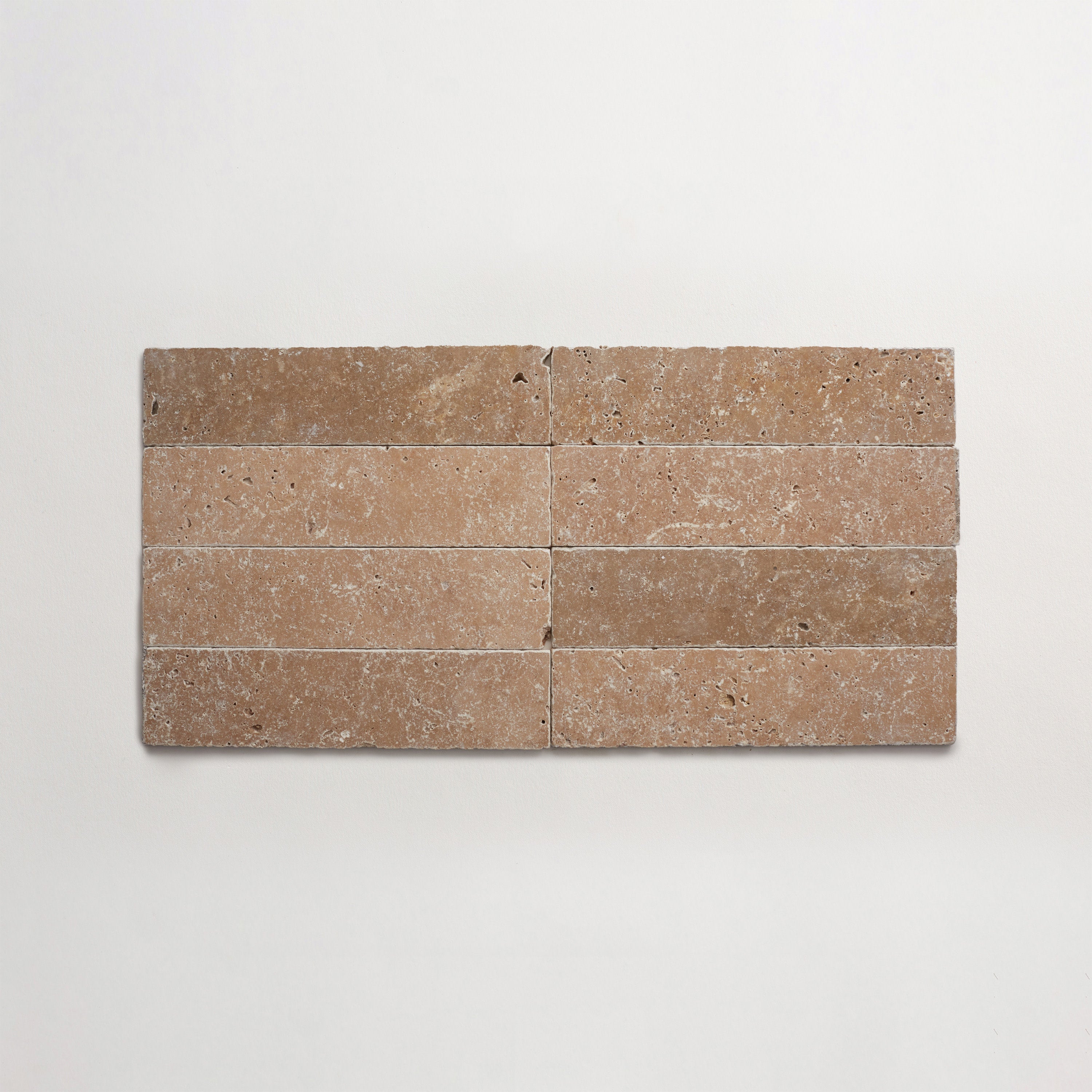
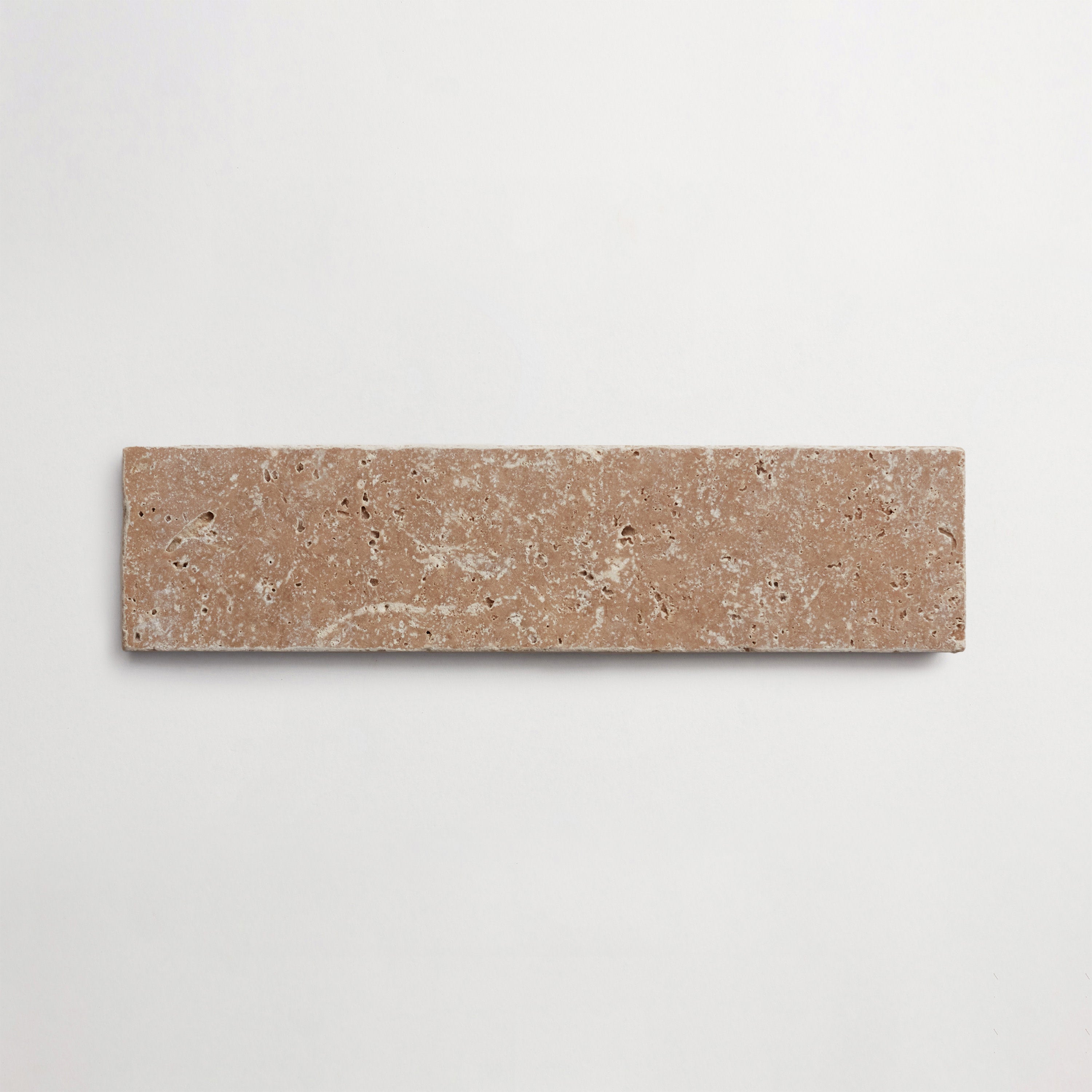
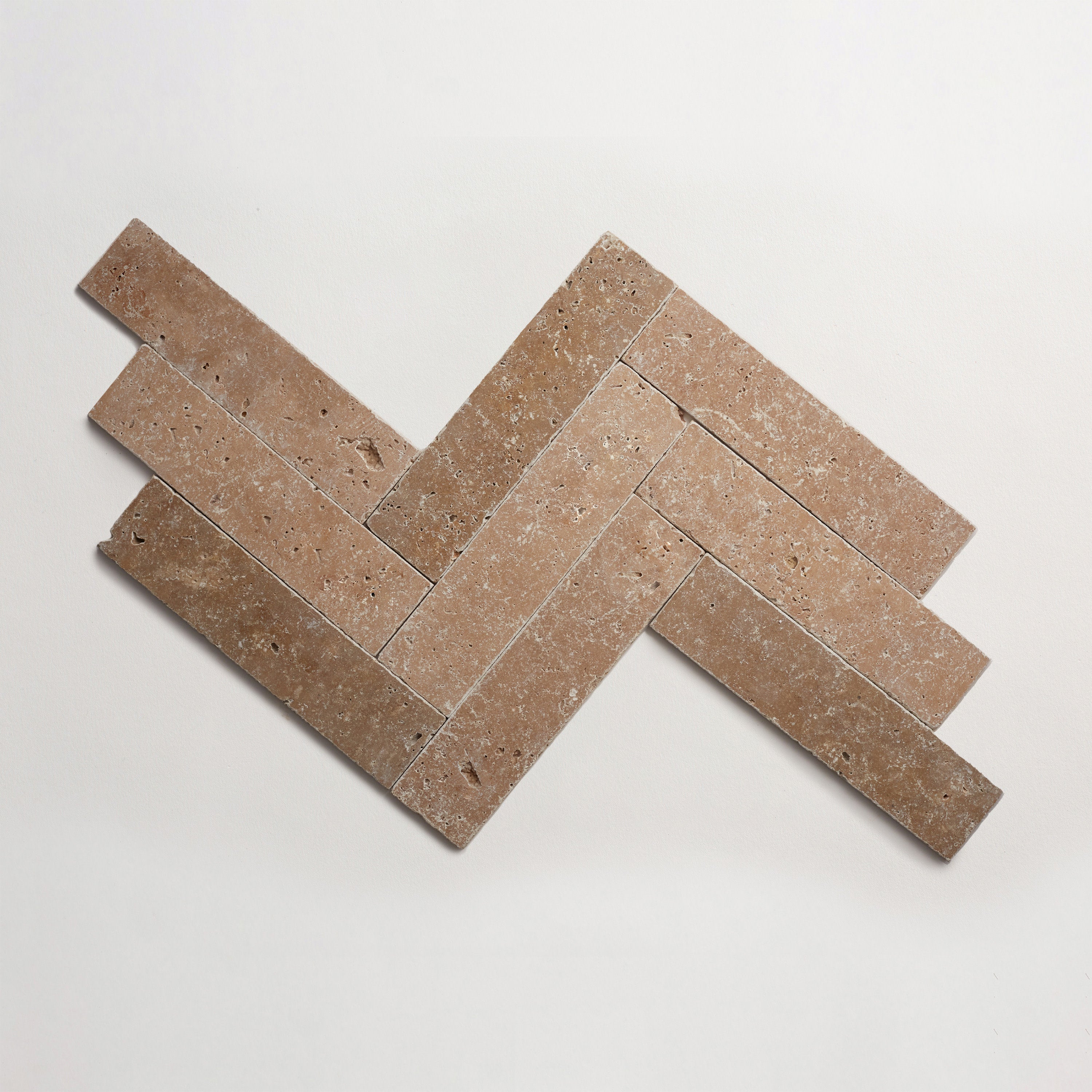
5. Travertine Tiles
Long a favorite for luxury outdoor spaces, travertine exudes warmth, character, and enduring appeal. Its naturally occurring variation and soft palette of cream, sand, ivory, and beige tones create an inviting atmosphere that feels equally at home in Mediterranean, transitional, and resort-inspired settings.
Travertine is especially popular around patios, courtyards, and pool areas, where its timeless appearance complements both traditional and contemporary architecture. Finish selection plays an important role outdoors, with tumbled or textured surfaces often preferred for enhanced traction. As with most natural stones, sealing helps improve longevity and weather resistance. In warmer climates, travertine is particularly prized for its ability to remain relatively comfortable underfoot while delivering a classic, high-end aesthetic.
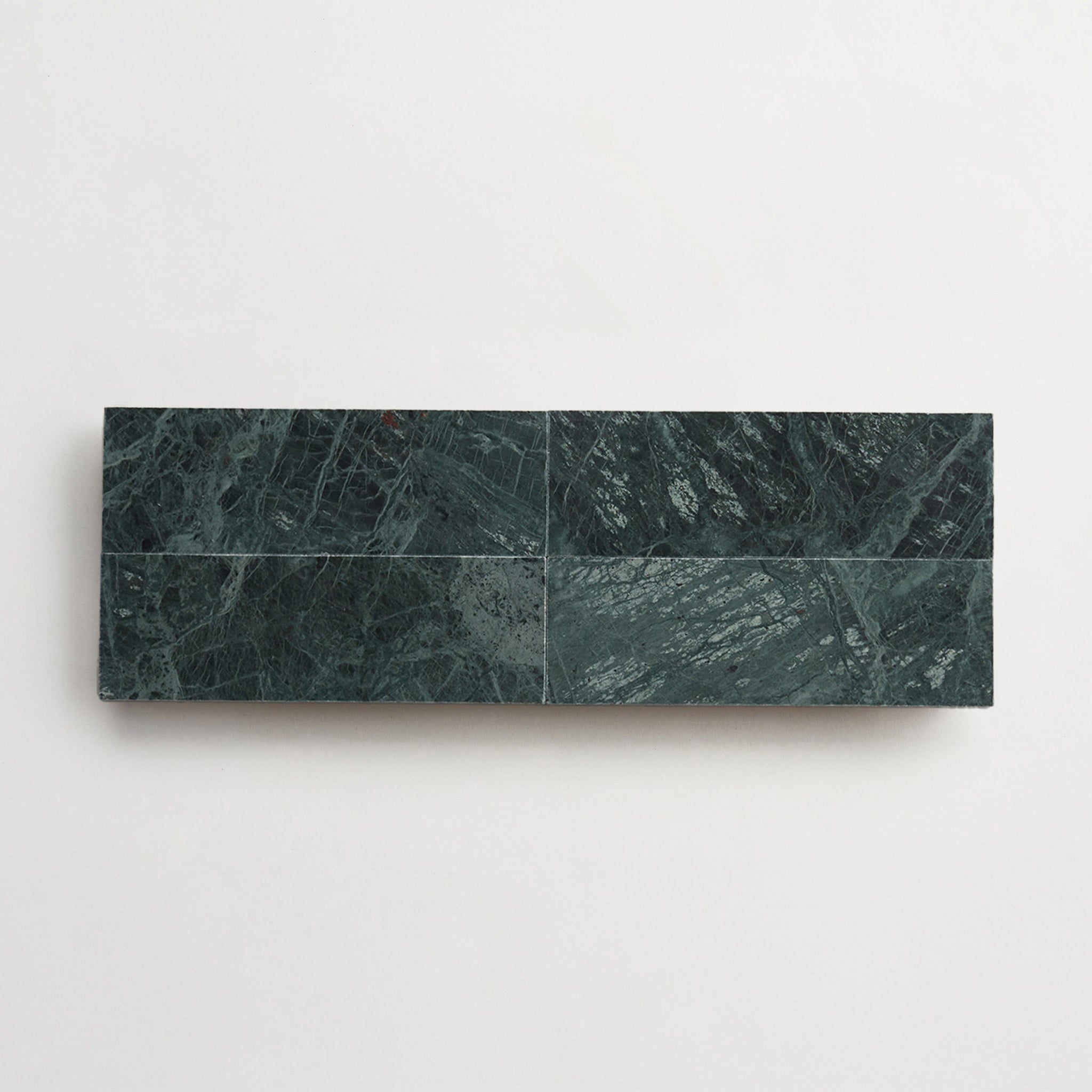
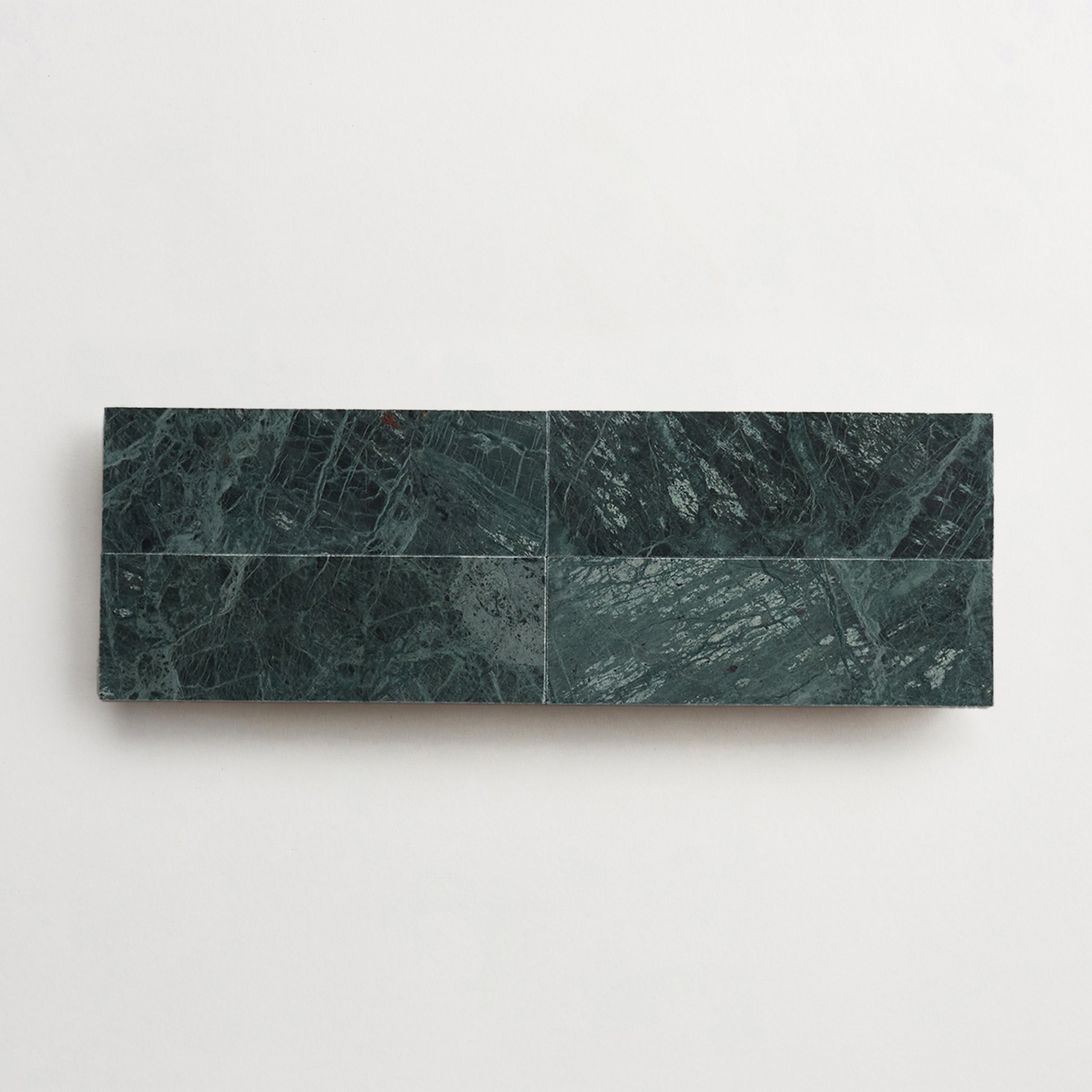
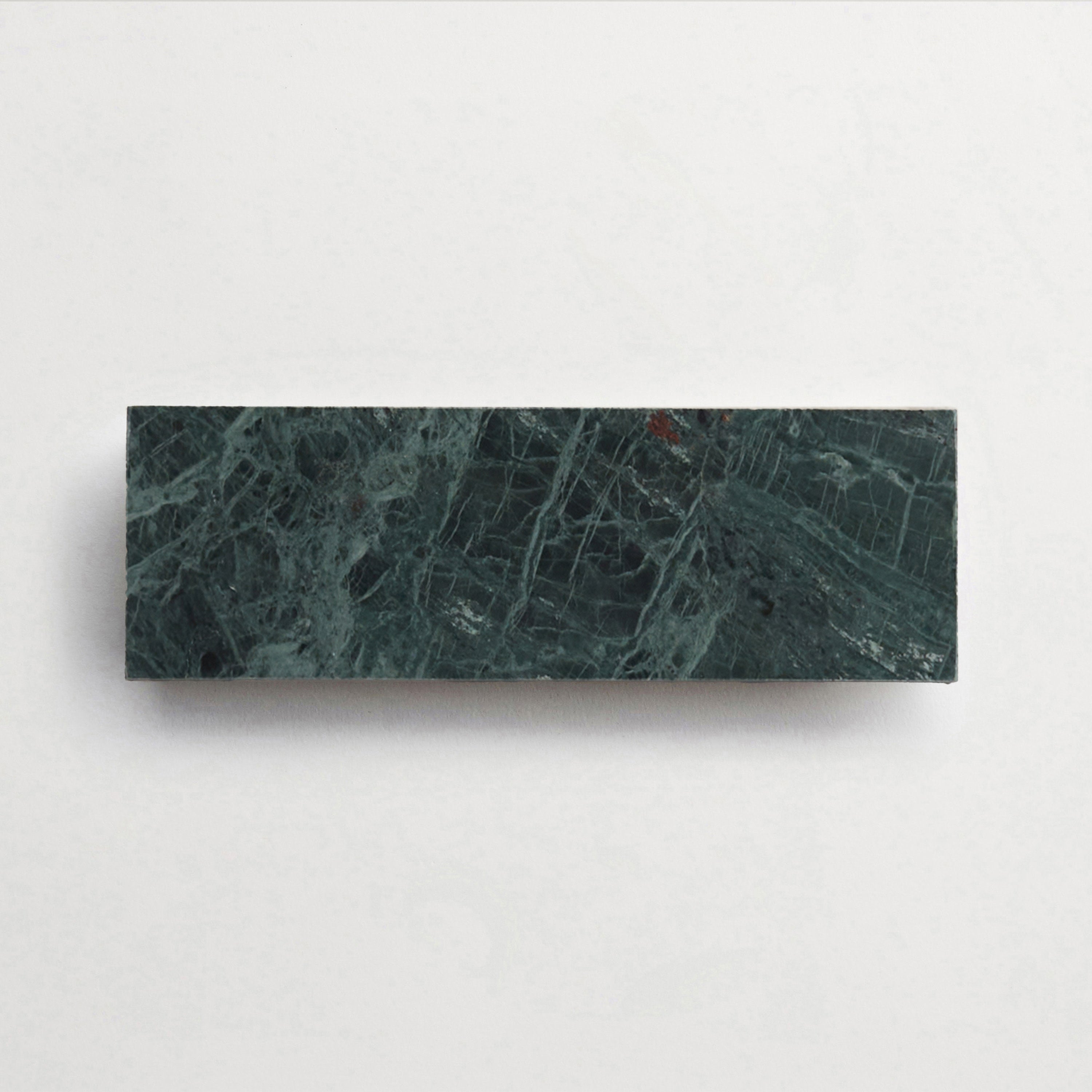
6. Marble Tiles
Few materials communicate luxury as effortlessly as marble. Defined by luminous surfaces, distinctive veining, and remarkable depth, marble is often chosen for outdoor spaces where visual impact takes precedence over broad practicality. Whether incorporated into a courtyard, garden wall, outdoor kitchen, or covered terrace, it brings an unmistakable sense of refinement.
That said, marble is best approached as a selective design material rather than a universal outdoor solution. Because it can be more susceptible to staining, etching, and surface wear than many other natural stones, designers often reserve it for accent applications or lower-traffic environments where its beauty can be appreciated without excessive exposure to the elements.
For projects seeking a high-design statement with timeless elegance, marble remains difficult to rival. Take a look at our stone and marble collection to find the right artisanal choice for your project.
7. Terrazzo Tiles
For homeowners and designers drawn to bolder, more expressive surfaces, terrazzo offers a compelling alternative to traditional stone and concrete. Characterized by a mosaic-like composition of stone, glass, or porcelain aggregates suspended within a cementitious base, terrazzo introduces color, movement, and personality into outdoor environments.
The material's visual versatility allows it to range from subtle and sophisticated to playful and graphic, making it well suited for contemporary patios, outdoor kitchens, poolside entertaining areas, and design-forward landscapes.
OUTERclé's Terrazzo collection showcases how the material can bring both artistic expression and durability to exterior spaces. The result is an outdoor surface that feels highly curated while still offering the resilience needed for everyday use.


8. Brick Tiles
Rich in texture and architectural character, brick has a unique ability to make outdoor spaces feel both grounded and timeless. Its earthy palette, subtle variation, and tactile surface create warmth that softens contemporary architecture while complementing more traditional homes equally well. Or choose from handcrafted brick-style tile in a range of colors, like our deep green brick tile.
Beyond aesthetics, brick introduces a strong sense of material authenticity. Whether used on patios, garden pathways, courtyards, or outdoor entertaining spaces, it develops character over time rather than losing it.
The Brick collection from OUTERclé celebrates this enduring appeal, offering surfaces that feel simultaneously historic and relevant. For projects seeking depth, texture, and architectural permanence, brick remains one of the most compelling outdoor tile options available.
9. Cement Tiles
Pattern, color, and craftsmanship come together beautifully in cement tile. Unlike many outdoor materials that rely primarily on texture or natural variation, cement tiles allow designers to introduce bold geometry, artisan detailing, and decorative storytelling into exterior spaces.
This makes them particularly effective for patios, courtyards, outdoor kitchens, and other areas where the surface itself becomes part of the design narrative. OUTERclé's Cement collection demonstrates the remarkable range available, from restrained tonal patterns to more dramatic compositions.
While cement tile offers excellent visual impact, climate suitability should always be considered, as many cement products are not intended for freeze-thaw environments. In the right setting, however, few materials deliver the same combination of artistry and architectural presence.
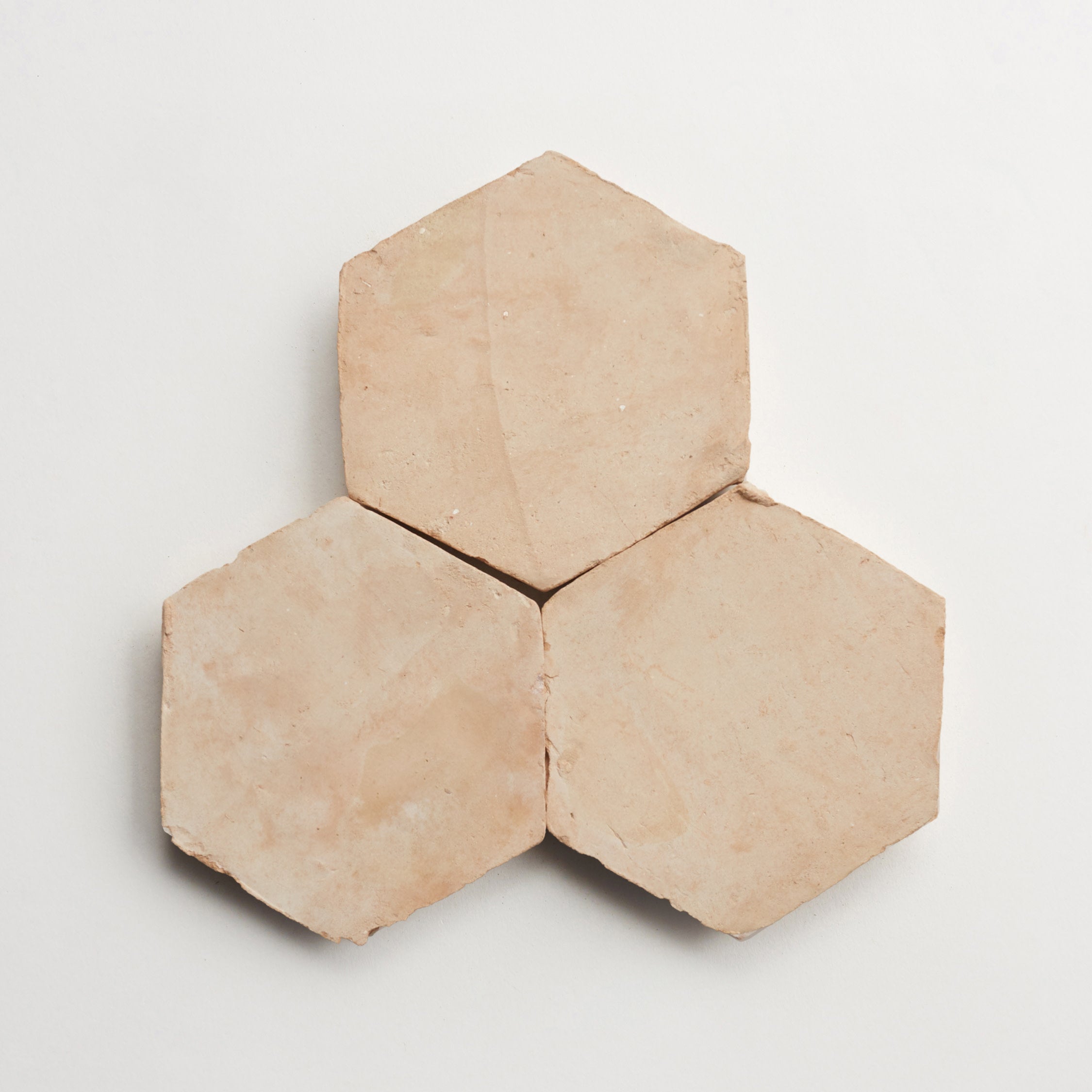
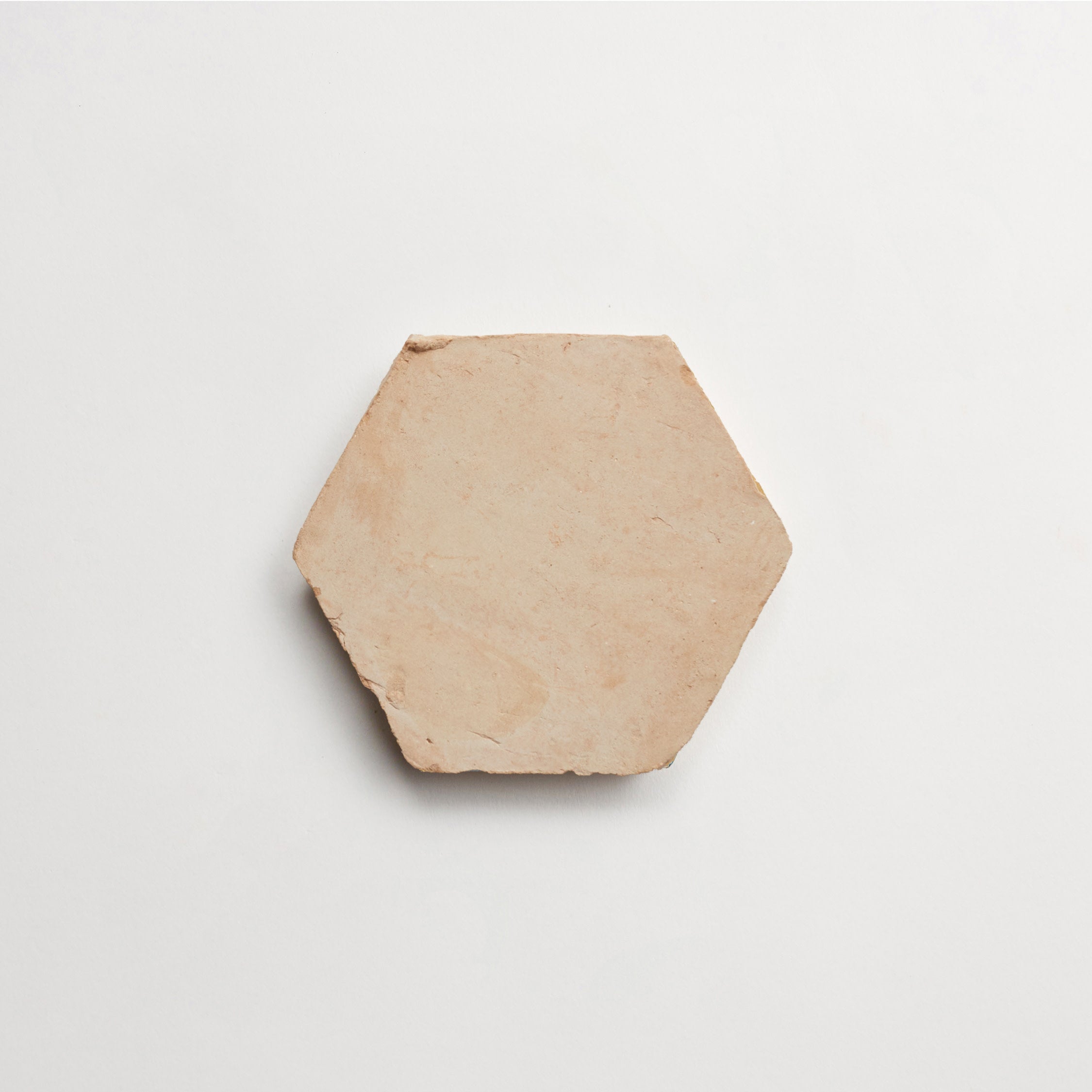
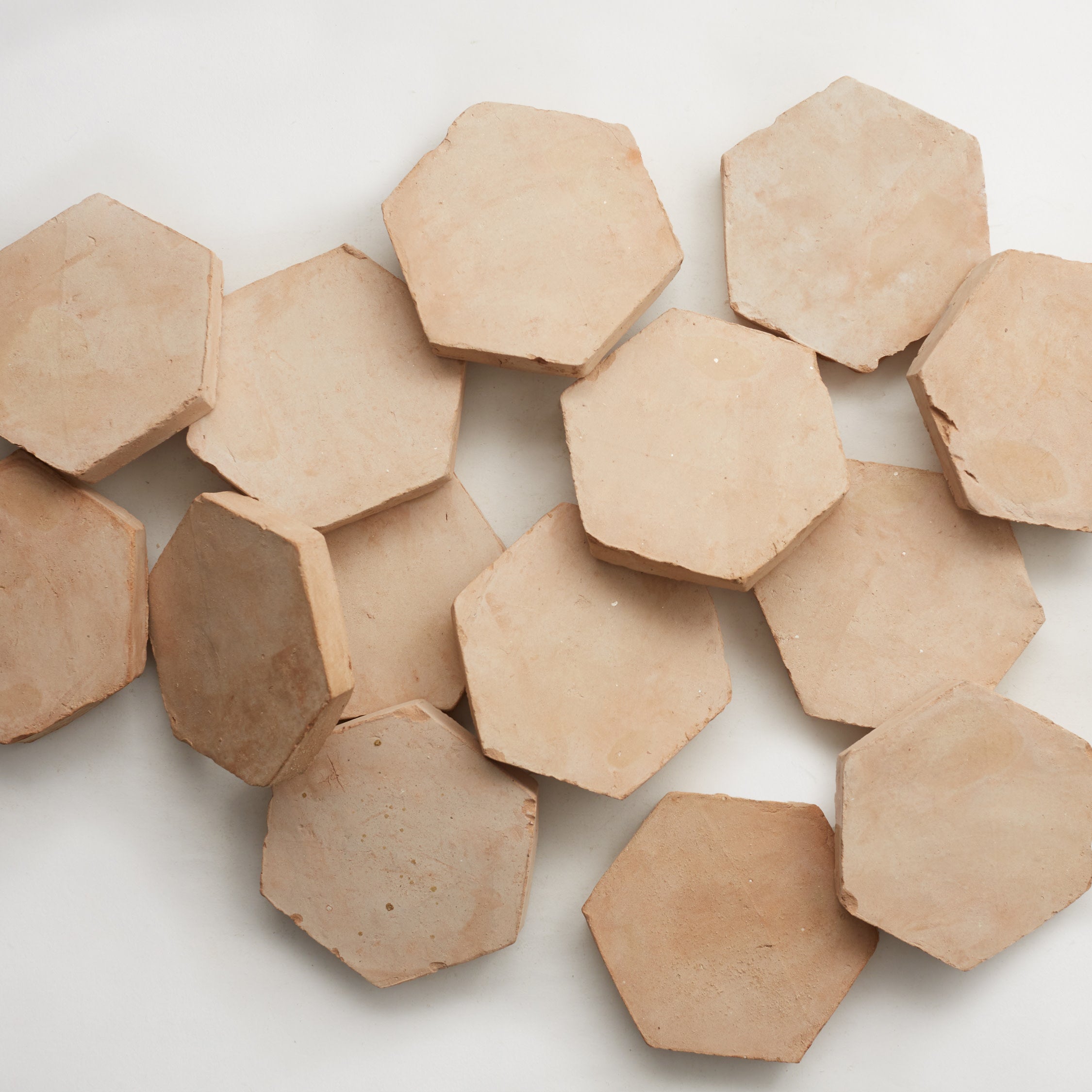
10. Terracotta Tiles
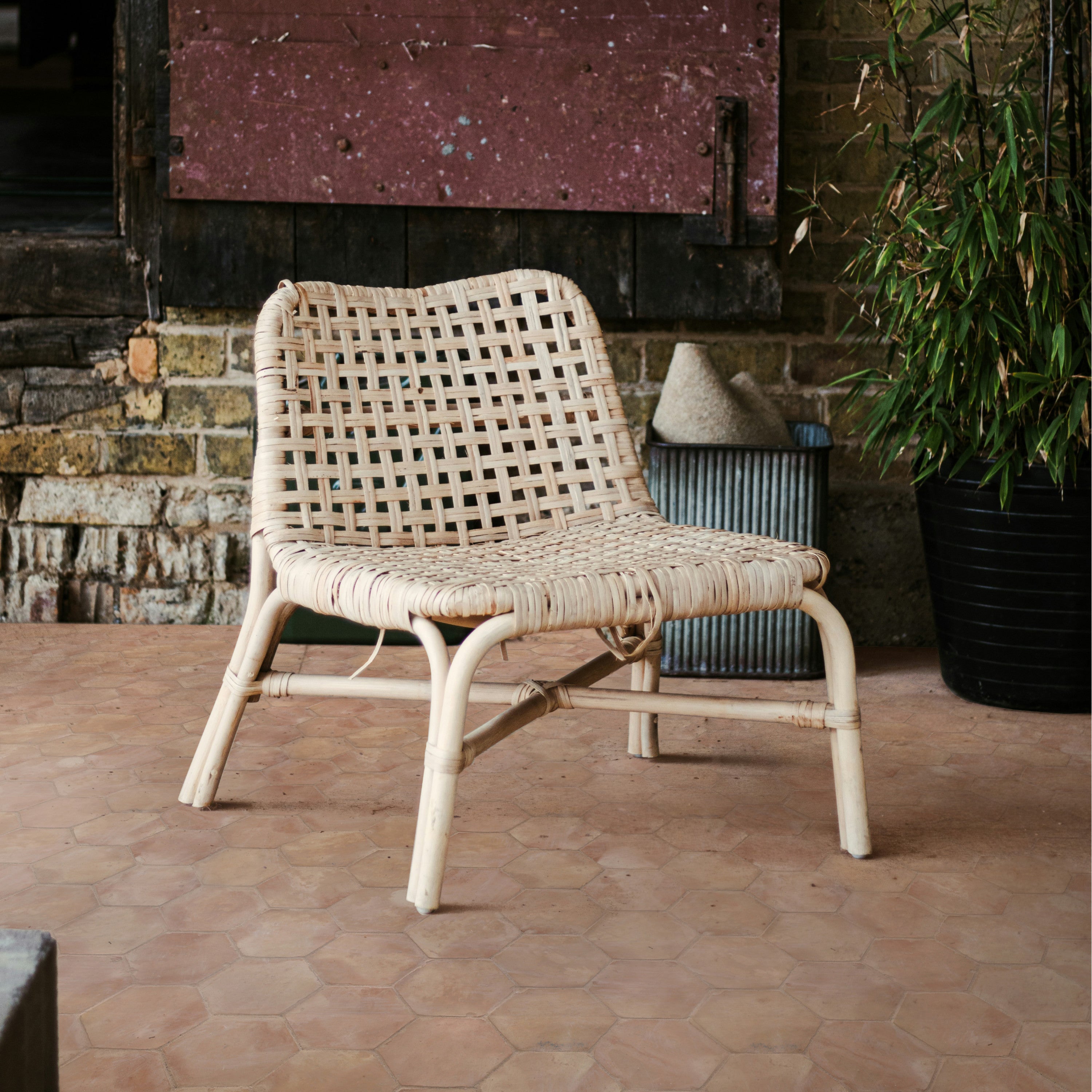
Nothing captures the warmth of Mediterranean design quite like terracotta. With its sunbaked hues, handcrafted character, and naturally inviting texture, terracotta brings a sense of history and authenticity that feels increasingly rare in modern construction.
Its palette ranges from soft clay and sand tones to richer reds and burnt orange hues, creating outdoor spaces that feel welcoming, relaxed, and deeply connected to the landscape. Collections within OUTERclé's Terracotta collection celebrate this enduring material tradition while showcasing the variation and craftsmanship that make each installation unique.
While sealing and maintenance are part of terracotta ownership, many designers consider that a worthwhile trade-off for a material that develops beauty, character, and patina over time.
11. Mosaic Tiles
Small in scale but significant in impact, mosaic tiles bring artistry and detail to outdoor environments. Typically measuring two inches by two inches or smaller, they can be arranged into everything from subtle geometric compositions to intricate decorative patterns that transform a surface into a focal point.
Their versatility makes them especially useful in accent applications. Mosaic tiles are often used to highlight waterlines, frame outdoor showers, add visual interest to stair risers, or introduce pattern to feature walls and outdoor kitchens. Around pools and other wet zones, the increased number of grout joints can also provide additional traction underfoot.
Whether used sparingly or as a dramatic design statement, mosaics offer a level of creativity and customization that few other outdoor tile formats can match.

12. Glass Tiles
When light, reflection, and color are part of the design story, glass tile offers a distinctive solution. Its reflective surface captures sunlight and water movement in ways that create constantly shifting visual effects, making it one of the most expressive materials available for outdoor applications.
Glass is particularly effective around pools, fountains, water features, and contemporary landscape elements where its luminous qualities can be fully appreciated. Rich jewel tones, ocean-inspired blues, and subtle iridescent finishes can all contribute to a more dynamic outdoor environment.
Rather than serving as a universal flooring material, glass tile is often at its best as a feature element or accent surface. Used thoughtfully, it can introduce a level of sophistication and visual drama that elevates the entire outdoor space.
13. Granite Tiles
For projects where longevity is a priority, few materials rival granite. Formed under immense geological pressure, this natural stone is prized for its exceptional strength, resistance to wear, and ability to perform beautifully across a wide range of outdoor conditions.
Visually, granite offers a more restrained elegance than many decorative materials. Its subtle movement, crystalline structure, and refined palette of grays, charcoals, and earth tones make it well suited to both contemporary and traditional architecture.
The material's appeal extends beyond flooring and paving as well. OUTERclé's Nimbus collection demonstrates how granite can be transformed into sculptural outdoor elements, showcasing the stone's enduring beauty in both functional and artistic forms.
14. Quarry Tiles
Practical, durable, and highly resilient, quarry tile has long been valued for performance-driven outdoor applications. Manufactured from natural clays and fired at high temperatures, it creates a dense surface capable of handling heavy foot traffic, changing weather conditions, and everyday outdoor use.
Its appearance tends to be more uniform and utilitarian than artisan materials such as handmade terracotta, cement tile, or natural stone. For that reason, quarry tile is often favored in spaces where durability and function take precedence over decorative expression.
Service areas, secondary patios, utility spaces, and hardworking outdoor environments can all benefit from quarry tile's straightforward practicality. While it may not offer the handcrafted variation of more design-focused materials, it delivers dependable performance and lasting value.
15. Sandstone Tiles
With their warm palette and naturally textured surface, sandstone tiles bring an effortless connection to the landscape. Tones ranging from soft beige and golden sand to amber, rust, and warm brown create a relaxed atmosphere that feels rooted in nature.
One of sandstone's greatest strengths is its tactile character. The stone's subtle texture adds visual depth while providing a surface that feels organic and approachable underfoot. This makes it particularly appealing for patios, garden pathways, courtyards, and poolside environments where a softer, more natural aesthetic is desired.
Its inherent variation ensures that no two installations look exactly alike, helping outdoor spaces feel more layered and authentic. For homeowners seeking a material that blends seamlessly with surrounding plantings and natural scenery, sandstone remains one of the most inviting outdoor tile options available.


Best Outdoor Tile Types by Application
With so many outdoor tile materials available, narrowing the options often becomes easier when you start with the space itself. Different outdoor environments place different demands on a surface, from moisture exposure and foot traffic to overall design goals.
The recommendations below can help guide material selection based on how the space will be used, while still leaving room for personal style and architectural expression.
Best Outdoor Tiles for Patios
Patios often serve as the primary gathering space outdoors, requiring materials that balance comfort, durability, and visual appeal. Porcelain remains one of the most versatile choices thanks to its durability, low maintenance requirements, and wide range of design options.
For a warmer and more natural look, travertine continues to be a favorite, bringing timeless elegance and subtle variation to outdoor living areas. Cement tile offers opportunities for bold pattern and artisan character, while brick introduces texture, warmth, and architectural depth. Terracotta provides perhaps the most inviting atmosphere of all, lending Mediterranean charm and handcrafted appeal to patios designed for relaxed outdoor living.
Best Outdoor Tiles for Pools and Wet Areas
Around pools, outdoor showers, and other moisture-prone spaces, traction and water performance become especially important. Textured porcelain is often one of the strongest all-around choices due to its low porosity, durability, and availability in slip-resistant finishes.
Travertine remains a popular poolside material because of its natural appearance and comfortable underfoot feel in warm weather. Slate and sandstone can also perform well when appropriately specified, offering natural texture that helps support traction. Mosaic tile is frequently used as an accent in wet zones, adding visual interest while benefiting from the grip created by additional grout joints.
Best Outdoor Tiles for Walkways and Garden Paths
Walkways and garden paths benefit from materials that combine durability with texture and visual rhythm. Brick is particularly effective, creating pathways that feel established, welcoming, and connected to the surrounding landscape.
Natural stone options such as slate, sandstone, and granite also perform exceptionally well in these settings. Their inherent variation adds movement and character while providing surfaces capable of handling regular foot traffic. The best pathway materials feel integrated into the landscape rather than imposed upon it, encouraging a natural flow through the outdoor environment.
Best Outdoor Tiles for Luxury, Design-Led Spaces
When the goal is creating an outdoor space with a highly curated, design-forward aesthetic, materials with strong artisan character often take center stage. Terracotta introduces warmth, history, and handcrafted variation. Cement tile brings pattern, color, and decorative storytelling. Terrazzo offers a more contemporary expression through rich aggregate blends and playful visual composition.
Natural stones such as travertine, limestone, and marble can further elevate the experience, each contributing its own unique texture and sense of permanence. Collections such as OUTERclé's Terracotta, Cement, Terrazzo, and artisan natural stone offerings provide inspiration for how these materials can be layered to create outdoor spaces that feel distinctive, timeless, and deeply personal.
Which Type of Outdoor Tile Is Best for Your Style and Climate?
The best outdoor tile is rarely determined by performance alone. The most successful selections balance climate considerations with the atmosphere you want to create, resulting in spaces that feel both beautiful and appropriate to their surroundings.
While factors such as moisture exposure, temperature fluctuations, and maintenance expectations matter, the visual character of the material is equally important. Outdoor tile should feel like a natural extension of the architecture, landscape, and lifestyle it serves.
For Warm, Mediterranean, and Rustic Spaces
Outdoor environments inspired by Mediterranean villas, European courtyards, and relaxed garden living often benefit from materials that embrace warmth, texture, and natural variation.
Terracotta is perhaps the quintessential choice, bringing sunbaked color, handcrafted character, and an unmistakable sense of place. Travertine offers a similarly welcoming aesthetic with a softer, more refined expression. Brick introduces architectural texture and timeless appeal, while natural stones such as sandstone and limestone contribute an organic quality that feels deeply connected to the landscape.
Together, these materials create outdoor spaces that feel layered, inviting, and beautifully lived-in.
For Modern, Minimal, and Architectural Spaces
Contemporary outdoor environments often rely on restraint, clean lines, and carefully considered material palettes. In these settings, materials with strong geometry and refined surface treatments tend to feel most at home.
Porcelain is a natural fit due to its versatility and ability to emulate everything from stone to concrete while maintaining a crisp, contemporary appearance. Terrazzo introduces a more expressive modern character through aggregate-rich surfaces and graphic visual interest. Cement tile can add architectural pattern and rhythm, while granite contributes understated sophistication and exceptional durability.
These materials work particularly well in spaces where the architecture itself is intended to take center stage.
For Homeowners Who Want Lower Maintenance
For those seeking a balance between beauty and ease of ownership, porcelain is often the strongest all-around option. Its low porosity, resistance to staining, and minimal maintenance requirements make it one of the most practical materials available for outdoor use.
That doesn't mean other materials should be dismissed. When looking at outdoor tile maintenance, granite also offers excellent long-term durability with relatively modest maintenance needs, while certain properly specified porcelain-look stone or concrete styles can deliver the aesthetic of more demanding materials without the same level of ongoing care.
Ultimately, the right choice depends on personal priorities. Some homeowners happily embrace the maintenance that comes with terracotta or natural stone in exchange for greater character and variation, while others prefer the simplicity and consistency that porcelain can provide. The best material is the one that aligns with both your design vision and the way you intend to live with the space over time.
Final Considerations Before Choosing Outdoor Tile
The most successful outdoor spaces are built on thoughtful material choices. While performance characteristics such as slip resistance, weather exposure, and maintenance requirements should always be considered, the best outdoor tile is ultimately the one that feels aligned with the architecture, landscape, and lifestyle of the people using it.
Some homeowners are drawn to the rich variation and evolving patina of natural stone or terracotta. Others prioritize the durability and simplicity of porcelain. Still others gravitate toward the artistic expression of cement tile, terrazzo, or handcrafted surfaces that make a stronger design statement. None of these choices are inherently better than the others—they simply support different ways of living outdoors.
As you evaluate options, consider not only how a material looks on day one, but how it will feel underfoot, how it will interact with your climate, and how it will contribute to the atmosphere you want to create over time. The most enduring outdoor spaces are those where beauty and practicality work together seamlessly.
For further inspiration, explore OUTERclé's outdoor tile collections, from artisan terracotta and natural stone to cement, terrazzo, porcelain, and brick. The right tile has the power to shape not just the surface beneath your feet, but the entire experience of outdoor living.



Colorway
-
Natural (Unglazed)
Collection
-
FezBrick
:
Sub Collection
-
Savoy
Material
Length
-
4
" x
Width
-
4
" x
Thickness
-
¼
"
Unit of Measurement
-
sqft
/
Price per Unit
$
Colorway
-
Verde Marble
Collection
-
lapidary
:
Sub Collection
-
Righe
Material
Length
-
4
" x
Width
-
16
" x
Thickness
-
¾
"
Unit of Measurement
-
sqft
/
Price per Unit
$



Colorway
-
Sand
Collection
-
Pemberley Pavers
:
Sub Collection
-
Torrone I
Material
Length
-
8
" x
Width
-
8
" x
Thickness
-
⅞
"
Unit of Measurement
-
sqft
/
Price per Unit
$